
If you are searching for the best insurance for wisdom tooth removal, the short answer is that there is no single plan that is perfect for everyone. The right choice depends on several factors, including whether your wisdom teeth require a simple extraction or a surgical removal, whether the procedure is considered medically necessary, your annual insurance maximum, waiting periods, deductibles, and the network of dentists or oral surgeons available under your plan. Understanding these details before treatment can help you avoid unexpected expenses while making a more confident healthcare decision.
Many people begin looking for the best insurance for wisdom tooth removal after experiencing pain, swelling, repeated infections, jaw discomfort, or when a dentist recommends removing impacted wisdom teeth. Others want insurance before symptoms appear because they know wisdom tooth extraction is common during the late teenage years and early adulthood. In either situation, comparing dental insurance benefits before scheduling treatment is often worthwhile, especially if the extraction is expected to be complex.
The best insurance for wisdom tooth removal is usually one that provides reasonable coverage for oral surgery, has manageable out-of-pocket costs, offers access to qualified providers, and clearly explains what procedures are covered. Some plans contribute toward simple extractions, while others also provide benefits for impacted wisdom teeth that require surgical treatment. Coverage levels differ significantly between insurance providers, making it important to review your individual policy rather than relying on general assumptions.
It is also important to remember that insurance does not automatically eliminate treatment costs. Even with the best insurance for wisdom tooth removal, patients may still be responsible for deductibles, coinsurance, sedation fees, imaging, consultations, or services that exceed annual benefit limits. Because every policy is different, the final amount you pay depends on your specific insurance plan, your clinical findings, and the treatment recommended after examination.
Many patients ask whether they should wait until their wisdom teeth become painful before using insurance. In many situations, waiting is not the most practical approach. Wisdom teeth can remain symptom-free while still causing damage to neighboring teeth, increasing the risk of decay, gum disease, cyst formation, or crowding in some individuals. A professional dental evaluation combined with panoramic imaging helps determine whether monitoring or removal is the more appropriate option. Choosing the best insurance for wisdom tooth removal is only one part of the decision; understanding whether removal is actually recommended is equally important.
Another consideration is timing. Some dental insurance plans include waiting periods before major procedures become eligible for benefits. If you expect to need wisdom tooth removal in the future, purchasing coverage before symptoms become urgent may provide greater flexibility. On the other hand, if you are already experiencing severe pain, swelling, difficulty opening your mouth, or signs of infection, delaying professional assessment simply to wait for insurance benefits may not be appropriate. A dentist or oral surgeon can explain the urgency of your situation and discuss available payment options if immediate care is necessary.
When comparing the best insurance for wisdom tooth removal, avoid focusing only on monthly premiums. A lower premium may be accompanied by higher deductibles, limited provider networks, or lower annual maximums. Instead, evaluate the overall value of the policy by considering:
- Coverage for both simple and surgical wisdom tooth extraction.
- Annual benefit maximums.
- Deductibles and coinsurance.
- Waiting periods for oral surgery.
- Access to experienced dentists and oral surgeons.
- Coverage for diagnostic X-rays and consultations.
- Potential benefits for anesthesia or sedation when appropriate.
Patients who already have dental insurance should also verify whether their chosen provider is within the insurer’s network before scheduling treatment. Even if you already believe you have the best insurance for wisdom tooth removal, confirming your benefits beforehand can reduce surprises and help you understand your expected financial responsibility.
Reliable information is another important part of making an informed decision. Educational resources from the American Dental Association can help patients better understand oral health, tooth extractions, and preventive dental care. These resources complement—not replace—the advice you receive from your own dental professional.
If your examination shows that wisdom tooth removal is recommended, a personalized treatment plan becomes much more valuable than general online estimates. Clinics such as Redent Klinik Contact Page can evaluate your X-rays, discuss whether extraction is appropriate, explain the likely treatment process, and help you understand how your insurance benefits may apply based on your individual policy and clinical findings.
Practical next step: Before selecting the best insurance for wisdom tooth removal, review your policy’s waiting periods, annual limits, provider network, and surgical extraction benefits. Then schedule a professional dental consultation with panoramic imaging if you have symptoms, have been advised to remove your wisdom teeth, or simply want to understand your treatment options before problems develop.
Best Insurance for Wisdom Tooth Removal: The Quick Answer
Finding the best insurance for wisdom tooth removal is about choosing a policy that matches your expected treatment needs rather than simply selecting the lowest monthly premium. If your wisdom teeth are healthy and unlikely to require removal soon, one type of dental plan may be appropriate. However, if your dentist has already identified impacted, infected, or partially erupted wisdom teeth, comparing policies that offer stronger oral surgery benefits becomes much more important. The right decision is based on your oral health, insurance benefits, provider network, waiting periods, and the type of extraction your dentist expects you to need.
Many people assume every dental insurance policy covers wisdom tooth extraction in the same way, but this is not the case. The best insurance for wisdom tooth removal often varies depending on whether the extraction is classified as a simple procedure or a surgical extraction. Some plans provide higher reimbursement for medically necessary treatment, while others may require patients to meet deductibles or waiting periods before benefits become available. Understanding these details before treatment allows you to make a more informed financial and healthcare decision.
Why There Is No Universal Best Insurance Plan
The phrase best insurance for wisdom tooth removal sounds like there should be one perfect answer, but insurance policies are designed differently. Each provider offers unique combinations of annual maximums, deductibles, waiting periods, covered procedures, and participating dentists. A policy that works well for one patient may not be the ideal option for another.
For example, someone who already knows they need surgical extraction may place greater importance on oral surgery coverage and shorter waiting periods. Another patient who simply wants preventive dental care may focus more on routine cleanings and examinations while accepting more limited extraction benefits. Comparing policies based on your own circumstances generally leads to better long-term value than choosing based on advertisements alone.
Important Features to Compare
When evaluating the best insurance for wisdom tooth removal, review more than the monthly premium. Several policy features influence your overall costs and treatment experience.
Coverage for Different Types of Extractions
Simple extractions and impacted wisdom tooth surgery may receive different levels of coverage. Ask exactly how each procedure is classified within the insurance policy.
Waiting Periods
Some insurance plans require members to wait several months before receiving benefits for major procedures. If your wisdom teeth are already causing symptoms, understanding these waiting periods is especially important.
Annual Maximum Benefits
Dental insurance policies frequently include yearly benefit limits. If your treatment requires multiple extractions or additional procedures, these limits may affect your total out-of-pocket expenses.
Network Providers
The best insurance for wisdom tooth removal should ideally include experienced dentists or oral surgeons within its provider network. Out-of-network treatment may involve higher personal costs depending on your policy.
Diagnostic Services
Panoramic X-rays, consultations, and follow-up appointments may be covered differently than surgical treatment itself. Reviewing these benefits in advance provides a clearer understanding of the complete treatment process.
When Wisdom Tooth Removal May Be Recommended
Insurance decisions should never replace professional clinical judgment. Wisdom tooth removal is commonly recommended when teeth are impacted, repeatedly infected, damaging adjacent teeth, contributing to gum disease, or causing ongoing discomfort. In some cases, removal is also considered because future complications appear likely based on clinical examination and imaging.
On the other hand, not every wisdom tooth requires extraction. Some wisdom teeth erupt normally, remain healthy, and can be monitored during routine dental examinations. This is why choosing the best insurance for wisdom tooth removal should be combined with a proper dental assessment rather than assuming surgery is automatically necessary.
Making a Practical Financial Decision
Cost matters, but it should not be the only factor influencing your insurance choice. A lower premium may seem attractive initially, yet higher deductibles, lower annual benefit limits, or limited provider access could increase your overall expenses if surgery becomes necessary.
Likewise, paying more for comprehensive coverage may be worthwhile for patients who have already been advised that impacted wisdom teeth will likely require surgical removal. Your personal circumstances—including age, current symptoms, previous dental findings, and expected treatment complexity—should all influence your decision.
Remember that even the best insurance for wisdom tooth removal usually involves some level of patient responsibility. Deductibles, coinsurance, sedation fees, or services exceeding annual limits may still result in out-of-pocket costs. Your dentist and insurance provider can help explain these details before treatment begins.
The Importance of a Professional Evaluation
Online research is useful for understanding insurance terminology, but it cannot determine whether your wisdom teeth actually require removal. Only a clinical examination combined with appropriate dental imaging can identify the position of your wisdom teeth, surrounding bone, nearby nerves, gum health, and potential risks associated with treatment or continued observation.
If your dentist recommends extraction, asking for a written treatment estimate allows you to compare insurance benefits more accurately. Clinics such as Redent Klinik Contact Page can explain treatment recommendations, discuss expected procedures, and help patients understand how their individual insurance policy may apply. Educational information from the American Dental Association can also help patients learn more about oral health and tooth extraction before making decisions.
What You Should Check Before Moving Forward
Before selecting the best insurance for wisdom tooth removal, review your policy carefully and compare:
- Whether surgical wisdom tooth extraction is covered.
- Waiting periods for major dental procedures.
- Annual benefit maximums.
- Deductibles and coinsurance requirements.
- Whether your preferred dentist or oral surgeon participates in the network.
- Coverage for consultations, X-rays, and follow-up appointments.
When to request professional advice: Schedule a dental consultation if you have pain, swelling, repeated infections, difficulty cleaning your wisdom teeth, jaw stiffness, or if previous X-rays suggested impacted wisdom teeth. Even without symptoms, professional evaluation may be appropriate if your dentist recommends monitoring or discussing future treatment options. Reviewing both your clinical findings and your insurance benefits together is often the most practical way to decide on the best insurance for wisdom tooth removal for your individual situation.
How to Compare the Best Insurance for Wisdom Tooth Removal
Choosing the best insurance for wisdom tooth removal can feel overwhelming because many dental insurance plans advertise similar benefits while differing significantly in the details that affect your actual treatment costs. Instead of focusing on promotional claims or monthly premiums alone, it is more helpful to compare how each policy supports your expected dental needs. If your dentist has already recommended wisdom tooth extraction, understanding the differences between plans before scheduling treatment may help you avoid unexpected expenses and make a more confident decision.
The best insurance for wisdom tooth removal is not necessarily the policy with the lowest premium or the highest annual maximum. Rather, it is the plan that provides a balanced combination of appropriate surgical coverage, reasonable deductibles, accessible providers, and benefits that match your individual situation. Since every patient’s oral health is different, the most suitable insurance plan should always be evaluated alongside a professional dental examination.
Start by Understanding Your Treatment Needs
Before comparing insurance plans, ask your dentist what type of wisdom tooth removal may be required. This is one of the most important steps because insurance benefits often differ depending on the complexity of the procedure.
Simple Extraction
If a wisdom tooth has fully erupted and can be removed without surgery, some insurance policies classify the procedure differently from impacted extractions. Coverage percentages, deductibles, and patient costs may therefore vary.
Surgical Extraction
When a wisdom tooth is impacted beneath the gum or bone, surgical treatment is often more complex. The best insurance for wisdom tooth removal should clearly explain whether surgical extractions are included and how those procedures are reimbursed under the policy.
Knowing which procedure is likely before purchasing or using insurance makes it easier to compare plans accurately rather than relying on general benefit summaries.
Compare More Than the Monthly Premium
Many patients naturally compare insurance plans by looking at the monthly premium first. While affordability matters, premiums alone rarely reflect the total cost of treatment.
When evaluating the best insurance for wisdom tooth removal, consider the complete financial picture, including:
- Annual deductibles.
- Coinsurance percentages.
- Annual maximum benefit limits.
- Waiting periods.
- Coverage for oral surgery.
- Provider network availability.
- Coverage for consultations and diagnostic imaging.
A slightly higher monthly premium may sometimes provide better overall value if it reduces your out-of-pocket expenses during treatment. Conversely, a lower premium may appear attractive initially but could result in greater personal costs when surgery becomes necessary.
Review Waiting Periods Carefully
Waiting periods are frequently overlooked during insurance comparisons. Some policies begin covering preventive care immediately but delay benefits for major procedures, including surgical extractions, for several months.
If you already know that wisdom tooth removal is likely in the near future, reviewing waiting periods becomes especially important. Selecting the best insurance for wisdom tooth removal includes understanding when benefits actually become available rather than assuming coverage starts immediately after enrollment.
Patients experiencing severe pain, swelling, infection, or other urgent symptoms should not delay professional evaluation solely because of insurance waiting periods. Your dentist can explain the urgency of treatment and discuss available financial options if immediate care is recommended.
Check the Provider Network
Insurance coverage is only valuable if you can access qualified dental professionals. Before choosing the best insurance for wisdom tooth removal, verify that experienced dentists or oral surgeons in your preferred area participate in the insurance network.
Using an in-network provider may reduce your personal expenses depending on your policy. However, some patients may choose an out-of-network specialist because of clinical experience, convenience, or personal preference. Understanding how your insurance handles both situations allows for more realistic financial planning.
Understand Annual Maximum Benefits
Many dental insurance policies include annual benefit limits. Once those limits are reached, additional treatment costs are generally the patient’s responsibility unless other benefits apply.
This is particularly relevant if your treatment plan includes:
- Removal of all four wisdom teeth.
- Additional restorative treatment.
- Periodontal care.
- Multiple procedures during the same benefit year.
When comparing the best insurance for wisdom tooth removal, calculate whether your expected treatment could approach or exceed the policy’s annual maximum benefit.
Ask Questions Before Making a Final Decision
Insurance documents can be lengthy and sometimes difficult to interpret. Contacting the insurance provider directly may help clarify important details before enrolling or scheduling treatment.
Helpful questions include:
- Is surgical wisdom tooth extraction covered?
- Are panoramic X-rays included?
- Does the plan cover consultations?
- Are anesthesia or sedation benefits available?
- What waiting periods apply?
- How much of the annual benefit has already been used if the policy is active?
- Which dentists and oral surgeons participate in the network?
Obtaining clear answers before treatment reduces uncertainty and allows you to compare policies based on reliable information instead of assumptions.
Balance Insurance Benefits With Clinical Needs
The best insurance for wisdom tooth removal should support your treatment rather than determine whether treatment is clinically necessary. Insurance is an important financial tool, but the decision to remove wisdom teeth should always be based on professional examination, dental imaging, symptoms, and overall oral health.
For example, delaying recommended treatment solely because another insurance policy appears slightly less expensive may not always be the most practical choice if symptoms worsen or complications develop. Likewise, choosing a more comprehensive plan may be worthwhile for patients who are expected to require surgical extraction within the near future.
Clinics such as Redent Klinik Contact Page can evaluate your individual case, explain available treatment options, and help you understand how your insurance benefits may apply to your personalized treatment plan. Additional educational resources from the American Dental Association can also help patients better understand oral surgery and preventive dental care.
What to Check Before You Choose a Policy
Before deciding on the best insurance for wisdom tooth removal, take time to compare:
- The type of wisdom tooth extraction your dentist expects.
- Coverage percentages for oral surgery.
- Deductibles and annual benefit limits.
- Waiting periods for major procedures.
- Provider network participation.
- Coverage for consultations, imaging, and follow-up visits.
- Your expected out-of-pocket responsibility based on your treatment plan.
When to request professional advice: Arrange a dental consultation if you have recurring pain, swelling, gum infections around wisdom teeth, difficulty cleaning the back of your mouth, or previous X-rays indicating impacted wisdom teeth. A personalized examination combined with a review of your insurance benefits provides the most reliable foundation for selecting the best insurance for wisdom tooth removal and planning appropriate treatment.
What Affects the Cost of Wisdom Tooth Removal With Insurance?
Understanding what influences the total cost of treatment is just as important as finding the best insurance for wisdom tooth removal. Many patients expect dental insurance to cover every expense associated with wisdom tooth extraction, but actual costs depend on several clinical and insurance-related factors. The type of extraction, the position of the tooth, whether sedation is needed, your insurance benefits, and your dentist’s treatment plan all contribute to the final amount you may be responsible for paying. Instead of focusing only on estimated prices found online, it is more practical to understand the variables that determine your personal treatment costs.
The best insurance for wisdom tooth removal can reduce financial uncertainty, but no insurance plan can provide an identical level of coverage for every patient. Even individuals with the same insurance provider may have different deductibles, annual maximums, waiting periods, or employer-sponsored plan options. This is why obtaining a personalized treatment estimate after a professional examination is far more valuable than relying on general price ranges alone.
The Complexity of the Extraction
One of the biggest factors affecting treatment costs is the complexity of the wisdom tooth removal itself. Not every extraction requires the same level of care, and insurance benefits often vary depending on the type of procedure performed.
Fully Erupted Wisdom Teeth
If the wisdom tooth has erupted normally and is easily accessible, the extraction may be less complex. In many cases, these procedures require fewer surgical steps than impacted teeth. However, your insurance policy should still be reviewed carefully because coverage percentages can differ depending on how the procedure is classified.
Impacted Wisdom Teeth
Impacted wisdom teeth remain partially or completely beneath the gums or jawbone. Surgical removal is often more involved because the dentist or oral surgeon may need to carefully access the tooth while protecting nearby structures. The best insurance for wisdom tooth removal should clearly explain how surgical extractions are covered, including any patient cost-sharing responsibilities.
Diagnostic Imaging and Examination
Before recommending wisdom tooth removal, your dentist typically performs a clinical examination and evaluates dental imaging, such as panoramic X-rays. These diagnostic steps allow the dentist to assess:
- The position of each wisdom tooth.
- The relationship to nearby nerves.
- Bone coverage.
- Signs of infection or decay.
- The condition of neighboring teeth.
Some insurance plans provide benefits for diagnostic services, while others apply different reimbursement levels. When comparing the best insurance for wisdom tooth removal, include consultation and imaging coverage rather than focusing only on the surgical procedure.
Sedation and Anesthesia Considerations
Some patients require only local anesthesia, while others may benefit from additional sedation depending on the complexity of the extraction, anxiety level, medical history, or the number of wisdom teeth being removed.
Coverage for sedation varies between insurance plans. Before treatment, ask whether your policy provides benefits for:
- Local anesthesia.
- Nitrous oxide when appropriate.
- Intravenous (IV) sedation.
- Other forms of anesthesia that may be recommended.
The best insurance for wisdom tooth removal is one that explains these benefits clearly so you understand which services may involve additional personal costs.
Your Insurance Policy Structure
Insurance design has a major influence on what you ultimately pay. Even when two policies appear similar, their financial structure may produce very different out-of-pocket expenses.
Deductibles
Many plans require patients to satisfy an annual deductible before certain benefits become available.
Coinsurance
After meeting the deductible, patients may still pay a percentage of treatment costs depending on the insurance agreement.
Annual Maximum Benefits
Most dental insurance plans include a yearly benefit limit. If your treatment exceeds this amount, additional expenses generally become your responsibility.
Waiting Periods
Some plans delay coverage for major procedures, making it important to review policy details before enrolling or scheduling surgery.
Evaluating these features together often provides a better understanding of the best insurance for wisdom tooth removal than simply comparing premiums.
Provider Network Differences
Your choice of dentist or oral surgeon may also affect overall costs. Many insurance providers negotiate contracted fees with in-network dental professionals. Choosing an in-network provider may reduce your financial responsibility depending on your policy, although individual circumstances differ.
If you prefer a provider outside the insurance network, ask your insurance company how reimbursement works before treatment begins. The best insurance for wisdom tooth removal should offer access to qualified professionals while remaining compatible with your personal treatment preferences.
Additional Dental Needs
Some patients require more than wisdom tooth removal alone. During examination, the dentist may identify other conditions that also deserve attention, such as:
- Tooth decay.
- Gum disease.
- Damage to neighboring teeth.
- Other impacted teeth.
- Preventive dental care needs.
These additional findings may influence both treatment planning and insurance benefits. Reviewing your complete oral health rather than focusing solely on the extraction helps create a more realistic understanding of potential costs.
Why Personalized Estimates Matter
Online articles often mention broad price ranges for wisdom tooth removal, but these estimates rarely reflect an individual patient’s circumstances. The final cost depends on your clinical examination, diagnostic findings, treatment complexity, insurance coverage, geographic location, and the dentist’s recommended approach. Because of these variables, no article can accurately predict your personal expenses.
Instead of relying on generalized estimates, request a written treatment plan that outlines the recommended procedure and ask your insurance provider to explain how your specific benefits apply. This approach offers much greater clarity when evaluating the best insurance for wisdom tooth removal.
Clinics such as Redent Klinik Contact Page can provide individualized assessments, discuss available treatment options, and help patients understand how their insurance benefits may relate to their proposed treatment plan. Educational information from the American Dental Association is also useful for learning more about wisdom teeth, oral surgery, and preventive dental care.
What You Should Check Before Scheduling Treatment
Before moving forward with treatment or selecting the best insurance for wisdom tooth removal, review the following:
- The expected complexity of your extraction.
- Your deductible and remaining annual benefits.
- Coverage for consultations, X-rays, and anesthesia.
- Whether your preferred dentist or oral surgeon participates in your insurance network.
- Any waiting periods that could affect coverage.
- Your estimated personal financial responsibility after insurance benefits are applied.
When to request professional advice: Schedule a dental consultation if you experience pain, swelling, difficulty chewing, repeated infections, or if your dentist has previously identified impacted wisdom teeth. A professional examination combined with a detailed review of your insurance benefits is the most reliable way to estimate treatment costs and determine whether your current policy represents the best insurance for wisdom tooth removal for your individual needs.
Who Should Consider the Best Insurance for Wisdom Tooth Removal?
Not everyone needs to purchase dental insurance specifically because of their wisdom teeth, but many people can benefit from reviewing their options before treatment becomes necessary. Choosing the best insurance for wisdom tooth removal is most valuable when there is a realistic possibility that an extraction will be recommended in the future. Since wisdom teeth often develop during the late teenage years or early adulthood, planning ahead may help reduce financial uncertainty while ensuring access to appropriate dental care if treatment becomes necessary.
At the same time, insurance decisions should always be based on your overall oral health rather than fear of future problems. Some wisdom teeth remain healthy, fully erupt without complications, and never require extraction. Others become impacted, contribute to repeated infections, damage neighboring teeth, or are recommended for removal because of their position. A professional examination is the only reliable way to determine which situation applies to you. The best insurance for wisdom tooth removal supports appropriate treatment—it should not replace a personalized clinical evaluation.
Young Adults Preparing for Possible Wisdom Tooth Removal
Many people first begin comparing dental insurance during their late teens or twenties because this is the period when wisdom teeth frequently erupt. Even if no symptoms are present, regular dental examinations often identify impacted or poorly positioned wisdom teeth before significant complications develop.
If your dentist has already suggested that extraction may eventually become necessary, reviewing the best insurance for wisdom tooth removal before symptoms become urgent may provide more flexibility. Some insurance plans include waiting periods for major procedures, making early planning an important consideration for patients who are not facing an immediate dental emergency.
Patients With Existing Wisdom Tooth Symptoms
Individuals experiencing ongoing symptoms should not postpone professional evaluation while searching endlessly for insurance options. Common symptoms that deserve prompt dental assessment include:
- Persistent pain near the back of the mouth.
- Swelling around partially erupted wisdom teeth.
- Repeated gum infections.
- Difficulty opening the mouth comfortably.
- Pain when chewing.
- Bad taste or drainage associated with infection.
- Food trapping around partially erupted teeth.
While the best insurance for wisdom tooth removal may help reduce treatment expenses, determining whether extraction is clinically necessary should remain the first priority. Delaying evaluation solely to compare insurance plans may not always be appropriate if symptoms suggest active infection or other complications.
People With Impacted Wisdom Teeth
Impacted wisdom teeth are among the most common reasons patients investigate dental insurance for oral surgery. An impacted tooth may remain trapped beneath the gums or jawbone or only partially erupt into the mouth.
Why Impacted Teeth Matter
Depending on their position, impacted wisdom teeth may increase the likelihood of repeated infections, damage to neighboring teeth, cyst formation, or difficulty maintaining proper oral hygiene. However, not every impacted wisdom tooth automatically requires removal. Clinical examination and diagnostic imaging help determine whether observation or extraction is the more suitable approach.
If surgical treatment appears likely, reviewing the best insurance for wisdom tooth removal becomes especially relevant because surgical extractions may involve different insurance benefits than simple extractions.
Patients Who Value Long-Term Dental Planning
Some people compare insurance not because they currently have pain, but because they want predictable access to dental care in the future. This proactive approach can be beneficial for individuals who:
- Have family members who previously required wisdom tooth removal.
- Have been told their wisdom teeth should be monitored.
- Expect future dental treatment beyond wisdom teeth.
- Prefer budgeting healthcare expenses in advance.
For these patients, the best insurance for wisdom tooth removal may also provide valuable benefits for preventive care, routine examinations, and diagnostic imaging, helping support overall oral health rather than focusing exclusively on surgery.
Patients Comparing Multiple Insurance Options
If you have access to several insurance plans through an employer, private marketplace, or family coverage, comparing the details carefully is worthwhile. Instead of assuming that every policy provides similar benefits, review each plan individually.
Important comparison points include:
- Coverage for simple and surgical extractions.
- Waiting periods.
- Annual benefit limits.
- Deductibles.
- Coinsurance.
- Network availability.
- Coverage for consultations and panoramic X-rays.
Choosing the best insurance for wisdom tooth removal involves balancing these features according to your own dental needs rather than selecting the plan with the lowest premium alone.
Who May Not Need Immediate Insurance Changes?
Not every patient benefits from changing insurance solely because wisdom teeth are present. If your dentist determines that your wisdom teeth are healthy, fully erupted, easy to clean, and unlikely to cause complications, immediate treatment or policy changes may not be necessary.
Similarly, if you already have comprehensive dental coverage that includes oral surgery benefits, your current insurance may already meet your needs. Reviewing your existing benefits with your insurance provider before purchasing additional coverage can help avoid unnecessary duplication.
Balancing Insurance Decisions With Professional Advice
The best insurance for wisdom tooth removal should complement—not replace—professional dental guidance. Insurance is designed to help manage healthcare costs, but it cannot determine whether surgery is clinically appropriate.
A comprehensive examination provides information that no insurance comparison website can offer, including:
- The position of each wisdom tooth.
- The likelihood of future complications.
- The relationship to nearby nerves and neighboring teeth.
- Whether monitoring or extraction is currently recommended.
- The expected complexity of treatment if removal becomes necessary.
Clinics such as Redent Klinik Contact Page can evaluate your oral health, discuss individualized treatment recommendations, and explain how your current insurance benefits may apply. Reliable educational resources from the American Dental Association can also help patients understand wisdom tooth development, preventive dental care, and treatment considerations.
What You Should Check Before Choosing Insurance
Before selecting the best insurance for wisdom tooth removal, consider the following questions:
- Has your dentist already recommended monitoring or removal?
- Do you currently have symptoms?
- Are your wisdom teeth impacted or partially erupted?
- Does your current insurance already provide adequate oral surgery benefits?
- Would waiting periods affect your ability to receive treatment if needed?
- Does your preferred dentist or oral surgeon participate in the insurance network?
When to request professional advice: Arrange a dental consultation if you notice recurring pain, swelling, infections, food trapping around wisdom teeth, jaw discomfort, or changes identified during routine dental examinations. Even without symptoms, professional evaluation is worthwhile if previous X-rays suggested impacted wisdom teeth or if you are comparing insurance plans before making an enrollment decision. Combining personalized clinical advice with a careful review of your policy is often the most practical way to determine whether you have the best insurance for wisdom tooth removal for your individual situation.
What Happens During Wisdom Tooth Removal and How Insurance May Apply
If your dentist has recommended removing one or more wisdom teeth, understanding the treatment process can help you prepare both medically and financially. Many patients focus entirely on finding the best insurance for wisdom tooth removal, but it is equally important to know what happens before, during, and after the procedure. Insurance benefits are usually connected to the type of treatment performed, so having a clear understanding of the clinical process allows you to ask better questions and make more informed decisions.
The best insurance for wisdom tooth removal should support appropriate care by helping cover eligible services according to your policy. However, every treatment plan is individualized. Factors such as the position of the wisdom tooth, the complexity of the extraction, your medical history, and your insurance benefits all influence the overall experience. While insurance may reduce certain costs, the exact level of coverage depends on your specific policy and should always be confirmed before treatment begins.
The Initial Dental Examination
Every wisdom tooth removal begins with a thorough clinical assessment rather than immediate surgery. During this visit, the dentist or oral surgeon evaluates your oral health and determines whether extraction is appropriate.
Clinical Evaluation
Your dentist will examine the wisdom teeth, surrounding gums, neighboring teeth, and overall oral health. Symptoms such as pain, swelling, repeated infections, gum inflammation, or difficulty cleaning the area are important considerations when deciding whether removal is recommended.
Dental Imaging
Panoramic X-rays or other appropriate imaging allow the dentist to evaluate:
- The position of each wisdom tooth.
- Whether teeth are fully erupted or impacted.
- The relationship to nearby nerves.
- Bone coverage.
- The condition of adjacent teeth.
- Signs of infection or other dental concerns.
Some insurance policies provide benefits for diagnostic imaging, while others apply different reimbursement levels. When comparing the best insurance for wisdom tooth removal, remember to review coverage for consultations and X-rays in addition to the extraction itself.
Creating a Personalized Treatment Plan
Following the examination, your dentist develops a treatment plan based on your individual findings. This plan explains whether observation or removal is the most appropriate approach and outlines the expected procedure.
Some patients require removal of a single wisdom tooth, while others benefit from extracting multiple wisdom teeth during the same appointment. The decision depends on clinical findings rather than insurance alone. Even when you have the best insurance for wisdom tooth removal, treatment recommendations should always be based on oral health needs rather than coverage availability.
Types of Wisdom Tooth Removal Procedures
Simple Extraction
A fully erupted wisdom tooth that is easily accessible may be removed using a relatively straightforward extraction technique. Although these procedures are generally less complex than surgical extractions, your dentist still evaluates each case individually.
Surgical Extraction
When a wisdom tooth is partially erupted or impacted beneath the gums or jawbone, surgical removal may be recommended. The dentist or oral surgeon carefully accesses the tooth while minimizing trauma to surrounding tissues whenever possible.
Insurance policies often distinguish between simple and surgical extractions. Therefore, understanding which procedure applies to your case is an important part of selecting the best insurance for wisdom tooth removal.
Anesthesia and Patient Comfort
Comfort during treatment is an important consideration for many patients. Depending on the complexity of the procedure, your medical history, and your dentist’s recommendation, different methods of anesthesia or sedation may be appropriate.
Your treatment discussion may include:
- Local anesthesia.
- Nitrous oxide when appropriate.
- Intravenous (IV) sedation in selected cases.
- Other anesthesia options based on clinical circumstances.
The best insurance for wisdom tooth removal should clearly outline which anesthesia-related services are covered and whether any patient contribution is expected.
How Insurance Typically Applies During Treatment
Insurance benefits generally become relevant after the treatment plan has been finalized. Before scheduling surgery, your dental office may help estimate insurance coverage based on the information available from your provider.
Items commonly reviewed include:
- Procedure classification.
- Remaining annual maximum benefits.
- Deductibles.
- Coinsurance.
- Waiting periods.
- Provider network participation.
Even with the best insurance for wisdom tooth removal, patients should remember that benefit estimates are not guarantees of payment. Final insurance decisions are made according to the terms of the individual policy and the insurance company’s review process.
Recovery After Wisdom Tooth Removal
Recovery varies from person to person depending on the complexity of the extraction, the number of teeth removed, general health, and adherence to postoperative instructions.
Patients are typically advised to follow the care instructions provided by their dental team, which may include:
- Keeping the surgical area clean as instructed.
- Following dietary recommendations.
- Avoiding activities that may interfere with healing.
- Taking prescribed or recommended medications appropriately.
- Attending follow-up appointments if scheduled.
Most people experience gradual improvement during recovery, but healing timelines differ between individuals. If unusual symptoms develop, contacting the treating dentist promptly is important.
Why Personalized Treatment Planning Matters
The best insurance for wisdom tooth removal provides financial support, but successful treatment depends on much more than insurance coverage. Every patient presents unique anatomical findings, medical considerations, and treatment goals. This is why generalized online advice should never replace a professional examination.
A personalized treatment plan allows your dentist to explain:
- Whether extraction is currently recommended.
- The expected complexity of the procedure.
- Possible treatment alternatives if appropriate.
- Estimated recovery considerations.
- How your insurance benefits may apply based on your individual policy.
Clinics such as Redent Klinik Contact Page can provide individualized evaluations, review diagnostic findings, discuss available treatment options, and help patients better understand the relationship between their treatment plan and insurance benefits. Additional educational guidance from the American Dental Association can also help patients learn more about wisdom tooth removal and preventive oral healthcare.
What to Check Before Scheduling Your Procedure
Before moving forward with treatment or confirming the best insurance for wisdom tooth removal, review the following points:
- The type of extraction recommended.
- Whether panoramic X-rays and consultations are covered.
- Your deductible and remaining annual insurance benefits.
- Coverage for anesthesia or sedation if recommended.
- Whether your dentist or oral surgeon is within your insurance network.
- The estimated patient responsibility after insurance benefits are applied.
- Your postoperative care instructions and follow-up plan.
When to request professional advice: Schedule a consultation if your wisdom teeth are causing pain, swelling, recurrent infections, difficulty cleaning, jaw discomfort, or if routine dental imaging has identified impacted teeth. A personalized examination, combined with a careful review of your insurance policy, is the most reliable way to determine whether your treatment plan and your current coverage represent the best insurance for wisdom tooth removal for your individual circumstances.
Risks, Recovery, and When Professional Dental Care Is Essential
Every dental procedure has potential risks and a recovery period, and wisdom tooth removal is no exception. While many patients recover without significant problems, understanding what to expect before treatment helps you make informed decisions and recognize when professional care is needed. Even if you have found the best insurance for wisdom tooth removal, insurance alone does not determine whether extraction is appropriate or guarantee a particular outcome. A personalized treatment plan, careful surgical technique, and proper aftercare all contribute to a safer treatment experience.
One of the most common misconceptions is that wisdom tooth removal always leads to a difficult recovery. In reality, healing varies considerably depending on the position of the tooth, the complexity of the extraction, your overall health, and how closely postoperative instructions are followed. The best insurance for wisdom tooth removal can help reduce eligible treatment costs, but preparing for recovery and understanding possible risks are equally important parts of the decision-making process.
Understanding the Potential Risks
Wisdom tooth removal is a routine oral surgery procedure for many patients, but every surgical treatment involves potential risks that should be discussed with your dentist or oral surgeon beforehand.
Swelling and Discomfort
Temporary swelling and discomfort are common after wisdom tooth removal. These symptoms usually improve gradually as healing progresses, although the duration differs from person to person. Your dentist will provide personalized instructions for managing postoperative discomfort.
Bleeding
Mild bleeding or oozing immediately after the procedure may occur. Following your dentist’s postoperative instructions carefully helps support normal healing.
Infection
Although many patients heal without complications, infections can occasionally develop after surgery. Maintaining good oral hygiene according to your dentist’s recommendations and attending follow-up appointments when advised may help reduce this risk.
Dry Socket
One possible complication following extraction is dry socket, which occurs when the protective blood clot becomes disrupted before the underlying bone has healed adequately. Your dental team will explain how to reduce the likelihood of this complication by following postoperative instructions carefully.
Nerve-Related Considerations
Some lower wisdom teeth develop close to important nerves. Before treatment, panoramic imaging and clinical examination help evaluate this relationship. Your dentist or oral surgeon will discuss any relevant findings and explain how they may influence treatment planning.
The best insurance for wisdom tooth removal can help support recommended treatment, but insurance cannot replace the value of careful diagnosis and individualized surgical planning.
Factors That Influence Recovery
Recovery experiences vary because every patient’s clinical situation is unique. Several factors may influence healing after wisdom tooth removal:
- The number of teeth removed.
- Whether the teeth are fully erupted or impacted.
- The complexity of the extraction.
- Your general health.
- Smoking or tobacco use.
- Following postoperative instructions carefully.
- Maintaining appropriate oral hygiene during recovery.
Because these factors differ between individuals, no article can accurately predict your personal recovery timeline. Your dentist is the best source of guidance based on your specific treatment.
What You Can Usually Expect After Surgery
Although every patient heals differently, many people notice gradual improvement during the days following treatment. Temporary swelling, jaw stiffness, and mild discomfort may occur initially before steadily improving.
Your dentist may recommend:
- Rest during the initial recovery period.
- Following dietary recommendations.
- Taking medications exactly as instructed.
- Keeping the surgical area clean using the methods advised by your dental team.
- Avoiding activities that may interfere with normal healing.
The best insurance for wisdom tooth removal may include follow-up appointments depending on your policy, making it worthwhile to understand these benefits before treatment begins.
Signs That Should Prompt Professional Evaluation
Knowing when to contact your dentist after wisdom tooth removal is just as important as understanding the expected recovery process. You should seek professional advice if you experience symptoms that appear unusual or worsen instead of improving.
Examples include:
- Pain that becomes significantly worse instead of gradually improving.
- Persistent or excessive bleeding.
- Increasing swelling after the initial postoperative period.
- Difficulty swallowing or breathing.
- Fever or other signs that may indicate infection.
- An unpleasant taste or drainage that concerns you.
- Any symptom specifically identified by your dentist as requiring prompt review.
These situations should always be evaluated by your treating dental professional rather than managed solely through online advice.
Why Delaying Treatment Can Increase Complexity
Some patients postpone recommended wisdom tooth removal because they are searching for the best insurance for wisdom tooth removal or hoping symptoms will resolve on their own. While every situation is different, delaying treatment without professional guidance is not always the safest approach.
Depending on your individual oral health, untreated wisdom teeth may contribute to:
- Repeated infections.
- Damage to neighboring teeth.
- Gum inflammation.
- Difficulty maintaining oral hygiene.
- Progression of existing symptoms.
This does not mean every wisdom tooth requires removal. Some teeth remain healthy for many years without causing problems. The key is obtaining a professional evaluation so that decisions are based on clinical findings rather than assumptions.
Insurance Supports Treatment—It Does Not Replace Clinical Judgment
Finding the best insurance for wisdom tooth removal is valuable because it may reduce eligible treatment costs, but insurance should never determine whether surgery is medically appropriate. The decision to remove wisdom teeth depends on clinical examination, imaging findings, symptoms, and your dentist’s professional judgment.
Similarly, avoiding recommended treatment simply because insurance coverage appears limited may not always be in your long-term interest. Your dentist can explain available treatment options, discuss financial considerations, and help you understand whether staged treatment or other approaches may be appropriate.
Clinics such as Redent Klinik Contact Page provide individualized assessments, explain treatment recommendations, review expected recovery, and help patients understand how their insurance benefits may apply to their specific treatment plan. Educational information available through the American Dental Association also provides reliable background information about oral health, tooth extraction, and postoperative care.
Preparing for a Safe Recovery
Before proceeding with treatment under the best insurance for wisdom tooth removal, make sure you understand:
- The expected complexity of your procedure.
- Your personalized postoperative instructions.
- Recommended follow-up appointments.
- Which symptoms are considered normal during recovery.
- Which warning signs require immediate professional attention.
- How your insurance policy applies to postoperative visits if additional care becomes necessary.
When to request professional advice: Arrange a dental consultation if you have recurring wisdom tooth pain, swelling, infections, jaw discomfort, difficulty cleaning the back teeth, or if previous dental imaging showed impacted wisdom teeth. After surgery, contact your dentist promptly if your recovery does not progress as expected or if you develop concerning symptoms. Combining professional guidance with an appropriate insurance policy remains the most reliable approach to choosing the best insurance for wisdom tooth removal while protecting your long-term oral health.
Alternatives and Financing Options if Insurance Coverage Is Limited
Even after carefully comparing policies, some patients discover that their current dental plan provides limited benefits for oral surgery or includes waiting periods before major procedures become eligible for coverage. This situation can be frustrating, but limited insurance coverage does not necessarily mean you have no options. Understanding alternative payment methods, discussing treatment priorities with your dentist, and reviewing your insurance benefits carefully can help you make a practical decision based on your oral health needs. While choosing the best insurance for wisdom tooth removal is an important step, it is equally valuable to know what alternatives are available if your existing policy does not provide the level of coverage you expected.
Many people assume they must postpone treatment until they find the best insurance for wisdom tooth removal. In reality, the most appropriate approach depends on the urgency of your condition, the complexity of the extraction, and your dentist’s professional recommendations. Some patients can safely monitor their wisdom teeth for a period of time, while others require more timely treatment because of infection, pain, or damage to neighboring teeth. This is why financial planning and clinical decision-making should always be considered together.
Review Your Existing Insurance Before Looking Elsewhere
Before searching for a completely new insurance policy, take time to understand your current benefits. Many patients are surprised to learn that their existing dental insurance provides more coverage than they initially expected.
Review important policy details such as:
- Coverage for simple extractions.
- Coverage for surgical wisdom tooth removal.
- Annual benefit maximums.
- Remaining benefits for the current calendar year.
- Deductibles.
- Waiting periods.
- Provider network participation.
Sometimes the best insurance for wisdom tooth removal is the policy you already have, particularly if you understand how to maximize the benefits available under your plan.
Discuss Treatment Timing With Your Dentist
If your wisdom teeth are not causing urgent problems, your dentist may determine that monitoring the teeth for a period of time is clinically appropriate. In these situations, patients sometimes have the opportunity to review insurance options before treatment becomes necessary.
However, if active infection, severe pain, swelling, or damage to surrounding teeth is present, delaying treatment solely to obtain different insurance may not always be advisable. Your dentist can explain whether immediate treatment or careful observation is more suitable based on your individual examination.
The best insurance for wisdom tooth removal should support appropriate treatment timing rather than determine it.
Ask About Payment Plans
Many dental practices understand that oral surgery represents a significant financial commitment for some patients. Depending on the clinic and local regulations, payment arrangements may be available that allow treatment costs to be managed over time.
Before making assumptions, ask your dental office whether they offer:
- Installment payment plans.
- Third-party healthcare financing options.
- Phased treatment scheduling when clinically appropriate.
- Written treatment estimates before beginning care.
These discussions may help reduce financial uncertainty even if your current insurance provides limited coverage.
Consider the Total Value Rather Than the Lowest Cost
Patients understandably want affordable treatment, but selecting care based solely on the lowest advertised price is rarely the best long-term strategy. Instead, consider the complete value of the treatment being recommended.
Experience and Clinical Planning
Choosing a qualified dentist or oral surgeon who performs a thorough examination, explains treatment options clearly, and develops an individualized plan often provides greater long-term confidence than focusing exclusively on immediate costs.
Transparent Financial Information
The best insurance for wisdom tooth removal becomes much more useful when paired with a detailed written treatment estimate that explains expected insurance benefits and estimated patient responsibility before treatment begins.
When Waiting for Better Insurance May Be Reasonable
There are situations in which postponing treatment briefly while arranging insurance coverage may be appropriate. For example, if:
- Your wisdom teeth are healthy.
- You have no pain or infection.
- Your dentist recommends observation rather than immediate extraction.
- A waiting period is expected to end soon.
Under these circumstances, carefully reviewing the best insurance for wisdom tooth removal before scheduling surgery may be a practical financial decision.
However, this decision should always be made together with your dentist rather than independently, since delaying necessary treatment could allow symptoms or complications to progress in some patients.
When Treatment Should Not Be Delayed Solely Because of Insurance
In contrast, there are situations where obtaining prompt professional care may be more important than waiting for improved insurance benefits.
Your dentist may recommend timely evaluation if you experience:
- Significant pain.
- Recurring infections.
- Swelling.
- Difficulty opening your mouth.
- Damage to neighboring teeth.
- Other findings suggesting that postponement may not be advisable.
Although the best insurance for wisdom tooth removal may help reduce eligible treatment costs, protecting your oral health should remain the primary consideration when treatment is clinically indicated.
Why Personalized Financial Planning Matters
No two patients receive exactly the same treatment plan, and no two insurance policies provide identical benefits. This is why personalized financial discussions are so valuable before surgery. Your dentist’s office can often prepare a treatment estimate based on the planned procedure and available insurance information, allowing you to understand your expected responsibilities before treatment begins.
Instead of relying on generalized internet estimates, ask your dental provider to explain:
- The recommended procedure.
- The expected complexity.
- Which services are likely to be submitted to insurance.
- Estimated patient costs based on available benefit information.
- Available payment options if insurance does not cover every service.
Clinics such as Redent Klinik Contact Page can provide individualized treatment planning, explain expected procedures, and help patients better understand how their insurance benefits may apply to their unique situation. Reliable educational guidance from the American Dental Association can also help patients understand wisdom tooth treatment and preventive oral healthcare.
What You Should Review Before Making Your Decision
Before deciding whether your current policy represents the best insurance for wisdom tooth removal, consider reviewing:
- Your current insurance benefits and remaining annual maximum.
- Whether waiting periods still apply.
- The urgency of your clinical condition.
- Available payment plans.
- Financing options offered by your dental clinic.
- The experience of your treating dentist or oral surgeon.
- Your estimated treatment costs after insurance benefits are applied.
When to request professional advice: Schedule a consultation if you have symptoms such as pain, swelling, recurring infections, or if previous dental imaging suggested impacted wisdom teeth. Even if your insurance coverage appears limited, discussing both treatment recommendations and financial options with your dentist can help you identify a practical path forward. Reviewing your oral health together with your policy details is often the most effective way to determine whether you currently have the best insurance for wisdom tooth removal or whether another approach would better suit your needs.
Frequently Asked Questions About the Best Insurance for Wisdom Tooth Removal
Patients often have similar questions when comparing dental insurance plans for wisdom tooth extraction. While every insurance policy is different, understanding the most common concerns can help you make more informed decisions before treatment begins. The best insurance for wisdom tooth removal is not simply the plan with the highest advertised benefits—it is the one that matches your clinical needs, budget, and treatment timeline. The following frequently asked questions explain practical issues that many patients encounter while planning wisdom tooth treatment.
Does Every Dental Insurance Plan Cover Wisdom Tooth Removal?
No. Coverage varies considerably between providers and even between different plans offered by the same insurance company. Some policies include benefits for both simple and surgical extractions, while others provide more limited coverage or require waiting periods before major procedures become eligible.
Before assuming that your plan represents the best insurance for wisdom tooth removal, review your policy documents carefully or contact your insurance provider directly. Ask specifically about wisdom tooth extraction rather than general oral surgery benefits, as individual procedures may be classified differently.
Is Surgical Extraction Covered the Same Way as a Simple Extraction?
Not always. Insurance companies frequently distinguish between a fully erupted wisdom tooth that can be removed with a simple extraction and an impacted tooth requiring surgical removal.
Coverage percentages, deductibles, and patient costs may differ depending on:
- The complexity of the procedure.
- Whether the tooth is impacted.
- Your individual insurance policy.
- Your remaining annual benefits.
The best insurance for wisdom tooth removal should clearly explain how different extraction procedures are covered before treatment begins.
Should I Buy Dental Insurance Before My Wisdom Teeth Cause Problems?
For some people, planning ahead can be beneficial, particularly if routine dental examinations have already shown impacted wisdom teeth that may require removal in the future. Purchasing insurance before treatment becomes urgent may allow you to complete any applicable waiting periods while your teeth remain under observation.
However, if you already have significant pain, swelling, or infection, delaying professional evaluation simply to obtain new insurance may not always be appropriate. Your dentist can explain whether treatment should proceed promptly based on your clinical findings.
Can I Choose Any Dentist or Oral Surgeon?
This depends on your insurance policy. Some plans provide greater benefits when treatment is performed by in-network providers, while others offer partial reimbursement for out-of-network care.
When comparing the best insurance for wisdom tooth removal, verify:
- Whether your preferred provider participates in the network.
- Whether referrals are required.
- How out-of-network reimbursement works.
- Whether specialist consultations are covered.
Will Insurance Cover X-Rays and Consultations?
Many dental insurance plans provide benefits for diagnostic examinations and dental imaging, although coverage levels vary. Since panoramic X-rays are commonly used to evaluate wisdom teeth, reviewing these benefits before treatment can help you understand your expected financial responsibility.
Remember that the best insurance for wisdom tooth removal should be evaluated based on the complete treatment process rather than the extraction procedure alone.
Can I Delay Wisdom Tooth Removal Until Better Insurance Is Available?
The answer depends on your oral health. If your wisdom teeth are healthy and your dentist recommends continued observation, postponing treatment while reviewing insurance options may be reasonable.
However, delaying treatment is generally less appropriate if you have:
- Recurring infections.
- Persistent pain.
- Progressive swelling.
- Damage to neighboring teeth.
- Other clinical findings indicating that treatment should not be postponed.
These decisions should always be based on professional evaluation rather than insurance considerations alone.
Does Expensive Insurance Always Mean Better Coverage?
Not necessarily. A higher monthly premium does not automatically provide the best insurance for wisdom tooth removal. Some policies with moderate premiums offer strong oral surgery benefits, while more expensive plans may include higher deductibles, lower annual maximums, or provider restrictions.
Instead of focusing exclusively on price, compare:
- Annual benefit limits.
- Deductibles.
- Coinsurance percentages.
- Waiting periods.
- Provider network availability.
- Coverage for surgical extractions.
- Coverage for consultations and imaging.
How Can I Estimate My Personal Treatment Costs?
The most reliable approach is to request a written treatment estimate after your dental examination. Your dentist can identify the expected procedure, while your insurance provider can explain how your benefits apply based on your specific policy.
General internet estimates rarely account for:
- The position of your wisdom teeth.
- The complexity of surgery.
- Your deductible.
- Remaining annual insurance benefits.
- Your geographic location.
- Your selected provider.
This is why personalized estimates are generally much more useful than broad online price ranges.
Should Insurance Determine Whether My Wisdom Teeth Are Removed?
No. The decision to remove wisdom teeth should always be based on clinical examination, diagnostic imaging, symptoms, and your dentist’s professional judgment. The best insurance for wisdom tooth removal is intended to help manage treatment costs—not determine whether surgery is medically appropriate.
Some wisdom teeth remain healthy for many years without requiring extraction, while others create ongoing problems that justify removal. Only a comprehensive dental evaluation can distinguish between these situations.
Where Can I Receive Personalized Advice?
If you are uncertain about your treatment needs or insurance benefits, arranging a consultation is usually the most practical next step. During the visit, your dentist can explain:
- Whether wisdom tooth removal is currently recommended.
- The expected complexity of treatment.
- Possible alternatives if appropriate.
- How your insurance benefits may apply.
- Your estimated treatment costs based on available information.
Clinics such as Redent Klinik Contact Page provide individualized evaluations, explain treatment recommendations, and help patients understand how their insurance policy may relate to their proposed care. Educational information from the American Dental Association can also help patients learn more about oral surgery, preventive care, and long-term dental health.
What Should You Check Before Making a Final Decision?
Before choosing the best insurance for wisdom tooth removal or scheduling treatment, review the following:
- Whether your wisdom teeth actually require removal.
- The expected type of extraction.
- Your deductible and annual insurance maximum.
- Coverage for consultations, imaging, and anesthesia if recommended.
- Whether your preferred dentist or oral surgeon participates in the provider network.
- Available payment options if insurance does not cover every expense.
When to request professional advice: Arrange a dental consultation if you experience pain, swelling, repeated infections, difficulty cleaning wisdom teeth, jaw discomfort, or if previous dental imaging identified impacted teeth. A personalized clinical examination combined with a detailed review of your insurance benefits provides the most reliable foundation for selecting the best insurance for wisdom tooth removal and making informed decisions about your oral health.
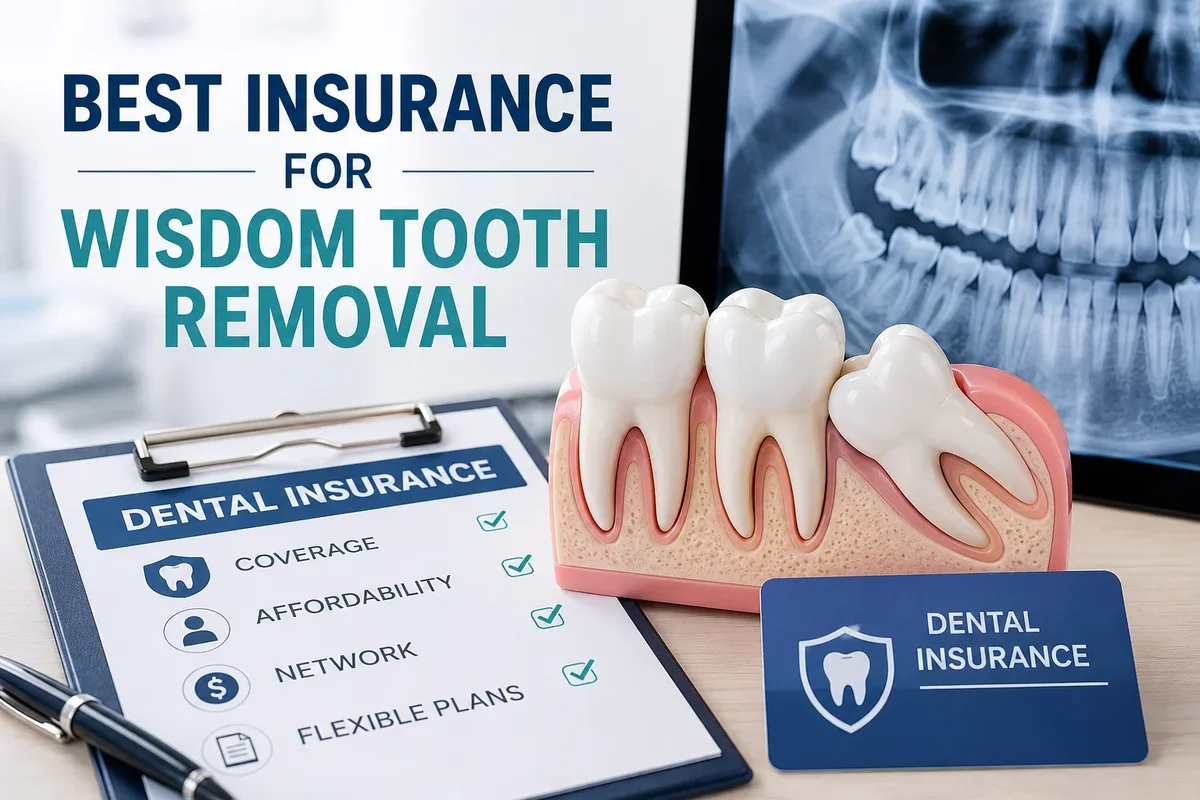
Your Next Step: Choosing the Best Insurance for Wisdom Tooth Removal and Scheduling a Personalized Consultation
After learning about insurance options, treatment planning, recovery, and financial considerations, the final step is putting that information into action. Choosing the best insurance for wisdom tooth removal is not simply about selecting a policy with attractive marketing or the lowest monthly premium. Instead, it means finding coverage that aligns with your current oral health, anticipated treatment needs, financial preferences, and access to qualified dental professionals. Most importantly, insurance should support well-informed healthcare decisions rather than replace professional clinical advice.
If you have not yet had a dental examination, scheduling one is usually the most practical next step. Even the best insurance for wisdom tooth removal cannot determine whether extraction is actually necessary. Some wisdom teeth remain healthy throughout life, while others become impacted, repeatedly infected, or place neighboring teeth at risk. Only a comprehensive examination and appropriate dental imaging can identify your individual situation and guide appropriate treatment recommendations.
Step 1: Understand Your Oral Health First
Before comparing insurance plans in detail, begin by understanding your own dental condition. A professional examination provides information that no insurance comparison website or online article can replace.
Your dentist will evaluate:
- The position of your wisdom teeth.
- Whether they are fully erupted or impacted.
- The condition of surrounding gums.
- The health of neighboring teeth.
- The presence of infection or decay.
- Whether monitoring or extraction is currently recommended.
Knowing these findings makes it much easier to identify the best insurance for wisdom tooth removal because you can compare policies based on your actual treatment needs rather than hypothetical situations.
Step 2: Review Insurance Benefits Carefully
Once you understand your treatment recommendations, compare insurance plans systematically rather than focusing on one feature alone.
Look Beyond Monthly Premiums
A lower premium may appear attractive initially, but higher deductibles, longer waiting periods, or lower annual benefit limits could increase your total out-of-pocket expenses if surgery becomes necessary.
Evaluate Surgical Benefits
If your dentist expects an impacted wisdom tooth extraction, verify that the policy provides appropriate benefits for surgical procedures. The best insurance for wisdom tooth removal should clearly explain which procedures are covered and how patient costs are calculated.
Confirm Provider Networks
Check whether your preferred dentist or oral surgeon participates in the insurance network. Access to experienced providers is often just as valuable as the financial benefits themselves.
Step 3: Request a Personalized Treatment Estimate
General online price estimates can be helpful for understanding the topic, but they cannot accurately predict your individual treatment costs. Your final expenses depend on multiple factors, including:
- The complexity of the extraction.
- The number of wisdom teeth involved.
- Diagnostic imaging.
- Recommended anesthesia or sedation.
- Your insurance benefits.
- Your remaining annual insurance maximum.
Requesting a written treatment estimate from your dental provider allows you to compare the best insurance for wisdom tooth removal using realistic information rather than broad internet averages.
Step 4: Balance Financial Planning With Oral Health
Financial considerations are important, but delaying recommended treatment solely because you are searching for different insurance is not always the best approach. If your dentist identifies active infection, significant pain, damage to neighboring teeth, or other findings requiring timely treatment, these clinical considerations should be discussed carefully before postponing care.
Conversely, if your wisdom teeth are healthy and your dentist recommends monitoring rather than immediate extraction, you may have time to compare insurance plans and evaluate which policy provides the most suitable long-term value.
The best insurance for wisdom tooth removal should support thoughtful treatment planning while remaining consistent with your dentist’s professional recommendations.
Step 5: Ask Questions Before Making a Final Decision
Patients often feel more confident when they understand both their treatment plan and their insurance coverage before surgery.
Useful questions include:
- Do my wisdom teeth currently require removal?
- Will the extraction likely be simple or surgical?
- What diagnostic imaging is recommended?
- How does my insurance apply to the proposed treatment?
- Will I have any deductible or coinsurance responsibilities?
- Are follow-up visits included in my coverage?
- What payment options are available if insurance does not cover every service?
Clear communication with both your dentist and insurance provider helps reduce uncertainty and supports informed decision-making.
The Importance of Individualized Care
Every patient has unique oral anatomy, medical history, insurance benefits, and treatment priorities. For this reason, the best insurance for wisdom tooth removal cannot be identified through advertisements or online rankings alone. Personalized recommendations are far more valuable because they combine clinical findings with financial considerations.
At a comprehensive consultation, your dentist can explain:
- Whether extraction is currently recommended.
- The expected complexity of treatment.
- Possible alternatives when appropriate.
- The anticipated recovery process.
- How your insurance benefits may apply to your individualized treatment plan.
Clinics such as Redent Klinik Contact Page can evaluate your oral health, discuss treatment recommendations, review available options, and help you better understand how your insurance policy relates to your proposed care. For additional educational information about oral health and dental treatment, the American Dental Association provides reliable patient resources that complement professional dental advice.
Making a Confident Decision
The goal is not simply to purchase the best insurance for wisdom tooth removal, but to make a balanced decision that protects both your oral health and your financial well-being. Careful planning, professional evaluation, and clear communication with your dental team allow you to move forward with greater confidence.
Remember that no insurance policy can replace a personalized examination. Likewise, no online article can determine whether wisdom tooth removal is appropriate for your specific situation. Combining evidence-based clinical advice with a thoughtful insurance review remains the most reliable approach.
What to Check Before Taking the Next Step
Before making your final decision, review the following checklist:
- Have you received a professional dental examination?
- Do you know whether your wisdom teeth require monitoring or extraction?
- Have you compared coverage for surgical and simple extractions?
- Have you reviewed waiting periods, deductibles, and annual benefit limits?
- Is your preferred dentist or oral surgeon included in your insurance network?
- Have you requested a written treatment estimate based on your individual needs?
- Do you understand your expected financial responsibility after insurance benefits are applied?
When to request professional advice: Schedule a personalized dental consultation if you have wisdom tooth pain, swelling, recurrent infections, difficulty cleaning the back teeth, jaw discomfort, or if routine dental imaging has shown impacted wisdom teeth. Even if you are currently symptom-free, professional evaluation is worthwhile if you are comparing insurance plans or planning future treatment. A personalized examination combined with a detailed review of your policy is the most reliable way to determine whether you have selected the best insurance for wisdom tooth removal for your specific needs and whether treatment is appropriate at this time.
Disclosure: this page may contain affiliate links. We may earn a commission if you use them, at no extra cost to you.