
When it comes to restoring your smile, the best quality dental implants are more than just artificial teeth—they are a long-term investment in your oral health, appearance, and confidence. 🦷 Modern implant technology has revolutionized dentistry, allowing patients to regain natural-looking teeth that function just like the real ones. If you’ve been considering dental implants but are unsure what “best quality” truly means, this guide will help you understand every crucial aspect—from materials and technology to success rates and aftercare.
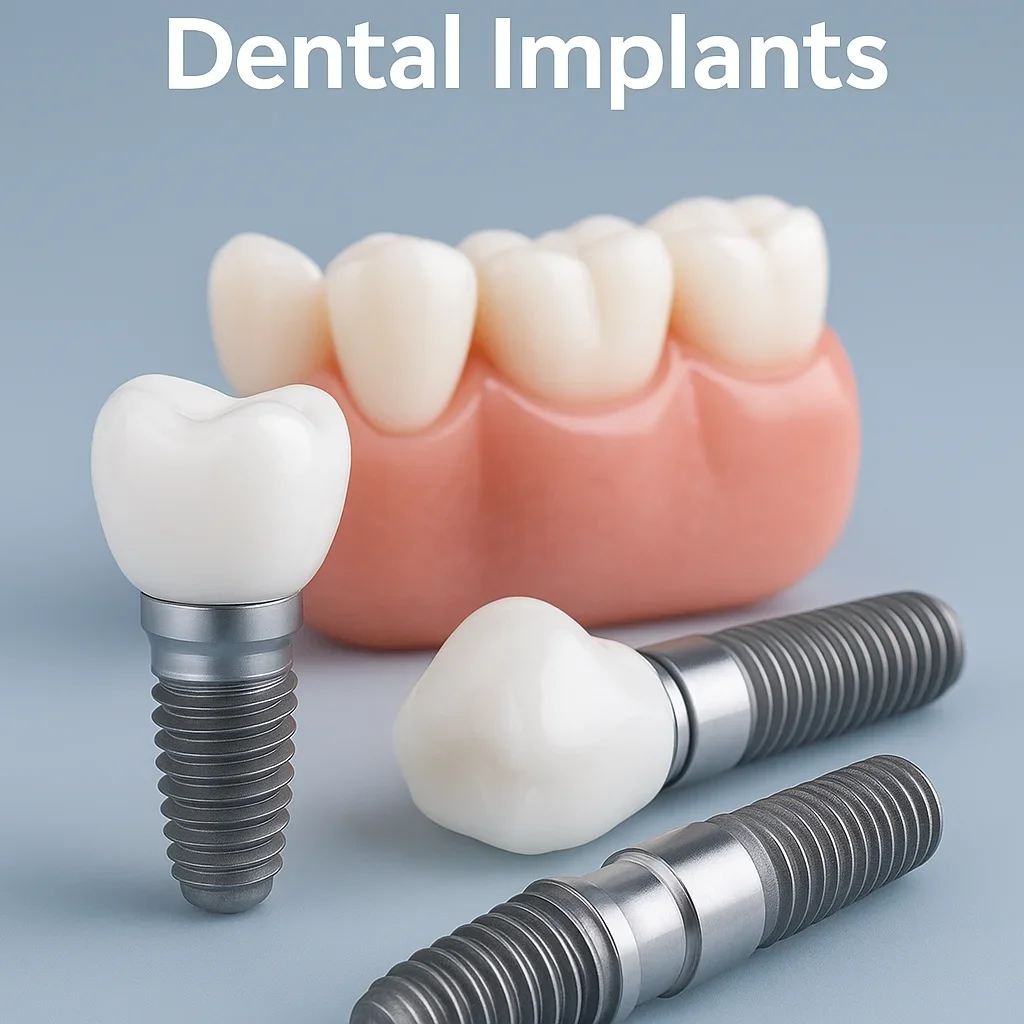
The best quality dental implants combine advanced engineering with biocompatible materials, ensuring the implants fuse seamlessly with your jawbone through a process called osseointegration. This stability not only prevents bone loss but also provides a strong foundation for crowns or bridges that look indistinguishable from natural teeth. High-quality implants are typically made of Grade 4 or Grade 5 titanium, known for their exceptional strength, corrosion resistance, and compatibility with human tissues. Some patients prefer zirconia implants, a metal-free option that offers great aesthetics and is hypoallergenic—perfect for those with sensitivities. 🌿
What truly defines the best quality dental implants is not just the material but also the design and precision of placement. Today, most reputable clinics use 3D digital scanning and computer-guided surgery to ensure the implant is positioned with perfect accuracy. This minimizes pain, speeds up recovery, and dramatically increases success rates. In fact, with top-tier techniques and materials, modern implants have a success rate exceeding 98% when maintained properly. Such precision makes eating, speaking, and smiling feel completely natural again—something that bridges or dentures can rarely replicate.
Another key factor in determining the quality of your dental implants is the expertise of the dental team. Experienced implantologists follow strict sterilization protocols and use internationally recognized brands such as Nobel Biocare, Straumann, or Dentsply Sirona—manufacturers that are backed by years of clinical research. These trusted brands produce implants designed for long-term durability, making them the go-to choice for clinics that prioritize excellence over cost-cutting. For example, clinics like Redent Klinik Contact Page offer personalized implant solutions using cutting-edge diagnostic tools and global implant systems to deliver world-class results.
The best quality dental implants don’t just improve aesthetics; they also preserve oral health. When you lose a tooth, the surrounding bone begins to resorb (shrink) because it no longer receives stimulation from chewing. Over time, this can alter your facial structure and lead to premature aging. Implants solve this issue by mimicking the root of a tooth, preserving bone density and supporting facial muscles. In contrast, dentures only rest on the gums and often accelerate bone loss. Therefore, implants are not only more functional but also a preventive measure against future dental complications.
Many patients wonder whether choosing the best quality dental implants is worth the investment. The answer is a resounding yes. While the upfront cost may seem higher, these implants offer unmatched longevity—often lasting 20 years or more with proper care. In contrast, lower-grade implants or dentures may require frequent adjustments, replacements, or repairs. The long-term savings, comfort, and confidence gained make high-quality implants an excellent decision. Remember, your smile is not just cosmetic—it affects digestion, speech, and overall health.
Beyond comfort and aesthetics, the best quality dental implants are also designed to integrate seamlessly into your lifestyle. You can eat crunchy apples, enjoy your favorite steak, or sip hot coffee without fear of movement or discomfort. The implants also resist staining and wear, maintaining their brilliance for decades. Patients often report a significant boost in self-esteem and social confidence after implant treatment, as they can laugh, talk, and eat freely again. 😁
When evaluating dental implant quality, always check for clinical certification, lab precision, and the credentials of your dental surgeon. Seek out clinics that are members of trusted professional associations such as the American Dental Association or their international equivalents. These affiliations indicate that the clinic adheres to strict ethical and procedural standards. It’s equally vital to confirm that the clinic uses high-precision tools for implant measurement and placement, such as CBCT imaging (Cone Beam Computed Tomography), which provides 3D views of the jawbone and nerves for precise, safe surgery.
To sum up, the best quality dental implants are defined by a combination of top-grade materials, cutting-edge surgical technology, certified dental expertise, and excellent aftercare. They restore more than just your smile—they restore your confidence and quality of life. Whether you’re replacing one tooth or an entire arch, always choose clinics that prioritize safety, precision, and durability. With the right implant system, your smile can stay strong and radiant for decades. 🌟
By understanding the science, craftsmanship, and care behind the best quality dental implants, you’re already one step closer to making an informed and life-changing decision. A perfect, natural-looking smile isn’t just possible—it’s within reach with the right dental team and technology. 🪥
What Makes Dental Implants the Best Quality Option?
The question of what truly defines the best quality dental implants often arises among patients who want long-lasting, natural-looking results. 🌿 The answer lies in a combination of advanced materials, cutting-edge technology, precision surgical techniques, and expert dental craftsmanship. Every component—from the titanium root to the porcelain crown—plays a crucial role in achieving both functionality and aesthetics. To understand what makes certain implants stand above the rest, let’s dive into the essential factors that determine implant quality and long-term success.
1. Biocompatible and Durable Materials
At the heart of every successful implant lies the material used to create it. The best quality dental implants are typically made from medical-grade titanium or zirconia. Titanium has been the gold standard in implant dentistry for decades because it integrates seamlessly with human bone through a process known as osseointegration. This biological fusion creates a stable and permanent bond between the implant and the jawbone, ensuring strength and longevity. Zirconia implants, on the other hand, are metal-free and favored for their aesthetic appeal and hypoallergenic properties. Both materials are corrosion-resistant, lightweight, and capable of withstanding years of chewing pressure without degradation.
High-quality implants undergo rigorous testing for purity and durability. Premium brands such as Straumann, Nobel Biocare, and Dentsply use high-precision manufacturing processes and surface treatments that enhance bone attachment. These microscopic surface modifications accelerate healing and improve stability—key indicators of a high-performance implant.
2. Advanced Implant Design and Engineering
Design precision is another factor that distinguishes the best quality dental implants from cheaper alternatives. The geometry of the implant—its threads, surface texture, and neck design—plays a major role in how it distributes chewing forces. Modern implants feature tapered shapes that mimic natural tooth roots, allowing for more even load distribution and a natural look under the gum line. Additionally, the internal connection between the implant and abutment (the connector piece) is engineered to minimize micro-movements that could cause bone loss or infection.
Innovative designs like platform switching and conical connections reduce bacterial infiltration and preserve the soft tissue around the implant. This leads to a healthier gum line and longer-lasting results. Premium implants also come with lifelong warranties, showing the manufacturer’s confidence in the quality and performance of their systems.
3. Precision Placement Using Digital Technology
The surgical placement of implants has evolved dramatically in recent years. The best quality dental implants are placed using 3D imaging and computer-guided navigation. This technology allows dentists to visualize the jawbone in three dimensions and plan the surgery with pinpoint accuracy. Cone Beam Computed Tomography (CBCT) scans help determine bone density, nerve positions, and sinus anatomy—factors that are critical for safe and successful implantation.
Computer-guided surgery minimizes human error, shortens healing time, and enhances predictability. It ensures that the implant is inserted at the exact angle and depth for optimal bone contact and aesthetic alignment. Patients benefit from minimal discomfort and faster recovery, while dentists achieve near-perfect results. 🖥️
4. The Role of Professional Expertise
Even the most advanced implant systems can fail in inexperienced hands. The best quality dental implants require skilled professionals who have undergone extensive implantology training. Experienced implantologists use sterile environments, advanced surgical instruments, and proven techniques that minimize trauma and infection risk. Moreover, they perform thorough diagnostics before the procedure—checking for gum disease, bone quality, and overall oral health—to ensure that the patient is an ideal candidate.
Top clinics often use interdisciplinary teams, combining prosthodontists, oral surgeons, and periodontists to achieve optimal outcomes. These professionals also collaborate with certified dental labs that use CAD/CAM (Computer-Aided Design and Manufacturing) systems to create custom crowns that perfectly fit each implant.
5. Long-Term Functionality and Natural Aesthetics
What truly sets the best quality dental implants apart is their ability to look, feel, and function like real teeth. High-grade implants restore natural biting power, allowing patients to enjoy all types of foods—from crisp apples to juicy steaks—without fear of slippage or pain. Their aesthetic crowns are crafted from materials such as E-max or zirconium oxide, which mimic the translucency of natural enamel. This gives the implants a lifelike appearance that blends seamlessly with surrounding teeth.
Preserving Bone and Facial Structure
Unlike dentures or bridges, which only replace the visible part of a tooth, implants replace the root as well. This stimulates the jawbone and prevents bone resorption—a major cause of facial sagging and premature aging. In this sense, the best quality dental implants don’t just restore smiles; they maintain facial harmony and prevent further dental complications. Patients often report feeling younger and more confident after the procedure because their facial structure remains supported and natural.
Maintenance and Longevity
Another defining feature of high-quality implants is their incredible lifespan. With proper care—regular brushing, flossing, and dental check-ups—these implants can last a lifetime. Many patients enjoy over 20 years of function without the need for replacement. Choosing a reputable clinic such as Redent Klinik Contact Page ensures that your implants are placed under optimal conditions with long-term follow-up care, maximizing their success and durability.
6. Backed by Research and International Standards
The best quality dental implants are supported by scientific research, clinical trials, and certifications from trusted organizations like the American Dental Association. These endorsements confirm that the implant system meets strict standards for safety, performance, and reliability. Patients can feel confident that their dental investment is protected by both science and regulation.
In conclusion, the best quality dental implants result from a perfect synergy of innovation, material science, expert craftsmanship, and clinical excellence. They not only restore lost teeth but also safeguard oral health and self-confidence. Investing in these premium solutions means choosing a smile that lasts a lifetime—strong, radiant, and truly natural. 🌟
How to Choose the Best Quality Dental Implants for You
Choosing the best quality dental implants is one of the most important decisions you can make for your long-term oral health and confidence. 🦷 While there are many implant systems and clinics around the world, not all are created equal. The best choice depends on a combination of your bone condition, budget, aesthetic goals, and the expertise of your dental surgeon. In this section, you’ll discover how to evaluate implant options intelligently, ensuring that you invest in a durable, natural-looking, and comfortable solution that will last for decades.
1. Evaluate Your Oral and Bone Health First
Before getting the best quality dental implants, your dentist must assess your overall oral condition and bone structure. A strong jawbone is essential for implant stability. If bone density is low due to tooth loss or gum disease, a bone grafting procedure may be required to rebuild sufficient volume for support. Advanced diagnostic tools like Cone Beam Computed Tomography (CBCT) scans allow dentists to evaluate bone quality, nerve placement, and sinus position—factors critical for safe and effective implantation.
Patients with healthy gums and adequate bone density are ideal candidates for immediate implant placement, while others may need preparatory treatments. The best quality dental implants are placed in an environment optimized for healing and stability, which significantly increases their long-term success rate.
2. Choose the Right Implant Material
The implant material plays a major role in determining strength, appearance, and compatibility. The best quality dental implants are typically made of either titanium or zirconia:
- Titanium Implants: These are the most widely used worldwide because of their outstanding durability, lightweight nature, and ability to fuse with bone. They are ideal for patients who want proven reliability.
- Zirconia Implants: These metal-free, tooth-colored implants are perfect for patients seeking a highly aesthetic result. Zirconia resists corrosion, minimizes plaque accumulation, and is hypoallergenic, making it an excellent alternative for those with metal sensitivities.
Both materials are biocompatible and safe, but your choice depends on personal preference, gum type, and the position of the implant (front teeth often benefit from zirconia’s aesthetics, while molars benefit from titanium’s strength).
3. Look for Reputable Implant Brands
Not all implants are manufactured to the same standards. Reputable brands like Straumann, Nobel Biocare, Dentsply Sirona, and BioHorizons are trusted globally for their extensive research, clinical trials, and high manufacturing precision. These brands have proven track records of long-term success and superior performance.
When you choose the best quality dental implants, ensure your dentist uses certified systems that come with serial numbers, documentation, and lifelong manufacturer warranties. These details confirm authenticity and ensure that your implants are supported by international safety standards.
4. Consider the Dentist’s Qualifications and Experience
Even the most advanced implant systems can fail without the right expertise. The best quality dental implants must be placed by a skilled and experienced implantologist. Look for a dentist who specializes in oral surgery or prosthodontics, has completed advanced implantology training, and works in a fully equipped facility.
Ask the Right Questions Before the Procedure
Before committing to treatment, don’t hesitate to ask your dentist these crucial questions:
- How many implant procedures have you performed?
- Which implant brand and system will you use?
- Can I see before-and-after photos of past patients?
- Do you use 3D-guided surgery or CBCT scanning for placement accuracy?
A qualified clinic such as Redent Klinik Contact Page can answer all these questions transparently, demonstrating a commitment to quality and patient satisfaction. Choosing a certified and experienced clinic is one of the most important steps toward achieving lasting results.
5. Understand the Surgical Technology Used
The success of the best quality dental implants largely depends on how they’re placed. Today, computer-guided surgery and digital planning tools allow for pinpoint accuracy, minimizing discomfort and reducing recovery time. Clinics that use digital impressions, 3D printing, and laser-assisted procedures ensure the most precise fit possible. These technologies help avoid common complications such as nerve injury or implant misalignment.
CBCT and Digital Implant Mapping
Digital implant mapping allows the dentist to visualize your jawbone’s exact dimensions, creating a personalized surgical guide. This ensures the implant is positioned at the correct angle, depth, and orientation for maximum strength and aesthetic appeal. Such precision can only be achieved in clinics that adopt modern imaging and surgical systems, which are standard practices when installing the best quality dental implants.
6. Evaluate Aesthetic Goals and Prosthetic Design
The crown (the visible part of the implant) plays a significant role in achieving a natural look. The best quality dental implants use crowns made from E-max or zirconium oxide ceramics, materials known for their strength and lifelike translucency. These crowns are digitally designed to match your natural teeth’s shape, color, and alignment, ensuring that the final smile appears flawless and authentic.
Additionally, advanced CAD/CAM systems allow for personalized crown fabrication that perfectly fits the implant abutment. A proper fit minimizes gaps and ensures easy cleaning, which reduces the risk of infection or gum inflammation. 💎
7. Check for Certifications and Clinical Standards
Top-quality clinics adhere to strict international standards such as ISO certifications and guidelines set by professional bodies like the American Dental Association. These certifications prove that the clinic follows advanced hygiene, sterilization, and procedural protocols. Choosing an ADA-compliant or equivalent certified clinic ensures that your best quality dental implants are placed in a controlled, sterile, and technologically advanced environment.
8. Aftercare and Maintenance Support
High-quality implants also require professional follow-up care. Choose a clinic that offers post-surgery checkups, regular maintenance sessions, and hygiene instructions tailored to your needs. Proper follow-up ensures that your implants remain healthy and stable for decades. The best quality dental implants come with comprehensive aftercare programs, ensuring long-term comfort and satisfaction.
9. Budget, Warranty, and Transparency
While it’s tempting to seek cheaper alternatives, cutting costs can lead to problems later. The best quality dental implants may cost more initially, but their durability and lower risk of failure save money over time. Always request a transparent treatment plan that outlines every step, material, and brand used. Reputable clinics also provide lifetime warranties and detailed documentation for your records.
In conclusion, selecting the best quality dental implants involves more than just comparing prices—it requires research, expert consultation, and a clear understanding of your dental needs. By choosing an experienced clinic, premium materials, and a modern surgical approach, you can enjoy a radiant, stable, and confident smile for life. 🌟
The Step-by-Step Process of Getting Premium Dental Implants
The journey to achieving the best quality dental implants involves a detailed, multi-stage process that ensures safety, precision, and long-lasting success. 🦷 Each stage, from the first consultation to final crown placement, is designed to optimize healing and aesthetic outcomes. Understanding the process helps patients feel confident and prepared while also revealing why professional expertise and premium materials make all the difference in achieving a flawless, natural smile.
1. Comprehensive Consultation and Diagnosis
The process begins with a thorough consultation where your dentist evaluates your oral health, bone density, and medical history. High-quality clinics utilize 3D CBCT scans and digital X-rays to visualize the jawbone structure in detail. These scans reveal essential data such as bone volume, sinus location, and nerve pathways—critical factors that determine where and how the best quality dental implants should be placed. 🩺
During this stage, your dentist discusses your treatment goals, aesthetic preferences, and any existing oral conditions. This personalized planning ensures that every implant is custom-tailored to your unique anatomy and smile design. For patients with gum disease or bone loss, preparatory procedures like scaling, bone grafting, or sinus lifts may be recommended to create a stable foundation.
2. Personalized Treatment Planning and Digital Simulation
Once diagnostic imaging is complete, the next step is a digital simulation of your treatment plan. Clinics that offer the best quality dental implants use computer-aided design (CAD) and 3D printing technology to map out the exact position, depth, and angle of each implant. This technology not only increases accuracy but also minimizes surgical time and discomfort.
Patients can view a virtual model of their future smile before the surgery, which builds confidence and ensures alignment with aesthetic expectations. 💻 Your dentist will select the most suitable implant brand, size, and material (titanium or zirconia) based on your bone structure and cosmetic goals.
3. Preparatory Treatments (If Required)
Some patients require preparatory steps before receiving the best quality dental implants. These treatments improve the health of the mouth and ensure a stable base for the implants:
- Bone Grafting: For patients with insufficient bone density, grafting restores the lost bone volume, allowing secure implant placement.
- Sinus Lift: When upper jaw bone is thin or close to the sinus, this procedure raises the sinus floor and creates adequate space for implants.
- Tooth Extraction: Damaged or decayed teeth may be removed before placing the implants.
By preparing the oral environment thoroughly, these procedures enhance the long-term success and stability of your implants.
4. Surgical Placement of the Implant
This is the stage where the best quality dental implants are surgically placed into the jawbone. The procedure is typically performed under local anesthesia or mild sedation for maximum comfort. Using a computer-guided surgical template, the dentist makes a small incision in the gum and drills a precise hole in the bone to insert the titanium or zirconia fixture. 🦷
The precision of placement is crucial—improper alignment can affect bite and aesthetic outcomes. With advanced guided surgery and CBCT imaging, the margin of error is reduced to less than a millimeter. Once the implant is placed, the gum is sutured, and the healing process begins.
Healing and Osseointegration Phase
Over the next few months, the implant fuses naturally with the bone through a biological process called osseointegration. This phase is vital, as it ensures the implant becomes as strong as a natural tooth root. The best quality dental implants are specifically designed with micro-rough surfaces that encourage bone cells to attach and grow, accelerating integration and increasing long-term stability. Typically, osseointegration takes about 3 to 6 months, depending on individual healing rates and bone quality.
5. Placement of the Abutment
Once the implant is securely anchored to the bone, the next step is placing the abutment—a connector that links the implant fixture to the final crown. The gum tissue is gently reopened, and the abutment is attached to the implant. This step allows the gum to shape naturally around it, creating a lifelike emergence profile that mimics natural teeth.
In some modern systems, such as those used for the best quality dental implants, the abutment can be placed immediately during the same surgery, especially when bone quality and stability are ideal. This “one-stage” approach speeds up the overall treatment timeline and reduces the need for a second procedure.
6. Taking Digital Impressions for Crown Design
After the abutment placement, your dentist takes digital impressions of your mouth using intraoral scanners. These high-resolution scans eliminate the need for traditional molds, offering a faster and more comfortable experience. The data is used to design a custom crown that matches your natural teeth in color, shape, and proportion. The best quality dental implants always feature crowns made from durable and aesthetic materials like E-max or zirconium oxide for a natural appearance.
Customized Smile Design
Before the final restoration, patients can preview how their new smile will look through digital smile design software. This step ensures the perfect match between functionality and aesthetics. At reputable clinics such as Redent Klinik Contact Page, these design tools are an integral part of the planning process, ensuring precise customization for each patient. 😁
7. Final Crown Placement
Once the crown is crafted, it’s securely attached to the abutment. The crown is checked for bite alignment, color accuracy, and comfort. The result is a beautiful, fully functional replacement tooth that blends seamlessly with the rest of your smile. Whether you need a single-tooth implant or a full-arch restoration, the best quality dental implants deliver unmatched aesthetics and durability.
8. Post-Surgery Care and Maintenance
After the final crown placement, your dentist provides detailed aftercare instructions. Good oral hygiene is critical for maintaining implant longevity. Brush twice daily, floss regularly, and attend professional cleanings every six months. Avoid smoking and excessive alcohol consumption, as these can slow healing and compromise bone integrity.
Follow-Up and Longevity
High-end clinics schedule regular checkups to monitor healing and ensure implant stability. When properly maintained, the best quality dental implants can last a lifetime. Their resistance to decay and structural integrity make them a superior long-term investment compared to bridges or dentures.
9. Ongoing Benefits of a Complete Smile
Beyond restoring function and appearance, the best quality dental implants offer psychological and lifestyle benefits. Patients often experience a boost in self-esteem, clearer speech, and improved chewing efficiency. A confident smile positively influences personal and professional relationships, contributing to overall well-being. 🌟
In conclusion, the process of getting best quality dental implants is a carefully orchestrated journey that combines science, artistry, and precision. From the initial consultation to the final crown, each stage builds toward a perfect, natural-looking smile supported by technology, expertise, and craftsmanship. By choosing a trusted clinic and following proper aftercare, you can enjoy the results for decades—chewing comfortably, smiling confidently, and living fully.
For verified standards and international recognition of excellence, consult resources such as the American Dental Association when researching your dental implant provider. This ensures that your treatment aligns with global safety and quality benchmarks for the best quality dental implants.
Comparing Best Quality Dental Implants vs Traditional Implants
When patients consider dental restoration options, one of the most common questions they ask is: what is the real difference between best quality dental implants and traditional implants? 🦷 While both serve the purpose of replacing missing teeth, the quality of materials, precision of placement, and long-term performance vary significantly. Understanding these differences helps you make a well-informed decision that ensures durability, aesthetics, and overall oral health.
1. Material Composition and Biocompatibility
The most fundamental difference between the best quality dental implants and standard or low-cost implants lies in the materials used. Premium implants are crafted from Grade 4 or Grade 5 titanium—the same type of metal used in aerospace and medical prosthetics. This ensures high strength, corrosion resistance, and excellent biocompatibility. Some top-tier systems also use zirconia, a metal-free ceramic known for its natural appearance and hypoallergenic properties.
Traditional or budget implants may use lower-grade alloys mixed with impurities that increase the risk of inflammation, rejection, or early failure. High-end implant systems undergo extensive clinical testing and receive certifications from global bodies like the American Dental Association, confirming their safety and performance. In short, premium materials mean better osseointegration, fewer complications, and superior longevity.
2. Precision Engineering and Manufacturing Standards
Manufacturing precision plays a vital role in the success of any implant. The best quality dental implants are engineered with computer-aided design (CAD) and computer-aided manufacturing (CAM) technology. These implants feature thread geometries that promote even pressure distribution across the jawbone, preventing micro-movements and bone loss. Surface treatments such as sandblasting and acid etching enhance bone attachment and accelerate healing.
By contrast, traditional implants are often produced using standard machining without the advanced surface treatment processes that improve bone bonding. The lack of micro-textured surfaces can result in slower integration and less long-term stability. Simply put, precision engineering transforms the implant from a basic replacement into a lifelong solution.
3. Implant Design and Structural Advantages
The structure and design of best quality dental implants are tailored for both functional and aesthetic excellence. Premium systems include:
- Tapered Root Design: Mimics natural tooth roots for stronger anchorage.
- Platform Switching: Prevents bone loss around the implant neck by minimizing bacterial infiltration.
- Conical Connection: Ensures a tight seal between the implant and abutment, maintaining tissue health.
Traditional implants, in contrast, may use older connection models that are more prone to micro-gaps and bacterial leakage. These small issues can escalate into gum irritation or bone resorption over time. The precision-fit design of high-end implants, however, guarantees a perfect alignment that not only enhances longevity but also ensures natural-looking gum contours.
4. Aesthetic Outcome and Customization
One of the biggest reasons patients choose the best quality dental implants is the aesthetic outcome. High-end systems use custom abutments and crowns made from advanced ceramics like zirconium oxide or E-max. These materials replicate the translucency and brightness of real enamel, resulting in a flawless smile that blends seamlessly with natural teeth. 😁
Traditional Implant Aesthetics
Traditional implants may use prefabricated abutments and porcelain-fused-to-metal crowns that can sometimes look opaque or grayish, especially near the gum line. Over time, these crowns can stain or discolor, compromising the natural look. On the other hand, premium crowns maintain their brilliance and color stability for decades, resisting wear and discoloration even under frequent chewing and exposure to staining foods.
5. Surgical Techniques and Technology Used
The best quality dental implants are placed using digital planning, 3D imaging, and computer-guided surgery. This advanced approach minimizes surgical errors and ensures perfect placement relative to bone density and neighboring teeth. The precision reduces discomfort, speeds healing, and improves the long-term success rate—often reaching 98% or higher in reputable clinics.
Traditional implants, however, may rely on 2D X-rays and manual placement techniques. This method increases the risk of misalignment or nerve damage and often requires longer healing periods. Modern clinics like Redent Klinik Contact Page have embraced full digital workflows to guarantee superior safety and precision for their patients.
6. Healing Time and Recovery
Healing is a crucial part of the implant process. With best quality dental implants, the combination of superior surface technology and biocompatible materials allows faster osseointegration. Most patients experience stable bone fusion within 3–4 months. Additionally, guided surgical techniques minimize tissue trauma, which means less swelling, pain, and downtime. ⏱️
Traditional implants may take longer—up to 6 months or more—because of slower bone response and potential micro-movements during healing. Some low-cost implants can even fail to integrate properly, leading to implant loosening or infection. This is why selecting top-quality systems backed by science is always worth the investment.
7. Durability, Maintenance, and Longevity
High-quality implants are designed for a lifetime of use. With proper care, the best quality dental implants can last 25 years or longer without needing replacement. Their durable titanium or zirconia cores resist corrosion, fractures, and bacterial buildup. Patients only need routine dental hygiene and check-ups to maintain their shine and strength.
Traditional implants, however, may require repairs or replacements after 10–15 years due to material fatigue or bone loss. This not only increases costs in the long run but also subjects patients to repeat surgeries. When longevity and peace of mind are priorities, investing in premium implants provides unmatched value.
8. Cost vs Long-Term Value
Although the initial cost of the best quality dental implants is higher, their long-term value far outweighs the expense. Cheaper implants often come with hidden costs—frequent maintenance, aesthetic compromises, or early replacements. Quality implants, by contrast, offer enduring function, comfort, and confidence. Patients can enjoy their favorite foods, speak clearly, and smile freely for decades without fear of complications. 💰
9. Clinical Support and Global Standards
Top-tier implant brands and clinics are often certified by international dental associations, guaranteeing strict adherence to sterilization, safety, and quality control protocols. This ensures your best quality dental implants meet the same standards followed in world-class medical facilities. Traditional implants from unverified sources may lack such oversight, increasing the risk of poor results or postoperative issues.
10. The Verdict: Quality Over Compromise
When comparing best quality dental implants with traditional alternatives, the differences are clear—superior materials, advanced surgical techniques, and personalized aesthetics all contribute to better outcomes. Traditional implants can restore basic function, but they rarely match the natural appearance, durability, and comfort of premium options. Investing in quality means investing in your confidence, oral health, and quality of life. 🌟
Whether you choose titanium or zirconia, guided or immediate-load procedures, always ensure your clinic follows international guidelines, like those provided by the American Dental Association. By doing so, you can be sure your smile restoration truly reflects the excellence of the best quality dental implants.
Materials Used in High-Quality Dental Implants (Titanium vs Zirconia)
When it comes to achieving lasting success and natural aesthetics, the materials used in the best quality dental implants play a critical role. 🌟 The choice between titanium and zirconia determines not only how long your implants last but also how they interact with your bone, gums, and overall health. Understanding the science behind these materials helps patients make educated decisions and ensures that their investment delivers the highest possible standard of function, safety, and appearance.
1. Titanium: The Timeless Standard in Implant Dentistry
Titanium has been the cornerstone of modern implantology for over five decades. The best quality dental implants made from titanium are trusted worldwide for their unparalleled strength, biocompatibility, and ability to integrate with human bone through a process known as osseointegration. When titanium is inserted into the jawbone, bone cells grow and attach directly to its surface, forming a stable and permanent bond. 🦷
High-grade titanium implants—typically Grade 4 or Grade 5 (Ti-6Al-4V)—are lightweight yet incredibly durable. They resist corrosion, even in the moist environment of the mouth, and their mechanical properties closely mimic the flexibility of natural bone. This allows for smooth load distribution during chewing, reducing stress on the jaw and surrounding tissues.
Advantages of Titanium Implants
- Proven Longevity: Studies show that premium titanium implants can last more than 25 years when maintained properly.
- Excellent Biocompatibility: The body recognizes titanium as a natural element, minimizing the risk of rejection or allergic reaction.
- High Strength-to-Weight Ratio: Provides long-lasting stability with minimal invasiveness.
- Versatility: Suitable for single-tooth, multi-tooth, and full-arch restorations.
Many of the world’s most trusted brands—like Straumann, Nobel Biocare, and Dentsply Sirona—use aerospace-grade titanium to manufacture their implants. These are the same materials found in surgical devices and artificial joints, confirming their safety and resilience. When patients opt for titanium-based best quality dental implants, they are essentially choosing a time-tested solution backed by science and decades of success.
2. Zirconia: The Metal-Free, Aesthetic Alternative
In recent years, zirconia implants have emerged as a revolutionary option for patients who prefer a metal-free, hypoallergenic, and highly aesthetic solution. Zirconia (zirconium dioxide) is a high-strength ceramic material known for its white color, smooth surface, and resistance to corrosion. Unlike traditional metal implants, zirconia implants offer an exceptionally natural look that blends beautifully with surrounding teeth and gums. 🌿
The best quality dental implants made of zirconia are particularly suitable for patients with thin or translucent gum tissue, where titanium’s metallic gray hue might show through slightly. Zirconia reflects light in a way similar to natural enamel, producing an incredibly lifelike effect in the final smile restoration.
Advantages of Zirconia Implants
- Metal-Free Composition: Ideal for patients with metal sensitivities or allergies.
- Superior Aesthetics: The white color eliminates any risk of gum discoloration and enhances the visual harmony of the smile.
- High Biocompatibility: Zirconia is non-reactive, minimizing inflammation or bacterial buildup.
- Low Plaque Accumulation: Its polished surface resists bacterial adhesion, improving gum health.
Additionally, zirconia implants are exceptionally strong, thanks to advancements in ceramic engineering. Modern two-piece zirconia systems now rival titanium in both strength and functionality. The fusion of beauty and durability makes zirconia one of the top choices among patients seeking a holistic and aesthetic restoration using best quality dental implants.
3. Comparing Titanium vs Zirconia: Which Is Better?
Choosing between titanium and zirconia depends on your unique needs and preferences. Both materials offer exceptional results when used in best quality dental implants, but they excel in different areas.
| Feature | Titanium Implants | Zirconia Implants |
|---|---|---|
| Material Type | Metal (Titanium Alloy) | Ceramic (Zirconium Dioxide) |
| Osseointegration | Excellent and long-proven | Very good, newer studies confirm success |
| Aesthetics | Gray tone, may show under thin gums | White and enamel-like, highly aesthetic |
| Allergy Risk | Extremely rare | Zero (metal-free) |
| Strength | High tensile and fracture resistance | Very strong, slightly more brittle |
| Longevity | 25+ years with proper care | 15–20 years (newer generation improving) |
For most patients, titanium remains the go-to option due to its long history of success and versatility. However, zirconia implants have become increasingly popular among individuals with metal sensitivities or those seeking the most natural appearance possible. Both are used in the best quality dental implants depending on the clinic’s technology and patient goals.
4. Surface Technology: Enhancing Bone Integration
The success of both titanium and zirconia implants relies heavily on surface design. Premium implant systems use micro-roughened or plasma-sprayed surfaces that accelerate bone healing. For titanium, surface treatments like SLA (Sand-blasted, Large grit, Acid-etched) and anodization improve the bone-to-implant contact. Zirconia implants, on the other hand, use laser micro-etching or sandblasting to create micro-retentive surfaces that encourage osteoblast activity. 🧬
Such innovations ensure that the best quality dental implants integrate faster, achieve higher stability, and maintain long-term success rates above 97%. Clinics that incorporate 3D-guided placement and top-tier brands guarantee even better healing and performance outcomes.
5. Choosing the Right Material for You
The right material for your implant depends on several personal factors—bone density, gum thickness, oral hygiene habits, and aesthetic expectations. During consultation, your implantologist will evaluate all these parameters and recommend whether titanium or zirconia is better suited for your case. In clinics like Redent Klinik Contact Page, this decision is made using digital scans, health assessments, and smile design technology, ensuring a completely personalized approach.
For Metal-Free Purists
If you prioritize a holistic, allergy-safe approach and a completely metal-free mouth, zirconia implants are the superior option. Their seamless color and smooth surface enhance both aesthetics and hygiene. However, they are best suited for specific cases and require precise placement due to their one-piece design in some systems.
For Strength and Versatility
If you value durability, adaptability, and proven reliability, titanium remains the gold standard for best quality dental implants. It’s ideal for complex cases, such as full-arch reconstructions or patients with varying bone conditions. Its flexibility allows for multi-piece configurations and easy adjustments if needed.
6. Certified Quality and Global Standards
Whether titanium or zirconia, always ensure that your implant materials are sourced from certified manufacturers who comply with international standards such as ISO 13485 or ADA approval. This ensures biocompatibility, safety, and traceability. The American Dental Association and other global organizations regulate quality protocols, so patients can rest assured that they’re receiving the best quality dental implants that meet medical-grade standards worldwide.
In conclusion, both titanium and zirconia represent the pinnacle of dental innovation. Each has unique strengths that can provide long-term comfort, functionality, and beauty. By consulting with an expert implantologist and choosing certified, premium materials, patients can confidently achieve a radiant, natural smile supported by the best quality dental implants the world of modern dentistry has to offer. ✨
Benefits of Investing in the Best Quality Dental Implants
Choosing the best quality dental implants is not just about replacing missing teeth—it’s an investment in your long-term health, confidence, and overall quality of life. 🌟 These implants go beyond aesthetics, offering superior durability, functionality, and biological compatibility that cheaper alternatives simply cannot match. When patients opt for top-tier implant systems, they enjoy decades of worry-free use, minimal maintenance, and a smile that looks as natural as it feels. Let’s explore in detail why these implants are considered the gold standard in restorative dentistry.
1. Restored Functionality and Natural Comfort
The most immediate benefit of the best quality dental implants is their ability to restore full chewing and speaking functions. Unlike dentures or bridges that can slip or cause discomfort, implants integrate directly with the jawbone, acting as artificial tooth roots. This solid foundation gives patients the freedom to eat their favorite foods—crunchy apples, nuts, or steaks—without fear of movement or pain. 🍎🥩
High-end implant systems distribute bite forces evenly across the jaw, preventing stress on neighboring teeth. Their anatomical design mimics natural tooth roots, ensuring a smooth and natural feel. The result? You’ll forget you ever lost a tooth in the first place.
Comfort That Feels Completely Natural
The best quality dental implants are meticulously designed using 3D scanning and CAD/CAM technology to match the patient’s anatomy. The precision fit eliminates pressure points and irritation that are common with cheaper or poorly fitted implants. Patients report that after healing, implants feel identical to their natural teeth—stable, secure, and effortless to maintain.
2. Long-Term Durability and Reliability
Premium implants are built to last. Studies show that best quality dental implants have success rates exceeding 98%, far higher than most other tooth replacement options. Made from biocompatible titanium or zirconia, these implants resist corrosion, fractures, and wear. With proper oral hygiene and regular checkups, they can last a lifetime. 🔩
While budget implants may appear more affordable initially, they often fail prematurely due to poor osseointegration or material fatigue. Choosing a premium system means fewer complications, less maintenance, and peace of mind knowing that your smile is secure for decades.
Warranty and Brand Reputation
Top manufacturers such as Straumann, Nobel Biocare, and Dentsply Sirona back their implants with lifetime warranties and decades of clinical data. These guarantees are a testament to the materials’ quality and the engineering excellence behind them. When you choose a trusted brand, you’re investing in reliability and global support—essential factors for anyone seeking the best quality dental implants.
3. Enhanced Aesthetics and Confidence
The psychological benefits of high-quality implants cannot be overstated. A complete, natural-looking smile restores self-confidence and improves social interactions. The best quality dental implants use advanced ceramics like E-max and zirconium oxide for crowns, offering unmatched translucency and shine. These materials mimic natural enamel, giving your smile a flawless, lifelike glow. 😁
Unlike dentures or low-grade implants that can look artificial, premium systems are custom-crafted for each patient’s facial structure, gum line, and color tone. Whether you’re speaking, laughing, or eating, your implants remain indistinguishable from natural teeth—boosting your self-image and comfort in every social setting.
Gum Harmony and Aesthetic Integration
High-quality implants are designed with a tapered neck and soft tissue-friendly surface. This helps maintain a natural gum contour, ensuring that the implant appears to “emerge” seamlessly from the gum line. The best quality dental implants therefore not only replace the tooth but also preserve your smile’s natural symmetry and balance.
4. Improved Oral and Bone Health
Beyond beauty, dental implants have profound biological benefits. When a tooth is lost, the jawbone begins to deteriorate due to lack of stimulation. Over time, this bone loss can alter facial structure and cause premature aging. The best quality dental implants prevent this process by acting as artificial roots that stimulate bone growth through chewing pressure. This process, known as osseointegration, preserves bone density and facial integrity. 🦴
Moreover, implants help maintain the spacing and alignment of surrounding teeth. Unlike dental bridges, which require grinding down healthy teeth for support, implants stand independently, protecting the rest of your mouth from unnecessary damage.
Reduced Risk of Gum Disease
Thanks to their precision fit and smooth surfaces, the best quality dental implants minimize bacterial accumulation around the gum line. This lowers the risk of peri-implantitis (implant-related gum disease) and supports long-term oral hygiene. When paired with regular cleanings and flossing, implants remain clean and healthy for life.
5. Financial and Lifestyle Value Over Time
While premium implants may involve a higher upfront cost, they offer unbeatable long-term value. Unlike dentures that need replacement every 5–10 years, the best quality dental implants can last several decades without major repairs. This eliminates recurring expenses for adhesives, replacements, and adjustments. Over a lifetime, quality implants are far more economical and convenient. 💰
In addition, patients benefit from enhanced speech clarity and improved digestion since they can chew efficiently. These functional improvements have a direct impact on overall health and nutrition—proof that implants are not merely cosmetic, but medical investments in your wellbeing.
6. Low Maintenance and Easy Care
Maintaining the best quality dental implants is simple. They don’t require special solutions or adhesives like dentures. Routine brushing, flossing, and biannual dental checkups are enough to keep them in perfect shape. Their resistance to decay and staining means your smile remains bright with minimal effort.
Furthermore, modern implant surfaces discourage bacterial colonization, reducing inflammation and maintaining gum health. With proper daily care and professional monitoring, your implants can continue functioning flawlessly for decades.
7. Holistic and Psychological Benefits
Patients who restore their smile with the best quality dental implants often experience a dramatic improvement in quality of life. A confident smile enhances social engagement, career opportunities, and even emotional wellbeing. Studies link dental implant success with improved mental health and self-esteem, particularly among individuals who previously struggled with missing teeth or ill-fitting dentures. 🌿
Freedom to Live Without Restrictions
Unlike removable prosthetics, implants offer the freedom to laugh, speak, and eat naturally without embarrassment or discomfort. They restore not just function but independence—allowing you to live life to the fullest with a smile that truly belongs to you.
8. Backed by Clinical Research and International Standards
The best quality dental implants are supported by extensive research and certifications from leading dental organizations such as the American Dental Association. These systems undergo years of testing for strength, safety, and success rates. Clinics that use ADA-approved implant systems, such as Redent Klinik Contact Page, ensure that every patient receives a treatment aligned with global medical standards.
In summary, investing in the best quality dental implants offers lifelong rewards: unparalleled strength, aesthetics, and confidence. From bone preservation to emotional wellbeing, the benefits extend far beyond the dental chair. By choosing trusted materials, advanced technology, and expert care, you’re not only restoring your smile—you’re reclaiming the comfort, beauty, and vitality that define a healthy, happy life. 🌟
How to Identify a Reliable Dental Implant Clinic
Selecting the right dental clinic is just as important as choosing the best quality dental implants. A high-grade implant can only perform well if it’s placed by an experienced professional using the latest technology in a sterile and supportive environment. 🦷 Many patients make the mistake of focusing solely on cost, overlooking the crucial aspects that determine safety, longevity, and aesthetics. This guide will help you recognize the essential features of a trustworthy dental implant clinic—one capable of delivering premium, long-lasting results.
1. Verify the Dentist’s Qualifications and Experience
The foundation of a reliable implant clinic lies in the expertise of its dental professionals. The best quality dental implants require precise surgical skills and deep anatomical understanding. Ensure your implantologist has specialized training in implant dentistry, prosthodontics, or oral surgery. Membership in respected associations such as the International Congress of Oral Implantologists (ICOI) or the American Dental Association signals professional competence and ongoing education.
Experience Matters
Ask how many implants your dentist has successfully placed and whether they have experience with your specific implant system or case type (single tooth, full arch, or bone graft procedures). The more experienced the surgeon, the lower the risk of complications and implant failure. For instance, clinics like Redent Klinik Contact Page have teams of implant specialists who have performed thousands of surgeries, ensuring predictable and aesthetic outcomes.
2. Advanced Technology and Diagnostic Equipment
High-end clinics rely on modern technology to guarantee precision. The best quality dental implants are placed using 3D diagnostic tools such as Cone Beam Computed Tomography (CBCT), digital scanners, and computer-guided surgical systems. These technologies allow dentists to create detailed 3D models of your mouth, enabling accurate planning and placement down to the millimeter. This not only enhances safety but also speeds up healing and ensures that implants integrate perfectly with the bone.
Digital Workflow and Guided Surgery
Clinics that use digital workflows eliminate human error in impression-taking and implant positioning. Guided surgery creates a virtual roadmap for implant insertion, minimizing surgical trauma and reducing healing time. Choosing a clinic equipped with digital technologies is a strong indicator that you’re receiving the best quality dental implants under optimal conditions.
3. Sterilization and Clinical Hygiene Standards
A reliable clinic adheres to strict sterilization protocols that meet or exceed international health standards. The cleanliness of the surgical environment directly affects implant success. Contaminated or poorly maintained instruments can cause infections, compromising healing and implant stability.
The best quality dental implants should always be placed in a sterile, temperature-controlled room equipped with autoclaved tools and disposable surgical materials. Don’t hesitate to ask your dentist about their sterilization procedures. Top-tier clinics often display certifications like ISO 13485 or ADA compliance to ensure transparency and patient safety. 🧴
4. Implant Brands and Material Transparency
Not all implants are created equal. The best quality dental implants are sourced from reputable manufacturers such as Straumann, Nobel Biocare, Dentsply Sirona, and BioHorizons. Reliable clinics provide full transparency about the implant system, materials used, and the manufacturer’s warranty. They should also give you an implant passport or certificate that records the brand, lot number, and placement date for future reference.
Ask for Documentation
Always request the implant’s serial number and brand certificate. This ensures traceability and guarantees that you’re receiving authentic, FDA-approved components. Clinics that hesitate to share this information may be using generic or unverified implants, which can compromise your long-term results.
5. Comprehensive Consultation and Personalized Planning
Every patient’s anatomy and smile design are unique. The best quality dental implants require personalized planning based on bone density, gum thickness, and aesthetic expectations. A reputable clinic will never offer a “one-size-fits-all” solution. Instead, the dentist conducts a thorough examination, including X-rays, 3D scans, and a detailed discussion of your goals.
Reliable clinics create individualized treatment plans, complete with visual simulations or digital previews of your future smile. This transparency helps you understand the procedure, costs, and timeline before committing to treatment.
6. Multidisciplinary Dental Team
A hallmark of a high-quality implant clinic is its team approach. Successful placement of the best quality dental implants often involves collaboration between multiple specialists—oral surgeons, prosthodontists, periodontists, and dental technicians. Each contributes their expertise to ensure that the implant integrates correctly, functions naturally, and looks aesthetically pleasing.
In-House Laboratory Advantages
Clinics with on-site dental laboratories have a major advantage. They can design and fabricate custom crowns, abutments, and prosthetics more efficiently, reducing treatment time. The presence of skilled lab technicians ensures that the implant components are color-matched and fitted precisely for optimal comfort and beauty.
7. Patient Reviews and Case Studies
Patient feedback is one of the most reliable indicators of a clinic’s credibility. Look for testimonials, before-and-after photos, or video case studies. These reflect the clinic’s consistency and dedication to patient satisfaction. A reputable practice offering the best quality dental implants will proudly showcase real patient stories and transparent success statistics.
Additionally, review independent sources like Google Reviews or dental directories for unbiased insights. Consistently high ratings and detailed patient experiences signify professionalism and excellence.
8. Post-Operative Care and Follow-Up Support
Successful implantation doesn’t end with surgery. Ongoing aftercare and follow-up visits are crucial for maintaining healthy gums and strong bone integration. A trustworthy clinic provides structured follow-up programs, including cleaning sessions, bite checks, and radiographic evaluations. The best quality dental implants are supported by clinics that monitor patients closely and provide lifelong care instructions.
Emergency Support and Maintenance
Top clinics offer emergency support services for their patients. Whether it’s an unexpected discomfort or a damaged crown, a reliable team should always be available to assist promptly. The ability to access care easily reflects the clinic’s dedication to long-term relationships and patient well-being.
9. Transparent Pricing and Ethical Practices
Transparency in pricing builds trust. A reputable clinic will provide a detailed breakdown of costs, explaining each stage of the procedure—consultation, implant surgery, abutment placement, and crown installation. The best quality dental implants are an investment, and trustworthy professionals help you understand where every dollar goes.
Be cautious of clinics offering unusually cheap deals or vague estimates. Low-cost services often mean compromised materials or lack of follow-up care. Ethical practices, clear communication, and documented warranties are hallmarks of a clinic you can rely on.
10. Certification and International Recognition
Finally, ensure that the clinic adheres to globally recognized dental standards. Memberships or certifications from professional bodies such as the American Dental Association, European Association for Osseointegration (EAO), or International Team for Implantology (ITI) confirm a clinic’s commitment to excellence. These certifications validate that the facility meets strict safety, hygiene, and educational benchmarks necessary for handling the best quality dental implants.
In conclusion, identifying a reliable implant clinic involves evaluating qualifications, technology, transparency, and patient-centered care. The best quality dental implants require more than just superior materials—they demand precision, professionalism, and a clinic that values long-term success. By choosing a reputable provider, you ensure your smile investment delivers comfort, durability, and confidence for a lifetime. 🌟
Longevity and Maintenance of Best Quality Dental Implants
One of the defining characteristics of the best quality dental implants is their extraordinary longevity. These implants are engineered to last a lifetime, provided they are maintained correctly. Unlike other tooth replacement options—such as dentures or bridges—implants form a permanent bond with your jawbone through osseointegration. This integration allows them to act just like natural roots, supporting crowns and bridges that stay strong for decades. However, to fully benefit from their durability, patients must understand the factors that influence lifespan, maintenance strategies, and lifestyle choices that protect their investment. 🦷
1. How Long Do the Best Quality Dental Implants Last?
Clinical research shows that the best quality dental implants have success rates exceeding 97% over a 20-year period. In many documented cases, patients have kept their implants functional for more than 30 years with proper care. This longevity can be attributed to high-grade materials such as titanium and zirconia, both of which resist corrosion and integrate seamlessly with bone tissue.
On average, the titanium root portion of the implant lasts a lifetime, while the visible crown may require replacement every 15–20 years due to normal wear. Choosing a reputable clinic and implant system—such as those certified by the American Dental Association—ensures that your implants meet international standards for durability and safety.
Key Longevity Factors
- Material Quality: Premium-grade titanium and zirconia resist mechanical stress and corrosion.
- Bone Health: Strong, dense bone provides a stable foundation for long-term success.
- Proper Oral Hygiene: Prevents peri-implantitis, a leading cause of implant failure.
- Expert Placement: Accurate surgical technique ensures even force distribution.
By investing in the best quality dental implants, patients not only secure a natural-looking restoration but also minimize future dental expenses associated with replacements or repairs.
2. Importance of Professional Maintenance
Even though implants are highly resilient, they still require professional monitoring. Routine dental checkups—typically every six months—are vital to ensure the best quality dental implants remain in perfect condition. During these visits, dentists evaluate bone levels, gum health, and the integrity of implant components.
What Happens During a Maintenance Appointment?
At each visit, the dentist or hygienist will:
- Take X-rays to monitor bone integration and detect any early bone loss.
- Clean around the implant using non-metal instruments to prevent scratching the surface.
- Check the stability of abutments and crowns for micro-movements.
- Polish the prosthetic crown to remove stains or plaque deposits.
High-quality implant systems are designed with precision-fit connections that reduce bacterial accumulation. However, without professional maintenance, even the best quality dental implants can suffer from complications like peri-implant mucositis—a reversible inflammation that, if neglected, may progress to bone loss.
3. Daily Care Routine for Long-Lasting Results
Proper daily care significantly extends the life of dental implants. Patients should treat implants just like natural teeth, maintaining meticulous hygiene habits. 🪥
Essential Home Care Practices
- Brush Twice Daily: Use a soft-bristled or electric toothbrush with fluoride toothpaste.
- Floss Around Implants: Special floss or interdental brushes can clean under the bridge or crown.
- Rinse with Antibacterial Mouthwash: Reduces bacteria that can cause gum inflammation.
- Avoid Tobacco: Smoking reduces blood flow to the gums and significantly shortens implant lifespan.
The best quality dental implants are designed to resist bacterial adhesion, but proper care ensures that plaque and tartar don’t accumulate around the gum line. Patients who neglect hygiene are at a higher risk of inflammation, which can compromise implant stability.
4. Lifestyle and Dietary Considerations
Diet and lifestyle choices also impact how long your implants last. Patients are advised to eat a balanced diet rich in calcium, vitamin D, and protein to support bone regeneration and implant health. Hard foods such as ice cubes or unpopped popcorn kernels should be avoided, as they can crack the ceramic crowns that cover the implants.
Furthermore, excessive alcohol consumption may hinder healing, while stress-related habits like teeth grinding (bruxism) can strain implant structures. Many clinics recommend using a custom night guard to protect both natural teeth and best quality dental implants from mechanical wear.
Physical Activity and Healing
Light physical activity can promote blood circulation and bone healing post-surgery. However, patients should avoid high-impact sports for the first few weeks after placement. Once the implant has fully integrated, it becomes as strong as a natural tooth root and can withstand normal physical forces.
5. Signs That Maintenance Is Needed
While best quality dental implants are incredibly reliable, patients should be vigilant for early warning signs that require professional attention:
- Persistent swelling or bleeding around the implant site.
- Mobility or clicking sensations when biting.
- Bad breath or taste, indicating bacterial buildup.
- Pain or tenderness when chewing.
Ignoring these symptoms can lead to bone deterioration or implant loosening. Early intervention by an experienced dentist can often correct issues before they cause permanent damage.
6. Comparing Maintenance of Implants vs. Other Restorations
Compared to dentures or bridges, the best quality dental implants require far less maintenance. Dentures must be removed and cleaned daily, and bridges often trap food under their structure. In contrast, implants function independently, preserving surrounding teeth and gum health. The simplicity of their care routine is one of their greatest advantages, especially for busy professionals or older adults seeking low-maintenance solutions. 🌿
Long-Term Cost Efficiency
Although implants may have a higher initial cost, their low maintenance requirements and long life make them the most cost-effective choice over time. With routine dental visits and consistent home care, they eliminate the need for repeated replacements or adjustments common with traditional prosthetics.
7. Professional Support and Clinic Selection
To ensure maximum longevity, always seek maintenance from the clinic that placed your implants, or from one experienced in handling the same implant brand. Reputable centers like Redent Klinik Contact Page provide comprehensive aftercare programs, including regular cleanings, imaging, and adjustments.
These clinics use advanced diagnostic tools to detect even minor changes in implant or bone structure early, ensuring the best quality dental implants remain healthy for decades. Their follow-up systems are designed to keep patients informed and proactive in their oral health journey.
8. Future-Proofing Your Smile
With advancements in digital dentistry, future maintenance of implants is becoming even easier. AI-based imaging and 3D-printed custom components enable precise monitoring and rapid replacement of worn crowns. The best quality dental implants of today are designed with modular components that can be easily updated or repaired without replacing the entire system—saving both time and cost.
In conclusion, the longevity and success of the best quality dental implants depend on a combination of expert placement, consistent maintenance, and healthy lifestyle habits. With proper care and professional oversight, these implants can last a lifetime, preserving both your smile and confidence. 💎
Cost and Value Analysis of Best Quality Dental Implants
When planning for the best quality dental implants, one of the most common questions patients ask is about cost. However, focusing solely on price can be misleading. What truly matters is the long-term value, durability, and comfort these implants bring. While premium implants may require a higher initial investment, their performance, safety, and longevity make them the most cost-effective dental restoration solution available today. 💎 In this section, we’ll break down the real financial picture—covering cost factors, global pricing variations, and why investing in top-quality implants pays off over a lifetime.
1. Understanding the Components of Implant Cost
The total cost of the best quality dental implants depends on several components that go beyond just the implant screw. A full treatment includes diagnostics, surgery, prosthetics, and aftercare. Here’s how the overall cost typically breaks down:
- Consultation and Imaging: Initial X-rays, 3D scans (CBCT), and digital impressions for treatment planning.
- Surgical Implant Placement: The titanium or zirconia fixture placed into the jawbone by a specialist.
- Abutment Connection: A connecting post that links the implant to the crown.
- Crown Fabrication: Custom-made porcelain or zirconia crown designed to match your natural teeth.
- Follow-Up Appointments: Post-surgical care, healing assessments, and maintenance.
Each of these steps involves advanced materials and precision tools, which is why the best quality dental implants cost more than low-tier alternatives. However, every stage contributes to a flawless, natural, and lasting outcome that significantly enhances oral health and confidence.
2. Average Price Range Around the World
Implant prices vary based on region, brand, and clinic expertise. Below is a general overview of average global costs for best quality dental implants (per tooth):
| Region | Average Price (USD) |
|---|---|
| United States | $3,000 – $6,000 |
| United Kingdom | $2,500 – $5,000 |
| Germany / Switzerland | $3,000 – $5,500 |
| Turkey | $800 – $1,800 |
| India | $600 – $1,200 |
Clinics in countries like Turkey, such as Redent Klinik Contact Page, have become popular destinations for patients seeking the best quality dental implants at affordable rates without compromising quality. These clinics use the same global brands and sterilization standards as those in Europe and the U.S., offering top-tier results at a fraction of the cost. 🌍
What Explains the Cost Difference?
Price variations often stem from operational costs, regional taxes, labor rates, and currency exchange—not the quality of care. Many Turkish and European clinics offer internationally accredited implant systems at lower prices due to reduced overhead expenses and government incentives for medical tourism.
3. Factors Influencing the Cost of Best Quality Dental Implants
Several individual factors affect the final price of your treatment. Understanding them helps patients make informed decisions and budget realistically:
- Implant Material: Titanium implants are slightly more affordable than zirconia, but both offer exceptional results.
- Bone Density and Grafting: Additional procedures like bone grafts or sinus lifts increase cost and healing time.
- Number of Implants: A single-tooth implant differs from full-arch restorations such as All-on-4 or All-on-6.
- Location of Tooth: Front teeth may require more aesthetic customization, raising overall cost.
- Surgeon’s Expertise: Highly experienced specialists using guided technology command higher fees but deliver superior precision and safety.
4. Comparing Short-Term vs Long-Term Value
It’s essential to distinguish between upfront cost and lifetime value. While cheaper implants might save money initially, they often lack the durability and integration quality of premium systems. The best quality dental implants may cost more at first, but they eliminate future expenses related to repairs, replacements, or infections.
Example:
A low-cost implant might fail within 5–10 years, requiring replacement surgery costing another $3,000 or more. Meanwhile, a high-end implant with a lifetime warranty can last for decades, effectively reducing your average annual cost over time. 🦷
5. Insurance and Financing Options
While many insurance policies don’t cover the full cost of implants, partial reimbursement may be possible for procedures deemed medically necessary (like replacing missing front teeth or restoring chewing function). Some clinics also offer interest-free payment plans, making the best quality dental implants accessible to a wider range of patients.
When planning treatment abroad or locally, always verify what is included in the quoted price—consultations, anesthesia, abutments, and crowns should all be clearly listed. Transparent pricing builds trust and prevents unexpected expenses.
6. Cost Efficiency of Full-Mouth Restorations
Patients missing multiple teeth often benefit from implant-supported bridges or full-arch systems. These solutions distribute implants strategically, minimizing the total number needed while restoring an entire arch. For example, the All-on-4 or All-on-6 method allows a full set of teeth to be supported by just 4–6 implants, reducing overall cost while maintaining strength and aesthetics. The best quality dental implants used in such procedures ensure stability and comfort equivalent to natural teeth.
Full-Mouth Implant Cost Overview
| Treatment Type | Average Cost (USD) |
|---|---|
| All-on-4 (per arch) | $8,000 – $15,000 |
| All-on-6 (per arch) | $10,000 – $18,000 |
While the investment seems high, the transformation is life-changing. Patients regain full chewing ability, youthful facial structure, and long-term comfort—all supported by the best quality dental implants engineered for stability and strength.
7. Hidden Savings: Health and Confidence
The real value of investing in premium implants extends beyond financial aspects. The best quality dental implants prevent jawbone loss, preserve facial symmetry, and support clear speech—all of which have measurable effects on mental well-being and self-confidence. Moreover, they reduce future medical costs by preventing gum disease and digestive issues associated with poor chewing efficiency. 🌿
8. Why Cheap Implants Are a Risk
Temptingly low prices may indicate poor-quality materials or unverified implant brands. Inadequate sterilization, lack of bone analysis, or improper placement can lead to implant failure, infections, and additional surgeries. The best quality dental implants are always certified, traceable, and supported by global clinical studies. Choosing an established clinic with recognized credentials is essential for long-term success.
9. Getting the Most Out of Your Investment
To maximize the lifespan and value of your implants:
- Follow your dentist’s post-surgery instructions carefully.
- Attend routine checkups and professional cleanings twice a year.
- Maintain excellent oral hygiene using soft brushes and antibacterial rinses.
- Avoid smoking and minimize excessive alcohol consumption.
These habits ensure that your best quality dental implants remain strong and aesthetically pleasing for life. Regular follow-up care at clinics like Redent Klinik Contact Page can further enhance implant longevity and protect your smile investment.
10. Conclusion: The True Worth of Quality
When comparing dental implant options, it’s clear that the best quality dental implants offer unparalleled long-term value. They restore function, preserve bone, and provide a permanent solution that looks, feels, and performs like real teeth. While the initial cost may seem higher, the confidence, health, and peace of mind they deliver are priceless. Patients who choose quality over compromise experience decades of comfort and a lifetime of beautiful smiles. 🌟
Disclosure: this page may contain affiliate links. We may earn a commission if you use them, at no extra cost to you.