
Choosing the best teeth aligner has become one of the most searched dental topics in recent years, and for good reason 😊. More people than ever want straighter teeth, but without the discomfort, visibility, and long treatment times associated with traditional braces. This guide is designed to fully answer one key question: What is the best teeth aligner, and why is it the right solution for modern dental alignment?
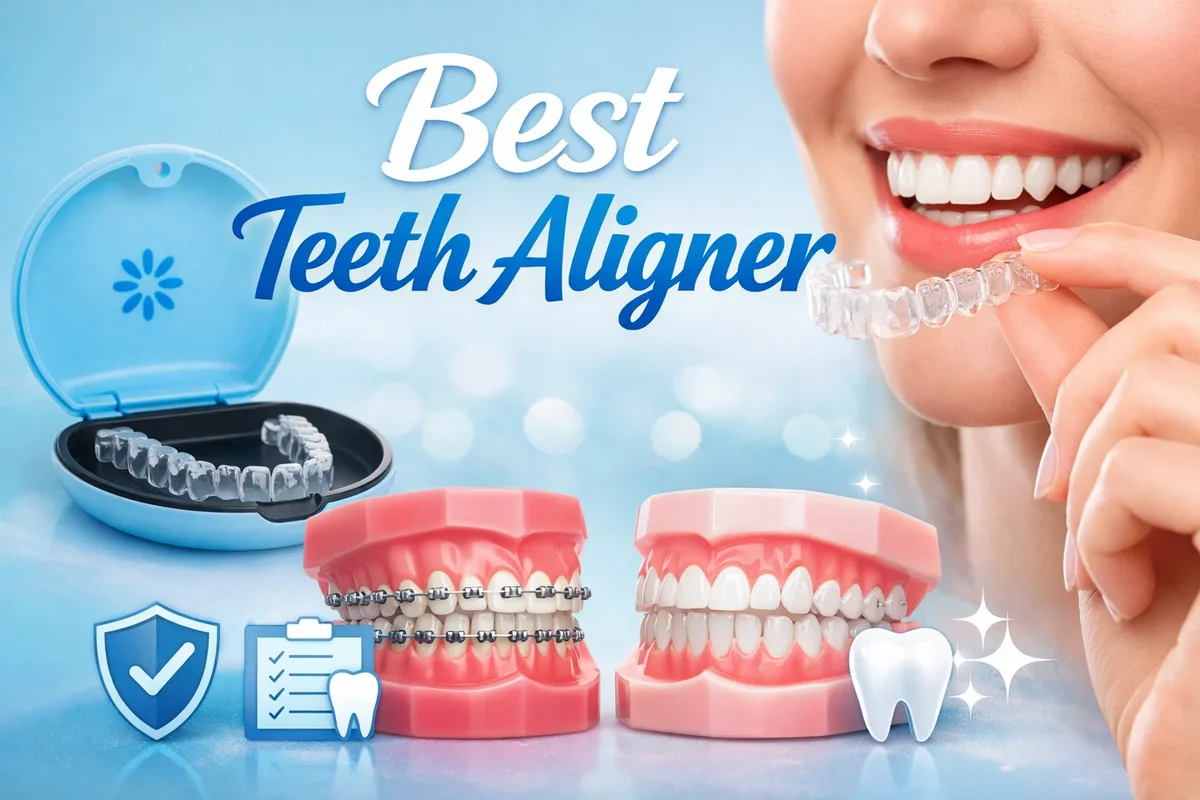
A best teeth aligner is a modern orthodontic solution that uses a series of custom-made, clear trays to gradually move teeth into their ideal position. Unlike metal braces, aligners are nearly invisible, removable, and designed with patient comfort in mind. Each aligner is worn for a specific period, usually one to two weeks, before switching to the next tray in the sequence. Over time, these small movements add up to significant, long-lasting results.
What truly defines the best teeth aligner is not just aesthetics, but also precision. Today’s aligner systems are created using advanced 3D digital scans, allowing dentists to plan tooth movements down to fractions of a millimeter. This technology ensures predictable outcomes and minimizes unnecessary pressure on teeth and gums 🦷. For patients, this means a smoother treatment journey and fewer unexpected surprises.
Another reason why people actively search for the best teeth aligner is lifestyle compatibility. Clear aligners can be removed while eating, brushing, or attending important social events. This flexibility makes them especially appealing for adults and professionals who want orthodontic treatment without drawing attention. Maintaining oral hygiene is also significantly easier compared to fixed braces, reducing the risk of cavities and gum issues during treatment.
From a medical standpoint, the best teeth aligner should always be part of a dentist-supervised treatment plan. Reputable aligner systems follow strict clinical guidelines supported by organizations such as the
American Dental Association. Dental supervision ensures that tooth movement is safe, controlled, and adapted to each patient’s unique jaw structure and bite relationship.
Patients often ask whether a best teeth aligner can handle complex cases. While aligners are ideal for mild to moderate crowding, spacing, and bite issues, modern systems have expanded their capabilities dramatically. With attachments, refinements, and proper planning, aligners can now address many orthodontic concerns that once required braces. However, a professional evaluation is essential to confirm suitability.
Another important factor when discussing the best teeth aligner is comfort. Aligners are made from smooth, medical-grade materials that reduce irritation to the cheeks and lips. While some pressure is expected—especially when switching to a new tray—it is generally mild and temporary. Many patients report that aligner discomfort is far easier to manage compared to traditional orthodontic appliances 😌.
The psychological impact of using the best teeth aligner should not be underestimated. A discreet orthodontic solution often boosts confidence during treatment, not just after it. Patients feel more comfortable smiling, speaking, and interacting socially, knowing their aligners are barely noticeable. This emotional benefit plays a major role in treatment satisfaction and adherence.
For those considering treatment, consulting a trusted dental clinic is crucial. A personalized assessment ensures that the best teeth aligner option is chosen based on dental health, alignment goals, and long-term stability. You can easily schedule a professional consultation through the
Redent Klinik Contact Page, where experienced dental professionals guide patients step by step through the aligner journey.
In summary, the best teeth aligner represents the perfect balance between technology, comfort, aesthetics, and clinical safety. It is not simply a cosmetic tool, but a medically guided orthodontic solution designed to improve both dental health and quality of life. Understanding how aligners work, what makes them effective, and why professional supervision matters is the first step toward achieving a confident, healthy smile that lasts 😁.
What Is the Best Teeth Aligner and How Does It Work?
Understanding what the best teeth aligner is and how it works is essential before starting orthodontic treatment. Many patients are drawn to aligners because they appear simple, but behind that simplicity lies advanced dental science and technology 🧠🦷. The best teeth aligner is not a single tray, but a carefully planned system designed to move teeth gradually, safely, and predictably.
The Core Concept Behind the Best Teeth Aligner
At its core, the best teeth aligner system relies on controlled force. Each aligner tray is custom-made to apply gentle pressure to specific teeth, guiding them toward their ideal position. Unlike traditional braces that move many teeth at once, aligners focus on precise, incremental adjustments. This targeted movement reduces discomfort and improves accuracy over the course of treatment.
The process begins with a comprehensive dental examination. Digital scans or impressions of the teeth are taken and converted into a 3D model. Using specialized software, dentists map out every stage of tooth movement from start to finish. This digital planning is one of the defining features of the best teeth aligner, allowing patients to preview their expected results before treatment even begins ✨.
How the Best Teeth Aligner Moves Teeth Gradually
Once the treatment plan is finalized, a series of aligners is produced. Each aligner is worn for approximately 20–22 hours per day and is replaced every one to two weeks, depending on the dentist’s recommendation. Every new tray represents a small step forward. Over time, these steps combine to create significant alignment changes without overwhelming the teeth or surrounding bone.
What makes the best teeth aligner especially effective is consistency. Teeth respond best to continuous, low-level pressure rather than sudden force. By wearing aligners as instructed, patients allow the jawbone to remodel naturally around the moving teeth. This biological process, known as bone remodeling, is key to achieving stable, long-lasting results.
Attachments and Refinements in Best Teeth Aligner Systems
In some cases, small tooth-colored attachments are bonded to the teeth to enhance aligner grip and control. These attachments are nearly invisible and are strategically placed to assist with rotations, vertical movements, or bite correction. Their use demonstrates how advanced the best teeth aligner systems have become, capable of addressing more complex alignment challenges than ever before.
Refinements are another important aspect. If minor adjustments are needed during treatment, additional scans may be taken, and new aligners are created. This flexibility ensures that the best teeth aligner treatment adapts to real-life tooth movement rather than following a rigid, outdated plan.
Daily Life With the Best Teeth Aligner
One of the most appealing aspects of the best teeth aligner is how seamlessly it fits into daily life. Because aligners are removable, patients can eat their favorite foods without restriction 🍎🍕. There are no brackets to break and no wires to tighten. Brushing and flossing remain part of a normal oral hygiene routine, significantly reducing the risk of plaque buildup and gum inflammation.
Speech adaptation is usually quick. While some patients notice a slight lisp during the first few days, this typically disappears as the tongue adjusts. Compared to traditional orthodontic appliances, the best teeth aligner offers a smoother transition with minimal disruption to communication and social interactions.
Why Professional Supervision Matters
Although aligners may appear straightforward, professional supervision is what truly separates the best teeth aligner from generic or unsupervised alternatives. Teeth are connected to complex structures including roots, nerves, and bone. Incorrect force or timing can lead to complications such as root resorption or bite imbalance. A dentist monitors progress regularly to ensure movements remain safe and effective.
Professional oversight also allows early detection of issues such as aligner fit problems or compliance challenges. This guidance maximizes the success rate of the best teeth aligner treatment and ensures results that are not only attractive but also medically sound.
How Long Does the Best Teeth Aligner Take to Work?
Treatment duration varies depending on the complexity of the case. Mild spacing or crowding may take as little as a few months, while more involved corrections can take 12–18 months. The advantage of the best teeth aligner is predictability—patients know what to expect and can track progress step by step 📈.
In conclusion, the best teeth aligner works through a combination of advanced digital planning, gradual force application, and professional supervision. It is not a shortcut, but a refined orthodontic approach that prioritizes comfort, precision, and long-term dental health. Understanding how aligners function empowers patients to commit confidently to treatment and achieve a healthier, more confident smile.
Who Is the Best Teeth Aligner Suitable For?
Determining who is suitable for the best teeth aligner is one of the most important steps before starting orthodontic treatment. While aligners are widely popular, they are not a one-size-fits-all solution. Understanding candidacy helps patients set realistic expectations and ensures long-term success 😊. The best teeth aligner is designed to treat a wide range of alignment issues, but suitability depends on dental condition, lifestyle, and treatment goals.
Ideal Candidates for the Best Teeth Aligner
The best teeth aligner is ideal for patients with mild to moderate orthodontic concerns. These commonly include crowded teeth, small gaps, slightly crooked teeth, and minor bite irregularities. Because aligners rely on gradual tooth movement, cases that require extreme force or complex jaw repositioning may need alternative treatments.
Adults are among the most common candidates for the best teeth aligner. Many adults avoided braces in their teenage years or experienced shifting after previous orthodontic treatment. Aligners provide a discreet, professional-friendly solution that fits seamlessly into work and social life. Their nearly invisible appearance makes them especially appealing for people who interact frequently with others 😁.
Teenagers and the Best Teeth Aligner
Teenagers can also benefit greatly from the best teeth aligner, provided they demonstrate responsibility and compliance. Since aligners must be worn for most of the day, commitment is essential. Some aligner systems are specifically designed for teens, incorporating features that help ensure proper wear time.
Parents often appreciate that the best teeth aligner allows teens to maintain better oral hygiene. Because trays are removable, brushing and flossing are easier compared to fixed braces, reducing the risk of cavities during critical developmental years 🦷.
Compliance and Responsibility Factors
One key factor in determining suitability for the best teeth aligner is patient discipline. Aligners must be worn consistently, usually 20–22 hours per day. Patients who frequently forget to wear their aligners or remove them for long periods may experience delayed results or ineffective treatment.
This is why dentists carefully evaluate lifestyle habits before recommending the best teeth aligner. For motivated individuals who value routine and structure, aligners are an excellent choice.
Dental Conditions That Influence Suitability
A healthy oral environment is essential for successful aligner treatment. Patients considering the best teeth aligner should have healthy gums, no active periodontal disease, and stable tooth roots. Conditions such as untreated cavities or gum infections must be addressed before starting aligner therapy.
Bite alignment also plays a role. While the best teeth aligner can correct mild overbites, underbites, and crossbites, severe skeletal discrepancies may require orthodontic braces or combined treatments. A professional dental evaluation ensures that aligners are chosen only when they can deliver safe and predictable results.
Lifestyle and Expectations
Lifestyle compatibility is another reason many people qualify for the best teeth aligner. Patients who travel frequently, attend social events, or work in public-facing roles often prefer aligners due to their flexibility and discreet appearance ✈️. Being able to remove aligners temporarily offers freedom that traditional orthodontic appliances cannot match.
However, expectations must be realistic. The best teeth aligner is highly effective, but it requires patience. Teeth move gradually, and skipping aligner wear can slow progress. Patients who understand and respect the process are far more likely to achieve optimal results.
Who May Not Be Ideal for the Best Teeth Aligner?
While many people are suitable for the best teeth aligner, some individuals may need alternative orthodontic solutions. Patients with severe jaw misalignment, complex tooth rotations, or advanced periodontal disease may not be ideal candidates. In such cases, dentists may recommend braces, surgical orthodontics, or a hybrid approach.
Additionally, individuals unwilling to commit to consistent wear may struggle with aligner treatment. The effectiveness of the best teeth aligner depends heavily on patient cooperation.
Professional Evaluation Is the Final Decision Maker
Ultimately, suitability for the best teeth aligner can only be confirmed through a professional dental consultation. Dentists assess tooth position, bite function, gum health, and patient goals to determine whether aligners are the best option. This personalized approach ensures safety, efficiency, and long-term stability 🔍.
In summary, the best teeth aligner is suitable for a wide range of patients, especially motivated adults and responsible teens with mild to moderate alignment issues. When chosen correctly and guided by professional supervision, aligners offer a comfortable, effective, and confidence-boosting path to a straighter smile.
Types of Teeth Aligners: Clear Aligners vs Traditional Options
When searching for the best teeth aligner, many patients quickly realize that not all orthodontic solutions are the same. Understanding the different types of teeth aligners—and how they compare to traditional options—helps patients make informed decisions based on comfort, effectiveness, and lifestyle compatibility 🦷. The best teeth aligner is not defined by popularity alone, but by how well it aligns with individual dental needs.
Clear Aligners: The Modern Standard
Clear aligners are widely considered the gold standard when discussing the best teeth aligner. These transparent trays are custom-made from medical-grade plastic and are designed to fit snugly over the teeth. Their primary advantage is discretion—most people won’t even notice them during conversation or daily activities 😄.
Another defining feature of clear aligners is removability. Patients can take them out while eating, brushing, or attending special events. This flexibility makes the best teeth aligner especially appealing to adults and professionals who want orthodontic treatment without significant lifestyle disruption.
Precision and Digital Planning
What truly elevates clear aligners to the level of the best teeth aligner is digital treatment planning. Dentists use 3D imaging to map each tooth’s movement from start to finish. This allows for precise control and predictable results, reducing guesswork and improving patient confidence in the treatment process.
Clear aligners also rely on incremental force rather than continuous pressure. Each tray introduces small adjustments, allowing teeth and bone to adapt naturally. This controlled movement is one reason the best teeth aligner is often associated with improved comfort compared to traditional braces.
Traditional Braces: A Fixed Orthodontic Option
Traditional braces have been used for decades and remain effective for complex orthodontic cases. They consist of metal brackets attached to the teeth and connected by wires that are periodically tightened. While effective, braces differ significantly from the best teeth aligner in terms of comfort, appearance, and maintenance.
Braces are not removable, which means patients must adapt their diet and oral hygiene routine. Sticky or hard foods can damage brackets, and cleaning around wires requires extra care. For patients prioritizing convenience and aesthetics, these limitations often make braces less appealing than the best teeth aligner.
When Braces May Be Preferred
Despite their drawbacks, traditional braces may still be recommended in certain cases. Severe misalignment, complex bite issues, or jaw-related discrepancies may respond better to fixed appliances. In such scenarios, a dentist may advise braces over the best teeth aligner to achieve optimal results.
However, advancements in aligner technology continue to reduce the gap between braces and aligners. Many cases once treated exclusively with braces can now be successfully managed using the best teeth aligner under professional supervision.
Hybrid and Alternative Aligner Options
Some orthodontic treatments combine elements of both systems. Hybrid approaches may involve temporary use of braces followed by aligners, or aligners with attachments to enhance control. These solutions aim to provide the benefits of the best teeth aligner while addressing specific alignment challenges.
Mail-order aligners also exist, but they differ significantly from dentist-supervised systems. While they may appear convenient, they lack in-person evaluations and ongoing monitoring. For long-term dental health and safety, professionally guided treatment remains the standard for the best teeth aligner.
Comparing Comfort and Daily Experience
Comfort is a major deciding factor when choosing the best teeth aligner. Clear aligners are smooth and custom-fitted, minimizing irritation to the gums and cheeks. Braces, on the other hand, can cause sores, discomfort, and pressure spikes after adjustments 😬.
Daily life is generally easier with the best teeth aligner. There are no emergency visits for broken wires or loose brackets, and speech adaptation is typically quicker. Patients often report higher satisfaction levels due to the simplicity and comfort of aligner treatment.
Aesthetic and Psychological Considerations
Appearance plays a significant role in orthodontic decisions. The near-invisible nature of the best teeth aligner allows patients to smile confidently throughout treatment. This psychological benefit can improve self-esteem and encourage consistent wear, which directly impacts treatment success 😊.
In contrast, visible metal braces may make some patients feel self-conscious, especially adults. This emotional factor is one reason the best teeth aligner has become the preferred option for modern orthodontic care.
Which Option Truly Represents the Best Teeth Aligner?
Ultimately, the best teeth aligner is the option that balances effectiveness, comfort, safety, and lifestyle compatibility. For most mild to moderate cases, clear aligners offer unmatched advantages. They combine advanced technology with patient-centered design, making them a leading choice in contemporary dentistry.
In conclusion, while traditional braces still have their place, clear aligners stand out as the best teeth aligner for the majority of patients seeking a discreet, comfortable, and efficient path to a straighter smile. A professional dental consultation ensures the right choice is made for lasting results and long-term oral health.
Key Benefits of Choosing the Best Teeth Aligner
Selecting the best teeth aligner is not just about straightening teeth—it is about improving comfort, confidence, oral health, and overall quality of life 😊. Modern aligner systems offer a wide range of benefits that go far beyond aesthetics. Understanding these advantages helps patients feel confident that the best teeth aligner is a smart, long-term investment in their dental well-being.
Discreet Appearance and Confidence Boost
One of the most well-known benefits of the best teeth aligner is its nearly invisible design. Clear aligners blend seamlessly with natural teeth, allowing patients to smile, speak, and interact without feeling self-conscious. This discreet appearance is especially valuable for adults, professionals, and anyone who prefers subtle orthodontic treatment.
Confidence during treatment is a major psychological advantage. Many patients report feeling more comfortable smiling in photos and social settings while wearing the best teeth aligner. This positive self-image often leads to better compliance, which directly improves treatment outcomes 😁.
Improved Comfort Compared to Traditional Methods
Comfort is another defining benefit of the best teeth aligner. Aligners are made from smooth, medical-grade materials designed to fit snugly without sharp edges. Unlike metal brackets and wires, aligners minimize irritation to the cheeks, lips, and tongue.
While some pressure is expected when switching to a new aligner tray, it is typically mild and temporary. This controlled pressure is a sign that the best teeth aligner is working as intended, gently guiding teeth into position without excessive discomfort.
Fewer Emergency Dental Visits
Traditional braces often require unplanned visits due to broken wires or loose brackets. With the best teeth aligner, these issues are extremely rare. This reliability saves time, reduces stress, and makes orthodontic care more predictable and convenient.
Enhanced Oral Hygiene and Dental Health
One of the most important health-related benefits of the best teeth aligner is improved oral hygiene. Because aligners are removable, patients can brush and floss normally. This significantly lowers the risk of plaque buildup, cavities, and gum disease during treatment 🪥.
In contrast, fixed orthodontic appliances can trap food particles and bacteria, making cleaning more difficult. By choosing the best teeth aligner, patients maintain better gum health and reduce the likelihood of long-term dental complications.
Freedom in Daily Life and Diet
Lifestyle flexibility is another major advantage of the best teeth aligner. Patients can remove aligners while eating, meaning there are no dietary restrictions. Hard, sticky, or crunchy foods that are off-limits with braces can still be enjoyed 🍎🍫.
This freedom also extends to special occasions. Whether attending a wedding, business meeting, or important presentation, patients can temporarily remove the best teeth aligner if needed, as long as wear-time guidelines are respected.
Predictable and Customized Treatment Outcomes
The best teeth aligner is built on advanced digital planning. Dentists use 3D scans to design a fully customized treatment plan, allowing patients to see a virtual preview of their expected results. This transparency builds trust and helps patients understand each phase of their orthodontic journey.
Predictability is a key benefit. Because each aligner is designed for a specific movement, progress can be tracked accurately. Adjustments and refinements ensure that the best teeth aligner continues to deliver optimal results even if teeth move differently than expected.
Time Efficiency and Fewer Appointments
Many patients appreciate that the best teeth aligner often requires fewer in-office visits compared to traditional braces. Check-ups are typically shorter and less frequent, making aligners ideal for busy schedules ✈️.
In many cases, overall treatment time is comparable—or even shorter—than braces for mild to moderate alignment issues. This efficiency further reinforces why the best teeth aligner is a preferred choice for modern orthodontic care.
Long-Term Stability and Retention Benefits
The benefits of the best teeth aligner extend beyond active treatment. Properly aligned teeth are easier to clean, distribute bite forces evenly, and reduce unnecessary wear. These factors contribute to long-term dental stability and oral health.
After treatment, retainers help maintain results. Because aligner patients are already accustomed to removable appliances, retention compliance is often higher. This makes it easier to preserve the results achieved with the best teeth aligner for years to come.
Why These Benefits Matter
In summary, the best teeth aligner offers a powerful combination of comfort, discretion, health benefits, and lifestyle freedom. It is not merely an aesthetic solution, but a patient-centered orthodontic approach designed to support both physical and emotional well-being 🌟.
By choosing the best teeth aligner, patients gain more than straighter teeth—they gain confidence, convenience, and a healthier smile that fits seamlessly into modern life.
How to Choose the Best Teeth Aligner for Your Needs
Choosing the best teeth aligner is a highly personal decision that should be based on more than advertisements or popularity alone. Every smile is unique, and the most effective aligner solution depends on dental health, alignment complexity, lifestyle, and long-term goals 😊. Understanding the key criteria involved helps patients confidently select the best teeth aligner that delivers both safe and satisfying results.
Start With a Professional Dental Evaluation
The first and most important step in choosing the best teeth aligner is a comprehensive dental consultation. A dentist evaluates tooth alignment, bite relationship, gum health, and jaw structure. This assessment determines whether aligners are suitable and identifies the level of correction required.
Professional guidance is essential because not all alignment issues can be treated safely with aligners alone. The best teeth aligner is always part of a dentist-supervised treatment plan, ensuring tooth movement is biologically sound and does not compromise long-term oral health 🦷.
Assess the Complexity of Your Alignment Case
Case complexity plays a major role in choosing the best teeth aligner. Mild to moderate crowding, spacing, and minor bite issues are typically ideal for aligner treatment. These cases respond well to gradual, controlled movement and often achieve excellent results within predictable timeframes.
More complex cases—such as severe rotations, significant bite discrepancies, or jaw-related issues—may still be treatable with the best teeth aligner, but only with advanced planning, attachments, and possible refinements. In some situations, dentists may recommend alternative or hybrid approaches for optimal outcomes.
Why Complexity Matters
Understanding complexity prevents unrealistic expectations. The best teeth aligner is highly effective, but it is not a shortcut. Matching the treatment method to the problem ensures safety, efficiency, and lasting stability.
Consider Lifestyle and Daily Habits
Lifestyle compatibility is one of the strongest reasons patients choose the best teeth aligner. Aligners require consistent wear—typically 20 to 22 hours per day. Patients who value routine and can commit to wearing aligners regularly are ideal candidates.
If you frequently attend meetings, social events, or travel often, the flexibility of the best teeth aligner is a major advantage ✈️. Being able to remove aligners temporarily allows treatment to fit seamlessly into modern life without constant adjustments or restrictions.
Evaluate Comfort and Aesthetic Preferences
Comfort and appearance are key factors when selecting the best teeth aligner. Clear aligners are smooth, custom-fitted, and nearly invisible, making them appealing to patients who want discreet treatment. Compared to fixed appliances, aligners generally cause less irritation and are easier to adapt to.
Patients who prioritize aesthetics during treatment often find that the best teeth aligner boosts confidence and encourages consistent wear. This psychological comfort can significantly influence overall treatment success 😁.
Technology and Treatment Planning Quality
Advanced technology is a defining characteristic of the best teeth aligner. High-quality systems use digital scans, 3D modeling, and predictive software to plan each stage of tooth movement. This level of precision allows dentists to anticipate challenges and adjust treatment proactively.
Patients should feel comfortable asking how their aligner plan is created and monitored. Transparency in planning is a strong indicator that the best teeth aligner system is being used responsibly and effectively.
Safety, Monitoring, and Professional Support
Safety should never be compromised when choosing the best teeth aligner. Dentist-supervised treatment ensures that tooth movement does not damage roots, gums, or bone. Regular check-ups allow for early detection of issues and timely refinements.
Unsupervised or generic aligner options may appear convenient, but they lack personalized monitoring. For long-term dental health, professional oversight is a non-negotiable element of the best teeth aligner experience.
Understanding Treatment Timeline and Commitment
Treatment duration varies depending on individual needs. When choosing the best teeth aligner, patients should understand the expected timeline and their role in achieving results. Consistent wear and proper care directly influence how quickly and effectively teeth move.
Dentists provide realistic timelines based on clinical data, helping patients align expectations with achievable outcomes. This clarity reinforces trust in the best teeth aligner process 📅.
Long-Term Results and Retention Planning
Choosing the best teeth aligner also means thinking beyond active treatment. Retention is essential to maintain results, and aligner patients often adapt well to wearing retainers because they are already familiar with removable appliances.
Long-term stability depends on proper alignment, bite balance, and retention compliance. A well-chosen best teeth aligner treatment plan supports all three, ensuring results that last for years.
Making an Informed Final Decision
In summary, choosing the best teeth aligner requires careful consideration of dental health, case complexity, lifestyle, comfort preferences, and professional support. It is not about choosing the fastest or cheapest option, but the safest and most effective one 🌟.
With expert guidance and a personalized approach, the best teeth aligner becomes a powerful tool for achieving a healthy, confident smile that fits seamlessly into your life.
Best Teeth Aligner Treatment Process Step by Step
Understanding the treatment journey is essential when committing to the best teeth aligner. Many patients feel more confident and motivated when they know exactly what to expect at each stage of the process 😊. While aligner treatment is simpler than traditional orthodontics, it still follows a carefully structured, medically guided pathway designed to ensure safety, comfort, and predictable results. Below is a detailed, step-by-step breakdown of how the best teeth aligner treatment works from start to finish.
Step 1: Initial Consultation and Dental Assessment
Every successful best teeth aligner treatment begins with a comprehensive dental consultation. During this visit, the dentist examines tooth alignment, bite function, gum health, and overall oral condition. Digital scans, X-rays, or impressions are taken to gather precise data about tooth position and jaw structure.
This step is critical because aligners rely on healthy foundations. Any cavities, gum disease, or underlying dental issues must be treated before starting the best teeth aligner process. A thorough evaluation ensures that tooth movement will be safe and biologically sound 🦷.
Step 2: Digital Treatment Planning
Once diagnostic data is collected, advanced software is used to create a 3D digital model of the teeth. This model allows the dentist to map out every stage of movement from the initial position to the final aligned smile. This planning phase is one of the defining strengths of the best teeth aligner.
Patients often get to see a virtual preview of their future smile, which increases confidence and understanding of the process. This transparency helps set realistic expectations and reinforces trust in the best teeth aligner treatment plan ✨.
Customization and Precision
Each aligner tray is customized based on this digital plan. The best teeth aligner does not rely on generic movement patterns; instead, every adjustment is calculated to apply the right amount of force to specific teeth at the right time.
Step 3: Aligner Fabrication and Delivery
After the treatment plan is finalized, a series of custom aligners is manufactured using medical-grade materials. Patients receive multiple trays, each designed to be worn for a specific period—usually one to two weeks—before moving to the next.
At this stage, the dentist provides detailed instructions on how to wear and care for the best teeth aligner. Proper handling, cleaning routines, and wear-time guidelines are explained to maximize effectiveness and hygiene.
Step 4: Wearing the Best Teeth Aligner Daily
Daily wear is the most important responsibility in the best teeth aligner process. Aligners must typically be worn 20–22 hours per day to ensure consistent pressure on the teeth. They should only be removed for eating, drinking anything other than water, brushing, and flossing.
Consistency is key. When worn correctly, the best teeth aligner applies gentle, continuous force that allows teeth and surrounding bone to adapt naturally. Skipping wear time can delay progress and affect final results ⏳.
Step 5: Periodic Check-Ups and Monitoring
Regular dental check-ups are scheduled throughout the best teeth aligner treatment. These visits allow the dentist to monitor progress, assess aligner fit, and ensure that teeth are moving according to plan.
If minor deviations occur, refinements may be recommended. Additional scans can be taken, and new aligners may be produced to fine-tune results. This adaptability is a major advantage of the best teeth aligner system.
Step 6: Managing Discomfort and Adjustments
Mild pressure or tightness is normal when starting a new aligner tray. This sensation is a sign that the best teeth aligner is actively guiding teeth into position. Discomfort usually subsides within a day or two and is generally much less intense than with traditional braces 😌.
Dentists may recommend simple comfort measures such as switching trays before bedtime or using aligner chewies to improve fit. These small adjustments help patients stay comfortable and compliant.
Step 7: Completing Active Treatment
Once the final aligner in the series is completed, active treatment with the best teeth aligner comes to an end. At this stage, teeth have reached their planned positions, and the smile alignment goals have been achieved.
The dentist performs a final evaluation to confirm that bite function, aesthetics, and stability meet clinical standards. This final assessment ensures that results are not only visually pleasing but also functionally healthy.
Step 8: Retention and Long-Term Maintenance
Retention is a crucial final step in the best teeth aligner journey. Teeth have a natural tendency to shift back, especially in the first months after treatment. Custom retainers are prescribed to maintain results and protect the investment made in alignment.
Because aligner patients are already familiar with removable appliances, retention compliance is often high. This habit significantly increases the long-term success of the best teeth aligner treatment 🛡️.
Why the Step-by-Step Process Matters
In conclusion, the best teeth aligner treatment process is a carefully structured journey that combines advanced technology, professional supervision, and patient commitment. Each step builds upon the previous one to ensure safe, effective, and lasting results.
By understanding and following this step-by-step process, patients can fully benefit from the best teeth aligner, achieving not only straighter teeth but also improved confidence, oral health, and long-term smile stability 🌟.
Best Teeth Aligner Costs, Pricing Factors, and Value
One of the most common questions patients ask when considering orthodontic treatment is about cost. Understanding the pricing structure of the best teeth aligner helps patients plan realistically and evaluate overall value—not just the initial price tag 💡. Costs can vary widely based on several clinical and personal factors, and knowing what influences pricing ensures there are no surprises along the way.
Average Cost Range of the Best Teeth Aligner
In general, the best teeth aligner treatment typically ranges between $2,000 and $5,500 in many international markets. Mild alignment cases often fall toward the lower end of this spectrum, while more complex cases requiring longer treatment or refinements may approach the higher end.
This price range usually includes the full series of aligners, digital treatment planning, routine check-ups, and initial retainers. When evaluating cost, it is important to confirm exactly what is included in the best teeth aligner package to avoid unexpected additional fees.
Typical Cost Breakdown (Estimated)
- Initial consultation & digital scans: Often included or partially included
- Aligner fabrication & treatment planning: Major portion of total cost
- Monitoring & refinements: Usually included with the best teeth aligner systems
- Retainers after treatment: Sometimes included, sometimes separate
Key Factors That Influence Best Teeth Aligner Pricing
Several important factors determine the final cost of the best teeth aligner. Understanding these variables helps patients compare options more accurately and assess long-term value rather than focusing solely on upfront cost.
1. Complexity of the Alignment Case
The severity of tooth misalignment is one of the biggest pricing factors. Mild crowding or spacing typically requires fewer aligners and a shorter treatment duration, reducing overall cost. More complex cases may require additional aligners, attachments, or refinements, increasing the price of the best teeth aligner.
2. Treatment Duration
Longer treatment times generally involve more aligner trays and more professional monitoring. A treatment lasting 6 months will usually cost less than one lasting 18 months. The best teeth aligner pricing often reflects the number of stages required to reach optimal alignment ⏱️.
3. Level of Professional Supervision
Dentist-supervised treatments are typically more comprehensive and therefore may cost more than unsupervised alternatives. However, professional oversight significantly increases safety, accuracy, and long-term success. This supervision is a defining feature of the best teeth aligner and a key component of its value.
Best Teeth Aligner vs Traditional Braces: Cost Comparison
Many patients assume aligners are always more expensive than braces, but this is not necessarily true. In many cases, the cost of the best teeth aligner is comparable to traditional braces, especially for mild to moderate cases.
Traditional braces may appear cheaper initially, but additional visits, repairs, and longer treatment times can add to overall expense. When factoring in comfort, convenience, and aesthetics, many patients find the best teeth aligner offers better overall value 💎.
Is the Best Teeth Aligner Worth the Investment?
Value goes beyond price. The best teeth aligner provides benefits that are difficult to quantify financially but significantly impact daily life. These include discreet appearance, easier oral hygiene, fewer emergencies, and improved confidence during treatment.
Additionally, properly aligned teeth can reduce long-term dental costs by minimizing uneven wear, jaw strain, and gum issues. In this sense, the best teeth aligner is not just an orthodontic expense—it is a preventive investment in future oral health 🦷.
Payment Options and Financial Flexibility
Many dental clinics offer flexible payment plans to make the best teeth aligner more accessible. Monthly installments, staged payments, or bundled treatment plans help patients manage costs without compromising care quality.
Some insurance plans may provide partial coverage for orthodontic treatment, including aligners. Patients are encouraged to check their benefits and discuss financing options during their consultation to better understand the true cost of the best teeth aligner.
Hidden Costs to Watch For
When comparing options, patients should ask whether refinements, replacement aligners, or retainers are included. The best teeth aligner systems are typically transparent about pricing and include most essential components upfront.
Choosing a lower-cost option without proper supervision may lead to complications, corrections, or retreatment—ultimately increasing total expense. This is why value, not just price, should guide the decision.
Final Thoughts on Cost and Value
In conclusion, the cost of the best teeth aligner varies based on case complexity, treatment length, and professional involvement. While prices may seem significant at first, the benefits in comfort, aesthetics, oral health, and confidence often justify the investment 🌟.
By understanding pricing factors and focusing on long-term value, patients can make informed decisions and choose the best teeth aligner solution that aligns with both their dental goals and financial planning.
Best Teeth Aligner Results, Aftercare, and Long-Term Success
Achieving straight teeth is an exciting milestone, but the true success of the best teeth aligner goes beyond the final tray 😊. Results, aftercare, and long-term stability are just as important as the active treatment phase. Understanding what happens after alignment—and how to protect those results—helps patients enjoy the full benefits of the best teeth aligner for many years to come.
What Results Can You Expect From the Best Teeth Aligner?
The results of the best teeth aligner are typically both aesthetic and functional. Visually, patients notice straighter teeth, improved symmetry, and a more confident smile. Functionally, proper alignment improves bite balance, chewing efficiency, and overall oral comfort.
Most patients begin noticing visible improvements within the first few months. As treatment progresses, teeth gradually shift into their planned positions according to the digital treatment model. One of the advantages of the best teeth aligner is predictability—patients know what outcomes to expect and can track progress step by step 📊.
Final Evaluation and Confirmation of Results
At the end of active treatment, the dentist performs a detailed final evaluation. This includes checking tooth position, bite alignment, and overall oral health. The goal is to ensure that the results achieved with the best teeth aligner are not only attractive but also stable and functional.
If minor adjustments are needed, refinements may be recommended. These final touches help perfect the smile and ensure that the best teeth aligner delivers optimal results tailored to the patient’s unique anatomy.
The Importance of Aftercare Following Best Teeth Aligner Treatment
Aftercare is a critical phase that determines whether the results of the best teeth aligner last or gradually fade. Teeth naturally tend to shift back toward their original positions, especially in the months following treatment. This is why retention is essential.
Patients are typically provided with custom retainers designed to hold teeth in their new alignment. These retainers are an integral part of the best teeth aligner journey and should be worn exactly as prescribed 🛡️.
Retainer Wear Guidelines
Most dentists recommend full-time retainer wear initially, followed by nighttime wear once stability improves. Because aligner patients are already accustomed to removable appliances, compliance with retainer use is often higher. This habit significantly increases the long-term success of the best teeth aligner.
Maintaining Oral Health After Treatment
Proper oral hygiene becomes even more important after completing treatment with the best teeth aligner. Straighter teeth are easier to clean, but consistent brushing, flossing, and regular dental check-ups remain essential to preserve results.
Dentists may also recommend professional cleanings and periodic evaluations to monitor bite stability and gum health. These visits help ensure that the benefits of the best teeth aligner extend well into the future 🦷.
Long-Term Stability and Lifestyle Factors
Long-term success with the best teeth aligner depends on several lifestyle factors. Habits such as teeth grinding, nail biting, or skipping retainer wear can compromise results. Being mindful of these behaviors protects the investment made in orthodontic treatment.
A balanced bite also contributes to stability. When teeth fit together properly, pressure is distributed evenly, reducing the risk of shifting. This functional benefit is a key reason why professionally planned best teeth aligner treatments outperform unsupervised alternatives.
Psychological and Confidence Benefits Over Time
The emotional impact of long-term results should not be underestimated. Patients who complete treatment with the best teeth aligner often report lasting improvements in self-confidence and willingness to smile freely 😁.
This confidence can positively influence social interactions, professional opportunities, and overall quality of life. Because aligner treatment is discreet, many patients feel empowered throughout the journey and proud of the final outcome.
When to Seek Follow-Up or Adjustments
Even after successful treatment, occasional follow-up may be necessary. If a retainer becomes damaged or teeth begin to shift, contacting a dentist promptly helps prevent more significant issues. Ongoing professional support reinforces the long-term success of the best teeth aligner.
Dentists can also adjust retention strategies over time based on age, bite changes, or lifestyle shifts, ensuring continued stability.
Why Long-Term Planning Matters
In conclusion, the true value of the best teeth aligner lies not only in achieving straight teeth but in maintaining those results for life. Successful outcomes depend on proper aftercare, retainer compliance, and ongoing oral health awareness 🌟.
By committing to long-term care and following professional guidance, patients can ensure that the results of the best teeth aligner remain stable, functional, and beautiful—delivering a confident smile that stands the test of time.
Best Teeth Aligner Safety, Risks, and the Importance of Dental Supervision
Safety is one of the most critical factors when choosing the best teeth aligner. While aligners are widely perceived as a gentle and modern orthodontic solution, they still involve moving teeth, roots, and surrounding bone structures 🦷. Understanding the safety considerations, potential risks, and the role of professional supervision ensures that patients achieve successful outcomes without compromising long-term oral health.
Why Safety Matters With the Best Teeth Aligner
The best teeth aligner works by applying controlled pressure to teeth over time. This process must respect the biological limits of tooth movement. When aligners are designed and monitored correctly, tooth movement is safe and predictable. However, when treatment lacks proper oversight, even small mistakes can lead to complications.
Teeth are anchored in bone by periodontal ligaments and surrounded by nerves and blood vessels. Excessive or poorly timed force can damage these structures. This is why the best teeth aligner is always part of a dentist-supervised treatment plan rather than a purely cosmetic product.
Common Risks Associated With Teeth Aligners
Although aligners are generally safe, certain risks may arise if treatment is not properly planned or followed. Understanding these risks helps patients appreciate why professional guidance is essential when using the best teeth aligner.
Tooth Root and Bone Issues
One potential risk is root resorption, a condition where tooth roots shorten due to excessive pressure. While rare, this risk increases when aligners are poorly designed or worn incorrectly. The best teeth aligner minimizes this risk through precise digital planning and gradual force application.
Bone support is another consideration. Moving teeth too quickly can outpace the body’s ability to remodel bone, leading to instability. Dentist supervision ensures that the best teeth aligner works in harmony with natural biological processes.
Gum Health and Bite Changes
Improper aligner use can also affect gum health. Ill-fitting trays may irritate gums or trap bacteria, increasing the risk of inflammation. The best teeth aligner is custom-fitted and regularly checked to prevent these issues.
Bite changes are another concern. If teeth move without proper coordination between upper and lower arches, bite imbalance may occur. Professional monitoring ensures that the best teeth aligner improves both alignment and function.
The Role of Dental Supervision in Best Teeth Aligner Treatment
Dental supervision is the foundation of safe aligner therapy. Dentists assess whether aligners are appropriate, monitor progress, and adjust treatment as needed. This ongoing care is what truly defines the best teeth aligner.
Regular check-ups allow dentists to identify early signs of problems such as poor fit, delayed movement, or compliance issues. Addressing these concerns promptly keeps treatment on track and protects oral health 😊.
Why Professional Standards Matter
Reputable aligner treatments follow clinical guidelines supported by organizations such as the
American Dental Association. These standards emphasize patient safety, proper diagnosis, and ethical care. Choosing a dentist-guided approach ensures that the best teeth aligner meets recognized medical benchmarks.
Aligner systems that bypass professional involvement may seem convenient, but they lack individualized assessment and monitoring. For long-term safety, these options cannot match the reliability of the best teeth aligner provided under dental supervision.
Patient Responsibility and Safe Aligner Use
Safety is a shared responsibility. Patients play an active role in the success of the best teeth aligner by following wear-time instructions, maintaining hygiene, and attending scheduled check-ups. Skipping aligner wear or ignoring discomfort can compromise results and increase risks.
Proper cleaning of aligners is also essential. Clean trays prevent bacterial buildup and protect gum health, ensuring that the best teeth aligner remains both effective and hygienic 🪥.
Managing Discomfort vs Warning Signs
Mild pressure is normal when starting a new aligner tray and is expected with the best teeth aligner. However, sharp pain, persistent soreness, or gum bleeding are not normal and should be reported to a dentist immediately.
Understanding the difference between expected sensations and warning signs empowers patients to use the best teeth aligner safely and confidently.
Long-Term Safety and Smile Stability
When properly supervised, the best teeth aligner offers excellent long-term safety. Correct alignment reduces uneven tooth wear, improves bite balance, and supports healthier gums. These benefits extend far beyond cosmetic