
If you are searching for the best teeth aligners at home, you are likely looking for a convenient, affordable, and discreet way to straighten your teeth without frequent clinic visits. Over the past decade, at-home clear aligner systems have transformed orthodontic care, making smile correction more accessible than ever. But with so many brands, claims, and online reviews available, it can be difficult to determine which option truly delivers safe and effective results.
The best teeth aligners at home are clear, removable trays custom-designed to gradually shift your teeth into proper alignment. Unlike traditional metal braces, these aligners are nearly invisible and can be removed while eating, brushing, and flossing. This flexibility makes them especially attractive to working adults and students who want a subtle orthodontic solution. 😊
Understanding how the best teeth aligners at home work is essential before making a decision. The process typically begins with an impression kit or a digital scan of your teeth. After submitting your impressions, a licensed dental professional reviews your case and creates a personalized treatment plan. You then receive a series of clear trays designed to be worn for about 20–22 hours per day. Each set gently moves your teeth step by step until the final alignment is achieved.
One reason many patients seek the best teeth aligners at home is convenience. Instead of scheduling monthly orthodontic appointments, you monitor your progress remotely. Most reputable companies provide virtual check-ins, ensuring your treatment stays on track. However, it is important to remember that not every case is suitable for remote orthodontic care. Mild to moderate crowding, spacing, and minor bite issues are typically ideal for the best teeth aligners at home, while complex cases may require in-office treatment.
When evaluating the best teeth aligners at home, several factors should be considered:
- Material Quality: High-grade, BPA-free plastic ensures comfort and durability.
- Professional Oversight: Treatment plans should be reviewed by licensed dentists or orthodontists.
- Customization: Accurate impressions or digital scans are crucial for effective tooth movement.
- Customer Support: Ongoing guidance improves safety and results.
The best teeth aligners at home are not just about aesthetics; they also support oral health. Properly aligned teeth are easier to clean, reducing the risk of plaque buildup, gum disease, and uneven wear. According to the American Dental Association, maintaining correct tooth alignment contributes to better long-term oral hygiene and overall dental stability.
Many patients wonder how the best teeth aligners at home compare to in-office clear aligner treatments. While both use similar technology, the key difference lies in supervision and case complexity. At-home aligners are designed primarily for cosmetic corrections and minor misalignment. If you have severe bite issues, jaw pain, or significant crowding, consulting a clinic directly may be safer.
Cost is another major reason people search for the best teeth aligners at home. Traditional braces can range from $3,000 to $7,000 depending on the case. In contrast, most at-home clear aligner systems typically cost between $1,200 and $2,500, often with flexible payment plans. This affordability makes them appealing to patients who want a straighter smile without a large upfront expense. 💰
Still, affordability should not compromise safety. The best teeth aligners at home should always involve a proper assessment of your oral health. Before starting treatment, it is highly recommended to have a recent dental check-up to ensure there are no untreated cavities, gum disease, or bone issues. If you are unsure whether you are a suitable candidate, you can always reach out to a professional clinic for advice through the Redent Klinik Contact Page.
Another important consideration is commitment. The best teeth aligners at home require discipline. Since they are removable, patients must be responsible enough to wear them consistently. Skipping wear time can delay progress and compromise final results. Most treatment plans last between 4 and 8 months, depending on the complexity of tooth movement.
In summary, the best teeth aligners at home offer a modern, discreet, and budget-friendly solution for improving mild to moderate alignment issues. They combine digital technology, custom fabrication, and remote dental monitoring to create a streamlined orthodontic experience. When chosen carefully and used responsibly, the best teeth aligners at home can provide impressive cosmetic improvements while supporting long-term oral health.
If your goal is to enhance your smile comfortably and confidently, understanding how the best teeth aligners at home work—and whether they match your dental needs—is the first and most important step toward achieving straighter teeth in 2026 and beyond. ✨
What Are the Best Teeth Aligners at Home and How Do They Work?
The growing popularity of the best teeth aligners at home has completely reshaped how adults approach orthodontic treatment. Instead of committing to years of metal braces or frequent in-office visits, patients can now correct mild to moderate misalignment from the comfort of their own homes. But what exactly are the best teeth aligners at home, and how do they actually move teeth safely and effectively?
In simple terms, the best teeth aligners at home are clear, removable orthodontic trays made from medical-grade plastic. These trays are custom-designed to gradually shift teeth into better alignment using controlled pressure. Each aligner in the series is slightly different, guiding your teeth step by step toward the final desired position. 😊
Understanding the Core Technology Behind the Best Teeth Aligners at Home
The foundation of the best teeth aligners at home lies in advanced 3D digital planning. After you complete an impression kit or digital scan, dental professionals use specialized software to map out your tooth movement. This software predicts how each tooth should shift over time, creating a sequence of aligners that apply precise pressure in specific areas.
The best teeth aligners at home rely on a principle known as controlled orthodontic force. Teeth are not rigidly fixed in the jaw; they are supported by a ligament called the periodontal ligament. When gentle pressure is applied consistently, the bone around the tooth remodels, allowing the tooth to move gradually. This is the same biological process used in traditional braces.
Material Quality and Comfort
One defining characteristic of the best teeth aligners at home is high-quality, BPA-free plastic that is both durable and flexible. The material must be strong enough to apply force but comfortable enough for long daily wear. Most systems require wearing the aligners 20–22 hours per day for optimal results.
Because the best teeth aligners at home are transparent, they are far less noticeable than metal brackets and wires. This makes them especially appealing to adults in professional environments who prefer discreet treatment options.
The Step-by-Step Process of Using the Best Teeth Aligners at Home
To fully understand how the best teeth aligners at home work, it helps to break the process down into clear stages:
- Initial Assessment: You submit impressions or digital scans of your teeth.
- Professional Review: A licensed dentist or orthodontist evaluates your eligibility.
- Custom Treatment Plan: A 3D simulation shows how your teeth will move over time.
- Aligner Delivery: You receive a full series of trays.
- Progress Monitoring: Remote check-ins ensure safe movement.
Each set of the best teeth aligners at home is typically worn for one to two weeks before moving to the next stage. Over several months, these incremental adjustments lead to noticeable improvements in alignment.
Who Benefits Most from the Best Teeth Aligners at Home?
The best teeth aligners at home are generally ideal for individuals with mild crowding, small gaps, or minor bite irregularities. They are not always recommended for severe orthodontic cases involving significant jaw misalignment or complex rotations.
According to the American Dental Association, orthodontic treatment should always be supervised by a qualified professional. The best teeth aligners at home that include remote professional oversight are far safer than unsupervised cosmetic kits.
Comparison with In-Office Clear Aligners
Many patients ask whether the best teeth aligners at home are as effective as in-office systems. While both rely on the same orthodontic principles, in-office aligners may allow for attachments and more complex movements. The best teeth aligners at home, however, are typically designed for cosmetic corrections and straightforward alignment issues.
Safety Considerations and Professional Support
Choosing the best teeth aligners at home requires careful research. Look for companies that provide licensed dental oversight, clear treatment plans, and structured follow-up. If you experience discomfort, gum irritation, or unexpected tooth movement, professional guidance is essential.
Before starting treatment with the best teeth aligners at home, it is strongly recommended to have a dental check-up to ensure there are no untreated cavities or gum disease. If you would like personalized guidance before beginning your journey, you can reach out through the Redent Klinik Contact Page.
Expected Timeline and Results
Most treatments using the best teeth aligners at home last between 4 and 8 months. Minor corrections may show visible changes within a few weeks. Consistency is critical; wearing the aligners less than the recommended duration can slow or compromise progress.
When used correctly, the best teeth aligners at home can deliver impressive cosmetic improvements. Straighter teeth not only enhance confidence but also improve oral hygiene by reducing plaque-trapping areas.
In summary, the best teeth aligners at home combine digital technology, biological science, and patient convenience. By applying controlled pressure through a series of custom trays, they gradually move teeth into healthier alignment. With proper supervision, realistic expectations, and consistent wear, the best teeth aligners at home can be a safe and effective solution for many adults seeking a more confident smile. ✨
Cost Breakdown: How Much Do the Best Teeth Aligners at Home Cost?
One of the most common reasons people search for the best teeth aligners at home is affordability. Orthodontic treatment has traditionally been expensive, often placing braces or in-office clear aligners out of reach for many adults. However, the rise of the best teeth aligners at home has introduced a more budget-friendly alternative that still delivers noticeable cosmetic improvements. Understanding the full cost structure helps you make a confident and informed decision. 💰
Average Price Range of the Best Teeth Aligners at Home
The best teeth aligners at home typically cost between $1,200 and $2,500, depending on the provider and complexity of your case. This price usually includes:
- Impression kit or digital scan
- Customized treatment plan
- Complete set of aligners
- Remote monitoring by a licensed dental professional
- Post-treatment retainers (in some plans)
Compared to traditional braces—which often range from $3,000 to $7,000—the best teeth aligners at home present a significantly more accessible option. In-office clear aligners such as Invisalign may cost between $3,500 and $8,000, depending on treatment complexity and location.
What Influences the Cost of the Best Teeth Aligners at Home?
Not all cases are identical, and the final price of the best teeth aligners at home depends on several important factors:
1. Severity of Misalignment
Mild spacing issues require fewer aligners and shorter treatment time, which can reduce the cost. Moderate crowding may increase the number of trays needed, raising the overall investment in the best teeth aligners at home.
2. Treatment Duration
Most treatments with the best teeth aligners at home last 4–8 months. Longer treatment plans typically involve more aligner sets, affecting pricing.
3. Level of Professional Supervision
The best teeth aligners at home always include licensed dentist or orthodontist oversight. Companies that provide thorough remote monitoring may charge slightly more, but this added supervision significantly improves safety and results.
4. Retainers and Aftercare
Some providers of the best teeth aligners at home include retainers in the initial price, while others charge separately. Retainers typically cost between $100 and $300 per set and are essential to maintain results after treatment.
Are the Best Teeth Aligners at Home Covered by Insurance?
Dental insurance coverage varies widely. Some insurance plans classify the best teeth aligners at home as orthodontic treatment and may cover a portion of the cost—often between $500 and $1,500 depending on lifetime orthodontic benefits. It is always wise to check directly with your provider before starting treatment.
Flexible Spending Accounts (FSA) and Health Savings Accounts (HSA) can often be used to pay for the best teeth aligners at home, providing additional tax advantages.
Monthly Payment Plans for the Best Teeth Aligners at Home
Many companies offering the best teeth aligners at home provide financing options. Instead of paying the full amount upfront, you can spread the cost over 12–24 months. Monthly payments often range between $50 and $120, depending on your down payment and provider terms.
This flexibility makes the best teeth aligners at home particularly attractive to young professionals and students who want manageable budgeting options.
Hidden Costs to Watch For
While the best teeth aligners at home are generally transparent about pricing, it is important to ask about potential additional expenses:
- Replacement aligners if lost
- Refinement trays if results require adjustments
- Expedited shipping fees
- Additional retainers
Understanding these details ensures there are no surprises during your treatment with the best teeth aligners at home.
Are the Best Teeth Aligners at Home Worth the Investment?
When evaluating value, consider more than just the price. The best teeth aligners at home offer convenience, discretion, and reduced clinic visits. For many adults with mild to moderate alignment issues, this combination makes them an excellent cost-to-benefit solution.
Proper alignment also contributes to better oral hygiene. Straighter teeth are easier to clean, reducing the risk of plaque buildup and gum disease. According to the American Dental Association, maintaining well-aligned teeth supports long-term oral health.
If you are unsure whether the best teeth aligners at home are suitable for your case, a professional consultation is always recommended. You can reach out for personalized guidance through the Redent Klinik Contact Page to ensure your smile goals align with safe and effective treatment planning.
Cost vs. Traditional Braces Comparison
To summarize the financial difference:
- Traditional Metal Braces: $3,000–$7,000
- In-Office Clear Aligners: $3,500–$8,000
- Best Teeth Aligners at Home: $1,200–$2,500
This significant price gap explains why so many patients are actively researching the best teeth aligners at home as an affordable orthodontic alternative in 2026.
In conclusion, the best teeth aligners at home provide a balanced combination of cost efficiency, convenience, and cosmetic improvement. While not suitable for every orthodontic case, they represent one of the most accessible smile-enhancement options available today. By understanding pricing structures, insurance options, and financing plans, you can confidently determine whether the best teeth aligners at home are the right investment for your dental journey. ✨
Safety and Effectiveness of the Best Teeth Aligners at Home
When considering orthodontic treatment outside a traditional dental office, safety becomes the top priority. Many patients searching for the best teeth aligners at home want reassurance that remote treatment is not only convenient but also medically sound. While at-home clear aligner systems can be highly effective for the right candidates, understanding their safety standards, limitations, and professional oversight is essential before starting your smile journey. 😊
The best teeth aligners at home are designed using the same orthodontic biological principles as traditional braces and in-office clear aligners. Teeth move through controlled pressure applied over time. When this force is calculated correctly and monitored by a licensed dental professional, the process can be both safe and predictable. However, effectiveness depends heavily on proper case selection and patient compliance.
Are the Best Teeth Aligners at Home Safe?
The safety of the best teeth aligners at home largely depends on three main factors: professional supervision, accurate diagnosis, and patient responsibility. Reputable providers ensure that a licensed dentist or orthodontist reviews your dental impressions or digital scans before approving treatment. This professional evaluation helps identify underlying issues such as gum disease, bone loss, or untreated cavities that could complicate tooth movement.
According to the American Dental Association, orthodontic treatment should always involve professional oversight to ensure patient safety. The best teeth aligners at home follow this principle by incorporating remote monitoring, progress tracking, and clinical review throughout treatment.
Importance of a Pre-Treatment Dental Check
Before starting the best teeth aligners at home, patients should undergo a recent dental examination. Undiagnosed decay or gum inflammation can worsen during tooth movement. Aligners apply pressure, and if the supporting structures are compromised, complications may arise. A routine dental check-up ensures your mouth is healthy enough for orthodontic adjustment.
How Effective Are the Best Teeth Aligners at Home?
The best teeth aligners at home are highly effective for mild to moderate alignment issues. These may include:
- Minor crowding
- Small gaps between teeth
- Slight rotations
- Mild relapse after previous braces
For these cases, the best teeth aligners at home can deliver noticeable improvements within 4–8 months. Many users report visible changes within the first few weeks when aligners are worn consistently for 20–22 hours daily.
Limitations in Complex Cases
While the best teeth aligners at home are effective for cosmetic adjustments, they may not be suitable for severe bite problems, significant jaw discrepancies, or advanced orthodontic corrections. In-office systems sometimes use attachments or elastics to handle more complex movements. If you suspect your case may be complicated, consulting a clinic directly is the safest option.
Common Concerns About the Best Teeth Aligners at Home
1. Gum Irritation and Discomfort
Mild pressure and temporary soreness are normal during the first days of wearing new trays. The best teeth aligners at home are made from smooth, medical-grade plastic to minimize irritation. If sharp edges occur, most providers offer guidance or replacements.
2. Tooth Sensitivity
Some patients experience short-term sensitivity as teeth shift. This is typically mild and manageable. Persistent pain, however, should be evaluated by a dental professional supervising your best teeth aligners at home treatment.
3. Tracking Issues
If aligners are not worn consistently, teeth may not move as planned. This can delay results. The effectiveness of the best teeth aligners at home relies heavily on patient discipline. Skipping wear time reduces both safety and outcome predictability.
Professional Monitoring and Remote Supervision
The best teeth aligners at home incorporate digital progress tracking. Patients often submit periodic photos so dental professionals can verify that tooth movement follows the projected plan. If adjustments are needed, refinement aligners may be provided.
This structured monitoring ensures that the best teeth aligners at home maintain a balance between convenience and professional responsibility. Without this oversight, orthodontic movement could lead to bite imbalance or gum complications.
Long-Term Stability and Retainers
Effectiveness does not end when treatment finishes. After completing the best teeth aligners at home, retainers are crucial to prevent relapse. Teeth naturally attempt to shift back to their original position. Wearing retainers as directed maintains your new alignment and protects your investment.
Long-term success with the best teeth aligners at home depends on consistent retainer use, regular dental cleanings, and good oral hygiene habits.
When to Seek Professional Help
If you experience severe pain, gum bleeding, loose teeth, or bite changes that feel uncomfortable, contact a dental professional immediately. Even while using the best teeth aligners at home, direct professional intervention may sometimes be necessary.
If you would like personalized advice before starting treatment, you can reach out via the Redent Klinik Contact Page to determine whether the best teeth aligners at home are appropriate for your specific dental condition.
In conclusion, the best teeth aligners at home can be both safe and effective when used under proper supervision and for suitable cases. They offer a modern orthodontic solution that balances accessibility with clinical science. By ensuring professional oversight, consistent wear, and realistic expectations, patients can achieve impressive results while maintaining oral health and structural integrity. ✨
Who Is a Good Candidate for the Best Teeth Aligners at Home?
Not every orthodontic case is the same, and while the best teeth aligners at home offer a convenient and affordable solution for many adults, they are not suitable for everyone. Understanding whether you are a good candidate is essential before investing time and money into treatment. The success of the best teeth aligners at home depends heavily on the complexity of your dental condition, your oral health status, and your level of commitment. 😊
The best teeth aligners at home are primarily designed for individuals with mild to moderate alignment issues. These systems are ideal for cosmetic corrections and minor bite adjustments. If your expectations align with what the best teeth aligners at home can realistically achieve, you are far more likely to be satisfied with the results.
Mild to Moderate Alignment Issues
The best teeth aligners at home work exceptionally well for:
- Small gaps between teeth
- Minor crowding
- Slight overlapping
- Minimal tooth rotations
- Relapse after previous orthodontic treatment
If you previously wore braces and your teeth have shifted slightly over time, the best teeth aligners at home can often correct these minor movements effectively within a few months. Many adults fall into this category and benefit greatly from at-home clear aligner treatment.
Cosmetic-Focused Improvements
Patients seeking aesthetic enhancement rather than complex bite correction are usually strong candidates for the best teeth aligners at home. If your main goal is to improve the appearance of your smile for professional or personal confidence, these aligners can provide a discreet and efficient solution.
Healthy Gums and Teeth Are Essential
Before beginning treatment with the best teeth aligners at home, your mouth must be in good health. This means no untreated cavities, active gum disease, or significant bone loss. Tooth movement places pressure on supporting tissues, and unhealthy gums can compromise results.
According to the American Dental Association, orthodontic treatment should only begin once oral health conditions are stabilized. The best teeth aligners at home are most successful when used in a healthy oral environment.
Recent Dental Check-Up
A recent professional cleaning and dental examination are strongly recommended before starting the best teeth aligners at home. If you are unsure about your eligibility, consulting a dental clinic for guidance is always wise. You can request personalized advice through the Redent Klinik Contact Page before committing to any aligner system.
Adults and Responsible Teens
The best teeth aligners at home are typically designed for adults or mature teenagers who can follow instructions carefully. Because the trays are removable, treatment success depends on wearing them 20–22 hours per day. Individuals who frequently remove them or forget to wear them may experience delayed or incomplete results.
Unlike traditional braces, the best teeth aligners at home do not have fixed brackets to ensure compliance. Self-discipline is crucial. Patients who are motivated and consistent are ideal candidates.
Who May Not Be Suitable for the Best Teeth Aligners at Home?
Severe Bite Problems
Individuals with major overbite, underbite, crossbite, or jaw alignment issues may require in-office orthodontic intervention. The best teeth aligners at home are generally not designed to correct complex skeletal discrepancies.
Significant Tooth Rotations
Large rotations or vertical movements sometimes require attachments or specialized adjustments only available through in-office systems. In these cases, the best teeth aligners at home may not provide sufficient force control.
Active Gum Disease
Patients with untreated periodontal disease should resolve these issues before considering the best teeth aligners at home. Moving teeth in the presence of gum inflammation can worsen instability and lead to complications.
Commitment and Lifestyle Considerations
Successful treatment with the best teeth aligners at home requires lifestyle compatibility. You must remove aligners before eating or drinking anything other than water. Brushing and flossing before reinserting the trays is essential to prevent staining and plaque buildup.
Patients who maintain good oral hygiene habits and structured routines are excellent candidates for the best teeth aligners at home. If you travel frequently or have a busy schedule, the flexibility of at-home aligners can actually be a major advantage.
Realistic Expectations Matter
The best teeth aligners at home can significantly improve smile aesthetics, but they are not a substitute for advanced orthodontic or surgical correction. Understanding their limitations helps avoid disappointment. A digital treatment preview often shows expected results before you begin, allowing you to decide whether the projected outcome meets your goals.
In conclusion, the best teeth aligners at home are ideal for healthy adults with mild to moderate alignment concerns who are committed to consistent wear and realistic about expected outcomes. When selected carefully and used responsibly, the best teeth aligners at home can deliver safe, effective, and confidence-boosting smile improvements. By evaluating your dental condition, lifestyle, and expectations, you can determine whether this modern orthodontic solution is the right fit for your needs in 2026 and beyond. ✨
Step-by-Step Process of Using the Best Teeth Aligners at Home
Understanding the exact process behind the best teeth aligners at home helps patients feel confident and prepared before starting treatment. While at-home orthodontic systems are designed to be convenient, they still follow a structured and clinically guided sequence. Each stage plays an important role in ensuring that the best teeth aligners at home deliver safe, predictable, and aesthetically pleasing results. 😊
Unlike traditional braces that require frequent in-office adjustments, the best teeth aligners at home rely on digital planning, remote monitoring, and patient compliance. Let’s break down the complete step-by-step process so you know exactly what to expect.
Step 1: Initial Impression Kit or Digital Scan
The journey with the best teeth aligners at home begins with capturing an accurate model of your teeth. Most companies send a detailed impression kit directly to your home. Alternatively, some providers offer partner scan centers where 3D digital scans are taken.
Accuracy at this stage is critical. The precision of your impressions directly impacts how well the best teeth aligners at home will fit and function. Carefully following the instructions ensures the trays will apply pressure in the correct areas.
Why Precision Matters
If impressions are inaccurate, the aligners may not track properly. The best teeth aligners at home depend on exact measurements to guide gradual tooth movement. That’s why many providers review impressions carefully before approving treatment.
Step 2: Professional Review and Treatment Approval
After submitting your impressions or scan, a licensed dentist or orthodontist reviews your case. The best teeth aligners at home always include professional oversight to ensure safety and suitability.
At this stage, the dental professional checks for:
- Mild to moderate alignment suitability
- No severe bite complications
- No active gum disease or untreated decay
- Healthy bone support
According to the American Dental Association, professional supervision is essential in orthodontic treatment. The best teeth aligners at home follow this guideline by ensuring each case is reviewed before manufacturing begins.
Step 3: Digital Smile Simulation
One of the most exciting parts of starting the best teeth aligners at home is receiving a 3D preview of your projected results. This digital simulation shows how your teeth are expected to move over time.
The preview allows you to visualize the final alignment and decide whether the expected outcome matches your goals. If adjustments are needed, they can be discussed before production of the best teeth aligners at home begins.
Step 4: Receiving Your Aligner Series
Once approved, your complete set of best teeth aligners at home is manufactured and delivered. Each aligner is labeled sequentially and designed to be worn for 1–2 weeks before switching to the next set.
The trays are clear, removable, and made from medical-grade plastic. The best teeth aligners at home must be worn 20–22 hours per day to ensure proper movement.
Proper Wear Guidelines
- Remove aligners before eating or drinking anything except water
- Brush and floss before reinserting
- Clean aligners daily to prevent staining
- Store them safely when not in use
Consistency is the key to maximizing the effectiveness of the best teeth aligners at home.
Step 5: Gradual Tooth Movement
Each set of the best teeth aligners at home applies controlled pressure to specific teeth. This stimulates natural bone remodeling, allowing gradual repositioning.
Mild pressure and temporary soreness are normal during the first few days of each new tray. This indicates that the best teeth aligners at home are actively working.
Step 6: Remote Monitoring and Check-Ins
Throughout treatment, most providers request progress photos. This ensures the best teeth aligners at home are tracking correctly and your teeth are moving according to plan.
If refinements are needed, additional trays may be provided. This remote supervision maintains a balance between convenience and clinical responsibility.
Step 7: Completing Treatment and Wearing Retainers
After finishing all aligners, you will transition to retainers. Retainers prevent teeth from shifting back to their original positions. The long-term success of the best teeth aligners at home depends heavily on consistent retainer use.
Teeth naturally attempt to relapse after orthodontic movement. Wearing retainers at night protects your results and ensures your investment in the best teeth aligners at home remains worthwhile.
When to Seek Professional Guidance
If you experience persistent pain, gum irritation, or unexpected bite changes while using the best teeth aligners at home, consult a dental professional immediately. Personalized advice is always available through the Redent Klinik Contact Page if you need further support.
In conclusion, the best teeth aligners at home follow a clearly structured process—from impression to retainer phase. With accurate impressions, professional review, disciplined wear, and proper monitoring, the best teeth aligners at home can provide a convenient and effective pathway to a straighter, healthier smile. ✨
Comparing the Best Teeth Aligners at Home vs Traditional Braces
When deciding on orthodontic treatment, many patients compare the best teeth aligners at home with traditional metal braces. Both options aim to straighten teeth and improve oral health, but they differ significantly in comfort, visibility, cost, supervision, and suitability for complex cases. Understanding these differences will help you determine whether the best teeth aligners at home align with your dental needs and lifestyle expectations. 😊
The best teeth aligners at home are designed primarily for mild to moderate alignment corrections, while traditional braces are often used for more severe orthodontic cases. However, the decision is not simply about severity—it also involves convenience, aesthetics, budget, and personal commitment.
Aesthetic Differences: Clear vs Metal
One of the biggest advantages of the best teeth aligners at home is discretion. These aligners are made from transparent, medical-grade plastic, making them nearly invisible when worn. Adults and professionals often prefer the best teeth aligners at home because they allow for orthodontic correction without drawing attention.
Traditional braces, on the other hand, use visible metal brackets and wires. Although ceramic braces offer a more subtle alternative, they are still more noticeable than the best teeth aligners at home.
Confidence in Social and Professional Settings
For individuals concerned about public appearance, the best teeth aligners at home provide a clear advantage. You can smile confidently during meetings, social gatherings, and photographs without visible orthodontic hardware.
Comfort and Daily Convenience
Comfort is another key comparison point. The best teeth aligners at home are smooth and removable, reducing irritation to the cheeks and lips. Traditional braces can sometimes cause discomfort due to bracket friction or wire adjustments.
Additionally, the best teeth aligners at home can be removed during meals, allowing you to eat without restrictions. Braces often require dietary limitations, avoiding sticky or hard foods that may damage brackets.
Oral Hygiene Maintenance
Maintaining oral hygiene is generally easier with the best teeth aligners at home because you can remove the trays before brushing and flossing. With traditional braces, cleaning around brackets requires extra effort and special tools.
According to the American Dental Association, proper oral hygiene during orthodontic treatment is essential for preventing plaque buildup and gum disease. The removability of the best teeth aligners at home supports this recommendation.
Treatment Complexity and Effectiveness
While the best teeth aligners at home are effective for mild to moderate misalignment, traditional braces can correct more complex orthodontic problems. Severe overbite, underbite, crossbite, or major tooth rotations often require the mechanical precision that braces provide.
The best teeth aligners at home rely on digital planning and controlled pressure but may not handle complicated skeletal adjustments. For advanced cases, in-office orthodontic systems remain the gold standard.
Duration of Treatment
For minor corrections, the best teeth aligners at home may complete treatment within 4–8 months. Traditional braces typically require 12–24 months depending on severity.
However, treatment time always depends on case complexity and patient compliance.
Cost Comparison
Cost is a major deciding factor. The best teeth aligners at home generally cost between $1,200 and $2,500. Traditional braces typically range from $3,000 to $7,000, depending on treatment length and complexity.
For budget-conscious adults seeking cosmetic improvement, the best teeth aligners at home present a more affordable alternative. However, lower cost should not compromise professional supervision.
Professional Supervision
Traditional braces require regular in-office visits for adjustments. The best teeth aligners at home use remote monitoring instead, allowing patients to submit progress photos and receive guidance digitally.
This flexibility makes the best teeth aligners at home especially attractive to individuals with busy schedules. However, some patients prefer in-person adjustments for reassurance and direct professional oversight.
Discipline and Responsibility
The best teeth aligners at home demand self-discipline. Since the trays are removable, patients must wear them 20–22 hours per day. Failure to comply can delay or compromise results.
Braces, being fixed appliances, do not rely on patient compliance for wear time. This makes them a better option for individuals who may struggle with consistent use of the best teeth aligners at home.
Which Option Is Right for You?
If your case involves mild crowding or minor spacing and you value discretion and affordability, the best teeth aligners at home may be the ideal solution. If you require significant bite correction or complex movement, traditional braces might be more appropriate.
Before making a decision, consulting a professional is highly recommended. You can request personalized guidance through the Redent Klinik Contact Page to evaluate whether the best teeth aligners at home suit your specific dental condition.
In conclusion, both orthodontic solutions have their advantages. The best teeth aligners at home offer discretion, comfort, convenience, and affordability for suitable candidates, while traditional braces provide comprehensive correction for complex cases. By carefully assessing your dental needs, lifestyle preferences, and budget, you can confidently choose the treatment that best supports your long-term oral health and smile goals. ✨
Risks, Limitations, and When to See a Dentist
While the best teeth aligners at home offer convenience, affordability, and aesthetic appeal, it is essential to understand that no orthodontic treatment is completely risk-free. Being fully informed about potential complications, realistic limitations, and warning signs ensures that your experience with the best teeth aligners at home remains safe and successful. 😊
Orthodontic tooth movement is a biological process that involves bone remodeling and ligament adaptation. Even when using the best teeth aligners at home, controlled pressure must be applied carefully. If treatment is not properly supervised or if underlying dental problems are ignored, complications may occur.
Common Risks of the Best Teeth Aligners at Home
1. Gum Irritation and Inflammation
Mild gum irritation can occur during the first few days of wearing a new set of trays. The best teeth aligners at home are typically made from smooth, BPA-free plastic to minimize this issue. However, if aligners fit improperly due to inaccurate impressions, discomfort may increase.
2. Tooth Sensitivity
Temporary sensitivity is common when starting the best teeth aligners at home. This discomfort usually subsides within a few days as teeth adjust to the new pressure. Persistent or severe pain, however, should not be ignored.
3. Improper Tooth Movement
If the best teeth aligners at home are not worn consistently for 20–22 hours per day, teeth may fail to move as planned. Poor tracking can lead to incomplete correction or bite imbalance.
4. Bite Changes
In rare cases, the best teeth aligners at home may cause temporary bite discomfort. If left unmonitored, uneven pressure could result in occlusal imbalance. Remote monitoring plays a key role in preventing such issues.
Limitations of the Best Teeth Aligners at Home
Understanding the limitations of the best teeth aligners at home is just as important as recognizing their benefits. These aligners are designed primarily for mild to moderate cosmetic alignment.
Not Suitable for Severe Cases
The best teeth aligners at home may not effectively treat severe overbite, underbite, crossbite, or significant jaw discrepancies. Traditional braces or in-office clear aligner systems may be required for complex orthodontic correction.
No Attachments or Elastics
In-office systems sometimes use attachments or elastics to achieve advanced movements. The best teeth aligners at home typically do not include these tools, limiting their ability to manage complicated rotations or vertical adjustments.
Dependence on Patient Compliance
Unlike fixed braces, the best teeth aligners at home are removable. This flexibility requires discipline. If aligners are removed too often, treatment may stall or produce uneven results.
When Should You See a Dentist?
Even while using the best teeth aligners at home, certain symptoms require professional evaluation:
- Severe or worsening pain
- Bleeding gums that do not improve
- Loose teeth
- Sudden bite misalignment
- Persistent jaw discomfort
If you notice any of these signs while using the best teeth aligners at home, contact a licensed dental professional immediately. Early intervention can prevent long-term complications.
The Importance of Ongoing Monitoring
Reputable providers of the best teeth aligners at home require regular progress updates. Submitting photos ensures that teeth are moving according to plan. If refinements are necessary, additional aligners may be issued.
According to the American Dental Association, continuous supervision is crucial in orthodontic care. The best teeth aligners at home that include structured monitoring provide significantly greater safety compared to unsupervised cosmetic kits.
Long-Term Stability Risks
After completing treatment with the best teeth aligners at home, failure to wear retainers can lead to relapse. Teeth naturally attempt to shift back to their original position. Consistent retainer use is essential for maintaining results.
The long-term success of the best teeth aligners at home depends on patient responsibility, follow-up care, and routine dental visits.
When Professional Consultation Is Essential
If you are unsure whether the best teeth aligners at home are suitable for your case, seeking professional advice is always recommended. Complex bite issues, jaw pain, or a history of periodontal disease should be evaluated before beginning treatment.
For personalized guidance, you can consult directly through the Redent Klinik Contact Page to ensure your orthodontic plan aligns with your oral health needs.
In summary, the best teeth aligners at home are a modern and effective solution for appropriate candidates, but they come with limitations and responsibilities. Understanding potential risks, maintaining consistent wear, and recognizing warning signs are essential for safe treatment. When used under proper supervision and with realistic expectations, the best teeth aligners at home can provide impressive cosmetic improvements while protecting long-term dental health. ✨
Expert Tips for Getting the Best Results with the Best Teeth Aligners at Home
Choosing the best teeth aligners at home is only the first step toward achieving a straighter smile. The real success of your treatment depends on how consistently and correctly you use them. Even the best teeth aligners at home require commitment, proper hygiene, and professional awareness to deliver optimal results. By following expert-backed strategies, you can maximize effectiveness, shorten treatment time, and maintain long-term stability. 😊
Many patients assume that once they receive their trays, the process is automatic. However, the best teeth aligners at home work best when patients actively participate in their own care. Below are detailed professional tips to ensure your treatment journey is smooth and successful.
Wear the Best Teeth Aligners at Home Consistently
The number one rule for success with the best teeth aligners at home is wearing them 20–22 hours per day. Removing them too often slows progress and can cause poor tracking. Orthodontic movement relies on consistent pressure, and even the best teeth aligners at home cannot compensate for irregular wear.
Set Daily Reminders
Use phone alarms or mobile apps to track your wear time. Consistency ensures that the best teeth aligners at home move your teeth according to the digital treatment plan.
Maintain Excellent Oral Hygiene
Proper hygiene is essential while using the best teeth aligners at home. Since aligners fit tightly over your teeth, any trapped food particles can increase plaque buildup and raise the risk of cavities.
- Brush after every meal before reinserting aligners
- Floss daily to remove debris between teeth
- Clean aligners gently with a soft toothbrush
- Avoid sugary drinks while wearing trays
According to the American Dental Association, maintaining strong oral hygiene during orthodontic treatment prevents complications. The best teeth aligners at home support easy cleaning because they are removable, but responsibility remains with the patient.
Follow the Recommended Tray Schedule
Each set of the best teeth aligners at home is designed to be worn for a specific duration, usually 1–2 weeks. Switching too early or too late can disrupt tooth movement. Stick to the prescribed schedule unless advised otherwise by your supervising dental professional.
Do Not Skip Ahead
Advancing prematurely to the next set of the best teeth aligners at home can cause discomfort and improper movement. Patience ensures controlled and predictable results.
Attend Remote Monitoring Check-Ins
The best teeth aligners at home include remote supervision to track progress. Submitting required progress photos helps ensure your teeth are moving as planned. If tracking issues arise, refinements can be provided.
Monitoring maintains a balance between convenience and clinical oversight, making the best teeth aligners at home both efficient and safe.
Protect Your Aligners
Because the best teeth aligners at home are removable, losing or damaging them can delay treatment. Always store them in their protective case when not in use.
Avoid Heat Exposure
Excessive heat can warp plastic trays. Keep the best teeth aligners at home away from hot water or direct sunlight.
Use Chewies for Better Fit
Some providers recommend small silicone “chewies” to help seat the best teeth aligners at home properly against your teeth. Biting gently on these tools improves contact and enhances movement efficiency.
Transition to Retainers Properly
Completing your last set of the best teeth aligners at home does not mean treatment is finished. Retainers are critical for maintaining alignment. Teeth naturally attempt to shift back, and retainer use prevents relapse.
The long-term success of the best teeth aligners at home depends heavily on wearing retainers as instructed.
Know When to Seek Professional Advice
If you experience severe pain, persistent gum irritation, or unexpected bite changes while using the best teeth aligners at home, contact a dental professional promptly. Early guidance prevents complications.
For personalized advice or pre-treatment evaluation, you can consult directly through the Redent Klinik Contact Page. A professional opinion ensures that your journey with the best teeth aligners at home aligns with your overall oral health needs.
Stay Realistic and Patient
While the best teeth aligners at home can produce noticeable improvements within months, gradual tooth movement takes time. Avoid comparing your progress to others. Each smile responds differently.
In conclusion, achieving outstanding results with the best teeth aligners at home requires discipline, hygiene, professional communication, and realistic expectations. By wearing aligners consistently, maintaining oral health, protecting your trays, and following monitoring instructions, you significantly increase your chances of success. When used responsibly and under appropriate supervision, the best teeth aligners at home can deliver safe, comfortable, and confidence-boosting smile transformation that lasts for years. ✨
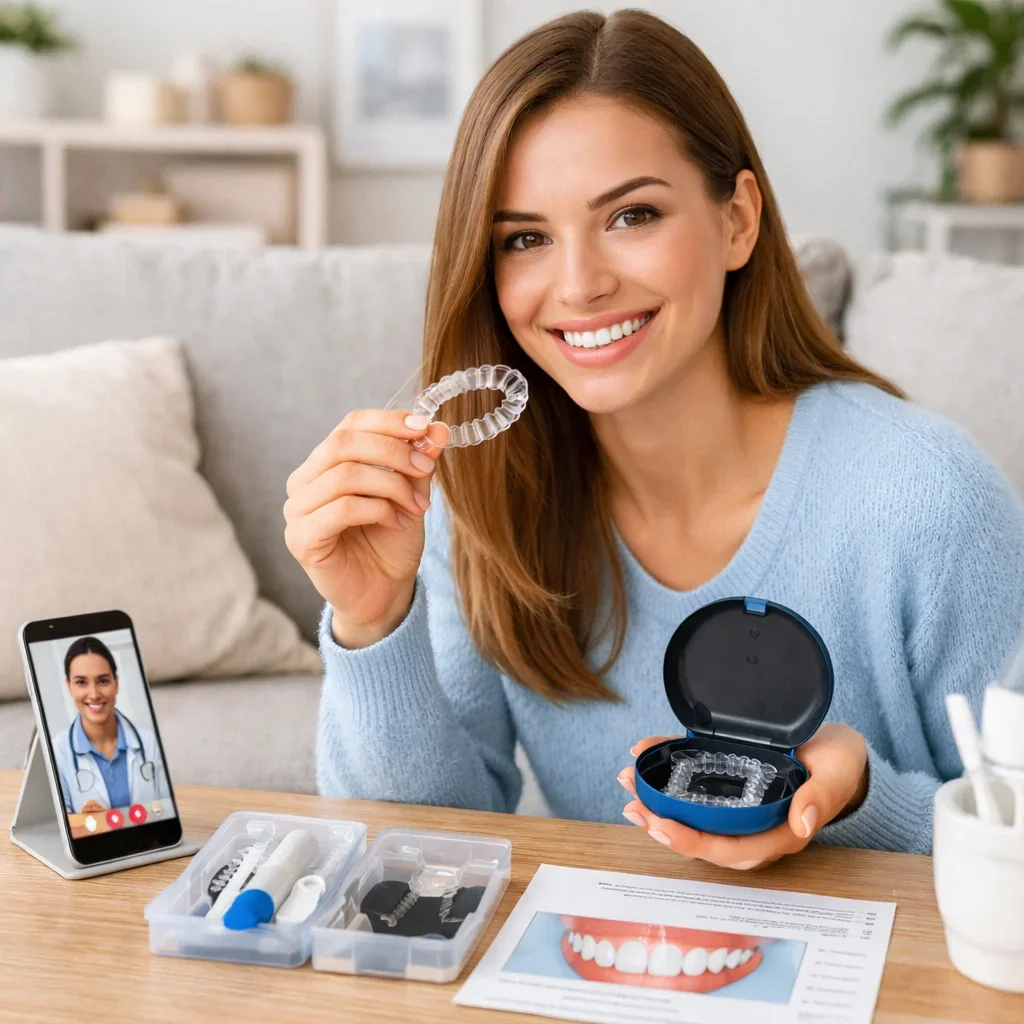
Frequently Asked Questions About the Best Teeth Aligners at Home
As the demand for convenient orthodontic solutions grows, many patients have detailed questions about the best teeth aligners at home. Before committing to treatment, it is completely normal to want clarity about results, safety, timelines, maintenance, and long-term outcomes. In this comprehensive FAQ section, we address the most common concerns about the best teeth aligners at home so you can make a confident, informed decision. 😊
How Long Do the Best Teeth Aligners at Home Take to Work?
The treatment timeline for the best teeth aligners at home typically ranges from 4 to 8 months for mild to moderate cases. Minor spacing or crowding may show visible improvements within just a few weeks. However, the exact duration depends on the complexity of your alignment and your consistency in wearing the trays.
The best teeth aligners at home must be worn 20–22 hours per day to achieve optimal results. Inconsistent wear can delay treatment and reduce effectiveness. Remember, orthodontic movement is gradual and requires patience.
Do the Best Teeth Aligners at Home Hurt?
Most patients experience mild pressure or soreness when starting a new set of the best teeth aligners at home. This is a positive sign that the trays are actively moving your teeth. Discomfort typically subsides within a few days.
Severe or persistent pain is not normal and should be evaluated by a professional. Even when using the best teeth aligners at home, professional guidance remains essential for safe progress.
Tips to Reduce Initial Discomfort
- Switch to new aligners at night
- Use orthodontic chewies for better seating
- Stay consistent with wear time
Are the Best Teeth Aligners at Home as Effective as Braces?
The best teeth aligners at home are highly effective for mild to moderate cosmetic corrections. However, they may not replace traditional braces for complex bite issues or significant jaw discrepancies.
Braces offer greater mechanical control for severe cases, while the best teeth aligners at home focus primarily on aesthetic alignment improvements. Choosing the right option depends on your specific dental condition.
Can I Eat and Drink with the Best Teeth Aligners at Home?
You should remove the best teeth aligners at home before eating or drinking anything other than water. Eating while wearing them can stain, warp, or damage the trays. Always brush your teeth before reinserting the aligners to maintain hygiene and prevent plaque buildup.
What Happens After Finishing the Best Teeth Aligners at Home?
After completing treatment with the best teeth aligners at home, you will transition to wearing retainers. Retainers are essential to prevent relapse. Teeth naturally attempt to return to their previous positions, especially within the first few months after treatment.
The long-term success of the best teeth aligners at home depends heavily on consistent retainer use.
Are the Best Teeth Aligners at Home Safe?
When supervised by licensed professionals, the best teeth aligners at home are generally safe for suitable candidates. According to the American Dental Association, orthodontic treatment should involve professional oversight to ensure healthy tooth movement.
Before beginning the best teeth aligners at home, a dental check-up is recommended to rule out gum disease or untreated cavities.
How Much Do the Best Teeth Aligners at Home Cost?
The best teeth aligners at home typically range between $1,200 and $2,500 depending on the provider and case complexity. This is generally more affordable than traditional braces, which may cost between $3,000 and $7,000.
Many providers offer monthly payment plans, making the best teeth aligners at home accessible to a wider range of patients.
When Should I Consult a Dentist?
You should consult a dental professional if you experience:
- Severe or worsening pain
- Gum bleeding or swelling
- Loose teeth
- Unexpected bite changes
If you are unsure whether the best teeth aligners at home are appropriate for you, seeking personalized advice is always wise. You can reach out through the Redent Klinik Contact Page for professional evaluation and guidance.
Are There Alternatives to the Best Teeth Aligners at Home?
Yes. Alternatives include traditional metal braces, ceramic braces, and in-office clear aligner systems. However, for adults seeking a discreet, affordable, and convenient option for mild corrections, the best teeth aligners at home remain one of the most attractive solutions available today.
In summary, the best teeth aligners at home provide a modern orthodontic pathway for suitable candidates. By understanding timelines, safety guidelines, costs, and maintenance requirements, you can approach treatment with confidence. When used responsibly and under proper supervision, the best teeth aligners at home can deliver safe, predictable, and confidence-enhancing results that improve both smile aesthetics and overall oral health for years to come. ✨