
Choosing the best type of dental implants can feel overwhelming, especially if you’re exploring tooth replacement options for the first time. With so many implant types, materials, and treatment approaches available today, understanding what truly qualifies as the best type of dental implants depends on several personal and clinical factors. This guide will walk you through everything you need to know in a clear, patient-friendly way 😊
Dental implants are widely considered the gold standard for replacing missing teeth. Unlike dentures or bridges, implants are surgically placed into the jawbone, acting as artificial tooth roots. This provides exceptional stability, durability, and a natural appearance. However, not every implant system is the same. The best type of dental implants for one person may not be the best option for another.
When people search for the best type of dental implants, they are often looking for answers to questions like:
- Which implant lasts the longest?
- Which option looks the most natural?
- What is the safest and most reliable choice?
- Which implant works best for my bone structure?
The truth is, the best type of dental implants depends on your individual dental health, bone density, lifestyle, and treatment goals. For example, if you have strong jawbone density, traditional implants may be the best solution. On the other hand, if you’ve experienced bone loss, alternative options like zygomatic implants might be recommended.
There are several main categories of implants that dentists consider when determining the best type of dental implants:
- Endosteal implants: These are the most commonly used and often considered the best type of dental implants for patients with healthy jawbones.
- Subperiosteal implants: Ideal for patients who cannot undergo bone grafting.
- Zygomatic implants: A more advanced option for severe bone loss cases.
- Mini implants: A less invasive alternative for certain situations.
Each of these options has its own advantages, and determining the best type of dental implants requires a professional evaluation. According to the American Dental Association, dental implants have a success rate of up to 95% when properly planned and maintained, making them one of the most reliable treatments in modern dentistry.
Another important factor in choosing the best type of dental implants is the material used. Most implants are made of titanium due to its strength and biocompatibility, but zirconia implants are becoming increasingly popular for patients seeking a metal-free solution. The best choice often depends on aesthetic preferences and medical considerations.
Let’s also talk about cost 💰. While we won’t focus heavily on pricing here, it’s helpful to understand that the best type of dental implants is not always the cheapest option. Prices can vary depending on complexity, materials, and location. On average:
Estimated Implant Costs:
- Single dental implant: $1,500 – $3,500
- Full mouth (All-on-4): $15,000 – $30,000
- Zygomatic implants: $20,000 – $40,000+
While these numbers may seem high, investing in the best type of dental implants often means fewer complications and longer-lasting results. High-quality implants can last 20+ years or even a lifetime with proper care.
It’s also essential to consider the expertise of your dental provider. Even the best type of dental implants can fail if not placed correctly. That’s why choosing an experienced clinic is just as important as selecting the right implant type. If you’re considering treatment, you can easily reach out via the Redent Klinik Contact Page to get personalized guidance tailored to your needs.
In addition, modern dental technology plays a significant role in identifying the best type of dental implants. Advanced imaging techniques like 3D CBCT scans allow dentists to assess bone density and plan implant placement with extreme precision. This increases success rates and ensures optimal outcomes.
Another key aspect is long-term maintenance. The best type of dental implants should not only function well initially but also remain stable and healthy over time. Proper oral hygiene, regular dental check-ups, and avoiding habits like smoking can significantly impact implant longevity.
In summary, the best type of dental implants is not a one-size-fits-all answer. It’s a personalized decision based on clinical evaluation, patient expectations, and long-term goals. By understanding your options and working closely with a qualified dentist, you can confidently choose the solution that restores your smile, comfort, and confidence 😁
What Is the Best Type of Dental Implants for You?
Finding the best type of dental implants is not about choosing a single universal option—it’s about identifying the most suitable solution for your unique dental condition, lifestyle, and long-term expectations. Every patient has different oral health needs, and the best type of dental implants must be carefully selected based on multiple clinical and personal factors. This section will help you clearly understand how dentists determine the right implant type for you 😊
Understanding Personalization in Implant Dentistry
When patients search for the best type of dental implants, they often expect a simple answer. However, implant dentistry is highly personalized. The best solution for one patient may not be ideal for another. Factors such as bone density, gum health, age, and even lifestyle habits all play a crucial role in determining the best type of dental implants.
For example, a young patient with strong jawbone structure may benefit from traditional implants, while someone with bone loss may require advanced techniques. This is why dentists emphasize individualized treatment planning when recommending the best type of dental implants.
Key Personal Factors That Influence Your Choice
- Bone Density: Sufficient jawbone is essential for standard implants.
- Oral Health: Healthy gums are critical for long-term implant success.
- Medical History: Conditions like diabetes can affect healing.
- Lifestyle: Smoking can reduce implant success rates.
Each of these factors helps determine the best type of dental implants tailored specifically for you.
Types of Patients and Their Ideal Implant Options
To better understand how the best type of dental implants varies, let’s explore common patient profiles:
1. Patients with Healthy Jawbone
For individuals with strong bone structure, endosteal implants are often considered the best type of dental implants. These implants are placed directly into the bone and provide excellent stability and longevity.
2. Patients with Bone Loss
If bone loss is present, the best type of dental implants may involve alternative solutions such as zygomatic implants or bone grafting procedures. These approaches allow patients to still benefit from implant treatment even with limited bone.
3. Patients Seeking Faster Recovery
Some patients prefer minimally invasive procedures. In such cases, mini implants may be considered the best type of dental implants, offering quicker healing times and less discomfort.
4. Full Mouth Restoration Patients
For those missing most or all teeth, systems like All-on-4 can be the best type of dental implants, providing a full arch restoration with fewer implants and faster results.
Material Choice: A Critical Decision
The material used also plays a key role in determining the best type of dental implants. Today, the two most common materials are titanium and zirconia.
- Titanium Implants: Known for durability and high success rates.
- Zirconia Implants: Aesthetic and metal-free option.
While titanium is often considered the best type of dental implants for most patients, zirconia can be a better choice for those with metal sensitivities or aesthetic concerns.
Technology and Planning: Why It Matters
Modern dental technology significantly improves the process of identifying the best type of dental implants. Advanced tools such as 3D imaging and digital smile design allow dentists to plan implant placement with incredible precision.
This ensures that the chosen best type of dental implants not only fits your anatomy perfectly but also delivers optimal functional and aesthetic results.
Benefits of Advanced Planning
- Higher success rates
- Reduced surgical risks
- Faster healing time
- Better long-term stability
Cost vs Value: Making a Smart Investment
Many patients wonder whether the most expensive option is always the best type of dental implants. The answer is not necessarily. The best choice balances cost, durability, and long-term benefits.
General Cost Overview:
- Standard implants: $1,500 – $3,500 per tooth
- Advanced implants: $3,000 – $6,000 per implant
- Full arch solutions: $15,000 – $30,000
Choosing the best type of dental implants means considering long-term value rather than just upfront cost. A well-planned implant can last decades, making it a worthwhile investment.
Professional Guidance Is Essential
Ultimately, the most reliable way to determine the best type of dental implants is through a professional consultation. Dentists perform detailed examinations, including X-rays and 3D scans, to recommend the most suitable option.
If you’re ready to explore your options, you can easily reach out through the Redent Klinik Contact Page for expert advice tailored to your needs.
Additionally, trusted organizations like the American Dental Association provide valuable information about implant safety and standards, helping patients make informed decisions.
Final Thoughts: Your Ideal Implant Solution
In conclusion, the best type of dental implants is the one that aligns perfectly with your oral health, aesthetic goals, and lifestyle. There is no single “perfect” implant for everyone, but there is always a perfect solution for you.
By understanding your options, consulting with experienced professionals, and considering all relevant factors, you can confidently choose the best type of dental implants that will restore your smile, improve your quality of life, and give you lasting confidence 😁
Endosteal Implants: The Most Popular Choice Explained
When discussing the best type of dental implants, endosteal implants are almost always at the center of the conversation. These implants are the most widely used and are often considered the gold standard in modern implant dentistry. If you have healthy jawbone density and are looking for a reliable, long-lasting solution, endosteal implants are frequently regarded as the best type of dental implants for achieving both functional and aesthetic success 😊
What Are Endosteal Implants?
Endosteal implants are titanium or zirconia posts that are surgically placed directly into the jawbone. Once healed, they act as artificial tooth roots, providing a strong foundation for crowns, bridges, or dentures. Because they integrate with the bone through a process called osseointegration, they are often seen as the best type of dental implants for durability and stability.
Unlike other implant types that sit on or above the bone, endosteal implants become part of your natural bone structure. This makes them one of the most secure and long-lasting options available when choosing the best type of dental implants.
Common Shapes of Endosteal Implants
- Screw-shaped implants: The most commonly used design, offering excellent stability.
- Cylindrical implants: Smooth-sided and sometimes used in specific cases.
- Tapered implants: Designed for areas with limited bone space.
Each of these variations can still be considered the best type of dental implants depending on the patient’s anatomy and treatment plan.
Why Endosteal Implants Are Considered the Best Type of Dental Implants
There are several reasons why endosteal implants are often recommended as the best type of dental implants:
1. High Success Rate
Endosteal implants have a success rate of up to 95% or higher when placed correctly. This reliability makes them one of the safest and most predictable options when selecting the best type of dental implants.
2. Strong and Stable Foundation
Because they are embedded into the jawbone, these implants provide unmatched stability. This allows patients to eat, speak, and smile with confidence, reinforcing their reputation as the best type of dental implants.
3. Natural Appearance
Endosteal implants closely mimic the look and function of natural teeth. The crown placed on top blends seamlessly with surrounding teeth, making them an excellent choice for those seeking the best type of dental implants for aesthetics.
4. Long-Term Durability
With proper care, endosteal implants can last 20 years or more, often even a lifetime. This longevity is a major reason why they are frequently labeled as the best type of dental implants available today.
Who Is a Good Candidate for Endosteal Implants?
While endosteal implants are often the best type of dental implants, they are not suitable for everyone. Ideal candidates typically have:
- Good overall oral health
- Sufficient jawbone density
- Healthy gums free from periodontal disease
- No uncontrolled chronic conditions
If bone density is insufficient, additional procedures like bone grafting may be required before placing what could still become the best type of dental implants for your situation.
When Endosteal Implants May Not Be Ideal
In cases of severe bone loss or certain medical conditions, other implant types may be considered the best type of dental implants. This is why a professional evaluation is essential before making a decision.
The Procedure: Step-by-Step Overview
Understanding the process can help you feel more confident in choosing endosteal implants as the best type of dental implants.
Step 1: Consultation and Planning
Your dentist evaluates your oral health using X-rays or 3D scans to determine if endosteal implants are the best type of dental implants for you.
Step 2: Implant Placement
The implant is surgically inserted into the jawbone under local anesthesia. This is a precise and controlled procedure.
Step 3: Healing and Osseointegration
Over several months, the implant fuses with the bone, creating a stable base. This phase is critical in ensuring the best type of dental implants delivers long-term success.
Step 4: Crown Placement
Once healing is complete, a custom-made crown is attached, completing the restoration.
Cost Considerations for Endosteal Implants
Endosteal implants are often considered the best type of dental implants, but they do come with a financial investment. Here’s a general overview:
Estimated Costs:
- Single endosteal implant: $1,500 – $3,500
- Implant with crown: $3,000 – $5,500
- Bone graft (if needed): $500 – $3,000
While the cost may seem high, the long-term benefits of choosing the best type of dental implants often outweigh the initial expense.
Maintenance and Longevity
Maintaining your implants is crucial to ensuring they remain the best type of dental implants for years to come. Daily brushing, flossing, and regular dental check-ups are essential.
Avoiding harmful habits like smoking can also significantly improve the lifespan of your implants. With proper care, endosteal implants continue to perform as the best type of dental implants for decades.
Expert Guidance Matters
Choosing endosteal implants as the best type of dental implants should always involve expert consultation. If you’re considering treatment, you can reach out via the Redent Klinik Contact Page for personalized advice.
Additionally, trusted resources like the American Dental Association provide reliable information about implant procedures and safety standards.
Final Thoughts on Endosteal Implants
In conclusion, endosteal implants are widely recognized as the best type of dental implants for many patients due to their strength, reliability, and natural results. However, the final decision should always be based on your individual needs and professional recommendations.
By understanding how endosteal implants work and why they are often considered the best type of dental implants, you are one step closer to restoring your smile with confidence and clarity 😁
Subperiosteal Implants: When Are They the Best Option?
When evaluating the best type of dental implants, subperiosteal implants often emerge as a valuable alternative for patients who are not ideal candidates for traditional implants. While they are less commonly used than endosteal implants, they can still represent the best type of dental implants in specific clinical situations—especially when bone loss is a major concern. Understanding when and why these implants are used can help you make a more informed decision 😊
What Are Subperiosteal Implants?
Subperiosteal implants are placed on top of the jawbone but underneath the gum tissue. Instead of being inserted directly into the bone like endosteal implants, a custom metal framework is designed to sit over the bone and support artificial teeth. For patients who lack sufficient bone height, this approach can be considered the best type of dental implants without requiring extensive bone grafting procedures.
This makes subperiosteal implants particularly appealing for individuals who want to avoid additional surgeries. In such cases, they may become the best type of dental implants for restoring function and aesthetics with less invasive intervention.
How Subperiosteal Implants Work
- A custom framework is created based on 3D imaging of your jaw.
- The framework is placed beneath the gum but above the bone.
- Posts attached to the frame extend through the gums to hold the prosthetic teeth.
This unique design allows subperiosteal implants to function effectively as the best type of dental implants for patients with limited bone support.
When Are Subperiosteal Implants the Best Type of Dental Implants?
Subperiosteal implants are not the first choice for every patient, but in certain cases, they are clearly the best type of dental implants. Let’s explore these scenarios in detail:
1. Severe Jawbone Loss
Patients who have experienced significant bone resorption may not be eligible for traditional implants. In these cases, subperiosteal implants can become the best type of dental implants because they do not rely on deep bone integration.
2. Patients Who Cannot Undergo Bone Grafting
Bone grafting can be time-consuming and invasive. For patients who prefer to avoid this procedure, subperiosteal implants may be the best type of dental implants available.
3. Faster Treatment Timeline
Because they eliminate the need for bone grafting and long healing periods, subperiosteal implants can sometimes be the best type of dental implants for patients seeking quicker results.
Advantages of Subperiosteal Implants
Although not as common, subperiosteal implants offer several benefits that can make them the best type of dental implants in specific situations:
Less Invasive Procedure
Since the implant is not drilled into the bone, the procedure is generally less invasive. This can make subperiosteal implants the best type of dental implants for patients concerned about surgery.
No Need for Bone Augmentation
Patients with insufficient bone can still receive implants without undergoing grafting procedures, making this approach the best type of dental implants in such cases.
Shorter Recovery Time
Healing is often faster compared to traditional implants, which can make subperiosteal implants the best type of dental implants for patients with busy lifestyles.
Disadvantages and Limitations
While subperiosteal implants can be the best type of dental implants for certain patients, they also have limitations that must be considered:
Lower Long-Term Stability
Because they are not anchored deeply into the bone, they may not provide the same level of stability as endosteal implants. This means they may not always be the best type of dental implants for long-term durability.
Less Commonly Used
Advancements in bone grafting and implant technology have reduced the use of subperiosteal implants. As a result, fewer specialists perform this procedure, which can affect whether they are the best type of dental implants for you.
Cost Overview
The cost of subperiosteal implants can vary depending on the complexity of the case. While they may eliminate the need for bone grafting, they still require custom fabrication.
Estimated Costs:
- Subperiosteal implant: $3,000 – $6,000 per implant
- Full arch restoration: $15,000 – $25,000
In some cases, the overall cost may be comparable to other options, making them a financially viable best type of dental implants for specific patients.
Modern Technology and Improved Outcomes
Thanks to advancements in digital dentistry, subperiosteal implants have become more precise and effective. 3D imaging and CAD/CAM technology allow for highly customized designs, improving their success rate and making them a more reliable best type of dental implants option than in the past.
Benefits of Modern Techniques
- Better fit and comfort
- Improved aesthetics
- Reduced complications
- Enhanced long-term performance
Professional Evaluation Is Essential
Determining whether subperiosteal implants are the best type of dental implants for you requires a thorough evaluation by a qualified dental professional. Factors such as bone structure, gum health, and overall medical condition must all be considered.
If you’re unsure which option suits you best, you can consult experts via the Redent Klinik Contact Page for personalized guidance.
Additionally, organizations like the American Dental Association provide trusted information about implant safety and treatment standards.
Final Thoughts on Subperiosteal Implants
In conclusion, while subperiosteal implants are not the most common choice, they can absolutely be the best type of dental implants for patients with specific needs—especially those with limited bone or those seeking less invasive procedures.
The key is understanding your unique situation and working with an experienced dentist to determine whether this option represents the best type of dental implants for your long-term oral health and confidence 😁
Zygomatic Implants: Advanced Solutions for Severe Bone Loss
When discussing the best type of dental implants for complex cases, zygomatic implants stand out as one of the most advanced and innovative solutions available today. These implants are specifically designed for patients who suffer from severe jawbone loss and cannot receive traditional implants without extensive bone grafting. In such situations, zygomatic implants may represent the best type of dental implants by offering a faster, more reliable alternative that avoids additional surgical procedures 😊
What Are Zygomatic Implants?
Zygomatic implants are longer than standard implants and are anchored into the zygomatic bone (cheekbone) rather than the jawbone. The cheekbone is naturally denser and stronger, making it an ideal support structure. This unique placement allows zygomatic implants to function as the best type of dental implants for patients who lack sufficient bone in the upper jaw.
Unlike traditional implants, which rely heavily on jawbone density, zygomatic implants bypass this limitation. For patients who have been told they are not candidates for regular implants, this option can become the best type of dental implants that restores both function and aesthetics.
Key Structural Differences
- Longer implant length (30–60 mm compared to 10–15 mm standard implants)
- Anchored in the cheekbone instead of the jawbone
- Often used in full-arch restorations
These features make zygomatic implants a specialized yet powerful choice when identifying the best type of dental implants for advanced cases.
Who Needs Zygomatic Implants?
Zygomatic implants are not typically the first option for most patients. However, in certain conditions, they clearly become the best type of dental implants available.
1. Severe Upper Jaw Bone Loss
Patients with extreme bone resorption in the upper jaw are prime candidates. In these cases, zygomatic implants can be the best type of dental implants because they eliminate the need for bone grafting.
2. Failed Previous Implant Treatments
If traditional implants have failed due to insufficient bone, zygomatic implants may offer a second chance. This makes them the best type of dental implants for restoring lost functionality.
3. Patients Seeking Immediate Results
Zygomatic implants are often used in immediate loading protocols, meaning teeth can be placed within days. For patients wanting faster results, this can be the best type of dental implants.
Advantages of Zygomatic Implants
Zygomatic implants provide several unique benefits that position them as the best type of dental implants in complex situations:
No Bone Grafting Required
One of the biggest advantages is that bone grafting is usually unnecessary. This simplifies the treatment process and makes zygomatic implants the best type of dental implants for patients looking to avoid multiple surgeries.
Immediate Functionality
In many cases, temporary teeth can be attached shortly after surgery. This rapid transformation is a key reason why they are considered the best type of dental implants for urgent restorations.
High Success Rates
Despite their complexity, zygomatic implants have shown excellent success rates when performed by experienced specialists, reinforcing their role as the best type of dental implants for challenging cases.
Challenges and Considerations
While zygomatic implants can be the best type of dental implants, they are not without challenges:
Complex Surgical Procedure
The placement requires advanced surgical expertise. This means you must choose a highly skilled implantologist to ensure the best type of dental implants outcome.
Limited Availability
Not all clinics offer this treatment. Access to specialists may influence whether this is the best type of dental implants for you.
Higher Cost
Due to their complexity, zygomatic implants are more expensive than standard options. However, they may still be the best type of dental implants when considering the elimination of additional procedures.
Cost Overview
Understanding the financial aspect is essential when evaluating the best type of dental implants. Zygomatic implants are typically used in full-arch restorations, which affects pricing.
Estimated Costs:
- Single zygomatic implant: $4,000 – $8,000
- Full arch (zygoma-based): $20,000 – $40,000+
Although the initial cost is higher, the long-term benefits and reduced need for additional procedures can make them the best type of dental implants in terms of overall value.
Technology and Precision
Modern digital dentistry has significantly improved the success of zygomatic implants. Advanced imaging and surgical planning tools ensure precise placement, making them a safer and more predictable best type of dental implants option.
Key Technological Benefits
- 3D CBCT scanning for accurate diagnosis
- Computer-guided implant placement
- Customized prosthetic design
These innovations help maximize the effectiveness of what may be the best type of dental implants for complex cases.
Aftercare and Longevity
Like all implants, maintaining proper oral hygiene is essential. With good care, zygomatic implants can function as the best type of dental implants for decades.
Regular dental visits, professional cleanings, and avoiding harmful habits like smoking will ensure long-term success.
Consultation and Expert Guidance
Because of their complexity, determining whether zygomatic implants are the best type of dental implants requires expert evaluation. You can consult professionals through the Redent Klinik Contact Page to receive a personalized treatment plan.
Additionally, trusted organizations like the American Dental Association provide reliable information on implant procedures and safety.
Final Thoughts on Zygomatic Implants
In conclusion, zygomatic implants are a highly specialized solution that can be the best type of dental implants for patients with severe bone loss or failed previous treatments. While they require advanced expertise, their ability to restore smiles without bone grafting makes them an invaluable option.
If traditional implants are not suitable for you, exploring zygomatic implants may lead you to discover the best type of dental implants for your unique needs and restore your confidence with a strong, beautiful smile 😁
All-on-4 Implants: Full Smile Restoration Simplified
When patients are missing most or all of their teeth, finding the best type of dental implants becomes even more critical. In such cases, All-on-4 implants have emerged as one of the most effective and life-changing solutions available. This innovative technique allows a full arch of teeth to be supported by just four implants, making it a strong candidate for the best type of dental implants for full-mouth restoration 😊
What Are All-on-4 Dental Implants?
The All-on-4 system is a full-arch restoration method where four strategically placed implants support an entire set of upper or lower teeth. Instead of placing individual implants for each missing tooth, this approach maximizes efficiency and stability, making it one of the best type of dental implants for patients seeking a complete smile makeover.
The implants are positioned at specific angles to utilize existing bone structure, which often eliminates the need for bone grafting. This is a key reason why All-on-4 is frequently considered the best type of dental implants for patients with moderate bone loss.
How the All-on-4 System Works
- Two implants are placed vertically in the front of the jaw
- Two implants are placed at an angle in the back
- A full arch prosthesis is attached to these four implants
This strategic placement ensures maximum support and stability, reinforcing why this system can be the best type of dental implants for full-mouth rehabilitation.
Why All-on-4 Is Considered the Best Type of Dental Implants
There are several compelling reasons why All-on-4 is often recommended as the best type of dental implants for patients with extensive tooth loss:
1. Full Smile Restoration in One Procedure
One of the biggest advantages is the ability to restore an entire arch of teeth in a single treatment plan. This makes All-on-4 the best type of dental implants for patients who want a complete transformation without multiple surgeries.
2. Immediate Results
In many cases, temporary teeth can be placed on the same day as the surgery. This immediate functionality is a major reason why it is considered the best type of dental implants for those seeking fast results.
3. Reduced Need for Bone Grafting
The angled placement of implants allows dentists to use available bone more effectively. This makes All-on-4 the best type of dental implants for patients who want to avoid complex bone augmentation procedures.
4. Cost-Effective Solution
Compared to placing multiple individual implants, All-on-4 is often more affordable, making it the best type of dental implants for patients seeking value and efficiency.
Who Is a Good Candidate for All-on-4?
All-on-4 implants can be the best type of dental implants for a wide range of patients, especially those who:
- Have lost most or all of their teeth
- Currently wear dentures and want a fixed solution
- Have moderate bone loss but want to avoid grafting
- Desire a long-term, stable alternative to removable prosthetics
However, a detailed evaluation is necessary to confirm whether this is truly the best type of dental implants for your specific condition.
When All-on-4 May Not Be Ideal
In cases of extreme bone loss or certain medical conditions, alternative treatments may be recommended as the best type of dental implants. This is why professional consultation is essential.
The Procedure: What to Expect
Understanding the treatment process can help you feel more confident in choosing All-on-4 as the best type of dental implants.
Step 1: Consultation and Planning
Your dentist performs detailed imaging and assessments to determine if All-on-4 is the best type of dental implants for your case.
Step 2: Implant Placement
The four implants are surgically placed into the jawbone under local anesthesia or sedation.
Step 3: Immediate Temporary Teeth
A temporary prosthesis is often attached on the same day, allowing you to leave the clinic with a functional smile.
Step 4: Final Restoration
After healing, a permanent, custom-designed prosthesis is placed, completing the transformation.
Cost Overview
When evaluating the best type of dental implants, cost is an important factor. All-on-4 offers a cost-effective solution for full-mouth restoration.
Estimated Costs:
- Single arch (All-on-4): $15,000 – $25,000
- Full mouth (upper and lower): $25,000 – $40,000
While the investment may seem significant, the long-term benefits often make it the best type of dental implants in terms of value and durability.
Maintenance and Longevity
Proper care is essential to ensure that All-on-4 remains the best type of dental implants for years to come. Daily oral hygiene, regular dental visits, and professional cleanings are crucial.
With proper maintenance, these implants can last decades, providing a stable and comfortable solution that continues to perform as the best type of dental implants.
Expert Consultation and Support
Choosing All-on-4 as the best type of dental implants requires expert guidance. You can connect with professionals through the Redent Klinik Contact Page to receive personalized recommendations.
Additionally, trusted resources like the American Dental Association provide valuable insights into implant safety and standards.
Final Thoughts on All-on-4 Implants
In conclusion, All-on-4 implants offer a powerful and efficient solution for full-mouth restoration. For many patients, they represent the best type of dental implants due to their ability to deliver immediate results, reduce surgical complexity, and provide long-lasting stability.
If you are looking to restore your entire smile with confidence, All-on-4 may very well be the best type of dental implants for your needs—combining innovation, efficiency, and life-changing results 😁
Mini Dental Implants: A Minimally Invasive Alternative
When exploring the best type of dental implants, many patients are surprised to learn about mini dental implants. These smaller, less invasive implants have become an increasingly popular option, especially for patients who want a quicker, simpler procedure. While they are not suitable for every case, mini implants can absolutely represent the best type of dental implants for specific situations where traditional implants may not be ideal 😊
What Are Mini Dental Implants?
Mini dental implants are narrower than standard implants, typically measuring less than 3 mm in diameter. They are designed to provide support for smaller restorations or stabilize dentures. Because of their size and simplified placement process, they are often considered the best type of dental implants for patients seeking a minimally invasive solution.
Unlike traditional implants, which often require multiple stages and healing periods, mini implants can sometimes be placed in a single visit. This convenience is one of the reasons they are viewed as the best type of dental implants for patients who prioritize speed and comfort.
Key Characteristics of Mini Implants
- Smaller diameter than traditional implants
- Less invasive placement procedure
- Often requires no bone grafting
- Shorter healing time
These features make mini implants a compelling candidate for the best type of dental implants in specific clinical scenarios.
When Are Mini Dental Implants the Best Type of Dental Implants?
Mini dental implants are not a universal solution, but they can be the best type of dental implants for certain patients. Let’s look at when they are most beneficial:
1. Patients with Limited Bone Density
For individuals who do not have enough bone for standard implants and want to avoid grafting, mini implants can be the best type of dental implants due to their smaller size and adaptability.
2. Denture Stabilization
Mini implants are commonly used to secure loose dentures. In these cases, they are often the best type of dental implants for improving comfort and functionality.
3. Patients Seeking Quick Results
If time is a major factor, mini implants may be the best type of dental implants because they can often be placed and loaded in a single appointment.
4. Medically Compromised Patients
For patients who cannot undergo extensive surgery, mini implants may be the best type of dental implants due to their minimally invasive nature.
Advantages of Mini Dental Implants
Mini implants offer several benefits that make them the best type of dental implants for certain applications:
Less Invasive Procedure
The placement process is simpler and less traumatic, which makes mini implants the best type of dental implants for patients who are anxious about surgery.
Faster Healing Time
Because of their smaller size, healing is typically quicker. This is why they are often considered the best type of dental implants for patients who want minimal downtime.
Lower Cost
Mini implants are generally more affordable than traditional implants, making them the best type of dental implants for budget-conscious patients.
Immediate Functionality
In many cases, mini implants can support restorations immediately, which is another reason they are seen as the best type of dental implants for fast results.
Limitations and Considerations
While mini implants can be the best type of dental implants in some cases, they also have limitations that should not be overlooked:
Reduced Strength
Due to their smaller size, mini implants may not be as strong as traditional implants. This means they may not always be the best type of dental implants for high-pressure areas like molars.
Limited Applications
They are typically used for specific purposes, such as denture stabilization, and may not be the best type of dental implants for full restorations.
Shorter Lifespan in Some Cases
While durable, mini implants may not last as long as standard implants, which can affect whether they are the best type of dental implants for long-term solutions.
Cost Overview
Cost is an important factor when choosing the best type of dental implants, and mini implants are often more affordable:
Estimated Costs:
- Single mini implant: $500 – $1,500
- Denture stabilization (4 implants): $2,000 – $6,000
This lower cost can make mini implants the best type of dental implants for patients seeking an economical solution.
Technology and Precision
Advancements in dental technology have improved the success and accuracy of mini implant placement. Digital imaging and guided surgery techniques help ensure that mini implants perform as the best type of dental implants in suitable cases.
Modern Benefits
- Precise placement with minimal discomfort
- Improved stability and retention
- Enhanced patient comfort
Consultation and Professional Advice
Determining whether mini implants are the best type of dental implants for you requires a professional evaluation. You can consult experts through the Redent Klinik Contact Page to receive personalized recommendations.
Additionally, trusted sources like the American Dental Association offer valuable information about implant safety and treatment options.
Final Thoughts on Mini Dental Implants
In conclusion, mini dental implants provide a minimally invasive, cost-effective solution that can be the best type of dental implants for specific patients. While they may not replace traditional implants in all cases, they offer unique advantages that make them an excellent option for targeted treatments.
If you are looking for a quicker, simpler way to restore your smile, mini implants may be the best type of dental implants to meet your needs and improve your quality of life 😁
Titanium vs Zirconia: Which Implant Material Is Better?
When determining the best type of dental implants, one of the most important decisions involves choosing the right material. Today, the two leading options are titanium and zirconia. Each material has unique advantages, and understanding their differences is essential in identifying the best type of dental implants for your specific needs. This section will guide you through a detailed comparison so you can make an informed choice 😊
Why Implant Material Matters
The material used in dental implants directly affects durability, aesthetics, biocompatibility, and long-term success. That’s why selecting the best type of dental implants is not just about the design or placement method—it also depends heavily on the material.
Both titanium and zirconia are biocompatible, meaning they integrate well with the human body. However, their properties differ significantly, which can influence which option becomes the best type of dental implants for you.
Key Factors Influenced by Material
- Osseointegration (bone bonding ability)
- Aesthetic appearance
- Durability and strength
- Allergy and sensitivity risks
Each of these factors plays a role in determining the best type of dental implants for different patients.
Titanium Implants: The Industry Standard
Titanium has been used in dental implants for decades and is widely regarded as the most reliable material. For many patients, titanium implants are considered the best type of dental implants due to their proven track record and high success rates.
Advantages of Titanium Implants
- Excellent Osseointegration: Titanium bonds strongly with bone, ensuring stability.
- High Durability: Resistant to fracture and wear.
- Long-Term Success: Success rates exceed 95%.
- Versatility: Suitable for most implant procedures.
These benefits make titanium a strong contender for the best type of dental implants, especially in complex or high-load situations.
Potential Drawbacks of Titanium
Despite its advantages, titanium is not always the best type of dental implants for every patient:
- Metallic color may affect aesthetics in thin gum tissue
- Rare cases of metal sensitivity
While these issues are uncommon, they may influence whether titanium is the best type of dental implants for you.
Zirconia Implants: The Metal-Free Alternative
Zirconia implants are a newer, metal-free option that has gained popularity in recent years. For patients seeking a more natural and holistic solution, zirconia may represent the best type of dental implants.
Advantages of Zirconia Implants
- Excellent Aesthetics: White color blends naturally with teeth and gums.
- Metal-Free: Ideal for patients with metal sensitivities.
- Biocompatibility: Low risk of allergic reactions.
- Reduced Plaque Accumulation: May improve gum health.
These qualities make zirconia a strong candidate for the best type of dental implants, particularly in visible areas of the mouth.
Limitations of Zirconia
However, zirconia also has some limitations that may affect its status as the best type of dental implants:
- Less long-term data compared to titanium
- Slightly higher risk of fracture under extreme pressure
- Limited design flexibility in some cases
These factors should be carefully considered when choosing the best type of dental implants.
Titanium vs Zirconia: Direct Comparison
Strength and Durability
Titanium is generally stronger and more flexible, making it the best type of dental implants for high-pressure areas like molars.
Aesthetic Results
Zirconia offers superior aesthetics, which can make it the best type of dental implants for front teeth.
Biocompatibility
Both materials are highly biocompatible, but zirconia may be the best type of dental implants for patients with metal allergies.
Longevity
Titanium has a longer track record, often making it the best type of dental implants for long-term reliability.
Cost Comparison
Cost is another important factor when selecting the best type of dental implants:
Estimated Costs:
- Titanium implant: $1,500 – $3,500
- Zirconia implant: $2,000 – $4,500
While zirconia may be slightly more expensive, the aesthetic benefits can justify the cost if it aligns with your goals for the best type of dental implants.
Which Material Is Right for You?
The decision between titanium and zirconia ultimately depends on your priorities. If strength and long-term performance are your main concerns, titanium may be the best type of dental implants. If aesthetics and a metal-free solution are more important, zirconia could be the best type of dental implants for you.
A professional consultation is essential to determine the most suitable option. You can connect with experts through the Redent Klinik Contact Page for personalized advice.
Additionally, trusted resources like the American Dental Association provide reliable information on implant materials and safety standards.
Final Thoughts on Implant Materials
In conclusion, both titanium and zirconia offer excellent solutions, and each can be the best type of dental implants depending on your individual needs. There is no one-size-fits-all answer—only the right choice for your specific situation.
By understanding the strengths and limitations of each material, you can confidently choose the best type of dental implants that will provide lasting comfort, functionality, and a beautiful smile 😁
Factors That Determine the Best Type of Dental Implants
Choosing the best type of dental implants is not simply about selecting a popular option—it requires a comprehensive evaluation of several clinical and personal factors. Every patient is unique, and what works as the best type of dental implants for one person may not be suitable for another. Understanding these determining factors will help you make a confident, informed decision about your treatment 😊
Why a Personalized Approach Matters
The concept of the best type of dental implants is highly individualized. Dentists do not rely on a one-size-fits-all approach. Instead, they analyze your oral health, bone structure, lifestyle, and long-term goals to recommend the most appropriate solution.
This personalized approach ensures that the best type of dental implants you receive will provide optimal function, comfort, and durability over time.
Core Elements of Individual Assessment
- Detailed dental examination
- 3D imaging and bone analysis
- Medical history review
- Patient expectations and lifestyle
Each of these elements contributes to identifying the best type of dental implants tailored specifically for you.
Bone Density and Jaw Structure
One of the most critical factors in determining the best type of dental implants is the condition of your jawbone. Dental implants rely on strong bone support to remain stable and functional.
Healthy Bone Structure
If you have sufficient bone density, traditional implants may be the best type of dental implants because they offer excellent stability and long-term success.
Bone Loss or Weak Jawbone
In cases of bone loss, alternative solutions such as zygomatic implants or mini implants may become the best type of dental implants. Bone grafting may also be considered to improve implant success.
Number of Missing Teeth
The number of teeth you need to replace significantly influences the best type of dental implants for your situation.
Single Tooth Replacement
For one missing tooth, a single implant with a crown is often the best type of dental implants option.
Multiple Teeth Replacement
For several missing teeth, implant-supported bridges may be the best type of dental implants.
Full Mouth Restoration
For complete tooth loss, solutions like All-on-4 can be the best type of dental implants, offering full arch restoration with fewer implants.
Oral Health and Gum Condition
Healthy gums are essential for the success of any implant procedure. Gum disease can compromise implant stability, making it crucial to address oral health issues before selecting the best type of dental implants.
Healthy Gums
Patients with good gum health are more likely to achieve long-term success with the best type of dental implants.
Periodontal Issues
If gum disease is present, treatment is necessary before determining the best type of dental implants.
Lifestyle and Habits
Your daily habits can also influence which option becomes the best type of dental implants for you.
Smoking
Smoking can reduce healing and increase the risk of implant failure, potentially affecting your eligibility for the best type of dental implants.
Diet and Oral Hygiene
Maintaining good oral hygiene and a balanced diet supports the longevity of the best type of dental implants.
Material Preference and Aesthetic Goals
Some patients prioritize aesthetics, while others focus on durability. These preferences help determine the best type of dental implants.
Natural Appearance
Zirconia implants may be the best type of dental implants for patients seeking a more natural look.
Strength and Longevity
Titanium implants are often considered the best type of dental implants for long-term durability.
Budget and Financial Considerations
Cost is an important factor when choosing the best type of dental implants. While it should not be the only consideration, it plays a role in decision-making.
Estimated Costs:
- Single implant: $1,500 – $3,500
- Advanced implants: $3,000 – $6,000
- Full arch restoration: $15,000 – $40,000
Balancing cost with quality ensures that you select the best type of dental implants for long-term value.
Technology and Clinical Expertise
The experience of your dentist and the technology used can significantly impact the success of your treatment. Even the best type of dental implants can fail if not placed correctly.
Advanced Technology
3D imaging and guided surgery improve accuracy and outcomes, helping ensure you receive the best type of dental implants.
Experienced Professionals
Choosing a skilled implant specialist increases the likelihood of long-term success with the best type of dental implants.
Professional Consultation Is Key
The most reliable way to determine the best type of dental implants is through a detailed consultation. A dentist will evaluate all relevant factors and recommend the most suitable option.
You can reach out for expert advice through the Redent Klinik Contact Page to receive a personalized treatment plan.
Additionally, trusted organizations like the American Dental Association provide valuable information on implant procedures and safety standards.
Final Thoughts on Choosing the Right Implant
In conclusion, determining the best type of dental implants requires careful consideration of multiple factors, including bone health, oral condition, lifestyle, and budget. There is no universal answer, but there is always a best solution for each individual.
By understanding these factors and working closely with a qualified professional, you can confidently select the best type of dental implants that will restore your smile and improve your quality of life for years to come 😁
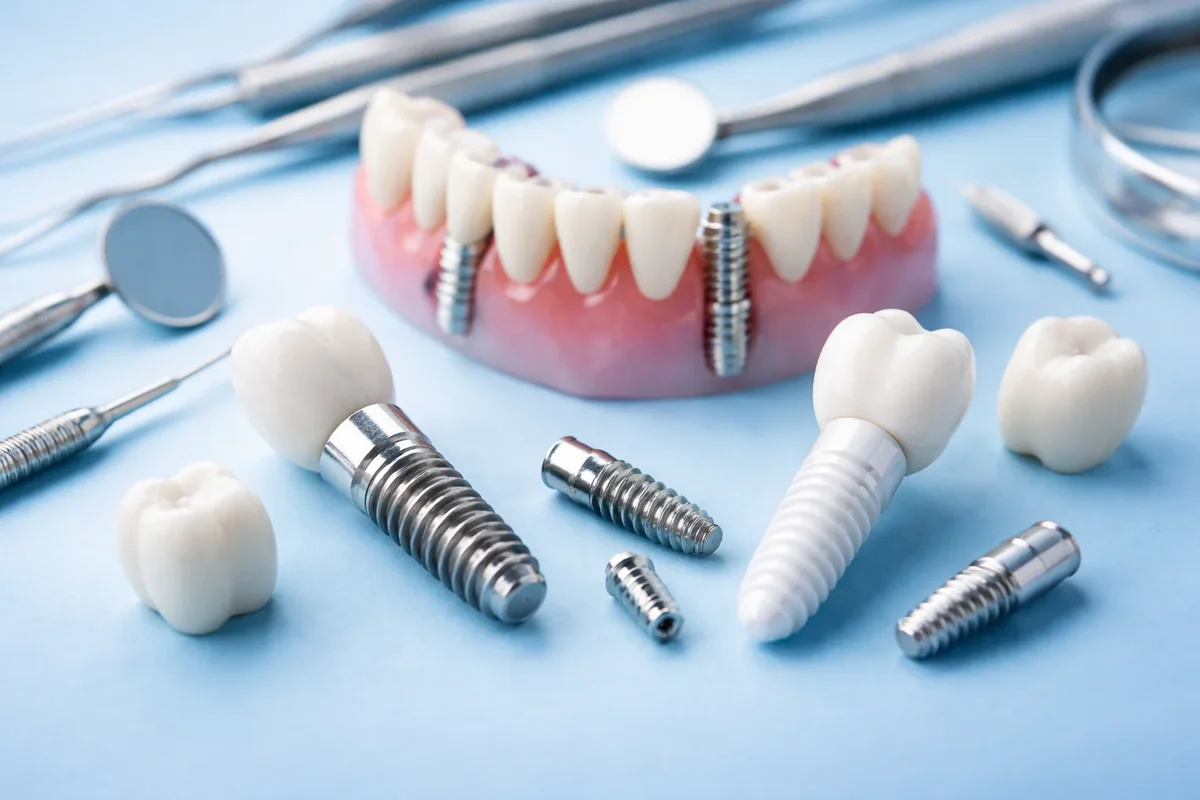
How to Choose the Best Type of Dental Implants with Your Dentist
After learning about different options, materials, and clinical factors, the final step is understanding how to choose the best type of dental implants together with your dentist. This is one of the most important stages in your journey because even the most advanced implant system will not deliver optimal results without proper planning and professional guidance. The best type of dental implants is always the result of collaboration between patient and expert 😊
Why Professional Guidance Is Essential
Many patients search online for the best type of dental implants hoping to find a universal answer. However, implant dentistry is highly personalized, and only a qualified dentist can evaluate your unique situation. Clinical expertise, combined with advanced diagnostics, ensures that you receive the best type of dental implants tailored to your needs.
What Your Dentist Evaluates
- Bone density and jaw structure
- Gum health and oral hygiene status
- Number and location of missing teeth
- Medical history and lifestyle habits
All of these factors play a crucial role in determining the best type of dental implants for long-term success.
The Consultation Process: Step-by-Step
A structured consultation is essential to identify the best type of dental implants. Here’s what you can expect during this process:
Step 1: Initial Examination
Your dentist will perform a comprehensive oral exam, checking for gum disease, bone loss, and overall oral health. This is the foundation for choosing the best type of dental implants.
Step 2: Advanced Imaging
3D scans and digital imaging provide detailed insights into your jawbone structure. This allows your dentist to accurately determine the best type of dental implants and plan precise placement.
Step 3: Treatment Planning
Based on the findings, your dentist will create a customized treatment plan. This ensures that the selected best type of dental implants aligns with your specific needs and goals.
Step 4: Discussion and Decision
You will review the recommended options together, discussing benefits, risks, and costs. This collaborative approach helps confirm the best type of dental implants for your situation.
Questions You Should Ask Your Dentist
To ensure you are choosing the best type of dental implants, it’s important to ask the right questions during your consultation:
Key Questions to Consider
- Which implant type is best for my bone condition?
- What are the long-term success rates?
- How long will the treatment take?
- What are the total costs involved?
- Are there alternative options for the best type of dental implants?
These questions will help you better understand your options and confidently select the best type of dental implants.
Balancing Aesthetics and Function
The best type of dental implants should not only function well but also look natural. Your dentist will help you balance these two important aspects:
Aesthetic Considerations
For front teeth, zirconia implants may be the best type of dental implants due to their natural appearance.
Functional Considerations
For back teeth, titanium implants are often the best type of dental implants because of their strength and durability.
Combining both factors ensures that your final result is both beautiful and long-lasting.
Cost Planning and Financial Transparency
Understanding the financial aspect is crucial when choosing the best type of dental implants. Your dentist should provide a clear breakdown of costs and available options.
Typical Cost Breakdown:
- Consultation and imaging: $100 – $500
- Single implant with crown: $3,000 – $5,500
- Full arch restoration: $15,000 – $40,000
Transparent pricing helps you make an informed decision about the best type of dental implants without unexpected surprises.
The Role of Technology in Decision-Making
Modern dental technology plays a key role in identifying the best type of dental implants. Digital tools improve accuracy and predictability.
Technological Advantages
- 3D imaging for precise diagnosis
- Computer-guided implant placement
- Digital smile design for aesthetic planning
These advancements ensure that the chosen best type of dental implants delivers optimal results.
Choosing the Right Clinic
The clinic you choose is just as important as the implant itself. Even the best type of dental implants can fail if not placed by experienced professionals.
What to Look For in a Clinic
- Experienced implant specialists
- Modern equipment and technology
- Positive patient reviews
- Transparent communication
If you’re ready to take the next step, you can contact experts through the Redent Klinik Contact Page for personalized support.
Additionally, trusted organizations like the American Dental Association provide valuable guidance on implant procedures and safety standards.
Long-Term Follow-Up and Maintenance
Choosing the best type of dental implants is only the beginning. Long-term success depends on proper maintenance and regular follow-ups.
Maintenance Tips
- Brush and floss daily
- Attend regular dental check-ups
- Avoid smoking and harmful habits
Following these steps ensures that your best type of dental implants remains functional and aesthetically pleasing for many years.
Final Thoughts: Making the Right Decision
In conclusion, choosing the best type of dental implants is a collaborative process that combines professional expertise, advanced technology, and your personal preferences. There is no single solution that fits everyone, but there is always a perfect match for your unique needs.
By working closely with your dentist, asking the right questions, and understanding your options, you can confidently select the best type of dental implants that will restore your smile, improve your oral health, and enhance your quality of life 😁