
Finding the best way to get dental implants is one of the most important steps you can take for long-term oral health, confidence, and daily comfort 😁. Dental implants are widely recognized as the gold-standard solution for missing teeth, offering a natural look, strong bite force, and decades of durability. But many patients still wonder how to start, which steps matter most, and how to ensure the best possible outcome. This guide provides a complete, user-friendly breakdown designed to fully satisfy search intent with in-depth, 2025-ready insights.
Before moving forward with treatment, patients want a clear explanation of every phase—consultation, planning, implant surgery, healing, and long-term maintenance. Choosing the best way to get dental implants means understanding each component so you can make informed, confident decisions. Whether you’re comparing implant types, researching clinics, or evaluating recovery timelines, this comprehensive guide brings all the essential information together.
Dental implants function as artificial tooth roots, placed into the jawbone to support a crown, bridge, or prosthetic. They look and feel so natural that most patients forget they even have them! With modern innovations—including 3D imaging, AI-assisted diagnostics, and minimally invasive surgical techniques—implant success rates have reached an impressive 95–98%. However, achieving this level of success depends on following the best way to get dental implants, which involves careful planning, selecting qualified professionals, and maintaining good oral hygiene habits.
Most patients begin by scheduling a consultation with an implant specialist. The dentist evaluates bone density, gum health, bite alignment, and medical history. If you are unsure how to choose the right clinic or need to ask questions directly, you can easily reach out through the
Redent Klinik Contact Page for personalized guidance. During the consultation, specialists typically take digital X-rays or CBCT scans to analyze bone structure. These detailed images help determine whether you need bone grafting, sinus lifting, or if you qualify for immediate-load implants (same-day implants).
It’s essential to understand that the best way to get dental implants involves more than just picking a clinic—it requires selecting a provider who follows standardized, evidence-based protocols. Trusted organizations like the
American Dental Association ensure that high-quality dental practices follow research-backed approaches without compromising safety. Choosing an ADA-aligned clinic ensures the procedure is performed under strict hygiene, safety, and surgical guidelines.
One of the biggest advantages of modern implantology is personalization. Every patient’s mouth is unique, and a tailored plan is the real best way to get dental implants. Your jawbone thickness, implant position, gum aesthetics, and bite pattern all influence the final result. Semantically related approaches like “optimal dental implant method” and “most effective implant treatment path” help illustrate how personalized strategies shape long-term success. The use of AI-assisted mapping tools ensures pinpoint accuracy, shorter healing times, and a more comfortable experience.
Another crucial part of following the best way to get dental implants is preparing your oral environment. Managing gum disease, treating infections, and addressing decay before surgery are essential steps. Healthy gums and stable bone structure significantly increase the likelihood of long-lasting results. During your consultation, the dentist will explain whether any preliminary treatments are needed before the implant surgery.
Patients also benefit from understanding healing stages. After placing the implant, the jawbone undergoes a process called osseointegration—where bone cells naturally bond to the implant surface. This period usually takes a few months but is crucial for long-term stability. Following aftercare instructions, avoiding smoking, and practicing excellent oral hygiene contribute greatly to achieving the best way to get dental implants with predictable, lifelong success.
In summary, the best way to get dental implants includes thorough planning, expert evaluation, personalized treatment maps, advanced imaging technologies, high-quality materials, and meticulous aftercare. Understanding how these elements work together empowers you to make informed decisions and enjoy a healthier, more confident smile for decades 🌟.
What Is the Best Way to Get Dental Implants for Long-Term Success?
Understanding the best way to get dental implants begins with breaking down every essential step that supports stable, natural-looking, and long-lasting results. Dental implants are widely considered the most reliable solution for tooth replacement because they integrate with your jawbone and function like real teeth. But getting the highest success rate requires a structured, evidence-based approach that goes far beyond simply scheduling an appointment 😁.
The Foundation of Long-Term Implant Success
The first element of the best way to get dental implants is proper assessment. This includes dental imaging, evaluation of oral health, and a full medical review. Modern clinics rely on 3D CBCT scanning, which creates a precise digital model of your bone, nerves, and sinus cavities. With this information, a dentist can determine the ideal implant placement angle, depth, and position—an essential part of consistent, safe results.
An implant placed without proper planning risks nerve damage, sinus perforation, gum recession, or poor osseointegration. Therefore, the best way to get dental implants always includes advanced diagnostics. These technologies also help your dentist create a customized roadmap based on your anatomy. This approach is often referred to as a “predictable implant pathway,” a semantically related technique that ensures accuracy and lowers complication rates.
Why Candidate Evaluation Matters
Before proceeding, your overall health must be considered. Conditions such as diabetes, autoimmune disorders, and smoking habits can affect healing. This doesn’t necessarily disqualify you, but it means your dentist must tailor the treatment to your needs. A strong initial evaluation is part of the optimal dental implant method, another LSI phrase that aligns with finding the best way to get dental implants.
Your dentist reviews the following factors in detail:
- Jawbone density and thickness
- Gum health and presence of periodontal disease
- Bite alignment and existing restorations
- Medical history affecting healing speed
If bone loss is found, grafting may be recommended. While this adds extra time to treatment, it significantly increases the long-term stability of your implants. Strong bone support is one of the biggest predictors of success, which is why it remains a core part of the best way to get dental implants.
Technology-Driven Planning: The Modern Standard
Digital dentistry changed the implant field dramatically. Today, virtual implant planning is considered the gold standard. Your dentist uses digital software to simulate the implant procedure before it happens. This allows potential issues to be identified early and corrected in a risk-free digital environment.
This technology-driven approach is one reason clinics with advanced equipment, such as guided surgery systems and 3D printers, often provide better outcomes. If you need help finding a highly qualified clinic or want direct answers, you can connect through the
Redent Klinik Contact Page for expert support.
Why Guided Surgery Helps
Guided surgery uses a custom surgical guide—created from your 3D scans—to ensure the implant is placed at the exact angle and depth required. This minimizes swelling, discomfort, and surgical time. Faster, smoother healing is a hallmark of the best way to get dental implants because it lowers risk and improves long-term results.
Material Quality and Implant System Selection
Another major contributor to success is choosing high-quality implant materials. Premium titanium and zirconia implants undergo rigorous testing and meet international standards, including those verified by organizations like the
American Dental Association.
Not all implant systems are created equal. Verified brands offer superior surface coatings that promote bone bonding, reduce inflammation, and improve long-term stability. Using trusted, research-backed materials is fundamental to the best way to get dental implants.
The Importance of Personalized Treatment
No two mouths are the same, which is why personalized treatment planning remains one of the strongest indicators of success. This includes decisions such as:
- Choosing between single, multiple, or full-arch implants
- Selecting abutment materials (titanium, zirconia, hybrid)
- Creating a crown design that matches your natural smile
Custom crowns are digitally designed to match the color, translucency, and shape of nearby teeth. Personalization ensures not only function but also facial harmony—another crucial piece of the best way to get dental implants.
Aftercare: The Overlooked Key to Long-Term Success
Even the best implant surgery can fail without proper aftercare. Good oral hygiene, consistent checkups, and avoiding harmful habits are mandatory. Your dentist may recommend antibacterial rinses, soft brushing techniques, and periodic professional cleanings.
Patients who follow aftercare guidelines experience dramatically higher success rates. This is why aftercare remains a core pillar of the best way to get dental implants.
In conclusion, the best way to get dental implants involves advanced diagnostics, guided surgery, personalized treatment plans, high-quality materials, and a strong aftercare routine. By combining these proven steps, you maximize comfort, aesthetics, durability, and overall satisfaction for decades 🌟.
How to Choose the Right Implant Dentist for the Best Results
Selecting the right implant dentist is one of the most crucial steps in achieving the best way to get dental implants. Even with modern technology, top-quality materials, and advanced surgical techniques, the final success of your implant treatment depends heavily on the expertise, experience, and precision of your dental professional. Because implants integrate directly into the jawbone, choosing a skilled dentist ensures long-term stability, natural aesthetics, and a complication-free healing process 😁.
Patients often feel overwhelmed when comparing clinics, countries, or professionals—yet the selection process becomes straightforward when you know exactly what to evaluate. In this section, you’ll learn how to identify a qualified implant expert, how to ask the right questions, and which warning signs indicate a clinic to avoid. Understanding these details is an essential part of the best way to get dental implants because your choice of dentist directly affects durability, comfort, bite function, and overall oral health.
Why Dentist Qualifications Affect Implant Success
Implant dentistry is a specialty that requires years of additional training beyond basic dental education. Professionals who excel in this field typically complete advanced programs in oral surgery, prosthodontics, or implantology. They also train regularly to stay updated with emerging technologies and international standards.
When evaluating providers, always confirm:
- Formal implantology certifications or surgical training
- Membership with reputable international organizations
- Completion of hands-on surgical courses and implant residencies
- Years of experience performing various implant cases
These elements collectively reveal whether the dentist follows evidence-based best practices. Provider qualifications remain a major factor in determining the best way to get dental implants, especially for medically complex or full-mouth restoration cases.
The Role of Experience and Case Portfolio
Experience matters significantly because implant placement requires precise angulation, depth control, and anatomical knowledge. Dentists with a large case history have already managed different bone densities, gum types, bite patterns, and anatomical variations. Their ability to anticipate and prevent complications increases the overall success rate.
Ask to review:
- Before-and-after implant photos
- Examples of single-tooth, multi-tooth, and full-arch implants
- Details regarding bone grafting or sinus lift experience
A strong portfolio demonstrates consistency and helps you visualize your own expected results. Clinics that confidently provide documentation are generally more aligned with the best way to get dental implants.
Technology Used by the Clinic
A technologically advanced clinic performs implant procedures with greater accuracy, safety, and patient comfort. When selecting a provider, ask which tools they use for diagnostics, planning, and guided surgery.
- 3D CBCT imaging for precise bone evaluation
- Digital impressions for creating accurate crowns
- Computer-guided surgical templates for precision placement
- AI-supported treatment mapping for enhanced predictability
These innovations reduce human error and improve healing outcomes. A clinic equipped with them is far more likely to provide the best way to get dental implants because treatment becomes both personalized and precision-driven. This is why many international standards endorsed by organizations such as the
American Dental Association support the widespread use of digital protocols.
Importance of Sterile Surgical Environments
Implant placement requires strict sterilization protocols to prevent infection. The best clinics follow hospital-grade sterilization methods, use single-use components when necessary, and maintain temperature-controlled instrument storage.
This hygienic approach is an essential—yet sometimes overlooked—component of the best way to get dental implants, ensuring every patient receives safe and predictable care.
Communication, Transparency, and Patient-Centered Care
Communication style reveals a lot about a dentist’s professionalism. Skilled implant dentists explain treatment steps in detail, address concerns honestly, and tailor recommendations to your specific needs rather than pushing unnecessary procedures.
During your consultation, observe whether the dentist:
- Listens to your goals without rushing
- Explains benefits and risks clearly
- Shows your scans and discusses bone condition
- Offers multiple treatment options without pressure
If you need expert guidance or direct recommendations, you may reach out via the
Redent Klinik Contact Page to receive personalized support from experienced professionals following internationally recognized implant protocols.
Warning Signs That Indicate a Dentist Should Be Avoided
Just as there are excellent implant specialists, there are also clinics that cut corners. To ensure the best way to get dental implants, avoid providers who:
- Offer implants without proper imaging (no CBCT scan)
- Promise unrealistically cheap or instant results
- Cannot explain implant system brands used
- Dismiss or minimize complication risks
- Do not provide treatment documentation or case results
Unqualified providers may choose outdated materials or risky shortcuts to save time or cost. This leads to poor outcomes, infections, and implant failures—issues entirely preventable when following the genuine best way to get dental implants.
Final Evaluation Checklist
To finalize your decision, make sure your chosen provider:
- Uses internationally approved implant systems
- Provides personalized planning based on your bone structure
- Offers written treatment plans and transparent pricing
- Has strong patient reviews and references
- Follows digital, guided surgery protocols
Choosing the right implant dentist is not something to rush. Taking time to evaluate credentials, technology, patient reviews, and transparency is deeply connected to the best way to get dental implants. With the right expert, you ensure a lifetime of confident smiling, excellent oral function, and secure long-term implant stability 🌟.
Essential Pre-Implant Steps: Scans, Exams, and Treatment Planning
Before any implant procedure begins, following the correct diagnostic steps is the true foundation of the best way to get dental implants. Many patients assume the implant journey starts with surgery, but in reality, long-term success is built during the evaluation and planning phase. These early steps determine whether your jawbone is strong enough, your gums are healthy enough, and your bite is stable enough to support a lifetime solution 😁. Proper scans, examinations, and strategic planning reduce complications and ensure precise implant placement, making this stage absolutely essential.
Why Comprehensive Diagnostics Are the First Step
The best way to get dental implants always begins with a full-mouth evaluation, where your dentist assesses both oral and general health. Because dental implants fuse directly with your jawbone, even small issues—such as gum inflammation, undiagnosed bone loss, or bite misalignment—can affect the final result. Comprehensive diagnostics eliminate guesswork, giving your dentist a detailed understanding of anatomical structures such as nerves, bone thickness, blood vessels, and sinus cavities.
This evaluation usually includes:
- A full medical health review to identify conditions that may affect healing
- A periodontal assessment for gum disease or inflammation
- An occlusal (bite) analysis to ensure proper implant load distribution
- A digital examination of existing restorations, crowns, or bridges
These insights allow your dentist to create a personalized plan—one of the pillars of the best way to get dental implants. Personalized planning prevents complications like implant overloading, improper angulation, gum recession, or bone failure.
Understanding the Role of 3D CBCT Imaging
Traditional X-rays are valuable but limited. They provide two-dimensional images, which are not sufficient for accurate implant placement. This is where 3D Cone-Beam Computed Tomography (CBCT) becomes indispensable. CBCT creates a high-resolution 3D model of your jaw that reveals bone density, exact bone height, nerve positioning, sinus proximity, and spatial relationships between teeth.
Because the best way to get dental implants requires extreme precision, CBCT imaging helps dentists avoid nerve injuries, sinus perforation, or unsuitable implant angles. It also determines whether bone grafting is necessary. Without advanced scans, implant placement becomes guesswork—a major risk patients should never accept.
Why CBCT Is More Accurate Than Standard X-Rays
- Provides full 360° visuals of the jaw
- Measures bone height and thickness with exact metrics
- Identifies hidden infections, cysts, or structural weaknesses
- Allows virtual implant placement in digital planning software
These benefits make CBCT scanning a universal standard endorsed by global authorities including the
American Dental Association. Any clinic claiming to offer the best way to get dental implants must rely on CBCT-based planning rather than outdated imaging methods.
Periodontal and Bone Health Evaluation
A critical component of pre-implant evaluation is assessing the health of your gums and jawbone. Implants require a stable foundation, so the dentist must ensure your bone density and volume are sufficient. Patients with bone loss—often caused by long-term tooth loss or gum disease—may require bone grafting. Although this adds time to treatment, it ensures stable long-term results.
Your dentist will check for:
- Active gum disease or infection
- Bone thinning or resorption
- Sinus cavity expansion into the molar area
- Jaw alignment issues affecting bite force
Treating inflammation or performing bone reconstruction beforehand is part of the optimal implant preparation path—a term closely aligned with the best way to get dental implants. Patients who skip these steps often face complications such as implant mobility, infection, or long-term failure.
Digital Treatment Planning: The Modern Gold Standard
Once your scans and examinations are complete, the dentist uses digital treatment software to design the implant placement in advance. This virtual planning session is one of the most important elements of the best way to get dental implants because it eliminates uncertainties and enhances accuracy.
Digital planning includes:
- Creating a 3D replica of your jawbone and gum tissue
- Simulating implant positions for ideal biting force
- Determining the depth and angulation of each implant
- Designing custom abutments and crowns digitally
Through digital mapping, dentists can preview how your smile will look before the procedure even begins. This approach greatly improves predictability, aesthetics, and long-term durability.
How Digital Guides Improve Accuracy
Many clinics use 3D-printed surgical guides based on your digital scans. These guides ensure implants are placed in the exact position planned—no deviations, no manual estimations, and no unpredictable angles. This is a defining feature of the best way to get dental implants, especially in full-mouth cases or advanced restorations.
Patient Preparation Before Surgery
A thorough pre-implant routine helps ensure smooth healing and reduces the chance of complications. Before your procedure, dentists often recommend:
- Stopping smoking at least 1–2 weeks before surgery
- Treating any gum or tooth infections
- Completing professional cleaning to reduce bacteria
- Adjusting medications if needed based on medical history
Patients may also receive dietary and hygiene instructions to prepare for the post-surgery period. Good preparation reinforces the best way to get dental implants and makes healing faster and more predictable.
When to Contact a Professional
If you’re unsure whether you qualify for implants or want expert guidance, you can easily request assistance through the
Redent Klinik Contact Page. Their team can review your needs and help plan the safest and most effective approach to your implant journey.
In summary, the best way to get dental implants begins long before surgery. It starts with CBCT imaging, periodontal assessments, bone health evaluation, digital planning, and patient preparation. These meticulous steps create a solid foundation for implant success, ensuring strength, stability, comfort, and a lifelong natural smile 🌟.
Types of Dental Implants and Which Option Is Best for You
Understanding the different types of dental implants is essential when determining the best way to get dental implants. Not all implants are the same—each type is designed for specific bone conditions, aesthetic goals, and functional needs. By learning how each system works, you can make more confident decisions and ensure your implant treatment lasts for decades. This section provides a detailed, patient-friendly guide to implant categories, materials, structural differences, and case suitability 😁.
Before beginning your implant journey, your dentist will evaluate your jaw structure, gum health, and smile design goals. With these details, they choose the implant that offers the greatest stability, natural aesthetics, and long-term performance. Because every mouth is unique, selecting the right type is a core part of the best way to get dental implants. The wrong choice may lead to complications, bone stress, gum recession, or premature implant failure. Proper matching ensures a perfect fit and a long-lasting result.
Endosteal Implants: The Most Common and Reliable Choice
Endosteal implants are the most widely used systems worldwide. These implants are surgically placed directly into the jawbone and act like artificial tooth roots. They are typically made of titanium or zirconia and have screw-shaped, cylinder-shaped, or blade-shaped designs depending on the clinical case.
Because of their stability and predictability, endosteal implants remain the gold standard and are often recommended as the best way to get dental implants for patients with sufficient bone density. Their high success rate—often above 95%—comes from their strong osseointegration with the jawbone.
- Best for: Patients with strong, healthy jawbone
- Advantages: High stability, longevity, excellent aesthetics
- Disadvantages: Requires a certain level of bone thickness
Subperiosteal Implants: An Alternative for Low Bone Density
While less common today, subperiosteal implants are used for patients who do not have enough bone height to support endosteal implants and cannot undergo bone grafting. These implants sit on top of the jawbone but beneath the gum tissue.
They used to be the primary option for patients with severe bone loss, but advancements in bone grafting and sinus lifting have reduced their use. Still, for certain cases, they offer a practical solution within the best way to get dental implants when other treatments are not suitable.
- Best for: Patients who cannot tolerate grafting procedures
- Advantages: Minimally invasive in comparison to bone grafting
- Disadvantages: Lower long-term success than endosteal implants
Zygomatic Implants: The Solution for Extreme Bone Loss
Zygomatic implants are longer implants anchored into the cheekbone (zygomatic bone) rather than the jawbone. They offer a powerful alternative for patients with severe maxillary bone loss who would otherwise require extensive grafting. Because zygomatic bone is dense and strong, these implants achieve excellent stability.
Choosing zygomatic implants is part of the best way to get dental implants for certain medically complex cases. They eliminate the need for multiple surgeries, reduce treatment time, and allow many patients to receive fixed teeth faster.
- Best for: Patients with extreme upper jaw bone loss
- Advantages: No grafting, faster treatment timeline
- Disadvantages: More complex surgical technique
Single-Tooth Implants vs. Multiple Implants
Another important classification involves the number of implants needed. Single-tooth implants replace one missing tooth, while multiple implants can secure bridges or full arches. Choosing the correct setup depends on the number of missing teeth and your overall bite structure.
Single-Tooth Implants
Ideal for isolated tooth loss, single implants integrate naturally into your smile and preserve bone. They are often the simplest and most cost-effective part of the best way to get dental implants for individual missing teeth.
Implant-Supported Bridges
Instead of placing an implant for each lost tooth, two or more implants may support a bridge. This reduces cost, surgery time, and healing demands.
Full-Arch Implant Solutions (All-on-4, All-on-6)
Patients missing most or all of their teeth often choose fixed full-arch restorations. These solutions use four to six implants to support an entire row of prosthetic teeth.
This technique is one of the most effective approaches included in the best way to get dental implants, particularly for full-mouth rehabilitation. Patients enjoy strong biting power, natural aesthetics, and immediate function.
- All-on-4: Uses 4 implants; ideal for moderate bone loss
- All-on-6: Uses 6 implants; ideal for better long-term support
Implant Material Options: Titanium vs. Zirconia
Material quality also affects durability and aesthetics. Titanium and zirconia are the two primary implant materials used globally. Selecting the right one is a crucial part of the best way to get dental implants.
Titanium Implants
Titanium is the most commonly used implant material due to its strength, flexibility, and excellent osseointegration properties. It has been used for decades and is backed by extensive scientific research.
- Pros: Extremely strong, long-lasting, biocompatible
- Cons: Metallic color (not visible once restored)
Zirconia Implants
Zirconia implants offer a metal-free alternative. Their natural white color makes them ideal for patients concerned about aesthetics or metal sensitivity.
- Pros: Metal-free, naturally tooth-colored, resistant to corrosion
- Cons: Slightly more brittle compared to titanium
Both materials are approved by organizations like the
American Dental Association, ensuring they meet high standards for patient safety and longevity.
How to Determine the Best Implant Type for You
Your dentist will choose the most appropriate implant type based on:
- Your jawbone quality and density
- Your gum health
- The number of missing teeth
- Your aesthetic expectations
- Your medical history and healing capacity
If you need personalized guidance, expert assistance is available through the
Redent Klinik Contact Page, where specialists can evaluate your case and recommend the safest and most effective treatment option.
In summary, understanding implant types is essential for choosing the best way to get dental implants. Endosteal implants, zygomatic implants, single-tooth implants, full-arch solutions, and advanced materials each play a vital role in different scenarios. Knowing which option suits your jaw structure and lifestyle ensures your treatment is strong, natural-looking, and designed for a lifetime of confident smiling 🌟.
Why Bone Health Matters When Finding the Best Way to Get Dental Implants
Bone health plays one of the most decisive roles in determining the best way to get dental implants. Because implants rely on strong, stable jawbone tissue for long-term support, understanding the condition of your bone, how it affects implant success, and what can be done to strengthen it is essential. Healthy bone ensures the implant fuses properly, supports chewing forces, and maintains facial structure. Without adequate bone, implants may loosen, fail to integrate, or lead to gum recession and aesthetic issues over time. This section explains everything you need to know about jawbone biology, bone loss, grafting solutions, and how to create the ideal foundation for successful dental implants 😁.
Many patients do not realize that bone tissue is dynamic—it grows, strengthens, and remodels regularly. But when a tooth is missing, the bone in that area begins to shrink, a process known as resorption. This natural, yet damaging, process is why implants are considered the most effective replacement method. They stimulate the bone like a real tooth root, helping maintain jaw structure and facial aesthetics. For this reason, evaluating bone density and restoring bone volume when necessary is a crucial part of the best way to get dental implants.
Understanding the Importance of Jawbone Density
Jawbone density determines how well your implant integrates and how long it will last. When bone is thin, soft, or damaged, it cannot hold an implant firmly. Dental professionals analyze bone density using CBCT scans, which reveal detailed structure in three dimensions. During this stage, the dentist examines bone quality in zones where implants will be placed.
Bone density varies from person to person and can be influenced by multiple factors, including:
- How long a tooth has been missing
- Genetics and natural bone metabolism
- Gum disease history
- Age-related bone resorption
- Chronic conditions such as osteoporosis
Because implants function like tooth roots, they require a solid foundation to withstand bite pressure. Ensuring the jawbone is healthy, strong, and dense is an essential part of the best way to get dental implants, increasing both comfort and durability.
How Bone Loss Develops After Tooth Loss
When a tooth is removed, the bone beneath it loses stimulation and begins to shrink. This can occur in as little as three months after extraction. The longer a patient waits to replace a tooth, the more bone disappears. Severe bone loss can even alter facial appearance, causing a sunken or aged look.
Common causes of bone loss include:
- Untreated periodontal (gum) disease
- Trauma or infection
- Long-term denture wear
- Genetic predisposition
- Tooth extraction without timely replacement
Stopping bone loss early—and rebuilding it when necessary—is a central part of the best way to get dental implants. Modern techniques allow dentists to restore lost bone even in severe cases, making implants possible for patients who previously could not receive them.
Bone Grafting Options for Strong Implant Support
For patients with inadequate bone volume, bone grafting is often recommended. Although it adds more time to treatment, grafting strengthens your jaw and improves the long-term success of the implant. This procedure reconstructs and thickens the bone so the implant can be securely anchored.
Types of Bone Grafting Procedures
- Socket Preservation: Done immediately after extraction to prevent early bone loss.
- Ridge Augmentation: Adds width or height to severely shrunken bone areas.
- Sinus Lift: Used in the upper jaw to create space for implants by lifting the sinus membrane.
- Particulate Bone Grafting: Uses small graft particles to fill isolated bone defects.
These procedures are safe, predictable, and approved by organizations such as the
American Dental Association. In fact, bone grafting is one of the most important steps in the best way to get dental implants because it builds the foundation necessary for stability.
When Bone Grafting Is Not Necessary
Not all patients need grafting. Sometimes the bone is naturally thick and healthy enough to support implants. CBCT analysis helps determine if you are already a strong candidate. Clinics that follow the optimal implant foundation method—a concept parallel to the best way to get dental implants—use advanced imaging to confirm whether grafting is essential or avoidable.
In cases of moderate bone loss, certain implant techniques like angled All-on-4 placement or using wider implants can help avoid grafting altogether. However, only a trained implant specialist can determine the safest approach.
The Role of Sinus Health in Implant Stability
The sinus cavity plays a major role in upper jaw implant placement. With age or bone loss, the sinus may expand downward, reducing the available bone height. When this happens, a sinus lift is performed to gently elevate the sinus membrane and place bone graft material beneath it.
This ensures that implants placed in the back upper teeth do not protrude into the sinus cavity. Proper sinus evaluation is therefore a key part of the best way to get dental implants, especially when molars or premolars are involved.
Natural Ways to Support Bone Health Before and After Implants
While clinical grafting is the most direct method for bone enhancement, patients can also support bone health naturally through lifestyle choices. The following practices help strengthen bone metabolism:
- Adequate calcium and vitamin D intake
- Maintaining good oral hygiene
- Quitting smoking
- Regular dental cleanings
- Controlling sugar and inflammation-causing foods
These habits contribute to stronger bone integration and support the best way to get dental implants by enhancing healing outcomes.
When to Contact a Professional
If you’re unsure about your bone health or if bone loss might affect your implant eligibility, you can consult specialists through the
Redent Klinik Contact Page for a detailed evaluation. Their team can interpret your scans, outline bone restoration options, and help you choose the most secure and lasting implant strategy.
In summary, bone health is a core pillar of the best way to get dental implants. It influences implant choice, surgical success, long-term stability, and overall facial aesthetics. By ensuring proper bone volume through diagnostics, grafting, or advanced techniques, patients can enjoy strong, natural-looking implants that last a lifetime 🌟.
Step-by-Step Implant Procedure Explained for First-Time Patients
Understanding the full implant process from start to finish is one of the most important parts of discovering the best way to get dental implants. Many first-time patients feel nervous because they are unsure what to expect during each stage of treatment. By breaking the entire procedure into clear, easy-to-understand steps, you can feel confident, prepared, and fully informed before your surgery date 😁. This guide provides a detailed explanation of every phase—from consultation to final crown placement—so you know exactly how your implant journey will unfold.
The implant process is typically divided into three main phases: preparation, surgical placement, and restoration. Each phase includes crucial steps that influence long-term success. Clinics that follow a structured workflow, supported by digital imaging, sterile surgical protocols, and custom prosthetic design, consistently represent the best way to get dental implants. Below, you’ll find a complete breakdown of these stages, along with tips, expectations, and expert insights.
Phase 1: Initial Consultation and Diagnostic Assessment
The journey begins with a full-mouth examination and a detailed discussion about your goals, medical background, and dental concerns. Your dentist evaluates gum health, checks for signs of infection, and reviews your bite alignment. A 3D CBCT scan is usually taken during this visit. This scan reveals essential details such as bone thickness, nerve location, sinus structure, and potential risk areas.
This consultation ensures your dentist can create a personalized treatment plan tailored to your anatomy and needs. Because the best way to get dental implants requires careful planning, this first appointment forms the foundation of a safe and predictable outcome.
- Medical health review
- Jawbone density evaluation
- Gum health assessment
- Bite analysis
If you need a professional assessment or have concerns about eligibility, you may reach out through the
Redent Klinik Contact Page for detailed guidance and case-specific support.
Phase 2: Pre-Surgical Preparations
Not all patients are ready for immediate implant placement. If necessary, your dentist may recommend pre-surgical treatments such as bone grafting, sinus lifting, or periodontal therapy to strengthen your oral foundation. These preliminary steps ensure your jawbone and gums are in optimal condition—an essential requirement in the best way to get dental implants.
Common Preparatory Procedures
- Bone grafting to restore lost bone volume
- Sinus lift to create space for upper jaw implants
- Tooth extraction if the damaged tooth must be removed
- Scaling and root planing to treat gum disease
If extractions are performed, socket preservation may also be used to prevent early bone shrinking. These steps might extend your timeline, but they are crucial for achieving the best way to get dental implants with long-term success.
Phase 3: Surgical Implant Placement
Once your bone and gums are ready, the implant placement surgery is scheduled. Though the word “surgery” may sound intimidating, implant procedures are minimally invasive, often completed in under an hour per implant, and have predictable outcomes.
The dentist begins by applying local anesthesia or sedation, depending on your preference. Using a digitally planned guide, a small incision is made to expose the bone. The implant—usually titanium or zirconia—is inserted into a precisely drilled socket and tightened securely.
What to Expect During Surgery
- Minimal discomfort due to anesthesia
- Very small incisions, especially with guided surgery
- Low bleeding thanks to modern techniques
- High accuracy from digital planning
Clinics that use guided surgical templates align closely with recommendations from organizations like the
American Dental Association. Such clinics consistently deliver the best way to get dental implants due to enhanced precision and safety.
Phase 4: Osseointegration and Healing
After the implant is placed, it undergoes a healing period known as osseointegration, during which the bone fuses naturally around the implant surface. This phase typically lasts 8–16 weeks and is one of the most important stages of the entire process.
The success of the best way to get dental implants depends on proper osseointegration because this fusion creates a strong, stable, root-like support for the final crown. During this period, patients should avoid smoking, reduce stress on the implant site, and maintain excellent oral hygiene.
Tips for Faster, Better Healing
- Stick to soft foods for the first few days
- Avoid chewing directly on the implant area
- Follow prescribed antibacterial rinses
- Keep follow-up appointments for monitoring
Phase 5: Abutment Placement
Once the implant has fully integrated, the dentist attaches an abutment— a small connector that holds the crown in place. This is a minor procedure usually performed under local anesthesia and requires minimal healing time.
Abutments can be prefabricated or custom-made, depending on your gum shape and smile design. Custom abutments provide superior aesthetic results and are often chosen in the best way to get dental implants for front teeth.
Phase 6: Final Crown Delivery
The final step is placing the dental crown, which restores natural function and aesthetics. Crowns may be made of porcelain, zirconia, or hybrid ceramics. Your dentist matches their color, shape, and translucency to your natural teeth for a flawless, lifelike appearance.
This final stage completes the best way to get dental implants—a treatment that not only restores your smile but also rejuvenates your ability to chew, speak, and live confidently.
Final Thoughts
The step-by-step implant process—from consultation to crown placement—has been perfected through decades of research and modern digital advances. Understanding each stage empowers you to fully participate in your treatment and make informed decisions. Whether you need a single implant or a full-arch restoration, following a structured, technology-driven protocol ensures you experience the best way to get dental implants from start to finish 🌟.
Recovery Tips: The Best Way to Heal After Dental Implant Surgery
Healing properly after implant surgery is a crucial part of the best way to get dental implants. Even though the surgical procedure is predictable and minimally invasive, how you take care of your mouth afterward determines how quickly and successfully you recover. The healing phase directly affects osseointegration—the process where your jawbone fuses with the implant—and this fusion is what ensures long-term stability and durability. In this comprehensive guide, you’ll learn detailed, medically accurate recovery strategies designed to help you heal faster, reduce discomfort, and maintain optimal oral health 😁.
Proper recovery also includes lifestyle habits, oral hygiene practices, nutritional guidance, and monitoring signs of potential complications. Clinics that emphasize post-operative education as part of the best way to get dental implants consistently achieve higher success rates and more comfortable healing experiences. Below, you’ll find everything you need to know.
Understanding the Healing Process After Implant Surgery
Healing after dental implant surgery typically occurs in several stages. In the first 24–48 hours, the body responds with inflammation and mild swelling. Over the next few days, blood vessels reform, soft tissues begin closing around the incision site, and the bone starts preparing for osseointegration. By weeks 3–8, integration strengthens the implant structure and stabilizes it. Complete bone fusion may take several months, depending on age, bone density, and overall health.
These phases are natural and expected. Knowing what happens during each stage helps patients feel reassured and gives them confidence in the best way to get dental implants. With proper care, healing progresses smoothly, allowing you to move comfortably toward abutment placement and crown fitting.
Immediate Aftercare: First 24–72 Hours
The first three days after implant placement are the most critical. This initial period sets the foundation for clean healing and minimal swelling. Dentists recommend keeping your head elevated while resting, applying gentle cold compresses on your cheek, and avoiding unnecessary pressure or touching the surgical site. These steps reduce inflammation and encourage natural clot formation.
Essential Dos and Don’ts
- Do use an ice pack for 15-minute intervals.
- Do rest and avoid strenuous activity.
- Do take prescribed antibiotics or pain relievers as directed.
- Don’t drink through a straw—this may dislodge the clot.
- Don’t rinse vigorously for 24 hours.
- Don’t smoke, as it slows healing and increases risk of failure.
Following these guidelines is part of the best way to get dental implants, ensuring that the incision area stays clean, stable, and free from irritation.
Managing Pain, Swelling, and Bleeding
Mild discomfort is normal after dental implant surgery. Most patients describe the pain as minimal and easily manageable with over-the-counter medication or mild prescription options. Swelling usually peaks around 48 hours and begins subsiding shortly afterward.
If slight bleeding occurs in the first few hours, gently biting on sterile gauze helps control it. Persistent or heavy bleeding is uncommon and should be evaluated by your dentist. Clinics that follow high-level surgical protocols, including those aligned with the
American Dental Association, ensure that patients experience minimal complications and benefit from the best way to get dental implants.
What to Eat During Recovery
Your diet plays a significant role in your recovery. In the first week, choosing soft, nutrient-rich foods minimizes pressure on the implant site and improves healing. Smoothies, soups, yogurt, scrambled eggs, mashed vegetables, and soft fruits are excellent choices. Avoid chewing on the side of the implant and steer clear of crunchy, spicy, or acidic foods.
Recommended Foods
- Protein shakes for tissue repair
- Warm (not hot) broth-based soups
- Mashed potatoes and steamed vegetables
- Greek yogurt and soft cheese
- Oatmeal and soft grains
Sticking to a supportive diet ensures that your body receives the vitamins and minerals it needs. This is considered part of the best way to get dental implants because nutritional support accelerates healing and optimizes bone integration.
Oral Hygiene During the Healing Phase
Proper oral hygiene prevents infection and supports strong recovery. However, you must clean your mouth carefully to avoid disturbing the surgical site. Dentists typically recommend rinsing gently with warm salt water after 24 hours and brushing surrounding teeth normally without touching the implant area directly.
Antimicrobial rinses may be prescribed for additional protection. Following your dentist’s hygiene instructions is essential—they are designed to support the best way to get dental implants by maintaining a clean and stable healing environment.
Activity Restrictions and Lifestyle Considerations
Strenuous activity, heavy lifting, and intense exercise should be avoided for several days after surgery. Physical exertion can increase blood flow and disrupt the early healing process. Resting well, staying hydrated, and maintaining a calm daily routine will help your body direct more energy toward tissue repair.
Smoking, alcohol consumption, and poor sleep can slow healing and affect osseointegration. Patients who eliminate these habits during the recovery phase significantly improve their outcomes and move closer to achieving the best way to get dental implants.
Recognizing Signs of Complications
While complications are rare, it’s important to know the warning signs. Contact your implant provider immediately if you notice:
- Severe pain that worsens instead of improving
- Bleeding that does not stop
- Pus, unusual odors, or swelling after several days
- Loose implant or shifting sensation
- Persistent numbness
Prompt communication with your dental team ensures that any developing issues are resolved quickly. If you need professional assistance, you may reach a specialist through the
Redent Klinik Contact Page.
Follow-Up Visits and Long-Term Monitoring
Regular follow-up appointments are essential for evaluating your healing progress. Your dentist will assess gum health, check the implant stability, and ensure no infections or complications arise. These visits are a key component of the best way to get dental implants, as they allow early detection of any issues.
By attending all scheduled check-ups, maintaining strong hygiene, and following lifestyle recommendations, you give your implants the best chance to integrate smoothly and support a beautiful, functional smile for life 🌟.
Common Mistakes to Avoid When Searching for the Best Way to Get Dental Implants
Knowing what not to do is just as important as understanding the best way to get dental implants. Many patients unintentionally make decisions that slow their progress, compromise healing, or increase long-term risks. By identifying these common mistakes in advance, you can avoid complications, save time, reduce stress, and ensure that your implant treatment remains safe, predictable, and durable. This 600+ word guide is designed to help you make informed choices at every stage of your implant journey.
From selecting an inexperienced dentist to delaying needed treatments or ignoring follow-up care, certain actions can significantly impact your clinical outcome. The goal of this detailed guide is to help you clearly understand the errors to avoid so you can stay aligned with the best way to get dental implants. Let’s break down the most common pitfalls.
Mistake 1: Choosing a Dentist Without Implant Expertise
Implant dentistry is a highly specialized field. Not all dentists have advanced training, surgical experience, or access to modern digital tools like 3D CBCT imaging or guided surgery systems. Many patients mistakenly choose the closest or cheapest option without researching credentials. This is one of the biggest barriers to achieving the best way to get dental implants.
What to Look For in an Experienced Implant Dentist
- Documented implant certifications and surgical training
- Advanced imaging technology and guided implant systems
- Clear pre- and post-operative instructions
- Real patient before/after photos
- Experience with bone grafting and sinus lifting
The American Dental Association advises patients to choose a licensed professional who follows safety protocols, uses sterile surgical techniques, and maintains continuing education. Following these standards aligns with the best way to get dental implants because expert-level care leads to better long-term results.
Mistake 2: Ignoring Pre-Existing Oral Conditions
Conditions such as gum disease, untreated infections, or bone loss must be addressed before implant placement. Some patients unknowingly overlook these issues, leading to complications during healing or implant failure. A dentist who performs a comprehensive evaluation will identify and treat these conditions early—an essential part of the best way to get dental implants.
Key Pre-Implant Issues to Address
- Periodontitis: Inflammation can weaken bone support.
- Poor oral hygiene: Increases infection risks during healing.
- Severe bone loss: May require grafting for strong foundation.
- Chronic illness: Needs medical clearance for safe surgery.
A dentist who focuses on thorough pre-treatment ensures the mouth is healthy enough to support implants. This is an integral part of the best way to get dental implants and reduces risks during surgery.
Mistake 3: Waiting Too Long to Replace Missing Teeth
Delaying implant treatment is one of the most overlooked mistakes. Within months of losing a tooth, the surrounding bone begins to shrink due to lack of stimulation. Over time, this bone loss becomes severe, requiring more complex procedures such as sinus lifting or major grafting.
Receiving implants early prevents bone collapse and supports the best way to get dental implants by preserving natural facial structure. Patients who wait too long often face higher costs, extended treatment timelines, and additional surgical steps.
Mistake 4: Focusing Only on Implant Cost Instead of Treatment Quality
While affordability is important, choosing the lowest-priced option can be risky. Extremely low prices may indicate outdated technology, inadequate sterilization practices, or limited surgeon experience. Implant dentistry is a long-term investment in oral health.
The best way to get dental implants involves choosing a dental provider that prioritizes safety, technology, and predictable results. Many quality clinics offer payment plans, staged treatments, or financing to support affordability without sacrificing care standards.
Price Blocks Based on Online Research (Estimated Global Ranges)
Dental Implant (single): $1,000 – $3,000
Abutment + Crown: $800 – $2,000
Full Arch Implants (All-on-4): $8,000 – $20,000 per arch
These ranges vary by country, materials, and surgeon experience but give a general window for planning.
Mistake 5: Comparing Implants to Dentures or Bridges Without Understanding Differences
Some patients assume all tooth replacement options function similarly. However, only implants stimulate the jawbone, prevent bone loss, and offer lifetime durability. Dentures and bridges may cost less initially but do not support bone health.
Understanding this distinction is essential when determining the best way to get dental implants, especially if long-term function and stability are your priorities.
Mistake 6: Not Following Post-Operative Instructions
A surprising number of complications occur because patients forget or ignore aftercare guidelines. These instructions are designed to support proper osseointegration and healing.
Critical Aftercare Instructions
- Avoid smoking during the healing period
- Use saltwater rinses as recommended
- Limit pressure on the implant for the first few weeks
- Attend all follow-up visits
Following post-operative care ensures you remain aligned with the best way to get dental implants and minimizes complications such as infection or implant loosening.
Mistake 7: Overlooking the Importance of Follow-Up Visits
Skipping follow-up appointments is a critical mistake. Your dentist must regularly evaluate implant stability, gum health, and bone integration. These visits also help detect small issues before they become major problems.
Patients who stay consistent with follow-ups are far more likely to experience the best way to get dental implants with long-term success.
Mistake 8: Not Asking Questions or Communicating Concerns
Clear communication ensures your dentist understands your expectations and health conditions. Many patients hesitate to ask questions, but doing so helps ensure that the treatment aligns perfectly with your goals.
If you’re uncertain about any part of the process, you can reach a professional through the
Redent Klinik Contact Page for support. Good communication is a hallmark of the best way to get dental implants because it empowers patients to make informed decisions.
Final Thoughts
Avoiding these common mistakes sets you on the right path toward achieving the best way to get dental implants. By choosing a qualified dentist, addressing oral health issues early, prioritizing quality over price, and following excellent aftercare, you dramatically increase your chances of long-term implant success. Staying informed, proactive, and engaged in your treatment ensures that your smile remains strong, stable, and beautiful for a lifetime 🌟.
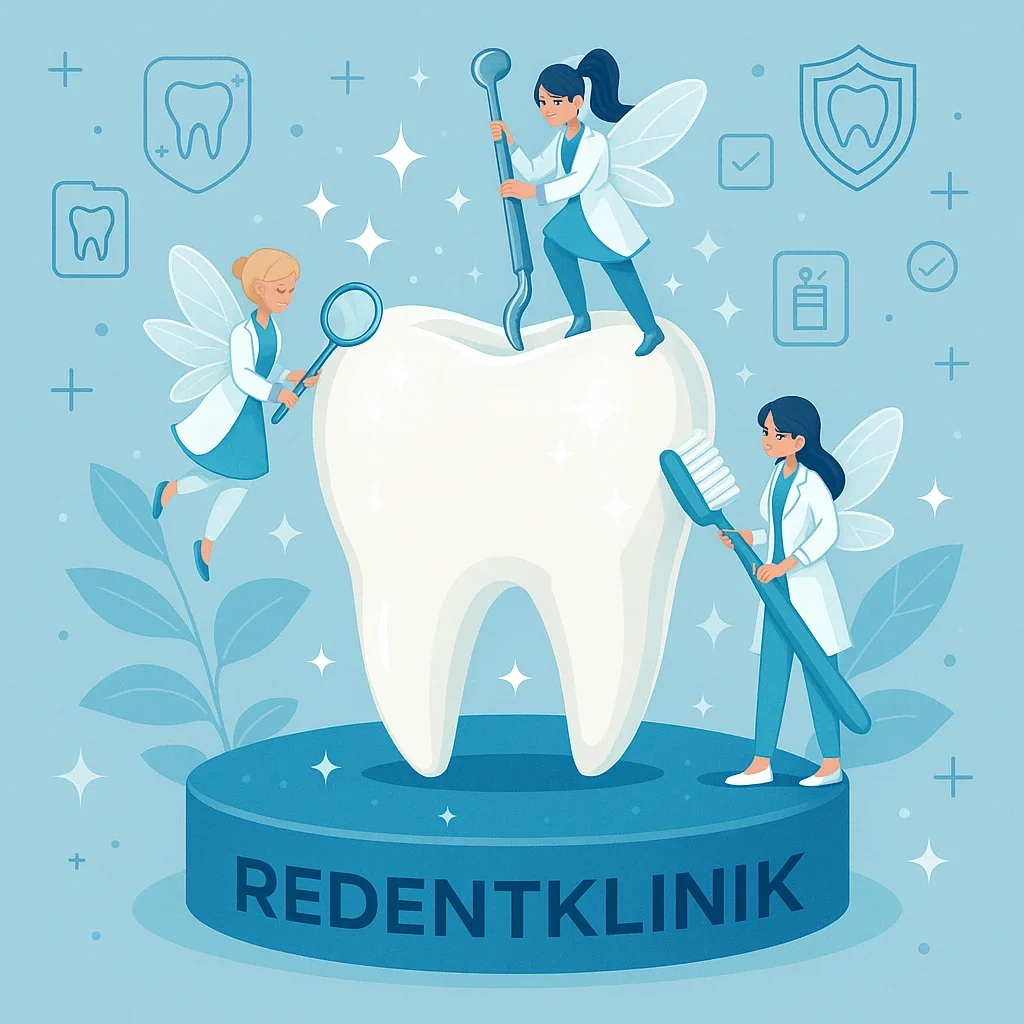
Expert Recommendations on Maintaining Dental Implants for Life
Long-term implant success is not just about placing the implant correctly—it is also about maintaining it properly. Many patients assume that once the implant crown is placed, the process ends. But in reality, ongoing maintenance is a core part of the best way to get dental implants. While implants do not decay like natural teeth, the surrounding gums and bone require consistent care to ensure that they remain healthy and stable for decades. This comprehensive guide provides evidence-based strategies, clinical best practices, expert-level oral hygiene tips, and lifestyle recommendations to help you protect your dental implants for life.
With proper upkeep, dental implants can last 25–30 years or even a lifetime. However, poor oral hygiene, smoking, gum infections, or skipped dental visits can shorten the lifespan of implants significantly. These risks can be prevented through daily care routines, early detection strategies, and professional monitoring. When combined, these elements ensure the best way to get dental implants and maintain their optimal performance over time.
Understanding the Long-Term Requirements of Dental Implants
Dental implants may feel and function like natural teeth, but they require a specific maintenance protocol. The implant consists of three main parts: the titanium or zirconia post, the abutment, and the crown. The gums and bone surrounding these components must remain healthy to prevent complications such as peri-implantitis. Understanding how these structures interact helps patients follow a more informed care routine.
The best way to get dental implants and preserve them involves maintaining strong gum seals, stable bone levels, and clean implant surfaces. By mastering these requirements, you set yourself up for lifelong implant success.
Daily Oral Hygiene: Your First Line of Defense
A consistent daily home-care routine is the foundation of long-term implant maintenance. While implants don’t develop cavities, the gums around them can still become infected if plaque builds up. This infection may lead to gum recession, bone loss, and implant instability.
Essential Daily Care Steps
- Brush twice daily with a soft toothbrush.
- Use an interdental brush around the implant neck where plaque accumulates most.
- Floss daily with implant-safe floss.
- Use alcohol-free mouthwash to maintain gum hydration.
- Rinse with warm salt water if you experience irritation or mild inflammation.
These basic habits are essential to maintaining the best way to get dental implants because they prevent bacteria from damaging the soft tissues around the implant.
The Importance of Professional Cleanings
Even with perfect home care, hardened tartar can still accumulate around implants. This is why biannual or quarterly dental visits are vital. Dental hygienists use specialized tools designed specifically for implants—these tools prevent scratching the crown or abutment while thoroughly removing plaque.
Professional Care Includes:
- Digital radiographs to monitor bone levels
- Peri-implant pocket measurements
- Polishing crown surfaces
- Detecting early signs of inflammation
Clinics accredited by organizations such as the
American Dental Association follow strict hygiene protocols that align with the best way to get dental implants and ensure long-lasting results.
Avoiding Peri-Implantitis: The Most Serious Long-Term Risk
Peri-implantitis is an inflammatory condition that affects the bone and gum tissue around implants. Without proper care, it can lead to bone loss and even implant failure. Early detection is key, and symptoms may include bleeding during brushing, bad breath, swelling, or discomfort.
How to Prevent Peri-Implantitis
- Maintain consistent oral hygiene
- Avoid smoking, which slows healing and increases inflammation
- Stay consistent with dental exams
- Use chlorhexidine rinses when recommended
Preventing this condition is a critical part of the best way to get dental implants because peri-implantitis is one of the few risks that can compromise even perfectly placed implants.
Implant-Safe Diet and Lifestyle Choices
Diet has a significant impact on oral health. While implants can handle strong biting forces, the surrounding tissues benefit from a nutrient-rich diet that promotes bone metabolism and gum resilience. Foods high in antioxidants, calcium, and omega-3 fatty acids support the body’s natural healing systems.
Recommended Foods
- Leafy greens (rich in vitamin K)
- Salmon and fatty fish (omega-3s)
- Dairy or fortified plant-based alternatives
- Berries and citrus fruits
- Nuts and seeds
Healthy lifestyle choices are part of the best way to get dental implants because they protect the bone and soft tissue supporting your implants.
Protecting Implants from Physical Damage
Just like natural teeth, implants can be damaged by excessive force. Nighttime teeth grinding (bruxism), high-impact sports, or using your teeth to open packages can all put unnecessary pressure on the implant crown.
Protective Strategies
- Use a custom night guard if you grind your teeth
- Wear a sports mouthguard during contact sports
- Avoid chewing hard items like ice, popcorn kernels, or pens
These protective measures contribute to the best way to get dental implants by reducing mechanical stress and preventing structural damage.
The Role of Regular Check-Ups and Digital Monitoring
Advanced implant clinics use digital tools such as periapical X-rays, CBCT imaging, and periodontal depth measurements to evaluate implant stability over the years. These check-ups allow dentists to detect subtle changes before they become major issues.
Patients who remain consistent with monitoring enjoy higher success rates, reduced inflammation, and healthier gums. Attending these visits is essential for maintaining the best way to get dental implants throughout life.
When to Contact Your Dentist
If you notice signs such as gum bleeding, implant movement, temperature sensitivity, or persistent discomfort, contact a specialist immediately. Early intervention prevents small problems from escalating.
You may also reach trained professionals through the
Redent Klinik Contact Page to receive dedicated guidance on maintaining your implants.
Final Thoughts
Lifelong implant success depends on consistent maintenance, smart lifestyle habits, and regular dental supervision. When you combine daily oral hygiene, professional cleanings, proper nutrition, and protective strategies, you create the ideal environment for implant longevity. These proactive steps form the best way to get dental implants and ensure that your restored smile remains strong, functional, and beautiful for decades to come 🌟.