
Finding the best way to pay for dental implants is one of the most important steps for patients who want to restore their smile without facing financial stress. Dental implants are a long-term investment in oral health, confidence, and daily comfort—but the cost can feel overwhelming without a clear financial plan. In this comprehensive guide, we will explore how payment choices work, why planning ahead matters, and which options make treatment more accessible. Whether you are comparing financing plans, thinking about insurance, or considering savings strategies, this section gives you the strong foundation you need to make confident decisions. 😊
Dental implants are known for offering natural-looking, durable tooth replacement that can last for decades. Because they are a multi-step procedure involving oral surgery, materials, professional expertise, and healing time, the overall price may vary. This is why exploring the best way to pay for dental implants early in your research is essential. With the right payment strategy, patients reduce stress, improve affordability, and begin treatment sooner.
For many patients, the main concern is balancing affordability with high-quality care. The good news is that modern dental clinics offer more payment flexibility than ever before. From monthly installment plans to medical loans and specialized savings tools, there are several structured approaches designed to ease the financial burden. Understanding these options will help you choose the method that fits your budget and long-term goals. You can also consult reputable organizations like the American Dental Association for general information on dental standards and treatment processes.
Another key point to remember is that choosing the best way to pay for dental implants often helps patients start treatment sooner instead of waiting years. Many people believe they must save the entire cost before proceeding, but that is no longer the case. Financing tools, insurance assistance, and clinic-based membership programs now make implants accessible even if you cannot pay the full fee upfront. This increased accessibility is one of the biggest advantages of modern payment systems.
Before selecting your ideal payment method, it is also helpful to understand what contributes to implant pricing. Factors such as bone grafting, the number of implants needed, implant type, surgeon experience, and geographic location can influence the final amount. That is why clinics provide personalized treatment plans after an examination. If you are evaluating options or need professional guidance, feel free to reach out through the Redent Klinik Contact Page for more support.
When assessing the best way to pay for dental implants, some patients rely on structured monthly plans because they provide predictable payments and allow treatment to begin immediately. Others prefer long-term savings strategies, credit options, or assistance from their insurance provider. Each approach is valid, and the right choice depends on your financial comfort level. The goal is to create a smooth path toward treatment without compromising quality or delaying essential care.
In addition, many patients explore semantically related approaches such as the most effective payment method for dental implants or dental implant financing solutions. These related terms reflect the same core idea: making high-quality implant treatment affordable and easy to manage. With proper research and realistic expectations, you can confidently choose the best method to support your treatment journey.
Ultimately, the best way to pay for dental implants is the one that aligns with your financial situation, treatment timeline, and personal comfort. This section serves as your starting point. In the following sections, we will break down each payment option in detail—insurance, medical loans, local financing plans, membership programs, HSAs, FSAs, savings strategies, and more—so you can navigate the process with clarity. Understanding your choices empowers you to focus on what truly matters: completing your implant treatment, improving your oral health, and enjoying long-lasting confidence in your smile. 😄
Understanding the True Cost of Dental Implants and What Affects It
Before selecting the best way to pay for dental implants, it is essential to understand how implant pricing works and which factors influence the final cost. Many patients feel uncertain because implant procedures involve multiple phases, materials, and expertise levels. This detailed breakdown will help you understand why prices vary and how you can plan your financial strategy accordingly. By becoming knowledgeable about what you’re paying for, you can make informed decisions that align with both your health and budget. 😊
The Components That Make Up the Total Implant Cost
Dental implants are more than simple tooth replacements; they are advanced restorative solutions made from durable materials like titanium or zirconia. The complete procedure generally includes several stages, such as diagnostic imaging, surgical placement, abutment installation, and the final prosthetic crown. Each stage has its own cost structure, which is why many patients search for the best way to pay for dental implants to manage expenses effectively.
1. Diagnostic Evaluations and Imaging
Before the implant procedure begins, your dentist must conduct detailed assessments, including panoramic X-rays, CT scans, and oral health evaluations. These diagnostic tools allow your dental professional to determine bone density, gum condition, and the appropriate implant placement. While these preliminary steps may seem minor, they form a crucial foundation for a successful implant journey.
2. Surgical Placement of the Implant Post
The surgical phase involves placing the artificial root into the jawbone. This is usually the most technically complex part of treatment and significantly influences cost. Oral surgeons and implant specialists charge based on their skill and experience, which directly affects the success and longevity of the implant. Higher expertise often means higher fees, but it also means better outcomes.
3. Bone Grafting or Sinus Lift Procedures (If Needed)
Some patients require additional treatments such as bone grafting or sinus lifts to strengthen the jawbone. These procedures add to the total expense, but they ensure that the implant fuses securely with the bone. Understanding these potential costs helps you evaluate the best way to pay for dental implants with more accuracy.
4. Abutment and Crown Placement
Once the implant post integrates with the bone, an abutment is attached to hold the final crown. The crown is custom-made to match your natural teeth in shape, size, and color. The craftsmanship behind the crown significantly impacts both appearance and durability.
Factors That Influence the Price of Dental Implants
A wide range of variables can affect pricing. Geographic region, the type of implant system used, the number of implants required, and the complexity of the case all play a role. For example, replacing a single tooth costs less than full-mouth rehabilitation. This explains why patients often seek the best way to pay for dental implants to manage various financial scenarios without compromising quality.
Experience and Qualifications of the Dental Professional
Highly trained implant specialists typically charge more because they offer greater precision and lower complication risks. Investing in an experienced professional helps ensure your long-term satisfaction and minimizes potential corrective treatments in the future.
Materials Used in the Implant System
Not all implants are the same. Premium materials like zirconia and high-grade titanium may increase costs but offer superior durability and aesthetics. When evaluating the best way to pay for dental implants, keep in mind that choosing quality materials is part of a smart long-term investment.
Typical Cost Ranges for Dental Implants
While prices vary, here is a general overview based on publicly available online research (costs may differ depending on location and provider):
• Single Dental Implant: $3,000 – $6,000
• Implant + Abutment + Crown Bundle: $4,000 – $7,500
• All-on-4 Full Arch Implants: $15,000 – $30,000 per arch
• Bone Grafting (if needed): $300 – $1,500
• Sinus Lift (if needed): $1,500 – $5,000
Note: These are general estimates based on online research and may vary significantly by region and clinic.
Understanding these price ranges makes it easier to plan ahead and choose the best way to pay for dental implants according to your financial comfort. Some patients prefer financing, while others explore savings accounts or membership plans. In the next sections, we will review all these payment options in depth. If you wish to receive customized guidance, you can always visit the Redent Klinik Contact Page for professional support and personalized cost assessments.
To enhance your research, it may also help to consult reputable dental sources such as the American Dental Association, which provides educational information on oral health, treatment standards, and implant procedures. This supports your understanding as you determine the ideal payment path.
Now that you understand what contributes to implant pricing, you’re in a stronger position to evaluate financing methods, insurance assistance, and personalized payment plans. Having a clear grasp of the factors influencing cost ensures that when exploring the best way to pay for dental implants, your choice is informed, realistic, and aligned with your long-term dental goals. 😄
Why Choosing the Best Way to Pay for Dental Implants Improves Treatment Access
Selecting the best way to pay for dental implants is not just about budgeting — it is about ensuring that patients can access life-changing treatment without unnecessary delays. Many people assume they must postpone their implant procedure until they have saved the full amount, but modern payment solutions make it possible to begin treatment sooner, receive higher-quality care, and avoid long-term oral health complications. In this section, you will learn how financial planning directly affects treatment access, outcomes, comfort, and long-term health. 😊
How Financial Planning Removes Barriers to Treatment
Dental implants offer a permanent, stable, and natural-looking solution, but the initial cost often feels intimidating. That is why choosing the best way to pay for dental implants can eliminate the most common barrier: upfront affordability. When patients find a payment method aligned with their income and long-term goals, they can confidently proceed with treatment instead of waiting months—or even years. This reduces dental deterioration, improves oral function, and enhances overall well-being.
Stopping the Cycle of Delayed Treatment
Delaying implant treatment often leads to bone loss, shifting teeth, gum disease, and jaw problems. Each additional dental complication increases both the emotional burden and the future cost of treatment. With a structured payment approach—whether financing plans, savings accounts, or insurance supplements—patients can protect themselves from worsening oral health. Understanding the most effective payment options for implants encourages individuals to act sooner rather than later.
Why Immediate Treatment Leads to Better Long-Term Results
The sooner a patient receives dental implants, the easier and more predictable the procedure becomes. Modern implant protocols rely heavily on bone health and gum stability. If treatment is postponed, patients may require bone grafts or sinus lifts, increasing cost. By choosing the best way to pay for dental implants, individuals can access care immediately and minimize the need for extra procedures. This leads to higher success rates, shorter recovery times, and lower overall expenses in the long run.
Minimizing Additional Surgical Costs
Bone loss is one of the most significant factors that increase treatment cost. When the jawbone is not stimulated after tooth loss, it begins to shrink. Getting implants earlier prevents this issue. If finances are the only obstacle, flexible payment strategies such as medical loans or clinic-based plans can help patients move forward without complications. With proper planning, individuals are less likely to require additional surgeries.
Improving Access Through Modern Financing Solutions
Many dental clinics today recognize that patients need flexibility. They offer practical financial solutions designed to support treatment access, such as in-house installment plans or partnerships with medical financing companies. These options make the best way to pay for dental implants a personal decision rather than a financial struggle. Structured monthly payments allow patients of all income levels to receive premium care without financial shock.
In-House Payment Programs
Some clinics set up internal installment plans that require little to no credit checks. This allows patients to begin treatment quickly with predictable payments. These programs also provide peace of mind because they come directly from trusted dental professionals who understand the full scope of treatment costs.
Third-Party Medical Financing
Companies specializing in medical financing offer loans specifically for dental treatments, including implants. These loans often come with flexible terms, low-interest options, or zero-interest promotional periods. Choosing this type of financing can be an excellent approach for individuals seeking the best way to pay for dental implants without draining savings or compromising other financial responsibilities.
Boosting Confidence by Reducing Financial Anxiety
Financial stress is one of the biggest reasons patients hesitate to begin treatment. When individuals understand their payment options clearly, the anxiety around cost significantly decreases. Identifying the best way to pay for dental implants boosts emotional comfort and helps patients make decisions from a calm, confident state rather than fear or uncertainty. Reducing this psychological barrier is beneficial not only for treatment acceptance but also for overall health and happiness.
If you need professional guidance in planning your implant budget or estimating a custom financing strategy, you can reach out through the Redent Klinik Contact Page. Additionally, reputable resources like the American Dental Association can provide general educational support for understanding implant procedures.
In summary, choosing the best way to pay for dental implants directly enhances treatment access, improves oral health outcomes, minimizes long-term costs, and reduces emotional stress. The right payment method can dramatically transform your ability to receive timely, effective, and high-quality implant care. 😄
Comparing Popular Payment Options: Which One Fits Your Budget?
Choosing the best way to pay for dental implants depends heavily on your financial goals, comfort level, and personal budgeting style. With several payment methods available today, patients have more control than ever over how they finance their dental implant treatment. This section provides a detailed comparison of the most common payment solutions, including their advantages, limitations, and suitability for different situations. By understanding each option clearly, you can select a method that aligns with your financial profile while ensuring you receive the high-quality care you deserve. 😊
Why Payment Comparisons Matter
Dental implant costs vary depending on the complexity of your treatment, the materials used, and the level of professional expertise required. Because these costs can be significant, choosing the best way to pay for dental implants allows you to manage expenses responsibly while still receiving timely care. Comparing payment options ensures you are not only making a financially smart choice but also preventing delays that could lead to additional dental complications.
Overview of the Most Common Payment Solutions
Below is a detailed breakdown of the most widely used payment methods for dental implant treatment, including in-house financing, third-party loans, insurance options, credit cards, and patient savings. This comparison is designed to help you determine which method best supports your financial stability and oral health goals.
1. In-House Dental Clinic Financing Plans
Many dental clinics today offer in-house financing arrangements. These allow patients to divide their implant costs into predictable monthly payments. Clinics may offer these plans with zero interest or low fees, depending on your eligibility and the treatment cost. For many patients, this method becomes the best way to pay for dental implants because it avoids complicated credit applications and offers flexible terms.
Advantages include:
• Simple approval process
• No external financial institutions involved
• Lower interest compared to credit cards
• Immediate access to treatment
This method is ideal for patients who want convenience, predictability, and trust built directly into the clinic-patient relationship.
2. Medical Financing Through Third-Party Lenders
Third-party medical financing companies offer structured loans specifically tailored for healthcare procedures. These companies provide flexible repayment schedules, fixed monthly installments, and sometimes promotional zero-interest periods. Many patients use this method as the best way to pay for dental implants because it spreads costs over manageable timeframes without delaying treatment.
Common benefits include:
• Fast approval times
• Various repayment periods (12–60 months)
• Options for low or zero interest
• Clear terms with no hidden fees
This option works well for individuals who prefer a predictable, long-term plan backed by a financial institution.
3. Traditional Dental Insurance Plans
Although many insurance policies do not fully cover implant procedures, some may cover portions such as extractions, crowns, bone grafts, or diagnostic imaging. This can significantly reduce out-of-pocket expenses. Insurance becomes part of the best way to pay for dental implants when used strategically alongside another method, such as savings or financing.
However, insurance limitations include:
• Annual maximum caps
• Limited implant coverage
• Possible waiting periods
• Pre-authorization requirements
Insurance is ideal for those who want partial cost relief and have access to a dental policy that provides coverage for restorative procedures.
4. Credit Cards for Dental Procedures
Credit cards, especially those with promotional 0% APR periods, can be an option for paying part of the implant cost. Some patients use this approach to cover small balances or emergencies. While not always the best way to pay for dental implants due to high interest rates, strategic use of a low-interest credit card can help bridge short-term financial gaps.
Pros include:
• Immediate coverage for emergencies
• Reward points or cashback benefits
• Potential 0% interest periods
Cons include:
• High long-term interest
• Risk of credit score impact
5. Savings Accounts and Long-Term Budgeting
Some patients prefer to save money gradually before beginning implant treatment. While this method avoids interest fees and financing obligations, it may delay treatment and lead to worsening oral conditions. Still, for those who are financially disciplined, saving can be the best way to pay for dental implants if combined with realistic timelines and professional monitoring.
Realistic Price Expectations Based on Online Research
• Single Implant: $3,000–$6,000
• Full-Arch (All-on-4): $15,000–$30,000 per arch
• Bone Grafts: $300–$1,500
• CT Scans: $150–$350
Which Option Fits Your Situation?
Your ideal payment method depends on your budget, credit status, time sensitivity, and long-term financial goals. Many patients choose a combination of methods, such as insurance plus financing or savings plus credit. This hybrid approach often becomes the most balanced solution when determining the best way to pay for dental implants.
If you need personalized guidance on which option is most suitable for your situation, you can consult a specialist through the Redent Klinik Contact Page. Additionally, reputable resources such as the American Dental Association offer educational materials to support your research.
By comparing all available payment solutions carefully, you can confidently choose the best way to pay for dental implants and move forward with your treatment in a financially secure and stress-free way. 😄
Medical Loans and Financing Plans: A Smart Method for Managing Implant Costs
For many patients, medical loans and structured financing plans offer the best way to pay for dental implants because they allow treatment to begin immediately while spreading costs across manageable monthly payments. Modern dental financing solutions are designed to eliminate cost-related delays, reduce financial stress, and give patients the opportunity to prioritize their oral health without sacrificing financial stability. In this section, we explore how medical loans work, what makes them valuable, and how to choose the right financing plan for your situation. 😊
Why Financing Is One of the Most Popular Payment Methods
Dental implants require a skilled surgical procedure, custom materials, laboratory work, and multiple visits, which naturally increases the overall cost. Rather than paying this entire amount upfront, many patients prefer to distribute the payments over time. For this reason, financing has become one of the most reliable and accessible options—and in many cases, the best way to pay for dental implants for individuals who want affordability without delays.
Financing offers predictability, flexibility, and the ability to start treatment before dental health deteriorates further. Instead of postponing treatment due to financial concerns, patients can choose a plan that aligns with their income, credit profile, and long-term goals.
Types of Medical Loans Available for Dental Implant Treatment
Medical loans come in several forms, each offering unique benefits. Understanding these categories allows you to determine the best way to pay for dental implants through carefully structured financial planning.
1. Traditional Medical Loans
Traditional medical loans function like personal loans but are specifically designed for healthcare expenses. They typically offer fixed interest rates and predictable repayment terms ranging from 12 to 60 months. These loans may require a credit check, but they often come with lower interest rates than standard credit cards.
Advantages include:
• Fixed monthly payments
• Transparent repayment structure
• Long-term budgeting convenience
• High borrowing limits suitable for full-mouth restoration
2. Medical Credit Cards
Some lenders offer medical-only credit lines that include promotional 0% APR periods. These cards allow patients to pay for their implants without interest if the balance is cleared within the promotional window. For patients who can pay off balances relatively quickly, this can become the best way to pay for dental implants due to its interest-free benefit.
However, once the promotional period ends, interest rates may increase significantly. For this reason, patients should use this method only if they have a concrete repayment strategy.
3. Clinic-Partnered Financing Programs
Many dental clinics collaborate with third-party financing companies to offer seamless payment options directly through the clinic. These partnerships are ideal for patients who want fast approval, low down payments, and flexible monthly installments.
Benefits include:
• Easy application process
• Faster approval
• Competitive interest rates
• Ability to begin treatment immediately
How to Evaluate Whether Financing Is Right for You
Choosing the best way to pay for dental implants means considering your financial situation realistically. Ask yourself the following questions when deciding whether financing is suitable:
• Do you need to start treatment quickly?
• Do you prefer predictable monthly payments?
• Is avoiding a large upfront expense important to you?
• Are you comfortable committing to a multi-month repayment plan?
Patients who value convenience, flexibility, and timely treatment usually find that financing is one of the most effective solutions.
Interest Rates, Terms, and What to Expect
Interest rates vary depending on your credit history, loan type, and lender. Based on publicly available online research, typical medical loan interest rates fall between **6% and 24%**, depending on creditworthiness. Some lenders offer 0% interest promotions, while others provide low-interest long-term repayment plans.
Patients should review:
• Monthly payment amount
• Length of repayment term
• Any hidden fees
• Prepayment penalties
• Credit score impact
Example Monthly Payment Estimates (Based on Online Research)
• $3,000 loan over 24 months: $135–$180 per month (depending on interest)
• $6,000 loan over 36 months: $180–$240 per month
• $12,000 loan over 48 months: $300–$420 per month
These examples help patients understand how financing fits into their monthly budgeting and whether it is truly the best way to pay for dental implants for their situation.
Why Financing Offers a Strategic Advantage
Financing is not only about affordability—it also supports better health outcomes. Delaying dental implants due to financial reasons often leads to bone loss, shifting teeth, gum inflammation, and the need for additional procedures. With financing, patients can begin treatment while their dental health is still stable, avoiding costly complications.
Additionally, financing programs make premium implant materials accessible to more patients. Instead of choosing lower-cost, less durable solutions, financing helps individuals invest in long-lasting titanium or zirconia implants. When comparing options, many patients decide that this approach is the best way to pay for dental implants because it balances cost and value effectively.
Where to Get Personalized Advice
To determine which financing plan is a good match for your needs, you can reach out directly through the Redent Klinik Contact Page. Dental professionals can evaluate your treatment plan and guide you toward financing solutions best suited for your budget and timeline.
For additional information on dental treatments and best practices, you can also consult trusted sources such as the American Dental Association, which provides reliable insights into dental care, implant standards, and treatment expectations.
In conclusion, medical loans and structured financing plans are often the best way to pay for dental implants because they reduce financial barriers, support timely treatment, and provide flexible repayment solutions for patients from all financial backgrounds. 😄
How Dental Insurance Can Support Your Implant Journey
Many patients explore dental insurance as part of the best way to pay for dental implants because even partial coverage can significantly reduce overall treatment costs. While traditional insurance plans rarely cover the full cost of dental implants, they often support essential parts of the treatment—such as extractions, bone grafting, crowns, and diagnostic imaging. Understanding how your insurance works, what it covers, and how to maximize benefits can make implants far more affordable and accessible. In this detailed section, we explain exactly how dental insurance can support your implant journey and how it fits into a smart payment strategy. 😊
Understanding the Role of Insurance in Implant Treatment
Dental implants are typically categorized as a major restorative procedure, and because of this classification, many insurance providers limit coverage or exclude it entirely. However, this does not mean patients should ignore insurance as part of the best way to pay for dental implants. Even partial coverage can result in meaningful savings, especially when you understand the details of your insurance policy and use benefits strategically.
Insurance may cover portions of the implant process such as:
• Tooth extractions
• Temporary dentures
• Bone grafting
• Diagnostic tests (X-rays, CT scans)
• Implant-supported crowns
• Surgical consultations
Each of these covered steps reduces the overall cost and helps patients manage the financial aspect more effectively. The key is to review your policy’s major services section, annual maximum limits, and frequency limitations.
Why Insurance Coverage Is Often Limited
Although implants are considered the gold standard for tooth replacement, many insurance companies still classify them as elective procedures. This outdated framework is slowly changing as insurers begin to recognize implants as essential for oral health functionality, but coverage remains inconsistent. That said, patients can still incorporate insurance into the best way to pay for dental implants by using it strategically alongside other payment tools like HSAs, FSAs, and financing plans.
Annual Maximums and How They Affect Costs
Most dental insurance plans have annual maximum benefits ranging from $1,000 to $2,000. While this may not seem like a large portion of a full implant treatment, it can significantly lower the cost of related procedures. A patient who combines insurance benefits with financing will often find that this blended approach is the best way to pay for dental implants without delaying treatment.
Waiting Periods for Major Dental Work
Some plans require waiting periods before major services become eligible. Patients who anticipate needing implants in the future may benefit from enrolling early. Understanding waiting periods ensures better planning and helps avoid unexpected treatment delays.
Common Types of Insurance Plans and Their Implant Coverage
1. PPO (Preferred Provider Organization) Plans
PPO plans offer the most flexibility. They allow patients to choose their dentist and often cover a percentage of major treatments. These plans may not cover implant placement directly but may cover implant-supported crowns or other related procedures. For many individuals, PPO coverage becomes part of the best way to pay for dental implants because it offsets costs while maintaining treatment flexibility.
2. HMO (Health Maintenance Organization) Plans
HMO plans are typically more restrictive. They may require referrals or limit coverage to specific providers. Implant coverage is usually limited under HMOs, but these plans can still help by lowering diagnostic and preventive care costs, which supports early planning.
3. Indemnity or Fee-for-Service Plans
These plans offer the broadest provider choice and may provide partial reimbursement for implant-related procedures. While premiums are often higher, indemnity plans give patients the freedom to choose specialists, making them valuable for complex implant cases.
How to Maximize Your Insurance Benefits
The key to integrating insurance into the best way to pay for dental implants is to use your benefits strategically. Many patients overlook opportunities to maximize savings, such as coordinating benefits across multiple policies or spreading treatments across calendar years.
Step 1: Check Your Annual Maximum
If your plan renews annually, scheduling part of your treatment near the end of the year and the remainder at the beginning of the next year may double your available benefits.
Step 2: Ask for Pre-Authorization
A pre-authorization request provides an estimated breakdown of what your insurance will cover. This helps you plan your budget and determine if insurance should be part of the best way to pay for dental implants in your specific case.
Step 3: Coordinate Dual Insurance Plans
If you are covered under two plans (such as your own and a spouse’s), you may receive additional coverage. Dual plans cannot exceed the cost of treatment, but they can reduce your out-of-pocket responsibility significantly.
Insurance Limitations and Realistic Expectations
Even with strong planning, insurance rarely covers the entire implant treatment. It is important to understand that insurance is one piece of the puzzle, not the entire solution. Combining dental insurance with financing plans, HSAs, FSAs, or savings accounts is often considered the best way to pay for dental implants because it harmonizes several tools for maximum affordability.
If you need support reviewing your insurance plan or want personalized guidance, you can reach out to professionals using the Redent Klinik Contact Page. You can also review general implant information from trusted sources such as the American Dental Association.
In summary, even though insurance does not always cover implants directly, it can reduce costs considerably and serve as a key component of the best way to pay for dental implants. When used wisely, insurance becomes a powerful financial tool that supports your long-term oral health goals. 😄
Health Savings Accounts (HSA) and Flexible Spending Accounts (FSA) for Implant Payments
Using tax-advantaged accounts like HSAs and FSAs is often considered one of the best way to pay for dental implants because these tools allow patients to use pre-tax income to cover eligible dental expenses. By using money that is not subject to income tax, patients effectively save anywhere from 10% to 37% depending on their tax bracket. In this section, we will explore how HSAs and FSAs work, their differences, which implant-related procedures qualify, and how these accounts can help you manage treatment costs with significantly greater financial efficiency. 😊
Why HSA and FSA Accounts Are Valuable for Implant Payments
Dental implants are classified as a medically necessary procedure when tooth loss affects chewing ability, jaw structure, speech, or oral function. Because of this classification, most implant-related expenses can be paid using HSA or FSA funds. This makes HSAs and FSAs powerful components of the best way to pay for dental implants, especially for patients who want to maximize savings and reduce taxable income while covering dental expenses.
Both HSAs and FSAs are specifically designed to help individuals cover healthcare costs efficiently. While they share similarities, they differ in eligibility, contribution limits, rollover rules, and account ownership. Understanding these differences is essential for choosing the right account for your implant journey.
Understanding How Health Savings Accounts (HSA) Work
HSAs are tax-advantaged savings accounts available to individuals enrolled in High-Deductible Health Plans (HDHPs). Money contributed to an HSA is tax-deductible, grows tax-free, and can be withdrawn tax-free for eligible medical expenses—including most implant-related procedures. This triple tax benefit makes HSAs an excellent tool and often the best way to pay for dental implants for patients with qualifying insurance.
Key Benefits of an HSA
• Contributions reduce your taxable income
• Funds roll over every year with no expiration
• The account belongs to you, not your employer
• Money can be invested and grow over time
• Withdrawals for medical expenses are tax-free
Eligible Dental Implant Expenses Covered by HSAs
Most of the following can be paid using an HSA:
• Implant placement surgery
• Bone grafting
• Sinus lift procedures
• Diagnostic exams (CT scans, X-rays)
• Temporary restorations
• Final implant-supported crowns
• Sedation or anesthesia used during surgery
Because HSAs cover nearly every component of the implant process, many patients find them to be the best way to pay for dental implants when looking for both long-term value and tax efficiency.
Contribution Limits (Based on Publicly Available Online Research)
• Individual Coverage: $4,150 (approx.)
• Family Coverage: $8,300 (approx.)
• Additional Catch-Up Contribution (Age 55+): +$1,000
Actual limits may vary by year; verify with your insurance provider or IRS guidelines.
How Flexible Spending Accounts (FSA) Support Implant Payments
FSAs are employer-sponsored tax-advantaged accounts that allow you to contribute pre-tax income to cover medical expenses. While FSAs do not have the same rollover benefits as HSAs, they still provide major tax savings and immediate access to annual contributions at the beginning of the year. Because of these advantages, FSAs often become part of the best way to pay for dental implants for patients who prefer predictable annual savings.
Key Benefits of an FSA
• Contributions reduce taxable income
• Entire annual amount is available on day one
• Many implant procedures are eligible
• No need for an HDHP (unlike HSAs)
Common Implant Expenses Eligible Under an FSA
• Implant posts
• Abutments
• Restorative crowns
• Oral surgical fees
• Imaging and diagnostic tests
• Sedation and surgical medications
Important Limitations of FSAs
FSAs typically have a “use it or lose it” rule, meaning unused funds may not roll over to the next year. However, some employers allow a small rollover amount or a grace period. Patients planning to use FSAs must carefully time their implant procedures to avoid losing unused funds.
Maximizing HSA and FSA Benefits for Dental Implants
To use these accounts as part of the best way to pay for dental implants, you must plan strategically. HSAs and FSAs can dramatically lower your out-of-pocket expenses when used correctly.
Step 1: Schedule Treatment Around Contribution Cycles
HSA users can accumulate larger balances over time, while FSA users may schedule implant phases at the beginning of the year to access their full annual amount immediately.
Step 2: Combine HSA or FSA Funds with Financing
Many patients use tax-advantaged funds for surgical costs and financing plans for restorative work. This blended strategy often becomes the most effective payment method for dental implants because it lowers taxes and spreads the remaining balance across affordable payments.
Step 3: Track Eligible Expenses Carefully
Always save invoices and treatment documentation to ensure eligibility for reimbursements. This helps prevent claims from being denied.
Why HSAs and FSAs Are Powerful Tools for Implant Patients
Tax savings can reduce treatment costs by hundreds or even thousands of dollars depending on your annual contributions and income level. For patients who prefer structured planning, using these accounts remains one of the best way to pay for dental implants because it blends tax advantages with flexibility.
If you need personalized guidance on whether your implant procedure qualifies for HSA or FSA payments, you can reach out through the Redent Klinik Contact Page. For accurate and trusted information about dental procedures, you can also refer to the American Dental Association.
In summary, combining tax-free accounts with careful planning provides patients with one of the smartest and most financially efficient pathways to afford dental implants. When managed correctly, HSAs and FSAs play a crucial role in the best way to pay for dental implants, making high-quality treatment more attainable for patients of all financial backgrounds. 😄
Clinic-Based Membership Plans: An Affordable Alternative to Traditional Insurance
For many patients seeking the best way to pay for dental implants, clinic-based membership plans have emerged as a highly practical, budget-friendly, and predictable payment option. Unlike dental insurance—which often has strict exclusions, annual limits, and complicated approval processes—membership plans are simple, transparent, and designed directly by dental clinics to support patient affordability. These plans typically include preventive services, discounts on major procedures, and flexible payment options that make implant treatment more accessible. In this section, we explore how clinic-based membership programs work, what they cover, and why so many patients now consider them a preferred financial solution for implant care.
What Are Clinic-Based Membership Plans?
Clinic-based membership plans are in-house programs created by dental practices to help patients receive consistent, affordable care throughout the year. Instead of paying monthly insurance premiums to a third-party company, patients pay the dental clinic directly. This eliminates middlemen, reduces administrative barriers, and creates a more patient-centered approach to financing dental care. As a result, many individuals use these plans as part of the best way to pay for dental implants because they combine affordability with convenience.
Membership plans are not insurance. They operate as discount programs that give patients predictable access to cleanings, exams, X-rays, and reduced fees on restorative procedures like dental implants, crowns, bridges, and extractions. They often include tiered options so patients can choose the coverage level that best fits their needs.
How Membership Plans Reduce Implant Costs
One of the most compelling advantages of membership plans is the reduction of out-of-pocket implant costs. Many dental clinics offer discounts ranging from 10% to 40% on major restorative procedures. These discounts directly support those searching for the best way to pay for dental implants because they eliminate restrictive insurance rules and maximize savings on high-value treatments.
Typical Benefits Offered by Membership Programs
• Two annual cleanings and exams
• Annual X-rays (full mouth or bitewing)
• Oral cancer screenings
• Emergency visit discounts
• Reduced pricing on dental implants, crowns, and surgeries
• No waiting periods
• No pre-authorization requirements
• No deductibles or annual maximums
These predictable benefits help patients stay on track with preventive care while making restorative procedures significantly more affordable.
Why Membership Plans Work Well for Implant Patients
Patients undergoing implant treatment often need ongoing evaluations, diagnostic appointments, and frequent follow-ups. Membership plans make these recurring visits more affordable and predictable. Unlike insurance, which may deny implant claims or limit what is covered, membership plans offer clear pricing and transparent discounts from the start. This makes them a strong candidate for those determining the best way to pay for dental implants, especially for individuals without traditional insurance.
Predictable Pricing Without Insurance Hassle
Dental insurance companies often categorize implants as elective or cosmetic procedures, which significantly restricts coverage. Clinic-based plans bypass these restrictions entirely. Patients know exactly what they will pay before treatment begins, removing the stress that comes with claim denials or unexpected costs.
No Pre-Authorization or Claim Delays
With membership plans, there is no need to wait for approvals or submit documentation to insurance providers. Treatment can begin as soon as the patient is ready, which is especially beneficial for cases where postponing implant care may lead to bone loss or more complex procedures. This immediate access is one of the primary reasons membership plans are included in discussions of the best way to pay for dental implants.
Examples of Membership Plan Pricing (Based on Public Online Research)
While prices vary by clinic, most membership plans follow a predictable structure. The following estimates are based on publicly available online research and may differ based on location:
• Basic Preventive Plan: $150–$300 per year
• Comprehensive Adult Plan: $250–$450 per year
• Periodontal Maintenance Plan: $350–$650 per year
Average implant discounts: 10%–40% depending on clinic policy.
These costs are typically far more affordable than dental insurance premiums and lack the restrictive fine print that prevents patients from accessing implant coverage.
How Membership Plans Pair With Other Payment Methods
In many cases, the smartest and best way to pay for dental implants is by combining a membership plan with other financial tools such as medical loans, HSAs, FSAs, or savings accounts. Membership plans reduce the overall procedure cost, while financing options distribute payments comfortably over time. Patients who combine discount plans with pre-tax savings accounts may experience substantial overall cost reductions.
Hybrid Payment Example
A patient might:
• Use a membership plan to access a 20% implant discount
• Use their HSA or FSA to pay part of the remaining cost using pre-tax dollars
• Finance the leftover balance through a medical loan at low monthly payments
This strategic combination amplifies savings and often represents the most financially efficient approach.
Who Benefits Most From Membership Plans?
Clinic-based membership plans are ideal for:
• Patients without dental insurance
• Individuals who want predictable pricing
• Those seeking transparency and trust
• Implant patients requiring multiple visits
• People wanting to avoid insurance restrictions
If you want personalized guidance on whether a membership plan is right for you, you can contact specialists through the Redent Klinik Contact Page. For reliable educational information on dental standards and implant procedures, you can also refer to the American Dental Association.
In conclusion, clinic-based membership plans offer affordability, transparency, and convenience—making them one of the best way to pay for dental implants for patients seeking straightforward financial solutions without insurance barriers. 😄
Credit Cards, Personal Loans, and Other Fast-Pay Solutions Explained
Many patients turn to fast-pay financial solutions when exploring the best way to pay for dental implants, especially if they want rapid approval, immediate treatment access, and flexible short-term payment arrangements. Credit cards, personal loans, emergency funds, and digital lending platforms provide quick access to financing without complicated insurance requirements or long waiting periods. This section explores how each fast-pay option works, what makes them appealing, and how to use them wisely to reduce stress while maintaining financial stability.
Why Fast-Pay Options Matter for Implant Patients
Dental implant treatment often needs to begin promptly—particularly when bone density is decreasing, teeth are shifting, or oral discomfort is increasing. Waiting too long could require additional procedures such as bone grafts, sinus lifts, or periodontal treatment. This is why many patients search for fast, flexible payment methods as part of the best way to pay for dental implants. Fast-pay options allow patients to bypass delays and start treatment immediately without waiting for insurance approvals or savings accumulation.
Fast-pay options also offer convenience because many lenders and credit card providers offer digital applications, instant decisions, and immediate access to funds. For individuals who need immediate care or prefer simplified finances, these solutions offer an attractive pathway.
Using Credit Cards for Dental Implant Treatment
Credit cards are one of the most widely accessible tools for funding dental implant procedures. Although they come with both benefits and risks, credit cards can be useful in various financial situations if managed wisely.
Typical Advantages of Using Credit Cards
• Instant availability for treatment
• Rewards programs, cashback, or points
• 0% APR promotional periods for qualified applicants
• Ability to split payments across multiple cards if needed
These benefits make credit cards a convenient component of the best way to pay for dental implants for patients with good credit and predictable repayment plans.
Potential Risks to Consider
• High interest rates after promotional periods
• Risk of debt accumulation
• Possible impact on credit score
Patients should only use credit cards if they can pay the balance within a realistic timeframe or if promotional financing is available.
Personal Loans as Fast-Pay Financial Tools
Personal loans are another common option for those seeking the best way to pay for dental implants. Unlike medical loans, personal loans can be used for any purpose, providing greater flexibility. They also typically offer fixed interest rates, predictable repayment schedules, and no limitations on how funds are allocated across the dental implant process.
When Personal Loans Are a Good Fit
Personal loans may be ideal if you:
• Prefer a fixed monthly payment
• Want a longer repayment term
• Need fast approval (often same-day)
• Do not have access to medical-specific financing plans
Typical Loan Terms Based on Public Research
• Loan amounts: $1,000–$50,000
• Repayment terms: 12–60 months
• Interest rates: 6%–36% depending on credit
• Approval time: Minutes to 24 hours
These loans often complement other payment tools and can be integrated into a hybrid financial plan.
Digital Lending Platforms and Buy-Now-Pay-Later Options
A growing number of patients incorporate online lenders and buy-now-pay-later platforms into their search for the best way to pay for dental implants. These platforms offer extremely fast approval, no lengthy paperwork, and immediate access to funds or revolving credit lines.
Benefits of Digital Lenders
• Soft credit checks for pre-qualification
• Immediate loan decisions
• Transparent terms and fees
• User-friendly mobile and online dashboards
Popular Buy-Now-Pay-Later Models
Some companies offer installment-based payment solutions where the patient pays a portion upfront and the remainder in equal monthly installments. While these are not offered everywhere, they are increasingly common in dental practices and can form part of the best way to pay for dental implants.
Strategies for Using Fast-Pay Solutions Wisely
While credit cards and personal loans offer fast access to funds, patients should use them strategically to avoid unnecessary debt and maximize financial efficiency.
Step 1: Evaluate Interest Rates Carefully
High-interest credit cards should only be used if no other financing options are available. If your card offers a 0% APR period, plan to repay the balance before the promotional period ends.
Step 2: Know Your Monthly Budget
Before borrowing funds, calculate your monthly budget to determine what you can realistically pay without stress. This ensures your chosen option becomes the best way to pay for dental implants rather than a financial burden.
Step 3: Consider a Hybrid Approach
Many patients combine fast-pay methods with other tools such as HSAs, FSAs, or membership plans. This hybrid strategy reduces costs while providing immediate access to treatment.
Examples of Practical Fast-Pay Combinations
Here are some real-world examples of how patients integrate fast-pay tools into their dental implant financing plan:
• Using a 0% APR credit card for the implant crown while financing the surgical phase
• Using a personal loan to cover bone grafting and implant placement
• Using digital lending platforms for immediate treatment access and budgeting assistance
Who Benefits Most From Fast-Pay Solutions?
Fast-pay solutions are ideal for:
• Patients with good credit scores
• Individuals needing immediate treatment
• People who prefer simple, fast approval processes
• Those who want to avoid insurance delays
• Patients who plan to repay the balance quickly
If you would like assistance selecting the right fast-pay solution, you can reach out through the Redent Klinik Contact Page. For additional information on dental care standards and procedures, the American Dental Association remains an authoritative resource.
In summary, credit cards, personal loans, and digital lending solutions offer quick, accessible, and flexible financial options for patients seeking the best way to pay for dental implants. When used wisely, these tools can help you start treatment sooner, stay financially secure, and achieve long-lasting improvements in your oral health. 😄
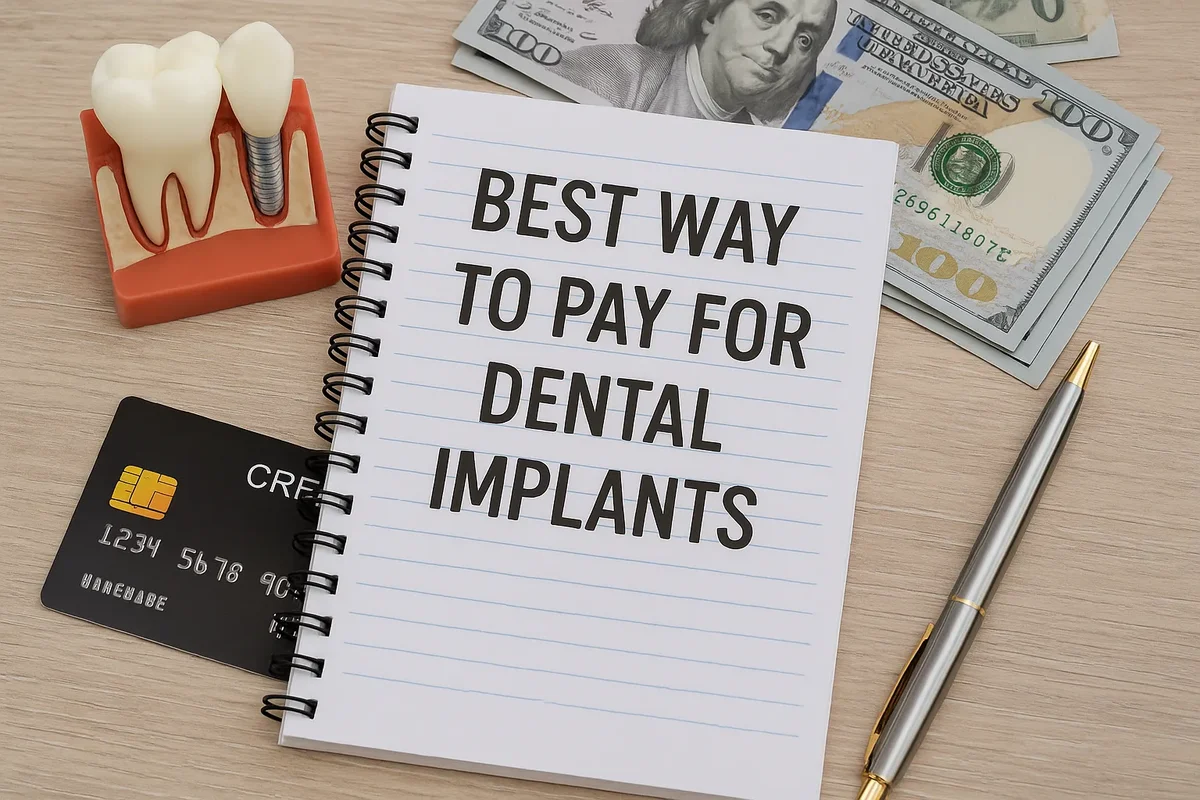
Saving Strategies and Long-Term Financial Planning for Dental Implants
For many patients, long-term planning and disciplined saving remain one of the most effective pathways in identifying the best way to pay for dental implants. While financing, credit options, and membership plans offer immediate access to treatment, a structured savings approach provides ultimate financial control with no interest fees, no credit checks, and no long-term debt. In this final section, we explore how to build a realistic savings plan, methods for setting aside funds with minimal stress, and how to combine savings with other payment tools for maximum affordability. 😊
Why Saving Is a Strong Payment Strategy
Dental implants are a long-term investment in oral health, jaw stability, and daily comfort. Patients who plan ahead often find that saving gradually is the best way to pay for dental implants because it avoids financial pressure and gives them complete control over their payments. Whether saving for a single implant or full-mouth reconstruction, thoughtful planning ensures that each phase of treatment is financially manageable.
Long-term savings also reduce the risk of relying on high-interest credit cards or emergency loans. For patients who are not in a hurry to begin treatment, or those who prefer debt-free solutions, disciplined budgeting offers a predictable and sustainable path forward.
Building a Realistic Savings Plan
Creating a savings strategy requires understanding implant costs, evaluating your financial baseline, and setting achievable targets. When executed correctly, savings can become a key part of the best way to pay for dental implants, especially for families or individuals with long-term dental goals.
Step 1: Estimate the Total Cost of Your Treatment
Begin by consulting with a qualified dental professional for a personalized estimate. Because implant treatment varies based on the number of implants, bone condition, and additional procedures, having an accurate cost outline is crucial. The Redent Klinik Contact Page is a useful resource if you want a professional assessment tailored to your needs.
Step 2: Create a Dedicated Dental Savings Account
A separate savings account—whether a high-yield account, money market account, or digital savings solution—encourages healthy financial discipline. Keeping implant savings separate from your general funds can help you stay organized and avoid accidental spending.
Step 3: Automate Your Contributions
Automatic transfers are one of the strongest tools for long-term financial success. Even small amounts—such as $50 to $150 per month—can accumulate quickly. Automation removes the temptation to skip months and helps build momentum toward your treatment goals.
Advanced Saving Strategies for Implant Patients
To ensure savings play an essential role in the best way to pay for dental implants, patients can use several advanced financial techniques to maximize their funds.
1. High-Yield Savings Accounts (HYSA)
HYSAs typically offer higher interest rates than traditional accounts, helping your money grow passively. Based on publicly available online research, HYSAs may offer annual yields ranging from 3% to 5%, making them an excellent option for long-term dental planning.
2. Certificates of Deposit (CDs)
CDs offer fixed interest returns in exchange for locking your funds for a specific period, such as 6 to 24 months. For patients planning to begin implant treatment in the future, CDs can serve as a disciplined and predictable method.
3. Automated Round-Up Apps
Financial apps that round up everyday purchases and place the spare change into savings accounts make saving effortless. Over time, this micro-saving strategy supports larger goals and contributes to the best way to pay for dental implants.
Combining Savings With Other Financial Tools
While saving alone is powerful, combining savings with financing programs, HSAs, FSAs, or membership plans can significantly optimize the total payment strategy.
Hybrid Savings Example
A patient could:
• Save $2,000 through an HSA to reduce taxable income
• Use $1,500 saved in a dental-specific account
• Finance the remaining $2,000 through a low-interest plan
This hybrid model reduces financial stress, minimizes interest payments, and accelerates access to care.
How Long Should You Save Before Beginning Treatment?
The answer depends on multiple factors, including urgency, financial comfort, and overall oral health. In many cases, dental professionals recommend not waiting too long, especially if bone loss is progressing. While saving is an excellent strategy, delaying treatment excessively may increase costs due to additional procedures.
Therefore, savings often work best when paired with a flexible timeline. Patients can begin with essential phases of treatment while continuing to save for later stages. This balanced approach helps savings remain part of the best way to pay for dental implants without compromising oral health.
Tools to Track and Manage Your Dental Savings
Budgeting Software
Programs like Mint, You Need a Budget (YNAB), or personal spreadsheet templates help track expenses and ensure saving goals are on target.
Mobile Banking Alerts
Automated reminders keep you aware of contribution dates, balance growth, and target milestones.
Financial Planning Consultations
For patients who want professional financial guidance, consulting with a planner ensures that savings strategies align with broader financial goals.
Additional Support and Educational Resources
Budgeting for implants requires both dental and financial clarity. If you need professional support, you can always contact experts through the Redent Klinik Contact Page for personalized guidance. For general information on implant procedures and oral health standards, trusted organizations like the American Dental Association provide valuable educational material.
In conclusion, long-term savings and strategic financial planning can be one of the best way to pay for dental implants for patients who prioritize control, independence, and flexibility. Through disciplined budgeting, smart use of financial tools, and hybrid approaches, patients can achieve their implant goals while maintaining financial confidence and peace of mind. 😄