
Modern dentistry has evolved far beyond simple cavity treatment and tooth extraction. Today, many patients are seeking a more comprehensive and health-focused approach to oral care. This is where a biological center for dentistry becomes an important concept. A biological center for dentistry focuses on the relationship between oral health and overall body health. Instead of treating teeth in isolation, professionals working in a biological center for dentistry consider how dental procedures, materials, and treatments affect the entire body.
In recent years, the demand for treatment in a biological center for dentistry has increased significantly. Patients are becoming more aware that dental materials, infections in the mouth, and oral inflammation can influence systemic health conditions. For example, untreated gum disease has been associated with heart disease, diabetes complications, and immune system disorders. A biological center for dentistry aims to reduce these risks by providing dental care that prioritizes biocompatibility, toxicity reduction, and holistic patient wellbeing. 🦷
At the heart of every biological center for dentistry is the philosophy that the mouth is not separate from the rest of the body. The oral cavity contains bacteria, nerves, and blood vessels that are connected to major systems throughout the body. Therefore, treatments performed at a biological center for dentistry are carefully designed to avoid introducing harmful substances or causing unnecessary stress to the immune system. Dentists practicing this approach often collaborate with physicians, nutritionists, and other health professionals to ensure a complete view of patient health.
One of the primary goals of a biological center for dentistry is prevention. Instead of focusing only on treating dental problems after they occur, biological dentists emphasize preventive strategies. These include nutritional counseling, improved oral hygiene techniques, and early detection of inflammatory conditions. By addressing issues early, a biological center for dentistry can help patients avoid more invasive procedures in the future.
Another defining characteristic of a biological center for dentistry is the careful selection of dental materials. Traditional dental materials may contain substances that some patients prefer to avoid, such as certain metals or chemicals. Biological dentistry focuses on using materials that are considered biocompatible with the human body. In a biological center for dentistry, dentists may perform compatibility testing to determine which materials are safest for each individual patient.
For example, some patients seek treatment at a biological center for dentistry because they want to replace older dental fillings or restorations with materials that align better with their health goals. Biological dentists may recommend ceramic restorations, composite fillings, or other materials designed to reduce potential toxicity. The goal of a biological center for dentistry is always to balance durability, functionality, and patient health.
Patients also appreciate that a biological center for dentistry often focuses on minimally invasive treatment. This means preserving as much natural tooth structure as possible while addressing dental problems. Instead of aggressive drilling or removal of healthy tissue, biological dentists use advanced diagnostic technologies to identify the precise areas that need treatment. This approach can help protect long-term oral health and maintain stronger teeth.
Technology also plays an important role in a biological center for dentistry. Many clinics use digital imaging, low-radiation X-ray systems, and advanced diagnostic tools to detect problems with greater accuracy and safety. These technologies help dentists identify hidden infections, bone issues, and early decay before they become severe. As a result, patients receive more precise treatment plans tailored to their unique needs.
Education is another cornerstone of a biological center for dentistry. Dentists in these clinics often spend extra time explaining treatment options, oral health risks, and preventive strategies. Patients are encouraged to participate actively in their own healthcare decisions. This collaborative approach helps patients feel more confident and informed about their dental treatments.
A biological center for dentistry may also integrate therapies that support healing and recovery. These can include ozone therapy, laser treatments, and advanced infection control techniques. Such approaches aim to reduce bacteria, support tissue regeneration, and minimize the need for antibiotics whenever possible. By using modern technology and holistic principles together, a biological center for dentistry offers a unique approach to dental care that appeals to many health-conscious individuals.
If you are considering visiting a biological center for dentistry, it is important to choose a qualified clinic with experienced professionals. Reputable dental organizations such as the
American Dental Association provide useful guidelines about oral health and dental safety. In addition, consulting directly with a trusted clinic can help you determine whether biological dental care is appropriate for your needs.
Patients who want personalized advice about holistic dental treatments can also reach out to specialized clinics. If you would like to learn more about treatment options or schedule a consultation, you can visit the
Redent Klinik Contact Page. Speaking with experienced dental professionals can help you understand how a biological center for dentistry might support your oral and overall health.
Ultimately, the concept of a biological center for dentistry reflects a broader shift in healthcare toward integrative medicine. Instead of treating symptoms alone, this approach looks at the bigger picture of patient wellbeing. By combining modern dental technology, biocompatible materials, preventive strategies, and patient education, a biological center for dentistry provides a thoughtful and comprehensive model for maintaining lifelong oral health. 🌿
What Is a Biological Center for Dentistry and How Does It Work?
A biological center for dentistry represents a modern and holistic approach to oral healthcare that recognizes the strong connection between the mouth and the rest of the body. Instead of focusing solely on treating teeth and gums in isolation, a biological center for dentistry considers how dental treatments, materials, infections, and inflammation may affect a patient’s overall health. This philosophy has gained popularity among patients who want safer materials, preventive strategies, and dental care that supports whole-body wellness. 🌿
In a traditional dental environment, the primary goal is often to repair damage—such as filling cavities or placing crowns—after problems appear. However, a biological center for dentistry takes a more proactive and integrative approach. Practitioners working in a biological center for dentistry aim to prevent disease, identify underlying causes of oral issues, and ensure that dental treatments do not negatively impact other systems in the body.
The Philosophy Behind a Biological Center for Dentistry
The core philosophy of a biological center for dentistry is built on the understanding that oral health is deeply connected to systemic health. The mouth contains millions of bacteria, blood vessels, and nerve pathways that link directly to the immune system, cardiovascular system, and digestive system. If oral infections develop, harmful bacteria can enter the bloodstream and potentially contribute to broader health concerns.
Because of this connection, professionals working in a biological center for dentistry focus on minimizing toxic exposure and supporting the body’s natural healing abilities. They aim to reduce inflammation, prevent chronic infections, and use treatment methods that align with the body’s biological balance. Patients visiting a biological center for dentistry often seek care that prioritizes long-term health rather than quick, temporary solutions.
Key Features of a Biological Center for Dentistry
Several unique features distinguish a biological center for dentistry from conventional dental clinics. These features reflect a commitment to patient safety, personalized treatment planning, and the use of modern technologies that minimize biological stress.
Biocompatible Dental Materials
One of the defining aspects of a biological center for dentistry is the use of materials designed to be compatible with the human body. Biological dentists carefully evaluate dental materials to ensure they do not cause allergic reactions, toxicity, or immune system disturbances. For example, ceramic restorations, composite fillings, and metal-free crowns are often preferred in a biological center for dentistry.
Some patients also request compatibility testing before receiving dental restorations. This process helps determine which materials are safest for their body chemistry. By taking these precautions, a biological center for dentistry reduces the risk of unwanted reactions and promotes better long-term outcomes.
Focus on Infection Control
Another important component of a biological center for dentistry is the emphasis on identifying and treating hidden infections in the oral cavity. Chronic dental infections—such as untreated root canal complications or severe gum disease—can place stress on the immune system. Dentists in a biological center for dentistry use advanced diagnostic tools to detect these issues early and treat them effectively.
Technologies such as digital imaging, 3D scans, and low-radiation X-rays allow clinicians to identify infections that might otherwise remain hidden. By addressing these problems promptly, a biological center for dentistry helps protect both oral health and overall wellness.
Patient-Centered Treatment Planning
Personalized care is another hallmark of a biological center for dentistry. Every patient has unique health needs, lifestyle habits, and medical history. Instead of applying the same treatment plan to everyone, biological dentists develop individualized strategies based on the patient’s overall health status.
During the consultation process, professionals at a biological center for dentistry often review factors such as nutrition, immune function, stress levels, and systemic health conditions. This comprehensive evaluation helps identify possible causes of oral problems and guides the development of a more effective treatment plan.
Integration of Modern Technology and Holistic Methods
A biological center for dentistry combines advanced dental technology with holistic healthcare principles. Modern equipment allows dentists to diagnose problems with exceptional precision, while holistic methods focus on supporting the body’s natural healing processes.
For example, some clinics that operate as a biological center for dentistry may incorporate laser dentistry, ozone therapy, or minimally invasive procedures. These techniques can reduce bacteria, accelerate healing, and decrease the need for aggressive treatments. The goal is always to protect healthy tissues while addressing dental concerns effectively.
Preventive Care and Patient Education
Prevention is a major priority in a biological center for dentistry. Dentists encourage patients to maintain excellent oral hygiene, follow balanced nutritional habits, and schedule regular checkups to detect potential issues early. By identifying small problems before they become severe, patients can avoid complex treatments and maintain healthier teeth for longer.
Education also plays a key role in this approach. A biological center for dentistry often provides detailed guidance about oral hygiene routines, dietary choices, and lifestyle factors that influence dental health. Patients learn how daily habits affect their teeth and gums, empowering them to take greater control over their own health.
Ultimately, a biological center for dentistry works by combining scientific knowledge, preventive care, and patient-centered treatment strategies. This model of care recognizes that oral health is a vital part of overall wellbeing. By addressing dental concerns through a holistic and biologically compatible approach, a biological center for dentistry offers patients a safer, more comprehensive path toward lifelong oral health. 🦷
Key Principles Behind a Biological Center for Dentistry
The philosophy of a biological center for dentistry is built on a foundation of scientific understanding, holistic healthcare concepts, and patient-centered care. Unlike traditional dental clinics that primarily focus on treating teeth and gums as isolated structures, a biological center for dentistry recognizes that the mouth is closely connected to the rest of the body. This connection influences immune health, cardiovascular health, inflammation levels, and even neurological wellbeing.
Because of this understanding, professionals working in a biological center for dentistry follow several guiding principles that shape how they diagnose problems, choose materials, and design treatment plans. These principles aim to reduce toxicity, promote healing, and support the body’s natural balance. Patients who visit a biological center for dentistry often do so because they want dental care that aligns with broader wellness goals and long-term health strategies. 🌿
The Mouth–Body Connection
One of the most important principles behind a biological center for dentistry is the recognition that oral health directly affects systemic health. Scientific studies have shown that oral bacteria and inflammation can influence conditions such as cardiovascular disease, diabetes, and autoimmune disorders. When infections exist in the gums or teeth, harmful bacteria can enter the bloodstream and spread throughout the body.
For this reason, a biological center for dentistry places strong emphasis on identifying hidden infections, reducing chronic inflammation, and maintaining a balanced oral microbiome. By addressing dental problems early and carefully managing oral bacteria, practitioners working in a biological center for dentistry help protect both oral health and general health.
This principle also influences treatment planning. Rather than focusing only on repairing damage, dentists in a biological center for dentistry investigate the underlying causes of oral disease. These causes may include poor nutrition, immune dysfunction, hormonal imbalances, or environmental factors.
Biocompatibility of Dental Materials
Another key principle of a biological center for dentistry is the careful selection of dental materials that are compatible with the human body. Some patients are sensitive to certain metals, chemicals, or synthetic substances used in traditional dental restorations. Biological dentistry aims to minimize exposure to potentially harmful materials by choosing alternatives that are considered safer and more compatible.
Why Biocompatibility Matters
In a biological center for dentistry, the goal is to ensure that dental restorations do not disrupt the body’s natural balance. Materials used for fillings, crowns, and implants are selected based on their durability, stability, and biological compatibility. Ceramic restorations, composite fillings, and metal-free crowns are commonly recommended because they are less likely to trigger allergic reactions or immune responses.
Some clinics that operate as a biological center for dentistry may also perform compatibility testing. This testing evaluates how a patient’s immune system reacts to different dental materials, allowing dentists to choose the safest option for each individual.
Minimally Invasive Dentistry
Preserving natural tooth structure is another essential principle in a biological center for dentistry. Instead of aggressively removing large portions of tooth material, biological dentists focus on minimally invasive techniques that protect healthy tissue. The idea is simple: the more natural tooth structure that remains intact, the stronger and healthier the tooth will be over time.
Modern technologies help support this approach. Digital imaging, laser diagnostics, and high-precision tools allow dentists in a biological center for dentistry to detect problems at very early stages. Early detection means smaller treatments, less discomfort for the patient, and improved long-term outcomes.
Reducing Toxic Exposure
Another core goal of a biological center for dentistry is to minimize toxic exposure during dental procedures. Certain chemicals, metals, and substances may cause stress on the body when introduced in large amounts. Biological dentists aim to limit these exposures by using safer materials and carefully controlled treatment protocols.
For example, if older dental restorations need to be replaced, dentists working in a biological center for dentistry follow strict safety procedures to protect the patient from inhaling or swallowing harmful particles during the process. Advanced filtration systems, protective barriers, and specialized equipment help ensure that treatments remain safe and controlled.
Whole-Body Health Perspective
Perhaps the most defining principle of a biological center for dentistry is the commitment to whole-body health. Dentists practicing biological dentistry often collaborate with other healthcare professionals, including physicians, nutritionists, and holistic health specialists. This collaborative approach allows them to evaluate the patient’s health from multiple perspectives.
In many cases, oral symptoms may indicate broader health issues. Chronic gum inflammation, for example, could be related to nutritional deficiencies, hormonal imbalances, or immune system stress. A biological center for dentistry aims to identify these connections and address the root causes rather than only treating the symptoms.
Preventive and Educational Focus
Prevention is one of the most important priorities in a biological center for dentistry. Dentists encourage patients to maintain healthy habits that protect teeth and gums while supporting overall wellness. Preventive strategies often include personalized oral hygiene plans, dietary guidance, and lifestyle recommendations.
Education plays a major role in this process. Patients visiting a biological center for dentistry are often given detailed information about how oral health relates to nutrition, inflammation, and immune health. By understanding these connections, patients can make informed decisions that support long-term wellbeing.
Ultimately, the principles behind a biological center for dentistry reflect a broader shift toward integrative healthcare. Instead of viewing dentistry as a purely mechanical process, biological dentistry recognizes the complex relationship between oral health and the rest of the body. Through biocompatible materials, preventive strategies, minimally invasive techniques, and whole-body awareness, a biological center for dentistry provides a comprehensive model for maintaining both oral and systemic health. 🦷
Benefits of Choosing a Biological Center for Dentistry
Choosing a biological center for dentistry can offer numerous advantages for patients who want a more comprehensive and health-conscious approach to dental care. Traditional dentistry has long focused on repairing damage and restoring tooth function, but a biological center for dentistry goes beyond basic treatment. It emphasizes prevention, biocompatibility, and the connection between oral health and the entire body. As more people become aware of how oral health influences systemic wellbeing, many are turning to a biological center for dentistry to receive safer, personalized, and more holistic care. 🦷
One of the main reasons patients seek care at a biological center for dentistry is the desire for treatments that align with broader health goals. These clinics often combine advanced dental technology with integrative healthcare principles. Instead of focusing solely on symptoms, professionals working in a biological center for dentistry aim to identify the root causes of dental problems and support the body’s natural ability to heal.
Whole-Body Health Support
A key benefit of visiting a biological center for dentistry is the recognition that oral health is closely connected to overall health. The mouth is a gateway to the body, and infections or inflammation in the oral cavity can affect many other systems. Research has shown links between gum disease and conditions such as heart disease, diabetes, and chronic inflammation.
Because of this connection, a biological center for dentistry prioritizes treatments that reduce inflammation and minimize systemic stress. By addressing infections early and maintaining a balanced oral microbiome, these clinics help patients protect their long-term health. Patients often report improved wellbeing when dental care supports the entire body rather than just focusing on individual teeth.
Use of Biocompatible Dental Materials
Another major advantage of a biological center for dentistry is the careful selection of dental materials. Some individuals are sensitive to certain metals or chemicals used in traditional restorations. Biological dentists work to ensure that materials placed in the mouth are compatible with the body’s biological systems.
Metal-Free Restorations
Many clinics operating as a biological center for dentistry offer metal-free restorations such as ceramic crowns, composite fillings, and zirconia implants. These materials are chosen for their durability and compatibility with human tissue. Patients who prefer metal-free dental solutions often find that a biological center for dentistry provides the options they are looking for.
Personalized Material Testing
Some patients may benefit from compatibility testing before receiving dental restorations. In a biological center for dentistry, dentists may evaluate how a patient’s immune system reacts to different materials. This process helps identify which substances are safest for long-term use. By customizing treatments based on individual biological responses, a biological center for dentistry reduces the risk of allergic reactions or chronic irritation.
Minimally Invasive Treatment Methods
Preserving natural tooth structure is another important advantage of choosing a biological center for dentistry. Biological dentists prefer minimally invasive techniques that protect healthy tissues whenever possible. Instead of removing large portions of a tooth, modern diagnostic tools allow dentists to treat only the affected areas.
This conservative approach has several benefits. Patients often experience less discomfort, faster healing times, and stronger teeth over the long term. By preserving natural tooth structure, a biological center for dentistry helps maintain the strength and integrity of the patient’s smile.
Advanced Diagnostic Technology
Many clinics that function as a biological center for dentistry invest in advanced diagnostic equipment. Digital X-rays, 3D imaging systems, and low-radiation scanning technologies help dentists detect problems earlier and with greater precision.
Early detection is essential for effective dental care. When issues such as decay, infection, or bone loss are discovered early, they can often be treated with simpler and less invasive procedures. This proactive approach is one of the key benefits of a biological center for dentistry and contributes to improved long-term outcomes.
Emphasis on Prevention and Education
Prevention is a central focus in a biological center for dentistry. Instead of waiting for problems to develop, dentists encourage patients to adopt healthy habits that protect their teeth and gums. These habits include proper brushing techniques, balanced nutrition, and regular dental checkups.
Education also plays an important role in patient care. Professionals working in a biological center for dentistry often spend more time explaining treatment options, oral health risks, and lifestyle factors that affect dental health. Patients are encouraged to participate actively in their treatment decisions and to understand how their daily habits influence oral wellbeing.
Reduced Exposure to Harmful Substances
Another significant advantage of a biological center for dentistry is the focus on reducing exposure to potentially harmful substances. Dental procedures may involve chemicals, metals, and materials that require careful handling. Biological dentists take extra precautions to ensure that these substances do not negatively affect patient health.
Strict safety protocols, specialized filtration systems, and protective techniques are often used during certain procedures. These measures help create a safer clinical environment and minimize risks associated with dental treatments.
Improved Patient Experience
Patients frequently report a more personalized and comfortable experience at a biological center for dentistry. Because these clinics emphasize individualized care, treatment plans are tailored to each patient’s needs, health history, and personal preferences.
The environment in a biological center for dentistry is often designed to support relaxation and patient confidence. Dentists and staff members typically take extra time to explain procedures and answer questions, helping patients feel more informed and at ease throughout their treatment.
Ultimately, the benefits of choosing a biological center for dentistry extend beyond oral health alone. By integrating preventive care, biocompatible materials, advanced technology, and a holistic perspective, these clinics provide a comprehensive approach to dental care. Patients who prioritize long-term health, personalized treatment, and minimally invasive procedures often find that a biological center for dentistry offers an ideal solution for maintaining both oral health and overall wellbeing. 🌿
Common Treatments Offered at a Biological Center for Dentistry
A biological center for dentistry provides a wide range of dental treatments that focus on supporting both oral health and overall wellbeing. Unlike conventional dental clinics that may concentrate mainly on repairing damage, a biological center for dentistry emphasizes treatments that are biocompatible, minimally invasive, and aligned with the body’s natural healing processes. Patients who choose a biological center for dentistry often do so because they want dental procedures that prioritize long-term health, reduced toxicity, and comprehensive care. 🦷
Clinics operating as a biological center for dentistry typically offer both preventive and restorative services. However, the difference lies in how these services are performed and which materials are used. Dentists working in a biological center for dentistry carefully evaluate each treatment to ensure it supports systemic health while effectively addressing dental problems.
Preventive Dental Care
Preventive care is one of the core services offered in a biological center for dentistry. Preventing oral disease is far easier and less invasive than treating advanced dental conditions. Biological dentists emphasize regular checkups, professional cleanings, and patient education to help individuals maintain strong teeth and healthy gums.
Professional Cleanings and Gum Care
Routine dental cleanings performed at a biological center for dentistry help remove plaque, tartar, and bacteria that can lead to gum disease. Maintaining healthy gums is essential not only for oral health but also for systemic health. Chronic gum inflammation has been associated with cardiovascular disease and other inflammatory conditions.
Dental hygienists in a biological center for dentistry often provide detailed guidance on brushing techniques, flossing habits, and lifestyle factors that influence oral health. By encouraging preventive habits, a biological center for dentistry helps patients avoid serious dental complications.
Metal-Free Dental Restorations
One of the most requested treatments in a biological center for dentistry is the placement of metal-free restorations. Many patients prefer alternatives to traditional metal fillings or crowns because they want materials that are more compatible with the body.
Ceramic Crowns and Zirconia Restorations
Ceramic and zirconia restorations are frequently used in a biological center for dentistry because they provide strength, durability, and aesthetic appeal without the use of metal. These materials blend naturally with existing teeth and are considered highly biocompatible.
When patients require crowns, bridges, or implant restorations, a biological center for dentistry may recommend zirconia-based solutions that provide excellent stability while minimizing potential biological reactions.
Safe Removal of Old Dental Materials
Another specialized service offered by a biological center for dentistry is the safe removal of outdated or incompatible dental materials. Some patients seek treatment because they want to replace older restorations with modern alternatives that better support their health goals.
Protective Protocols During Material Removal
Removing older dental materials requires careful planning and safety procedures. In a biological center for dentistry, dentists follow strict protective protocols to minimize exposure to particles or debris during removal procedures. Advanced suction systems, protective barriers, and filtration technologies are often used to maintain a safe environment for both patients and dental professionals.
Once the outdated material is removed, dentists working in a biological center for dentistry typically replace it with biocompatible restorations that align with holistic treatment principles.
Dental Implants with Biocompatible Materials
Dental implants are another important service offered in a biological center for dentistry. Implants provide a long-term solution for missing teeth and help maintain jawbone structure. However, biological dentists often prefer implant materials that are highly compatible with the body.
Zirconia implants are commonly recommended in a biological center for dentistry because they are metal-free and demonstrate excellent tissue compatibility. These implants integrate with the jawbone while maintaining a natural appearance and strong functionality.
Ozone Therapy and Advanced Infection Control
Many clinics that operate as a biological center for dentistry incorporate innovative therapies designed to reduce harmful bacteria and support healing. One example is ozone therapy, which uses oxygen-based compounds to eliminate bacteria and promote tissue regeneration.
Ozone therapy may be used during gum treatments, cavity preparation, or root surface disinfection. In a biological center for dentistry, such therapies help control infections while minimizing the need for strong chemical agents.
Laser Dentistry for Minimally Invasive Treatment
Laser dentistry is another technology often used in a biological center for dentistry. Dental lasers allow clinicians to perform precise procedures while preserving healthy tissue. This technology can be used for gum treatments, cavity removal, and soft tissue procedures.
Patients treated with laser technology in a biological center for dentistry often experience reduced discomfort, less bleeding, and faster recovery times. Because lasers allow for extremely targeted treatment, they align well with the minimally invasive philosophy of biological dentistry.
Nutritional Counseling and Lifestyle Guidance
A biological center for dentistry often provides guidance that goes beyond clinical dental procedures. Dentists may discuss how diet, stress, and lifestyle habits influence oral health. Nutritional counseling can help patients understand which foods support strong teeth and healthy gums.
For example, reducing sugar intake, increasing vitamin intake, and maintaining proper hydration are all strategies commonly recommended in a biological center for dentistry. These lifestyle changes support both oral health and overall wellness.
Ultimately, the treatments available at a biological center for dentistry reflect a comprehensive approach to patient care. By combining preventive strategies, biocompatible materials, advanced technology, and holistic health principles, a biological center for dentistry offers patients a modern path toward healthier smiles and improved overall wellbeing. 🌿
How Biological Dentistry Differs from Traditional Dentistry
Understanding the difference between biological dentistry and conventional dental care helps patients make informed decisions about their oral health. A biological center for dentistry operates under principles that prioritize whole-body health, biocompatible materials, and minimally invasive treatments. While traditional dentistry focuses mainly on repairing teeth and restoring functionality, a biological center for dentistry takes a broader perspective that considers the potential systemic impact of dental procedures and materials.
Both conventional and biological dental practices aim to improve oral health, but the philosophy, materials, and treatment approaches used in a biological center for dentistry often differ significantly. Patients who seek treatment in a biological center for dentistry are typically looking for dental care that supports their overall wellbeing rather than focusing solely on local dental problems.
Philosophy of Care
The most fundamental difference between conventional dental care and a biological center for dentistry lies in the philosophy of treatment. Traditional dentistry primarily focuses on diagnosing and repairing damage such as cavities, infections, or structural problems. The main objective is restoring tooth function as efficiently as possible.
In contrast, a biological center for dentistry adopts a holistic healthcare perspective. Dentists working in this environment recognize that the mouth is connected to the rest of the body through blood circulation, nerve pathways, and the immune system. Because of this connection, treatments performed in a biological center for dentistry are carefully designed to minimize systemic stress and support long-term health.
Instead of addressing symptoms alone, professionals at a biological center for dentistry also investigate the underlying causes of oral health problems. These causes may include nutritional deficiencies, immune system issues, chronic inflammation, or lifestyle factors.
Choice of Dental Materials
Material selection is another area where a biological center for dentistry differs significantly from traditional dental clinics. Conventional dentistry often uses materials that are widely accepted for durability and efficiency. While these materials are considered safe for most patients, some individuals prefer alternatives that align more closely with holistic health principles.
Biocompatible and Metal-Free Options
A biological center for dentistry places a strong emphasis on biocompatibility. Dentists carefully evaluate materials to ensure they work harmoniously with the body’s biological systems. Ceramic crowns, composite fillings, and zirconia implants are frequently used because they are metal-free and highly compatible with human tissue.
Patients who are sensitive to certain metals or chemicals often find that a biological center for dentistry offers more personalized material choices. Some clinics may also provide compatibility testing to determine which materials are safest for each patient.
Treatment Approach and Techniques
Another important distinction between conventional dentistry and a biological center for dentistry is the treatment approach. Traditional dental methods may sometimes involve removing larger amounts of tooth structure to ensure durability of restorations.
In a biological center for dentistry, the focus is on minimally invasive techniques. Dentists aim to preserve as much natural tooth structure as possible while still providing effective treatment. This approach helps maintain stronger teeth and reduces the risk of future complications.
Use of Advanced Diagnostic Tools
Many clinics functioning as a biological center for dentistry invest in advanced diagnostic technologies such as digital imaging, 3D scans, and low-radiation X-ray systems. These tools allow dentists to detect dental problems earlier and with greater accuracy.
Early detection is essential for minimally invasive treatment. When problems are identified at an early stage, they can often be treated with smaller procedures that preserve healthy tissues.
Focus on Infection Control and Inflammation
Managing infection and inflammation is a central concern in a biological center for dentistry. Dentists practicing biological dentistry understand that chronic oral infections may influence systemic health conditions. Therefore, they place special emphasis on detecting hidden infections and treating them effectively.
For example, periodontal disease, which involves inflammation of the gums, is closely linked with cardiovascular disease and other inflammatory conditions. A biological center for dentistry prioritizes gum health because maintaining healthy gum tissue supports both oral and systemic wellbeing.
Integration with Overall Health Care
One of the defining features of a biological center for dentistry is its integration with broader healthcare practices. Dentists may collaborate with physicians, nutritionists, and other healthcare professionals to ensure that dental treatments align with the patient’s overall health goals.
For example, patients with autoimmune disorders, chronic inflammation, or complex medical histories may benefit from the comprehensive care provided by a biological center for dentistry. By considering the patient’s entire health profile, dentists can design treatment plans that minimize risks and support healing.
Patient Education and Preventive Care
Education and prevention are central components of care in a biological center for dentistry. Patients are encouraged to understand how daily habits affect their oral health and overall wellbeing. Dentists often provide guidance on nutrition, oral hygiene practices, and lifestyle changes that support healthy teeth and gums.
Preventive care helps reduce the need for complex treatments later. By identifying potential problems early and addressing them through lifestyle adjustments and routine checkups, a biological center for dentistry helps patients maintain healthier smiles for longer.
Ultimately, the difference between conventional dentistry and a biological center for dentistry lies in the broader perspective of care. While traditional dental practices focus primarily on treating dental problems, a biological center for dentistry seeks to understand how oral health influences the entire body. Through biocompatible materials, minimally invasive techniques, advanced diagnostics, and holistic health awareness, a biological center for dentistry provides a comprehensive and forward-thinking approach to dental care. 🌿
Safety Protocols and Materials Used in a Biological Center for Dentistry
Safety is one of the most important priorities in a biological center for dentistry. Patients who choose this type of clinic often want dental care that not only treats oral problems but also protects their overall health. For this reason, a biological center for dentistry follows strict safety protocols and carefully selects materials that are compatible with the human body. The goal is to reduce toxic exposure, minimize inflammation, and ensure that dental treatments support long-term systemic health.
A biological center for dentistry operates with the understanding that materials placed in the mouth can interact with the body in many ways. Teeth are connected to the bloodstream, immune system, and nervous system. Therefore, dentists working in a biological center for dentistry evaluate both the safety and the biological impact of every material used in treatment. By combining advanced technology, strict hygiene protocols, and biocompatible materials, these clinics provide a higher level of safety for patients who value holistic healthcare. 🦷
Importance of Biocompatible Dental Materials
One of the most defining characteristics of a biological center for dentistry is the use of materials designed to be biologically compatible with the human body. Biocompatibility means that a material can exist in the body without causing harmful immune reactions, inflammation, or toxicity.
In traditional dentistry, certain materials may be widely used because they are durable and cost-effective. However, patients visiting a biological center for dentistry often prefer materials that are considered safer for long-term health. Dentists in a biological center for dentistry evaluate the chemical composition of restorations, ensuring that the materials used will not negatively affect sensitive patients.
Metal-Free Restorations
Metal-free restorations are commonly used in a biological center for dentistry. Materials such as ceramic and zirconia are frequently chosen for crowns, bridges, and implants. These materials provide excellent durability while reducing the possibility of metal sensitivity.
Ceramic restorations also offer aesthetic advantages. They closely resemble natural tooth color and structure, allowing dentists in a biological center for dentistry to restore both function and appearance while maintaining biological compatibility.
Composite Fillings Instead of Metal Fillings
Composite resin fillings are another popular choice in a biological center for dentistry. These tooth-colored materials bond directly to the tooth structure and provide strong support for restored teeth. In addition to being aesthetically pleasing, composite fillings allow dentists to remove less natural tooth material compared with traditional filling techniques.
Because composite materials are free from metal components, they align well with the holistic philosophy followed by many biological dental clinics.
Strict Safety Protocols During Dental Procedures
Safety protocols play a crucial role in the daily operations of a biological center for dentistry. Dental procedures can involve removing old restorations, cleaning infected tissues, or placing new materials in the mouth. Each of these procedures must be performed with careful attention to patient safety.
Dentists working in a biological center for dentistry often follow enhanced safety measures that go beyond standard dental protocols. These precautions help ensure that treatments do not expose patients to harmful substances or unnecessary biological stress.
Protective Barriers and Filtration Systems
When older dental materials are removed, a biological center for dentistry may use advanced protective systems to maintain a clean environment. High-powered suction systems, air filtration units, and protective barriers help prevent particles from spreading during treatment.
These safety measures protect both the patient and dental staff from exposure to airborne debris. Maintaining a controlled treatment environment is an essential part of the philosophy practiced in a biological center for dentistry.
Low-Radiation Diagnostic Technology
Diagnostic imaging is necessary for detecting cavities, infections, and bone issues. However, reducing unnecessary radiation exposure is an important goal in a biological center for dentistry. Many clinics therefore use digital imaging systems that emit significantly lower radiation levels compared with traditional X-ray equipment.
Digital X-rays and 3D imaging technologies allow dentists in a biological center for dentistry to diagnose problems with exceptional accuracy while maintaining patient safety. These tools help identify issues such as hidden decay, bone loss, or infection at early stages, allowing for more conservative treatments.
Advanced Infection Control Methods
Another important safety feature of a biological center for dentistry is the emphasis on infection control. Oral infections can affect the entire body if bacteria enter the bloodstream. Therefore, dentists in a biological center for dentistry take extra steps to ensure that bacterial contamination is minimized during treatment.
Sterilization protocols, disinfected instruments, and carefully controlled treatment areas are standard practices. Some clinics may also incorporate innovative techniques such as laser disinfection or ozone therapy to eliminate harmful bacteria while preserving healthy tissue.
Patient-Specific Treatment Planning
Safety in a biological center for dentistry also involves tailoring treatments to the unique needs of each patient. Dentists evaluate medical history, allergies, immune system conditions, and lifestyle factors before recommending procedures. This personalized approach ensures that treatments are safe and effective for the individual.
Some biological dental clinics also perform compatibility testing to determine which materials are best suited for a patient’s immune system. This additional step can reduce the likelihood of negative reactions and improve long-term treatment outcomes.
Commitment to Long-Term Health
Ultimately, the safety protocols and materials used in a biological center for dentistry reflect a commitment to long-term patient wellbeing. By prioritizing biocompatible materials, minimizing exposure to harmful substances, and using advanced technologies, these clinics create a dental environment focused on health and prevention.
Patients who choose a biological center for dentistry often feel more confident knowing that their treatments are designed to support both oral health and overall wellness. This integrative approach helps create a safer dental experience while promoting healthier smiles for years to come. 🌿
Who Should Visit a Biological Center for Dentistry?
A biological center for dentistry is designed for patients who want dental care that goes beyond simply fixing cavities or replacing damaged teeth. Instead of focusing only on mechanical repairs, a biological center for dentistry considers the relationship between oral health and the entire body. This approach attracts many different types of patients who prioritize preventive care, biocompatible materials, and holistic health strategies. 🌿
Although anyone can benefit from visiting a biological center for dentistry, certain groups of people are particularly well suited for this type of care. Patients who are concerned about chemical exposure, chronic inflammation, immune system issues, or whole-body wellness often prefer the philosophy used in a biological center for dentistry. Understanding who may benefit most can help individuals decide whether this approach aligns with their personal healthcare goals.
Patients Seeking Holistic Health Approaches
Many individuals choose a biological center for dentistry because they prefer healthcare strategies that consider the entire body rather than isolated symptoms. Holistic healthcare has become increasingly popular as people recognize the connections between lifestyle, nutrition, oral health, and systemic conditions.
A biological center for dentistry often works closely with other healthcare professionals, including physicians, nutritionists, and wellness practitioners. This collaborative approach allows dental treatments to be integrated with broader health plans. Patients who already follow holistic health practices frequently find that a biological center for dentistry aligns well with their lifestyle choices.
People with Sensitivities to Dental Materials
Another group that may benefit greatly from a biological center for dentistry includes patients who are sensitive to certain dental materials. Some individuals experience allergic reactions or discomfort when exposed to specific metals or chemicals used in traditional dental restorations.
Metal Sensitivity and Allergies
A biological center for dentistry typically offers metal-free alternatives such as ceramic crowns, composite fillings, and zirconia implants. These materials are selected because they are considered more biocompatible with the body’s tissues. Patients who have experienced reactions to traditional dental materials often find relief when treated in a biological center for dentistry.
Compatibility Testing for Safer Treatments
Some clinics that operate as a biological center for dentistry offer compatibility testing before placing restorations in the mouth. This testing evaluates how a patient’s immune system reacts to different materials. By identifying the safest option, dentists in a biological center for dentistry can create treatment plans that minimize potential reactions and support long-term health.
Patients with Chronic Health Conditions
Individuals living with chronic health conditions may also benefit from the comprehensive approach used in a biological center for dentistry. Certain systemic conditions, such as autoimmune disorders, cardiovascular disease, or diabetes, can be influenced by oral health.
Dentists practicing in a biological center for dentistry understand the potential connections between chronic inflammation in the mouth and broader health challenges. By carefully managing oral infections, gum disease, and other inflammatory conditions, these clinics help support the body’s overall health balance.
Patients Concerned About Preventive Care
Preventive care is a major focus of every biological center for dentistry. Patients who want to avoid major dental procedures in the future often choose clinics that emphasize early detection and prevention.
Regular checkups at a biological center for dentistry allow dentists to detect small problems before they become serious. Early intervention often leads to simpler treatments, reduced costs, and improved long-term oral health outcomes. Patients who value proactive healthcare strategies frequently find that a biological center for dentistry offers the preventive support they need.
People Interested in Minimally Invasive Dentistry
Another reason patients seek care at a biological center for dentistry is the emphasis on minimally invasive procedures. Instead of removing large amounts of tooth structure, biological dentists aim to preserve as much natural tissue as possible.
This philosophy is particularly appealing to patients who want to maintain the strength and integrity of their natural teeth. Advanced diagnostic technologies allow dentists in a biological center for dentistry to detect issues early and perform targeted treatments that minimize damage to healthy tissues.
Individuals Focused on Long-Term Wellness
Many patients who visit a biological center for dentistry are motivated by long-term wellness goals. They recognize that oral health is closely linked to nutrition, immune function, and lifestyle habits. By choosing a dental clinic that emphasizes prevention and biological compatibility, these patients hope to maintain both oral and systemic health for many years.
A biological center for dentistry often provides educational resources that help patients understand how daily habits influence dental health. Topics such as proper oral hygiene techniques, balanced nutrition, and stress management may be discussed during consultations.
Patients Looking for Personalized Dental Care
Personalized care is another reason many individuals choose a biological center for dentistry. Every patient has unique health needs, and biological dentists take time to evaluate medical history, lifestyle factors, and potential sensitivities before recommending treatments.
Because treatment plans are customized for each individual, patients often feel more comfortable and confident with the care they receive. This personalized approach is one of the defining characteristics of a biological center for dentistry.
Anyone Interested in a Health-Conscious Dental Environment
Ultimately, anyone who values a thoughtful, health-conscious approach to dentistry can benefit from visiting a biological center for dentistry. These clinics combine modern technology, preventive care, and holistic health principles to provide comprehensive dental services.
By focusing on safety, biocompatibility, and patient education, a biological center for dentistry creates an environment where oral health supports overall wellbeing. Whether patients are seeking preventive care, restorative treatments, or simply a more holistic approach to dental health, a biological center for dentistry offers a unique and patient-focused solution. 🦷
Costs and Factors That Influence Biological Dental Treatment
Understanding the financial aspect of care at a biological center for dentistry is important for patients considering this type of treatment. Because biological dentistry focuses on biocompatible materials, advanced safety protocols, and personalized care, treatment costs may differ from those at traditional dental clinics. However, many patients believe the additional benefits—such as safer materials, preventive focus, and whole-body health considerations—make visiting a biological center for dentistry a valuable long-term investment in health. 💡
The cost of services at a biological center for dentistry varies depending on several factors, including the complexity of the treatment, the materials used, the technology required, and the experience of the dental professionals involved. While prices can vary significantly between regions and clinics, understanding the main factors that influence costs can help patients plan their dental care more effectively.
Type of Treatment Required
The most important factor influencing costs at a biological center for dentistry is the type of treatment needed. Preventive services such as routine checkups and professional cleanings are generally more affordable, while restorative procedures or surgical treatments require greater time, skill, and resources.
For example, patients visiting a biological center for dentistry for preventive care may only need regular dental examinations and hygiene appointments. However, individuals requiring restorative procedures—such as implants, crowns, or gum therapy—may face higher costs because these treatments involve specialized materials and equipment.
Use of Biocompatible Materials
Another factor that influences pricing at a biological center for dentistry is the type of materials used during treatment. Biological dentistry prioritizes materials that are compatible with the body’s natural systems. These materials are often carefully tested and selected to reduce the risk of allergic reactions or toxicity.
Ceramic and Zirconia Restorations
Metal-free restorations are commonly used in a biological center for dentistry. Ceramic crowns and zirconia implants are popular because they provide durability and aesthetic benefits while avoiding metal exposure. However, these materials can be more expensive than conventional alternatives due to their manufacturing processes and high quality.
Patients who choose a biological center for dentistry often prefer these materials because they align with holistic health principles and support long-term oral wellness.
Advanced Diagnostic Technology
Clinics operating as a biological center for dentistry often invest in advanced diagnostic equipment to improve treatment accuracy and patient safety. Technologies such as digital X-rays, 3D imaging systems, and low-radiation scanning devices allow dentists to detect problems earlier and plan treatments more precisely.
Although these technologies can increase the initial cost of care at a biological center for dentistry, they often lead to better long-term outcomes. Early detection allows dentists to treat problems before they become severe, potentially reducing the need for more complex and expensive procedures later.
Safety Protocols and Specialized Procedures
Enhanced safety measures are another factor that can influence costs at a biological center for dentistry. Many biological dental clinics follow strict protocols designed to protect patients from exposure to harmful particles or chemicals during certain procedures.
Specialized equipment such as air filtration systems, protective barriers, and advanced suction technologies may be used during treatments. These safety precautions help create a controlled clinical environment and contribute to the overall philosophy of care practiced in a biological center for dentistry.
Examples of Typical Treatment Costs
Although prices vary widely depending on the clinic and region, the following examples provide a general idea of potential treatment costs that may be found in a biological center for dentistry:
- Initial consultation and comprehensive examination: $100 – $300
- Professional dental cleaning: $120 – $250
- Composite (tooth-colored) filling: $150 – $400 per tooth
- Ceramic crown or zirconia crown: $900 – $2,000
- Zirconia dental implant (including restoration): $3,000 – $6,000
- Advanced periodontal therapy: $500 – $3,000 depending on severity
These estimates illustrate that the cost of treatment in a biological center for dentistry depends heavily on the complexity of the procedure and the materials used. Patients should always consult directly with a dental clinic for accurate pricing based on their specific treatment plan.
Insurance Coverage and Payment Options
Dental insurance coverage for services at a biological center for dentistry varies depending on the provider and the type of treatment. Many preventive services—such as exams and cleanings—are commonly covered by dental insurance plans. However, some biological treatments or specialized materials may not be fully covered.
To make care more accessible, many clinics that function as a biological center for dentistry offer flexible payment plans or financing options. These arrangements allow patients to spread treatment costs over several months, making comprehensive dental care more manageable.
Long-Term Value of Biological Dental Care
While some procedures performed in a biological center for dentistry may initially appear more expensive than traditional treatments, many patients view them as a long-term investment in health. Preventive care, high-quality materials, and minimally invasive techniques can reduce the likelihood of future complications and repeated treatments.
By focusing on prevention and systemic health, a biological center for dentistry helps patients maintain healthier teeth and gums for longer periods. This proactive approach may ultimately reduce overall healthcare costs while supporting both oral and general wellbeing.
In summary, the cost of treatment at a biological center for dentistry depends on many factors, including the type of procedure, the materials used, the technology involved, and the clinic’s expertise. Patients considering this approach should evaluate not only the immediate price but also the long-term benefits of holistic, biologically compatible dental care. 🦷
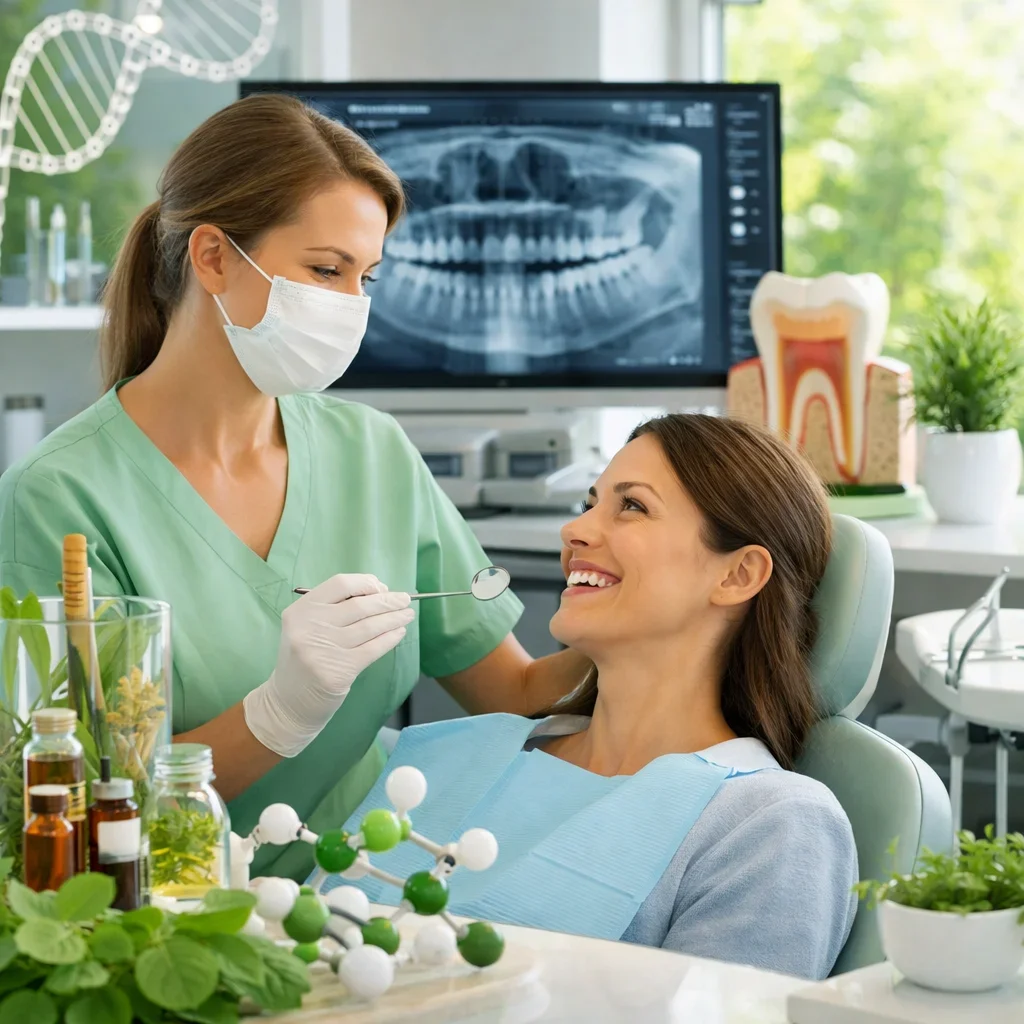
How to Choose the Right Biological Center for Dentistry
Selecting the right biological center for dentistry is an important step for patients who want dental care that prioritizes both oral health and overall wellbeing. While many clinics advertise holistic or biological approaches, not all centers follow the same standards, technologies, or philosophies. Choosing the right biological center for dentistry requires careful research, evaluation of qualifications, and an understanding of what truly defines biological dental care. 🦷
A reputable biological center for dentistry should combine modern dental technology, strict safety protocols, and a patient-centered philosophy that considers the connection between oral health and systemic health. Patients who take the time to evaluate these factors are more likely to find a clinic that aligns with their long-term health goals.
Evaluate the Dentist’s Training and Experience
One of the first things to consider when selecting a biological center for dentistry is the education and experience of the dental professionals. Biological dentistry requires additional knowledge beyond traditional dental training. Dentists practicing in a biological center for dentistry often pursue specialized education in biocompatible materials, holistic treatment approaches, and advanced safety protocols.
Patients should look for dentists who regularly attend professional training programs and remain updated on modern biological dentistry practices. Professional organizations and reputable dental institutions provide valuable guidelines and educational resources that help ensure high standards of care.
Membership in Professional Organizations
Dentists working in a biological center for dentistry may be affiliated with professional organizations that promote holistic or biological dental principles. Membership in recognized organizations can indicate that a dentist is committed to continuing education and maintaining ethical treatment standards.
Reviewing professional memberships and certifications can provide reassurance that a biological center for dentistry follows recognized best practices within the field.
Assess the Technology and Diagnostic Tools
Modern technology plays a major role in the quality of care provided by a biological center for dentistry. Advanced diagnostic tools allow dentists to detect problems earlier, plan treatments more accurately, and perform procedures with greater precision.
Clinics that invest in digital imaging systems, 3D scans, and low-radiation X-ray technology demonstrate a commitment to patient safety and treatment accuracy. These technologies allow professionals in a biological center for dentistry to diagnose hidden infections, bone loss, and structural issues before they develop into more serious conditions.
Look for Biocompatible Materials
A defining characteristic of a biological center for dentistry is the use of materials that are compatible with the body’s natural systems. Biocompatible materials are chosen to minimize immune reactions, allergic responses, and potential toxicity.
Metal-Free Restorative Options
Patients should ask whether the biological center for dentistry offers metal-free alternatives such as ceramic crowns, composite fillings, and zirconia implants. These materials are commonly used in biological dentistry because they provide strength, durability, and compatibility with human tissue.
Clinics that prioritize biocompatible materials often demonstrate a strong commitment to patient health and long-term safety.
Review Safety Protocols and Treatment Procedures
Another important factor when selecting a biological center for dentistry is the clinic’s approach to safety. Biological dental practices typically follow enhanced safety procedures designed to reduce exposure to harmful particles or chemicals during certain treatments.
Patients should feel comfortable asking about sterilization methods, protective equipment, and filtration systems used during dental procedures. A high-quality biological center for dentistry will openly explain its safety protocols and demonstrate a strong commitment to patient protection.
Consider the Clinic’s Holistic Approach
The philosophy of care is a defining element of every biological center for dentistry. Dentists who practice biological dentistry typically focus on identifying the root causes of oral health problems rather than only treating symptoms.
During consultations, professionals at a biological center for dentistry may discuss factors such as nutrition, lifestyle habits, stress levels, and systemic health conditions. This holistic approach helps create personalized treatment plans that support long-term wellness.
Evaluate Patient Communication and Education
Effective communication is another important indicator of a high-quality biological center for dentistry. Dentists should take the time to explain treatment options, potential risks, and preventive strategies in clear and understandable language.
Patients should feel comfortable asking questions and discussing their concerns. A reputable biological center for dentistry will encourage patient participation and ensure that individuals fully understand their treatment plans.
Read Patient Reviews and Testimonials
Online reviews and testimonials can provide valuable insight into the experiences of other patients who have visited a biological center for dentistry. Reviews often reveal details about the clinic’s professionalism, communication style, and treatment outcomes.
While reviews should not be the only factor considered, they can help patients identify clinics with strong reputations and consistent positive feedback.
Schedule a Consultation Before Making a Decision
The best way to evaluate a biological center for dentistry is to schedule a consultation appointment. During this visit, patients can meet the dental team, observe the clinical environment, and ask questions about treatment approaches and materials.
A consultation also allows dentists to evaluate the patient’s oral health and discuss potential treatment options. This conversation helps patients determine whether the clinic’s philosophy and approach align with their personal healthcare goals.
Choose a Clinic That Aligns with Your Health Goals
Ultimately, the right biological center for dentistry should provide more than just technical dental treatments. It should offer a comprehensive approach that integrates oral health with overall wellbeing. Patients who value prevention, biocompatible materials, and personalized care often find that biological dentistry offers a unique and effective approach to maintaining long-term health.
By carefully evaluating training, technology, safety protocols, and communication practices, patients can confidently select a biological center for dentistry that meets their needs. With the right clinic and experienced professionals, biological dental care can provide a safer, more holistic path toward a healthy smile and improved overall wellness. 🌿