
In today’s world, achieving a perfect smile no longer requires metal brackets and wires. Thanks to modern dental technology, the bite aligner has become one of the most effective, comfortable, and discreet ways to correct misaligned teeth 🦷. Whether you have crowded teeth, gaps, or bite problems such as overbite or underbite, a bite aligner offers a personalized, removable solution designed to gradually shift your teeth into the correct position without the inconvenience of traditional braces.
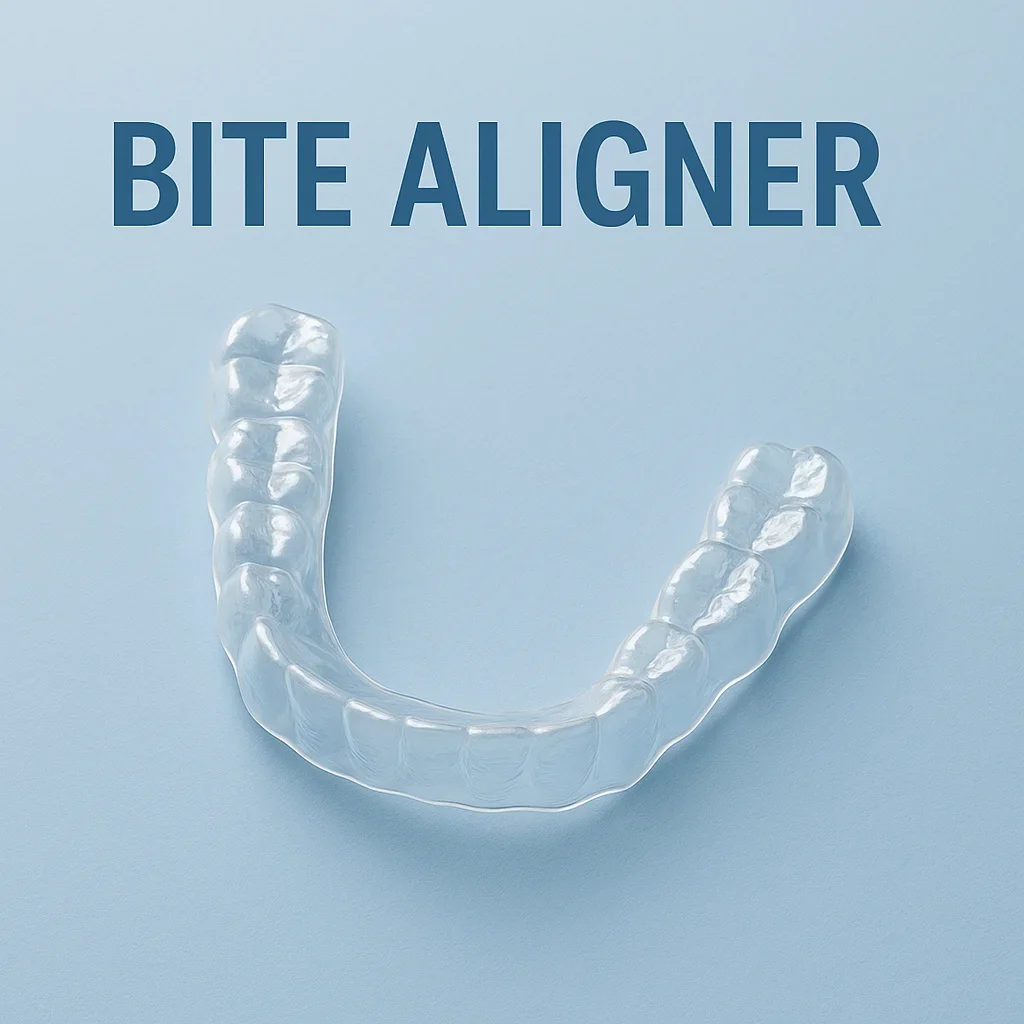
Unlike fixed braces, a bite aligner is made from a transparent, BPA-free thermoplastic material that fits snugly over your teeth. It works by applying consistent, gentle pressure to specific areas, guiding your teeth into alignment over time. These aligners are digitally designed and custom-made for each patient, ensuring maximum comfort and accuracy. Modern aligner systems use 3D scanning technology to map your mouth and simulate your treatment progress before you even begin.
One of the key reasons people choose a bite aligner is aesthetics. Because it’s clear and nearly invisible, most people won’t even notice you’re wearing one 😁. For professionals, students, or anyone who values a confident smile without the metallic look of braces, aligners are a game-changer. They are also removable, allowing you to eat, drink, and brush your teeth with ease — maintaining better oral hygiene compared to fixed braces.
From an orthodontic perspective, a bite aligner can effectively treat various dental issues, including mild to moderate crowding, spacing, and bite irregularities. It can also be used in combination with other dental treatments, such as whitening or minor restorative procedures, to enhance aesthetic outcomes. The adaptability of the aligner system allows dentists to customize treatment for patients of different ages and needs.
Each bite aligner set is typically worn for about one to two weeks before switching to the next one in the sequence. This gradual progression ensures that teeth move safely and predictably into their new positions. Throughout your treatment, your dentist or orthodontist will monitor your progress using digital scans or physical checkups, ensuring optimal results. The average treatment duration varies depending on the complexity of the case — for minor adjustments, results can be seen in just a few months, while more complex alignments may take a year or longer.
Another major benefit of the bite aligner system is comfort. Traditional braces often cause irritation to gums and cheeks due to sharp metal components. Aligners, however, are smooth and gentle, reducing discomfort and soreness during treatment. They also don’t require tightening appointments, which means fewer visits to the dental clinic — a major advantage for busy patients. 💼
From a health perspective, bite aligners are also beneficial because they promote better oral hygiene habits. Since you can remove the aligners to brush and floss, there’s no risk of plaque buildup around brackets or wires, which can lead to gum disease or cavities. This makes the bite aligner a healthier and more hygienic choice for long-term dental wellness.
It’s important to remember that discipline is key when using a bite aligner. For the treatment to be effective, aligners must be worn for at least 20–22 hours per day. Skipping wear time can delay progress and affect your final results. Consistency, along with regular dental checkups, ensures that your smile transformation stays on track.
Professional dental clinics like Redent Klinik Contact Page offer advanced bite aligner systems with detailed digital planning and follow-up care. Consulting an experienced dentist is the best way to determine whether this treatment is suitable for your specific needs. They can evaluate your bite, teeth alignment, and overall oral health to design a customized plan that brings predictable, beautiful results.
For those interested in the science behind aligners, it’s worth noting that their development is supported by reputable organizations like the American Dental Association. This ensures that aligner materials and treatment methods meet high safety and performance standards. Patients can trust that they’re not only investing in aesthetics but also in a scientifically proven orthodontic approach.
In summary, the bite aligner is revolutionizing the field of orthodontics. It combines beauty, comfort, and efficiency, offering a modern alternative to braces that fits seamlessly into any lifestyle. With consistent use, regular monitoring, and proper dental care, you can enjoy a straighter, healthier smile — one that truly boosts your confidence and well-being 🌟.
What Is a Bite Aligner and How Does It Work?
The bite aligner is a revolutionary orthodontic device designed to correct misaligned teeth, bite irregularities, and spacing problems without the need for traditional braces. Unlike metal brackets and wires, it uses a series of clear, removable trays that gradually move your teeth into the desired position. Each tray is custom-made based on a 3D digital scan of your mouth, ensuring perfect fit and precision. This modern dental technology has made orthodontic treatment more comfortable, discreet, and accessible than ever before 🦷.
Understanding the Core Function of a Bite Aligner
The primary goal of a bite aligner is to gently apply continuous pressure on specific teeth to shift them over time. Each set of aligners is worn for about one to two weeks, slightly adjusting the position of your teeth before you move on to the next set. The process continues until the teeth are perfectly aligned according to the treatment plan designed by your dentist or orthodontist. This step-by-step movement ensures safety and prevents excessive stress on the gums and bone structure.
Unlike conventional braces, there are no brackets or wires to adjust. The force applied by the bite aligner is strategically distributed, making the process both efficient and minimally painful. Since aligners are designed using computer-aided simulation, your dentist can predict the exact tooth movement and visualize the end result before you even begin. This level of precision is what makes modern aligner therapy a favorite among adults and teenagers alike.
The Science Behind Aligner Technology
To understand how a bite aligner works, it helps to look at the materials and science behind it. These aligners are typically made from medical-grade thermoplastic materials, such as polyurethane or polyethylene terephthalate glycol (PETG). They are transparent, durable, and safe for oral use. The material provides the right balance between flexibility and rigidity — flexible enough to be comfortable, yet rigid enough to move the teeth effectively.
Each bite aligner is designed based on data from advanced 3D imaging and orthodontic software. The software divides the total tooth movement into small, manageable increments. These small movements, usually less than 0.25 mm per aligner, ensure a controlled and predictable outcome. By the time you reach your final set of aligners, your teeth have completed their planned transformation, resulting in a beautifully aligned smile 😁.
Biomechanics of Tooth Movement
The biomechanics of a bite aligner are fascinating. Teeth are surrounded by a periodontal ligament — a soft tissue that connects the teeth to the jawbone. When gentle pressure is applied through the aligner, the ligament compresses on one side and stretches on the other. This controlled tension stimulates the bone around the tooth to remodel itself, allowing the tooth to shift. Over time, this biological process results in permanent repositioning. The pressure from each bite aligner is carefully calculated to ensure that the force applied does not harm the roots or surrounding tissues.
Digital Planning and Customization
One of the most impressive aspects of bite aligner therapy is its customization process. Before starting treatment, your dentist takes digital impressions or 3D scans of your mouth. These are used to create a virtual model of your teeth and jaws. Then, using specialized software, the dentist maps out a precise treatment plan that shows the exact movements of each tooth from start to finish. This digital approach eliminates guesswork and allows patients to visualize their expected results even before wearing the first aligner.
The bite aligner manufacturer then produces a series of trays based on this digital plan. Each tray is slightly different from the previous one, ensuring that your teeth move little by little toward the final goal. Because everything is digitally guided, errors are minimized, and comfort is maximized. Furthermore, this technology allows for progress tracking, so if any adjustments are needed, they can be implemented quickly.
Advantages of the Biomechanical Design
The smooth and flexible design of a bite aligner offers numerous advantages. It prevents irritation to the lips and gums, allows for easier speech adaptation, and can be easily removed for eating or cleaning. Unlike braces, there are no food restrictions — you can enjoy your favorite meals without worrying about damaging any wires or brackets. This convenience has made aligner therapy a preferred choice for people who lead active lifestyles or work in social and professional environments where aesthetics matter.
Predictability and Control
One major strength of the bite aligner system is its predictability. Because it’s planned digitally, the dentist knows exactly how your teeth will move with each aligner stage. This level of control also allows for a more accurate timeline of your treatment. For instance, you might know that in 24 weeks, your teeth will reach a particular alignment milestone. Such transparency gives patients confidence and motivation to stay consistent with wearing their aligners for 20–22 hours per day ⏱️.
Who Can Benefit from a Bite Aligner?
A bite aligner can benefit both teenagers and adults with mild to moderate alignment problems. It can correct issues such as overbite, underbite, crossbite, and open bite. It’s also effective for closing gaps between teeth and treating slight crowding. However, for severe cases requiring jaw repositioning, traditional orthodontic methods may still be recommended. Consulting with a professional clinic like Redent Klinik Contact Page ensures you get an accurate assessment of your suitability for aligner treatment.
Support from Dental Authorities
It’s worth noting that the principles of bite aligner treatment are supported by the American Dental Association, which promotes safe, effective orthodontic care. The ADA emphasizes that aligners should only be provided under the supervision of licensed dental professionals. This ensures that tooth movement occurs within healthy biological limits and avoids long-term complications such as root resorption or gum recession.
In summary, the bite aligner is a sophisticated, science-driven approach to teeth straightening. Its combination of precision engineering, digital planning, and biological compatibility makes it one of the most efficient orthodontic solutions available today. Patients who commit to wearing their aligners consistently and maintain good oral hygiene can expect to achieve a straighter, healthier, and more confident smile in less time than ever before 🌟.
Types of Bite Aligners: Finding the Right Fit for You
Choosing the right bite aligner is a crucial step toward achieving a healthy and beautifully aligned smile. While all aligners share the same purpose — to gradually move teeth into the correct position — they can vary in design, material, treatment duration, and customization level. Understanding the differences between these types helps patients make informed decisions based on their dental condition, budget, and lifestyle 🦷.
1. Clear Aligners (Transparent Bite Aligners)
Clear aligners are the most popular type of bite aligner system used today. Made from transparent thermoplastic materials, these aligners are nearly invisible when worn, making them ideal for adults and teens who prefer discreet orthodontic treatment. Each tray is custom-designed to fit snugly over your teeth, applying consistent and gentle pressure that gradually moves your teeth into the desired alignment.
Clear bite aligner systems, such as Invisalign or ClearCorrect, rely on digital scanning and 3D modeling to map out every stage of tooth movement. This technology allows your dentist to preview your final results even before your treatment begins. Patients usually wear each set of aligners for 1–2 weeks before switching to the next one. The total treatment duration typically ranges between 6 and 18 months, depending on the complexity of your case.
Advantages of Clear Aligners
Clear aligners are smooth, removable, and comfortable, offering an exceptional alternative to metal braces. They allow you to eat your favorite foods without restriction, maintain better oral hygiene, and avoid gum irritation caused by wires or brackets. Because of their transparency, they are virtually undetectable — perfect for professionals who frequently interact with others 👔.
2. Ceramic Bite Aligners
Ceramic-based bite aligner systems are another option, offering a slightly more rigid structure compared to clear plastic models. They combine the durability of ceramics with the flexibility of plastic, providing greater resistance to discoloration and deformation. While not as invisible as traditional clear aligners, ceramic aligners offer a more natural appearance and are less likely to stain from foods or beverages like coffee or wine.
Best For:
Patients who need stronger force application for moderate to severe misalignments can benefit from ceramic bite aligner models. These are typically recommended when additional pressure is necessary to move larger teeth or correct more complex bite issues. However, because ceramic aligners are slightly thicker, they may feel less flexible than clear alternatives.
3. Self-Ligating Hybrid Aligners
A newer innovation in orthodontics, hybrid bite aligner systems combine traditional brackets with clear aligner trays. These systems are used in cases that require both precision and greater control over tooth movement. The aligner trays help guide overall tooth alignment, while self-ligating micro-brackets apply targeted pressure where needed. This hybrid approach can shorten treatment time and improve complex bite correction outcomes.
Hybrid bite aligner systems are often prescribed for patients whose dental issues extend beyond cosmetic alignment, such as significant bite asymmetry, crossbites, or rotated molars. They merge the advantages of modern aesthetics with the mechanical strength of classic braces — a balance between efficiency and appearance.
4. Night-Time Bite Aligners
For patients who prefer minimal daytime wear, night-time bite aligner systems offer a flexible alternative. These are designed to be worn during sleep for 8–10 hours per night, gently moving teeth while you rest 🌙. While this treatment option is more convenient for some lifestyles, it may take longer to produce results because the aligners are not worn as consistently as traditional 22-hour-per-day models.
Who Should Choose Night Aligners?
Night-time bite aligner systems are best suited for patients with mild alignment issues, such as small gaps or slight crowding. However, for complex cases involving significant bite irregularities, full-day wear aligners are more effective. Always consult a professional dentist, such as those at Redent Klinik Contact Page, to determine whether this option suits your needs.
5. Retainer-Type Aligners
After completing your orthodontic treatment, maintaining your results is just as important as achieving them. Retainer-type bite aligner devices are custom-made trays worn overnight to keep teeth from shifting back into their original positions. These are not designed for active tooth movement but rather for long-term stabilization. They help preserve your investment and ensure your smile stays straight for years to come 😁.
Durability and Maintenance
Retainer-type aligners are generally thicker and sturdier than active treatment aligners. They are made to last for several years, provided that you clean and store them properly. Over time, you may need replacements as natural wear occurs, but the cost is significantly lower than redoing orthodontic treatment from scratch.
6. Specialized Bite Aligners for TMJ or Bruxism
Some bite aligner designs are created not just for aesthetic alignment but for therapeutic purposes. For instance, patients suffering from temporomandibular joint disorder (TMJ) or teeth grinding (bruxism) can benefit from aligners that help relieve jaw pressure and protect enamel from excessive wear. These aligners work similarly to night guards but include subtle corrective properties to improve occlusion (how your teeth meet).
Such therapeutic bite aligner options must always be custom-designed by dental professionals. They often come with specific bite adjustments that help reposition the jaw in a more relaxed, balanced state. When combined with physiotherapy or relaxation exercises, they can provide significant relief from chronic jaw discomfort or headaches associated with TMJ.
7. Choosing the Right Type for You
Selecting the appropriate bite aligner depends on several factors: the severity of your alignment issues, your lifestyle, your age, and your budget. Patients who value convenience and aesthetics usually choose clear aligners, while those needing more control might benefit from hybrid or ceramic systems. Night-time options offer flexibility, and therapeutic aligners cater to specific functional concerns.
To ensure you choose the most effective treatment, consult an experienced dental professional who can evaluate your case using 3D imaging, bite analysis, and clinical expertise. Trusted dental institutions and resources, such as the American Dental Association, recommend professional supervision for all orthodontic treatments. This guarantees that your bite aligner therapy remains safe, efficient, and medically sound.
In conclusion, the world of bite aligners offers multiple options to fit every need — from aesthetic corrections to functional improvements. By understanding these types and consulting a qualified dentist, you can confidently choose the right path to a balanced, healthy, and radiant smile 🌟.
Step-by-Step Process of Getting a Bite Aligner
Beginning your journey toward a straighter smile with a bite aligner involves several carefully planned stages — each designed to ensure precision, comfort, and effective results 🦷. From the first consultation to your final set of aligners, every step is customized to your unique dental structure. Understanding this process not only prepares you for what to expect but also helps you appreciate the science and dedication behind this modern orthodontic solution.
Step 1: Initial Dental Consultation and Evaluation
The first and most important step in your bite aligner journey is the initial consultation with a certified dentist or orthodontist. During this visit, your oral health is evaluated to determine whether you’re a suitable candidate for aligner treatment. The dentist will check for signs of gum disease, cavities, or jaw misalignment — all factors that can influence your treatment plan.
High-quality dental clinics, such as Redent Klinik Contact Page, perform this evaluation using advanced diagnostic tools, including intraoral scanners and digital X-rays. These technologies provide a complete picture of your teeth and bite, allowing the dentist to assess how a bite aligner can effectively improve your smile. If any underlying dental issues are detected, such as decay or infection, they will be treated before the aligner process begins.
Importance of the First Consultation
This step is essential because not every patient is an ideal candidate for a bite aligner. Those with severe bite discrepancies or complex jaw issues may require hybrid treatments or even surgical correction. However, most patients with mild to moderate crowding, gaps, or bite irregularities can benefit greatly from aligners. The consultation ensures that your expectations align with achievable outcomes.
Step 2: Digital Scanning and 3D Imaging
Once you’re approved for treatment, the next phase involves taking a detailed 3D digital scan of your mouth. Gone are the days of messy molds and uncomfortable impressions — the bite aligner process uses state-of-the-art scanners to capture precise images of your teeth from all angles. This scan serves as the foundation for your customized aligners.
Using specialized software, your dentist will then simulate your entire treatment from start to finish. You’ll be able to see how each set of aligners will move your teeth step by step and even preview the final results. This transparency gives patients confidence and excitement about their upcoming transformation 😁.
Creating the Digital Treatment Plan
The 3D model of your mouth is analyzed to identify which teeth need to move and in what direction. The software divides your treatment into micro-movements — each typically less than 0.25 mm. Based on these calculations, a sequence of aligners is created, with each tray guiding your teeth closer to the desired position. This precision planning ensures that your bite aligner works efficiently and safely without overloading any specific tooth or tissue.
Step 3: Fabrication of Custom Aligners
After your treatment plan is finalized, the digital model is sent to a dental laboratory where your bite aligner sets are fabricated. Each tray is produced using medical-grade thermoplastic material that is transparent, flexible, and comfortable to wear. Depending on the complexity of your case, you may receive anywhere from 10 to 40 sets of aligners. These are usually delivered in stages, allowing your dentist to monitor your progress and make any necessary adjustments.
Quality and Safety Standards
Reliable manufacturers adhere to international safety standards approved by organizations such as the American Dental Association. This ensures that the materials used in your bite aligner are safe, hypoallergenic, and free from harmful chemicals. Each aligner undergoes quality checks for fit accuracy and durability before being sent to your dentist.
Step 4: Fitting and Instruction
Once your first batch of bite aligner trays is ready, you’ll return to your clinic for a fitting session. Your dentist will ensure that the first set fits comfortably and securely. They’ll also show you how to insert and remove your aligners properly, how to clean them, and how to store them safely when not in use.
It’s essential to follow the dentist’s instructions carefully during this step. Aligners must be worn for 20–22 hours a day to be effective. They should only be removed while eating, drinking anything other than water, or brushing your teeth. Skipping wear time can delay your progress and extend your treatment duration ⏱️.
Adjustment Period
During the first few days of wearing your bite aligner, you may experience mild pressure or discomfort — this is completely normal and a sign that your teeth are moving. Speech may also be slightly affected initially, but it typically returns to normal after a few days of adaptation. The key is consistency: the more regularly you wear your aligners, the faster your mouth adjusts.
Step 5: Regular Checkups and Progress Monitoring
Your bite aligner treatment involves periodic checkups every 6–8 weeks. During these visits, your dentist assesses your progress, compares it to the digital treatment plan, and provides the next sets of aligners. They may make minor adjustments if any teeth move faster or slower than expected. These check-ins are vital for ensuring your treatment stays on track and that your bite alignment develops correctly.
Some advanced systems also use remote monitoring apps, where you can upload pictures of your smile for your dentist to review virtually. This digital approach saves time and makes treatment even more convenient, especially for busy individuals or those living far from the clinic 🌍.
Step 6: Completion and Retainer Phase
Once you’ve completed your final bite aligner stage, your dentist will evaluate your results. They may take another 3D scan to confirm that your teeth have reached their planned positions. To maintain your new smile, a custom-made retainer is provided. Retainers are crucial because teeth can naturally shift back to their original positions if not stabilized. Wearing your retainer as instructed — usually overnight — ensures your beautiful results last a lifetime.
Post-Treatment Care
In addition to wearing retainers, your dentist may recommend periodic checkups to monitor your bite stability. Good oral hygiene practices, regular brushing, and flossing are essential to preserve your results. You can also ask about whitening treatments to enhance your newly aligned smile for a truly radiant look ✨.
Step 7: Long-Term Benefits of the Process
Following this comprehensive process ensures not just aesthetic improvement but also long-term oral health. A properly aligned bite improves chewing efficiency, reduces jaw tension, and prevents uneven tooth wear. The bite aligner method is not only a cosmetic solution but also a therapeutic one, supporting overall dental wellness and confidence.
In summary, the process of getting a bite aligner combines technology, precision, and personalized care. From consultation to completion, each phase contributes to a healthy, balanced, and harmonious smile — all achieved with comfort, discretion, and scientific excellence 🌟.
Benefits of Using Bite Aligners Over Traditional Braces
The modern bite aligner has completely transformed the field of orthodontics, offering a sophisticated alternative to traditional metal braces. Patients now prefer aligners not only for their aesthetic advantages but also for their comfort, convenience, and health benefits. Understanding these advantages will help you see why aligners have become the go-to choice for both adults and teens looking to improve their smiles 🦷.
1. Aesthetic and Confidence Advantages
One of the most celebrated benefits of a bite aligner is its invisibility. Made from clear, transparent materials, aligners blend naturally with your teeth, allowing you to smile confidently during treatment. Unlike metal braces that can make patients feel self-conscious, aligners are nearly undetectable, making them ideal for anyone in a public-facing role such as professionals, students, or performers 🎬.
Because they are removable, aligners also allow you to take photos, attend meetings, or enjoy special occasions without worrying about your appearance. This discretion empowers patients to embrace their orthodontic journey without any stigma or embarrassment. Confidence plays a vital role in overall well-being, and the bite aligner enhances it effortlessly.
Social and Psychological Impact
Numerous studies have shown that patients using a bite aligner experience less social anxiety compared to those with fixed braces. The ability to communicate naturally without visible metal or speech impediments contributes to better mental and emotional health throughout treatment. This subtle yet powerful psychological advantage sets aligners apart from conventional orthodontic solutions.
2. Comfort and Convenience
Comfort is another area where the bite aligner shines. Traditional braces can cause irritation to the cheeks, gums, and tongue due to wires and brackets. In contrast, aligners are smooth and made of soft, medical-grade thermoplastic material that adapts perfectly to your teeth. There are no sharp edges or adjustments that cause pain.
Patients who wear aligners often report minimal discomfort — usually just a mild pressure that indicates the teeth are moving as planned. Since aligners are removable, eating, brushing, and flossing remain effortless. This ease of use eliminates one of the biggest drawbacks of braces: food restrictions. You can still enjoy crunchy apples, popcorn at the movies, or your favorite snacks 🍿 without worry.
Fewer Dental Appointments
Another major convenience benefit of the bite aligner is the reduced need for in-office visits. Traditional braces require regular tightening and wire changes, but aligners typically need checkups only every 6–8 weeks. This saves valuable time, especially for busy professionals or families managing multiple schedules.
3. Improved Oral Hygiene
Maintaining oral hygiene is significantly easier with a bite aligner. Braces can trap food particles around brackets, making brushing and flossing difficult. Over time, this can lead to plaque buildup, gum inflammation, or even cavities. Since aligners are removable, you can maintain your usual dental care routine with ease — brush, floss, and rinse as you normally would. This results in healthier gums and fresher breath throughout your treatment.
Reduced Risk of Decay and Staining
Because aligners allow full access to your teeth, there’s no risk of uneven staining or decalcification marks that sometimes appear after braces are removed. Your smile not only becomes straighter but also stays bright and healthy. The bite aligner system, therefore, promotes both functional and cosmetic health in a way traditional braces cannot.
4. Precision and Predictability
The bite aligner process is digitally planned from start to finish. Before treatment begins, your dentist uses 3D scanning and simulation software to visualize your tooth movement at every stage. This gives you a clear picture of what your final results will look like — a level of predictability that braces cannot offer. Traditional braces rely on manual adjustments, which can sometimes lead to minor deviations in alignment.
With aligners, each tray is custom-engineered to apply the right amount of pressure to the right teeth at the right time. This digital precision minimizes human error and ensures a smoother, faster, and more comfortable experience. Patients can even see their progress visually, which serves as motivation to stay consistent.
5. Shorter Treatment Duration
While every patient’s timeline is different, a bite aligner treatment typically takes less time than traditional braces for mild to moderate cases. Braces can require 18–36 months of wear, whereas aligners can achieve comparable results in 6–18 months. This shorter duration is due to the targeted nature of aligner movement — every aligner is meticulously programmed for efficiency.
Additionally, with consistent wear (20–22 hours daily), progress tends to stay on schedule. Many patients notice visible changes in their smile within just a few months of starting treatment, reinforcing their commitment and excitement for the final results ⏱️.
6. No Food Restrictions
With braces, sticky, crunchy, or hard foods are often forbidden because they can damage wires or brackets. However, with a bite aligner, you simply remove your trays before eating. You can enjoy all types of food — including pizza, nuts, and even corn on the cob — without worrying about your orthodontic appliance. This freedom adds to the lifestyle appeal of aligners, particularly for food enthusiasts.
Better Dining Experience
Beyond practicality, this flexibility enhances the dining experience and social life. Whether attending a wedding, business dinner, or holiday party, you can eat confidently without fear of food getting stuck in your braces. This convenience makes the bite aligner treatment a natural fit for those who lead active, social, or professional lives.
7. Fewer Emergencies and Repairs
Traditional braces are prone to breakage — wires snap, brackets loosen, and elastic ties can pop off. These issues often require urgent dental visits. The bite aligner, being one smooth piece, eliminates such emergencies. Even if you lose or damage one tray, your dentist can quickly order a replacement using your digital scan data, minimizing disruptions in treatment.
8. Long-Term Health Benefits
Beyond aesthetics, the bite aligner provides long-term functional benefits. By aligning your teeth correctly, it helps distribute bite forces evenly, reducing strain on the jaw joint and preventing problems such as TMJ disorders. Proper alignment also minimizes wear on enamel and reduces the risk of periodontal disease. As a result, you’re not only improving your smile but also preserving your overall oral health for years to come.
9. Environmentally and Ethically Responsible Option
Modern bite aligner systems are made using recyclable materials and advanced manufacturing methods that reduce waste compared to traditional braces. Some brands even offer eco-conscious packaging and carbon-neutral production processes 🌱. This sustainable approach appeals to environmentally aware patients who value health and planet-friendly care simultaneously.
10. Backed by Dental Research and Authority
The effectiveness and safety of bite aligner treatment have been validated by leading dental organizations, including the American Dental Association. These studies confirm that aligners are a clinically proven alternative to braces for most orthodontic cases when administered under professional supervision.
In conclusion, the bite aligner offers a perfect blend of beauty, efficiency, and health. It is the ultimate expression of modern dentistry — merging technology and comfort to create a smile transformation that’s not only visible but life-enhancing 🌟. Whether you’re aiming for confidence, convenience, or better oral hygiene, aligners are the clear choice for a brighter dental future.
Common Problems Bite Aligners Can Fix
The bite aligner is not only a cosmetic innovation but also a powerful orthodontic tool capable of addressing a wide range of dental problems. From crooked teeth to jaw misalignment, these clear trays can correct functional and aesthetic issues with precision and comfort. Understanding the conditions that aligners can fix will help you determine whether this treatment is suitable for your needs 🦷.
1. Crowded Teeth
One of the most common issues treated with a bite aligner is dental crowding. When there isn’t enough space in your jaw for all teeth to align properly, they overlap, twist, or become crooked. Crowding not only affects your smile’s appearance but also makes cleaning difficult, increasing the risk of cavities and gum disease.
The bite aligner gradually creates space by shifting teeth outward or redistributing their positions. Through consistent pressure, aligners guide teeth into a more harmonious arrangement without the discomfort of metal braces. Within a few months, you’ll notice visible improvements — your teeth will begin to align naturally, making brushing and flossing far easier 😁.
Health Benefits of Treating Crowding
Correcting crowding with a bite aligner goes beyond aesthetics. It significantly improves oral hygiene by reducing food traps between teeth and minimizing plaque buildup. This decreases the likelihood of periodontal disease and tooth decay, leading to a healthier and longer-lasting smile.
2. Gapped Teeth (Diastema)
Spaces or gaps between teeth, known as diastema, can affect both appearance and function. While some gaps are minor, others may lead to bite imbalance or speech issues. A bite aligner can close these gaps gradually by applying equal pressure from both sides of the spacing.
Unlike braces, which use metal wires to pull teeth together, aligners accomplish this movement with clear trays designed to tighten spacing incrementally. Most patients see visible closure of gaps within a few months of consistent use. Moreover, since the aligner covers each tooth fully, it ensures uniform movement for balanced alignment.
Psychological and Functional Improvement
Eliminating tooth gaps improves self-esteem and confidence in social settings. Functionally, it enhances chewing balance and prevents food from getting trapped between teeth. With regular monitoring by your dentist or at clinics like Redent Klinik Contact Page, the treatment process remains safe, predictable, and efficient.
3. Overbite Correction
An overbite occurs when the upper front teeth excessively overlap the lower front teeth. While a slight overbite is normal, a deep one can lead to tooth wear, gum irritation, and even jaw pain. The bite aligner works by adjusting both the position of the upper and lower arches to bring them into harmony.
During treatment, certain aligners may include precision cutouts or attachments that guide specific teeth to move vertically. These subtle adjustments correct the bite relationship without the need for bulky braces. As treatment progresses, your facial profile may also appear more balanced, enhancing overall facial aesthetics 🌟.
Long-Term Advantages of Overbite Correction
Fixing an overbite with a bite aligner not only improves appearance but also reduces pressure on the jaw joints (TMJ). It prevents premature enamel wear and helps distribute chewing forces evenly across all teeth — ensuring long-term comfort and durability.
4. Underbite Correction
An underbite, where the lower teeth protrude past the upper ones, can create functional and speech problems. In many mild to moderate cases, a bite aligner can effectively correct this condition. The aligners gradually move the lower teeth backward while bringing the upper teeth slightly forward to achieve a balanced bite.
Patients with underbites often experience difficulty biting or chewing certain foods. By improving the alignment, the bite aligner enhances chewing efficiency and reduces stress on the jaw joint. For more severe underbites involving skeletal discrepancies, aligners can be used in combination with other orthodontic treatments for optimal results.
5. Crossbite and Open Bite Correction
A crossbite occurs when upper teeth sit inside lower teeth when the mouth is closed, while an open bite happens when the upper and lower teeth don’t touch at all. Both conditions can lead to uneven wear and difficulty chewing. The bite aligner system uses controlled pressure to reposition affected teeth into proper alignment gradually.
For crossbites, aligners can adjust single teeth or entire sections of the dental arch. In the case of open bites, aligners help guide vertical tooth movement to close the gap between upper and lower teeth. These improvements not only enhance bite functionality but also promote better speech and jaw stability.
Functional and Aesthetic Benefits
Correcting a crossbite or open bite with a bite aligner improves facial symmetry and prevents excessive tooth wear. It also minimizes long-term risks such as gum recession or bone loss caused by uneven bite pressure. Many patients report improved comfort while eating and speaking after completing their aligner therapy.
6. Relapse After Braces
Some individuals who previously wore braces may experience a relapse, where teeth slowly drift back toward their original positions. A bite aligner is an excellent solution for these cases. It repositions teeth gently without restarting a full orthodontic treatment. Because aligners are discreet, they’re ideal for adults who want to correct minor shifts without visible appliances.
Using aligners for post-braces refinement helps maintain previous orthodontic results. Dentists can design a short treatment plan focused only on the affected areas, saving time and cost while restoring the ideal alignment.
7. TMJ-Related Bite Problems
In some cases, misaligned teeth can contribute to temporomandibular joint (TMJ) discomfort, headaches, or jaw strain. A properly designed bite aligner can help realign the bite, reduce uneven pressure, and alleviate muscle tension. This therapeutic application not only enhances function but also relieves chronic jaw discomfort 😌.
How Aligners Support TMJ Health
By balancing the contact between upper and lower teeth, the bite aligner minimizes clenching and grinding (bruxism) — two major causes of TMJ pain. Over time, patients often report reduced clicking, soreness, and tension in the jaw area, proving that aligners are both corrective and preventive in nature.
8. Improving Speech and Oral Function
While orthodontic issues primarily affect appearance, they can also interfere with speech articulation and chewing ability. Correcting alignment using a bite aligner improves tongue placement, airflow, and bite coordination. This leads to clearer speech and more efficient chewing, supporting long-term oral and digestive health.
9. Preventing Future Dental Issues
Addressing bite problems early with a bite aligner prevents more severe complications later in life. Misaligned teeth can cause uneven wear, gum recession, and even bone loss over time. Aligners restore harmony between teeth, muscles, and joints, ensuring that your oral health remains stable and resilient.
According to research by the American Dental Association, early orthodontic intervention can significantly reduce the need for extensive dental work in adulthood. Therefore, using a bite aligner is not just about aesthetics — it’s an investment in lifelong dental wellness.
In summary, the bite aligner is a versatile and highly effective solution for correcting common orthodontic problems. Whether you’re dealing with crowding, gaps, or bite irregularities, aligners can deliver safe, comfortable, and long-lasting results. By working with an experienced dental professional, you can achieve not only a straighter smile but also improved oral function and overall confidence 🌟.
How Long Does Bite Aligner Treatment Take?
The duration of bite aligner treatment varies depending on several factors, including the complexity of your case, the consistency of aligner wear, and your dentist’s customized plan. While traditional braces can take years to achieve results, aligner systems are known for delivering visible improvements in much shorter timeframes — typically between six months and eighteen months 🦷. However, each smile is unique, and understanding how the timeline is determined will help set realistic expectations for your treatment journey.
1. Factors That Influence Treatment Duration
No two orthodontic treatments are the same. The total time required for a bite aligner to straighten your teeth depends on how much movement is needed and the biological response of your mouth. Your dentist will use 3D scanning and AI-based planning tools to estimate the duration accurately. The following key factors play an essential role:
Complexity of the Case
Mild alignment issues such as small gaps or slightly crowded teeth can often be corrected in as little as six months. In contrast, more complex conditions like deep overbites, underbites, or severe crowding may require 18–24 months. The more teeth that need movement, the longer the bite aligner treatment will take. Patients with bite discrepancies involving both arches (upper and lower) typically need more aligner sets.
Age of the Patient
Younger patients may experience faster results because their jawbones and teeth move more easily. Adults can still achieve excellent outcomes, but bone density and gum health can affect the speed of progress. Regardless of age, consistency in wearing the bite aligner remains the most significant factor influencing results.
Daily Wear Time
Aligners must be worn for at least 20–22 hours per day to achieve optimal results. Skipping even a few hours daily can slow progress and extend the overall treatment period. Some patients mistakenly remove their aligners too often for meals or events, which delays the biological tooth movement process. Consistency is key — the more disciplined you are, the sooner your perfect smile appears ⏱️.
2. Typical Treatment Timeline Explained
The bite aligner treatment process is divided into several stages, each playing a vital role in achieving proper alignment. Below is a breakdown of what to expect during your journey:
Stage 1: Initial Consultation (Week 1–2)
Your journey begins with a consultation, during which your dentist evaluates your teeth, gums, and bite. After confirming that you are a candidate for a bite aligner, they will perform digital scans and create a personalized treatment plan. Within a week or two, you’ll receive your first set of custom aligners designed specifically for your smile.
Stage 2: Active Alignment (Months 1–6)
This phase is where most visible progress occurs. You’ll wear each bite aligner tray for about 1–2 weeks before switching to the next in the series. Each aligner moves your teeth approximately 0.25 mm closer to the target position. You’ll start noticing changes in tooth positioning and bite comfort within the first few months. Consistent wear during this phase ensures your progress stays on track.
Stage 3: Fine-Tuning and Adjustments (Months 6–12)
Once the major movements are completed, your dentist will focus on refining the finer details — such as correcting minor rotations or ensuring proper spacing. Sometimes, additional “refinement” aligners are created to make subtle adjustments. At this stage, your smile will already look significantly straighter, but precision alignment ensures lasting, stable results.
Stage 4: Finalization and Retainer Phase (Months 12–18)
After the final bite aligner set, you’ll transition to retainers. Retainers maintain your newly aligned teeth and prevent them from drifting back to their original positions. Typically, retainers are worn full-time for the first few months, then only at night. Regular follow-ups will help your dentist monitor your stability and ensure long-term success.
3. Average Timeframe by Case Type
The following general timelines can help you gauge how long your bite aligner treatment might last:
- Mild spacing or crowding: 4–8 months
- Moderate alignment issues: 8–14 months
- Complex bite corrections (overbite, underbite, crossbite): 12–24 months
These timeframes assume consistent aligner wear for at least 20 hours per day and regular follow-up visits with your dentist. Skipping trays, losing aligners, or irregular wear may prolong treatment, while excellent compliance can occasionally shorten it ⌛.
4. Accelerated Bite Aligner Options
Modern dentistry offers solutions to speed up bite aligner therapy safely. Technologies such as vibration devices or photobiomodulation systems stimulate bone remodeling, allowing teeth to move more efficiently. When used alongside traditional aligners, these innovations can reduce treatment time by up to 30%. Always consult your dentist to determine whether accelerated treatment options suit your specific case.
Digital Monitoring and Remote Check-Ins
Some clinics, like Redent Klinik Contact Page, use digital monitoring platforms that let you upload photos of your teeth for virtual progress tracking. This technology minimizes clinic visits and helps dentists make real-time adjustments to your bite aligner plan, ensuring steady progress without unnecessary delays.
5. Post-Treatment Stability and Retention
The duration of treatment does not end when your aligners are removed. Teeth can naturally shift back over time if not maintained properly. That’s why post-treatment retention is crucial. A retainer, which looks similar to a bite aligner, must be worn nightly to preserve results. Most patients continue using retainers indefinitely, though usage may decrease over the years.
Why Retention Matters
Bone and gum tissues need time to stabilize after tooth movement. Retainers ensure the new alignment becomes permanent. Failing to wear retainers as directed can undo months of progress and may require additional aligner treatment. Hence, commitment to the post-treatment phase is just as vital as the active stage.
6. Comparing Aligners and Braces Timelines
Compared to braces, a bite aligner generally shortens treatment time for most cases. Braces may take 18–36 months, while aligners can achieve similar results in 6–18 months. This efficiency is due to computer-guided precision and the continuous pressure applied by each tray. Furthermore, aligners eliminate the need for frequent in-office adjustments, which also speeds up the process.
7. Professional Guidance Throughout the Process
Throughout your treatment, your dentist or orthodontist will monitor your progress closely. Each set of aligners builds upon the previous one, ensuring smooth and predictable movement. Clinics that follow ADA-approved standards, such as those verified by the American Dental Association, ensure safety, consistency, and effectiveness during every stage of your bite aligner treatment.
In summary, while the timeline for bite aligner treatment depends on individual factors, most patients can achieve a perfectly aligned smile in under a year with consistent use. By following your dentist’s instructions and maintaining disciplined habits, you can enjoy faster, more stable results — and a lifetime of confidence with your beautifully balanced smile 🌟.
Tips for Caring and Cleaning Your Bite Aligner
Proper maintenance of your bite aligner is essential for ensuring effective treatment and preserving oral hygiene throughout your orthodontic journey. Although aligners are designed to be durable and hygienic, neglecting daily care can lead to discoloration, odor buildup, and even bacterial growth. Following a consistent cleaning routine will keep your aligners fresh, clear, and effective while protecting your gums and teeth 🦷.
1. Daily Cleaning Routine
Just like brushing your teeth, cleaning your bite aligner every day is crucial. Ideally, you should clean them each time you remove them to prevent plaque and bacteria accumulation. A proper cleaning routine ensures your aligners remain transparent and odor-free, helping you maintain both hygiene and aesthetics.
Step-by-Step Cleaning Method
Here’s an effective daily method for cleaning your bite aligner:
- Rinse your aligners under lukewarm water as soon as you remove them.
- Use a soft-bristled toothbrush (not the same one you use for teeth) and mild, clear liquid soap to gently scrub the inside and outside of each tray.
- Rinse thoroughly to remove any residue before reinserting them.
- Never use hot water — it can warp or distort the aligner’s shape.
Consistency is key. By cleaning after every meal and before bedtime, you’ll prevent bacteria from multiplying inside your trays, keeping your bite aligner in optimal condition.
2. Avoid Common Cleaning Mistakes
Many patients unintentionally damage their bite aligner by using the wrong cleaning agents or improper techniques. To protect your trays, it’s important to avoid these common mistakes:
Harsh Chemicals
Never clean your bite aligner using toothpaste, alcohol-based mouthwash, or bleach. These substances can scratch or degrade the plastic, leading to cloudiness and irritation inside the mouth. Instead, use specially formulated aligner cleaning solutions or mild soap. Toothpaste is abrasive and can create microscopic scratches that harbor bacteria and dull the surface.
Skipping Rinses
Always rinse your aligners with water after removal. Even a few minutes of exposure to saliva and bacteria can lead to odor and plaque buildup. A quick rinse prevents these issues and keeps your aligners comfortable and hygienic for daily wear.
3. Deep Cleaning and Disinfection
In addition to daily cleaning, it’s important to deep-clean your bite aligner several times a week. Deep cleaning removes hidden residue, mineral deposits, and bacterial films that regular brushing might miss. You can use specialized cleaning tablets or gentle home solutions to maintain freshness and transparency.
Recommended Deep Cleaning Options
- Aligner Cleaning Tablets: Drop a tablet in a cup of lukewarm water and soak your aligners for 10–15 minutes. Rinse thoroughly afterward.
- Vinegar Solution: Mix equal parts of white vinegar and water, soak aligners for 15 minutes, and rinse well. This natural method removes stains and bacteria effectively.
- Baking Soda Solution: Add a teaspoon of baking soda to a cup of water. Soak your bite aligner for 10 minutes to neutralize odors and dissolve buildup.
Always ensure that aligners are fully dry before storing them. Avoid using paper towels, as they may scratch the surface. Instead, air dry them on a clean, soft cloth.
4. Proper Storage Practices
When you’re not wearing your bite aligner, store it in its protective case. Leaving aligners exposed on a table or in a napkin is one of the most common causes of damage or loss. Many people accidentally throw away their aligners during meals because they wrap them in tissue. Keeping them in their designated case prevents such mishaps and shields them from bacteria and temperature fluctuations.
Temperature Control
Extreme temperatures can deform your bite aligner. Avoid leaving them in hot cars, near radiators, or under direct sunlight. Likewise, do not wash them in boiling water or use dishwashers for cleaning. Lukewarm or cold water is always the safest choice for maintaining their shape and fit.
5. Maintaining Oral Hygiene During Treatment
Your oral hygiene routine must complement your bite aligner care. Since aligners cover your teeth for most of the day, any trapped bacteria or food debris can quickly cause decay or gum inflammation. To prevent this, brush and floss after every meal before reinserting your aligners. Failing to do so can trap food particles inside, creating an environment conducive to plaque and bad breath.
Use of Mouthwash and Interdental Brushes
While standard brushing is essential, incorporating alcohol-free mouthwash and interdental brushes enhances cleanliness. Alcohol-free mouthwashes prevent dryness and maintain aligner transparency, while interdental brushes help remove trapped particles between teeth and aligner edges. A healthy mouth supports a healthy bite aligner.
6. Handling Stains and Odors
Over time, even well-maintained aligners can develop slight discoloration or odor. To combat this, use cleaning tablets designed for orthodontic trays, or soak them occasionally in hydrogen peroxide diluted with water (1:1 ratio) for 10 minutes. Always rinse thoroughly afterward. Avoid using scented soaps, as they can leave unpleasant aftertastes and odors.
Preventing Stains from Food and Drinks
Never eat or drink anything other than water while wearing your bite aligner. Beverages such as coffee, tea, or wine can stain the material. Similarly, hot drinks can distort the shape of your aligners. If you do consume these beverages, remove your trays and brush your teeth before reinsertion. This not only protects the aligners but also keeps your teeth bright and clean 😁.
7. Traveling with Your Aligners
When traveling, always carry a dedicated cleaning kit for your bite aligner. Include a travel-sized toothbrush, mild soap, and a spare case. It’s also wise to bring an extra set of aligners in case one gets lost or damaged. Keeping a small bottle of mouth rinse can help maintain freshness when brushing isn’t immediately possible.
Storing Aligners Safely During Travel
Temperature changes during flights or long drives can affect your bite aligner. Store them in a protective, ventilated case and avoid placing them near heat sources or in checked luggage. Carrying them in your hand luggage is the safest option to prevent warping or loss.
8. Professional Maintenance and Checkups
Regular dental checkups are an integral part of caring for your bite aligner. During these visits, your dentist will inspect the trays for cracks, discoloration, or fit issues. Professional ultrasonic cleaning may also be offered to remove microscopic debris. Clinics like Redent Klinik Contact Page provide advanced hygiene care and replacement aligner services when needed.
Monitoring Treatment Progress
Professional checkups also ensure that your bite aligner continues to track correctly with your treatment plan. If you skip appointments or neglect maintenance, small fit errors can accumulate, delaying results. Regular visits every six to eight weeks ensure smooth progress and healthier outcomes.
9. ADA-Approved Cleaning Practices
The American Dental Association recommends gentle, non-abrasive cleaning methods for removable orthodontic devices. Following these guidelines guarantees that your bite aligner remains hygienic, safe, and long-lasting. Always use ADA-approved dental products and follow your dentist’s cleaning recommendations to maintain optimal results throughout your treatment.
In conclusion, consistent care and cleaning of your bite aligner ensure not only a faster and healthier treatment but also a more pleasant daily experience. By following proper cleaning routines, storing aligners correctly, and maintaining excellent oral hygiene, you protect your investment and guarantee a radiant, confident smile that lasts a lifetime 🌟.
Cost of Bite Aligner Treatment and Financial Options
The cost of a bite aligner treatment can vary significantly based on factors such as the complexity of your case, the materials used, your location, and the expertise of your orthodontist. While aligners are a modern and convenient alternative to braces, understanding their pricing structure, payment plans, and long-term value is essential for making an informed decision. Below is a detailed breakdown of what affects aligner costs, the average pricing range, and the financial options available to make treatment affordable 💰.
1. Average Cost of Bite Aligners
On average, a full bite aligner treatment ranges from $2,000 to $7,000 depending on various elements, such as treatment duration, dental clinic reputation, and aligner brand. Some mild cases requiring minimal correction may cost less than $2,000, whereas more complex orthodontic treatments involving bite correction or combined arch movement may exceed $6,000.
Price Comparison with Traditional Braces
Traditional metal braces typically range between $3,000 and $8,000, depending on duration and materials. Therefore, the bite aligner system often falls within the same financial range or slightly less expensive for mild to moderate cases. However, what sets aligners apart is the comfort, discretion, and reduced number of clinic visits — all of which add convenience and value to your investment.
2. Factors Influencing the Total Cost
Several key variables determine the total cost of your bite aligner treatment. Understanding these will help you plan effectively and avoid unexpected expenses.
Complexity of the Case
The more complicated the dental issue — such as severe crowding, overbite, or crossbite — the longer the treatment and the higher the cost. More complex cases require additional aligner sets and frequent adjustments by your orthodontist, increasing overall expenses.
Treatment Duration
Most patients complete bite aligner treatment in 6 to 18 months. Shorter treatments with fewer aligners naturally cost less. However, if your dentist adds refinement trays toward the end of treatment to achieve perfect alignment, the cost may increase slightly.
Clinic Location and Dentist Experience
Dental service costs differ by region. Urban clinics or internationally recognized centers, such as Redent Klinik Contact Page, may charge more due to advanced technology and high professional standards. Nonetheless, their expertise ensures superior results, often justifying the price difference.
3. Additional Costs to Consider
While the base price of your bite aligner includes the trays themselves, there may be other associated costs depending on your specific needs:
- Initial Consultation and Scans: $100–$300 (may be included in some clinics)
- Attachments or Refinement Aligners: $200–$500
- Retainers after Treatment: $150–$400 per set
- Follow-up Visits: Often free or $50–$150 per session
High-quality clinics frequently offer all-inclusive packages that cover digital scanning, 3D imaging, and retainers. These options can save money in the long run and prevent hidden costs.
4. Insurance Coverage
Many dental insurance providers now include partial coverage for orthodontic treatments such as bite aligner systems. Typically, insurance plans cover between 25% and 50% of the total cost, with an upper reimbursement limit around $2,000–$3,000 depending on the policy. It’s always best to consult your insurance provider in advance to confirm coverage eligibility.
Pre-Authorization and Claim Submission
Some insurers require pre-authorization before beginning treatment. Your clinic can provide the necessary documentation, including X-rays, treatment plans, and estimates. Submitting claims promptly ensures smoother reimbursements and minimizes out-of-pocket expenses for your bite aligner therapy.
5. Payment Plans and Financing Options
For patients without insurance coverage, most clinics offer flexible payment solutions to make bite aligner treatment more affordable. These options include interest-free monthly installment plans and third-party financing companies such as CareCredit or dental-specific lenders. Payment periods usually range between 6 and 24 months, depending on total cost and credit approval.
In-House Financing Programs
Many clinics provide in-house financing that allows you to spread payments evenly throughout your treatment period. This makes it easier to budget without large upfront costs. Redent Klinik, for instance, tailors financing options to suit each patient’s needs, offering transparency and affordability.
6. Comparing Brands and Their Costs
The bite aligner market features several major brands, each with different pricing structures. Some of the most well-known include Invisalign, ClearCorrect, and SmileDirectClub. Invisalign, considered the premium option, typically costs $4,000–$7,000 due to advanced customization and precision. SmileDirectClub, which offers remote supervision, costs around $2,000–$2,500 but may not suit complex cases.
Choosing the Right Option
While cheaper alternatives might seem attractive, always consider the level of professional supervision and treatment complexity. A professionally monitored bite aligner ensures precise tooth movement, safer results, and a healthier long-term outcome compared to mail-order options that lack in-person oversight.
7. Long-Term Value of Aligner Treatment
Although the initial cost of a bite aligner may seem high, it provides exceptional long-term value. The treatment not only enhances your smile but also prevents future dental complications such as uneven wear, gum disease, and jaw discomfort. By achieving proper alignment early, you save on future dental repairs and periodontal treatments, which can be far more costly.
Comparing Cost to Lifetime Benefits
When viewed over a lifetime, investing in a bite aligner offers remarkable returns. The improved oral hygiene, reduced dental procedures, and enhanced confidence outweigh the initial expenses. Patients often find the results transformative — both functionally and aesthetically 😁.
8. Special Discounts and Promotions
Many dental clinics run seasonal promotions or offer discounts for upfront payments. Students, families, or couples starting treatment together might also receive bundled offers. Ask your clinic if they have ongoing campaigns or referral bonuses for bite aligner patients.
Employer and Membership Benefits
Some employers and professional organizations partner with dental networks to offer reduced treatment costs. Membership programs may include annual discounts on cleanings, exams, and orthodontic procedures, including aligner treatments. Checking with your HR department or dental association can help you access these benefits.
9. Global Perspective on Aligner Pricing
The price of a bite aligner also varies internationally. In the United States and Western Europe, costs average between $4,000–$6,000. In Turkey, due to lower operational expenses, high-quality aligner treatments from reputable clinics such as Redent Klinik Contact Page can cost 40–60% less, making it a popular destination for dental tourism. Patients receive the same global-standard aligners and expert orthodontic care for a fraction of the cost, often combined with personalized treatment plans and hospitality services.
10. Trusted Guidance from Dental Associations
According to the American Dental Association, orthodontic costs should always be viewed as a long-term investment in oral health. The ADA emphasizes that patients should prioritize licensed professionals and evidence-based treatment plans over inexpensive, unsupervised options. This ensures safe, predictable, and lasting results for anyone pursuing a bite aligner treatment.
In conclusion, while the cost of a bite aligner varies depending on multiple factors, patients have numerous options to make the process affordable and worthwhile. By choosing a reputable clinic, exploring insurance and financing solutions, and viewing treatment as a lifelong health investment, you can achieve a perfect smile with both financial confidence and peace of mind 🌟.
Aftercare and Life After Bite Aligner Treatment
Completing your bite aligner journey is an exciting milestone, but maintaining your new smile requires consistent aftercare and proper oral hygiene habits. The period after aligner treatment is just as important as the active phase because your teeth and gums need time to stabilize in their new positions. Without proper post-treatment care, teeth can slowly shift back, undoing months of progress. Below, you’ll find a complete guide to life after aligners — from retainers and diet adjustments to long-term maintenance tips for keeping your smile radiant 🌟.
1. The Importance of Retainers
After finishing your bite aligner treatment, your dentist will provide custom-made retainers to preserve your new alignment. Retainers prevent teeth from drifting back toward their original positions. This happens because the ligaments and bone surrounding your teeth need several months to adapt to their new configuration.
Types of Retainers
- Clear Plastic Retainers: Similar in appearance to your bite aligner, these retainers are transparent and removable, offering aesthetic comfort.
- Fixed Retainers: A thin wire bonded to the back of your front teeth. They are ideal for patients with previous crowding issues.
- Hawley Retainers: Made with acrylic and metal wires, they are durable and adjustable by your orthodontist.
Most patients wear retainers full-time for 3–6 months after bite aligner therapy, then only at night. However, lifelong nighttime wear is recommended for optimal results. Skipping retainer use can lead to relapse, where teeth gradually shift out of position again.
2. Oral Hygiene After Aligner Treatment
Your oral care routine remains essential even after completing your bite aligner treatment. Brushing at least twice daily, flossing, and using alcohol-free mouthwash prevent decay and maintain healthy gums. Since teeth are now properly aligned, cleaning becomes more efficient, reducing plaque buildup and lowering the risk of gum disease.
Recommended Hygiene Practices
- Use a soft-bristled toothbrush to avoid enamel wear.
- Replace your toothbrush every 3 months or sooner if bristles fray.
- Floss daily, especially between tight contacts created by alignment.
- Use fluoride toothpaste to strengthen enamel.
Clean your retainers daily just like your bite aligner. Rinse them after meals and soak them in cleaning solution several times a week to prevent odor and bacteria accumulation.
3. Dietary Guidelines for Post-Treatment
Once your bite aligner treatment is over, you can enjoy all your favorite foods again. However, maintaining moderation and good oral habits remains important. Hard, sticky, or sugary foods can still impact long-term oral health, even if teeth are perfectly straight.
Foods to Enjoy and Avoid
- Enjoy: Fresh fruits, vegetables, lean proteins, and whole grains.
- Limit: Sugary sodas, candies, and acidic drinks that can weaken enamel.
- Avoid: Biting ice or hard objects that can chip teeth or damage retainers.
Drink plenty of water throughout the day to keep your mouth hydrated and reduce bacterial growth. Good hydration supports gum health and keeps your smile bright 😁.
4. Monitoring and Dental Checkups
Regular dental visits are crucial after completing your bite aligner treatment. Your dentist will monitor tooth stability, gum condition, and overall bite balance. Professional cleanings remove tartar and plaque that regular brushing may miss.
Follow-Up Schedule
Typically, your dentist will schedule follow-ups at:
- 1 month after finishing treatment (to check retainer fit)
- 3–6 months after treatment (to confirm stability)
- Every 6 months thereafter for cleanings and exams
These visits also provide an opportunity to adjust or replace worn retainers. At reputable clinics like Redent Klinik Contact Page, advanced monitoring ensures your post-aligner care is precise, personalized, and long-lasting.
5. Managing Tooth Sensitivity
It’s normal to experience slight sensitivity during and shortly after bite aligner treatment. As teeth settle, they may respond to temperature changes or pressure. Using desensitizing toothpaste and maintaining gentle brushing habits helps alleviate discomfort. Over time, sensitivity fades as the bone and gum tissues stabilize around your teeth.
When to Seek Professional Help
If sensitivity persists or worsens, schedule a dental evaluation. Persistent pain may indicate gum inflammation or enamel wear. Professional care ensures early intervention and protects the longevity of your results.
6. Lifestyle Adjustments After Treatment
With your bite aligner journey complete, it’s time to embrace lifestyle changes that maintain your smile. Smoking, excessive coffee, and red wine can stain your teeth. Consider limiting these habits or using whitening toothpaste to keep your teeth bright. If grinding (bruxism) was a problem before treatment, your dentist may recommend a night guard to prevent enamel wear and retain your new bite position.
Confidence and Social Impact
Many patients report increased self-esteem after completing their bite aligner therapy. Straight teeth improve not only aesthetics but also facial harmony and speech clarity. Smiling confidently in professional and social settings becomes effortless — a psychological benefit that often outweighs the physical transformation.
7. Whitening and Cosmetic Maintenance
After finishing bite aligner treatment, many patients choose professional teeth whitening to enhance their new smile. Whitening gels or in-office laser whitening can make teeth several shades brighter in a single session. Because aligners improve uniformity, whitening treatments tend to produce more even results. However, whitening should only be done after completing alignment to avoid uneven coloration.
Maintaining Brightness
Limit stain-causing foods, brush after consuming coffee or tea, and use whitening toothpaste once a day. Avoid over-whitening products that can irritate gums or damage enamel. Dentists approved by the American Dental Association recommend whitening only under professional supervision for safe, lasting results.
8. Retainer Maintenance and Replacement
Retainers, like your bite aligner, have a lifespan. Over time, they can lose elasticity or develop cracks. Replace clear retainers every 1–2 years, or sooner if they no longer fit snugly. Fixed retainers should be checked periodically for bonding issues or plaque accumulation. Neglecting this maintenance can compromise your hard-earned alignment.
Cleaning and Storage Tips
- Rinse retainers after every removal.
- Store them in a ventilated case when not in use.
- Use aligner-safe cleaning tablets for deep cleaning weekly.
Retainers are your smile’s long-term insurance policy — treat them with the same care as your bite aligner.
9. Emotional and Functional Benefits
Beyond the cosmetic transformation, completing bite aligner therapy brings lasting emotional and functional advantages. You’ll notice improved bite efficiency, easier oral hygiene, and fewer jaw-related issues. Smiling becomes effortless, speech improves, and daily comfort increases. Many patients also find themselves more mindful of their oral habits, leading to a lifetime of better dental care.
10. Long-Term Commitment to a Healthy Smile
Maintaining results after bite aligner treatment requires lifelong commitment. Continue practicing good oral hygiene, wearing retainers as prescribed, and attending routine checkups. Even minor shifts should be addressed quickly to prevent relapse. Adopting a proactive approach ensures your investment in aligner therapy pays off for decades to come 🦷.
In conclusion, finishing your bite aligner treatment marks the beginning of a new chapter — one defined by confidence, beauty, and lifelong oral health. By adhering to your dentist’s aftercare instructions, caring for your retainers, and maintaining excellent hygiene habits, you can preserve your stunning results for years. For professional post-treatment care and guidance, trusted clinics such as Redent Klinik Contact Page offer personalized aftercare programs to help you maintain your perfect smile forever 🌈.