
Bonding composite teeth is one of the most popular and conservative cosmetic dental treatments available today, especially for patients who want fast, natural-looking improvements without invasive procedures. If you have chipped, discolored, uneven, or slightly gapped teeth, bonding composite teeth can often deliver impressive results in a single visit. This treatment focuses on enhancing your smile while preserving as much of your natural tooth structure as possible 😊.
At its core, bonding composite teeth involves applying a tooth-colored resin material directly to the surface of the teeth. This composite material is carefully shaped, sculpted, and polished to blend seamlessly with your natural enamel. Unlike crowns or veneers, bonding composite teeth typically require little to no removal of the existing tooth, making it an ideal option for patients who value minimally invasive dental care.
One of the key reasons bonding composite teeth is so widely recommended is its versatility. Dentists can use bonding composite teeth to repair minor cracks, close small gaps, improve tooth length, correct irregular shapes, and even cover stubborn stains that do not respond well to whitening treatments. Because the composite resin is color-matched to your teeth, the final result looks natural and harmonious rather than artificial.
Another major advantage of bonding composite teeth is the speed of the procedure. In most cases, the entire treatment can be completed in a single appointment, without the need for laboratory work or temporary restorations. For busy patients, this makes bonding composite teeth an attractive alternative to more time-consuming cosmetic dental solutions.
From a functional perspective, bonding composite teeth does more than just improve appearance. The composite resin helps restore the integrity of damaged tooth surfaces, protecting them from further wear, sensitivity, or decay. By sealing small imperfections, bonding composite teeth can also contribute to better oral hygiene, as smoother tooth surfaces are easier to clean and less likely to trap plaque.
Patients often ask whether bonding composite teeth feels natural. The answer is yes. Once the resin is hardened and polished, it closely mimics the texture and translucency of natural enamel. Most patients quickly forget which teeth were treated, as bonding composite teeth integrate smoothly into the bite and daily function of the mouth.
Another important factor is customization. Bonding composite teeth is highly technique-sensitive, meaning the dentist can fine-tune every detail—from the shape and contour to the surface texture and shine. This level of artistic control allows for truly personalized smile design, especially when performed by an experienced cosmetic dentist.
In terms of safety, bonding composite teeth is a well-established and widely accepted dental procedure. Reputable organizations such as the American Dental Association recognize composite bonding materials as safe and effective for both cosmetic and restorative use. When performed correctly, bonding composite teeth carries minimal risk and does not compromise long-term oral health.
It is also worth noting that bonding composite teeth is reversible in many cases. Since little to no enamel is removed, future treatment options such as veneers or crowns remain available if your needs change over time. This flexibility makes bonding composite teeth a great starting point for patients exploring cosmetic dentistry for the first time.
From a patient satisfaction standpoint, bonding composite teeth consistently receives high approval ratings. The immediate visual improvement, combined with minimal discomfort and affordability compared to other cosmetic treatments, makes it an appealing choice for a wide range of patients. Whether the goal is subtle refinement or noticeable enhancement, bonding composite teeth can be tailored to match your expectations.
If you are considering bonding composite teeth and want a personalized consultation, professional guidance is essential. A qualified dental team can assess your oral health, discuss realistic outcomes, and design a treatment plan that aligns with your goals. For expert support and appointment scheduling, you can visit the Redent Klinik Contact Page to take the next step toward a confident, natural smile 😁.
In summary, bonding composite teeth offers a balanced combination of aesthetics, function, and conservative care. It is an excellent solution for patients seeking noticeable improvements without aggressive dental procedures. With proper planning, skilled application, and good oral hygiene, bonding composite teeth can help you achieve a brighter, more harmonious smile that looks and feels completely natural.
What Are Bonding Composite Teeth and How Do They Work?
Bonding composite teeth is a modern cosmetic and restorative dental technique designed to improve the appearance and function of natural teeth using advanced resin materials. This treatment is especially popular among patients who want visible improvements without aggressive drilling or permanent alterations. Understanding what bonding composite teeth are and how they work helps patients make informed decisions and feel confident about the procedure 😊.
At a basic level, bonding composite teeth refers to the application of a tooth-colored composite resin directly onto the surface of a tooth. This resin is a durable blend of plastic and fine glass particles that closely mimics the color, translucency, and texture of natural enamel. Once applied, the material is shaped and hardened to restore or enhance the tooth’s appearance.
The Science Behind Bonding Composite Teeth
The success of bonding composite teeth relies on both material science and precise dental technique. The composite resin used in bonding composite teeth is engineered to chemically adhere to the tooth surface. Before application, the dentist slightly roughens the enamel and applies a conditioning liquid. This step allows the bonding agent to create a strong micromechanical bond between the resin and the tooth.
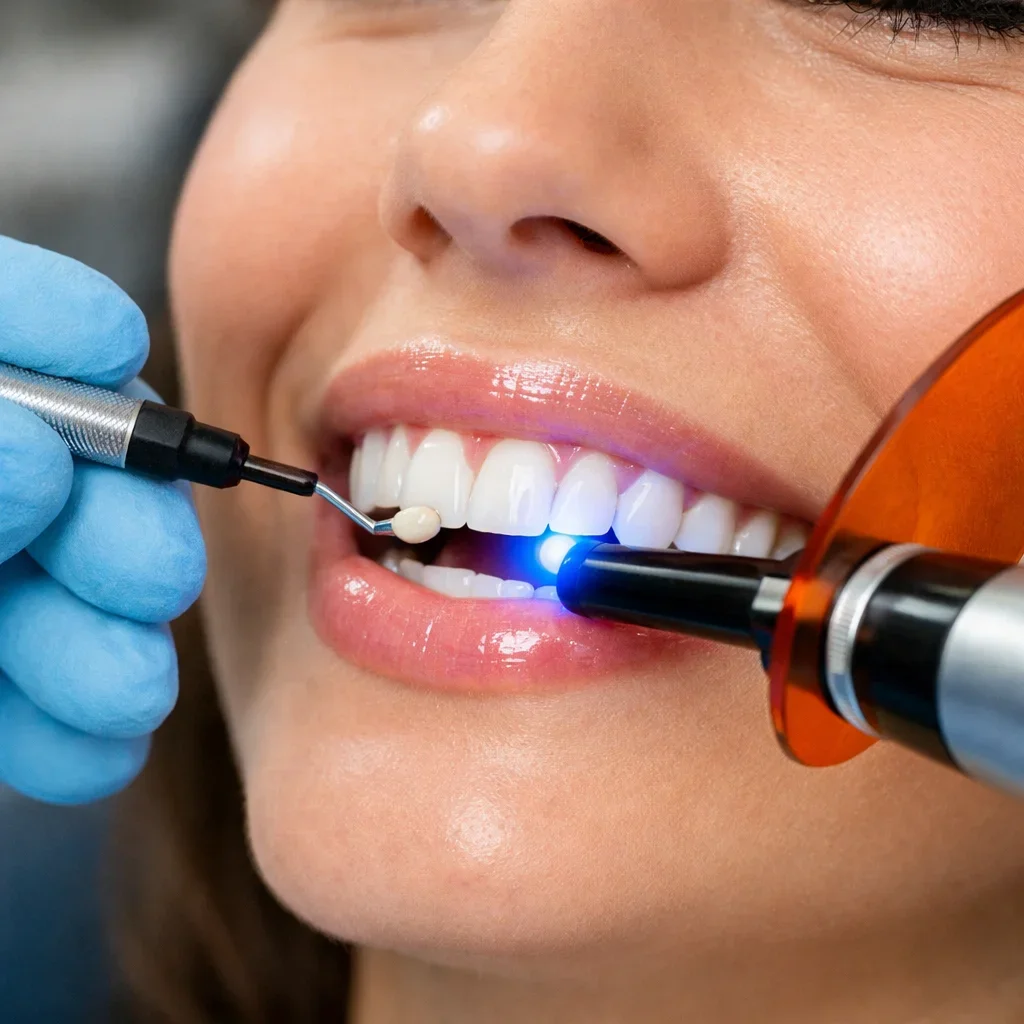
Once the surface is prepared, the composite material is applied in layers. Each layer is carefully shaped and then hardened using a special curing light. This light activates the resin, causing it to solidify within seconds. By building the material gradually, bonding composite teeth achieve strength, durability, and a natural appearance.
What Problems Can Bonding Composite Teeth Fix?
Bonding composite teeth is extremely versatile and can address a wide range of dental concerns. Common uses include repairing chipped or cracked teeth, closing small gaps, correcting uneven edges, covering discoloration, and reshaping teeth that appear too short or worn. Because bonding composite teeth blend seamlessly with natural enamel, they are often used on front teeth where aesthetics matter most.
In addition to cosmetic improvements, bonding composite teeth can serve a restorative function. Minor decay, worn enamel, or exposed tooth roots can be protected using composite bonding. This dual-purpose nature makes bonding composite teeth an efficient solution for patients seeking both beauty and function.
Cosmetic vs Restorative Bonding Composite Teeth
While the technique is similar, the purpose of bonding composite teeth can differ. Cosmetic bonding focuses primarily on appearance—enhancing shape, symmetry, and color. Restorative bonding, on the other hand, is used to repair structural damage or protect the tooth from further harm. In many cases, bonding composite teeth achieve both goals simultaneously.
The Step-by-Step Process Explained Simply
One of the most appealing aspects of bonding composite teeth is how straightforward the process is. In most cases, anesthesia is not required unless bonding composite teeth are being used to fill a cavity. The dentist begins by selecting a resin shade that matches your natural teeth, ensuring a harmonious result.
Next, the tooth surface is gently prepared, and the bonding agent is applied. The composite resin is then placed, shaped, and sculpted with precision. After curing each layer with a specialized light, the dentist refines the shape and polishes the tooth until it looks and feels natural. The entire bonding composite teeth procedure often takes between 30 and 60 minutes per tooth.
How Bonding Composite Teeth Feel and Function
After treatment, bonding composite teeth feel very similar to natural teeth. Patients can bite, chew, and speak normally almost immediately. Because the resin is smoothly polished, it does not irritate the tongue or gums. Most people quickly forget which teeth have been treated, as bonding composite teeth integrate seamlessly into daily life.
Functionally, bonding composite teeth restore strength to damaged areas and protect exposed surfaces. While composite resin is not as hard as natural enamel, it is strong enough to handle normal biting forces when properly cared for.
Is Bonding Composite Teeth a Permanent Solution?
Bonding composite teeth are considered long-lasting but not permanent. On average, they can last between 5 and 10 years, depending on oral hygiene, diet, and habits such as teeth grinding or nail biting. The good news is that bonding composite teeth can be easily repaired or refreshed if wear or staining occurs.
Why Dentists Recommend Bonding Composite Teeth
Dentists often recommend bonding composite teeth because the procedure is conservative, efficient, and cost-effective. Unlike veneers or crowns, bonding composite teeth preserve most of the natural tooth structure. This makes them an excellent option for younger patients or those seeking minimally invasive dental care.
Professional dental organizations, including the American Dental Association, support the use of composite materials in both cosmetic and restorative dentistry. This endorsement reflects the safety, effectiveness, and reliability of bonding composite teeth when performed by qualified professionals.
In summary, bonding composite teeth work by combining advanced dental materials with precise application techniques to enhance both appearance and function. They offer a flexible, patient-friendly solution for a wide range of dental concerns. Understanding how bonding composite teeth work empowers patients to choose a treatment that aligns with their goals, lifestyle, and long-term oral health 🦷.
Who Is a Good Candidate for Bonding Composite Teeth?
Bonding composite teeth is a flexible dental solution, but like any treatment, it works best for specific patients and situations. Understanding who is a good candidate for bonding composite teeth helps ensure realistic expectations, long-lasting results, and overall satisfaction. This procedure is especially appealing to people who want noticeable improvements without committing to irreversible or highly invasive dental work 😊.
Ideal Dental Conditions for Bonding Composite Teeth
Patients with generally healthy teeth and gums are often excellent candidates for bonding composite teeth. This treatment is most effective when dental issues are mild to moderate rather than severe. Small chips, minor cracks, uneven edges, discoloration, and tiny gaps between teeth are all concerns that bonding composite teeth can address effectively.
Because bonding composite teeth rely on adhesion to natural enamel, having sufficient healthy enamel is important. Teeth that are structurally sound provide a stable foundation for the composite resin to bond securely and last longer. Patients with minimal decay and no advanced gum disease usually experience the best outcomes.
Common Cosmetic Concerns Treated Successfully
Bonding composite teeth is particularly well-suited for cosmetic refinements. If a tooth looks slightly shorter than the surrounding teeth, has an irregular shape, or appears worn from grinding, bonding composite teeth can restore balance and symmetry. It is also a practical option for covering stains that do not respond well to professional whitening treatments.
Lifestyle Factors That Influence Candidacy
Lifestyle habits play a significant role in determining whether bonding composite teeth is the right choice. Patients who do not smoke, chew ice, bite their nails, or frequently consume staining substances such as coffee or red wine tend to maintain their bonding composite teeth for longer periods.
Good oral hygiene is another key factor. Brushing twice daily, flossing regularly, and attending routine dental checkups help protect bonding composite teeth from premature wear or discoloration. Patients willing to follow aftercare recommendations are generally ideal candidates for this procedure.
Age and Bonding Composite Teeth
One of the advantages of bonding composite teeth is that it can be suitable for a wide age range. Younger patients often choose bonding composite teeth because it preserves natural tooth structure and can be modified or replaced later in life. For teens and young adults with minor cosmetic concerns, bonding composite teeth offer a conservative approach without committing to permanent restorations.
Adults and older patients can also benefit from bonding composite teeth, particularly if they want to refresh their smile without extensive treatment. As long as the teeth and gums are healthy, age alone is not a limiting factor.
When Age May Affect Treatment Choice
In some cases, older patients with significant enamel loss or extensive restorations may not be ideal candidates for bonding composite teeth. In such situations, alternative treatments like crowns or veneers may provide better durability. A thorough dental evaluation helps determine the most suitable option.
Who May Not Be the Best Candidate?
While bonding composite teeth is highly versatile, it is not suitable for everyone. Patients with severe tooth damage, large fractures, or extensive decay may require stronger restorative solutions. Bonding composite teeth are also not ideal for correcting major bite issues or severe misalignment.
Additionally, individuals who grind or clench their teeth heavily (a condition known as bruxism) may experience faster wear of bonding composite teeth. In these cases, dentists may recommend protective measures such as night guards or alternative treatments with higher strength.
Psychological and Expectation Factors
Good candidates for bonding composite teeth also have realistic expectations. This procedure can dramatically improve appearance, but it does not create a “perfect” or artificial-looking smile unless that is specifically desired. Patients who appreciate natural aesthetics often find bonding composite teeth especially satisfying.
Clear communication between the patient and dentist is essential. Discussing goals, limitations, and maintenance requirements ensures that bonding composite teeth meet expectations both aesthetically and functionally.
Professional Evaluation Is Key
The best way to determine candidacy for bonding composite teeth is through a professional dental consultation. A dentist will assess oral health, enamel condition, bite alignment, and cosmetic goals. This personalized evaluation helps decide whether bonding composite teeth are the most appropriate solution or if another treatment would offer better long-term results.
Reputable dental organizations such as the American Dental Association emphasize individualized treatment planning in cosmetic dentistry. This approach ensures that bonding composite teeth are used where they provide the most benefit.
In conclusion, bonding composite teeth are ideal for patients with healthy teeth, minor cosmetic concerns, and a commitment to good oral care. When chosen for the right reasons and applied by skilled professionals, bonding composite teeth can deliver natural-looking, confidence-boosting results that align perfectly with a patient’s lifestyle and smile goals 😁.
Benefits of Bonding Composite Teeth for Smile Enhancement
Bonding composite teeth has become one of the most preferred cosmetic dental treatments because it offers a powerful combination of aesthetics, comfort, and practicality. Patients looking to enhance their smile without undergoing aggressive dental procedures often discover that bonding composite teeth provide exactly the balance they need. The benefits go far beyond appearance, influencing confidence, oral health, and daily comfort 😊.
Natural-Looking Results That Blend Seamlessly
One of the most significant benefits of bonding composite teeth is the natural appearance it delivers. The composite resin used in bonding composite teeth is carefully color-matched to your existing enamel. This allows the treated teeth to blend seamlessly with surrounding teeth, making it difficult for others to tell that dental work has been done.
Unlike older cosmetic materials, modern composite resins used in bonding composite teeth mimic the translucency and light-reflecting properties of natural teeth. Skilled dentists can sculpt the material to replicate natural contours, edges, and surface texture, resulting in a smile that looks authentic rather than artificial.
Minimally Invasive and Tooth-Preserving
Another major advantage of bonding composite teeth is how conservative the procedure is. In most cases, little to no enamel removal is required. This preservation of natural tooth structure is a key reason many dentists recommend bonding composite teeth over more invasive options such as crowns or veneers.
Because the natural tooth remains largely intact, bonding composite teeth is often considered a reversible or low-commitment treatment. If your smile goals change in the future, other cosmetic options remain available. This flexibility is especially appealing to younger patients or those exploring cosmetic dentistry for the first time.
Comfortable Procedure with Minimal Sensitivity
Patients frequently report that bonding composite teeth is a comfortable experience. Since extensive drilling is rarely needed, anesthesia is often unnecessary. This means less discomfort during the procedure and minimal sensitivity afterward. For patients who feel anxious about dental treatments, bonding composite teeth can be a reassuring option.
Fast Smile Transformation
Speed is another standout benefit of bonding composite teeth. In many cases, the entire procedure can be completed in a single dental visit. There is no need for impressions, laboratory fabrication, or temporary restorations. This makes bonding composite teeth ideal for patients seeking immediate smile enhancement.
Whether preparing for a special event or simply wanting quick results, bonding composite teeth offer instant improvement. Patients leave the dental office with a visibly enhanced smile the same day, which is a powerful confidence booster 😁.
Cost-Effective Smile Enhancement
Compared to other cosmetic dental treatments, bonding composite teeth are generally more affordable. While prices can vary depending on location and complexity, bonding composite teeth often cost significantly less than porcelain veneers or crowns. This accessibility allows more patients to enjoy cosmetic improvements without excessive financial strain.
Because bonding composite teeth typically require fewer appointments and no laboratory work, overall treatment costs remain lower. For patients balancing quality and budget, this is a substantial advantage.
Versatility Across Multiple Dental Concerns
Bonding composite teeth are incredibly versatile. A single treatment approach can address multiple cosmetic issues at once, including chips, gaps, uneven edges, discoloration, and worn enamel. This adaptability allows dentists to design a cohesive smile makeover using bonding composite teeth alone or in combination with other treatments.
Additionally, bonding composite teeth can serve both cosmetic and protective roles. By covering exposed or weakened areas, the composite resin helps shield teeth from further damage while improving appearance.
Functional Benefits Beyond Aesthetics
Beyond visual enhancement, bonding composite teeth also contribute to improved function. The resin restores smooth tooth surfaces, making chewing more comfortable and reducing areas where plaque can accumulate. This can support better long-term oral hygiene and overall dental health.
Boost in Confidence and Self-Esteem
Perhaps one of the most meaningful benefits of bonding composite teeth is the psychological impact. A brighter, more balanced smile often leads to increased self-confidence in social and professional settings. Patients frequently report feeling more comfortable smiling, speaking, and interacting after receiving bonding composite teeth.
This emotional benefit should not be underestimated. Feeling confident about your smile can positively influence daily life, from personal relationships to career interactions.
Backed by Modern Dentistry Standards
The materials and techniques used in bonding composite teeth are well-supported by modern dental research and professional standards. Organizations such as the American Dental Association recognize composite resins as safe and effective for cosmetic and restorative use, reinforcing patient confidence in this treatment.
In summary, bonding composite teeth offer a wide range of benefits, including natural aesthetics, minimal invasiveness, affordability, speed, and versatility. When performed by an experienced dentist and paired with good oral care, bonding composite teeth can dramatically enhance a smile while preserving comfort and long-term oral health 🦷.
Bonding Composite Teeth vs Veneers and Crowns
When considering cosmetic dental treatments, many patients find themselves comparing bonding composite teeth with other popular options such as veneers and crowns. Each of these treatments serves a specific purpose, and understanding their differences is essential for choosing the solution that best matches your dental needs, aesthetic goals, and lifestyle. Bonding composite teeth stand out for their conservative nature, but they are not always the ideal choice for every situation 😊.
Understanding the Core Differences
Bonding composite teeth involve applying a tooth-colored resin directly to the existing tooth surface to enhance shape, color, or structure. Veneers are thin porcelain or ceramic shells that cover the front surface of teeth, while crowns are full-coverage restorations that encase the entire tooth. The level of tooth alteration required increases as you move from bonding composite teeth to veneers and then to crowns.
This fundamental difference explains why bonding composite teeth are often described as minimally invasive, while veneers and crowns are considered more permanent solutions.
Tooth Preservation and Invasiveness
One of the biggest advantages of bonding composite teeth is how much natural tooth structure is preserved. In many cases, no drilling is required at all. This makes bonding composite teeth an excellent choice for patients who want cosmetic improvements without permanently altering their teeth.
Veneers usually require the removal of a thin layer of enamel to ensure proper fit and aesthetics. Crowns require even more reduction, as the tooth must be shaped on all sides. Once enamel is removed, it cannot be replaced, making veneers and crowns irreversible. From a tooth-conservation standpoint, bonding composite teeth clearly offer the least invasive approach.
Why Minimal Enamel Removal Matters
Preserving enamel helps maintain long-term tooth strength and sensitivity control. Patients who choose bonding composite teeth often appreciate knowing that their natural tooth remains largely untouched, keeping future treatment options open.
Aesthetic Results Compared
Bonding composite teeth can produce very natural-looking results, especially for minor cosmetic issues. Skilled dentists can sculpt and polish the resin to blend seamlessly with surrounding teeth. However, porcelain veneers generally offer superior stain resistance and translucency, which may be preferred for dramatic smile makeovers.
Crowns, while highly durable, are usually chosen for structural restoration rather than purely cosmetic enhancement. For subtle improvements, bonding composite teeth often deliver sufficient aesthetic impact without the need for more aggressive treatments.
Durability and Longevity
Durability is another important comparison point. Bonding composite teeth typically last between 5 and 10 years with proper care. Veneers often last 10 to 15 years, while crowns can last even longer. Composite resin is more prone to staining and chipping compared to porcelain, but it is also easier and less expensive to repair.
For patients who prefer flexibility and easy maintenance, bonding composite teeth offer a practical balance between longevity and convenience.
Repair vs Replacement
If damage occurs, bonding composite teeth can usually be repaired in a single visit. Veneers and crowns often require full replacement if they chip or crack. This repairability makes bonding composite teeth appealing for patients seeking lower long-term maintenance complexity.
Time Commitment and Convenience
Bonding composite teeth are often completed in just one appointment, making them ideal for patients with busy schedules. Veneers and crowns typically require multiple visits, impressions, temporary restorations, and laboratory fabrication.
This time efficiency is a major reason patients choose bonding composite teeth when they want immediate results without prolonged treatment timelines.
Cost Considerations
From a financial perspective, bonding composite teeth are generally the most affordable cosmetic option. Veneers and crowns involve higher costs due to laboratory work and advanced materials. While prices vary by location and complexity, bonding composite teeth allow patients to enhance their smile without a significant financial commitment.
This cost-effectiveness makes bonding composite teeth especially attractive for patients addressing multiple teeth or exploring cosmetic dentistry for the first time.
Which Option Is Right for You?
The choice between bonding composite teeth, veneers, and crowns depends on the condition of your teeth and your long-term goals. Bonding composite teeth are ideal for minor cosmetic improvements, conservative treatment, and reversible changes. Veneers are better suited for patients seeking dramatic, long-lasting aesthetic transformations. Crowns are typically reserved for teeth that need significant structural support.
Professional guidance is essential when making this decision. Dental organizations such as the American Dental Association emphasize individualized treatment planning to ensure both functional and aesthetic success.
In summary, bonding composite teeth offer a conservative, cost-effective, and flexible alternative to veneers and crowns. While each treatment has its place, bonding composite teeth shine as a patient-friendly option for enhancing smiles while preserving natural tooth structure 🦷.
The Step-by-Step Procedure for Bonding Composite Teeth
Understanding the step-by-step procedure for bonding composite teeth helps patients feel more comfortable and confident before treatment. One of the reasons bonding composite teeth is so popular is because the process is straightforward, minimally invasive, and usually completed in a single visit. Despite its simplicity, the procedure requires precision, experience, and attention to detail to achieve natural-looking and long-lasting results 😊.
Initial Consultation and Smile Assessment
The process of bonding composite teeth always begins with a comprehensive dental consultation. During this visit, the dentist evaluates your oral health, checks for decay or gum disease, and discusses your aesthetic goals. This step is essential because bonding composite teeth work best on healthy teeth with minor cosmetic or structural issues.
The dentist will examine the size, shape, color, and alignment of your teeth to determine whether bonding composite teeth are the most appropriate solution. If necessary, X-rays may be taken to ensure there are no underlying problems that could affect the success of the treatment.
Shade Selection and Treatment Planning
Once bonding composite teeth are confirmed as the right option, the dentist selects a composite resin shade that closely matches your natural teeth. This step is critical for achieving seamless results. Modern composite materials used in bonding composite teeth come in a wide range of shades, allowing precise color matching.
In some cases, dentists may slightly adjust the shade to enhance brightness while still maintaining a natural appearance. This customized approach ensures bonding composite teeth complement the rest of your smile rather than standing out.
Tooth Preparation for Bonding Composite Teeth
One of the most patient-friendly aspects of bonding composite teeth is that tooth preparation is minimal. Unlike crowns or veneers, extensive drilling is usually unnecessary. The dentist gently roughens the surface of the tooth to help the bonding material adhere more effectively.
A conditioning liquid is then applied to the tooth. This step creates a microscopic texture that allows the bonding agent to form a strong connection between the composite resin and the enamel. Because bonding composite teeth preserve most of the natural tooth structure, patients often experience little to no discomfort.
Application of the Composite Resin
After preparation, the composite resin is applied directly to the tooth. The dentist carefully molds and sculpts the material to achieve the desired shape and contour. This stage is where artistic skill plays a major role in the success of bonding composite teeth.
The resin is typically applied in layers. Each layer is shaped and then hardened using a specialized curing light. This light activates the material, causing it to solidify within seconds. Layering improves strength, durability, and aesthetic depth, making bonding composite teeth look more natural.
Precision Shaping and Contouring
Once the resin has hardened, the dentist refines the shape using fine instruments. Edges are smoothed, contours are adjusted, and the bite is checked to ensure comfort. Proper shaping is essential so that bonding composite teeth feel natural and function correctly during chewing and speaking.
Polishing and Final Adjustments
The final step in bonding composite teeth is polishing. The treated tooth is polished until it matches the sheen of natural enamel. This not only enhances appearance but also helps prevent plaque buildup and staining.
The dentist will ask you to bite down and move your jaw to ensure that bonding composite teeth do not interfere with your bite. Minor adjustments can be made immediately to ensure optimal comfort and function.
How Long Does the Procedure Take?
The time required for bonding composite teeth depends on the number of teeth being treated and the complexity of the case. On average, bonding composite teeth take about 30 to 60 minutes per tooth. Many patients complete their entire treatment in a single appointment.
This efficiency makes bonding composite teeth especially appealing for individuals seeking fast results without multiple dental visits.
Is Anesthesia Needed?
In most cases, anesthesia is not required for bonding composite teeth unless the procedure involves repairing decay. Because the treatment is minimally invasive, patients usually experience little to no pain. This makes bonding composite teeth an excellent option for patients who are anxious about dental procedures.
After the Procedure: What to Expect
After bonding composite teeth are completed, patients can return to normal activities immediately. There is no recovery period or downtime. Some mild sensitivity may occur, but it typically resolves quickly.
Dentists often provide simple aftercare advice, such as avoiding biting hard objects and maintaining good oral hygiene. With proper care, bonding composite teeth can maintain their appearance and function for many years.
Professional Standards and Safety
The materials and techniques used in bonding composite teeth are supported by modern dental research. Organizations like the American Dental Association recognize composite bonding as a safe and effective dental procedure when performed by trained professionals.
In conclusion, the step-by-step procedure for bonding composite teeth is efficient, precise, and patient-friendly. From consultation to final polishing, each stage is designed to enhance your smile while preserving natural tooth structure. This well-structured process is a key reason why bonding composite teeth remain one of the most trusted cosmetic dental treatments today 🦷.
How Long Do Bonding Composite Teeth Last?
One of the most common questions patients ask before choosing bonding composite teeth is how long the results will last. While bonding composite teeth are not considered permanent restorations, they are designed to be durable, functional, and aesthetically stable for many years when properly maintained. Understanding the expected lifespan of bonding composite teeth helps patients set realistic expectations and protect their investment in their smile 😊.
Average Lifespan of Bonding Composite Teeth
On average, bonding composite teeth last between 5 and 10 years. In some cases, they may last even longer depending on individual habits, oral hygiene, and the location of the bonded tooth. Front teeth that are not exposed to heavy chewing forces may allow bonding composite teeth to remain intact for a longer period compared to back teeth, which endure more pressure.
The durability of bonding composite teeth also depends heavily on the skill of the dentist and the quality of the composite materials used. High-quality resin combined with precise technique significantly improves longevity.
Factors That Affect the Longevity of Bonding Composite Teeth
Several factors influence how long bonding composite teeth will last. These include daily habits, bite alignment, oral hygiene practices, and dietary choices. Patients who take proactive steps to protect their bonding composite teeth often experience longer-lasting results.
Oral Hygiene and Maintenance
Consistent oral hygiene plays a crucial role in preserving bonding composite teeth. Brushing twice a day with a non-abrasive toothpaste, flossing daily, and attending routine dental checkups help maintain both the natural teeth and the bonded areas. While bonding composite teeth cannot decay themselves, the natural tooth underneath can still develop cavities if not properly cared for.
Dietary Habits
Frequent consumption of staining foods and beverages such as coffee, tea, red wine, and dark sodas may cause bonding composite teeth to discolor over time. Unlike porcelain, composite resin is slightly more porous and may absorb pigments. Limiting these substances or rinsing the mouth after consumption can help protect bonding composite teeth from staining.
Teeth Grinding and Clenching
Bruxism, or teeth grinding, significantly reduces the lifespan of bonding composite teeth. Excessive pressure can cause chipping or premature wear. For patients who grind their teeth at night, dentists often recommend wearing a protective night guard to extend the life of bonding composite teeth.
Can Bonding Composite Teeth Be Repaired?
One of the major advantages of bonding composite teeth is their repairability. If a bonded tooth chips or becomes worn, the damaged area can usually be corrected without replacing the entire restoration. Dentists can add new composite resin to the existing bonding composite teeth, reshape it, and polish it to restore appearance and function.
This simple repair process makes bonding composite teeth a flexible and convenient option compared to veneers or crowns, which often require full replacement if damaged.
Signs That Bonding Composite Teeth Need Replacement
Over time, bonding composite teeth may show signs of wear, discoloration, or edge breakdown. If the composite material begins to look dull, chipped, or stained beyond polishing correction, it may be time to refresh or replace the bonding composite teeth.
Routine dental visits allow early detection of minor issues before they become more significant. Dentists can evaluate bonding composite teeth and recommend maintenance, polishing, or replacement as needed.
How to Extend the Life of Bonding Composite Teeth
There are several practical ways to maximize the lifespan of bonding composite teeth:
- Avoid biting hard objects such as ice, pens, or fingernails.
- Use a night guard if you grind your teeth.
- Maintain regular dental cleanings and exams.
- Limit staining foods and beverages.
- Practice consistent daily oral hygiene.
By following these recommendations, patients can significantly increase the durability of bonding composite teeth and maintain their natural-looking smile for many years.
Professional Monitoring and Dental Guidance
Regular checkups are essential for monitoring the condition of bonding composite teeth. Dental professionals assess wear patterns, polish surfaces when needed, and ensure the bond between resin and enamel remains secure. Professional oversight supports long-term success.
Organizations such as the American Dental Association emphasize the importance of preventive care and regular evaluations to maintain all types of dental restorations, including bonding composite teeth.
Long-Term Value of Bonding Composite Teeth
Although bonding composite teeth may not last as long as porcelain veneers or crowns, their affordability, repairability, and conservative nature provide excellent long-term value. Many patients choose bonding composite teeth precisely because they offer a balance between durability and flexibility.
In summary, bonding composite teeth typically last 5 to 10 years, with longevity influenced by hygiene, habits, and professional care. With proper maintenance and periodic monitoring, bonding composite teeth can continue to enhance your smile effectively and confidently for many years 🦷.
Aftercare Tips to Protect Bonding Composite Teeth
Proper aftercare plays a crucial role in maintaining the appearance, durability, and function of bonding composite teeth. While bonding composite teeth are strong and reliable, they require consistent care to ensure long-term success. Fortunately, maintaining bonding composite teeth is straightforward and fits easily into a healthy oral hygiene routine. With the right habits, patients can keep their smile bright and confident for many years 😊.
Immediate Care After the Procedure
One of the advantages of bonding composite teeth is that there is no significant recovery period. Patients can usually eat, drink, and resume daily activities immediately after treatment. However, during the first 24 to 48 hours, it is wise to be cautious. Avoid consuming strongly pigmented foods or beverages such as coffee, red wine, or dark sodas, as bonding composite teeth may be slightly more susceptible to staining during this initial period.
If anesthesia was used during the procedure, patients should wait until numbness fully subsides before eating to avoid accidentally biting the tongue or cheeks.
Daily Oral Hygiene for Bonding Composite Teeth
Maintaining excellent oral hygiene is essential for protecting bonding composite teeth. Although the composite resin itself does not decay, the natural tooth underneath remains vulnerable to cavities and gum disease. Proper care ensures that bonding composite teeth remain firmly attached and aesthetically pleasing.
Brushing Techniques
Patients with bonding composite teeth should brush at least twice a day using a soft-bristled toothbrush and non-abrasive toothpaste. Abrasive products can scratch the surface of bonding composite teeth, making them more prone to staining. Gentle circular brushing motions help clean effectively without damaging the composite surface.
Flossing and Gum Care
Flossing daily is just as important as brushing. Food particles and plaque can accumulate along the edges of bonding composite teeth where the resin meets the natural enamel. Careful flossing prevents gum inflammation and helps maintain the integrity of bonding composite teeth over time.
Dietary Habits That Support Longevity
Diet significantly impacts the lifespan of bonding composite teeth. While you do not need to eliminate certain foods completely, moderation is key. Limiting highly staining foods and beverages can help bonding composite teeth maintain their original color longer.
Additionally, avoiding hard foods such as ice, hard candies, and unpopped popcorn kernels reduces the risk of chipping. Bonding composite teeth are durable, but excessive force can weaken the material.
Managing Staining Risks
If you regularly consume coffee or tea, consider rinsing your mouth with water afterward. This simple habit can reduce pigment buildup on bonding composite teeth. Professional polishing during dental checkups can also refresh the surface and restore shine.
Protecting Bonding Composite Teeth from Physical Damage
Physical habits have a major influence on the durability of bonding composite teeth. Nail biting, chewing pens, or opening packages with teeth can cause fractures. Patients who grind or clench their teeth at night should discuss protective options with their dentist.
Night Guards and Sports Protection
For patients with bruxism, wearing a custom night guard helps prevent excessive wear on bonding composite teeth. Similarly, athletes participating in contact sports should use a mouthguard to protect bonding composite teeth from impact injuries.
Regular Dental Checkups and Professional Care
Routine dental visits are essential for monitoring the condition of bonding composite teeth. During checkups, dentists examine the bonded areas for signs of wear, edge breakdown, or staining. Professional cleaning and polishing help maintain the smooth finish of bonding composite teeth and extend their lifespan.
Dental professionals may also provide personalized advice based on your specific habits and oral health status. Organizations like the American Dental Association consistently emphasize preventive care as the foundation of long-term oral health, which includes maintaining bonding composite teeth properly.
When to Contact Your Dentist
If you notice chipping, rough edges, discoloration, or sensitivity around bonding composite teeth, it is important to schedule an evaluation promptly. Early intervention often allows minor repairs rather than full replacement. One of the advantages of bonding composite teeth is that they can usually be repaired quickly and efficiently.
Professional Support When Needed
If you ever feel unsure about how to care for your bonding composite teeth, professional guidance is always available. For personalized advice or to schedule a consultation, you can visit the Redent Klinik Contact Page and receive expert support tailored to your needs.
Long-Term Success with Consistent Care
Ultimately, the longevity of bonding composite teeth depends largely on daily habits and regular dental monitoring. With proper brushing, mindful eating, protective measures, and routine checkups, bonding composite teeth can remain strong, functional, and attractive for many years.
By following these aftercare tips, patients not only preserve the appearance of bonding composite teeth but also support overall oral health. A well-maintained smile is a lasting investment in confidence and well-being 🦷✨.
Are There Any Risks or Disadvantages of Bonding Composite Teeth?
While bonding composite teeth is widely considered a safe, conservative, and effective cosmetic dental treatment, it is important for patients to understand that no procedure is completely without limitations. Having realistic expectations about bonding composite teeth helps ensure satisfaction and long-term success. Although complications are rare when performed by experienced professionals, there are certain risks and disadvantages associated with bonding composite teeth that should be discussed openly 😊.
Durability Compared to Other Restorations
One of the most frequently mentioned disadvantages of bonding composite teeth is that they are not as durable as porcelain veneers or crowns. Composite resin is strong, but it is softer than porcelain and natural enamel. As a result, bonding composite teeth may be more prone to chipping, cracking, or gradual wear over time.
Patients who frequently bite hard objects, grind their teeth, or place excessive pressure on their teeth may experience shorter lifespans for bonding composite teeth. However, in many cases, minor damage can be repaired easily without replacing the entire restoration.
Wear Over Time
Like natural teeth, bonding composite teeth are subject to daily forces from chewing and speaking. Over several years, the material may show signs of edge wear or surface dullness. Routine dental checkups allow early detection and polishing or repair when necessary.
Staining and Color Changes
Another potential disadvantage of bonding composite teeth is their susceptibility to staining. Unlike porcelain, composite resin is slightly porous and can absorb pigments from foods and beverages. Coffee, tea, red wine, tobacco, and certain sauces may gradually discolor bonding composite teeth.
Although professional polishing can improve surface staining, deep discoloration may require replacement of the bonded material. Maintaining good oral hygiene and limiting staining substances significantly reduces this risk.
Color Stability Over Time
Natural teeth may lighten with whitening treatments, but bonding composite teeth do not respond to bleaching in the same way. If a patient whitens their natural teeth after receiving bonding composite teeth, the bonded areas may no longer match perfectly. This is why dentists often recommend completing whitening treatments before placing bonding composite teeth.
Longevity Limitations
Bonding composite teeth typically last between 5 and 10 years, depending on care and lifestyle habits. While this lifespan is reasonable for a minimally invasive procedure, it is shorter than that of veneers or crowns. Patients seeking a very long-term solution for significant cosmetic transformation may consider alternative treatments.
However, the shorter lifespan of bonding composite teeth is balanced by their affordability and ease of repair. Many patients appreciate the flexibility of updating or adjusting bonding composite teeth over time.
Technique Sensitivity and Operator Skill
The success of bonding composite teeth heavily depends on the dentist’s expertise. Proper isolation, layering technique, shaping, and polishing are essential for both durability and aesthetics. Poor technique can lead to weak bonding, rough surfaces, or unnatural appearance.
This is why choosing an experienced cosmetic dentist is critical. Professional organizations such as the American Dental Association emphasize the importance of qualified dental care to minimize risks associated with restorative procedures, including bonding composite teeth.
Importance of Professional Evaluation
Before proceeding with bonding composite teeth, a thorough examination ensures that underlying issues such as decay, gum disease, or bite problems are addressed first. Skipping proper evaluation may increase the likelihood of complications later.
Not Suitable for Severe Dental Issues
Bonding composite teeth are ideal for minor cosmetic improvements but are not suitable for extensive structural damage. Teeth with large fractures, significant decay, or heavy bite stress may require crowns instead. Attempting bonding composite teeth in cases where stronger restorations are needed could lead to premature failure.
Additionally, patients with severe bruxism may not be ideal candidates unless protective measures such as night guards are used consistently.
Possible Sensitivity or Minor Discomfort
Although uncommon, some patients may experience temporary sensitivity after bonding composite teeth, especially if the procedure involved minor enamel preparation. This sensitivity is usually mild and short-lived. Persistent discomfort is rare but should be evaluated promptly by a dental professional.
Balancing Risks with Benefits
Despite these disadvantages, bonding composite teeth remain one of the most popular cosmetic dental treatments because the benefits often outweigh the risks. The procedure is conservative, affordable, repairable, and capable of delivering immediate aesthetic improvement.
Understanding the limitations of bonding composite teeth allows patients to make informed decisions. With proper case selection, professional expertise, and good aftercare habits, most risks can be minimized effectively.
When to Seek Professional Advice
If you are unsure whether bonding composite teeth are right for your specific dental condition, a personalized consultation is the best next step. A qualified dental team can assess your oral health, explain potential risks, and recommend the most appropriate treatment plan.
For individualized guidance or to schedule a consultation, you can visit the Redent Klinik Contact Page and receive expert advice tailored to your needs.
In conclusion, while bonding composite teeth do have certain limitations—such as moderate durability, potential staining, and technique sensitivity—they remain a safe and highly effective solution for many patients. When performed correctly and maintained properly, bonding composite teeth offer reliable, natural-looking results with manageable risks 🦷✨.
Frequently Asked Questions About Bonding Composite Teeth
When patients consider improving their smile, they often have detailed questions about bonding composite teeth. Understanding the procedure, durability, comfort, maintenance, and long-term expectations is essential before making a decision. Below, we answer the most common and important questions about bonding composite teeth in a clear and comprehensive way to help you feel fully informed and confident 😊.
Is Bonding Composite Teeth Painful?
One of the most reassuring aspects of bonding composite teeth is that the procedure is generally painless. In most cases, anesthesia is not required because bonding composite teeth involve minimal alteration of the natural tooth. Patients may feel slight pressure during shaping, but discomfort is rare.
If bonding composite teeth are used to repair a decayed area, local anesthesia may be applied for comfort. After the procedure, mild sensitivity can occasionally occur, but it usually resolves quickly without complications.
How Soon Can I Eat After Bonding Composite Teeth?
Patients can typically eat immediately after bonding composite teeth are completed. Since the composite material is hardened with a curing light during the procedure, it becomes fully set before you leave the dental office. However, it is wise to avoid very hard foods during the first day to allow your bite to feel completely natural and comfortable.
How Long Does Bonding Composite Teeth Last?
On average, bonding composite teeth last between 5 and 10 years, depending on oral hygiene, dietary habits, and lifestyle factors. With proper care, bonding composite teeth can sometimes last even longer. Regular dental checkups are essential for monitoring their condition and performing minor maintenance if needed.
Compared to veneers or crowns, bonding composite teeth may require earlier replacement, but they are easier and more affordable to repair.
Do Bonding Composite Teeth Look Natural?
Yes, bonding composite teeth are specifically designed to look natural. Dentists carefully match the shade of the composite resin to your surrounding teeth. Modern materials used in bonding composite teeth mimic the translucency and light reflection of real enamel, resulting in a seamless appearance.
The success of bonding composite teeth in achieving a natural look depends largely on the skill of the dentist. Proper shaping, layering, and polishing are essential for realistic results.
Can People Tell I Had Bonding Composite Teeth?
In most cases, no. When performed by an experienced cosmetic dentist, bonding composite teeth blend so well with natural teeth that others cannot distinguish the treated areas. The goal of bonding composite teeth is enhancement without obvious signs of dental work.
Can Bonding Composite Teeth Be Whitened?
Bonding composite teeth do not respond to whitening treatments in the same way natural enamel does. This means that if you plan to whiten your teeth, it is usually recommended to do so before receiving bonding composite teeth. After whitening, the dentist can match the composite resin to your brighter smile.
If discoloration occurs over time, professional polishing may improve the appearance of bonding composite teeth. In cases of deep staining, replacement may be considered.
Are Bonding Composite Teeth Safe?
Bonding composite teeth are considered safe and widely accepted in modern dentistry. The composite materials used have been thoroughly tested for biocompatibility and effectiveness. Organizations such as the American Dental Association support the use of composite resins for both cosmetic and restorative procedures.
When performed by a qualified dental professional, bonding composite teeth carry minimal risk and do not harm natural tooth structure.
How Much Do Bonding Composite Teeth Cost?
The cost of bonding composite teeth varies depending on geographic location, dentist expertise, and the complexity of the case. On average, bonding composite teeth may range between $100 and $400 per tooth in many regions. This makes bonding composite teeth more affordable than porcelain veneers or crowns.
Because bonding composite teeth are often completed in one appointment and require no laboratory fees, overall costs remain relatively accessible. A personalized consultation provides the most accurate estimate based on your specific needs.
Can Bonding Composite Teeth Be Repaired?
Yes, one of the advantages of bonding composite teeth is their repairability. If chipping or minor damage occurs, dentists can usually restore bonding composite teeth quickly by adding new composite material and reshaping the surface. This flexibility makes bonding composite teeth a practical and convenient cosmetic solution.
What Should I Do If My Bonding Composite Teeth Chip?
If you notice a chip or rough edge, schedule a dental appointment as soon as possible. Early intervention helps prevent further damage and ensures bonding composite teeth continue to function properly.
How Do I Know If Bonding Composite Teeth Are Right for Me?
The best way to determine if bonding composite teeth are suitable for you is through a professional evaluation. A dentist will assess your oral health, aesthetic goals, and lifestyle habits to decide whether bonding composite teeth are the most appropriate option.
If you would like personalized advice or want to explore treatment options, you can visit the Redent Klinik Contact Page to schedule a consultation and receive expert guidance.
In conclusion, bonding composite teeth provide a safe, effective, and minimally invasive way to enhance your smile. By understanding these frequently asked questions, patients can make informed decisions and approach bonding composite teeth with confidence, knowing what to expect before, during, and after treatment 🦷✨.