
Looking to book appointment for dentist but not sure where to start? You’re not alone. Millions of people delay their dental visits simply because they find the booking process confusing or intimidating. But here’s the truth — booking a dental appointment today is easier, faster, and more convenient than ever before. Whether you’re a first-time visitor or a returning patient, understanding the right way to book appointment for dentist can make all the difference in your oral health journey. In this guide, we’ll walk you through the process step-by-step, discuss the importance of regular dental visits, and help you make confident, well-informed decisions about your dental care 🦷.
When you decide to book appointment for dentist, you’re taking the most important step toward maintaining a healthy smile. Regular checkups help prevent tooth decay, gum disease, and oral infections before they become serious problems. Dentists not only clean and polish your teeth but also detect early signs of conditions like cavities, oral cancer, and enamel erosion. This proactive approach saves you from future pain, higher costs, and complex procedures. In short, a simple appointment can protect your overall health — not just your smile 😁.
Before you book appointment for dentist, it’s essential to understand what kind of service you need. For example, are you looking for a general dental cleaning, a cosmetic consultation, or an emergency visit for sudden tooth pain? Different types of dental appointments serve specific needs. Preventive visits usually include cleaning and examination, while cosmetic or restorative treatments may require more than one visit. Defining your purpose ensures that your booking experience is smooth and efficient, saving both time and stress.
Most modern clinics, including Redent Klinik Contact Page, offer easy online booking systems that let you select your preferred dentist, date, and time slot. These systems are designed for convenience, allowing you to schedule appointments 24/7 without waiting on hold or visiting the clinic in person. You can even upload your previous dental records or describe your symptoms in a note before the appointment, so your dentist can prepare in advance. This smart and digital approach enhances the entire patient experience and minimizes waiting times ⏰.
Another major advantage when you book appointment for dentist online is flexibility. You can easily reschedule, cancel, or modify your booking with just a few clicks. This is especially helpful for patients with busy schedules or families managing multiple appointments. Many dental offices also send automated reminders via SMS or email so you never miss your visit again. These reminders often include pre-visit instructions like brushing properly, avoiding food before certain treatments, or bringing insurance details for billing purposes.
In terms of timing, experts recommend that adults book appointment for dentist at least twice a year — once every six months. However, patients with gum problems, diabetes, or orthodontic braces might need more frequent visits. Children, too, benefit from early and regular appointments, helping them develop lifelong oral hygiene habits. Consistent dental care can prevent small cavities from turning into major tooth extractions and keep your smile bright and confident for years to come 😁.
If you’re nervous about visiting the dentist, don’t worry — you’re not alone. Dental anxiety is a real and common issue. The best way to overcome it is by choosing a dentist who understands your needs and offers a friendly, patient-centered approach. Many modern clinics now provide sedation options or pain-free treatments to ensure comfort during your appointment. When you book appointment for dentist with a trusted and compassionate clinic, you’ll notice the difference right from your first visit.
Before you confirm your booking, take a moment to review the dentist’s qualifications, clinic reviews, and available treatment options. You can check professional associations such as the American Dental Association to ensure your dentist follows the highest standards of hygiene and safety. Choosing a qualified professional gives you peace of mind, knowing that your oral health is in expert hands.
In summary, when you decide to book appointment for dentist, you’re investing in more than a simple checkup — you’re investing in long-term health, confidence, and comfort. The process today is streamlined, digital, and designed entirely for your convenience. With online systems, expert clinics, and flexible scheduling, taking care of your teeth has never been easier. Don’t wait until pain strikes — act now. Visit your trusted clinic’s booking page, schedule your slot, and take the first step toward a brighter, healthier smile 🦷✨.
Why Booking a Dental Appointment Is the Smartest Step for Your Oral Health
When you decide to book appointment for dentist, you’re not just scheduling a visit — you’re taking control of your overall health and confidence. Many people underestimate the importance of regular dental checkups, thinking they only need to see a dentist when something hurts. However, modern dentistry emphasizes prevention, not reaction. Regular visits allow your dentist to detect and treat potential issues before they become serious, saving you from pain, stress, and expensive procedures later on. 🦷
The Preventive Power of Early Dental Visits
Preventive care is the cornerstone of modern dentistry. When you book appointment for dentist on time, your dentist can identify early signs of decay, gum disease, or enamel erosion. These problems are often invisible to the untrained eye and painless in their initial stages, but they can cause irreversible damage if ignored. A simple cleaning and examination every six months can remove plaque, strengthen enamel, and keep your gums healthy. Prevention is not only better than cure — it’s also far more affordable.
Consider this: the average dental cleaning might cost around $100–$150, while a root canal treatment could easily exceed $1,000. That’s a tenfold difference simply because of delayed action. In short, when you book appointment for dentist early, you’re saving both your teeth and your wallet. Regular visits mean fewer emergencies, less pain, and greater confidence when you smile 😁.
The Link Between Oral Health and Overall Well-being
Most people don’t realize that oral health and general health are deeply connected. Poor dental hygiene can contribute to serious conditions such as heart disease, diabetes, respiratory infections, and even pregnancy complications. Bacteria from infected gums can travel through the bloodstream, triggering inflammation in other parts of the body. Therefore, when you book appointment for dentist, you’re not just protecting your teeth — you’re safeguarding your entire body.
Scientific studies backed by organizations like the American Dental Association confirm this relationship. Regular dental visits allow professionals to monitor symptoms that may indicate larger systemic issues. For instance, bleeding gums can be an early warning sign of diabetes, while chronic bad breath may point to digestive problems. A quick checkup can be the first line of defense against more serious health risks.
Building Confidence Through a Healthy Smile
There’s no denying that your smile is one of the first things people notice. A clean, well-maintained set of teeth communicates confidence, health, and professionalism. When you book appointment for dentist regularly, you ensure that your smile stays bright and appealing. Dentists can polish away stains caused by coffee, tea, or smoking, and even recommend whitening treatments for a radiant appearance. Having confidence in your smile boosts self-esteem, improves social interactions, and can positively impact both your personal and professional life.
Emotional and Psychological Benefits of Dental Care
Taking care of your teeth isn’t just a physical necessity — it’s also a mental one. People who maintain good oral hygiene and visit their dentist regularly tend to experience lower levels of anxiety and stress. Why? Because they’re in control of their health. When you book appointment for dentist, you’re setting a positive routine that reinforces self-discipline and self-care. This small but powerful act contributes to better mental health, helping you feel more relaxed and assured about your well-being.
Financial Wisdom: Saving Money by Acting Early
Many people postpone dental visits out of fear of costs, but this approach often backfires. Ignoring small issues can lead to much larger expenses in the future. A tiny cavity can turn into a crown, and untreated gum disease may require surgery. By choosing to book appointment for dentist early, you’re preventing these costly outcomes. Think of your dental visits as investments, not expenses. The sooner you act, the less you’ll spend — and the longer your natural teeth will last.
Some clinics, like Redent Klinik Contact Page, even offer flexible payment plans or discounted packages for preventive care. Many insurance plans also cover at least two checkups per year. By taking advantage of these options, you can maintain your oral health without financial strain. The key is consistency — making regular appointments a habit rather than an afterthought.
When Is the Right Time to Book an Appointment?
Timing matters. Experts recommend adults book appointment for dentist every six months, but certain conditions may require more frequent visits. If you suffer from gum sensitivity, chronic dry mouth, or frequent cavities, you may need quarterly checkups. Pregnant women, smokers, and patients with diabetes also benefit from closer monitoring. Your dentist can help create a personalized schedule that fits your lifestyle and health needs.
Recognizing Warning Signs That Require Immediate Attention
Even if your last visit was recent, there are times when you should not delay. Book an appointment immediately if you experience severe tooth pain, bleeding gums, or visible damage to a filling or crown. Other warning signs include persistent bad breath, loose teeth, or jaw discomfort. Acting quickly prevents minor problems from escalating into emergencies that require extensive — and expensive — treatment.
Empowering Patients with Knowledge and Confidence
One of the best outcomes when you book appointment for dentist regularly is education. Each visit gives you personalized advice on brushing techniques, flossing habits, diet, and even posture that can influence jaw alignment. Over time, this knowledge empowers you to take charge of your oral hygiene. You’ll learn how to detect early symptoms on your own and when to seek professional help. This proactive approach builds confidence and reduces anxiety about future dental visits.
In conclusion, booking a dental appointment is far more than a routine task — it’s a proactive, health-saving decision that benefits your entire body, mind, and budget. When you consistently book appointment for dentist, you ensure long-term wellness, prevent disease, and maintain a beautiful smile that reflects your inner confidence. Don’t wait for a problem to arise; start now, and invest in a lifetime of healthy smiles! 😁✨
How to Book Appointment for Dentist Online: Step-by-Step Process 💻
In today’s digital world, it has never been easier to book appointment for dentist. Gone are the days when you had to call a clinic, wait on hold, or physically visit just to set up a check-up. Now, everything can be done from your smartphone or computer — quickly, securely, and at your convenience. Online booking platforms make it possible to choose your dentist, select a time slot, and even fill out forms before you arrive. This section will guide you through each step, ensuring you make your appointment efficiently and confidently. 🦷
Step 1: Find a Reliable Dental Clinic Website
The first step to book appointment for dentist online is to find a trusted clinic with a professional website. Make sure the clinic’s site is secure (it should start with “https://”) and provides clear details about its services, dentists, and contact information. You can start with reputable clinics like Redent Klinik Contact Page, which offers an easy-to-use online form for booking appointments in just a few minutes.
Before booking, take a moment to read reviews and check the dentist’s qualifications. Trusted clinics usually display credentials, years of experience, and even photos of their facilities. Transparency in these areas is a strong indicator of reliability. If you’re unsure, verify the clinic through professional associations such as the American Dental Association. This ensures that your chosen dentist meets high ethical and professional standards.
Step 2: Navigate to the Appointment or Contact Section
Once on the clinic’s website, look for a section labeled “Book Appointment,” “Contact,” or “Schedule a Visit.” This is typically found on the homepage or in the navigation menu. When you click it, you’ll usually be directed to an online booking form or scheduling calendar. The interface will let you choose your preferred dentist, treatment type, and time slot. The ability to book appointment for dentist online provides the freedom to find a time that suits your busy lifestyle — whether early morning, during lunch break, or late evening.
Tip: Choose Flexible Clinics with Real-Time Availability
Many modern dental platforms use real-time booking systems that show available slots instantly. This helps you avoid double-booking or unnecessary waiting. If your chosen date isn’t available, you can often join a waiting list or select a nearby clinic. It’s a level of convenience that traditional booking methods simply can’t match.
Step 3: Fill Out Personal and Medical Information
After selecting your time, you’ll be asked to provide personal details — such as your full name, contact number, and email address — to confirm your booking. Most forms also include an optional field to describe your dental concern. Providing accurate information helps the clinic prepare in advance for your visit. For example, if you mention that you’re coming in for a wisdom tooth extraction, the staff can allocate extra time and the appropriate tools.
Many platforms that let you book appointment for dentist also allow you to upload X-rays, previous dental records, or insurance documents. This saves time during your visit and helps your dentist understand your dental history better. Always double-check the information before submitting to avoid confusion later.
Step 4: Confirm the Appointment via Email or SMS
Once you’ve filled in the form, most clinics will send a confirmation email or text message. This will include your appointment details, such as date, time, and dentist’s name. Some systems even allow you to add the appointment directly to your digital calendar. If you ever need to change or cancel your booking, simply follow the link in the message or contact the clinic directly. When you book appointment for dentist online, flexibility is one of the biggest advantages — you can modify your booking without having to make multiple phone calls.
Reminder Notifications and Pre-Visit Instructions
Many clinics send automated reminders 24 hours before your appointment. These reminders might also include helpful tips like avoiding food before certain procedures or brushing before arrival. These small yet thoughtful details improve your overall dental experience and help the clinic maintain punctuality.
Step 5: Preparing for the Appointment
Now that your booking is confirmed, it’s time to get ready for your visit. Make sure to arrive 10–15 minutes early, especially if it’s your first time at the clinic. Bring any medical history documents or insurance cards that might be needed. Some clinics also let you check in digitally from your phone upon arrival, speeding up the process further.
When you book appointment for dentist, it’s also wise to prepare questions in advance. For example: “What’s the best treatment for sensitive gums?” or “Do I need X-rays during this visit?” Preparing questions ensures you make the most of your consultation and gain valuable insights into your oral health.
Step 6: Using Online Platforms and Apps for Easy Access
Today, you can book appointment for dentist not only through websites but also via dedicated mobile apps. Many dental chains and clinics have apps that allow patients to manage all appointments in one place — from booking to reminders and payments. Some even offer teleconsultations, where you can video call a dentist for minor issues or post-procedure follow-ups. This innovation makes dental care accessible no matter where you are 🌍.
How to Ensure Online Booking Security
Always ensure that the website or app you use is secure. Check for SSL encryption (the lock symbol in your browser’s address bar) and avoid sharing personal data through public Wi-Fi. Trusted clinics use verified platforms with secure payment gateways and privacy policies that comply with international data protection standards.
Step 7: Rebooking and Follow-Up
After your initial visit, most clinics allow you to rebook your next checkup directly from the same platform. Regular follow-ups are crucial for maintaining long-term dental health. Many clinics will suggest booking your next appointment in six months — and some even let you set automated reminders. By keeping this routine, you make dental care a consistent part of your life.
In conclusion, learning how to book appointment for dentist online transforms the way you manage your oral health. It’s fast, efficient, and completely user-friendly. From finding a trusted clinic to confirming your time slot, each step is designed for convenience and care. Embrace technology to make your dental journey smoother, smarter, and stress-free. A healthy smile is just a click away — book your appointment today and experience modern dentistry at its best! 😁✨
Common Reasons to Book an Appointment with a Dentist
There are countless reasons why people book appointment for dentist, ranging from routine cleanings to urgent dental emergencies. No matter your age or oral condition, visiting a dentist regularly ensures that small problems don’t become painful or costly in the long run. Understanding the most common reasons for scheduling a dental visit can help you take proactive care of your oral health. Let’s explore the top situations when booking an appointment with a dentist is absolutely essential 🦷.
1. Regular Dental Checkups and Cleanings
The most frequent reason to book appointment for dentist is preventive care. Even if your teeth look and feel healthy, regular checkups are vital to detect hidden problems such as cavities, gum inflammation, or enamel erosion. Most dentists recommend visiting every six months for a comprehensive exam and professional cleaning. These visits remove plaque and tartar that daily brushing cannot eliminate. Regular checkups also help in monitoring your dental health over time, allowing for early detection of any changes or abnormalities.
Professional Cleaning: More Than Just Polishing
During a cleaning, a dental hygienist uses specialized tools to remove hardened deposits from your teeth and gums. This process prevents gum disease and freshens your breath. When you book appointment for dentist for a cleaning, you’re also investing in the longevity of your smile. Polishing removes stains from coffee, tea, and tobacco, leaving your teeth brighter and smoother. It’s a simple procedure that makes a big difference in maintaining long-term oral health.
2. Tooth Pain, Sensitivity, or Discomfort
Tooth pain is one of the most common reasons patients book appointment for dentist. Pain may result from cavities, gum infections, cracked teeth, or exposed roots. It can also signal more serious issues like abscesses or nerve inflammation. Ignoring dental pain often leads to worsening infections and higher treatment costs later on. Dentists can diagnose the cause of the discomfort through physical examination, X-rays, or sensitivity tests, and then provide relief through fillings, crowns, or other procedures.
Dealing with Tooth Sensitivity
If you feel pain when eating ice cream or drinking hot beverages, you may have sensitive teeth. This issue occurs when enamel wears down or gums recede, exposing the inner dentin. When you book appointment for dentist, your dentist may recommend desensitizing toothpaste, fluoride treatment, or even bonding procedures to protect exposed areas. Addressing sensitivity early prevents enamel erosion and improves your daily comfort.
3. Gum Bleeding and Inflammation
Bleeding gums are not normal, even if they only occur during brushing or flossing. They can indicate gingivitis — the earliest stage of gum disease. If left untreated, it can progress to periodontitis, leading to tooth loss and bone damage. When you book appointment for dentist for bleeding gums, the dentist will perform a deep cleaning and evaluate your oral hygiene routine. Regular visits ensure that gum issues are caught early, keeping your mouth healthy and free from infection.
Preventing Periodontal Disease
Gum disease is one of the most common yet preventable oral health conditions. Professional dental care and consistent hygiene can reverse its early stages. Your dentist might use scaling and root planing techniques to clean below the gumline. This deep cleaning removes bacteria that cause inflammation. By maintaining regular appointments, you reduce the risk of advanced gum disease and avoid costly restorative procedures in the future.
4. Cosmetic Dentistry Needs
Not all dental visits are about pain or disease — many people book appointment for dentist for cosmetic reasons. Modern dentistry offers a wide range of aesthetic treatments that can enhance your smile’s appearance. These include teeth whitening, veneers, bonding, and orthodontic solutions like Invisalign. Whether you want to fix a chipped tooth or achieve a Hollywood-style smile, your dentist can tailor a plan that fits your goals and budget.
Popular Cosmetic Treatments and Average Prices
Here’s a quick look at common cosmetic treatments and their typical price ranges (based on average U.S. rates):
- 🦷 Teeth Whitening: $150 – $600 per session
- 💎 Dental Veneers: $900 – $2,500 per tooth
- 🦷 Bonding: $200 – $400 per tooth
- 😬 Invisalign: $3,000 – $7,000 total treatment
These treatments are elective but can have a dramatic impact on your confidence and self-image. Always consult your dentist before deciding, as not every treatment suits every case. For more detailed guidance, you can explore trusted dental sources like the American Dental Association.
5. Dental Emergencies
Sometimes, the need to book appointment for dentist arises suddenly. Dental emergencies such as broken teeth, severe pain, or lost fillings require immediate attention. In such cases, don’t delay — call your clinic or book an emergency appointment online. Many modern clinics, like Redent Klinik Contact Page, offer same-day or after-hours appointments for urgent dental care.
Examples of Dental Emergencies That Require Immediate Care
- Severe toothache that doesn’t subside with painkillers
- Cracked or broken teeth from trauma
- Knocked-out tooth (needs to be re-implanted within an hour)
- Swelling of the face or jaw due to infection
- Broken dentures or loose crowns
Quick action during an emergency can save your tooth and prevent complications. Always keep your dentist’s contact information accessible, and never ignore persistent pain or swelling.
6. Orthodontic and Pediatric Visits
Parents often book appointment for dentist to ensure their children’s teeth develop properly. Pediatric dentists specialize in treating young patients and helping them build lifelong oral hygiene habits. Early checkups can identify issues like overcrowding, bite misalignment, or thumb-sucking effects. For teens and adults, orthodontic appointments help correct crooked teeth and improve jaw alignment. Straight teeth are easier to clean, reducing the risk of decay and gum disease.
Early Intervention for Lifelong Oral Health
Experts recommend scheduling a child’s first dental visit by age one or within six months of the first tooth appearing. This early introduction helps detect developmental problems and prevents dental anxiety later on. When you book appointment for dentist regularly for your child, you’re setting the foundation for a lifetime of strong and healthy teeth.
In conclusion, there are numerous reasons to book appointment for dentist — from preventive checkups and cleanings to cosmetic improvements and emergency care. Regular dental visits are not a luxury but a necessity for long-term oral and overall health. Don’t wait until pain strikes; proactive care is the best way to maintain your smile, your comfort, and your confidence for years to come. 😁✨
What to Expect During Your First Dental Appointment
When you book appointment for dentist for the first time, it’s normal to feel a little uncertain about what to expect. Whether you’re visiting for a routine cleaning, a cosmetic consultation, or a specific dental concern, understanding the process can help you feel calm and confident. A first dental appointment is much more than a quick checkup — it’s a comprehensive evaluation of your oral and overall health. This guide will walk you through each stage of your first visit so you know exactly what will happen once you step into the clinic 🦷.
1. Initial Registration and Health History Review
The first step when you book appointment for dentist is the registration process. Upon arrival, the front desk will ask for your personal details, insurance information, and medical history. This includes any current medications, allergies, or chronic conditions such as diabetes or hypertension. These details are vital because oral health is closely connected to systemic health. For example, gum disease can be influenced by diabetes, and certain medications may cause dry mouth or increase the risk of cavities.
Many clinics, like Redent Klinik Contact Page, allow you to complete these forms online before your visit, saving time and ensuring accuracy. Submitting your health history in advance helps the dental team prepare for your appointment and personalize your care plan. Be honest and detailed when filling out these forms — the more your dentist knows, the better they can treat you.
Why Medical History Matters
When you book appointment for dentist, your oral health professional uses your medical background to identify potential risks or contraindications. For example, if you have a heart condition, antibiotics may be prescribed before certain procedures. If you’re pregnant, X-rays and some treatments might be postponed. Sharing this information helps your dentist provide safe and effective care tailored to your needs.
2. Comprehensive Oral Examination
After registration, the dentist will perform a detailed oral exam. This examination involves checking your teeth, gums, tongue, cheeks, and jaw for any signs of disease or irregularities. When you book appointment for dentist for the first time, the goal is to establish a baseline of your oral health. The dentist will look for cavities, plaque buildup, signs of gum disease, misalignment, or damaged restorations like fillings and crowns.
Special tools like dental mirrors, explorers, and intraoral cameras help the dentist view hard-to-see areas of your mouth. The process is completely painless and usually takes about 20–30 minutes. Your dentist may also use a periodontal probe to measure the depth of your gum pockets, helping assess the health of your gums.
Early Detection Saves Time and Money
One of the biggest advantages of early dental visits is preventive care. By identifying issues before they become serious, you can avoid complex and costly treatments. For instance, a small cavity detected during your first exam can be treated with a simple filling, while untreated decay might later require a root canal. This is why it’s always smart to book appointment for dentist regularly, even when you don’t feel pain.
3. Dental X-Rays and Imaging
Depending on your dental history, the dentist may recommend X-rays. These images reveal hidden problems beneath the surface, such as impacted teeth, bone loss, or infections. Modern clinics use digital X-rays that emit minimal radiation and provide instant results. The process is quick, safe, and essential for a thorough diagnosis.
When you book appointment for dentist for the first time, X-rays are typically taken to give the dentist a complete view of your oral structure. The results are displayed on a screen so you can see what’s happening inside your mouth. Many patients find this transparency reassuring because it allows them to understand their condition better and discuss treatment options more confidently.
4. Professional Cleaning and Polishing
After the examination and X-rays, your dental hygienist will perform a professional cleaning. This is one of the most rewarding parts of your visit. Using ultrasonic tools and special pastes, plaque, tartar, and stains are gently removed from your teeth. When you book appointment for dentist for cleaning, you’re not only improving the appearance of your teeth but also preventing gum inflammation and decay. Finally, your teeth are polished for a smooth and shiny finish, leaving your mouth feeling fresh and clean.
Fluoride Treatment and Preventive Advice
In some cases, the dentist may recommend a fluoride application to strengthen enamel and prevent cavities. You’ll also receive personalized advice on brushing, flossing, and dietary habits. This is your opportunity to ask questions and learn how to maintain your oral hygiene effectively between visits. Remember: the more proactive you are after your appointment, the fewer issues you’ll face in the future.
5. Consultation and Treatment Planning
Once your examination and cleaning are complete, your dentist will discuss their findings with you. They’ll explain any existing dental issues and suggest a treatment plan if needed. This might include fillings, whitening, orthodontic correction, or periodontal therapy. You’ll also discuss timelines, estimated costs, and available payment options.
When you book appointment for dentist, the consultation stage is your chance to voice your concerns. Don’t hesitate to ask about alternatives, expected outcomes, or maintenance care. A good dentist will always explain procedures in simple language and ensure you’re comfortable before starting any treatment.
6. Scheduling Follow-Up Appointments
Before leaving, you’ll be encouraged to schedule your next visit — usually six months later. However, if you need additional treatments like fillings or deep cleanings, the dentist will book them accordingly. Consistent follow-ups help maintain optimal oral health and catch potential issues before they escalate. This step reinforces the habit of regular checkups, making oral care a natural part of your health routine.
Digital Booking and Reminders
Most modern clinics now offer online portals for scheduling your next session. You can book appointment for dentist instantly through these platforms and receive automatic reminders via text or email. Some even allow you to confirm or reschedule with one click. This seamless system helps patients stay committed to their dental care with minimal effort.
7. Post-Appointment Reflection and Self-Care
After your first visit, take note of how your mouth feels and follow any aftercare instructions provided. Mild sensitivity is normal after deep cleaning but should fade within a few days. Continue to brush twice daily with a soft-bristled toothbrush and floss regularly. Maintaining this routine until your next checkup will help you see even better results over time.
In summary, when you book appointment for dentist for the first time, you’re starting a lifelong partnership with your oral healthcare provider. From the initial paperwork to professional cleaning and future scheduling, each step is designed to ensure your comfort, health, and confidence. Knowing what to expect turns anxiety into assurance — and that’s the first step toward a brighter, healthier smile 😁✨.
How Often Should You Book Appointment for Dentist Visits?
One of the most common questions patients ask is, “How often should I book appointment for dentist visits?” The answer depends on several factors — including your oral health, lifestyle, age, and medical history. While the general rule is to visit your dentist every six months, not everyone fits the same schedule. Some people may need more frequent checkups, while others can safely extend the interval between visits. Understanding how often to see your dentist helps you maintain long-term oral health and prevents small issues from turning into major problems 🦷.
1. The Standard Recommendation: Twice a Year
The most widely accepted guideline, supported by the American Dental Association, is to book appointment for dentist twice a year — every six months. These semiannual visits ensure that your dentist can monitor changes in your oral health, clean hard-to-reach plaque, and identify early signs of dental issues such as cavities or gum disease. Even if you brush and floss perfectly at home, plaque and tartar can still accumulate in areas your toothbrush misses. Regular professional cleanings keep your mouth in optimal condition and reduce the risk of decay and bad breath.
Why Six Months Is the Ideal Interval
It typically takes about six months for plaque to harden into tartar and for minor gum inflammation to develop. Visiting the dentist twice a year prevents these issues from progressing. Additionally, dentists can monitor enamel wear, bite alignment, and the condition of past dental work such as fillings or crowns. Consistency is key — skipping appointments means potential problems can go unnoticed until they become serious (and more expensive to fix).
2. When to Visit More Frequently
Some patients should book appointment for dentist more often than every six months. These include individuals with specific conditions or habits that increase their risk of oral disease. For example, smokers, diabetics, pregnant women, and patients with gum disease benefit from visits every three to four months. Frequent monitoring ensures that any developing issues are addressed early before they worsen.
High-Risk Groups Requiring More Frequent Visits
- 🚭 Smokers: Tobacco use increases the risk of gum disease, tooth discoloration, and oral cancer.
- 🤰 Pregnant Women: Hormonal changes can cause pregnancy gingivitis, requiring additional cleanings.
- 🩸 Diabetics: Higher blood sugar levels can slow healing and increase susceptibility to gum infections.
- 🦷 Orthodontic Patients: Braces and aligners make cleaning harder, so more frequent checkups are vital.
- 🧑⚕️ Patients with Gum Disease: Regular scaling and maintenance prevent further bone and tissue loss.
If you fall into one of these categories, consult your dentist about setting up a personalized schedule. When you book appointment for dentist proactively, you prevent long-term complications and maintain stable oral health.
3. Children and Teenagers: Early and Regular Visits
Parents should book appointment for dentist for their children as soon as the first tooth erupts — usually by age one. Early visits establish comfort with dental environments and help prevent childhood cavities. Pediatric dentists recommend checkups every six months, though some children may need visits every three to four months, especially if they wear braces or have high sugar intake.
Building Lifelong Dental Habits
Children who visit the dentist regularly are more likely to continue doing so as adults. Early education on brushing and diet sets the foundation for lifelong oral hygiene. Encouraging kids to participate in their appointments — such as letting them ask questions — builds confidence and reduces dental anxiety. Making dental visits routine ensures that your child’s smile stays bright and healthy through every stage of growth.
4. Seniors and Dental Care Frequency
Older adults should also book appointment for dentist regularly, as age-related changes increase dental risks. Tooth enamel naturally wears down over time, and medications can cause dry mouth, raising the likelihood of decay and infection. Seniors who wear dentures should schedule periodic adjustments and cleaning to prevent sores and infections. Regular visits help detect early signs of oral cancer and ensure the stability of existing restorations or implants.
Special Considerations for Seniors
Many seniors experience gum recession, making roots more vulnerable to decay. Regular fluoride treatments, cleanings, and checkups are vital to prevent discomfort and maintain good nutrition through proper chewing function. Dentists can also recommend specialized products like gentle toothpaste or saliva substitutes to combat dryness.
5. Monitoring Orthodontic and Restorative Work
If you’ve had crowns, bridges, implants, or orthodontic work, you should book appointment for dentist as recommended by your dentist — often every three to four months. These treatments require follow-up to ensure proper function and to detect early signs of wear or complications. For example, a loose crown or cracked veneer can lead to further decay if not corrected promptly. Regular professional evaluations protect your investment and extend the life of your dental restorations.
Maintaining Results After Cosmetic Treatments
Patients who have undergone cosmetic dentistry — such as whitening or veneers — should maintain follow-up appointments for touch-ups and cleaning. Regular visits ensure that results remain beautiful and natural-looking. Your dentist can also provide tips for extending the longevity of cosmetic treatments, such as avoiding acidic foods or smoking.
6. Listening to Your Body: Signs It’s Time for a Visit
Even if it hasn’t been six months since your last checkup, there are warning signs that mean it’s time to book appointment for dentist right away. Persistent toothache, bleeding gums, bad breath, or sudden sensitivity indicate underlying issues. Ignoring these symptoms may lead to infections that spread quickly. Your dentist can diagnose the root cause and provide immediate treatment before the situation worsens.
- ⚠️ Bleeding when brushing or flossing
- ⚠️ Tooth pain when biting
- ⚠️ Swollen or tender gums
- ⚠️ Loose teeth or shifting bite
- ⚠️ Jaw discomfort or popping sounds
If you notice any of these symptoms, don’t delay. Booking early can prevent costly and painful complications later.
7. The Role of Personalized Dental Schedules
Every patient’s mouth is unique, so there’s no universal rule for everyone. Dentists today use personalized recall systems based on each patient’s risk level. When you book appointment for dentist regularly, your dentist evaluates factors such as plaque accumulation rate, gum health, and lifestyle habits to recommend the right frequency for you. High-risk patients may visit quarterly, while those with excellent oral hygiene may extend to annual visits under professional supervision.
Balancing Prevention and Convenience
Life can get busy, but oral health should remain a priority. Scheduling your visits in advance, especially with automated reminders, helps you stay consistent. Many clinics allow patients to pre-book their next session immediately after finishing their current one. This approach ensures that dental care remains an ongoing commitment rather than a one-time effort.
In conclusion, how often you book appointment for dentist depends on your individual oral health needs. For most people, twice a year is ideal, but high-risk individuals, children, and seniors may need more frequent visits. Regular checkups are the best investment in a healthy smile, saving you discomfort, time, and money in the long run. Consistency leads to prevention — and prevention leads to a lifetime of confident, beautiful smiles 😁✨.
Choosing the Right Dentist Before You Book Your Appointment 🪥
Before you book appointment for dentist, choosing the right professional is one of the most important decisions you can make for your oral health. A skilled, trustworthy dentist ensures not only high-quality treatment but also a comfortable and stress-free experience. Many people rush into booking the first available dentist without evaluating credentials, communication style, or treatment environment — and that can lead to disappointment or even improper care. This guide will help you identify what to look for, what questions to ask, and how to find a dental professional who truly fits your needs and values 🦷.
1. Verify Credentials and Professional Experience
The first step when you book appointment for dentist is confirming the dentist’s qualifications. Always check whether they are licensed and registered with reputable dental associations, such as the American Dental Association. A legitimate dentist should have visible certifications and postgraduate training in their clinic or online profiles. Look for specific experience related to your needs — for example, pediatric dentistry, orthodontics, or cosmetic procedures. A dentist’s years of practice and continuing education courses reflect their commitment to staying updated with modern techniques and technology.
Specializations That Make a Difference
Dentistry covers multiple fields, including general dentistry, endodontics, periodontics, prosthodontics, and cosmetic dentistry. Choosing a specialist ensures your treatment is handled with the highest precision. For instance, if you need a root canal, an endodontist would be ideal. Similarly, cosmetic dentists specialize in aesthetic improvements like veneers or whitening. Knowing your specific needs helps you book appointment for dentist who matches your requirements perfectly.
2. Research Online Reviews and Patient Feedback
Before finalizing your decision, take time to read online reviews on platforms like Google Maps, Healthgrades, or Yelp. Patient feedback provides real insight into how a dentist operates — including their bedside manner, punctuality, and quality of care. When you book appointment for dentist based on reliable testimonials, you minimize the risk of poor experiences. Be cautious, though; one or two negative reviews don’t necessarily reflect the dentist’s overall reputation. Instead, focus on recurring themes — such as friendliness, cleanliness, and professionalism.
Watch for Red Flags
When evaluating reviews, look out for consistent complaints about long waiting times, rushed appointments, or unclear billing. These patterns can indicate disorganization or lack of patient care. Always choose clinics that respond politely to online feedback and demonstrate accountability. A reputable dental practice values patient satisfaction and transparency at every step.
3. Visit the Clinic Website and Assess Its Quality
A well-designed website can tell you a lot about a dental clinic. Before you book appointment for dentist, explore their site for details about offered treatments, dentist bios, photos of the facility, and patient resources. Trustworthy clinics often share educational blog posts or FAQs that show their dedication to patient education. The website should also provide secure online booking, contact forms, and clear pricing or insurance information. Clinics like Redent Klinik Contact Page offer intuitive online appointment systems, giving you convenience and confidence before your first visit.
Technology as a Reflection of Care Quality
Modern clinics use advanced tools such as digital X-rays, 3D scanners, and AI-based diagnostic software. These technologies enhance accuracy and reduce discomfort during procedures. When evaluating dentists, check whether the clinic highlights its technology investments. A dentist who prioritizes modern methods is often more efficient, precise, and patient-focused.
4. Evaluate Communication and Comfort Level
Communication is crucial in dental care. A great dentist listens attentively, answers questions clearly, and explains treatment options in simple language. When you book appointment for dentist, notice how the clinic staff communicates — both online and on the phone. Are they polite, responsive, and empathetic? Do they follow up on inquiries promptly? These small indicators reveal the clinic’s professionalism and dedication to patient experience.
Personal Connection and Trust
Feeling comfortable with your dentist reduces anxiety and improves treatment outcomes. During your first consultation, pay attention to how the dentist interacts with you. Do they make eye contact and explain procedures patiently? Do they discuss preventive strategies or rush to suggest costly treatments? Trust builds over time, but empathy and honesty should be evident from the start. A dentist who values trust will make you feel at ease throughout every procedure.
5. Compare Prices, Payment Options, and Insurance
Cost is another key factor before you book appointment for dentist. Dental treatments vary widely in price depending on location, materials, and specialization. It’s important to compare estimates between clinics but avoid choosing solely based on the lowest price. Quality dental care should provide transparent pricing without hidden charges. Ask about insurance coverage, financing plans, and accepted payment methods. Some clinics offer package deals for preventive care, which can save you money over time.
Understanding Treatment Costs
Here’s a rough guide to typical dental service prices (based on average U.S. rates):
- 🦷 Regular checkup and cleaning: $100–$150
- 💎 Tooth filling: $150–$400 per tooth
- 🦷 Root canal treatment: $700–$1,200
- 😁 Whitening session: $250–$600
- 🪥 Dental crown: $900–$1,500 per tooth
Reliable clinics will always discuss costs upfront. If a dentist hesitates to provide an estimate, consider it a warning sign. Transparency is part of trust, and you deserve to know exactly what you’re paying for.
6. Consider Location, Accessibility, and Office Hours
Convenience matters, especially if you plan to maintain regular checkups. Always book appointment for dentist at a clinic that’s easy to reach from your home or workplace. Check whether they offer free parking, wheelchair access, and extended hours. Evening or weekend availability can be especially helpful for busy professionals and parents. Choosing a convenient location ensures you’re less likely to skip appointments due to travel or scheduling conflicts.
Emergency and After-Hours Services
Life happens — and dental emergencies can occur without warning. A good dentist should provide emergency contact options or after-hours availability. Before committing to a clinic, ask about their emergency policy. Having a dentist who’s available when you need urgent care gives you peace of mind and can prevent complications from worsening.
7. The Importance of a Clean and Welcoming Environment
The clinic’s environment says a lot about its commitment to hygiene and professionalism. When you book appointment for dentist and visit for the first time, observe the waiting area and treatment rooms. They should be spotless, well-organized, and equipped with sterilized instruments. Staff should wear proper protective gear and follow strict sanitation protocols. A clean environment not only prevents infection but also builds patient confidence in the clinic’s quality standards.
Atmosphere and Patient Experience
A welcoming atmosphere can significantly ease dental anxiety. Soft lighting, calm colors, friendly staff, and clear communication contribute to a positive experience. Many modern clinics even offer amenities like Wi-Fi, relaxing music, or TV screens to enhance comfort. A thoughtful environment reflects the clinic’s dedication to patient satisfaction.
8. Word of Mouth and Personal Recommendations
Sometimes, the best way to find a dentist is through trusted recommendations. Ask friends, family, or colleagues about their experiences. When you book appointment for dentist based on a personal referral, you’re more likely to receive reliable care. Word of mouth often reveals insights that online reviews can’t — such as how a dentist handles nervous patients or follows up after treatment.
Combining Research and Referrals
Use a combination of both — digital research and personal recommendations. Compare feedback, clinic websites, and social media presence before deciding. The more informed your choice, the more confident you’ll feel walking into your appointment.
In summary, choosing the right dentist before you book appointment for dentist is essential for long-term oral health, comfort, and satisfaction. Look beyond convenience — consider qualifications, technology, transparency, and communication. A trusted dentist becomes a lifelong partner in your oral health journey. With careful research and thoughtful decisions, you’ll ensure every visit is not just effective but enjoyable. Your smile deserves nothing less 😁✨.
How to Prepare Before You Book Appointment for Dentist Check-Up
Preparation is the foundation of a successful dental visit. When you decide to book appointment for dentist, getting ready in advance ensures your experience is smooth, stress-free, and productive. Many patients underestimate how much preparation matters — both before scheduling and before arriving at the clinic. From organizing your health records to following the right oral hygiene routine, a few thoughtful steps can help you get the most value out of your appointment. In this section, we’ll explore how to prepare mentally, physically, and logistically before visiting your dentist 🦷.
1. Gather Your Medical and Dental History
Before you book appointment for dentist, start by compiling your medical and dental information. This includes past dental treatments, medications you’re currently taking, known allergies, and any medical conditions such as diabetes, hypertension, or pregnancy. Dentists use this data to make safe and personalized treatment decisions. For example, certain medications can affect bleeding during procedures, and chronic illnesses may influence gum health. Sharing a complete history ensures your dentist is fully informed and can prevent complications during treatment.
Digital vs. Physical Records
If you have old dental X-rays or treatment notes, consider scanning and emailing them to the clinic in advance. Many modern clinics, such as Redent Klinik Contact Page, allow patients to upload records directly through their online booking systems. Having these documents ready before your visit saves time and provides your dentist with valuable insights. If this is your first visit, your dentist may take new X-rays to establish a fresh baseline for future comparisons.
2. Identify Your Main Concerns and Goals
When you book appointment for dentist, be clear about your goals. Are you visiting for a routine checkup, whitening, pain, or a cosmetic consultation? Writing down your symptoms and expectations beforehand helps you communicate effectively. For instance, note the exact location and duration of pain, any sensitivity to temperature, or bleeding gums. If your goal is aesthetic improvement, bring reference photos or describe the result you want. This proactive approach allows the dentist to focus on what matters most to you and propose a treatment plan tailored to your needs.
Preparing Questions for Your Dentist
Make a list of questions to ask during your appointment. These might include topics like preventive care, treatment alternatives, or post-procedure maintenance. For example, you might ask, “What’s the best way to prevent gum disease?” or “Is this sensitivity normal?” Being informed makes you an active participant in your dental health journey — not just a passive patient.
3. Maintain Good Oral Hygiene Before the Appointment
Before heading to your visit, brush and floss thoroughly. Clean teeth allow your dentist to see your gums and enamel more clearly. However, don’t overdo it — vigorous brushing right before your visit can irritate your gums and cause bleeding. The goal is to arrive with clean, natural oral conditions that accurately represent your everyday hygiene habits. When you book appointment for dentist and show up with good hygiene, it reflects your commitment to maintaining oral health and helps your dentist make more accurate recommendations.
Foods and Drinks to Avoid
Refrain from consuming strong-smelling foods, caffeine, or sugary snacks before your appointment. Garlic, coffee, or onions can cause temporary breath odor, while sugary drinks can leave residue on your teeth. Drinking plenty of water before your visit helps rinse away debris and maintain hydration, especially if you’ll undergo longer procedures.
4. Understand Pre-Appointment Instructions
Depending on the type of appointment, your dentist might give you specific pre-visit instructions. For instance, if you’re scheduled for a tooth extraction or sedation, you may be advised not to eat for several hours. Similarly, if X-rays or whitening are planned, avoid wearing heavy makeup or lipstick that can interfere with imaging. When you book appointment for dentist, always check your confirmation email for special instructions and follow them closely. Compliance ensures safety and efficiency during your treatment.
Managing Anxiety Before the Visit
If you feel anxious about visiting the dentist, consider relaxation techniques such as deep breathing or meditation. Many patients experience “dental anxiety,” and that’s perfectly normal. Listening to calm music or scheduling your visit during quieter hours can make a big difference. Some clinics even offer sedation or comfort amenities to ease nervous patients. Don’t hesitate to inform the staff if you’re anxious — they can take steps to make your experience more comfortable.
5. Plan Your Schedule and Transportation
Time management plays a huge role in a stress-free experience. Try to book appointment for dentist on a day when you’re not rushed or overwhelmed with other tasks. Allow extra time for travel, parking, and possible paperwork. If you’re undergoing a procedure that involves anesthesia, arrange transportation home in advance. Planning ahead avoids last-minute stress and helps you stay relaxed throughout the visit.
Scheduling Smartly for Busy Individuals
Many professionals struggle to fit dental visits into their calendars. The best solution is to set recurring reminders every six months. Many online systems allow you to schedule future appointments automatically. For instance, clinics like Redent Klinik offer flexible online booking tools that make scheduling effortless — anytime, anywhere. You can even reschedule or confirm your booking in seconds using your smartphone.
6. Financial Preparation and Insurance Checks
Before you book appointment for dentist, confirm your insurance coverage or payment options. Understanding your dental plan helps avoid unexpected costs. Check whether preventive care, such as cleanings and X-rays, is fully covered. If you’re uninsured, ask about package deals or discount programs. Some clinics also provide financing options for complex treatments like implants or braces. Having this information upfront ensures a smooth payment process and prevents financial surprises after treatment.
Confirming Treatment Estimates
Ask for an estimate of potential treatment costs before you go. If your dentist recommends additional procedures, request written breakdowns of fees and timelines. Transparency builds trust and allows you to plan your budget effectively. Reliable dental offices are always upfront about pricing and insurance compatibility.
7. Dress Comfortably and Be On Time
Choose comfortable clothing for your appointment — especially if you’re undergoing lengthy treatments. Avoid strong perfumes or lip products, as dental staff work close to your face. Arrive at least 10–15 minutes early to complete any remaining paperwork or relax before your procedure. Punctuality ensures your appointment starts on time and gives you the full benefit of your scheduled session.
Bringing Essentials to the Appointment
Carry your ID, insurance card, medical documents, and a list of current medications. If you use dental appliances like retainers or mouthguards, bring them along for evaluation. Being prepared allows the dentist to review all relevant materials and provide better treatment recommendations.
8. Mentally Prepare for Positive Results
It’s natural to feel a mix of excitement and nervousness before visiting the dentist, especially if it’s been a while. But remember, your appointment is a proactive step toward a healthier, more confident smile. When you book appointment for dentist, you’re taking responsibility for your oral health — and that’s something to feel proud of. Visualize the positive outcomes: cleaner teeth, fresh breath, and professional reassurance that your dental health is on the right track.
Embracing Preventive Care as a Routine
Consistency is key. Preparing thoroughly before each visit makes the process smoother and more enjoyable. Once you get comfortable with the routine, dental care becomes second nature — not something to fear or postpone. By being proactive, organized, and informed, you transform your visit into an empowering experience.
In conclusion, a little preparation goes a long way before you book appointment for dentist. From gathering medical information to managing anxiety and planning your day, these simple steps help you maximize the benefits of your visit. A well-prepared patient not only receives better care but also builds lasting trust with their dentist. Remember: every great smile starts with good preparation and consistent care 😁✨.
The Cost of Dental Appointments: What Patients Should Know 💰
Understanding the cost of dental care is a crucial part of maintaining your oral health responsibly. Before you book appointment for dentist, knowing what affects the price of treatments and what options are available for payment can help you make informed decisions. Many people delay dental visits out of fear of high costs, but in reality, preventive care is much more affordable than corrective procedures. This section breaks down the main factors that influence dental costs, provides average price ranges, and offers strategies to save money without compromising quality 🦷.
1. Factors That Influence Dental Appointment Costs
The cost of dental services varies depending on the procedure, location, and the dentist’s level of experience. When you book appointment for dentist, several key elements contribute to the final bill. These include clinic overhead, materials used, the complexity of your treatment, and the technology available at the dental office. High-quality clinics with advanced equipment may charge slightly more, but they often provide better results and shorter recovery times.
Geographic Location and Clinic Reputation
Dental treatment costs differ widely across regions. Urban clinics, especially in major cities, tend to charge more than smaller or rural practices due to higher operational expenses. Additionally, well-established clinics with strong reputations often reflect their expertise in their pricing. However, paying a little extra for a qualified and experienced dentist usually guarantees a safer, more satisfying experience.
2. Average Costs for Common Dental Procedures
Before you book appointment for dentist, it’s helpful to know the average price range for different treatments. Below is an estimated guide (based on average U.S. rates) to give you a general idea of what to expect. Keep in mind that these prices may vary depending on your country, insurance plan, and clinic choice:
- 🦷 Dental Examination and Cleaning: $100 – $150
- 💎 Tooth Filling: $150 – $400 per tooth
- 🦷 Root Canal Treatment: $700 – $1,200 per tooth
- 😁 Teeth Whitening: $250 – $600 per session
- 🪥 Dental Crown: $900 – $1,500 per tooth
- 🦷 Implant Placement: $3,000 – $5,000 per implant
- 💵 Denture (Full Set): $1,500 – $3,000
- 🦷 Veneers: $900 – $2,500 per tooth
Regular preventive checkups are the most affordable and cost-effective form of dental care. Delaying treatment for small issues like cavities or gum irritation can lead to expensive restorative work later. In other words, the sooner you book appointment for dentist, the less you’ll spend overall.
3. The Financial Advantage of Preventive Care
Preventive dentistry is always cheaper than emergency or corrective procedures. For instance, a routine cleaning may cost less than $150, while a neglected cavity could lead to a $1,000 root canal. When you book appointment for dentist regularly, you reduce the risk of developing serious issues that require advanced treatment. This not only saves money but also prevents discomfort and downtime.
Insurance Coverage for Preventive Treatments
Most dental insurance plans cover preventive care — such as checkups, cleanings, and X-rays — either fully or partially. Take advantage of these benefits by scheduling your appointments twice a year. Regular use of your dental insurance ensures you get maximum value for your premiums and avoid unexpected out-of-pocket expenses later.
4. How Dental Insurance and Payment Plans Work
Before you book appointment for dentist, it’s essential to understand how dental insurance functions. Insurance usually covers part of the cost for basic treatments but may not fully pay for cosmetic or elective procedures. The percentage of coverage depends on your plan’s type (HMO, PPO, or discount plan). Always verify your coverage limits, deductibles, and waiting periods before visiting your dentist.
If you don’t have insurance, don’t worry — many clinics offer payment plans or in-house membership programs. These programs provide discounted rates for preventive care and flexible monthly payments for larger procedures like implants or braces. Some also collaborate with third-party financing services to make treatment accessible to everyone.
Examples of Cost-Saving Options
- 🪙 In-House Membership Plans: Monthly subscriptions offering discounts on cleanings and fillings.
- 💳 Payment Installments: Pay for major procedures in smaller, manageable payments.
- 💸 Seasonal Promotions: Some clinics offer discounts on cosmetic treatments like whitening or veneers during holidays.
- 🏥 Dental Schools: Affordable treatment options performed by supervised dental students.
5. Comparing Prices Without Compromising Quality
When you book appointment for dentist, comparing prices between clinics can be smart — but only if done carefully. The cheapest option isn’t always the best. Look for transparency in pricing and itemized cost breakdowns. Reputable clinics will provide written treatment plans outlining each step and corresponding cost. This prevents surprises and allows you to evaluate whether the quoted price matches the value of service provided.
Technology and Value-Based Pricing
Modern clinics use cutting-edge technology like 3D imaging, laser dentistry, and same-day crowns. While these may slightly raise costs, they often improve comfort and efficiency. Paying for advanced techniques can save time and reduce the need for follow-up appointments. Always weigh the benefits of innovation against the cost — a better experience may justify a higher price.
6. International Dental Tourism and Cost Efficiency
Many people now travel abroad for affordable yet high-quality dental care. When you book appointment for dentist overseas, the cost can be up to 60% lower than in Western countries. Countries like Turkey, Mexico, and Thailand are renowned for their skilled dentists and advanced facilities. Clinics such as Redent Klinik in Turkey offer state-of-the-art technology and internationally certified specialists at competitive rates. However, before choosing dental tourism, always research credentials, sterilization standards, and patient reviews to ensure safety and reliability.
What to Consider Before Traveling for Dental Treatment
Dental tourism can save money but requires careful planning. Consider travel expenses, aftercare requirements, and follow-up logistics. Choose clinics that provide clear treatment plans and multilingual staff. Ensure the clinic is accredited and follows international hygiene protocols. By preparing properly, you can enjoy world-class dental care at a fraction of the usual cost.
7. Tips for Budgeting Your Dental Expenses
Managing your dental budget effectively is about consistency and foresight. When you book appointment for dentist regularly, it’s easier to plan financially because you can anticipate future care. Set aside a small monthly amount for dental health. Think of it as an investment in your comfort, appearance, and overall well-being.
Smart Ways to Plan for Dental Costs
- 💰 Set up a dedicated dental savings fund.
- 🗓️ Schedule preventive appointments ahead of time to spread out costs evenly throughout the year.
- 📑 Ask for written estimates and insurance pre-approvals before major treatments.
- 💬 Discuss alternative materials or methods that fit your budget without reducing quality.
In conclusion, understanding dental costs before you book appointment for dentist empowers you to make better financial and healthcare decisions. Preventive care remains the most cost-effective approach, while insurance, payment plans, and transparent communication make dental care accessible to everyone. Investing in your smile isn’t just about money — it’s about health, confidence, and long-term happiness. By budgeting wisely and choosing trustworthy professionals, you ensure your oral health stays strong for life 😁✨.
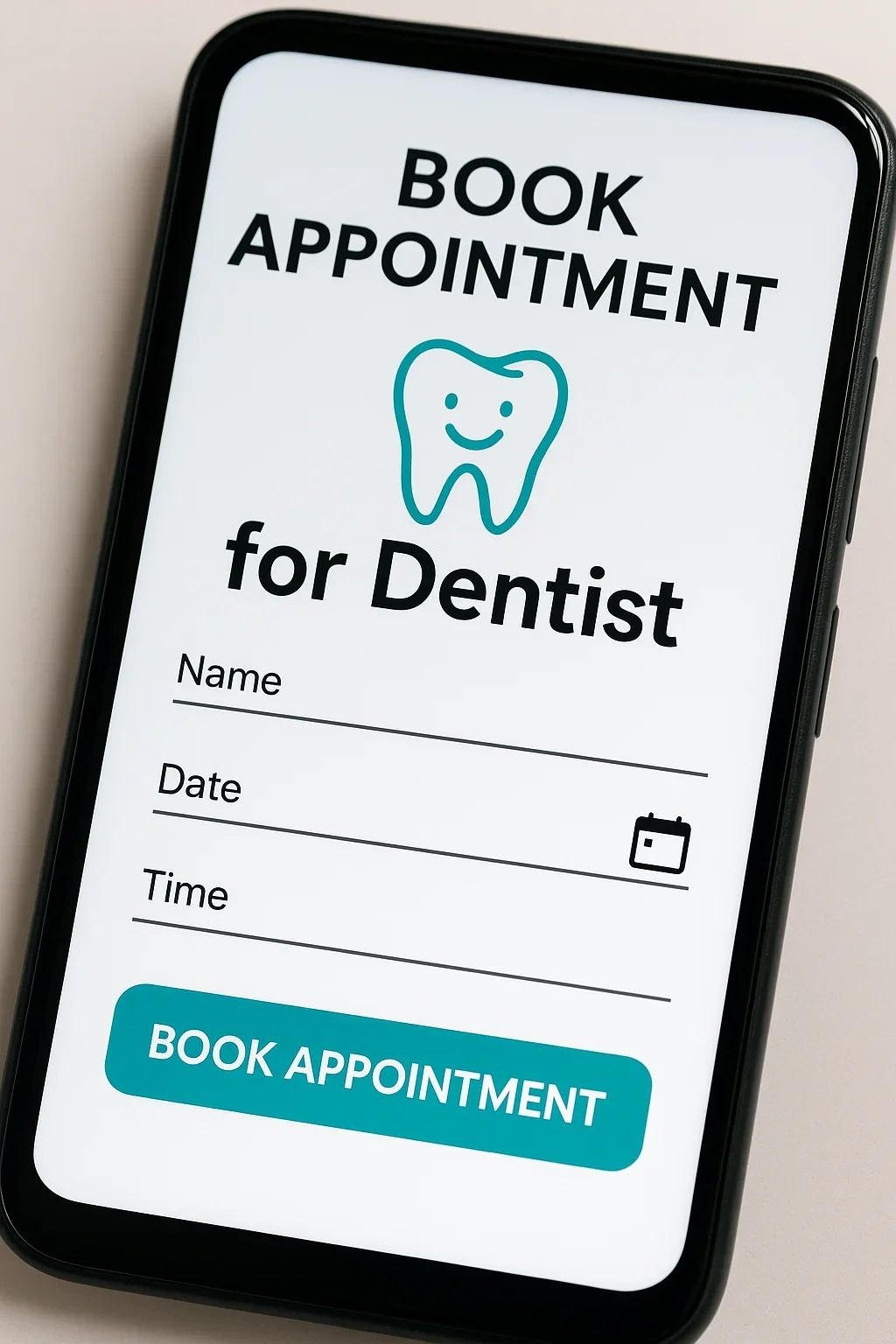
What to Expect During and After You Book Appointment for Dentist 🦷
Knowing what happens during and after you book appointment for dentist can ease anxiety, clarify expectations, and ensure you’re well-prepared for every step of your dental journey. A dental visit isn’t just about cleaning your teeth — it’s a comprehensive health check that can reveal much about your overall well-being. Understanding the process, from check-in to aftercare, helps you make the most of your appointment and maintain excellent oral hygiene between visits. Let’s explore what to expect before, during, and after your dental checkup in complete detail 👇.
1. The Initial Check-In Process
When you arrive for your dental visit, the first step is registration and review of your medical history. If it’s your first time visiting the clinic, you’ll complete a detailed questionnaire that includes your personal details, allergies, and current medications. When you book appointment for dentist online, many clinics now offer digital pre-check-in options so you can fill out this information from home. This saves time and ensures the dentist is aware of any medical conditions that might affect your treatment — such as diabetes, heart disease, or pregnancy.
Insurance and Billing Review
Before your appointment officially begins, the receptionist will verify your dental insurance or discuss payment options. Transparent communication about costs prevents misunderstandings later. For instance, if X-rays or fluoride treatments are not fully covered, you’ll be informed in advance. It’s a good habit to confirm your coverage when you book appointment for dentist to avoid unexpected bills afterward.
2. Dental Examination and Professional Cleaning
Once you’re seated in the dental chair, the hygienist or dentist begins with a comprehensive oral examination. This involves checking your teeth, gums, and mouth tissues for signs of decay, infection, or abnormalities. The professional may take digital X-rays to assess your bone structure and identify hidden cavities or impacted teeth. Regular X-rays are typically recommended every 12–24 months, depending on your dental history. When you book appointment for dentist regularly, these images help track long-term progress and catch issues before they become severe.
The Cleaning Process Explained
Professional cleaning (also known as prophylaxis) removes plaque, tartar, and stains from your teeth — even in areas your toothbrush can’t reach. The hygienist uses ultrasonic tools and hand scalers to gently eliminate buildup. Afterward, your teeth are polished with a mildly abrasive paste to restore smoothness and shine. Fluoride treatment may follow to strengthen enamel and prevent decay. This entire cleaning process typically takes 30–45 minutes and leaves your mouth feeling fresh and renewed 😁.
3. Discussion and Personalized Treatment Planning
After cleaning, your dentist will sit down with you to discuss findings. They might point out small cavities, gum inflammation, or enamel wear. This is where personalized care begins. The dentist explains the next steps, such as scheduling fillings, deep cleaning, or orthodontic evaluations. When you book appointment for dentist regularly, these discussions help maintain long-term oral health and prevent major interventions. Transparency during this stage ensures you fully understand your oral health condition and available treatment options.
Diagnostic Tools for Precision
Modern clinics often use intraoral cameras and digital imaging to show you real-time visuals of your teeth and gums. Seeing these images helps patients make informed choices and understand why specific treatments are necessary. This visual education builds trust and motivates better home care practices between visits.
4. Post-Treatment Care and Recommendations
Once your examination or cleaning is done, your dentist will give you customized aftercare instructions. These might include brushing and flossing techniques, diet tips, or suggestions for specialized toothpaste. For example, if you have sensitive gums, fluoride rinses or desensitizing gels may be recommended. If you’ve undergone a more complex procedure, such as a filling or extraction, your dentist will guide you through pain management and recovery expectations. Following these guidelines ensures a smooth healing process and maintains the benefits of your visit long-term.
Scheduling Follow-Up Visits
Your dentist may recommend follow-up visits every six months, or more frequently if you have gum disease or orthodontic appliances. Many clinics offer automatic reminders through SMS or email — so when you book appointment for dentist, make sure your contact information is up-to-date. These reminders help maintain consistency and keep your oral health on track.
5. Common Experiences During the Appointment
It’s normal to experience mild pressure or vibration during cleaning but not pain. If you feel discomfort, inform your hygienist immediately. Clinics prioritize patient comfort and can adjust techniques accordingly. When you book appointment for dentist with modern clinics, you’ll often benefit from ergonomic chairs, noise-canceling devices, and even soothing background music. Dental visits today are far more comfortable and anxiety-free than ever before.
For Nervous or Anxious Patients
If you experience dental anxiety, consider sedation dentistry or ask about anxiety-reduction options. Many clinics provide nitrous oxide (laughing gas), oral sedatives, or other relaxation methods to make your experience more pleasant. Communication is key — always let your dental team know how you feel before the appointment begins.
6. Post-Appointment Sensitivity and Care
It’s common to experience mild sensitivity after professional cleaning or whitening. This sensation usually lasts no more than 24 hours. To reduce discomfort, avoid extremely hot or cold foods immediately after your appointment. Dentists often recommend using a soft-bristled toothbrush and fluoride toothpaste to soothe your enamel. When you book appointment for dentist regularly, your teeth adapt better over time, and post-treatment sensitivity becomes minimal.
Hydration and Nutrition Tips
Stay hydrated and maintain a balanced diet rich in calcium and vitamins A, C, and D. These nutrients strengthen your enamel and gum tissue. Avoid acidic drinks like soda or citrus juices for at least 24 hours after cleaning, as they can weaken freshly polished enamel.
7. Tracking Your Oral Health Progress
Consistent visits allow your dentist to monitor progress over time. Many clinics keep digital charts that record X-rays, gum measurements, and treatment outcomes. When you book appointment for dentist consistently, your dental professional can identify trends, such as plaque buildup patterns or recurring inflammation, and adjust your care plan accordingly. This ongoing evaluation ensures prevention stays ahead of potential problems.
Using Technology to Stay Informed
Some clinics provide patient portals where you can view your dental history, upcoming appointments, and post-visit recommendations. Accessing these resources keeps you actively engaged in your oral care and promotes a sense of accountability for maintaining your smile.
8. How to Make the Most of Future Appointments
Every dental appointment is an opportunity to improve your oral health routine. Ask your dentist for personalized advice — for example, whether you’re brushing too hard, using the right toothpaste, or missing areas when flossing. Document these recommendations after every visit. When you book appointment for dentist again, review these notes to track improvements or recurring issues. Proactive communication between you and your dentist creates long-term success.
Maintaining Motivation After the Appointment
Celebrate small victories like reduced plaque scores or whiter teeth. Recognizing progress keeps you motivated and consistent with daily hygiene. Remember, healthy smiles are built over time — and every appointment brings you one step closer to perfection 😁.
In summary, understanding what to expect during and after you book appointment for dentist empowers you to approach every visit with confidence and clarity. From the first check-in to post-treatment care, each step contributes to your overall well-being. Modern dentistry is no longer about fear or discomfort — it’s about prevention, education, and comfort. By maintaining consistent visits and following aftercare advice, you ensure your smile stays bright, healthy, and strong for life ✨.