
Bottom braces are a specialized orthodontic solution designed to correct alignment issues in the lower teeth, helping patients achieve a balanced, healthy, and aesthetically pleasing smile 😊. While many people are familiar with traditional braces that cover both upper and lower teeth, bottom braces focus specifically on the lower dental arch. This targeted approach can be ideal for individuals who only have crowding, spacing, or bite problems in their lower teeth.
Understanding bottom braces begins with recognizing their purpose. The lower teeth play a crucial role in your overall bite, speech, and chewing function. When these teeth are misaligned, it can lead to problems such as uneven wear, jaw discomfort, and even long-term dental health issues. Bottom braces are carefully designed to apply controlled pressure over time, gradually shifting teeth into their correct positions.
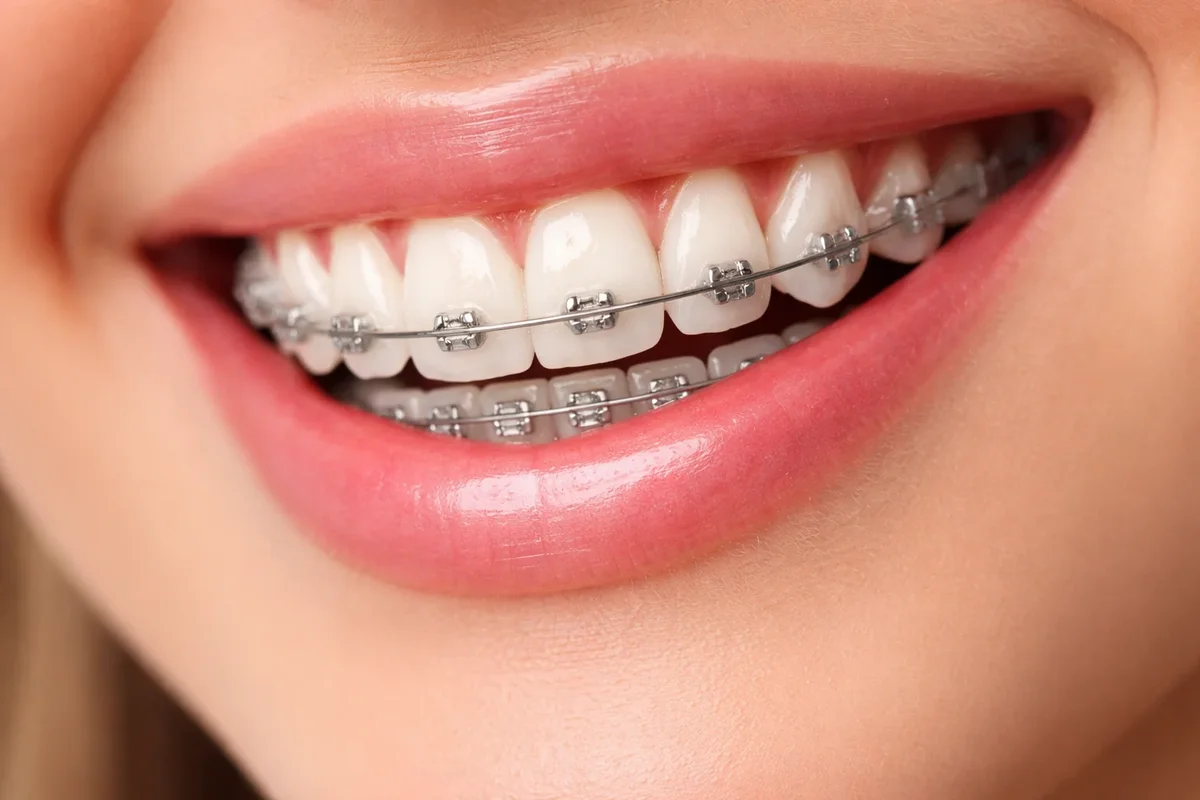
The mechanism behind bottom braces is both simple and highly effective. Brackets are attached to each tooth and connected by a thin wire, known as an archwire. This wire is periodically adjusted by an orthodontist to guide the teeth into alignment. Over time, bottom braces help correct issues such as crowding, gaps, and minor bite irregularities. This process is supported by the biological response of the bone surrounding your teeth, allowing them to move safely and securely.
One of the key advantages of bottom braces is their targeted nature. Not everyone needs full-mouth orthodontic treatment. In many cases, patients have well-aligned upper teeth but experience crowding or shifting in the lower arch. Bottom braces offer a more focused and sometimes more cost-effective solution compared to full braces. However, a professional evaluation is always necessary to determine if bottom braces alone are sufficient for your needs.
Another important aspect of bottom braces is their versatility. Today, patients can choose from several types of braces depending on their preferences and lifestyle. Options include traditional metal braces, ceramic braces that blend with the tooth color, and even clear aligners in some cases. Each option provides a different balance of aesthetics, comfort, and treatment speed. Regardless of the type chosen, bottom braces remain a reliable method for improving dental alignment.
In addition to cosmetic improvements, bottom braces contribute significantly to oral health. Misaligned teeth can create hard-to-clean areas where plaque and bacteria accumulate, increasing the risk of cavities and gum disease. By straightening the lower teeth, bottom braces make it easier to maintain proper oral hygiene. This not only enhances your smile but also supports long-term dental health.
Many patients also wonder about the experience of wearing bottom braces. Initially, there may be some mild discomfort as the teeth begin to shift. This is completely normal and usually subsides within a few days. Modern orthodontic techniques have greatly improved comfort levels, making bottom braces more manageable than ever before. Regular adjustments ensure that progress continues smoothly and efficiently.
It is also worth noting that bottom braces can influence facial harmony and jaw alignment. Properly aligned lower teeth contribute to a balanced bite, which can reduce strain on the jaw joints. This is particularly important for individuals who experience issues like jaw pain or uneven chewing. By addressing these concerns, bottom braces offer both functional and aesthetic benefits.
For those considering treatment, consulting a qualified dental professional is essential. You can easily reach out through the Redent Klinik Contact Page to receive personalized guidance. Additionally, trusted organizations like the American Dental Association provide valuable information about orthodontic care and best practices.
In summary, bottom braces are an effective, targeted solution for correcting lower teeth alignment. They work by applying consistent pressure to gradually reposition teeth, improving both appearance and function. Whether you are dealing with crowding, spacing, or bite issues, bottom braces can play a vital role in achieving a healthier and more confident smile. With advancements in orthodontic technology and a variety of treatment options available, there has never been a better time to consider bottom braces as part of your dental care journey ✨.
What Are Bottom Braces and How Do They Work?
Bottom braces are a type of orthodontic treatment specifically designed to correct alignment issues in the lower teeth. Unlike full braces, which cover both upper and lower arches, bottom braces focus solely on the lower dental arch. This makes them a targeted and efficient solution for individuals who only experience crowding, spacing, or bite issues in their lower teeth 😊. By using bottom braces, orthodontists can precisely adjust tooth positioning and improve both function and aesthetics without unnecessary treatment on unaffected teeth.
The primary goal of bottom braces is to create proper alignment and balance within the lower jaw. Misaligned lower teeth can lead to various issues, including difficulty chewing, jaw discomfort, and increased risk of dental problems such as cavities and gum disease. Bottom braces work gradually over time to reposition teeth into their ideal locations, enhancing both oral health and overall smile appearance.
How Bottom Braces Function Step by Step
Understanding how bottom braces work begins with their structure. Bottom braces consist of several components that work together to move teeth safely and effectively. These include brackets, archwires, and sometimes elastic bands. Each element plays a specific role in guiding tooth movement.
Brackets and Their Role
Brackets are small attachments bonded directly to the front surface of each lower tooth. These brackets act as anchors for the archwire and help transmit the force needed to move the teeth. In bottom braces, the placement of brackets is carefully planned to ensure precise alignment. Orthodontists customize the positioning based on each patient’s dental structure, making bottom braces highly individualized.
Archwire Mechanics
The archwire is a thin metal wire that connects all the brackets in bottom braces. It is the main component responsible for applying pressure to the teeth. Over time, the archwire is adjusted during orthodontic visits, gradually guiding the teeth into their correct positions. This continuous, gentle force is what makes bottom braces so effective in reshaping the lower dental arch.
Elastic Bands and Additional Support
In some cases, bottom braces may include elastic bands to enhance the movement of teeth and correct bite alignment. These elastics connect different parts of the braces and provide additional directional force. While not always necessary, they can significantly improve treatment outcomes when used correctly.
The Biological Process Behind Bottom Braces
The effectiveness of bottom braces relies on a natural biological process within the jawbone. When pressure is applied to the teeth, the surrounding bone tissue begins to remodel. On one side of the tooth, bone is broken down, while on the other side, new bone forms. This allows the tooth to shift gradually into its new position. Bottom braces harness this process in a controlled and safe manner, ensuring long-term stability.
This transformation does not happen overnight. Instead, bottom braces work steadily over several months or even years, depending on the complexity of the case. Regular check-ups are essential to monitor progress and make necessary adjustments. This ensures that bottom braces continue to function effectively throughout the treatment period.
Common Issues Corrected by Bottom Braces
Bottom braces are highly versatile and can address a wide range of dental problems. Some of the most common issues include:
- Crowded lower teeth: Bottom braces create space and align overlapping teeth.
- Gaps between teeth: They close unwanted spaces for a more uniform smile.
- Minor bite problems: Bottom braces can help correct alignment between upper and lower teeth.
- Shifting teeth after previous treatment: They are often used to fix relapse cases.
By addressing these issues, bottom braces improve not only the appearance of your smile but also your oral function and hygiene. Straight teeth are easier to clean, reducing the risk of plaque buildup and gum disease.
Advantages of Choosing Bottom Braces
There are several benefits to choosing bottom braces over full orthodontic treatment. First, they are more focused, which can sometimes result in shorter treatment times. Second, bottom braces may be more cost-effective since they involve fewer materials and adjustments. Additionally, they are less noticeable than full braces, especially when combined with discreet options like ceramic brackets.
Another advantage is the improvement in comfort and functionality. Properly aligned lower teeth contribute to better chewing efficiency and reduced strain on the jaw. Bottom braces also enhance overall dental harmony, ensuring that the upper and lower teeth work together correctly.
If you are considering treatment, consulting a professional is essential. You can get expert advice and personalized treatment plans through the Redent Klinik Contact Page. Additionally, trusted resources like the American Dental Association provide valuable insights into orthodontic care and treatment options.
In conclusion, bottom braces are a powerful and targeted orthodontic solution designed to correct lower teeth alignment. Through a combination of brackets, wires, and biological processes, bottom braces gradually transform your smile into a healthier and more balanced version ✨. Whether you are dealing with crowding, gaps, or minor bite issues, bottom braces offer a reliable and effective path toward improved dental health and confidence.
Who Needs Bottom Braces? Signs You Should Not Ignore
Bottom braces are not just a cosmetic treatment—they are often a necessary orthodontic solution for improving oral health, bite function, and long-term dental stability. Many people assume braces are only needed when the entire smile looks misaligned, but in reality, bottom braces are specifically recommended for individuals who have issues isolated to their lower teeth. Recognizing the signs early can help you take timely action and avoid more complex dental problems in the future 😊.
Understanding whether you need bottom braces starts with identifying common symptoms and dental irregularities. These issues can range from mild crowding to more noticeable bite problems. Even small misalignments in the lower teeth can lead to significant consequences if left untreated. Bottom braces are designed to correct these issues effectively, ensuring your teeth function properly and look aesthetically balanced.
Common Signs That Indicate You May Need Bottom Braces
There are several warning signs that suggest bottom braces might be the right solution for you. These signs are often visible, but some may only be identified during a professional dental examination.
Crowded or Overlapping Lower Teeth
One of the most common reasons for needing bottom braces is crowding in the lower dental arch. When there is not enough space for all the teeth, they begin to overlap or twist. This makes cleaning difficult and increases the risk of plaque buildup, cavities, and gum disease. Bottom braces help create space and align these teeth properly, restoring both function and hygiene.
Noticeable Gaps Between Lower Teeth
While crowding is common, some individuals experience spacing issues instead. Gaps between lower teeth can affect speech, chewing efficiency, and overall smile aesthetics. Bottom braces work to close these gaps gradually, ensuring a more uniform and balanced appearance.
Shifting Teeth After Previous Orthodontic Treatment
Even if you have had braces in the past, teeth can shift over time, especially if retainers were not used consistently. This is known as orthodontic relapse. Bottom braces are often recommended in such cases to correct the lower teeth without requiring full braces again. This targeted approach is both efficient and practical.
Bite Problems That Require Bottom Braces
In addition to visible alignment issues, bottom braces are frequently used to correct bite-related problems. The way your upper and lower teeth come together plays a crucial role in chewing, speaking, and jaw health.
Overbite and Underbite Concerns
Although overbites and underbites often involve both upper and lower teeth, mild cases can sometimes be corrected with bottom braces alone. Proper alignment of the lower teeth can improve how the jaws fit together, reducing strain and discomfort.
Crossbite in the Lower Arch
A crossbite occurs when some lower teeth sit outside the upper teeth when the mouth is closed. This can lead to uneven tooth wear and jaw misalignment. Bottom braces can help reposition these teeth, restoring proper bite alignment and preventing long-term damage.
Health and Functional Issues Linked to Misaligned Lower Teeth
Misaligned lower teeth are not just an aesthetic concern—they can also lead to various health problems. Bottom braces play a crucial role in preventing and addressing these issues.
- Difficulty chewing: Misaligned teeth can make it harder to break down food properly.
- Jaw pain or discomfort: Poor alignment can strain the jaw joints.
- Speech difficulties: Certain sounds may be affected by improper tooth positioning.
- Increased risk of gum disease: Crowded teeth trap plaque and bacteria.
By correcting these issues, bottom braces contribute to better oral function and overall well-being. Straight lower teeth are easier to clean, which reduces the likelihood of dental complications over time.
Who Is an Ideal Candidate for Bottom Braces?
Bottom braces are suitable for a wide range of patients, including teenagers and adults. You may be an ideal candidate if your upper teeth are well-aligned but your lower teeth show signs of crowding, spacing, or minor bite issues. Additionally, individuals who want a less invasive orthodontic treatment often prefer bottom braces over full braces.
Adults, in particular, are increasingly choosing bottom braces because they offer a discreet and focused solution. With modern advancements in orthodontics, bottom braces are now more comfortable and aesthetically pleasing than ever before.
When to Consult an Orthodontist
If you notice any of the signs mentioned above, it is important to seek professional advice. Early intervention can make treatment faster and more effective. A qualified orthodontist will assess your dental structure and determine whether bottom braces are the best option for your needs.
You can easily schedule a consultation through the Redent Klinik Contact Page to receive expert guidance tailored to your situation. Additionally, reliable information about orthodontic care can be found on the American Dental Association website.
In conclusion, bottom braces are an excellent solution for individuals experiencing alignment or bite issues in their lower teeth. By identifying the signs early and seeking appropriate treatment, you can improve both the function and appearance of your smile. Bottom braces not only enhance aesthetics but also play a vital role in maintaining long-term oral health and comfort ✨.
Types of Bottom Braces: Metal, Ceramic, and Invisible Options
Bottom braces are not a one-size-fits-all treatment. Thanks to modern orthodontic advancements, patients now have multiple options when it comes to choosing the right type of bottom braces. Each type offers unique advantages in terms of aesthetics, comfort, durability, and cost. Understanding these differences is essential for making an informed decision that aligns with your dental needs and lifestyle 😊.
When selecting bottom braces, orthodontists consider factors such as the severity of misalignment, patient age, daily habits, and personal preferences. While all bottom braces aim to achieve the same goal—straightening lower teeth—they do so using different materials and technologies. Let’s explore the most common types of bottom braces in detail.
Traditional Metal Bottom Braces
Traditional metal bottom braces are the most widely used and time-tested orthodontic solution. These bottom braces consist of high-grade stainless steel brackets and wires that work together to gradually move teeth into their correct positions.
Advantages of Metal Bottom Braces
- Highly effective: Metal bottom braces are suitable for even complex alignment issues.
- Durable: They are strong and resistant to damage.
- Cost-effective: Among all bottom braces options, metal braces are usually the most affordable.
Considerations
While metal bottom braces are highly effective, they are more visible compared to other options. However, since they are placed only on the lower teeth, their visibility is significantly reduced. Many patients find this a good balance between effectiveness and aesthetics.
Ceramic Bottom Braces
Ceramic bottom braces function similarly to metal braces but use tooth-colored or clear brackets. These bottom braces are designed to blend in with the natural color of your teeth, making them less noticeable.
Advantages of Ceramic Bottom Braces
- Discreet appearance: Ceramic bottom braces are less visible than metal ones.
- Effective treatment: They provide similar results to traditional braces.
- Confidence boost: Ideal for patients concerned about aesthetics.
Considerations
Ceramic bottom braces are slightly more fragile than metal braces and may require extra care. They can also be more expensive. However, for many patients, the improved appearance makes them a worthwhile choice.
Lingual Bottom Braces (Hidden Option)
Lingual bottom braces are attached to the back (inner side) of the lower teeth, making them completely invisible from the outside. These bottom braces are a great option for patients who want a fully hidden orthodontic treatment.
Advantages of Lingual Bottom Braces
- Invisible: Completely hidden behind the teeth.
- Customized: Tailored to fit each patient’s dental structure.
- Effective: Capable of treating various alignment issues.
Considerations
Lingual bottom braces may take some time to get used to, as they can initially affect speech and tongue comfort. They are also typically more expensive and require specialized expertise from the orthodontist.
Clear Aligners for Bottom Teeth
Clear aligners are a modern alternative to traditional bottom braces. These removable trays are custom-made to gradually shift teeth into place. While not technically braces, they serve a similar function and are often considered a form of bottom braces treatment.
Advantages of Clear Aligners
- Nearly invisible: Clear aligners are very discreet.
- Removable: You can take them out for eating and cleaning.
- Comfortable: No wires or brackets to cause irritation.
Considerations
Clear aligners require discipline, as they must be worn for 20–22 hours per day to be effective. They are best suited for mild to moderate alignment issues. In more complex cases, traditional bottom braces may still be the better option.
Self-Ligating Bottom Braces
Self-ligating bottom braces are similar to traditional braces but use a specialized clip instead of elastic bands to hold the wire in place. This allows for smoother tooth movement and fewer adjustments.
Advantages of Self-Ligating Bottom Braces
- Less friction: Teeth move more freely.
- Fewer appointments: Reduced need for frequent adjustments.
- Improved comfort: Less pressure on teeth.
Considerations
While self-ligating bottom braces offer several benefits, they may not be suitable for all cases. Your orthodontist will determine if this option is appropriate for your specific needs.
How to Choose the Right Bottom Braces
Choosing the right type of bottom braces depends on several factors, including your dental condition, budget, and lifestyle preferences. For example, if you prioritize affordability and durability, metal bottom braces may be the best choice. If aesthetics are more important, ceramic or lingual bottom braces could be more suitable.
Consulting a professional is crucial to making the right decision. You can get personalized recommendations through the Redent Klinik Contact Page. Additionally, the American Dental Association provides trusted information on orthodontic treatments and options.
In conclusion, bottom braces come in a variety of types, each designed to meet different needs and preferences. Whether you choose metal, ceramic, lingual, or clear aligners, the key is to select a solution that aligns with your goals and ensures effective treatment. With the right type of bottom braces, you can achieve a healthier, more confident smile while enjoying improved comfort and functionality ✨.
Bottom Braces vs Full Braces: Key Differences Explained
When considering orthodontic treatment, one of the most common questions patients ask is whether they need bottom braces or full braces. While both options aim to improve dental alignment and overall oral health, they differ significantly in scope, cost, treatment time, and suitability. Understanding these differences is essential for making the right decision based on your specific dental needs 😊.
Bottom braces focus exclusively on correcting alignment issues in the lower teeth, while full braces treat both the upper and lower dental arches. This distinction may seem simple, but it has a major impact on how treatment is planned and executed. Choosing between bottom braces and full braces requires a careful evaluation by an orthodontist, as the wrong choice could lead to incomplete results or bite imbalance.
Scope of Treatment: Targeted vs Comprehensive
The primary difference between bottom braces and full braces lies in the scope of treatment. Bottom braces are a targeted solution, designed specifically for patients who have alignment problems only in their lower teeth. This makes bottom braces ideal for individuals with mild to moderate crowding, spacing, or minor bite issues in the lower arch.
On the other hand, full braces provide a comprehensive approach by addressing both upper and lower teeth simultaneously. This is necessary for patients with more complex orthodontic problems, such as severe bite misalignment, jaw discrepancies, or significant crowding affecting both arches.
When Bottom Braces Are Enough
- Lower teeth crowding without upper teeth issues
- Minor spacing problems in the lower arch
- Post-treatment relapse affecting only lower teeth
When Full Braces Are Necessary
- Severe overbite or underbite
- Misalignment in both upper and lower teeth
- Jaw alignment issues requiring comprehensive correction
Cost Differences Between Bottom Braces and Full Braces
Cost is a major factor for many patients when choosing between bottom braces and full braces. Since bottom braces involve fewer materials and less extensive treatment, they are generally more affordable than full braces.
Estimated Price Range (2026)
- Bottom braces: $1,500 – $4,000
- Full braces: $3,000 – $8,000
These prices can vary depending on the type of braces chosen (metal, ceramic, or clear aligners) and the complexity of the case. While bottom braces may seem like the more economical option, it is important to ensure they are sufficient for your needs. Choosing bottom braces when full braces are required could lead to additional costs later.
Treatment Duration and Efficiency
Another key difference between bottom braces and full braces is the duration of treatment. Because bottom braces focus on a smaller area, treatment time is often shorter. In many cases, bottom braces can achieve results within 6 to 18 months, depending on the severity of the alignment issues.
Full braces, however, typically require a longer treatment period, often ranging from 12 to 24 months or more. This is because they address more complex problems involving both dental arches and sometimes the jaw.
Why Bottom Braces Can Be Faster
- Limited to lower teeth movement
- Less complex adjustments
- Fewer orthodontic complications
However, speed should not be the only factor in your decision. The effectiveness of the treatment is far more important than how quickly it is completed.
Aesthetic Considerations
For many patients, appearance during treatment is an important concern. Bottom braces are generally less noticeable than full braces because they are only applied to the lower teeth, which are less visible when smiling or speaking.
Full braces, especially traditional metal ones, are more visible since they cover both upper and lower teeth. However, modern options such as ceramic braces or clear aligners can reduce this visibility.
Which Option Looks Better?
If discretion is a priority, bottom braces may be the preferred choice. They offer effective treatment while maintaining a more natural appearance. However, aesthetic concerns should always be balanced with functional needs.
Bite Alignment and Functional Impact
One of the most critical considerations when choosing between bottom braces and full braces is bite alignment. Your bite determines how your upper and lower teeth come together, which affects chewing, speaking, and jaw health.
Bottom braces can improve alignment in the lower teeth, but they may not fully correct bite issues if the upper teeth are also involved. Full braces, on the other hand, ensure that both arches work together harmoniously, providing a more balanced and stable result.
Risk of Imbalance
If bottom braces are used in cases where full braces are needed, it can lead to an uneven bite. This may cause discomfort, uneven tooth wear, and long-term dental problems. Therefore, proper diagnosis is essential before choosing bottom braces.
Comfort and Maintenance
Both bottom braces and full braces require regular maintenance, including proper oral hygiene and periodic orthodontic visits. However, bottom braces may be slightly easier to manage because they involve fewer brackets and wires.
Patients often find that cleaning around bottom braces is simpler compared to full braces. Additionally, there may be less overall discomfort since only one arch is being adjusted.
Making the Right Choice
Ultimately, the decision between bottom braces and full braces should be based on a professional evaluation. An orthodontist will assess your dental structure, bite alignment, and treatment goals to determine the best option.
You can get expert advice and personalized recommendations through the Redent Klinik Contact Page. For additional trusted information, you can also visit the American Dental Association.
In conclusion, bottom braces and full braces each have their own advantages and limitations. Bottom braces offer a targeted, cost-effective, and less noticeable solution for lower teeth alignment, while full braces provide comprehensive correction for more complex cases. By understanding these differences, you can make an informed decision and choose the treatment that best supports your oral health and smile goals ✨.
How Long Do Bottom Braces Take to Straighten Teeth?
One of the most frequently asked questions about orthodontic treatment is how long bottom braces take to deliver visible and lasting results. The answer depends on several factors, including the severity of misalignment, the type of bottom braces used, patient age, and how well treatment instructions are followed. While bottom braces are generally faster than full braces, understanding the full timeline helps set realistic expectations and ensures better outcomes 😊.
On average, bottom braces take between 6 and 18 months to straighten lower teeth. However, this timeline can vary depending on individual circumstances. Some patients with mild crowding may see results in just a few months, while others with more complex alignment issues may require longer treatment. The key advantage of bottom braces is their targeted nature, which often leads to a more efficient process compared to full orthodontic treatment.
Factors That Influence Treatment Duration
The duration of bottom braces treatment is influenced by multiple variables. Understanding these factors can help you anticipate your treatment journey and stay committed to achieving the best results.
Severity of Misalignment
The more severe the crowding or spacing in the lower teeth, the longer bottom braces will take to correct the issue. Mild cases may require only minor adjustments, while moderate to severe cases involve more complex tooth movements.
Type of Bottom Braces Used
Different types of bottom braces can affect how quickly teeth move. Traditional metal bottom braces are often the fastest due to their strength and precision. Ceramic bottom braces may take slightly longer, while clear aligners depend heavily on patient compliance to achieve timely results.
Age of the Patient
Younger patients tend to respond more quickly to orthodontic treatment because their bones are still developing. Adults can still achieve excellent results with bottom braces, but the process may take slightly longer due to denser bone structure.
Consistency and Compliance
Following your orthodontist’s instructions is crucial for staying on schedule. This includes attending regular appointments, wearing elastics if prescribed, and maintaining proper oral hygiene. Neglecting these responsibilities can delay the progress of bottom braces.
Typical Timeline of Bottom Braces Treatment
Understanding the different stages of treatment can help you track your progress and stay motivated throughout your journey with bottom braces.
Initial Phase (First 1–3 Months)
During the first few months, bottom braces begin aligning the most visible irregularities. Patients often notice early improvements as crowded teeth start to shift. Mild discomfort is common during this phase as the teeth adjust to the pressure.
Active Alignment Phase (3–12 Months)
This is the most significant stage of bottom braces treatment. The orthodontist makes periodic adjustments to guide the teeth into their correct positions. Gradual improvements become more noticeable, and the overall alignment of the lower teeth continues to improve.
Final Adjustment Phase (12–18 Months)
In the final stage, bottom braces focus on fine-tuning the alignment and ensuring proper bite function. Small adjustments are made to achieve optimal results. This phase is crucial for long-term stability and preventing relapse.
Can Bottom Braces Work Faster?
While bottom braces already offer a relatively efficient treatment option, there are ways to optimize the process and potentially shorten the duration.
Tips to Speed Up Treatment
- Attend all scheduled appointments: Regular adjustments keep treatment on track.
- Follow dietary guidelines: Avoid foods that can damage braces.
- Maintain excellent oral hygiene: Healthy gums support faster tooth movement.
- Wear elastics as instructed: They play a critical role in alignment.
By following these guidelines, patients can ensure that bottom braces work as efficiently as possible and avoid unnecessary delays.
What Happens After Bottom Braces Are Removed?
Once bottom braces have successfully straightened the lower teeth, the next step is retention. This phase is just as important as the active treatment itself.
Use of Retainers
After removing bottom braces, patients are typically required to wear retainers to maintain their new alignment. Without retainers, teeth may gradually shift back to their original positions.
Long-Term Stability
The results achieved with bottom braces can last a lifetime if proper aftercare is followed. Regular dental check-ups and consistent retainer use are essential for preserving your smile.
When to Seek Professional Advice
If you are considering bottom braces or want to understand your specific treatment timeline, consulting a qualified orthodontist is essential. Every case is unique, and only a professional evaluation can provide an accurate estimate.
You can easily get personalized guidance through the Redent Klinik Contact Page. For additional trusted information about orthodontic care, visit the American Dental Association.
In conclusion, bottom braces typically take between 6 and 18 months to straighten lower teeth, depending on various factors such as severity, age, and compliance. By understanding the treatment process and following professional advice, you can achieve optimal results in the shortest possible time. Bottom braces offer a focused, effective, and relatively quick solution for improving lower teeth alignment, helping you achieve a healthier and more confident smile ✨.
Cost of Bottom Braces: What to Expect in 2026
The cost of bottom braces is one of the most important factors patients consider before starting orthodontic treatment. While bottom braces are generally more affordable than full braces, the total price can vary depending on several factors such as the type of braces, treatment complexity, location, and orthodontist expertise. Understanding these variables helps you plan your budget effectively and avoid unexpected expenses 😊.
In 2026, the demand for bottom braces continues to rise due to their targeted approach and cost efficiency. Since bottom braces focus only on the lower teeth, they typically require fewer materials and less chair time, which directly impacts the overall cost. However, it is essential to remember that choosing bottom braces solely based on price is not advisable—proper diagnosis and treatment planning should always come first.
Average Cost of Bottom Braces in 2026
The cost of bottom braces varies globally, but here is a general estimate based on current market trends:
Estimated Price Range
- Metal bottom braces: $1,500 – $3,500
- Ceramic bottom braces: $2,000 – $4,500
- Lingual bottom braces: $3,500 – $7,000
- Clear aligners (lower teeth only): $2,000 – $5,500
These figures represent average costs and may vary depending on your specific case. For example, mild alignment issues may fall at the lower end of the price range, while more complex cases requiring longer treatment may cost more.
Factors That Affect the Cost of Bottom Braces
Several key factors influence the final price of bottom braces. Understanding these elements can help you make an informed decision and choose the best treatment option for your needs.
Complexity of the Case
The severity of misalignment in your lower teeth plays a major role in determining the cost of bottom braces. Simple cases requiring minor adjustments are generally less expensive, while severe crowding or bite issues may require more time and resources.
Type of Bottom Braces Chosen
The material and design of bottom braces significantly impact pricing. Traditional metal bottom braces are the most affordable, while ceramic and lingual options are more expensive due to their aesthetic and technical advantages.
Orthodontist Experience and Location
The expertise of the orthodontist and the clinic’s location also influence the cost of bottom braces. Clinics in major cities or with highly experienced specialists may charge higher fees, but they often provide advanced technology and superior care.
Duration of Treatment
Longer treatment periods typically increase the cost of bottom braces. This is because more adjustments, appointments, and monitoring are required throughout the process.
Are Bottom Braces Covered by Insurance?
In many cases, dental insurance may partially cover the cost of bottom braces, especially if the treatment is deemed medically necessary. However, coverage varies depending on the insurance provider and plan details.
What Insurance Usually Covers
- Initial consultation and diagnostic tests
- Part of the orthodontic treatment cost
- Follow-up appointments
It is important to check with your insurance provider to understand the extent of coverage for bottom braces. Some plans may only cover a percentage of the cost, while others may have a fixed allowance.
Payment Plans and Financing Options
Many dental clinics offer flexible payment plans to make bottom braces more accessible. These options allow patients to spread the cost over several months or even years.
Common Financing Options
- Monthly installment plans: Pay a fixed amount each month.
- Interest-free financing: Some clinics offer zero-interest plans.
- Credit-based payments: Use healthcare financing services.
These options make bottom braces more affordable and reduce the financial burden on patients. Discussing payment plans with your orthodontist can help you find a solution that fits your budget.
Is Investing in Bottom Braces Worth It?
While the cost of bottom braces may seem significant, it is important to view it as a long-term investment in your oral health and confidence. Misaligned lower teeth can lead to serious issues such as gum disease, tooth wear, and jaw pain. By correcting these problems, bottom braces can save you from more expensive treatments in the future.
Additionally, the aesthetic benefits of bottom braces can boost self-confidence and improve overall quality of life. A well-aligned smile is not only attractive but also functional, making everyday activities like eating and speaking more comfortable.
How to Get an Accurate Cost Estimate
The best way to determine the exact cost of bottom braces is to schedule a professional consultation. An orthodontist will evaluate your dental condition, recommend the most suitable treatment, and provide a detailed cost breakdown.
You can easily get personalized pricing and treatment advice through the Redent Klinik Contact Page. For additional reliable information about orthodontic treatments and costs, you can visit the American Dental Association.
In conclusion, the cost of bottom braces in 2026 varies depending on several factors, including the type of braces, treatment complexity, and location. While bottom braces are generally more affordable than full braces, it is essential to prioritize quality care and long-term results. With flexible payment options and professional guidance, bottom braces can be a valuable investment in achieving a healthier, more confident smile ✨.
Pain, Comfort, and Adjustment Tips for Bottom Braces
One of the most common concerns patients have before starting orthodontic treatment is whether bottom braces will be painful. The truth is that bottom braces can cause some discomfort, especially during the initial stages and after adjustments. However, this discomfort is usually mild, temporary, and manageable with the right care and understanding. Knowing what to expect can make your journey with bottom braces much more comfortable and stress-free 😊.
Bottom braces work by applying continuous pressure to move teeth into their correct positions. This process naturally causes some sensitivity because the teeth and surrounding tissues are adapting to new forces. While this may sound intimidating, most patients quickly adjust to the feeling and find that the benefits of bottom braces far outweigh the temporary discomfort.
What Kind of Pain Do Bottom Braces Cause?
The discomfort associated with bottom braces is not typically described as sharp pain. Instead, it is more of a dull pressure or soreness in the lower teeth and gums. This sensation is a sign that the bottom braces are working effectively.
Initial Discomfort After Placement
During the first few days after getting bottom braces, you may experience soreness as your teeth begin to shift. Your lips and cheeks may also feel irritated as they adjust to the brackets. This phase usually lasts between 3 to 7 days.
Discomfort After Adjustments
Each time your orthodontist tightens or adjusts your bottom braces, you may feel mild pressure again. This is completely normal and typically subsides within a couple of days.
Soft Tissue Irritation
Brackets and wires in bottom braces can sometimes rub against the inside of your cheeks or lips, causing minor irritation. Orthodontic wax can be applied to reduce friction and improve comfort.
How Long Does the Discomfort Last?
The discomfort from bottom braces is temporary and decreases as your mouth adapts. Most patients report that the initial soreness fades within a week, and subsequent adjustments become easier to tolerate over time.
As your treatment progresses, your teeth and gums become accustomed to the pressure from bottom braces. This means that each new adjustment typically causes less discomfort than the previous one.
Tips to Reduce Pain from Bottom Braces
There are several effective ways to manage and reduce the discomfort associated with bottom braces. Following these tips can make your treatment experience much more comfortable.
Use Orthodontic Wax
Applying wax to the brackets of your bottom braces can prevent irritation and protect the soft tissues inside your mouth. This is especially helpful during the first few weeks of treatment.
Eat Soft Foods
After getting bottom braces or having them adjusted, stick to soft foods such as yogurt, mashed potatoes, soup, and smoothies. Avoid hard or sticky foods that can increase discomfort or damage your braces.
Take Over-the-Counter Pain Relief
If necessary, mild pain relievers like ibuprofen can help reduce soreness caused by bottom braces. Always follow your dentist’s recommendations when taking medication.
Rinse with Warm Salt Water
Saltwater rinses can soothe irritated gums and reduce inflammation. This simple remedy is highly effective for managing discomfort from bottom braces.
Adjusting to Life with Bottom Braces
Adapting to bottom braces involves more than just managing pain. It also requires changes in daily habits, including eating, speaking, and oral hygiene.
Eating Habits
With bottom braces, you may need to avoid certain foods that can damage the brackets or wires. Hard foods like nuts and candies should be replaced with softer alternatives.
Speech Adjustments
Some patients notice slight changes in their speech when they first get bottom braces. This is temporary and improves as your mouth adjusts to the new appliances.
Oral Hygiene Routine
Maintaining proper oral hygiene is essential when wearing bottom braces. Brushing and flossing regularly helps prevent plaque buildup and keeps your gums healthy.
When to Contact Your Orthodontist
While discomfort is normal with bottom braces, there are situations where you should seek professional advice. If you experience severe pain, broken brackets, or persistent irritation, it is important to contact your orthodontist immediately.
You can easily reach out for assistance through the Redent Klinik Contact Page. For additional guidance on orthodontic care, the American Dental Association offers reliable information.
Psychological Comfort and Confidence
Beyond physical comfort, it is also important to consider the psychological aspect of wearing bottom braces. Many patients feel self-conscious at first, but this feeling usually fades as they see improvements in their smile.
Bottom braces are less visible than full braces, which can help boost confidence during treatment. As your teeth become more aligned, you will likely feel more positive about your appearance and overall progress.
In conclusion, while bottom braces may cause temporary discomfort, they are a highly effective and manageable orthodontic solution. With proper care, patience, and the right techniques, you can minimize pain and enjoy a smooth treatment experience. Bottom braces not only improve your dental health but also enhance your confidence, making the journey well worth it ✨.
Daily Care Routine: Cleaning and Maintaining Bottom Braces
Maintaining proper oral hygiene while wearing bottom braces is absolutely essential for achieving successful treatment results and preventing dental problems. Bottom braces create small spaces around brackets and wires where food particles and plaque can easily accumulate. Without a consistent care routine, this buildup can lead to cavities, gum inflammation, and even staining of the teeth. Therefore, developing a daily cleaning routine for bottom braces is not just recommended—it is necessary for both oral health and treatment success 😊.
Bottom braces require a more detailed and disciplined approach to oral hygiene compared to normal brushing habits. Since the brackets and wires act as obstacles, it becomes easier for bacteria to hide in hard-to-reach areas. However, with the right tools and techniques, you can effectively keep your bottom braces clean and your teeth healthy throughout the entire treatment process.
Why Cleaning Bottom Braces Is So Important
The presence of bottom braces increases the risk of plaque accumulation. If plaque is not removed regularly, it can harden into tartar, which is much more difficult to clean and may require professional intervention. Additionally, poor hygiene during orthodontic treatment can result in white spot lesions—permanent marks on the teeth after braces are removed.
By maintaining a consistent cleaning routine, bottom braces not only help straighten your teeth but also ensure that your smile remains healthy and bright after treatment is complete.
Essential Tools for Cleaning Bottom Braces
Using the right tools is key to effectively cleaning bottom braces. Regular toothbrushes alone may not be sufficient to reach all areas around brackets and wires.
Orthodontic Toothbrush
An orthodontic toothbrush is specifically designed for braces. Its unique bristle pattern helps clean around bottom braces more effectively than a standard toothbrush.
Interdental Brushes
Interdental brushes are small, narrow brushes that can fit between the wires and brackets of bottom braces. They are perfect for removing food particles and plaque from tight spaces.
Floss Threaders
Flossing with bottom braces can be challenging, but floss threaders make it much easier. They help guide the floss under the wires, allowing you to clean between your teeth thoroughly.
Water Flossers
Water flossers are an excellent addition to your routine. They use a stream of water to remove debris from around bottom braces and along the gumline, providing a deeper clean.
Step-by-Step Cleaning Routine for Bottom Braces
Following a structured cleaning routine ensures that your bottom braces remain free of plaque and bacteria. Here is a simple step-by-step guide:
1. Rinse Your Mouth
Start by rinsing your mouth with water to loosen food particles trapped around your bottom braces.
2. Brush Thoroughly
Brush your teeth at a 45-degree angle, focusing on the areas around the brackets and wires of your bottom braces. Spend at least two minutes brushing to ensure a complete clean.
3. Use Interdental Brushes
Clean between the brackets and wires using interdental brushes. This step is crucial for removing debris that regular brushing may miss.
4. Floss Carefully
Use a floss threader or water flosser to clean between your teeth. Flossing with bottom braces may take extra time, but it is essential for preventing gum disease.
5. Rinse with Mouthwash
Finish your routine with an antibacterial mouthwash to kill remaining bacteria and freshen your breath.
Foods to Avoid with Bottom Braces
Your diet plays a significant role in maintaining the cleanliness and integrity of bottom braces. Certain foods can damage brackets or get stuck in the wires, making cleaning more difficult.
Foods to Limit or Avoid
- Sticky foods like caramel and chewing gum
- Hard foods such as nuts and popcorn
- Sugary snacks that promote plaque buildup
- Crunchy foods like chips that can damage braces
Choosing softer, braces-friendly foods can help protect your bottom braces and make cleaning easier.
Common Mistakes to Avoid
Even with good intentions, some patients make mistakes that can compromise their oral hygiene while wearing bottom braces.
Skipping Brushing Sessions
Failing to brush after meals allows food particles to remain trapped in your bottom braces, increasing the risk of decay.
Improper Brushing Technique
Brushing too quickly or without focusing on the brackets can leave plaque behind. Take your time and clean every area thoroughly.
Neglecting Flossing
Many patients skip flossing because it feels inconvenient with bottom braces. However, this step is essential for maintaining gum health.
Professional Care and Check-Ups
In addition to your daily routine, regular dental visits are crucial for maintaining the health of your teeth and bottom braces. Professional cleanings help remove tartar and ensure that your treatment is progressing as planned.
If you need expert advice or professional cleaning, you can easily schedule an appointment through the Redent Klinik Contact Page. For additional oral health guidelines, visit the American Dental Association.
Long-Term Benefits of Proper Care
Maintaining a strong oral hygiene routine while wearing bottom braces ensures that your teeth remain healthy throughout the treatment process. It also helps prevent complications that could delay your progress.
When your bottom braces are removed, the results will be more satisfying if your teeth are not only straight but also clean and free of damage. A consistent care routine guarantees that your investment in bottom braces pays off in the best possible way.
In conclusion, cleaning and maintaining bottom braces requires dedication, the right tools, and proper techniques. By following a structured daily routine and avoiding common mistakes, you can protect your oral health and achieve excellent orthodontic results. Bottom braces are an effective solution for improving your smile, and with proper care, they can deliver long-lasting benefits and confidence ✨.
Results and Aftercare: Retainers and Long-Term Success
Completing your orthodontic journey with bottom braces is an exciting milestone, but it is not the end of the process. In fact, maintaining the results achieved with bottom braces is just as important as the treatment itself. Without proper aftercare, teeth can gradually shift back to their original positions—a phenomenon known as relapse. This is why retainers and long-term care play a critical role in preserving your new smile 😊.
Bottom braces work by moving teeth into ideal alignment, but the surrounding bone and tissues need time to stabilize in their new positions. Once the braces are removed, your teeth are more vulnerable to shifting. This is where retention begins—a phase designed to maintain the results of bottom braces and ensure long-term success.
Why Retainers Are Essential After Bottom Braces
Retainers are custom-made devices that hold your teeth in their new positions after bottom braces are removed. They are an essential part of orthodontic treatment and should never be skipped.
Preventing Relapse
After bottom braces, teeth naturally tend to move back toward their original alignment. Retainers counteract this tendency by keeping the teeth stable while the bone reorganizes around them.
Supporting Bone Stabilization
The bone surrounding your teeth needs time to adapt to the new alignment created by bottom braces. Retainers provide the necessary support during this phase, ensuring that the results are permanent.
Maintaining Bite Alignment
Proper bite alignment achieved with bottom braces must be preserved to avoid functional issues. Retainers help maintain the correct relationship between upper and lower teeth.
Types of Retainers Used After Bottom Braces
There are different types of retainers available, and your orthodontist will recommend the most suitable option based on your treatment with bottom braces.
Removable Retainers
Removable retainers are one of the most common options after bottom braces. They are easy to use and can be taken out for eating and cleaning.
- Hawley retainers: Made of acrylic and wire, durable and adjustable.
- Clear retainers: Nearly invisible and similar to aligners.
Fixed Retainers
Fixed retainers are bonded to the back of the lower teeth, making them a popular choice after bottom braces. They provide continuous support without requiring patient compliance.
- Ideal for preventing lower teeth relapse
- Invisible from the outside
- Requires careful cleaning
How Long Should You Wear Retainers?
The duration of retainer use varies depending on individual cases, but in most situations, retainers should be worn long-term after bottom braces.
Initial Retention Phase
Immediately after removing bottom braces, retainers are typically worn full-time (20–22 hours per day) for several months. This phase is critical for stabilizing the teeth.
Long-Term Maintenance Phase
After the initial phase, retainers are usually worn at night. Many orthodontists recommend lifelong nighttime wear to maintain the results of bottom braces.
Daily Care for Retainers
Just like bottom braces, retainers require proper care to remain effective and hygienic.
Cleaning Your Retainer
Clean your retainer daily using a soft toothbrush and mild soap or a specialized cleaning solution. Avoid using hot water, as it can warp the material.
Proper Storage
Always store your retainer in its case when not in use. This prevents damage and contamination.
Avoiding Damage
Keep retainers away from heat, pets, and hard surfaces. Damaged retainers may not function properly and could compromise the results of your bottom braces.
What Happens If You Skip Retainers?
Failing to wear retainers after bottom braces can lead to noticeable shifting of the teeth. In some cases, this may require additional orthodontic treatment to correct.
Relapse can occur gradually, and patients may not notice it immediately. However, over time, the alignment achieved with bottom braces can be lost. This is why consistent retainer use is essential for protecting your investment.
Long-Term Success Tips After Bottom Braces
Maintaining your results goes beyond just wearing retainers. Adopting healthy habits ensures that your smile remains beautiful and functional for years to come.
Maintain Good Oral Hygiene
Continue brushing and flossing regularly to keep your teeth and gums healthy after bottom braces.
Schedule Regular Dental Check-Ups
Routine visits to your dentist help monitor your oral health and detect any early signs of shifting.
Avoid Harmful Habits
Habits such as nail-biting or chewing hard objects can affect the stability of your teeth after bottom braces.
Professional Guidance and Support
Even after completing your treatment with bottom braces, staying in touch with your orthodontist is important. Professional guidance ensures that your results remain stable and any issues are addressed promptly.
You can easily get expert support and follow-up care through the Redent Klinik Contact Page. For additional trusted information on maintaining oral health after orthodontic treatment, visit the American Dental Association.
In conclusion, achieving a perfect smile with bottom braces is only the beginning. Retainers and proper aftercare are essential for maintaining long-term success. By following professional advice, wearing your retainers consistently, and maintaining good oral hygiene, you can preserve the results of your bottom braces for a lifetime. This ensures that your smile remains healthy, aligned, and confident well into the future ✨.