
When it comes to achieving a healthy, confident smile, many patients ask whether braces and dental implants can be used together. This is a very important and common question in modern dentistry, especially as more people seek comprehensive solutions that combine both orthodontic treatment and tooth replacement. Understanding how braces and dental implants work individually—and how they interact—can help you make the best decision for your oral health. 😊
Braces and dental implants are two of the most effective dental treatments available today, but they serve very different purposes. Braces are primarily used to straighten teeth, correct bite issues, and align the jaw, while dental implants are designed to replace missing teeth permanently. When used correctly and in the right order, braces and dental implants can dramatically improve both the function and appearance of your smile.
Braces work by applying continuous pressure to teeth over time, gradually moving them into the desired position. This process helps fix problems like crowding, gaps, overbite, underbite, and crossbite. On the other hand, dental implants are titanium posts surgically placed into the jawbone, acting as artificial tooth roots. Once healed, they support crowns, bridges, or dentures. Because dental implants are fixed in place, they do not move like natural teeth, which is a crucial factor when planning braces and dental implants together.
One of the key things to understand is that braces and dental implants require careful planning by a dental professional. Unlike natural teeth, implants cannot be shifted with orthodontic force. This means that in many cases, braces treatment is completed before placing dental implants. However, there are exceptions depending on the patient’s specific dental condition. This is why consulting with an experienced clinic is essential. If you are considering treatment, you can always reach out via the Redent Klinik Contact Page for personalized guidance.
Another important aspect of braces and dental implants is how they impact overall oral health. Misaligned teeth can lead to issues such as gum disease, uneven wear, and difficulty cleaning. Braces help correct these problems, making it easier to maintain oral hygiene. Meanwhile, dental implants prevent bone loss in the jaw, which often occurs after tooth loss. Together, braces and dental implants provide both functional and long-term health benefits.
According to the American Dental Association, maintaining proper alignment and replacing missing teeth are critical steps in preserving oral health. This makes the combination of braces and dental implants not just a cosmetic solution, but also a medically important one.
Patients often worry about whether they are suitable candidates for braces and dental implants. The good news is that advancements in dental technology have made these treatments accessible to a wider range of people. Whether you are dealing with missing teeth, crooked teeth, or both, a customized treatment plan can often include braces and dental implants to achieve optimal results.
Additionally, combining orthodontics and implant dentistry can improve facial aesthetics. Properly aligned teeth support the lips and cheeks, while dental implants restore lost volume in the jaw. This means that braces and dental implants can contribute to a more youthful appearance as well as a functional bite. 😁
It is also worth noting that treatment timelines for braces and dental implants can vary. Braces typically take between 12 to 24 months, depending on the complexity of the case. Dental implants require healing time as well, often several months for osseointegration (the process where the implant fuses with the bone). Because of this, planning the sequence of braces and dental implants is essential for achieving the best outcome.
In summary, braces and dental implants are powerful tools in modern dentistry that can transform your smile when used together correctly. By understanding their roles, limitations, and benefits, you can take the first step toward a healthier and more confident smile. Always consult with a qualified dental professional to determine the best approach for your specific needs, ensuring that your journey with braces and dental implants is both safe and successful.
What Are Braces and Dental Implants?
Understanding braces and dental implants is essential for anyone considering a complete smile transformation. These two treatments are among the most advanced and effective solutions in modern dentistry, each serving a unique purpose. While they are often discussed separately, combining braces and dental implants can deliver outstanding functional and aesthetic results when planned correctly. 😊
Definition of Braces in Modern Dentistry
Braces and dental implants begin with two very different approaches to oral health. Braces are orthodontic devices designed to correct the alignment of teeth and jaws. They apply controlled pressure over time, gradually moving teeth into their proper positions. This process improves not only the appearance of your smile but also your bite and overall oral function.
There are several types of braces available today, including traditional metal braces, ceramic braces, and clear aligners. Regardless of the type, the goal remains the same: to ensure that teeth are properly aligned. When discussing braces and dental implants, it is important to note that braces rely on the natural mobility of teeth within the jawbone, which is why they cannot move dental implants once placed.
Common Orthodontic Issues Treated by Braces
Patients often seek braces and dental implants for a variety of dental concerns. Braces are particularly effective in treating:
- Crowded or overlapping teeth
- Gaps between teeth
- Overbite, underbite, and crossbite
- Jaw alignment problems
By addressing these issues, braces create a stable and healthy foundation for future treatments, including dental implants. This is why braces and dental implants are often part of a comprehensive dental plan.
What Are Dental Implants?
When discussing braces and dental implants, dental implants represent the restorative side of dentistry. A dental implant is a titanium post that is surgically inserted into the jawbone to replace a missing tooth root. Once the implant integrates with the bone, it provides a strong and durable foundation for a crown, bridge, or denture.
Unlike removable dentures, dental implants are permanent and function like natural teeth. This makes them one of the most reliable solutions for tooth loss. In the context of braces and dental implants, implants are used after the teeth have been properly aligned, ensuring optimal placement and long-term success.
Components of a Dental Implant
To fully understand braces and dental implants, it is helpful to break down the structure of a dental implant:
- Implant Post: The titanium screw placed in the jawbone
- Abutment: The connector between the implant and the crown
- Crown: The visible part that looks like a natural tooth
Each component plays a crucial role in restoring both function and aesthetics. When combined with orthodontic treatment, braces and dental implants can recreate a fully functional and natural-looking smile.
Key Differences Between Braces and Dental Implants
Although braces and dental implants are often mentioned together, they serve completely different purposes. Braces focus on moving existing teeth, while dental implants replace missing ones. This distinction is critical when planning treatment.
Another major difference is mobility. Natural teeth can be shifted with braces because they are supported by periodontal ligaments. In contrast, dental implants are fused directly to the bone, making them immovable. This is why the timing of braces and dental implants is so important.
Additionally, the duration of treatment differs. Braces typically require months or even years to achieve the desired results, whereas dental implants involve a surgical procedure followed by a healing period. Coordinating these timelines is essential for successful integration of braces and dental implants.
Why Patients Need Both Braces and Dental Implants
Many patients require braces and dental implants because they have both alignment issues and missing teeth. For example, if a tooth has been missing for a long time, surrounding teeth may shift into the empty space. This can create misalignment that must be corrected with braces before placing an implant.
In such cases, braces and dental implants work together to restore both function and appearance. Braces create the necessary space and alignment, while dental implants fill the gap with a permanent replacement. This combination ensures that the final result is stable, functional, and aesthetically pleasing. 😁
Functional and Aesthetic Benefits
The combination of braces and dental implants offers several important benefits:
- Improved chewing and speech
- Enhanced facial symmetry
- Prevention of bone loss
- Long-lasting and natural-looking results
These advantages make braces and dental implants a powerful solution for patients seeking comprehensive dental care.
Importance of Professional Planning
Successfully combining braces and dental implants requires careful planning by a skilled dental team. Orthodontists and implant specialists must work together to determine the best sequence of treatment. Factors such as bone density, gum health, and overall oral condition must be evaluated before proceeding.
Without proper planning, the results of braces and dental implants may not be optimal. This is why it is essential to consult with experienced professionals who can design a personalized treatment plan tailored to your needs.
In conclusion, braces and dental implants are two distinct yet complementary treatments that can significantly improve your oral health and smile. By understanding what they are and how they work together, you can make informed decisions about your dental care and achieve the best possible outcome.
Can You Get Braces and Dental Implants at the Same Time?
One of the most frequently asked questions in modern dentistry is whether patients can undergo braces and dental implants at the same time. The answer is not a simple yes or no—it depends heavily on your specific dental condition, treatment goals, and overall oral health. Understanding how braces and dental implants interact is essential for making the right decision and achieving the best possible outcome. 😊
How Braces and Dental Implants Work Together
To understand whether braces and dental implants can be done simultaneously, you must first recognize how each treatment functions. Braces are designed to move natural teeth by applying consistent pressure over time. Dental implants, however, are fixed structures that fuse with the jawbone and do not move. This fundamental difference is the key factor when planning braces and dental implants.
In many cases, orthodontists prefer to complete braces treatment before placing dental implants. This is because once implants are inserted, they act as stable anchors and cannot be shifted. If teeth are still misaligned, placing implants too early may lead to improper positioning. Therefore, careful sequencing of braces and dental implants is critical.
When Simultaneous Treatment Is Possible
There are situations where braces and dental implants can be performed at the same time. For example, if a patient already has dental implants in areas that do not interfere with tooth movement, braces can still be applied to the remaining natural teeth. In such cases, the implants may even serve as anchorage points to support orthodontic movement.
Additionally, temporary anchorage devices (TADs), which are similar to mini implants, are sometimes used during orthodontic treatment. These devices help guide tooth movement more efficiently, showing how braces and dental implants concepts can overlap in advanced dental care.
When It Is Not Recommended
Despite some exceptions, most dental professionals do not recommend placing dental implants before completing orthodontic treatment. This is because braces and dental implants have different biological behaviors. Natural teeth are surrounded by ligaments that allow movement, while implants are fused directly to the bone and remain stationary.
If implants are placed too early, they may end up in the wrong position after the surrounding teeth are aligned. This could lead to aesthetic issues or functional problems. Therefore, for optimal results, dentists often advise completing braces first, then proceeding with dental implants.
Impact on Treatment Planning
Proper planning ensures that braces and dental implants work together rather than against each other. Dentists will evaluate several factors, including:
- The location of missing teeth
- The degree of misalignment
- Bone density and gum health
- Patient age and overall health
Based on these factors, a personalized treatment plan is created to determine whether braces and dental implants can be done simultaneously or should be staged.
Benefits of Combining Braces and Dental Implants Strategically
When planned correctly, combining braces and dental implants offers significant advantages. Braces can create the ideal spacing for implants, ensuring that the final restoration looks natural and functions properly. This coordinated approach leads to better long-term results.
Another benefit of aligning braces and dental implants treatments is improved oral hygiene. Straight teeth are easier to clean, reducing the risk of gum disease, which is crucial for the success of dental implants. A healthy foundation increases the longevity of both treatments.
Aesthetic Outcomes
Patients who undergo braces and dental implants in a well-planned sequence often experience dramatic improvements in their smile. Proper alignment ensures that the implant crown blends seamlessly with natural teeth, creating a balanced and attractive appearance. 😁
Timeline Considerations
The timing of braces and dental implants is one of the most important aspects of treatment. Braces typically take between 12 and 24 months, depending on the complexity of the case. After orthodontic treatment is completed, dental implants can be placed, followed by a healing period of several months.
In some cases, dentists may plan partial overlap between braces and dental implants treatments to reduce overall treatment time. However, this approach requires careful monitoring and expertise to avoid complications.
Professional Guidance Is Essential
Deciding whether to undergo braces and dental implants at the same time should always involve consultation with experienced dental professionals. Orthodontists and implant specialists work together to ensure that each step of the process is optimized for the best outcome.
If you are considering braces and dental implants, it is highly recommended to seek expert advice. A customized plan will help you understand the most effective sequence and ensure that both treatments contribute to a healthy, functional, and beautiful smile.
In conclusion, while it is sometimes possible to have braces and dental implants at the same time, it is not always the best approach. Careful evaluation and planning are essential to ensure that both treatments complement each other and deliver long-lasting results. By understanding the relationship between braces and dental implants, you can make informed decisions and achieve the smile you desire.
How Braces Affect Existing Dental Implants
Understanding how braces and dental implants interact is crucial for patients who already have implants and are considering orthodontic treatment. Many people assume that braces can move all teeth equally, but this is not the case. The relationship between braces and dental implants is unique because implants behave very differently from natural teeth. This difference plays a major role in how treatment is planned and executed. 😊
Why Dental Implants Do Not Move
To fully understand the interaction between braces and dental implants, it is important to know how implants function biologically. Natural teeth are held in place by periodontal ligaments, which allow slight movement when pressure is applied. Braces rely on this mechanism to shift teeth into proper alignment.
In contrast, dental implants are fused directly to the jawbone through a process called osseointegration. This makes them completely stable and immovable. As a result, when combining braces and dental implants, orthodontists cannot reposition implants in the same way they move natural teeth.
Key Biological Differences
- Natural Teeth: Supported by ligaments, capable of movement
- Dental Implants: Fused to bone, completely fixed
- Orthodontic Impact: Braces can move teeth but not implants
These differences are the foundation of how braces and dental implants are managed in clinical practice.
Impact of Braces on Surrounding Teeth and Implants
When patients with implants undergo orthodontic treatment, braces will only affect the surrounding natural teeth. This creates a unique dynamic where braces and dental implants must be carefully coordinated. The implant remains stationary while adjacent teeth are gradually repositioned.
This can actually be beneficial in some cases. Because implants do not move, they can act as stable reference points during orthodontic treatment. This allows orthodontists to precisely guide the movement of other teeth around the implant, ensuring better alignment and spacing.
Using Implants as Anchors
One interesting aspect of braces and dental implants is that implants can serve as anchorage points. In orthodontics, anchorage refers to resistance against unwanted tooth movement. Since implants are fixed, they provide excellent support for controlling the direction and extent of tooth movement.
This means that in certain treatment plans, braces and dental implants can work together in a complementary way, improving efficiency and accuracy.
Challenges of Having Implants Before Braces
While there are advantages, having implants before starting orthodontic treatment can also present challenges. One of the main issues with braces and dental implants is that implants cannot adapt to changes in alignment. If surrounding teeth are moved significantly, the implant may end up in a less ideal position.
For example, if teeth are shifted to close gaps or correct crowding, the implant might no longer align perfectly with the new dental arch. This can affect both function and aesthetics, which is why careful planning of braces and dental implants is essential.
Potential Complications
- Misalignment between implant and natural teeth
- Uneven spacing after orthodontic treatment
- Aesthetic inconsistencies in the smile
These risks highlight the importance of evaluating the sequence of braces and dental implants before beginning treatment.
Orthodontic Strategies for Patients with Implants
Orthodontists use specialized strategies when managing patients with braces and dental implants. One common approach is to focus on aligning natural teeth around the implant, ensuring that the final position creates a harmonious smile.
In some cases, minor adjustments to the prosthetic crown on the implant can be made after orthodontic treatment. This allows for better integration with the newly aligned teeth, improving the overall outcome of braces and dental implants.
Customized Treatment Planning
Each case involving braces and dental implants is unique. Dentists consider several factors when designing a treatment plan:
- The position and number of implants
- The degree of tooth misalignment
- Bone structure and gum health
- The patient’s aesthetic goals
This personalized approach ensures that braces and dental implants work together effectively.
Aesthetic Considerations
One of the main concerns for patients undergoing braces and dental implants is how their smile will look during and after treatment. Since implants do not move, achieving a natural appearance requires careful coordination.
Orthodontists aim to align natural teeth in a way that complements the implant. In some cases, temporary crowns may be used during treatment, which are later replaced with permanent restorations that match the final alignment.
Smile Harmony
The ultimate goal of combining braces and dental implants is to create a balanced, symmetrical smile. This involves not only proper alignment but also matching color, shape, and size of the teeth. 😁
Long-Term Stability
Another advantage of understanding how braces and dental implants interact is improved long-term stability. Once orthodontic treatment is completed and teeth are properly aligned, the implant provides a permanent solution for missing teeth.
Because implants are fixed, they help maintain the structure of the dental arch over time. This contributes to the durability of results achieved through braces and dental implants.
Importance of Expert Supervision
Managing braces and dental implants together requires a high level of expertise. Orthodontists and implant specialists must collaborate closely to ensure that treatment is both safe and effective. Regular monitoring is essential to track progress and make adjustments as needed.
Patients should always choose a qualified dental team when considering braces and dental implants. Professional guidance ensures that both treatments are optimized for the best possible outcome.
In conclusion, while braces do not directly affect dental implants, they play a significant role in shaping the final result. By understanding how braces and dental implants interact, patients can achieve a well-aligned, functional, and aesthetically pleasing smile that lasts for years to come.
Best Treatment Order: Braces Before or After Dental Implants?
One of the most critical decisions in planning braces and dental implants is determining the correct treatment order. Should you get braces first or proceed with dental implants before orthodontic treatment? The answer depends on multiple clinical factors, but in most cases, dentists recommend completing orthodontic treatment before placing implants. Understanding the logic behind this sequence is essential for achieving the best long-term results with braces and dental implants. 😊
Why Treatment Order Matters
The sequence of braces and dental implants directly affects both function and aesthetics. Braces are designed to move natural teeth into their ideal positions, while dental implants are fixed structures that cannot be adjusted once placed. If implants are inserted too early, they may not align properly with the final position of the surrounding teeth.
This is why planning the order of braces and dental implants is not just a preference—it is a necessity. A well-structured treatment plan ensures that each step supports the next, resulting in a harmonious and stable smile.
Core Principle of Sequencing
- Braces move teeth into correct alignment
- Dental implants replace missing teeth permanently
- Implants cannot be repositioned after placement
This principle forms the foundation of how dentists approach braces and dental implants.
Braces Before Dental Implants: The Preferred Approach
In most cases, orthodontists recommend starting with braces before placing dental implants. This approach allows natural teeth to be aligned properly, creating the ideal space for implant placement. By prioritizing braces, the final result of braces and dental implants is more precise and aesthetically pleasing.
When teeth are misaligned, gaps may be uneven or insufficient for implants. Braces correct these issues by repositioning teeth, ensuring that implants can be placed exactly where they are needed. This makes the combination of braces and dental implants far more effective.
Advantages of Starting with Braces
- Creates ideal spacing for implants
- Improves bite alignment before restoration
- Enhances long-term stability of implants
- Ensures better aesthetic outcomes
These benefits explain why braces-first is often the gold standard in planning braces and dental implants.
Dental Implants Before Braces: When Is It Considered?
Although less common, there are situations where dental implants may be placed before braces. This typically occurs when the implant is located in an area that does not interfere with orthodontic movement. In such cases, braces and dental implants can still work together effectively.
For example, if a patient has a missing molar that does not affect the alignment of front teeth, an implant may be placed first. However, this approach requires careful evaluation to ensure that the implant will not compromise future orthodontic adjustments.
Limitations of Early Implant Placement
- Implants cannot adapt to tooth movement
- Risk of misalignment after braces
- Reduced flexibility in orthodontic planning
Because of these limitations, placing implants before braces is usually reserved for specific cases involving braces and dental implants.
Combined or Overlapping Treatment Plans
In some advanced cases, dentists may design a treatment plan where braces and dental implants overlap partially. This approach can reduce overall treatment time while still maintaining accuracy. However, it requires a high level of expertise and close monitoring.
For instance, braces may be used to align certain teeth while implants are placed in stable areas of the mouth. This coordinated approach ensures that braces and dental implants complement each other without interfering.
When Overlapping Works Best
- Minimal tooth movement required
- Implants placed in non-critical areas
- Strong bone structure and healthy gums
These conditions allow for a more flexible approach to braces and dental implants.
Timeline of Braces and Dental Implants
The timeline for braces and dental implants varies depending on the complexity of the case. Braces typically require 12 to 24 months to achieve full alignment. After braces are removed, dental implants can be placed, followed by a healing period of 3 to 6 months.
This staged approach ensures that each phase of braces and dental implants is completed successfully before moving on to the next. Although it may take longer, it provides the most predictable and durable results.
Typical Treatment Flow
- Initial consultation and planning
- Orthodontic treatment with braces
- Evaluation of alignment and spacing
- Placement of dental implants
- Healing and final restoration
This structured process highlights the importance of proper sequencing in braces and dental implants.
Aesthetic and Functional Outcomes
Choosing the correct order for braces and dental implants has a direct impact on the final appearance and functionality of your smile. When teeth are aligned first, implants can be positioned to match the natural contour of the dental arch. This results in a seamless and natural look.
Functionally, proper sequencing ensures that your bite is balanced and efficient. This reduces the risk of uneven wear, jaw discomfort, and other complications. Ultimately, braces and dental implants work together to restore both beauty and performance. 😁
Importance of Professional Evaluation
Every patient is unique, and the best sequence for braces and dental implants depends on individual factors. A thorough evaluation by a dental professional is essential to determine the most effective treatment plan.
Dentists will assess your oral health, bone density, and alignment needs before recommending a sequence. This ensures that braces and dental implants are used in the most efficient and beneficial way possible.
In conclusion, the best treatment order for braces and dental implants is usually braces first, followed by implants. This approach allows for optimal alignment, precise implant placement, and long-lasting results. By understanding the importance of sequencing, you can achieve a healthier, more attractive smile with braces and dental implants.
Who Is a Good Candidate for Braces and Dental Implants?
Determining whether you are a suitable candidate for braces and dental implants is a crucial step before starting treatment. Not every patient requires both procedures, but for those dealing with misaligned teeth and missing teeth simultaneously, combining braces and dental implants can provide life-changing results. The key lies in evaluating your oral health, bone structure, and overall medical condition to ensure that both treatments can be performed safely and effectively. 😊
General Eligibility for Braces and Dental Implants
Patients who benefit most from braces and dental implants typically have a combination of orthodontic and restorative needs. For example, someone with crooked teeth and one or more missing teeth is an ideal candidate for a combined treatment plan. In such cases, braces and dental implants work together to restore both alignment and function.
However, eligibility is not determined by appearance alone. Dentists consider multiple clinical factors before recommending braces and dental implants, including gum health, bone density, and oral hygiene habits. A thorough evaluation ensures that the treatment will be both successful and long-lasting.
Basic Requirements for Candidates
- Healthy gums free from active periodontal disease
- Sufficient jawbone density to support implants
- No untreated cavities or infections
- Commitment to maintaining good oral hygiene
Meeting these criteria significantly increases the success rate of braces and dental implants.
Age Considerations
Age plays an important role in determining candidacy for braces and dental implants. While braces can be used in both teenagers and adults, dental implants are generally recommended only after jaw growth is complete. This typically occurs in the late teens or early twenties.
For younger patients, dentists may delay implant placement while still proceeding with orthodontic treatment. In such cases, braces and dental implants are performed in stages rather than simultaneously. Adults, on the other hand, are often ideal candidates for both treatments due to fully developed jawbones.
Why Growth Matters
If dental implants are placed before jaw growth is complete, they may become misaligned over time as the surrounding bone continues to develop. This is why timing is critical when planning braces and dental implants.
Oral Health Status
Your current oral health condition is one of the most important factors in determining whether you can undergo braces and dental implants. Healthy gums and strong bone support are essential for both treatments.
Patients with gum disease or significant bone loss may need additional procedures, such as periodontal therapy or bone grafting, before starting braces and dental implants. Addressing these issues first ensures a stable foundation for successful treatment.
Common Pre-Treatment Procedures
- Deep cleaning to treat gum disease
- Bone grafting to increase jawbone volume
- Tooth extractions if necessary
These preparatory steps are often part of a comprehensive plan involving braces and dental implants.
Lifestyle and Habits
Your daily habits can also influence your suitability for braces and dental implants. Smoking, for example, can negatively affect healing after implant surgery and increase the risk of complications. Similarly, poor oral hygiene can compromise both orthodontic treatment and implant success.
Patients who are committed to maintaining good oral care routines are far more likely to achieve positive outcomes with braces and dental implants. This includes regular brushing, flossing, and attending dental check-ups.
Habits That Improve Success Rates
- Brushing at least twice daily
- Using interdental cleaning tools
- Avoiding tobacco products
- Following dentist recommendations closely
Adopting these habits ensures that braces and dental implants deliver long-lasting results.
Complex Cases and Advanced Needs
Some patients require more advanced planning when it comes to braces and dental implants. For instance, individuals with multiple missing teeth, severe misalignment, or jaw irregularities may need a multidisciplinary approach involving orthodontists, implantologists, and sometimes oral surgeons.
In such cases, braces and dental implants are part of a larger treatment plan that may include jaw surgery or full-mouth rehabilitation. While these cases are more complex, they can still achieve excellent outcomes with proper coordination.
Customized Treatment Plans
No two patients are the same, which is why personalized planning is essential for braces and dental implants. Dentists use advanced imaging techniques, such as 3D scans, to design precise treatment strategies tailored to each individual.
Psychological Readiness and Expectations
Another important factor in candidacy for braces and dental implants is the patient’s mindset. These treatments require time, patience, and commitment. Braces may take months or even years, while dental implants involve surgical procedures and healing periods.
Patients who understand the process and have realistic expectations are more likely to be satisfied with the results of braces and dental implants. Clear communication with your dental team helps ensure that you are fully prepared for each stage of treatment.
Setting Realistic Goals
It is important to recognize that braces and dental implants are long-term solutions rather than quick fixes. The focus is on achieving a healthy, functional, and aesthetically pleasing smile that lasts for years. 😁
Benefits for the Right Candidates
For patients who meet the necessary criteria, braces and dental implants offer significant advantages. These include improved chewing ability, better speech, enhanced appearance, and increased confidence. Additionally, the combination of these treatments helps prevent future dental problems by correcting alignment and replacing missing teeth.
By choosing braces and dental implants, suitable candidates can enjoy a comprehensive transformation that improves both oral health and quality of life.
Final Evaluation by Dental Professionals
Ultimately, the decision to proceed with braces and dental implants should be made in consultation with qualified dental professionals. A detailed examination, including X-rays and clinical assessments, will determine whether you are a good candidate.
Dentists will create a customized plan that outlines each step of the process, ensuring that braces and dental implants are performed in the most effective sequence. This professional guidance is essential for achieving safe, predictable, and successful results.
In conclusion, a good candidate for braces and dental implants is someone with healthy oral conditions, sufficient bone support, and a commitment to long-term care. With proper evaluation and planning, these treatments can deliver exceptional outcomes and a confident, healthy smile.
Benefits of Combining Braces and Dental Implants
When it comes to achieving a fully functional and aesthetically pleasing smile, combining braces and dental implants offers one of the most powerful treatment approaches in modern dentistry. While each treatment delivers excellent results on its own, using braces and dental implants together provides a comprehensive solution that addresses both alignment and tooth loss. This dual approach ensures not only a beautiful smile but also long-term oral health and stability. 😊
Comprehensive Smile Restoration
One of the biggest advantages of braces and dental implants is the ability to restore the entire smile. Braces correct the position of natural teeth, while dental implants replace missing teeth with permanent, natural-looking alternatives. Together, braces and dental implants create a complete transformation that would not be possible with either treatment alone.
For patients with both misalignment and missing teeth, this combination ensures that all dental concerns are addressed simultaneously. The result is a balanced, symmetrical smile that looks and feels natural.
Full Functional Recovery
- Improved chewing efficiency
- Better speech clarity
- Enhanced bite alignment
- Restored confidence in daily activities
These functional improvements highlight why braces and dental implants are often recommended together.
Improved Oral Health
Another major benefit of combining braces and dental implants is the positive impact on overall oral health. Misaligned teeth can trap food particles and make cleaning difficult, increasing the risk of cavities and gum disease. Braces correct these issues by aligning teeth properly.
At the same time, dental implants prevent bone loss in areas where teeth are missing. When a tooth is lost, the jawbone in that area begins to deteriorate. Dental implants stimulate the bone, maintaining its structure. Together, braces and dental implants create a healthier oral environment.
Prevention of Future Problems
- Reduced risk of gum disease
- Lower chance of tooth decay
- Prevention of bone resorption
- Better long-term dental stability
These preventive benefits make braces and dental implants a smart investment in long-term health.
Enhanced Aesthetic Results
Aesthetic improvement is one of the most noticeable outcomes of braces and dental implants. Straight teeth combined with perfectly placed implants create a harmonious smile that enhances facial appearance. This combination ensures that both the alignment and structure of the smile are optimized.
Patients who undergo braces and dental implants often report increased self-confidence and satisfaction with their appearance. The ability to smile freely without worrying about gaps or crooked teeth is a significant psychological benefit.
Natural-Looking Smile
Modern dental implants are designed to match the color, shape, and size of natural teeth. When combined with properly aligned teeth through braces, the result of braces and dental implants is virtually indistinguishable from a natural smile. 😁
Long-Term Durability and Stability
Durability is another key advantage of braces and dental implants. Braces create a stable alignment that reduces uneven wear on teeth, while dental implants provide a permanent solution for missing teeth. Together, they ensure that the results last for many years.
Unlike temporary solutions such as removable dentures, dental implants are fixed and highly durable. When supported by properly aligned teeth, the longevity of braces and dental implants is significantly enhanced.
Strength and Reliability
- Implants function like natural tooth roots
- Aligned teeth reduce stress on the jaw
- Lower risk of future dental complications
This combination ensures that braces and dental implants provide both strength and reliability.
Optimized Treatment Outcomes
When planned correctly, braces and dental implants lead to highly optimized treatment outcomes. Braces create the ideal spacing and alignment needed for precise implant placement. This ensures that the implant fits perfectly within the dental arch.
Without proper alignment, implant placement may be less accurate, leading to compromised results. By combining braces and dental implants, dentists can achieve a higher level of precision and predictability.
Precision in Placement
Orthodontic treatment ensures that each tooth is in its correct position before the implant is placed. This allows for better integration and a more natural appearance when using braces and dental implants.
Better Facial Structure Support
The combination of braces and dental implants also supports overall facial structure. Missing teeth can cause the face to appear sunken due to bone loss, while misaligned teeth can affect facial symmetry. Braces correct alignment, and implants restore lost volume in the jaw.
This dual benefit helps maintain a youthful and balanced facial appearance. Patients who undergo braces and dental implants often notice improvements not only in their smile but also in their overall facial aesthetics.
Youthful Appearance
By restoring proper alignment and replacing missing teeth, braces and dental implants contribute to a more youthful and vibrant look.
Increased Confidence and Quality of Life
One of the most rewarding benefits of braces and dental implants is the boost in confidence and quality of life. Patients who complete treatment often feel more comfortable in social and professional settings. They no longer worry about gaps, misalignment, or difficulty chewing.
This emotional and psychological improvement is just as important as the physical benefits. Braces and dental implants empower patients to smile, speak, and eat with confidence.
Everyday Advantages
- Confidence in social interactions
- Comfort while eating a variety of foods
- Improved speech clarity
- Positive self-image
These everyday improvements demonstrate the life-changing impact of braces and dental implants.
Professional Planning Maximizes Benefits
To fully experience the benefits of braces and dental implants, professional planning is essential. Dentists and orthodontists work together to design a treatment plan that ensures both procedures complement each other.
This collaborative approach maximizes the effectiveness of braces and dental implants, ensuring that patients achieve the best possible results. Regular follow-ups and proper care further enhance the success of the treatment.
In conclusion, combining braces and dental implants offers a comprehensive solution for patients seeking both functional and aesthetic improvements. From restoring oral health to enhancing confidence, the benefits are extensive and long-lasting. With the right planning and care, braces and dental implants can transform your smile and improve your quality of life in ways that go far beyond appearance.
Risks and Considerations of Braces and Dental Implants
While the combination of braces and dental implants offers excellent results, it is equally important to understand the potential risks and considerations involved. Like any dental treatment, both procedures require careful planning, professional expertise, and patient commitment. When braces and dental implants are not properly coordinated, complications may arise that can affect both function and aesthetics. Being aware of these risks helps patients make informed decisions and ensures a smoother treatment journey. 😊
Biological Limitations of Braces and Dental Implants
One of the most important considerations in braces and dental implants is the biological difference between natural teeth and implants. Natural teeth can move because they are supported by ligaments, while implants are permanently fixed in the bone. This means that braces and dental implants behave differently under orthodontic forces.
If treatment is not properly planned, the inability to move implants can result in alignment issues. For example, if teeth are moved after implant placement, the implant may end up in an unfavorable position. This limitation is one of the key risks when combining braces and dental implants.
Key Biological Challenges
- Implants cannot be repositioned once placed
- Teeth may shift around a fixed implant
- Alignment may become uneven if sequencing is incorrect
Understanding these biological factors is essential when planning braces and dental implants.
Risk of Improper Treatment Sequencing
The order in which braces and dental implants are performed plays a critical role in the success of the treatment. If implants are placed before orthodontic alignment is complete, they may not fit well within the final dental structure.
This can lead to functional issues such as bite imbalance, as well as aesthetic concerns. Proper sequencing ensures that braces and dental implants complement each other rather than create complications.
Consequences of Poor Planning
- Misaligned implant crowns
- Difficulty achieving proper bite
- Need for corrective procedures
These risks highlight the importance of professional planning when undergoing braces and dental implants.
Surgical Risks of Dental Implants
Dental implant placement is a surgical procedure, and like any surgery, it carries certain risks. When considering braces and dental implants, patients must be aware of potential complications such as infection, implant failure, or delayed healing.
Although these risks are relatively low when performed by experienced professionals, they should not be overlooked. Maintaining proper oral hygiene and following post-operative instructions are essential for the success of braces and dental implants.
Possible Surgical Complications
- Infection at the implant site
- Insufficient bone integration (implant failure)
- Nerve irritation in rare cases
Proper care and monitoring significantly reduce these risks during braces and dental implants treatment.
Orthodontic Risks with Braces
Braces themselves also come with certain risks, especially when combined with dental implants. Patients undergoing braces and dental implants may experience temporary discomfort, gum irritation, or difficulty maintaining oral hygiene.
If oral hygiene is neglected, plaque buildup can lead to cavities or gum disease, which may compromise both orthodontic and implant outcomes. Therefore, maintaining cleanliness is critical during braces and dental implants treatment.
Common Orthodontic Concerns
- Tooth sensitivity and discomfort
- Gum inflammation
- Difficulty cleaning around brackets
With proper care, these issues can be managed effectively during braces and dental implants treatment.
Aesthetic Challenges
Achieving a perfect smile with braces and dental implants requires careful attention to aesthetics. If implants are not positioned correctly or if orthodontic alignment is incomplete, the final appearance may not meet expectations.
For example, mismatched tooth sizes, uneven spacing, or improper alignment can affect the overall look of the smile. This is why coordination between orthodontists and implant specialists is essential when planning braces and dental implants.
Ensuring Visual Harmony
Temporary restorations and detailed planning are often used to ensure that braces and dental implants result in a natural and attractive smile. 😁
Time and Commitment Required
Another important consideration for braces and dental implants is the time commitment involved. Orthodontic treatment can take one to two years, while dental implants require healing periods that may extend the overall timeline.
Patients must be prepared for a long-term process and follow all recommendations provided by their dental team. Skipping appointments or neglecting care can negatively impact the success of braces and dental implants.
Patient Responsibility
- Attend regular dental check-ups
- Follow hygiene instructions carefully
- Avoid damaging habits such as chewing hard objects
Active participation is essential for successful braces and dental implants treatment.
Financial Considerations
The cost of braces and dental implants can be significant, especially when both treatments are required. While the investment is worthwhile for long-term benefits, patients should be aware of the financial commitment involved.
Costs vary depending on location, complexity, and materials used. Many clinics offer payment plans to make braces and dental implants more accessible. Planning ahead financially can help reduce stress during treatment.
Value of Investment
Although the upfront cost may seem high, braces and dental implants provide long-lasting results that often eliminate the need for future treatments, making them a cost-effective solution in the long run.
Importance of Choosing the Right Dental Team
The success of braces and dental implants depends heavily on the expertise of the dental professionals involved. Choosing an experienced orthodontist and implant specialist ensures that all aspects of treatment are properly managed.
A skilled team will carefully evaluate your condition, plan the sequence of procedures, and monitor progress throughout the process. This level of care minimizes risks and maximizes the effectiveness of braces and dental implants.
What to Look For
- Experience in both orthodontics and implantology
- Use of advanced diagnostic technology
- Positive patient reviews and outcomes
These factors help ensure a successful experience with braces and dental implants.
Final Thoughts on Risks and Considerations
In conclusion, while braces and dental implants offer exceptional benefits, they also require careful consideration of potential risks. From biological limitations to financial and time commitments, each factor plays a role in the overall success of the treatment.
By understanding these risks and working closely with a qualified dental team, patients can minimize complications and achieve outstanding results. With proper planning and care, braces and dental implants remain one of the most effective solutions for restoring both function and aesthetics in modern dentistry.
Cost of Braces and Dental Implants Explained
The cost of braces and dental implants is one of the most important considerations for patients planning a complete smile transformation. Since these are two advanced dental treatments, combining braces and dental implants can represent a significant investment. However, understanding what affects pricing, what you are paying for, and the long-term value can help you make an informed decision. 😊
Average Cost of Braces and Dental Implants
The total cost of braces and dental implants varies depending on several factors, including location, clinic expertise, and treatment complexity. On average, braces can range between $3,000 and $8,000, depending on whether you choose traditional metal braces, ceramic braces, or clear aligners.
Dental implants, on the other hand, typically cost between $1,500 and $3,500 per implant. This price usually includes the implant post, abutment, and crown. When combining braces and dental implants, the total cost can vary significantly depending on how many implants are required and the duration of orthodontic treatment.
Estimated Price Breakdown
- Traditional Braces: $3,000 – $6,000
- Clear Aligners: $4,000 – $8,000
- Single Dental Implant: $1,500 – $3,500
- Full Treatment (Combined): $5,000 – $20,000+
These figures provide a general idea of what to expect when planning braces and dental implants.
Factors That Influence the Cost
Several variables affect the final cost of braces and dental implants. Each patient’s case is unique, which means pricing can vary widely. Understanding these factors helps explain why some treatments are more expensive than others.
Key Cost Determinants
- Complexity of Alignment: Severe misalignment requires longer orthodontic treatment
- Number of Implants: More missing teeth increase total cost
- Material Quality: Premium materials for implants and braces can raise prices
- Clinic Expertise: Highly experienced specialists may charge higher fees
- Geographic Location: Prices vary significantly between countries and cities
All these elements play a role in determining the overall cost of braces and dental implants.
Cost Differences by Country
One interesting aspect of braces and dental implants is the variation in cost depending on the country. For example, treatments in countries like the United States or the United Kingdom tend to be more expensive compared to destinations such as Turkey.
In Turkey, many clinics offer high-quality braces and dental implants at more affordable prices due to lower operational costs. This has made dental tourism increasingly popular among international patients seeking cost-effective solutions.
Example Comparison
- USA: $10,000 – $25,000 (combined treatment)
- UK: $8,000 – $20,000
- Turkey: $4,000 – $10,000
This price difference is one of the reasons why patients travel abroad for braces and dental implants.
Are Braces and Dental Implants Covered by Insurance?
Insurance coverage for braces and dental implants varies depending on your provider and plan. Orthodontic treatment is sometimes partially covered, especially for younger patients. However, dental implants are often considered a cosmetic or elective procedure, which means coverage may be limited.
It is important to check with your insurance provider to understand what portion of braces and dental implants may be reimbursed. Some plans offer partial coverage or flexible spending options to reduce out-of-pocket expenses.
Ways to Reduce Costs
- Use dental insurance benefits
- Explore financing or payment plans
- Consider treatment in cost-effective locations
These strategies can make braces and dental implants more affordable.
Payment Plans and Financing Options
Many dental clinics offer flexible payment plans to help patients manage the cost of braces and dental implants. Instead of paying the full amount upfront, patients can spread the cost over several months or years.
This approach makes it easier for individuals to access high-quality dental care without financial strain. When considering braces and dental implants, it is worth asking your clinic about available financing options.
Common Financing Features
- Monthly installment plans
- Low or zero interest rates
- Customized payment schedules
These options make braces and dental implants more accessible to a wider range of patients.
Long-Term Value of Braces and Dental Implants
Although the initial cost of braces and dental implants may seem high, it is important to consider the long-term value. These treatments provide durable, long-lasting results that can prevent future dental issues and additional expenses.
For example, properly aligned teeth reduce the risk of wear and tear, while dental implants prevent bone loss and eliminate the need for temporary solutions like dentures. This makes braces and dental implants a cost-effective investment over time.
Why It’s Worth the Investment
- Reduced need for future dental work
- Improved oral health and hygiene
- Enhanced confidence and quality of life
These benefits highlight the true value of braces and dental implants. 😁
Hidden Costs to Consider
When planning for braces and dental implants, it is important to account for potential additional costs. These may include diagnostic tests, follow-up visits, retainers after braces, or maintenance procedures for implants.
Being aware of these expenses helps you budget more accurately and avoid unexpected surprises during treatment.
Additional Expenses
- X-rays and 3D imaging
- Retainers after orthodontic treatment
- Regular maintenance and check-ups
Including these factors ensures a complete understanding of braces and dental implants costs.
Choosing the Right Clinic for Value
Price should not be the only factor when selecting a clinic for braces and dental implants. Quality of care, experience of the dental team, and use of advanced technology are equally important.
Choosing a reputable clinic ensures that your investment in braces and dental implants delivers the best possible results. High-quality treatment reduces the risk of complications and the need for costly corrections in the future.
What Defines Good Value
- Experienced and certified specialists
- Modern equipment and techniques
- Transparent pricing and clear treatment plans
These factors ensure that you receive maximum value from braces and dental implants.
Final Thoughts on Cost
In conclusion, the cost of braces and dental implants depends on multiple factors, including treatment complexity, location, and materials used. While the investment can be significant, the long-term benefits in terms of oral health, functionality, and aesthetics make it worthwhile.
By understanding pricing, exploring financing options, and choosing the right clinic, patients can confidently move forward with braces and dental implants. With proper planning, this investment can lead to a healthier, more confident smile that lasts a lifetime.
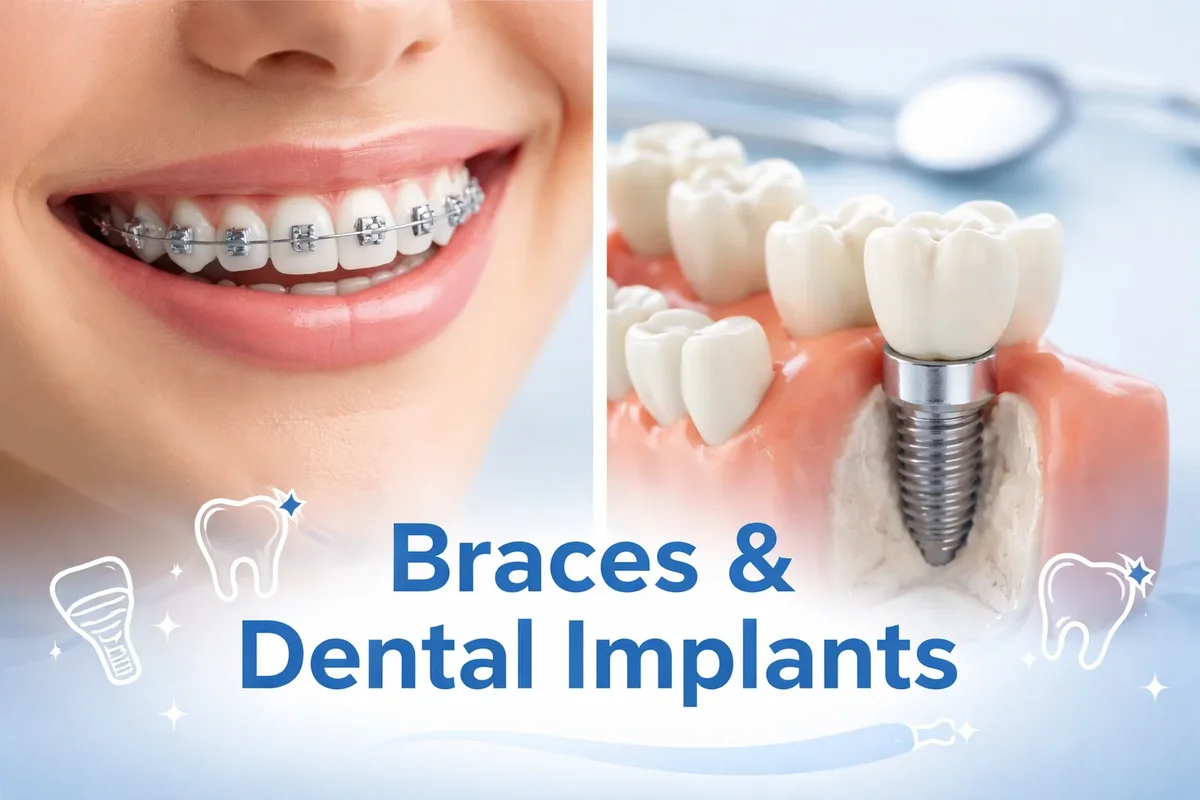
Aftercare Tips for Braces and Dental Implants Patients
Proper aftercare is essential for maintaining the success and longevity of braces and dental implants. While both treatments deliver excellent results, they also require consistent care and attention after the procedures are completed. Without proper maintenance, the benefits of braces and dental implants may diminish over time. By following the right aftercare practices, patients can protect their investment and enjoy a healthy, beautiful smile for years to come. 😊
Daily Oral Hygiene Routine
A strong daily hygiene routine is the foundation of successful braces and dental implants aftercare. Braces create additional surfaces where food particles and plaque can accumulate, while dental implants require clean and healthy surrounding tissues to remain stable.
Patients should brush their teeth at least twice a day using a soft-bristled toothbrush and fluoride toothpaste. Special attention should be given to areas around brackets, wires, and implants. Flossing is equally important, although it may require special tools such as floss threaders or interdental brushes when managing braces and dental implants.
Essential Cleaning Tools
- Orthodontic toothbrush for braces
- Interdental brushes for tight spaces
- Water flosser for effective plaque removal
- Antibacterial mouthwash
Using these tools ensures that braces and dental implants remain clean and free from harmful bacteria.
Dietary Recommendations
Your diet plays a significant role in maintaining braces and dental implants. Certain foods can damage braces or put excessive pressure on dental implants, especially during the healing phase.
Patients are advised to avoid hard, sticky, and overly chewy foods that can break brackets or wires. Similarly, extremely hard foods should be avoided to protect dental implants. A balanced diet supports both oral health and overall well-being when managing braces and dental implants.
Foods to Avoid
- Hard candies and nuts
- Sticky foods like caramel and chewing gum
- Crunchy snacks such as popcorn
- Very hot or cold foods that may cause sensitivity
Choosing softer, nutrient-rich foods helps maintain the integrity of braces and dental implants.
Regular Dental Check-Ups
Routine dental visits are essential for monitoring the progress and health of braces and dental implants. Orthodontists will adjust braces periodically to ensure proper alignment, while implant specialists will check the stability and condition of the implants.
Skipping appointments can lead to complications, such as delayed treatment or unnoticed issues. Regular check-ups ensure that braces and dental implants continue to function as intended.
What to Expect During Visits
- Adjustment of braces for continued alignment
- Inspection of implant stability and gum health
- Professional cleaning to remove plaque buildup
These visits are critical for maintaining the success of braces and dental implants.
Managing Discomfort and Sensitivity
Some level of discomfort is normal during and after treatment with braces and dental implants. Braces may cause temporary soreness after adjustments, while dental implants may be sensitive during the healing period.
Over-the-counter pain relievers can help manage discomfort, but patients should always follow their dentist’s recommendations. Using orthodontic wax can also reduce irritation caused by braces. Proper care ensures that discomfort related to braces and dental implants remains manageable.
Tips for Comfort
- Use orthodontic wax to cover sharp edges
- Rinse with warm salt water to soothe gums
- Avoid hard foods during sensitive periods
These simple measures improve the experience of wearing braces and dental implants.
Protecting Your Smile
Protecting your teeth and dental work is another key aspect of aftercare for braces and dental implants. Patients who participate in sports or physical activities should consider wearing a mouthguard to prevent injury.
Accidents or trauma can damage both braces and implants, potentially requiring additional treatment. Taking preventive measures helps safeguard the results of braces and dental implants.
When to Use Protection
- During contact sports
- While engaging in high-impact activities
- If you grind your teeth at night (use a night guard)
These precautions ensure the durability of braces and dental implants.
Long-Term Maintenance of Dental Implants
Dental implants are designed to be a permanent solution, but they still require proper maintenance. Even after braces are removed, patients must continue caring for their implants to ensure longevity.
Good oral hygiene and regular dental visits are essential for preventing peri-implant diseases, which can compromise the stability of implants. Maintaining braces and dental implants results requires ongoing commitment.
Signs to Watch For
- Redness or swelling around the implant
- Bleeding gums
- Loose feeling in the implant area
If any of these symptoms occur, patients should seek professional care immediately to protect their braces and dental implants.
Retainers After Braces
After completing orthodontic treatment, retainers play a crucial role in maintaining the results of braces and dental implants. Teeth naturally tend to shift over time, and retainers help keep them in their new positions.
Wearing retainers as prescribed by your orthodontist ensures that the alignment achieved with braces remains stable, allowing dental implants to function properly within the aligned structure.
Types of Retainers
- Removable retainers for flexibility
- Fixed retainers for long-term stability
Retainers are a vital part of preserving the results of braces and dental implants.
Importance of Consistency
The success of braces and dental implants depends heavily on consistency in aftercare. Following your dentist’s instructions, maintaining hygiene, and attending regular check-ups all contribute to long-term success.
Patients who stay committed to their aftercare routine are more likely to enjoy lasting results and avoid complications. Consistency ensures that braces and dental implants continue to deliver their full benefits.
Final Thoughts on Aftercare
In conclusion, aftercare is a critical component of achieving and maintaining the results of braces and dental implants. From daily hygiene to regular dental visits, every step plays a role in ensuring long-term success.
By following these aftercare tips, patients can protect their investment and enjoy a confident, healthy smile for years to come. With proper care and attention, braces and dental implants can provide lasting improvements in both function and aesthetics, enhancing overall quality of life. 😁