
When it comes to achieving a straight and confident smile, understanding braces costs in 2025 is essential 🦷. Whether you’re a parent planning orthodontic treatment for your child or an adult considering teeth alignment for yourself, the cost of braces can be a major factor in your decision. This comprehensive guide breaks down everything you need to know about how much braces cost, what influences those prices, and how to make the best financial and medical choice for your oral health.
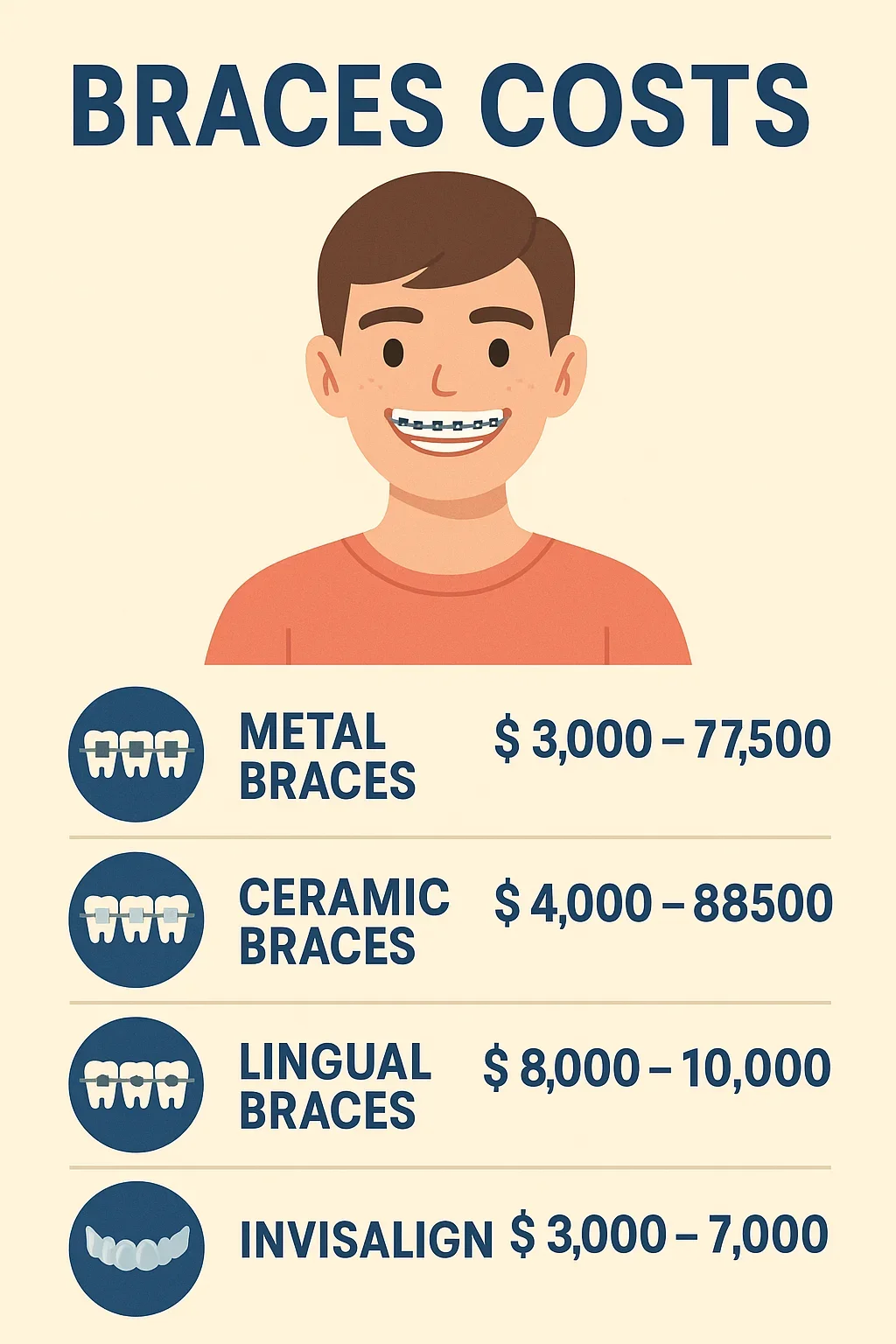
Orthodontic treatment has evolved significantly in recent years, offering a range of options from traditional metal braces to modern clear aligners. As a result, braces costs vary depending on several factors — including treatment type, complexity, and even geographical location. On average, traditional metal braces in the United States can range between $3,000 and $7,500, while ceramic braces typically cost between $4,000 and $8,500. Invisalign and other clear aligners may cost anywhere from $3,500 to $9,000, depending on the provider and length of treatment.
But the numbers alone don’t tell the full story. Understanding why prices vary and what’s included in the total braces costs can help you make an informed choice. Let’s explore the factors that determine how much you’ll pay and what you’re really getting for your investment in a beautiful smile 😁.
What Makes Up the Total Braces Cost?
The total price of braces is not just about the brackets and wires. It includes consultations, diagnostic imaging (like X-rays or 3D scans), follow-up visits, adjustments, and retainers after treatment. Each of these adds value to your orthodontic journey and plays a key role in achieving long-term results.
In 2025, clinics often offer digital monitoring systems and AI-based progress tracking, allowing orthodontists to fine-tune your treatment remotely. While these technologies may increase initial braces costs, they can reduce the overall number of in-office visits, saving time and sometimes even money in the long run.
Why Prices Vary by Location
One of the most common questions people ask is: “Why do braces cost more in some places than others?” The answer lies in local market conditions and the cost of living. For instance, braces in metropolitan areas like New York or London tend to be more expensive than in smaller cities or regions. On the other hand, countries like Turkey, Thailand, or Mexico have become popular destinations for dental tourism due to their high-quality care and lower braces costs.
At Redent Klinik Contact Page, international patients frequently inquire about affordable orthodontic solutions abroad. Turkey, in particular, offers world-class dental treatment with board-certified specialists — often at prices 50–70% lower than Western Europe or North America, without compromising quality.
Technological Advancements and Their Effect on Price
Modern orthodontic technology has changed how braces are designed, applied, and maintained. Digital impressions have replaced messy molds, and 3D printing allows for precision brackets customized to each patient. These innovations can influence braces costs, but they also lead to faster treatment times and better outcomes. Patients today value comfort and aesthetics, often opting for clear or lingual braces despite the slightly higher price tag.
Moreover, AI-driven alignment systems and treatment simulations give patients a clear view of their expected results before treatment even begins — something that wasn’t possible a decade ago. These premium experiences contribute to higher perceived value, justifying moderate increases in overall braces costs.
Comparing Short-Term Cost vs Long-Term Benefit
While the financial aspect is important, the benefits of orthodontic treatment go far beyond appearance. Properly aligned teeth improve oral hygiene, reduce the risk of gum disease, prevent uneven wear, and support better chewing function. Investing in braces is, therefore, not just a cosmetic decision but a long-term health investment 💰.
When you factor in these health benefits, the overall value of paying for braces becomes clearer. The cost of neglecting misaligned teeth — including potential gum surgery or jaw correction later in life — can far exceed the initial braces costs. In other words, you’re not just paying for straight teeth; you’re investing in lifelong dental wellness.
Authoritative Resources on Braces Costs
To ensure you’re basing your decision on reliable information, refer to trusted professional organizations such as the American Dental Association. Their resources outline best practices, average treatment timelines, and safety standards for orthodontic care in 2025.
In summary, understanding braces costs is the first step toward making an informed and confident decision about your smile. Consider your options carefully, consult experienced orthodontists, and weigh both financial and health-related factors. Remember, the right braces treatment isn’t always the cheapest — it’s the one that gives you lasting confidence and results you can trust 💎.
Stay tuned for the next section, where we’ll explore what affects braces costs the most and how you can identify the best treatment plan for your budget and lifestyle.
What Affects Braces Costs the Most?
When it comes to understanding braces costs, it’s essential to know that the final price isn’t determined by a single factor. In 2025, the total cost of braces depends on a combination of clinical, personal, and technological elements that vary from patient to patient. Knowing what drives these costs helps you plan better and choose the most suitable orthodontic option for your needs and budget 🦷.
1. Type of Braces You Choose
The type of braces you select is one of the biggest factors influencing braces costs. Traditional metal braces are usually the most affordable, ranging from $3,000 to $7,500. These braces use stainless steel brackets and wires, offering effective alignment but with less visual appeal.
Ceramic braces, on the other hand, blend better with your natural teeth and are more discreet, but they come at a higher price — usually between $4,000 and $8,500. Lingual braces (placed behind the teeth) and clear aligners like Invisalign can cost anywhere between $5,000 and $9,000, depending on complexity. Each option provides different benefits and aesthetic advantages, which is why prices vary so widely.
In short, aesthetics, comfort, and material quality all impact the final braces costs. The more advanced or invisible the treatment, the higher the cost tends to be — although this can also mean a better experience overall.
2. Complexity of Your Orthodontic Case
No two smiles are the same — and that’s exactly why braces costs differ so much from person to person. A mild case involving slight misalignment or crowding might require just 6–12 months of treatment, while a complex bite correction (such as crossbite or overbite) can take 18–30 months or more. Longer treatment times naturally increase the total cost due to the number of adjustments, follow-up visits, and materials used.
Orthodontists assess the level of correction needed by examining X-rays, dental molds, and digital scans. The more intricate the movement of teeth required, the higher the labor and customization — both of which directly affect overall braces costs.
3. Orthodontist’s Expertise and Reputation
Just as with any specialized field, experience and reputation play a big role in determining braces costs. Orthodontists who are board-certified, highly rated, or internationally recognized often charge higher fees due to their proven track records and precision in treatment outcomes. However, paying for a reputable orthodontist can prevent costly complications and ensure that you achieve long-lasting results the first time.
In contrast, choosing a lower-cost clinic might seem like a bargain initially, but if the treatment isn’t performed correctly, it could lead to further expenses later — including re-treatment or corrective dental procedures.
4. Duration and Frequency of Treatment
Another key element affecting braces costs is the duration of treatment. The longer you wear braces, the more follow-up visits and adjustments are required. Each adjustment involves professional time, tools, and sometimes new wires or elastics. In 2025, clinics increasingly use AI-based digital monitoring, which allows fewer in-office visits and remote progress checks — often optimizing costs over time while maintaining excellent results.
How Long Do Most Treatments Last?
On average, orthodontic treatments last between 12 and 24 months. However, adult cases or patients with severe crowding might need up to 36 months of continuous correction. Each additional month means added costs, so orthodontists always strive to balance treatment speed with safety and long-term stability.
5. Geographic Location and Clinic Overheads
Where you live or seek treatment also plays a crucial role in overall braces costs. Prices in the United States and Western Europe are generally higher because of higher living standards, equipment costs, and insurance requirements. For example, a full braces treatment in Los Angeles might cost around $6,500, while a similar procedure in Istanbul, Turkey, could be around $2,500–$3,000.
This has given rise to a growing trend in dental tourism, where patients travel abroad to get affordable orthodontic care. Clinics such as Redent Klinik Contact Page attract international patients by offering the same high-quality materials and technologies at a fraction of the price — often saving up to 60–70% on total braces costs.
6. Use of Technology and Materials
Modern dentistry uses high-end materials and digital technology to ensure precision and comfort. Custom-made brackets, self-ligating systems, 3D-printed models, and computer-guided placement all contribute to improved results — but they also increase braces costs. These innovations, however, make treatment faster, less painful, and more predictable.
For instance, clear aligner systems are digitally modeled and printed for each patient’s mouth, requiring advanced software and skilled technicians. Though more expensive initially, these systems offer convenience and aesthetic value that many patients find worthwhile.
7. Additional Services and Aftercare
After your main orthodontic treatment, retainers are often necessary to keep your teeth in their new positions. Retainers can cost between $150 and $500, depending on the type and number required. Many clinics also include post-treatment checkups and follow-up cleanings in their total pricing package, which influences final braces costs.
Some providers may also offer optional extras like whitening treatments or bite adjustments at the end of the braces process. While these are not mandatory, they enhance your smile and overall satisfaction — though they add modestly to the total price.
8. Insurance Coverage and Payment Flexibility
In many cases, dental insurance can help offset part of the total braces costs. However, coverage levels vary widely between policies. Some insurance providers cover only children’s orthodontics, while others offer partial coverage for adults. It’s essential to review your insurance plan in detail before beginning treatment to avoid unexpected expenses.
Fortunately, most clinics now provide flexible financing or monthly installment plans, making it easier to manage payments without compromising quality care. In some cases, interest-free payment options are available for qualified patients, ensuring that finances don’t stand in the way of a perfect smile.
9. Economic Trends and Inflation
Even global economic factors can indirectly influence braces costs. Material prices, exchange rates, and inflation affect the cost of brackets, wires, and specialized equipment. In 2025, dental practices worldwide are adapting to supply chain adjustments and new manufacturing technologies, all of which can lead to modest fluctuations in treatment costs over time.
However, clinics committed to value and transparency — like Redent Klinik — aim to keep pricing consistent and competitive, ensuring patients receive exceptional care regardless of market shifts.
10. The Bottom Line: Personalization Equals Price Variation
Ultimately, the biggest reason braces costs differ so much is that orthodontic treatment is not one-size-fits-all. Every smile has its own story, and every treatment plan must be tailored to that individual. From technology level and material type to duration, complexity, and clinic reputation — all these factors come together to shape the final price.
When evaluating your options, prioritize transparency and professionalism over low prices. The cheapest braces aren’t always the best in the long term. A well-designed, personalized orthodontic plan ensures you get not only a perfect smile but also durable, healthy results that last for decades 💎.
In the next section, we’ll explore the average braces costs by country and region — giving you a clearer picture of where the most affordable and high-quality treatments are available worldwide.
Average Braces Costs by Country and Region
When planning orthodontic treatment, understanding the average braces costs in different countries and regions is a crucial step toward making a smart financial decision. Prices for braces vary dramatically around the world — not only because of differences in materials and labor but also due to local economies, healthcare systems, and exchange rates 🌍. In this section, we’ll explore a global overview of what patients can expect to pay for various types of braces across different continents in 2025.
1. Braces Costs in the United States
The United States remains one of the most expensive countries for orthodontic treatment. The average braces costs here typically range from $3,000 to $8,000 for traditional metal braces. Ceramic braces cost slightly more, ranging from $4,000 to $8,500, while clear aligner systems like Invisalign often start at $4,500 and can exceed $9,000 depending on treatment complexity.
Orthodontic care in the U.S. is largely driven by advanced technology, high-quality materials, and strict health regulations. However, insurance coverage plays a major role in affordability. Most insurance plans for children cover up to 50% of orthodontic costs, but adult patients often pay out of pocket. The high standard of care and follow-up services justify the elevated braces costs, though many Americans now explore overseas options for more affordable care.
2. Average Braces Costs in the United Kingdom
In the UK, orthodontic pricing depends on whether you are treated through the National Health Service (NHS) or a private clinic. NHS braces are free for children under 18 with medical necessity, but adults generally must go private. In private practices, braces costs usually range between £2,500 and £6,000 for metal braces, and £3,000 to £7,500 for ceramic or Invisalign options.
Private clinics often provide faster access and more aesthetic options, but patients pay higher fees for the convenience. Some clinics offer 0% interest payment plans to make the treatment more accessible to adults who are not eligible for NHS coverage.
3. Orthodontic Pricing in Canada and Australia
In both Canada and Australia, braces costs are quite similar to the U.S. due to comparable standards of living and healthcare quality. Patients in major Canadian cities can expect to pay between $4,000 and $9,000 CAD for full treatment. In Australia, the range is approximately $5,000 to $10,000 AUD, depending on the treatment duration and type.
Public healthcare generally doesn’t cover orthodontic treatment in these countries, except for extreme medical cases. As a result, many families rely on private insurance or payment plans. Clinics in both nations emphasize digital orthodontics and 3D scanning technology, which increases precision but can also raise overall braces costs.
4. Europe: Germany, France, and Spain
Across Western Europe, braces prices vary based on the local economy and insurance structure. In Germany, braces costs average between €3,000 and €6,000 for traditional braces and can reach €8,000 for Invisalign. French clinics offer similar rates, with ceramic and invisible braces priced around €4,000 to €7,000.
In contrast, Spain provides a more affordable option, where patients pay between €2,000 and €4,500 for complete orthodontic treatment. Spain’s lower living costs, combined with highly qualified specialists, make it a popular destination for dental tourism within Europe.
5. Turkey: A Global Leader in Affordable Orthodontics
Turkey has become one of the world’s top destinations for affordable and high-quality dental care. Clinics like Redent Klinik Contact Page attract thousands of international patients every year due to competitive pricing and advanced facilities. In Turkey, braces costs for traditional metal braces range from $1,500 to $3,000, while ceramic or Invisalign options are between $2,000 and $3,800.
These prices include comprehensive consultation, X-rays, adjustments, and aftercare. Despite the lower cost, the treatment quality meets or exceeds European standards. Additionally, the availability of multilingual specialists and dental tourism packages (including accommodation) make Turkey one of the best-value options worldwide for orthodontic treatment.
Why Are Braces Cheaper in Turkey?
The primary reason is the lower cost of living and operational expenses. Materials, staff wages, and clinic rentals are more affordable, allowing clinics to maintain lower braces costs without sacrificing quality. Furthermore, Turkey’s strong medical tourism industry is supported by government incentives, ensuring world-class treatment at accessible prices.
6. Asia: India, Thailand, and South Korea
Asia has emerged as a hub for dental and cosmetic procedures, including orthodontics. In India, braces costs typically range from $800 to $2,500, depending on the type of braces. Thailand offers similar pricing, often between $1,200 and $3,000, while South Korea provides premium options that range up to $5,000 for advanced aligners.
Thailand and South Korea are particularly attractive due to their medical tourism infrastructure and reputation for exceptional hygiene and patient care. Many clinics cater specifically to international patients, offering English-speaking staff, transparent pricing, and short waiting times.
7. The Middle East and Gulf Region
Countries such as the United Arab Emirates, Saudi Arabia, and Qatar have seen a rapid rise in demand for orthodontic treatments. Braces costs in these areas tend to mirror Western Europe, with prices averaging between $4,000 and $8,000. Premium clinics in Dubai often offer luxury orthodontic experiences — including private treatment rooms and digital smile simulations — which slightly raise overall costs but deliver exceptional comfort and care.
8. Latin America and South America
In Latin America, countries like Mexico, Colombia, and Costa Rica are becoming increasingly popular among Americans and Canadians seeking lower braces costs. Metal braces typically cost between $1,000 and $3,500, and clear aligners are around $2,000 to $4,000. Many orthodontists in these regions are trained in the U.S. or Europe, ensuring high-quality standards at reduced prices.
Mexico, in particular, offers proximity advantages for North American patients — easy travel, low costs, and English-speaking specialists. As a result, dental tourism from the U.S. to Mexico continues to grow significantly each year.
9. Africa: Emerging Orthodontic Markets
While Africa is still developing its orthodontic infrastructure, several countries — including South Africa, Egypt, and Morocco — now provide reliable orthodontic care at much lower prices. In South Africa, braces costs typically range between $1,500 and $4,000. Egypt and Morocco offer even more affordable rates, starting around $800.
However, accessibility and technology can vary greatly across regions. Patients are advised to research thoroughly before choosing a clinic, ensuring that the provider uses modern equipment and follows international sterilization protocols.
10. Comparing Global Averages: Where to Find the Best Value
To summarize global braces costs in 2025:
- USA / Canada: $4,000 – $9,000
- UK / Western Europe: €3,000 – €7,500
- Turkey / Eastern Europe: $1,500 – $3,800
- Asia (India / Thailand): $800 – $3,000
- Middle East: $4,000 – $8,000
- Latin America: $1,000 – $4,000
- Africa: $800 – $4,000
Clearly, countries like Turkey, Thailand, and Mexico provide the most cost-effective combination of quality and affordability, while the United States, UK, and Western Europe remain on the higher end of the spectrum. Choosing a treatment destination ultimately depends on your priorities — convenience, quality, budget, or access to advanced technology.
For more insights on global standards of orthodontic care, you can visit the American Dental Association for verified data and dental safety guidelines. In the next section, we’ll compare how metal, ceramic, and clear aligners differ in both price and performance, helping you decide which type best fits your goals and budget 💎.
Metal vs Ceramic vs Invisalign: Comparing Braces Costs
Choosing the right type of orthodontic treatment can be confusing, especially when trying to balance comfort, appearance, and affordability. The most common options — metal braces, ceramic braces, and Invisalign aligners — each come with unique benefits and price ranges. Understanding how they compare is key to determining which option offers the best value for your money 💰. This section breaks down the main differences in braces costs, effectiveness, and overall patient experience in 2025.
1. Metal Braces: The Traditional and Reliable Option
Metal braces have been used for decades and continue to be one of the most reliable orthodontic solutions. Made from high-grade stainless steel, they use brackets, wires, and elastic bands to gradually move teeth into proper alignment. Because they are the most common type, they are also the most cost-effective choice in most countries.
In 2025, the average braces costs for traditional metal braces range between $3,000 and $7,500 in the U.S., with prices varying slightly depending on treatment duration and the orthodontist’s expertise. In countries like Turkey or Mexico, the same treatment can be done for $1,500 to $3,000, offering significant savings without compromising on quality.
Advantages of Metal Braces
- ✅ Most affordable orthodontic option worldwide
- ✅ Extremely effective for complex dental corrections
- ✅ Requires fewer replacements or maintenance
Disadvantages of Metal Braces
- ❌ Highly visible and less aesthetic compared to modern alternatives
- ❌ Can cause mild discomfort due to metal friction
- ❌ May require more frequent tightening appointments
Despite their appearance, modern metal braces are much smaller and more comfortable than older designs. Many orthodontists also offer colored bands to make them more fun and appealing for younger patients. For those seeking affordability and proven effectiveness, traditional braces remain a solid choice with reasonable braces costs.
2. Ceramic Braces: The Aesthetic Middle Ground
For patients who want a less noticeable option but similar performance, ceramic braces provide the perfect balance between functionality and aesthetics. The brackets are made from clear or tooth-colored materials, blending naturally with your teeth. However, this aesthetic improvement comes at a slightly higher price.
In most clinics, ceramic braces costs range between $4,000 and $8,500 in Western countries, and between $2,000 and $4,000 in countries such as Turkey or Thailand. While they function similarly to metal braces, ceramic brackets are more fragile and can stain if not properly maintained.
Advantages of Ceramic Braces
- ✅ More visually discreet — almost invisible from a distance
- ✅ Comparable results to metal braces in similar time frames
- ✅ Excellent option for working professionals or image-conscious adults
Disadvantages of Ceramic Braces
- ❌ Higher braces costs due to specialized materials
- ❌ Slightly more prone to breakage
- ❌ Can cause minor gum irritation if not cleaned properly
Patients who choose ceramic braces often do so for aesthetic reasons rather than speed or price. Although they’re more expensive than metal, many believe the confidence gained from a less visible treatment is well worth the added braces costs. Proper oral hygiene is crucial, as staining of the clear brackets can reduce the visual advantage.
3. Invisalign and Clear Aligners: The Modern, Comfortable Solution
Clear aligners, led by the brand Invisalign, have revolutionized orthodontic treatment. These removable, transparent trays straighten teeth gradually without using brackets or wires. Patients appreciate the freedom to eat, brush, and floss normally, which makes aligners especially popular among adults.
However, that convenience comes at a price. The average braces costs for Invisalign in 2025 range between $3,500 and $9,000 in the United States, while clinics in countries like Turkey, India, and Thailand offer the same service for $2,000 to $3,800. The cost largely depends on how many aligner trays are needed and the complexity of the dental corrections required.
Advantages of Invisalign
- ✅ Virtually invisible and highly aesthetic
- ✅ Can be removed for meals and oral hygiene
- ✅ Comfortable, with minimal irritation or wire adjustments
- ✅ Digital treatment planning with 3D smile preview before starting
Disadvantages of Invisalign
- ❌ Higher braces costs compared to metal options
- ❌ Requires strict discipline — must be worn 20–22 hours per day
- ❌ Not ideal for very complex orthodontic issues
Invisalign is best suited for patients with mild to moderate misalignment who prefer convenience and aesthetics over lower cost. While initial braces costs may seem higher, fewer clinic visits and shorter treatment durations can make it cost-competitive in the long run.
4. Lingual Braces: The Hidden but Premium Option
Lingual braces, attached to the inner side of your teeth, are completely invisible from the outside. This makes them ideal for professionals, actors, or anyone who wants a perfectly discreet option. However, they are also one of the most expensive orthodontic treatments available today.
Average braces costs for lingual braces start around $6,000 and can exceed $10,000 depending on case complexity. These costs are due to the high level of customization, as each bracket must be tailored to the patient’s unique dental structure.
While lingual braces deliver excellent results and total invisibility, they require more frequent maintenance and adjustments. They can also cause mild tongue irritation at first, though most patients adapt within a few weeks.
5. Cost Comparison Summary
| Type of Braces | Average Cost (U.S.) | Average Cost (Turkey) | Visibility | Treatment Time |
|---|---|---|---|---|
| Metal Braces | $3,000 – $7,500 | $1,500 – $3,000 | High | 12–24 months |
| Ceramic Braces | $4,000 – $8,500 | $2,000 – $4,000 | Medium | 12–24 months |
| Invisalign / Clear Aligners | $3,500 – $9,000 | $2,000 – $3,800 | Low (Nearly Invisible) | 6–18 months |
| Lingual Braces | $6,000 – $10,000 | $3,000 – $5,500 | Invisible | 18–30 months |
As shown above, braces costs vary significantly by type, location, and complexity. While traditional metal braces remain the most affordable, Invisalign and lingual braces offer superior aesthetics at higher prices. Ceramic braces sit comfortably in the middle, balancing discretion and cost.
6. Which Option Offers the Best Value?
Determining the “best” option depends entirely on your personal goals. If affordability is your main concern, metal braces deliver exceptional results for the lowest braces costs. For a more discreet look without overspending, ceramic braces strike the right balance. If comfort, removability, and appearance are top priorities, Invisalign is worth the investment. And for those seeking complete invisibility with premium results, lingual braces are the ultimate luxury choice.
Before making a decision, always consult with a certified orthodontist who can analyze your case and explain the total cost structure — including adjustments, retainers, and aftercare. You can also check with professional authorities such as the American Dental Association for verified guidelines and safety standards in orthodontic treatments.
In the next section, we’ll examine the hidden expenses that patients often overlook when calculating their total braces costs — including retainers, follow-up care, and replacement parts that may arise during your treatment journey.
Hidden Expenses You Should Know About
When evaluating braces costs, many patients focus solely on the upfront treatment price — the fee quoted for installation and regular adjustments. However, there are several hidden or indirect costs that can significantly influence the final amount you pay. These extra expenses often surprise patients midway through treatment. Understanding and planning for these additional costs can save you stress, time, and unexpected bills down the road 💡.
1. Initial Consultation and Diagnostic Procedures
The first stage of orthodontic treatment involves diagnostic assessments such as X-rays, digital scans, photographs, and impressions. These procedures allow your orthodontist to analyze tooth alignment, jaw structure, and bite patterns before creating a treatment plan. While some clinics include this step in their main package, others charge it separately.
In most cases, the initial diagnostic phase can add $100 to $500 to your total braces costs. Advanced 3D imaging systems, commonly used in modern clinics, may cost slightly more but offer better precision and faster treatment outcomes. Patients should always ask their orthodontist whether these initial assessments are included in the treatment quote or billed separately.
2. Adjustments and Emergency Visits
Throughout your orthodontic journey, regular adjustments are necessary to tighten wires, replace brackets, and ensure steady progress. Most clinics schedule these appointments every 4–6 weeks. While many providers include them in the overall braces costs, some charge additional fees for missed or rescheduled visits.
In addition, emergency visits — such as repairing a broken wire, loose bracket, or discomfort due to a popped wire — may also incur extra costs. Emergency appointments can range between $50 and $150 each. These fees may not seem large individually, but over a multi-year treatment, they can add up quickly.
3. Retainers and Post-Treatment Care
Many patients don’t realize that braces treatment isn’t over once the brackets come off. The next critical phase is retention — using retainers to maintain your newly aligned teeth. Retainers prevent teeth from shifting back into their old positions, ensuring long-term success.
Depending on the type (Hawley, Essix, or bonded), retainers typically cost between $150 and $500 each. Since most patients require both upper and lower retainers, post-treatment expenses can total $300 to $1,000. If you lose or break your retainer, replacements add to your overall braces costs. Some clinics include one set of retainers in their package, while others bill them separately — so it’s vital to clarify this detail before starting your treatment.
4. Cleaning, Maintenance, and Hygiene Supplies
Maintaining excellent oral hygiene during orthodontic treatment requires specialized tools and cleaning supplies. Standard toothbrushes often fail to reach tight spaces between wires and brackets, so orthodontic patients invest in products like interdental brushes, water flossers, and fluoride rinses. These items, while inexpensive individually, add to the long-term braces costs.
Here’s a typical breakdown of hygiene-related expenses during a 2-year braces treatment:
- 🪥 Orthodontic toothbrushes and floss threaders: $10–$20/month
- 💧 Mouth rinses and fluoride treatments: $5–$10/month
- 🦷 Professional dental cleanings every 6 months: $100–$200 each
Over two years, these maintenance costs may add up to an additional $400–$1,000 depending on your oral hygiene habits and dental care provider. Good hygiene is crucial — neglecting it can lead to plaque buildup, discoloration, or cavities, which may require even more costly restorative treatments later on.
5. Replacement Parts and Lost Aligners
For patients using clear aligners like Invisalign, replacements for lost or damaged trays can substantially increase braces costs. Each new aligner set costs roughly $100–$200, and losing multiple trays can quickly add hundreds of dollars to your treatment. Some clinics include one free replacement per treatment phase, but most charge for extras.
Similarly, patients with metal or ceramic braces might face fees for replacing broken brackets or snapped wires. Although most orthodontists offer minor repairs at no charge, major component replacements can cost up to $200 per incident. Avoiding chewy or hard foods, and following your orthodontist’s care guidelines, can help minimize these expenses.
6. Teeth Whitening and Aesthetic Procedures After Braces
Once your braces are removed, you might notice slight discoloration or uneven shades where brackets were attached. Many patients choose professional teeth whitening to enhance their post-treatment smile. Professional whitening procedures range from $150 to $600, depending on the clinic and technique used. Though optional, these treatments are common, especially for adults seeking a perfect, camera-ready smile 😁.
In addition, minor aesthetic treatments — such as reshaping enamel or polishing teeth surfaces — may be recommended for a smoother appearance. These finishing touches, while not essential, further contribute to total braces costs.
7. Travel and Accommodation for Dental Tourism
Patients traveling abroad for affordable orthodontic care should also consider logistical expenses. While dental tourism in countries like Turkey or Thailand can reduce treatment costs by up to 70%, travel, accommodation, and follow-up visits still add to the total budget.
For example, a patient flying from the UK to Istanbul might spend around $400–$800 on flights and $300–$500 on accommodation for short stays. Even with these additional costs, the total amount often remains lower than Western European prices. However, budgeting for these travel-related expenses is crucial to avoid unexpected surprises.
Tip:
To ensure smooth coordination and cost efficiency, it’s recommended to book appointments in advance and choose clinics with experience handling international patients. Clinics like Redent Klinik provide comprehensive packages that include transportation and lodging assistance, helping you better manage total braces costs.
8. Missed Appointments and Late Payment Fees
Some clinics have policies that penalize missed or delayed appointments. A no-show or rescheduling without adequate notice might incur fees of $25–$75. Similarly, payment plans that include late installment fees can add unnecessary financial strain. Always clarify clinic policies upfront to avoid accumulating these hidden costs over time.
9. Orthodontic Retreatment or Corrections
In some cases, patients may require additional treatment due to noncompliance (not wearing retainers) or natural tooth movement over time. Retreatment can cost anywhere between $500 and $2,000 depending on the level of correction needed. Properly following post-treatment instructions helps minimize these risks and keeps your long-term braces costs under control.
10. Insurance Deductibles and Coverage Gaps
Even when dental insurance covers a portion of orthodontic expenses, deductibles, copayments, and coverage limits can result in unexpected out-of-pocket costs. Most insurance plans cap orthodontic coverage at around $1,500–$3,000 — regardless of total treatment price. If your treatment exceeds that limit, the remainder becomes your responsibility.
Always review your policy carefully before starting treatment and verify which services are covered, including consultations, retainers, and aftercare. In countries with private insurance models, like the United States, this step is crucial to fully understand total braces costs.
Final Thoughts: Transparency Is Key
Ultimately, the true cost of braces extends beyond the initial quote. Diagnostic imaging, retainers, hygiene tools, emergency visits, and post-treatment care all contribute to the full financial picture. Reputable clinics are upfront about these details, ensuring there are no unpleasant surprises midway through treatment.
When comparing clinics, always ask for a written cost breakdown that includes all stages of the process — from initial consultation to final retainers. Transparency not only helps manage your budget but also builds trust and peace of mind throughout your orthodontic journey 🦷.
In the next section, we’ll explore how to save money on braces without sacrificing quality — revealing smart, practical strategies to reduce overall braces costs while achieving a healthy, beautiful smile.
How to Save Money on Braces Without Sacrificing Quality
While straightening your teeth is one of the best investments you can make for your oral health and confidence, many patients hesitate to start treatment because of the cost. Fortunately, there are several effective strategies to reduce braces costs without compromising on quality, comfort, or long-term results 💎. Whether you’re a student, parent, or adult seeking orthodontic correction, careful planning and smart decision-making can save you hundreds — even thousands — of dollars.
1. Compare Treatment Options and Get Multiple Quotes
One of the most overlooked ways to save on braces costs is to compare different orthodontists and treatment methods. Prices can vary dramatically between clinics even within the same city. Some practices may include consultations, X-rays, and retainers in their package, while others charge separately for each service.
Before committing, schedule at least two or three consultations. Ask each provider for a detailed cost breakdown that includes all follow-ups and aftercare. Doing so helps you avoid hidden expenses and ensures you’re paying for genuine quality rather than inflated pricing.
Pro Tip:
Don’t be afraid to ask for a written quote. A transparent clinic will gladly provide it. Many international clinics — such as Redent Klinik — even offer free online consultations and preliminary estimates, allowing you to compare global braces costs from the comfort of your home.
2. Explore Dental Tourism Opportunities
Dental tourism is one of the most effective ways to dramatically lower braces costs while maintaining top-tier treatment standards. Countries like Turkey, Thailand, Mexico, and Hungary have become global hubs for affordable orthodontics. These destinations offer world-class dental care using the same technologies and materials as Western Europe or North America — often at 50–70% lower prices.
For example, traditional braces that cost $6,000 in the United States may be as low as $2,000–$3,000 in Turkey. Even after adding travel and accommodation expenses, total savings can reach several thousand dollars. The key is to select accredited clinics with certified orthodontists and clear, written treatment plans.
What to Look for in an Overseas Clinic:
- ✅ International accreditation and experienced orthodontists
- ✅ Transparent pricing structure with no hidden fees
- ✅ English-speaking staff for clear communication
- ✅ Patient reviews and before–after galleries
Reputable centers such as Redent Klinik specialize in assisting international patients and provide complete packages, including airport transfers, hotel assistance, and aftercare coordination — ensuring you enjoy both affordability and quality.
3. Take Advantage of Dental Schools and Training Institutions
Many dental schools offer orthodontic treatments at significantly discounted prices. These treatments are performed by advanced dental students under the supervision of licensed orthodontists, ensuring both safety and accuracy. Although appointments may take longer, this route can reduce braces costs by 40–60% compared to private clinics.
Dental schools in the U.S., UK, and Canada typically use the same professional-grade materials as private clinics. While treatment timelines may be slightly extended due to the learning environment, patients receive quality care at a fraction of the cost.
4. Use Flexible Payment Plans and Installment Options
Many orthodontic practices now offer flexible payment systems to make braces costs more manageable. Instead of paying upfront, you can spread payments over 12–36 months, often interest-free. These plans are especially helpful for families managing multiple treatments or adults on a fixed income.
Ask your orthodontist if they offer in-house financing or partner with third-party providers that specialize in dental payment plans. Some plans allow monthly payments as low as $100–$200, making high-quality care accessible without financial strain.
Insurance Integration:
Combine payment plans with your dental insurance benefits to maximize savings. Even if insurance covers only part of the treatment, spreading the remaining balance across installments can make the total braces costs much easier to handle.
5. Check for Insurance and Health Savings Account (HSA) Benefits
Insurance coverage plays a crucial role in reducing orthodontic expenses. While not all plans cover adult orthodontics, many provide partial coverage for children or medically necessary treatments. Check your policy for lifetime orthodontic maximums — usually ranging from $1,500 to $3,000 — and ensure your clinic is within the insurance network.
If your employer offers a Health Savings Account (HSA) or Flexible Spending Account (FSA), use those funds to cover braces costs with pre-tax dollars. This can save you up to 30% depending on your tax bracket, effectively lowering your total expense without reducing treatment quality.
6. Opt for Partial or Phased Treatment Plans
Some orthodontic cases can be addressed with shorter or phased treatments. Instead of comprehensive full-mouth correction, your orthodontist may recommend partial alignment or limited treatment focusing only on the most visible teeth. These solutions can reduce braces costs by 20–40% while still achieving noticeable aesthetic improvements.
This approach is particularly suitable for adults with mild crowding or minor spacing issues. However, it’s important to discuss potential long-term outcomes — while phased treatments are more affordable, they may not fully correct bite or jaw alignment problems.
7. Maintain Excellent Oral Hygiene
Good oral hygiene isn’t just about health — it also prevents additional expenses. Poor cleaning habits during orthodontic treatment can lead to gum inflammation, cavities, or enamel damage, which can increase total braces costs due to extra dental work.
Using interdental brushes, water flossers, and fluoride toothpaste ensures your treatment proceeds smoothly without unexpected costs. Regular checkups and cleanings help prevent complications that might delay progress or require additional adjustments, both of which could add to your overall expenses.
8. Consider Alternative Braces Systems
Not all orthodontic systems are priced the same. For instance, self-ligating braces, which use specialized clips instead of rubber bands, often require fewer adjustments and shorter treatment times. Though initial installation may cost slightly more, they can reduce the total braces costs over time by minimizing office visits.
Similarly, at-home aligner systems have grown popular for mild misalignments. While they shouldn’t replace professional orthodontic supervision for complex cases, these systems typically cost between $1,000 and $2,500 — offering an affordable alternative for straightforward corrections.
9. Avoid Unnecessary Add-ons
Some clinics offer optional add-ons like whitening, premium retainers, or cosmetic upgrades that can inflate braces costs. While these services enhance aesthetics, they are not essential for the success of your orthodontic treatment. Ask your orthodontist to clearly distinguish between necessary and optional procedures before signing any contract.
If you’re on a tight budget, you can always complete optional aesthetic procedures — like whitening or veneer finishing — after your braces are removed, spreading expenses over time instead of paying everything at once.
10. Negotiate and Ask About Promotions
Finally, remember that many orthodontic clinics are open to negotiation. Asking politely about discounts for upfront payments, family packages, or seasonal promotions can further reduce braces costs. Some clinics even offer referral bonuses or student discounts that make treatment more affordable.
International dental centers like Redent Klinik frequently provide promotional campaigns for first-time patients or group bookings, making professional orthodontic care more accessible to everyone. Keeping an eye on these offers can significantly cut your expenses without any compromise in quality or safety.
Final Thoughts: Smart Spending Leads to a Better Smile
Saving money on braces doesn’t mean you have to sacrifice results. By comparing clinics, using flexible payment systems, maintaining proper hygiene, and exploring affordable destinations, you can achieve a perfect smile at a fraction of the usual cost. The key is to focus on transparency and value rather than the lowest price tag.
Always consult qualified professionals and reference credible sources such as the American Dental Association before making major treatment decisions. With the right planning, achieving your dream smile can be both affordable and rewarding — proving that a healthy, beautiful smile is truly priceless 😁.
In the next section, we’ll explore insurance and payment plans that reduce braces costs even further — explaining exactly how to combine financial strategies for maximum savings and flexibility.
Insurance and Payment Plans That Reduce Braces Costs
One of the smartest ways to manage braces costs effectively is by taking advantage of insurance coverage and flexible payment plans. Orthodontic treatment is a long-term investment, and many patients are surprised to learn that they don’t have to pay the entire amount upfront. Whether through private dental insurance, employer benefits, or structured installment options, there are multiple ways to make orthodontic care affordable without compromising quality or results 🦷.
1. Understanding Orthodontic Insurance Coverage
Dental insurance plays a crucial role in reducing overall braces costs, but coverage varies widely between plans. In 2025, most dental insurance policies include partial orthodontic benefits, typically covering between 25% and 50% of the total treatment fee. However, there are important limitations and conditions to be aware of.
Common Insurance Limitations:
- 🔹 A lifetime orthodontic maximum (often between $1,500–$3,000)
- 🔹 Coverage primarily available for patients under 18 years old
- 🔹 Waiting periods before benefits become active
- 🔹 Coverage restricted to in-network orthodontists
For adults, some insurance plans now include orthodontic benefits — especially premium-level plans. Before starting treatment, always verify with your insurance provider whether adult orthodontics are covered and if there are age or treatment-type restrictions (for example, some plans exclude cosmetic options like Invisalign).
2. Using Health Savings Accounts (HSA) and Flexible Spending Accounts (FSA)
If your employer offers a Health Savings Account (HSA) or a Flexible Spending Account (FSA), you can use these funds to cover braces costs using pre-tax income. This means you effectively save 20–30% on your orthodontic expenses by reducing your taxable income.
How HSAs and FSAs Work:
With an HSA, you can contribute pre-tax funds throughout the year and use them for qualified medical expenses, including orthodontic treatment. The key advantage is that HSA balances roll over annually and can continue to grow tax-free. FSAs, on the other hand, typically operate on a “use-it-or-lose-it” basis — so you’ll need to spend the funds within the calendar year.
Both HSAs and FSAs can be used for braces, retainers, aligners, and related dental services. Simply ask your clinic for an itemized invoice to submit as proof of expense to your plan administrator. By combining these accounts with insurance coverage, patients can significantly reduce their out-of-pocket braces costs.
3. Employer-Sponsored Orthodontic Benefits
Some employers offer dental or orthodontic benefits as part of their health care packages. These can include partial reimbursements for orthodontic care or direct partnerships with specific dental networks. In such cases, your employer’s plan might cover up to 50% of total braces costs for you or your dependents.
Additionally, some corporate dental plans negotiate discounted rates with partner clinics, allowing employees to save money automatically. Always check your benefits handbook or HR department for details on orthodontic coverage and eligibility before scheduling treatment.
4. Flexible and In-House Payment Plans
Even without insurance, most orthodontic clinics now offer flexible in-house payment options. These allow you to spread your braces costs over several months or even years — typically 12 to 36 months — with minimal or zero interest. These plans make high-quality orthodontic care accessible to a broader range of patients.
Examples of Payment Options:
- 💳 Monthly installment plans (0% interest for up to 24 months)
- 🏦 Third-party financing partners such as CareCredit or LendingPoint
- 💰 Discounts for full upfront payments (often 5–10% off)
For example, if your treatment costs $5,000, you could pay roughly $200–$250 per month over 24 months with no interest. Some clinics even tailor their plans to your income level, making orthodontic care flexible and predictable in terms of budgeting.
Clinics like Redent Klinik are known for offering transparent pricing and flexible payment schedules, ensuring patients can achieve beautiful smiles without financial pressure.
5. Government or Community Assistance Programs
In certain countries, government programs provide support for medically necessary orthodontic treatments — especially for children and teens. For example, the UK’s National Health Service (NHS) covers braces for patients under 18 with significant dental issues. Similarly, some European and Asian countries subsidize part of braces costs through national healthcare systems.
In the U.S., while orthodontic treatment is rarely covered under Medicaid, children’s programs like CHIP (Children’s Health Insurance Program) may provide partial coverage for severe misalignment or jaw problems. Check your local health authority or insurance agency to determine eligibility for these financial aids.
6. Combining Insurance, Savings, and Payment Plans
The best approach to minimizing total braces costs often involves combining multiple financial tools. For example, you might use insurance to cover 40% of the treatment, apply pre-tax HSA funds for another 20%, and pay the remainder through a monthly installment plan. This layered approach distributes expenses more evenly and makes orthodontic care far more affordable.
Example Scenario:
- Total braces cost: $5,000
- Insurance coverage: $2,000
- HSA contribution: $1,000
- Remaining balance on payment plan: $2,000 (paid over 12 months)
By combining benefits and savings options, the out-of-pocket burden becomes much lighter, enabling patients to pursue high-quality orthodontic treatment without debt or financial strain.
7. Tax Deductions for Medical Expenses
Depending on your country’s tax laws, orthodontic expenses may qualify as deductible medical costs. In the U.S., for example, you can deduct medical expenses — including braces — that exceed 7.5% of your adjusted gross income. Retainers, aligners, and follow-up visits are also eligible under this category. Always consult a tax advisor to ensure you’re maximizing your potential deductions while staying compliant with tax regulations.
8. Loyalty, Referral, and Family Discounts
Some clinics reward loyal patients or families with multiple members receiving treatment by offering special discounts. Family discounts often range from 5% to 15% per additional patient. Referral programs also allow existing patients to earn credits toward future dental work, effectively lowering total braces costs.
International clinics with strong patient bases — such as Redent Klinik — frequently run seasonal campaigns or referral programs to make orthodontic care more financially accessible. Following these promotions can lead to substantial savings, especially for families seeking multi-member treatments.
9. Choosing the Right Timing for Maximum Benefit
Timing can also play a role in lowering braces costs. For instance, starting treatment early in the calendar year allows you to maximize annual insurance benefits or FSA contributions. Likewise, beginning orthodontic care before the end of a child’s coverage period (for example, before turning 18) can qualify for higher insurance reimbursements.
Additionally, some clinics adjust their pricing annually, so locking in a treatment plan before price updates can prevent cost increases. Early financial planning pays off both medically and economically.
10. Final Thoughts: Make Smart Financial Decisions
Managing braces costs successfully is all about strategy. By combining insurance coverage, using tax-advantaged accounts, and taking advantage of clinic financing options, patients can significantly reduce their out-of-pocket expenses while still receiving high-quality care. It’s not just about finding the cheapest clinic — it’s about creating a well-balanced financial plan that aligns with your needs and resources.
Always confirm all details in writing and review your financial agreement carefully. Trusted organizations such as the American Dental Association offer valuable resources for understanding cost structures and patient rights. With the right approach, achieving a confident, straight smile is both attainable and financially sustainable 💰.
In the next section, we’ll explore braces costs for children vs adults, diving into how age, bone structure, and treatment complexity can impact pricing and duration.
Braces Costs for Children vs Adults: What You Need to Know
When it comes to orthodontic treatment, age plays a significant role in determining overall braces costs, treatment duration, and even the types of appliances used. While both children and adults can achieve excellent results, the biological and lifestyle differences between age groups often lead to distinct pricing structures and treatment approaches 🦷. Understanding these variations helps you make a well-informed decision that suits your family’s health and financial goals.
1. Why Age Affects Braces Costs
The main reason braces costs vary between children and adults is biological. In children and teenagers, jawbones are still developing and teeth are easier to move, making the process faster and less complicated. In adults, the bone structure is denser and fully developed, which requires more controlled force and sometimes additional procedures — such as tooth extractions or jaw alignments — to achieve the desired result.
Additionally, adults may have pre-existing dental issues such as gum disease, missing teeth, or previous dental restorations that can complicate orthodontic treatment. Each of these factors can influence the total treatment plan and, consequently, the final braces costs.
2. Average Costs for Children
For children and teenagers, orthodontic treatment often begins between ages 10 and 14, when most permanent teeth have erupted. This is the ideal time for braces because the jawbone is still malleable, allowing teeth to move more easily.
Typical Cost Range for Kids:
- 🦷 Metal braces: $3,000 – $6,000
- 🦷 Ceramic braces: $4,000 – $7,000
- 🦷 Invisalign Teen (clear aligners): $3,500 – $6,500
These figures vary depending on location, orthodontist experience, and treatment length. Because children’s treatments are often covered by dental insurance or family benefit plans, parents may end up paying significantly less out of pocket. Many clinics also offer sibling or family discounts to make child orthodontics more affordable.
Preventive treatment (often called “Phase I”) — such as early expansion or limited braces to guide jaw development — may also be recommended for younger children. Although this early intervention adds to the initial braces costs, it can prevent more complex (and expensive) procedures later on.
3. Average Costs for Adults
For adults, braces costs tend to be higher for several reasons. Adult patients often have more complex alignment problems or bite issues that require longer treatment times and customized appliances. Aesthetic considerations also play a big role — most adults prefer less visible options such as ceramic braces, lingual braces, or Invisalign aligners.
Typical Cost Range for Adults:
- 💎 Metal braces: $4,000 – $7,500
- 💎 Ceramic braces: $4,500 – $8,500
- 💎 Lingual braces (behind the teeth): $8,000 – $10,000
- 💎 Invisalign or clear aligners: $3,800 – $9,000
In addition to higher base pricing, adults sometimes need additional treatments like periodontal therapy, bone grafting, or implants before orthodontic work can begin. These preparatory procedures can significantly increase the total braces costs. However, they’re crucial for long-term oral stability and aesthetics.
4. Treatment Duration Differences
Children’s treatments typically last 18–24 months, while adults may require 24–36 months due to slower tooth movement and more complex corrections. Longer treatment durations often mean more adjustment visits, which can increase total braces costs slightly. However, with modern orthodontic technology like self-ligating braces and AI-based monitoring, adult treatment times are gradually becoming shorter.
Key Insight:
While treatment might take longer for adults, many clinics now use digital scanning and customized treatment planning to minimize chair time and improve precision — reducing long-term costs and improving comfort throughout the process.
5. Aesthetic Preferences and Their Impact on Costs
Appearance is a major factor in adult orthodontics. While children and teens usually wear traditional metal braces, adults often prefer discreet solutions like ceramic or lingual braces to maintain a professional appearance. These advanced systems require more intricate installation and higher material costs, which contribute to increased braces costs.
For example, lingual braces are placed on the back side of the teeth, making them invisible from the front. This technique requires specialized orthodontist training and precision, which naturally raises costs. Similarly, clear aligners like Invisalign offer comfort and aesthetics but come with higher lab and software fees.
6. Insurance Coverage: Children vs Adults
Insurance coverage is typically more generous for minors. Most insurance providers classify children’s orthodontic treatment as preventive or medically necessary, while adult treatment is often considered cosmetic. As a result, parents can expect a higher percentage of coverage for kids compared to adults.
For instance, insurance may cover 50% of a child’s treatment up to $2,500, while adult patients might receive only partial or no coverage. Always confirm details with your provider before starting treatment to avoid unexpected braces costs.
7. Psychological and Lifestyle Considerations
Beyond financial differences, children and adults also have distinct motivations for getting braces. Kids often follow parental guidance and are more accepting of visible braces, while adults tend to prioritize aesthetics, convenience, and comfort. These preferences influence the type of orthodontic system chosen — and consequently, the total braces costs.
Moreover, adults may experience greater discomfort or require longer adaptation times due to tighter tissue response and busy schedules. These factors can increase the number of visits and impact the final treatment expense. However, with digital orthodontic management systems now available, many clinics offer remote progress monitoring to reduce in-office visits and minimize costs.
8. Retainers and Aftercare Differences
Both children and adults need retainers after treatment to maintain alignment, but adults often require longer retention periods. This is because adult bone and gum tissue tend to revert more easily. Since retainers typically cost $200–$500 each, longer retention time can raise overall braces costs slightly for adult patients.
Children’s retainers may need replacement as they grow, while adults typically maintain the same set longer, provided they’re cared for properly. Understanding these nuances helps avoid unexpected post-treatment expenses.
9. Global Trends and Cost Comparisons
Globally, pediatric orthodontic treatments are generally less expensive than adult orthodontics. For example, in the U.S. or UK, adult braces can cost 15–25% more than equivalent child treatments. However, in countries like Turkey, clinics such as Redent Klinik offer both adult and pediatric orthodontics at significantly lower rates — often saving patients up to 60% compared to Western Europe or North America. This makes dental tourism an appealing option for families seeking comprehensive, affordable care without compromising quality.
10. Final Thoughts: The Best Age to Invest in Braces
Ultimately, the best time to invest in orthodontic treatment depends on the patient’s oral condition, not just age. Early intervention during adolescence can lower total braces costs by simplifying treatment later in life, but adults can still achieve excellent results with today’s advanced technologies.
Whether you’re a parent planning your child’s smile journey or an adult pursuing the confidence you’ve always wanted, the key is to focus on long-term value rather than upfront price. For accurate, transparent cost estimates, consult reputable clinics and verify their pricing and insurance policies. Trusted organizations like the American Dental Association recommend getting a personalized orthodontic assessment before making any major financial commitment.
In the next section, we’ll explore the long-term benefits of investing in orthodontic care — and why the true value of braces goes far beyond their price tag.
The Long-Term Benefits of Investing in Braces
While many people initially focus on braces costs and financial considerations, the true value of orthodontic treatment extends far beyond its price tag. Braces are not merely a cosmetic investment — they’re a long-term commitment to your oral health, confidence, and overall well-being 🦷. Understanding the benefits you gain over time helps put the expense into perspective, proving that orthodontic care is one of the most worthwhile decisions you can make for your smile and health.
1. Improved Oral Health and Functionality
One of the most significant long-term benefits of braces is enhanced oral health. Crooked or crowded teeth can make cleaning difficult, trapping food particles and bacteria that lead to plaque buildup, cavities, and gum disease. When teeth are properly aligned, brushing and flossing become more effective, lowering the risk of oral health issues in the future.
By investing in orthodontic treatment, you’re not just straightening your teeth — you’re preventing costly dental problems down the line. These preventive benefits can offset the initial braces costs since you’ll likely spend less on fillings, deep cleanings, or periodontal treatments over your lifetime.
Functional Benefits:
- ✅ Improved bite and chewing efficiency
- ✅ Reduced strain on jaw joints (TMJ)
- ✅ Better digestion due to proper chewing
- ✅ Easier maintenance of oral hygiene
In essence, investing in braces now means saving on potential medical and dental complications later — an excellent long-term return on your initial braces costs.
2. Enhanced Aesthetic Confidence
The psychological impact of having a beautiful, aligned smile cannot be overstated. Patients who complete orthodontic treatment often report higher self-esteem, better social interactions, and even improved professional confidence. Whether in business meetings, interviews, or social gatherings, a confident smile can positively influence first impressions 😁.
Studies show that individuals with straight teeth are often perceived as more intelligent, trustworthy, and approachable. This boost in self-image often justifies the investment, making the long-term emotional and social benefits of braces invaluable compared to their initial braces costs.
3. Prevention of Dental Complications
Misaligned teeth can lead to a range of issues, including abnormal wear, speech problems, and temporomandibular joint (TMJ) pain. Over time, these conditions can cause discomfort, uneven enamel erosion, or even tooth fractures. Proper alignment distributes bite forces evenly across all teeth, minimizing such risks.
Patients who complete orthodontic treatment typically experience fewer dental emergencies and enjoy greater longevity in their restorations and crowns. In this way, the initial braces costs act as a long-term preventive investment — one that saves you from future discomfort and financial burden.
Example:
Consider someone with a misaligned bite causing uneven pressure on molars. Without orthodontic correction, this pressure may lead to cracked fillings or even root canal treatments costing $1,000–$2,000 each. A comprehensive braces treatment costing $5,000–$6,000 could prevent such recurring issues entirely, making it a financially sound decision in the long run.
4. Long-Term Stability of Dental Work
For adults who already have dental restorations — such as crowns, implants, or veneers — braces help ensure long-term stability. Misaligned teeth can create stress on these restorations, causing premature wear or even failure. Orthodontic alignment redistributes bite pressure evenly, helping dental restorations last significantly longer.
Thus, while you might initially hesitate due to braces costs, the treatment can actually protect and extend the lifespan of your previous dental investments, ultimately saving money and preserving your oral health for decades.
5. Reduced Risk of Jaw Pain and TMJ Disorders
Orthodontic problems often go hand-in-hand with temporomandibular joint (TMJ) disorders, leading to jaw pain, headaches, and even neck stiffness. By aligning your teeth and improving bite balance, braces can alleviate these symptoms. Patients who undergo orthodontic correction frequently report decreased discomfort and improved jaw movement after treatment.
Given the chronic and costly nature of TMJ treatment — often ranging from $2,000 to $10,000 — braces represent a cost-effective preventive approach. When viewed from this perspective, the overall braces costs pale in comparison to lifelong pain management and corrective therapies.
6. Better Speech and Pronunciation
Another underestimated benefit of orthodontic treatment is improved speech clarity. Misaligned teeth and improper bites can interfere with tongue placement, affecting pronunciation and speech fluency. By correcting alignment issues, braces can enhance articulation, which is especially beneficial for children, professionals, and individuals in public-facing careers.
While this advantage is often secondary to aesthetics, its long-term impact on confidence and communication is immeasurable — again reinforcing the true value behind braces costs.
7. Healthier Gums and Reduced Tooth Decay
Aligned teeth create uniform spacing that allows gums to fit more securely around each tooth, reducing the likelihood of gum recession or periodontal disease. Patients who have completed orthodontic treatment typically experience less gum bleeding, fewer cavities, and lower plaque buildup. These improvements not only lead to a healthier mouth but also protect against expensive gum treatments and restorative work later in life.
By investing in braces now, you’re setting the foundation for a lifetime of lower dental maintenance costs — a benefit that significantly outweighs the initial braces costs.
8. Long-Term Financial Perspective
When comparing braces costs to the potential expenses of untreated orthodontic issues, braces emerge as the more financially sound choice. For instance, untreated misalignment may lead to chronic jaw strain, tooth decay, or gum surgery, each of which can cost thousands over time. A one-time investment in braces can prevent decades of recurring dental expenditures.
Let’s illustrate this with a simple comparison:
- 🦷 Braces treatment (2 years): $5,000–$6,000
- 🩺 Periodontal surgery later in life: $3,000–$8,000
- 🦷 Dental implants for lost teeth: $2,000–$4,000 each
In this context, braces act as a form of dental insurance — a proactive step that ensures healthier, more functional teeth for years to come.
9. Lifelong Confidence and Quality of Life
Ultimately, the psychological and social advantages of orthodontic treatment extend far beyond financial considerations. People who complete braces treatment often report smiling more, engaging confidently in public, and feeling better about their appearance. This positive self-perception can improve personal relationships, academic success, and even career opportunities.
In essence, the return on investment from braces costs isn’t just visible in your smile — it’s reflected in how you feel, communicate, and carry yourself daily 🌟.
10. Final Thoughts: Braces as a Lifelong Investment
Orthodontic treatment offers more than a cosmetic enhancement; it delivers functional, psychological, and financial benefits that last a lifetime. The long-term advantages — from improved oral health to increased confidence — far outweigh the initial braces costs. Choosing a trusted, professional clinic ensures you receive lasting results with maximum value.
For professional orthodontic consultation, you can visit the Redent Klinik Contact Page for expert guidance on affordable, high-quality braces treatment options. You can also consult reputable sources like the American Dental Association for detailed insights into orthodontic care standards and patient safety.
In the next section, we’ll explore how to choose the best clinic for braces treatment, helping you find trusted specialists who deliver results worth every cent of your investment.
How to Choose the Best Clinic for Braces Treatment
Choosing the right orthodontic clinic is just as important as understanding braces costs. A well-qualified orthodontist can make the difference between a smooth, effective treatment and a frustrating experience. While pricing is a crucial factor, your decision should also consider expertise, technology, safety, transparency, and patient care. This comprehensive guide will help you evaluate all the essential factors before starting your braces journey 🦷.
1. Verify the Orthodontist’s Credentials and Experience
The foundation of a successful treatment lies in the orthodontist’s expertise. Always ensure that your orthodontist is a licensed professional with specialized training in orthodontics. Not all general dentists who offer braces have completed the additional years of orthodontic education required for advanced cases. Experienced orthodontists can handle complex cases efficiently, minimizing risks and ensuring optimal outcomes — a key factor in justifying braces costs.
What to Check:
- 🎓 Board certification or equivalent orthodontic credentials
- 📄 Membership in reputable associations like the American Dental Association
- 📈 Years of clinical experience and patient success stories
- 📷 Before-and-after photos of previous patients
Highly qualified professionals tend to charge slightly higher fees, but their results are more predictable and durable. In orthodontics, you’re not just paying for braces — you’re paying for skill, precision, and safety.
2. Assess the Clinic’s Technology and Equipment
Modern orthodontic technology has revolutionized how braces treatments are planned and executed. Clinics that invest in digital scanners, 3D imaging, and AI-assisted monitoring can offer faster, more accurate, and more comfortable treatments. These innovations may slightly increase initial braces costs, but they enhance treatment quality and reduce overall time and complications.
Advanced Technologies to Look For:
- 🖥️ 3D intraoral scanners for digital impressions (no messy molds)
- 🦾 AI-based treatment tracking for progress accuracy
- 🦷 3D-printed custom brackets for personalized comfort
- 📊 Virtual consultation and monitoring platforms
Clinics equipped with these technologies provide greater precision, which means fewer errors, faster results, and overall better value for your investment. A high-tech clinic can help ensure that every dollar you spend on braces costs translates into measurable improvements in your smile.
3. Transparency in Pricing and Payment Options
Before committing to a treatment plan, it’s essential that your clinic provides a clear, written breakdown of all expected expenses. Transparent pricing ensures you understand what’s included — consultations, X-rays, retainers, or follow-up visits — and what might incur additional fees later.
Reliable clinics clearly state total braces costs upfront and offer flexible payment options such as monthly installments or discounts for upfront payments. Ask whether the clinic accepts insurance, HSAs, or FSAs, as these can substantially reduce out-of-pocket expenses.
Questions to Ask About Pricing:
- 💰 Is the consultation included in the treatment cost?
- 💰 Are retainers and aftercare part of the total package?
- 💰 What are the penalties for missed or rescheduled appointments?
- 💰 Are there interest-free payment plans available?
Remember, the lowest quote isn’t always the best deal. An extremely low price could indicate cheaper materials, limited follow-up care, or inexperienced practitioners. A slightly higher cost from a trusted clinic often leads to better, faster, and safer results — a worthwhile trade-off for long-term satisfaction.
4. Reputation, Reviews, and Patient Feedback
Online reviews and testimonials provide valuable insights into real patient experiences. Check platforms like Google, Trustpilot, or clinic social media pages to see what others are saying about treatment results, staff professionalism, and post-care support. A clinic with consistently positive reviews and transparent communication is more likely to provide reliable service for your braces costs.
Pro Tip:
Look for authentic reviews mentioning staff friendliness, punctuality, and the overall cleanliness of the clinic. Pay attention to before-and-after photos shared by real patients — these visuals often reflect the clinic’s true expertise better than advertisements.
5. Communication and Comfort Level
Orthodontic treatment typically lasts 1.5 to 3 years, which means you’ll visit your clinic regularly. It’s important to feel comfortable with both the orthodontist and their team. During your consultation, observe how clearly they explain your treatment plan, options, and braces costs. A good orthodontist takes time to answer questions and ensures you fully understand the process before starting.
Clinics that prioritize patient comfort often go beyond clinical excellence. They create an environment that’s welcoming, transparent, and supportive, making each visit stress-free — especially for younger patients or those with dental anxiety.
6. Clinic Hygiene and Safety Standards
Cleanliness and sterilization standards should never be compromised. A hygienic environment protects both patients and staff from cross-contamination. Modern clinics follow strict sterilization protocols using disposable instruments or advanced autoclaves. This aspect might not directly influence braces costs, but it significantly impacts the quality and safety of care.
During your visit, pay attention to how the staff handles tools, whether they wear gloves, and how often workstations are cleaned. Reputable clinics often display hygiene certificates or compliance documentation with local health authorities.
7. Clinic Location and Accessibility
Frequent visits are necessary for adjustments and monitoring, so location convenience matters. Choosing a clinic near your home, school, or workplace helps you maintain regular appointments without disruption. However, don’t sacrifice quality for proximity — traveling a bit farther for an experienced orthodontist can still be worthwhile if it leads to better results and optimal use of your braces costs.
8. Availability of Comprehensive Dental Services
Some orthodontic cases require collaboration with other dental specialists — such as periodontists, oral surgeons, or pediatric dentists. Clinics offering all these services under one roof can save you time and money by reducing referrals. It also ensures your treatment plan is cohesive and well-coordinated, optimizing the overall value of your braces costs.
Integrated dental centers like Redent Klinik specialize in multi-disciplinary care, allowing patients to receive orthodontic, restorative, and cosmetic treatments in one location. This holistic approach not only improves efficiency but also enhances treatment outcomes.
9. International Accreditation and Global Standards
If you’re considering dental tourism, accreditation is key. Clinics abroad should hold international certifications that guarantee adherence to Western health and safety standards. Accreditation from organizations like ISO or JCI (Joint Commission International) ensures that the clinic’s hygiene, safety, and procedural quality meet global expectations — giving you peace of mind that your braces costs are being invested wisely.
In popular medical tourism destinations such as Turkey, Thailand, and Hungary, clinics with certified orthodontic specialists often provide equal or superior care to Western clinics at a fraction of the price. This combination of affordability and excellence has made dental tourism increasingly attractive for international patients seeking quality orthodontic care.
10. Final Thoughts: Trust and Transparency Above All
Choosing the best clinic for braces isn’t just about finding the lowest braces costs — it’s about building a partnership with professionals who prioritize your safety, comfort, and satisfaction. Look for clinics that are transparent in communication, detail-oriented in planning, and committed to delivering personalized care. An experienced orthodontic team with advanced technology and ethical pricing ensures your investment leads to a lifelong, confident smile 😁.
Before committing, always compare at least two to three clinics, verify their credentials, and ask for a full written treatment proposal. For expert consultation, visit the Redent Klinik Contact Page — a trusted destination for patients seeking world-class orthodontic care at affordable prices.
By balancing affordability, expertise, and transparency, you’ll ensure that every cent you spend on braces costs brings lasting results and a smile that reflects your confidence for years to come 💎.