
A braces dental plan is a structured approach designed to help individuals achieve a healthier, straighter smile through orthodontic treatment. Whether you are a teenager, adult, or parent researching options for your child, understanding how a braces dental plan works can make a huge difference in both your results and your overall experience. 😊
At its core, a braces dental plan outlines every step of your orthodontic journey—from the initial consultation and diagnosis to treatment, maintenance, and long-term care. Instead of making random or uninformed decisions, this plan ensures that your dental health goals are achieved in a systematic, predictable, and cost-effective way.
When you visit a dental clinic for orthodontic treatment, your dentist or orthodontist will typically begin by evaluating your oral structure. This includes examining your teeth alignment, jaw position, and bite issues such as overbite, underbite, or crowding. Based on these findings, a personalized braces dental plan is created specifically for your needs.
This plan usually includes several key components. First, there is a diagnosis phase, where X-rays, digital scans, and photographs are taken. These tools help your dentist understand the exact positioning of your teeth and jaw. Next comes the treatment planning phase, where the type of braces—such as metal braces, ceramic braces, or clear aligners—is selected. Each option plays a different role within a braces dental plan, depending on your lifestyle and aesthetic preferences.
Another important element of a braces dental plan is the timeline. Orthodontic treatments can last anywhere from 6 months to 24 months or more, depending on the complexity of the case. Your plan will clearly outline how long your treatment is expected to take and what milestones you will achieve along the way. ⏳
Cost estimation is also a crucial part of a braces dental plan. Many patients are concerned about affordability, and a well-prepared plan will break down all expenses, including consultation fees, braces installation, adjustments, and follow-up visits. This transparency allows you to prepare financially and explore payment options such as installment plans or insurance coverage.
In addition, a braces dental plan includes regular monitoring and adjustment schedules. Orthodontic treatment is not a one-time procedure—it requires continuous care. During your treatment, your dentist will periodically adjust your braces to ensure that your teeth are moving correctly. These appointments are essential for achieving optimal results.
Another aspect often overlooked is oral hygiene during treatment. A comprehensive braces dental plan will guide you on how to properly clean your teeth and braces, what foods to avoid, and how to prevent complications such as cavities or gum disease. Proper care ensures that your teeth remain healthy throughout the process. 🪥
Furthermore, a modern braces dental plan may incorporate advanced technologies such as 3D imaging, digital impressions, and AI-assisted treatment simulations. These innovations improve accuracy and help patients visualize their expected results before treatment even begins. This level of detail enhances confidence and motivation.
It is also important to understand that a braces dental plan is not limited to cosmetic improvements. While straight teeth certainly enhance your smile, orthodontic treatment also improves oral function. Proper alignment reduces the risk of tooth wear, jaw pain, and even speech issues. This makes a braces dental plan a long-term investment in both health and confidence.
If you are considering starting your journey, consulting a trusted clinic is essential. You can easily reach out through the Redent Klinik Contact Page to receive professional guidance and begin your personalized braces dental plan today.
For additional professional standards and guidelines, you can also refer to the American Dental Association, which provides reliable information about orthodontic care and dental health practices.
In summary, a braces dental plan is your roadmap to achieving a perfect smile in a safe, organized, and efficient way. By understanding each step—from diagnosis to post-treatment care—you can make informed decisions and enjoy a smoother orthodontic experience. With the right plan in place, your journey to a confident smile becomes not only achievable but also highly rewarding. 😁
What Is a Braces Dental Plan and How Does It Work?
A braces dental plan is a carefully designed orthodontic roadmap that outlines every step required to straighten teeth, correct bite issues, and improve overall oral health. Instead of approaching treatment randomly, a braces dental plan provides structure, clarity, and predictability for both the patient and the dental professional. This organized approach ensures that each stage of treatment is aligned with long-term goals, making the entire process smoother and more effective. 😊
Whether you are dealing with crowded teeth, gaps, or bite misalignment, a well-prepared braces dental plan helps you understand exactly what to expect—from your first consultation to your final retainer phase. It transforms orthodontic treatment into a step-by-step journey rather than a confusing or overwhelming experience.
The Core Components of a Braces Dental Plan
A comprehensive braces dental plan consists of several essential elements that work together to deliver successful results. Each component plays a crucial role in ensuring that your teeth move safely and efficiently into their ideal positions.
1. Initial Consultation and Assessment
The first step in any braces dental plan is a detailed consultation. During this stage, your dentist or orthodontist evaluates your oral health, examines your teeth alignment, and identifies any underlying issues. Digital X-rays, photographs, and 3D scans are often used to gather precise data. This information forms the foundation of your braces dental plan and ensures that the treatment is tailored specifically to your needs.
2. Personalized Treatment Planning
After the assessment, your orthodontist develops a customized braces dental plan. This includes selecting the most suitable type of braces, such as traditional metal braces, ceramic braces, or clear aligners. Each option has unique advantages, and the choice depends on your lifestyle, budget, and aesthetic preferences. The braces dental plan also defines how your teeth will move over time, ensuring controlled and predictable results.
3. Timeline and Milestones
A well-structured braces dental plan clearly outlines the treatment duration and key milestones. Most orthodontic treatments range between 12 and 24 months, although simpler cases may take less time. The plan divides this period into phases, helping you track your progress and stay motivated throughout the journey. ⏳
How the Braces Dental Plan Works Step by Step
Understanding how a braces dental plan works can help you feel more confident and prepared. The process typically follows a systematic sequence designed to achieve optimal results.
Step 1: Preparation and Setup
Before applying braces, your dentist ensures that your teeth and gums are healthy. Any existing issues, such as cavities or gum disease, are treated first. This step is crucial because a successful braces dental plan requires a healthy oral environment.
Step 2: Braces Placement
Once your teeth are ready, the braces are applied according to your braces dental plan. This process involves attaching brackets to your teeth and connecting them with wires. For clear aligners, custom trays are created and fitted. This marks the official start of your orthodontic journey. 😁
Step 3: Regular Adjustments
Throughout your treatment, you will attend regular appointments for adjustments. These visits are a key part of your braces dental plan, as they allow your dentist to gradually shift your teeth into the correct position. Adjustments may involve tightening wires, changing aligners, or modifying the treatment approach based on progress.
Step 4: Monitoring and Support
A high-quality braces dental plan includes continuous monitoring. Your orthodontist tracks your progress and ensures that your teeth are moving as expected. If necessary, the plan can be adjusted to address any challenges or delays. This flexibility ensures that your final results meet expectations.
Step 5: Retention Phase
After your braces are removed, your braces dental plan transitions into the retention phase. Retainers are used to keep your teeth in their new positions and prevent them from shifting back. This step is just as important as the treatment itself, as it preserves your results for the long term.
Why a Braces Dental Plan Is Essential
A braces dental plan is not just about straightening teeth—it is about achieving lasting oral health and confidence. Without a structured plan, orthodontic treatment can become inconsistent and less effective. By following a braces dental plan, you benefit from a clear strategy, reduced risks, and improved outcomes.
Additionally, a braces dental plan helps you manage expectations. You know how long the treatment will take, what steps are involved, and how much it will cost. This transparency reduces stress and allows you to focus on your progress rather than uncertainties.
Another major advantage of a braces dental plan is improved communication. You and your dentist stay aligned throughout the process, ensuring that any concerns are addressed promptly. This collaboration leads to better results and a more positive overall experience. 🤝
In conclusion, a braces dental plan is the backbone of successful orthodontic treatment. It combines expert diagnosis, personalized strategy, and continuous care into a single, cohesive framework. By understanding how it works and why it matters, you can approach your orthodontic journey with confidence and clarity—knowing that every step is designed to bring you closer to your ideal smile.
Types of Braces Covered in a Braces Dental Plan
A well-structured braces dental plan is not limited to a single type of orthodontic solution. Instead, it offers a range of treatment options tailored to different dental conditions, budgets, and aesthetic preferences. Understanding the types of braces included in a braces dental plan is essential for making an informed decision and achieving the best possible results. 😊
Each braces dental plan is designed to match the patient’s unique needs. Some patients require traditional solutions for complex cases, while others prefer discreet or removable options. The flexibility of a braces dental plan ensures that every individual can access effective treatment without compromising comfort or appearance.
Traditional Metal Braces in a Braces Dental Plan
One of the most common options included in a braces dental plan is traditional metal braces. These braces consist of stainless steel brackets and wires that gradually move teeth into the desired position.
Advantages of Metal Braces
Metal braces are highly effective for treating severe alignment issues, making them a key component of many braces dental plan options. They are durable, reliable, and often more affordable compared to other types. For patients with complex orthodontic needs, a braces dental plan that includes metal braces is often the most efficient choice.
Considerations
While metal braces are effective, they are more visible than other options. However, modern designs are smaller and more comfortable than ever, making them a practical choice within a braces dental plan.
Ceramic Braces in a Braces Dental Plan
Ceramic braces are another popular option included in a braces dental plan. These braces function similarly to metal braces but use tooth-colored or clear brackets, making them less noticeable.
Benefits of Ceramic Braces
A braces dental plan that includes ceramic braces is ideal for patients who want a balance between effectiveness and aesthetics. They are especially popular among adults and professionals who prefer a more discreet orthodontic solution. 😁
Limitations
Although ceramic braces are less visible, they may be slightly more fragile and require careful maintenance. A braces dental plan will typically include guidance on how to care for them properly to avoid damage or staining.
Lingual Braces in a Braces Dental Plan
Lingual braces are placed on the inner surface of the teeth, making them completely invisible from the outside. Many advanced braces dental plan options include lingual braces for patients seeking maximum discretion.
Why Choose Lingual Braces?
A braces dental plan that incorporates lingual braces is perfect for individuals who prioritize aesthetics. These braces allow patients to undergo treatment without anyone noticing, making them ideal for public-facing roles or special occasions.
Challenges
Lingual braces may require an adjustment period, as they can initially affect speech and tongue comfort. A comprehensive braces dental plan will include support and adaptation strategies to help patients adjust smoothly.
Clear Aligners in a Braces Dental Plan
Clear aligners, such as Invisalign-style systems, have become increasingly popular in modern braces dental plan solutions. These removable trays gradually shift teeth into alignment without the need for brackets or wires.
Key Benefits of Clear Aligners
A braces dental plan that includes clear aligners offers unmatched convenience. They are removable, allowing patients to eat, brush, and floss without restrictions. Additionally, they are nearly invisible, making them one of the most discreet options available. ✨
Who Are They Best For?
Clear aligners are typically suitable for mild to moderate alignment issues. A braces dental plan will determine whether this option is appropriate based on your specific dental condition.
Self-Ligating Braces in a Braces Dental Plan
Self-ligating braces are an advanced option included in some braces dental plan packages. These braces use a specialized mechanism to hold the wire in place, reducing friction and potentially shortening treatment time.
Advantages
A braces dental plan featuring self-ligating braces often results in fewer dental visits and increased comfort. The reduced friction allows teeth to move more freely, which can improve efficiency.
Considerations
While effective, self-ligating braces may not be necessary for every patient. Your braces dental plan will help determine if this option aligns with your treatment goals.
How to Choose the Right Type in Your Braces Dental Plan
Choosing the right option within a braces dental plan depends on several factors, including your dental condition, lifestyle, and budget. Your orthodontist will guide you through the decision-making process, ensuring that your braces dental plan is both effective and suitable for your daily life.
It is important to consider visibility, comfort, maintenance requirements, and treatment duration. A well-balanced braces dental plan takes all these elements into account, providing a solution that meets both functional and aesthetic expectations.
Ultimately, the goal of any braces dental plan is to deliver a healthy, aligned smile that lasts a lifetime. By understanding the different types of braces available, you can confidently choose the option that best fits your needs and begin your orthodontic journey with clarity and confidence. 😄
Average Costs Included in a Braces Dental Plan
One of the most important factors patients consider before starting orthodontic treatment is cost. A well-prepared braces dental plan provides a clear and transparent breakdown of all expenses involved, helping you avoid unexpected surprises and manage your budget effectively. Understanding the financial aspect of a braces dental plan allows you to plan ahead and choose the most suitable treatment option for your needs. 💰
The total cost of a braces dental plan can vary significantly depending on several factors, including the type of braces, the complexity of the case, the duration of treatment, and the location of the clinic. However, most comprehensive braces dental plan packages are designed to include all essential components, ensuring that patients receive complete care from start to finish.
Main Cost Components of a Braces Dental Plan
A detailed braces dental plan typically includes multiple cost elements. Each component plays a role in delivering successful orthodontic treatment and should be clearly outlined in your plan.
1. Initial Consultation and Diagnostics
The first step in any braces dental plan is the consultation phase. This includes dental examinations, X-rays, digital scans, and treatment planning. These diagnostic procedures are crucial for creating a personalized braces dental plan and usually cost between $100 and $300, depending on the clinic and technology used.
2. Braces Installation Costs
The cost of placing braces is one of the largest components of a braces dental plan. Prices vary based on the type of braces selected:
- Metal braces: $3,000 – $7,000
- Ceramic braces: $4,000 – $8,000
- Lingual braces: $8,000 – $12,000
- Clear aligners: $3,500 – $8,500
These ranges are commonly included in a braces dental plan and may vary depending on the complexity of the treatment. More advanced or severe cases may require additional adjustments, which can influence the total cost.
3. Adjustment and Follow-Up Visits
Regular adjustments are a critical part of any braces dental plan. Patients typically visit their orthodontist every 4 to 8 weeks for tightening or aligner updates. These visits ensure that the teeth are moving correctly and are often included in the overall braces dental plan cost. If billed separately, each visit may range from $75 to $200.
4. Retainers and Post-Treatment Care
After the active treatment phase, your braces dental plan transitions into retention. Retainers are used to maintain your new smile and prevent teeth from shifting back. The cost of retainers usually ranges between $150 and $500, and many braces dental plan packages include at least one set.
Additional Costs in a Braces Dental Plan
While most braces dental plan packages are comprehensive, there may be additional costs depending on your specific needs.
Emergency Visits and Repairs
If a bracket breaks or a wire becomes loose, your braces dental plan may include emergency visits or charge separately. These costs typically range from $50 to $300, depending on the issue.
Tooth Extractions or Preparatory Treatments
Some patients require extra procedures before starting their braces dental plan, such as tooth extractions or gum treatments. These procedures can add $150 to $600 per tooth to the total cost.
Factors That Affect the Cost of a Braces Dental Plan
The price of a braces dental plan is influenced by several important factors. Understanding these variables can help you make informed decisions and choose the most cost-effective option.
Complexity of the Case
More severe alignment issues require longer treatment times and more adjustments, increasing the overall cost of the braces dental plan.
Type of Braces Selected
As mentioned earlier, different types of braces come with different price points. A braces dental plan that includes advanced or invisible options may be more expensive but offers greater comfort and aesthetics. ✨
Geographic Location
The cost of a braces dental plan can vary depending on the region and clinic. For example, treatment in major cities may be more expensive than in smaller towns.
Payment Options in a Braces Dental Plan
Many clinics understand that orthodontic treatment is a significant investment. لذلك، a modern braces dental plan often includes flexible payment options to make treatment more accessible.
Installment Plans
Most braces dental plan providers offer monthly payment plans, allowing patients to spread the cost over time. This makes it easier to manage expenses without compromising on quality care.
Insurance Coverage
Some dental insurance plans partially cover orthodontic treatment. A well-structured braces dental plan will help you understand what portion of the cost is covered and what you need to pay out-of-pocket.
In-House Financing
Many clinics offer financing options directly, making it easier to start your braces dental plan without large upfront payments.
Why Transparency in a Braces Dental Plan Matters
A clear and detailed braces dental plan ensures that you fully understand your financial commitment before starting treatment. This transparency builds trust between you and your dental provider and allows you to focus on achieving your ideal smile without stress. 😊
In conclusion, the cost of a braces dental plan is an investment in both your oral health and self-confidence. By understanding all included expenses—from consultation to retention—you can make informed decisions and choose a plan that fits your budget while delivering excellent results. With the right braces dental plan, achieving a perfect smile becomes both accessible and manageable.
Does Insurance Cover a Braces Dental Plan?
One of the most frequently asked questions by patients considering orthodontic treatment is whether insurance can help cover the cost of a braces dental plan. The answer is not always straightforward, as coverage varies depending on the insurance provider, the type of plan, and the patient’s age or dental condition. However, understanding how insurance interacts with a braces dental plan can significantly reduce financial stress and help you make smarter decisions. 😊
A braces dental plan often represents a substantial investment, so knowing what portion can be covered by insurance is essential. While some policies offer partial support, others may have strict limitations or exclusions. This is why reviewing your insurance benefits before starting a braces dental plan is a critical first step.
Types of Insurance That May Cover a Braces Dental Plan
Not all insurance plans are created equal when it comes to orthodontic treatment. A braces dental plan may be partially covered depending on the type of insurance you have.
1. Dental Insurance with Orthodontic Benefits
Many comprehensive dental insurance policies include orthodontic benefits, which can apply directly to a braces dental plan. These plans often cover a percentage of the treatment cost, typically between 25% and 50%, up to a lifetime maximum.
For example, if your braces dental plan costs $5,000 and your insurance covers 50% with a $2,000 lifetime cap, you would receive $2,000 in coverage and pay the remaining amount out of pocket.
2. Employer-Sponsored Insurance Plans
Some employer-provided insurance plans include orthodontic coverage as part of their benefits package. These plans may contribute to a braces dental plan, especially for dependents such as children and teenagers. However, adult orthodontic coverage may be limited or excluded in some cases.
3. Supplemental Orthodontic Insurance
In cases where standard dental insurance does not fully cover a braces dental plan, patients may opt for supplemental orthodontic insurance. These additional plans are specifically designed to reduce the financial burden of orthodontic care and can be a valuable addition to your braces dental plan strategy.
What Is Typically Covered in a Braces Dental Plan?
Insurance coverage for a braces dental plan usually focuses on essential orthodontic services. Understanding what is included can help you set realistic expectations.
Covered Services
- Initial orthodontic evaluation and diagnosis
- Braces or aligner treatment
- Periodic adjustment visits
- Retention devices (in some cases)
These services are often partially included in a braces dental plan supported by insurance, but the exact coverage depends on your provider.
Services That May Not Be Covered
- Cosmetic orthodontic treatments
- Premium or invisible braces upgrades
- Lost or damaged appliances
- Additional procedures outside the standard braces dental plan
It is important to clarify these exclusions before starting your braces dental plan to avoid unexpected expenses.
Key Limitations of Insurance Coverage
Even if your insurance supports a braces dental plan, there are often limitations you should be aware of.
Lifetime Maximums
Most insurance plans set a lifetime maximum for orthodontic coverage, typically ranging from $1,000 to $3,000. Once this limit is reached, any additional costs within your braces dental plan must be paid out of pocket.
Waiting Periods
Some policies require a waiting period before orthodontic benefits become available. This means you may need to wait several months after enrolling before your braces dental plan is eligible for coverage.
Age Restrictions
Many insurance providers prioritize orthodontic coverage for patients under 18. Adult coverage for a braces dental plan may be limited or require higher premiums.
How to Maximize Insurance Benefits for Your Braces Dental Plan
To get the most out of your insurance, it is important to strategically plan your braces dental plan. Here are some practical tips:
Review Your Policy Carefully
Before starting treatment, thoroughly review your insurance policy. Understanding the details of your braces dental plan coverage will help you avoid surprises and make informed decisions.
Coordinate with Your Dental Clinic
Many clinics assist patients in navigating insurance claims related to their braces dental plan. They can help verify benefits, submit claims, and estimate out-of-pocket costs.
Use Flexible Spending Accounts (FSA) or Health Savings Accounts (HSA)
If available, FSAs or HSAs can be used to cover expenses related to your braces dental plan. These accounts allow you to use pre-tax dollars, reducing the overall financial burden. 💡
Combining Insurance with Payment Plans
Even with insurance, most patients still need to cover a portion of their braces dental plan. Fortunately, many clinics offer flexible payment options to make treatment more accessible.
Monthly Installments
A braces dental plan often includes interest-free monthly payment options, allowing you to spread the cost over the duration of your treatment.
Discount Programs
Some clinics offer discounts for upfront payments or family treatment plans, which can reduce the overall cost of your braces dental plan.
Final Thoughts on Insurance and a Braces Dental Plan
In conclusion, insurance can play a valuable role in reducing the cost of a braces dental plan, but it rarely covers the full amount. By understanding your coverage, identifying limitations, and combining insurance with flexible payment options, you can make orthodontic treatment more affordable and manageable.
A well-planned braces dental plan, supported by the right insurance strategy, ensures that you can achieve a healthy, confident smile without unnecessary financial strain. Taking the time to explore your options today will help you enjoy a smoother and more successful orthodontic journey tomorrow. 😄
How to Choose the Best Braces Dental Plan for You
Choosing the right braces dental plan is one of the most important decisions you will make on your journey to a healthier and more confident smile. With multiple treatment options, pricing structures, and providers available, selecting the most suitable braces dental plan requires careful consideration and a clear understanding of your personal needs. 😊
A well-chosen braces dental plan not only ensures effective results but also improves your overall experience during treatment. From comfort and aesthetics to affordability and long-term outcomes, every detail matters. In this section, we will explore how to evaluate and choose the best braces dental plan tailored specifically for you.
Assess Your Dental Needs First
Before selecting a braces dental plan, it is essential to understand your dental condition. Every patient has unique orthodontic requirements, and your treatment plan should reflect those differences.
Severity of Alignment Issues
If you have severe crowding, bite issues, or jaw misalignment, your braces dental plan may require more advanced solutions such as traditional metal braces or lingual braces. On the other hand, mild to moderate cases may be effectively treated with clear aligners.
Age and Lifestyle Considerations
Your age and daily routine also play a role in selecting the right braces dental plan. Teenagers may prefer durable options, while adults often prioritize discreet treatments. A braces dental plan should align with your lifestyle to ensure comfort and consistency throughout the process. ✨
Compare Different Treatment Options
A comprehensive braces dental plan will offer multiple treatment choices. Comparing these options helps you find the best balance between effectiveness, appearance, and cost.
Visibility and Aesthetics
If appearance is a concern, you may prefer ceramic braces, lingual braces, or clear aligners within your braces dental plan. These options are less noticeable and ideal for professionals or individuals who want a more discreet solution.
Comfort and Maintenance
Different braces types require different levels of care. A braces dental plan should clearly explain maintenance requirements, including cleaning routines and dietary restrictions. Choosing an option that fits your habits can make your treatment more manageable.
Evaluate the Cost and Payment Flexibility
Financial planning is a key factor when selecting a braces dental plan. Understanding the total cost and available payment options ensures that your treatment remains affordable.
Transparent Pricing
A reliable braces dental plan provides a detailed breakdown of all costs, including consultation, treatment, adjustments, and retainers. Transparency helps you avoid unexpected expenses and plan your budget effectively.
Flexible Payment Options
Many providers offer installment plans, financing options, or discounts for upfront payments. A braces dental plan with flexible payment terms can make orthodontic treatment accessible without financial strain. 💳
Check the Experience of the Provider
The expertise of your orthodontist plays a significant role in the success of your braces dental plan. Choosing a qualified and experienced provider ensures high-quality care and better results.
Credentials and تخصص
Look for an orthodontist with proven experience in handling cases similar to yours. A strong track record indicates that your braces dental plan will be executed with precision and professionalism.
Patient Reviews and Testimonials
Reading reviews from previous patients can provide valuable insights into the quality of a braces dental plan offered by a clinic. Positive feedback often reflects patient satisfaction and successful outcomes.
Consider Technology and Modern Solutions
Modern orthodontics has introduced advanced tools that enhance the effectiveness of a braces dental plan. Clinics that use cutting-edge technology can provide more accurate diagnoses and faster results.
Digital Scanning and 3D Imaging
Advanced imaging technologies allow your orthodontist to create a precise braces dental plan. These tools improve accuracy and help you visualize your expected results before treatment begins.
AI-Assisted Treatment Planning
Some clinics use AI-driven systems to optimize tooth movement and treatment timelines. A braces dental plan that incorporates these innovations can offer improved efficiency and predictability.
Look for Comprehensive Support and Follow-Up
A successful braces dental plan goes beyond the initial treatment phase. Ongoing support and follow-up care are essential for maintaining results.
Regular Monitoring
Your braces dental plan should include scheduled check-ups to monitor progress and make necessary adjustments. Consistent follow-up ensures that your treatment stays on track.
Post-Treatment Care
Retention is a crucial phase of any braces dental plan. Ensure that your plan includes retainers and guidance on maintaining your new smile after treatment is complete.
Ask the Right Questions Before Choosing
Before committing to a braces dental plan, ask your provider important questions to clarify all aspects of the treatment.
- What type of braces is best for my case?
- How long will my braces dental plan take?
- What are the total costs and payment options?
- What happens if adjustments are needed?
These questions help you fully understand your braces dental plan and make a confident decision.
Final Thoughts on Choosing the Right Braces Dental Plan
Selecting the best braces dental plan requires a combination of research, professional guidance, and personal preference. By evaluating your dental needs, comparing treatment options, and considering financial factors, you can find a plan that delivers excellent results.
Ultimately, the right braces dental plan is one that fits seamlessly into your life while guiding you toward a healthier, straighter smile. With the right approach and expert support, your orthodontic journey can be smooth, effective, and highly rewarding. 😄
Benefits of Having a Structured Braces Dental Plan
A well-organized braces dental plan offers far more than just straight teeth—it provides a complete roadmap for achieving long-term oral health, improved confidence, and a smoother treatment experience. Many patients underestimate the importance of planning in orthodontics, but a structured braces dental plan ensures that every stage of your journey is efficient, predictable, and aligned with your goals. 😊
Without a clear braces dental plan, treatment can become inconsistent, leading to delays, unexpected costs, or unsatisfactory results. On the other hand, a properly designed braces dental plan helps both the patient and the orthodontist stay on track, making the process more manageable and successful.
Improved Treatment Efficiency with a Braces Dental Plan
One of the most significant advantages of a braces dental plan is improved efficiency. When every step is mapped out in advance, the treatment process becomes more streamlined and organized.
Faster and More Predictable Results
A structured braces dental plan uses precise diagnostics and planning to guide tooth movement. This reduces guesswork and allows orthodontists to achieve results more quickly. Patients benefit from shorter treatment times and fewer complications, making the braces dental plan highly effective.
Reduced Need for Adjustments
Because a braces dental plan is carefully designed from the beginning, there is less need for major corrections during treatment. This minimizes unexpected changes and ensures a smoother orthodontic experience. ✨
Better Financial Planning and Cost Control
Another key benefit of a braces dental plan is financial clarity. Orthodontic treatment can be a significant investment, and having a clear breakdown of costs helps patients manage their budget effectively.
Transparent Cost Structure
A braces dental plan provides a detailed overview of all expenses, including consultations, braces, adjustments, and retainers. This transparency eliminates surprises and allows patients to plan ahead with confidence.
Flexible Payment Options
Many clinics design their braces dental plan to include installment options or financing solutions. This makes treatment more accessible and reduces the financial burden on patients. 💳
Enhanced Oral Health Through a Braces Dental Plan
A braces dental plan does more than improve the appearance of your smile—it also enhances your overall oral health. Properly aligned teeth are easier to clean and maintain, reducing the risk of dental problems.
Prevention of Dental Issues
Misaligned teeth can lead to plaque buildup, gum disease, and tooth decay. A braces dental plan addresses these issues by correcting alignment, making it easier to maintain proper oral hygiene.
Improved Bite Function
A well-designed braces dental plan corrects bite problems such as overbite, underbite, and crossbite. This improves chewing efficiency and reduces strain on the jaw, preventing long-term complications.
Boosted Confidence and Aesthetic Benefits
A major motivation for starting a braces dental plan is the desire for a more attractive smile. The psychological benefits of orthodontic treatment are just as important as the physical ones.
Enhanced Smile Appearance
A braces dental plan gradually transforms your smile, creating a more balanced and symmetrical appearance. This improvement can have a significant impact on your self-esteem and social interactions. 😁
Increased Self-Confidence
Patients who complete a braces dental plan often report higher levels of confidence in both personal and professional settings. A beautiful smile can positively influence how others perceive you and how you feel about yourself.
Personalized Care and Ongoing Support
Every braces dental plan is tailored to the individual, ensuring that treatment is customized to specific needs and goals. This personalized approach leads to better outcomes and a more comfortable experience.
Customized Treatment Approach
No two patients are the same, and a braces dental plan reflects this by offering personalized solutions. Your orthodontist considers factors such as age, dental condition, and lifestyle when designing your plan.
Continuous Monitoring and Adjustments
A braces dental plan includes regular check-ups to monitor progress and make necessary adjustments. This ongoing support ensures that your treatment stays on track and delivers the desired results.
Long-Term Stability and Maintenance
A structured braces dental plan does not end when the braces are removed. It includes long-term maintenance strategies to preserve your results.
Retention Phase Importance
Retainers are a crucial part of any braces dental plan. They help maintain the new position of your teeth and prevent relapse, ensuring that your smile remains stable over time.
Lifelong Benefits
The benefits of a braces dental plan extend far beyond the treatment period. Proper alignment contributes to better oral health, improved function, and lasting confidence.
Reduced Stress and Better Patient Experience
A clear and organized braces dental plan reduces uncertainty and stress for patients. Knowing what to expect at each stage of treatment makes the experience more comfortable and enjoyable.
Clear Expectations
A braces dental plan outlines every step of the process, helping patients understand timelines, costs, and outcomes. This clarity builds trust and confidence in the treatment.
Improved Communication
With a structured braces dental plan, communication between the patient and the orthodontist is more effective. This ensures that any concerns are addressed promptly and that the treatment progresses smoothly. 🤝
Final Thoughts on the Benefits of a Braces Dental Plan
In conclusion, a braces dental plan is essential for achieving successful orthodontic results. It enhances efficiency, improves oral health, provides financial clarity, and boosts confidence. By following a structured braces dental plan, patients can enjoy a smoother treatment journey and long-lasting benefits.
Investing in a well-designed braces dental plan is not just about straightening teeth—it is about improving your overall quality of life. With the right plan in place, you can achieve a healthy, beautiful smile that lasts for years to come. 😄
Step-by-Step Process of Getting Started with a Braces Dental Plan
Starting a braces dental plan can feel overwhelming at first, especially if you are unfamiliar with orthodontic procedures. However, when broken down into clear steps, the process becomes much easier to understand and manage. A structured braces dental plan ensures that every stage—from your first consultation to the final results—is carefully organized and optimized for success. 😊
In this section, we will walk you through the complete step-by-step process of beginning and following a braces dental plan, so you know exactly what to expect and how to prepare.
Step 1: Initial Consultation and Evaluation
The journey of any braces dental plan begins with a professional consultation. This is one of the most important steps because it determines the direction of your entire treatment.
Comprehensive Oral Examination
During your first visit, your dentist or orthodontist will perform a detailed examination of your teeth, gums, and jaw. This evaluation is essential for identifying alignment issues and determining whether a braces dental plan is necessary.
Diagnostic Imaging and Records
To create an accurate braces dental plan, your provider may take X-rays, photographs, and digital scans. These tools help visualize your dental structure and allow for precise treatment planning. Advanced imaging ensures that your braces dental plan is tailored to your exact needs.
Step 2: Customized Treatment Planning
Once the evaluation is complete, your orthodontist will design a personalized braces dental plan based on your specific condition and goals.
Selection of Braces Type
Your braces dental plan will include a recommendation for the most suitable type of braces, such as metal braces, ceramic braces, lingual braces, or clear aligners. Each option is chosen based on effectiveness, comfort, and aesthetic preference.
Timeline and Cost Overview
A key part of your braces dental plan is understanding how long the treatment will take and what it will cost. Your orthodontist will provide a clear timeline and financial breakdown, helping you prepare for the journey ahead. ⏳
Step 3: Preparing for Treatment
Before starting your braces dental plan, it is important to ensure that your oral health is in optimal condition.
Addressing Pre-Treatment Issues
If you have cavities, gum disease, or other dental concerns, these must be treated before your braces dental plan begins. A healthy foundation is essential for successful orthodontic results.
Oral Hygiene Preparation
Your dentist will guide you on proper oral hygiene practices to follow during your braces dental plan. This includes brushing techniques, flossing methods, and dietary recommendations. 🪥
Step 4: Braces Placement or Aligner Fitting
This is the stage where your braces dental plan officially begins.
Application of Braces
If you are using traditional braces, brackets will be attached to your teeth and connected with wires. This process is painless and typically takes one to two hours. Your braces dental plan will specify the exact configuration needed for your case.
Fitting of Clear Aligners
If your braces dental plan includes clear aligners, you will receive custom-made trays designed to gradually shift your teeth. You will also be instructed on how long to wear each set of aligners.
Step 5: Regular Adjustments and Monitoring
Ongoing care is a crucial part of any braces dental plan. Regular visits ensure that your treatment progresses as expected.
Scheduled Adjustment Visits
Patients typically visit their orthodontist every 4 to 8 weeks. During these appointments, adjustments are made to maintain the effectiveness of the braces dental plan. These visits are essential for guiding tooth movement.
Progress Tracking
Your orthodontist will monitor your progress and make any necessary changes to your braces dental plan. This ensures that your treatment stays on track and delivers optimal results. 📈
Step 6: Managing Daily Life During Treatment
A successful braces dental plan requires commitment and consistency in your daily routine.
Dietary Adjustments
Certain foods, such as hard or sticky items, should be avoided during your braces dental plan to prevent damage to your braces.
Maintaining Oral Hygiene
Proper cleaning is essential throughout your braces dental plan. Special tools such as interdental brushes and floss threaders can help you maintain good oral hygiene.
Step 7: Completion of Treatment
After months of following your braces dental plan, you will reach the final stage—removal of braces.
Braces Removal Process
Your orthodontist will carefully remove the brackets and clean your teeth. This marks the completion of the active phase of your braces dental plan. 😁
Immediate Results
You will notice a significant improvement in your smile and overall dental alignment. The results of your braces dental plan will reflect the effort and consistency you maintained throughout the process.
Step 8: Retention and Long-Term Care
The final stage of a braces dental plan focuses on maintaining your results.
Use of Retainers
Retainers are essential for keeping your teeth in their new positions after completing your braces dental plan. Your orthodontist will guide you on how often to wear them.
Ongoing Dental Check-Ups
Regular dental visits remain important even after your braces dental plan is complete. These check-ups help ensure that your teeth remain healthy and properly aligned.
Final Thoughts on Starting a Braces Dental Plan
Beginning a braces dental plan is a structured and rewarding journey that leads to long-lasting improvements in both oral health and confidence. By understanding each step—from consultation to retention—you can approach your treatment with clarity and confidence.
A well-executed braces dental plan not only transforms your smile but also enhances your quality of life. With proper guidance, commitment, and care, you can achieve the results you desire and enjoy a healthier, more confident future. 😄
Common Mistakes to Avoid When Selecting a Braces Dental Plan
Choosing the right braces dental plan is a critical step toward achieving a healthy and confident smile. However, many patients make avoidable mistakes that can lead to higher costs, longer treatment times, or unsatisfactory results. Understanding these common pitfalls can help you make smarter decisions and ensure that your braces dental plan delivers the best possible outcome. 😊
A well-informed approach to selecting a braces dental plan allows you to avoid unnecessary complications and ensures that your orthodontic journey is smooth and efficient. In this section, we will explore the most common mistakes patients make and how to avoid them.
Choosing a Braces Dental Plan Based Only on Price
One of the biggest mistakes people make is selecting a braces dental plan solely based on cost. While affordability is important, focusing only on price can lead to compromised quality and ineffective treatment.
Ignoring Quality and Expertise
A low-cost braces dental plan may not include advanced technology or experienced orthodontists. This can result in longer treatment times or less accurate results. It is essential to balance cost with quality when choosing your braces dental plan.
Hidden Costs and Incomplete Coverage
Some braces dental plan options may appear affordable at first but exclude essential services such as adjustments or retainers. Always review the full breakdown of your braces dental plan to avoid unexpected expenses later. 💡
Not Understanding Your Specific Needs
Every patient has unique dental requirements, and choosing a generic braces dental plan without proper evaluation can lead to ineffective treatment.
Skipping Professional Consultation
Some patients attempt to choose a braces dental plan without consulting an orthodontist. This can result in selecting the wrong type of braces or an unsuitable treatment approach.
Overlooking Severity of the Case
Complex dental issues require more advanced solutions. A braces dental plan that works for mild alignment problems may not be effective for severe cases. Proper diagnosis is essential for success.
Choosing the Wrong Type of Braces
Selecting the wrong braces option within your braces dental plan can impact both comfort and results.
Prioritizing Aesthetics Over Effectiveness
While clear aligners or ceramic braces may look appealing, they are not always suitable for complex cases. A braces dental plan should prioritize effectiveness first, then aesthetics.
Ignoring Lifestyle Compatibility
Your daily habits and routine should align with your braces dental plan. For example, removable aligners require discipline, while fixed braces require careful maintenance.
Underestimating the Importance of Follow-Up Care
A braces dental plan is not just about placing braces—it involves continuous monitoring and adjustments.
Missing Appointments
Skipping scheduled visits can delay progress and affect the success of your braces dental plan. Regular adjustments are essential for proper tooth movement.
Neglecting Retention Phase
Many patients overlook the importance of retainers after completing their braces dental plan. Without proper retention, teeth may shift back, undoing the results of your treatment.
Poor Oral Hygiene During Treatment
Maintaining oral hygiene is a crucial part of any braces dental plan, yet it is often neglected.
Inadequate Cleaning Practices
Braces create additional spaces where food particles can get trapped. Failing to clean properly during your braces dental plan can lead to cavities and gum disease.
Ignoring Dietary Restrictions
Eating hard or sticky foods can damage your braces and disrupt your braces dental plan. Following dietary guidelines is essential for smooth progress. 🪥
Not Reviewing the Full Braces Dental Plan Details
Another common mistake is not fully understanding the details of your braces dental plan before starting treatment.
Lack of Transparency
If your braces dental plan does not clearly outline costs, timelines, and procedures, it can lead to confusion and dissatisfaction. Always choose a provider who offers full transparency.
Unclear Treatment Timeline
Not knowing how long your braces dental plan will take can create unrealistic expectations. A clear timeline helps you stay committed and motivated throughout the process. ⏳
Failing to Consider Long-Term Outcomes
A braces dental plan should focus on long-term results, not just immediate improvements.
Short-Term Thinking
Choosing a quick or cheap braces dental plan without considering long-term stability can lead to relapse or additional treatments in the future.
Ignoring Maintenance Requirements
Post-treatment care is essential for maintaining results. A good braces dental plan includes guidance on retainers and long-term oral health practices.
Not Asking Questions Before Starting
Many patients begin a braces dental plan without asking important questions, which can lead to misunderstandings.
Key Questions to Ask
- What type of braces is best for my condition?
- How long will my braces dental plan take?
- What are the total costs and payment options?
- What happens if adjustments are needed?
Asking these questions ensures that you fully understand your braces dental plan and feel confident in your decision.
Final Thoughts on Avoiding Mistakes in a Braces Dental Plan
In conclusion, avoiding common mistakes when selecting a braces dental plan is essential for achieving the best results. By focusing on quality, understanding your needs, and maintaining proper care throughout the process, you can ensure a successful orthodontic journey.
A carefully chosen braces dental plan not only improves your smile but also enhances your overall oral health and confidence. Taking the time to make informed decisions today will help you enjoy long-lasting benefits in the future. 😄
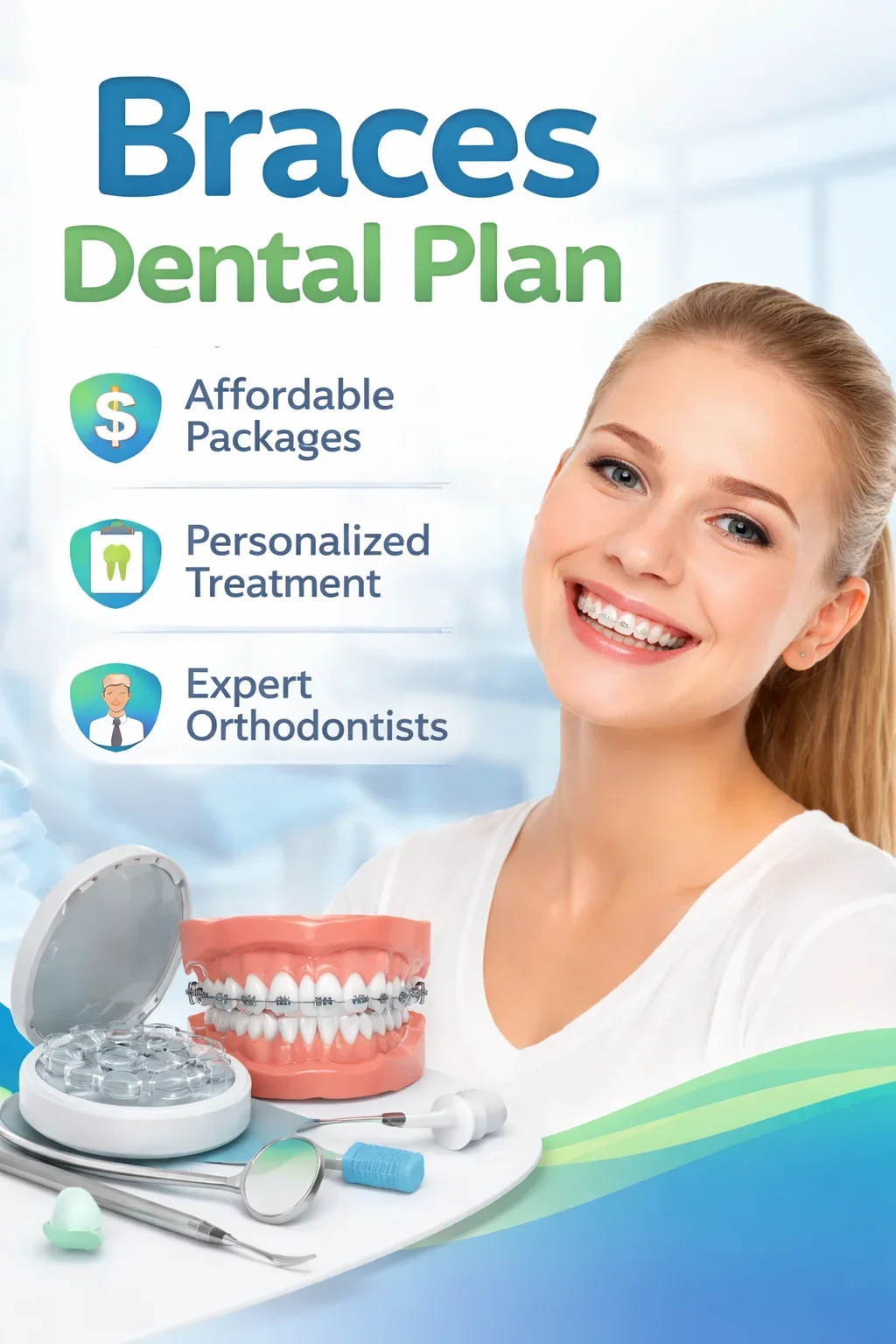
Long-Term Results and Maintenance After a Braces Dental Plan
Completing a braces dental plan is an exciting milestone, but the journey does not end when the braces are removed. In fact, long-term success depends heavily on proper maintenance and post-treatment care. A well-executed braces dental plan includes a detailed strategy to preserve results and ensure that your newly aligned teeth remain stable for years to come. 😊
Many patients assume that once their braces dental plan is finished, their teeth will stay in place permanently. However, teeth naturally tend to shift over time. Without proper maintenance, the results achieved through your braces dental plan can gradually diminish. This is why the retention phase is a critical component of any orthodontic treatment.
The Importance of Retention in a Braces Dental Plan
Retention is the phase that follows the active treatment stage of a braces dental plan. It focuses on maintaining the new alignment of your teeth and preventing relapse.
Why Teeth Shift After Treatment
After completing a braces dental plan, the surrounding bone and tissues need time to stabilize. Without support, teeth may slowly return to their original positions. This natural tendency makes retention essential for preserving your results.
Role of Retainers
Retainers are custom-made devices included in your braces dental plan to keep your teeth in their new positions. They are typically worn full-time immediately after treatment and later reduced to nighttime use. Consistent use of retainers is key to maintaining the success of your braces dental plan. 😁
Types of Retainers Used After a Braces Dental Plan
Different types of retainers may be included in your braces dental plan, depending on your needs and preferences.
Removable Retainers
These retainers can be taken out for eating and cleaning. They are convenient and easy to maintain, making them a popular choice in many braces dental plan options.
Fixed Retainers
Fixed retainers are bonded to the back of your teeth and remain in place permanently. A braces dental plan that includes fixed retainers provides continuous support without requiring daily removal.
Maintaining Oral Hygiene After a Braces Dental Plan
Proper oral hygiene remains essential even after completing your braces dental plan. Maintaining clean and healthy teeth ensures that your results last longer.
Daily Cleaning Routine
Brushing twice a day and flossing regularly are crucial habits to maintain after your braces dental plan. Using fluoride toothpaste and mouthwash can help protect your teeth from decay.
Cleaning Retainers
Retainers must also be cleaned regularly to prevent bacteria buildup. Your braces dental plan will include instructions on how to properly care for these devices to ensure hygiene and durability. 🪥
Regular Dental Check-Ups After a Braces Dental Plan
Routine dental visits are an important part of maintaining the results of your braces dental plan.
Monitoring Alignment Stability
Your dentist will check whether your teeth are staying in their correct positions. Any minor shifts can be addressed early to prevent larger issues.
Professional Cleaning and Care
Regular cleanings help maintain oral health and support the long-term success of your braces dental plan. These visits also provide an opportunity to address any concerns.
Lifestyle Habits That Support Long-Term Results
Your daily habits play a significant role in maintaining the outcomes of your braces dental plan.
Avoiding Harmful Habits
Habits such as nail-biting, chewing hard objects, or grinding teeth can affect alignment. Avoiding these behaviors helps protect the results of your braces dental plan.
Healthy Diet Choices
A balanced diet supports strong teeth and gums. Limiting sugary and acidic foods can help maintain the health achieved through your braces dental plan. 🍎
What Happens If You Don’t Follow Maintenance Guidelines?
Neglecting post-treatment care can compromise the success of your braces dental plan.
Risk of Relapse
Without proper retention, teeth may shift back to their original positions. This can undo the progress made during your braces dental plan and may require additional treatment.
Increased Dental Problems
Poor oral hygiene after completing a braces dental plan can lead to cavities, gum disease, and other issues that affect your overall dental health.
Long-Term Benefits of Following Your Braces Dental Plan
When you follow the maintenance guidelines of your braces dental plan, you can enjoy lasting benefits that extend beyond aesthetics.
Improved Oral Health
Properly aligned teeth are easier to clean and maintain, reducing the risk of dental problems. This is one of the key long-term advantages of a successful braces dental plan.
Enhanced Confidence
A straight, healthy smile boosts self-confidence and improves social interactions. The results of your braces dental plan can positively impact your personal and professional life. ✨
Final Thoughts on Long-Term Success After a Braces Dental Plan
In conclusion, the success of a braces dental plan depends not only on the treatment itself but also on how well you maintain the results afterward. Retainers, oral hygiene, regular check-ups, and healthy habits all play a crucial role in preserving your smile.
A properly maintained braces dental plan ensures that your investment in orthodontic care delivers lifelong benefits. By staying committed to post-treatment care, you can enjoy a beautiful, healthy smile that lasts for years to come. 😄