
Braces dentistry is one of the most effective and time-tested solutions for correcting misaligned teeth and improving overall oral health. Whether you are dealing with crooked teeth, overcrowding, gaps, or bite problems, braces dentistry provides a structured and scientifically proven way to create a healthier and more confident smile 😊. In modern dental care, this treatment goes beyond cosmetic enhancement—it plays a crucial role in long-term dental stability, jaw alignment, and even speech improvement.
At its core, braces dentistry focuses on gradually moving teeth into their ideal positions using controlled pressure. This process is guided by orthodontic principles that have been refined over decades. According to the American Dental Association, properly aligned teeth are not only more aesthetically pleasing but also easier to clean, reducing the risk of tooth decay and gum disease. That means braces dentistry is both a cosmetic and preventive treatment.
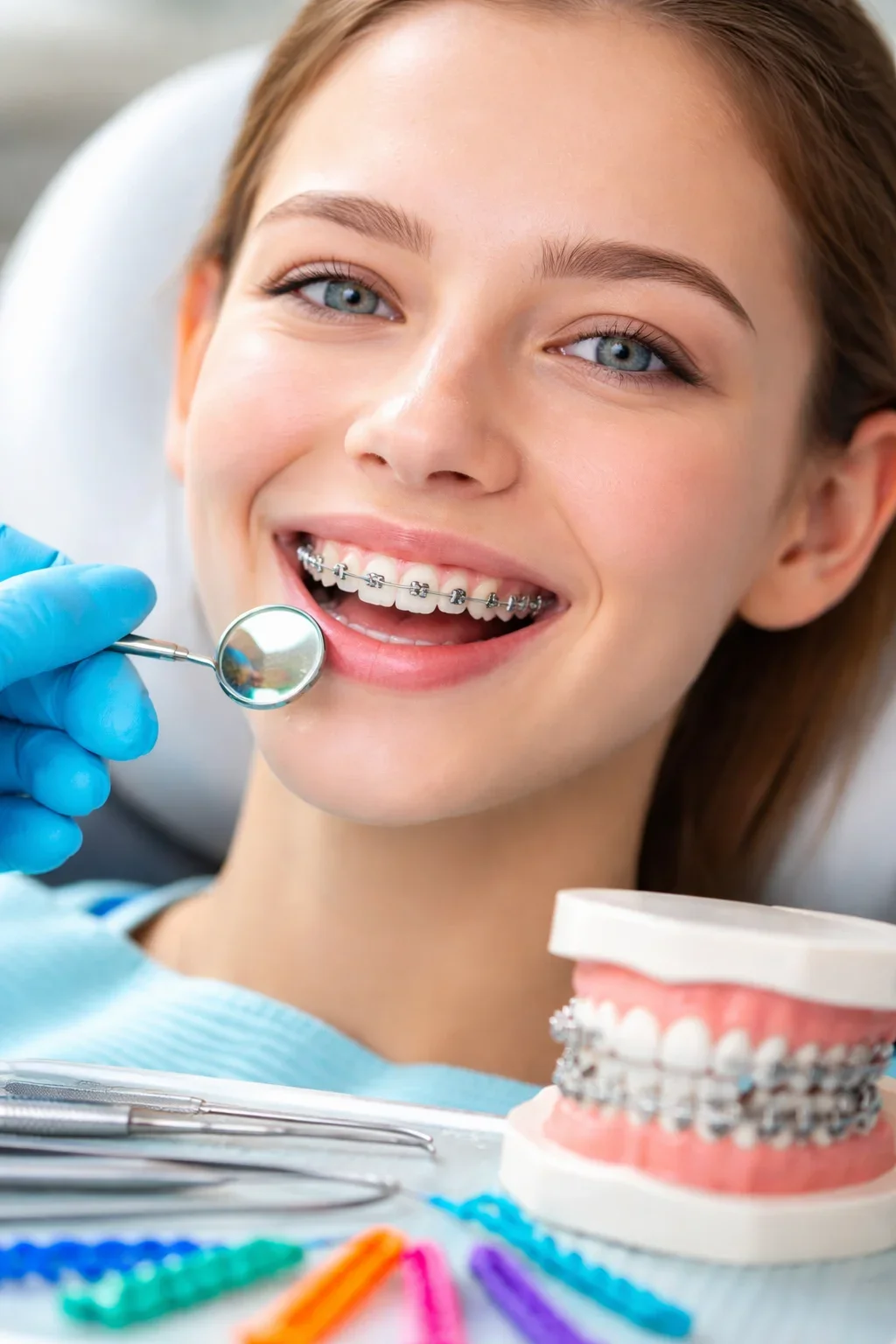
So how does braces dentistry actually work? The system typically includes brackets that are bonded to each tooth, archwires that connect those brackets, and small elastic bands that help apply precise pressure. Over time, this pressure stimulates the bone around the teeth to remodel. As the bone changes shape, the teeth gradually shift into better alignment. This biological process is safe and carefully monitored by dental professionals throughout the entire braces dentistry journey.
One of the biggest misconceptions about braces dentistry is that it is only for teenagers. While adolescents are common candidates because their jaws are still developing, adults can also greatly benefit from braces dentistry. In fact, adult orthodontic treatment has become increasingly popular in recent years. Thanks to advancements in orthodontic care, patients now have access to more discreet options such as ceramic braces and clear aligners, making braces dentistry more appealing than ever.
Braces dentistry is commonly recommended for individuals who experience bite issues such as overbite, underbite, crossbite, or open bite. These conditions are not just cosmetic concerns. An improper bite can lead to jaw pain, uneven tooth wear, difficulty chewing, and even headaches. By correcting these problems, braces dentistry improves both comfort and functionality. Patients often report better chewing efficiency and reduced jaw tension after completing treatment.
Another essential benefit of braces dentistry is improved oral hygiene. Crooked or crowded teeth create tight spaces where plaque and bacteria can accumulate. This increases the risk of cavities and periodontal disease. When teeth are aligned properly through braces dentistry, brushing and flossing become much easier. Over time, this contributes to healthier gums and a lower risk of long-term dental complications 🦷.
The process of braces dentistry begins with a comprehensive consultation. During this visit, digital X-rays, photographs, and impressions are taken to create a detailed treatment plan. Every case is unique, and braces dentistry is tailored to the specific alignment issues of each patient. Advanced imaging technology allows dentists to predict tooth movement and estimate treatment duration with remarkable accuracy.
Patients often ask whether braces dentistry is painful. While mild discomfort can occur after adjustments, it is typically temporary and manageable. The sensation is a sign that the teeth are responding to the gentle forces applied by the braces. Modern orthodontic materials are designed to minimize discomfort while maintaining effective tooth movement.
It is also important to understand that braces dentistry requires commitment. Regular appointments, proper oral hygiene, and following dietary guidelines are essential for successful results. Sticky or hard foods may need to be avoided to protect brackets and wires. Consistent care ensures that braces dentistry progresses smoothly and efficiently.
If you are considering improving your smile, braces dentistry offers a predictable and highly successful solution. With the right professional guidance, this treatment can transform not only your appearance but also your oral health and overall confidence. If you would like a personalized evaluation or have questions about your options, you can visit the Redent Klinik Contact Page to schedule a consultation.
In summary, braces dentistry combines medical science, aesthetics, and long-term oral health benefits into one comprehensive treatment. From correcting bite problems to enhancing smile symmetry, braces dentistry remains one of the most powerful tools in modern orthodontics. Whether you are a teenager or an adult, investing in braces dentistry is an investment in your long-term dental wellness and self-confidence ✨.
What Is Braces Dentistry and How Does It Work?
Braces dentistry is a specialized branch of dental care focused on diagnosing, preventing, and correcting misaligned teeth and jaw irregularities. While many people associate braces dentistry purely with cosmetic improvements, its purpose goes far beyond aesthetics. Properly aligned teeth contribute to better oral hygiene, improved chewing efficiency, clearer speech, and long-term jaw health. Understanding how braces dentistry works helps patients feel more confident and informed before starting treatment 😊.
At the foundation of braces dentistry is the science of orthodontics. Orthodontic treatment relies on controlled mechanical forces that gradually guide teeth into healthier positions. Teeth are not fixed rigidly into the jawbone; instead, they are supported by a ligament called the periodontal ligament. When steady pressure is applied through braces dentistry, this ligament responds by allowing the surrounding bone to remodel. Bone tissue breaks down on one side of the tooth and rebuilds on the other, enabling safe and gradual movement.
The Biological Principle Behind Braces Dentistry
The success of braces dentistry depends on a natural biological process called bone remodeling. When orthodontic force is applied, specialized cells called osteoclasts break down bone in the direction the tooth is moving. At the same time, osteoblasts form new bone behind the tooth. This balanced process ensures that braces dentistry achieves alignment without damaging the roots or surrounding structures.
This is why braces dentistry must always be supervised by qualified dental professionals. The amount of pressure applied is carefully calculated. Too little force will not move the teeth effectively, while excessive force could cause discomfort or unwanted complications. Modern braces dentistry uses advanced materials and techniques to ensure precise and controlled movement throughout the treatment period.
Main Components Used in Braces Dentistry
Braces dentistry involves several key components working together to guide tooth movement:
1. Brackets
Brackets are small attachments bonded directly to the surface of each tooth. They serve as anchors in braces dentistry, holding the archwire in place. Brackets can be made of metal, ceramic, or other tooth-colored materials for a more discreet appearance.
2. Archwires
The archwire connects all brackets and acts as the guiding force in braces dentistry. It is shaped according to the desired alignment. As the wire attempts to return to its original shape, it applies gentle pressure that moves the teeth into position.
3. Elastic Bands
Elastic bands, sometimes called ligatures, help secure the archwire to the brackets. In certain cases, additional rubber bands are used in braces dentistry to correct bite relationships between the upper and lower jaws.
4. Additional Appliances
In more complex cases, braces dentistry may include expanders, headgear, or temporary anchorage devices. These tools provide extra support to achieve optimal alignment and bite correction.
Step-by-Step Mechanism of Braces Dentistry
The process of braces dentistry typically follows a structured plan. First, a comprehensive evaluation is performed using digital X-rays, photographs, and 3D scans. This allows the dentist to create a customized treatment strategy. Once braces are placed, the initial archwire begins applying gentle force.
Over time, adjustments are made during scheduled appointments. Each adjustment in braces dentistry slightly modifies the tension in the wires, continuing the gradual tooth movement. These visits are essential for monitoring progress and ensuring the treatment remains on track.
Throughout braces dentistry, patients may experience mild pressure after adjustments. This sensation is normal and temporary. It indicates that the biological process of bone remodeling is actively working. Most patients adapt quickly, and discomfort typically subsides within a few days.
How Braces Dentistry Improves Oral Function
Beyond straightening teeth, braces dentistry improves the way the upper and lower jaws fit together. A balanced bite reduces excessive pressure on certain teeth, preventing premature wear and enamel damage. It can also relieve strain on the temporomandibular joint (TMJ), decreasing the risk of jaw pain and headaches.
Additionally, properly aligned teeth are easier to clean. Crowded or overlapping teeth create tight spaces where plaque accumulates. By correcting alignment, braces dentistry reduces the likelihood of cavities and gum disease. This functional improvement highlights why braces dentistry is considered both a corrective and preventive dental solution 🦷.
Is Braces Dentistry Safe?
When performed by trained professionals, braces dentistry is extremely safe. Modern orthodontic materials are biocompatible and designed to deliver consistent, gentle force. Regular monitoring ensures that teeth move at an optimal pace without causing root damage or gum recession.
It is important to follow professional advice during braces dentistry, including maintaining excellent oral hygiene and attending all scheduled appointments. Compliance significantly influences the success and duration of treatment.
In conclusion, braces dentistry works through a scientifically controlled process that combines mechanical precision with natural biological response. By gradually guiding teeth into proper alignment, braces dentistry enhances both appearance and oral function. Understanding how braces dentistry operates allows patients to approach treatment with confidence, knowing they are investing in long-term dental health and a more balanced smile ✨.
Types of Braces Used in Modern Dentistry
Braces dentistry has evolved significantly over the past few decades. Today, patients have access to a wide range of treatment options designed to suit different clinical needs, lifestyles, and aesthetic preferences. While the core goal of braces dentistry remains the same—aligning teeth and correcting bite issues—the materials, techniques, and comfort levels have improved dramatically. Understanding the different types of braces dentistry helps patients make informed decisions about their orthodontic journey 😊.
Modern braces dentistry is no longer limited to traditional metal brackets. Technological advancements have introduced more discreet, comfortable, and efficient solutions. Each type of braces dentistry offers specific advantages depending on the severity of misalignment, age of the patient, and personal expectations.
Traditional Metal Braces
Traditional metal braces are the most widely recognized form of braces dentistry. They consist of stainless steel brackets attached to each tooth and connected by an archwire. Although they are highly visible, they remain one of the most effective and durable options in braces dentistry.
Advantages of Metal Braces
Metal braces dentistry is particularly effective for complex cases involving severe crowding, significant bite problems, or jaw misalignment. They provide precise control over tooth movement and are often more cost-effective compared to other options. Modern versions are smaller and more comfortable than older designs, reducing irritation inside the mouth.
Considerations
The main drawback of traditional braces dentistry with metal brackets is their visibility. However, many patients—especially teenagers—enjoy customizing their braces with colored elastic bands, making braces dentistry a more personalized experience.
Ceramic Braces
Ceramic braces function similarly to metal braces but use tooth-colored or clear brackets. This type of braces dentistry is designed for patients who want effective treatment with a less noticeable appearance.
Benefits of Ceramic Braces
Ceramic braces dentistry blends more naturally with the teeth, making them a popular choice among adults. They provide the same structural benefits as metal braces while offering enhanced aesthetics. For individuals concerned about professional appearance, ceramic braces dentistry can be an excellent compromise between visibility and effectiveness.
Potential Downsides
While ceramic braces dentistry is discreet, the brackets can be slightly larger and more fragile than metal ones. They may also require careful maintenance to prevent staining. Proper oral hygiene is essential to maintain their clear appearance throughout braces dentistry treatment.
Lingual Braces
Lingual braces are a unique form of braces dentistry placed on the inner surfaces of the teeth, facing the tongue. Because they are hidden from view, they offer a highly aesthetic solution for patients seeking invisible orthodontic treatment.
Why Choose Lingual Braces?
Lingual braces dentistry is ideal for patients who want complete discretion. Since the brackets are not visible from the outside, they provide the benefits of traditional braces dentistry without affecting the smile’s appearance during treatment.
Challenges of Lingual Braces
This type of braces dentistry may require a longer adjustment period. Some patients initially experience mild speech changes or tongue irritation. Additionally, lingual braces dentistry can be more expensive due to the customization required for each patient.
Clear Aligners
Clear aligners represent one of the most innovative advancements in braces dentistry. Unlike fixed braces, aligners are removable, transparent trays custom-designed to gradually shift teeth into place. While technically different from bracket-based systems, they are considered part of modern braces dentistry solutions.
Benefits of Clear Aligners
Clear aligner braces dentistry offers unmatched convenience. Patients can remove the trays for eating, brushing, and flossing. This significantly improves oral hygiene compared to traditional braces dentistry. The nearly invisible appearance makes them extremely popular among adults and working professionals.
Limitations
Clear aligner braces dentistry may not be suitable for severe orthodontic cases. Success depends heavily on patient compliance, as aligners must be worn for 20–22 hours daily. Without consistent wear, braces dentistry results may be delayed.
Self-Ligating Braces
Self-ligating braces dentistry uses a specialized bracket system that eliminates the need for elastic bands. Instead, built-in clips hold the archwire in place. This design reduces friction and may shorten appointment times.
Advantages
Patients undergoing self-ligating braces dentistry often report greater comfort and fewer adjustment visits. The system allows teeth to move more freely, which can improve efficiency in some cases.
Clinical Suitability
Like traditional braces dentistry, self-ligating systems are effective for a wide range of orthodontic issues. A professional evaluation determines whether this approach is appropriate for the patient’s specific needs.
Choosing the Right Type of Braces Dentistry
Selecting the ideal braces dentistry option depends on several factors: severity of misalignment, lifestyle preferences, budget, and treatment goals. A comprehensive consultation allows dental professionals to assess bite structure, jaw alignment, and oral health before recommending the most suitable braces dentistry approach.
Each type of braces dentistry has proven clinical success. The key is personalization. What works best for one patient may not be ideal for another. By discussing expectations and concerns openly, patients can confidently begin their braces dentistry journey.
In summary, modern braces dentistry offers diverse treatment options that combine effectiveness, comfort, and aesthetics. From traditional metal systems to nearly invisible aligners, braces dentistry continues to adapt to the needs of contemporary patients. No matter the method chosen, the ultimate goal remains the same: achieving a healthy, functional, and confident smile ✨.
Who Is a Good Candidate for Braces Dentistry?
Braces dentistry is suitable for a wide range of patients, but determining the ideal candidate requires a careful clinical evaluation. While many people associate braces dentistry primarily with teenagers, the truth is that both adolescents and adults can benefit from this treatment. The key factor is not age alone, but the condition of the teeth, jaw alignment, and overall oral health. Understanding who qualifies for braces dentistry helps patients make informed decisions and set realistic expectations 😊.
In general, braces dentistry is recommended for individuals who have misaligned teeth, bite irregularities, spacing problems, or jaw discrepancies. These issues can affect not only appearance but also chewing efficiency, speech clarity, and long-term dental stability. A professional orthodontic assessment is essential to confirm whether braces dentistry is the appropriate solution.
Children and Teenagers
Adolescents are among the most common candidates for braces dentistry. This is largely because their jaws are still developing, making tooth movement and bite correction more efficient. Early evaluation—often around age 7—allows dental professionals to monitor growth patterns and determine the optimal time to begin braces dentistry.
Why Early Intervention Matters
Early braces dentistry can prevent more serious complications later in life. For example, guiding jaw growth during adolescence may eliminate the need for surgical correction in adulthood. Addressing crowding, crossbite, or protruding teeth early can also protect against enamel wear and gum problems.
Teenagers often respond very well to braces dentistry because their bone tissue is more adaptable. Compliance with appointments and oral hygiene instructions plays a significant role in achieving successful outcomes.
Adults Seeking Orthodontic Treatment
Contrary to common belief, braces dentistry is not limited to young patients. Many adults pursue braces dentistry to improve both aesthetics and oral function. Advances in orthodontic technology—such as ceramic braces and clear aligners—have made braces dentistry more discreet and appealing for working professionals.
Is There an Age Limit?
There is no strict upper age limit for braces dentistry. As long as the teeth and supporting bone structures are healthy, orthodontic treatment can be effective. Adults may require additional evaluation to assess gum health and bone density before beginning braces dentistry.
In fact, adult braces dentistry can significantly improve oral hygiene. Straightening crowded teeth reduces plaque buildup and lowers the risk of periodontal disease. For patients who previously avoided orthodontic treatment, braces dentistry offers a second opportunity to achieve long-term dental stability.
Patients with Bite Problems
Braces dentistry is particularly beneficial for individuals experiencing malocclusion, or improper bite alignment. Common bite issues include overbite, underbite, crossbite, and open bite. These conditions can lead to jaw pain, uneven tooth wear, and difficulty chewing.
Functional Benefits of Correction
Correcting bite irregularities through braces dentistry reduces strain on the temporomandibular joint (TMJ). It can also prevent fractures, enamel erosion, and chronic discomfort. Patients who experience frequent headaches or jaw tension may find relief after completing braces dentistry treatment.
Individuals with Crowded or Spaced Teeth
Crowding occurs when there is insufficient space in the jaw for all teeth to align properly. Spacing issues, on the other hand, involve excessive gaps between teeth. Both conditions are common reasons for seeking braces dentistry.
Oral Health Impact
When teeth overlap or twist, brushing and flossing become more challenging. This increases the risk of cavities and gum inflammation. By aligning teeth properly, braces dentistry makes daily oral hygiene more effective and sustainable.
Patients Preparing for Restorative or Cosmetic Procedures
Sometimes braces dentistry is recommended before other dental treatments, such as dental implants, veneers, or crowns. Aligning the teeth first ensures that restorative procedures are placed in optimal positions. This coordinated approach enhances both function and longevity.
Comprehensive Treatment Planning
Braces dentistry can be part of a broader smile makeover strategy. By correcting alignment before cosmetic procedures, dentists create a stable foundation for long-term results.
Health Considerations Before Starting Braces Dentistry
Although braces dentistry is safe for most patients, certain conditions require careful management. Active gum disease must be treated before beginning braces dentistry. Additionally, patients must commit to maintaining excellent oral hygiene throughout treatment.
Medical history is also reviewed to ensure that braces dentistry will not interfere with systemic health conditions. In rare cases, bone metabolism disorders or uncontrolled diabetes may require special precautions.
Psychological Readiness and Commitment
Successful braces dentistry requires dedication. Regular appointments, dietary adjustments, and consistent cleaning habits are essential. Patients who understand the responsibilities associated with braces dentistry are more likely to achieve optimal outcomes.
Motivation plays a crucial role. Whether the goal is improved confidence, better oral function, or preventive health, having a clear reason for pursuing braces dentistry increases compliance and satisfaction.
In summary, braces dentistry is suitable for children, teenagers, and adults who have alignment or bite concerns. The ideal candidate for braces dentistry is someone with healthy teeth and gums who is committed to the treatment process. With proper evaluation and professional guidance, braces dentistry can transform both oral health and self-confidence, creating a balanced, functional, and beautiful smile that lasts for years ✨.
Step-by-Step Braces Dentistry Treatment Process
Understanding the full journey of braces dentistry helps patients feel prepared, confident, and motivated throughout treatment. While every case is personalized, the overall braces dentistry process follows a structured and carefully monitored path. From the initial consultation to the final retention phase, each step is designed to ensure safe, predictable, and long-lasting results 😊.
Braces dentistry is not a one-day procedure. It is a gradual transformation that combines advanced diagnostics, precise mechanical adjustments, and biological adaptation. Knowing what to expect at each stage allows patients to actively participate in their own treatment success.
Initial Consultation and Orthodontic Assessment
The first step in braces dentistry begins with a comprehensive evaluation. During this appointment, the dental professional examines the teeth, gums, jaw alignment, and facial structure. Digital X-rays, intraoral photographs, and sometimes 3D scans are taken to create a detailed treatment plan.
Diagnostic Imaging and Records
Accurate records are essential in braces dentistry. X-rays reveal tooth root positions, bone levels, and any underlying issues. Digital impressions or scans help map out current alignment and simulate expected outcomes. This data-driven planning ensures that braces dentistry is customized for each patient’s specific needs.
At this stage, the dentist explains the type of braces dentistry recommended, estimated treatment duration, and expected results. Patients are encouraged to ask questions and discuss concerns before moving forward.
Treatment Planning and Personalization
Once diagnostic information is collected, a personalized braces dentistry plan is created. This plan outlines how each tooth will move over time. The orthodontic strategy may involve metal braces, ceramic braces, or clear aligners depending on the case complexity.
Setting Realistic Expectations
Braces dentistry requires patience. Minor alignment cases may take 6–12 months, while more complex situations can require 18–24 months or longer. Clear communication during this phase helps patients understand that braces dentistry is a gradual but highly effective process.
Placement of Braces
The next major step in braces dentistry is the bonding appointment. During this visit, brackets are carefully attached to the teeth using a dental adhesive. An archwire is then placed and secured. This marks the official beginning of active braces dentistry treatment.
Is the Procedure Painful?
The placement of braces dentistry appliances is painless. However, mild pressure or sensitivity may develop within a few hours as teeth begin responding to the applied force. This is a normal and temporary part of braces dentistry.
Regular Adjustment Appointments
Braces dentistry requires routine follow-up visits, typically every 4–8 weeks. During these appointments, the dentist adjusts or replaces the archwire to continue guiding tooth movement. These small adjustments ensure that braces dentistry progresses according to the treatment plan.
Monitoring Progress
Each adjustment in braces dentistry builds upon previous progress. The dentist checks alignment improvements, bite correction, and overall oral health. If necessary, minor modifications are made to optimize results.
Patients may feel slight discomfort after adjustments, but this typically subsides within a few days. Maintaining good oral hygiene during braces dentistry is critical, as brackets and wires can trap food particles more easily.
Mid-Treatment Evaluation
Halfway through braces dentistry, a detailed progress assessment is often performed. Updated images may be taken to compare current alignment with initial records. This ensures that braces dentistry remains on schedule and that expected changes are occurring.
In some cases, elastic bands are introduced during this stage to refine bite correction. These additional components enhance the effectiveness of braces dentistry in achieving balanced jaw alignment.
Removal of Braces
When the desired alignment is achieved, the braces dentistry appliances are carefully removed. This process is simple and painless. The adhesive is polished off, revealing the newly aligned teeth.
Immediate Results
Many patients feel an immediate boost in confidence after completing braces dentistry. However, treatment is not fully complete at this stage. Retention is essential to maintain results.
The Retention Phase
Retention is a crucial step in braces dentistry. After active movement ends, teeth naturally attempt to shift back to their original positions. To prevent relapse, patients are provided with retainers.
Types of Retainers
Retainers used after braces dentistry may be removable or fixed. Removable retainers are worn according to instructions, often full-time initially and then nightly. Fixed retainers are bonded discreetly behind the teeth for long-term stability.
Consistency during the retention phase ensures that the benefits of braces dentistry are preserved for years to come.
Patient Responsibilities During Treatment
Successful braces dentistry depends heavily on patient cooperation. Brushing after meals, flossing daily, and avoiding hard or sticky foods protect the appliances. Missed appointments or poor hygiene can delay progress.
Communication with the dental team is also important. If discomfort, broken brackets, or other concerns arise, patients should seek guidance promptly to keep braces dentistry on track.
In conclusion, the step-by-step braces dentistry treatment process is carefully structured to deliver safe and predictable outcomes. From consultation to retention, every stage of braces dentistry serves a specific purpose in creating a healthier, straighter smile. By understanding each phase and committing to proper care, patients can maximize the life-changing benefits of braces dentistry and enjoy long-term oral health and confidence ✨.
How Long Does Braces Dentistry Take?
One of the most common questions patients ask before starting treatment is: how long does braces dentistry take? The answer depends on several factors, including the severity of misalignment, the type of orthodontic system used, the patient’s age, and overall oral health. While braces dentistry follows a structured biological process, every smile is unique, and treatment duration can vary significantly 😊.
On average, braces dentistry treatment lasts between 12 and 24 months. However, some minor alignment cases may be completed in as little as 6 months, while more complex bite corrections can extend beyond two years. Understanding what influences the timeline helps patients set realistic expectations and stay motivated throughout their braces dentistry journey.
Factors That Influence Treatment Duration
The length of braces dentistry is never random. It is carefully estimated during the initial consultation based on diagnostic records and digital imaging. Several clinical and personal factors directly impact how long braces dentistry will take.
1. Severity of Misalignment
Simple spacing or mild crowding cases typically require less time in braces dentistry. On the other hand, severe overcrowding, significant bite discrepancies, or jaw alignment issues demand more extensive correction. Complex orthodontic movements naturally require a longer braces dentistry timeline.
2. Age of the Patient
Teenagers often experience faster results in braces dentistry because their jawbones are still developing and more adaptable. Adults can achieve excellent results as well, but bone remodeling may occur at a slightly slower pace. This does not make braces dentistry less effective—it simply influences timing.
3. Type of Braces Used
Different systems within braces dentistry can affect treatment speed. Traditional metal braces offer strong control for complex cases. Self-ligating systems may reduce friction and slightly shorten appointment intervals. Clear aligner braces dentistry may be faster for mild cases but could take longer if compliance is inconsistent.
4. Patient Compliance
Braces dentistry requires cooperation. Wearing elastic bands as instructed, attending scheduled appointments, and maintaining proper oral hygiene all contribute to staying on track. Missed visits or broken brackets can extend the overall braces dentistry timeline.
Typical Braces Dentistry Timeline Breakdown
Although every case is personalized, braces dentistry generally follows a predictable progression.
Phase 1: Alignment (First 3–6 Months)
During the early stage of braces dentistry, the focus is on leveling and aligning the teeth. Crowded or rotated teeth begin to shift into straighter positions. Many patients notice visible improvements within the first few months of braces dentistry.
Phase 2: Bite Correction (6–18 Months)
After initial alignment, braces dentistry concentrates on correcting bite relationships between the upper and lower jaws. Elastic bands may be introduced during this phase to refine jaw positioning. This stage is essential for achieving long-term functional balance.
Phase 3: Fine-Tuning (Final Months)
The final stage of braces dentistry involves detailed adjustments to perfect tooth positioning. Small refinements ensure optimal symmetry, spacing, and bite alignment. Though subtle, this phase plays a critical role in delivering polished results.
Can Braces Dentistry Be Accelerated?
Many patients wonder if braces dentistry can be completed faster. While natural biological limits prevent overly rapid movement, certain technologies may enhance efficiency. Self-ligating braces dentistry systems and high-tech archwires are designed to optimize force delivery.
However, the safest approach is steady, controlled movement. Attempting to rush braces dentistry can increase the risk of root damage or gum recession. Responsible orthodontic care prioritizes health and stability over speed.
What Happens If Treatment Is Extended?
Sometimes braces dentistry lasts slightly longer than initially estimated. This may occur if teeth respond more slowly, if elastics are not worn consistently, or if unexpected complications arise. Extended braces dentistry is not uncommon and does not indicate failure. Instead, it reflects the precision required for ideal alignment.
Retention: The Often Overlooked Phase
It is important to understand that braces dentistry does not end the day brackets are removed. After active treatment, retainers must be worn to maintain results. Although this phase does not involve active tooth movement, it is considered a crucial part of braces dentistry success.
Why Retainers Matter
Without retention, teeth can gradually shift back toward their original positions. Wearing retainers as instructed protects the time invested in braces dentistry and ensures lasting results.
Emotional and Lifestyle Considerations
While the timeline may seem long, most patients adjust quickly to braces dentistry. Routine appointments become part of normal life. Seeing progressive improvements keeps motivation high, and the long-term benefits far outweigh the temporary inconvenience.
Additionally, braces dentistry often improves oral hygiene habits. Patients become more attentive to brushing and flossing, leading to healthier gums and stronger teeth even before treatment ends.
In conclusion, the duration of braces dentistry depends on individual circumstances, case complexity, and patient cooperation. While the average treatment lasts between one and two years, each braces dentistry journey is unique. By following professional guidance and maintaining consistent care, patients can achieve optimal results within a safe and effective timeframe. Ultimately, the time invested in braces dentistry leads to a lifetime of improved oral health, confidence, and smile harmony ✨.
Cost of Braces Dentistry: What to Expect
The cost of braces dentistry is one of the most important considerations for patients planning orthodontic treatment. While the benefits of braces dentistry include improved oral health, enhanced aesthetics, and long-term functional stability, understanding the financial aspect helps patients prepare with confidence. The total investment in braces dentistry varies depending on several clinical and geographic factors 😊.
On average, braces dentistry costs range between $3,000 and $8,000 in the United States. However, the final price depends on the type of braces dentistry selected, the complexity of the case, the duration of treatment, and the expertise of the dental professional. It is essential to view braces dentistry not as a short-term expense but as a long-term investment in oral health and self-confidence.
Average Price Ranges by Type of Braces Dentistry
The type of orthodontic system chosen significantly influences the total cost of braces dentistry. Below is a general breakdown based on common treatment options:
Traditional Metal Braces
Metal braces dentistry typically costs between $3,000 and $6,000. This option is often the most affordable and is highly effective for both moderate and complex cases. Because metal braces dentistry provides strong control over tooth movement, it is frequently recommended for severe alignment problems.
Ceramic Braces
Ceramic braces dentistry usually ranges from $4,000 to $7,000. These tooth-colored brackets offer a more discreet appearance, which explains the slightly higher cost compared to traditional braces dentistry systems.
Lingual Braces
Lingual braces dentistry can cost between $8,000 and $10,000. Since these braces are placed behind the teeth and require custom fabrication, braces dentistry of this type involves higher laboratory and technical expenses.
Clear Aligners
Clear aligner braces dentistry generally ranges from $3,500 to $8,000, depending on case complexity. Mild cases may fall on the lower end, while comprehensive alignment cases may reach higher price points.
Factors That Influence Braces Dentistry Costs
Beyond the type of braces, several additional factors affect the total cost of braces dentistry.
1. Case Complexity
Severe crowding, bite irregularities, or jaw misalignment require longer treatment and more frequent adjustments. More complex braces dentistry cases naturally increase the overall cost.
2. Treatment Duration
Braces dentistry that extends beyond two years may require additional appointments, replacement components, and ongoing monitoring, which can affect pricing.
3. Geographic Location
The cost of braces dentistry can vary depending on the region and local economic conditions. Urban clinics with advanced technology may have different pricing structures compared to smaller communities.
4. Expertise and Technology
Highly experienced orthodontic professionals and clinics equipped with advanced digital scanning and 3D imaging technology may charge higher fees. However, investing in high-quality braces dentistry often results in more precise and predictable outcomes.
What Is Typically Included in Braces Dentistry Fees?
Most braces dentistry treatment plans include:
- Initial consultation and diagnostic imaging
- Placement of brackets or aligners
- Routine adjustment appointments
- Monitoring and progress evaluations
- Removal of braces
- Basic retainers after treatment
It is important to clarify with the clinic whether emergency visits, replacement retainers, or additional procedures are covered in the braces dentistry package.
Insurance Coverage and Payment Plans
Many dental insurance plans partially cover braces dentistry, particularly for patients under 18. Coverage typically ranges from $1,000 to $3,000, depending on the policy. Adults may also receive partial benefits, although coverage varies.
Flexible Payment Options
To make braces dentistry more accessible, many clinics offer monthly installment plans with little or no interest. This allows patients to spread the cost of braces dentistry over the course of treatment rather than paying the full amount upfront.
Is Braces Dentistry Worth the Investment?
While braces dentistry requires financial planning, its long-term benefits often outweigh the cost. Properly aligned teeth reduce the risk of cavities, gum disease, enamel wear, and jaw strain. This preventive impact can lower future dental expenses.
Additionally, braces dentistry improves confidence and quality of life. A healthy, balanced smile enhances social interactions and professional opportunities. Many patients consider braces dentistry one of the most rewarding investments they have made in their health.
Long-Term Value of Braces Dentistry
Unlike temporary cosmetic procedures, braces dentistry delivers lasting structural improvements. When followed by proper retention and maintenance, results can remain stable for decades. This durability makes braces dentistry a cost-effective solution over a lifetime.
In conclusion, the cost of braces dentistry depends on multiple factors, including treatment type, complexity, and location. Average prices range from $3,000 to $8,000, with specialized options potentially exceeding that range. By exploring insurance coverage and flexible payment plans, braces dentistry becomes more accessible to many patients. Ultimately, investing in braces dentistry means investing in improved oral health, enhanced functionality, and long-term confidence ✨.
Benefits of Braces Dentistry for Oral Health
Braces dentistry is often associated with cosmetic improvement, but its true value extends far beyond achieving a straighter smile. The primary goal of braces dentistry is to create a balanced, functional, and healthy oral structure. Proper alignment of the teeth and jaws supports long-term dental stability, reduces the risk of disease, and enhances overall well-being. When performed correctly, braces dentistry provides both preventive and corrective health benefits that last a lifetime 😊.
Many patients begin braces dentistry to improve their appearance, but they quickly discover that the functional advantages are equally important. From easier oral hygiene to improved bite mechanics, braces dentistry plays a critical role in maintaining strong teeth and healthy gums.
Improved Oral Hygiene and Cavity Prevention
One of the most significant health benefits of braces dentistry is improved oral hygiene. Crooked, crowded, or overlapping teeth create tight spaces where plaque and bacteria accumulate. These hard-to-clean areas increase the risk of tooth decay and gum inflammation.
Easier Brushing and Flossing
After braces dentistry aligns the teeth properly, patients can brush and floss more effectively. Straight teeth reduce hidden plaque traps, making daily hygiene routines more efficient. This directly lowers the risk of cavities and periodontal disease.
Over time, braces dentistry contributes to stronger enamel preservation because evenly spaced teeth are less likely to retain harmful bacteria. This preventive advantage highlights why braces dentistry is considered a long-term investment in oral health.
Healthier Gums and Reduced Periodontal Risk
Misaligned teeth can place uneven pressure on gum tissue, leading to localized inflammation or gum recession. Braces dentistry corrects these imbalances, allowing gum tissue to fit more securely around each tooth.
Balanced Pressure Distribution
When teeth are properly aligned through braces dentistry, chewing forces are evenly distributed. This reduces trauma to the gums and prevents excessive stress on specific areas. As a result, patients experience improved gum stability and lower risk of advanced periodontal complications.
Enhanced Bite Function and Jaw Health
Bite alignment plays a crucial role in overall oral function. Conditions such as overbite, underbite, crossbite, and open bite can strain the jaw joints and surrounding muscles. Braces dentistry corrects these bite irregularities, improving chewing efficiency and reducing discomfort.
Temporomandibular Joint (TMJ) Support
Improper alignment may contribute to jaw pain, clicking sounds, or headaches. By restoring proper occlusion, braces dentistry reduces stress on the temporomandibular joint. Patients often report relief from chronic jaw tension after completing braces dentistry treatment.
Balanced bite mechanics achieved through braces dentistry also prevent uneven tooth wear. Teeth that do not align properly may grind against each other in unnatural ways, leading to enamel erosion or fractures over time.
Prevention of Tooth Wear and Damage
Misaligned teeth are more prone to abnormal wear patterns. When certain teeth bear excessive pressure, they may chip, crack, or wear down prematurely. Braces dentistry redistributes bite forces evenly, protecting enamel and preserving tooth structure.
Long-Term Structural Protection
By correcting alignment early, braces dentistry reduces the likelihood of costly restorative treatments in the future. Proper positioning ensures that teeth function harmoniously, minimizing unnecessary stress on individual teeth.
Improved Speech and Pronunciation
In some cases, severe misalignment can interfere with speech clarity. Certain sounds require precise tongue-to-tooth contact. Braces dentistry helps correct spacing and positioning issues that may affect pronunciation.
Patients who experience speech difficulties due to dental irregularities may notice clearer articulation after completing braces dentistry. This improvement can enhance confidence in social and professional environments.
Boosted Self-Confidence and Mental Well-Being
Although the focus of this section is oral health, emotional well-being is closely connected to dental appearance. Braces dentistry improves smile symmetry, which often enhances self-esteem. A confident smile encourages social interaction and positive self-image.
Research consistently shows that individuals with aligned teeth are perceived as healthier and more confident. Braces dentistry not only transforms physical structure but also strengthens psychological well-being.
Support for Future Dental Treatments
Aligned teeth create a stable foundation for other dental procedures such as crowns, veneers, implants, and bridges. Braces dentistry ensures that restorative treatments are placed in optimal positions, increasing their durability and functionality.
Comprehensive Care Approach
By integrating braces dentistry into a broader oral health strategy, patients can achieve long-term stability. Correct alignment simplifies future dental maintenance and reduces complications.
Long-Term Preventive Value of Braces Dentistry
Perhaps the greatest advantage of braces dentistry is its preventive nature. Instead of simply addressing symptoms, braces dentistry corrects the underlying structural causes of many dental problems. By aligning teeth and balancing the bite, braces dentistry reduces the risk of decay, gum disease, jaw strain, and structural damage.
In conclusion, the benefits of braces dentistry for oral health extend far beyond cosmetic improvement. From improved hygiene and gum health to enhanced bite function and jaw stability, braces dentistry supports comprehensive dental wellness. By investing in braces dentistry, patients gain not only a straighter smile but also a healthier, more functional oral environment that can last a lifetime ✨.
Common Problems Braces Dentistry Can Correct
Braces dentistry is designed to address a wide range of dental and jaw alignment issues that affect both appearance and function. While many people seek braces dentistry to improve their smile aesthetics, the clinical reasons behind orthodontic treatment are often far more significant. Misaligned teeth and improper bite relationships can lead to long-term oral health complications if left untreated. Understanding the common problems braces dentistry can correct helps patients recognize when professional evaluation is necessary 😊.
Modern braces dentistry combines precise biomechanics with advanced technology to safely reposition teeth and balance jaw alignment. Below are the most frequent conditions successfully treated with braces dentistry.
Crowded Teeth
Crowding occurs when there is insufficient space in the jaw for all teeth to align properly. This results in overlapping, twisting, or displaced teeth. Crowded teeth are one of the most common reasons patients seek braces dentistry.
Why Crowding Is a Concern
When teeth overlap, cleaning becomes more difficult. Plaque accumulates in tight spaces, increasing the risk of cavities and gum disease. Braces dentistry gradually repositions crowded teeth into proper alignment, improving both aesthetics and hygiene accessibility.
In severe cases, braces dentistry may involve strategic space creation techniques, such as minor enamel reshaping or expansion appliances, to allow proper tooth positioning.
Gaps and Spacing Issues
Spacing problems involve excessive gaps between teeth. These gaps may result from missing teeth, abnormal jaw growth, or natural spacing variations. Braces dentistry effectively closes unwanted gaps while maintaining proper bite balance.
Functional and Aesthetic Impact
While gaps may appear purely cosmetic, they can trap food particles and irritate gum tissue. Braces dentistry aligns teeth closer together, reducing food impaction and improving smile symmetry.
Overbite (Deep Bite)
An overbite occurs when the upper front teeth excessively overlap the lower front teeth. Mild overbites are common, but severe cases can cause functional problems. Braces dentistry corrects overbite by gradually repositioning the upper and lower teeth for balanced contact.
Potential Complications of Untreated Overbite
Without braces dentistry, a deep overbite can lead to enamel wear, gum trauma, and jaw discomfort. In some cases, lower teeth may contact the roof of the mouth, causing tissue damage. Braces dentistry redistributes bite forces evenly to prevent long-term complications.
Underbite
An underbite occurs when the lower teeth extend beyond the upper teeth. This condition often results from jaw growth discrepancies. Braces dentistry works to reposition teeth and, in some cases, guide jaw alignment to achieve proper occlusion.
Functional Concerns
Underbite can interfere with chewing efficiency and speech clarity. Braces dentistry helps restore functional harmony between the upper and lower jaws, improving both comfort and performance.
Crossbite
A crossbite happens when one or more upper teeth sit inside the lower teeth instead of outside. This misalignment can affect a single tooth or multiple teeth. Braces dentistry corrects crossbite by realigning the affected teeth into proper positions.
Risk of Jaw Asymmetry
If untreated, crossbite may contribute to uneven jaw development or facial asymmetry. Early braces dentistry intervention can prevent these complications and promote balanced growth in younger patients.
Open Bite
An open bite occurs when the upper and lower front teeth do not make contact when the mouth is closed. This condition can be caused by habits such as thumb sucking or prolonged pacifier use in childhood. Braces dentistry addresses open bite by guiding teeth into vertical alignment.
Speech and Chewing Impact
Open bite can make biting into food difficult and may affect pronunciation of certain sounds. Braces dentistry corrects vertical discrepancies, restoring proper contact between teeth.
Protruding Front Teeth
Protrusion refers to front teeth that extend outward beyond normal alignment. This condition not only affects facial aesthetics but also increases the risk of dental trauma.
Injury Prevention
Teeth that protrude are more vulnerable to fractures during accidents. Braces dentistry reduces this risk by repositioning teeth within a safer and more stable alignment.
Jaw Misalignment and Functional Imbalance
In more complex cases, braces dentistry addresses underlying jaw discrepancies that cause improper bite function. These issues may involve skeletal imbalances that affect facial symmetry and chewing mechanics.
Comprehensive Orthodontic Correction
Braces dentistry may be combined with additional orthodontic appliances to guide jaw development, especially in adolescents. In severe adult cases, braces dentistry can work alongside surgical treatment to achieve optimal results.
Long-Term Benefits of Correcting These Problems
By correcting crowding, spacing, bite irregularities, and jaw misalignment, braces dentistry prevents many secondary complications. These include enamel erosion, gum recession, temporomandibular joint discomfort, and uneven tooth wear.
Addressing these issues early through braces dentistry promotes long-term stability and reduces the likelihood of needing extensive restorative treatments later in life. Beyond functional improvement, patients often experience a significant boost in self-confidence after completing braces dentistry.
In summary, braces dentistry can correct a wide range of common dental problems, from simple spacing issues to complex jaw discrepancies. Each condition addressed through braces dentistry contributes to improved oral health, enhanced function, and balanced facial aesthetics. With proper evaluation and personalized planning, braces dentistry offers a reliable solution for creating a healthier and more harmonious smile ✨.
Aftercare and Maintenance Tips During Braces Dentistry
Successful braces dentistry does not depend only on professional adjustments and clinical planning. Daily care, proper hygiene habits, and consistent follow-up play a critical role in achieving optimal results. While braces dentistry is highly effective in correcting alignment and bite problems, maintaining healthy teeth and gums throughout treatment ensures that the final outcome is both beautiful and stable 😊.
Because braces dentistry involves brackets, wires, and sometimes elastics, food particles and plaque can accumulate more easily around the appliances. Without proper aftercare, patients may develop cavities, gum inflammation, or staining. Understanding how to care for your teeth during braces dentistry helps protect your oral health while treatment is in progress.
Daily Oral Hygiene During Braces Dentistry
Maintaining excellent oral hygiene is the foundation of successful braces dentistry. Brackets and archwires create additional surfaces where plaque can build up. Therefore, brushing and flossing require extra attention and precision.
Brushing Techniques
Patients undergoing braces dentistry should brush at least three times a day, ideally after every meal. A soft-bristled toothbrush or an electric toothbrush is recommended. The brush should be angled toward the gumline and around each bracket to remove trapped debris. Spending at least two minutes brushing ensures that braces dentistry appliances remain clean and plaque-free.
Flossing Methods
Flossing during braces dentistry may seem challenging, but tools such as floss threaders or orthodontic floss make the process easier. Water flossers are also highly effective for cleaning between teeth and under archwires. Daily flossing reduces the risk of gum disease and supports healthy tissue throughout braces dentistry treatment.
Dietary Guidelines During Braces Dentistry
Diet plays an important role in protecting braces dentistry appliances. Certain foods can damage brackets or bend wires, potentially prolonging treatment time.
Foods to Avoid
Hard foods such as nuts, popcorn kernels, and ice can break brackets during braces dentistry. Sticky items like caramel or chewing gum may adhere to appliances and are difficult to remove. Avoiding these foods helps prevent emergency visits and keeps braces dentistry on schedule.
Recommended Foods
Soft foods such as yogurt, pasta, steamed vegetables, eggs, and soups are gentle on braces dentistry appliances. Cutting fruits and vegetables into smaller pieces also reduces stress on brackets and wires.
Managing Discomfort and Adjustments
Mild discomfort is common after adjustments in braces dentistry. This sensation usually lasts a few days and indicates that teeth are responding to controlled pressure.
Relieving Temporary Soreness
Over-the-counter pain relievers, when approved by a healthcare professional, can help manage sensitivity during braces dentistry. Orthodontic wax can be applied to brackets that irritate the cheeks or lips. Rinsing with warm saltwater also soothes soft tissue discomfort.
Protecting Braces During Physical Activities
Patients involved in sports should take additional precautions during braces dentistry. Contact sports increase the risk of injury to both teeth and orthodontic appliances.
Using a Mouthguard
A custom orthodontic mouthguard provides protection during physical activities. Wearing a mouthguard while undergoing braces dentistry prevents damage to brackets and reduces the risk of oral injuries.
Attending Regular Orthodontic Appointments
Consistency is vital in braces dentistry. Scheduled appointments allow the dentist to monitor progress, adjust archwires, and ensure that teeth are moving according to plan.
Why Follow-Ups Matter
Skipping appointments may delay braces dentistry progress and extend treatment duration. Regular monitoring ensures that minor issues are addressed before they become significant complications.
Preventing White Spot Lesions
One of the most common concerns during braces dentistry is the development of white spot lesions—early signs of enamel demineralization. These spots occur when plaque is not properly removed around brackets.
Fluoride Support
Using fluoride toothpaste or fluoride mouth rinse strengthens enamel during braces dentistry. Professional fluoride treatments may also be recommended to protect against decay.
Retainer Care After Braces Dentistry
Although retainers are technically used after active braces dentistry, understanding their importance early prepares patients for long-term maintenance. Teeth naturally shift over time, and retainers help preserve the alignment achieved through braces dentistry.
Cleaning Retainers
Retainers should be cleaned daily with mild soap or specialized cleaning solutions. Proper retainer care ensures that the results of braces dentistry remain stable for years.
Long-Term Commitment to Oral Health
Braces dentistry encourages patients to develop disciplined oral hygiene habits. Many individuals maintain these improved routines even after treatment ends. This long-term commitment significantly reduces the risk of cavities and gum disease.
In conclusion, proper aftercare and maintenance are essential components of successful braces dentistry. From meticulous brushing and smart dietary choices to regular appointments and protective measures, each habit supports optimal results. By actively participating in their braces dentistry journey, patients protect their oral health and ensure that their newly aligned smile remains healthy, functional, and confident for years to come ✨.