
Braces are one of the most effective ways to achieve a healthy, confident smile, but the cost can often feel overwhelming. This is where braces finance becomes an essential solution for patients who want quality orthodontic care without financial stress. Understanding how braces finance works allows individuals and families to access treatment without delaying care due to budget concerns. In today’s dental landscape, braces finance is no longer a luxury—it is a practical and widely available option designed to make orthodontic treatments accessible to everyone.
Braces finance refers to structured payment solutions that allow patients to spread the cost of orthodontic treatment over time instead of paying everything upfront. This can include monthly payment plans, third-party financing, credit-based systems, or even interest-free options depending on the provider. The primary goal of braces finance is to remove the financial barrier and ensure patients receive timely dental care. Many clinics now integrate braces finance directly into their treatment plans, making it easier than ever to begin your orthodontic journey.
💡 One of the biggest advantages of braces finance is flexibility. Instead of facing a large, one-time expense, patients can choose manageable monthly installments that fit their financial situation. This makes treatments like metal braces, ceramic braces, or even clear aligners far more accessible. With braces finance, patients can prioritize oral health without sacrificing their financial stability.
Another important aspect of braces finance is customization. Not all patients have the same financial needs, which is why many dental clinics offer tailored payment options. Some plans require a small down payment followed by fixed monthly installments, while others provide zero-interest periods for a certain duration. This level of personalization ensures that braces finance works for both short-term and long-term financial planning.
From a practical standpoint, braces finance also helps patients avoid treatment delays. Orthodontic issues such as misaligned teeth or bite problems can worsen over time if left untreated. By using braces finance, patients can start treatment immediately instead of waiting months or even years to save enough money. Early intervention often leads to better outcomes and may even reduce overall treatment costs.
📊 In many regions, the average cost of braces can range between $3,000 and $7,000 depending on the complexity of the case. Without braces finance, this can be a significant financial burden. However, with braces finance plans, this cost can be divided into affordable monthly payments—sometimes as low as $100–$200 per month—making treatment far more manageable.
It is also worth noting that braces finance often works alongside dental insurance. While insurance may cover part of the treatment, braces finance can help cover the remaining balance. This combination allows patients to maximize their benefits while still maintaining affordable payment structures. Many clinics even assist patients in coordinating insurance and braces finance plans for a seamless experience.
🔍 Transparency is another key benefit of braces finance. Reputable dental clinics provide clear breakdowns of costs, payment schedules, and any applicable fees. This ensures that patients fully understand their financial commitment before starting treatment. When choosing a braces finance plan, it is important to ask about interest rates, payment terms, and any penalties for missed payments to avoid unexpected surprises.
Beyond affordability, braces finance also contributes to overall peace of mind. Knowing that your treatment is financially manageable allows you to focus on the results rather than the cost. This psychological comfort is often overlooked but plays a significant role in patient satisfaction and treatment success.
🌟 In summary, braces finance is a powerful tool that transforms orthodontic care from a costly investment into an achievable goal. By offering flexible payment options, reducing upfront costs, and enabling early treatment, braces finance ensures that more people can access the dental care they need. Whether you are considering braces for yourself or a family member, understanding braces finance is the first step toward making informed, confident decisions about your oral health journey.
What Is Braces Finance and How Does It Work?
Understanding braces finance is the first step toward making orthodontic treatment affordable and accessible. Many patients hesitate to begin treatment because of the upfront costs, but braces finance eliminates this barrier by offering structured payment solutions. In simple terms, braces finance allows you to divide the total cost of your orthodontic treatment into smaller, manageable payments over time instead of paying a large lump sum.
How Braces Finance Works in Practice
At its core, braces finance functions similarly to a payment plan or a loan specifically designed for dental treatments. Once your orthodontist evaluates your case and determines the total cost, they will present you with various braces finance options. These typically include monthly payment plans, third-party financing providers, or in-house clinic financing.
💡 For example, if your total treatment cost is $5,000, instead of paying it all upfront, braces finance allows you to pay a small down payment—say $500—and then divide the remaining $4,500 into monthly payments over 12 to 36 months. This makes braces finance a practical solution for patients who want immediate treatment without financial strain.
Step-by-Step Braces Finance Process
- Initial Consultation: Your orthodontist assesses your dental condition and provides a treatment plan.
- Cost Breakdown: The total cost is explained clearly, including all procedures and follow-ups.
- Finance Options: You are offered different braces finance plans tailored to your budget.
- Approval Process: Some braces finance options require a quick credit check, while others are approval-free.
- Payment Schedule: You agree on a monthly payment plan and begin treatment immediately.
This structured approach ensures that braces finance is transparent, predictable, and easy to manage for patients.
Types of Braces Finance Available
There are several types of braces finance options available, and choosing the right one depends on your financial situation and preferences.
1. In-House Payment Plans
Many dental clinics offer their own braces finance programs. These are often the most flexible options, as clinics can customize payment schedules based on your needs. In-house braces finance usually requires a down payment followed by monthly installments.
2. Third-Party Financing
Third-party providers specialize in healthcare financing. These companies partner with dental clinics to offer braces finance with extended repayment terms. Some plans even include promotional periods with zero interest, making braces finance even more attractive.
3. Credit-Based Financing
Patients with good credit may qualify for low-interest or interest-free braces finance options through credit cards or financing companies. This type of braces finance can provide longer repayment periods and lower monthly payments.
4. Interest-Free Braces Finance Plans
Some clinics offer interest-free braces finance for a limited period. This means you only pay the actual cost of the treatment without any additional fees, provided you complete payments within the agreed timeframe.
Why Braces Finance Is a Smart Choice
Choosing braces finance is not just about affordability—it is also about financial planning. Instead of depleting your savings, braces finance allows you to maintain cash flow while investing in your oral health. This is especially important for families managing multiple expenses.
📊 Consider this: paying $5,000 upfront can be financially stressful, but spreading it over 24 months with braces finance results in payments of approximately $200–$250 per month. This predictable expense makes budgeting easier and reduces financial pressure.
Another advantage of braces finance is accessibility. Patients who might otherwise delay treatment can begin immediately, preventing further dental complications. Early treatment often reduces long-term costs, making braces finance not only convenient but also cost-effective.
Key Features to Look for in Braces Finance
When evaluating different braces finance options, it is essential to consider the following factors:
- Interest Rates: Some braces finance plans are interest-free, while others may include interest charges.
- Repayment Terms: Choose a plan that aligns with your monthly budget.
- Down Payment Requirements: Some plans require upfront payments, while others do not.
- Flexibility: Look for braces finance options that allow early repayment without penalties.
- Transparency: Ensure all fees and conditions are clearly explained.
🔍 Transparency is crucial when selecting braces finance. Always review the terms carefully and ask your dental provider for clarification if needed.
Combining Braces Finance with Other Payment Options
In many cases, braces finance can be combined with other payment methods to further reduce costs. For example, dental insurance may cover a portion of the treatment, while braces finance covers the remaining balance. This combination significantly lowers out-of-pocket expenses.
You can also explore flexible spending accounts (FSAs) or health savings accounts (HSAs), which can be used alongside braces finance to maximize affordability. These strategies allow patients to manage costs efficiently while receiving high-quality care.
🌟 Ultimately, braces finance is designed to make orthodontic treatment achievable for everyone. By understanding how braces finance works, exploring available options, and choosing the right plan, you can take control of your dental health without financial stress. Whether you are considering braces for yourself or a loved one, braces finance ensures that a healthy, confident smile is always within reach.
Why Braces Finance Is Essential for Modern Dental Care
In today’s fast-paced world, dental health is no longer considered optional—it is a critical part of overall well-being. However, the cost of orthodontic treatments can still be a significant barrier for many individuals and families. This is where braces finance becomes essential. By offering flexible payment solutions, braces finance ensures that patients can access high-quality orthodontic care without compromising their financial stability. Understanding why braces finance is so important helps patients make informed decisions about their oral health.
The Rising Cost of Orthodontic Treatment
Orthodontic procedures, including traditional braces and modern aligners, have become more advanced and effective over the years. However, these advancements also come with increased costs. On average, braces treatment can range from $3,000 to $7,500 depending on complexity, duration, and location. Without braces finance, this cost can be overwhelming for many patients.
Typical Cost Breakdown
- Initial consultation and diagnostics: $100 – $300
- Braces installation: $2,000 – $4,000
- Follow-up visits and adjustments: $500 – $1,500
- Retainers and post-treatment care: $200 – $800
💡 With braces finance, instead of paying these amounts upfront, patients can distribute the cost into manageable monthly payments, making treatment far more accessible.
Accessibility and Equal Opportunity in Dental Care
One of the most important reasons braces finance is essential is that it promotes equal access to dental care. Without braces finance, only those who can afford large upfront payments would be able to receive orthodontic treatment. This creates a gap in oral health care accessibility.
Braces finance removes this inequality by enabling patients from different financial backgrounds to receive the same level of care. Whether you are a student, a working professional, or a parent managing a household budget, braces finance ensures that financial limitations do not prevent you from achieving a healthy smile.
Who Benefits Most from Braces Finance?
- Families with multiple children needing orthodontic care
- Young adults starting their careers
- Patients without comprehensive dental insurance
- Individuals seeking cosmetic improvements
🌍 By making treatment accessible, braces finance plays a crucial role in improving public oral health outcomes.
Preventing Long-Term Dental Problems
Delaying orthodontic treatment can lead to more serious dental issues over time. Misaligned teeth, bite problems, and overcrowding can result in tooth decay, gum disease, and even jaw pain. Braces finance allows patients to begin treatment early, preventing these complications from worsening.
📊 Early intervention often reduces the need for more complex and expensive procedures in the future. For example, correcting a mild alignment issue with braces finance today may prevent the need for surgical intervention later. This makes braces finance not only a financial tool but also a preventive healthcare strategy.
Improved Financial Planning and Budget Control
Another key reason why braces finance is essential is its role in financial planning. Paying a large sum upfront can disrupt your budget and savings. Braces finance allows you to maintain financial stability by spreading costs over time.
Advantages of Monthly Payments
- Predictable expenses that fit into your monthly budget
- No need to use emergency savings
- Reduced financial stress
- Ability to plan other expenses simultaneously
💳 Many braces finance plans also offer interest-free options, making them even more attractive. This means you can pay for your treatment over time without additional costs, provided you follow the payment schedule.
Supporting Modern Lifestyle Needs
Modern lifestyles demand flexibility, and braces finance aligns perfectly with this need. People today prefer subscription-based services and installment payments rather than large one-time expenses. Braces finance follows this same principle, making orthodontic care more compatible with contemporary financial habits.
Additionally, many dental clinics now offer online applications for braces finance, quick approvals, and digital payment tracking. This convenience enhances the overall patient experience and encourages more people to seek treatment.
Enhancing Confidence and Quality of Life
Orthodontic treatment is not just about dental health—it also significantly impacts confidence and self-esteem. Crooked or misaligned teeth can affect how individuals feel about their appearance. Braces finance ensures that patients do not have to delay these life-changing improvements due to financial concerns.
😊 A confident smile can improve social interactions, professional opportunities, and overall quality of life. By making treatment accessible, braces finance plays a direct role in enhancing emotional well-being.
Integration with Insurance and Healthcare Systems
In many cases, braces finance works alongside dental insurance plans. While insurance may cover a portion of orthodontic costs, braces finance helps cover the remaining balance. This combination allows patients to maximize their benefits while keeping payments manageable.
For more information about dental standards and patient care, you can visit the American Dental Association, a trusted authority in oral health.
Additionally, if you are considering starting your treatment and want personalized guidance, you can reach out through the Redent Klinik Contact Page to explore suitable braces finance options tailored to your needs.
Why Braces Finance Is No Longer Optional
In conclusion, braces finance has become a fundamental part of modern dental care. It bridges the gap between cost and accessibility, allowing patients to receive timely and effective treatment. Without braces finance, many individuals would delay or avoid orthodontic care altogether, leading to more severe dental issues in the future.
🌟 By providing flexible payment options, supporting early intervention, and improving financial planning, braces finance ensures that achieving a healthy, beautiful smile is within everyone’s reach. As dental care continues to evolve, braces finance will remain a vital component in making orthodontic treatments accessible, affordable, and stress-free.
Top Braces Finance Options Available Today
When considering orthodontic treatment, understanding the different braces finance options available today is crucial. With advancements in both dental care and financial services, patients now have access to a wide range of flexible payment solutions. These options are specifically designed to make braces more affordable, allowing individuals to begin treatment without financial hesitation. Choosing the right braces finance plan can significantly impact your overall experience, making it essential to explore all available alternatives in detail.
In-House Braces Finance Plans Offered by Clinics
One of the most popular and accessible forms of braces finance is the in-house payment plan offered directly by dental clinics. These plans are tailored to the patient’s needs and often come with flexible terms.
Key Features of In-House Braces Finance
- Customized monthly payment schedules
- Low or no interest rates in many cases
- Minimal credit requirements
- Direct communication with the clinic
💡 For example, a patient undergoing treatment costing $5,000 may only need to pay $500 upfront, with the remaining balance divided into 18–24 monthly installments. This makes in-house braces finance one of the most convenient and patient-friendly options available.
Another advantage of in-house braces finance is the ability to negotiate terms directly with your orthodontist. This ensures transparency and allows adjustments based on your financial situation.
Third-Party Braces Finance Providers
Third-party financing companies have become a major player in the braces finance landscape. These providers partner with dental clinics to offer structured payment plans with extended repayment periods.
Benefits of Third-Party Braces Finance
- Longer repayment terms (up to 60 months)
- Quick approval processes
- Online application convenience
- Access to higher financing limits
📊 Many third-party braces finance providers offer promotional periods with 0% interest if payments are made on time. This can significantly reduce the overall cost of treatment. However, it is important to carefully review terms, as interest rates may increase after the promotional period ends.
Third-party braces finance is especially useful for patients who need more time to repay or require higher financing amounts for complex treatments.
Credit Card-Based Braces Finance
Using a credit card is another common method of braces finance. While this option may not be specifically designed for dental care, it can still provide flexibility for patients who prefer managing payments through their existing credit lines.
When Credit Cards Make Sense
- If you qualify for a 0% introductory APR offer
- If you can pay off the balance within the promotional period
- If you want to earn rewards or cashback
💳 However, credit card-based braces finance requires discipline. High interest rates can quickly increase the total cost if the balance is not paid off within the interest-free period. Patients should carefully evaluate their repayment capacity before choosing this option.
Interest-Free Braces Finance Plans
One of the most attractive options in braces finance is the interest-free payment plan. These plans allow patients to pay for their treatment without any additional costs beyond the original price.
How Interest-Free Braces Finance Works
- No interest charges if payments are made on time
- Fixed monthly installments
- Typically shorter repayment periods (6–24 months)
🌟 Interest-free braces finance is ideal for patients who want to avoid extra fees and can commit to a structured payment schedule. Many clinics offer this option as part of promotional packages or seasonal campaigns.
Insurance-Integrated Braces Finance
Another important option is combining dental insurance with braces finance. While insurance may not cover the full cost of orthodontic treatment, it can significantly reduce the amount that needs to be financed.
How This Combination Works
- Insurance covers a portion of the treatment (e.g., 30–50%)
- Braces finance covers the remaining balance
- Lower monthly payments due to reduced principal
🔍 This hybrid approach is one of the most efficient ways to manage orthodontic costs. Patients benefit from both reduced expenses and flexible payment options.
For reliable information on dental care standards and insurance considerations, you can visit the American Dental Association.
Flexible Spending Accounts (FSA) and Braces Finance
Flexible Spending Accounts (FSA) and Health Savings Accounts (HSA) can also be used alongside braces finance. These accounts allow patients to use pre-tax income for medical expenses, reducing the overall financial burden.
Advantages of Using FSA/HSA with Braces Finance
- Tax savings on orthodontic expenses
- Reduced out-of-pocket costs
- Compatibility with monthly payment plans
📌 Combining FSA or HSA funds with braces finance can significantly improve affordability, especially for families managing multiple healthcare expenses.
Choosing the Right Braces Finance Option
With so many braces finance options available, selecting the right one depends on your financial goals, credit profile, and treatment timeline.
Questions to Ask Before Choosing
- What is the total cost including interest?
- Are there any hidden fees?
- What is the monthly payment amount?
- Is early repayment allowed without penalties?
💡 Taking the time to evaluate these factors ensures that your braces finance plan aligns with your financial situation and long-term goals.
If you are unsure which option is best for you, consider reaching out to a professional for guidance through the Redent Klinik Contact Page. A personalized consultation can help you choose the most suitable braces finance plan.
Final Thoughts on Braces Finance Options
In conclusion, the variety of braces finance options available today ensures that orthodontic treatment is no longer limited by financial constraints. Whether you choose in-house plans, third-party financing, credit-based solutions, or interest-free options, braces finance provides the flexibility needed to achieve a healthy smile.
🌟 By understanding each option and selecting the one that best fits your needs, you can begin your orthodontic journey with confidence. Braces finance empowers patients to prioritize their oral health while maintaining financial balance, making it an indispensable part of modern dental care.
Monthly Payment Plans for Braces Finance Explained
One of the most popular and practical ways to manage orthodontic costs is through monthly payment plans. These structured systems are a core part of braces finance, allowing patients to divide the total treatment cost into smaller, predictable installments. Instead of facing a large upfront payment, braces finance enables individuals and families to access treatment immediately while maintaining financial stability over time.
Monthly payment plans are designed to align with modern financial habits, where recurring payments are more manageable than lump sums. Whether you are considering traditional braces, ceramic options, or clear aligners, braces finance ensures that cost does not become a barrier to achieving a healthy smile.
How Monthly Braces Finance Plans Work
At the beginning of your orthodontic journey, your dentist or orthodontist will provide a detailed treatment plan along with the total cost. Based on this amount, a braces finance plan is created that breaks down the cost into monthly payments.
Typical Structure of Monthly Plans
- Initial Down Payment: Usually ranges between $200 and $1,000 depending on the clinic and treatment type
- Remaining Balance: Spread across 12 to 36 months
- Monthly Installments: Typically between $100 and $300
💡 For example, if your total treatment cost is $6,000 and you pay $1,000 upfront, the remaining $5,000 can be divided into 24 months, resulting in approximately $208 per month through braces finance. This predictable structure makes budgeting significantly easier.
Types of Monthly Braces Finance Plans
There are several variations of monthly braces finance plans, each tailored to different financial needs and preferences.
1. Fixed Monthly Payment Plans
These are the most straightforward braces finance options. Patients pay the same amount each month until the balance is fully paid. This consistency makes it easier to plan long-term expenses.
2. Flexible Payment Plans
Some clinics offer flexible braces finance plans where payment amounts can vary depending on your financial situation. For example, you may pay lower amounts at the beginning and higher amounts later, or vice versa.
3. Zero-Interest Monthly Plans
Interest-free braces finance plans are highly attractive because they allow patients to pay only the treatment cost without additional fees. These plans are often limited to shorter repayment periods.
4. Extended Payment Plans with Interest
For patients who need lower monthly payments, extended braces finance plans are available. These plans spread payments over a longer period but may include interest charges. While the monthly cost is lower, the total cost may increase slightly.
Advantages of Monthly Braces Finance Plans
Monthly payment systems are one of the biggest reasons why braces finance has become so popular in modern dental care. They provide both financial and psychological benefits for patients.
Key Benefits
- Affordability: Breaks down large costs into manageable payments
- Predictability: Fixed monthly expenses make budgeting easier
- Immediate Treatment: Start without waiting to save money
- Flexibility: Choose plans that match your financial situation
😊 With braces finance, patients no longer need to delay treatment due to cost concerns. This ensures better oral health outcomes and reduces the risk of complications.
Things to Consider Before Choosing a Plan
While monthly braces finance plans are highly beneficial, it is important to evaluate key factors before committing.
Important Considerations
- Interest Rates: Determine whether the plan is interest-free or interest-based
- Total Cost: Calculate the full amount you will pay over time
- Payment Duration: Choose a term that fits your budget
- Late Fees: Check for penalties if payments are missed
🔍 Transparency is essential. Always ask your provider for a detailed breakdown of your braces finance plan to avoid unexpected costs.
Combining Monthly Plans with Other Financial Tools
Monthly braces finance plans can often be combined with other financial resources to further reduce the burden.
Common Combinations
- Dental Insurance: Covers part of the cost, reducing monthly payments
- FSA/HSA Accounts: Use pre-tax funds to pay installments
- Promotional Discounts: Some clinics offer reduced rates with financing plans
📊 For example, if insurance covers $2,000 of a $6,000 treatment, your braces finance plan only needs to cover $4,000. This significantly lowers your monthly payment.
For more insights into dental care standards and financial planning, visit the American Dental Association.
How to Apply for Monthly Braces Finance
Applying for a monthly braces finance plan is usually a simple and quick process.
Application Steps
- Consult with your orthodontist
- Review available braces finance options
- Submit basic financial information if required
- Receive approval (often within minutes)
- Begin treatment immediately
🌟 Many clinics now offer online applications, making the process even more convenient. If you are ready to explore your options, you can contact professionals directly through the Redent Klinik Contact Page for personalized assistance.
Final Thoughts on Monthly Braces Finance
In conclusion, monthly payment plans are a cornerstone of braces finance. They transform orthodontic treatment from a financial burden into a manageable, structured investment. By offering flexibility, affordability, and accessibility, braces finance empowers patients to prioritize their oral health without compromising their financial well-being.
🌟 Whether you choose a fixed, flexible, or interest-free plan, understanding how monthly braces finance works ensures that you can make confident, informed decisions. With the right plan in place, achieving a beautiful, healthy smile becomes not only possible but also financially stress-free.
Insurance and Braces Finance: What You Should Know
When planning orthodontic treatment, understanding how insurance interacts with braces finance is essential. Many patients assume that dental insurance will cover the entire cost of braces, but in reality, coverage is often partial. This is where braces finance becomes a critical complement to insurance, helping patients manage the remaining balance efficiently. By combining insurance benefits with braces finance, you can significantly reduce out-of-pocket expenses and make treatment more affordable.
Does Dental Insurance Cover Braces?
Dental insurance plans vary widely, but many include orthodontic benefits—especially for children. However, coverage is usually limited, and not all treatments are fully reimbursed. Understanding these limitations is key to effectively using braces finance.
Typical Insurance Coverage for Braces
- Coverage ranges between 25% and 50% of total treatment cost
- Lifetime orthodontic maximums (e.g., $1,000 – $3,000)
- Restrictions based on age (often limited to patients under 18)
- Waiting periods before orthodontic benefits apply
💡 For example, if your braces cost $6,000 and your insurance covers $2,000, you still need to pay $4,000. This remaining amount can be managed through braces finance, making treatment much more accessible.
How Braces Finance Complements Insurance
The combination of insurance and braces finance creates a powerful financial strategy. Insurance reduces the total cost, while braces finance spreads the remaining balance into manageable monthly payments.
Step-by-Step Combination Process
- Your orthodontist calculates the total treatment cost
- Insurance coverage is applied and deducted
- The remaining balance is structured into a braces finance plan
- You pay monthly installments based on the reduced amount
📊 This approach can significantly lower your monthly payments. For instance, financing $4,000 over 24 months results in approximately $166 per month, compared to $250 per month without insurance. This makes braces finance an essential tool for affordability.
Types of Insurance Plans and Their Impact on Braces Finance
Different types of dental insurance plans affect how braces finance is structured. Knowing your plan type helps you choose the best financing option.
1. PPO (Preferred Provider Organization)
PPO plans offer flexibility in choosing orthodontists and typically cover a portion of braces treatment. Patients using PPO plans often rely on braces finance to handle the remaining balance.
2. HMO (Health Maintenance Organization)
HMO plans usually have lower premiums but limited provider networks. Coverage for braces may be more restricted, making braces finance even more important for covering uncovered costs.
3. Discount Dental Plans
These are not traditional insurance plans but offer reduced rates for dental procedures. While they lower costs upfront, braces finance is still needed to manage payments over time.
Key Insurance Terms to Understand
Before combining insurance with braces finance, it is important to understand common insurance terms that affect your total cost.
Important Terms
- Deductible: The amount you must pay before insurance coverage begins
- Copayment: Your share of the treatment cost
- Annual Maximum: The maximum amount insurance pays per year
- Lifetime Orthodontic Maximum: The total amount insurance will pay for braces
🔍 Understanding these terms helps you calculate how much of your treatment will need to be covered by braces finance.
Advantages of Combining Insurance with Braces Finance
Using both insurance and braces finance offers several key benefits that make orthodontic treatment more manageable.
Main Benefits
- Lower Overall Cost: Insurance reduces the principal amount
- Affordable Monthly Payments: Braces finance spreads remaining costs
- Immediate Treatment: No need to delay care
- Financial Flexibility: Easier budgeting and planning
😊 This combination ensures that patients can receive high-quality care without experiencing financial strain.
Limitations and Considerations
While insurance and braces finance work well together, there are some limitations to keep in mind.
Potential Challenges
- Insurance may not cover adult orthodontics
- Coverage limits may be lower than expected
- Waiting periods can delay benefits
- Some treatments (like clear aligners) may not be fully covered
💳 In these cases, braces finance becomes even more critical, as it allows patients to proceed with treatment regardless of insurance limitations.
Tips to Maximize Insurance and Braces Finance
To get the most out of your braces finance plan and insurance coverage, consider the following strategies:
Smart Financial Tips
- Choose an in-network orthodontist to maximize insurance benefits
- Schedule treatment after meeting your deductible
- Use FSA or HSA accounts to pay for out-of-pocket costs
- Opt for interest-free braces finance plans when available
📌 These strategies can significantly reduce your total expenses and improve your overall financial experience.
For trusted information on dental insurance and orthodontic care, visit the American Dental Association.
If you need personalized guidance on combining insurance with braces finance, you can reach out through the Redent Klinik Contact Page to explore tailored solutions.
Final Thoughts on Insurance and Braces Finance
In conclusion, understanding how insurance works alongside braces finance is essential for making orthodontic treatment affordable and accessible. While insurance can significantly reduce costs, braces finance ensures that the remaining balance is manageable through structured payments.
🌟 By combining these two financial tools, patients can achieve a healthy, confident smile without unnecessary financial stress. Whether you have comprehensive insurance or limited coverage, braces finance provides the flexibility needed to move forward with treatment confidently and efficiently.
Interest-Free vs Interest-Based Braces Finance Plans
When exploring orthodontic payment options, one of the most important decisions you will make is choosing between interest-free and interest-based braces finance plans. Both options are widely available and can make treatment more accessible, but they function differently and have unique advantages depending on your financial situation. Understanding how each type of braces finance works will help you make a smarter, more cost-effective decision for your dental care.
What Is Interest-Free Braces Finance?
Interest-free braces finance allows patients to pay for orthodontic treatment over time without any additional charges beyond the original treatment cost. This means that if your braces cost $5,000, you will pay exactly $5,000—no more, no less—as long as you follow the agreed payment schedule.
Key Features of Interest-Free Plans
- No interest charges applied to the balance
- Fixed monthly payments
- Shorter repayment periods (typically 6–24 months)
- Often offered directly by dental clinics
💡 For example, if you finance $4,800 over 24 months, your monthly payment would be exactly $200 with no additional fees. This makes interest-free braces finance one of the most cost-effective options available.
Benefits of Interest-Free Braces Finance
Choosing interest-free braces finance comes with several clear advantages, especially for patients who want to minimize overall expenses.
Main Advantages
- Lower Total Cost: You only pay for the treatment itself
- Transparency: No hidden fees or unexpected charges
- Simple Budgeting: Fixed payments make planning easier
- Peace of Mind: No concern about accumulating interest
😊 These benefits make interest-free braces finance ideal for patients who can commit to consistent monthly payments within a shorter timeframe.
Limitations of Interest-Free Braces Finance
While interest-free braces finance is highly attractive, it may not be suitable for everyone.
Potential Drawbacks
- Shorter repayment periods may result in higher monthly payments
- May require a larger upfront down payment
- Limited availability depending on the clinic
🔍 Patients with tighter monthly budgets may find these plans less flexible, which is where interest-based braces finance becomes a viable alternative.
What Is Interest-Based Braces Finance?
Interest-based braces finance allows patients to spread payments over a longer period, but includes interest charges on the remaining balance. This type of financing is often provided by third-party lenders or credit-based systems.
How Interest-Based Plans Work
- Longer repayment terms (up to 36–60 months)
- Lower monthly payments compared to interest-free plans
- Interest rates vary based on credit score and provider
📊 For example, a $5,000 treatment financed over 48 months at a moderate interest rate might result in monthly payments of around $120–$140. While the monthly cost is lower, the total repayment could exceed $6,000 due to interest.
Benefits of Interest-Based Braces Finance
Interest-based braces finance offers flexibility that can be crucial for many patients.
Main Advantages
- Lower Monthly Payments: Easier to fit into tight budgets
- Extended Repayment Terms: More time to pay off the balance
- Accessibility: Available through multiple financing providers
💳 This option is particularly useful for patients who prefer smaller monthly payments, even if it means paying more over time.
Comparing Interest-Free and Interest-Based Braces Finance
To choose the best braces finance plan, it is important to compare both options side by side.
Key Differences
- Total Cost: Interest-free plans are cheaper overall
- Monthly Payments: Interest-based plans are usually lower
- Repayment Period: Interest-based plans offer longer terms
- Availability: Interest-based options are more widely accessible
📌 The right choice depends on your financial priorities—whether you want to minimize total cost or reduce monthly expenses.
How to Choose the Right Braces Finance Option
Selecting between interest-free and interest-based braces finance requires careful evaluation of your financial situation.
Questions to Ask Yourself
- Can I afford higher monthly payments to avoid interest?
- Do I need a longer repayment period for flexibility?
- What is the total cost difference between the two options?
- Are there any penalties for early repayment?
💡 Answering these questions will help you determine which braces finance plan aligns best with your needs.
Smart Strategies for Minimizing Costs
Regardless of which braces finance option you choose, there are ways to reduce your overall expenses.
Cost-Saving Tips
- Opt for interest-free plans whenever possible
- Make larger down payments to reduce financed amounts
- Pay off balances early to minimize interest charges
- Combine braces finance with insurance or FSA/HSA funds
🌟 These strategies can significantly lower the financial burden of orthodontic treatment.
For trusted information on dental care and financial considerations, visit the American Dental Association.
If you need expert advice on choosing the best braces finance plan, you can contact professionals through the Redent Klinik Contact Page for personalized support.
Final Thoughts on Braces Finance Plans
In conclusion, both interest-free and interest-based braces finance plans offer valuable pathways to affordable orthodontic care. Interest-free options minimize total cost, while interest-based plans provide greater flexibility with lower monthly payments.
🌟 By understanding the differences and evaluating your financial priorities, you can choose a braces finance plan that fits your lifestyle and budget. With the right approach, achieving a healthy, confident smile becomes not only possible but also financially manageable.
How to Qualify for Braces Finance Easily
Qualifying for orthodontic treatment is not only about your dental condition—it also involves understanding how to access the right financial support. Fortunately, braces finance has become increasingly accessible, with many options designed to accommodate different financial backgrounds. Whether you have excellent credit, limited income, or no prior financing experience, there are multiple pathways to qualify for braces finance and begin your treatment without delay.
In this section, we will explore exactly how braces finance qualification works, what factors influence approval, and how you can improve your chances of getting approved quickly and easily.
Understanding the Basics of Braces Finance Approval
Before applying for braces finance, it is important to understand what lenders or dental clinics look for during the approval process. While requirements vary depending on the provider, most braces finance plans are designed to be patient-friendly and accessible.
Common Approval Factors
- Credit score (for third-party financing)
- Monthly income and financial stability
- Employment status
- Existing debt obligations
- Down payment capability
💡 Some in-house braces finance plans do not require strict credit checks, making them ideal for patients who may not qualify for traditional financing options.
Types of Braces Finance Approval Processes
There are different ways to qualify for braces finance, depending on the type of plan you choose.
1. No Credit Check Braces Finance
Many dental clinics offer braces finance plans that do not require a credit check. These plans focus on your ability to make monthly payments rather than your credit history.
- Quick and easy approval
- Ideal for patients with limited or poor credit
- Often requires a down payment
😊 This is one of the easiest ways to access braces finance, especially for students or young adults.
2. Credit-Based Braces Finance
Third-party lenders typically evaluate your credit score before approving braces finance. A higher credit score can result in better terms, such as lower interest rates or longer repayment periods.
- Requires a credit check
- Offers competitive interest rates for qualified applicants
- Provides access to larger financing amounts
📊 If your credit score is strong, this type of braces finance can be highly advantageous.
3. Co-Signer Braces Finance Options
If you do not meet the requirements on your own, you can apply for braces finance with a co-signer. This is often a parent, spouse, or trusted individual who agrees to share financial responsibility.
- Improves approval chances
- May result in better financing terms
- Reduces risk for lenders
🔍 A co-signer can be especially helpful for younger patients or those with limited credit history.
Steps to Qualify for Braces Finance
Applying for braces finance is usually a straightforward process. Following these steps can help ensure a smooth and successful application.
Step-by-Step Guide
- Schedule a Consultation: Get a treatment plan and cost estimate from your orthodontist
- Review Financing Options: Explore available braces finance plans offered by the clinic
- Prepare Documentation: Gather basic financial information if required
- Submit Application: Apply online or in person
- Receive Approval: Many approvals are instant or within minutes
💡 With modern systems, many braces finance applications can be completed digitally, making the process fast and convenient.
Tips to Increase Your Chances of Approval
While braces finance is designed to be accessible, there are steps you can take to improve your chances of approval and secure better terms.
Practical Tips
- Maintain a stable source of income
- Pay down existing debts before applying
- Consider a larger down payment
- Apply with a co-signer if needed
- Choose in-house braces finance for easier approval
📌 These strategies can make a significant difference, especially if you are applying for credit-based braces finance plans.
Common Mistakes to Avoid
When applying for braces finance, avoiding common mistakes can improve your experience and prevent unnecessary delays.
Mistakes to Watch Out For
- Not reviewing the full terms and conditions
- Overestimating your monthly payment capacity
- Ignoring interest rates and additional fees
- Applying without understanding your credit status
⚠️ Taking time to understand your braces finance plan ensures that you make a financially sound decision.
How Fast Can You Get Approved?
One of the biggest advantages of braces finance is the speed of approval. Many providers offer instant decisions, allowing patients to begin treatment immediately.
Approval Timeline
- In-house plans: Same-day approval
- Third-party financing: Minutes to a few hours
- Complex applications: 1–2 business days
🚀 This fast approval process means you can start your orthodontic journey without unnecessary delays.
Where to Apply for Braces Finance
There are multiple ways to apply for braces finance, depending on your preference and the options available.
Application Channels
- Directly through your dental clinic
- Online financing platforms
- Healthcare financing companies
If you are ready to explore your options, you can contact professionals through the Redent Klinik Contact Page for personalized assistance.
For additional information on dental care and financial planning, visit the American Dental Association.
Final Thoughts on Qualifying for Braces Finance
In conclusion, qualifying for braces finance is easier than ever thanks to flexible approval processes and patient-friendly options. Whether you choose in-house plans, credit-based financing, or co-signer support, there is a solution available for nearly every financial situation.
🌟 By understanding the requirements, preparing in advance, and choosing the right plan, you can secure braces finance quickly and confidently. This ensures that you can focus on achieving a healthier, more confident smile without being held back by financial concerns.
Hidden Costs and Fees in Braces Finance
While braces finance is an excellent way to make orthodontic treatment more affordable, it is crucial to understand that not all costs are always immediately visible. Many patients focus only on monthly payments or total treatment cost, but hidden fees and additional charges can significantly impact the overall expense. Being aware of these potential costs ensures that your braces finance plan remains transparent, manageable, and free from unpleasant surprises.
In this section, we will explore the most common hidden costs associated with braces finance and provide practical strategies to avoid them.
What Are Hidden Costs in Braces Finance?
Hidden costs in braces finance refer to any additional fees or charges that are not clearly outlined in the initial agreement. These may appear later in the treatment process or be included in the fine print of your financing contract.
Common Types of Hidden Costs
- Interest rate increases after promotional periods
- Late payment penalties
- Administrative or processing fees
- Early repayment penalties
- Additional treatment-related costs
💡 Understanding these potential charges is essential to choosing the right braces finance plan and avoiding unnecessary financial stress.
Interest-Related Hidden Costs
One of the most common hidden expenses in braces finance comes from interest rates, especially in third-party financing plans.
Deferred Interest Risks
Some braces finance plans advertise “0% interest,” but only for a limited promotional period. If the balance is not fully paid within that period, deferred interest may be applied retroactively.
- You may be charged interest on the full original amount
- The total cost can increase significantly
📊 For example, a $5,000 balance could suddenly include hundreds or even thousands of dollars in interest if not paid off on time.
Variable Interest Rates
Some braces finance agreements include variable interest rates that can change over time. This makes it difficult to predict your total repayment amount.
🔍 Always check whether your braces finance plan has fixed or variable interest rates before committing.
Administrative and Processing Fees
Another often-overlooked aspect of braces finance is administrative fees. These charges may be small individually but can add up over time.
Types of Administrative Fees
- Application or setup fees
- Monthly service charges
- Account maintenance fees
💳 Some providers include these costs within the monthly payment, while others list them separately. Always request a full breakdown of your braces finance plan to identify these charges.
Late Payment and Penalty Fees
Missing a payment in your braces finance plan can result in additional fees and complications.
Consequences of Late Payments
- Late fees added to your balance
- Increased interest rates
- Negative impact on your credit score
⚠️ Even a single missed payment can affect your overall cost and financial standing. Setting up automatic payments can help avoid these issues.
Additional Treatment Costs Not Included in Braces Finance
Not all orthodontic expenses are always included in your initial braces finance agreement. Some treatments or services may incur additional charges.
Common Extra Costs
- Replacement of lost or damaged aligners
- Emergency visits or adjustments
- Retainers after treatment
- Extended treatment duration
📌 These costs can vary depending on your treatment plan, so it is important to confirm what is included in your braces finance agreement.
Early Repayment Penalties
While paying off your braces finance plan early may seem like a good idea, some agreements include penalties for early repayment.
Why Early Repayment Fees Exist
- Lenders lose expected interest income
- Contracts may include fixed repayment terms
💡 Look for braces finance plans that allow early repayment without penalties to maintain flexibility.
How to Avoid Hidden Costs in Braces Finance
Being proactive is the best way to avoid hidden fees in braces finance. By asking the right questions and carefully reviewing your agreement, you can ensure a transparent financial experience.
Smart Prevention Tips
- Request a detailed cost breakdown before signing
- Ask about interest rates and promotional terms
- Confirm whether all treatment costs are included
- Choose fixed-rate braces finance plans when possible
- Set up automatic payments to avoid late fees
😊 These steps can help you maintain control over your finances and prevent unexpected expenses.
Questions to Ask Your Provider
Before finalizing your braces finance plan, it is essential to ask your orthodontist or financing provider specific questions.
Important Questions
- Are there any hidden fees or additional charges?
- What happens if I miss a payment?
- Is the interest rate fixed or variable?
- Can I pay off the balance early without penalties?
- Are all treatment-related costs included?
🔍 Getting clear answers to these questions ensures that your braces finance plan is fully transparent.
For reliable guidance on dental care standards, visit the American Dental Association.
If you need personalized advice on choosing a transparent braces finance plan, you can contact experts through the Redent Klinik Contact Page.
Final Thoughts on Hidden Costs in Braces Finance
In conclusion, while braces finance is an excellent solution for making orthodontic treatment affordable, it is important to be aware of potential hidden costs. From interest rate changes to administrative fees and additional treatment expenses, these factors can impact your total cost if not properly understood.
🌟 By carefully reviewing your braces finance agreement, asking the right questions, and choosing transparent providers, you can avoid unexpected expenses and enjoy a smooth, stress-free orthodontic journey. Knowledge is the key to making braces finance work in your favor.
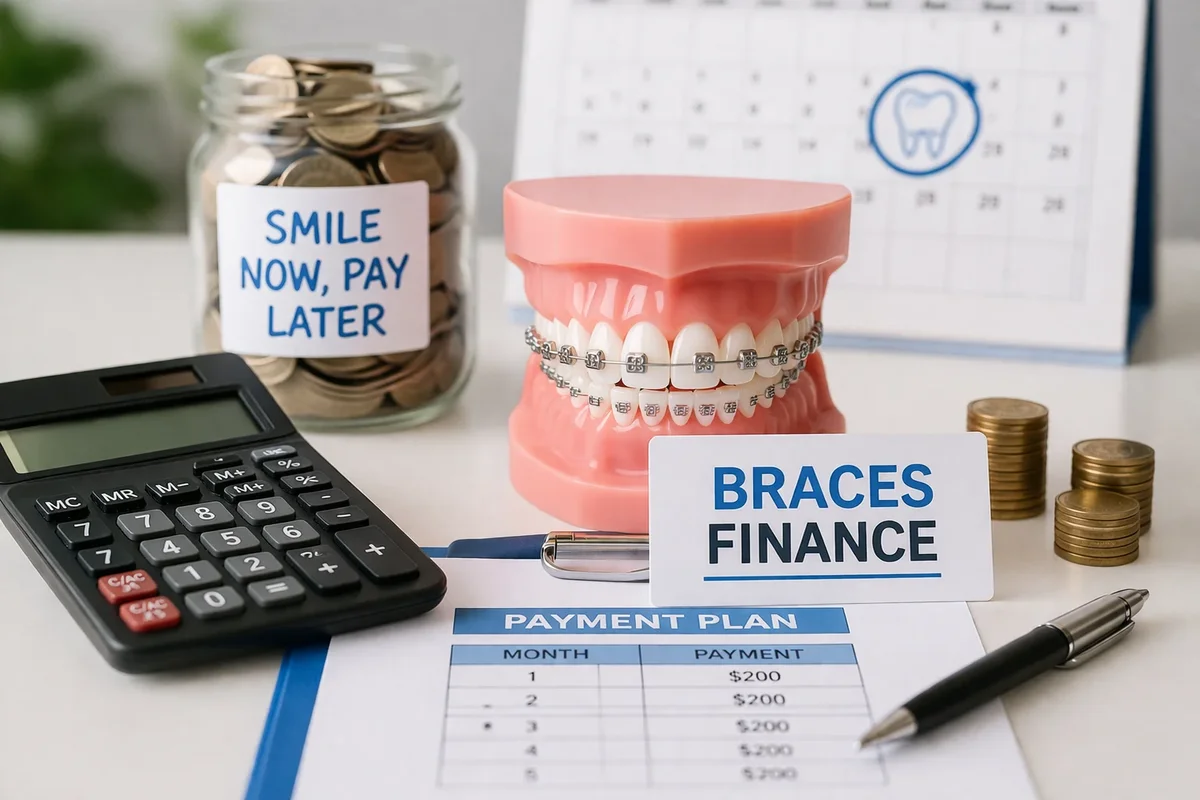
Tips to Choose the Best Braces Finance Plan
Choosing the right braces finance plan is one of the most important decisions you will make when starting orthodontic treatment. While many financing options are available, not all plans are created equal. Selecting the best braces finance solution requires a careful evaluation of your financial situation, treatment needs, and long-term goals. By understanding key factors and applying smart strategies, you can ensure that your braces finance plan supports both your dental health and your financial stability.
Understand Your Total Treatment Cost First
Before selecting any braces finance plan, it is essential to have a clear understanding of the total cost of your orthodontic treatment. This includes not only the braces themselves but also consultations, follow-up visits, and retainers.
What Should Be Included in the Cost?
- Initial consultation and diagnostics
- Braces or aligner system
- Monthly adjustments and check-ups
- Post-treatment retainers
💡 Knowing the full cost allows you to choose a braces finance plan that covers everything without unexpected expenses later.
Compare Different Braces Finance Options
Not all braces finance plans offer the same benefits. Comparing multiple options ensures that you find the most suitable plan for your needs.
Key Factors to Compare
- Interest rates (0% vs interest-based)
- Monthly payment amounts
- Repayment duration
- Down payment requirements
- Flexibility of terms
📊 For example, a plan with lower monthly payments may seem attractive, but it could result in a higher total cost due to interest. Always evaluate both short-term affordability and long-term expenses when choosing braces finance.
Evaluate Your Monthly Budget
Your monthly budget plays a critical role in selecting the right braces finance plan. It is important to choose a payment amount that you can comfortably manage over time.
Budgeting Tips
- Calculate your monthly income and expenses
- Set a realistic limit for orthodontic payments
- Allow room for unexpected costs
💳 Choosing a braces finance plan that fits your budget prevents financial stress and ensures consistent payments throughout your treatment.
Look for Interest-Free Braces Finance When Possible
Interest-free braces finance plans are often the best option for minimizing overall costs. These plans allow you to pay only for the treatment itself without additional charges.
Advantages of Interest-Free Plans
- No extra costs beyond treatment price
- Clear and predictable payment structure
- Lower financial risk
😊 If available, choosing interest-free braces finance can save you a significant amount of money over time.
Check for Transparency and Hidden Fees
Transparency is essential when selecting a braces finance plan. Always review the agreement carefully to ensure there are no hidden fees or unclear terms.
What to Watch For
- Late payment penalties
- Administrative or setup fees
- Interest rate changes
- Early repayment penalties
🔍 A trustworthy braces finance plan will clearly outline all costs upfront, allowing you to make an informed decision.
Consider Flexibility and Payment Options
Flexibility is another key factor in choosing the best braces finance plan. Life circumstances can change, so it is important to select a plan that can adapt to your needs.
Flexible Features to Look For
- Ability to adjust payment dates
- Options for early repayment without penalties
- Temporary payment relief in emergencies
🌟 Flexible braces finance plans provide peace of mind and help you stay on track even if your financial situation changes.
Combine Braces Finance with Other Financial Tools
To maximize affordability, consider combining braces finance with other financial resources.
Effective Combinations
- Dental insurance to reduce initial costs
- FSA or HSA accounts for tax savings
- Clinic discounts or promotional offers
📌 These combinations can significantly lower your overall expenses and make your braces finance plan even more effective.
For trusted information on dental care and financial planning, visit the American Dental Association.
If you need personalized assistance in choosing the best braces finance plan, you can contact experts through the Redent Klinik Contact Page.
Ask the Right Questions Before Committing
Before finalizing your braces finance plan, it is important to ask detailed questions to ensure you fully understand the terms.
Essential Questions
- What is the total cost including interest?
- Are there any hidden fees?
- Can I pay off the balance early?
- What happens if I miss a payment?
💡 Asking these questions helps you avoid surprises and choose a braces finance plan with confidence.
Final Thoughts on Choosing Braces Finance
In conclusion, selecting the right braces finance plan requires careful planning and informed decision-making. By understanding your total cost, comparing options, evaluating your budget, and prioritizing transparency, you can find a plan that meets your needs.
🌟 The right braces finance plan not only makes orthodontic treatment affordable but also ensures a smooth and stress-free experience. With the proper approach, you can achieve a healthy, confident smile while maintaining full control over your finances.