
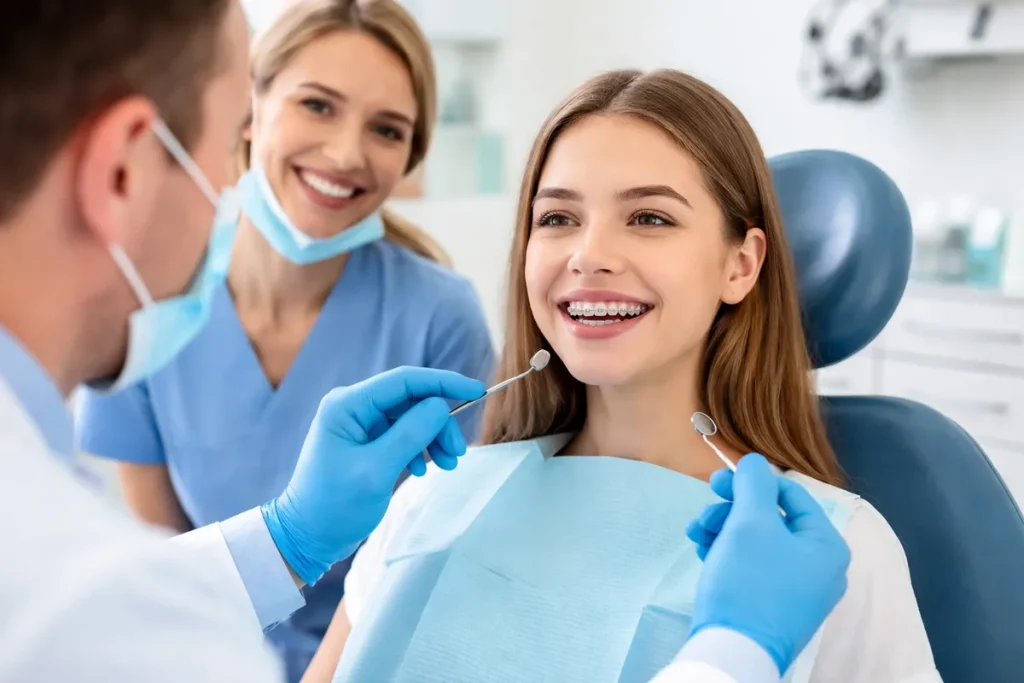
Your braces first appointment is an exciting milestone in your journey toward a healthier, straighter smile 😊. Whether you are a teenager preparing for orthodontic treatment or an adult finally investing in your confidence, understanding what happens during your braces first appointment can eliminate fear and replace it with clarity. Many patients feel nervous before their braces first appointment simply because they don’t know what to expect. This guide will walk you through every detail so you feel informed, prepared, and confident.
The braces first appointment is not just about placing brackets on your teeth. In most cases, it is a comprehensive evaluation session where your orthodontist carefully analyzes your oral health, jaw alignment, bite structure, and overall treatment needs. Think of your braces first appointment as the foundation of your entire orthodontic journey. A well-planned start leads to better long-term results.
During your braces first appointment, the orthodontist will begin with a detailed consultation. This includes reviewing your dental history, discussing any concerns, and evaluating your smile goals. If you’ve experienced crowding, spacing, overbite, underbite, or crossbite issues, this is the time to address them. The purpose of the braces first appointment is to gather all necessary diagnostic information before creating a personalized treatment plan.
One of the most important parts of the braces first appointment is the clinical examination. The orthodontist will examine your teeth, gums, and jaw movement. They check for signs of gum disease, cavities, or other oral health problems that need to be treated before braces are placed. According to the American Dental Association, maintaining good oral health before orthodontic treatment is essential for long-term success.
Another key component of your braces first appointment may include digital X-rays or 3D scans. These diagnostic tools allow the orthodontist to see beneath the surface—examining tooth roots, bone density, and jaw positioning. Modern clinics often use digital scanning technology instead of traditional impressions, making the braces first appointment more comfortable than ever. This step ensures that your treatment is safe, precise, and customized to your unique needs.
Many patients wonder whether braces are applied during the braces first appointment. The answer depends on the clinic and your specific case. Sometimes, the braces first appointment is purely diagnostic, and a second visit is scheduled for placement. In other cases, if everything looks healthy and ready, brackets may be bonded to your teeth on the same day. Your orthodontist will clearly explain the timeline during your braces first appointment so you know what comes next.
Your braces first appointment is also when treatment options are discussed in detail. Today, patients can choose from traditional metal braces, ceramic braces, and even clear aligner systems in some cases. While clear aligners differ from traditional braces, the braces first appointment process remains similar—evaluation, imaging, and treatment planning. Understanding your options at this stage helps you make an informed decision.
Financial planning is another essential topic covered during your braces first appointment. The orthodontic team will explain the total cost of treatment, payment plans, and insurance coverage. On average, braces in the United States can range between $3,000 and $7,000 depending on complexity. Clinics often provide flexible installment options to make treatment accessible. If you would like personalized assistance or have specific questions about starting treatment, you can always visit the Redent Klinik Contact Page to speak with a professional team member.
Emotionally, the braces first appointment marks the beginning of transformation. Many patients leave feeling relieved because their concerns have been addressed. The braces first appointment is designed to provide reassurance, clarity, and a clear roadmap. By the end of your orthodontic consultation, you will understand the expected treatment duration, possible discomfort, oral hygiene requirements, and follow-up schedule.
In summary, the braces first appointment is a comprehensive evaluation session that sets the tone for your entire orthodontic experience. From consultation and diagnostic imaging to treatment planning and financial discussion, every step serves a purpose. When you understand what happens during your braces first appointment, fear turns into confidence—and your journey toward a straighter smile begins with excitement instead of anxiety 😁.
1. Why Your Braces First Appointment Is So Important
Your braces first appointment is far more than a routine dental visit—it is the strategic starting point of your entire orthodontic transformation 😊. Many patients underestimate how critical this stage is, but the braces first appointment determines the accuracy, safety, and success of your treatment. Without a thorough and carefully structured braces first appointment, even the most advanced braces system cannot deliver optimal results.
The reason the braces first appointment matters so much is simple: orthodontic treatment is not one-size-fits-all. Every smile is unique. Your bite alignment, jaw structure, tooth positioning, bone density, and gum health all play a role in determining the right approach. During your braces first appointment, these factors are carefully evaluated so that your treatment plan is customized specifically for you.
Personalized Diagnosis Sets the Foundation
At your braces first appointment, the orthodontist performs a comprehensive examination. This includes checking tooth crowding, spacing issues, overbite, underbite, crossbite, and jaw alignment. The braces first appointment often involves digital X-rays and 3D scans, which allow the specialist to see beyond what is visible to the naked eye. This diagnostic precision ensures that hidden issues—such as impacted teeth or bone irregularities—are identified early.
A well-conducted braces first appointment prevents future complications. If gum inflammation, cavities, or enamel weaknesses are detected during the braces first appointment, they can be treated before braces are placed. According to the American Dental Association, addressing underlying dental problems before orthodontic treatment significantly reduces long-term risks. That is why the braces first appointment is considered the most protective stage of the process.
Clear Treatment Planning and Timeline
Another reason your braces first appointment is so important is that it provides clarity. Patients often ask, “How long will I need braces?” or “Will I need extractions?” These answers are discussed in detail during the braces first appointment. Based on diagnostic findings, your orthodontist will outline a treatment timeline that may range from 12 to 24 months, depending on complexity.
The braces first appointment also explains whether you need traditional metal braces, ceramic braces, or alternative orthodontic solutions. In some cases, mild alignment problems may qualify for aligner systems, while moderate to severe bite issues require fixed braces. The braces first appointment ensures that your chosen method matches your clinical needs—not just aesthetic preferences.
Understanding Each Stage of Treatment
During your braces first appointment, the orthodontist typically explains each phase of treatment:
- Initial alignment phase
- Bite correction stage
- Detailing and finishing adjustments
- Retention phase after braces removal
Understanding these stages during your braces first appointment helps reduce anxiety. When patients know what is coming next, they feel more in control and confident about the journey ahead.
Financial Transparency and Planning
The financial discussion during your braces first appointment is equally important. Orthodontic treatment is an investment in long-term oral health and confidence. In the United States, braces treatment typically ranges from $3,000 to $7,000 depending on case complexity. Some advanced cases involving jaw correction may cost more.
During the braces first appointment, you will receive a breakdown of total treatment cost, payment plans, insurance coverage options, and possible financing arrangements. Many clinics offer monthly installment plans to make treatment manageable. Having this discussion during your braces first appointment prevents surprises later and allows families to plan responsibly.
Building Trust and Communication
Perhaps one of the most overlooked benefits of the braces first appointment is the relationship-building aspect. Orthodontic treatment requires regular visits over months or even years. Your braces first appointment is when you meet the team, understand their approach, and evaluate their communication style.
Feeling comfortable with your orthodontist is essential. The braces first appointment gives you the opportunity to ask questions, express concerns, and clarify expectations. If you are unsure about any part of the process, this is the perfect moment to discuss it openly. Clinics that prioritize patient education during the braces first appointment often achieve higher satisfaction rates.
Emotional Reassurance for Patients
It is completely normal to feel nervous before your braces first appointment 😌. However, most patients leave their braces first appointment feeling relieved and informed. When the process is explained step by step, uncertainty disappears. Knowing what will happen next provides psychological comfort, especially for younger patients or adults starting orthodontic care later in life.
Long-Term Impact on Oral Health
Beyond aesthetics, the braces first appointment sets the stage for improved oral health. Misaligned teeth can lead to difficulty cleaning, increased plaque buildup, gum inflammation, and uneven enamel wear. By properly planning treatment during your braces first appointment, these long-term risks are minimized.
Correcting bite problems also improves jaw function and reduces strain on facial muscles. Over time, untreated bite misalignment can contribute to temporomandibular joint (TMJ) discomfort. The braces first appointment ensures these structural issues are evaluated early.
In conclusion, your braces first appointment is not just the beginning of straighter teeth—it is the strategic blueprint for a healthier, more confident smile 😁. From diagnostic precision and customized treatment planning to financial clarity and emotional reassurance, every element of the braces first appointment plays a vital role. When this foundational step is handled thoroughly and professionally, your orthodontic journey becomes smoother, safer, and significantly more successful.
2. How to Prepare for Your Braces First Appointment
Preparing properly for your braces first appointment can make the entire experience smoother, faster, and far less stressful 😊. While the braces first appointment is designed to be informative and comfortable, taking a few proactive steps beforehand helps you feel confident and fully ready. Many patients do not realize that preparation can influence how efficiently the braces first appointment progresses, especially if same-day braces placement is planned.
The goal of preparing for your braces first appointment is simple: ensure your oral health is stable, your documents are organized, and your questions are ready. When you walk into your braces first appointment feeling informed and prepared, you maximize the value of your consultation.
Schedule a General Dental Check-Up First
Before attending your braces first appointment, it is highly recommended to visit your general dentist for a cleaning and examination. Cavities, gum inflammation, or untreated dental issues may delay your orthodontic treatment. Since the braces first appointment focuses on planning alignment correction, any active decay or infection should already be addressed.
According to the American Dental Association, patients should maintain optimal oral health before starting orthodontic procedures. If your dentist identifies plaque buildup or gingivitis before your braces first appointment, treating it early prevents complications once brackets are placed.
Why Clean Teeth Matter
During your braces first appointment, the orthodontist needs a clear and accurate view of your teeth and gum condition. Clean teeth improve the accuracy of digital scans and X-rays taken during the braces first appointment. Additionally, if braces are placed on the same day, having clean enamel ensures stronger bracket bonding.
Gather Important Medical and Dental Records
Another essential step in preparing for your braces first appointment is organizing your dental history. Bring any previous X-rays, treatment records, or referrals if available. Sharing this information during your braces first appointment allows the orthodontist to better understand past procedures, extractions, or jaw issues.
If you have underlying health conditions such as diabetes, autoimmune disorders, or are taking medications that affect bone density, inform the orthodontic team before your braces first appointment. Full transparency ensures your treatment plan is both safe and personalized.
Prepare Financial and Insurance Information
Financial clarity is a major component of your braces first appointment. To avoid delays, bring your insurance details and identification documents. Many orthodontic offices will verify benefits during the braces first appointment and provide a detailed cost breakdown.
On average, braces treatment in the United States ranges between $3,000 and $7,000 depending on complexity. More advanced orthodontic cases involving bite correction or longer treatment durations may exceed this range. Discussing payment plans during your braces first appointment helps you understand monthly installment options and financing solutions.
Questions About Costs
Before your braces first appointment, prepare questions such as:
- Does my insurance partially cover orthodontic treatment?
- Are there interest-free installment plans?
- Is there a discount for upfront payment?
Having these questions ready ensures your braces first appointment is productive and financially transparent.
Write Down Your Smile Goals and Concerns
Your braces first appointment is not only clinical—it is also personal. Take time to reflect on what you hope to achieve. Are you concerned about crowding? Do you want to fix a noticeable gap? Are you experiencing jaw discomfort? Writing down these concerns before your braces first appointment ensures you do not forget important points during the consultation.
Clear communication during your braces first appointment helps your orthodontist align the treatment plan with your expectations. The more specific you are about your goals, the more tailored your treatment strategy will be.
Understand the Possible Appointment Outcomes
Many patients wonder whether braces are placed during the braces first appointment. The answer varies. In some cases, the braces first appointment focuses solely on examination and diagnostics. In others, if your teeth are healthy and the treatment plan is straightforward, braces may be applied the same day.
Being mentally prepared for either outcome reduces anxiety. Ask the clinic beforehand whether your braces first appointment could include bracket placement. This way, you can plan your schedule accordingly.
Eat Before Your Appointment
If braces might be placed during your braces first appointment, eat a balanced meal beforehand. After bracket placement, mild tenderness is common for a few days. Preparing in advance ensures you are comfortable after leaving your braces first appointment.
Maintain Good Oral Hygiene Before the Visit
Brush and floss thoroughly on the day of your braces first appointment. Clean teeth not only create a positive impression but also help the orthodontist perform accurate evaluations. Proper hygiene before your braces first appointment reflects your commitment to treatment success.
Bring a Parent or Support Person (If Needed)
For younger patients attending their braces first appointment, bringing a parent or guardian is essential. Adults may also feel more comfortable bringing a partner or family member. Since important decisions may be made during the braces first appointment, having support ensures nothing is overlooked.
In conclusion, preparing for your braces first appointment involves more than simply showing up. From scheduling a dental cleaning and organizing records to planning financial questions and clarifying smile goals, each step enhances the effectiveness of your braces first appointment. When you arrive informed and ready, the experience becomes empowering rather than intimidating 😁. Proper preparation transforms your braces first appointment into a confident first step toward a healthier, straighter smile.
3. What Happens During the Initial Orthodontic Consultation?
Your braces first appointment is often referred to as the initial orthodontic consultation, and it is one of the most detailed and informative visits in your entire treatment journey 😊. Understanding exactly what happens during your braces first appointment helps eliminate uncertainty and gives you confidence about the process ahead. This consultation is structured, systematic, and personalized to ensure your orthodontic treatment begins on a strong foundation.
During your braces first appointment, the orthodontist gathers essential diagnostic information, evaluates your oral health, discusses your goals, and outlines a potential treatment plan. Every step performed at the braces first appointment serves a specific purpose—nothing is random or rushed.
Comprehensive Oral Examination
The first major step in your braces first appointment is a detailed clinical examination. The orthodontist carefully inspects your teeth, bite alignment, jaw movement, and gum condition. They assess whether you have crowding, spacing, overbite, underbite, crossbite, or open bite issues. This evaluation during the braces first appointment determines the complexity of your case.
Your orthodontist will also examine how your upper and lower teeth meet when you close your mouth. Bite irregularities are often not visible without professional assessment. The braces first appointment allows the specialist to detect even subtle alignment concerns that may affect long-term oral health.
Checking Gum and Bone Health
Healthy gums are critical before starting orthodontic treatment. During your braces first appointment, the orthodontist checks for signs of gingivitis, gum recession, or bone loss. If any periodontal issues are detected at the braces first appointment, they may recommend treatment before placing braces to prevent complications later.
Digital X-Rays and Imaging
One of the most important parts of your braces first appointment is diagnostic imaging. Modern orthodontic clinics use digital X-rays, panoramic radiographs, and sometimes 3D CBCT scans to analyze your dental structure. These images taken during the braces first appointment reveal tooth roots, bone density, jaw positioning, and any impacted teeth.
Without imaging, orthodontic treatment would rely only on visible examination. The braces first appointment ensures hidden structural factors are fully understood before planning tooth movement. This prevents surprises during treatment and increases safety.
Photographs and Smile Analysis
Many orthodontists take intraoral and extraoral photographs during the braces first appointment. These images document your current smile condition and serve as a comparison for progress later. Smile analysis during your braces first appointment evaluates facial symmetry, lip posture, and profile alignment.
Discussion of Your Smile Goals
Your braces first appointment is not only clinical—it is also conversational. The orthodontist will ask what concerns you most about your teeth. Are you bothered by crooked front teeth? Do you struggle with chewing discomfort? Is your main goal cosmetic improvement?
Clear communication during your braces first appointment ensures your treatment plan reflects both functional and aesthetic objectives. Orthodontics is about more than straight teeth—it is about balanced facial harmony and bite efficiency.
Explaining Treatment Options
After gathering diagnostic information during your braces first appointment, the orthodontist will explain your treatment options. These may include:
- Traditional metal braces
- Ceramic (tooth-colored) braces
- Self-ligating braces
- Clear aligner alternatives (if suitable)
The braces first appointment is when you learn the advantages and limitations of each system. For example, while ceramic braces are more discreet, metal braces may provide stronger control in complex cases. Your orthodontist will explain which method best matches your clinical findings from the braces first appointment.
Treatment Duration and Expectations
During your braces first appointment, you will receive an estimated timeline. Most orthodontic treatments last between 12 and 24 months, depending on complexity. Severe bite corrections may take longer. The braces first appointment gives you realistic expectations about appointment frequency, adjustment visits, and retention after braces removal.
Financial Consultation and Next Steps
Another structured component of your braces first appointment is financial planning. The orthodontic coordinator will review total costs, insurance coverage, and payment plan options. In the United States, comprehensive braces treatment typically ranges from $3,000 to $7,000. Your braces first appointment provides clarity on what is included in that fee—adjustments, retainers, emergency visits, and follow-ups.
If you decide to proceed, the next step after your braces first appointment may involve scheduling the bonding session for bracket placement. In some clinics, if your teeth are ready and no additional procedures are required, braces may even be applied on the same day as the braces first appointment.
Addressing Common Concerns
Patients often use the braces first appointment to ask important questions such as:
- Will braces hurt?
- Will I need tooth extractions?
- Can I continue playing sports?
- How do I maintain oral hygiene with braces?
The orthodontist answers these concerns in detail during the braces first appointment. This transparency builds trust and reduces anxiety.
Why This Consultation Is Crucial
Ultimately, your braces first appointment is the blueprint phase of your orthodontic journey. Every bracket placement, wire adjustment, and alignment movement in the future depends on the data collected during this consultation. Skipping or rushing the braces first appointment would compromise treatment precision.
By the end of your braces first appointment, you will have a clear diagnosis, a structured treatment plan, financial transparency, and realistic expectations. Instead of feeling uncertain, you leave informed and empowered 😁. That is why the braces first appointment is considered the most strategic and informative visit in your orthodontic experience.
4. Dental X-Rays and Digital Scans Explained
One of the most important parts of your braces first appointment is diagnostic imaging. While many patients expect a simple visual check, modern orthodontics relies heavily on advanced technology to ensure accuracy and safety 😊. During your braces first appointment, dental X-rays and digital scans provide a complete picture of your teeth, jawbone, and facial structure. Without these tools, treatment planning would be incomplete and far less precise.
The purpose of imaging at your braces first appointment is to detect underlying conditions that cannot be seen during a basic clinical exam. Tooth roots, bone density, impacted teeth, jaw alignment, and even sinus positioning can influence how braces are placed and adjusted. That is why the imaging phase of your braces first appointment is considered essential—not optional.
Why Imaging Is Necessary During the Braces First Appointment
Orthodontic treatment involves controlled tooth movement within the jawbone. To move teeth safely, the orthodontist must understand root length, bone support, and spacing. During your braces first appointment, X-rays allow the specialist to see how deeply roots are anchored and whether there are structural risks.
For example, if a patient has shortened roots or reduced bone density, aggressive tooth movement may cause complications. Identifying this during the braces first appointment ensures the treatment plan is adjusted for safety. This preventive approach protects long-term oral health.
Early Detection of Hidden Issues
Sometimes, patients have impacted teeth (teeth that have not erupted properly) or extra teeth hidden beneath the gums. These conditions are often discovered during the braces first appointment through panoramic imaging. Detecting such issues early prevents unexpected delays once braces are placed.
Types of X-Rays Taken at the Braces First Appointment
Several types of imaging may be performed during your braces first appointment, depending on your case complexity.
Panoramic X-Ray
A panoramic X-ray provides a broad view of your entire mouth, including upper and lower jaws. During your braces first appointment, this image helps identify impacted teeth, cysts, bone abnormalities, or jaw asymmetry. It is one of the most common imaging tools used in orthodontics.
Cephalometric X-Ray
This side-view X-ray evaluates jaw alignment and facial profile. The cephalometric image taken during your braces first appointment helps measure angles between the jaw, skull, and teeth. These measurements guide how bite correction should be performed throughout treatment.
CBCT (3D Cone Beam Scan)
In more complex cases, a CBCT scan may be performed during the braces first appointment. This 3D imaging technology offers highly detailed visualization of bone structures and nerve pathways. It is especially useful for patients with severe bite discrepancies or jaw misalignment.
Digital Intraoral Scanning
Traditional orthodontic impressions required messy molds that many patients found uncomfortable. Today, most clinics use digital scanners during the braces first appointment. A small handheld device captures thousands of images per second, creating a precise 3D model of your teeth.
Digital scans during the braces first appointment are faster, cleaner, and more accurate than traditional impressions. The 3D model allows the orthodontist to simulate tooth movement and demonstrate expected results. Seeing a digital preview during your braces first appointment often excites patients and increases motivation.
Improved Accuracy and Comfort
One of the greatest advantages of digital scanning during the braces first appointment is comfort. There is no gag reflex, no sticky impression material, and no waiting time for molds to set. Additionally, digital files can be stored and reviewed at every adjustment visit.
Are Dental X-Rays Safe?
Safety is a common concern at the braces first appointment. Modern digital X-ray systems emit extremely low radiation levels. Protective lead aprons and thyroid collars are used during the braces first appointment to minimize exposure. According to professional dental guidelines, the radiation from orthodontic imaging is considered safe and controlled.
The benefit of accurate diagnosis during your braces first appointment far outweighs the minimal radiation exposure. Proper imaging ensures your orthodontic treatment proceeds safely and efficiently.
How Imaging Influences Your Treatment Plan
All data collected during your braces first appointment—clinical exam findings, X-rays, and digital scans—are combined to design your treatment plan. The orthodontist analyzes tooth angulation, jaw relationship, and spacing to determine bracket positioning and wire sequence.
Without imaging at the braces first appointment, treatment would rely on estimation rather than precision. Accurate diagnostics reduce the risk of extended treatment time and unexpected complications.
What Happens After Imaging?
Once imaging is complete during your braces first appointment, the orthodontist reviews the results with you. They explain any structural concerns and outline the recommended treatment steps. This transparency ensures you understand why certain decisions are made.
In some cases, if everything appears healthy and straightforward, braces may be scheduled immediately after the braces first appointment. In more complex cases, additional planning may be required before placement.
Why This Step Is Critical
Dental X-rays and digital scans are not simply routine procedures—they are the backbone of safe orthodontic care. Your braces first appointment relies heavily on imaging to prevent errors and ensure optimal outcomes. By using advanced technology during your braces first appointment, orthodontists can predict tooth movement with remarkable accuracy.
Ultimately, imaging transforms your braces first appointment from a simple consultation into a scientifically guided planning session 😁. With precise diagnostics, personalized measurements, and digital modeling, your orthodontic journey begins with clarity and confidence. This thorough evaluation ensures that every bracket and wire placed in the future is backed by detailed structural understanding.
5. Discussing Braces Options and Treatment Plans
Your braces first appointment is the moment when possibilities turn into a personalized action plan 😊. After the clinical examination and imaging are completed, one of the most important discussions during your braces first appointment focuses on which type of braces is best for your case and how your treatment will be structured. This stage transforms diagnostic findings into a clear roadmap for achieving a straighter, healthier smile.
Every patient’s bite, jaw alignment, and tooth positioning are unique. That is why the braces first appointment includes a detailed explanation of available orthodontic systems and how each option fits your specific needs. The goal of this conversation during your braces first appointment is to balance effectiveness, aesthetics, comfort, and lifestyle preferences.
Understanding the Main Types of Braces
During your braces first appointment, your orthodontist will explain the most common treatment options. Each type has advantages depending on case complexity and patient expectations.
Traditional Metal Braces
Metal braces remain the most widely used and reliable orthodontic system. During your braces first appointment, your orthodontist may recommend metal braces for moderate to severe alignment problems. They provide excellent control over tooth movement and are often the most cost-effective solution.
Modern metal braces are smaller and more comfortable than older versions. If strength and precision are priorities, your braces first appointment may conclude that traditional braces are the best option.
Ceramic (Tooth-Colored) Braces
Ceramic braces function similarly to metal braces but are designed to blend with the natural color of your teeth. Many adult patients discuss this option during their braces first appointment because they prefer a more discreet appearance.
While ceramic braces are aesthetically appealing, your orthodontist will explain during your braces first appointment that they may require slightly more maintenance and can be marginally more expensive than metal alternatives.
Self-Ligating Braces
Self-ligating braces use a specialized clip mechanism instead of elastic bands to hold the wire in place. Some orthodontists discuss this system during the braces first appointment as it may reduce friction and potentially shorten treatment time in certain cases.
Clear Aligner Alternatives
In mild to moderate alignment cases, clear aligners may be mentioned during your braces first appointment. Although aligners are removable and nearly invisible, they are not suitable for every patient. Your braces first appointment helps determine whether your bite correction requires fixed brackets or if aligners can achieve the desired outcome.
Creating Your Personalized Treatment Plan
After reviewing your options during the braces first appointment, the orthodontist outlines your customized treatment plan. This includes:
- Estimated treatment duration (usually 12–24 months)
- Frequency of adjustment visits (typically every 4–8 weeks)
- Potential need for tooth extractions
- Use of additional appliances (rubber bands, expanders, etc.)
The braces first appointment ensures that you understand each phase of treatment before committing. If extractions are necessary to relieve severe crowding, this will be discussed clearly during your braces first appointment. Transparency at this stage prevents confusion later.
Simulation and Outcome Preview
Many modern clinics use digital modeling software during the braces first appointment to simulate expected results. By viewing a projected outcome, patients gain motivation and realistic expectations. Seeing your future smile during the braces first appointment often strengthens confidence in the treatment process.
Balancing Aesthetics and Function
A major topic during your braces first appointment is balancing cosmetic goals with functional correction. While straight teeth look attractive, correcting bite alignment is equally important. The braces first appointment emphasizes that orthodontics is not purely cosmetic—it improves chewing efficiency, jaw stability, and long-term oral health.
Your orthodontist will explain how untreated bite issues can lead to uneven enamel wear, jaw strain, and even temporomandibular joint discomfort. Addressing these concerns during your braces first appointment ensures your treatment benefits both appearance and health.
Cost Considerations for Each Option
Different braces systems may vary in cost. During your braces first appointment, you will receive a financial overview based on the recommended treatment type. In the United States, traditional metal braces typically range between $3,000 and $6,000, while ceramic braces may range from $4,000 to $7,500 depending on complexity.
Your braces first appointment includes a detailed explanation of what is covered in the total fee—adjustment visits, emergency repairs, retainers, and follow-up appointments. Payment plans are often discussed to make orthodontic care manageable.
Making an Informed Decision
The purpose of discussing braces options during your braces first appointment is not to pressure you—it is to educate you. You are encouraged to ask questions and evaluate what best fits your lifestyle. For example, athletes may prefer certain systems, while adults working in professional settings may prioritize aesthetics.
By the end of your braces first appointment, you should feel fully informed about your choices. The orthodontist’s recommendation will be based on clinical evidence, but your comfort and preferences are also respected.
Why This Discussion Is Essential
The conversation about braces options and treatment plans during your braces first appointment sets the tone for the entire journey. A clear understanding of expectations reduces stress and improves cooperation throughout treatment. Patients who actively engage during their braces first appointment often experience smoother progress and higher satisfaction.
Ultimately, your braces first appointment is where science meets personalization 😁. Through careful evaluation, transparent explanation, and collaborative decision-making, your orthodontist designs a treatment plan tailored specifically to you. With clarity about your braces type, timeline, and goals, you leave your braces first appointment confident and ready to begin your smile transformation.
6. Costs, Insurance, and Payment Plans for Braces
One of the most common concerns patients have before their braces first appointment is cost. Orthodontic treatment is an investment, and understanding the financial aspect during your braces first appointment provides clarity and peace of mind 😊. While the clinical evaluation determines your treatment plan, the financial consultation during your braces first appointment ensures you know exactly what to expect in terms of pricing, insurance coverage, and payment flexibility.
The good news is that modern orthodontic clinics are transparent about fees and often offer structured payment plans. Your braces first appointment is specifically designed to answer financial questions before treatment begins, so there are no unexpected surprises later.
How Much Do Braces Cost?
The total cost discussed during your braces first appointment depends on several factors, including case complexity, treatment duration, and the type of braces selected. In the United States, traditional metal braces typically range between $3,000 and $6,000. Ceramic braces may range from $4,000 to $7,500, depending on customization and length of treatment.
If additional procedures such as tooth extractions, expanders, or jaw correction appliances are required, the overall cost explained at your braces first appointment may increase. More complex bite cases requiring longer treatment periods naturally fall at the higher end of the pricing spectrum.
What Is Usually Included in the Fee?
During your braces first appointment, the orthodontic coordinator will outline what is included in the total cost. Most comprehensive treatment packages typically include:
- Initial consultation and diagnostic imaging
- Bracket and wire placement
- Regular adjustment visits (every 4–8 weeks)
- Emergency visits for repairs
- Final retainers after braces removal
Understanding this breakdown during your braces first appointment helps you evaluate the true value of the treatment plan.
Does Dental Insurance Cover Braces?
Insurance coverage is another key topic addressed during your braces first appointment. Many dental insurance plans provide partial orthodontic benefits, especially for patients under 18. Coverage typically ranges from $1,000 to $3,000 toward the total treatment cost, depending on your policy.
At your braces first appointment, the clinic staff will often verify your insurance benefits and calculate your estimated out-of-pocket responsibility. This real-time calculation makes your braces first appointment both informative and financially transparent.
Adult Orthodontic Coverage
Some insurance plans do not cover orthodontics for adults. If this applies to you, your braces first appointment will focus more on payment plans and financing options. Even without insurance, many patients successfully manage treatment costs through structured monthly payments.
Flexible Payment Plans
Most orthodontic practices understand that paying the full amount upfront is not always feasible. That is why payment plans are commonly discussed during the braces first appointment. These plans typically involve a down payment followed by manageable monthly installments spread over the treatment period.
For example, if your treatment costs $5,000, you might pay $1,000 upfront and then divide the remaining $4,000 into monthly payments of approximately $150–$200 over 18–24 months. The braces first appointment ensures you understand these arrangements clearly before committing.
Interest-Free Financing Options
Some clinics offer interest-free financing when payments are made within a specified timeframe. During your braces first appointment, ask whether there are promotional plans available. This can significantly reduce the financial burden without increasing total cost.
Health Savings Accounts (HSA) and Flexible Spending Accounts (FSA)
If you have an HSA or FSA, you may use those funds toward orthodontic treatment. Your braces first appointment is the perfect time to confirm whether your account qualifies and how to process payments using these pre-tax savings options.
Why Financial Transparency Matters
Open financial discussion during your braces first appointment builds trust. Orthodontic treatment lasts many months, and patients feel more comfortable when pricing is clearly explained from the start. When financial expectations are aligned during your braces first appointment, it prevents stress later in the process.
Reputable clinics provide detailed written treatment agreements at your braces first appointment, outlining payment schedules and included services. Reviewing these documents carefully ensures you fully understand your commitment.
Is Orthodontic Treatment Worth the Investment?
Many patients leave their braces first appointment wondering whether the cost is justified. Beyond aesthetics, orthodontic treatment improves bite efficiency, reduces uneven enamel wear, and can lower long-term dental maintenance costs. Properly aligned teeth are easier to clean, decreasing the risk of cavities and gum disease.
When you view orthodontic care as a long-term health investment rather than a short-term expense, the value becomes clearer. Your braces first appointment helps you evaluate this perspective objectively.
Planning Ahead for Peace of Mind
Preparing financial questions before your braces first appointment makes the discussion smoother. Ask about insurance verification, installment options, discounts for upfront payment, and what happens if treatment extends beyond the original estimate.
By the end of your braces first appointment, you should have a complete understanding of costs, coverage, and payment flexibility 😁. Financial clarity allows you to move forward confidently, focusing on your smile transformation rather than worrying about unexpected expenses. With transparent pricing, structured plans, and supportive guidance, your braces first appointment becomes not just the beginning of orthodontic treatment—but the beginning of a well-planned investment in your oral health and confidence.
7. Does Getting Braces Hurt at the First Visit?
One of the biggest fears patients have before their braces first appointment is pain. It is completely natural to wonder whether the braces first appointment will be uncomfortable or overwhelming 😌. The good news is that most patients report little to no pain during the braces first appointment itself. Understanding what actually happens can help replace anxiety with realistic expectations.
The braces first appointment is carefully structured to be as comfortable as possible. Whether your visit involves only consultation and imaging or includes bracket placement, the orthodontic team prioritizes patient comfort. Let’s break down what you can expect physically during and after your braces first appointment.
Is There Pain During the Braces First Appointment?
During the braces first appointment, there is typically no sharp or intense pain. If your visit is purely diagnostic—meaning it includes examination, X-rays, and digital scans—you will not feel discomfort at all. These procedures performed during the braces first appointment are non-invasive and painless.
If braces are placed during the braces first appointment, the process involves cleaning the teeth, applying a bonding agent, attaching brackets, and placing an archwire. None of these steps involve drilling into teeth or injections. Therefore, the braces first appointment itself is usually pressure-based rather than painful.
What Does It Feel Like When Braces Are Placed?
Patients often describe the sensation during their braces first appointment as mild pressure rather than pain. When the archwire is inserted, you may feel tightness across your teeth. This is normal and indicates that the braces are beginning to apply gentle corrective force.
When Does Discomfort Start?
While the braces first appointment is typically comfortable, mild soreness may begin a few hours after the visit—especially if brackets were placed. This delayed sensitivity occurs because teeth are starting to shift slightly in response to the archwire tension introduced during your braces first appointment.
Most patients experience tenderness for 3 to 5 days following the braces first appointment. The discomfort is generally described as dull pressure rather than sharp pain. Over-the-counter pain relievers, if recommended by your orthodontist, can help manage this temporary soreness.
Why Does This Soreness Happen?
The discomfort following your braces first appointment is part of the biological process of tooth movement. When gentle force is applied to teeth, the surrounding bone remodels to allow alignment changes. This natural process may create temporary sensitivity, especially when chewing.
How to Reduce Discomfort After the Braces First Appointment
There are several simple strategies to stay comfortable after your braces first appointment:
- Eat soft foods such as yogurt, mashed potatoes, pasta, and soups
- Avoid hard, sticky, or crunchy foods during the first few days
- Use orthodontic wax if brackets irritate the inside of your cheeks
- Rinse with warm salt water to soothe gum sensitivity
These tips help ensure your recovery after the braces first appointment is smooth and manageable.
Will Braces Cut or Irritate My Mouth?
It is common to experience minor cheek or lip irritation after your braces first appointment if brackets rub against soft tissue. This irritation typically improves within one to two weeks as your mouth adapts. Orthodontic wax provided during your braces first appointment can be applied over brackets to reduce friction.
How Long Does It Take to Adjust?
Most patients fully adapt to the sensation of braces within one to two weeks after the braces first appointment. Speech may feel slightly different for a few days, but this adjustment is temporary. The mouth is highly adaptable, and most individuals quickly return to normal routines.
Does Everyone Experience the Same Level of Discomfort?
No two patients experience the braces first appointment exactly the same way. Pain tolerance, tooth sensitivity, and treatment complexity all influence how you feel afterward. However, severe pain following a braces first appointment is uncommon. If discomfort feels extreme or persists beyond a week, contacting your orthodontist is recommended.
Psychological Anxiety vs. Physical Reality
Often, fear of the braces first appointment is worse than the actual experience. Many patients report feeling relieved after realizing the braces first appointment was far less uncomfortable than they expected. Understanding the steps involved significantly reduces anxiety.
The braces first appointment is a controlled, predictable, and carefully managed procedure. Orthodontists are trained to apply gradual forces, minimizing pain while achieving effective alignment.
Is the Discomfort Worth It?
While mild soreness may follow your braces first appointment, it is temporary and manageable. In exchange, you begin a transformation that improves bite function, oral hygiene accessibility, and smile confidence 😁. Properly aligned teeth reduce long-term risks such as enamel wear and jaw strain.
In summary, the braces first appointment itself is not painful. You may experience mild pressure during placement and short-term tenderness afterward, but these sensations are normal and temporary. With simple care strategies and realistic expectations, your braces first appointment becomes a comfortable first step toward lasting orthodontic improvement.
8. Questions to Ask Your Orthodontist
Your braces first appointment is not only a time for examination and diagnostics—it is also your opportunity to ask important, meaningful questions 😊. Many patients focus so much on what the orthodontist will say that they forget the braces first appointment is a two-way conversation. Preparing thoughtful questions ensures that you leave your braces first appointment fully informed, confident, and comfortable about your decision.
Asking the right questions during your braces first appointment helps you understand the treatment process, expected results, timeline, and responsibilities. Clear communication at this stage can prevent misunderstandings later and make your orthodontic journey smoother.
Questions About Your Diagnosis
After the clinical examination and imaging during your braces first appointment, your orthodontist will explain your diagnosis. This is the perfect time to clarify anything you do not fully understand.
What Type of Bite Problem Do I Have?
During your braces first appointment, ask whether you have crowding, spacing, overbite, underbite, crossbite, or open bite issues. Understanding your specific condition allows you to appreciate why certain treatments are recommended.
How Severe Is My Case?
Severity influences treatment duration and complexity. Your braces first appointment should provide a realistic assessment of how long correction may take and whether additional appliances are required.
Questions About Treatment Options
The braces first appointment often includes a discussion of different orthodontic systems. Make sure you understand the advantages and limitations of each option presented.
Why Are You Recommending This Type of Braces?
If metal braces, ceramic braces, or another system is suggested during your braces first appointment, ask why it is the best fit for your case. The answer should be based on clinical findings, not just aesthetics.
Are Clear Aligners an Option for Me?
Some patients qualify for aligners, while others require fixed appliances. Your braces first appointment is the time to determine whether removable systems can achieve the same level of correction as traditional braces.
Questions About Treatment Timeline
Time commitment is a major factor when starting orthodontic treatment. Your braces first appointment should provide an estimated duration, but you can ask additional clarifying questions.
How Long Will My Treatment Last?
Most cases last between 12 and 24 months, but complex bite corrections may take longer. Confirm this estimate during your braces first appointment so you can plan accordingly.
How Often Will I Need Adjustments?
Adjustment visits typically occur every 4 to 8 weeks. Understanding the frequency discussed during your braces first appointment helps you manage your schedule.
Questions About Discomfort and Daily Life
Many concerns during the braces first appointment revolve around lifestyle adjustments.
Will Braces Affect My Speech?
Minor temporary changes may occur after your braces first appointment if brackets are placed, but speech usually normalizes quickly.
What Foods Should I Avoid?
Your orthodontist should explain dietary restrictions during your braces first appointment. Hard, sticky, and chewy foods may damage brackets and wires.
Can I Play Sports or Musical Instruments?
If you are active in sports or play wind instruments, ask about protective mouthguards and adaptation tips during your braces first appointment.
Questions About Oral Hygiene
Maintaining excellent oral hygiene becomes even more important after your braces first appointment if braces are placed.
How Should I Brush and Floss With Braces?
Your orthodontist should demonstrate proper cleaning techniques during your braces first appointment. Specialized brushes and floss threaders may be recommended.
What Happens If I Break a Bracket?
Accidents can happen. Understanding emergency procedures during your braces first appointment ensures you know how to respond if something comes loose.
Questions About Costs and Payment
Financial clarity is another essential area to address during your braces first appointment.
What Exactly Is Included in the Total Fee?
Confirm whether retainers, emergency visits, and follow-ups are included in the cost discussed during your braces first appointment.
Are There Flexible Payment Plans?
If monthly installments are important to you, discuss payment flexibility during your braces first appointment to avoid confusion later.
Questions About Long-Term Results
Orthodontic treatment does not end when braces are removed. Your braces first appointment is also the time to understand long-term retention.
Will I Need to Wear a Retainer?
Retainers are essential for maintaining results. Ask how long you will need to wear one after treatment during your braces first appointment.
What Happens If I Don’t Follow Instructions?
Compliance affects treatment success. Your braces first appointment should clarify how missed visits or poor hygiene may extend treatment time.
Why Asking Questions Matters
The braces first appointment sets the tone for your entire orthodontic experience. Patients who actively engage and ask thoughtful questions during their braces first appointment tend to feel more satisfied and confident throughout treatment. Clear understanding reduces anxiety and improves cooperation.
In summary, your braces first appointment is your opportunity to gain complete clarity 😁. From diagnosis and treatment options to lifestyle adjustments and long-term care, asking detailed questions ensures you move forward with confidence. The more informed you are at your braces first appointment, the smoother and more successful your orthodontic journey will be.
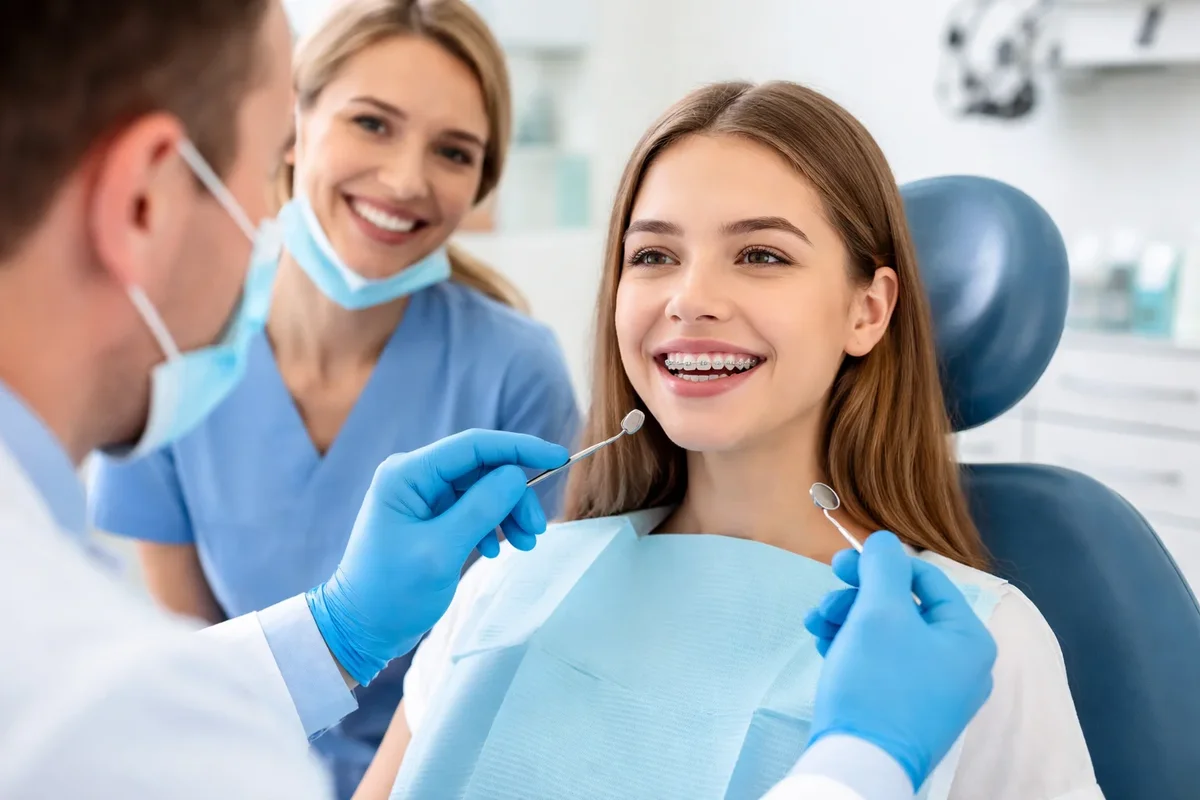
9. What Happens After Your Braces First Appointment?
Your braces first appointment is only the beginning of your orthodontic journey 😊. Once you complete your braces first appointment—whether it involved consultation only or actual bracket placement—the next phase begins. Many patients focus so much on preparing for the braces first appointment that they forget to ask what comes next. Understanding the post-appointment process helps you transition smoothly into active treatment.
What happens after your braces first appointment depends on whether braces were placed that day or scheduled for a later visit. In both cases, the period following your braces first appointment is structured, organized, and designed to gradually guide your teeth into proper alignment.
If Braces Were Placed During the Braces First Appointment
If your braces first appointment included bracket bonding and archwire placement, the days immediately following the visit will involve mild adaptation. Your teeth will begin responding to gentle orthodontic pressure introduced during the braces first appointment.
The First 48–72 Hours
After your braces first appointment, you may experience slight tenderness when chewing. This is normal and expected. The pressure applied during the braces first appointment activates the biological process that allows teeth to shift safely within the bone.
During this time, it is recommended to consume soft foods such as soups, yogurt, mashed vegetables, and pasta. Avoid hard, sticky, or crunchy foods immediately after your braces first appointment to prevent bracket damage.
Oral Hygiene Adjustments
Maintaining excellent oral hygiene becomes essential after your braces first appointment. Brackets and wires create additional surfaces where plaque can accumulate. Your orthodontist likely provided cleaning instructions during the braces first appointment, including proper brushing techniques and possibly specialized tools such as interdental brushes or floss threaders.
If Braces Were Not Placed Yet
In some cases, your braces first appointment may have been diagnostic only. If this is the case, the next step after your braces first appointment will be scheduling a bonding session. During this follow-up visit, brackets will be attached and active treatment will begin.
Your orthodontist may also request preliminary procedures before braces placement, such as tooth extractions or professional cleaning. These recommendations are typically explained clearly during the braces first appointment.
Scheduling Regular Adjustment Visits
After your braces first appointment, regular follow-up visits will be scheduled approximately every 4 to 8 weeks. These appointments are crucial because they allow the orthodontist to adjust the archwire and monitor progress.
Why Adjustments Are Necessary
Teeth move gradually. The braces first appointment starts the alignment process, but controlled adjustments are required to guide teeth into their final position. Each follow-up builds upon the foundation established during your braces first appointment.
Monitoring Progress Over Time
Orthodontic treatment is progressive. After your braces first appointment, visible changes may not occur immediately, but subtle movement begins right away. Over several months, improvements become noticeable.
Your orthodontist will compare current alignment with the initial records collected during your braces first appointment. Digital scans and photographs taken at the braces first appointment serve as valuable benchmarks for tracking transformation.
Managing Minor Issues
Occasionally, small issues may arise after your braces first appointment, such as loose brackets or poking wires. These situations are common and easily resolved. Most clinics provide emergency contact instructions during your braces first appointment to ensure you know what to do if something feels uncomfortable.
Using Orthodontic Wax
If brackets irritate your cheeks after your braces first appointment, applying orthodontic wax can reduce friction and improve comfort. Over time, your mouth adapts, and irritation typically decreases.
Emotional Adjustment and Confidence Growth
After your braces first appointment, it is normal to feel self-conscious for a short time. However, many patients quickly shift from concern to excitement. Knowing that the braces first appointment marked the beginning of a positive transformation often boosts motivation.
As weeks pass, small alignment improvements reinforce confidence. The braces first appointment symbolizes commitment to long-term oral health and aesthetics.
Looking Ahead to the Retention Phase
Although it may seem far away, your braces first appointment also sets the stage for the final retention phase. Once active treatment is complete, retainers maintain your results. The importance of retention is typically explained during the braces first appointment to ensure patients understand long-term responsibilities.
Why the Journey Matters
The period after your braces first appointment is about consistency and patience. Each adjustment visit builds upon the diagnostic foundation established during your braces first appointment. Orthodontic success relies on cooperation, good hygiene, and regular attendance.
In conclusion, your braces first appointment is the starting line—not the finish line 😁. Whether braces were placed immediately or scheduled for a later date, the weeks following your braces first appointment involve adaptation, monitoring, and gradual improvement. With proper care, routine adjustments, and clear communication, the journey that began at your braces first appointment will lead to a straighter, healthier, and more confident smile.