
Braces for 16 year olds are one of the most effective and widely recommended orthodontic treatments for teenagers who want to achieve a healthy, confident smile. At age 16, the jaw is still developing, which makes this period ideal for correcting misaligned teeth, bite issues, and spacing problems. Many parents and teens wonder whether this is the right age to start orthodontic treatment, and the answer is often yes. Braces for 16 year olds provide a perfect balance between growth potential and maturity, allowing for highly predictable and long-lasting results.
At this stage, most permanent teeth have already erupted, which allows orthodontists to evaluate the entire dental structure accurately. This is why braces for 16 year olds are commonly recommended by dental professionals. The treatment not only improves aesthetics but also enhances oral health by making teeth easier to clean and reducing the risk of cavities, gum disease, and jaw problems. According to the American Dental Association, proper alignment plays a crucial role in maintaining long-term dental health.
One of the biggest advantages of braces for 16 year olds is the flexibility in treatment options. Teens today can choose from traditional metal braces, ceramic braces, or even clear aligners, depending on their needs and lifestyle. While younger children may not always cooperate with removable devices, 16-year-olds are typically responsible enough to follow instructions carefully, which increases the success rate of treatment. This makes braces for 16 year olds both effective and convenient.
Another important factor to consider is confidence. Teenagers are often highly aware of their appearance, and crooked or crowded teeth can negatively impact self-esteem. Braces for 16 year olds not only correct dental issues but also boost confidence during a crucial stage of personal development. Many teens feel more comfortable smiling, speaking, and socializing once their orthodontic journey begins. 😊
From a medical perspective, braces for 16 year olds can address a wide range of issues, including overbite, underbite, crossbite, overcrowding, and gaps between teeth. Left untreated, these problems can lead to more serious complications later in life, such as uneven wear on teeth, jaw pain, or difficulty chewing. Starting treatment at 16 helps prevent these long-term problems and ensures a healthier future.
The process of getting braces for 16 year olds usually begins with a consultation. During this visit, the orthodontist will take X-rays, photographs, and impressions of the teeth to create a personalized treatment plan. Each case is unique, so the duration and type of braces for 16 year olds will vary depending on the severity of the issue. However, most treatments last between 12 and 24 months, making it a manageable commitment for teenagers.
Parents often ask whether braces for 16 year olds are painful. While there may be some initial discomfort after adjustments, modern orthodontic technology has made the process much more comfortable than in the past. Most teens quickly adapt, and the results are well worth the temporary inconvenience. Regular check-ups ensure that the treatment progresses smoothly and efficiently.
It is also worth mentioning that braces for 16 year olds require good oral hygiene habits. Brushing, flossing, and avoiding certain foods are essential to achieving the best results. Orthodontists usually provide detailed instructions to help teens maintain their braces properly. With the right care, braces for 16 year olds can deliver outstanding results that last a lifetime.
If you are considering braces for 16 year olds, choosing the right clinic is crucial. Professional guidance and personalized care make a significant difference in the outcome of the treatment. You can learn more or schedule a consultation by visiting the Redent Klinik Contact Page. Taking the first step today can lead to a healthier, more confident smile tomorrow.
In summary, braces for 16 year olds offer a powerful combination of health benefits, aesthetic improvements, and long-term results. This age is ideal for orthodontic correction, making it one of the best times to invest in a perfect smile. With modern options, improved comfort, and expert care, braces for 16 year olds remain one of the most reliable solutions for achieving straight, beautiful teeth.
Why Braces for 16 Year Olds Are So Common Today
Braces for 16 year olds have become increasingly common in modern dentistry, and there are several strong reasons behind this trend. At age 16, most teenagers have developed nearly all of their permanent teeth, making it the perfect time for orthodontists to assess and correct alignment issues. Braces for 16 year olds are not just about achieving a straight smile—they are a critical investment in long-term oral health and overall well-being. Today, more families understand the importance of early orthodontic care, which is why braces for 16 year olds are now considered almost a standard part of teenage dental care. 😊
Growth and Development Make Age 16 Ideal
One of the biggest reasons braces for 16 year olds are so common is the unique stage of jaw development at this age. The bones are still flexible enough to respond effectively to orthodontic treatment, yet mature enough to allow precise adjustments. This balance gives orthodontists the ability to achieve faster and more stable results compared to treatment started later in adulthood.
When braces for 16 year olds are applied during this stage, they can guide the teeth into their correct positions while also influencing jaw alignment. This is especially beneficial for correcting bite issues such as overbite, underbite, and crossbite. Waiting too long may result in more complex treatments, including surgery, which is why braces for 16 year olds are strongly recommended by dental professionals.
Better Results Compared to Adult Treatment
Another key advantage of braces for 16 year olds is that treatment outcomes are generally more predictable than in adults. Since the jaw is still growing, orthodontists can take advantage of natural development to enhance results. This means braces for 16 year olds often require less time and fewer adjustments compared to treatments started later in life.
Increased Awareness of Dental Health
Modern families are far more informed about dental health than in the past. Parents understand that untreated alignment issues can lead to serious complications such as tooth decay, gum disease, and even jaw pain. As a result, braces for 16 year olds are seen as a preventive measure rather than just a cosmetic solution.
Organizations like the American Dental Association emphasize the importance of proper alignment for maintaining oral hygiene. Crooked or crowded teeth are harder to clean, which increases the risk of plaque buildup. Braces for 16 year olds help create a healthier oral environment by aligning teeth properly, making daily brushing and flossing much more effective.
Prevention of Future Dental Problems
Braces for 16 year olds do more than improve appearance—they prevent future issues. Misaligned teeth can cause uneven wear, leading to enamel damage over time. Additionally, bite problems can result in jaw strain and discomfort. By choosing braces for 16 year olds early, these risks can be minimized or completely avoided.
Social and Psychological Benefits
Teenage years are a critical period for self-esteem and social development. Many teenagers feel self-conscious about their smiles, especially if they have visible dental issues. Braces for 16 year olds provide a solution that not only improves dental health but also boosts confidence.
Interestingly, braces have become more socially accepted, even trendy in some cases. Many teens see braces for 16 year olds as a positive step toward self-improvement rather than something to hide. With options like clear aligners and ceramic braces, the stigma once associated with braces has significantly decreased.
Confidence Boost During Teenage Years
Starting braces for 16 year olds can have a profound impact on confidence. Teens often feel more comfortable smiling, speaking, and interacting with others when they know they are improving their appearance. This confidence can carry over into school performance, friendships, and even future career opportunities.
Advancements in Orthodontic Technology
Another reason braces for 16 year olds are so common today is the advancement in orthodontic technology. Modern braces are more comfortable, efficient, and aesthetically pleasing than ever before. Traditional metal braces are now smaller and less noticeable, while alternatives like clear aligners offer nearly invisible treatment options.
These advancements make braces for 16 year olds more appealing to teenagers who may have previously resisted treatment. Improved materials and techniques also reduce discomfort and shorten treatment times, making the entire experience much more manageable.
More Comfortable and Faster Treatment
With modern innovations, braces for 16 year olds are designed to apply gentle, consistent pressure, which reduces pain and speeds up the alignment process. Digital scanning and 3D imaging allow orthodontists to create highly customized treatment plans, ensuring optimal results for each individual patient.
Parental Support and Accessibility
Finally, braces for 16 year olds are more accessible today due to flexible payment plans and increased availability of orthodontic services. Many dental clinics offer financing options, making it easier for families to afford treatment. This accessibility has contributed significantly to the growing popularity of braces for 16 year olds.
If you are considering braces for 16 year olds, professional guidance is essential. You can explore your options and get expert advice by visiting the Redent Klinik Contact Page. Early action can make a big difference in achieving the best possible outcome.
In conclusion, braces for 16 year olds are so common today because they offer the perfect combination of timing, effectiveness, and long-term benefits. From improved oral health to enhanced confidence and modern treatment options, braces for 16 year olds have become an essential step in helping teenagers achieve healthy, beautiful smiles that last a lifetime.
Types of Braces for 16 Year Olds: Which Option Is Best?
When considering braces for 16 year olds, one of the most important decisions is choosing the right type of orthodontic treatment. Today, teenagers have more options than ever before, each designed to meet different needs, preferences, and lifestyles. Braces for 16 year olds are no longer limited to traditional metal brackets—modern dentistry offers a variety of advanced solutions that combine effectiveness with comfort and aesthetics. Understanding these options is essential for making the best decision.
The ideal choice of braces for 16 year olds depends on several factors, including the severity of the dental issue, budget, personal preferences, and daily habits. While all types of braces for 16 year olds aim to straighten teeth and correct bite problems, they differ in appearance, comfort level, and maintenance requirements. Let’s explore the most popular types in detail. 😊
Traditional Metal Braces for 16 Year Olds
Traditional metal braces for 16 year olds remain one of the most reliable and widely used orthodontic treatments. These braces consist of metal brackets attached to the teeth and connected by wires that are periodically adjusted by the orthodontist.
Advantages of Metal Braces
One of the biggest benefits of metal braces for 16 year olds is their effectiveness. They can treat even the most complex alignment issues, including severe crowding, spacing, and bite problems. Additionally, modern metal braces are smaller and more comfortable than older versions, making them less noticeable and easier to wear.
Another advantage is cost-effectiveness. Compared to other options, metal braces for 16 year olds are generally more affordable, making them a practical choice for many families. They also do not rely on patient discipline, unlike removable options, which ensures consistent progress.
Disadvantages to Consider
Despite their effectiveness, metal braces for 16 year olds are the most visible option. Some teenagers may feel self-conscious about their appearance, although colorful bands can make them more fun and personalized. Proper oral hygiene is also crucial, as food can easily get trapped around the brackets.
Ceramic Braces for 16 Year Olds
Ceramic braces for 16 year olds are similar to metal braces but use tooth-colored or clear brackets that blend in with the teeth. This makes them a more discreet option for teenagers who are concerned about aesthetics.
Why Choose Ceramic Braces?
Ceramic braces for 16 year olds offer the same effectiveness as metal braces while being less noticeable. They are a popular choice among teens who want a balance between performance and appearance. These braces are especially suitable for moderate to severe alignment issues.
Things to Keep in Mind
Although ceramic braces for 16 year olds are less visible, they can be slightly more fragile than metal braces. They may also stain if proper care is not taken, especially when consuming foods like coffee, tea, or colored sauces. Maintaining good oral hygiene is essential to keep them looking clean and effective.
Lingual Braces for 16 Year Olds
Lingual braces for 16 year olds are placed on the inner side of the teeth, making them completely invisible from the outside. This option is ideal for teens who want a discreet treatment without compromising on effectiveness.
Benefits of Lingual Braces
The main advantage of lingual braces for 16 year olds is their invisibility. Since they are hidden behind the teeth, they offer a highly aesthetic solution. They are also effective for treating a wide range of orthodontic issues, similar to traditional braces.
Challenges of Lingual Braces
Lingual braces for 16 year olds can be more difficult to clean and may initially affect speech. They are also typically more expensive and require a highly skilled orthodontist for proper placement and adjustment.
Clear Aligners for 16 Year Olds
Clear aligners have become one of the most popular options for braces for 16 year olds. These removable, transparent trays gradually move teeth into the desired position without the need for brackets or wires.
Why Teens Love Clear Aligners
Clear aligners for braces for 16 year olds are nearly invisible, making them an attractive option for teenagers who want a discreet treatment. They are also removable, allowing teens to eat, brush, and floss without restrictions. This makes maintaining oral hygiene much easier compared to fixed braces.
Another advantage is comfort. Clear aligners are smooth and do not cause the same irritation as brackets and wires. This makes braces for 16 year olds using aligners a more comfortable experience overall.
Limitations of Clear Aligners
However, clear aligners for braces for 16 year olds require discipline. They must be worn for at least 20–22 hours per day to be effective. Failure to follow these guidelines can delay treatment progress. Additionally, they may not be suitable for very complex orthodontic cases.
Which Type of Braces for 16 Year Olds Is Best?
Choosing the best type of braces for 16 year olds depends on individual needs. For severe dental issues, traditional metal braces or ceramic braces are often the most effective. For teens who prioritize aesthetics, ceramic braces, lingual braces, or clear aligners may be better options.
Consulting with an experienced orthodontist is the best way to determine the ideal solution. Each case is unique, and professional evaluation ensures that the chosen treatment delivers optimal results. If you are exploring options for braces for 16 year olds, you can get expert advice by visiting the Redent Klinik Contact Page.
In conclusion, the wide range of options available today makes braces for 16 year olds more accessible and customizable than ever before. Whether prioritizing effectiveness, comfort, or appearance, there is a suitable solution for every teenager. By choosing the right type of braces for 16 year olds, you can ensure a smoother treatment journey and achieve a healthy, confident smile that lasts a lifetime.
Signs Your Teen Needs Braces for 16 Year Olds Treatment
Recognizing the early signs that indicate the need for braces for 16 year olds is essential for ensuring timely and effective orthodontic treatment. At age 16, most dental structures are fully developed, which allows orthodontists to clearly identify alignment issues and recommend appropriate solutions. Many parents and teens overlook subtle warning signs, but addressing them early with braces for 16 year olds can prevent more serious complications in the future. 😊
Braces for 16 year olds are not only about aesthetics—they play a vital role in improving oral function, bite alignment, and overall dental health. Understanding these signs can help you make informed decisions and take action at the right time.
Visible Crooked or Misaligned Teeth
One of the most obvious signs that braces for 16 year olds may be needed is visibly crooked or misaligned teeth. If your teen’s teeth appear crowded, overlapping, or rotated, it is a strong indication that orthodontic treatment is necessary. These alignment issues can affect both the appearance and function of the teeth.
Why Alignment Matters
When teeth are not properly aligned, it becomes difficult to clean them effectively. This increases the risk of plaque buildup, cavities, and gum disease. Braces for 16 year olds help correct these issues by gradually moving the teeth into their proper positions, making oral hygiene easier and more effective.
Difficulty Biting or Chewing
If your teen experiences difficulty when biting or chewing food, it could be a sign of a bite problem that requires braces for 16 year olds. Misaligned teeth can prevent proper contact between the upper and lower jaws, leading to discomfort and inefficient chewing.
Types of Bite Issues
Common bite problems that may require braces for 16 year olds include overbite, underbite, crossbite, and open bite. These conditions can affect not only eating but also speaking and jaw health. Early correction with braces for 16 year olds can significantly improve functionality and comfort.
Frequent Jaw Pain or Clicking Sounds
Jaw discomfort or clicking sounds when opening and closing the mouth can be a sign of underlying alignment issues. These symptoms often indicate stress on the jaw joints, which may worsen over time if left untreated. Braces for 16 year olds can help realign the bite and reduce strain on the jaw.
Preventing Long-Term Problems
Ignoring jaw-related symptoms can lead to temporomandibular joint (TMJ) disorders. By addressing these issues early with braces for 16 year olds, you can prevent chronic pain and more complex treatments later in life.
Gaps Between Teeth
Spacing issues, such as noticeable gaps between teeth, are another common reason for braces for 16 year olds. While some gaps may be harmless, larger spaces can affect both aesthetics and dental health.
Impact of Spacing Issues
Gaps can trap food particles and increase the risk of gum problems. Braces for 16 year olds close these spaces, creating a more uniform and functional dental structure. This not only improves appearance but also enhances oral hygiene.
Teeth Grinding or Clenching
If your teen frequently grinds or clenches their teeth, especially during sleep, it may be a sign of misalignment. This condition, known as bruxism, can cause enamel wear, sensitivity, and even tooth damage.
How Braces Help
Braces for 16 year olds can correct the underlying alignment issues that contribute to grinding. By improving the way the teeth fit together, braces for 16 year olds reduce stress on the teeth and help protect them from further damage.
Speech Difficulties
Speech problems, such as lisping or difficulty pronouncing certain sounds, can sometimes be linked to dental alignment issues. In such cases, braces for 16 year olds may be recommended to improve speech clarity.
Connection Between Teeth and Speech
The position of the teeth plays a crucial role in speech production. Misaligned teeth can interfere with proper tongue placement and airflow. Braces for 16 year olds help correct these issues, leading to clearer and more confident communication.
Late Loss of Baby Teeth or Irregular Eruption
Although most baby teeth are lost before age 16, delayed tooth loss or irregular eruption patterns can still occur. These issues may indicate underlying alignment problems that require braces for 16 year olds.
Why Timing Matters
Proper timing is crucial for orthodontic treatment. Braces for 16 year olds can address these irregularities effectively, ensuring that the teeth develop in a healthy and balanced way.
Self-Consciousness About Smile
Emotional and psychological factors are also important indicators. If your teen feels self-conscious about their smile or avoids smiling altogether, it may be time to consider braces for 16 year olds.
Boosting Confidence
Braces for 16 year olds not only improve dental health but also enhance self-esteem. A confident smile can positively impact social interactions, academic performance, and overall quality of life.
Professional Evaluation Is Key
While these signs can help you identify potential issues, a professional evaluation is essential for an accurate diagnosis. Orthodontists use advanced tools and techniques to determine whether braces for 16 year olds are necessary and to create a personalized treatment plan.
If you notice any of these signs, it is highly recommended to consult a specialist. You can schedule a consultation through the Redent Klinik Contact Page to get expert guidance tailored to your teen’s needs.
In conclusion, recognizing the signs that indicate the need for braces for 16 year olds is the first step toward achieving a healthy and beautiful smile. From visible alignment issues to functional problems and confidence concerns, these indicators should not be ignored. Early intervention with braces for 16 year olds ensures better results, improved oral health, and a brighter future for your teen.
How the Braces for 16 Year Olds Process Works Step by Step
Understanding how braces for 16 year olds work step by step can make the entire orthodontic journey much less intimidating for both teens and parents. While the idea of wearing braces may seem overwhelming at first, the process is actually very structured, predictable, and designed to deliver long-lasting results. Braces for 16 year olds follow a carefully planned sequence that ensures teeth are moved safely and effectively into their ideal positions. 😊
This step-by-step guide explains exactly what to expect when starting braces for 16 year olds, from the first consultation to the final removal and retention phase.
Step 1: Initial Consultation and Assessment
The journey with braces for 16 year olds always begins with a detailed consultation. During this visit, the orthodontist evaluates the teeth, jaw alignment, and overall oral health. This step is crucial because it determines whether braces for 16 year olds are necessary and what type of treatment will be most effective.
What Happens During the First Visit?
The orthodontist typically takes X-rays, digital scans, and photographs of the teeth. These images provide a complete picture of the dental structure and help identify issues such as crowding, spacing, or bite misalignment. Based on this information, a personalized treatment plan for braces for 16 year olds is created.
At this stage, patients and parents can also ask questions, discuss concerns, and explore different types of braces for 16 year olds. Transparency and clear communication are key to ensuring a successful treatment journey.
Step 2: Preparing for Braces Placement
Before applying braces for 16 year olds, the orthodontist may need to perform some preparatory procedures. This can include professional cleaning, treating cavities, or in some cases, removing teeth to create space for proper alignment.
Why Preparation Is Important
Proper preparation ensures that braces for 16 year olds work efficiently and without complications. Clean and healthy teeth provide a strong foundation for attaching brackets and wires, reducing the risk of issues during treatment.
Step 3: Placement of Braces
The actual placement of braces for 16 year olds is a straightforward and painless procedure. Brackets are bonded to each tooth using a special adhesive, and a wire is threaded through them to apply gentle pressure.
What Teens Can Expect
The process usually takes one to two hours. While there is no pain during the procedure, some mild discomfort may occur in the following days as the teeth begin to adjust. This is completely normal and indicates that the braces for 16 year olds are working as intended.
Step 4: Regular Adjustments and Monitoring
After the braces are placed, regular visits to the orthodontist are necessary to monitor progress and make adjustments. These appointments are typically scheduled every 4 to 6 weeks.
Why Adjustments Are Necessary
During these visits, the orthodontist tightens or replaces the wires to continue guiding the teeth into their correct positions. Braces for 16 year olds rely on consistent, controlled pressure, and these adjustments ensure that the treatment stays on track.
These visits also allow the orthodontist to check for any issues, such as broken brackets or oral hygiene concerns, and address them promptly.
Step 5: Daily Care and Maintenance
Maintaining proper oral hygiene is a critical part of the braces for 16 year olds process. Teens must brush and floss regularly to prevent plaque buildup and protect their teeth during treatment.
Best Practices for Care
Braces for 16 year olds require special attention when it comes to cleaning. Orthodontists often recommend using interdental brushes, floss threaders, and fluoride mouthwash to keep teeth and gums healthy. Avoiding sticky and hard foods is also essential to prevent damage to the braces.
Step 6: Tracking Progress and Adjusting the Plan
Every patient is different, and the progress of braces for 16 year olds can vary depending on the complexity of the case. Orthodontists continuously evaluate the results and may adjust the treatment plan if needed.
Personalized Treatment Approach
This flexibility ensures that braces for 16 year olds deliver the best possible outcome. Advanced tools like digital imaging allow orthodontists to track changes accurately and make informed decisions throughout the process.
Step 7: Removal of Braces
Once the teeth have reached their desired positions, the braces for 16 year olds are removed. This is an exciting milestone that marks the completion of the active treatment phase.
What Happens After Removal?
The removal process is quick and painless. The orthodontist carefully detaches the brackets and cleans the teeth to remove any remaining adhesive. At this point, the results of braces for 16 year olds become fully visible, revealing a straight and healthy smile.
Step 8: Retention Phase
After braces are removed, maintaining the results is just as important as achieving them. This is where retainers come into play. Retainers help keep the teeth in their new positions and prevent them from shifting back.
Importance of Wearing Retainers
For braces for 16 year olds, retainers are typically worn full-time initially and then gradually reduced to nighttime use. Consistency is key, as neglecting retainers can undo the progress made during treatment.
Step 9: Long-Term Maintenance and Follow-Up
Even after the active treatment is complete, occasional follow-up visits may be recommended to ensure that the results of braces for 16 year olds are maintained over time.
Ensuring Lifelong Results
Good oral hygiene, regular dental check-ups, and proper retainer use are essential for preserving the benefits of braces for 16 year olds. With the right care, the results can last a lifetime.
If you are ready to begin the journey with braces for 16 year olds, professional guidance is essential. You can take the first step by visiting the Redent Klinik Contact Page and scheduling a consultation.
In conclusion, the process of braces for 16 year olds is a well-organized journey that transforms not only the smile but also overall dental health. By understanding each step, teens and parents can feel more confident and prepared, ensuring a smooth and successful orthodontic experience.
Cost of Braces for 16 Year Olds: What to Expect
The cost of braces for 16 year olds is one of the most common concerns for parents and teenagers considering orthodontic treatment. While braces are a valuable investment in both dental health and appearance, understanding the financial aspect is essential for making an informed decision. The cost of braces for 16 year olds can vary significantly depending on several factors, including the type of braces, the complexity of the case, the location of the clinic, and the experience of the orthodontist. 😊
In general, braces for 16 year olds are considered a long-term investment that delivers lifelong benefits. Straight teeth are easier to clean, less prone to decay, and contribute to better overall oral health. Therefore, while the initial cost may seem high, the long-term savings on dental treatments often make braces for 16 year olds a cost-effective solution.
Average Cost of Braces for 16 Year Olds
The average cost of braces for 16 year olds typically falls within a wide range depending on the treatment type. Below is a general price overview based on global averages:
Estimated Price Ranges
- Metal braces: $3,000 – $7,000
- Ceramic braces: $4,000 – $8,500
- Lingual braces: $8,000 – $12,000
- Clear aligners: $3,500 – $8,000
These figures give a realistic idea of what to expect when planning for braces for 16 year olds. However, prices may vary depending on the country and clinic. For example, treatment costs in countries like Turkey are often significantly lower compared to the United States or the UK, while still maintaining high-quality standards.
Factors That Affect the Cost
Several factors influence the total cost of braces for 16 year olds. Understanding these elements helps explain why prices can differ so much from one case to another.
Complexity of the Case
The severity of the dental problem plays a major role in determining the cost. Mild alignment issues require less time and fewer adjustments, making them more affordable. On the other hand, complex cases involving bite correction or severe crowding may increase the cost of braces for 16 year olds due to longer treatment duration and additional procedures.
Type of Braces Chosen
The type of braces for 16 year olds significantly impacts the overall cost. Traditional metal braces are usually the most affordable option, while lingual braces and clear aligners tend to be more expensive due to their advanced technology and aesthetic advantages.
Location of the Clinic
Geographical location also affects the cost of braces for 16 year olds. Clinics in large cities or developed countries often charge higher fees due to increased operational costs. However, many patients choose dental tourism to access high-quality treatment at more affordable prices.
Insurance and Payment Options
Many families wonder whether insurance can cover braces for 16 year olds. In some cases, dental insurance plans partially cover orthodontic treatment, especially if it is considered medically necessary.
Flexible Payment Plans
Most clinics offer flexible payment plans to make braces for 16 year olds more accessible. These plans allow families to spread the cost over several months or years, reducing the financial burden. Some clinics also provide interest-free financing options, making treatment more manageable.
Additional Costs to Consider
When budgeting for braces for 16 year olds, it is important to consider additional expenses that may arise during treatment.
Maintenance and Follow-Up Visits
Regular check-ups, adjustments, and maintenance are part of the treatment process. While many clinics include these costs in the overall package, it is important to confirm this in advance when planning for braces for 16 year olds.
Retainers After Treatment
After the braces are removed, retainers are necessary to maintain the results. The cost of retainers is usually an additional expense, but it is essential for preserving the outcome of braces for 16 year olds.
Are Braces Worth the Investment?
Although the cost of braces for 16 year olds may seem significant, the benefits far outweigh the expense. Straight teeth improve oral hygiene, reduce the risk of dental problems, and enhance overall confidence. Many teens experience a noticeable boost in self-esteem after completing their treatment.
Additionally, untreated alignment issues can lead to more serious and costly dental problems in the future. Investing in braces for 16 year olds now can help avoid expensive procedures later, making it a financially wise decision in the long run.
Choosing the Right Clinic
Selecting a reputable clinic is just as important as understanding the cost. High-quality treatment ensures better results and reduces the risk of complications. If you are considering braces for 16 year olds, it is recommended to consult experienced professionals who can provide personalized advice.
You can explore your options and get a detailed cost breakdown by visiting the Redent Klinik Contact Page. A professional consultation will help you understand the exact requirements and costs based on your specific case.
In conclusion, the cost of braces for 16 year olds varies depending on multiple factors, but it remains a valuable investment in long-term health and confidence. With flexible payment options, modern treatment methods, and professional guidance, braces for 16 year olds are more accessible than ever. By planning carefully and choosing the right solution, you can ensure a successful and rewarding orthodontic journey.
How Long Do Braces for 16 Year Olds Take to Work?
One of the most frequently asked questions about braces for 16 year olds is how long the treatment will take. The duration of orthodontic treatment can vary depending on several factors, but in most cases, braces for 16 year olds typically take between 12 and 24 months to achieve the desired results. This timeframe may seem long, but considering the lifelong benefits of straight, healthy teeth, it is a worthwhile commitment. 😊
At age 16, the teeth and jaw are still responsive to orthodontic adjustments, which often allows for more efficient treatment compared to adults. This means that braces for 16 year olds can often deliver faster and more predictable results, especially when patients follow their orthodontist’s instructions carefully.
Average Treatment Time for Braces for 16 Year Olds
The average duration of braces for 16 year olds depends on the complexity of the dental issue. While mild cases may be resolved in as little as 12 months, more complex cases can take up to 24 months or longer.
Typical Timeframes Based on Case Severity
- Mild alignment issues: 12–15 months
- Moderate cases: 15–20 months
- Severe misalignment or bite issues: 20–24+ months
These timelines provide a general guideline, but each case is unique. Orthodontists create personalized treatment plans to ensure that braces for 16 year olds achieve the best possible outcome within the shortest safe timeframe.
Factors That Affect Treatment Duration
Several factors influence how long braces for 16 year olds will take. Understanding these factors can help set realistic expectations and ensure a smoother treatment journey.
Complexity of the Dental Problem
The severity of misalignment is one of the most important factors. Simple spacing or minor crowding can be corrected relatively quickly, while complex bite issues require more time. Braces for 16 year olds are designed to handle both simple and complex cases, but the timeline will vary accordingly.
Type of Braces Used
The type of braces for 16 year olds can also impact treatment duration. Traditional metal braces are often the fastest for complex cases, while clear aligners may take slightly longer if not worn consistently. Each option has its advantages, and the orthodontist will recommend the best choice based on the individual’s needs.
Patient Compliance
One of the most overlooked factors is how well the patient follows instructions. Braces for 16 year olds require commitment, including attending regular appointments, maintaining good oral hygiene, and avoiding foods that can damage the braces.
For teens using clear aligners, wearing them for the recommended 20–22 hours per day is essential. Failure to comply can significantly extend the duration of braces for 16 year olds.
Stages of Treatment Timeline
The process of braces for 16 year olds can be divided into several stages, each contributing to the overall treatment timeline.
Initial Alignment Phase
During the first few months, braces for 16 year olds begin to align the teeth and correct obvious irregularities. Patients often notice visible improvements within this stage, which can be highly motivating.
Bite Correction Phase
Once the teeth are more aligned, the focus shifts to correcting the bite. This stage may involve elastics or additional adjustments to ensure proper jaw alignment. Braces for 16 year olds are particularly effective during this phase due to the ongoing growth of the jaw.
Final Adjustment Phase
In the final stage, orthodontists make small, precise adjustments to perfect the alignment. This ensures that the results of braces for 16 year olds are both functional and aesthetically pleasing.
Can Treatment Be Faster?
Many teens and parents wonder if there are ways to speed up braces for 16 year olds. While it is important not to rush the process, certain factors can help ensure the treatment stays on schedule.
Tips to Stay on Track
- Attend all scheduled orthodontic appointments
- Follow dietary guidelines to avoid damaging braces
- Maintain excellent oral hygiene
- Wear elastics or aligners as instructed
By following these guidelines, patients can avoid delays and ensure that braces for 16 year olds progress as efficiently as possible.
What Happens After Braces Are Removed?
After the active treatment phase is complete, the orthodontist removes the braces and provides retainers to maintain the results. This phase is crucial for ensuring that the teeth do not shift back to their original positions.
Retention Timeline
Retainers are typically worn full-time for a few months and then gradually reduced to nighttime use. Even after braces for 16 year olds are removed, maintaining results requires long-term commitment to wearing retainers as recommended.
Why Patience Is Important
Although waiting for results can be challenging, patience is essential when it comes to braces for 16 year olds. Orthodontic treatment involves gradual changes to the position of the teeth and jaw, and rushing the process can compromise the results.
The goal of braces for 16 year olds is not just to achieve a straight smile quickly, but to ensure that the results are stable and long-lasting. This is why orthodontists carefully plan each stage of the treatment.
If you are considering braces for 16 year olds and want a personalized timeline, it is best to consult with a professional. You can get expert advice and a customized treatment plan by visiting the Redent Klinik Contact Page.
In conclusion, the duration of braces for 16 year olds depends on multiple factors, but most treatments fall within a 12 to 24-month range. With proper care, compliance, and professional guidance, braces for 16 year olds can deliver excellent results within this timeframe. The journey may require patience, but the outcome—a healthy, confident smile—is truly worth it.
Daily Care Tips for Braces for 16 Year Olds
Maintaining proper oral hygiene is one of the most important aspects of successful treatment with braces for 16 year olds. While braces are highly effective in correcting alignment and bite issues, they also create additional spaces where food particles and plaque can accumulate. Without proper care, this can lead to cavities, gum problems, and even delays in treatment. That’s why establishing a strong daily care routine is essential when wearing braces for 16 year olds. 😊
Teenagers who follow the right hygiene practices not only protect their teeth but also ensure that their braces for 16 year olds work as efficiently as possible. Let’s explore the most important daily care tips in detail.
Brushing Techniques for Braces for 16 Year Olds
Brushing is the foundation of oral hygiene, especially for teens with braces. With braces for 16 year olds, brushing needs to be more thorough and frequent than usual to remove plaque and food debris trapped around brackets and wires.
How to Brush Properly
Teens should brush at least twice a day, ideally after every meal. A soft-bristled toothbrush or an electric toothbrush is recommended for braces for 16 year olds. The brush should be angled at 45 degrees to clean both above and below the brackets. Gentle, circular motions help remove plaque without damaging the braces.
It is also important to spend at least two minutes brushing, ensuring that all surfaces of the teeth are cleaned. Skipping proper brushing can lead to white spots or stains on the teeth after braces for 16 year olds are removed.
Flossing with Braces
Flossing is often more challenging with braces for 16 year olds, but it is just as important as brushing. Flossing helps remove plaque and food particles from areas that a toothbrush cannot reach.
Tools That Make Flossing Easier
Special tools such as floss threaders, orthodontic floss, or water flossers can make the process much easier. These tools are specifically designed for braces for 16 year olds and help ensure that the spaces between teeth are properly cleaned.
Flossing should be done at least once a day to maintain healthy gums and prevent inflammation during treatment.
Using Mouthwash for Extra Protection
Mouthwash is a great addition to the daily routine for braces for 16 year olds. It helps reduce bacteria, freshen breath, and strengthen enamel.
Choosing the Right Mouthwash
A fluoride mouthwash is highly recommended for braces for 16 year olds. It provides extra protection against cavities and helps maintain strong teeth throughout the treatment process. Using mouthwash once or twice daily can significantly improve overall oral health.
Foods to Avoid with Braces
Diet plays a crucial role in maintaining braces for 16 year olds. Certain foods can damage brackets and wires, leading to additional visits to the orthodontist and potential delays in treatment.
Problematic Foods
- Sticky foods like caramel and chewing gum
- Hard foods such as nuts and ice
- Crunchy snacks like popcorn
- Chewy candies and tough meats
Avoiding these foods helps protect braces for 16 year olds and ensures that the treatment progresses smoothly.
Healthy Eating Habits
In addition to avoiding harmful foods, maintaining a balanced diet is important for overall oral health. Braces for 16 year olds work best when the teeth and gums are strong and healthy.
Recommended Foods
Soft foods like yogurt, pasta, fruits, and cooked vegetables are ideal for teens with braces. These foods are gentle on the brackets and provide essential nutrients for maintaining healthy teeth.
Handling Discomfort and Emergencies
It is normal to experience some discomfort, especially after adjustments. Knowing how to manage these situations is an important part of caring for braces for 16 year olds.
Simple Solutions for Common Issues
Orthodontic wax can be used to cover sharp edges and reduce irritation. Over-the-counter pain relievers may help with temporary discomfort. If a bracket becomes loose or a wire breaks, it is important to contact the orthodontist promptly to fix the issue and avoid complications with braces for 16 year olds.
Regular Orthodontic Check-Ups
Routine visits to the orthodontist are essential for monitoring progress and making necessary adjustments. These appointments ensure that braces for 16 year olds are working effectively and that any issues are addressed quickly.
Why Consistency Matters
Missing appointments can delay treatment and affect the final results. Regular check-ups allow the orthodontist to track progress and make precise adjustments to braces for 16 year olds.
Building Good Habits for Lifelong Benefits
One of the biggest advantages of wearing braces for 16 year olds is the opportunity to develop strong oral hygiene habits that last a lifetime. Teens who learn proper care techniques during treatment are more likely to maintain healthy smiles in the future.
Long-Term Impact
Good habits formed during braces for 16 year olds treatment can prevent future dental issues and reduce the need for additional treatments. This makes the orthodontic journey not just about achieving a straight smile, but also about building a foundation for lifelong oral health.
Professional Support and Guidance
Having access to professional support is crucial for maintaining braces for 16 year olds. Orthodontists provide personalized advice and guidance to help teens navigate their treatment successfully.
If you need expert help or have questions about caring for braces for 16 year olds, you can reach out through the Redent Klinik Contact Page. Professional support ensures that the treatment process is smooth and effective.
In conclusion, daily care is a vital part of the success of braces for 16 year olds. From proper brushing and flossing to smart dietary choices and regular check-ups, every step contributes to achieving the best possible results. By following these tips, teens can ensure that their braces for 16 year olds lead to a healthy, beautiful smile that lasts a lifetime.
Diet and Lifestyle Changes with Braces for 16 Year Olds
Adapting to braces for 16 year olds involves more than just orthodontic appointments—it also requires important changes in diet and daily lifestyle habits. These adjustments are essential to protect the braces, ensure effective treatment, and maintain overall oral health. While the changes may seem challenging at first, most teens quickly adapt and develop routines that support their orthodontic journey. 😊
Braces for 16 year olds create new responsibilities, especially when it comes to eating and daily habits. Understanding what to eat, what to avoid, and how to adjust daily routines can make a significant difference in the success of the treatment.
Foods to Avoid with Braces for 16 Year Olds
One of the most important lifestyle changes when wearing braces for 16 year olds is avoiding foods that can damage brackets and wires. Certain foods can cause breakage, leading to delays in treatment and additional orthodontic visits.
High-Risk Foods
- Sticky foods: Caramel, chewing gum, and gummy candies can stick to braces and are difficult to remove.
- Hard foods: Nuts, ice, and hard candies can break brackets or bend wires.
- Crunchy snacks: Popcorn and chips can get lodged between braces and teeth.
- Chewy foods: Tough meats and bagels can put excessive pressure on braces.
Avoiding these foods is crucial for maintaining braces for 16 year olds and preventing unnecessary complications during treatment.
Recommended Diet for Braces Wearers
While some foods should be avoided, there are plenty of safe and nutritious options that support braces for 16 year olds. A balanced diet not only protects the braces but also promotes healthy teeth and gums.
Best Foods to Eat
- Soft fruits like bananas and berries
- Cooked vegetables such as carrots and broccoli
- Dairy products like yogurt and cheese
- Soft grains such as pasta and rice
- Lean proteins like eggs and fish
These foods are gentle on braces for 16 year olds and provide essential nutrients needed for strong teeth and overall health.
Importance of Cutting Food into Smaller Pieces
Another simple yet effective habit is cutting food into smaller, bite-sized pieces. This reduces the risk of damaging braces for 16 year olds and makes chewing easier.
Practical Eating Tips
Instead of biting directly into hard foods like apples or corn on the cob, teens should cut them into smaller pieces. This small adjustment can significantly reduce the risk of damaging braces for 16 year olds and help maintain steady progress in treatment.
Hydration and Its Role in Oral Health
Drinking plenty of water is essential for maintaining oral hygiene with braces for 16 year olds. Water helps wash away food particles and reduces the buildup of plaque around brackets and wires.
Why Water Is Better Than Sugary Drinks
Sugary and acidic beverages, such as soda and energy drinks, can increase the risk of cavities and enamel erosion. Choosing water instead supports the effectiveness of braces for 16 year olds and protects overall dental health.
Oral Hygiene as Part of Daily Lifestyle
Diet and oral hygiene go hand in hand when it comes to braces for 16 year olds. Maintaining a consistent cleaning routine is essential to prevent plaque buildup and gum issues.
Daily Routine Essentials
Teens should brush after every meal, floss daily, and use mouthwash to keep their teeth clean. These habits ensure that braces for 16 year olds function properly and reduce the risk of complications during treatment.
Managing Social Life with Braces
Wearing braces for 16 year olds can also impact social activities, especially when it comes to eating out or attending events. However, with a little planning, teens can enjoy their social lives without compromising their treatment.
Tips for Eating Out
When dining out, choosing soft and braces-friendly foods is key. Avoiding risky foods and carrying a small dental care kit can help teens maintain their braces for 16 year olds even when they are away from home.
Sports and Physical Activities
Active teens often wonder how braces for 16 year olds will affect their participation in sports. The good news is that most activities can continue as usual with a few precautions.
Using Mouthguards
For contact sports, wearing a mouthguard is highly recommended. It protects both the teeth and the braces for 16 year olds from injury. Orthodontists can provide custom mouthguards designed specifically for braces wearers.
Building Healthy Lifestyle Habits
Braces for 16 year olds provide an excellent opportunity to build lifelong healthy habits. The discipline required during treatment often leads to better oral hygiene and healthier lifestyle choices in the future.
Long-Term Benefits
Teens who follow proper dietary and lifestyle guidelines during braces for 16 year olds treatment are more likely to maintain their results and avoid future dental problems. These habits contribute to overall well-being and confidence.
Professional Guidance and Support
Adjusting to new dietary and lifestyle habits can be challenging, but professional support makes the process easier. Orthodontists provide personalized advice to help teens manage braces for 16 year olds effectively.
If you need expert guidance or have questions about managing braces for 16 year olds, you can visit the Redent Klinik Contact Page. Professional support ensures that the treatment journey remains smooth and successful.
In conclusion, adapting diet and lifestyle is a crucial part of the success of braces for 16 year olds. By avoiding harmful foods, maintaining good oral hygiene, and making smart daily choices, teens can protect their braces and achieve the best possible results. These changes may require effort, but they ultimately lead to a healthier smile and improved quality of life.
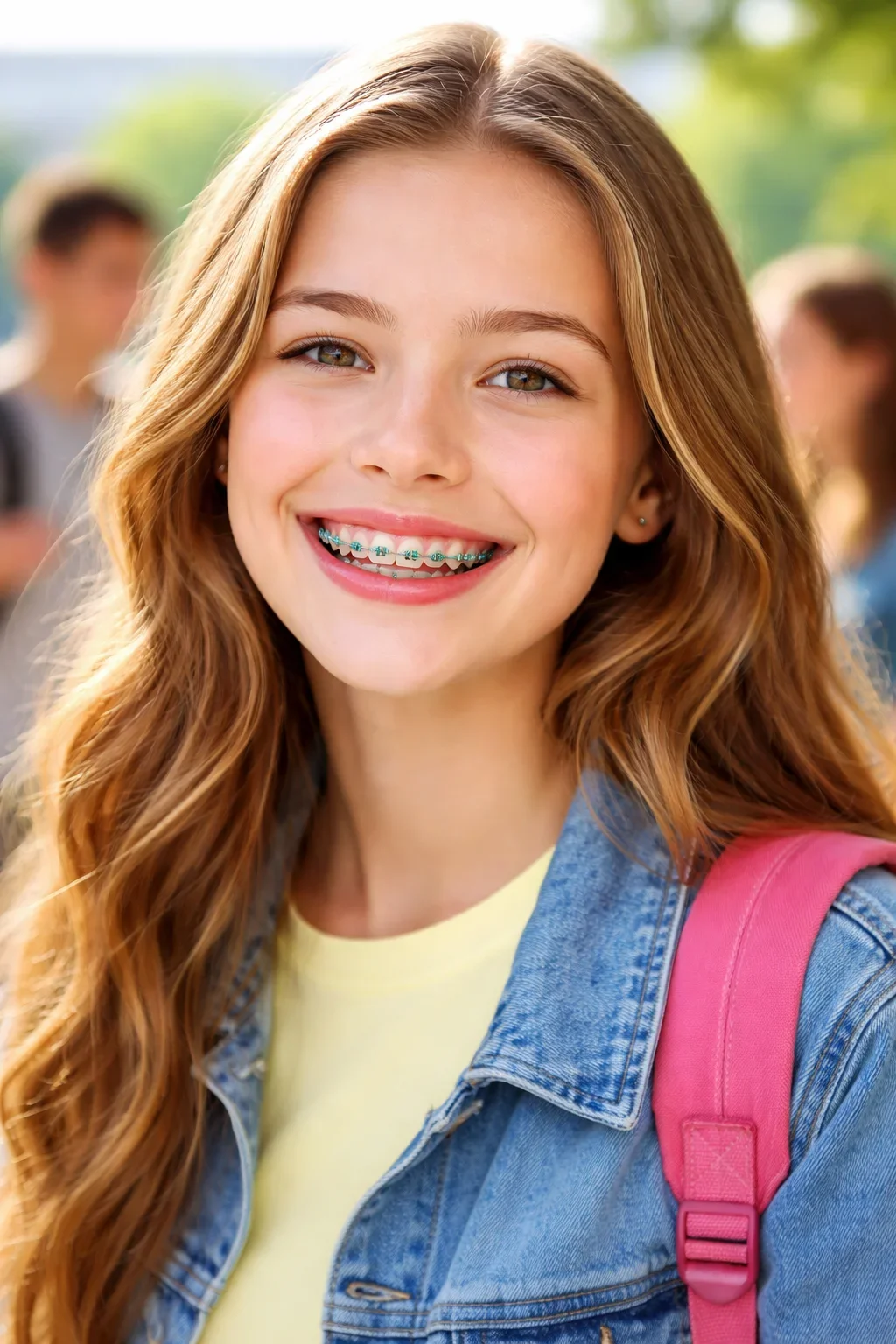
Confidence and Mental Benefits of Braces for 16 Year Olds
The impact of braces for 16 year olds goes far beyond physical appearance and dental health. One of the most powerful and often underestimated benefits is the positive effect on confidence, self-esteem, and overall mental well-being. Teenage years are a critical stage of emotional and social development, and having a confident smile can significantly influence how teens perceive themselves and interact with others. 😊
Braces for 16 year olds provide not only a straighter smile but also a psychological transformation that can shape a teenager’s personality, social life, and future opportunities. Understanding these mental and emotional benefits helps parents and teens appreciate the full value of orthodontic treatment.
Boosting Self-Esteem Through a Better Smile
One of the most immediate benefits of braces for 16 year olds is the improvement in self-esteem. Many teenagers feel self-conscious about crooked or misaligned teeth, which can affect their willingness to smile or speak openly.
From Insecurity to Confidence
When teens begin their journey with braces for 16 year olds, they often feel reassured knowing they are actively improving their smile. As treatment progresses and visible changes occur, their confidence naturally increases. By the time the braces are removed, many teens experience a dramatic boost in self-esteem, feeling proud of their appearance.
Encouraging Social Interaction
Social interactions are a major part of teenage life, and confidence plays a key role in forming friendships and relationships. Braces for 16 year olds can positively influence how teens engage with others.
Feeling Comfortable in Social Settings
Teens who are confident in their smiles are more likely to participate in conversations, social events, and group activities. Braces for 16 year olds help eliminate the hesitation that often comes from feeling insecure about dental appearance, allowing teens to express themselves more freely.
Reducing Anxiety About Appearance
Appearance-related anxiety is common during adolescence. Concerns about looks can lead to stress, self-doubt, and even avoidance of social situations. Braces for 16 year olds address one of the most visible aspects of appearance—the smile.
Positive Psychological Impact
By improving dental alignment, braces for 16 year olds reduce the source of insecurity. This can lead to lower anxiety levels and a more positive self-image. Teens often feel more relaxed and confident in both social and academic environments.
Developing Responsibility and Discipline
Wearing braces for 16 year olds requires commitment and responsibility. Teens must follow specific guidelines for oral hygiene, diet, and orthodontic care.
Building Lifelong Habits
This responsibility helps teens develop discipline and good habits that extend beyond orthodontic treatment. Managing braces for 16 year olds teaches time management, self-care, and accountability—skills that are valuable throughout life.
Positive Influence on Academic and Personal Growth
Confidence gained from braces for 16 year olds can also impact academic performance and personal development. Teens who feel good about themselves are more likely to participate in class, engage in extracurricular activities, and pursue their goals.
Improved Communication Skills
A confident smile encourages better communication. Braces for 16 year olds help teens feel more comfortable speaking in public, presenting ideas, and interacting with peers and teachers. This can lead to improved academic and social success.
Changing Perception of Braces Among Teens
In the past, braces were often seen as something to hide. Today, the perception has changed significantly. Braces for 16 year olds are now widely accepted and even considered a positive step toward self-improvement.
Braces as a Trend
Many teens view braces as a normal part of growing up. With options like clear aligners and ceramic braces, braces for 16 year olds are more discreet and stylish than ever before. This shift in perception makes the experience more comfortable and enjoyable.
Long-Term Emotional Benefits
The benefits of braces for 16 year olds extend well beyond the treatment period. A straight, healthy smile can have a lasting impact on confidence and mental well-being.
Confidence That Lasts a Lifetime
Teens who complete braces for 16 year olds often carry their confidence into adulthood. A positive self-image can influence career opportunities, relationships, and overall quality of life. The emotional benefits are just as valuable as the physical results.
Support from Family and Professionals
The journey with braces for 16 year olds is not just about the individual—it also involves support from family and dental professionals. Encouragement and guidance play a crucial role in maintaining motivation and positivity throughout the process.
Importance of Encouragement
Parents and orthodontists can help teens stay motivated by celebrating progress and addressing concerns. Positive reinforcement ensures that braces for 16 year olds remain a rewarding experience rather than a stressful one.
Taking the First Step Toward Confidence
Choosing braces for 16 year olds is not just a dental decision—it is a step toward greater confidence and emotional well-being. The journey may require patience and commitment, but the rewards are significant and long-lasting.
If you are considering braces for 16 year olds and want professional guidance, you can visit the Redent Klinik Contact Page to explore your options and start your journey.
In conclusion, braces for 16 year olds offer powerful mental and emotional benefits that go far beyond a straight smile. From boosting self-esteem and reducing anxiety to encouraging social interaction and personal growth, braces for 16 year olds play a vital role in shaping a confident and successful future. Investing in orthodontic treatment at this age is truly an investment in both health and happiness.