
Many people dream of having a sharp, defined jawline 😍 — one that enhances facial symmetry and exudes confidence. Interestingly, orthodontic treatments like braces don’t just straighten your teeth; they can actually influence your facial structure. The braces jawline relationship has become one of the most searched orthodontic topics online, and for good reason. The connection between braces and the jawline is both aesthetic and functional, involving bone remodeling, muscle repositioning, and bite correction — all of which play a crucial role in how your face looks and functions.
To understand how braces affect the jawline, we need to dive deeper into how orthodontic treatment works. Braces use controlled, consistent pressure on your teeth to gradually shift them into optimal alignment. This movement doesn’t only affect the teeth but also the underlying jawbone and soft tissue. When teeth move, the bone around them adapts — a biological process known as bone remodeling. Over time, this subtle change helps in reshaping not just your smile but the structure of your lower face. The result? A more balanced and attractive braces jawline effect that many patients notice even before their treatment ends.
When someone has crooked teeth, an overbite, underbite, or misaligned dental arches, the jawline often appears uneven or less pronounced. Braces help correct these structural irregularities by guiding the jaw into its proper position. For example, fixing an overbite (where the upper teeth excessively cover the lower teeth) can bring the chin slightly forward, creating a more balanced facial profile. On the other hand, correcting an underbite can reduce the protrusion of the lower jaw, resulting in a softer, more proportionate appearance. These biomechanical adjustments naturally lead to a more harmonious facial contour — the braces jawline transformation effect.
Beyond aesthetics, there are health-related benefits as well. A properly aligned jaw supports better breathing, improved chewing, and reduced strain on the temporomandibular joint (TMJ). When the bite is aligned, muscle tension in the jaw and neck area also decreases. This helps maintain the facial structure in a more relaxed, natural state, which contributes to the definition of the jawline. Therefore, the braces jawline improvement is not just a cosmetic phenomenon — it’s part of a holistic enhancement of oral and facial health.
Let’s not forget the impact of posture and muscle balance. When teeth and jaws are misaligned, people tend to overcompensate with certain facial muscles — for instance, tightening the chin or clenching the jaw. Over time, this can distort the jawline and facial expression. After orthodontic correction, the muscles can relax and function symmetrically, revealing a more natural and confident look. This is another reason why many orthodontists emphasize the connection between braces and jawline aesthetics.
From a scientific standpoint, orthodontic movement stimulates osteoblasts (cells that build bone) and osteoclasts (cells that break down bone). This balance between bone formation and resorption allows your face to subtly remodel as teeth move. The more aligned your teeth and bite become, the better the skeletal support for your lips, cheeks, and chin. It’s a fascinating biological synergy that showcases how even small dental movements can impact your entire facial appearance. That’s why the term “braces jawline transformation” is now widely used not just by orthodontists, but also by patients and beauty enthusiasts who’ve experienced the change firsthand.
Of course, results can vary depending on factors like age, genetics, and the type of braces used. Younger patients often experience more noticeable facial changes because their bones are still developing. However, adults can also achieve remarkable improvements. Modern orthodontics, including clear braces and aligners, can create gentle yet effective realignments that contribute to a more refined jawline appearance — without invasive surgery. In fact, orthodontic treatments are now often seen as a non-surgical alternative for jawline enhancement.
It’s also essential to note that the Redent Klinik Contact Page offers professional consultations for anyone curious about improving their jawline through orthodontics. A specialist evaluation can determine whether your jawline concerns stem from dental misalignment, bite issues, or muscular imbalance. Visiting an experienced clinic ensures that the treatment plan is tailored to your facial anatomy and aesthetic goals.
For those wondering whether braces alone can sculpt a model-like jawline, the answer depends on expectations. While braces cannot alter bone size or genetics, they can absolutely enhance definition, symmetry, and balance — all key components of an attractive face. Combined with good posture, jaw exercises, and overall health maintenance, the braces jawline effect can be substantial and long-lasting.
According to the American Dental Association, orthodontic treatments are not only for aesthetic appeal but also crucial for preventing long-term oral health issues. Proper alignment reduces wear on teeth, lowers TMJ stress, and improves overall oral function — all of which indirectly contribute to a well-defined jawline. So, investing in braces isn’t just about a perfect smile; it’s about improving the architecture of your entire lower face.
In conclusion, the braces jawline relationship goes beyond visual change — it’s a blend of biomechanics, bone remodeling, and facial harmony. With consistent orthodontic treatment, expert guidance, and a touch of patience, braces can indeed refine your jawline and enhance your confidence from every angle. 💫
Understanding the Connection Between Braces and Jawline Shape
The connection between braces and your jawline shape is deeper than most people realize. Many assume that braces only align teeth, but in reality, they can subtly reshape the entire lower face. The braces jawline effect comes from how orthodontic treatments influence bone structure, bite alignment, and muscle balance. By gently repositioning teeth over time, braces help create harmony between the upper and lower jaws, enhancing both dental health and facial aesthetics. 🦷
How Braces Affect the Facial Framework
When orthodontists apply braces, they are not just straightening crooked teeth. They are guiding the teeth into positions that allow the jaws to meet correctly. This realignment improves how the jaw muscles function and how the jawbone supports the rest of the face. The braces jawline transformation happens gradually as the teeth move and the jawbone remodels itself in response. This process is known as “orthodontic bone remodeling,” a natural biological adaptation that shapes not only your smile but also the way your face looks in profile.
Imagine your facial structure as a complex, interconnected system — every part affects another. A misaligned bite can push the lower jaw too far forward or backward, creating imbalances in facial symmetry. Over time, this can make the chin appear weaker or the cheeks less supported. By correcting these imbalances, braces enhance facial proportion and give the appearance of a sharper, more balanced jawline. This is why many orthodontic patients report feeling like their faces look more defined after treatment — it’s the visible manifestation of functional improvement.
The Biological Mechanism: Bone Remodeling and Soft Tissue Adaptation
To understand the science behind the braces jawline phenomenon, let’s explore what happens on a microscopic level. Braces apply steady, gentle pressure to move teeth within their sockets. This pressure activates bone cells — specifically osteoclasts, which break down bone in the direction of movement, and osteoblasts, which rebuild bone behind the tooth. Over time, this controlled remodeling not only adjusts tooth position but also modifies the surrounding jawbone architecture.
As the teeth and jawbone shift, the soft tissues — including lips, cheeks, and chin muscles — adapt accordingly. For instance, when an overbite is corrected, the lower jaw moves slightly forward, stretching and balancing the soft tissue around the mouth. This subtle change contributes to a stronger jawline and a more defined chin area. Similarly, fixing an underbite can prevent the lower jaw from protruding excessively, which softens the facial appearance and restores proportionality.
Symmetry and Aesthetics in Facial Appearance
Facial symmetry is one of the key determinants of perceived attractiveness. A misaligned bite or uneven teeth can throw off the balance of your face, making one side appear higher or more prominent than the other. When braces correct the bite, they help restore that harmony. The result is a braces jawline that appears naturally sculpted — not due to cosmetic intervention, but because the underlying structure has been improved.
Additionally, the improved alignment helps distribute muscle tension evenly. Before treatment, muscles on one side of the face might overcompensate for misalignment, causing asymmetry. Braces eliminate this imbalance, allowing both sides of the jaw to work in sync. This not only enhances symmetry but can also reduce jaw pain and fatigue associated with poor bite alignment.
Psychological Impact: Confidence Through Structural Balance
It’s impossible to ignore the psychological benefits that come from a balanced facial appearance. People who undergo orthodontic treatment often report feeling more confident — not just because of their new smile, but because their entire face looks more proportionate. The braces jawline improvement can redefine how patients perceive themselves, contributing to higher self-esteem and more positive social interactions. Confidence radiates from facial harmony, and braces can play a key role in achieving that balance.
Moreover, the perception of attractiveness is heavily influenced by jawline definition. A strong jawline is often associated with youthfulness, vitality, and good health. When orthodontic treatment aligns the bite correctly, it can mimic the visual cues of a naturally strong jaw without invasive surgery or cosmetic fillers. This is one of the reasons why the topic of “braces for jawline enhancement” has gained massive traction across social media and health blogs.
Functional Benefits That Support the Aesthetic Outcome
The braces jawline transformation is not purely aesthetic — it’s grounded in improved oral function. Proper alignment ensures that chewing forces are evenly distributed, preventing excessive wear on specific teeth and minimizing stress on the temporomandibular joint (TMJ). Over time, this balance supports the jaw muscles in maintaining a relaxed, natural position. A well-functioning bite also prevents compensatory muscle clenching, which can distort the shape of the jawline and contribute to facial tension.
By eliminating these imbalances, braces create the conditions for a naturally defined jawline. When the jaw operates correctly, muscles tone evenly and the facial structure aligns more harmoniously. This functional foundation ensures that the aesthetic benefits last long after the braces are removed — your braces jawline result becomes part of your permanent facial identity.
Why Consultation with Experts Matters
Each person’s facial structure is unique, meaning the way braces influence the jawline can vary. Factors like age, bone density, and existing dental conditions all affect how the treatment shapes your face. For personalized advice, it’s best to schedule an evaluation at the Redent Klinik Contact Page, where orthodontic professionals assess the relationship between your bite, jawline, and overall facial balance. They can design a customized plan that maximizes both health and aesthetics.
For those seeking scientific credibility, the American Dental Association emphasizes that orthodontic correction plays a critical role in improving jaw function and long-term oral stability. These functional benefits inevitably enhance facial appearance, proving that the braces jawline effect is not merely cosmetic but deeply rooted in anatomy and physiology.
In conclusion, understanding the relationship between braces and jawline shape is about more than beauty — it’s about biology, balance, and wellbeing. Orthodontic treatment realigns not just teeth, but the entire lower face, fostering improved symmetry, better function, and lasting confidence. Whether you’re motivated by health, appearance, or both, the braces jawline transformation demonstrates that a radiant smile can truly redefine your face and how you feel about it. 🌟
Can Braces Actually Change Your Facial Structure?
The question of whether braces can change your facial structure is one of the most fascinating topics in modern orthodontics. The short answer is yes — braces can have a significant, though subtle, impact on how your face looks. This change isn’t because the braces are reshaping your bones from the outside, but rather because they realign your teeth and jaw in ways that enhance facial harmony. The braces jawline connection reflects this intricate process where biomechanics and aesthetics come together to create a balanced and more attractive facial appearance. 😁
The Science Behind Structural Changes
To understand how braces can modify facial features, we first need to consider the biological principle of “bone remodeling.” This process occurs naturally in response to mechanical forces. When braces apply pressure on the teeth, bone tissue around the roots of the teeth breaks down in one area and rebuilds in another. Over time, this controlled movement shifts not only the teeth but also influences the position of the jaw. As the bite corrects itself, it changes how the upper and lower jaws meet, directly affecting facial proportions and the definition of the braces jawline.
These orthodontic adjustments can subtly alter the angle and projection of the chin, improve cheek symmetry, and balance facial width. The changes are more pronounced in growing adolescents because their bones are still developing. However, even adults notice an improved jawline definition and facial contouring once their orthodontic treatment is complete.
How Braces Impact Different Facial Types
Every face type responds differently to orthodontic treatment. People with overbites, for instance, often have receding chins or rounder facial profiles. Braces correct the overbite by pulling the upper teeth backward and guiding the lower jaw forward. This makes the chin appear more prominent and sharpens the jawline. Conversely, patients with underbites — where the lower jaw protrudes — experience a reduction in jaw prominence as braces help realign the lower jaw into a more neutral position. In both cases, the resulting braces jawline effect enhances symmetry and balance.
For individuals with open bites or crossbites, braces play a critical role in improving vertical facial proportions. When the bite is corrected, the lower third of the face gains a more natural length and curvature, contributing to a defined, proportional look. In essence, orthodontics harmonizes not just your smile but the geometry of your entire face.
The Role of Braces in Lip and Cheek Support
The way your lips and cheeks rest on your teeth depends heavily on dental alignment. Misaligned teeth can cause the lips to protrude unnaturally or sink inward, affecting the overall shape of the face. When braces reposition the teeth, they restore proper lip support and help the cheeks contour naturally. This explains why many people report that their faces look slimmer or more youthful after completing orthodontic treatment. The braces jawline improvement is often accompanied by enhanced midface definition and balanced lip posture.
Braces and the Chin: Creating a Balanced Lower Face
The chin is one of the most visually significant parts of facial structure, and its position is heavily influenced by the alignment of the teeth and jaw. When braces correct a malocclusion (misaligned bite), they help reposition the mandible (lower jawbone), which in turn changes the chin’s projection. A properly aligned chin gives the face a structured, well-defined look. This subtle improvement often eliminates the appearance of a “weak chin” without any surgical procedure — a common benefit of the braces jawline process.
For instance, when an overbite is treated, the lower jaw shifts forward slightly, creating a more harmonious angle between the chin and neck. On the other hand, reducing an underbite can soften the jaw’s appearance, making it less aggressive and more symmetrical. These small skeletal adjustments can make a dramatic difference in how your face looks in photos or when viewed from the side profile.
Braces vs. Fillers and Surgery: The Natural Alternative
Many people resort to cosmetic treatments like fillers or jawline surgery to achieve facial definition. However, braces can offer a natural, non-invasive alternative. Unlike temporary fillers that add artificial volume, orthodontic treatment works with your body’s own structure to create sustainable results. The braces jawline transformation happens gradually, ensuring a balanced look that complements your unique facial anatomy. Plus, it improves oral health and functionality — something cosmetic procedures can’t do.
Orthodontists often collaborate with maxillofacial specialists when treating severe jaw discrepancies, but for most patients, braces alone provide sufficient correction. This holistic approach means your new facial structure doesn’t just look better — it functions better too.
Timing Matters: Why Age Influences Results
The degree of structural change braces can achieve largely depends on age. Children and teenagers experience more noticeable alterations because their bones are still growing and easily adaptable. Adult bones, while denser, can still undergo significant remodeling — just at a slower pace. Regardless of age, the braces jawline enhancement remains possible thanks to modern orthodontic technology like self-ligating brackets and clear aligners that allow precise, controlled movement of both teeth and jaw.
Furthermore, combining orthodontic treatment with myofunctional therapy (exercises that train proper tongue and jaw muscle use) can amplify results. By teaching the muscles to function in harmony with the corrected bite, patients can maintain their newly defined facial structure long-term.
Professional Insights and Recommendations
It’s essential to remember that not all orthodontic treatments will drastically alter facial structure — and that’s a good thing. The goal of braces is to restore balance, not to make you look like someone else. For personalized advice, scheduling a consultation at Redent Klinik Contact Page is a great first step. Expert orthodontists there evaluate your bone structure, bite, and facial proportions to determine how treatment can best enhance your natural features.
According to the American Dental Association, orthodontic treatments can positively impact jaw growth, reduce stress on facial joints, and improve facial proportions. These physiological improvements lead to both health and aesthetic benefits — supporting the claim that the braces jawline transformation is real, measurable, and beneficial.
In conclusion, while braces cannot entirely change your bone genetics, they can reshape the way your jaw aligns and how your facial muscles interact. This creates the illusion — and often the reality — of a stronger, more sculpted jawline. Through precise dental alignment, proper bite correction, and functional balance, the braces jawline transformation represents a perfect blend of science, symmetry, and self-confidence. 🌟
How Braces Work to Improve Jawline Symmetry
When people think about braces, they often imagine straight teeth and perfect smiles 😁. But there’s more to orthodontic treatment than cosmetic improvement. Braces play a significant role in aligning the jaws and creating overall facial symmetry. The braces jawline effect comes from how orthodontic systems guide the jaw and teeth into harmony, promoting balance and proportion between both sides of the face. This process improves not just your smile but also the way your jawline appears in relation to your cheeks, chin, and neck.
The Fundamentals of Orthodontic Mechanics
Braces work by applying gentle, consistent pressure to your teeth using brackets, wires, and elastics. Over time, this pressure causes teeth to move gradually into better positions. As they shift, the underlying bone also remodels — a process known as osteogenesis. This bone remodeling is what allows long-term stability and the reshaping of facial contours. Because the jawbone adjusts in response to tooth movement, braces can help define a more symmetrical jawline. The improved alignment enhances muscle balance and jaw function, which directly influences the visual definition of the braces jawline.
Pressure Distribution and Jaw Realignment
Each tooth is connected to the jawbone through a ligament known as the periodontal ligament. Braces apply pressure through this ligament, triggering a cascade of biological responses. When one side of the jaw is underdeveloped or misaligned, orthodontists can use specific bracket adjustments and elastic bands to direct more force to that side, encouraging bone remodeling and symmetry restoration. Over months, this process helps the jaw settle into a balanced position. That’s how the braces jawline transformation works — from microscopic bone shifts to visible facial balance.
Improving the Bite to Support Facial Proportion
The bite — or occlusion — determines how the upper and lower teeth meet when you close your mouth. A misaligned bite, such as an overbite, underbite, or crossbite, disrupts the natural balance of the jaw. This often results in one side of the face appearing more prominent than the other. Braces correct these irregularities, improving how the jaws meet and move together. Once the bite is aligned, both jaw joints work evenly, promoting symmetrical muscle use. The outcome is a well-proportioned face and a defined braces jawline that complements your natural features.
For instance, someone with an overbite might notice that their lower face appears shorter, while an underbite can make the lower jaw look too large. Braces bring these proportions back into balance, ensuring that the lower third of the face aligns beautifully with the rest of the facial structure.
Elastics, Expanders, and Jawline Correction
Orthodontists use several specialized tools alongside braces to enhance symmetry. Interarch elastics (rubber bands) connect the upper and lower braces to guide the jaws into proper alignment. These bands are often key in fine-tuning symmetry and improving the braces jawline results. Palatal expanders, on the other hand, widen the upper jaw to correct narrow arches, creating more space for teeth and ensuring balanced facial growth. In young patients, this can significantly affect the shape of the jawline, preventing asymmetry later in life.
For adults, newer technologies like self-ligating braces and clear aligners can achieve similar results without invasive methods. These systems allow for more precise control of tooth movement, which translates to improved jaw positioning and enhanced facial symmetry. The goal is always the same: to create a natural-looking, symmetrical braces jawline that feels comfortable and looks harmonious from every angle.
Muscle Balance and Its Role in Jawline Symmetry
Muscle tension plays a major role in how your face looks. When your teeth and jaws are misaligned, the muscles that control chewing, speaking, and facial expressions work unevenly. This uneven tension can cause one side of the jaw to look more developed or tighter than the other. Braces relieve these imbalances by bringing both jaws into harmony. Once the alignment is corrected, facial muscles adapt to this new, balanced structure — giving the appearance of a more sculpted and symmetrical braces jawline.
Orthodontists sometimes recommend jaw exercises during or after treatment to further improve muscle balance. These exercises strengthen the masseter and temporalis muscles evenly, enhancing both function and facial aesthetics. Over time, this functional equilibrium makes the symmetry achieved by braces more stable and long-lasting.
Facial Symmetry and the Psychological Impact
Humans are naturally drawn to symmetrical faces — they’re perceived as more attractive and youthful. By improving bite alignment and muscle coordination, braces contribute to this visual balance. Patients often report feeling more confident and comfortable in their appearance after treatment, especially when the braces jawline transformation becomes noticeable. The jawline defines facial structure, and even small improvements can significantly boost self-esteem and social confidence.
The Role of Growth and Age in Symmetrical Outcomes
The ability of braces to create symmetry is influenced by the patient’s age. Children and teens experience greater changes because their bones are still growing and flexible. Orthodontic guidance during this phase can literally shape the direction of jaw development. For adults, braces still improve symmetry, but the changes occur through slow, steady bone remodeling rather than growth manipulation. In both cases, the end result is a refined, more proportional braces jawline that enhances natural beauty without surgical intervention.
Comprehensive Orthodontic Care for Optimal Results
Achieving perfect facial symmetry requires more than just straightening teeth. Orthodontic treatment involves analyzing the entire craniofacial structure — how the jaws, teeth, and muscles interact. Clinics like Redent Klinik Contact Page specialize in this comprehensive approach, ensuring that every movement made during treatment contributes to balanced results. Orthodontists there use digital imaging and 3D modeling to predict how braces will affect jawline definition, allowing precise customization of the treatment plan.
The American Dental Association also emphasizes the importance of jaw alignment in overall oral health. A balanced jaw not only looks better but also functions better — reducing stress on joints, improving bite force, and preventing premature wear of teeth. These functional benefits naturally support the aesthetic outcome, reinforcing the braces jawline enhancement as both medically and cosmetically valuable.
In conclusion, braces are not merely cosmetic tools for straightening teeth — they are instruments of facial harmony. By correcting the bite, guiding jaw growth, and balancing muscle tension, they create symmetry that radiates health and confidence. The braces jawline transformation showcases how orthodontic science can refine natural beauty, proving that true aesthetics come from structure, balance, and precision. 🌟
The Role of Overbites and Underbites in Jawline Appearance
When discussing facial symmetry and structure, few factors are as influential as your bite alignment. Overbites, underbites, and crossbites all play a crucial role in shaping the face — especially the jawline. Orthodontic treatments such as braces are specifically designed to correct these imbalances, resulting in a more harmonious and defined facial structure. The braces jawline connection becomes especially evident when you understand how dental malocclusions (bite misalignments) affect the position of the jaws, lips, and chin. By adjusting these relationships, braces can transform not only your smile but also your entire lower facial profile. 🦷
Understanding Overbites: How They Affect Facial Profile
An overbite occurs when the upper front teeth extend too far over the lower front teeth. This is one of the most common bite issues, and it can significantly influence how your jawline looks. A deep overbite can make the chin appear smaller and the lower face shorter, often leading to a “tucked-in” appearance. It can also exaggerate the curvature of the upper lip and cause the lower jaw to recede visually. Correcting an overbite with orthodontic treatment can help bring the lower jaw forward slightly, lengthening and balancing the face — this is the beginning of what many call the braces jawline transformation.
Braces work by realigning the upper and lower arches so that the teeth meet more naturally. As the upper teeth move backward and the lower jaw adjusts forward, the chin becomes more pronounced. This change enhances the transition between the neck and jaw, creating a sharper, more defined outline. Patients who complete treatment for overbites often notice that their side profile looks more balanced and youthful.
Psychological and Functional Benefits of Correcting an Overbite
Beyond aesthetics, fixing an overbite also relieves tension in the temporomandibular joint (TMJ) and reduces muscle strain. Many people with deep overbites unconsciously clench their jaws, causing headaches, jaw fatigue, and even posture problems. Once braces restore alignment, the muscles can relax, contributing to a naturally lifted and symmetrical facial look. This is why the braces jawline improvement often extends beyond the jaw itself — it influences posture, confidence, and overall wellbeing.
How Underbites Influence Jawline Structure
On the opposite end of the spectrum lies the underbite, where the lower jaw extends beyond the upper jaw. This condition typically makes the chin appear too prominent, giving the face a more angular or “strong” appearance. While a defined jawline is often desirable, a severe underbite can distort proportions, making the lower face look too long or dominant. The braces jawline correction process for underbites involves repositioning the lower jaw backward and aligning both arches properly.
Braces, in conjunction with elastics or sometimes even orthopedic appliances, can gently shift the teeth and jaw into their ideal positions. Over time, this reduces the visual prominence of the lower jaw, softens the facial profile, and restores balance between the upper and lower halves of the face. The result is a smoother jawline contour and a natural harmony between the lips and chin.
The Long-Term Impact of Underbite Correction
Addressing an underbite early (especially during teenage growth years) provides the best chance for complete correction without surgical intervention. However, even in adults, braces can achieve impressive transformations. Patients often report that their faces look slimmer and more proportionate, especially in profile photos. The braces jawline effect after underbite correction is one of the most striking — the lower jaw relaxes into its natural position, and the facial angles become softer yet more structured.
Crossbites and Their Hidden Impact on Facial Asymmetry
A crossbite happens when some of the upper teeth sit inside the lower teeth rather than outside, as they should. This misalignment can make one side of the face appear higher or wider than the other, leading to noticeable asymmetry. Over time, crossbites can cause uneven jaw muscle development, resulting in facial imbalance and chewing discomfort. Braces correct crossbites by guiding the teeth and jaw back into alignment, equalizing pressure on both sides of the face. This not only improves function but also enhances the symmetry of the braces jawline.
After treatment, the face often looks more balanced from all angles. The jawline becomes evenly proportioned, and the cheeks regain symmetry. This structural harmony doesn’t just make the face more attractive — it also promotes healthy muscle function, reducing the risk of jaw joint problems in the future.
Combined Bite Issues: Overbite, Underbite, and Crossbite Together
Some individuals experience a combination of bite problems, such as an overbite on one side and a crossbite on the other. These complex cases can significantly distort the jawline and facial appearance. Orthodontists use a mix of braces, elastics, and sometimes expanders to gradually correct these asymmetries. The braces jawline correction in such cases can be dramatic — restoring both the functional and aesthetic equilibrium of the face.
How Braces Achieve Harmony Between the Jaws
During orthodontic treatment, the upper and lower jaws are guided into their optimal positions through controlled forces. Over months, this alignment not only corrects how teeth meet but also how the jaws rest within the facial frame. When the bite is balanced, the soft tissue around the mouth — such as the lips and cheeks — follows suit, giving the lower face a symmetrical, naturally contoured appearance. The newly aligned braces jawline often appears more sculpted and well-defined, creating a visually pleasing facial flow from the ears to the chin.
When Surgery Is Needed for Severe Cases
In severe skeletal discrepancies, where braces alone cannot reposition the jaw effectively, orthodontists may recommend orthognathic surgery in conjunction with braces. This surgical procedure adjusts the position of the upper or lower jaw to achieve ideal proportions. However, even in these cases, braces are essential both before and after surgery to fine-tune the bite and lock in the symmetrical results. The combined process produces a stunning braces jawline transformation that balances both sides of the face perfectly.
Professional Care and Final Results
Each case of overbite or underbite correction requires personalized planning and precision. Clinics like Redent Klinik Contact Page specialize in advanced orthodontic diagnostics, using 3D scans and facial mapping to analyze how your bite affects your jawline. With such technology, orthodontists can predict how your facial structure will evolve during and after treatment.
The American Dental Association supports orthodontic correction as a medically beneficial process that improves both oral health and facial aesthetics. By addressing bite issues early, patients can prevent dental wear, speech issues, and chronic jaw discomfort while enjoying the bonus of a refined, balanced facial appearance. In essence, the braces jawline transformation is more than a cosmetic upgrade — it’s a restoration of natural harmony, comfort, and confidence. 🌟
Braces Before and After Jawline Transformation Results
The journey from misalignment to a beautifully structured face is often most visible in braces before and after comparisons. These transformations go far beyond straight teeth — they reveal how orthodontic treatment can refine the entire lower face, enhancing balance, symmetry, and proportion. The braces jawline improvement is one of the most rewarding outcomes for patients, as it showcases how subtle dental adjustments can dramatically alter one’s appearance without surgery. Whether you’re seeking functional improvement or aesthetic enhancement, braces can redefine the contours of your jawline and restore facial harmony. 🦷
The Visible Difference: Before and After Braces
Before orthodontic treatment, many individuals exhibit bite irregularities such as overbites, underbites, or crowding. These conditions affect how the jaw sits in relation to the rest of the face. For example, a deep overbite can make the chin appear recessed, while an underbite can create an overly prominent jaw. Braces correct these misalignments by gradually repositioning the teeth and jaw, resulting in a balanced and proportional look. The braces jawline transformation often becomes noticeable within months of treatment, though the most dramatic results appear after full alignment is achieved.
Patients frequently observe that their side profiles improve the most. A once-rounded or uneven lower face becomes more sculpted and defined. The line from the ear to the chin — often referred to as the mandibular contour — gains sharper definition. These are not artificial changes; they are the natural outcome of structural realignment and proper muscle adaptation. The combination of bone remodeling, muscle balance, and bite correction contributes to a naturally sculpted braces jawline.
Case Examples: What Patients Commonly Experience
In orthodontic case studies, noticeable changes can include the following:
- Reduction of facial asymmetry due to corrected crossbites or shifted arches
- Improved chin projection as overbites are corrected
- Softened jaw prominence after underbite correction
- More even cheek contours as dental arches expand and align
- Slimmer lower face appearance due to better muscle and bite function
These combined effects highlight how braces influence the entire facial system, not just individual teeth. The braces jawline effect is a perfect example of how orthodontic treatment integrates dental mechanics with aesthetics to create harmony and confidence.
The Biological Process Behind the Transformation
The science behind these visual improvements lies in bone adaptation and muscle equilibrium. Braces apply continuous, gentle pressure that stimulates osteoclasts and osteoblasts — cells responsible for breaking down and rebuilding bone. This process allows teeth to move, but it also changes the jaw’s structural support. As the bite aligns, jaw muscles function more symmetrically, which directly affects the visual definition of the jawline.
Before treatment, misaligned bites often cause one side of the jaw to work harder than the other. Over time, this imbalance can create uneven development of facial muscles, leading to asymmetry. Once braces correct the alignment, both sides of the jaw engage evenly, producing a stronger and more defined braces jawline. The results are particularly striking when viewed in before-and-after photographs, where the contrast between imbalance and harmony becomes clear.
Soft Tissue Adaptation and Facial Tone
Soft tissue, including lips, cheeks, and skin tone, also adapts to the new skeletal structure. As braces guide the teeth and jaw into alignment, the lips and cheeks naturally reposition themselves. This can make the face appear slimmer or more youthful. Many patients describe their post-braces look as “lifted” — a subtle enhancement caused by the even distribution of muscle and bone support beneath the skin. These are organic changes, not cosmetic alterations, making the braces jawline improvement both authentic and sustainable.
Profile Enhancements: The Chin, Lips, and Neck
One of the most visible benefits of orthodontic treatment is the change in the profile view. A properly aligned bite often brings the chin forward, reducing a “weak chin” appearance. The lips also gain better proportion — the upper and lower lips align harmoniously instead of overlapping awkwardly. In some cases, braces reduce the prominence of a double chin by improving jaw posture and bite support. As the teeth move into their correct positions, the muscles surrounding the jawline become more evenly toned, emphasizing the braces jawline result that many patients seek.
The neck also benefits indirectly. With improved jaw position and alignment, posture tends to correct naturally, and the transition between the jaw and neck becomes smoother. This holistic improvement contributes to a more refined silhouette, even in relaxed or candid photos.
Emotional and Psychological Impact of the Transformation
Beyond physical appearance, the braces jawline transformation often leads to profound emotional benefits. Patients gain not only a beautiful smile but also increased confidence. The positive feedback loop — feeling good about how you look and smiling more often — reinforces both social and psychological wellbeing. People who once hid their smiles now showcase them proudly, which changes how they are perceived and how they perceive themselves. This psychological aspect is an often-overlooked but powerful result of orthodontic care.
Braces Duration and Timing for Optimal Results
The extent of visible transformation depends on treatment duration, type of braces, and individual bone structure. Traditional metal braces, ceramic braces, and clear aligners all work through the same biological principles, but the timeline may vary. On average, noticeable improvements in the braces jawline can be seen within 6–12 months, with complete transformation occurring between 18–24 months. Younger patients typically see faster and more dramatic results due to ongoing bone development, while adults still achieve excellent outcomes through controlled, steady bone remodeling.
Real-World Results Backed by Clinical Data
According to orthodontic research published by the American Dental Association, properly aligned teeth contribute to improved jaw function and balanced muscle tone, which in turn enhances facial structure. These findings confirm what countless patient testimonials demonstrate — the braces jawline transformation is scientifically grounded and aesthetically proven. Clinical imaging often shows measurable differences in jaw angle and facial proportions before and after orthodontic treatment, validating that these changes are not just visual illusions but true structural improvements.
Where to Begin Your Transformation
If you’re considering braces not only for dental alignment but also to improve your jawline, it’s essential to consult professionals who understand the relationship between function and aesthetics. Clinics like Redent Klinik Contact Page provide advanced diagnostic tools such as 3D imaging and facial scanning to predict how orthodontic treatment will influence your facial structure. Personalized treatment plans ensure that each adjustment contributes to achieving both health and beauty goals.
In conclusion, the braces jawline before-and-after results demonstrate how orthodontics can transform the way you look and feel. From realigned bites and improved muscle symmetry to enhanced profiles and emotional confidence, braces redefine not just your smile — but your entire face. The subtle, natural evolution achieved through modern orthodontics proves that the best transformations come from within, powered by biology, balance, and expert care. 🌟
Braces vs. Clear Aligners: Which Defines the Jawline Better?
In the world of orthodontics, one of the most common questions patients ask is whether traditional braces or clear aligners like Invisalign produce better results for facial aesthetics — particularly for improving the jawline. Both methods can effectively straighten teeth and correct bite issues, but when it comes to jawline definition, subtle differences emerge based on treatment mechanics and biological response. Understanding these distinctions helps determine which option delivers the most pronounced braces jawline transformation. 😁
How Traditional Braces Affect Jawline Definition
Traditional metal or ceramic braces are the original tools of orthodontic science. They use brackets and wires to apply continuous, controlled force on the teeth, gradually shifting them — and in many cases, the jawbone — into better alignment. Because braces are fixed, they allow orthodontists to manipulate both arches precisely, which often results in more comprehensive skeletal and soft tissue changes. For patients seeking noticeable facial enhancement, braces typically deliver a stronger braces jawline impact.
Braces can correct complex malocclusions, including overbites, underbites, and crossbites, all of which directly affect the jaw’s appearance. When these bite issues are corrected, the chin becomes more aligned with the rest of the face, enhancing jaw symmetry and balance. The controlled, multi-directional forces applied by braces can even stimulate subtle jaw remodeling — creating a more sculpted appearance over time. These biological responses explain why the classic braces jawline transformation is so well-documented in orthodontic literature.
Advantages of Braces in Structural Transformation
Braces are particularly effective for patients with severe bite issues or skeletal discrepancies. Since the wires and elastics allow for greater movement control, they can reposition the jaws in three dimensions, improving both function and facial proportion. Braces also maintain constant pressure, ensuring consistent progress throughout the treatment process. This continuous adjustment helps remodel bone more effectively, resulting in a naturally refined braces jawline.
In cases where a recessed or protruding jaw needs correction, orthodontists can use specialized appliances such as elastics or expanders with braces to guide jaw growth or reposition the mandible. These tools are less compatible with clear aligner systems, making braces the preferred choice for more complex transformations.
The Clear Aligner Effect: Subtle but Noticeable Jawline Enhancement
Clear aligners, such as Invisalign, have revolutionized orthodontics by offering a nearly invisible, removable alternative to traditional braces. They work by applying pressure to teeth through a series of custom-fit trays that gradually shift the teeth into alignment. While they can correct most mild to moderate bite issues, their influence on the jawline is often more subtle compared to traditional braces. That said, the braces jawline concept applies to aligners as well — as proper alignment improves both function and facial symmetry, regardless of the device used.
Because aligners rely on patient compliance (they must be worn for 20–22 hours per day), results can vary depending on consistency. When used correctly, clear aligners can correct spacing, crowding, and certain bite discrepancies, all of which contribute to better muscle balance and facial definition. Over time, this alignment leads to an improved contour in the lower face, giving the impression of a firmer and more structured jawline.
Advantages of Clear Aligners for Aesthetic Refinement
Clear aligners are often preferred by adults who value aesthetics during treatment. They are nearly invisible and can be removed during meals or social events. Furthermore, aligners tend to cause less irritation to the gums and inner lips compared to braces. For patients who already have mild bite misalignments but want subtle enhancement, aligners can still achieve a noticeable braces jawline effect by promoting balance and harmony between the teeth, lips, and jawline.
However, it’s important to note that because aligners exert less force on the jawbone compared to braces, the skeletal changes may not be as pronounced. Their main strength lies in soft-tissue adaptation — refining how lips and cheeks rest on the dental arches rather than significantly altering jaw structure.
Comparing Treatment Outcomes: Braces vs. Aligners
Both braces and clear aligners can create an improved facial profile, but the degree of transformation depends on the patient’s condition. For younger patients with developing bones, braces can actively influence jaw growth, creating a stronger and more noticeable braces jawline. Aligners, meanwhile, are ideal for adults who want minor to moderate adjustments that enhance the existing facial structure without major skeletal change.
| Treatment Type | Jawline Impact | Best For |
|---|---|---|
| Traditional Braces | Strong skeletal and muscular impact; best for reshaping jawline symmetry | Severe bite issues, overbites, underbites, growing patients |
| Clear Aligners | Moderate soft-tissue changes; subtle braces jawline improvement | Mild to moderate misalignments, aesthetic-focused adults |
Maintenance, Duration, and Comfort
Braces usually require 18–24 months of treatment, depending on the complexity of the case. Patients may experience mild discomfort as the teeth and jaw adjust, but this indicates progress. Aligners typically offer a shorter average treatment time — around 12–18 months — though the results depend heavily on patient discipline. Regardless of method, maintaining oral hygiene and attending regular check-ups are crucial to ensuring that the braces jawline improvement develops properly and stays stable after treatment.
Long-Term Stability and Retention
After either treatment, retainers are used to preserve the results. Without retention, teeth can shift back toward their original positions, diminishing both smile alignment and jawline definition. The stability of the braces jawline transformation relies on consistent follow-up care and daily retainer use. In the long term, both braces and aligners can maintain a well-defined, youthful appearance when combined with healthy posture and jaw exercises.
Choosing the Right Option for You
Ultimately, the choice between braces and aligners depends on your goals, lifestyle, and orthodontic needs. If you seek a strong structural transformation that enhances both function and facial symmetry, traditional braces are typically the superior option. However, if you want a discreet, convenient solution that still refines your lower facial definition, clear aligners are an excellent choice. A consultation at Redent Klinik Contact Page can help determine which method best suits your anatomy and expectations.
According to research from the American Dental Association, both braces and aligners improve facial balance and oral health, but traditional braces may achieve more significant skeletal change. Regardless of which you choose, the braces jawline improvement remains a scientifically supported outcome that enhances both beauty and health — proving that the right orthodontic care can sculpt confidence as well as smiles. 🌟
The Best Age to Get Braces for Jawline Improvement
When it comes to orthodontic treatment, timing can make a remarkable difference in both effectiveness and results. The same is true for improving jawline definition — age plays a vital role in how dramatically braces can reshape facial symmetry. The braces jawline transformation depends not only on dental movement but also on how responsive your bones and muscles are to orthodontic pressure. While braces can work wonders at nearly any age, certain stages of growth offer optimal outcomes for jawline enhancement and long-term facial balance. 🦷
Why Age Matters in Orthodontic Treatment
Orthodontics works through a biological process called bone remodeling, where controlled pressure from braces triggers cells that break down and rebuild bone tissue. This process occurs more efficiently when bones are still growing and flexible, which is why children and teenagers tend to experience faster and more pronounced results. During these developmental years, braces can influence not only tooth alignment but also jaw growth direction — producing a stronger and more symmetrical braces jawline.
In adults, bone density is higher and growth has stopped, making changes more gradual. However, that doesn’t mean adults can’t achieve impressive improvements. Modern orthodontic techniques allow for controlled and precise adjustments, ensuring both aesthetic and functional benefits. The difference lies in the biological adaptability — younger patients achieve skeletal changes, while adults experience soft-tissue and structural refinement. In both cases, the end goal remains the same: a balanced, harmonious, and defined jawline.
Key Growth Phases for Jawline Development
To better understand when braces deliver the most effective braces jawline results, it helps to examine the major growth stages:
- Early Childhood (Ages 6–10): This is the ideal time to detect early bite issues like crossbites or overbites. Orthodontists can use interceptive appliances to guide jaw growth before braces are even placed. Early correction prevents asymmetry and makes future braces treatment faster and more effective.
- Pre-Teen and Teen Years (Ages 11–16): This is widely considered the golden age for orthodontics. During this stage, bones are still developing, allowing braces to influence the jaw’s shape more directly. The braces jawline transformation during this period is typically the most dramatic and stable long-term.
- Adulthood (Ages 17+): While the jawbones have fully matured, braces can still create beautiful aesthetic changes by improving bite alignment, muscle balance, and facial symmetry. Adult patients often experience more refined, subtle braces jawline improvements that enhance their natural bone structure without surgical intervention.
How Braces Impact Jawline Development in Teenagers
For teenagers, braces can actively shape the direction of jaw growth. Since the bones are still developing, orthodontists can use specific techniques — like growth modification appliances or elastics — to stimulate or restrict certain jaw movements. For instance, if a patient has a receding chin due to an overbite, braces can help guide the lower jaw forward. This not only corrects the bite but also results in a more balanced and defined lower face. The outcome is a noticeable braces jawline effect that develops naturally over time.
Teenagers also tend to have faster tissue adaptation. As the teeth move, the surrounding soft tissues — cheeks, lips, and chin muscles — align more harmoniously with the new bone structure. This creates a naturally contoured, symmetrical appearance that lasts into adulthood when properly maintained with retainers and good oral habits.
The Role of Growth Hormones in Jawline Response
During adolescence, growth hormones (like HGH and IGF-1) are at their peak, which enhances cellular activity and bone remodeling. This biological advantage makes orthodontic adjustments more efficient. The braces jawline improvements achieved during this period tend to be more stable and profound because the jawbones literally grow into their corrected position, reinforcing long-term symmetry and structural definition.
Orthodontic Treatment for Adults: Subtle Yet Transformative
While adults may not experience the same skeletal flexibility as teens, braces still deliver exceptional jawline improvements. The difference lies in the type of changes achieved. Adult orthodontics focuses on optimizing alignment and muscle harmony rather than growth manipulation. This means that the braces jawline enhancement in adults often manifests through better facial balance, reduced jaw tension, and a smoother transition from the chin to the neck.
Additionally, adults tend to appreciate the aesthetic benefits more deeply — a straighter smile, refined facial structure, and rejuvenated appearance. Even subtle improvements, like correcting an overbite or closing gaps, can significantly affect how light and shadow define the lower face. Many adult patients report that after braces, their faces appear slimmer, their posture improves, and their overall confidence skyrockets.
Why It’s Never Too Late for Braces
Age should never be a deterrent when considering braces. The biological principles of orthodontic movement apply throughout life, and advancements in treatment options make it easier than ever for adults to achieve the braces jawline transformation they desire. Technologies like clear aligners, self-ligating braces, and digital treatment planning allow orthodontists to tailor therapy for maximum comfort and precision — even for mature bone structures.
Adult treatments are often complemented with myofunctional therapy, which trains proper jaw and tongue posture to support lasting results. This combination ensures that the improvements achieved with braces remain stable and continue to enhance facial aesthetics long after treatment ends.
Consultation and Personalized Treatment Planning
Determining the best time for braces involves more than just age — it requires a comprehensive evaluation of bone growth, bite type, and facial symmetry. Orthodontists use tools such as panoramic X-rays, 3D imaging, and cephalometric analysis to plan the ideal course of treatment. At clinics like Redent Klinik Contact Page, experts assess how timing, bone development, and dental health interact to create the perfect plan for achieving both functional and aesthetic results. This ensures that your braces jawline transformation aligns perfectly with your unique facial anatomy.
Expert Insight: What Research Says
According to findings published by the American Dental Association, orthodontic treatment is effective at any age, but earlier intervention often leads to faster, more stable outcomes. However, adult patients benefit from improved predictability and precision in their results due to technological advancements. The study concludes that jawline enhancement through orthodontics remains consistent across age groups — provided that the treatment plan accounts for individual growth patterns, bone density, and muscle function.
Final Thoughts: Timing Is an Advantage, Not a Limitation
Whether you are a teenager looking to improve your bite or an adult seeking a refined, symmetrical facial profile, braces can deliver the results you’re after. The key lies in professional guidance, proper timing, and commitment to follow-up care. The braces jawline transformation is not just about aesthetics — it’s about building a functional foundation that supports a lifetime of confidence and health. ⏳
Maintaining Your Jawline After Braces: Long-Term Tips and Care
Completing orthodontic treatment is a rewarding milestone — your teeth are aligned, your bite is corrected, and your braces jawline looks more defined than ever. But the work doesn’t end when the braces come off. Maintaining those results requires consistent post-treatment care, healthy habits, and awareness of how lifestyle factors influence facial structure over time. Without proper retention and maintenance, the jawline can lose its sharpness, and teeth may slowly shift back toward their previous positions. This section provides a complete guide to preserving your braces jawline results for the long term. 🌟
The Importance of Retainers in Preserving Results
Retainers are the cornerstone of post-braces care. After months or years of orthodontic treatment, your teeth and jawbone need time to stabilize in their new positions. The ligaments and tissues that support the teeth tend to “remember” their old positions and can pull the teeth back over time. Retainers counteract this natural tendency by keeping everything in place as the bone and soft tissue adapt. Consistent retainer wear ensures that your braces jawline remains as sculpted and symmetrical as it was when your braces were first removed.
Orthodontists usually prescribe one of two types of retainers: fixed and removable. A fixed retainer is a thin wire bonded behind your teeth, providing continuous support. A removable retainer can be worn at night or during rest periods. Most experts recommend nightly use for life, as teeth can shift subtly even years after treatment. Failing to wear a retainer is one of the leading causes of jawline regression after orthodontic work, as even small misalignments can affect bite balance and facial structure.
How Retainers Protect Your Jawline Definition
When the bite remains stable, the muscles around the jaw continue functioning evenly. This symmetry maintains the tone and shape of the lower face. The braces jawline definition relies heavily on muscle memory and bone support — both of which are preserved by keeping teeth properly aligned. Retainers essentially “train” your facial structure to maintain this alignment long-term, preventing any relapse that could soften or distort the jawline.
Jaw Exercises to Enhance and Maintain Definition
In addition to retainers, facial exercises can further enhance the appearance of the jawline. Strengthening the masseter (jaw) and platysma (neck) muscles helps sustain tone and sharpness. Exercises such as jawline presses, chin lifts, and controlled chewing using resistance can prevent muscle laxity, particularly as you age. Performing these exercises daily can complement your orthodontic results, ensuring your braces jawline remains prominent and well-defined.
Effective Jawline Exercises
- Jaw Resistance Press: Place your hand under your chin and gently press upward as you open your mouth. Hold for 5 seconds and repeat 10 times. This strengthens the muscles along the jaw.
- Chin Lift: Tilt your head upward and push your lower jaw forward. Hold for 10 seconds. This tones the platysma muscle, which supports the neck and jaw area.
- Mewing (Tongue Posture): Rest your tongue against the roof of your mouth with lips closed and teeth slightly apart. Over time, this posture helps maintain facial balance and supports the braces jawline effect.
These exercises not only help retain the visual sharpness of your jawline but also promote proper oral posture, reducing the likelihood of jaw tension and misalignment.
Diet and Nutrition for Facial Structure Maintenance
Your diet plays a surprisingly important role in maintaining a defined facial structure. Foods rich in collagen, calcium, and vitamin D strengthen bone density and skin elasticity, both of which contribute to preserving your braces jawline. Chewing firm foods like carrots, apples, and nuts also stimulates jaw muscles, reinforcing their tone. Conversely, a diet high in processed or soft foods can weaken chewing efficiency and reduce muscle activity in the jaw area.
Recommended Foods for Jawline Health
- Protein-rich foods: Lean meats, eggs, and legumes support muscle maintenance and repair.
- Calcium and Vitamin D: Dairy products, fish, and leafy greens strengthen bone density.
- Collagen boosters: Bone broth, citrus fruits, and berries improve skin firmness and elasticity around the jaw.
Hydration is equally essential. Dehydration can cause puffiness in the lower face, blurring the definition of your braces jawline. Drinking enough water helps maintain skin elasticity and prevents sagging.
Posture and Its Impact on Jawline Retention
Modern lifestyles often lead to “tech neck” — a condition caused by looking down at devices for extended periods. Poor posture can weaken the neck and jaw muscles, making the jawline appear less defined. Maintaining good posture by keeping your chin level, shoulders back, and spine straight helps preserve the braces jawline aesthetic. Proper posture aligns the skull and jaw, ensuring muscle tension is evenly distributed rather than concentrated in specific areas.
Daily Posture Tips
- Hold your head high — imagine a string pulling from the crown of your head upward.
- Keep screens at eye level to avoid downward neck angles.
- Perform neck stretches throughout the day to relieve tension.
Over time, maintaining correct posture reinforces the muscle structure that keeps your jawline strong and well-defined.
Oral and Dental Hygiene Maintenance
Healthy teeth and gums are crucial for preserving facial balance and function. Poor oral hygiene can lead to gum recession or tooth loss, both of which affect how your jawline looks. Regular brushing, flossing, and professional cleanings help sustain the structural integrity of your bite, ensuring your braces jawline remains stable.
Additionally, keeping up with post-treatment checkups allows orthodontists to monitor the stability of your results. Minor shifts can be corrected quickly if caught early, preventing larger aesthetic and functional problems down the line.
When to Seek Professional Evaluation
If you notice changes in your bite, jaw discomfort, or visible asymmetry, it’s essential to consult your orthodontist promptly. Sometimes, small bite irregularities can alter jaw muscle balance and soften the braces jawline definition. Clinics like Redent Klinik Contact Page offer post-treatment assessments and customized retention solutions to ensure your results last a lifetime.
Expert Advice: Long-Term Stability and Research
According to the American Dental Association, long-term orthodontic stability relies on consistent retainer wear, proper oral hygiene, and healthy lifestyle habits. Research indicates that patients who follow their post-braces maintenance plans have a 70% higher rate of sustained alignment and facial symmetry — meaning their braces jawline improvements remain visible and stable even a decade later. This underscores the importance of maintenance as the final stage of orthodontic success.
Final Takeaway: Your Jawline, Your Investment
The journey to a defined jawline doesn’t end with braces removal — it continues with mindful care. Consistent retention, balanced nutrition, correct posture, and regular dental checkups all work together to preserve your stunning braces jawline results. Think of it as protecting your investment: the more you care for your alignment and overall health, the longer your confident, sculpted appearance will last. 💪
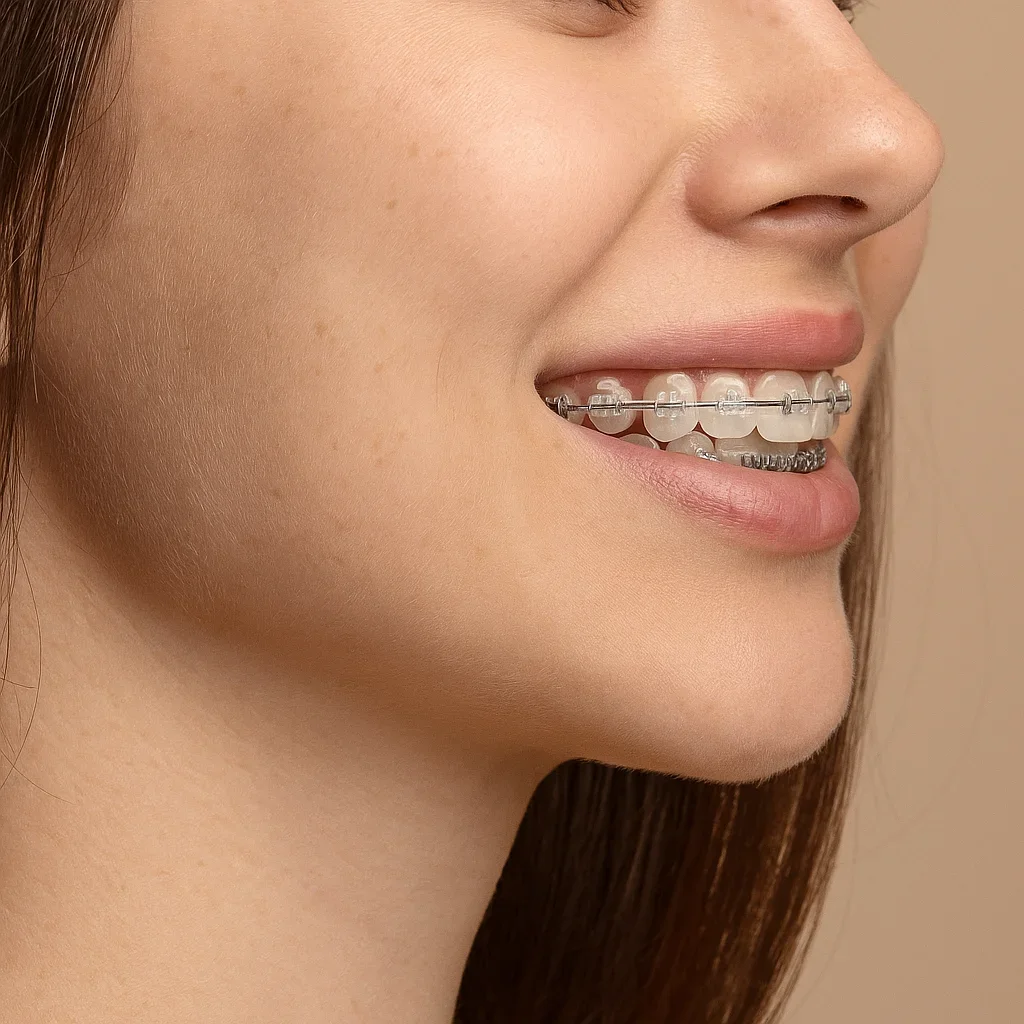
Frequently Asked Questions About Braces and Jawline Changes
When it comes to orthodontics, one of the most common topics of curiosity is the relationship between braces and facial aesthetics — particularly the jawline. Patients often wonder whether braces can truly reshape their face, how long results last, and what to expect during treatment. The truth is that the braces jawline transformation is both a scientific and aesthetic process, rooted in bone remodeling, muscular balance, and proper bite alignment. This FAQ section addresses the most common questions people ask before, during, and after braces — with detailed, evidence-based answers that explain exactly how this transformation works. 🦷
Do Braces Really Change Your Jawline?
Yes — but in a natural, physiologically driven way. Braces don’t artificially “sculpt” the face; they align the teeth and jaws so that your facial structure functions harmoniously. The resulting changes often make the lower face appear sharper, more symmetrical, and more balanced. The braces jawline improvement occurs as the bite is corrected and the jaw muscles adapt to the new alignment. Over time, this balance enhances the definition of the chin, jaw angle, and overall profile.
For instance, correcting an overbite can bring the lower jaw slightly forward, giving the face a stronger, more proportionate look. Similarly, fixing an underbite can soften a previously prominent chin. These outcomes are not cosmetic illusions — they are the direct result of functional correction that redefines facial proportions.
Scientific Explanation
The jawbone and surrounding soft tissue are dynamic structures. As teeth move, they trigger bone remodeling through osteoclastic (bone-resorbing) and osteoblastic (bone-forming) activity. This process allows braces to subtly reshape how the jaw sits in relation to the rest of the skull, leading to measurable — and visible — improvements. The braces jawline effect is thus an anatomical adaptation, not an artificial modification.
Can Adults Achieve the Same Results as Teenagers?
Yes, adults can experience significant improvements — though the mechanisms differ. Teenagers benefit from ongoing bone growth, which allows for more dramatic skeletal adjustments. In adults, the changes are primarily dental and muscular rather than skeletal. However, the outcome can still be transformative. By realigning the teeth and improving the bite, braces in adults create better muscle symmetry and posture around the lower face, resulting in a refined braces jawline look.
Modern orthodontic tools like clear aligners, self-ligating braces, and digital treatment planning have made adult orthodontics highly effective. Even without jaw growth, muscle retraining and soft tissue adaptation produce noticeable improvements in facial definition and confidence.
Longevity of Results for Adult Patients
As long as retainers are worn and bite stability is maintained, the improvements from braces remain permanent. The key is consistency — adults must adhere to follow-up care, proper oral hygiene, and retainer routines to preserve the braces jawline transformation over the years.
Will Braces Make My Face Look Slimmer?
In many cases, yes. The braces jawline improvement often gives the illusion of a slimmer face. Misaligned bites can create asymmetry or puffiness in the lower cheeks due to uneven muscle tension. Once corrected, the muscles function evenly, reducing unnecessary strain and softening bulky areas. The result is a more sculpted and streamlined appearance.
Furthermore, orthodontic correction aligns the lips and chin naturally, improving facial proportion. This doesn’t mean braces remove facial fat — rather, they redefine structural balance, enhancing the natural angles of your jaw and cheeks.
Examples of Slimming Effects
- Overbite correction: Creates a more projected chin and elongated lower face.
- Underbite correction: Balances prominent lower jaws, reducing heaviness in the chin area.
- Crossbite alignment: Evens out facial width, restoring symmetry.
Each of these adjustments contributes to a stronger and more attractive braces jawline outcome.
Do Braces Cause Pain or Discomfort in the Jaw?
It’s normal to experience mild soreness during the first few weeks of treatment or after adjustments. This temporary discomfort occurs because the bones and ligaments are adapting to new positions. However, this is a positive sign — it indicates that your body is responding to the treatment. The braces jawline improvement process involves gradual bone remodeling, which can create sensitivity but not long-term pain.
If discomfort persists beyond a few days, orthodontists may adjust wire tension or recommend minor modifications to relieve pressure. Pain management can include soft foods, orthodontic wax, or over-the-counter pain relievers. With modern orthodontic techniques, discomfort is typically minimal and well-managed.
Long-Term Relief Through Proper Alignment
Once alignment is achieved, jaw discomfort usually disappears completely. In fact, correcting bite imbalances can reduce chronic pain related to temporomandibular joint (TMJ) dysfunction. The end result — a stable, relaxed bite — supports the long-term stability of your braces jawline enhancement.
How Long Does It Take to See Jawline Changes?
The timeline varies depending on individual factors, such as age, severity of misalignment, and treatment type. Generally, patients start to notice facial improvements within 6 to 9 months of treatment. The most visible braces jawline transformation occurs after the bite is fully corrected — typically between 18 to 24 months. This period allows both bone and soft tissues to adapt to the new structure.
Teens often see faster and more pronounced results due to active growth, while adults experience slower but steady refinement. Even after braces removal, continued improvements can occur as muscles and tissues settle into their new balanced positions.
Can Braces Help Fix a Receding or Weak Chin?
Yes, in many cases. A receding chin often results from an overbite, where the upper teeth excessively overlap the lower teeth, pushing the jaw backward. Braces correct this by guiding the lower jaw into a more forward and natural position, visually strengthening the chin area. This alignment enhancement is a key component of the braces jawline transformation — creating a firmer, more confident lower face.
For severe skeletal discrepancies, orthodontic treatment can be combined with functional appliances or, in rare cases, surgical interventions to achieve ideal balance between the jaws.
Alternative Options for Complex Cases
When orthodontics alone cannot reposition the jaw adequately, treatments like orthognathic surgery may be recommended. This procedure reshapes the jawbone for optimal alignment, achieving even more dramatic braces jawline results. Such approaches are personalized after detailed imaging and consultation with specialists.
Are the Results Permanent?
Yes, provided you maintain your results. The jawline improvements gained through braces can last indefinitely if you wear retainers, maintain good posture, and keep healthy dental habits. Teeth naturally shift over time due to aging and daily function, but consistent retention ensures the braces jawline appearance stays intact. Regular dental checkups and bite evaluations are also essential to prevent relapse.
Long-term studies published by the American Dental Association confirm that post-orthodontic retention is the single most important factor for maintaining facial symmetry and structural balance. Clinics such as Redent Klinik Contact Page offer personalized post-treatment care programs to help patients preserve their smile and jawline definition for life.
Final Thoughts: Confidence Through Knowledge
Understanding the science behind braces empowers you to make informed decisions about your treatment. The braces jawline improvement is more than just a cosmetic change — it’s the visible reflection of better function, health, and confidence. Whether you’re a teenager starting treatment or an adult seeking facial harmony, orthodontics offers the power to reshape not only your smile but the way you see yourself. 💎