
When it comes to achieving a straight, confident, and healthy smile, choosing the best braces office is one of the most important decisions you can make 🦷. Orthodontic treatment is not only about aesthetics — it also plays a major role in dental health, bite alignment, and even jaw comfort. But with so many options available, finding the right braces office can feel overwhelming. This guide will help you understand exactly what to look for, what questions to ask, and how to make sure you’re getting the highest quality care possible.
A professional braces office combines skilled orthodontists, advanced technology, and patient-focused service. From the first consultation to your final retainer fitting, every detail matters. The right clinic should make you feel comfortable, clearly explain your treatment plan, and tailor the braces to your individual dental needs. Whether you’re considering traditional metal braces or modern clear aligners, your experience at the braces office can make all the difference in your treatment success.
Understanding What Makes a Great Braces Office
The best braces office goes beyond simply applying brackets and wires. It should have a comprehensive approach to oral health that includes diagnosis, customized planning, and ongoing monitoring. Orthodontists in a reputable braces office use digital imaging and 3D scanning to evaluate your teeth structure, allowing them to design a treatment plan that ensures long-term stability and comfort.
Another key factor is transparency. Your braces office should clearly communicate costs, expected treatment duration, and follow-up procedures. They should also discuss different options, such as ceramic braces, self-ligating braces, and Invisalign alternatives, depending on your preferences and lifestyle. This kind of open dialogue creates trust and helps you feel confident about your investment in your smile.
Why Experience and Credentials Matter
Not all orthodontists have the same level of expertise or experience. When choosing a braces office, check whether the orthodontist is certified by reputable organizations such as the American Dental Association. Certification ensures that the dentist follows ethical practices, uses approved technologies, and keeps up with the latest developments in orthodontic care.
Experienced orthodontists have handled hundreds of cases, which gives them a deeper understanding of how different types of braces perform for different patients. This knowledge can help avoid unnecessary adjustments and ensure that your teeth move safely and efficiently into their proper positions.
Personalized Treatment and Patient Comfort
Every smile is unique, and so should be every treatment plan. The top braces offices always take a patient-centered approach, customizing the entire process. You should feel heard and valued at every appointment. From children and teens to adults seeking discreet orthodontic options, a qualified braces office can design a treatment plan that fits your goals and lifestyle 🎯.
Comfort is another major consideration. Advanced braces offices now use heat-activated archwires that adjust gently to body temperature, reducing discomfort. Additionally, clinics with modern digital scanners replace old-fashioned molds, making the experience smoother and faster. These small details show how the right office prioritizes patient well-being throughout the orthodontic journey.
Cleanliness, Accessibility, and Atmosphere
First impressions matter. When you step into a braces office, the environment should feel clean, organized, and welcoming. A bright, hygienic setting signals professionalism and care for patients’ safety. Accessibility is also crucial — convenient hours, online appointment booking, and flexible payment options can all improve your experience. The best orthodontic clinics make it easy for you to stay consistent with your visits, which is essential for achieving lasting results.
Importance of Communication and Trust
Choosing a braces office isn’t just about the technical side — it’s about building trust. Good communication between the patient and orthodontist ensures a smoother experience. You should feel comfortable asking questions, expressing concerns, and getting clear answers. An approachable, friendly team helps reduce anxiety and ensures that each visit feels positive.
Many patients underestimate the psychological side of orthodontic care. Feeling at ease with your doctor and staff can make treatment less stressful and even enjoyable. That’s why testimonials and reviews play a significant role when researching the right braces office near you.
Final Thoughts and Next Steps
Finding the ideal braces office requires research, patience, and attention to detail. Start by scheduling consultations with two or three orthodontists to compare their methods and prices. Notice how they explain your treatment plan — a great professional takes time to educate rather than rush you into a decision. Pay attention to technology, cleanliness, communication, and follow-up care.
If you’re ready to begin your orthodontic journey or need expert guidance, reach out through our Redent Klinik Contact Page. Our experienced team offers world-class orthodontic care designed for comfort, efficiency, and beautiful results 💎.
Remember, investing in the right braces office today means a lifetime of confidence and oral health tomorrow. Whether you’re a teenager getting your first set of braces or an adult looking for discreet options, the right clinic can turn your dream smile into reality.
What to Expect During Your First Visit to a Braces Office
Walking into a braces office for the first time can be both exciting and a little nerve-wracking 😬. Whether you’re a teen beginning your orthodontic journey or an adult finally deciding to straighten your smile, understanding what happens during your first visit can make the experience far smoother and more comfortable. This stage is not just a quick consultation — it’s the foundation for your entire treatment plan and long-term dental health.
Warm Welcome and Initial Check-In
When you arrive at a braces office, the first thing you’ll notice is the friendly, welcoming environment. The front desk staff will greet you and help you complete any necessary forms, including your medical and dental history. Providing accurate information here helps the orthodontic team understand your specific needs and any pre-existing conditions that may affect your braces treatment. A well-organized braces office usually offers digital check-in systems to make this process quick and paperless 📱.
Many clinics also provide online patient portals, where you can fill out these details beforehand. This saves time and allows the orthodontist to review your information before your visit begins. Cleanliness, punctuality, and patient-friendly design are great indicators that you’ve chosen a professional braces office.
Comprehensive Dental Examination and Imaging
Once the paperwork is complete, you’ll be taken to the examination room. Here, your orthodontist will perform a thorough oral assessment. This includes checking your teeth alignment, bite, jaw position, and gum health. Most modern braces offices are equipped with advanced technology such as digital X-rays and 3D scanners. These tools create precise images of your teeth and jaw structure, helping the orthodontist design a highly personalized treatment plan.
In many cases, the team will use a device called an intraoral scanner. Instead of taking messy molds, this scanner captures detailed 3D images in minutes. These images are then displayed on a screen, allowing you to visualize your current alignment and see potential results. This step not only helps you understand your condition better but also builds trust between you and the orthodontic team.
Why Digital Scans Are a Game-Changer
Digital imaging in a braces office eliminates guesswork. It improves treatment accuracy, shortens consultation time, and allows you to see a simulation of your smile transformation. Additionally, 3D scans are far more comfortable than traditional impressions and provide cleaner, more reliable data for creating your braces or aligners.
Discussion of Treatment Options
After the examination, your orthodontist will review the results and discuss your treatment options. You might be presented with choices such as traditional metal braces, ceramic braces, lingual braces, or clear aligners. Each has its own benefits, and the right choice depends on your dental condition, age, and lifestyle. A reputable braces office will take time to explain each option clearly, highlighting the pros and cons of each system. You’ll also learn about treatment duration, follow-up frequency, and post-treatment care.
Transparency is key here. The orthodontist should explain how your teeth will move over time and what results you can expect. In some cases, they might show before-and-after photos of past patients (with consent) to help you visualize the potential outcome. If you ever feel rushed or pressured into making a decision, that’s a red flag — the best braces offices prioritize your understanding and comfort above all else.
Cost Estimate and Financial Planning
One of the most important parts of the first visit is the financial discussion. Orthodontic care is a significant investment, and a trustworthy braces office should provide a transparent, detailed cost breakdown. This includes the price of braces, consultation fees, check-ups, and retainers after treatment. Many offices offer flexible payment plans or financing options to make treatment more accessible.
If you have dental insurance, the office staff will usually help you confirm what portion of your braces cost is covered. The ability of a braces office to coordinate with insurance providers efficiently can save you time and unnecessary stress 💳. Make sure you ask about any additional costs such as replacement brackets, emergency visits, or follow-up retainers to avoid surprises later.
Tip: Always Request a Written Estimate
Before committing, ask for a written copy of your treatment estimate. This document should include total costs, estimated duration, payment schedules, and policies for missed appointments. Reliable braces offices always provide this level of transparency, giving you full confidence in your decision.
Patient Education and Oral Hygiene Guidance
After discussing your treatment options, the orthodontic team will educate you on maintaining good oral hygiene. You’ll learn how to brush and floss effectively with braces, what foods to avoid, and how to handle potential discomfort after adjustments. Some offices even provide starter kits that include orthodontic toothbrushes, wax, and dental floss designed for braces. These small touches show that the braces office truly cares about your comfort and long-term results.
Educational videos, diagrams, and digital tools are often used to demonstrate techniques. This proactive approach helps patients — especially children — feel more confident about taking care of their braces at home.
Scheduling and Next Steps
Once you decide to move forward, your orthodontist will schedule your next appointment to begin the treatment. This may involve placing spacers, taking final digital impressions, or fitting your first set of braces. The staff will review your upcoming schedule, discuss expected milestones, and answer any remaining questions. From this point, your relationship with the braces office officially begins.
Final Thoughts: Setting the Tone for Your Smile Journey
Your first visit to a braces office sets the tone for your entire orthodontic experience. A well-organized, compassionate, and technologically advanced clinic ensures you start your journey with confidence. Remember that orthodontic treatment is not a one-time service — it’s a long-term partnership between you and your orthodontist.
If you’re preparing for your initial visit and want professional guidance, contact our experts through the Redent Klinik Contact Page. Our experienced team focuses on personalized orthodontic solutions designed for comfort, efficiency, and lasting results 🌟. Choosing the right braces office isn’t just about straightening teeth — it’s about transforming your entire smile experience for years to come.
Types of Braces Available at Modern Braces Offices
When you walk into a braces office today, you’ll quickly notice that orthodontic treatment has evolved far beyond the traditional metal braces of the past. Modern technology now offers a wide range of options tailored to every age, lifestyle, and aesthetic preference 😁. From sleek ceramic braces to nearly invisible aligners, the choices available allow patients to achieve a perfect smile with greater comfort and confidence. Understanding these options can help you make an informed decision that best suits your dental and personal needs.
Traditional Metal Braces: Reliable and Affordable
The classic option — traditional metal braces — remains one of the most effective and widely used treatments at any braces office. These braces consist of high-grade stainless-steel brackets attached to the teeth and connected by thin archwires. Periodic adjustments help gradually move the teeth into proper alignment.
Despite their visibility, modern metal braces are smaller, more comfortable, and more efficient than ever before. Many braces offices even offer fun colored bands for younger patients, turning treatment into a more personalized and engaging experience. They are ideal for correcting complex alignment and bite issues, making them a top choice for patients who value reliability and precision.
Pros and Cons of Metal Braces
- Advantages: Highly durable, effective for all types of misalignment, and usually more affordable than other options.
- Drawbacks: More noticeable on teeth and may cause temporary discomfort after adjustments.
Ceramic Braces: Aesthetic and Discreet
Ceramic braces, often called “clear braces,” are another popular option at modern braces offices. These use tooth-colored or transparent brackets that blend in with your natural teeth, offering a more discreet appearance than traditional metal braces. They work the same way as metal braces but appeal more to adults and image-conscious teens who want an effective yet less visible treatment.
Because ceramic brackets are slightly larger and more delicate, orthodontists at your braces office may recommend avoiding certain foods or drinks that can cause staining. However, with proper care, ceramic braces provide both function and aesthetics, allowing you to smile confidently during treatment.
Ideal Candidates for Ceramic Braces
These are best suited for patients with mild to moderate misalignment who want a subtle look. They offer similar results to metal braces, but they require a bit more attention to maintenance and oral hygiene 🪥.
Lingual Braces: Hidden Behind the Teeth
For patients who desire complete invisibility, lingual braces are a sophisticated option. They are attached to the inner side of your teeth, making them virtually invisible from the outside. A highly experienced braces office may recommend lingual braces for professionals or performers who want straight teeth without visible appliances.
Lingual braces require specialized training and precision to install correctly, which is why not every orthodontic clinic offers them. They can initially affect speech and cause tongue irritation, but these issues usually fade within a few weeks. The results, however, are excellent — straight teeth with zero visible hardware.
Advanced Techniques for Lingual Braces
Modern lingual braces are custom-designed using 3D imaging and digital scans to fit each tooth precisely. This level of personalization ensures comfort and effectiveness while reducing the duration of treatment compared to older techniques.
Self-Ligating Braces: Faster and More Comfortable
Self-ligating braces represent a major innovation found in many high-tech braces offices. Unlike traditional braces that use elastic bands, self-ligating braces employ a built-in sliding mechanism to hold the wire in place. This allows for smoother tooth movement, fewer adjustments, and less friction on the teeth and gums.
Patients often report reduced discomfort and shorter appointment times, which makes them a great choice for busy individuals. Additionally, self-ligating braces are easier to clean, lowering the risk of plaque buildup and gum irritation.
Clear Aligners: The Modern Alternative
Clear aligners — such as Invisalign and other brands — have transformed orthodontics over the past decade. Many braces offices now specialize in this treatment due to its convenience and aesthetic appeal. Aligners consist of custom-made, transparent trays that gradually shift teeth into the desired position. They are removable, allowing you to eat, brush, and floss normally 🍎.
Aligners are nearly invisible, making them especially popular among adults. However, they require discipline — patients must wear them for 20–22 hours daily to see consistent progress. A reputable braces office will use advanced software to create a virtual simulation of your treatment outcome, helping you visualize your future smile before you even begin.
Maintenance and Care for Clear Aligners
To keep aligners clear and hygienic, they should be cleaned daily using a soft brush and mild soap. Avoid hot water, as it can warp the plastic. Many braces offices offer professional cleaning kits or specialized aligner cleansers to help maintain clarity and freshness throughout the treatment process.
Combination Treatments and Modern Innovations
Sometimes, orthodontists recommend hybrid treatment plans combining multiple systems — for example, traditional braces for initial alignment and clear aligners for finishing touches. This approach, available in many modern braces offices, offers greater flexibility and efficiency.
Additionally, digital orthodontics has revolutionized treatment planning. Artificial intelligence and 3D simulation allow orthodontists to predict tooth movement with exceptional accuracy. This technology minimizes trial and error, shortens treatment duration, and enhances patient satisfaction. The integration of such innovations sets the best braces office apart from conventional clinics.
How to Choose the Right Type of Braces
The choice between different types of braces depends on several factors — your age, oral health, budget, and cosmetic expectations. Before deciding, have an in-depth discussion with your orthodontist. Ask about the benefits, treatment time, maintenance requirements, and cost differences of each option. Remember that the most suitable type isn’t necessarily the most expensive one, but rather the one that fits your unique needs and lifestyle.
Whether you prefer the strength of metal braces, the subtlety of ceramic ones, or the convenience of aligners, choosing the right braces office ensures you get expert advice and long-term results. For professional consultation and customized orthodontic care, visit our Redent Klinik Contact Page today. Our specialists use the latest technology and patient-focused methods to help you achieve a healthy, confident smile you’ll love 💎.
How Orthodontists in a Braces Office Create Personalized Treatment Plans
Every beautiful smile begins with a well-designed plan 🦷. At a professional braces office, creating a personalized orthodontic treatment plan is not a one-size-fits-all process. It’s a carefully structured journey that combines diagnostic technology, orthodontic expertise, and patient collaboration. This step-by-step process ensures your braces are not only effective but also comfortable and efficient in achieving the desired results. Understanding how your orthodontist tailors your treatment will help you appreciate the science and precision behind every adjustment you experience.
Initial Consultation: Building the Foundation
The process begins with an in-depth consultation at your chosen braces office. This appointment isn’t just about looking at your teeth — it’s about understanding your dental history, lifestyle, and long-term goals. The orthodontist will discuss your concerns, such as crowding, spacing, overbite, or aesthetic preferences. Then, using modern imaging technology, they’ll collect detailed diagnostic data to analyze your unique situation.
Most advanced braces offices use a combination of panoramic X-rays, intraoral scans, and facial photographs to build a comprehensive overview of your dental anatomy. These images allow orthodontists to identify underlying jaw or bite issues that may not be visible to the naked eye. The information gathered at this stage forms the blueprint for your individualized treatment plan.
Comprehensive Diagnostic Tools Used in a Braces Office
- 3D Scanning: Captures detailed images of your teeth and gums without uncomfortable impressions.
- Cephalometric X-rays: Analyzes your facial structure and bite alignment.
- Digital Models: Allows simulation of tooth movements before treatment begins.
- Photographic Records: Tracks your smile progression over time.
By using these diagnostic tools, orthodontists in a braces office can identify the most effective treatment type, duration, and adjustments needed for your individual case.
Customized Treatment Planning: Precision Meets Personalization
Once the diagnostic stage is complete, your orthodontist will begin crafting a treatment plan that’s as unique as your smile. This includes selecting the right type of braces, determining how teeth should move over time, and predicting the final outcome. At this point, the orthodontist uses digital modeling software to simulate tooth movement, allowing both doctor and patient to visualize the future smile. Seeing a digital preview motivates patients and provides a clear roadmap of what to expect throughout the process 📈.
Factors That Influence Your Personalized Plan
- Age: Younger patients often experience faster movement due to bone flexibility.
- Severity of Misalignment: Complex cases may require additional appliances or longer treatment times.
- Dental and Gum Health: Healthy gums and bone structure support smoother orthodontic movement.
- Preferred Aesthetic: The choice between clear aligners, ceramic braces, or metal braces depends on visual preference and lifestyle.
A trustworthy braces office will never rush this stage. They’ll take time to ensure every adjustment and wire placement is precisely calculated. This not only improves results but also minimizes discomfort and treatment duration.
Patient Involvement and Collaboration
Orthodontic treatment is a partnership between you and your braces office. The orthodontist explains every step of the plan, from expected milestones to maintenance routines. Transparency builds trust and keeps you motivated throughout your journey. Patients are encouraged to ask questions about pain management, diet, and lifestyle adjustments. A cooperative approach ensures that both doctor and patient share the same vision for the final result.
In fact, many advanced braces offices offer digital progress tracking apps, allowing patients to see their improvements in real time. This level of engagement promotes better compliance — especially important for aligner users who must wear their trays for 20–22 hours a day. When patients feel involved, success rates significantly improve.
Communication During Treatment
Throughout your treatment, consistent communication ensures smooth progress. Regular checkups every 4–6 weeks allow the orthodontist to monitor movement, tighten wires, and make necessary adjustments. During these visits, you can discuss any discomfort or challenges you’re facing. The orthodontist may also revise parts of the treatment plan if needed, ensuring flexibility and precision.
Technology and AI in Modern Braces Offices
Today’s braces offices use artificial intelligence and predictive software to design faster and more accurate treatment plans. AI-driven systems can analyze your bite in three dimensions and automatically suggest optimal tooth movements. This minimizes human error and enhances precision. Digital monitoring tools even allow remote supervision, reducing the number of in-office visits while maintaining high-quality care 🌐.
These innovations have made orthodontics more efficient than ever. In some cases, AI-based treatment planning can shorten overall treatment duration by up to 30%. This is why choosing a technologically advanced braces office can make a real difference in your orthodontic experience.
Adjustments and Progress Evaluation
As your treatment progresses, orthodontists in a braces office continually refine the plan based on real-time results. Small adjustments to wires, brackets, or aligner trays ensure teeth move according to schedule. Every visit provides valuable data for the orthodontist to track alignment accuracy and address minor shifts before they become larger issues.
Progress evaluations also serve as motivational checkpoints. Many orthodontists use visual progress charts or photo comparisons to celebrate patient milestones 🎉. Seeing visible improvements keeps you enthusiastic about the final outcome.
Post-Treatment Planning and Retention
Once your teeth are beautifully aligned, your orthodontist will prepare a post-treatment plan to maintain those results. This includes fitting custom retainers and scheduling follow-up appointments. Retainers are essential to prevent your teeth from shifting back into their original positions. A professional braces office provides personalized retainers that fit perfectly and comfortably, ensuring your new smile stays intact for years to come.
Types of Retainers and Maintenance
- Fixed Retainers: A thin wire bonded behind the teeth for long-term stability.
- Removable Retainers: Custom trays that can be taken out for cleaning or eating.
Your orthodontist will recommend the best option based on your individual needs. Regular check-ins, usually once or twice a year, help maintain the perfect alignment achieved during treatment.
Final Thoughts on Personalized Orthodontic Care
Personalization is what separates a good braces office from a great one. Every patient deserves a plan that considers their health, comfort, and goals. From digital imaging to predictive AI, the modern orthodontic process combines science, precision, and artistry to deliver outstanding results. If you’re ready to begin your own personalized treatment journey, reach out via our Redent Klinik Contact Page. Our experts specialize in individualized orthodontic solutions that combine innovation, compassion, and clinical excellence ✨.
Remember — your smile isn’t just a reflection of good health, but also of the meticulous planning and care that started with your trusted braces office.
Key Questions to Ask Before Choosing a Braces Office
Before starting your orthodontic journey, one of the most crucial steps is selecting the right braces office. This decision affects not only your smile but also your comfort, confidence, and long-term dental health. Since orthodontic treatment can take months or even years, you’ll want to partner with an experienced and trustworthy team. Asking the right questions before committing will help you make an informed choice — one that ensures great results and a positive experience from start to finish 🦷.
Understanding the Orthodontist’s Credentials and Experience
When visiting a braces office, your first priority should be to verify the orthodontist’s qualifications. Are they board-certified? How many years have they been practicing? A qualified orthodontist should hold credentials from recognized organizations like the American Dental Association or an equivalent orthodontic board. Certification means they’ve completed specialized training and maintain ongoing education in orthodontics, ensuring they stay updated with the latest treatment innovations.
Don’t hesitate to ask about their experience handling cases similar to yours — for instance, correcting overbites, crowding, or crossbites. A seasoned orthodontist at a reputable braces office will proudly share success stories and even show before-and-after photos (with patient consent). Experience directly translates into precision, comfort, and optimal results.
Questions to Ask About Experience
- How many orthodontic cases have you completed in total?
- Do you specialize in any particular treatment method (e.g., Invisalign, lingual braces)?
- Have you treated patients with similar dental concerns to mine?
By asking these questions, you can quickly gauge whether the braces office has the expertise needed to handle your unique smile goals.
Technology and Equipment: How Advanced Is the Clinic?
Modern orthodontics depends heavily on technology. Before choosing a braces office, ask what kind of diagnostic tools and treatment technology they use. Advanced clinics often feature 3D digital scanners, low-radiation X-rays, and AI-powered imaging systems. These innovations allow for precise treatment planning and more comfortable procedures.
In addition, digital monitoring systems enable remote progress tracking, meaning fewer in-person visits while maintaining top-quality care. A high-tech braces office not only enhances accuracy but also saves time, minimizes discomfort, and provides better results. If a clinic still relies on outdated molds or paper records, it may not offer the most efficient orthodontic experience.
Smart Tech Questions to Ask
- Do you use digital or traditional impressions?
- Can I see a 3D model of my expected results before treatment?
- Does your office use AI or remote monitoring for aligners?
Cost, Payment Plans, and Insurance Options
Orthodontic treatment is a long-term investment, so it’s essential to understand the financial details before starting. Ask your braces office for a written estimate of all costs, including braces, adjustments, retainers, and follow-up visits. Some clinics offer all-inclusive pricing, while others may charge separately for each step. Be sure you know what’s covered to avoid surprises later.
Also, inquire about flexible payment options. Many braces offices provide monthly payment plans or third-party financing programs that make treatment more affordable. If you have dental insurance, ask whether the office works directly with your provider to simplify claims processing. Transparency in pricing is a hallmark of a trustworthy clinic.
Essential Financial Questions
- Do you offer free consultations or diagnostic scans?
- Are there payment plans or family discounts available?
- Will insurance cover part of my orthodontic costs?
Financial clarity ensures that you can focus on your treatment rather than worrying about hidden fees or unexpected costs 💳.
Patient Comfort and Office Environment
Another important aspect to evaluate when choosing a braces office is the environment. A clean, well-organized, and welcoming atmosphere reflects the clinic’s professionalism. Pay attention to how the staff treats patients — are they friendly, attentive, and respectful? Do they explain things clearly and make you feel comfortable?
Comfort extends beyond the waiting room. Ask about pain management options, especially during adjustments or new brace fittings. Modern orthodontics uses gentle pressure and heat-activated wires that significantly reduce discomfort. The best braces offices also offer emergency support in case a bracket breaks or a wire becomes loose.
Patient-Focused Questions
- How do you handle orthodontic emergencies?
- What should I expect during adjustment visits?
- Are there sedation options for anxious patients?
Treatment Duration and Expected Results
Before committing, ask your orthodontist how long your treatment is expected to last. A transparent braces office will provide a realistic timeframe based on your dental condition and the type of braces chosen. While average treatments last between 18 and 24 months, advanced techniques and modern materials can sometimes shorten that period.
Also, ask how often you’ll need to come in for adjustments. Regular checkups are critical to success, but schedules may vary based on the complexity of your case. A clear understanding of milestones helps you stay motivated throughout the process 📅.
Follow-Up Care and Retainers
The orthodontic journey doesn’t end when your braces come off. Retention is a crucial phase that ensures your teeth stay in their new positions. A professional braces office should offer comprehensive post-treatment care, including retainer fitting and periodic reviews. Ask about the types of retainers available and how often you’ll need follow-up visits.
Questions for Retention Phase
- What kind of retainers will I receive — fixed or removable?
- How often should I wear my retainers?
- Are retainer replacements included in my treatment cost?
Reviews, Testimonials, and Word-of-Mouth
Finally, do your homework by checking online reviews and asking friends or family for recommendations. A respected braces office will have positive testimonials that reflect consistent quality and patient satisfaction. Pay attention to how the clinic responds to feedback — professionalism in communication is a sign of integrity.
Some clinics even provide patient case studies or photo galleries on their websites. These can give you a good idea of the quality of work and patient outcomes. Don’t hesitate to ask for references if you want firsthand insights from past clients.
Final Thoughts: Making a Confident Decision
Choosing the right braces office is about more than just convenience — it’s about finding a trusted partner in your smile journey. By asking the right questions, you’ll gain clarity on expertise, cost, technology, and care philosophy. This ensures a smoother experience and long-lasting results. Remember to schedule consultations with at least two different offices before making your final choice.
If you’re ready to take the next step, reach out to our friendly team through the Redent Klinik Contact Page. We’ll answer all your questions and guide you toward the perfect orthodontic plan tailored to your needs 💎. The right braces office will not only align your teeth but also give you the confidence to smile brighter for life.
Technology and Innovation in Today’s Braces Offices
Modern orthodontics has entered a new era driven by innovation, precision, and comfort 🌐. When you visit a professional braces office today, you’re not just getting wires and brackets — you’re stepping into a world where technology enhances every part of the patient experience. From digital 3D imaging to artificial intelligence-assisted planning, these advancements are transforming how orthodontic care is delivered. Understanding these innovations helps patients appreciate the precision and effectiveness that a technologically advanced braces office can provide.
Digital Imaging and 3D Scanning: The Foundation of Accuracy
One of the most revolutionary changes in modern braces offices is the replacement of traditional dental impressions with 3D scanning. Intraoral scanners capture highly detailed images of your teeth and gums within minutes — no more messy molds or uncomfortable trays! This technology produces precise digital models that orthodontists use to design perfectly fitting braces or aligners.
3D imaging systems also allow patients to visualize the end results before treatment even begins. Using computer simulations, the orthodontist can demonstrate how your smile will evolve over time, step by step. This level of transparency enhances patient trust and motivation throughout the process.
Advantages of 3D Scanning in a Braces Office
- Provides accurate data for personalized treatment planning.
- Eliminates discomfort associated with traditional molds.
- Reduces appointment times and improves workflow efficiency.
- Enhances communication between patient and orthodontist through visual models.
These digital scans form the foundation of modern orthodontic treatments, ensuring precision that manual methods simply cannot achieve.
Artificial Intelligence and Predictive Software
Artificial intelligence (AI) has found its place in many industries, and orthodontics is no exception. Today’s advanced braces offices use AI-powered systems to analyze tooth movement and predict treatment outcomes with remarkable accuracy. These algorithms process thousands of data points from previous cases, helping orthodontists design faster and more efficient treatment plans.
With AI assistance, orthodontists can simulate tooth movement in real-time, optimize bracket positioning, and ensure that aligners are designed for maximum comfort and effectiveness. This level of customization minimizes errors and speeds up results. Patients benefit from reduced treatment times and fewer adjustment visits while maintaining excellent outcomes 💡.
Key Benefits of AI in Orthodontics
- Automates precision planning and reduces manual error.
- Improves treatment accuracy and predictability.
- Allows for virtual consultations and progress tracking.
- Optimizes wire tension and bracket placement for maximum comfort.
By integrating AI into diagnostics and planning, a high-tech braces office can deliver a truly personalized experience that blends science and artistry.
Self-Ligating Braces and Advanced Materials
Gone are the days when braces meant bulky metal brackets and painful adjustments. Modern braces offices now use self-ligating systems — braces that don’t require elastic bands to hold wires in place. Instead, they use a specialized clip mechanism that allows the wire to slide naturally as teeth move. This reduces friction, shortens treatment time, and makes appointments faster and more comfortable.
In addition to self-ligating technology, advancements in material science have led to lighter, more durable braces. Heat-activated nickel-titanium wires respond to body temperature, applying consistent and gentle pressure for smoother tooth movement. Ceramic and clear materials make braces nearly invisible, allowing for discreet treatment options that don’t compromise performance.
Innovative Materials Found in Leading Braces Offices
- Nickel-Titanium Wires: Adapt to temperature for gentle, continuous force.
- Ceramic Brackets: Blend with natural tooth color for aesthetic appeal.
- 3D-Printed Aligners: Offer precision and comfort unmatched by traditional molds.
Teledentistry and Remote Monitoring
Another major advancement transforming the patient experience is teledentistry. Many modern braces offices now allow patients to check in remotely using smartphone apps. By uploading photos or short videos of their teeth, patients can receive feedback from their orthodontist without having to visit the clinic in person. This innovation is especially valuable for busy professionals, students, or those living far from the clinic.
Remote monitoring also helps orthodontists track progress in real time, catching potential issues early. These systems use AI algorithms to analyze alignment changes and alert the orthodontist if adjustments are needed. Patients save time, while orthodontists maintain control over every stage of treatment — a win-win for everyone!
Benefits of Remote Orthodontic Monitoring
- Reduces in-office visits while maintaining treatment quality.
- Enhances communication and progress tracking between visits.
- Improves compliance with aligner wear schedules.
- Ideal for international or out-of-town patients.
3D Printing in Braces Offices
3D printing technology is rapidly reshaping how orthodontic appliances are created. Many cutting-edge braces offices use in-house 3D printers to fabricate aligners, retainers, and custom brackets. This innovation dramatically speeds up production and allows for same-day fittings or replacements when needed.
Because 3D printing uses digital models derived from your scans, each appliance is designed to fit perfectly. This minimizes the need for manual adjustments and ensures a more comfortable fit. It also reduces waste, as orthodontists can print exactly what they need for each stage of your treatment.
3D Printing Advantages for Patients
- Faster turnaround time for new appliances.
- Improved precision and comfort due to exact customization.
- Eco-friendly process that reduces material waste.
- Enables same-day retainers or aligner replacements.
Laser Dentistry and Pain-Free Adjustments
Some advanced braces offices now incorporate dental lasers to enhance comfort and healing. Lasers are used for procedures like gum contouring, removing excess tissue, or creating space for brackets. They minimize bleeding, reduce recovery time, and eliminate the need for traditional incisions. This technology allows orthodontists to perform minor procedures quickly and painlessly, improving the overall patient experience ✨.
Additionally, laser-assisted tooth movement is an emerging field. Low-level laser therapy (LLLT) can stimulate cellular activity, helping teeth move faster with less discomfort — a promising innovation that’s becoming increasingly available in high-tech orthodontic clinics.
Digital Recordkeeping and Data Security
In today’s digital world, a reputable braces office must also prioritize data protection. Electronic health records (EHRs) allow seamless communication between dentists and orthodontists, ensuring every professional involved in your care has access to the latest information. These systems also improve organization and reduce the risk of errors compared to paper files.
Many clinics utilize encrypted cloud-based platforms to store patient records securely. This ensures confidentiality while enabling quick access for consultations or follow-ups. The move toward digital documentation not only modernizes the workflow but also reflects a clinic’s commitment to efficiency and professionalism.
Future Trends: The Smart Braces Era
Looking ahead, orthodontic technology continues to evolve rapidly. Research is currently focused on “smart braces” — systems embedded with sensors that track tooth movement in real time. These devices send data directly to orthodontists, allowing precise adjustments and predictive maintenance. Some prototypes can even alert patients when it’s time for an appointment!
In the near future, machine learning and nanotechnology may further revolutionize orthodontics. Imagine braces that self-adjust or aligners that adapt dynamically to your tooth movement. The best braces offices stay at the forefront of such innovations, continuously upgrading their methods to offer the most efficient, comfortable, and results-driven care possible.
Final Thoughts: The Power of Innovation in Orthodontics
Technology is transforming orthodontic care into a seamless, precise, and patient-friendly experience. When you choose a modern braces office, you’re not just investing in a straighter smile — you’re benefiting from cutting-edge tools that make treatment faster, safer, and more effective. Whether it’s AI-driven diagnostics, 3D printing, or remote monitoring, these innovations ensure every aspect of your journey is optimized for success.
If you’re ready to experience the future of orthodontics, reach out to our specialists via the Redent Klinik Contact Page. Our clinic embraces the latest technologies to deliver exceptional results with comfort and care 🚀. Because in today’s digital age, the right braces office doesn’t just straighten teeth — it redefines what a perfect smile experience can be.
The Role of Regular Checkups in Your Braces Journey
Once your orthodontic treatment begins, the success of your smile transformation largely depends on regular visits to your braces office 🦷. These checkups are more than just quick tightening sessions — they are essential progress evaluations where your orthodontist fine-tunes your treatment, monitors tooth movement, and ensures everything stays on track. Skipping or delaying these appointments can slow your progress, cause discomfort, or even compromise results. Let’s explore why consistent follow-up visits are the backbone of every successful orthodontic treatment plan.
Why Consistency Matters in Orthodontic Care
Your braces office schedules checkups at specific intervals — typically every 4 to 8 weeks — based on the complexity of your case and the type of braces you’re wearing. These appointments allow your orthodontist to assess progress, make necessary adjustments, and prevent complications. Each visit builds upon the previous one, ensuring controlled and safe tooth movement.
Orthodontic treatment is a gradual process that depends on precise timing. Teeth move in small increments, and consistent monitoring helps maintain this delicate balance. Missing even one visit can disrupt the planned sequence, potentially prolonging treatment by several weeks or months. Regular appointments keep your smile journey smooth, predictable, and comfortable.
Key Benefits of Regular Braces Checkups
- Faster Results: Timely adjustments help achieve alignment more efficiently.
- Better Comfort: Prevents over-tightening or delayed wire changes that cause pain.
- Improved Oral Health: Ensures brackets and wires remain clean and functional.
- Early Problem Detection: Allows quick action if a bracket loosens or wire breaks.
These benefits highlight how a reliable braces office keeps your treatment optimized and stress-free through regular supervision.
What Happens During a Routine Checkup
When you arrive at your braces office for a follow-up, the orthodontic team begins by assessing your teeth and braces. They’ll check for any loose brackets, worn elastics, or signs of irritation on your gums. Next, your orthodontist will compare your progress to the treatment plan created during your initial consultation. This evaluation ensures that your teeth are moving as expected and that no adjustments are needed to prevent complications.
If necessary, the orthodontist will replace elastic bands, tighten archwires, or reposition brackets to maintain the proper direction of movement. For patients using clear aligners, the visit may involve receiving new trays, scanning updated impressions, or evaluating wear patterns to ensure compliance. In advanced braces offices, digital monitoring software may even display 3D progress updates, allowing both patient and doctor to visualize improvements in real time.
Common Steps in a Braces Office Checkup
- Visual and physical inspection of braces or aligners.
- Adjustments to wires, bands, or attachments.
- Cleaning brackets and removing plaque buildup.
- Reviewing oral hygiene habits and dietary guidelines.
- Discussing next treatment milestones and scheduling the next visit.
Each of these steps ensures your orthodontic journey continues safely and effectively, making your braces office visits essential checkpoints for long-term success.
Monitoring Oral Hygiene and Gum Health
Orthodontic appliances can make cleaning your teeth a bit challenging. That’s why one key role of your braces office during checkups is to evaluate your oral hygiene. Your orthodontist and hygienist will check for plaque accumulation, gum inflammation, or early signs of enamel demineralization (white spots). They’ll also give personalized brushing and flossing tips to help you maintain a healthy mouth throughout your treatment.
In some cases, the orthodontist may recommend a professional cleaning or fluoride treatment. These preventive steps help reduce the risk of cavities or gum disease — conditions that could otherwise slow your progress or lead to unwanted complications.
Essential Hygiene Tips Between Visits
- Brush after every meal using an orthodontic toothbrush.
- Floss daily with special threaders or water flossers.
- Avoid sticky or hard foods that can break brackets or bend wires.
- Rinse with fluoride mouthwash to strengthen enamel.
Maintaining these habits ensures that your next appointment at the braces office goes smoothly and your teeth continue to move efficiently toward their ideal positions.
Handling Emergencies Between Appointments
Even with the best care, emergencies like loose brackets, broken wires, or sudden discomfort can occur. Knowing how to respond — and when to contact your braces office — is vital. Most offices provide emergency hotlines or same-day appointments for urgent issues. You can temporarily cover sharp wire ends with orthodontic wax to prevent irritation until you see your orthodontist.
In cases of severe pain or swelling, it’s important to call your clinic immediately. Timely intervention prevents delays in your treatment and keeps you comfortable. Advanced braces offices often offer teleconsultations for quick guidance, especially for patients living far from the clinic.
The Importance of Progress Tracking
Tracking your improvement over time helps keep you motivated. Many orthodontists document each stage using digital photography and X-rays to measure alignment progress. This not only provides reassurance but also allows your braces office to adjust your plan dynamically based on your unique tooth movement pattern.
Progress tracking is particularly important for aligner users, as compliance plays a major role in success. Your orthodontist can assess wear patterns, verify that trays are fitting correctly, and adjust the sequence of trays if needed. This level of precision ensures consistent, predictable results.
Technology-Assisted Tracking Tools
- AI-based software that measures tooth movement between visits.
- Digital patient portals for photo uploads and feedback.
- 3D progress simulations that show expected future alignment.
These tools represent the modern evolution of patient care — allowing your braces office to deliver world-class orthodontic outcomes with ease and accuracy.
How Regular Visits Influence Treatment Duration
Patients often wonder whether skipping a visit really affects their results. The answer is a resounding yes! Each visit plays a role in ensuring controlled tooth movement. Missing appointments may lead to extended treatment times, discomfort, or relapse. Orthodontic forces need constant fine-tuning — without regular checkups, teeth can move in unintended directions, complicating progress.
On the other hand, keeping up with every scheduled visit can significantly shorten treatment time. In fact, research shows that patients who follow their orthodontist’s recommended schedule often complete treatment up to 20% faster than those who miss appointments ⏱️. Consistency equals efficiency.
Final Thoughts: Partnership for a Perfect Smile
Regular visits to your braces office are the heartbeat of your orthodontic journey. They ensure that each stage of treatment stays aligned with your goals, prevent complications, and promote optimal oral health. These sessions are not merely maintenance appointments — they are opportunities to connect with your orthodontist, stay informed, and celebrate your progress.
For a smoother and more efficient orthodontic experience, make your checkups a top priority. If you’re ready to begin or resume your orthodontic care, connect with our specialists via the Redent Klinik Contact Page. At our modern braces office, every appointment is designed to bring you closer to your dream smile — one gentle adjustment at a time 💎.
How to Care for Your Teeth Between Visits to the Braces Office
Your journey to a perfect smile doesn’t stop when you leave the braces office — in fact, what you do between visits is just as important as the orthodontic adjustments themselves 🪥. Proper care between appointments ensures steady progress, prevents cavities or gum issues, and protects your braces from damage. Whether you’re wearing traditional braces, ceramic brackets, or clear aligners, maintaining oral hygiene and following your orthodontist’s instructions can make all the difference in achieving an exceptional outcome.
Daily Oral Hygiene Routine with Braces
Keeping your teeth and braces clean requires extra effort and consistency. A good hygiene routine prevents plaque buildup, discoloration, and potential gum inflammation. At your braces office, your orthodontist likely emphasized brushing and flossing techniques — now it’s time to make them part of your daily life. Because food particles easily get trapped in brackets and wires, brushing after every meal is a must.
Step-by-Step Brushing Technique
- Start with a soft-bristled toothbrush: Hold the brush at a 45-degree angle to reach under the wires and around brackets.
- Use small circular motions: Clean each tooth surface for about 10 seconds, paying special attention to the gumline.
- Brush for at least 2–3 minutes: Focus on the front, back, and chewing surfaces of all teeth.
- Don’t forget your tongue: Gently brush your tongue to remove bacteria and maintain fresh breath.
For optimal results, use an orthodontic toothbrush or an electric brush designed for braces. These provide deeper cleaning power and reach spots that regular brushes can’t. Your braces office may also recommend fluoride toothpaste to strengthen enamel and protect against cavities.
Flossing and Interdental Cleaning
Flossing with braces can seem tricky at first, but it’s essential for preventing gum disease and plaque buildup between teeth. Skipping this step can lead to decalcification — white spots that remain visible even after braces are removed. Most braces offices advise using special tools such as floss threaders or water flossers to make the process easier.
Flossing Tools You Can Use
- Floss Threaders: Help guide floss under archwires for thorough cleaning.
- Orthodontic Floss: Designed with stiff ends and spongy sections for easy use.
- Water Flossers: Use a pressurized water stream to remove debris effectively.
- Interdental Brushes: Small, cone-shaped brushes perfect for cleaning around brackets.
Using these tools once daily helps ensure that your gums remain healthy and your braces stay debris-free. Remember, maintaining excellent hygiene between braces office appointments can significantly shorten your treatment time and improve your final results.
Eating Smart: Foods to Enjoy and Avoid
Your diet has a major impact on the health of your teeth and the durability of your braces. During your first visit, your braces office likely provided a list of recommended foods and items to avoid — and it’s crucial to stick to it. Hard, sticky, or chewy foods can damage brackets or wires, leading to unnecessary delays in your treatment.
Foods to Avoid
- Hard candies, nuts, and popcorn kernels 🍿
- Chewing gum or sticky sweets like caramel and toffee
- Crunchy fruits and vegetables (unless cut into small pieces)
- Chewy bread, pizza crusts, or bagels
Braces-Friendly Foods
- Soft fruits like bananas, strawberries, and kiwis
- Cooked vegetables and soups
- Mashed potatoes, rice, and pasta
- Scrambled eggs, fish, and tender chicken
Following these guidelines will help prevent unnecessary emergencies and keep your braces office visits running smoothly. A balanced diet also contributes to strong teeth and gums, helping your orthodontic treatment stay on schedule.
Managing Discomfort and Irritation
It’s normal to experience mild soreness or discomfort after each adjustment. Your orthodontist may recommend using orthodontic wax on brackets that cause irritation or rubbing. Applying this wax creates a smooth barrier between your braces and the soft tissues of your mouth.
Rinsing with warm salt water can also help soothe irritation and reduce inflammation. If you notice persistent pain or a sharp wire poking your cheek, contact your braces office immediately for assistance. Many clinics offer same-day appointments for quick fixes, ensuring your comfort throughout treatment.
Maintaining Aligner Hygiene (for Invisalign or Clear Aligners)
If your braces office has prescribed clear aligners, cleaning them properly is just as important as brushing your teeth. Aligners should be rinsed every time you remove them and cleaned at least once daily using mild soap or special aligner cleaning crystals. Avoid using hot water — it can warp the plastic. Also, never eat or drink (except water) while wearing aligners, as food and sugar can stain or damage them.
Most aligner systems come with digital tracking apps that remind you to switch trays and monitor your wear time. Consistency here ensures your treatment stays on track, reducing the number of in-office corrections needed later.
Protecting Your Braces During Sports and Activities
Active patients, especially teens, should take extra care during physical activities. Ask your braces office for a custom orthodontic mouthguard designed to protect both your braces and teeth. Generic mouthguards often don’t fit properly and may interfere with brackets or wires. A well-fitted guard can prevent costly damage and unnecessary delays in your orthodontic journey 🏈.
Tips for Active Patients
- Always wear your mouthguard during contact sports.
- Store your guard in a ventilated case when not in use.
- Clean the guard daily to prevent bacterial buildup.
Scheduling Routine Checkups and Emergencies
Between visits, maintain open communication with your braces office. If you experience discomfort, notice a loose bracket, or see a wire protruding, don’t wait for your next appointment — contact the office right away. Early intervention prevents complications and helps you stay on schedule for your expected completion date.
Regular checkups every few weeks allow your orthodontist to monitor progress, adjust tension, and ensure your teeth are moving according to plan. Combined with excellent home care, these visits form a powerful partnership for your smile’s success.
Final Thoughts: Your Role in a Successful Orthodontic Journey
Taking care of your teeth between visits is an essential part of orthodontic success. Your braces office provides professional expertise, but your daily habits determine how well your treatment progresses. By brushing and flossing regularly, maintaining a braces-safe diet, and protecting your smile during activities, you’ll set yourself up for faster, more beautiful results.
For personalized guidance, reach out to your orthodontic team through the Redent Klinik Contact Page. Our specialists can provide customized advice and practical solutions for maintaining your braces or aligners at home. Remember — consistent care between visits keeps your smile healthy, your treatment efficient, and your braces office appointments shorter and more productive 💎.
Common Mistakes to Avoid During Orthodontic Treatment at the Braces Office
Beginning your orthodontic journey is an exciting step toward achieving a confident, healthy smile 😁. However, many patients unknowingly make mistakes that can slow down progress, cause damage to their braces, or lead to unnecessary discomfort. Whether you’ve just started treatment or are halfway through, understanding these pitfalls is essential. A trusted braces office will always guide you through the do’s and don’ts, but your daily habits play the biggest role in the outcome. Let’s explore the most common mistakes patients make — and how to avoid them for a smooth, successful experience.
1. Skipping Appointments and Ignoring Follow-Up Visits
One of the most serious yet common mistakes is missing or delaying your scheduled checkups. Regular visits to your braces office are vital for making precise adjustments, changing wires, and tracking progress. Skipping even one appointment can extend your treatment time by several weeks or even months. Tooth movement requires consistent, controlled pressure — and if that sequence is disrupted, your results can regress.
Moreover, untreated issues like a broken wire or loose bracket can worsen over time, leading to discomfort or misalignment. Your orthodontist relies on these regular checkups to fine-tune your braces and ensure everything is functioning properly.
Smart Tip:
Always rebook missed appointments as soon as possible. A proactive approach keeps your smile on schedule and ensures your braces office can maintain consistent progress tracking 📅.
2. Poor Oral Hygiene and Neglecting Cleaning Routines
Wearing braces introduces new challenges for oral care. Food particles can easily get stuck between brackets and wires, making your mouth more prone to plaque buildup and tooth decay. Failing to brush and floss properly between braces office visits can result in gum inflammation, white spot lesions, or even cavities — issues that can delay or complicate treatment.
Orthodontists recommend brushing after every meal using a soft-bristled toothbrush and fluoride toothpaste. Adding tools like water flossers, interdental brushes, and antiseptic mouthwash can help you clean areas regular brushing misses.
Common Hygiene Mistakes to Avoid
- Skipping nightly brushing or flossing.
- Using hard-bristled brushes that damage brackets or enamel.
- Consuming sugary or acidic drinks without rinsing afterward.
- Ignoring your orthodontist’s hygiene instructions between visits.
Remember: consistent cleaning habits keep your smile bright and your braces office visits shorter and more efficient.
3. Eating the Wrong Foods
Diet is one of the most overlooked aspects of orthodontic care. Hard, sticky, or chewy foods can break brackets, bend wires, or loosen attachments. Every time damage occurs, it interrupts treatment progress and requires an emergency visit to your braces office. Even seemingly harmless habits like chewing on pens or ice can cause serious issues.
Foods and Habits to Avoid
- Chewing gum or caramel candies 🍬
- Biting into whole apples or raw carrots (cut them into small pieces instead)
- Crunching on hard snacks like chips or popcorn
- Using your teeth to open packaging
Eating softer, braces-safe foods and cutting meals into smaller bites will help preserve your brackets and wires — ensuring fewer repair visits to your braces office.
4. Ignoring Minor Issues or Pain
Many patients ignore early signs of irritation, poking wires, or loose brackets, hoping the problem will resolve itself. Unfortunately, small issues can quickly escalate into bigger ones if left unchecked. A broken wire, for example, can shift teeth out of alignment, undoing weeks of progress.
If you experience pain, swelling, or a bracket that feels loose, contact your braces office immediately. Most modern clinics offer emergency slots or even virtual consultations to address problems before they become serious. Never attempt to fix braces on your own — doing so can cause damage that extends your overall treatment time.
Pro Tip:
Keep orthodontic wax and a small mirror at home. These simple tools can help you temporarily manage discomfort until you reach your braces office for professional adjustment.
5. Not Following the Orthodontist’s Instructions
Every orthodontic plan is customized. Ignoring your orthodontist’s guidance — such as wearing elastics inconsistently, removing aligners too often, or skipping retainer use — can quickly derail progress. At your braces office, every recommendation has a specific purpose: ensuring steady and predictable tooth movement.
For aligner patients, compliance is especially important. Aligners should be worn 20–22 hours per day to achieve expected results. Taking them out frequently or failing to switch trays on schedule can cause treatment regression, leading to extra costs and time.
Helpful Reminders:
- Wear elastics exactly as prescribed — even a few skipped hours can impact movement.
- Use your aligners for the full recommended duration before switching to the next set.
- Follow dietary and cleaning guidelines precisely.
Following your orthodontist’s instructions shows commitment and ensures your braces office can deliver the beautiful smile you deserve.
6. Failing to Wear a Retainer After Treatment
One of the biggest post-treatment mistakes patients make is neglecting to wear their retainers. Once braces are removed, teeth naturally try to shift back to their original positions — a process called relapse. Your braces office provides retainers to maintain your new alignment. Skipping them even for a few nights can cause noticeable shifting, undoing months (or years) of effort.
Retainer Care Tips
- Wear retainers exactly as instructed — typically full-time for the first few months.
- Clean retainers daily with a soft brush and mild soap.
- Store retainers in a protective case when not in use.
- Contact your braces office immediately if your retainer cracks or no longer fits.
Think of your retainer as your smile’s lifelong insurance policy. Consistency ensures your results stay perfect for years to come.
7. Neglecting Emotional and Mental Aspects
Orthodontic treatment can take time — sometimes years — and patients occasionally lose motivation halfway through. Feeling impatient or frustrated is normal, but maintaining a positive mindset helps you stay consistent. Your braces office team is there to support you, answer your concerns, and celebrate your milestones along the way 🎉.
Ask your orthodontist to show you progress photos or 3D models so you can visualize how far you’ve come. Small wins along the way can keep morale high and remind you why the process is worth it.
8. Relying on Internet Advice Instead of Professional Guidance
Social media is full of DIY orthodontic “hacks” — from using rubber bands at home to attempting self-alignments. These shortcuts are dangerous and can cause permanent tooth or bone damage. Only a certified orthodontist has the expertise to move teeth safely. Always consult your braces office before trying any new technique, product, or tool you find online.
Trusting your orthodontic professional over random online trends ensures your safety, comfort, and long-term results.
Final Thoughts: Stay Committed, Stay Informed
Orthodontic success depends on teamwork — your orthodontist provides the skill, and you provide the discipline. By avoiding these common mistakes, you’ll keep your treatment efficient, your braces in great shape, and your results lasting a lifetime. The best braces office will always guide you through every step, but your consistency makes the biggest difference.
If you have concerns about your treatment or need professional guidance, reach out to our expert team via the Redent Klinik Contact Page. Together, we’ll make sure your orthodontic journey remains smooth, rewarding, and perfectly aligned with your dream smile 💎.
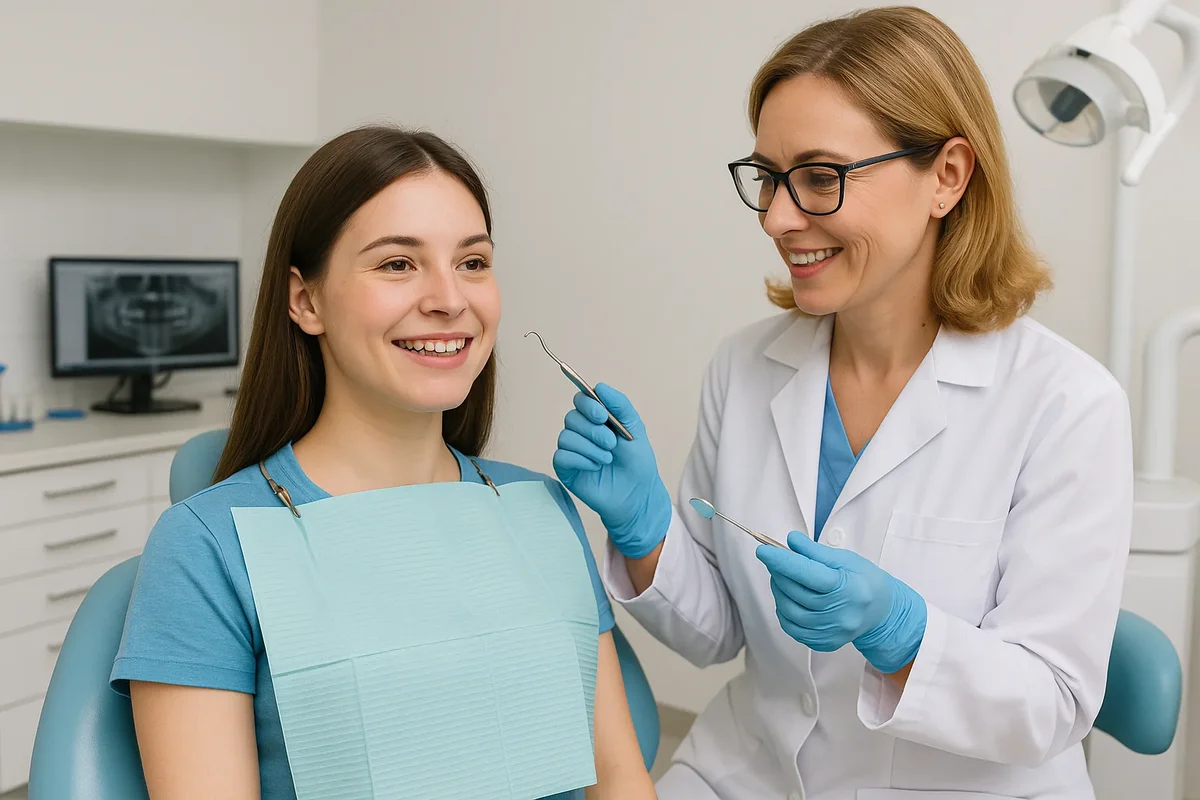
The Long-Term Benefits of Visiting a Professional Braces Office
Choosing a professional braces office isn’t just about straightening your teeth — it’s about investing in your long-term health, confidence, and overall quality of life 🌟. Orthodontic care goes far beyond aesthetics; properly aligned teeth improve oral hygiene, speech, digestion, and even self-esteem. A trusted clinic combines medical precision with patient-centered care, ensuring every aspect of your smile is optimized for years to come. Let’s explore in depth the enduring advantages of receiving treatment from an expert braces office and how it impacts your future well-being.
Enhanced Oral Health and Functionality
One of the most significant benefits of orthodontic treatment is the improvement of overall oral health. Misaligned teeth can create hard-to-clean areas where plaque and bacteria accumulate, leading to gum disease and tooth decay. A skilled braces office addresses these alignment problems, helping your teeth fit together perfectly and making daily hygiene easier.
When teeth are properly aligned, the jaw functions more efficiently, and the risk of enamel wear, jaw pain, and temporomandibular joint (TMJ) issues decreases. Straight teeth also make chewing and biting more effective, improving digestion and nutrient absorption. Essentially, what begins as a cosmetic journey at a braces office turns into a foundation for lifelong dental and systemic health.
Functional Benefits of Straight Teeth
- Reduced risk of gum inflammation and periodontal disease.
- Improved bite alignment that prevents jaw strain.
- Enhanced chewing and digestion efficiency.
- Minimized wear on enamel due to even force distribution.
These benefits reinforce the value of a qualified braces office where function and aesthetics go hand-in-hand.
Boosted Self-Confidence and Social Comfort
There’s no denying the psychological power of a beautiful smile. Many patients visit a braces office because they feel self-conscious about crooked or crowded teeth. After treatment, the transformation goes far beyond appearance — it reshapes confidence and social behavior. Studies show that individuals with straight teeth are often perceived as more approachable, trustworthy, and successful in both personal and professional settings.
A confident smile can enhance career opportunities, improve first impressions, and reduce anxiety in social interactions. Whether during an interview, a presentation, or a casual conversation, your smile becomes your most genuine and powerful expression of confidence 😄.
Emotional and Psychological Benefits
- Increased self-esteem and body image satisfaction.
- Reduced social anxiety and improved communication.
- Greater motivation to maintain oral health post-treatment.
By partnering with a supportive braces office, patients not only achieve straight teeth but also experience emotional growth that radiates through every aspect of their lives.
Prevention of Future Dental Problems
Orthodontic treatment is one of the best preventive measures for long-term oral health. When your teeth are aligned correctly, you’re less likely to develop issues such as uneven wear, gum recession, or bone loss. A professional braces office uses advanced diagnostic tools like 3D imaging to identify potential problems early and design a personalized treatment plan that prevents complications down the road.
For example, correcting crowding now can prevent costly restorative procedures later, such as crowns, implants, or periodontal surgery. In other words, the investment you make at a braces office today saves you from major dental expenses in the future.
Long-Term Preventive Advantages
- Decreased likelihood of tooth decay and gum disease.
- Reduced need for restorative or corrective dental work.
- Protection against jaw disorders and chronic pain.
- Improved tooth longevity through balanced bite mechanics.
Better Speech and Pronunciation
Misaligned teeth or jaw positioning can affect how you pronounce certain sounds, leading to slight speech impediments. Visiting a professional braces office can help correct these issues by properly aligning your teeth and jaws. As the mouth’s structure stabilizes, speech becomes clearer and more natural, which is especially beneficial for children, public speakers, and professionals who rely heavily on communication.
Patients are often surprised at how much improvement they notice in their articulation after completing treatment. Proper alignment eliminates air gaps and tongue obstructions, allowing for smoother sound production.
Improved Facial Symmetry and Aesthetic Harmony
Beyond teeth alignment, orthodontic care influences facial aesthetics. A reputable braces office evaluates your entire facial structure before recommending treatment. The goal is not only to straighten your teeth but also to achieve harmony between your lips, cheeks, and jawline. Balanced facial symmetry can subtly enhance your natural beauty, giving your profile a more youthful, proportionate appearance ✨.
For growing children, early orthodontic intervention can guide jaw development and prevent skeletal imbalances. For adults, modern braces and aligners can refine facial contours, offering a natural, refreshed look without surgery.
Facial Aesthetic Enhancements
- Balanced jaw alignment and improved bite mechanics.
- Lifted facial appearance from improved dental structure.
- Better lip support and profile definition.
Financial and Health Investment Value
Orthodontic treatment may seem like a significant financial commitment, but the return on investment is long-lasting. A professional braces office ensures that every stage of treatment is optimized for efficiency and durability, minimizing the likelihood of future dental costs. Proper alignment reduces wear on restorations like crowns or veneers, saving money in the long run.
In addition, many reputable braces offices offer flexible payment plans or insurance coordination, making care accessible to more patients. Investing in orthodontic treatment isn’t an expense — it’s a preventive strategy for a healthier, happier future.
Smart Financial Advantages
- Reduced need for complex restorative dentistry later in life.
- Improved oral hygiene lowers long-term dental costs.
- Enhanced overall health due to better nutrition and digestion.
Lasting Results with Professional Maintenance
The relationship with your braces office doesn’t end when the braces come off. Regular post-treatment checkups and retainer maintenance ensure your smile stays beautifully aligned for decades. A dedicated orthodontic team will provide guidance on proper retainer care, monitoring bite stability, and preventing any relapse.
Advanced clinics often use digital tracking systems to assess tooth movement and create replacement retainers quickly if needed. Consistent follow-up ensures your investment in orthodontic care continues to deliver benefits well into the future.
Final Thoughts: A Lifelong Partnership for Oral Health
Choosing a professional braces office means committing to more than a cosmetic change — it’s a decision that affects your long-term wellness, confidence, and happiness. The right orthodontic team becomes your lifelong partner in oral care, offering expertise, compassion, and innovation at every stage.
Whether you’re seeking preventive care, aesthetic improvements, or a total smile transformation, the benefits are profound and enduring. To begin your journey toward a healthier and more confident future, visit the Redent Klinik Contact Page and schedule your consultation. A modern braces office can give you more than straight teeth — it can give you the confidence and health foundation to smile brightly for life 💎.