
For many people dreaming of a confident, perfectly aligned smile, the thought of braces often comes with one major concern — cost. That’s where braces pay monthly plans make a world of difference 💰. Instead of paying everything upfront, patients can now access flexible, interest-free or low-interest installment options designed to fit almost any budget. In this comprehensive guide, we’ll explore how these plans work, who qualifies, and why they’ve become one of the most practical ways to achieve a straight, healthy smile without financial stress.
When orthodontic treatments first became mainstream, the cost of braces was often out of reach for many families. Today, however, dental clinics worldwide have realized that offering braces pay monthly options not only helps more patients access quality care, but also encourages better long-term dental health. This system allows you to make small, predictable monthly payments while undergoing your treatment — whether you’re choosing metal braces, ceramic braces, or even clear aligners like Invisalign.
Most braces pay monthly programs operate similarly to financing plans. Patients agree to a structured schedule — typically spreading payments over 12, 18, or 24 months — making orthodontic care affordable without compromising quality. These plans are often interest-free when payments are made on time. That means you can get started on your smile transformation immediately, instead of saving for years to cover the total cost upfront. 🌟
Clinics offering these payment solutions, such as Redent Klinik Contact Page, often tailor their plans individually. A specialist evaluates your treatment needs, explains the total cost, and breaks it down into manageable monthly portions. For instance, a full orthodontic treatment that costs around $3,000 can be split into $125 monthly payments over two years — making it as easy to manage as a regular utility bill.
Beyond the financial convenience, braces pay monthly programs create psychological relief for patients. Knowing that you can start treatment right away without financial burden gives peace of mind. It also means you don’t have to compromise on the type of braces you truly want. Instead of settling for cheaper alternatives, you can select the most effective and comfortable option for your dental structure. This flexibility makes orthodontic care more inclusive, especially for students, parents, and working professionals who balance multiple expenses every month.
According to the American Dental Association, orthodontic treatment isn’t just cosmetic — it significantly improves oral health. Misaligned teeth can lead to uneven wear, gum disease, and even jaw pain. That’s why experts recommend starting treatment as soon as possible. The good news? Braces pay monthly options eliminate the traditional financial barrier, helping patients take action sooner. You don’t need to delay your care until you’ve saved the full amount. Instead, you can start improving your bite and appearance right away, knowing you’ll pay gradually over time.
For example, let’s say you’re an adult looking to fix mild crowding. With a monthly braces plan, your dentist might offer a no-interest payment structure. You’d make an initial deposit — usually 10% to 20% of the total — and then pay the remaining balance in easy monthly installments. Some clinics even allow automatic bank withdrawals or credit card payments for added convenience. This ensures you never miss a due date, keeping your treatment on track without stress.
Another benefit of choosing a braces pay monthly plan is transparency. You’ll know exactly how much you owe and when, avoiding any surprise fees. Many clinics also include retainers and aftercare in the total package, ensuring your smile remains perfect long after the braces are removed. It’s a system designed for both accessibility and trust — two critical elements in modern dental care.
Furthermore, most orthodontic offices now use advanced software to manage these payment structures securely. You’ll receive automated reminders, access online billing portals, and even be able to adjust your payment schedule if your financial situation changes. This digital evolution of dental financing means getting braces is no longer a complicated process; it’s smooth, transparent, and patient-centered. 🦷
Choosing braces pay monthly isn’t just about affordability — it’s about empowerment. It allows people from all walks of life to invest in their smiles without sacrificing other financial responsibilities. Whether you’re a teenager starting your orthodontic journey or an adult finally ready to fix your teeth, these plans provide freedom and flexibility. By partnering with a reputable clinic and maintaining regular payments, you can achieve the beautiful, confident smile you’ve always wanted — one monthly installment at a time. 😁
Why Choose Monthly Payment Plans for Braces?
Choosing a braces pay monthly plan isn’t just about saving money — it’s about making orthodontic care accessible, flexible, and stress-free for everyone 🌟. In today’s world, dental care can be a significant investment, and not everyone can afford to pay thousands of dollars upfront. Monthly payment plans have emerged as the perfect solution for patients who want high-quality orthodontic treatment without the financial pressure of a large one-time payment. But what makes these plans so effective, and why are they becoming the standard option in many dental clinics worldwide? Let’s explore.
Understanding the Concept of Monthly Braces Plans
At its core, a braces pay monthly plan works similarly to a personal installment loan or subscription model. Instead of paying the total treatment cost at once, the fee is divided into smaller, more manageable payments spread over several months or even years. For example, instead of paying $3,000 upfront, you might pay around $125–$200 per month, depending on the duration of your treatment. This model allows you to begin your orthodontic journey immediately, rather than waiting months or years to save enough money.
These plans often come with flexible structures. Some clinics offer interest-free options, while others include low-interest financing depending on the length of your installment plan. The best part? Many dental clinics don’t even require a credit check, allowing students, families, and individuals with varied financial backgrounds to qualify easily.
Benefits Beyond Affordability
One of the most appealing advantages of braces pay monthly options is the sense of control they give you. You’re no longer forced to choose cheaper or less effective treatment options. Instead, you can select the orthodontic system that fits your lifestyle and dental needs, such as ceramic braces, lingual braces, or clear aligners. This means that financial limitations no longer dictate the quality of your care — you get to prioritize what truly matters: long-term results and comfort.
Monthly plans also help families with multiple children undergoing orthodontic care. Managing several treatments at once can be financially challenging, but installment options make it easier to handle overlapping costs. Parents can space out the start dates or use family discounts offered by clinics like Redent Klinik Contact Page to further reduce monthly expenses. 🦷
Psychological and Practical Ease
Financial stress is one of the biggest reasons people delay orthodontic treatment. When you choose braces pay monthly, that burden is lifted. You know exactly what you’re paying each month, and there’s a clear end date to your payments. This predictability builds motivation and commitment to completing treatment. Patients are more likely to attend appointments regularly and maintain good oral hygiene because they’ve invested in a sustainable plan that works for them.
Clinics often combine these payment systems with digital portals or mobile apps where patients can track their treatment progress and payments in real time. That means transparency at every step — no hidden fees, no confusing paperwork, just clear communication and accountability. In many modern orthodontic offices, technology has made managing monthly braces plans as easy as checking your phone.
How Dental Clinics Structure Payment Plans
Most orthodontic offices start with a detailed consultation where they assess your oral condition, discuss treatment goals, and estimate the total cost. Once that’s determined, they offer customized braces pay monthly packages. These packages often include all necessary appointments, adjustments, and even post-treatment retainers. For instance, a clinic might charge $2,800 for a full metal braces treatment, divided into 18 interest-free monthly payments after an initial deposit of $300.
Some dental practices also collaborate with third-party financing providers. These specialized medical finance companies help cover the cost upfront while you make your payments over time. This arrangement can be beneficial because it allows you to receive your treatment immediately and pay gradually without affecting the clinic’s cash flow. Reputable financial partners also ensure secure data handling and transparent terms.
Common Payment Terms and Flexibility
Typical braces pay monthly contracts range from 6 to 36 months, depending on your treatment complexity and financial preferences. Patients often have the freedom to choose between longer terms with smaller payments or shorter terms to complete the balance faster. Some plans even allow early payment without penalties — an ideal option for those who may want to clear their balance sooner.
Another appealing feature is automatic payment systems. Clinics can set up recurring debit or credit card transactions to ensure timely payments, which also saves patients from late fees. Transparency and convenience are the two pillars of modern orthodontic financing.
Why More Patients Are Opting for Braces Pay Monthly
The popularity of braces pay monthly options has skyrocketed in recent years. With inflation affecting daily expenses and dental costs varying globally, patients are seeking flexible solutions. The American Dental Association (ADA) supports initiatives that make oral healthcare more accessible and patient-focused. By removing financial barriers, monthly payment systems empower individuals to prioritize dental wellness early — rather than waiting for issues to worsen.
Ultimately, choosing a braces pay monthly plan is a smart decision for anyone looking to balance quality care with financial responsibility. It combines the best of both worlds: affordable access and professional orthodontic excellence. Whether you’re a teenager preparing for your first braces or an adult considering clear aligners, these flexible payment options open the door to achieving your dream smile — without the financial strain. 😁
The Real Cost of Braces and How to Spread Payments
When it comes to orthodontic treatment, one of the most common questions patients ask is: “How much do braces really cost?” The answer depends on several factors — the type of braces, treatment duration, and the dental clinic’s pricing policy. However, with braces pay monthly options, understanding and managing the cost becomes much simpler. This section provides a transparent, detailed breakdown of the real expenses behind braces and how to spread those payments effectively to make orthodontic care affordable for everyone. 🦷
Breaking Down the Average Cost of Braces
Traditional metal braces typically cost between $2,500 and $7,000 depending on your country, clinic, and the complexity of your case. Ceramic braces — which blend better with your teeth — usually fall between $3,000 and $8,000, while clear aligners such as Invisalign can range from $3,500 to $9,000. These prices often include the consultation, diagnostic X-rays, routine adjustments, and sometimes even post-treatment retainers.
For patients on a tighter budget, seeing such numbers can feel overwhelming. That’s where braces pay monthly systems transform the process. Instead of paying the entire amount upfront, patients can split the cost into smaller monthly portions that align with their financial comfort. For instance, a $3,000 braces treatment can easily be divided into $125 monthly payments over two years — a structure that makes orthodontic treatment as affordable as a mobile phone plan.
Factors That Influence Braces Costs
The final cost of your orthodontic treatment depends on various aspects. Let’s explore some of the main influences:
1. Type of Braces
Metal braces are typically the most affordable, while ceramic and lingual braces cost more due to the materials used and the level of customization required. Clear aligners add another layer of expense because of their advanced digital design and multiple aligner sets produced over time.
2. Treatment Duration
The longer your treatment lasts, the more appointments, adjustments, and professional time are required — all contributing to the total cost. Patients with complex orthodontic issues or jaw misalignments may need treatment lasting 24–36 months, increasing overall expenses. A braces pay monthly system helps balance this by spreading the cost evenly over the entire duration, ensuring affordability regardless of the total timeframe.
3. Clinic Location and Reputation
Costs also vary depending on where you receive your treatment. Clinics in metropolitan areas or those with advanced facilities may charge slightly more. However, reputable clinics such as Redent Klinik Contact Page offer transparent pricing and flexible payment options, ensuring patients know exactly what to expect from day one.
4. Additional Services and Aftercare
Sometimes, the overall cost includes retainers, emergency repairs, or whitening treatments after braces removal. Always confirm what’s included in your quote to avoid unexpected expenses later. The most reliable clinics detail these costs upfront, particularly when offering braces pay monthly plans.
How Monthly Payment Systems Make Braces Affordable
One of the greatest benefits of braces pay monthly systems is accessibility. By dividing payments over 12, 18, or 24 months, patients can start treatment immediately rather than delaying for years due to financial concerns. Most orthodontists also provide zero-interest plans if payments are made on time, which means you don’t pay more than the original treatment cost.
Some clinics collaborate with dental financing companies that handle payments securely. These third-party systems offer patients flexibility, automatic payment tracking, and even account management through mobile apps. Modern technology ensures that your payments are convenient and transparent, leaving no room for confusion. 📱
Example of a Payment Breakdown
Let’s take a real-world example of how braces pay monthly systems might look in practice:
- Total treatment cost: $3,600
- Down payment: $400 (usually 10%)
- Balance: $3,200
- Term: 24 months
- Monthly payment: $133.33 (interest-free)
In this scenario, the patient can start treatment immediately after the initial deposit and maintain small, predictable payments throughout the process. This model gives patients confidence and financial stability while receiving professional orthodontic care.
Financial Planning Tips for Orthodontic Treatment
Before signing up for a braces pay monthly plan, consider these expert tips to manage your finances effectively:
- Ask for Full Transparency: Request a written breakdown of all costs — including consultations, adjustments, retainers, and follow-ups.
- Inquire About Discounts: Some clinics provide student, family, or early-payment discounts for long-term patients.
- Check for Insurance Support: Many dental insurance plans cover part of the cost, which can further reduce your monthly payments.
- Set Up Automatic Payments: Automating your payments avoids missed installments and maintains your zero-interest status.
What the American Dental Association Says
The American Dental Association recommends that orthodontic treatment decisions should always prioritize long-term oral health, not just cost. This aligns perfectly with the idea behind braces pay monthly systems — enabling patients to choose the best treatment without financial compromise. By spreading payments across several months, individuals can opt for higher-quality braces that align teeth more effectively and comfortably.
Final Thoughts: Spreading the Cost, Smiling Brighter
Ultimately, understanding the real cost of braces is about more than just numbers — it’s about opportunity and access. A braces pay monthly plan breaks down barriers, ensuring everyone, regardless of budget, can achieve a confident smile. Whether you’re choosing traditional braces or invisible aligners, these flexible payment methods allow you to focus on your dental health instead of your wallet. With the right clinic and the right plan, your journey to a beautiful smile can begin today — one affordable monthly step at a time. 😁
Best Clinics Offering Braces Pay Monthly Options
Finding the right clinic for orthodontic treatment goes beyond just choosing the most affordable price — it’s about combining expertise, quality care, and financial flexibility. That’s why selecting a dental provider that offers braces pay monthly options is so valuable. These clinics are committed to making beautiful smiles attainable for everyone, regardless of income or credit background. In this section, we’ll explore what sets these clinics apart, how they structure payment plans, and what to look for when choosing the best one for your needs. 🏥
What Makes a Great Monthly Payment Clinic?
Not every orthodontic clinic that advertises monthly braces payments provides the same value. The best clinics focus on transparency, technology, and trust. They clearly outline the total treatment cost, monthly payment schedule, and any potential extra charges before you begin. This ensures that there are no unpleasant surprises halfway through your treatment.
Clinics that specialize in braces pay monthly systems often have a financial department dedicated to helping patients design custom payment plans. Whether you need a short 12-month plan or a longer 36-month installment structure, the goal is to tailor your payments to your unique financial situation. Many leading orthodontic offices even offer zero-interest options if payments are made on time, making braces truly accessible without hidden costs.
Transparency and Patient-Centered Care
Top-rated clinics make it their mission to ensure full clarity at every step. During your initial consultation, they provide a detailed cost estimate, including X-rays, adjustments, and post-treatment retainers. By being transparent, they establish trust and empower patients to make informed decisions. Transparency also means explaining how the braces pay monthly plan integrates with your treatment timeline — so you know exactly when your payments start and end.
Technology and Comfort in Modern Orthodontic Clinics
High-quality clinics that provide braces pay monthly options often invest in state-of-the-art equipment. Digital scanning, 3D treatment simulations, and AI-driven alignment tracking help reduce appointment frequency and treatment time. This advanced technology not only improves results but also ensures patients feel confident that they are receiving the best possible care. Clinics that embrace digital platforms also allow patients to manage their monthly payments, review progress, and receive automated reminders via secure online portals. 📲
Additionally, many of these clinics offer flexible scheduling and extended hours, making it easier for working professionals, students, and families to attend their appointments without disruption to their daily routines. Convenience and flexibility are key pillars of a patient-friendly payment system.
How Clinics Customize Braces Pay Monthly Plans
Every patient’s dental needs and financial situation differ, so customization is critical. The best clinics evaluate your treatment plan and financial comfort before finalizing the structure of your braces pay monthly arrangement. Here’s how they typically personalize it:
- Initial Consultation: A specialist performs a full examination and discusses all potential treatment options — metal braces, ceramic braces, or clear aligners — along with their costs.
- Down Payment: Many clinics ask for a small deposit (usually 10–20% of total cost) to initiate treatment and secure materials.
- Monthly Installments: The remaining balance is divided into equal payments, often ranging from 12 to 36 months.
- Interest-Free Period: Some clinics offer an interest-free term if payments are completed within a specific timeframe.
Example Breakdown
Suppose your braces treatment costs $3,000. A reputable clinic offering braces pay monthly might structure your plan as follows:
- Down payment: $300
- Monthly payments: $112.50 for 24 months (interest-free)
- Total cost: $3,000 (no hidden fees)
This makes the treatment far more attainable for patients who might otherwise avoid orthodontic care due to high upfront costs.
Top Qualities to Look for in a Clinic
When searching for the right orthodontic provider offering braces pay monthly solutions, keep an eye out for these characteristics:
- Accreditation: Clinics certified by reputable bodies such as the American Dental Association ensure you’re receiving care from licensed professionals who adhere to strict quality standards.
- Flexible Financing: Choose a clinic that offers both short-term and long-term plans, with no penalty for early payments.
- Modern Technology: Look for digital impressions, 3D scanning, and virtual treatment previews — indicators of an advanced, efficient clinic.
- Transparent Communication: The clinic should provide detailed written agreements for your monthly braces payments, leaving no room for confusion.
- Positive Reviews and Case Results: Always review testimonials or before-and-after images to confirm the clinic’s track record of success.
International Examples of Monthly Braces Clinics
Globally, many dental clinics have embraced braces pay monthly programs to reach a wider patient base. For example:
- Redent Klinik (Turkey): Offers personalized orthodontic care with transparent payment structures and multilingual support. You can reach them through their Redent Klinik Contact Page to explore your options.
- Smile Direct Club (USA): Provides clear aligners with affordable monthly payments and at-home convenience.
- Bupa Dental Care (UK): Offers flexible orthodontic financing options with transparent interest-free terms for up to two years.
These examples show that high-quality orthodontic treatment doesn’t have to come with high financial pressure. Whether you’re in Europe, North America, or Asia, finding a clinic that supports braces pay monthly options ensures that your smile goals remain within reach — no matter where you live. 🌍
Why Choose a Clinic with a Braces Pay Monthly Option?
Ultimately, selecting a clinic that offers a braces pay monthly plan provides both financial freedom and peace of mind. It allows you to start treatment sooner, stay on schedule, and enjoy professional support throughout your journey. Patients often report higher satisfaction rates when financial concerns are minimized because they can focus solely on their oral health and the excitement of transformation. With transparent pricing, modern technology, and compassionate care, these clinics make achieving your dream smile both affordable and enjoyable.
Comparing Traditional Braces vs. Clear Aligners in Payment Plans
When it comes to straightening your teeth, the choice between traditional braces and clear aligners often depends on more than just aesthetics — it also affects your finances. Fortunately, both options can be made accessible through braces pay monthly plans, allowing patients to spread the cost of treatment while enjoying the benefits of advanced orthodontic care. In this section, we’ll explore how traditional braces and clear aligners compare in terms of treatment method, cost, payment flexibility, and long-term value. 🦷
Understanding the Two Main Treatment Types
Orthodontic treatments today primarily fall into two categories: traditional fixed braces and removable clear aligners. Both serve the same purpose — to gradually move teeth into better alignment — but they differ in design, comfort, and pricing models. A braces pay monthly system applies to both, but the structure of payments can vary depending on your choice.
Traditional Braces Overview
Traditional metal braces have been around for decades and remain the gold standard for complex alignment issues. They use metal brackets and wires to apply continuous pressure on the teeth. Modern braces, however, are smaller, more comfortable, and less noticeable than older models. Some clinics also offer ceramic braces, which blend in with your teeth and are a more aesthetic option.
Clear Aligners Overview
Clear aligners, such as Invisalign, use a series of transparent plastic trays designed to gradually shift teeth into position. Each set is worn for about two weeks before switching to the next one in the series. They are nearly invisible and removable, allowing for greater comfort and convenience. Patients who want discreet orthodontic treatment often prefer aligners, especially when combined with flexible braces pay monthly systems that make the treatment financially manageable.
Comparing the Costs
One of the most critical factors patients consider is cost. Traditional braces typically range between $2,500 and $7,000, depending on the complexity of the case. Clear aligners tend to cost slightly more, between $3,500 and $9,000, due to digital scanning technology, precision manufacturing, and brand-specific materials.
However, thanks to braces pay monthly options, both treatments can be made affordable. For example, a traditional braces plan might cost $3,000 total, spread over 24 months at $125 per month. Similarly, a clear aligner plan costing $4,800 could be divided into $200 monthly payments with no interest. These structures enable patients to choose the treatment that best fits their lifestyle and budget — without delaying their orthodontic care.
Price Transparency Example
| Treatment Type | Average Total Cost | Example Monthly Plan | Interest |
|---|---|---|---|
| Traditional Metal Braces | $3,000 | $125/month for 24 months | 0% (interest-free) |
| Ceramic Braces | $3,800 | $158/month for 24 months | Low-interest (optional) |
| Clear Aligners (e.g., Invisalign) | $4,800 | $200/month for 24 months | 0% (in most clinics) |
Clinics such as Redent Klinik Contact Page offer personalized consultations to determine which option suits you best — both medically and financially. These customized plans make it easy to choose comfort and quality while maintaining financial control.
Maintenance and Lifestyle Differences
Beyond price, lifestyle is another important factor. Traditional braces require regular tightening sessions, special cleaning routines, and dietary restrictions. Sticky or hard foods can damage brackets and wires, leading to extra costs. Clear aligners, on the other hand, offer freedom — you can remove them for eating, brushing, and social occasions. This convenience makes them especially appealing for adults and professionals.
Nevertheless, aligners require strong self-discipline. They must be worn at least 20–22 hours per day for effective results. If you prefer a treatment that doesn’t rely on daily compliance, fixed braces might be the better choice. Both treatments, however, can easily integrate into braces pay monthly systems, meaning the choice ultimately depends on lifestyle and commitment rather than cost alone.
Comparing Durability and Results
In terms of outcomes, both traditional braces and clear aligners deliver equally effective results when prescribed by skilled orthodontists. Complex cases involving severe crowding or bite misalignment may still favor traditional braces for precision and control. On the other hand, clear aligners work perfectly for mild to moderate alignment needs while offering enhanced comfort and aesthetics.
Clinics offering braces pay monthly plans ensure that both treatments remain within financial reach. Many also include follow-up retainers, whitening treatments, or regular checkups as part of their payment bundles, ensuring you receive full value for your investment. 💎
How Monthly Payment Plans Differ Between the Two
While both options can be financed, the structure of the braces pay monthly plan may vary:
- Traditional Braces: Usually feature an initial down payment (10–20%) and equal monthly installments. Adjustments and visits are included.
- Clear Aligners: Some clinics partner with aligner manufacturers offering proprietary financing programs, sometimes without requiring a deposit.
- Combined Plans: In hybrid cases — such as partial braces followed by clear aligners — the clinic might merge the costs into one manageable monthly plan.
Example Comparison of Payment Flexibility
Clear aligner providers often collaborate with third-party lenders, allowing patients to prequalify for financing online without affecting their credit score. Traditional orthodontic clinics, however, may manage their own payment systems, offering direct installment plans and discounts for early payoff. Both systems aim to eliminate financial stress and help patients begin their smile transformation right away.
Expert Opinions and Final Thoughts
According to the American Dental Association, both braces and aligners can achieve excellent long-term results if used correctly. The decision should always be guided by clinical assessment and personal preference — not just cost. That’s why braces pay monthly systems are so important: they level the playing field, making both treatments financially viable.
Whether you prefer the traditional reliability of metal braces or the discretion of clear aligners, monthly payment plans ensure your dream smile is within reach. With the right clinic and a transparent payment structure, you can choose comfort, confidence, and affordability all in one. 😊
Insurance and Financing: Making Braces More Accessible
Many people assume that orthodontic treatment is a luxury reserved for those who can pay upfront. In reality, thanks to modern insurance plans and financing programs, achieving a straight and healthy smile has become more attainable than ever. The combination of dental insurance and braces pay monthly options empowers patients to start treatment immediately without financial strain. In this section, we’ll explore how insurance coverage works, what financing solutions are available, and how to strategically combine the two for maximum affordability. 💳
How Dental Insurance Covers Orthodontic Treatment
Dental insurance plays a vital role in reducing the overall cost of orthodontic care. However, understanding how your insurance policy applies to braces is crucial before starting treatment. Most insurance providers cover between 25% and 50% of orthodontic expenses, with specific limitations based on the patient’s age and the type of treatment chosen. For instance, coverage might differ between traditional braces and clear aligners. Even with insurance, out-of-pocket costs often remain — which is where braces pay monthly systems become indispensable.
Typical Insurance Coverage Breakdown
- Annual maximum: Many plans have a lifetime maximum for orthodontic benefits (often between $1,500 and $3,000 per person).
- Age restrictions: Some insurance policies only cover braces for patients under 18, though adult orthodontic coverage is becoming more common.
- Type of braces: Standard metal braces are usually fully eligible, while clear aligners might have partial coverage depending on your provider.
Once your insurance contribution is determined, the remaining balance can easily be managed through a braces pay monthly plan. This approach eliminates the need for large lump-sum payments and allows patients to use their insurance benefits strategically.
Combining Insurance with Monthly Payment Plans
Let’s say your orthodontic treatment costs $4,000 and your insurance covers $1,500. You would then have a balance of $2,500 to pay. Instead of paying that amount upfront, you can divide it into small monthly installments, such as $104 per month for 24 months. This hybrid model — insurance plus monthly braces payments — offers maximum flexibility, making orthodontic treatment accessible to almost anyone.
Clinics offering braces pay monthly plans typically have staff members dedicated to helping patients file insurance claims and maximize reimbursements. They coordinate directly with insurance providers to ensure accuracy and minimize paperwork stress. Many reputable clinics, including Redent Klinik Contact Page, even handle claim submissions on behalf of their patients, ensuring smooth coordination between financial and treatment schedules.
Types of Financing Programs for Orthodontics
In addition to insurance, there are several financing solutions that make orthodontic care affordable for families and individuals alike. Below are the most common types:
1. In-House Financing Plans
These are direct payment plans offered by dental clinics themselves. Patients pay an initial deposit — usually around 10–20% — and the rest is spread across fixed monthly payments. In-house financing is often interest-free, provided that payments are made on time. Many clinics use this model to simplify management and provide flexibility for their patients.
2. Third-Party Financing
For patients seeking additional flexibility, clinics may partner with external finance companies such as CareCredit, LendingClub, or similar dental-specific lenders. These third-party options can extend payment terms up to 48 months, with low or zero-interest promotional periods. This type of financing allows patients to begin treatment immediately while maintaining control over their monthly budget.
3. Health Savings Accounts (HSA) and Flexible Spending Accounts (FSA)
Many patients overlook that they can use HSA or FSA funds to pay for orthodontic care. These accounts use pre-tax dollars, meaning you can save up to 30% depending on your tax bracket. Combining your HSA/FSA funds with braces pay monthly plans can significantly lower your overall financial burden. For example, a patient using $1,000 from an FSA account and financing the remaining balance through monthly installments reduces both taxable income and upfront costs.
Tips for Maximizing Insurance and Financing Benefits
To ensure you’re getting the most value from your insurance and payment plan combination, follow these best practices:
- Verify Coverage Early: Before starting treatment, request a pre-authorization form from your insurance provider to confirm the exact amount they will cover.
- Ask for a Multi-Child Discount: Many clinics offer family packages if more than one member begins orthodontic treatment simultaneously.
- Negotiate the Payment Schedule: Some clinics allow you to customize your braces pay monthly schedule — for example, smaller payments during holidays and larger ones when bonuses are received.
- Leverage Insurance Renewal Cycles: If your plan resets annually, consider beginning your treatment near the end of the year so part of your expenses fall into the next year’s coverage period.
Real-World Example: Combining Insurance and Financing
Imagine Emma, a 28-year-old teacher, who wants to fix her crowding with clear aligners. Her total treatment cost is $4,800. Her insurance covers $1,200, leaving her with a $3,600 balance. Instead of paying in full, she chooses a braces pay monthly plan with her orthodontist, paying $150 per month for 24 months — interest-free. By combining both methods, she achieves her dream smile without sacrificing her financial stability.
The Role of the American Dental Association
According to the American Dental Association, orthodontic treatment should be accessible to all socioeconomic groups, as it directly affects long-term oral health and self-esteem. This is why many clinics across the world now prioritize flexible financing models and insurance-friendly payment structures. By blending traditional insurance coverage with innovative braces pay monthly programs, clinics are bridging the gap between affordability and premium care.
Conclusion: Financial Accessibility for Every Smile
In today’s world, there’s no reason to postpone orthodontic care due to financial constraints. Whether through insurance reimbursements, in-house financing, or external lenders, patients can easily find an option that fits their lifestyle and budget. The braces pay monthly approach has revolutionized the dental industry by making high-quality treatment universally accessible. With the right combination of insurance and financing, your journey to a confident, healthy smile can start today — one manageable payment at a time. 😁
How to Qualify for Braces Pay Monthly with No Credit Check
Many people hesitate to start orthodontic treatment because they assume they won’t qualify for financing — especially if they don’t have perfect credit. The good news is that most dental clinics offering braces pay monthly plans now provide flexible options that don’t require a credit check at all. These programs are designed to make braces accessible to everyone, regardless of financial background. In this detailed guide, we’ll explain how these no-credit-check plans work, what clinics look for instead, and how to prepare for a successful application. 🦷
Understanding No-Credit-Check Braces Plans
Traditional financing often involves a bank or third-party lender running a credit inquiry before approving a loan. This process can discourage patients who have limited credit history or a few negative marks on their report. However, braces pay monthly programs offered directly by clinics eliminate this barrier. Instead of using credit scores, they rely on income verification, down payments, and consistent payment history during treatment. The result is an inclusive system where financial accessibility meets healthcare needs.
Clinics that adopt this approach recognize that your dental health shouldn’t depend on your credit rating. Their mission is to provide affordable orthodontic care while maintaining trust and transparency. Patients can start their smile journey immediately — no paperwork delays, no bank approvals, and no hard inquiries affecting their credit report.
How No-Credit-Check Programs Work
When you apply for a braces pay monthly plan without a credit check, the process typically follows these steps:
- Initial Consultation: The orthodontist assesses your oral condition and outlines the treatment plan, including estimated costs and duration.
- Down Payment: Most clinics request an upfront deposit, typically 10–20% of the total cost. This shows commitment and helps cover initial setup expenses like brackets or aligners.
- Proof of Income: Instead of reviewing your credit score, clinics may ask for recent pay stubs or employment verification to ensure you can make consistent payments.
- Customized Payment Plan: The remaining balance is split into equal monthly installments, usually over 12–36 months, depending on your financial comfort.
- Automatic Payments: Many clinics offer convenient auto-debit options to prevent missed payments and ensure hassle-free management.
Once approved, you can begin your orthodontic treatment right away. With this method, even students, freelancers, or individuals with limited financial history can qualify for braces pay monthly programs.
Example of a No-Credit-Check Plan
Suppose your treatment costs $3,000. The clinic might require a $300 down payment and then divide the remaining $2,700 into 24 equal monthly payments of $112.50. No credit report is needed, and as long as payments are made on time, you’ll enjoy zero interest. This model not only encourages affordability but also helps build positive payment habits for patients new to credit management.
Eligibility Requirements and What Clinics Consider
Each dental clinic may have slightly different criteria for approving a braces pay monthly plan without a credit check. However, most focus on three main aspects: income stability, reliability, and treatment commitment. Let’s look at these in detail:
1. Income Stability
Most clinics simply want to confirm that you have a stable source of income — whether from employment, business, or verified support. Some may request a recent bank statement or pay stub, but this is typically used for internal evaluation rather than external reporting.
2. Initial Down Payment
Clinics offering no-credit-check braces often prioritize patients who can provide a modest down payment. This initial contribution helps secure treatment costs and demonstrates responsibility.
3. Treatment Commitment
Since orthodontic treatment is a long-term process, clinics value commitment. Patients who attend consultations regularly, follow care instructions, and make timely payments are more likely to be approved for flexible financial arrangements in the future.
Advantages of No-Credit-Check Braces Pay Monthly Options
Choosing a braces pay monthly plan without a credit check has multiple benefits:
- Instant Approval: Most patients receive same-day approval, allowing treatment to begin immediately.
- Zero Credit Impact: No inquiries or records appear on your credit report.
- Flexible Payment Terms: You can choose shorter or longer installment periods depending on your budget.
- Equal Opportunity: Students, part-time workers, and self-employed individuals can access orthodontic care without financial discrimination.
Additionally, clinics offering no-credit-check braces plans often reward consistency. Patients who make timely payments may later qualify for discounts, additional treatments, or free retainer programs — a win-win scenario for both sides. 😁
How to Find a Clinic Offering No-Credit-Check Options
When searching for clinics that provide braces pay monthly options without a credit check, start by contacting trusted dental providers in your area. Look for clinics that emphasize financial inclusivity on their websites. Internationally, many clinics — such as Redent Klinik Contact Page — openly advertise accessible payment structures and personalized financing. You can also call or email them directly to confirm eligibility requirements and potential discounts.
Questions to Ask Before Signing Up
- Is the payment plan managed in-house or through a third-party provider?
- Are there any additional administrative or setup fees?
- Can I modify my plan if my financial situation changes?
- What happens if I miss a payment?
Getting clear answers ensures there are no hidden surprises during your orthodontic journey.
What the American Dental Association Recommends
The American Dental Association encourages dental professionals to make care accessible to all socioeconomic groups. No-credit-check payment systems align with this mission by removing barriers to treatment. These programs empower patients to pursue necessary orthodontic care without fear of rejection or embarrassment due to credit history.
Final Thoughts: Smiles Without Financial Barriers
Qualifying for braces pay monthly with no credit check is easier than ever. Whether you’re a student, parent, or professional, modern clinics now offer inclusive financing designed around your needs — not your credit score. By providing a modest down payment and demonstrating commitment, you can begin your orthodontic treatment immediately and pay in simple, predictable installments. Accessible financing means that your dream smile is no longer out of reach — it’s just one monthly payment away. 🌟
Benefits of Paying for Braces in Installments
Orthodontic treatment is one of the best long-term investments you can make in your health and appearance — but the cost can seem intimidating at first. That’s why choosing a braces pay monthly plan can make such a difference. By spreading payments over time, patients can enjoy all the benefits of high-quality orthodontic care without the financial burden of paying everything upfront. In this section, we’ll explore the top advantages of paying for braces in installments, including financial flexibility, psychological relief, and improved treatment accessibility. 💎
1. Making Orthodontic Care Financially Accessible
The biggest advantage of braces pay monthly plans is accessibility. Many people delay orthodontic care because of the initial price tag, which can range from $2,500 to $7,000 depending on the treatment type. However, with installment options, patients can begin treatment immediately and pay gradually over time. This allows students, families, and individuals with fixed incomes to achieve a healthy smile without financial strain.
By dividing costs into smaller monthly installments, you gain control over your finances while still receiving top-tier care. For instance, a patient can start treatment with an initial deposit of $300 and make monthly payments of $120 for two years — a much more manageable approach compared to a lump-sum payment. This flexibility ensures that dental health remains a priority even when budgets are tight.
Example of an Affordable Plan
- Total treatment cost: $3,000
- Down payment: $300
- Balance: $2,700
- Monthly payment: $112.50 (over 24 months)
- Interest: 0% if paid on time
This example illustrates that braces pay monthly plans are not just convenient but also financially empowering. They open doors for patients who might otherwise postpone necessary orthodontic care.
2. Reduced Financial Stress and Psychological Relief
Money-related stress can often prevent people from prioritizing their oral health. The psychological relief that comes with manageable payments is one of the most underrated benefits of braces pay monthly systems. Patients no longer feel anxious about large upfront fees or hidden charges. Instead, they can focus entirely on the excitement of their smile transformation.
Clinics offering these plans typically provide clear documentation and predictable payment schedules. This transparency builds trust between patients and providers while encouraging consistent attendance at orthodontic appointments. Financial comfort equals better compliance — and ultimately, better results. 😊
3. Opportunity to Choose Premium Treatment Options
When you can spread costs across several months, you’re more likely to choose the treatment that best suits your lifestyle rather than the cheapest option. Braces pay monthly plans allow patients to explore advanced solutions like ceramic braces, lingual braces, or clear aligners without worrying about immediate affordability. This freedom ensures that treatment decisions are based on comfort and aesthetics, not financial limitations.
For instance, a working professional who prefers discreet orthodontic care may choose Invisalign instead of metal braces. The total cost might be higher, but with a flexible monthly plan, it becomes completely manageable. Many clinics, including Redent Klinik Contact Page, specialize in customizing financial packages to match both medical needs and personal preferences — proving that excellence doesn’t have to be expensive when payments are distributed smartly.
4. Interest-Free and Transparent Payment Options
Another major benefit of braces pay monthly programs is the absence of interest in many cases. Most dental clinics offer interest-free installments as long as you make payments on time. This means you pay only for the treatment — not a cent more. Transparent contracts outline every detail, ensuring you know exactly how much you owe, when payments are due, and what’s included (such as retainers or follow-up visits).
Some clinics also provide digital billing systems and mobile apps where you can track payments, set reminders, and download invoices instantly. This level of clarity and accessibility makes orthodontic financing simpler and stress-free.
Common Features of Transparent Plans
- No credit checks or hidden fees
- Option to adjust payment dates to match salary schedules
- Automatic payment setup for convenience
- Full visibility through online patient portals
By simplifying the financial process, these systems make it easier for patients to commit to their orthodontic journey with confidence.
5. Encouraging Treatment Consistency and Completion
Patients on structured braces pay monthly plans tend to stay consistent throughout treatment. Knowing you’re paying steadily over time encourages commitment and accountability. Regular payments create a sense of progress and investment, motivating patients to attend check-ups, follow care instructions, and finish their treatment on schedule.
Clinics also benefit from this model because it promotes ongoing communication with patients. Both sides work together toward a shared goal: a healthy, beautiful smile that lasts a lifetime.
6. Suitable for Families and Multiple Patients
For families with more than one member needing orthodontic care, paying for everyone at once can be financially challenging. With braces pay monthly plans, parents can stagger start dates or bundle treatments under one flexible payment agreement. This allows siblings or parents and children to receive care simultaneously without overburdening the household budget. Family-friendly clinics often offer loyalty or sibling discounts to make multi-patient treatment even more affordable. 🏠
7. Long-Term Financial Benefits
Delaying orthodontic treatment can lead to more expensive dental problems in the future, such as gum disease, tooth wear, or jaw pain. By choosing an installment plan, you address alignment issues early, preventing costly corrective procedures later. In essence, braces pay monthly plans are not just convenient — they’re a form of proactive financial planning. You protect both your smile and your wallet in the long run.
8. Supported by Reputable Dental Organizations
Leading organizations like the American Dental Association support initiatives that make orthodontic care more accessible. Payment flexibility aligns with the ADA’s mission to promote oral health equality. This model helps ensure that high-quality dental care isn’t limited to those who can pay upfront but available to everyone seeking a better smile.
Final Thoughts: Empowering Every Smile
Choosing a braces pay monthly plan isn’t just about spreading payments — it’s about empowerment. It gives patients the freedom to take control of their oral health, choose the best treatment, and enjoy a smooth, stress-free experience. Whether you’re a teenager starting your first orthodontic journey or an adult finally ready to invest in yourself, installment plans make achieving that dream smile realistic and rewarding. With financial flexibility, zero stress, and full transparency, every smile becomes possible — one monthly step at a time. 🌟
Common Myths About Braces Monthly Payments
Despite the growing popularity of braces pay monthly programs, many people still hesitate to take advantage of them due to common myths and misconceptions. Some assume that monthly payment plans are only for certain types of patients, while others worry about hidden fees, poor-quality care, or complicated contracts. In reality, most of these concerns are outdated or completely false. In this section, we’ll debunk these myths one by one and show why flexible orthodontic financing has become one of the most trustworthy and effective ways to achieve a perfect smile. 😁
1. Myth: Monthly Plans Are Only for Low-Income Patients
One of the biggest misunderstandings about braces pay monthly options is that they’re designed exclusively for people with limited financial means. In truth, these plans are for everyone — including professionals, students, and families who simply prefer better financial management. Even patients with strong credit and financial stability choose monthly payments because they allow more control over cash flow.
Think of it this way: just as people finance a phone or car to make payments easier, braces pay monthly systems make high-quality orthodontic treatment more practical. Many well-established patients prefer to keep their savings invested elsewhere while enjoying predictable monthly installments for their braces. 💡
Reality:
Monthly payment plans are a financial convenience, not a reflection of your income level. They make dental care accessible and flexible for everyone, regardless of background or profession.
2. Myth: Monthly Payment Plans Come with Hidden Fees
Another misconception is that braces pay monthly plans are packed with hidden fees or inflated interest rates. This might have been a concern years ago, but modern dental clinics operate with complete transparency. Reputable providers clearly explain the total cost, interest rate (if any), and payment timeline during your consultation. There are no surprise charges when you partner with a professional clinic.
Many clinics even offer zero-interest payment structures, provided that you make your monthly payments on time. Additionally, any small administrative or processing fees are always disclosed upfront. This transparent approach ensures full trust between patients and providers. 🌟
Reality:
When you choose a clinic with clear communication — such as Redent Klinik Contact Page — you’ll receive a written breakdown of all costs, with no hidden fees. Every dollar goes directly toward your treatment and follow-up care.
3. Myth: Monthly Plans Lower the Quality of Care
Some patients believe that choosing a braces pay monthly plan means sacrificing quality for affordability. This couldn’t be further from the truth. Financing has no impact on the quality of care, the materials used, or the expertise of the orthodontist. Payment structure and medical quality are completely independent factors.
In fact, many of the world’s top clinics offer monthly plans as part of their standard practice. These clinics use advanced technologies such as 3D imaging, digital aligner design, and AI-driven monitoring — all accessible through flexible payment systems. The idea is to make elite-level dental care available to everyone, not just those who can afford upfront payment.
Reality:
Monthly payments enhance accessibility, not compromise quality. Reputable clinics maintain the same professional standards and use the same materials for all patients, regardless of how they choose to pay.
4. Myth: Only Traditional Braces Qualify for Monthly Payments
Many patients assume that braces pay monthly options apply only to traditional metal braces. In reality, clinics offer installment plans for all types of orthodontic treatments — from ceramic and lingual braces to clear aligners like Invisalign. Whether you prefer a visible or discreet treatment option, you can benefit from monthly payments structured around your preferences.
In fact, some clinics even extend these financing plans to post-treatment services like retainers or whitening procedures. This means your entire orthodontic journey — from start to finish — can be covered by a convenient payment schedule.
Reality:
All orthodontic treatments, including premium clear aligners, can be financed through braces pay monthly plans. Payment flexibility applies to every type of patient and treatment level.
5. Myth: It’s Difficult to Qualify for Monthly Braces Plans
Another common misconception is that applying for a braces pay monthly plan is a complex or intimidating process. The truth is quite the opposite. Most clinics have simplified their systems to ensure fast and stress-free approval. Many even offer no credit check plans, meaning anyone can qualify with proof of income or a small down payment.
Applications typically take just a few minutes, and patients receive instant approval during their consultation. Clinics also help customize payment timelines to align with each patient’s budget, ensuring that every plan remains manageable and flexible.
Reality:
Qualifying for a monthly plan is simple, transparent, and inclusive. Modern clinics are focused on helping patients start treatment right away — not turning them away due to credit history.
6. Myth: Monthly Payments Always Include Interest
One of the most persistent myths is that braces pay monthly plans automatically include interest. While this might be true for traditional bank loans, most dental clinics today offer interest-free options for compliant patients. As long as payments are made according to the schedule, you won’t pay a penny more than your treatment’s actual cost.
Even when interest-bearing plans are used, they’re typically low-interest promotional offers designed to provide flexibility — not to burden patients. Clinics often partner with trusted third-party financing companies that comply with consumer protection laws, ensuring full transparency.
Reality:
Interest-free braces payment plans are common and widely available. Many clinics use them to encourage timely payments while keeping orthodontic care affordable.
7. Myth: Monthly Payment Plans Are Unreliable or Risky
Some patients fear that smaller clinics might misuse monthly payments or fail to uphold agreements. While this concern is valid when dealing with unverified providers, reputable clinics and ADA-certified orthodontists strictly adhere to financial ethics. They use secure digital payment systems and provide written contracts that protect both patient and provider.
The American Dental Association recommends working only with clinics that use transparent, traceable billing systems. By doing so, patients can enjoy all the benefits of braces pay monthly without risk or uncertainty. Secure payment systems, digital receipts, and open communication all ensure accountability.
8. Myth: Paying Monthly Takes Longer to Finish Treatment
Another false belief is that spreading payments somehow delays the treatment timeline. The truth is that financial structure has no impact on how fast your teeth move or how often you visit your orthodontist. Whether you pay upfront or monthly, your treatment plan remains identical — determined by your dental condition, not your payment schedule.
In fact, braces pay monthly plans can sometimes improve compliance because patients who invest gradually stay more engaged in their care. They’re more likely to attend regular check-ups and maintain oral hygiene throughout the process.
Reality:
Your treatment duration depends on your dental needs — not your payment structure. Monthly payments simply make the journey more affordable, not longer.
Final Thoughts: Truth Over Myths
Most misconceptions about braces pay monthly programs stem from outdated information or lack of understanding. The reality is that these plans are safe, transparent, and patient-centered. They’re designed to give everyone — regardless of income or credit score — the chance to enjoy a confident, healthy smile. By working with reputable clinics like Redent Klinik Contact Page, you can rest assured that your payments are secure and your care is world-class. Embracing flexible financing means removing unnecessary barriers and focusing on what truly matters: achieving the smile you deserve. 🌟
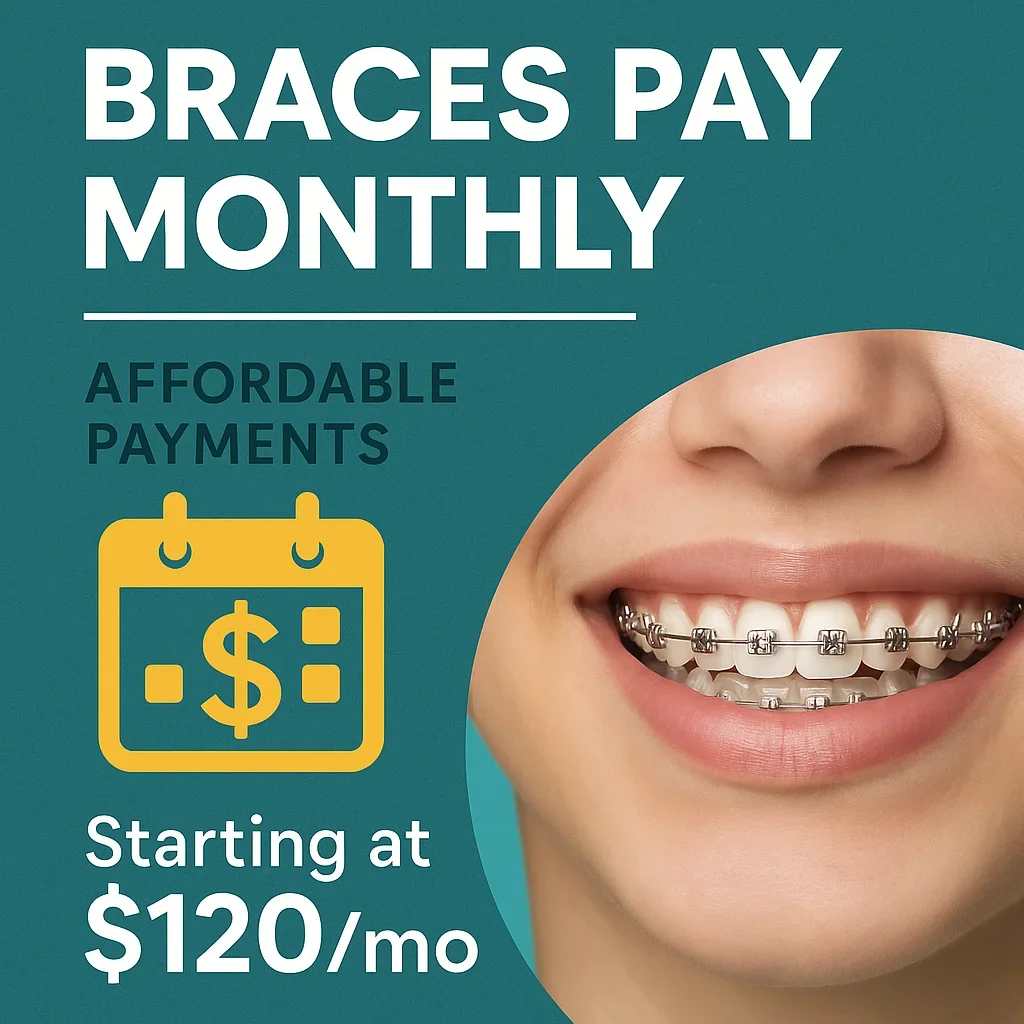
How to Choose the Best Braces Pay Monthly Plan for You
Selecting the right braces pay monthly plan can be just as important as choosing your orthodontic treatment itself. With so many financing options available — from in-house payment programs to third-party lenders — it’s essential to understand how each one works, what factors to consider, and which plan best aligns with your financial goals. This section provides a step-by-step breakdown to help you make a confident, informed decision that supports both your smile and your budget. 🦷
1. Evaluate Your Total Treatment Cost
Before choosing a braces pay monthly option, start by understanding the full cost of your orthodontic treatment. This includes not just the braces themselves but also consultation fees, X-rays, retainers, and follow-up visits. Many patients focus only on the quoted treatment price, overlooking the additional components that affect the total expense.
Ask your orthodontist for a detailed written estimate before signing any agreement. This ensures you know the complete breakdown of costs. For instance, if your total treatment cost is $4,000, some clinics might divide this into 24 payments of approximately $167 per month, while others could offer lower payments over a longer term. Understanding these details helps you plan your finances effectively and avoid surprises later.
Pro Tip:
Always confirm whether the quoted amount includes aftercare services such as retainers and post-treatment check-ups. These small costs can add up and impact your overall budget if not included upfront.
2. Compare In-House vs. Third-Party Financing
When exploring braces pay monthly options, you’ll likely encounter two main types of plans: in-house and third-party financing. Each has its advantages and considerations.
In-House Financing
With in-house financing, the dental clinic manages the payment plan directly. You’ll pay the clinic monthly, often with zero or minimal interest. This approach offers flexibility, quick approval, and personalized terms. Many patients prefer this option because it involves fewer intermediaries and more direct communication with their orthodontist.
Third-Party Financing
Third-party lenders, such as CareCredit or LendingClub, provide financing for dental and medical treatments. These institutions often offer longer repayment periods — sometimes up to 36 or 48 months — and can include promotional interest-free options. However, late payments might incur interest, so it’s important to read the fine print carefully.
In summary, in-house plans are usually more flexible, while third-party options may offer longer terms or higher limits for more expensive treatments.
3. Consider Your Monthly Budget
Once you know your total cost and financing type, determine how much you can comfortably allocate each month toward your treatment. The best braces pay monthly plan is one that doesn’t strain your finances or force you to compromise on essential expenses.
Use a budget calculator or simple spreadsheet to analyze your monthly income and bills. Factor in necessities like rent, utilities, groceries, and transportation. Then, identify a realistic amount you can dedicate to orthodontic care. Remember: consistency is key. A smaller, sustainable monthly payment is better than an aggressive plan that risks missed payments.
Practical Example:
If you earn $2,500 per month after taxes, you might comfortably allocate $150–$200 to your orthodontic payment plan. This keeps your financial health intact while ensuring steady progress on your treatment.
4. Ask About Interest and Fees
Before committing, clarify whether the braces pay monthly plan includes any interest, setup fees, or penalties for late payments. Many clinics now offer 0% interest for patients who make payments on time, but others may charge minimal administrative fees to cover processing costs.
Transparency is essential. A reputable clinic will always disclose the total cost, including any potential add-ons, in writing. This ensures there are no surprises midway through your orthodontic journey.
Important Tip:
If your plan involves third-party financing, verify the Annual Percentage Rate (APR) and how interest is calculated. Some plans offer deferred interest — which means you pay no interest if the balance is cleared within a promotional period (e.g., 12 months).
5. Review Flexibility and Payment Adjustments
Life is unpredictable. A good braces pay monthly plan should offer flexibility in case your financial situation changes. Ask your clinic if you can modify the payment schedule or temporarily pause payments during financial hardship. Many orthodontic offices understand that patients might face temporary challenges and will work with you to keep your treatment on track.
Some clinics also offer automatic payment systems linked to your debit or credit card, ensuring you never miss a due date. This not only protects your credit standing but also helps you maintain consistent payments without stress.
6. Check the Clinic’s Reputation and Policies
Not all financing programs are created equal. Before signing any contract, research the clinic’s reputation and financial practices. Look for reviews and testimonials that mention braces pay monthly experiences specifically. Transparency, communication, and customer service quality are strong indicators of a trustworthy provider.
For example, clinics such as Redent Klinik Contact Page are known for clear communication, patient-centered care, and honest pricing. Reputable clinics prioritize long-term relationships with patients, ensuring satisfaction both during and after treatment.
Checklist Before Signing a Payment Agreement:
- ✅ The total treatment cost is clearly listed.
- ✅ Monthly payment amount and schedule are fixed.
- ✅ No hidden or surprise fees.
- ✅ Written contract with clinic signature.
- ✅ Options available for missed or rescheduled payments.
7. Utilize Insurance and HSA/FSA Benefits
If you have dental insurance, verify whether it covers part of your orthodontic treatment. Combining insurance benefits with a braces pay monthly plan can significantly reduce out-of-pocket costs. Similarly, using pre-tax accounts like HSA (Health Savings Account) or FSA (Flexible Spending Account) can provide substantial savings.
By integrating these financial tools with your monthly payment plan, you effectively lower the overall cost of treatment while keeping your budget manageable. It’s a smart, efficient way to balance health and finances.
8. Verify Provider Accreditation and Professional Standards
Always choose a clinic certified by recognized dental associations. The American Dental Association recommends selecting orthodontic providers who follow standardized care protocols and transparent billing. Clinics that are ADA-accredited must adhere to ethical and financial transparency standards — a sign you can trust their braces pay monthly systems.
Final Thoughts: Balancing Affordability and Quality
Choosing the right braces pay monthly plan is about finding balance — between affordability, flexibility, and quality care. Don’t rush the process; take the time to compare your options, read agreements carefully, and discuss all terms with your orthodontist. The best plan is one that supports your financial well-being while providing access to expert orthodontic care.
With a clear understanding of your budget, coverage, and goals, you can confidently select a payment plan that helps you achieve your dream smile — one manageable installment at a time. Remember, financial flexibility doesn’t just make treatment affordable; it makes it achievable. 🌟