
Orthodontic treatment has helped millions of people achieve healthier, more confident smiles. However, one of the biggest concerns patients have before starting treatment is the cost. Braces can represent a significant financial investment, especially when treatment lasts between 12 and 24 months. Fortunately, a braces payment plan allows patients to spread the cost of orthodontic care into manageable monthly installments instead of paying the entire amount upfront. This financial solution makes braces accessible to more individuals and families who want to improve their oral health without overwhelming their budget.
A braces payment plan is essentially a financing arrangement offered by orthodontic clinics or third-party lenders. Instead of requiring full payment before treatment begins, the total cost of braces is divided into smaller monthly payments over a predetermined period. Many clinics structure their braces payment plan options so that patients can begin treatment immediately after making a small down payment. This approach helps patients prioritize dental health while maintaining financial stability.
Orthodontists understand that cost can prevent patients from seeking necessary care. Because of this, many clinics design flexible financing structures to support patients at different income levels. A well-structured braces payment plan may include low monthly payments, extended repayment terms, and sometimes even interest-free periods. These features help patients manage treatment costs comfortably while still receiving professional orthodontic care.
The concept behind a braces payment plan is simple but powerful. Instead of delaying treatment due to financial concerns, patients can start improving their smile immediately and pay gradually over time. This is particularly beneficial for teenagers and adults who require braces for both functional and aesthetic reasons. Orthodontic treatment does not only improve appearance; it also enhances bite alignment, chewing function, and long-term oral health.
According to the American Dental Association, properly aligned teeth are easier to clean and maintain, which significantly reduces the risk of tooth decay and gum disease. This means orthodontic treatment is not purely cosmetic—it is also an important investment in long-term dental health. With a braces payment plan, patients can pursue this investment without experiencing immediate financial strain.
Many patients are surprised to learn that a braces payment plan is available for different types of orthodontic treatments. Traditional metal braces, ceramic braces, lingual braces, and even clear aligners can often be financed through monthly payment options. Each treatment option may have a different total cost, but the goal of the braces payment plan remains the same: making treatment affordable and accessible.
Another important aspect of a braces payment plan is flexibility. Orthodontic clinics often customize payment schedules based on the patient’s financial situation. Some clinics offer plans that last 12 months, while others may extend payments up to 24 or even 36 months. This flexibility allows patients to choose a braces payment plan that fits comfortably within their monthly budget.
In addition, many clinics combine their braces payment plan with insurance benefits when applicable. Dental insurance may cover a portion of orthodontic treatment, which can significantly reduce the remaining balance. The remaining cost can then be divided into manageable payments through the financing arrangement. Patients who want to explore their financing options can easily reach out to dental professionals for guidance through the Redent Klinik Contact Page.
It is also worth mentioning that orthodontic financing has evolved significantly in recent years. Many clinics now offer digital payment management systems that allow patients to track their braces payment plan, view payment schedules, and make secure monthly payments online. This added convenience ensures that managing orthodontic expenses becomes simple and transparent.
For families with multiple children needing orthodontic care, a braces payment plan can be especially valuable. Instead of paying for several treatments at once, families can stagger payments and manage costs over time. This approach allows parents to prioritize their children’s dental health without putting excessive pressure on household finances.
Ultimately, a braces payment plan removes one of the most significant barriers to orthodontic treatment: affordability. By dividing the total cost into smaller monthly payments, patients gain access to professional orthodontic care that may otherwise seem financially out of reach. This financing option empowers patients to take control of their dental health, achieve a straighter smile, and enjoy the long-term benefits of properly aligned teeth.
Understanding how a braces payment plan works is the first step toward making informed decisions about orthodontic treatment. Patients who explore financing options early often find that treatment is much more attainable than they initially expected. With the right plan in place, achieving a healthy and confident smile becomes not just possible—but practical.
What Is a Braces Payment Plan and How Does It Work?
Orthodontic treatment is one of the most effective ways to improve both dental health and smile aesthetics. However, the cost of braces can sometimes discourage patients from starting treatment. This is where a braces payment plan becomes extremely valuable. A braces payment plan allows patients to divide the cost of orthodontic treatment into manageable monthly payments rather than paying the full amount upfront. This financial arrangement makes orthodontic care accessible for many individuals and families who want a healthier smile without experiencing financial stress.
A typical braces payment plan is structured so that patients pay a small initial deposit followed by monthly payments during the course of treatment. Because orthodontic treatment often lasts between 12 and 24 months, the payments can be aligned with the treatment timeline. This means patients can gradually pay for their treatment while already benefiting from the progress of their braces.
How Orthodontic Clinics Structure a Braces Payment Plan
Orthodontic clinics design their braces payment plan options to be flexible and patient-friendly. The goal is to remove financial barriers that may prevent someone from receiving orthodontic care. Most clinics evaluate the total cost of treatment and then divide that amount across several months according to the chosen plan.
The structure of a braces payment plan often includes the following elements:
- An initial consultation and treatment evaluation
- A small down payment before treatment begins
- Monthly installment payments throughout treatment
- Flexible repayment terms depending on the clinic policy
For example, if orthodontic treatment costs $4,800, a clinic might offer a braces payment plan with a $800 initial payment followed by monthly payments of around $150 over two years. This approach spreads the cost over time and makes the treatment much easier to afford.
Some clinics even provide interest-free financing for a certain period. In these cases, the braces payment plan allows patients to pay the total treatment cost without additional financial charges as long as payments are made on schedule.
Typical Cost Ranges for Orthodontic Treatment
Understanding the average cost of braces helps patients better appreciate the value of a braces payment plan. Prices can vary depending on the type of braces, treatment complexity, and geographic location. Below is a general overview of orthodontic costs in many countries:
Average Orthodontic Treatment Costs
- Traditional metal braces: $3,000 – $7,000
- Ceramic braces: $4,000 – $8,000
- Lingual braces: $8,000 – $12,000
- Clear aligners (such as Invisalign): $4,000 – $8,500
Without financing, paying these costs upfront can be challenging for many families. A structured braces payment plan allows patients to distribute these expenses over time so that treatment becomes more financially manageable.
What Happens During the Application Process?
The process of applying for a braces payment plan is usually simple and quick. Most orthodontic clinics follow a straightforward procedure that includes consultation, financial discussion, and plan approval.
During your initial consultation, the orthodontist evaluates your dental condition and determines the recommended treatment. After discussing the treatment plan, the clinic will present available braces payment plan options based on the estimated cost and treatment duration.
Patients may be asked to provide basic financial information if third-party financing is involved. However, many clinics offer in-house financing that does not require extensive credit checks. This means that a braces payment plan can often be arranged quickly so treatment can begin without delay.
Benefits of Choosing a Braces Payment Plan
One of the main advantages of a braces payment plan is that it eliminates the need for large upfront payments. Instead of postponing orthodontic treatment for years, patients can start their journey toward a healthier smile immediately.
Some of the key benefits include:
- Affordable monthly installments
- Immediate access to orthodontic treatment
- Flexible financing periods
- Possibility of interest-free plans
- Better financial planning for families
Another major benefit of a braces payment plan is psychological comfort. Knowing that treatment costs are predictable and manageable reduces stress and helps patients focus on their dental health goals.
Patients who want to learn about their financing options or schedule a consultation can easily contact dental professionals through the Redent Klinik Contact Page. Orthodontic specialists can evaluate each case individually and recommend the most suitable braces payment plan for the patient’s needs.
Why Understanding Payment Plans Is Important
Many people mistakenly believe that orthodontic treatment is unaffordable. In reality, the availability of a braces payment plan has made treatment accessible for millions of patients around the world. By spreading the cost over time, orthodontic clinics help patients prioritize their oral health without sacrificing financial stability.
Organizations like the American Dental Association emphasize the importance of early orthodontic care in maintaining long-term dental health. Misaligned teeth can lead to gum problems, uneven wear, and jaw discomfort. A braces payment plan allows patients to address these issues earlier rather than postponing treatment due to financial concerns.
In summary, a braces payment plan is a practical financial solution that enables patients to access high-quality orthodontic treatment while maintaining control over their budget. By understanding how these plans work and exploring available options, patients can make confident decisions about their orthodontic care and begin their journey toward a healthier, more confident smile.
Why a Braces Payment Plan Makes Orthodontic Treatment More Affordable
Orthodontic treatment can transform both dental health and personal confidence, but many patients hesitate to begin treatment because of cost concerns. Braces are often seen as a major financial commitment, especially when treatment lasts between 12 and 24 months. Fortunately, a braces payment plan offers a practical solution that allows patients to receive orthodontic care without paying the entire cost upfront. By dividing the total cost into manageable monthly installments, a braces payment plan makes treatment significantly more affordable for individuals and families.
The main goal of a braces payment plan is to remove financial barriers that prevent patients from improving their oral health. Instead of delaying orthodontic treatment for years while saving money, patients can start treatment immediately and pay gradually over time. This financing approach has become increasingly popular because it aligns orthodontic care with modern financial planning.
Reducing the Burden of Large Upfront Costs
One of the most significant advantages of a braces payment plan is the ability to avoid a large initial payment. Orthodontic treatment can cost several thousand dollars depending on the complexity of the case and the type of braces used. Paying this amount in full can be challenging for many households.
With a braces payment plan, the cost is distributed across monthly installments that are easier to manage. For example, instead of paying $5,000 at once, a patient might make a $700 down payment followed by monthly payments of $150 to $200. This structure allows families to incorporate orthodontic care into their regular monthly budget.
This affordability factor is one reason why the braces payment plan has become a standard option in many orthodontic clinics worldwide. Patients can focus on improving their dental health without experiencing immediate financial pressure.
Supporting Long-Term Oral Health
Orthodontic treatment is not only about achieving a beautiful smile. Properly aligned teeth contribute significantly to long-term oral health. Crooked or crowded teeth can make it difficult to clean between teeth effectively, increasing the risk of plaque buildup, cavities, and gum disease.
By making orthodontic treatment financially accessible, a braces payment plan helps patients address these issues earlier. The American Dental Association emphasizes that proper tooth alignment plays an important role in maintaining healthy gums and preventing long-term dental complications. When patients use a braces payment plan, they are investing in both aesthetics and preventive dental care.
Improved Bite Function and Jaw Alignment
Misaligned teeth can also affect how the upper and lower jaws fit together. Problems such as overbite, underbite, and crossbite can lead to uneven pressure on teeth, jaw discomfort, and even headaches. Orthodontic treatment corrects these issues by gradually shifting teeth into proper alignment.
A braces payment plan ensures that patients do not postpone treatment for these functional problems simply because of financial concerns. By spreading payments over time, orthodontic care becomes a manageable investment rather than a financial obstacle.
Flexible Payment Structures for Different Budgets
Another important advantage of a braces payment plan is flexibility. Orthodontic clinics often provide several financing options designed to match different financial situations. Patients can usually choose a payment duration that fits comfortably within their monthly budget.
Typical payment plan structures include:
- 12-month payment schedules for faster repayment
- 18-month payment plans that align with treatment length
- 24- to 36-month extended payment options
- Interest-free plans offered directly by the clinic
These flexible structures allow patients to select a braces payment plan that balances affordability and repayment time. Instead of one rigid financing structure, orthodontic clinics often tailor payment arrangements to each patient’s needs.
Making Orthodontic Care Accessible for Families
Families with multiple children often face the challenge of paying for orthodontic treatment for more than one person. Without financing options, these costs can add up quickly. A well-designed braces payment plan makes it possible for families to manage multiple treatments without overwhelming their finances.
Parents can stagger treatment timelines or manage several payment schedules simultaneously, depending on their budget. Because monthly installments are predictable, families can plan ahead and avoid unexpected financial strain. This makes the braces payment plan an especially valuable option for households prioritizing long-term dental health.
Combining Insurance with a Braces Payment Plan
Many dental insurance policies cover part of orthodontic treatment, particularly for younger patients. When insurance benefits are applied to the total cost, the remaining balance can often be divided into monthly payments through a braces payment plan.
For example, if insurance covers $1,500 of a $5,000 treatment, the remaining balance of $3,500 can be financed through a braces payment plan. This combination significantly reduces the financial burden and makes treatment even more affordable.
Patients who want to explore these financing possibilities can speak directly with orthodontic professionals through the Redent Klinik Contact Page. Dental clinics can explain available insurance options and recommend the most suitable braces payment plan for each patient.
Encouraging Patients to Start Treatment Earlier
One of the most important benefits of a braces payment plan is that it encourages patients to start orthodontic treatment sooner rather than later. Many individuals delay treatment for years because they assume braces are financially out of reach.
However, postponing orthodontic care can allow dental problems to worsen over time. Teeth may shift further out of alignment, bite issues may become more severe, and treatment could eventually require more complex procedures. A braces payment plan removes this hesitation by making treatment financially manageable from the beginning.
Ultimately, the affordability and flexibility of a braces payment plan make orthodontic treatment accessible to a much wider group of patients. By transforming large treatment costs into predictable monthly payments, these plans allow individuals and families to prioritize their dental health without compromising financial stability. For many patients, a braces payment plan is the key that unlocks the journey toward a healthier, straighter, and more confident smile.
Types of Braces Payment Plan Options Offered by Dental Clinics
When considering orthodontic treatment, understanding the different financing options available can make the process much less stressful. Dental clinics and orthodontic specialists understand that braces can represent a major investment for many patients. Because of this, most modern clinics provide multiple financing solutions to make treatment accessible. A braces payment plan allows patients to break down the cost of orthodontic care into manageable monthly payments instead of paying everything upfront. Depending on the clinic and the patient’s financial situation, several different types of braces payment plan structures may be offered.
Each orthodontic practice may organize its financing slightly differently, but the goal remains the same: helping patients access orthodontic treatment without financial strain. Choosing the right braces payment plan depends on factors such as income, insurance coverage, treatment duration, and the type of braces selected.
In-House Braces Payment Plan Offered by Orthodontic Clinics
One of the most common options is the in-house braces payment plan. This type of financing is provided directly by the orthodontic clinic rather than through an external lender. Many patients prefer this arrangement because it is simple, transparent, and often interest-free.
With an in-house braces payment plan, the clinic calculates the total cost of treatment and divides the balance into monthly payments. Patients usually begin with an initial deposit and then pay the remaining amount over the course of their treatment.
A typical structure might look like this:
- Total braces cost: $4,800
- Initial payment: $800
- Remaining balance: $4,000
- Monthly payment over 20 months: $200
The biggest advantage of an in-house braces payment plan is flexibility. Clinics often allow patients to adjust payment schedules or restructure installments if needed. This makes orthodontic care easier to manage financially.
Third-Party Financing for Braces Treatment
Another popular option is third-party orthodontic financing. In this case, a financial institution partners with the dental clinic to offer structured payment plans for patients. This type of braces payment plan works similarly to a personal loan that is specifically designed for healthcare services.
Third-party providers often allow patients to choose between multiple repayment periods, such as 12, 24, or 36 months. Some programs also offer promotional interest-free periods if the balance is paid within a certain timeframe.
A third-party braces payment plan can be beneficial for patients who prefer longer repayment periods or need lower monthly installments. However, depending on the provider and credit approval, interest rates may apply after promotional periods expire.
Advantages of Third-Party Financing
Third-party orthodontic financing offers several benefits for patients seeking flexible payment arrangements:
- Extended repayment periods of up to 48 months
- Lower monthly payment options
- Quick online approval processes
- Ability to start treatment immediately
For many patients, this type of braces payment plan provides the flexibility needed to begin orthodontic care without worrying about immediate financial limitations.
Insurance-Assisted Braces Payment Plan
Dental insurance can play a significant role in reducing orthodontic treatment costs. Many insurance policies provide partial coverage for braces, especially for children and teenagers. When insurance benefits are applied to treatment costs, the remaining balance can often be divided into monthly payments through a braces payment plan.
For example:
- Total braces cost: $5,200
- Insurance coverage: $1,500
- Remaining balance: $3,700
- Monthly payments over 24 months: approximately $154
Combining insurance with a braces payment plan significantly reduces financial pressure and allows patients to access high-quality orthodontic care.
According to the American Dental Association, early orthodontic treatment can prevent more complex dental issues in the future. Because of this, many insurance providers offer orthodontic benefits that work together with a braces payment plan to make treatment more accessible.
Interest-Free Braces Payment Plan
Many orthodontic clinics now offer interest-free financing options as part of their patient services. An interest-free braces payment plan allows patients to spread the cost of treatment over time without paying additional fees or interest charges.
These plans usually require patients to follow a strict payment schedule. As long as payments are made on time, the total cost of treatment remains unchanged. This type of braces payment plan is extremely popular because it combines financial flexibility with cost transparency.
Example of an Interest-Free Payment Structure
- Total treatment cost: $4,500
- Initial deposit: $500
- Remaining balance: $4,000
- Monthly payments for 20 months: $200
- Interest rate: 0%
Patients appreciate this type of braces payment plan because it allows them to plan their finances without worrying about hidden fees or increasing balances.
Customized Braces Payment Plan for Each Patient
Every orthodontic case is different, and financial situations vary from patient to patient. Because of this, many clinics offer customized financing solutions tailored to individual needs. A personalized braces payment plan may consider factors such as treatment complexity, insurance coverage, family budget, and treatment duration.
Some clinics even offer family discounts or multi-treatment payment options if more than one family member requires orthodontic care. These customized solutions ensure that each patient can find a braces payment plan that fits comfortably within their financial situation.
Patients who want to explore available orthodontic financing options can contact dental professionals directly through the
Redent Klinik Contact Page. Orthodontic specialists can evaluate treatment needs and recommend the most suitable braces payment plan based on the patient’s goals and budget.
Ultimately, the variety of financing solutions available today makes orthodontic treatment more accessible than ever before. Whether through in-house financing, insurance-supported payments, or third-party lending, a well-structured braces payment plan allows patients to prioritize their dental health without experiencing overwhelming financial pressure. By understanding the different types of plans available, patients can confidently choose the option that best supports their journey toward a healthier, straighter smile.
How to Qualify for a Braces Payment Plan at an Orthodontic Clinic
Many patients believe orthodontic treatment is difficult to afford, but the reality is that most clinics actively help patients find financing solutions. One of the most common questions patients ask is how they can qualify for a braces payment plan. Understanding the qualification process helps patients prepare financially and start treatment with confidence. In most cases, qualifying for a braces payment plan is straightforward, especially when clinics offer flexible in-house financing designed specifically for orthodontic patients.
Orthodontic providers want patients to receive the care they need, which is why many practices structure their financing approval process to be simple and accessible. Whether the plan is provided directly by the clinic or through an external lender, qualifying for a braces payment plan typically involves a few standard steps. These steps ensure that the payment structure works comfortably for both the patient and the dental provider.
Initial Orthodontic Consultation and Treatment Assessment
The first step toward obtaining a braces payment plan begins with a professional orthodontic consultation. During this visit, the orthodontist examines the patient’s teeth, bite alignment, and overall oral health. X-rays, digital scans, and photographs may be taken to determine the complexity of the case.
Once the evaluation is complete, the orthodontist prepares a treatment plan outlining the recommended type of braces, estimated treatment duration, and total cost. This is the point where the clinic will typically introduce available braces payment plan options. Because treatment timelines vary, the clinic may design the payment structure to align with the length of treatment.
For example, if treatment lasts 18 months, the orthodontic clinic may offer a braces payment plan that spreads the cost evenly across those 18 months. This helps patients manage payments while treatment progresses.
Financial Review and Payment Options Discussion
After the treatment plan is established, the clinic’s financial coordinator usually discusses available payment structures with the patient. During this stage, patients can explore different braces payment plan options based on their financial situation.
The financial discussion may include:
- Total treatment cost and expected insurance coverage
- Available monthly installment options
- Down payment requirements
- Interest-free financing opportunities
- Extended repayment periods
The purpose of this conversation is to ensure the patient chooses a braces payment plan that fits comfortably within their budget. Clinics often emphasize transparency during this stage so patients understand the full financial picture before starting treatment.
Typical Down Payment Requirements
Most orthodontic offices require a small initial payment before activating a braces payment plan. This deposit reduces the overall balance and demonstrates the patient’s commitment to treatment.
Down payments typically range between $300 and $1,000 depending on the clinic and total treatment cost. For example:
- Total braces cost: $5,000
- Down payment: $800
- Remaining balance financed through braces payment plan: $4,200
- Monthly payment for 24 months: approximately $175
This structure makes the braces payment plan manageable while allowing the clinic to begin treatment immediately.
Credit Evaluation for Third-Party Financing
If the orthodontic clinic uses a third-party financing provider, a simple credit evaluation may be required. In these situations, the financing company reviews the patient’s credit history to determine eligibility for a braces payment plan.
The approval process is usually fast and can often be completed online within minutes. Patients who are approved can then choose from several repayment schedules depending on their budget. Some financing programs even offer promotional interest-free periods for patients who pay their balance within a specific timeframe.
However, it is important to note that many clinics also provide in-house financing that does not require a credit check. This makes a braces payment plan accessible to patients who may not qualify for traditional financing options.
Insurance Coverage and Orthodontic Benefits
Dental insurance can play an important role in qualifying for a braces payment plan. Many insurance policies provide orthodontic benefits that cover a portion of treatment costs. When these benefits are applied, the remaining balance becomes significantly lower.
For example:
- Total treatment cost: $5,400
- Insurance contribution: $1,500
- Remaining balance financed through braces payment plan: $3,900
- Monthly payment over 24 months: about $162
Combining insurance coverage with a braces payment plan allows patients to access orthodontic care while keeping monthly expenses manageable.
According to the American Dental Association, early orthodontic intervention can significantly reduce long-term dental complications. By offering flexible financing options, orthodontic clinics encourage patients to begin treatment sooner rather than postponing necessary care.
Required Documents for Payment Plan Approval
Although requirements vary between clinics, patients typically need minimal documentation to enroll in a braces payment plan. In many cases, the approval process only requires:
- Basic identification
- Contact information
- Insurance details (if applicable)
- Agreement to the clinic’s financing terms
The simplicity of this process is one reason why the braces payment plan has become the most popular way to finance orthodontic treatment today.
Starting Treatment After Approval
Once a patient is approved for a braces payment plan, treatment can typically begin immediately. The orthodontist schedules the appointment for placing braces or beginning aligner therapy. Patients then continue making monthly payments according to the agreed schedule while their smile gradually improves.
Patients who want to learn more about orthodontic financing options or discuss treatment possibilities can contact dental professionals directly through the
Redent Klinik Contact Page. Orthodontic specialists can review individual cases and recommend the most appropriate braces payment plan based on each patient’s needs.
Ultimately, qualifying for a braces payment plan is designed to be accessible and stress-free. With flexible approval processes, customizable payment structures, and insurance support, orthodontic clinics make it possible for patients to begin treatment without financial obstacles. Understanding the qualification process empowers patients to take the first step toward achieving a healthier, straighter smile.
Comparing In-House Financing vs Third-Party Braces Payment Plan Providers
When considering orthodontic treatment, choosing the right braces payment plan can make a significant difference in both affordability and financial comfort. Orthodontic clinics today commonly offer two main financing paths: in-house financing provided directly by the clinic, and third-party financing offered through specialized healthcare lenders. Understanding the differences between these options helps patients select the braces payment plan that best fits their financial situation, treatment timeline, and long-term budgeting goals.
Both financing methods are designed to make orthodontic care accessible by allowing patients to spread treatment costs into manageable monthly payments. However, the structure, approval process, flexibility, and potential fees can vary depending on whether the braces payment plan is managed by the clinic or a financial institution. Carefully comparing these options allows patients to make an informed decision before beginning treatment.
What Is an In-House Braces Payment Plan?
An in-house braces payment plan is offered directly by the orthodontic clinic. Instead of working with an external lender, the clinic itself manages the financing arrangement. This means the orthodontic practice determines the deposit amount, monthly payments, and repayment timeline.
One of the biggest advantages of an in-house braces payment plan is its simplicity. Because the clinic manages the payments internally, the approval process is usually quick and requires minimal documentation. Many orthodontic clinics offer interest-free payment schedules, which means patients only pay the actual cost of treatment without additional financing fees.
A typical in-house braces payment plan may look like this:
- Total treatment cost: $4,800
- Initial down payment: $800
- Remaining balance: $4,000
- Monthly payments for 20 months: $200
- Interest rate: 0%
Because the orthodontic clinic controls the payment structure, they may also offer flexible arrangements if financial circumstances change during treatment. This flexibility is a major reason why many patients prefer an in-house braces payment plan.
Advantages of In-House Orthodontic Financing
Choosing an in-house braces payment plan offers several important benefits:
- No third-party approval process
- Often interest-free financing
- Flexible monthly payment structures
- Direct communication with the clinic about payments
- Quick setup so treatment can begin immediately
For patients who want a straightforward and predictable financing solution, an in-house braces payment plan can be one of the most convenient options available.
What Is a Third-Party Braces Payment Plan?
A third-party braces payment plan is arranged through an external financial company that specializes in healthcare financing. In this model, the financing provider pays the orthodontic clinic for the treatment, and the patient then repays the lender through monthly installments.
Third-party financing often offers longer repayment terms than in-house options. Some programs allow repayment periods of up to 48 months, which can significantly lower the monthly payment amount. This makes a third-party braces payment plan appealing to patients who prefer smaller monthly payments spread across a longer period.
However, depending on the financing provider and credit approval, interest charges may apply. Some companies offer promotional periods with 0% interest if the balance is paid within a specific timeframe.
Typical Third-Party Financing Example
- Total orthodontic treatment cost: $5,200
- Down payment: $600
- Financed balance: $4,600
- Monthly payment over 36 months: approximately $145
- Interest rate: varies depending on credit profile
This structure allows patients to reduce their monthly payments while still benefiting from a reliable braces payment plan.
Key Differences Between the Two Payment Plan Types
Although both financing options serve the same purpose, there are several important differences between an in-house braces payment plan and a third-party financing program.
- Approval Process: In-house plans usually require minimal checks, while third-party plans may involve credit approval.
- Interest Charges: Many clinic-based plans are interest-free, while third-party lenders may charge interest after promotional periods.
- Payment Flexibility: Clinics may adjust an in-house braces payment plan more easily than external lenders.
- Repayment Length: Third-party plans often allow longer repayment periods.
- Application Speed: In-house plans are typically approved faster.
Choosing the right braces payment plan often depends on whether a patient values flexibility or prefers extended payment timelines with smaller installments.
How to Decide Which Braces Payment Plan Is Best
Selecting the best braces payment plan requires evaluating both your financial situation and treatment needs. Patients should consider several factors before making a final decision.
Important factors include:
- Your monthly budget
- The total treatment cost
- Whether you prefer interest-free financing
- Your credit eligibility for external financing
- The length of repayment you are comfortable with
For many patients, an in-house braces payment plan offers simplicity and predictable payments. Others may prefer a third-party braces payment plan because it allows longer repayment periods and smaller monthly installments.
Patients interested in exploring available financing options can contact orthodontic professionals through the
Redent Klinik Contact Page. Dental specialists can review each case individually and recommend the most suitable braces payment plan based on the patient’s treatment goals and financial comfort.
Why Financing Options Matter for Orthodontic Care
Orthodontic treatment is a long-term investment in both oral health and personal confidence. Misaligned teeth can lead to difficulties in cleaning, uneven tooth wear, and jaw discomfort. The American Dental Association highlights the importance of correcting alignment issues early to prevent more complex dental problems later in life.
By offering multiple financing solutions, orthodontic clinics ensure that cost does not prevent patients from receiving necessary treatment. Whether patients choose an in-house or third-party braces payment plan, both options provide a pathway to affordable orthodontic care.
Ultimately, the right braces payment plan allows patients to begin their orthodontic journey without financial hesitation. By understanding the differences between financing structures, patients can confidently select a payment solution that supports both their dental health and financial stability.
Tips for Choosing the Best Braces Payment Plan for Your Budget
Choosing the right braces payment plan is one of the most important steps when starting orthodontic treatment. While braces can significantly improve oral health and confidence, the financial commitment can sometimes feel overwhelming. Fortunately, a carefully selected braces payment plan allows patients to manage orthodontic costs comfortably while still receiving high-quality care. By understanding how to evaluate different financing options, patients can choose a braces payment plan that fits their monthly budget and long-term financial goals.
Orthodontic treatment is an investment in both health and appearance. Misaligned teeth can lead to issues such as uneven tooth wear, jaw discomfort, and difficulty cleaning between teeth. According to the American Dental Association, correcting alignment problems early helps prevent long-term dental complications. A well-structured braces payment plan allows patients to begin treatment sooner without waiting years to save for the full cost.
Evaluate the Total Cost of Treatment First
Before selecting a braces payment plan, it is important to understand the full cost of orthodontic treatment. Prices vary depending on the complexity of the case, the type of braces used, and the length of treatment. Most orthodontists provide a detailed cost estimate during the consultation appointment.
Typical orthodontic treatment costs may include:
- Traditional metal braces: $3,000 – $7,000
- Ceramic braces: $4,000 – $8,000
- Lingual braces: $8,000 – $12,000
- Clear aligner systems: $4,000 – $8,500
Once the full treatment cost is known, patients can determine which braces payment plan structure best suits their financial situation. Dividing the cost into manageable monthly payments makes orthodontic care much easier to budget.
Choose a Monthly Payment That Fits Your Budget
One of the most important factors when selecting a braces payment plan is choosing a monthly payment that fits comfortably within your budget. While it may be tempting to select the shortest repayment period, doing so may increase monthly payments beyond what is manageable.
Instead, patients should consider their regular monthly expenses, including housing, transportation, and other healthcare costs. A well-balanced braces payment plan ensures orthodontic payments do not create unnecessary financial pressure.
For example:
- Total treatment cost: $5,000
- Down payment: $700
- Remaining balance: $4,300
- Monthly payment over 18 months: approximately $239
- Monthly payment over 24 months: approximately $179
Extending the repayment period slightly can significantly reduce the monthly amount required in a braces payment plan.
Consider Interest-Free Payment Options
Many orthodontic clinics offer interest-free financing options as part of their patient services. An interest-free braces payment plan allows patients to spread payments across several months without paying additional finance charges.
Interest-free plans are especially helpful for families who want predictable payments and full cost transparency. When evaluating financing options, patients should always ask whether the clinic provides a braces payment plan with zero interest or promotional interest-free periods.
Compare In-House and Third-Party Payment Options
As discussed earlier, orthodontic clinics may offer both in-house financing and third-party lender programs. Each type of braces payment plan has its advantages depending on the patient’s financial situation.
In-house financing typically offers:
- Interest-free repayment structures
- Flexible payment schedules
- No credit check requirements
- Direct communication with the orthodontic clinic
Third-party financing may provide:
- Longer repayment periods
- Lower monthly installments
- Online application processes
- Immediate treatment approval
Comparing these options helps patients identify the braces payment plan that best supports their financial comfort.
Factor Insurance Benefits Into Your Payment Plan
Dental insurance may cover part of orthodontic treatment, particularly for younger patients. If insurance benefits apply, they can significantly reduce the total amount that needs to be financed through a braces payment plan.
For example:
- Total treatment cost: $5,200
- Insurance coverage: $1,500
- Remaining balance: $3,700
- Monthly payment over 24 months: approximately $154
Combining insurance benefits with a braces payment plan can make orthodontic treatment surprisingly affordable.
Ask About Family or Multi-Treatment Discounts
Some orthodontic clinics provide discounts when more than one family member requires braces. These discounts can reduce the overall treatment cost and make the braces payment plan even more manageable.
Families planning orthodontic treatment for multiple children should ask whether the clinic offers combined payment options or reduced monthly installments through a shared braces payment plan.
Work Directly With Your Orthodontic Clinic
Open communication with your orthodontic provider is one of the best ways to find the most suitable braces payment plan. Clinics often have financial coordinators who specialize in helping patients understand their options and select the best payment structure.
Patients can also discuss financing options directly with orthodontic professionals through the
Redent Klinik Contact Page. Dental specialists can evaluate each patient’s treatment plan and recommend the most appropriate braces payment plan based on individual needs.
Ultimately, choosing the right braces payment plan requires careful planning and a clear understanding of your financial situation. By evaluating total treatment costs, comparing financing options, and selecting a manageable monthly payment, patients can begin orthodontic treatment with confidence. A well-chosen braces payment plan ensures that achieving a healthier, straighter smile remains both practical and affordable for individuals and families alike.
Common Mistakes to Avoid When Selecting a Braces Payment Plan
Choosing the right orthodontic financing option is an important decision that affects both your dental health journey and your financial stability. While a braces payment plan makes orthodontic treatment far more accessible, patients sometimes make mistakes when selecting or managing their financing arrangement. These mistakes can lead to unnecessary financial stress, misunderstandings about treatment costs, or payment difficulties during the orthodontic process. Understanding what to avoid ensures that your braces payment plan works smoothly and supports your goal of achieving a healthier, straighter smile.
Orthodontic treatment is typically a long-term process that can last from 12 to 24 months. During this period, your braces payment plan becomes part of your monthly financial responsibilities. Making informed decisions early helps prevent complications later. By learning about the most common mistakes patients make when choosing a braces payment plan, you can confidently select the option that best fits your financial situation and treatment needs.
Not Understanding the Total Cost of Treatment
One of the most common mistakes patients make is focusing only on the monthly payment instead of understanding the full cost of orthodontic treatment. While a braces payment plan divides the cost into smaller installments, it is still important to know the total amount you will ultimately pay.
Orthodontic treatment costs can vary depending on several factors:
- The type of braces selected
- The complexity of the dental alignment issue
- The duration of treatment
- Additional procedures required
For example, the typical orthodontic cost ranges may include:
- Metal braces: $3,000 – $7,000
- Ceramic braces: $4,000 – $8,000
- Lingual braces: $8,000 – $12,000
- Clear aligners: $4,000 – $8,500
A well-structured braces payment plan should clearly explain how the total cost is divided into monthly payments. Patients should always request a full financial breakdown before agreeing to a payment arrangement.
Ignoring Interest Rates and Financing Fees
Another frequent mistake is failing to review the interest rates associated with a braces payment plan. Some orthodontic clinics offer interest-free in-house financing, while third-party lenders may charge interest depending on the repayment period and credit approval.
If interest applies, the total amount paid through the braces payment plan could become significantly higher than the original treatment cost. Patients should carefully review whether the financing option includes:
- Interest-free repayment periods
- Promotional zero-interest offers
- Fixed or variable interest rates
- Late payment penalties
Understanding these financial details ensures that the selected braces payment plan remains affordable throughout the treatment period.
Overlooking Late Payment Policies
Another important factor to consider is the clinic’s late payment policy. Some financing programs include penalties if monthly installments are missed. Before committing to a braces payment plan, patients should review the clinic’s policies regarding payment deadlines, late fees, and possible account adjustments.
Knowing these policies in advance helps patients maintain a reliable payment schedule and avoid unnecessary financial penalties during treatment.
Choosing Monthly Payments That Are Too High
Some patients make the mistake of selecting a braces payment plan with payments that are too high for their monthly budget. While shorter repayment periods may appear attractive because they reduce overall debt, they can create financial pressure if the monthly installments are difficult to maintain.
Instead, patients should choose a braces payment plan that fits comfortably within their financial situation. It is often better to extend the repayment period slightly rather than risk struggling with large monthly payments.
For example:
- Total treatment cost: $5,000
- Down payment: $700
- Remaining balance: $4,300
- Monthly payment over 18 months: $239
- Monthly payment over 24 months: $179
Selecting the longer repayment period may make the braces payment plan much easier to manage financially.
Not Considering Insurance Coverage
Another mistake patients make is forgetting to apply orthodontic insurance benefits when choosing a braces payment plan. Many dental insurance policies include orthodontic coverage that can reduce treatment costs significantly.
For instance:
- Total treatment cost: $5,200
- Insurance coverage: $1,500
- Remaining balance: $3,700
- Monthly payment over 24 months: approximately $154
Combining insurance benefits with a braces payment plan makes orthodontic care far more affordable. Clinics usually assist patients in verifying insurance benefits during the consultation process.
According to the American Dental Association, early orthodontic treatment can prevent more serious dental complications later in life. Taking advantage of insurance coverage alongside a braces payment plan encourages patients to begin treatment sooner rather than delaying care.
Failing to Ask Questions Before Signing the Agreement
Patients sometimes agree to a braces payment plan without fully understanding the terms and conditions. Before committing to any financing agreement, it is essential to ask questions and clarify all details related to payment schedules, total costs, and possible adjustments.
Important questions may include:
- Is the payment plan interest-free?
- What happens if a payment is missed?
- Can the payment schedule be adjusted if needed?
- Are there any additional administrative fees?
Clear communication ensures that the braces payment plan matches the patient’s expectations and financial capacity.
Not Consulting the Orthodontic Clinic for Financial Guidance
Finally, some patients attempt to choose a financing option without consulting the orthodontic clinic’s financial coordinators. Dental professionals are experienced in helping patients identify the most suitable braces payment plan based on their individual financial situation.
Patients who need guidance about orthodontic financing can contact specialists directly through the
Redent Klinik Contact Page. Clinics often provide customized payment structures designed to make treatment accessible for each patient.
Avoiding these common mistakes ensures that your braces payment plan supports both your orthodontic treatment and your financial stability. With proper planning, clear communication, and a realistic monthly payment structure, patients can confidently move forward with orthodontic care. A carefully selected braces payment plan makes achieving a healthier, more confident smile both practical and financially manageable.
Frequently Asked Questions About Braces Payment Plans
For many patients considering orthodontic treatment, financial concerns are one of the biggest barriers. A braces payment plan is designed to solve this problem by allowing patients to divide the cost of treatment into manageable monthly payments. However, before starting treatment, patients often have many questions about how a braces payment plan works, what the requirements are, and how payments are structured. This section answers the most common questions to help patients feel confident when choosing the right braces payment plan for their orthodontic journey.
What Is a Braces Payment Plan?
A braces payment plan is a financing option that allows patients to pay for orthodontic treatment in smaller monthly installments instead of paying the entire cost upfront. Since braces treatment typically lasts between 12 and 24 months, orthodontic clinics often structure the braces payment plan so that payments align with the treatment timeline.
This financing option makes orthodontic care more accessible to patients who may not be able to pay several thousand dollars at once. By using a braces payment plan, patients can start treatment immediately while spreading the financial responsibility over time.
How Much Do Braces Typically Cost?
The cost of orthodontic treatment varies depending on several factors, including the type of braces, the complexity of the dental alignment, and the length of treatment. Understanding these costs helps patients better evaluate a braces payment plan.
Average Orthodontic Treatment Costs
- Traditional metal braces: $3,000 – $7,000
- Ceramic braces: $4,000 – $8,000
- Lingual braces: $8,000 – $12,000
- Clear aligners: $4,000 – $8,500
Because these costs can be significant, a braces payment plan allows patients to divide the total amount into predictable monthly installments that are easier to manage.
Do I Need a Credit Check for a Braces Payment Plan?
Whether a credit check is required depends on the type of braces payment plan offered by the orthodontic clinic. Many clinics provide in-house financing that does not require a credit check. This means patients can qualify for a braces payment plan without going through a traditional loan approval process.
However, if the clinic works with third-party financing companies, a basic credit evaluation may be required. These financing providers review the patient’s credit profile to determine eligibility and interest rates for the braces payment plan.
In-House vs Third-Party Financing
The two main types of orthodontic financing include:
- In-house braces payment plan: Provided directly by the orthodontic clinic, often interest-free.
- Third-party braces payment plan: Provided by external lenders with longer repayment terms.
Each type of braces payment plan offers different benefits depending on the patient’s financial situation.
How Long Does a Braces Payment Plan Last?
Most orthodontic clinics structure the braces payment plan around the estimated duration of treatment. Because braces treatment commonly lasts between 12 and 24 months, the repayment schedule often follows a similar timeline.
Typical repayment options may include:
- 12-month payment plans
- 18-month repayment schedules
- 24-month installment plans
- Extended financing up to 36 months
Choosing the right duration for your braces payment plan depends on your monthly budget and financial goals.
Can Dental Insurance Help With a Braces Payment Plan?
Yes, dental insurance can significantly reduce the total cost of orthodontic treatment. Many insurance plans include orthodontic benefits, especially for children and teenagers. When insurance contributes to treatment costs, the remaining balance can be divided through a braces payment plan.
For example:
- Total treatment cost: $5,000
- Insurance coverage: $1,500
- Remaining balance: $3,500
- Monthly payment over 24 months: approximately $146
Combining insurance benefits with a braces payment plan makes orthodontic treatment significantly more affordable.
The American Dental Association recommends early orthodontic care to prevent long-term dental problems such as misaligned bites and gum complications. Using a braces payment plan ensures that financial limitations do not delay important dental treatment.
Can Adults Use a Braces Payment Plan?
Absolutely. Orthodontic treatment is not limited to children or teenagers. Many adults choose to improve their smile later in life, and a braces payment plan makes treatment financially manageable for adult patients as well.
Adult orthodontic treatment options may include ceramic braces, lingual braces, or clear aligners. Regardless of the treatment type, a braces payment plan can help distribute the cost across manageable monthly payments.
How Can I Start a Braces Payment Plan?
The first step toward starting a braces payment plan is scheduling a consultation with an orthodontic clinic. During this appointment, the orthodontist will evaluate your teeth, create a treatment plan, and explain the available financing options.
Once the treatment plan is established, the clinic’s financial coordinator can recommend the most suitable braces payment plan based on your budget and treatment timeline. Patients can also contact orthodontic specialists directly through the
Redent Klinik Contact Page to learn more about available financing options.
Starting orthodontic treatment does not have to be financially overwhelming. With the flexibility offered by a braces payment plan, patients can focus on improving their oral health while maintaining financial stability.
In summary, a braces payment plan provides an accessible and practical solution for financing orthodontic treatment. By answering common questions about eligibility, costs, insurance coverage, and repayment schedules, patients can confidently move forward with treatment. Understanding how a braces payment plan works ensures that achieving a healthier, straighter smile becomes both achievable and affordable.
Final Thoughts: Is a Braces Payment Plan the Right Choice for You?
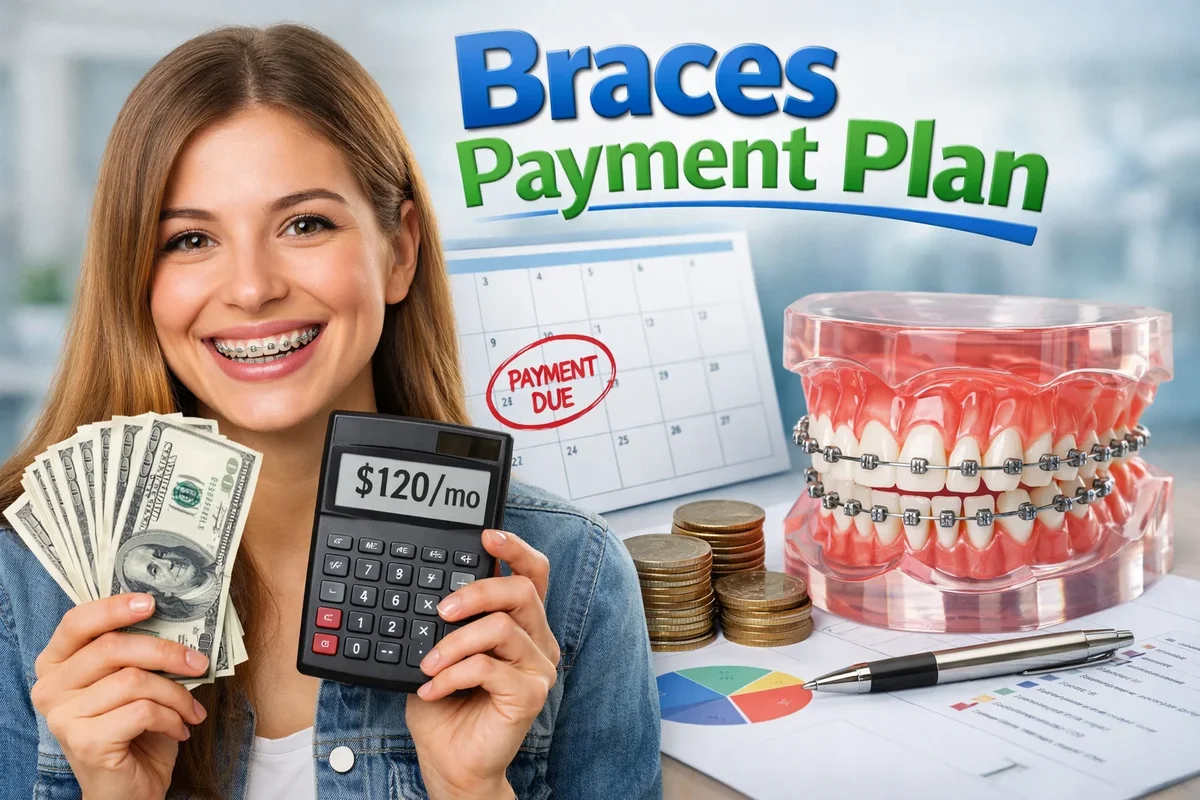
Orthodontic treatment is one of the most effective ways to improve both dental health and self-confidence. However, the financial commitment associated with braces often causes hesitation for many patients. Fortunately, a braces payment plan provides a practical and flexible solution that allows individuals and families to access orthodontic care without paying the entire treatment cost upfront. By spreading the cost across manageable monthly installments, a braces payment plan makes achieving a healthy and attractive smile far more attainable.
Throughout this guide, we explored the different aspects of orthodontic financing, including how a braces payment plan works, the various financing options available, and the key factors to consider before choosing a payment structure. Understanding these details helps patients make informed decisions and begin treatment with confidence.
Why Financial Flexibility Matters in Orthodontic Care
Orthodontic treatment is often a long-term process that can last anywhere from 12 to 24 months, depending on the complexity of the case. During this period, patients attend regular adjustment appointments and gradually see improvements in their dental alignment. A braces payment plan aligns well with this timeline by allowing patients to pay for treatment while their smile is being transformed.
Without financing options, many patients might postpone orthodontic care for years while trying to save the full treatment cost. Unfortunately, delaying treatment can lead to worsening alignment issues, bite problems, and increased dental complications. Choosing a braces payment plan removes this barrier and allows patients to begin treatment when it is most beneficial for their oral health.
According to the American Dental Association, properly aligned teeth contribute to better oral hygiene, reduced gum disease risk, and improved bite function. By using a braces payment plan, patients can invest in these long-term health benefits without facing immediate financial pressure.
Evaluating Whether a Braces Payment Plan Fits Your Budget
Before committing to orthodontic treatment, patients should carefully evaluate their financial situation and determine whether a braces payment plan fits comfortably within their monthly budget. While financing options make treatment more affordable, it is still important to select a payment structure that aligns with your income and expenses.
Patients should consider the following financial factors:
- Total orthodontic treatment cost
- Required down payment
- Monthly installment amount
- Length of the payment schedule
- Potential interest charges if using third-party financing
Choosing the right braces payment plan ensures that orthodontic payments remain manageable throughout the treatment period.
Example of a Typical Payment Structure
- Total treatment cost: $5,200
- Initial deposit: $700
- Remaining balance: $4,500
- Monthly payment for 24 months: approximately $187
With a structured braces payment plan, patients can budget for orthodontic care just like any other monthly expense.
The Role of Insurance in Reducing Orthodontic Costs
Dental insurance can significantly reduce the financial burden of orthodontic treatment. Many insurance policies provide partial coverage for braces, particularly for children and teenagers. When insurance benefits are applied, the remaining balance can be distributed through a braces payment plan.
For example, if an insurance policy covers $1,500 of a $5,000 treatment cost, the remaining $3,500 can be divided into monthly payments using a braces payment plan. This combination of insurance and financing often makes orthodontic treatment surprisingly affordable.
Patients should always ask their orthodontic clinic about insurance coordination before choosing a braces payment plan. Many clinics have financial coordinators who help verify benefits and calculate the most affordable payment structure.
Why Communication With Your Orthodontist Is Important
Selecting the right braces payment plan is easier when patients communicate openly with their orthodontic clinic. Dental professionals are experienced in helping patients find financing options that match their financial circumstances. Clinics often provide multiple payment structures so patients can choose the most suitable plan.
Patients interested in exploring orthodontic financing can contact dental professionals directly through the
Redent Klinik Contact Page. Orthodontic specialists can review each case individually and recommend the most appropriate braces payment plan based on treatment goals and budget.
Key Questions to Ask Before Starting a Payment Plan
Before committing to a braces payment plan, patients should ask several important questions:
- Is the payment plan interest-free?
- How long will the repayment period last?
- What happens if a payment is missed?
- Can the payment schedule be adjusted if necessary?
- Are there any additional administrative fees?
Asking these questions ensures that the chosen braces payment plan is transparent, manageable, and aligned with the patient’s financial expectations.
Making Orthodontic Treatment Accessible for Everyone
Orthodontic treatment is no longer limited to patients who can afford large upfront payments. Thanks to modern financing solutions, a braces payment plan allows individuals and families to prioritize dental health without sacrificing financial stability.
Whether through in-house financing, insurance support, or third-party lenders, orthodontic clinics are committed to making treatment accessible. A well-structured braces payment plan transforms orthodontic care from a financial challenge into a manageable investment in long-term oral health.
Ultimately, choosing a braces payment plan empowers patients to begin their orthodontic journey with confidence. By carefully evaluating treatment costs, financing options, and monthly payment structures, patients can take the first step toward achieving a healthier smile that lasts a lifetime.