
Braces prices have always been one of the most searched topics for people considering orthodontic treatment. In 2025, the cost of braces varies significantly based on the type, treatment duration, country, and clinic reputation. Whether you’re a teenager seeking straighter teeth or an adult aiming to improve your smile aesthetics, understanding the full picture of braces prices helps you make informed and budget-friendly decisions 🦷.
Before diving into regional differences and cost variations, it’s important to understand what affects braces prices. Factors such as the material used (metal, ceramic, or transparent aligners), the orthodontist’s experience, the complexity of tooth alignment, and even post-treatment retainers all contribute to the total expense. While the average global cost of braces can range from $2,500 to $10,000, many patients are exploring cost-effective destinations like Turkey, where they can receive high-quality dental care at a fraction of the price.
In this complete guide, you’ll discover everything you need to know about braces prices in 2025, including what influences the cost, which type of braces best fits your needs, and how to choose the right clinic. The aim is to give you transparent, reliable, and detailed information so you can plan your orthodontic journey without financial surprises.
Understanding the Average Cost of Braces
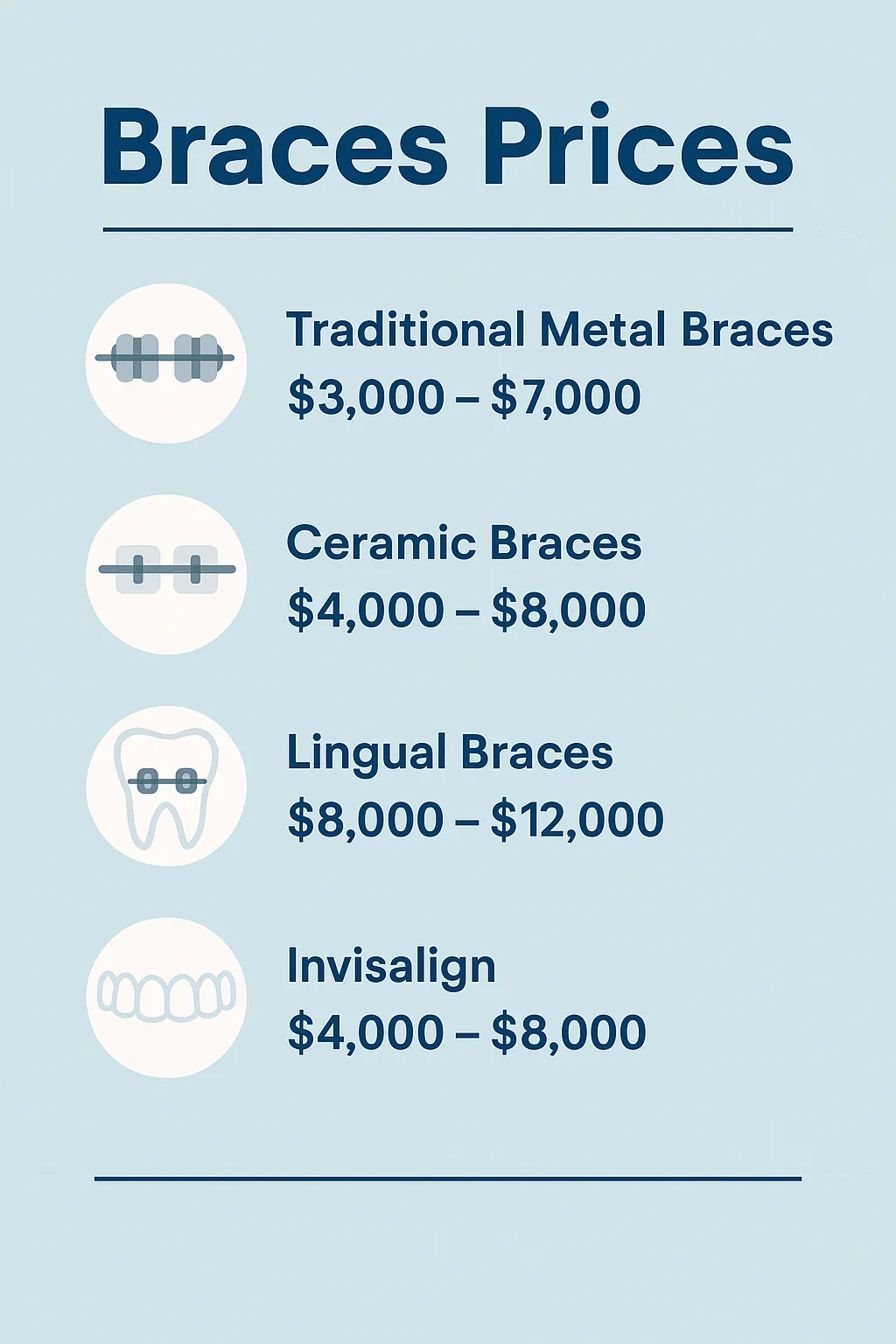
The average braces prices depend heavily on the region and type of treatment. In the United States, traditional metal braces typically range between $3,000–$7,000. Ceramic braces, known for their aesthetic appeal, can cost around $4,000–$8,500. Lingual braces (placed behind the teeth) are the most expensive, with prices reaching up to $10,000–$13,000. Invisalign or clear aligners, on the other hand, usually cost between $3,500–$8,000.
In Europe, braces prices are slightly more moderate. For instance, the average cost in the UK ranges from £2,500 to £6,000. However, countries like Turkey have emerged as top destinations for affordable dental treatments, where the same quality orthodontic care may cost as little as $1,200–$2,500, offering substantial savings for patients without compromising quality.
These figures serve as reference points, but the actual braces prices depend on individual clinical needs. Complex cases requiring longer treatment durations or multiple follow-ups may increase the cost. Therefore, requesting a personalized consultation before starting your treatment is always advisable.
Why Braces Prices Fluctuate
Several factors explain the fluctuation in braces prices. First, the type of braces significantly influences the cost — metal braces are usually the cheapest, while lingual braces and Invisalign aligners are the most expensive due to advanced customization and aesthetics. Secondly, the experience level of your orthodontist plays a role; specialists with extensive experience or international accreditation may charge higher consultation and service fees. Additionally, clinic location affects cost — clinics in large cities or premium areas often have higher operational costs, reflected in the treatment price.
Another often-overlooked element in braces prices is aftercare. Once your braces are removed, retainers are essential to maintain your results, and these can add another $200–$500 to the total expense. Regular checkups, X-rays, and adjustments are also typically billed separately, making it vital to ask for an itemized quotation before treatment begins.
Are Braces Worth the Investment?
While the initial cost of braces prices might seem high, the long-term benefits are immense. Beyond cosmetic improvement, properly aligned teeth contribute to better oral hygiene, reduced risk of gum disease, and even improved digestion due to more efficient chewing. Moreover, a confident smile can have a profound psychological impact, improving self-esteem and social interactions 😁. When viewed as a lifetime investment, braces provide both functional and emotional value far beyond their monetary cost.
How to Compare Braces Prices Effectively
When comparing braces prices between clinics or countries, always check what’s included in the quoted cost. Some clinics offer full treatment packages covering X-rays, consultations, adjustments, and retainers, while others list these services separately. Be cautious of extremely low offers — they may exclude essential components or compromise material quality. Reading patient reviews, checking certifications, and ensuring sterilization standards are met can help you choose wisely.
If you are considering international dental tourism, Turkey has become one of the most popular destinations for affordable orthodontic care. You can explore the Redent Klinik Contact Page to get a personalized quote and schedule an appointment with expert orthodontists.
Professional Standards and References
All dental procedures, including orthodontic treatments, should follow global health and safety standards. For further information on dental care regulations, you can visit the American Dental Association website, which provides comprehensive resources on dental ethics, materials, and treatment safety protocols.
In conclusion, understanding braces prices in 2025 means recognizing that cost is influenced by multiple factors — from materials and orthodontist expertise to regional economic conditions and treatment duration. By researching, comparing, and consulting reputable clinics, patients can enjoy top-quality orthodontic care at the most reasonable rates possible. Remember, investing in your smile today ensures not just aesthetic beauty but long-term oral health and confidence that lasts a lifetime 💫.
Average Braces Prices Around the World 🌍
The topic of braces prices is one of the most frequently searched by individuals planning orthodontic treatment. With growing global demand for aesthetic smiles and modern dental solutions, understanding how prices vary from one country to another can help patients make smarter and more cost-effective decisions. In 2025, global braces prices continue to show significant differences depending on location, clinic quality, and economic conditions. Let’s explore how much braces cost in different regions — from the United States and Europe to Asia and the Middle East — to understand where you can find the best value for your money.
North America: The Highest Braces Prices in the World
North America, particularly the United States and Canada, continues to have some of the highest braces prices globally. In the U.S., traditional metal braces cost between $3,000–$7,500, while ceramic braces range from $4,000–$8,500. Lingual braces, which are customized and placed behind the teeth, are the most expensive, often costing $10,000–$13,000. Invisalign and clear aligners, designed for comfort and aesthetics, generally fall in the $3,500–$8,000 range. These costs are influenced by advanced technology, highly qualified orthodontists, and higher operational expenses in clinics.
In Canada, the situation is similar, though slightly more affordable, with braces prices averaging CAD 3,500–CAD 8,000. Insurance coverage can sometimes reduce out-of-pocket expenses, but most adult orthodontic treatments are not fully covered by standard dental plans.
Europe: A Wide Range of Orthodontic Costs
Europe shows a broad variation in braces prices depending on the country. In Western Europe — particularly the UK, Germany, and France — the costs are comparable to North America. In the UK, metal braces cost between £2,500–£6,000, while Invisalign treatment often exceeds £4,000. In Germany and France, average prices range between €3,000–€7,000 depending on complexity and materials used.
In contrast, Eastern European countries such as Poland, Hungary, and Romania have become popular dental tourism destinations due to significantly lower braces prices. Here, patients can expect to pay between €1,200–€2,800 for full orthodontic treatment, often performed by internationally trained specialists. These countries have modern dental clinics that follow strict EU health regulations, offering both affordability and quality.
Turkey: The Rising Star in Affordable Orthodontics
Turkey has rapidly grown into one of the most sought-after destinations for affordable dental care. Thanks to its highly qualified orthodontists and advanced dental technology, braces prices in Turkey remain 50–70% lower than in Western countries. For example, traditional metal braces typically cost between $1,200–$2,500, while Invisalign aligners range from $2,500–$4,000. Patients traveling for dental tourism also benefit from comprehensive treatment packages that include accommodation, transfers, and post-treatment care.
For those considering orthodontic care in Turkey, you can reach out via the Redent Klinik Contact Page to receive an accurate and personalized quote. Redent Klinik is known for delivering international-quality results at competitive rates, helping patients achieve their dream smiles without financial strain.
Asia: Quality Care at Affordable Costs
Asian countries have become attractive destinations for affordable orthodontic care. In India, braces prices start as low as $500 for basic metal braces, reaching up to $2,000 for advanced ceramic or lingual braces. Thailand and Malaysia also offer competitive packages for dental tourists, ranging between $1,000–$3,500. These countries combine advanced dental technology with lower labor costs, making them ideal for patients looking for affordable yet reliable orthodontic solutions.
The Middle East: Balancing Quality and Accessibility
In the Middle East, braces prices vary depending on the country’s economic status and healthcare infrastructure. In the UAE, Qatar, and Saudi Arabia, prices typically range between $3,000–$8,000. These nations attract international orthodontists and provide premium clinic environments, which justifies the higher cost. However, in neighboring countries like Jordan or Egypt, the same treatments can cost 40–60% less, offering a balance between affordability and quality.
Comparing Braces Prices by Region
| Region | Average Cost (USD) | Key Insight |
|---|---|---|
| United States | $3,000–$10,000 | High due to technology and orthodontist fees |
| United Kingdom | $3,200–$7,500 | Advanced care but expensive |
| Germany/France | $3,000–$7,000 | High quality with strict EU standards |
| Turkey | $1,200–$2,500 | Affordable with excellent quality |
| India/Thailand | $500–$3,000 | Highly economical dental tourism |
| UAE/Qatar | $3,000–$8,000 | Premium services in luxury clinics |
How to Choose the Right Country for Your Orthodontic Treatment
When comparing braces prices across different countries, it’s important not to base your decision solely on cost. Patients should also evaluate treatment quality, materials used, clinical hygiene, and orthodontist experience. Always verify if the clinic follows internationally recognized standards such as those from the American Dental Association or other reputable dental associations. Additionally, consider travel and accommodation expenses when evaluating total cost for dental tourism.
Economic Trends Affecting Global Braces Prices
In 2025, global inflation, rising material costs, and supply chain disruptions have modestly increased braces prices in some regions. However, advances in 3D printing and digital orthodontics have reduced manufacturing costs for customized aligners. As a result, more patients can now access personalized, efficient, and affordable orthodontic treatments compared to previous years. Clinics in developing countries continue to leverage this technology to attract international patients seeking both affordability and modern treatment options.
Final Thoughts on Global Braces Prices 🌏
The variation in braces prices worldwide reflects the diversity of healthcare systems, economies, and clinical standards. While Western countries offer premium treatments at higher costs, emerging destinations like Turkey, India, and Eastern Europe are proving that affordability doesn’t have to mean lower quality. By researching and comparing clinics, verifying professional accreditations, and reading authentic patient reviews, anyone can find an optimal balance between price and performance.
Ultimately, understanding braces prices globally helps you plan smarter, save money, and still achieve your dream smile with confidence. Whether you choose local orthodontic care or dental tourism abroad, the most important factor remains the same — selecting a reputable clinic that prioritizes your oral health, comfort, and long-term satisfaction 😄.
How Much Do Braces Cost in Turkey?
Turkey has become one of the most popular destinations in the world for affordable and high-quality orthodontic treatment. The country’s dental sector has experienced remarkable growth over the past decade, combining advanced technology, highly skilled orthodontists, and competitive braces prices. For patients from Europe, the Middle East, and North America, getting braces in Turkey can save up to 70% compared to their home countries — without sacrificing quality or safety.
Let’s explore in detail what affects braces prices in Turkey, the average costs by type, and why so many international patients choose Turkish clinics for their orthodontic care.
Overview of Braces Prices in Turkey 🇹🇷
In 2025, braces prices in Turkey generally range from $1,200 to $4,000, depending on the type of braces and treatment complexity. This includes consultations, X-rays, follow-ups, and final retainers in most comprehensive packages. Compared to countries like the United States (where braces can exceed $10,000), Turkey offers one of the most cost-effective solutions globally. Clinics in Istanbul, Antalya, and Izmir are especially known for catering to international patients with English-speaking staff and modern facilities.
| Type of Braces | Average Price in Turkey (USD) | Comparison (USA Average) |
|---|---|---|
| Metal Braces | $1,200 – $2,000 | $3,000 – $7,000 |
| Ceramic Braces | $1,500 – $2,500 | $4,000 – $8,000 |
| Lingual Braces | $2,500 – $4,000 | $8,000 – $12,000 |
| Invisalign (Clear Aligners) | $2,000 – $3,500 | $4,000 – $8,000 |
Why Are Braces Prices Lower in Turkey?
Many patients wonder why braces prices in Turkey are so much lower than in Western countries. The answer lies in Turkey’s favorable economic conditions, government support for medical tourism, and lower operational costs. Unlike in the U.S. or the U.K., where clinic rents and staff wages are very high, Turkish dental clinics operate with reduced overheads, allowing them to maintain affordable pricing while still investing in state-of-the-art equipment and materials.
Additionally, competition between dental clinics in Turkey has led to better services, transparent pricing, and special treatment packages. Many clinics offer “all-inclusive orthodontic packages” that cover accommodation, airport transfers, consultations, and even sightseeing assistance for international patients. This holistic approach helps make orthodontic care both accessible and enjoyable for visitors.
Government Support and Health Tourism Incentives
Turkey’s Ministry of Health actively promotes health tourism, encouraging dental clinics to attract international patients. Clinics are required to meet specific hygiene and quality standards, which keeps treatment outcomes consistent. As a result, braces prices in Turkey remain affordable yet reliable, supported by national regulations that ensure patient safety and professional accountability.
Quality Standards and Orthodontist Expertise
Despite lower braces prices, Turkish clinics maintain exceptionally high-quality standards. Most orthodontists receive part of their education or training in European or American institutions. They use advanced technologies such as 3D scanning, digital smile design, and clear aligner software to ensure precision and comfort during treatment. Clinics often adhere to international guidelines established by the American Dental Association or the European Federation of Orthodontics, ensuring that patients receive world-class care.
Popular Cities in Turkey for Braces Treatment
- Istanbul – The heart of Turkish dental tourism, offering a vast selection of premium clinics equipped with cutting-edge technology.
- Antalya – Known for its resort atmosphere, Antalya combines vacation and treatment experiences with affordable braces prices.
- Izmir – Offers top-quality orthodontic care in a calm, coastal environment ideal for patients seeking a relaxed recovery setting.
- Ankara – The capital city, offering competitive packages and government-approved dental centers.
What’s Included in Braces Packages
Most clinics in Turkey offer comprehensive orthodontic packages that typically include:
- Initial consultation and X-rays
- Customized treatment planning
- Regular adjustments and follow-up visits
- Post-treatment retainers
- Accommodation and airport transfers (for international patients)
This transparency helps patients understand what they are paying for and eliminates hidden costs that are common in other countries. The combination of fair braces prices and clear service breakdowns makes Turkey’s orthodontic market one of the most trusted worldwide.
Cost-to-Value Comparison
While braces prices are significantly lower in Turkey, the results are equally impressive. Many international patients report satisfaction not only with their new smiles but also with the professionalism and hospitality of Turkish dental teams. The use of globally recognized materials, such as American and German-made brackets, ensures durability and safety. Thus, lower cost does not mean lower quality — it simply reflects Turkey’s efficient and competitive healthcare system.
Patient Testimonials and Experiences
Thousands of patients travel each year to Turkey for orthodontic treatment, drawn by reasonable braces prices and excellent care. Many testimonials highlight the comfort of modern facilities, the friendliness of staff, and the professionalism of Turkish orthodontists. Patients also enjoy combining treatment with tourism — exploring cultural landmarks, beaches, and cuisine during their visits. This combination of health and leisure has become a defining feature of Turkey’s dental tourism success story 🏖️.
How to Get a Personalized Quote
Before committing to treatment, patients can contact clinics directly to request personalized quotes. You can visit the Redent Klinik Contact Page to receive a cost estimate and discuss your specific needs with professional orthodontists. By providing dental photos or X-rays in advance, clinics can
Different Types of Braces and Their Prices
Understanding the various types of braces is essential before committing to treatment. Each type offers unique advantages, costs, and aesthetic outcomes. In 2025, orthodontic innovations have diversified treatment options — from traditional metal braces to invisible aligners — catering to every budget and lifestyle. Knowing how these different options influence braces prices helps patients make well-informed decisions about their orthodontic journey.
1. Metal Braces: The Classic and Most Affordable Option
Metal braces are the most widely used and time-tested orthodontic treatment. They consist of stainless steel brackets and wires that gradually align the teeth over time. Because of their durability and effectiveness, they remain a preferred choice for both teens and adults seeking reliable results. The main advantage of metal braces is affordability — they typically represent the lowest braces prices among all orthodontic options.
In 2025, metal braces cost between $1,200 and $2,500 in Turkey, $2,500–$5,000 in Europe, and $3,000–$7,000 in the United States. While not the most discreet choice, modern designs are smaller, more comfortable, and can be customized with colored bands for a fun touch. Metal braces offer excellent control over tooth movement, making them ideal for complex cases.
Who Should Choose Metal Braces?
- Patients seeking a budget-friendly solution
- Individuals with complex alignment or bite issues
- Teenagers who don’t mind visible braces
For patients prioritizing efficiency over aesthetics, metal braces provide outstanding long-term results at the lowest braces prices.
2. Ceramic Braces: Blending Aesthetics and Functionality
Ceramic braces are a popular alternative for those who want a more discreet orthodontic solution. They function similarly to metal braces but use tooth-colored or transparent brackets, making them less visible. The wires can also be coated to match the natural tooth shade, further reducing visibility. This aesthetic benefit makes them ideal for adults and professionals.
However, ceramic braces come at higher braces prices due to the more expensive materials. In 2025, they cost between $1,500–$2,500 in Turkey and up to $8,000 in Western countries. The only drawbacks are that ceramic braces are slightly more fragile and may stain if not maintained properly. Nevertheless, for many patients, the aesthetic value outweighs these minor disadvantages.
Best For:
- Patients who prefer subtle, less noticeable braces
- Working professionals who need to maintain a polished appearance
- Adults who want aesthetic results without investing in invisible aligners
In summary, ceramic braces strike the perfect balance between visibility and cost, placing them mid-range in the braces prices spectrum.
3. Lingual Braces: The Invisible Internal Option
Lingual braces are custom-made to fit behind the teeth, making them completely invisible when you smile. This hidden positioning is the key reason for their premium braces prices. Because every set of lingual braces is tailor-designed to a patient’s dental anatomy, they require advanced expertise and longer fitting sessions.
In Turkey, lingual braces usually range between $2,500–$4,000, while in the U.S. and Western Europe, they can cost up to $12,000. Although the price is higher, many patients value the combination of complete invisibility and effective alignment. However, these braces may initially cause mild speech difficulties and require careful cleaning due to their hidden placement.
Ideal Candidates for Lingual Braces
- Adults concerned about visible braces
- Public-facing professionals (actors, speakers, executives)
- Patients willing to invest in aesthetic orthodontic solutions
For patients seeking discretion and luxury, lingual braces provide unmatched aesthetics and premium quality, justifying their higher braces prices.
4. Invisalign and Clear Aligners: Modern, Comfortable, and Removable
Clear aligners, most notably Invisalign, represent a revolutionary change in orthodontics. Unlike traditional braces, they are removable trays custom-made to gradually shift teeth into position. Because they are transparent and comfortable, aligners have become the top choice for adults and teenagers who want discreet treatment without lifestyle disruption.
The braces prices for Invisalign vary depending on treatment complexity and duration. In 2025, average costs in Turkey range from $2,000–$3,500, while in the U.S., they can reach up to $8,000. The price reflects advanced 3D scanning technology, personalized aligner production, and multiple sets used throughout the treatment.
Advantages of Invisalign:
- Nearly invisible and comfortable to wear
- Removable for eating and oral hygiene
- Less frequent dental visits required
- Digital treatment planning for precise results
Clear aligners are perfect for patients with mild to moderate misalignment who want fast, aesthetic results. However, they may not be suitable for severe orthodontic cases. Their convenience and beauty justify their higher position in the global braces prices range.
5. Self-Ligating Braces: Faster Results with Less Discomfort
Self-ligating braces use an innovative clip mechanism instead of elastic bands to hold the wire in place. This design reduces friction, allowing teeth to move more freely and comfortably. These braces require fewer adjustments, making them a time-efficient option for busy individuals.
Average braces prices for self-ligating systems range from $2,000–$3,000 in Turkey and $5,000–$8,000 in Western markets. Although slightly more expensive than traditional braces, patients appreciate shorter treatment times and improved comfort levels.
Self-Ligating Systems Include:
- Damon Braces (metal or clear)
- SmartClip and In-Ovation designs
These systems reduce orthodontic chair time and promote better oral hygiene, offering excellent value for the price paid.
6. Choosing the Right Type Based on Budget and Lifestyle
When evaluating braces prices, the decision should not be based solely on cost. Consider your lifestyle, aesthetic preferences, and dental condition. For example, metal braces are best for affordability and complex corrections, while Invisalign is ideal for convenience and appearance. Ceramic and self-ligating braces fall in the middle, providing efficiency with moderate costs.
Before deciding, consult a professional orthodontist who can analyze your needs and offer a tailored treatment plan. Many clinics provide free initial consultations or online quotes to help you understand which system aligns with your expectations and budget.
For a personalized consultation and cost estimation, you can contact the specialists via the Redent Klinik Contact Page. They provide full breakdowns of braces prices and explain which system is most efficient for your case.
Final Thoughts: Comparing Braces Prices by Type
The following summary highlights the average global range for various braces types in 2025:
| Type | Price Range (USD) | Key Benefit |
|---|---|---|
| Metal | $1,200–$2,500 (Turkey), up to $7,000 (USA) | Durable and affordable |
| Ceramic | $1,500–$2,500 (Turkey), up to $8,000 (USA) | Aesthetic and effective |
| Lingual | $2,500–$4,000 (Turkey), up to $12,000 (USA) | Completely invisible |
| Invisalign | $2,000–$3,500 (Turkey), up to $8,000 (USA) | Removable and transparent |
| Self-Ligating | $2,000–$3,000 (Turkey), up to $8,000 (USA) | Faster and more comfortable |
Ultimately, each option has distinct advantages that cater to different priorities — aesthetics, comfort, or affordability. No matter which you choose, understanding braces prices ensures you receive fair value and top-quality results. For further information about dental treatment safety and materials, visit the American Dental Association for credible orthodontic resources and guidelines.
In summary, knowing the differences among braces types and their corresponding braces prices empowers you to make a confident decision that balances budget, beauty, and long-term oral health ✨.
Factors That Affect Braces Prices
When planning for orthodontic treatment, understanding the key elements that influence braces prices can help you make better financial and medical decisions. Although many patients focus on the type of braces alone, several hidden factors determine the total cost — from your oral condition and the expertise of your orthodontist to clinic location, treatment duration, and post-care services. By analyzing each of these factors, you can identify where your investment truly goes and how to achieve the best balance between price and quality.
1. Type of Braces Chosen
The most significant factor influencing braces prices is the type of system selected. Traditional metal braces are the most cost-effective option, while clear aligners like Invisalign or lingual braces (placed behind the teeth) represent the higher end of the price range. The complexity of manufacturing custom aligners or lingual brackets, as well as the materials used, directly impacts overall cost.
For instance, metal braces in Turkey may start at $1,200, while Invisalign aligners could reach $3,500. Similarly, lingual braces in the United States may cost up to $12,000. Thus, aesthetic preferences often play a central role in how much a patient ultimately spends on orthodontic treatment.
Material Quality and Technology
Modern orthodontic materials like titanium, ceramic composites, or nickel-free alloys can increase braces prices due to their durability and comfort. Advanced systems also use heat-activated archwires or 3D-printed custom designs that reduce treatment time but come at a higher initial cost. Patients who value innovation and convenience often consider these premium materials a worthy investment.
2. Complexity of the Dental Condition
Every patient’s dental alignment is unique. Some may need minimal correction, while others require extensive adjustments to fix severe crowding, bite problems, or jaw discrepancies. The more complex the case, the more time and visits required — leading to higher braces prices.
For example, mild cosmetic adjustments might be completed in 8–12 months, whereas major orthodontic cases can take up to 24–30 months. The additional consultations, X-rays, and follow-up adjustments all contribute to a higher total cost. Clinics often provide detailed treatment plans upfront to ensure transparency about projected pricing based on complexity.
Diagnostic Procedures Included
Before treatment begins, orthodontists usually perform diagnostic tests such as panoramic X-rays, intraoral scans, and 3D modeling. These essential procedures help determine the right course of action but can add $100–$400 to the total braces prices. Reputable clinics often include these diagnostics within comprehensive treatment packages to simplify the process for patients.
3. Orthodontist’s Experience and Expertise
The skill and experience level of your orthodontist significantly affect braces prices. Specialists with advanced certifications or international experience may charge higher fees, reflecting their expertise and successful track record. However, investing in a qualified orthodontist can save you time, discomfort, and potential complications later.
Orthodontists who are members of internationally recognized associations, such as the American Dental Association or the World Federation of Orthodontists, typically maintain rigorous hygiene standards and use the latest technologies. Their precision and attention to detail ensure that your smile transformation is not only aesthetic but also functionally sound.
4. Location of the Clinic
Geographic location plays a crucial role in determining braces prices. For example, clinics in major cities like London, New York, or Dubai generally have higher operational costs, reflected in treatment prices. Meanwhile, dental centers in countries such as Turkey, Hungary, or Thailand offer world-class orthodontic care at significantly reduced rates due to lower living and overhead expenses.
Even within a single country, prices can vary by region. Urban clinics often charge more than suburban or rural practices. This makes dental tourism an attractive option for many patients, combining affordability with high-quality treatment abroad.
Case Study: Turkey vs. UK Pricing
| Country | Average Metal Braces Price | Average Invisalign Price |
|---|---|---|
| Turkey | $1,200 – $2,000 | $2,000 – $3,500 |
| United Kingdom | $3,500 – $6,000 | $4,500 – $8,000 |
This cost comparison shows why many patients travel abroad for dental treatment. Affordable braces prices combined with professional care make destinations like Turkey highly competitive in the global orthodontic market.
5. Treatment Duration and Frequency of Visits
Longer treatments typically lead to higher overall braces prices because of increased follow-up appointments and adjustment costs. Orthodontic visits are generally scheduled every 4–8 weeks to monitor progress, tighten wires, or replace aligners. Each visit represents the orthodontist’s time and clinical resources, which adds up over months or years.
Shorter treatment times, achieved through self-ligating systems or advanced aligner technology, can help patients save both time and money in the long run. However, such systems may have a higher upfront cost. Therefore, balancing initial expense with long-term efficiency is key when evaluating total treatment value.
6. Post-Treatment Care and Retainers
After the braces come off, maintaining your new smile requires retainers. These devices prevent teeth from shifting back into their original position. Retainers can be removable or fixed and cost anywhere between $200–$500, depending on design and material. Some clinics include them in the main package, while others charge separately — affecting total braces prices.
Follow-up appointments, polishing, and whitening procedures post-treatment also influence the total expenditure. Reputable clinics often emphasize the importance of maintenance visits to preserve alignment results and ensure long-term success.
7. Additional Factors: Insurance, Technology, and Payment Plans
Other elements that can impact braces prices include:
- Insurance Coverage: Some dental insurance plans cover a portion of orthodontic costs, though most adult treatments are not fully reimbursed.
- Digital Technology: Clinics using AI-driven imaging, digital smile design, or 3D printing tend to charge slightly higher fees due to their superior precision and comfort.
- Payment Flexibility: Many clinics offer installment plans or financing options to make treatment more accessible to patients with varying budgets.
How to Optimize Costs Without Sacrificing Quality
Patients can reduce expenses by comparing multiple quotes, choosing clinics in countries with favorable braces prices, and seeking package deals that include diagnostics and retainers. For example, visiting a reputable clinic like Redent Klinik Contact Page allows you to receive detailed cost breakdowns and personalized treatment planning with transparent pricing.
Final Thoughts on Factors Influencing Braces Prices
To summarize, braces prices are shaped by multiple interconnected factors — type of braces, complexity of treatment, orthodontist experience, geographic location, and post-care requirements. While cheaper options might seem tempting, prioritizing clinical expertise and safety ensures superior results and fewer complications. Orthodontic treatment is not merely a cosmetic investment; it’s a long-term commitment to oral health and self-confidence.
By understanding these influences in detail and planning accordingly, you can find the perfect balance between affordability and excellence. Informed patients who take time to compare, consult, and verify credentials often achieve the best outcomes at the most reasonable braces prices available in 2025 🦷.
How Long Does Braces Treatment Take and How Does It Affect the Price?
The duration of orthodontic treatment is one of the most critical factors influencing braces prices. While every patient hopes for quick results, the reality is that treatment time varies significantly based on individual dental needs, age, and the chosen type of braces. A short treatment period generally means fewer visits and adjustments, which can reduce costs, while extended treatments increase the total investment. Understanding how time impacts both cost and outcome helps patients plan better — financially and medically.
In 2025, orthodontic clinics worldwide emphasize personalized treatment timelines using advanced digital imaging and 3D simulation to predict outcomes more accurately. Below, we’ll explore in detail how treatment duration varies by case type, what influences it, and how each stage of orthodontic care contributes to overall braces prices.
1. Average Duration of Braces Treatment
On average, braces treatment lasts between 12 to 24 months, depending on the complexity of the case. However, some patients may need as little as 6 months for mild corrections or over 36 months for major bite realignments. The total braces prices increase proportionally with longer treatments due to extra adjustments, X-rays, and orthodontist visits.
| Type of Braces | Average Treatment Duration | Price Range (USD) |
|---|---|---|
| Metal Braces | 18–30 months | $1,200 – $2,500 (Turkey) / $3,000 – $7,000 (USA) |
| Ceramic Braces | 18–24 months | $1,500 – $2,500 (Turkey) / $4,000 – $8,000 (USA) |
| Lingual Braces | 20–30 months | $2,500 – $4,000 (Turkey) / $8,000 – $12,000 (USA) |
| Invisalign (Clear Aligners) | 6–18 months | $2,000 – $3,500 (Turkey) / $4,000 – $8,000 (USA) |
These averages highlight how shorter treatments, such as Invisalign, can save time but may still carry higher upfront costs due to advanced technology. Conversely, longer traditional treatments often have lower monthly rates but accumulate higher overall costs over time.
2. Factors That Influence Treatment Duration
The length of orthodontic treatment and related braces prices depend on multiple variables, including the patient’s age, bone density, the severity of misalignment, and compliance with orthodontist instructions. Below are the primary elements affecting treatment time:
Severity of Dental Misalignment
Patients with mild crowding or spacing may complete treatment in under a year, while those with deep bite or crossbite issues might require up to three years. The more extensive the movement needed, the longer the treatment and the higher the cost.
Patient Age
Younger patients often experience faster results since their teeth and jawbones are still developing, allowing easier realignment. Adults generally require longer treatment times, increasing total braces prices because of additional visits and adjustments.
Type of Braces Used
Different systems have varying efficiencies. Self-ligating and Invisalign systems often shorten treatment duration by reducing friction and allowing smoother tooth movement. Traditional braces, while reliable, might take longer due to manual adjustments at each visit.
Patient Compliance
Orthodontic success heavily depends on patient cooperation. Wearing elastics as prescribed, maintaining proper oral hygiene, and attending regular appointments can significantly shorten treatment time — saving money and preventing complications. Conversely, missed appointments or broken brackets prolong the process and raise braces prices through additional repair fees.
3. Stages of Braces Treatment and Their Costs
To better understand how treatment time affects cost, it’s helpful to break the orthodontic journey into stages:
- Initial Consultation and Diagnostics: Includes X-rays, impressions, and treatment planning. This stage typically costs $100–$300 and sets the foundation for total braces prices.
- Installation Phase: Placement of braces or aligners costs $1,000–$2,000, depending on the system.
- Adjustment and Maintenance Visits: Each visit, occurring every 4–6 weeks, adds approximately $50–$150. Longer treatment duration means more visits and higher cumulative cost.
- Post-Treatment Retainers: Retainers maintain alignment and cost $200–$500. Failure to use retainers can cause relapse, leading to extra correction costs later.
Each of these stages contributes cumulatively to total braces prices, reinforcing the direct relationship between time and cost.
4. How Shorter Treatments Can Save You Money
Modern orthodontic innovations like 3D imaging, AI-assisted treatment planning, and heat-activated wires have significantly reduced treatment times. These technologies allow orthodontists to predict tooth movement accurately and minimize the need for manual adjustments. As a result, shorter treatments often mean fewer visits and lower braces prices overall.
For instance, a 12-month Invisalign treatment may cost $3,000, while a 24-month traditional braces plan could exceed $5,000 when monthly adjustments and maintenance are included. Efficiency and technology now play key roles in optimizing both outcomes and costs.
Technologies That Shorten Treatment Time
- Self-ligating braces (reduce friction)
- Digital treatment planning (precise alignment prediction)
- Laser-assisted tooth movement (faster bone remodeling)
- Accelerated orthodontics devices (stimulate bone response)
Investing in modern orthodontic systems may increase initial braces prices but often results in faster completion and fewer additional costs long term.
5. Common Mistakes That Prolong Treatment
Delays in orthodontic progress can occur when patients fail to follow clinical guidance or maintain their appliances properly. Missed appointments, broken brackets, and poor oral hygiene can add months to the treatment schedule — directly raising braces prices due to the need for additional visits and repairs.
Furthermore, inconsistent use of aligners (for Invisalign patients) can undo progress. Since aligners rely on continuous wear (usually 22 hours daily), skipping use even for a few days can extend treatment by several weeks.
6. Personalized Planning and Realistic Expectations
Every smile is unique, and so is every treatment plan. During your consultation, orthodontists create a tailored roadmap considering both functional needs and aesthetic goals. A precise timeline ensures transparency in braces prices and prevents unexpected costs later. Digital mock-ups and progress tracking tools allow patients to visualize results in advance — providing motivation and trust throughout the journey.
Getting a Reliable Time and Cost Estimate
To get a clear estimate of your treatment duration and cost, contact a trusted clinic for evaluation. You can reach out through the Redent Klinik Contact Page to receive an in-depth consultation and personalized quote. This ensures that the proposed braces prices align with your expectations and medical needs.
7. Final Thoughts: Balancing Time, Cost, and Results
The relationship between treatment duration and braces prices is straightforward — longer treatments generally cost more due to additional appointments and maintenance. However, faster isn’t always better; rushing alignment can harm root stability or bone health. The best approach is one that combines efficiency with safety, guided by a professional orthodontist using modern technology.
Ultimately, your goal should be a healthy, confident smile achieved at a fair cost and realistic timeline. By understanding how time affects treatment value, you can plan effectively, avoid hidden expenses, and enjoy long-term satisfaction with your orthodontic results 😁. For further information on dental care standards and orthodontic safety, visit the American Dental Association for trusted resources and best practices.
Hidden Costs You Should Know Before Getting Braces
When people search for braces prices online, they often look at the base treatment cost — but that’s only part of the total expense. Orthodontic treatment involves several additional or “hidden” costs that patients may not expect at first glance. These costs include diagnostics, checkups, emergency visits, retainers, hygiene supplies, and even post-treatment whitening or polishing. Understanding these extra expenses ensures that your financial plan is complete and there are no unpleasant surprises down the road.
Below, we’ll explore the most common hidden costs associated with orthodontic care in 2025, how they influence total braces prices, and practical tips for keeping your treatment within budget while maintaining top quality.
1. Diagnostic and Consultation Fees
Before you even start your orthodontic journey, clinics typically require initial consultations and diagnostic imaging. This stage is essential to create an accurate treatment plan, but it’s often not included in the initial braces prices. Diagnostic tests like panoramic X-rays, cephalometric scans, or 3D digital impressions can cost between $100 and $400.
Some clinics offer complimentary consultations, especially in dental tourism destinations such as Turkey or Hungary. However, in Western countries, these are usually charged separately. Therefore, when comparing braces prices across clinics, make sure you ask if diagnostic fees are part of the package or billed as extras.
Tip:
Look for clinics offering “full package” deals that include diagnostics, treatment, and retainers. This transparency can save you hundreds of dollars and provide peace of mind regarding the total investment.
2. Monthly Adjustments and Follow-Up Appointments
Orthodontic treatments require regular follow-up appointments — typically every 4 to 6 weeks — to adjust wires, replace elastic bands, or review progress. While these visits might sound routine, they play a large role in total braces prices. Each visit can cost anywhere from $50 to $150 depending on the clinic and type of braces.
In some cases, clinics include these adjustments within the main price quote. Others, especially in private Western practices, bill separately per visit. Over a 24-month treatment, these visits could add up to more than $1,000, significantly increasing total expenditure.
How to Avoid Extra Adjustment Costs
- Ask the clinic for an all-inclusive plan with unlimited adjustments.
- Choose orthodontic systems like self-ligating braces, which require fewer appointments.
- Follow your orthodontist’s care instructions carefully to avoid delays or extra visits.
3. Retainers After Treatment
After your braces come off, retainers play a vital role in maintaining your newly aligned teeth. However, many patients overlook this cost when estimating braces prices. Retainers are typically not included in the initial quote and can cost between $200 and $500 depending on design (removable or fixed) and material.
Retainers need periodic replacement every few years, which adds to long-term expenses. Neglecting this step can lead to relapse, meaning your teeth shift back to their original position — requiring further orthodontic intervention. Investing in good-quality retainers is essential to protect your smile and prevent the need for costly corrective treatments later.
4. Emergency or Repair Costs
Unexpected events such as broken brackets, loose wires, or lost aligners are common in orthodontics. Most clinics charge an additional fee for these issues, which can range from $50 to $200 per incident. These repairs are rarely covered in the initial braces prices.
Patients using aligners (like Invisalign) may face replacement costs if trays are lost or damaged. These fees can quickly add up, so it’s wise to handle orthodontic appliances with care and follow your dentist’s maintenance instructions closely.
Tip:
Always ask your clinic whether minor repairs and emergencies are included in your treatment package. Some clinics provide warranties covering adjustments and replacements within a specific period.
5. Oral Hygiene and Dental Cleaning During Treatment
Wearing braces requires impeccable oral hygiene to prevent plaque buildup, staining, and gum inflammation. Regular professional cleanings are strongly recommended every few months — each session costing around $80 to $150. Additionally, special cleaning tools like interdental brushes, floss threaders, and fluoride mouthwash add small recurring costs to total braces prices.
In severe cases where plaque or tartar accumulates around brackets, an extra cleaning session might be needed before adjustments can continue. Maintaining oral hygiene throughout treatment not only prevents complications but also reduces long-term costs by avoiding dental decay or gum problems.
6. Whitening or Polishing After Braces Removal
When braces are removed, it’s common for patients to notice minor discoloration or uneven tooth shades. Post-treatment whitening or polishing helps restore brightness and uniformity, but it’s rarely included in base braces prices. Whitening services can range from $150 to $400 depending on the clinic and method (in-office laser whitening or take-home kits).
While this cost is optional, most patients opt for it to achieve a perfectly aesthetic result after months of treatment. Clinics like Redent Klinik Contact Page often offer discounted whitening packages as part of post-orthodontic care, ensuring patients complete their smile transformation with professional finishing touches.
7. Travel and Accommodation for Dental Tourism
For patients traveling abroad for orthodontic treatment, especially to destinations like Turkey, Poland, or Thailand, travel expenses should be considered. While braces prices are much lower in these countries, flights, hotel stays, and local transportation add to the total budget. However, many clinics offer comprehensive packages that include accommodation and airport transfers, reducing extra costs.
Before booking, ask for detailed quotes that specify what’s included in your dental tourism package. Transparent pricing ensures you’re aware of all potential expenditures before committing to treatment.
8. Currency Exchange and Financing Fees
For international patients, exchange rates and banking fees can slightly affect total braces prices. Credit card payments or international transfers sometimes include transaction charges of 2–5%. Additionally, clinics offering financing or installment plans may add small interest rates or administrative fees. While minor individually, these costs accumulate over time if not accounted for in the overall budget.
Pro Tip:
Always confirm payment methods and total payable amounts in your preferred currency to avoid unexpected fluctuations or hidden charges.
9. Clinic Reputation and Warranty Services
Some high-end clinics charge slightly higher braces prices but include warranties for long-term maintenance and free aftercare visits. Choosing a trusted and certified clinic not only ensures quality but may reduce hidden costs over time. A reputable orthodontist is less likely to recommend unnecessary procedures and often includes aftercare at no additional fee.
To verify clinic reliability, check patient reviews, international accreditations, and hygiene certifications. For example, clinics following American Dental Association standards are known for transparent billing and ethical pricing policies.
Final Thoughts on Hidden Costs
Although most clinics provide an initial estimate, the final amount you pay for braces often exceeds that quote due to various supplementary expenses. Knowing these potential costs in advance allows you to plan more accurately and avoid surprises. The key to managing braces prices effectively is to seek transparency — ask for a full breakdown of what’s included, confirm warranties, and choose clinics with good reputations.
In short, orthodontic treatment is an investment not just in aesthetics but in long-term dental health. When you understand every detail — from diagnostics to post-care — you can ensure that your smile transformation remains financially manageable and completely stress-free 😁.
Insurance and Payment Plans for Braces Treatment
Orthodontic care can be a significant investment, and understanding how insurance and financing options impact braces prices is essential for making informed financial decisions. Whether you’re considering traditional metal braces, clear aligners, or lingual systems, your ability to manage costs efficiently often depends on insurance coverage, flexible payment plans, and financing alternatives offered by your dental clinic. This section provides a detailed breakdown of how to reduce out-of-pocket expenses and structure your orthodontic payments wisely in 2025.
1. Does Dental Insurance Cover Braces?
Dental insurance plays a crucial role in managing braces prices. However, not all insurance policies offer orthodontic coverage, and those that do often limit benefits based on age, treatment type, or provider network. Most insurance plans partially reimburse costs for children and teenagers, while adult orthodontic coverage remains more restricted. Understanding the fine print of your policy is the first step toward optimizing your financial strategy.
Common Coverage Scenarios
- Children and Teens: Most comprehensive dental plans cover 50–70% of orthodontic treatment up to a maximum limit, usually between $1,000 and $3,000.
- Adults: Adult orthodontic benefits are less common, with only select premium plans offering partial coverage for aligners or cosmetic braces.
- In-Network Providers: Visiting an orthodontist within your insurance network can lower your overall braces prices through negotiated rates and discounts.
It’s important to verify waiting periods, lifetime maximums, and coverage restrictions before starting treatment. Some insurance companies require pre-authorization from your orthodontist, which means they must approve the treatment plan before coverage applies.
2. Understanding Lifetime Orthodontic Maximums
Unlike standard dental coverage that renews annually, orthodontic benefits usually have a lifetime maximum. This means that once your insurer has paid their share (e.g., $2,500), they won’t contribute to future orthodontic treatments. Even if you switch jobs or renew the policy, the orthodontic maximum often remains fixed, which is an essential factor when calculating your total braces prices.
Therefore, if you anticipate additional treatments, such as replacing retainers or correction of relapse years later, you may need to plan for these costs independently or through supplemental financing.
3. Flexible Spending Accounts (FSA) and Health Savings Accounts (HSA)
Both FSAs and HSAs offer tax-efficient ways to pay for orthodontic care, indirectly reducing the overall braces prices you pay. These accounts allow you to set aside pre-tax income for qualified medical expenses, including braces, retainers, and aligners.
- FSA (Flexible Spending Account): Funds must be used within the plan year, making it suitable for ongoing monthly orthodontic payments.
- HSA (Health Savings Account): Unused funds roll over yearly, ideal for longer treatments or for family members needing braces later on.
Using an FSA or HSA can save patients up to 25–30% on overall costs, depending on income tax brackets. Before treatment begins, verify with your benefits manager or insurance provider that orthodontic procedures qualify under your plan.
4. Payment Plans Offered by Clinics
Many clinics understand that orthodontic treatment can be expensive and therefore offer flexible payment plans to make braces prices more manageable. These plans allow patients to spread costs across months or even years, making treatment accessible without requiring full upfront payment.
Types of Payment Plans
- Interest-Free Installment Plans: Patients pay a fixed amount each month without added interest, typically over 12–24 months.
- Third-Party Financing: External providers such as CareCredit or MediCredit offer extended terms (up to 60 months) but may include small interest charges.
- In-House Financing: Many modern clinics provide direct financing through their billing department with flexible down payments and auto-debit options.
For instance, Redent Klinik Contact Page offers personalized orthodontic financing options, allowing patients to start treatment with minimal initial payment and zero-interest monthly plans — ensuring transparency and affordability throughout the process.
5. Discounts and Special Promotions
In 2025, many clinics offer discounts for upfront payments, family packages, or seasonal promotions. These offers can lower total braces prices by 5–20%. Dental tourism destinations, particularly in Turkey and Eastern Europe, are especially known for their competitive all-inclusive orthodontic packages that combine affordability with high-quality care.
Additionally, students and healthcare workers often qualify for exclusive discounts. Always inquire about available promotions during your consultation to ensure you receive the most favorable rate.
6. Financing Options for Dental Tourism
International patients traveling abroad for orthodontic treatment can also take advantage of financing partnerships between clinics and banks. For example, Turkish clinics may collaborate with global payment systems to offer flexible monthly payment options to foreign patients. While braces prices in these countries are already lower, financing makes treatment even more accessible to international clients.
To avoid hidden fees, always ask if the quoted cost includes administrative or conversion fees. Using local currency or wire transfers directly to the clinic often saves additional transaction costs compared to credit card payments.
7. Comparing Insurance and Out-of-Pocket Scenarios
To understand the financial advantage of insurance, let’s compare two patients with identical orthodontic plans but different coverage levels:
| Scenario | Total Treatment Cost | Insurance Coverage | Patient Pays |
|---|---|---|---|
| Without Insurance | $5,000 | $0 | $5,000 |
| With Insurance (50% up to $2,500) | $5,000 | $2,500 | $2,500 |
This example shows that insurance can significantly reduce total braces prices — sometimes by half — making orthodontic care more financially attainable for many families.
8. What Insurance Doesn’t Cover
It’s equally important to understand what insurance typically excludes. Most policies won’t cover:
- Purely cosmetic orthodontic treatments
- Lingual or clear aligner systems unless medically necessary
- Replacement retainers lost after treatment
- Emergency visits or additional polishing and whitening
Knowing these exclusions in advance helps you budget properly and prevents surprises when receiving your treatment bill.
9. Planning for Affordable Orthodontic Treatment
To minimize braces prices and out-of-pocket expenses, combine several strategies — verify insurance details, use tax-advantaged accounts (FSA/HSA), and explore clinic-specific payment plans. Comparing multiple quotes from reputable orthodontists ensures competitive pricing without compromising quality. Trusted clinics aligned with international standards such as the American Dental Association provide transparent cost breakdowns and ethical treatment recommendations.
Final Thoughts on Insurance and Financing
Managing orthodontic expenses requires careful planning and awareness of all available financial tools. Dental insurance, flexible savings accounts, and zero-interest payment plans can significantly lower total braces prices. The key is transparency — understanding what’s covered, what isn’t, and how to make the most of every benefit available to you.
With proper financial preparation and guidance from a reputable clinic, you can enjoy your orthodontic journey with confidence — knowing that your smile investment is both affordable and sustainable. In 2025, achieving a perfect smile has never been easier, thanks to flexible financing solutions tailored to every budget 🦷💰.
Expert Tips for Finding the Best Braces Prices Near You 🦷
Finding the best braces prices in your area requires a balance of research, comparison, and smart decision-making. While orthodontic care is a long-term investment in your health and confidence, that doesn’t mean you have to overpay. With so many clinics, treatment options, and financing plans available in 2025, it’s easier than ever to find affordable, high-quality orthodontic care — if you know where to look. This comprehensive guide provides expert advice on how to identify trustworthy clinics, negotiate fair pricing, and take advantage of discounts and modern technologies without compromising on quality.
1. Compare Multiple Orthodontists Before Committing
One of the most effective ways to find the best braces prices is by comparing several orthodontic clinics in your area. Costs can vary widely between practitioners due to experience, clinic location, materials, and service level. A simple comparison of 3–5 local providers often reveals price differences of up to 40% for the same type of treatment.
Request detailed quotes that break down all included services — diagnostics, adjustments, retainers, and follow-ups. Be cautious of extremely low offers, as they might exclude key components or indicate substandard materials. Always prioritize transparency, not just affordability.
Checklist When Comparing Clinics:
- Ask for an itemized cost estimate, not a general quote.
- Check online reviews and before-and-after photos of real patients.
- Confirm if post-treatment retainers are included in the total braces prices.
- Evaluate orthodontist credentials and years of experience.
2. Explore Dental Schools and Teaching Clinics
If you’re on a tighter budget, consider receiving treatment at dental universities or teaching hospitals. These institutions often offer significant discounts — up to 50% lower braces prices — because procedures are performed by supervised students under professional guidance.
While the process may take slightly longer, the quality of care remains high, and modern equipment is used. Teaching clinics are ideal for patients seeking affordable yet professional orthodontic care within a structured, regulated environment.
3. Consider Dental Tourism for Greater Savings
In recent years, dental tourism has become a popular option for international patients seeking affordable braces prices. Countries like Turkey, Hungary, Mexico, and Thailand are recognized for world-class orthodontic care at a fraction of Western prices. Patients often combine treatment with vacation experiences, making the process both cost-effective and enjoyable.
For instance, Turkey offers metal braces starting from $1,200 and Invisalign treatments around $2,500–$3,500, compared to double or triple those prices in the UK or USA. Clinics such as Redent Klinik Contact Page provide international patient packages that include airport transfers, accommodation, and consultation services — ensuring convenience and affordability for overseas clients.
Advantages of Dental Tourism:
- Access to experienced orthodontists trained abroad
- Lower operational costs reflected in competitive braces prices
- Comprehensive care with hotel and transport arrangements
- English-speaking medical staff and internationally accredited clinics
4. Look for Seasonal Promotions and Referral Discounts
Many clinics run promotions during holidays or slow business months, offering 10–25% off on orthodontic treatments. Additionally, referral programs allow existing patients to earn discounts by recommending friends or family. Asking about ongoing campaigns during your consultation can result in significant savings on total braces prices.
Some clinics also offer “family bundles,” where parents and children undergoing treatment together receive cumulative discounts. Keep an eye on clinics’ official websites and verified social media accounts for these limited-time offers.
5. Take Advantage of Free Consultations and Online Quotes
Modern clinics increasingly provide free initial consultations, either in-person or via online platforms. These appointments give you an opportunity to receive professional advice, cost estimates, and treatment timelines before making any financial commitments. Using this approach, you can compare multiple braces prices efficiently from the comfort of your home.
Online consultations typically include visual assessments through uploaded photos and 3D scan simulations. Many international clinics also offer personalized pricing via email, helping you compare costs globally and choose the most cost-effective destination.
6. Verify Clinic Accreditation and Material Quality
Lower prices can be tempting, but they should never come at the expense of safety or quality. Always confirm that your orthodontist is certified by reputable dental associations such as the American Dental Association or the European Federation of Orthodontics. Certified clinics follow strict sterilization protocols and use FDA-approved materials, ensuring that you receive safe and long-lasting results.
Inferior materials may cause discomfort or require replacements, which could increase total braces prices in the long term. High-quality brackets, wires, and aligners not only enhance comfort but also reduce maintenance costs.
Questions to Ask During Your Visit:
- What brand of braces or aligners do you use?
- Are all materials certified for biocompatibility?
- Does your clinic offer warranty or guarantee for treatment results?
7. Leverage Insurance and Flexible Payment Plans
Before committing to a clinic, ask if they accept your insurance or offer installment payment options. Many orthodontists provide 0% interest financing or monthly plans, which can make even premium braces prices easier to manage. Combining insurance coverage with flexible payment schedules ensures affordability without compromising the treatment’s quality.
When comparing clinics, also consider whether consultation and follow-up visits are included. Choosing a transparent provider that outlines all expenses in advance prevents unexpected costs later in your orthodontic journey.
8. Use Online Reviews and Patient Testimonials
In 2025, digital reputation is a key indicator of clinic credibility. Reviewing patient feedback and testimonials can help you identify trustworthy providers offering reasonable braces prices. Search for authentic before-and-after images and detailed experiences rather than generic ratings.
Pay close attention to patient comments about communication, appointment scheduling, aftercare, and cost transparency. A clinic with consistent 5-star reviews and clear, honest feedback typically reflects reliability and fair pricing.
9. Evaluate Total Value, Not Just the Price
While saving money is important, the lowest price doesn’t always equal the best value. True affordability means receiving safe, effective, and long-lasting results. Before choosing your provider, evaluate the overall value package — experience, reputation, warranty, and quality of materials — alongside braces prices.
For example, paying slightly more for a qualified orthodontist who offers warranty-backed treatment, clear communication, and advanced technology often saves you from costly complications or re-treatments in the future.
Key Takeaway:
Smart patients don’t just chase cheap deals; they invest in trustworthy clinics with transparent pricing and proven results. By combining research, negotiation, and a focus on value, you can achieve your dream smile confidently — without overspending.
Final Thoughts on Finding the Best Braces Prices
Securing the best braces prices is about more than finding the lowest number — it’s about choosing the right provider who values your safety, comfort, and satisfaction. With proper research, comparison, and the use of digital tools, you can access world-class orthodontic care that fits your budget.
Remember to verify clinic credentials, explore financing options, and make use of online consultations for cost comparisons. Whether you choose local treatment or travel abroad, being an informed patient empowers you to make the best decision for your smile and wallet. In short: a little research can save you thousands while ensuring a confident, healthy smile that lasts a lifetime 😁.
Frequently Asked Questions About Braces Prices
When planning orthodontic treatment, most patients have many questions about braces prices, payment options, and what influences total costs. Understanding every aspect of the process — from initial consultation to post-treatment care — helps you make confident, informed decisions. In this final section, we’ll address the most frequently asked questions about braces cost in 2025, including real-world examples, expert advice, and helpful insights to ensure you get the best value for your investment.
1. Why Do Braces Prices Vary So Much Between Clinics?
The difference in braces prices across clinics primarily depends on the orthodontist’s experience, clinic location, and technology used. Clinics in big cities or premium facilities often have higher overhead costs, which translate into higher treatment prices. Meanwhile, smaller or specialized dental centers, especially in countries like Turkey or Hungary, can offer affordable rates without compromising quality. Additionally, advanced systems like self-ligating braces or Invisalign aligners require more sophisticated tools and materials, which also raise costs.
However, high cost doesn’t always mean better results. Patients should compare multiple quotes, check clinic reviews, and verify credentials before deciding. For a fair, transparent consultation, patients can reach out to Redent Klinik Contact Page to receive personalized price estimates and professional guidance on affordable orthodontic options.
2. What’s the Average Cost of Braces in 2025?
As of 2025, global braces prices vary considerably by location and type of system chosen:
| Type of Braces | Average Cost (USA) | Average Cost (Turkey) | Treatment Duration |
|---|---|---|---|
| Traditional Metal Braces | $3,000 – $7,000 | $1,200 – $2,000 | 18–30 months |
| Ceramic Braces | $4,000 – $8,000 | $1,500 – $2,500 | 18–24 months |
| Lingual Braces | $8,000 – $12,000 | $2,500 – $4,000 | 20–30 months |
| Invisalign Aligners | $4,000 – $8,000 | $2,000 – $3,500 | 6–18 months |
As the data shows, international destinations like Turkey offer exceptional value with lower braces prices and high-quality orthodontic care, making them attractive options for both local and foreign patients.
3. Are Clear Aligners More Expensive Than Traditional Braces?
Yes, clear aligners such as Invisalign often come at a higher cost than traditional metal braces because of advanced technology and custom 3D manufacturing. However, the gap in braces prices has narrowed significantly in recent years due to new competitors and improved production efficiency. Many clinics now offer clear aligners at affordable rates without sacrificing precision or comfort.
Patients often justify the higher price for Invisalign due to its aesthetics, removability, and convenience. Aligners also require fewer clinic visits and provide faster results in many mild to moderate cases — a trade-off that can save both time and money in the long run.
Cost Comparison Example
- Traditional Metal Braces: $3,000 average, 24-month duration
- Invisalign: $4,500 average, 12–18-month duration
While Invisalign may appear costlier upfront, shorter treatment duration and fewer adjustments often balance out total braces prices over time.
4. Can I Pay for Braces in Installments?
Yes, most clinics now offer flexible payment plans to help patients manage braces prices comfortably. Common installment options include interest-free monthly payments, partial down payments, or third-party financing through healthcare lenders. These plans can range from 6 to 36 months depending on the clinic’s policy and the treatment cost.
Before signing any agreement, ensure that all terms — such as interest rates, late fees, and installment duration — are clearly stated. Transparent payment structures protect you from unexpected charges later in the treatment process.
5. Does Dental Insurance Fully Cover Orthodontic Treatment?
Most dental insurance plans cover orthodontic treatments partially, not entirely. On average, they pay 40–60% of the total cost, up to a lifetime maximum of around $2,500. The remaining balance is paid out-of-pocket or through financing options. Adult orthodontic coverage is less common, but some premium policies offer it as an add-on benefit.
Always verify whether your plan includes orthodontics before beginning treatment. Patients without coverage can explore affordable dental tourism alternatives, where lower base braces prices often make up for the absence of insurance support.
6. Are There Hidden Costs Involved?
Yes, certain additional expenses may not appear in the initial quote but can influence total braces prices. These include diagnostic imaging, emergency visits, retainer replacements, or post-treatment whitening. To avoid surprises, request an itemized breakdown of all costs before starting treatment. Reputable clinics such as American Dental Association-accredited providers maintain full transparency in their billing and warranty policies.
7. How Can I Get the Best Deal on Braces?
To secure the most competitive braces prices, follow these expert recommendations:
- Compare at least three orthodontic clinics in your area or abroad.
- Ask about seasonal promotions, referral discounts, and family packages.
- Opt for clinics offering free consultations and transparent pricing.
- Check if retainers and aftercare are included in the quoted price.
- Consider traveling to countries like Turkey, where orthodontic care is up to 70% cheaper without compromising quality.
Using these strategies ensures maximum value while maintaining excellent clinical standards throughout your treatment journey.
8. Are Cheaper Clinics Safe?
Affordable clinics can be just as safe as expensive ones — provided they meet professional hygiene and certification standards. Always research before committing: verify licenses, patient testimonials, and sterilization protocols. Clinics with transparent policies and international recognition (like ISO or ADA certifications) generally provide reliable care, even with lower braces prices.
It’s advisable to avoid unverified clinics that lack proper accreditation or refuse to share details about orthodontist qualifications. Quality and safety should never be sacrificed for cost savings.
9. Do Retainers Cost Extra After Braces Are Removed?
In most cases, yes. Retainers are essential to maintaining the results achieved by braces but are often billed separately. The average cost ranges from $200 to $500, depending on whether they are fixed or removable. Some clinics include retainers within their treatment packages, while others treat them as an add-on. Confirming this early can prevent unexpected additions to your total braces prices.
10. Final Advice on Understanding Braces Prices
Braces are more than a cosmetic enhancement — they are an investment in your long-term oral health. By understanding what factors influence braces prices, such as materials, location, insurance, and aftercare, you can make smarter financial decisions. Remember that cheaper doesn’t always mean better; prioritize certified clinics, skilled orthodontists, and transparent pricing structures.
For patients looking for detailed, accurate pricing and world-class orthodontic care, consulting reputable institutions like the Redent Klinik Contact Page can be a great starting point. Combining affordability with professional excellence ensures a seamless, safe, and satisfying treatment experience — resulting in a confident, radiant smile that lasts a lifetime 😁.