
Bracket braces are one of the most trusted and widely used orthodontic treatments for correcting misaligned teeth and bite problems. If you are researching orthodontic solutions and want a proven, effective, and long-term option, bracket braces are often the first recommendation made by dental professionals. This comprehensive guide explains what bracket braces are, how they work, who they are for, and why they remain a gold standard in modern dentistry 🦷.
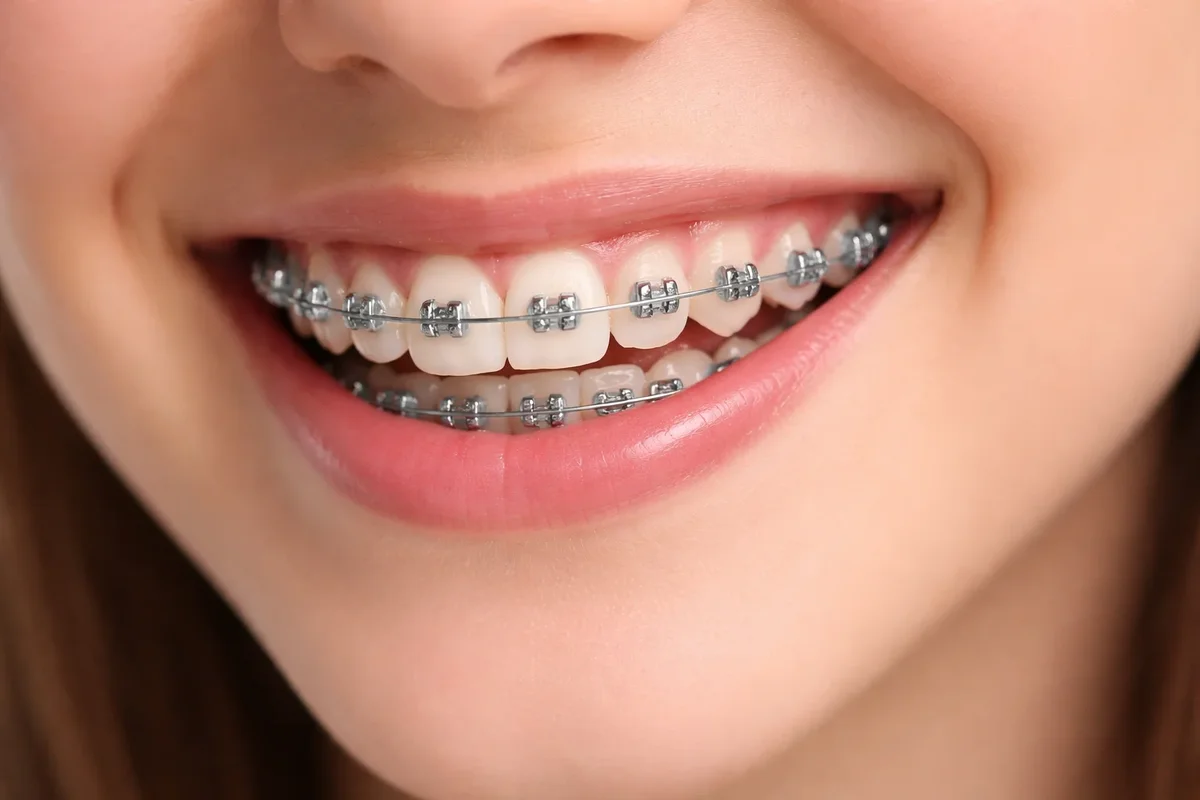
Bracket braces consist of small brackets that are bonded directly to the surface of each tooth and connected with an archwire. These components work together to apply controlled, continuous pressure, gradually moving teeth into their ideal positions. Unlike removable aligners, bracket braces stay in place throughout treatment, which makes them especially effective for complex alignment and bite correction issues.
One of the main reasons bracket braces are so popular is their versatility. They can treat overcrowding, gaps between teeth, overbites, underbites, crossbites, and rotated teeth with high precision. Because orthodontists can adjust the archwire and brackets over time, bracket braces allow for very accurate tooth movement that is difficult to achieve with some alternative orthodontic methods.
Another advantage of bracket braces is their suitability for patients of all ages. While many people associate braces with teenagers, adults increasingly choose bracket braces to improve both oral health and appearance. Advances in orthodontic materials mean that modern bracket braces are smaller, more comfortable, and more efficient than older versions, making treatment easier to manage for busy adults as well 😊.
From a medical perspective, properly aligned teeth are not just about aesthetics. Crooked or crowded teeth can make brushing and flossing difficult, increasing the risk of cavities, gum disease, and enamel wear. By correcting alignment issues, bracket braces help improve oral hygiene and reduce long-term dental problems. According to guidance supported by organizations like the American Dental Association, orthodontic treatment can play a key role in maintaining lifelong oral health.
The process of getting bracket braces usually begins with a detailed orthodontic examination. This includes digital scans, X-rays, and bite analysis. Based on these findings, the orthodontist designs a personalized treatment plan. Once the brackets are placed, regular adjustment appointments are scheduled to ensure steady progress. Throughout this process, bracket braces work continuously, which is why consistency and professional supervision are so important.
Many patients worry about comfort, but modern bracket braces are designed with patient experience in mind. While mild pressure or soreness is common after adjustments, this usually subsides within a few days. Over-the-counter pain relief and soft foods can help during these short adjustment periods. Most patients adapt quickly and continue their daily routines without major disruption.
Another frequently asked question is whether bracket braces are noticeable. Traditional metal bracket braces are visible, but many patients embrace them as a symbol of self-improvement 😄. Additionally, options like ceramic bracket braces blend more naturally with tooth color, making them less noticeable. Regardless of appearance, the effectiveness of bracket braces remains the same across types.
Commitment is an essential part of successful treatment. Because bracket braces are fixed appliances, patients must pay close attention to oral hygiene. Proper brushing, flossing, and regular dental check-ups are critical to prevent plaque buildup around brackets. Orthodontists often provide special tools and instructions to make cleaning easier during treatment.
At the end of treatment, the results achieved with bracket braces can be life-changing. Straighter teeth, a balanced bite, and improved confidence are common outcomes. To maintain these results, patients usually wear retainers as directed by their orthodontist. This final phase is crucial to ensure that teeth remain in their new positions after the bracket braces are removed.
If you are considering orthodontic treatment and want expert guidance, you can reach out directly through the Redent Klinik Contact Page. A professional consultation can help determine whether bracket braces are the right solution for your specific dental needs.
In summary, bracket braces remain one of the most reliable and effective orthodontic treatments available today. Their ability to correct a wide range of dental issues, combined with proven long-term results, makes bracket braces a top choice for patients seeking both functional and aesthetic improvements. With proper care and professional supervision, bracket braces can help you achieve a healthier, more confident smile that lasts a lifetime 🌟.
What Are Bracket Braces and How Do They Work?
Bracket braces are fixed orthodontic appliances designed to gradually move teeth into proper alignment using controlled mechanical force. They are composed of three primary components: brackets, archwires, and ligatures. Each element plays a specific role, and together they form a highly precise system that orthodontists use to correct dental and jaw irregularities. Understanding how bracket braces work helps patients feel more confident and engaged throughout their treatment journey 😊.
The Basic Structure of Bracket Braces
The most visible part of bracket braces is the bracket itself. These small attachments are bonded directly to the front surface of each tooth using a special dental adhesive. Once secured, the brackets act as anchors that hold the archwire in place. The archwire is a thin metal wire that runs through each bracket slot and applies gentle, continuous pressure to guide tooth movement.
Ligatures, which can be tiny elastic bands or thin metal ties, are used to fasten the archwire to the brackets. Together, these components allow bracket braces to exert precise forces in specific directions. This precision is what makes bracket braces effective for correcting even complex orthodontic problems that other treatments may struggle to address.
The Science Behind Tooth Movement
Bracket braces work by applying sustained pressure to the teeth over time. This pressure triggers a biological response in the surrounding bone and periodontal ligament. On the side where pressure is applied, bone gradually breaks down, allowing the tooth to move. On the opposite side, new bone forms to stabilize the tooth in its new position. This natural remodeling process is the foundation of how bracket braces achieve long-lasting results.
Because this biological process takes time, bracket braces require patience and consistency. Adjustments are made periodically by the orthodontist to increase or redirect force as teeth move. These controlled adjustments ensure that movement remains safe, efficient, and predictable throughout the treatment period.
Why Continuous Force Matters
One key advantage of bracket braces is that they provide continuous force 24 hours a day. Unlike removable orthodontic devices, bracket braces cannot be taken off by the patient, which eliminates the risk of inconsistent wear. This constant pressure is especially important for correcting severe crowding, bite problems, or rotated teeth, where steady force is essential for success.
Because of this reliability, bracket braces are often recommended for patients who need comprehensive orthodontic correction rather than minor cosmetic adjustments.
Customization and Precision in Treatment
Modern bracket braces are highly customizable. Orthodontists can choose different wire thicknesses, materials, and bending techniques depending on the stage of treatment. Early phases often focus on leveling and aligning teeth, while later stages fine-tune bite relationships and spacing. This level of customization allows bracket braces to address a wide range of orthodontic needs with remarkable accuracy.
In addition, advancements in bracket design have significantly improved comfort and efficiency. Today’s bracket braces are smaller, smoother, and more ergonomic than older versions, reducing irritation to the lips and cheeks while still delivering powerful corrective forces.
What Problems Can Bracket Braces Correct?
Bracket braces are used to treat a variety of orthodontic conditions, including overcrowded teeth, excessive spacing, overbites, underbites, crossbites, and open bites. They are also effective for correcting jaw alignment issues when used in combination with other orthodontic appliances. Because bracket braces allow for precise three-dimensional control of tooth movement, they are often the preferred choice for complex cases.
From a health perspective, correcting these issues is not only about appearance. Misaligned teeth can cause uneven wear, jaw pain, headaches, and difficulties with chewing or speaking. By resolving these problems, bracket braces contribute to improved oral function and overall quality of life 🦷.
Bracket Braces and Long-Term Oral Health
Properly aligned teeth are easier to clean and maintain, which reduces the risk of cavities and gum disease. By straightening teeth and correcting bite issues, bracket braces help distribute chewing forces evenly, protecting enamel and supporting jaw health. Dental authorities such as the American Dental Association recognize orthodontic treatment as an important component of preventive dental care.
In summary, bracket braces work through a carefully controlled combination of mechanical force and natural biological response. Their fixed design, customization options, and proven effectiveness make bracket braces one of the most reliable orthodontic solutions available today. Understanding how they work empowers patients to commit confidently to treatment and achieve lasting, healthy results 🌟.
Types of Bracket Braces Used in Modern Dentistry
Bracket braces are not a one-size-fits-all treatment. Thanks to advances in orthodontic technology, modern dentistry offers several types of bracket braces designed to meet different clinical needs, aesthetic preferences, and lifestyle expectations. Understanding the different types of bracket braces helps patients make informed decisions and feel more confident about starting orthodontic treatment 😄.
Traditional Metal Bracket Braces
Traditional metal bracket braces are the most well-known and widely used type. They are made from high-grade stainless steel and consist of metal brackets bonded to each tooth, connected by an archwire. Despite their visibility, metal bracket braces remain extremely popular because they are durable, effective, and suitable for treating even the most complex orthodontic cases.
One of the biggest advantages of metal bracket braces is their strength. They can withstand higher levels of force, making them ideal for severe crowding, significant bite problems, and major tooth rotations. Modern metal bracket braces are much smaller and more comfortable than older versions, reducing irritation and improving overall patient experience.
Who Benefits Most from Metal Bracket Braces?
Metal bracket braces are often recommended for younger patients and individuals with complex orthodontic issues. They are also a reliable choice for patients who prioritize effectiveness and treatment efficiency over aesthetics. Because they are highly durable, metal bracket braces tend to require fewer repairs and adjustments during treatment.
Ceramic Bracket Braces
Ceramic bracket braces work in the same way as metal bracket braces but are made from tooth-colored or clear ceramic materials. This makes them less noticeable and more appealing to patients who want a discreet orthodontic option while still benefiting from the precision of bracket braces.
From a functional standpoint, ceramic bracket braces offer similar results to metal versions. However, they may require slightly more care, as ceramic materials can be more fragile and prone to staining if oral hygiene is not well maintained. Despite this, many adult patients prefer ceramic bracket braces because they blend more naturally with the teeth.
Aesthetic Advantages of Ceramic Bracket Braces
For professionals or individuals concerned about appearance, ceramic bracket braces provide an excellent balance between effectiveness and subtlety. While not completely invisible, they are far less noticeable than metal bracket braces, making them a popular choice for adult orthodontic treatment 😊.
Self-Ligating Bracket Braces
Self-ligating bracket braces represent a modern innovation in orthodontics. Unlike traditional bracket braces that use elastic ligatures to hold the archwire in place, self-ligating bracket braces feature built-in clips or doors that secure the wire. This design reduces friction and allows teeth to move more freely.
Because of reduced friction, self-ligating bracket braces may require fewer adjustments and shorter appointment times. Some patients also report increased comfort and easier oral hygiene due to the absence of elastic bands. However, the overall treatment outcomes of self-ligating bracket braces are comparable to traditional systems.
Efficiency and Comfort Considerations
Self-ligating bracket braces are often chosen by patients seeking a more streamlined treatment experience. While they may not drastically shorten treatment time for every case, they can improve comfort and reduce the frequency of orthodontic visits in certain situations.
Lingual Bracket Braces
Lingual bracket braces are a unique type of bracket braces that are placed on the inner (tongue-facing) surfaces of the teeth rather than the front. This positioning makes them virtually invisible from the outside, offering a highly aesthetic solution for patients who want discreet orthodontic treatment.
Although lingual bracket braces provide excellent cosmetic benefits, they require specialized training and precise customization. They may also take longer to adjust to, as the brackets can initially affect speech and tongue comfort. Despite these challenges, lingual bracket braces remain a valuable option for image-conscious patients.
Is Everyone a Candidate for Lingual Bracket Braces?
Not all orthodontic cases are suitable for lingual bracket braces. Severe bite issues or certain tooth shapes may limit their effectiveness. A thorough orthodontic evaluation is essential to determine whether this type of bracket braces is appropriate for a specific patient.
Choosing the Right Type of Bracket Braces
Selecting the right type of bracket braces depends on several factors, including the complexity of the dental issue, aesthetic concerns, lifestyle, and oral hygiene habits. An experienced orthodontist evaluates these factors to recommend the most suitable option. According to guidance aligned with organizations such as the American Dental Association, personalized treatment planning is key to achieving successful orthodontic outcomes.
In conclusion, modern dentistry offers multiple types of bracket braces to accommodate diverse patient needs. Whether prioritizing strength, aesthetics, comfort, or discretion, bracket braces continue to provide reliable and effective solutions for achieving a healthy, well-aligned smile. Understanding these options empowers patients to choose bracket braces that align with both their dental goals and personal preferences 🌟.
Who Is a Good Candidate for Bracket Braces?
Bracket braces are a versatile orthodontic solution, but not every patient has the same needs or expectations. Determining who is a good candidate for bracket braces involves evaluating dental structure, bite alignment, age, oral health status, and personal commitment to treatment. Because bracket braces are fixed appliances capable of addressing complex orthodontic issues, they are often recommended for patients who require comprehensive and long-lasting correction 🦷.
Children and Teenagers as Candidates for Bracket Braces
Children and teenagers are among the most common candidates for bracket braces. During these developmental years, the jawbone is still growing, which allows teeth to move more efficiently in response to orthodontic force. Bracket braces are particularly effective for correcting crowding, spacing issues, and bite problems early, often preventing more severe complications later in life.
Orthodontists frequently recommend bracket braces for teenagers because they provide consistent, round-the-clock correction without relying on patient compliance. Since bracket braces cannot be removed, they ensure steady progress even for younger patients who may forget or avoid wearing removable appliances. This makes bracket braces a reliable choice for parents seeking predictable results.
Early Orthodontic Evaluation Matters
Early evaluation does not always mean immediate treatment, but it helps identify whether bracket braces will be necessary in the future. Interceptive orthodontics can guide jaw growth and create space for permanent teeth, making later treatment with bracket braces more efficient and effective.
Adults and Bracket Braces
Adults are increasingly choosing bracket braces to improve both oral health and appearance. Age alone is not a limiting factor for orthodontic treatment. As long as the teeth and gums are healthy, adults can benefit greatly from bracket braces. In fact, many adults seek treatment to correct long-standing alignment issues that were never addressed earlier.
Bracket braces are especially suitable for adults with moderate to severe orthodontic problems. While clear aligners may be appropriate for mild cases, bracket braces offer greater control and precision for complex movements. Modern designs, including ceramic and lingual bracket braces, also make treatment more discreet and socially comfortable for adult patients 😊.
Common Adult Motivations for Bracket Braces
Adults often pursue bracket braces to improve chewing efficiency, reduce jaw discomfort, and enhance smile aesthetics. Straight teeth are also easier to clean, which lowers the risk of gum disease and tooth decay. These functional and health-related benefits make bracket braces a practical investment for long-term oral wellness.
Dental Conditions That Indicate Bracket Braces
Bracket braces are commonly recommended for patients with crowded or overlapping teeth, excessive gaps, overbites, underbites, crossbites, and open bites. They are also effective for correcting rotated teeth and addressing jaw alignment discrepancies. Because bracket braces allow orthodontists to apply force in multiple directions, they can resolve issues that simpler orthodontic methods cannot.
In addition to alignment problems, bracket braces may be advised for patients experiencing uneven tooth wear, speech difficulties, or jaw pain related to bite imbalance. By correcting the underlying structural issues, bracket braces help restore proper function and comfort.
Oral Health Requirements Before Getting Bracket Braces
Good oral health is essential before starting treatment with bracket braces. Conditions such as untreated cavities, gum disease, or infections must be addressed first. Healthy gums and strong tooth enamel provide a stable foundation for orthodontic movement and reduce the risk of complications during treatment.
Dentists and orthodontists often work together to ensure that a patient is fully prepared for bracket braces. Professional cleanings, fillings, or periodontal treatments may be required before brackets are placed. This comprehensive approach aligns with preventive care principles supported by organizations like the American Dental Association.
The Importance of Patient Commitment
While bracket braces work continuously, patient cooperation is still crucial. Candidates must be willing to maintain excellent oral hygiene, attend regular adjustment appointments, and follow dietary guidelines. Hard, sticky, or sugary foods can damage bracket braces or increase the risk of tooth decay if proper care is not taken.
When Bracket Braces May Not Be the Best Option
In some cases, bracket braces may not be the ideal choice. Patients with very mild alignment issues might achieve satisfactory results with less invasive options. Additionally, individuals with certain medical conditions or poor oral health habits may need alternative approaches or additional preparation before considering bracket braces.
A thorough orthodontic consultation is essential to determine candidacy. This evaluation includes clinical examination, imaging, and discussion of goals and expectations. Only after this assessment can an orthodontist confidently recommend bracket braces as the most appropriate solution.
In conclusion, bracket braces are suitable for a wide range of patients, from growing adolescents to adults seeking functional and aesthetic improvements. Their ability to address complex orthodontic problems, combined with proven long-term effectiveness, makes bracket braces an excellent option for those committed to achieving a healthier, well-aligned smile 🌟.
The Step-by-Step Bracket Braces Treatment Process
Understanding the step-by-step bracket braces treatment process helps patients feel prepared, confident, and actively involved in their orthodontic journey. Bracket braces treatment is not a single appointment but a carefully planned medical process that unfolds over months or years, depending on the complexity of the case. Each stage plays a crucial role in ensuring that bracket braces deliver safe, precise, and long-lasting results 🦷.
Initial Consultation and Orthodontic Assessment
The journey with bracket braces always begins with a comprehensive orthodontic consultation. During this visit, the orthodontist evaluates tooth alignment, bite relationship, jaw structure, and overall oral health. Digital scans, X-rays, and photographs are often taken to create a detailed diagnostic profile. This information allows the orthodontist to determine whether bracket braces are the most appropriate treatment option.
At this stage, patients can ask questions about treatment duration, expected outcomes, and daily life with bracket braces. The orthodontist explains the treatment plan in detail, outlining how bracket braces will move the teeth over time. This personalized planning is essential for achieving predictable and successful results.
Customized Treatment Planning
No two patients are alike, which is why bracket braces treatment is fully customized. Based on diagnostic data, the orthodontist decides the type of bracket braces, wire sequence, and adjustment schedule. This tailored approach ensures that each tooth moves safely and efficiently throughout treatment.
Preparation Before Placing Bracket Braces
Before bracket braces are applied, the teeth and gums must be in excellent health. Any cavities, gum inflammation, or dental infections are treated beforehand. Professional cleaning is often recommended to remove plaque and tartar, ensuring optimal bonding conditions for the brackets.
In some cases, spacers may be placed between certain teeth a few days before bracket braces placement. These small separators create enough space for orthodontic bands if needed. While this step may cause mild discomfort, it prepares the mouth for a smoother placement process.
Placement of Bracket Braces
The placement of bracket braces is a precise and pain-free procedure that typically takes one to two hours. First, the teeth are cleaned and dried thoroughly. Then, each bracket is bonded to the tooth surface using a strong dental adhesive. Once all brackets are positioned correctly, the archwire is inserted and secured with ligatures.
After placement, patients may feel pressure or tightness as the bracket braces begin applying force. This sensation is normal and usually subsides within a few days. Orthodontists provide guidance on managing initial discomfort and adjusting to life with bracket braces 😊.
What to Expect After Placement
The first few days with bracket braces involve adaptation. Speaking, eating, and oral hygiene may feel different initially, but most patients adjust quickly. Soft foods are recommended during this period, and orthodontic wax can be used to reduce irritation.
Regular Adjustment Appointments
Once bracket braces are in place, regular adjustment appointments are scheduled every few weeks. During these visits, the orthodontist changes or tightens the archwire, replaces ligatures, and monitors tooth movement. These adjustments gradually guide teeth into their desired positions.
Each adjustment reactivates the bracket braces system, applying new levels of force. Mild soreness after appointments is common and temporary. These scheduled adjustments are essential to keep treatment progressing as planned and to make precise corrections when needed.
Monitoring Progress and Addressing Issues
Throughout treatment, orthodontists closely monitor progress to ensure that bracket braces are working effectively. If a bracket becomes loose or a wire causes discomfort, prompt attention prevents delays or complications. Patients are encouraged to report any issues rather than waiting until the next appointment.
Consistent monitoring aligns with professional standards supported by organizations such as the American Dental Association, emphasizing patient safety and treatment accuracy.
Removal of Bracket Braces
Once treatment goals are achieved, bracket braces are carefully removed. This process is quick and painless. The orthodontist gently detaches the brackets and cleans away adhesive residue. Seeing the final result for the first time is often an exciting and emotional moment for patients 😄.
The Retention Phase After Bracket Braces
After bracket braces removal, retainers are prescribed to maintain the new tooth positions. This retention phase is critical because teeth can shift back without proper support. Following retainer instructions ensures that the results achieved with bracket braces last for many years.
In summary, the bracket braces treatment process is a structured, medically guided journey designed to deliver precise and lasting results. From initial consultation to retention, each step plays a vital role in creating a healthier, more confident smile 🌟.
How Long Does Treatment with Bracket Braces Take?
One of the most common and important questions patients ask before starting orthodontic care is how long treatment with bracket braces will take. While bracket braces are highly effective, they are not an instant solution. The treatment timeline depends on multiple clinical and personal factors, and understanding these variables helps patients set realistic expectations and stay motivated throughout the process 😊.
Average Treatment Duration for Bracket Braces
On average, treatment with bracket braces typically lasts between 18 and 24 months. However, this timeframe can be shorter or longer depending on the complexity of the dental issues being treated. Mild alignment problems may be corrected in as little as 12 months, while more severe bite or jaw discrepancies may require up to 30 months or more with bracket braces.
It is important to understand that bracket braces focus on safe, gradual tooth movement. Rushing this biological process can damage tooth roots or surrounding bone. Therefore, orthodontists prioritize long-term stability over speed when designing a bracket braces treatment plan.
Factors That Influence Treatment Time
Several key factors determine how long bracket braces treatment will take. One of the most significant factors is the severity of the orthodontic problem. Crowded teeth, rotated teeth, and complex bite issues require more precise movements, which naturally extend the treatment duration.
Age also plays a role. Children and teenagers often respond more quickly to bracket braces because their jawbones are still developing. Adults can achieve equally excellent results, but tooth movement may progress slightly slower due to fully matured bone structure.
Patient Compliance and Lifestyle
Although bracket braces are fixed appliances, patient behavior still impacts treatment time. Maintaining excellent oral hygiene, attending all scheduled adjustment appointments, and avoiding foods that can damage bracket braces help prevent delays. Broken brackets or bent wires can interrupt progress and extend treatment duration.
Following orthodontic instructions closely ensures that bracket braces work as efficiently as possible throughout the treatment period.
Phases of Bracket Braces Treatment Timeline
Treatment with bracket braces occurs in clearly defined phases. The initial phase focuses on leveling and aligning the teeth. During this stage, lighter wires are used to gently guide teeth into better positions. This phase may last several months and sets the foundation for more advanced corrections.
The second phase addresses bite correction and space closure. Stronger wires and additional orthodontic mechanics may be introduced to refine tooth positioning. This stage is often the longest and most critical part of bracket braces treatment.
Final Detailing and Finishing Phase
The final phase of bracket braces treatment focuses on fine-tuning. Minor adjustments ensure optimal bite alignment, symmetry, and aesthetics. Even though progress may seem slower at this stage, these refinements are essential for achieving a high-quality, long-lasting result.
Do Faster Options Exist with Bracket Braces?
Some patients ask whether bracket braces can work faster with special techniques or devices. While certain technologies may improve comfort or efficiency, there is no safe shortcut that dramatically reduces treatment time. Orthodontic movement relies on natural bone remodeling, which cannot be rushed without risk.
Professional organizations such as the American Dental Association emphasize that orthodontic treatment timelines should always prioritize patient safety and long-term oral health over speed.
Why Patience Pays Off
Although wearing bracket braces for many months may feel challenging at times, patience is rewarded with stable and predictable results. Teeth that are moved too quickly are more likely to relapse after treatment. Properly paced bracket braces treatment ensures that teeth remain securely positioned once braces are removed.
Many patients find that time passes faster than expected once they settle into a routine with bracket braces. Regular progress checks and visible improvements help maintain motivation and confidence throughout the journey 😄.
After Bracket Braces: Retention Time Matters
Treatment time does not end the day bracket braces are removed. The retention phase is equally important and can last several months or years. Retainers hold teeth in their new positions while the surrounding bone stabilizes. Skipping or shortening this phase can undo the hard work achieved with bracket braces.
In summary, the length of treatment with bracket braces varies from patient to patient, but every month serves a purpose. With proper care, regular appointments, and realistic expectations, bracket braces deliver results that are well worth the time investment 🌟.
Bracket Braces vs Other Orthodontic Options
When considering orthodontic treatment, many patients compare bracket braces with other available options to determine which solution best fits their needs. While modern dentistry offers a variety of orthodontic systems, bracket braces continue to be a benchmark for effectiveness, versatility, and long-term stability. Understanding how bracket braces compare to alternatives helps patients make informed, confident decisions 😊.
Bracket Braces vs Clear Aligners
Clear aligners are often marketed for their nearly invisible appearance and removable design. They can be effective for mild to moderate alignment issues, especially in patients who are highly disciplined. However, bracket braces offer a level of precision and control that clear aligners may not consistently achieve in complex cases.
Bracket braces are fixed appliances, which means they work continuously without relying on patient compliance. Clear aligners must be worn for most of the day to be effective, and inconsistent wear can significantly delay results. For patients with severe crowding, rotated teeth, or significant bite problems, bracket braces are often the more reliable choice.
Accuracy and Predictability
One of the strongest advantages of bracket braces is their predictability. Orthodontists can fine-tune tooth movement in multiple directions using wires and bracket positioning. This level of control is particularly important when addressing complex orthodontic conditions where aligners may struggle to deliver consistent results.
Bracket Braces vs Lingual Systems
Lingual orthodontic systems place brackets on the inner surfaces of the teeth, making them invisible from the outside. While this sounds appealing, lingual systems require advanced customization and may not be suitable for every patient. Speech difficulties, tongue irritation, and longer adjustment periods are more common with lingual options.
Bracket braces placed on the front of the teeth are easier to adjust, monitor, and maintain. They allow orthodontists clear visibility and access, which contributes to more efficient treatment progress. For patients prioritizing comfort, simplicity, and treatment reliability, bracket braces often remain the preferred option.
Maintenance and Comfort Considerations
Lingual systems can be more challenging to clean and may increase plaque buildup if oral hygiene is not meticulous. Bracket braces, while visible, are easier for patients to clean effectively with proper instruction and tools.
Bracket Braces vs Removable Orthodontic Appliances
Removable orthodontic appliances are sometimes used in early orthodontic treatment or for minor corrections. However, they are generally limited in scope and effectiveness. Because they can be removed at will, treatment success heavily depends on patient cooperation.
Bracket braces eliminate this uncertainty by remaining in place at all times. This continuous force is essential for correcting complex alignment and bite issues. As a result, bracket braces are often chosen when predictable, comprehensive correction is required.
Cost and Value Comparison
While cost should never be the sole deciding factor, it is an important consideration for many patients. Bracket braces are often more cost-effective than some newer orthodontic systems, especially when treating complex cases. Their durability and proven results provide excellent long-term value.
Clear aligners and specialized systems may involve additional costs due to frequent replacements or advanced customization. Bracket braces, on the other hand, offer a straightforward and efficient treatment pathway with predictable outcomes.
Long-Term Stability
Long-term stability is a major advantage of bracket braces. Because teeth are moved gradually and precisely, the results tend to be more stable when combined with proper retention. Orthodontic authorities such as the American Dental Association emphasize the importance of controlled tooth movement and retention for lasting success.
Aesthetic Perception vs Clinical Effectiveness
Some patients initially hesitate to choose bracket braces due to their visibility. However, modern bracket braces are smaller, more comfortable, and available in aesthetic options such as ceramic materials. Many patients find that the temporary visibility is a worthwhile trade-off for reliable, high-quality results.
In contrast, aesthetic-focused alternatives may compromise effectiveness in complex cases. Bracket braces prioritize clinical excellence while still offering cosmetic-friendly variations for those concerned about appearance 😄.
Which Option Is Right for You?
Choosing between bracket braces and other orthodontic options depends on individual dental needs, lifestyle, and treatment goals. A professional orthodontic consultation is essential to evaluate these factors objectively. In many cases, bracket braces remain the most comprehensive and dependable solution available.
In summary, while orthodontic technology continues to evolve, bracket braces consistently stand out for their versatility, precision, and long-term success. When compared to other orthodontic options, bracket braces offer unmatched control and reliability, making them a trusted choice for patients seeking effective and lasting orthodontic correction 🌟.
Daily Care and Oral Hygiene with Bracket Braces
Maintaining excellent oral hygiene is absolutely essential when wearing bracket braces. Because bracket braces are fixed appliances attached to the teeth, they create additional surfaces where food particles and plaque can accumulate. Without proper daily care, these areas can increase the risk of cavities, gum inflammation, and permanent enamel stains. Fortunately, with the right routine and habits, keeping your mouth healthy while wearing bracket braces is completely achievable 🪥.
Why Oral Hygiene Is More Important with Bracket Braces
Bracket braces change the natural flow of how food and saliva move around the teeth. Brackets, wires, and ligatures create small spaces where plaque can easily hide. If plaque is not removed consistently, it can harden into tartar, irritate the gums, and weaken tooth enamel.
Patients with bracket braces must be more diligent than ever because orthodontic treatment often lasts many months. Even small hygiene mistakes repeated daily can lead to visible white spots, cavities, or gum disease by the time bracket braces are removed. This is why orthodontists emphasize prevention from the very first day of treatment.
Health and Aesthetic Consequences
Poor oral hygiene during bracket braces treatment can compromise results. Teeth may be straight after treatment, but enamel damage or inflamed gums can negatively affect the final appearance. Proper care ensures that when bracket braces come off, the smile is not only straight but also healthy and bright.
Proper Brushing Techniques with Bracket Braces
Brushing with bracket braces requires a more thorough approach than normal brushing. Patients should brush at least twice a day, ideally after every meal. A soft-bristled toothbrush or an orthodontic toothbrush is recommended to clean around brackets without damaging them.
The brush should be angled at 45 degrees toward the gum line and then angled downward and upward to clean around each bracket. Gentle, circular motions help remove plaque effectively. Electric toothbrushes can also be very helpful for patients with bracket braces, as they improve plaque removal with less effort.
Recommended Brushing Time
With bracket braces, brushing should take longer than usual—typically two to three minutes per session. Rushing increases the chance of leaving plaque behind, especially around brackets and wires.
Flossing with Bracket Braces
Flossing is often the most challenging part of oral hygiene with bracket braces, but it is also one of the most important. Traditional floss cannot easily pass under the archwire, which is why special tools are recommended. Floss threaders, orthodontic floss, or water flossers make flossing much easier and more effective.
Daily flossing removes plaque and food particles from between teeth where toothbrush bristles cannot reach. Skipping flossing during bracket braces treatment significantly increases the risk of gum disease and bad breath.
Additional Tools for Bracket Braces Care
Several additional tools can improve oral hygiene for patients with bracket braces. Interdental brushes are excellent for cleaning between brackets and under wires. Antibacterial mouthwash helps reduce plaque-causing bacteria and strengthens enamel when fluoride is included.
Orthodontic wax is also helpful for preventing irritation caused by bracket braces rubbing against the lips or cheeks. Using wax does not affect hygiene directly, but it improves comfort, making patients more consistent with their daily care routine 😊.
Diet and Hygiene Connection
Diet plays a major role in oral hygiene during bracket braces treatment. Sugary and sticky foods increase plaque buildup and should be limited. Hard foods can damage bracket braces and make cleaning more difficult. Choosing tooth-friendly foods supports both hygiene and treatment progress.
Professional Cleanings During Bracket Braces Treatment
Regular dental check-ups and professional cleanings are critical while wearing bracket braces. Dentists and hygienists use specialized tools to clean around brackets thoroughly. These visits help detect early signs of decay or gum inflammation before they become serious problems.
Guidelines supported by organizations such as the American Dental Association emphasize the importance of professional dental care during orthodontic treatment. Skipping cleanings can undo the benefits of even the best home care routine.
Building a Sustainable Daily Routine
Consistency is the key to success with bracket braces. Establishing a daily routine that includes proper brushing, flossing, and rinsing makes oral hygiene feel manageable rather than overwhelming. Many patients find that after a few weeks, caring for bracket braces becomes second nature.
Setting reminders, carrying a travel toothbrush, and using the right tools help patients stay on track even during busy days. These small habits protect both oral health and orthodontic results.
In conclusion, daily care and oral hygiene are non-negotiable parts of successful treatment with bracket braces. With the right techniques, tools, and consistency, patients can protect their teeth and gums while achieving a beautifully aligned smile. Proper care ensures that when bracket braces are removed, the results are healthy, strong, and long-lasting 🌟.
Common Problems and Side Effects of Bracket Braces
While bracket braces are a highly effective and widely trusted orthodontic treatment, it is important for patients to understand that, like any medical procedure, they can come with certain challenges and side effects. Most of these issues are temporary and manageable, especially when patients are informed and proactive. Knowing what to expect helps reduce anxiety and ensures a smoother experience with bracket braces 😊.
Initial Discomfort and Tooth Sensitivity
One of the most common side effects of bracket braces is discomfort, especially during the first few days after placement or adjustment. This discomfort is caused by pressure applied to the teeth as they begin to move. Tooth sensitivity and a dull ache are normal responses to this process.
For most patients, this discomfort peaks within the first 48 hours and gradually fades. Over-the-counter pain relievers, soft foods, and cold compresses can help manage this phase. It is important to understand that this temporary discomfort is a sign that bracket braces are working as intended.
Discomfort After Adjustments
Each adjustment appointment may trigger mild soreness again as new forces are applied. However, these sensations usually become less noticeable over time as the mouth adapts to bracket braces.
Mouth Irritation and Sores
Bracket braces include metal or ceramic components that may rub against the inner cheeks, lips, or tongue, especially in the early stages of treatment. This friction can cause small sores or irritation.
Orthodontic wax is commonly used to cover areas of bracket braces that cause discomfort. Applying wax creates a smooth barrier and allows soft tissues to heal. Over time, the mouth develops calluses that significantly reduce irritation.
Difficulty Eating and Speaking
Eating habits often need to change temporarily with bracket braces. Hard, crunchy, or sticky foods can damage brackets and wires, leading to discomfort or delays in treatment. Patients are encouraged to choose softer foods, especially during the early weeks.
Some patients also notice slight speech changes at first, particularly if bracket braces affect tongue movement. These changes are usually mild and resolve quickly as the mouth adjusts.
Adapting to Daily Life
Most patients adapt within a few weeks and resume normal eating and speaking patterns. Planning meals and cutting food into smaller pieces makes the adjustment period much easier.
Oral Hygiene Challenges
Maintaining oral hygiene can be more challenging with bracket braces. Brackets and wires create additional areas where plaque and food debris can accumulate. If not cleaned properly, this can lead to cavities, gum inflammation, or enamel discoloration.
This is not a direct side effect of bracket braces themselves but rather a risk associated with inadequate hygiene. With proper brushing, flossing, and professional cleanings, these issues are entirely preventable.
Broken Brackets and Wires
Bracket braces are durable, but they are not indestructible. Eating hard foods, chewing ice, or accidental impacts can cause brackets to loosen or wires to bend. Broken components can cause discomfort and may slow treatment progress if not addressed promptly.
Patients should contact their orthodontist as soon as possible if a bracket becomes loose or a wire causes pain. Quick repairs help keep bracket braces treatment on track.
How to Minimize Breakages
Following dietary guidelines and avoiding harmful habits significantly reduces the risk of damage. Protective mouthguards are also recommended for patients who play sports.
Root Resorption and Other Rare Effects
In rare cases, bracket braces can cause a shortening of tooth roots, known as root resorption. This condition is usually minor and does not affect tooth health. Orthodontists monitor tooth roots throughout treatment to detect any unusual changes early.
Other rare effects may include temporary jaw discomfort or muscle fatigue as the bite adjusts. These effects typically resolve as alignment improves.
Emotional and Psychological Impact
Wearing bracket braces can affect self-confidence, particularly in social or professional settings. While some patients feel self-conscious at first, many grow more confident as they see progress. Modern bracket braces are smaller and more comfortable, helping reduce this concern.
Support from dental professionals and realistic expectations make a significant difference. Organizations such as the American Dental Association emphasize patient education as a key factor in successful orthodontic treatment.
When to Contact Your Orthodontist
While most side effects of bracket braces are normal, persistent pain, swelling, or signs of infection should never be ignored. Prompt communication with the orthodontist ensures that small issues do not become major problems.
In conclusion, the common problems and side effects of bracket braces are generally mild, temporary, and manageable. With proper care, communication, and realistic expectations, patients can navigate these challenges successfully. Understanding these aspects empowers patients to stay committed and achieve the full benefits of bracket braces—a healthy, confident, and well-aligned smile 🌟.
Expected Results and Life After Bracket Braces
Completing orthodontic treatment with bracket braces is a major milestone, and patients often look forward to understanding what results they can expect and how life will change afterward. Bracket braces are designed not only to straighten teeth but also to improve bite function, oral health, and long-term stability. Knowing what happens after bracket braces are removed helps patients protect their results and fully enjoy the benefits of treatment 😊.
Immediate Results After Bracket Braces Removal
When bracket braces are removed, the most noticeable result is a straighter, more balanced smile. Teeth that were once crowded, rotated, or spaced unevenly now appear aligned and harmonious. Bite relationships are improved, allowing the upper and lower teeth to fit together more naturally.
Patients are often surprised by how smooth their teeth feel after bracket braces are taken off. Any adhesive residue is carefully removed, and the teeth are polished to reveal the final result. While the aesthetic improvement is obvious, the functional benefits of bracket braces are equally important.
Functional Improvements
After treatment, many patients experience easier chewing, clearer speech, and reduced jaw strain. Proper alignment achieved with bracket braces helps distribute biting forces evenly, which protects teeth from excessive wear and supports long-term oral health.
The Retention Phase: Protecting Your Results
One of the most critical phases after bracket braces is retention. Teeth have a natural tendency to shift back toward their original positions, especially in the months following treatment. Retainers are prescribed to prevent this movement and stabilize the results achieved with bracket braces.
There are different types of retainers, including removable clear retainers and fixed retainers bonded behind the teeth. The orthodontist determines the best option based on individual needs. Wearing retainers exactly as instructed is essential for maintaining the success of bracket braces treatment.
How Long Do Retainers Need to Be Worn?
In most cases, retainers are worn full-time for the first few months and then transitioned to nighttime use. Some patients may need long-term or even lifelong nighttime retention to preserve the alignment achieved with bracket braces. This is a small commitment compared to the lasting benefits of treatment.
Long-Term Oral Health Benefits of Bracket Braces
The benefits of bracket braces extend far beyond appearance. Straighter teeth are easier to clean, which reduces the risk of cavities, gum disease, and plaque buildup. Proper alignment also minimizes uneven enamel wear and lowers the likelihood of future dental problems.
From a preventive standpoint, bracket braces contribute to overall oral health by creating an environment that is easier to maintain with daily hygiene. Dental organizations such as the American Dental Association recognize orthodontic treatment as an important part of comprehensive dental care.
Emotional and Social Impact After Bracket Braces
Many patients report increased confidence and self-esteem after completing treatment with bracket braces. Smiling feels more natural, and social interactions often become more comfortable. This psychological benefit is one of the most rewarding outcomes of orthodontic treatment.
For adults, the professional and personal advantages of a confident smile can be significant. For younger patients, completing bracket braces often marks a positive transition into adulthood, reinforcing good oral health habits for life 😄.
Maintaining Results Through Good Habits
Life after bracket braces still requires attention to oral health. Regular dental check-ups, professional cleanings, and consistent home care remain essential. While brackets and wires are gone, the commitment to oral hygiene continues to protect the investment made in orthodontic treatment.
Patients should also avoid habits that can affect alignment, such as teeth grinding or using teeth as tools. If grinding is an issue, a night guard may be recommended to protect both teeth and orthodontic results.
When to Seek Follow-Up Care
Occasional follow-up visits with the orthodontist may be recommended to ensure that retainers fit properly and teeth remain stable. Addressing small changes early prevents more significant issues later.
Life Without Bracket Braces: What Changes?
Daily routines become simpler after bracket braces are removed. Eating is more comfortable, oral hygiene is easier, and there is no longer a need to avoid certain foods. However, these freedoms come with the responsibility of maintaining results through retention and care.
Many patients reflect on their experience with bracket braces as a worthwhile journey. The temporary challenges of treatment are outweighed by the long-term rewards of a healthy, functional, and attractive smile.
In conclusion, the expected results and life after bracket braces are overwhelmingly positive. With proper retention, ongoing oral care, and healthy habits, the benefits of bracket braces can last a lifetime. The result is not just straighter teeth, but improved oral health, confidence, and quality of life 🌟.