
Tooth loss can affect far more than just your smile. Missing or severely damaged teeth can influence the way you eat, speak, and even how confident you feel in social situations. Fortunately, modern dentistry offers highly effective restoration options, and one of the most widely used solutions is bridge and crown teeth. These restorations are designed to restore both the function and aesthetics of natural teeth, helping patients regain a healthy and natural-looking smile. 😊
Bridge and crown teeth are dental restorations used to repair or replace damaged or missing teeth. A dental crown is a custom-made cap placed over a weakened or damaged tooth to restore its shape, strength, and appearance. A dental bridge, on the other hand, replaces one or more missing teeth by anchoring an artificial tooth to adjacent crowns. Together, bridge and crown teeth provide a comprehensive solution for people who want to restore their dental structure without leaving gaps in their smile.
Understanding how bridge and crown teeth work begins with recognizing their individual roles. A crown acts as a protective covering for a tooth that may have been weakened by decay, trauma, or root canal treatment. It reinforces the remaining tooth structure and restores its functionality. In contrast, a bridge uses two crowns placed on the teeth adjacent to a missing tooth to support an artificial replacement tooth, known as a pontic. This system creates stability and restores the alignment of your bite.
Dentists often recommend bridge and crown teeth when a tooth cannot be repaired with a filling but still has a viable root structure. Crowns are also commonly used after root canal therapy because treated teeth become more fragile over time. When one or more teeth are missing, bridge and crown teeth can close the gap, preventing surrounding teeth from shifting out of position.
One of the most important advantages of bridge and crown teeth is their ability to restore both function and appearance simultaneously. Patients who receive these restorations often report significant improvements in chewing ability, speech clarity, and overall oral comfort. Because modern dental materials closely mimic the color and translucency of natural enamel, bridge and crown teeth blend seamlessly with surrounding teeth.
Another key benefit is the preservation of facial structure. When teeth are missing for long periods, the jawbone can gradually shrink due to lack of stimulation. By restoring chewing forces and maintaining alignment, bridge and crown teeth help maintain proper oral balance and support the natural contours of the face.
Modern dental technology has dramatically improved the durability and appearance of bridge and crown teeth. Materials such as porcelain, zirconia, and ceramic are commonly used because they provide exceptional strength while maintaining a natural look. Many patients cannot distinguish between natural teeth and professionally placed bridge and crown teeth.
According to the American Dental Association, restorative dentistry plays a crucial role in maintaining long-term oral health. Procedures like bridge and crown teeth are considered reliable and safe when performed by qualified dental professionals.
Patients considering bridge and crown teeth should first undergo a comprehensive dental examination. A dentist will evaluate gum health, bone structure, and the condition of surrounding teeth to determine whether this treatment is appropriate. In many cases, bridge and crown teeth provide a faster and more cost-effective alternative to other restorative procedures.
If you suspect you may need bridge and crown teeth, it is important to seek professional guidance. Early evaluation can prevent further damage and allow for more conservative treatment. You can schedule a consultation through the Redent Klinik Contact Page to discuss the most suitable restorative options for your dental needs.
Ultimately, bridge and crown teeth represent a powerful combination of functionality and aesthetics in modern dentistry. Whether you are dealing with a fractured tooth, severe decay, or missing teeth, these restorations offer a reliable way to restore both comfort and confidence. With proper care and professional maintenance, bridge and crown teeth can provide years of dependable performance and help you enjoy a healthy, complete smile once again. ✨
What Are Bridge and Crown Teeth and How Do They Work?
Modern dentistry offers several solutions for restoring damaged or missing teeth, and one of the most reliable options is bridge and crown teeth. These restorations are designed to repair teeth that are weakened, broken, or missing entirely, allowing patients to regain both oral function and a natural-looking smile. Many people experience tooth loss due to decay, injury, gum disease, or aging, and bridge and crown teeth provide an effective method to restore the structure of the mouth while maintaining proper alignment and chewing ability. 😊
In simple terms, bridge and crown teeth combine two restorative techniques commonly used in dental care. A dental crown is a cap that covers a damaged or weakened tooth, restoring its shape and strength. A dental bridge replaces one or more missing teeth by anchoring an artificial tooth between two crowns placed on neighboring teeth. Together, these restorations create a stable and durable solution that helps patients return to normal eating, speaking, and smiling.
The Role of Dental Crowns in Bridge and Crown Teeth
A dental crown is often the foundation of many restorative treatments. When dentists recommend bridge and crown teeth, the crown component plays a vital role in protecting existing teeth while supporting the bridge structure. Crowns are typically used when a tooth is severely damaged but still has a healthy root structure that can support a restoration.
Crowns work by fully covering the visible portion of a tooth above the gum line. This allows the dentist to restore the tooth’s original size, shape, and function. When integrated into bridge and crown teeth, crowns also serve as anchors that hold the artificial replacement tooth securely in place.
Common Situations Where Crowns Are Used
Dental professionals often recommend crowns in several situations where bridge and crown teeth are necessary:
- Protecting a tooth after root canal treatment
- Restoring a broken or severely worn tooth
- Covering a large filling when little natural tooth remains
- Supporting a dental bridge
- Improving the appearance of discolored or misshapen teeth
In each of these cases, bridge and crown teeth help strengthen the tooth while improving overall oral function. Crowns are typically made from materials such as porcelain, ceramic, zirconia, or porcelain fused to metal, all of which are designed to mimic the natural appearance of teeth.
How Dental Bridges Replace Missing Teeth
When a patient loses a tooth, the surrounding teeth can begin to shift into the empty space. This movement may cause bite problems, jaw discomfort, and difficulty chewing. This is where bridge and crown teeth play an essential role in restoring dental balance.
A dental bridge consists of three main components:
- The artificial tooth that fills the gap (pontic)
- Two dental crowns that attach to neighboring teeth
- The connecting structure that forms the bridge
In the process of placing bridge and crown teeth, the dentist prepares the teeth on either side of the missing space. These teeth receive crowns that hold the bridge securely in place. The artificial tooth sits between them, restoring the appearance and function of the missing tooth.
This design allows bridge and crown teeth to distribute chewing forces evenly across the jaw, preventing excessive stress on individual teeth. As a result, patients can chew comfortably and maintain a stable bite.
How Bridge and Crown Teeth Work Together
The true strength of bridge and crown teeth lies in the way both restorations work together. Crowns protect and reinforce existing teeth, while the bridge replaces missing ones. This combination allows dentists to rebuild a complete section of the smile with a restoration that feels natural and secure.
When properly designed, bridge and crown teeth function very similarly to natural teeth. Patients can speak normally, chew a wide variety of foods, and smile confidently. Modern dental materials also ensure that the restorations blend seamlessly with surrounding teeth, making them nearly invisible.
Another important advantage of bridge and crown teeth is that they help maintain the structure of the jaw and prevent misalignment of neighboring teeth. When a tooth is missing, surrounding teeth may tilt or shift over time. By filling the gap, bridge and crown teeth stabilize the entire dental arch.
The Importance of Professional Evaluation
Before recommending bridge and crown teeth, dentists perform a detailed examination that may include X-rays, digital scans, and bite analysis. This evaluation ensures that the supporting teeth and gums are healthy enough to hold the restoration securely.
Dental professionals also evaluate bone levels, gum health, and the strength of adjacent teeth before proceeding with bridge and crown teeth. In some cases, additional treatments such as gum therapy or fillings may be required before the restoration can be placed.
According to the American Dental Association, restorative treatments like bridge and crown teeth are essential for maintaining long-term oral health. Replacing missing or damaged teeth not only improves appearance but also protects the stability of the entire mouth.
Patients who believe they may benefit from bridge and crown teeth should consult a qualified dental professional to explore the best treatment options. A consultation allows the dentist to evaluate individual needs and create a personalized treatment plan. If you are considering this restoration, you can easily schedule a consultation through the Redent Klinik Contact Page.
Overall, bridge and crown teeth provide a highly effective solution for restoring damaged or missing teeth. By combining the protective strength of crowns with the gap-filling ability of bridges, this treatment allows patients to regain full oral function while enjoying a natural, confident smile. With proper care and regular dental check-ups, bridge and crown teeth can serve as a long-lasting solution for maintaining oral health and quality of life. ✨
Types of Bridge and Crown Teeth Used in Modern Dentistry
Modern restorative dentistry offers several variations of bridge and crown teeth, each designed to address different dental conditions and patient needs. Not all tooth damage or tooth loss is the same, which is why dentists carefully select the most suitable type of restoration for each individual. The goal of bridge and crown teeth is to restore both the function and aesthetics of natural teeth while maintaining long-term oral health. 😊
The type of bridge and crown teeth recommended for a patient depends on multiple factors, including the number of missing teeth, the condition of surrounding teeth, the strength of the jawbone, and the patient’s bite alignment. Modern materials and digital dentistry have also made bridge and crown teeth more durable and natural-looking than ever before.
Types of Dental Bridges Used in Bridge and Crown Teeth
Dental bridges are a core component of bridge and crown teeth. Bridges are used when one or more teeth are missing, and they help fill the gap with artificial teeth supported by crowns. Several types of bridges are commonly used in modern dentistry.
Traditional Dental Bridge
The traditional bridge is the most commonly used form of bridge and crown teeth. In this design, dental crowns are placed on the teeth located on both sides of the missing tooth. These crowns support an artificial tooth (pontic) that fills the gap.
This type of bridge and crown teeth is widely recommended when the surrounding teeth are strong enough to support crowns. Traditional bridges are highly stable and can restore chewing ability very effectively.
Cantilever Dental Bridge
A cantilever bridge is another form of bridge and crown teeth used when only one adjacent tooth is available to support the bridge. In this design, the artificial tooth is anchored by a crown on only one side rather than two.
Although cantilever bridge and crown teeth can be effective in certain situations, dentists usually recommend them for areas of the mouth that experience less chewing pressure, such as the front teeth.
Maryland Bonded Bridge
The Maryland bridge is a more conservative version of bridge and crown teeth. Instead of full crowns on neighboring teeth, this bridge uses metal or porcelain wings that bond to the back of adjacent teeth.
This approach preserves more natural tooth structure because the supporting teeth do not need to be fully reshaped. However, Maryland-style bridge and crown teeth are typically recommended for replacing front teeth rather than molars due to lower strength.
Implant-Supported Bridge
An implant-supported bridge represents one of the most advanced options for bridge and crown teeth. Instead of relying on natural teeth for support, dental implants are surgically placed into the jawbone to hold the bridge securely.
This type of bridge and crown teeth provides excellent stability and helps preserve bone density because implants stimulate the jawbone similarly to natural tooth roots.
Types of Dental Crowns Used in Bridge and Crown Teeth
Dental crowns are another essential part of bridge and crown teeth. The type of crown selected influences the strength, durability, and appearance of the restoration. Dentists typically recommend crown materials based on the location of the tooth and the patient’s aesthetic preferences.
Porcelain Crowns
Porcelain crowns are one of the most popular choices for bridge and crown teeth. They closely resemble natural tooth enamel in both color and translucency, making them ideal for restoring visible front teeth.
Patients often choose porcelain bridge and crown teeth because they blend seamlessly with surrounding teeth and provide a highly aesthetic result.
Porcelain-Fused-to-Metal Crowns
Porcelain-fused-to-metal crowns combine strength with aesthetics, making them a durable option for bridge and crown teeth. These crowns have a metal core for strength and a porcelain outer layer that mimics natural enamel.
This type of bridge and crown teeth is frequently used for molars and areas where chewing pressure is higher.
Zirconia Crowns
Zirconia crowns have become increasingly popular in modern bridge and crown teeth treatments due to their exceptional strength and natural appearance. Zirconia is a highly durable ceramic material that resists chipping and cracking.
Dentists often recommend zirconia bridge and crown teeth for patients who require strong restorations in the back of the mouth while still maintaining aesthetic quality.
All-Ceramic Crowns
All-ceramic crowns are another advanced option used in bridge and crown teeth. These crowns contain no metal and are known for their excellent biocompatibility and natural look.
Patients who have metal sensitivities or who want the most natural appearance possible often prefer all-ceramic bridge and crown teeth.
How Dentists Choose the Right Bridge and Crown Teeth
Selecting the right type of bridge and crown teeth requires careful evaluation by a dental professional. Dentists assess several important factors before recommending a specific restoration.
- The number of missing teeth
- The strength of adjacent teeth
- Jawbone health
- Bite alignment
- Patient preferences regarding appearance and durability
During this process, dentists also explain how different types of bridge and crown teeth function and what results patients can expect. Detailed treatment planning ensures that the chosen restoration will provide long-term stability and comfort.
According to the American Dental Association, selecting appropriate restorative materials and designs is essential for successful dental treatment. Properly designed bridge and crown teeth help restore oral function while protecting surrounding teeth.
Patients who want to explore which type of bridge and crown teeth may be best for them should consult a qualified dental professional. A personalized evaluation ensures that the restoration meets both functional and aesthetic needs. If you are considering treatment, you can contact a specialist through the Redent Klinik Contact Page to receive expert guidance.
Ultimately, modern bridge and crown teeth solutions provide a variety of options to suit different dental conditions. From traditional bridges to advanced implant-supported restorations and from porcelain crowns to zirconia designs, these treatments allow patients to regain a healthy, functional, and confident smile. With proper dental care and regular checkups, bridge and crown teeth can last for many years and significantly improve overall oral health. ✨
Who Is a Good Candidate for Bridge and Crown Teeth?
Not everyone with dental problems requires the same treatment, which is why dentists carefully evaluate each patient before recommending bridge and crown teeth. These restorations are designed to repair damaged teeth or replace missing ones, but the success of the treatment depends on several factors such as oral health, bone structure, and the condition of surrounding teeth. When properly recommended and professionally placed, bridge and crown teeth can restore chewing ability, protect remaining teeth, and dramatically improve the appearance of a smile. 😊
Many people assume that any missing tooth automatically qualifies for bridge and crown teeth, but dentists perform a detailed examination to ensure that the treatment will be stable and long-lasting. A good candidate for bridge and crown teeth typically has healthy gums, sufficient support from neighboring teeth, and good oral hygiene habits. Without these conditions, the restoration may not function properly over time.
Patients With Missing Teeth
One of the most common reasons dentists recommend bridge and crown teeth is the loss of one or more teeth. When a tooth is missing, the surrounding teeth may gradually shift toward the empty space. This movement can cause bite problems, jaw discomfort, and even difficulties with speech and chewing.
In these situations, bridge and crown teeth act as a replacement structure that fills the gap and stabilizes the dental arch. The bridge portion replaces the missing tooth, while crowns on the adjacent teeth provide support. This combination allows bridge and crown teeth to restore normal function and prevent neighboring teeth from drifting out of alignment.
Common Causes of Tooth Loss
- Advanced tooth decay
- Gum disease (periodontitis)
- Dental trauma or accidents
- Severely fractured teeth
- Complications from untreated infections
Patients who experience tooth loss due to these conditions often benefit greatly from bridge and crown teeth because the restoration not only fills the gap but also protects surrounding teeth from additional strain.
People With Severely Damaged Teeth
Another group of good candidates for bridge and crown teeth includes individuals with teeth that are structurally compromised. Teeth that have large fillings, fractures, or extensive wear may no longer be strong enough to function normally. In these cases, a dental crown can reinforce the tooth and restore its original shape.
When combined with a bridge, bridge and crown teeth allow dentists to rebuild multiple teeth within the same treatment plan. The crown protects the weakened tooth, while the bridge restores missing teeth nearby, creating a balanced and functional bite.
Patients With Healthy Supporting Teeth
For bridge and crown teeth to work properly, the surrounding teeth must be strong enough to support the restoration. These supporting teeth are known as abutment teeth. They anchor the crowns that hold the bridge in place.
If the abutment teeth are healthy and stable, bridge and crown teeth can provide excellent long-term results. However, if the surrounding teeth are weakened by decay or gum disease, the dentist may recommend treating those issues first before placing bridge and crown teeth.
Conditions That Must Be Treated First
- Active gum disease
- Untreated cavities
- Severe tooth mobility
- Oral infections
Addressing these problems ensures that bridge and crown teeth will have a strong foundation and function properly for many years.
Individuals Seeking a Non-Surgical Tooth Replacement
Many patients prefer bridge and crown teeth because the procedure does not always require surgery. Unlike dental implants, which involve placing a titanium post into the jawbone, traditional bridges rely on neighboring teeth for support.
For patients who are not candidates for implant surgery or who prefer a faster treatment option, bridge and crown teeth can provide an effective alternative. The procedure is generally completed within a few dental visits, making it a convenient solution for restoring missing teeth.
Patients Committed to Good Oral Hygiene
Long-term success with bridge and crown teeth depends heavily on proper oral care. Patients must be willing to maintain daily brushing, flossing, and regular dental checkups. Because the restoration covers or connects multiple teeth, maintaining cleanliness around the bridge area is especially important.
Dentists often recommend special flossing tools or interdental brushes to help clean beneath bridge and crown teeth. These tools remove plaque and food particles that could otherwise lead to gum irritation or decay around the supporting teeth.
Professional Evaluation Is Essential
Before recommending bridge and crown teeth, dentists perform a comprehensive examination that may include digital X-rays, bite analysis, and gum health evaluation. This process ensures that the patient is an ideal candidate for the restoration.
According to the American Dental Association, replacing missing or damaged teeth is essential for maintaining overall oral health and preventing further dental complications. Treatments like bridge and crown teeth help restore chewing efficiency and protect the long-term structure of the mouth.
If you are unsure whether bridge and crown teeth are suitable for your situation, consulting with a dental professional is the best first step. A personalized evaluation allows the dentist to assess your oral health and recommend the most appropriate treatment plan. You can schedule a consultation through the Redent Klinik Contact Page to receive professional guidance tailored to your needs.
Ultimately, the best candidates for bridge and crown teeth are individuals who want to restore missing or damaged teeth while maintaining a natural appearance and strong chewing function. With the right evaluation and proper care, bridge and crown teeth can provide a durable, comfortable, and aesthetically pleasing solution that supports long-term oral health and confidence. ✨
The Step-by-Step Procedure for Getting Bridge and Crown Teeth
Understanding the treatment process helps patients feel more confident about choosing bridge and crown teeth. Many people are curious about how dentists replace missing teeth or repair damaged ones, and the procedure for bridge and crown teeth is carefully designed to ensure comfort, precision, and long-lasting results. Modern dental technology has made this restoration predictable and highly successful, allowing patients to regain normal oral function and a natural-looking smile. 😊
The procedure for bridge and crown teeth typically involves several stages, including consultation, tooth preparation, impression taking, temporary restoration, and final placement. Each stage is important to ensure that the final restoration fits comfortably and functions just like natural teeth. Dentists use advanced imaging and digital scanning tools to design bridge and crown teeth that match the exact shape and alignment of the patient’s smile.
Initial Consultation and Examination
The first step in receiving bridge and crown teeth is a comprehensive dental examination. During this appointment, the dentist evaluates the condition of your teeth, gums, and jawbone to determine whether this treatment is suitable.
Digital X-rays or 3D scans may be used to assess bone structure and the health of surrounding teeth. These diagnostic tools help dentists design a precise treatment plan for bridge and crown teeth. At this stage, patients can also discuss their aesthetic expectations, treatment timeline, and oral health goals.
What Dentists Evaluate During the First Visit
- Overall oral health
- Strength of adjacent teeth
- Presence of gum disease or infection
- Alignment of the bite
- Number of teeth that need restoration
These factors help determine whether bridge and crown teeth will provide a stable and effective solution.
Tooth Preparation
Once the dentist confirms that bridge and crown teeth are the appropriate treatment, the next step is tooth preparation. For crowns and bridges to fit properly, the supporting teeth must be reshaped slightly.
During this process, a small amount of enamel is removed from the surface of the abutment teeth. This creates enough space for the crowns that will support the bridge. Proper preparation ensures that bridge and crown teeth fit comfortably and align correctly with the surrounding teeth.
Dentists use local anesthesia during this stage to ensure the patient remains comfortable throughout the procedure. Most patients report that the preparation for bridge and crown teeth feels similar to receiving a dental filling.
Dental Impressions and Digital Scanning
After preparing the teeth, the dentist takes impressions or digital scans of the mouth. These records are essential for designing custom bridge and crown teeth that perfectly match the patient’s bite and smile.
Traditional impressions involve using dental putty to capture the shape of the teeth, while modern clinics often use 3D digital scanners. These scanners create a highly accurate digital model that helps dental laboratories fabricate precise bridge and crown teeth.
The dentist also selects the appropriate tooth shade so that the final restoration blends naturally with surrounding teeth.
Temporary Bridge and Crown Teeth Placement
While the permanent restoration is being fabricated in the dental laboratory, patients typically receive temporary bridge and crown teeth. These temporary restorations protect the prepared teeth and maintain normal chewing ability during the waiting period.
Temporary bridge and crown teeth are usually made from lightweight acrylic materials. Although they are not as durable as the final restoration, they provide adequate protection and maintain the appearance of the smile.
Patients are advised to avoid very hard or sticky foods during this stage to prevent damage to the temporary bridge and crown teeth.
Laboratory Fabrication of Bridge and Crown Teeth
The dental impressions or digital models are sent to a specialized dental laboratory where technicians craft the final bridge and crown teeth. Using high-quality materials such as porcelain, zirconia, or ceramic, technicians design restorations that match the patient’s natural teeth.
Modern dental laboratories use computer-aided design and manufacturing technology (CAD/CAM) to produce extremely accurate bridge and crown teeth. This technology ensures that the final restoration fits perfectly and provides excellent durability.
Final Placement of Bridge and Crown Teeth
Once the custom restoration is ready, the patient returns to the dental clinic for final placement. The dentist removes the temporary restoration and carefully positions the permanent bridge and crown teeth.
Before permanently bonding the restoration, the dentist checks several important factors:
- Fit and comfort
- Bite alignment
- Color match with surrounding teeth
- Stability of the bridge
After confirming that everything fits correctly, the dentist permanently bonds the bridge and crown teeth using a strong dental cement. This adhesive ensures that the restoration remains securely in place.
Recovery and Adaptation Period
After placement, most patients adjust to their new bridge and crown teeth within a few days. Mild sensitivity may occur initially, especially when consuming hot or cold foods, but this usually fades as the teeth adapt to the restoration.
Patients are encouraged to maintain excellent oral hygiene and attend regular dental checkups to ensure the longevity of their bridge and crown teeth.
According to the American Dental Association, restorative dental treatments like bridge and crown teeth are highly effective when performed with proper diagnosis and planning. They help restore chewing efficiency and protect surrounding teeth from excessive wear.
If you are considering this treatment, scheduling a professional consultation is the best way to learn whether bridge and crown teeth are right for you. You can contact experienced dental professionals through the Redent Klinik Contact Page to discuss your treatment options and receive personalized advice.
Overall, the procedure for bridge and crown teeth is a carefully structured process that prioritizes both precision and patient comfort. From consultation to final placement, every step is designed to restore the health, function, and beauty of your smile. With proper care and routine dental visits, bridge and crown teeth can provide reliable results for many years and significantly improve overall oral health. ✨
Benefits of Choosing Bridge and Crown Teeth for Tooth Replacement
When people lose a tooth or suffer significant tooth damage, restoring the function and appearance of their smile becomes a top priority. Among the many restorative options available today, bridge and crown teeth remain one of the most reliable and widely used treatments. Dentists recommend bridge and crown teeth because they provide a strong, aesthetic, and functional solution that allows patients to regain normal oral health and confidence. 😊
The popularity of bridge and crown teeth comes from their ability to restore missing or damaged teeth in a way that closely mimics natural teeth. These restorations not only fill gaps in the smile but also strengthen weakened teeth and support the surrounding dental structure. Patients who receive bridge and crown teeth often experience improved chewing ability, clearer speech, and greater comfort in daily activities.
Restoring Natural Appearance and Smile Confidence
One of the most noticeable advantages of bridge and crown teeth is the improvement in smile aesthetics. Missing or damaged teeth can affect a person’s facial expression and overall appearance. Modern dental materials used in bridge and crown teeth, such as porcelain and zirconia, closely replicate the natural color and translucency of real teeth.
This means that bridge and crown teeth blend seamlessly with surrounding teeth, making them virtually indistinguishable from natural enamel. Many patients report feeling significantly more confident in social and professional situations after receiving bridge and crown teeth.
Cosmetic Improvements From Bridge and Crown Teeth
- Natural tooth color matching
- Improved smile symmetry
- Restored facial balance
- Better lip and cheek support
- More youthful appearance
These cosmetic improvements make bridge and crown teeth a highly attractive option for patients seeking both functional and aesthetic dental restoration.
Restoring Proper Chewing Function
Another major benefit of bridge and crown teeth is the restoration of chewing ability. Missing teeth can make it difficult to chew certain foods, which may lead to digestive problems or nutritional deficiencies. When teeth are restored with bridge and crown teeth, the bite becomes balanced again.
This allows patients to enjoy a wide variety of foods without discomfort. Because bridge and crown teeth distribute chewing forces evenly across the jaw, they help prevent excessive pressure on remaining natural teeth.
Preventing Teeth From Shifting
When a tooth is missing, neighboring teeth often begin to shift toward the empty space. Over time, this movement can lead to misalignment, bite problems, and jaw discomfort. One of the key structural benefits of bridge and crown teeth is their ability to stabilize the dental arch.
By filling the gap created by missing teeth, bridge and crown teeth help maintain proper tooth alignment and prevent long-term complications. Stabilizing the bite also reduces the risk of uneven wear on surrounding teeth.
Protecting Weakened Teeth
Teeth that are cracked, worn, or heavily filled may become fragile over time. Dental crowns used in bridge and crown teeth act as protective caps that reinforce these weakened teeth. By covering the entire tooth structure, crowns restore strength and prevent further damage.
This protective function is especially important after root canal treatment. Dentists frequently recommend bridge and crown teeth to protect treated teeth from fractures and restore their ability to withstand normal chewing pressure.
Situations Where Crown Protection Is Important
- Teeth with large fillings
- Teeth weakened after root canal therapy
- Cracked or fractured teeth
- Severely worn teeth due to grinding
In these cases, bridge and crown teeth provide essential reinforcement that helps preserve the natural tooth root.
Long-Lasting Durability
Modern materials used in bridge and crown teeth are designed to withstand years of daily use. Porcelain, zirconia, and ceramic restorations are extremely durable and resistant to wear. With proper care, bridge and crown teeth can last for many years while maintaining their appearance and function.
Dentists often emphasize that good oral hygiene plays a crucial role in the longevity of bridge and crown teeth. Regular brushing, flossing, and professional cleanings help protect the supporting teeth and surrounding gums.
Quick and Predictable Treatment
Compared to some other restorative procedures, bridge and crown teeth can usually be completed in a relatively short period of time. Most treatments require only two or three dental visits. This makes bridge and crown teeth an appealing option for patients who want a fast yet reliable solution for missing or damaged teeth.
Because dentists have used this technique successfully for decades, the treatment outcomes for bridge and crown teeth are highly predictable. Patients can expect consistent results when the procedure is performed by experienced dental professionals.
Supporting Overall Oral Health
Beyond cosmetic improvements, bridge and crown teeth contribute significantly to long-term oral health. By restoring the structure of the mouth, these restorations help maintain proper bite alignment and reduce stress on the jaw joint.
According to the American Dental Association, replacing missing or damaged teeth is an important step in preventing further dental complications. Treatments like bridge and crown teeth help maintain balance in the dental arch and protect the integrity of surrounding teeth.
If you believe you may benefit from bridge and crown teeth, scheduling a professional consultation is the best way to explore your treatment options. A dentist can evaluate your oral health and recommend the most suitable restoration. You can easily arrange an appointment through the Redent Klinik Contact Page to receive expert advice and personalized treatment planning.
Overall, the advantages of bridge and crown teeth extend far beyond cosmetic improvement. From restoring chewing function to protecting weakened teeth and preventing alignment problems, this treatment provides a comprehensive solution for many dental issues. With proper care and routine dental visits, bridge and crown teeth can help patients maintain a healthy, confident smile for many years to come. ✨
Bridge and Crown Teeth vs Dental Implants: Key Differences
When replacing missing teeth, patients often compare several treatment options before making a decision. Two of the most commonly recommended solutions are bridge and crown teeth and dental implants. Both methods aim to restore the function, appearance, and health of the mouth, but they differ in procedure, cost, treatment time, and long-term maintenance. Understanding the differences between bridge and crown teeth and dental implants can help patients choose the option that best suits their dental needs and lifestyle. 😊
Dentists evaluate multiple factors before recommending bridge and crown teeth or implants. These factors include the number of missing teeth, bone density, gum health, and patient preferences. While dental implants are widely considered a modern solution for tooth replacement, bridge and crown teeth remain a highly effective and commonly used restorative treatment in dentistry.
How Bridge and Crown Teeth Work Compared to Dental Implants
The main difference between bridge and crown teeth and dental implants lies in how the missing tooth is supported. With bridge and crown teeth, the replacement tooth is supported by adjacent natural teeth. These neighboring teeth receive dental crowns that anchor the bridge in place.
Dental implants, however, replace the root of the missing tooth by inserting a titanium post directly into the jawbone. Once the implant integrates with the bone, a crown is attached to the implant to restore the tooth.
Key Structural Differences
- Bridge and crown teeth: supported by neighboring natural teeth
- Dental implants: supported by titanium posts embedded in the jawbone
- Bridge and crown teeth: typically require reshaping adjacent teeth
- Dental implants: do not rely on surrounding teeth for support
Because bridge and crown teeth rely on existing teeth for support, they are often recommended when adjacent teeth already require crowns or reinforcement.
Treatment Time and Procedure Differences
Another major difference between bridge and crown teeth and implants is the treatment timeline. The process for bridge and crown teeth is usually faster because it does not require surgical placement into the jawbone.
In many cases, bridge and crown teeth can be completed within two or three dental visits over a few weeks. This includes tooth preparation, impressions, and placement of the final restoration.
Dental implant treatment, however, often takes several months because the implant must integrate with the bone through a process called osseointegration. Only after healing can the crown be attached.
Typical Treatment Timeline
- Bridge and crown teeth: usually completed within 2–3 visits
- Dental implants: may require 3–6 months for full treatment
- Bridge and crown teeth: no surgical healing period required
- Dental implants: surgical procedure followed by healing
For patients seeking a faster solution to replace missing teeth, bridge and crown teeth are often the preferred choice.
Cost Differences Between Bridge and Crown Teeth and Implants
Cost is another important factor when comparing bridge and crown teeth and dental implants. Dental implants tend to be more expensive because they involve surgical placement and specialized materials.
The cost of bridge and crown teeth can vary depending on the materials used, the number of teeth being replaced, and the location of the dental clinic. However, they are generally more affordable than implants.
Estimated Average Cost Ranges
Typical international price estimates for bridge and crown teeth may include:
- Single dental crown: $800 – $2,500
- Traditional dental bridge (3-unit): $2,000 – $5,000
- Zirconia bridge and crown teeth restoration: $3,000 – $7,000
Dental implants often cost between $3,000 and $6,000 per tooth depending on the procedure and materials used.
While implants may last longer in some cases, bridge and crown teeth provide an effective and more affordable alternative for many patients.
Durability and Longevity
Both bridge and crown teeth and dental implants are designed to last for many years when properly maintained. The longevity of either treatment depends largely on oral hygiene habits, dental checkups, and lifestyle factors such as diet and teeth grinding.
With proper care, bridge and crown teeth often last between 10 and 15 years or longer. Advances in materials like zirconia and porcelain have improved the durability of bridge and crown teeth significantly.
Dental implants may last even longer because they replace the tooth root itself. However, implants still require healthy gums and proper oral hygiene to remain successful.
Bone Health and Jaw Structure
Dental implants stimulate the jawbone in a way similar to natural tooth roots. This stimulation helps maintain bone density over time. Because bridge and crown teeth rest above the gumline rather than inside the bone, they do not provide the same level of bone stimulation.
However, bridge and crown teeth still offer excellent functional restoration and help maintain the alignment of surrounding teeth. For many patients who may not have sufficient bone density for implants, bridge and crown teeth provide a practical and reliable solution.
Which Option Is Best?
Choosing between bridge and crown teeth and dental implants depends on the individual patient’s oral health, treatment goals, and financial considerations. Dentists carefully evaluate each case before recommending the most appropriate solution.
According to the American Dental Association, both dental bridges and implants are effective methods for restoring missing teeth when planned and performed by qualified professionals.
Patients who want personalized guidance about whether bridge and crown teeth or dental implants are more suitable should consult a dental specialist. A professional evaluation ensures that the chosen treatment supports long-term oral health and comfort. You can easily arrange a consultation through the Redent Klinik Contact Page to discuss your options with experienced dental professionals.
Ultimately, both treatments aim to restore your smile and improve oral function. While implants offer certain structural advantages, bridge and crown teeth remain a trusted and effective restorative method used successfully in dentistry for decades. With proper care, bridge and crown teeth can provide long-lasting results that allow patients to eat, speak, and smile with confidence once again. ✨
How Long Do Bridge and Crown Teeth Last?
One of the most common questions patients ask before choosing a dental restoration is how long it will last. When properly designed and maintained, bridge and crown teeth can serve as a durable and reliable solution for many years. Modern dental materials and advanced treatment techniques have significantly improved the longevity of bridge and crown teeth, making them a trusted choice for restoring damaged or missing teeth. 😊
The lifespan of bridge and crown teeth depends on several factors, including the materials used, the skill of the dentist, the patient’s oral hygiene habits, and the amount of pressure placed on the restoration during chewing. While some restorations may require replacement after a decade, others can remain functional for 15 years or even longer when properly cared for.
Average Lifespan of Bridge and Crown Teeth
Most dental professionals estimate that bridge and crown teeth last between 10 and 15 years on average. However, many patients report restorations lasting 20 years or more with proper maintenance and routine dental care.
The durability of bridge and crown teeth has improved significantly with the introduction of modern materials such as zirconia and high-strength ceramics. These materials resist wear and fracture better than earlier dental restorations.
Estimated Lifespan Based on Materials
- Porcelain crowns: 10–15 years
- Porcelain-fused-to-metal crowns: 12–18 years
- Zirconia crowns: 15–20 years or longer
- Traditional dental bridges: 10–15 years
These ranges show that bridge and crown teeth are capable of providing long-term restoration when patients follow proper dental care routines.
Factors That Affect the Longevity of Bridge and Crown Teeth
Although bridge and crown teeth are designed for durability, several factors influence how long they remain functional. Understanding these factors helps patients extend the life of their restoration.
Oral Hygiene Habits
Maintaining excellent oral hygiene is one of the most important factors in preserving bridge and crown teeth. Brushing twice daily, flossing carefully around the bridge area, and using antibacterial mouthwash can prevent plaque buildup around supporting teeth.
If plaque accumulates near the base of bridge and crown teeth, it may cause gum irritation or decay in the underlying tooth structure, which could shorten the lifespan of the restoration.
Bite Pressure and Teeth Grinding
Excessive bite pressure can also affect the durability of bridge and crown teeth. Patients who grind their teeth at night, a condition known as bruxism, may place additional stress on dental restorations.
Dentists often recommend wearing a protective night guard for patients with grinding habits to protect their bridge and crown teeth from premature wear.
Dietary Habits
Diet also plays a role in the longevity of bridge and crown teeth. Consuming extremely hard foods such as ice or hard candies can place excessive pressure on the restoration and potentially cause cracks or fractures.
While bridge and crown teeth are strong enough to handle normal chewing, dentists usually advise avoiding unnecessary stress on the restoration.
Importance of Regular Dental Checkups
Routine dental visits are essential for maintaining the health of bridge and crown teeth. During regular checkups, dentists examine the condition of the restoration and ensure that the surrounding teeth and gums remain healthy.
Professional cleanings help remove plaque and tartar that may accumulate around bridge and crown teeth. Early detection of minor issues can prevent larger problems that might require replacement of the restoration.
According to the American Dental Association, regular dental visits are critical for preserving restorative treatments such as crowns and bridges. Monitoring the health of the surrounding tissues helps ensure that bridge and crown teeth remain stable and functional.
Signs That Bridge and Crown Teeth May Need Replacement
Even durable restorations eventually require replacement due to normal wear and tear. Patients should watch for certain warning signs that may indicate their bridge and crown teeth need professional evaluation.
Common Warning Signs
- Persistent sensitivity or discomfort
- Visible cracks or chips in the crown
- Loosening of the dental bridge
- Gum irritation around the restoration
- Changes in bite alignment
If any of these symptoms appear, it is important to consult a dentist promptly. Early treatment can often repair minor problems before they affect the entire structure of bridge and crown teeth.
How to Extend the Lifespan of Bridge and Crown Teeth
Patients can take several steps to maximize the longevity of bridge and crown teeth. Proper care not only protects the restoration but also preserves the health of surrounding natural teeth.
Helpful Care Tips
- Brush twice daily with fluoride toothpaste
- Use floss or interdental brushes under the bridge
- Avoid chewing extremely hard objects
- Wear a night guard if you grind your teeth
- Visit the dentist every six months
These preventive habits help ensure that bridge and crown teeth remain functional and aesthetically pleasing for as long as possible.
If you want professional advice about maintaining or replacing bridge and crown teeth, consulting an experienced dental professional is recommended. A dentist can evaluate the condition of your restoration and provide personalized care instructions. You can schedule a consultation through the Redent Klinik Contact Page to receive expert dental guidance.
Ultimately, the longevity of bridge and crown teeth depends on a combination of professional treatment, high-quality materials, and patient commitment to oral hygiene. With proper care and regular dental monitoring, bridge and crown teeth can provide long-lasting support for chewing, speaking, and smiling comfortably. These restorations remain one of the most effective solutions in modern dentistry for restoring damaged or missing teeth while preserving overall oral health. ✨
Costs of Bridge and Crown Teeth Around the World
When considering restorative dental treatment, cost is often one of the most important factors patients evaluate. The price of bridge and crown teeth can vary significantly depending on several variables, including the materials used, the complexity of the procedure, the location of the dental clinic, and the expertise of the dentist. While bridge and crown teeth are generally considered a cost-effective solution for replacing missing or damaged teeth, understanding the price differences around the world can help patients make informed decisions. 😊
In many countries, bridge and crown teeth are priced differently due to differences in dental technology, laboratory costs, healthcare systems, and local economic conditions. Some patients even travel internationally for treatment because high-quality bridge and crown teeth procedures may be available at more affordable prices in certain regions.
Average Cost of Bridge and Crown Teeth by Treatment Type
The overall cost of bridge and crown teeth depends largely on the type of restoration used. For example, a single dental crown typically costs less than a full dental bridge because fewer materials and less laboratory work are required.
In many cases, bridge and crown teeth treatments involve several components, such as multiple crowns and a pontic (artificial tooth). This means the final cost will depend on how many teeth are being restored.
Estimated Global Price Ranges
Below are approximate international price estimates for bridge and crown teeth treatments. These ranges may vary depending on clinic reputation, materials, and local healthcare standards.
- Single porcelain crown: $800 – $2,500
- Zirconia crown: $1,000 – $3,000
- Porcelain-fused-to-metal crown: $900 – $2,200
- Traditional 3-unit dental bridge: $2,000 – $5,000
- Zirconia dental bridge: $3,000 – $7,000
These estimates show that bridge and crown teeth provide a flexible range of options depending on patient needs and budget.
Cost of Bridge and Crown Teeth in Different Countries
Prices for bridge and crown teeth can vary dramatically depending on geographic location. Countries with higher healthcare costs often charge more for restorative dentistry, while other regions offer the same procedures at more competitive prices.
Typical Price Comparison
- United States: $3,000 – $7,000 for a dental bridge
- United Kingdom: $2,500 – $6,000 depending on materials
- Germany: $2,000 – $5,000 depending on insurance coverage
- Turkey: $800 – $2,500 for high-quality bridge and crown teeth
- Mexico: $900 – $2,800 depending on clinic
These price differences explain why many patients consider international treatment options for bridge and crown teeth. Countries with strong dental tourism industries often provide advanced technology and experienced specialists at more accessible prices.
Factors That Influence the Cost of Bridge and Crown Teeth
Several important factors affect the total cost of bridge and crown teeth. Understanding these factors can help patients better estimate the investment required for their treatment.
Material Selection
The material used to fabricate bridge and crown teeth significantly influences cost. Zirconia and high-end ceramic restorations tend to be more expensive due to their durability and natural appearance.
Number of Teeth Replaced
The more teeth included in the restoration, the higher the overall price of bridge and crown teeth. A single crown will cost less than a multi-unit bridge.
Laboratory Technology
Modern dental laboratories use advanced CAD/CAM systems to manufacture precise bridge and crown teeth. While these technologies improve accuracy and aesthetics, they may also increase treatment costs.
Dentist Experience
Highly experienced dentists or specialists may charge higher fees for placing bridge and crown teeth, but their expertise often results in better long-term outcomes and fewer complications.
Insurance and Payment Options
In many countries, dental insurance may cover part of the cost of bridge and crown teeth, particularly if the restoration is considered medically necessary rather than purely cosmetic.
Some dental clinics also offer flexible payment plans to help patients manage the cost of bridge and crown teeth. These financing options allow patients to receive treatment while paying for the procedure over time.
According to the American Dental Association, restorative treatments such as crowns and bridges are often essential for preserving oral health and preventing further dental complications.
Is Dental Tourism for Bridge and Crown Teeth Worth It?
Dental tourism has become increasingly popular for patients seeking affordable bridge and crown teeth treatments. Traveling abroad for dental care can significantly reduce costs while still providing access to modern clinics and experienced specialists.
However, patients should carefully research the credentials of the dental clinic before traveling for bridge and crown teeth. Factors such as clinic accreditation, dentist qualifications, and patient reviews are important when selecting an international provider.
For patients considering treatment abroad or locally, scheduling a consultation with a reputable dental clinic is the best way to understand the exact cost of bridge and crown teeth. A personalized treatment plan ensures accurate pricing and proper evaluation of oral health needs. You can request professional consultation through the Redent Klinik Contact Page.
Ultimately, the cost of bridge and crown teeth should be viewed as an investment in long-term oral health. By restoring damaged or missing teeth, these treatments improve chewing function, protect surrounding teeth, and enhance overall smile aesthetics. With modern materials and experienced dental care, bridge and crown teeth offer a reliable and cost-effective way to restore a healthy, confident smile for many years to come. ✨
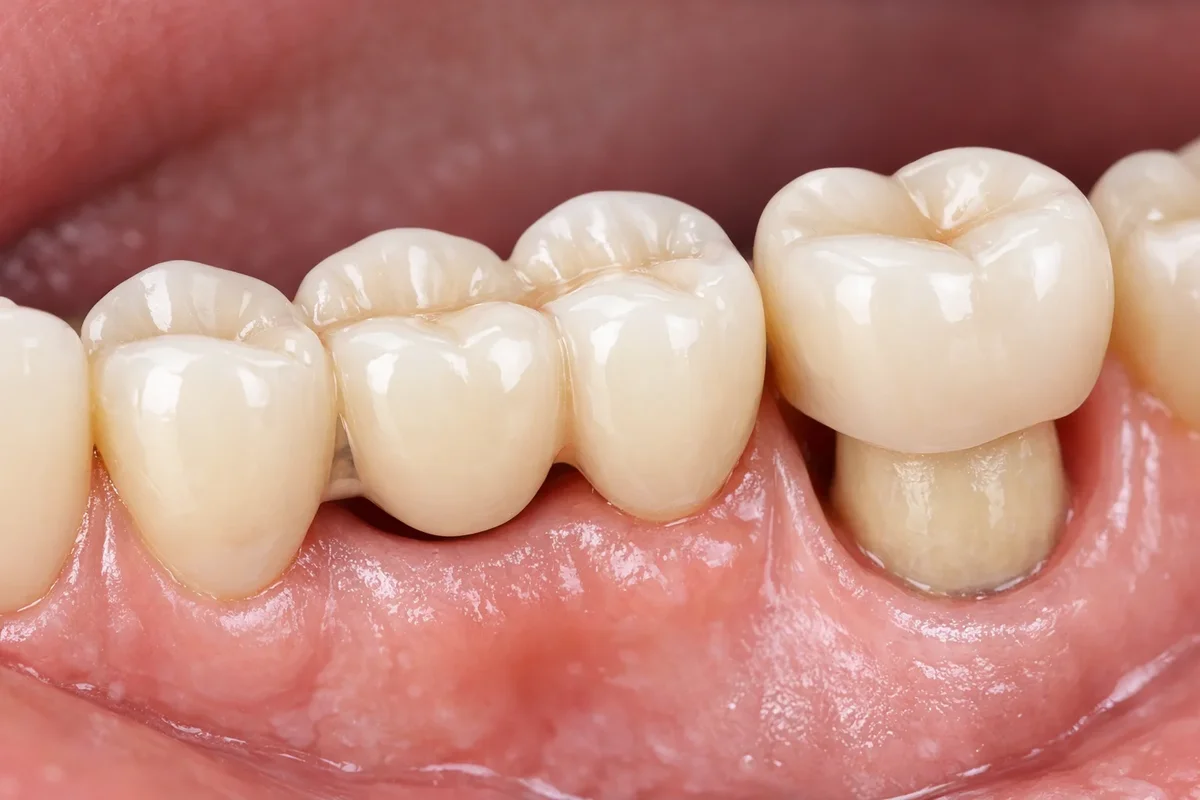
Daily Care Tips to Maintain Bridge and Crown Teeth
Maintaining good oral hygiene is essential for the long-term success of bridge and crown teeth. While these restorations are designed to be durable and resistant to everyday wear, they still require proper care to remain functional and aesthetically pleasing. Patients who maintain consistent oral hygiene routines can significantly extend the lifespan of their bridge and crown teeth and prevent complications such as gum irritation or decay around supporting teeth. 😊
Unlike natural teeth alone, bridge and crown teeth create areas where plaque and food particles can accumulate more easily. Because of this, dentists emphasize daily cleaning habits that target both the restoration and the surrounding gum tissue. With the right techniques and tools, caring for bridge and crown teeth can become a simple and effective part of your daily routine.
Why Proper Care for Bridge and Crown Teeth Is Important
Although bridge and crown teeth themselves cannot develop cavities, the natural teeth supporting them are still vulnerable to decay and gum disease. If plaque accumulates around the base of the crowns or beneath the bridge, bacteria may affect the surrounding tissues.
This means that consistent cleaning practices are essential for protecting the long-term stability of bridge and crown teeth. Good oral hygiene not only preserves the restoration but also protects the health of the gums and adjacent teeth.
Common Risks Without Proper Maintenance
- Plaque buildup around crown margins
- Gum inflammation near bridge structures
- Decay in supporting teeth
- Bad breath caused by trapped food particles
- Premature loosening of bridge and crown teeth
Fortunately, these issues can usually be prevented through proper cleaning habits and regular dental visits.
Daily Brushing Techniques
Brushing your teeth twice a day is the most important step in caring for bridge and crown teeth. A soft-bristled toothbrush and fluoride toothpaste should be used to gently clean the surfaces of both natural teeth and restorations.
When brushing around bridge and crown teeth, it is especially important to focus on the gumline. Bacteria often accumulate at this junction, which may lead to gum irritation if not removed regularly.
Recommended Brushing Tips
- Brush at least twice daily for two minutes
- Use gentle circular motions rather than aggressive scrubbing
- Clean along the gumline where crowns meet the gums
- Brush the chewing surfaces of bridge and crown teeth carefully
- Consider using an electric toothbrush for more thorough cleaning
These simple techniques help remove plaque and maintain the cleanliness of bridge and crown teeth throughout the day.
Flossing Around Bridge and Crown Teeth
Flossing is another crucial step in maintaining bridge and crown teeth. Standard floss can clean between natural teeth, but dental bridges often require specialized flossing tools to reach beneath the artificial tooth.
Dentists frequently recommend floss threaders or super floss to help guide floss under the bridge portion of bridge and crown teeth. This allows patients to remove food particles and plaque that may accumulate underneath the bridge.
Tools That Help Clean Bridge and Crown Teeth
- Floss threaders
- Super floss designed for bridges
- Interdental brushes
- Water flossers for deep cleaning
Using these tools regularly helps maintain the cleanliness of bridge and crown teeth and reduces the risk of gum inflammation.
Using Antibacterial Mouthwash
Adding an antibacterial mouthwash to your daily routine can further support the health of bridge and crown teeth. Mouthwash helps reduce bacteria in areas that may be difficult to reach with brushing and flossing alone.
Rinsing with mouthwash once or twice daily can help maintain healthy gums and reduce plaque formation around bridge and crown teeth.
Avoiding Harmful Habits
Certain habits can place unnecessary stress on bridge and crown teeth. Chewing hard objects such as ice, pens, or hard candies may cause damage to crowns or bridges over time.
Patients should also avoid using their teeth as tools to open packages or bite non-food items. Protecting bridge and crown teeth from excessive force helps ensure the restoration remains stable for many years.
Habits to Avoid
- Chewing ice or hard candy
- Opening bottles or packages with teeth
- Biting fingernails
- Grinding teeth without a night guard
Eliminating these habits significantly improves the longevity of bridge and crown teeth.
Importance of Regular Dental Checkups
Professional dental checkups play an important role in maintaining bridge and crown teeth. Dentists examine the restoration, check bite alignment, and ensure that the surrounding gums remain healthy.
During routine visits, professional cleanings remove plaque and tartar that cannot be eliminated through brushing alone. These cleanings help preserve the stability of bridge and crown teeth.
According to the American Dental Association, regular dental visits are essential for maintaining restorative treatments and preventing oral health complications.
Professional Advice for Long-Term Care
Every patient’s dental condition is unique, so personalized advice from a dental professional is important for maintaining bridge and crown teeth. Dentists may recommend specific cleaning tools or techniques depending on the design of the bridge or crown.
If you have recently received bridge and crown teeth or are planning to undergo treatment, consulting a dental specialist ensures that you receive proper guidance for long-term maintenance. You can schedule a professional consultation through the Redent Klinik Contact Page to receive personalized dental care recommendations.
Ultimately, daily care plays a crucial role in protecting bridge and crown teeth. With consistent brushing, proper flossing techniques, and regular dental visits, patients can enjoy the benefits of their restoration for many years. Maintaining good oral hygiene ensures that bridge and crown teeth continue to support a healthy bite, comfortable chewing, and a confident smile. ✨