
When it comes to restoring smiles, maintaining oral health, and ensuring that patients regain their confidence, the concept of a bridge dental practice plays a central role. A bridge dental practice refers to a specialized dental office or clinic that focuses heavily on providing patients with dental bridges — fixed prosthetic devices used to replace one or more missing teeth. Unlike removable dentures, dental bridges are permanently cemented onto existing teeth or implants, offering patients a durable, natural-looking solution. 🦷
In this detailed guide, we will explore what a bridge dental practice is, how it functions, the services it provides, and why patients often choose this type of practice for their restorative dental needs. This article will also shed light on how bridge dentistry differs from other treatments, what patients can expect during their visits, and how such practices are evolving with modern dental technology. By the end, you will have a thorough understanding of the unique features and advantages of bridge dental practices — making it easier to decide whether it is the right solution for you.
Understanding the Foundation of a Bridge Dental Practice
At its core, a bridge dental practice is built around the philosophy of helping patients restore both function and aesthetics after tooth loss. Tooth loss is not only a cosmetic concern but also a functional one. Missing teeth can lead to difficulty in chewing, misaligned bites, changes in facial structure, and even speech problems. A dental bridge provides a solution by literally “bridging” the gap created by missing teeth using artificial teeth (pontics) anchored to surrounding natural teeth or implants. This comprehensive approach is what makes such practices unique in the dental industry.
These practices don’t simply provide bridges as an isolated service; they integrate diagnosis, planning, preparation, placement, and follow-up care into a single, patient-friendly experience. Many bridge dental practices are multidisciplinary, working alongside orthodontists, periodontists, and oral surgeons to deliver holistic treatment tailored to individual cases.
Why Patients Seek Out Bridge Dental Practices
Patients typically turn to a bridge dental practice for several reasons. First and foremost, missing teeth can significantly impact a person’s self-esteem. Smiling, speaking, and eating in public can become stressful. Dental bridges offer a reliable, long-term solution to this issue. Secondly, bridges improve functionality by restoring proper chewing ability. Finally, they prevent long-term oral health issues, such as the shifting of surrounding teeth into empty spaces, which can lead to further complications down the road.
For many, cost is also a decisive factor. Compared to implants, dental bridges are often more affordable and quicker to place, which is why patients who need practical yet effective solutions frequently seek out these practices. Practices dedicated to bridge work tend to have extensive experience, which increases patient confidence and satisfaction.
How Bridge Dental Practices Operate Day-to-Day
On a day-to-day basis, a bridge dental practice operates much like a general dental office but with specialized expertise in prosthetics. From the initial consultation to the final placement of the bridge, the workflow is designed to keep the patient informed and comfortable. The process usually involves:
- Initial Consultation: A thorough examination, X-rays, and sometimes 3D scans to determine if the patient is a good candidate for a bridge.
- Treatment Planning: The dentist explains the available options — traditional bridges, cantilever bridges, Maryland bridges, or implant-supported bridges — and discusses pros, cons, and expected outcomes.
- Tooth Preparation: The abutment teeth (those adjacent to the missing gap) are shaped to support crowns that will hold the bridge in place.
- Impressions: Digital or physical impressions are taken to create a custom-fit bridge.
- Temporary Bridge: A temporary prosthesis may be placed while the permanent one is fabricated in the dental lab.
- Final Placement: The permanent bridge is cemented, adjusted, and checked for comfort and bite accuracy.
- Follow-up Care: Regular check-ups ensure longevity and early detection of any complications.
Advanced Technology in Bridge Dental Practices
Modern bridge dental practices are increasingly adopting cutting-edge technology to improve precision, comfort, and outcomes. Digital impressions replace messy molds, CAD/CAM technology enables same-day bridge fabrication, and advanced materials such as zirconia provide unparalleled durability and aesthetics. With these innovations, patients enjoy faster, more comfortable treatments with highly realistic results. 🌟
The Human Element in Bridge Dental Practices
Beyond technology and clinical expertise, the human element defines a successful bridge dental practice. Dentists and staff prioritize patient education, making sure individuals understand their treatment options. They also provide emotional support, especially to patients who may be anxious about dental procedures. Compassionate communication and transparency are hallmarks of reputable practices, making patients feel at ease throughout their journey.
Integration With Broader Dental Health
Bridge dentistry does not exist in isolation. A good bridge dental practice integrates oral hygiene education, periodontal care, and preventive dentistry into its treatment plans. This holistic approach ensures not only the successful placement of a dental bridge but also the long-term health of gums and supporting structures. Patients are taught proper brushing, flossing techniques (including floss threaders for bridges), and the importance of routine cleanings to maximize bridge lifespan.
Conclusion: The Value of Bridge Dental Practices
Ultimately, a bridge dental practice is more than just a clinic that installs dental bridges — it is a center dedicated to restoring health, function, and aesthetics. For patients facing tooth loss, choosing such a practice means benefiting from specialized expertise, comprehensive care, and modern technology. Whether you are weighing the cost, the convenience, or the cosmetic outcomes, these practices offer a balanced solution that has stood the test of time in dentistry.
If you are considering treatment, you can reach out to experts through resources like the Redent Klinik Contact Page for professional advice, or explore trusted organizations such as the American Dental Association for additional information.
What Is a Bridge Dental Practice and How Does It Work?
A bridge dental practice is a specialized dental facility that primarily focuses on the diagnosis, design, and placement of dental bridges — prosthetic devices that replace missing teeth by anchoring artificial teeth to adjacent natural teeth or implants. This type of practice combines restorative dentistry, aesthetics, and functional care to provide patients with a complete solution for tooth loss. Unlike general practices that may only occasionally handle bridges, a bridge dental practice dedicates significant expertise, technology, and time to ensure the best outcomes for patients. 🦷
The Core Concept of a Bridge Dental Practice
To understand how a bridge dental practice functions, it’s important to grasp the concept of a dental bridge itself. A dental bridge consists of one or more pontics (false teeth) that are anchored by crowns placed on the abutment teeth (teeth on either side of the missing gap). This design “bridges” the gap, hence the name. The practice revolves around evaluating whether a patient is a candidate, selecting the right type of bridge, and then customizing it for a perfect fit. The ultimate goal is to restore chewing function, improve speech, and enhance the natural appearance of the smile.
Step-by-Step Workflow in a Bridge Dental Practice
The patient journey within a bridge dental practice follows a structured workflow that prioritizes both accuracy and patient comfort. Each step is meticulously planned and executed:
- Initial Evaluation: The process begins with a comprehensive oral exam, X-rays, and sometimes 3D scans to assess bone health, gum condition, and the overall dental structure.
- Treatment Planning: The dentist explains different bridge types — traditional, cantilever, Maryland, or implant-supported — and recommends the best option based on patient needs and budget.
- Tooth Preparation: Abutment teeth are reshaped to accommodate crowns that will hold the bridge firmly in place.
- Impression Taking: Digital scans or traditional impressions are made to create a custom bridge design.
- Temporary Bridge: A temporary prosthetic may be installed to protect prepared teeth and allow the patient to function normally while the permanent bridge is being fabricated.
- Final Placement: Once the permanent bridge is ready, it is cemented into place. The dentist adjusts the bite to ensure comfort and durability.
- Post-Treatment Follow-Up: Patients are scheduled for follow-ups to monitor healing, check stability, and offer guidance on oral care routines.
Different Roles Within a Bridge Dental Practice
A successful bridge dental practice usually operates with a team-based approach. Each professional contributes to the patient’s overall treatment success:
- Restorative Dentist: Oversees diagnosis, planning, and placement of bridges.
- Periodontist: Ensures gum and bone health are suitable for long-term support.
- Dental Hygienist: Educates patients on bridge maintenance and oral hygiene.
- Dental Technician: Creates custom-made bridges using high-quality materials like porcelain, zirconia, or ceramics.
Traditional vs. Modern Practices
Traditional practices relied on manual impressions, laboratory delays, and metal-based materials. Modern bridge dental practices, however, integrate digital technology like CAD/CAM systems, 3D printing, and biocompatible materials. This not only shortens treatment time but also enhances accuracy and aesthetic results. Patients can sometimes receive same-day bridges thanks to in-house milling machines, making the entire process more efficient.
Why Patients Prefer Bridge Dental Practices
Patients often choose a bridge dental practice because of the focused expertise and predictable results. The benefits include:
- Specialized knowledge in restoring smiles with bridges.
- Use of advanced technology for precision and comfort.
- Comprehensive care that covers consultation to long-term follow-up.
- Cost-effective alternatives compared to implants, while still offering durability.
Moreover, dedicated practices often provide a warm, patient-centered environment where communication is emphasized. Patients feel more confident knowing their provider specializes in bridge treatments rather than offering them as a minor part of general dentistry.
Integration With Preventive and Cosmetic Care
Another distinguishing feature is the integration of preventive and cosmetic care within the same practice. Alongside placing bridges, practitioners emphasize gum care, periodontal therapy, and whitening services to enhance the aesthetic outcome. The combination of functionality and beauty makes a bridge dental practice particularly appealing for patients who want a holistic solution.
Long-Term Maintenance and Patient Education
A key part of how these practices work involves patient education. Bridges require special cleaning techniques, including floss threaders and interdental brushes, to prevent plaque accumulation. Regular check-ups are emphasized to extend the lifespan of the bridge, which often ranges from 10 to 15 years with proper care. By equipping patients with knowledge, the practice ensures long-term success and prevents secondary complications.
Conclusion: The Functionality of a Bridge Dental Practice
In summary, a bridge dental practice is a hub of specialized restorative care. It combines the science of prosthetics, the art of smile design, and the discipline of preventive dentistry to give patients complete oral rehabilitation. With structured workflows, modern technology, and patient-centered care, these practices make dental bridges a reliable and accessible solution for anyone facing tooth loss. Choosing such a practice means not only restoring your teeth but also gaining the confidence, comfort, and quality of life that comes with a healthy, radiant smile. 🌟
Benefits of Choosing a Bridge Dental Practice for Patients
Choosing a bridge dental practice can be a life-changing decision for patients struggling with missing teeth, reduced self-confidence, or functional difficulties in chewing and speaking. Unlike a general practice that offers a wide variety of services, a dedicated bridge dental practice places special emphasis on the science and artistry of dental bridges, ensuring patients receive focused expertise and high-quality care. This section explores the wide range of benefits patients gain when they opt for treatment at such specialized practices. 🦷
Restoring Natural Appearance and Confidence
One of the most immediate advantages of visiting a bridge dental practice is the restoration of a patient’s smile. Missing teeth often cause embarrassment, leading people to avoid smiling, laughing, or even speaking in public. Bridges crafted in these practices are designed with precision to mimic natural teeth, using materials like porcelain and zirconia for lifelike aesthetics. The result is a seamless smile that boosts confidence and enhances overall appearance. A healthy smile not only changes how others perceive you but also how you perceive yourself — leading to improved self-esteem and social interactions. 🌟
The Psychological Impact of a Restored Smile
Studies show that patients who restore their smiles through bridges often experience reduced anxiety and greater confidence in personal and professional life. By addressing cosmetic concerns, a bridge dental practice helps individuals feel more attractive, positive, and empowered in daily interactions.
Improved Functionality in Eating and Speaking
Beyond cosmetic improvements, the functional benefits are substantial. Missing teeth can make it difficult to chew certain foods properly, leading to poor nutrition and digestive issues. Similarly, gaps in the dental arch may cause speech difficulties, such as slurring or whistling sounds. A bridge dental practice restores normal functionality by ensuring the artificial teeth fit perfectly and align with the bite. This allows patients to enjoy a full range of foods again, from crunchy vegetables to chewy meats, without discomfort or embarrassment. It also improves clarity of speech, enabling patients to communicate with ease.
Prevention of Oral Health Complications
Another significant benefit is the prevention of secondary oral health problems. When gaps are left untreated, surrounding teeth tend to shift into the empty spaces, creating misalignments and bite issues. Over time, this can lead to jaw pain, temporomandibular joint (TMJ) disorders, and uneven wear on teeth. A bridge dental practice proactively addresses these concerns by filling the gaps, stabilizing the dental arch, and maintaining overall oral harmony. In essence, bridges act as both a restorative and preventive solution.
Protection of Gum and Bone Health
Although bridges don’t integrate into the bone like implants, they still contribute to oral stability. By preventing teeth from shifting, they reduce the risk of gum disease, bone resorption, and further tooth loss. Patients who seek timely treatment at a specialized practice often enjoy healthier gums and a more balanced bite for years to come.
Time and Cost Efficiency
For many patients, the decision comes down to practicality. Compared to dental implants, which require surgery and months of healing, bridges can often be completed within a few weeks. This makes treatment faster and less invasive. Financially, bridges are usually more affordable upfront, providing an accessible solution for patients with budget constraints. A dedicated bridge dental practice is adept at streamlining treatment processes, which reduces both time and cost without compromising quality.
Transparent Pricing and Options
Many practices provide transparent treatment plans, outlining costs for different types of bridges. On average, traditional dental bridges may range from $1,500 to $5,000 depending on materials and complexity. Implant-supported bridges are higher, often between $4,000 and $15,000. By explaining these options clearly, the practice ensures patients can make informed choices aligned with their financial situation.
Expertise and Precision
Another crucial advantage is the expertise patients receive. A bridge dental practice employs dentists who have advanced training in prosthodontics and restorative dentistry. Their specialized knowledge ensures precise tooth preparation, accurate impressions, and long-lasting results. Furthermore, collaboration with skilled dental technicians guarantees that each bridge is custom-made to fit the patient’s unique dental anatomy.
Integration With Comprehensive Dental Care
While bridges are the primary focus, many practices offer additional services that enhance patient outcomes. These include teeth whitening to match the bridge color, periodontal therapy to support gum health, and regular check-ups to ensure long-term success. By integrating cosmetic and preventive care, a bridge dental practice delivers a holistic approach to oral health.
Education and Support for Patients
In addition to treatment, these practices emphasize patient education. Dentists and hygienists provide guidance on cleaning techniques, such as using floss threaders and interdental brushes around the bridge. This proactive support helps patients protect their investment and maintain optimal oral hygiene, extending the lifespan of the prosthesis.
Enhanced Quality of Life
Ultimately, the biggest benefit of choosing a bridge dental practice is an enhanced quality of life. Patients no longer have to worry about avoiding certain foods, hiding their smile, or facing long-term oral health challenges. Instead, they gain confidence, improved functionality, and peace of mind knowing they are under the care of experts. For many, this translates into better health, stronger social connections, and a more positive outlook on life. 🌈
Conclusion: Why Bridge Dental Practices Stand Out
In conclusion, selecting a bridge dental practice provides a host of benefits — from restoring aesthetics and functionality to preventing complications and saving time and money. The dedicated expertise, patient-centered care, and integration of modern technology make these practices a top choice for anyone seeking reliable tooth replacement. Whether you prioritize confidence, comfort, or affordability, the advantages of a bridge dental practice are undeniable, offering patients both immediate improvements and long-term oral health stability.
Types of Dental Bridges Offered in Modern Practices
One of the main strengths of a bridge dental practice is its ability to provide a variety of dental bridge types tailored to each patient’s unique needs. Tooth replacement is never a one-size-fits-all solution, and modern practices use advanced techniques and materials to ensure the right balance between durability, aesthetics, and affordability. By offering multiple types of bridges, a specialized clinic can help patients make informed choices based on their oral health condition, budget, and long-term expectations. 🦷
Traditional Dental Bridges
Traditional bridges are the most common type offered in nearly every bridge dental practice. They involve creating crowns for the teeth on either side of the gap and placing pontics (artificial teeth) in between. These crowns act as anchors, firmly holding the bridge in place. Traditional bridges are often made from porcelain fused to metal or high-strength ceramics for a natural appearance. Patients choose this option for its reliability, proven track record, and cost-effectiveness.
Advantages of Traditional Bridges
- Strong and durable with proper care.
- Suitable for patients missing one or multiple teeth in a row.
- More affordable compared to implant-supported alternatives.
Cantilever Bridges
Cantilever bridges are recommended when there is only one adjacent tooth available to support the prosthetic. Instead of anchoring to both sides, the bridge is supported by a single abutment tooth. A bridge dental practice typically uses this design in cases where traditional bridges are not feasible.
Best Use Cases for Cantilever Bridges
- When missing teeth are located in areas with limited biting pressure, such as the front teeth.
- For patients who do not want extensive reshaping of multiple teeth.
While this option preserves more tooth structure, it may not be ideal for molars due to the heavy bite force in the back of the mouth.
Maryland Bonded Bridges
Maryland bridges, also known as resin-bonded bridges, are a more conservative option often used in younger patients. Instead of crowns, this type uses a metal or porcelain framework with “wings” bonded to the back of adjacent teeth. A bridge dental practice may recommend this type for patients who want a minimally invasive option, especially in cases where the abutment teeth are healthy and intact.
Advantages of Maryland Bridges
- Minimal alteration of natural teeth.
- More affordable compared to traditional bridges.
- Ideal for front teeth replacement where aesthetics are crucial.
However, Maryland bridges may not be as strong as traditional or implant-supported options, and the wings can sometimes loosen over time.
Implant-Supported Bridges
Implant-supported bridges represent the gold standard in modern restorative dentistry. Instead of relying on natural teeth for support, dental implants are surgically placed in the jawbone to serve as anchors. A bridge dental practice that offers implant-supported bridges provides patients with unmatched stability, longevity, and natural feel. These bridges are especially beneficial for patients missing multiple teeth in a row, as implants prevent bone loss and mimic the function of natural tooth roots.
Why Implant-Supported Bridges Are Preferred
- They preserve jawbone density by stimulating bone tissue.
- Do not require reshaping of adjacent healthy teeth.
- Offer long-term durability, often lasting decades with proper care.
The only drawback is the higher cost and longer treatment timeline, as implants require healing time before the bridge can be attached.
Temporary and Transitional Bridges
Many bridge dental practices also provide temporary or transitional bridges to maintain functionality and aesthetics while the permanent prosthesis is being fabricated. These temporary solutions allow patients to eat, speak, and smile with confidence during the waiting period. While not designed for long-term use, they play an important role in patient comfort and treatment continuity.
Material Choices in Bridge Dental Practices
The type of material used in dental bridges significantly affects their strength, appearance, and longevity. A modern bridge dental practice typically offers:
- Porcelain Fused to Metal: Durable but may show a dark line near the gum line over time.
- All-Ceramic or All-Porcelain: Superior aesthetics, ideal for front teeth.
- Zirconia: Strong, biocompatible, and highly aesthetic — a top choice in modern dentistry.
- Metal Alloys: Long-lasting but less natural in appearance, usually for molars.
Choosing the Right Type of Bridge
The choice of bridge depends on several factors, including the location of the missing teeth, the health of adjacent teeth, budget, and patient preferences. A bridge dental practice conducts a comprehensive evaluation and recommends the most suitable type. Patients who prioritize aesthetics may choose zirconia or porcelain, while those concerned about strength might prefer metal-based bridges.
Conclusion: Variety for Personalized Care
In conclusion, the types of bridges offered at a bridge dental practice range from traditional options to state-of-the-art implant-supported designs. Each type serves a specific purpose, ensuring that patients receive personalized care tailored to their oral health and lifestyle. By combining expertise, advanced materials, and patient-centered treatment, these practices ensure that every patient enjoys a natural-looking, functional, and long-lasting solution to tooth loss.
Step-by-Step Guide: The Bridge Dental Treatment Process
For patients considering treatment at a bridge dental practice, understanding the full process is essential. From the very first consultation to the final placement of the dental bridge, each stage is carefully designed to ensure optimal results. This guide will walk you through the typical steps involved, highlight what patients can expect, and explain why professional practices follow such structured protocols. 🦷
Step 1: Initial Consultation and Examination
The process begins with an in-depth consultation at the bridge dental practice. During this visit, the dentist evaluates the patient’s overall oral health, discusses concerns, and identifies whether a dental bridge is the right solution. Diagnostic tools such as X-rays, panoramic images, or even 3D scans are used to analyze the condition of the teeth, gums, and jawbone. Patients are also asked about their medical history, lifestyle habits, and goals for treatment.
Why This Step Matters
This stage ensures the treatment plan is safe, customized, and aligned with the patient’s expectations. A thorough consultation minimizes the risk of complications and provides clarity about costs, timelines, and bridge options.
Step 2: Treatment Planning and Bridge Selection
Once eligibility is confirmed, the dentist at the bridge dental practice creates a personalized treatment plan. This includes selecting the type of bridge (traditional, cantilever, Maryland, or implant-supported), determining the material (porcelain, zirconia, or metal), and setting a timeline for the procedure. The dentist explains each option in detail, helping the patient make an informed decision based on aesthetics, durability, and budget.
Patient Involvement
Modern practices emphasize shared decision-making. Patients are encouraged to ask questions, compare alternatives, and voice concerns before committing to a treatment plan.
Step 3: Tooth Preparation
For traditional and cantilever bridges, the adjacent teeth (called abutment teeth) must be reshaped to accommodate crowns. This involves removing a small portion of enamel so that the crowns can fit snugly and hold the bridge in place. In an implant-supported design, this stage may involve minor surgical procedures to place titanium posts into the jawbone.
Temporary Protection
To protect the prepared teeth, the bridge dental practice often provides a temporary bridge. This ensures patients can continue eating and speaking normally until the permanent bridge is ready.
Step 4: Impression Taking
Accurate impressions are critical to creating a well-fitting dental bridge. Practices now use advanced digital scanners that capture precise 3D images of the teeth and bite. These scans are sent to a dental laboratory where technicians craft the custom bridge. For patients, this step is quick, painless, and much more comfortable than traditional impression molds.
Step 5: Fabrication of the Bridge
In the dental lab, highly skilled technicians use CAD/CAM technology to design and mill the bridge. Depending on the complexity, this may take one to two weeks. Some modern bridge dental practices even offer same-day fabrication using in-office milling machines, which significantly reduces waiting time.
Material Options During Fabrication
Patients can choose from:
- Porcelain: Natural-looking, ideal for front teeth.
- Zirconia: Strong and biocompatible, suitable for high-pressure chewing areas.
- Porcelain-Fused-to-Metal: Durable, though may show a dark line near gums over time.
Step 6: Bridge Fitting and Adjustment
Once the bridge is ready, the patient returns to the bridge dental practice for fitting. The dentist checks the fit, bite, and comfort before cementing it permanently. Minor adjustments may be made to ensure there is no discomfort while biting or speaking. Patients are encouraged to test the bridge during the appointment by chewing and talking to ensure natural function.
Final Cementation
The bridge is permanently bonded using strong dental cement. The dentist then polishes the bridge to match the shade of surrounding teeth, ensuring a natural and seamless smile.
Step 7: Post-Treatment Care and Instructions
After placement, the dentist provides detailed instructions on how to care for the new bridge. Special tools like floss threaders or interdental brushes are recommended to clean underneath the bridge. Regular dental check-ups are emphasized to monitor gum health and the stability of the prosthesis. Patients are also advised to avoid chewing excessively hard foods that might strain the bridge.
Step 8: Follow-Up Appointments
A reputable bridge dental practice schedules follow-up visits to check the adaptation of the bridge. These appointments are vital to ensure that the prosthesis remains stable, gums stay healthy, and no adjustments are required. Long-term success depends on both professional monitoring and patient compliance with home care routines.
Step 9: Long-Term Maintenance
With proper care, bridges can last anywhere from 10 to 15 years, or even longer. Patients are encouraged to maintain excellent oral hygiene, avoid habits like nail-biting or chewing ice, and attend regular dental visits. Many practices also offer professional cleaning sessions and periodic X-rays to extend the lifespan of the bridge.
Conclusion: A Structured Journey to a Restored Smile
The treatment process at a bridge dental practice is not a single procedure but a structured journey designed to ensure patient comfort, function, and satisfaction. From consultation to follow-up, every step is carefully executed using advanced technology and professional expertise. By following this comprehensive approach, patients achieve not just restored teeth, but also renewed confidence, improved health, and long-lasting results.
Common Questions Patients Ask About Bridge Dental Practices
When patients visit a bridge dental practice for the first time, they often arrive with many questions and concerns. Replacing missing teeth is an important decision that affects both oral health and quality of life. To provide reassurance, practices typically address these questions in detail during consultations. Below is a comprehensive overview of the most frequently asked questions, along with clear explanations that reflect what patients can expect at a modern bridge dental practice. 🦷
How Long Does a Dental Bridge Last?
One of the most common inquiries is about longevity. On average, a well-placed bridge from a bridge dental practice lasts between 10 and 15 years. With proper oral hygiene and routine dental visits, some bridges even last 20 years or more. The materials used (zirconia, porcelain, or porcelain-fused-to-metal) also play a role in durability. Lifestyle factors such as diet, smoking, and teeth grinding can shorten a bridge’s lifespan, which is why patient education on maintenance is emphasized during treatment.
Tips for Extending Lifespan
- Brush twice daily with fluoride toothpaste.
- Use floss threaders or interdental brushes to clean under the bridge.
- Avoid chewing very hard foods like ice or hard candy.
- Attend follow-up visits at the bridge dental practice for professional cleaning and monitoring.
Is the Procedure Painful?
Patients are often concerned about discomfort. Fortunately, treatment at a bridge dental practice is typically painless thanks to local anesthesia. During tooth preparation and bridge placement, the patient may feel mild pressure but not pain. After the procedure, some sensitivity or discomfort may occur for a few days, which can be managed with over-the-counter pain relief. Practices also provide clear aftercare instructions to minimize discomfort.
How Much Does a Dental Bridge Cost?
Cost is another frequent question. While prices vary depending on region, materials, and complexity, the average cost for a traditional bridge is between $1,500 and $5,000. Implant-supported bridges are more expensive, ranging from $4,000 to $15,000. A reputable bridge dental practice provides transparent estimates and often offers payment plans or financing options to make treatment more accessible.
Factors That Influence Cost
- The number of missing teeth being replaced.
- The type of bridge selected (traditional, Maryland, cantilever, implant-supported).
- The materials used for the bridge structure and crowns.
- Whether additional procedures (like gum therapy) are required before placement.
Are Dental Bridges Better Than Implants?
Many patients want to know how bridges compare to implants. Both treatments have their pros and cons. A bridge dental practice often explains that bridges are less invasive, more affordable, and faster to complete. However, implants offer the advantage of preserving jawbone health and lasting longer. The choice depends on factors such as patient age, budget, bone density, and personal preferences. Dentists help patients weigh these factors to choose the most suitable option.
Will the Bridge Look Natural?
Modern dental technology ensures that bridges created in a bridge dental practice blend seamlessly with natural teeth. Using advanced materials like zirconia or all-porcelain, bridges are color-matched to surrounding teeth. This means that most people cannot tell the difference between natural teeth and prosthetics. For patients particularly concerned with aesthetics, additional cosmetic procedures like whitening may be offered to ensure the best results.
Do Dental Bridges Affect Eating and Speaking?
Another common concern is whether bridges will interfere with daily activities. On the contrary, bridges restore normal chewing and speech. Patients often notice an improvement compared to living with missing teeth. While it may take a short adjustment period to get used to the new bridge, most people adapt quickly and enjoy a return to normal functionality. Practices emphasize that eating crunchy vegetables, meats, and even sticky foods becomes easier with a properly placed bridge.
How Should I Care for My Dental Bridge?
Care and maintenance are crucial for the success of any dental bridge. A bridge dental practice provides clear instructions on cleaning and long-term care. Standard oral hygiene routines are essential, but patients must also take extra steps to clean beneath the bridge to prevent plaque buildup.
Recommended Care Tools
- Floss threaders to clean between the bridge and gums.
- Interdental brushes for areas that are hard to reach with a standard toothbrush.
- Antibacterial mouth rinses to maintain gum health.
Can Anyone Get a Dental Bridge?
Eligibility is another frequently asked question. Not everyone is a candidate for a bridge. Patients must have healthy abutment teeth (or implants) to support the prosthesis. Gum health is equally important, as periodontal disease can compromise bridge stability. During the consultation, the bridge dental practice conducts thorough exams to determine eligibility. In cases where bridges aren’t possible, alternative treatments like partial dentures or implants may be recommended.
What Happens If the Bridge Breaks or Loosens?
Although bridges are designed to be durable, accidents can happen. Patients are reassured that if a bridge breaks or loosens, they should contact their bridge dental practice immediately. The dentist will assess the damage and determine whether the bridge can be repaired or needs replacement. Prompt action prevents further complications and restores function quickly.
Conclusion: Addressing Patient Concerns Effectively
In conclusion, patients visiting a bridge dental practice often ask about treatment longevity, comfort, cost, aesthetics, and daily functionality. By providing clear, comprehensive answers, these practices build trust and empower patients to make informed decisions. With professional guidance, modern technology, and transparent communication, most concerns can be resolved, allowing patients to proceed confidently with treatment and enjoy the many benefits of dental bridges. 🌟
Cost of Bridge Dental Practice Treatments Around the World
The cost of treatment at a bridge dental practice can vary dramatically depending on geographic location, the type of bridge chosen, the materials used, and the expertise of the dental team. Patients considering this restorative option often want to compare prices globally to make an informed decision, particularly those exploring dental tourism. In this section, we’ll take a deep dive into treatment costs in different regions, explore factors that influence pricing, and explain why investing in a quality bridge is worthwhile for both health and aesthetics. 🌍
Factors That Influence the Cost of Dental Bridges
Before breaking down costs by country, it is important to understand the elements that determine pricing within a bridge dental practice. Several factors contribute to the final bill:
- Type of Bridge: Traditional bridges are generally less expensive, while implant-supported bridges carry a higher cost due to surgical procedures.
- Materials Used: Zirconia and porcelain bridges are more costly than metal or porcelain-fused-to-metal options because of superior aesthetics and strength.
- Number of Missing Teeth: The longer the span of the bridge, the higher the cost, as more crowns and pontics are needed.
- Laboratory Fees: High-tech dental labs using CAD/CAM systems may charge premium rates for precision work.
- Expertise of the Dentist: Experienced specialists or prosthodontists may charge more, but their results are often longer-lasting.
Average Costs in North America
In the United States, the cost of a bridge at a bridge dental practice typically ranges from $1,500 to $5,000 for a traditional three-unit bridge. Implant-supported bridges can cost significantly more, from $4,000 to $15,000, depending on the number of implants involved. Canada has slightly lower fees, averaging $1,200 to $4,000 for traditional options, though implant-supported solutions still remain on the higher end.
Insurance Considerations in North America
Many dental insurance plans in the U.S. and Canada cover part of the cost of bridges, usually between 40% and 50%. However, implant-supported bridges are often considered elective and may not be fully covered, leaving patients responsible for a larger portion of the bill.
Costs in Europe
European countries vary widely in dental treatment costs. In the United Kingdom, a bridge dental practice may charge anywhere from £800 to £2,500 for a traditional bridge. NHS coverage exists for some types of bridges, but cosmetic or implant-supported options are usually private and more expensive. In Germany, bridges cost between €1,000 and €3,000, with statutory insurance covering a portion. Countries like Hungary and Poland, known for dental tourism, offer lower prices, ranging from €500 to €1,200, without compromising quality.
Eastern Europe and Dental Tourism
Countries such as Turkey, Hungary, and Romania have become popular destinations for dental tourism. A bridge dental practice in these regions often combines affordable pricing with modern technology. Costs for a traditional bridge may be as low as $400 to $1,000, attracting international patients seeking affordable yet professional care.
Costs in Asia
Asia is another hub for dental tourism. In India, traditional bridges cost between $300 and $800, while implant-supported bridges may range from $2,000 to $5,000. Thailand and the Philippines also provide competitive rates, averaging $500 to $1,200 for traditional options. A bridge dental practice in these countries often caters to international patients with English-speaking staff and advanced technology, making them attractive for medical travelers.
Costs in the Middle East and Africa
In countries such as the UAE, a bridge dental practice may charge between $1,500 and $4,000 for a traditional bridge, with luxury clinics offering premium services. In contrast, dental care in Egypt and South Africa is more affordable, with costs averaging $400 to $1,200 for traditional bridges. These regions are increasingly marketing themselves as destinations for cost-effective dental care.
Why Prices Differ Worldwide
The variation in costs globally is influenced by several factors:
- Economic Conditions: Countries with lower living costs naturally have lower treatment fees.
- Regulatory Standards: Strict regulations in countries like the U.S. and Germany can increase operational costs at a bridge dental practice.
- Material Availability: Importing high-grade materials can raise costs in some countries.
- Labor Costs: Dental technicians and clinical staff salaries vary by region, impacting overall pricing.
Weighing Cost vs. Quality
While affordability is attractive, patients must balance cost savings with quality. A low-cost bridge dental practice may provide good service, but ensuring they use certified materials and experienced dentists is critical. Many patients choose mid-range practices that offer a balance of affordability, quality, and long-term success.
Conclusion: Making an Informed Decision
In summary, the cost of treatment at a bridge dental practice depends on multiple factors, including geography, expertise, and technology. While North America and Western Europe tend to be the most expensive, Eastern Europe, Asia, and parts of the Middle East offer affordable alternatives without sacrificing quality. Patients are encouraged to evaluate not just cost but also credentials, materials, and long-term outcomes before choosing a provider. By doing so, they can achieve a healthy, natural smile without unexpected compromises. 🌟
How to Choose the Best Bridge Dental Practice Near You
Finding the right bridge dental practice is one of the most important steps in restoring your smile, improving oral function, and ensuring long-term dental health. With so many options available, patients may feel overwhelmed when deciding which clinic to trust. This section offers a detailed guide on what to look for, the questions to ask, and the red flags to avoid when choosing the best provider near you. By considering these factors carefully, you can ensure your investment in dental bridges delivers the results you expect. 🦷
Check Professional Qualifications and Expertise
The first step in evaluating a bridge dental practice is to verify the credentials of the dentists. Look for practitioners who have advanced training in prosthodontics, restorative dentistry, or cosmetic dentistry. Membership in reputable organizations such as the American Dental Association is an added assurance of professional standards. Dentists with specialized experience in dental bridges are more likely to deliver precise, high-quality results.
Questions to Ask About Qualifications
- Does the dentist have postgraduate training in prosthodontics or restorative dentistry?
- How many years of experience does the practice have with bridge treatments?
- Are they part of professional associations in their country?
Evaluate Technology and Treatment Options
A modern bridge dental practice should use up-to-date technology such as digital impressions, CAD/CAM design, and high-quality materials like zirconia or porcelain. Ask whether the practice offers all four major bridge types (traditional, cantilever, Maryland, and implant-supported). A clinic that provides multiple options can better tailor treatment to your unique needs instead of forcing a one-size-fits-all solution.
Technology Checklist
- 3D scanning or digital impression systems for accuracy and comfort.
- CAD/CAM technology for same-day or faster fabrication.
- Access to high-quality materials tested for safety and durability.
Read Patient Reviews and Testimonials
One of the best ways to judge a bridge dental practice is by hearing from other patients. Online reviews, testimonials on the clinic’s website, and even before-and-after photos can give insight into patient satisfaction. Pay attention to repeated comments about professionalism, cleanliness, and the quality of results. Positive reviews often highlight excellent communication, transparency in pricing, and comfortable treatment experiences.
What to Watch Out For
- A lack of reviews or many negative comments may be a red flag.
- Be cautious if patients frequently mention rushed consultations or hidden fees.
- Look for detailed feedback rather than generic, one-line reviews.
Consider Location and Accessibility
Convenience plays an important role in choosing the best practice. A bridge dental practice located close to home or work saves time, especially since multiple appointments are often required. Check whether the clinic offers flexible scheduling, emergency appointments, and parking or public transportation access. Accessibility features, such as wheelchair-friendly facilities, can also be important for some patients.
Examine Hygiene and Safety Standards
High hygiene standards are non-negotiable. A reliable bridge dental practice follows strict sterilization protocols and infection control measures. During your first visit, observe whether the clinic appears clean, whether staff wear gloves and masks, and whether equipment is modern and well-maintained. Trustworthy practices are transparent about their sterilization methods and are willing to explain their protocols to patients.
Transparency in Pricing and Financing Options
Since bridges are a significant investment, it’s essential to understand how pricing works. The best bridge dental practice will provide clear treatment plans with itemized costs. Ask about financing options, insurance coverage, and whether consultations are included in the total cost. Transparent practices explain the differences between lower and higher-cost bridges without pressuring patients into the most expensive choice.
Signs of Transparent Practices
- Clear written treatment plans with no hidden charges.
- Multiple payment or installment options available.
- Willingness to compare alternatives openly with patients.
Assess Communication and Patient Care
Beyond technical skill, the best bridge dental practice excels in patient communication and care. Dentists and staff should listen attentively, answer questions thoroughly, and make patients feel comfortable. Look for practices that emphasize education, explaining how to care for your bridge long-term. Good communication reduces anxiety and ensures patients feel confident in their treatment choices.
Red Flags to Avoid
Not every practice meets high standards. Warning signs include vague answers to questions, lack of documentation about costs, or reluctance to provide details about materials and techniques. A bridge dental practice that rushes through consultations or downplays aftercare may not prioritize patient well-being. Always trust your instincts—if something feels wrong, continue your search.
Conclusion: Choosing with Confidence
In conclusion, selecting the best bridge dental practice requires careful evaluation of qualifications, technology, patient reviews, location, pricing transparency, and communication. A practice that combines advanced expertise with compassionate care will deliver the most satisfying outcomes. By investing time in research and asking the right questions, you can confidently choose a practice that restores your smile, enhances functionality, and supports your oral health for years to come. 🌟
If you are ready to take the next step, you can start by reaching out to professionals via the Redent Klinik Contact Page, where qualified specialists can guide you in choosing the most suitable treatment plan for your needs.
Bridge Dental Practice vs. Implants: Which Is Right for You?
One of the most common questions patients face when visiting a bridge dental practice is whether to choose a dental bridge or a dental implant. Both treatments restore missing teeth, improve chewing ability, and enhance the appearance of your smile, but they differ significantly in cost, procedure, longevity, and overall impact on oral health. This section provides a detailed comparison to help you understand the advantages and limitations of each option so that you can make an informed decision with the guidance of your dentist. 🦷
Understanding Dental Bridges
A dental bridge involves placing crowns on the adjacent teeth (abutments) and anchoring an artificial tooth (pontic) between them to fill the gap. At a bridge dental practice, this procedure can usually be completed within two to three appointments. It is less invasive than implants because it does not require surgery, and it provides an immediate improvement in function and aesthetics.
Advantages of Dental Bridges
- Faster treatment compared to implants, often completed in weeks.
- Lower upfront cost, making it more accessible to patients with limited budgets.
- Effective at restoring both function and appearance quickly.
Disadvantages of Dental Bridges
- Requires reshaping of healthy abutment teeth to support the bridge.
- Does not prevent jawbone resorption, as there is no root replacement.
- May need replacement after 10–15 years with normal wear and tear.
Understanding Dental Implants
Dental implants involve surgically placing a titanium post into the jawbone to act as an artificial root. Once the implant integrates with the bone, a crown or bridge is attached on top. While not always offered at every bridge dental practice, many modern clinics collaborate with implant specialists to provide this service. Implants are considered the gold standard in tooth replacement due to their durability and ability to preserve bone health.
Advantages of Dental Implants
- Stimulates the jawbone, preventing bone loss.
- Does not affect surrounding healthy teeth.
- Long-lasting, often functioning for decades with proper care.
- Feels and looks closest to natural teeth.
Disadvantages of Dental Implants
- Higher upfront cost compared to bridges.
- Requires oral surgery and longer healing time.
- Not suitable for patients with insufficient bone density unless grafting is performed.
Cost Comparison
At a bridge dental practice, the average cost of a traditional three-unit bridge is between $1,500 and $5,000, while implant-supported replacements may range from $4,000 to $15,000 depending on complexity. While implants cost more upfront, they often last longer, potentially making them more cost-effective over time. Bridges, however, remain attractive for patients who want a faster and more affordable solution.
Procedure Timeline
Another major difference lies in treatment duration. Bridges are typically completed in two to three weeks. Implants, on the other hand, require several months, as the titanium post must integrate with the jawbone before the crown or bridge can be placed. Patients who need immediate restoration may prefer a bridge dental practice, while those who can commit to a longer process often choose implants for their long-term benefits.
Suitability of Patients
Not all patients are ideal candidates for implants. Smokers, individuals with uncontrolled diabetes, or patients with insufficient jawbone density may face challenges with implant integration. In such cases, a bridge dental practice often recommends traditional or cantilever bridges as a safer alternative. Conversely, younger patients with healthy bone structure may find implants a better long-term investment.
Case Scenarios
- Best for Bridges: Patients who need a quick, affordable solution and have strong abutment teeth.
- Best for Implants: Patients seeking a permanent solution, with healthy gums and adequate bone density.
Maintenance and Longevity
Bridges typically last 10–15 years with proper care, requiring regular check-ups at a bridge dental practice. Maintenance involves flossing under the bridge and keeping surrounding gums healthy. Implants, by contrast, can last 20 years or more, often functioning for life if properly maintained. They require standard oral hygiene, similar to natural teeth, but still benefit from professional cleaning and monitoring.
Aesthetic Outcomes
Both bridges and implants are designed to look natural, but implants usually provide a slightly more lifelike result because they emerge from the gum like natural teeth. Still, modern bridges, especially those made from zirconia or porcelain, are nearly indistinguishable from real teeth when placed by an experienced bridge dental practice.
Conclusion: Making the Right Choice
Ultimately, the choice between a bridge dental practice solution and dental implants depends on personal goals, health status, and budget. Bridges provide a faster, less invasive, and cost-effective way to restore missing teeth, while implants offer unmatched longevity and bone preservation. By consulting with your dentist, weighing the pros and cons, and considering your long-term oral health, you can select the option that best fits your lifestyle. 🌟
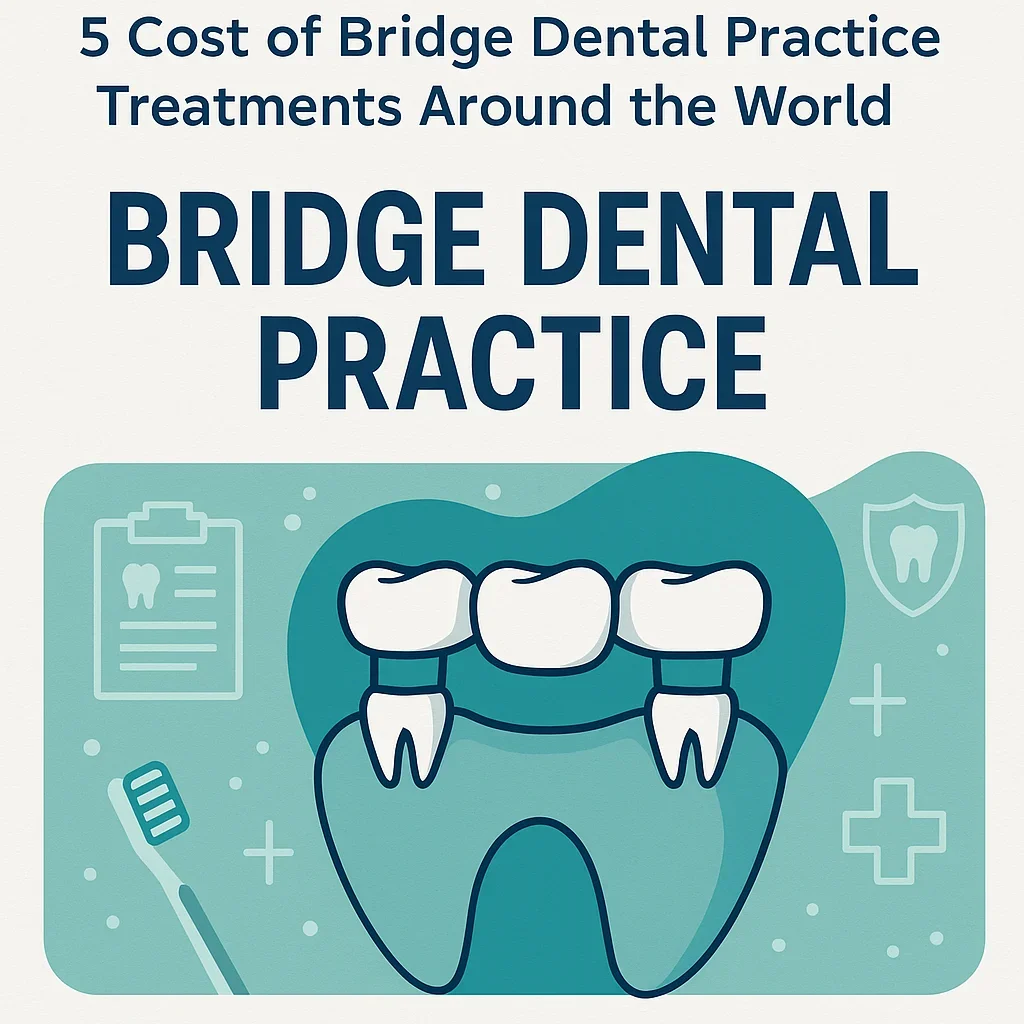
Patient Care and Long-Term Maintenance in Bridge Dental Practices
High-quality treatment at a bridge dental practice does not end when the dental bridge is placed. In fact, the long-term success of this restorative treatment depends heavily on patient care, ongoing maintenance, and professional follow-up. A dental bridge can last over a decade when supported by proper hygiene, regular visits, and a healthy lifestyle. This section explores the essential components of post-treatment care, including daily habits, professional check-ups, diet, and preventive strategies to ensure long-lasting results. 🦷
Immediate Aftercare Following Bridge Placement
After receiving a bridge, patients are often advised on short-term aftercare. A bridge dental practice usually recommends avoiding very hard or sticky foods for the first few days. Mild discomfort or sensitivity is normal, especially when chewing or drinking hot and cold beverages. Over-the-counter pain relievers are typically sufficient. The dentist provides instructions on cleaning around the bridge and monitoring the gums to detect any unusual swelling or discomfort early.
Key Aftercare Tips
- Rinse gently with an antibacterial mouthwash to prevent infection.
- Avoid chewing ice, nuts, or very sticky foods initially.
- Call the bridge dental practice immediately if severe pain or loosening occurs.
Daily Oral Hygiene for Long-Term Success
Proper oral hygiene is the foundation of bridge maintenance. Since a bridge is fixed in place, plaque and bacteria can accumulate under and around it if not cleaned thoroughly. A bridge dental practice emphasizes the importance of brushing at least twice daily with fluoride toothpaste and flossing carefully under the pontic (the artificial tooth). Specialized cleaning tools make this process easier.
Recommended Cleaning Tools
- Floss threaders: Allow floss to pass under the bridge.
- Interdental brushes: Clean the tight spaces around crowns and gums.
- Water flossers: Provide an easy and effective way to remove debris beneath the bridge.
Professional Check-Ups and Cleanings
Even with excellent at-home care, regular visits to a bridge dental practice are essential. Dentists recommend biannual check-ups, though some patients may require more frequent monitoring. During these visits, the dentist checks for gum disease, decay in supporting teeth, and the integrity of the bridge itself. Professional cleanings also help remove plaque and tartar that home tools cannot fully eliminate.
Nutrition and Lifestyle Choices
Diet plays a significant role in maintaining dental bridges. Patients are advised to limit sugary foods and drinks, as they increase the risk of decay in supporting teeth. A balanced diet rich in calcium, vitamin D, and phosphorus supports bone and tooth health, indirectly benefiting the bridge. Smoking and excessive alcohol consumption are strongly discouraged, as they can weaken gum tissue and compromise long-term results at a bridge dental practice.
Foods to Avoid
- Very sticky foods like caramel or chewing gum.
- Hard foods such as popcorn kernels and ice.
- Sugary snacks and sodas that promote decay.
Preventing Gum Disease and Decay
Gum disease is one of the leading causes of bridge failure. A bridge dental practice educates patients on preventive strategies such as proper brushing techniques, flossing, and regular periodontal evaluations. Detecting gingivitis early ensures that gums remain strong and capable of supporting the bridge. Similarly, preventing cavities in abutment teeth is crucial, as decay can compromise the entire structure.
Handling Problems Early
Occasionally, issues such as loosening, chipping, or gum irritation may arise. Patients should not attempt to fix these problems at home. Instead, contacting the bridge dental practice immediately ensures professional intervention before the problem worsens. Quick responses can often save the bridge from needing a complete replacement.
Long-Term Longevity of Dental Bridges
With proper care, bridges can last 10 to 15 years, and sometimes even longer. Practices often highlight success stories of patients who maintained their bridges for over two decades thanks to diligent care and regular visits. Longevity depends on consistent hygiene, the strength of abutment teeth, and adherence to professional advice from the bridge dental practice.
Patient Education and Support
Another critical part of long-term maintenance is education. The best bridge dental practice does more than place a restoration—it empowers patients with the knowledge to care for it. Clinics provide personalized guides, demonstrations on flossing with threaders, and follow-up calls to ensure patients adapt comfortably to their new bridge.
Conclusion: Building a Lasting Smile
In conclusion, patient care and long-term maintenance are key to the success of a dental bridge. By combining diligent at-home hygiene, healthy lifestyle habits, and regular professional support, patients can protect their investment and enjoy a functional, attractive smile for many years. A bridge dental practice serves not only as a treatment center but also as a lifelong partner in oral health, guiding patients every step of the way. 🌟