
When people lose one or more teeth, restoring their smile becomes an important priority for both oral health and confidence. A bridge dentist specializes in evaluating missing teeth and recommending suitable restoration options, including dental bridges. A dental bridge is a fixed prosthetic solution designed to replace one or more missing teeth by using adjacent teeth or dental implants as support. Visiting a qualified bridge dentist can help patients regain normal chewing function, improve speech, and restore a natural-looking smile. 😊
A bridge dentist carefully examines the condition of your teeth, gums, jawbone, and overall oral health before recommending treatment. Missing teeth can lead to several complications if left untreated. Neighboring teeth may gradually shift into the empty space, causing bite problems and increasing the risk of tooth decay and gum disease. A skilled bridge dentist understands these risks and develops a personalized treatment plan to prevent future complications.
One of the primary responsibilities of a bridge dentist is determining whether a dental bridge is the most suitable treatment option. While dental implants and removable dentures are also common tooth replacement methods, dental bridges remain popular because they provide stability, functionality, and aesthetic results. Many patients appreciate that a dental bridge can often be completed within a relatively short treatment timeline compared to some alternative procedures.
The role of a bridge dentist extends beyond simply placing a restoration. The process begins with a comprehensive consultation where digital X-rays, intraoral scans, and clinical examinations help assess oral structures. During this evaluation, the bridge dentist identifies potential concerns such as gum disease, tooth decay, bite irregularities, or insufficient support from neighboring teeth. Addressing these issues before treatment helps improve the long-term success of the dental bridge.
A modern bridge dentist often utilizes advanced technologies to create highly accurate restorations. Digital impressions, CAD/CAM systems, and modern dental materials allow for bridges that closely resemble natural teeth in color, shape, and function. This attention to detail helps ensure that patients receive restorations that blend seamlessly with their existing smile.
Dental bridges can provide several important benefits. A qualified bridge dentist may recommend this treatment because it can:
- Restore the appearance of a complete smile.
- Improve chewing efficiency.
- Support clear speech.
- Prevent neighboring teeth from shifting.
- Distribute bite forces more evenly.
- Maintain facial structure and appearance.
- Provide a long-lasting restorative solution.
Another important aspect of visiting a bridge dentist is understanding the available bridge options. Traditional bridges, Maryland bridges, cantilever bridges, and implant-supported bridges each serve different clinical situations. The expertise of a bridge dentist helps determine which type offers the best balance of durability, aesthetics, and function for an individual patient.
Patients frequently ask whether treatment from a bridge dentist is painful. In most cases, modern dental techniques and local anesthesia make the procedure comfortable. Temporary restorations are often provided while the permanent bridge is being fabricated, allowing patients to maintain normal daily activities throughout treatment.
The longevity of a dental bridge depends heavily on oral hygiene and professional care. A knowledgeable bridge dentist provides detailed instructions on cleaning beneath the bridge, maintaining healthy gums, and attending routine dental examinations. Proper maintenance can significantly extend the lifespan of the restoration and protect supporting teeth.
Beyond functional benefits, many individuals seek treatment from a bridge dentist because missing teeth can negatively affect self-esteem. Smiling, speaking, and social interactions often become more comfortable once gaps are restored. The psychological benefits can be just as meaningful as the physical improvements achieved through treatment.
It is also important to choose an experienced bridge dentist who understands cosmetic and restorative dentistry principles. The ideal restoration should not only replace missing teeth but also complement facial features, smile symmetry, and overall dental harmony. This comprehensive approach contributes to natural-looking and long-lasting results.
Many patients researching a bridge dentist are interested in learning about consultation options and personalized treatment plans. If you would like professional guidance regarding missing teeth, you can contact specialists through the Redent Klinik Contact Page. Professional evaluation is the best way to determine whether a dental bridge, implant-supported bridge, or another restoration is most appropriate for your needs.
For additional information about oral health standards, restorative dentistry, and patient education resources, patients may also refer to the American Dental Association. Reliable information combined with expert care from a trusted bridge dentist can help patients make informed decisions about restoring their smile.
Ultimately, a bridge dentist plays a crucial role in replacing missing teeth, preserving oral function, and enhancing overall quality of life. Whether a patient has lost a single tooth or multiple teeth, consulting a qualified restorative dentist can provide a customized solution that supports long-term oral health. Through careful planning, modern technology, and patient-centered care, a bridge dentist helps create healthy, functional, and attractive smiles that can last for many years. ✨
What Does a Bridge Dentist Do?
A bridge dentist is a dental professional who focuses on restoring missing teeth using dental bridges and other restorative treatments. When one or more teeth are lost due to decay, injury, gum disease, or extraction, a bridge dentist helps patients regain function, aesthetics, and oral health through carefully planned treatment. Dental bridges are among the most common restorative solutions because they permanently fill gaps and restore the natural appearance of the smile. 😁
The work of a bridge dentist goes far beyond simply replacing missing teeth. This specialist evaluates the entire oral environment, including the condition of supporting teeth, gum health, bite alignment, jaw function, and aesthetic considerations. Every treatment plan is customized because no two patients have exactly the same dental needs.
The Primary Responsibilities of a Bridge Dentist
A bridge dentist performs several important tasks before, during, and after treatment. The main objective is to provide a restoration that looks natural, functions properly, and lasts for many years.
During the initial consultation, the bridge dentist carefully examines the patient’s mouth and collects diagnostic information. This often includes:
- Digital dental X-rays
- Intraoral photographs
- Digital impressions or scans
- Bite analysis
- Gum health evaluation
- Assessment of supporting teeth
Using this information, the bridge dentist determines whether a dental bridge is the most suitable treatment option or whether alternatives such as dental implants or removable dentures should be considered.
How a Bridge Dentist Diagnoses Missing Tooth Problems
Missing teeth create more problems than many people realize. A qualified bridge dentist understands that even a single missing tooth can affect the entire mouth. Teeth naturally support each other. When one tooth is lost, neighboring teeth may drift into the empty space over time.
This movement can create:
- Bite irregularities
- Jaw discomfort
- Difficulty chewing food
- Uneven tooth wear
- Increased risk of decay
- Speech difficulties
A bridge dentist evaluates these risks and develops a treatment plan designed to restore proper function before long-term complications develop.
Why Early Treatment Matters
Many patients postpone treatment after losing a tooth because they experience little discomfort initially. However, a bridge dentist often recommends addressing tooth loss as soon as possible. Early intervention helps preserve alignment, chewing efficiency, and facial aesthetics.
Prompt treatment may also reduce the complexity of future dental procedures and help maintain healthy supporting structures.
Designing a Custom Dental Bridge
One of the most important roles of a bridge dentist is designing a restoration that fits naturally within the patient’s smile. Modern dentistry allows highly customized treatment planning. Every bridge is carefully designed based on factors such as:
- Tooth color
- Tooth shape
- Smile line
- Bite force distribution
- Facial symmetry
- Gum contours
A skilled bridge dentist ensures that the final restoration blends seamlessly with the patient’s natural teeth. The goal is to make the bridge virtually indistinguishable from surrounding teeth.
The Treatment Process Managed by a Bridge Dentist
Once a treatment plan is approved, the bridge dentist begins preparing the supporting structures. Depending on the type of bridge selected, neighboring teeth may require shaping to accommodate crowns that will support the bridge.
The treatment process commonly involves:
- Comprehensive examination
- Treatment planning
- Preparation of supporting teeth
- Digital impressions
- Temporary bridge placement
- Laboratory fabrication
- Permanent bridge fitting
- Final adjustments
Throughout every stage, the bridge dentist monitors comfort, function, and aesthetics to achieve optimal results.
Modern Technology Used by a Bridge Dentist
Advances in restorative dentistry have significantly improved the quality of dental bridges. Many modern clinics use digital scanning systems that eliminate traditional impression materials. A bridge dentist may also utilize CAD/CAM technology to enhance precision and create restorations with exceptional accuracy.
These technologies provide benefits such as:
- Improved fit
- Better comfort
- Natural appearance
- Reduced treatment time
- Enhanced durability
Patient Education and Long-Term Care
Another essential responsibility of a bridge dentist is patient education. Dental bridges can last many years when maintained properly. Patients receive guidance regarding daily oral hygiene routines, special cleaning tools, and regular dental visits.
A bridge dentist often recommends:
- Daily brushing twice per day
- Flossing beneath the bridge
- Using interdental brushes
- Routine professional cleanings
- Avoiding harmful habits such as chewing ice
Proper maintenance helps protect the supporting teeth and extends the lifespan of the restoration.
When Should You Visit a Bridge Dentist?
Anyone with one or more missing teeth should consider consulting a bridge dentist. Even if the missing tooth is not visible when smiling, the gap can affect oral function and long-term dental health. Common reasons to schedule an appointment include:
- A recently lost tooth
- Difficulty chewing
- Shifting teeth
- Speech changes
- Smile concerns
- Broken existing dental bridge
Early evaluation allows the bridge dentist to identify the most effective treatment solution before additional complications develop.
The Importance of Choosing an Experienced Bridge Dentist
Not all restorative treatments are identical. The expertise of a bridge dentist significantly influences treatment success, longevity, comfort, and aesthetics. Experience in restorative dentistry allows the dentist to anticipate challenges and develop solutions tailored to each patient.
A knowledgeable bridge dentist combines scientific principles, artistic skill, and modern technology to create restorations that improve both oral health and confidence. By restoring missing teeth effectively, a bridge dentist helps patients enjoy better chewing ability, clearer speech, enhanced appearance, and improved quality of life for years to come. ✨
Who Is a Good Candidate for a Dental Bridge?
Not everyone who loses a tooth automatically requires the same type of restoration. A bridge dentist carefully evaluates each patient to determine whether a dental bridge is the most appropriate solution. While dental implants and removable dentures are popular alternatives, many patients are excellent candidates for bridge treatment because it offers a fixed, reliable, and natural-looking way to replace missing teeth. Understanding who qualifies for treatment can help patients make informed decisions about restoring their smile and oral health. 😊
A skilled bridge dentist considers several factors before recommending a dental bridge. These include the number of missing teeth, the condition of neighboring teeth, gum health, bite alignment, oral hygiene habits, and the patient’s overall dental goals. When these factors are favorable, a dental bridge can provide years of comfortable function and aesthetic benefits.
Patients Missing One or More Teeth
The most common candidates seen by a bridge dentist are individuals who have lost one or more teeth but still have healthy teeth on either side of the gap. These neighboring teeth, often called abutment teeth, can support the bridge and help keep it securely in place.
Missing teeth can occur for many reasons, including:
- Tooth decay
- Dental trauma
- Advanced gum disease
- Congenital tooth absence
- Failed root canal treatment
- Tooth extraction
When a gap exists in the smile, a bridge dentist may recommend a dental bridge to restore appearance, chewing efficiency, and proper tooth alignment.
Patients With Healthy Supporting Teeth
One of the most important requirements evaluated by a bridge dentist is the condition of the supporting teeth. Traditional dental bridges rely on neighboring teeth to provide stability. If these teeth are healthy and strong enough to support the restoration, bridge treatment often becomes an excellent option.
During the examination, the bridge dentist checks for:
- Healthy tooth structure
- Adequate enamel support
- Absence of severe decay
- Healthy roots
- Proper bone support
- Good periodontal health
If supporting teeth are damaged or weakened, the bridge dentist may recommend additional treatment before bridge placement.
Why Supporting Teeth Matter
A dental bridge transfers chewing forces through the supporting teeth. Because of this, the long-term success of treatment depends heavily on their strength and stability. A qualified bridge dentist carefully evaluates these teeth to ensure they can withstand everyday chewing forces for many years.
Patients Seeking a Non-Removable Solution
Many people prefer fixed restorations rather than removable appliances. A bridge dentist often recommends bridges for patients who want a permanent-feeling replacement without the need to remove a prosthesis daily.
Unlike removable dentures, a dental bridge remains securely in place and functions much like natural teeth. This stability provides confidence when eating, speaking, and smiling.
For many patients, the convenience of a fixed restoration is one of the primary reasons they consult a bridge dentist.
Patients Who May Not Be Ideal Implant Candidates
Although dental implants are highly effective, not every patient qualifies for implant surgery. In some cases, a bridge dentist may recommend a bridge as an alternative when implant placement is not ideal.
Possible reasons include:
- Insufficient jawbone volume
- Medical conditions affecting healing
- Preference to avoid surgery
- Shorter treatment timeline desired
- Financial considerations
A bridge dentist carefully reviews these factors and explains the advantages and limitations of each available treatment option.
When a Bridge May Be Preferred Over an Implant
While implants often preserve bone effectively, some patients value the shorter treatment process associated with bridges. A bridge dentist may complete bridge treatment within a matter of weeks, whereas implant procedures can require several months depending on healing requirements.
Patients With Good Oral Hygiene Habits
Successful bridge treatment requires long-term maintenance. A bridge dentist generally prefers candidates who demonstrate good oral hygiene habits because these habits significantly influence bridge longevity.
Ideal patients typically:
- Brush twice daily
- Attend routine dental visits
- Maintain healthy gums
- Use floss or interdental cleaning tools
- Follow professional recommendations
A bridge dentist also provides personalized instructions to help patients clean around and beneath the bridge effectively.
Patients Experiencing Functional Difficulties
Many individuals visit a bridge dentist because missing teeth are affecting daily activities. Tooth loss can make simple tasks such as chewing, speaking, and smiling more difficult. Replacing missing teeth often improves both function and comfort.
Common concerns include:
- Difficulty chewing certain foods
- Speech challenges
- Jaw discomfort
- Uneven bite pressure
- Reduced confidence when smiling
A knowledgeable bridge dentist evaluates these symptoms and determines whether a bridge can effectively restore normal function.
Age Considerations for Dental Bridge Candidates
Adults of various ages may qualify for treatment from a bridge dentist. Eligibility is generally determined by oral health rather than age alone. Both younger adults and older individuals can successfully receive dental bridges if supporting structures are healthy.
The bridge dentist focuses on factors such as bone support, gum condition, and overall dental stability rather than simply considering chronological age.
Who May Need Additional Evaluation?
Some patients require further assessment before bridge treatment can begin. A bridge dentist may recommend preliminary care for individuals with:
- Active gum disease
- Untreated tooth decay
- Severe teeth grinding
- Poor oral hygiene
- Unstable bite patterns
Addressing these issues first often improves the long-term success of the restoration.
Why a Professional Assessment Is Essential
Ultimately, determining candidacy requires a thorough examination by an experienced bridge dentist. Every patient’s situation is unique, and professional evaluation ensures the selected treatment provides the best balance of function, aesthetics, durability, and oral health benefits.
A qualified bridge dentist considers all clinical factors before making recommendations. For patients with missing teeth, a properly designed dental bridge can restore confidence, improve daily comfort, and help preserve oral health for many years. By identifying the right candidates and creating personalized treatment plans, a bridge dentist plays a vital role in helping patients achieve strong, healthy, and attractive smiles. ✨
Types of Dental Bridges Recommended by a Bridge Dentist
A bridge dentist understands that no single tooth replacement solution is suitable for every patient. Missing teeth can occur in different locations, involve varying levels of supporting tooth strength, and present unique functional and cosmetic challenges. For this reason, a bridge dentist carefully evaluates each case before recommending a specific type of dental bridge. Modern restorative dentistry offers several bridge designs, each developed to address particular clinical situations while restoring appearance, chewing function, and oral health. 😊
Choosing the right restoration is one of the most important decisions a bridge dentist makes during treatment planning. Factors such as the number of missing teeth, gum health, bone support, bite force, and patient preferences all influence the final recommendation.
Why Different Types of Dental Bridges Exist
A bridge dentist may recommend different bridge designs because patients present with different needs. A missing front tooth requires a different approach than multiple missing molars. Likewise, the condition of neighboring teeth can significantly influence treatment options.
The primary goals of every bridge treatment remain consistent:
- Replace missing teeth
- Restore chewing ability
- Improve smile appearance
- Maintain bite stability
- Prevent shifting of surrounding teeth
- Support long-term oral health
To achieve these objectives, a bridge dentist selects the bridge type that best fits the patient’s oral condition.
Traditional Dental Bridges
The most common restoration recommended by a bridge dentist is the traditional dental bridge. This design consists of one or more artificial teeth, known as pontics, supported by dental crowns placed on healthy teeth located on both sides of the gap.
Traditional bridges are widely used because they provide excellent stability and predictable results. A bridge dentist often recommends this option when strong natural teeth are present adjacent to the missing tooth.
Advantages of Traditional Bridges
- Strong and durable
- Natural appearance
- Excellent chewing function
- Long clinical history
- Suitable for many patients
A bridge dentist may consider traditional bridges the gold standard for many single-tooth replacement situations because of their reliability and long-term performance.
Potential Considerations
Traditional bridges typically require preparation of neighboring teeth. A bridge dentist explains this process thoroughly so patients understand both the advantages and limitations before treatment begins.
Maryland Dental Bridges
A bridge dentist may recommend a Maryland bridge when a conservative approach is preferred. Instead of full crowns, this restoration uses metal or ceramic wings bonded to the back surfaces of adjacent teeth.
Maryland bridges are commonly used in the front of the mouth where chewing forces are lower. Because less tooth structure is removed, many patients appreciate the minimally invasive nature of this option.
Benefits of Maryland Bridges
- Conservative tooth preparation
- Preservation of healthy enamel
- Natural aesthetics
- Shorter treatment process
- Less invasive procedure
A knowledgeable bridge dentist carefully evaluates bite forces before recommending a Maryland bridge because excessive pressure can affect long-term stability.
Cantilever Dental Bridges
In some situations, a bridge dentist may recommend a cantilever bridge. Unlike traditional bridges that are supported on both sides, a cantilever bridge relies on support from only one adjacent tooth.
This design is less commonly used today but can still provide effective results in carefully selected cases.
When a Cantilever Bridge May Be Appropriate
- Only one supporting tooth is available
- Low chewing pressure exists
- Specific aesthetic requirements are present
- Alternative options are limited
A skilled bridge dentist evaluates force distribution carefully before selecting this type of restoration because it experiences different loading patterns than traditional bridges.
Implant-Supported Bridges
An implant-supported bridge represents one of the most advanced restorative solutions available through a bridge dentist. Rather than relying on natural teeth for support, this bridge is anchored directly to dental implants placed within the jawbone.
For patients missing multiple teeth, an implant-supported bridge often provides exceptional stability and long-term performance.
Advantages of Implant-Supported Bridges
- No reliance on neighboring teeth
- Excellent chewing strength
- Bone preservation benefits
- Long-term durability
- Natural appearance and feel
A bridge dentist may collaborate with implant specialists when planning these restorations to ensure ideal outcomes.
Who May Benefit Most?
Patients missing several adjacent teeth are often excellent candidates for implant-supported bridges. A bridge dentist evaluates bone density, medical history, and treatment goals before recommending this solution.
Material Options Used by a Bridge Dentist
Beyond bridge design, a bridge dentist also considers restorative materials. Modern dental bridges can be fabricated from various materials depending on functional and cosmetic requirements.
Common options include:
- Porcelain-fused-to-metal
- All-ceramic restorations
- Zirconia bridges
- Metal-based bridges
A bridge dentist selects materials based on durability requirements, bite forces, aesthetics, and patient expectations.
Factors a Bridge Dentist Considers Before Recommending a Bridge Type
Choosing the correct bridge requires comprehensive analysis. A bridge dentist evaluates numerous clinical factors before making a recommendation.
- Location of missing teeth
- Number of missing teeth
- Condition of supporting teeth
- Bone support levels
- Gum health
- Chewing forces
- Smile aesthetics
- Budget considerations
- Long-term maintenance requirements
Every patient receives an individualized treatment plan because the ideal solution varies from case to case.
How a Bridge Dentist Helps Patients Choose
A professional bridge dentist not only performs treatment but also educates patients about available options. Understanding the differences between traditional bridges, Maryland bridges, cantilever bridges, and implant-supported bridges allows patients to make confident decisions.
The bridge dentist explains expected longevity, maintenance requirements, costs, benefits, and potential limitations of each restoration type. This collaborative approach helps ensure that treatment aligns with both clinical needs and personal preferences.
Finding the Most Suitable Dental Bridge
The ideal restoration depends on careful planning and expert evaluation. An experienced bridge dentist considers function, aesthetics, durability, and long-term oral health when selecting the appropriate bridge design. Whether recommending a traditional bridge, a Maryland bridge, a cantilever bridge, or an implant-supported restoration, the primary goal remains the same: restoring a healthy, attractive, and functional smile.
By understanding the different bridge options available, patients can work closely with a qualified bridge dentist to choose a treatment solution that supports comfort, confidence, and long-lasting oral health. ✨
Traditional Dental Bridges Explained
A bridge dentist frequently recommends traditional dental bridges because they remain one of the most reliable and widely used methods for replacing missing teeth. Traditional bridges have been used successfully for decades and continue to serve as a trusted restorative solution for patients who want a fixed, natural-looking replacement for one or more missing teeth. When designed and maintained properly, a traditional bridge can restore chewing function, improve appearance, and help preserve overall oral health. 😊
Many patients visiting a bridge dentist are surprised to learn how much a single missing tooth can affect the rest of the mouth. Teeth work together as a system. When a gap is left untreated, neighboring teeth may begin shifting into the empty space, causing bite changes and increasing the risk of future dental complications. A traditional dental bridge helps prevent these issues by filling the gap and restoring proper alignment.
What Is a Traditional Dental Bridge?
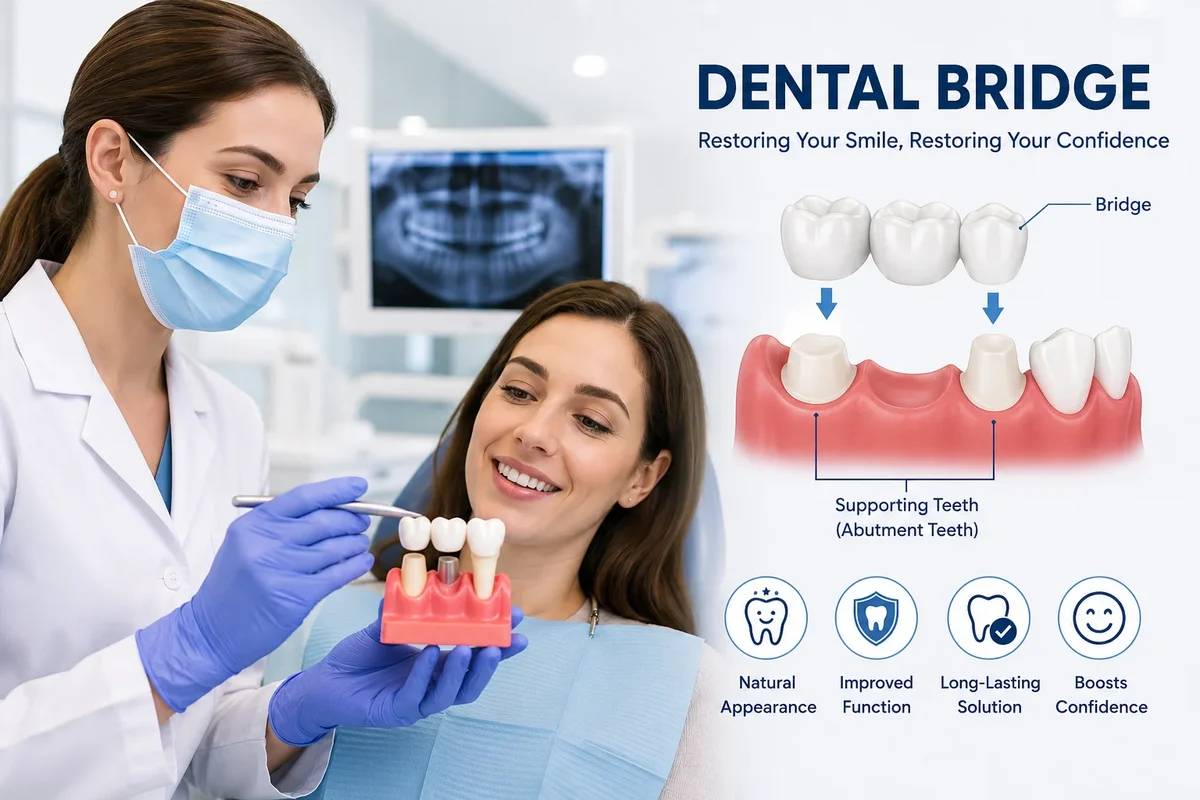
A traditional dental bridge consists of one or more artificial teeth, known as pontics, that are anchored in place by dental crowns attached to healthy teeth on both sides of the gap. These supporting teeth are called abutment teeth.
A skilled bridge dentist carefully designs the bridge so it functions similarly to natural teeth. Once cemented into place, the restoration becomes a fixed part of the smile and cannot be removed by the patient.
The basic structure of a traditional bridge includes:
- One or more replacement teeth (pontics)
- Supporting crowns
- Abutment teeth
- Custom-designed restoration materials
The bridge dentist ensures that all components work together to create a comfortable, stable, and aesthetically pleasing result.
Why Traditional Bridges Remain Popular
Although modern dentistry offers several restorative options, many patients still choose traditional bridges because they provide predictable outcomes and excellent functionality. A bridge dentist often recommends this option when healthy neighboring teeth are available to support the restoration.
How a Bridge Dentist Plans a Traditional Bridge
Before treatment begins, a bridge dentist performs a comprehensive examination. Every successful bridge starts with careful planning. Diagnostic records help determine whether the patient has sufficient support for a traditional bridge.
The evaluation typically includes:
- Digital X-rays
- Clinical examination
- Bite assessment
- Gum health evaluation
- Digital impressions or scans
- Smile analysis
Using this information, the bridge dentist creates a personalized treatment plan designed to provide long-term success.
The Procedure for a Traditional Dental Bridge
The treatment process performed by a bridge dentist generally occurs over multiple appointments. While exact procedures vary depending on individual circumstances, most treatments follow a similar sequence.
Initial Tooth Preparation
The first major step involves preparing the supporting teeth. The bridge dentist carefully reshapes the abutment teeth to create sufficient space for the crowns that will support the bridge.
This preparation allows the final restoration to fit comfortably while maintaining proper bite alignment.
Impressions and Temporary Restoration
After tooth preparation, the bridge dentist takes highly accurate impressions or digital scans. These records are sent to a dental laboratory where the permanent bridge is fabricated.
While waiting for the final restoration, patients often receive a temporary bridge to protect prepared teeth and maintain appearance.
Placement of the Final Bridge
Once the custom restoration is completed, the bridge dentist evaluates the fit, bite, color, and overall appearance before permanently cementing the bridge into place.
Adjustments are made as necessary to ensure maximum comfort and functionality.
Advantages of Traditional Dental Bridges
A bridge dentist may recommend traditional bridges because they offer numerous clinical and cosmetic benefits.
- Natural-looking appearance
- Reliable chewing performance
- Fixed, non-removable design
- Predictable treatment outcomes
- Restoration of speech function
- Prevention of tooth shifting
- Improved smile aesthetics
For many patients, the combination of durability and affordability makes traditional bridges an attractive option.
Materials Used in Traditional Bridges
A modern bridge dentist can fabricate bridges using several advanced materials. Material selection depends on aesthetic requirements, functional demands, and patient preferences.
Common materials include:
- Porcelain-fused-to-metal
- All-ceramic restorations
- Zirconia bridges
- Metal-based restorations
The bridge dentist selects the most suitable material after evaluating the location of the missing teeth and the amount of chewing pressure expected.
Zirconia and Modern Ceramic Options
Many patients prefer modern ceramic materials because they closely mimic the appearance of natural teeth. A bridge dentist often recommends zirconia for its excellent balance of strength and aesthetics.
Potential Limitations of Traditional Bridges
While traditional bridges provide many benefits, a bridge dentist also discusses potential limitations during consultation.
Some considerations include:
- Preparation of healthy supporting teeth
- Need for long-term maintenance
- Possible future replacement after many years
- Dependence on supporting tooth health
A transparent discussion helps patients understand all aspects of treatment before proceeding.
How Long Can Traditional Bridges Last?
With proper care, a traditional bridge placed by an experienced bridge dentist can remain functional for many years. Some bridges last well over a decade when supported by excellent oral hygiene and routine professional care.
Factors affecting longevity include:
- Oral hygiene habits
- Gum health
- Bite forces
- Dietary habits
- Regular dental examinations
A bridge dentist provides detailed instructions to help maximize the lifespan of the restoration.
Maintaining a Traditional Dental Bridge
Long-term success depends on proper maintenance. A bridge dentist teaches patients how to clean around and beneath the bridge using specialized floss threaders, interdental brushes, and other oral hygiene tools.
Daily care generally includes:
- Brushing twice daily
- Cleaning under the bridge
- Using fluoride toothpaste
- Routine professional cleanings
- Regular dental checkups
These practices help protect the supporting teeth and preserve bridge function.
Why Traditional Bridges Remain a Trusted Solution
A traditional dental bridge continues to be one of the most effective restorative treatments available through a bridge dentist. Its ability to restore appearance, improve chewing efficiency, and prevent shifting teeth makes it an important solution for many patients with missing teeth.
By combining careful planning, modern materials, and precise placement techniques, a qualified bridge dentist can create a restoration that looks natural, functions comfortably, and supports long-term oral health. For individuals seeking a fixed and proven tooth replacement option, traditional dental bridges remain one of the most dependable choices available today. ✨
Maryland Bridges and Their Advantages
A bridge dentist may recommend a Maryland bridge when a patient requires a conservative and aesthetically pleasing solution for replacing a missing tooth. Also known as a resin-bonded bridge, a Maryland bridge differs from traditional dental bridges because it does not rely on full crowns covering the adjacent teeth. Instead, it uses specially designed wings bonded to the backs of neighboring teeth, making it one of the most conservative restorative treatments available in modern dentistry. 😊
For patients who want to preserve as much natural tooth structure as possible, a bridge dentist often considers Maryland bridges an attractive alternative. This treatment is particularly popular for replacing missing front teeth where appearance is extremely important and chewing forces are generally lower than in the back of the mouth.
What Is a Maryland Bridge?
A Maryland bridge is a fixed dental restoration consisting of an artificial tooth (pontic) attached to thin metal or ceramic wings. These wings are bonded to the backside of the adjacent natural teeth. Unlike traditional bridges, which require crowns on neighboring teeth, a bridge dentist can often place a Maryland bridge with minimal modification to healthy tooth structure.
The bridge typically contains:
- A replacement tooth (pontic)
- One or two supporting wings
- Strong dental bonding materials
- Custom-designed restorative components
A skilled bridge dentist carefully designs the restoration so that it blends naturally with surrounding teeth while maintaining stability and function.
Why the Name Maryland Bridge?
The restoration was originally developed at the University of Maryland, which is why many dental professionals refer to it as a Maryland bridge. Today, a bridge dentist may also describe it as a resin-bonded bridge depending on the clinical setting.
How a Bridge Dentist Determines Suitability
Not every patient is an ideal candidate for this treatment. Before recommending a Maryland bridge, a bridge dentist performs a comprehensive evaluation of the patient’s oral condition.
Several factors influence candidacy:
- Location of the missing tooth
- Condition of neighboring teeth
- Bite alignment
- Chewing force patterns
- Gum health
- Oral hygiene habits
A bridge dentist often recommends Maryland bridges for replacing front teeth because these areas experience less biting pressure than molars.
Major Advantages of Maryland Bridges
One reason many patients appreciate treatment from a bridge dentist is the ability to preserve healthy tooth structure. Unlike traditional bridges, Maryland bridges require little or no significant reduction of adjacent teeth.
Conservative Tooth Preparation
The most significant advantage recognized by a bridge dentist is the preservation of natural enamel. Since neighboring teeth usually do not require full crowns, healthy tooth tissue remains largely intact.
This conservative approach often appeals to younger patients and those who prioritize minimally invasive dentistry.
Improved Aesthetics
A modern bridge dentist can fabricate Maryland bridges using highly aesthetic ceramic materials. These restorations can closely mimic the appearance of natural teeth, making them especially suitable for visible areas of the smile.
The result is often a restoration that blends seamlessly with surrounding teeth.
Shorter Treatment Timeline
Compared with some other tooth replacement procedures, a Maryland bridge may require fewer appointments. A bridge dentist can often complete treatment relatively quickly once planning and fabrication are complete.
This shorter timeline makes Maryland bridges attractive to patients seeking efficient treatment.
Fixed and Comfortable Solution
Unlike removable dentures, a Maryland bridge remains fixed in place. A bridge dentist permanently bonds the restoration, allowing patients to enjoy normal daily activities without worrying about removing or repositioning their prosthesis.
The Maryland Bridge Procedure
A bridge dentist follows several carefully planned steps when placing a Maryland bridge.
Comprehensive Evaluation
The process begins with diagnostic examinations, digital imaging, and treatment planning. The bridge dentist assesses the surrounding teeth and determines whether the bridge can be supported effectively.
Minimal Tooth Preparation
Unlike traditional bridges, Maryland bridges often require little modification of neighboring teeth. A bridge dentist may perform minor adjustments to create ideal bonding surfaces while preserving maximum enamel.
Impressions and Fabrication
Digital scans or impressions are taken and sent to a dental laboratory. The bridge dentist collaborates with technicians to create a restoration that matches the patient’s natural smile.
Bonding and Final Placement
Once fabrication is complete, the bridge dentist carefully bonds the bridge into position using advanced adhesive systems designed for long-term stability.
Potential Limitations of Maryland Bridges
Although Maryland bridges provide numerous benefits, a bridge dentist also discusses potential limitations before treatment begins.
Some considerations include:
- Not ideal for heavy biting forces
- Potential debonding over time
- Limited suitability for molar regions
- Dependence on healthy supporting teeth
A transparent consultation helps patients understand whether this restoration aligns with their specific needs.
Why Proper Case Selection Matters
A successful outcome depends heavily on proper diagnosis. An experienced bridge dentist evaluates bite forces, tooth position, and oral habits to determine whether a Maryland bridge is likely to perform successfully long term.
How Long Can Maryland Bridges Last?
With proper maintenance and professional placement, a Maryland bridge provided by a qualified bridge dentist can remain functional for many years. Longevity varies depending on oral hygiene, bite forces, material selection, and lifestyle factors.
Many patients achieve excellent long-term results by following their bridge dentist‘s recommendations for maintenance and routine care.
Caring for a Maryland Bridge
Maintaining a Maryland bridge is similar to caring for natural teeth. A bridge dentist typically recommends:
- Brushing twice daily
- Flossing carefully around the bridge
- Using interdental cleaning tools
- Attending routine dental checkups
- Avoiding excessive biting forces on hard objects
Consistent care helps preserve both the restoration and the supporting teeth.
Why Many Patients Choose a Maryland Bridge
For patients seeking a conservative, fixed, and aesthetically pleasing tooth replacement solution, a Maryland bridge can be an excellent option. A knowledgeable bridge dentist often recommends this restoration when preserving healthy tooth structure is a priority and clinical conditions are favorable.
Through careful planning, modern materials, and advanced bonding techniques, a bridge dentist can create a Maryland bridge that restores appearance, improves confidence, and supports long-term oral health. For the right candidate, this treatment offers an effective balance of aesthetics, comfort, and minimal invasiveness, making it one of the most valuable restorative options available today. ✨
Cantilever Bridges: When Are They Used?
A bridge dentist may occasionally recommend a cantilever bridge when a traditional dental bridge is not possible due to the absence of supporting teeth on both sides of a missing tooth. Although cantilever bridges are less commonly used than traditional or implant-supported bridges, they still serve an important role in specific clinical situations. When carefully planned and placed by an experienced bridge dentist, a cantilever bridge can restore appearance, improve function, and help maintain oral health. 😊
Understanding when a cantilever bridge is appropriate helps patients better appreciate the variety of restorative options available. A qualified bridge dentist evaluates numerous factors before deciding whether this bridge design is the best solution for a particular case.
What Is a Cantilever Dental Bridge?
A cantilever bridge is a fixed dental restoration supported by only one adjacent tooth rather than two. Unlike a traditional bridge, which anchors on both sides of a gap, a cantilever bridge relies entirely on a single supporting tooth known as the abutment tooth.
The structure typically consists of:
- One artificial replacement tooth (pontic)
- A supporting crown
- A single abutment tooth
- Custom restorative materials
A skilled bridge dentist designs the restoration carefully to minimize stress on the supporting tooth and maximize long-term stability.
How Cantilever Bridges Differ from Traditional Bridges
The primary difference identified by a bridge dentist is the number of supporting teeth. Traditional bridges distribute chewing forces across two abutment teeth, while cantilever bridges concentrate those forces on a single support.
This unique characteristic makes case selection extremely important.
When Does a Bridge Dentist Recommend a Cantilever Bridge?
A bridge dentist typically recommends a cantilever bridge only when specific clinical conditions exist. Because support is limited to one side, the restoration must be carefully matched to the patient’s bite and oral anatomy.
Common situations include:
- Only one healthy adjacent tooth is available
- Space limitations prevent other bridge designs
- Low biting pressure exists in the area
- Aesthetic requirements are a priority
- Alternative treatments are unsuitable
The decision to use a cantilever bridge is never made lightly. A knowledgeable bridge dentist thoroughly evaluates the risks and benefits before proceeding.
Front Teeth Are Often Better Candidates
Many bridge dentist professionals prefer using cantilever bridges in the front of the mouth. Front teeth generally experience lower chewing forces than molars, making them more suitable for this type of restoration.
This reduced force can help improve long-term success rates when compared to placement in high-pressure chewing areas.
How a Bridge Dentist Evaluates Suitability
Before recommending treatment, a bridge dentist performs a detailed examination to determine whether the supporting tooth can withstand long-term functional demands.
The evaluation commonly includes:
- Digital X-rays
- Clinical examination
- Bite analysis
- Gum health assessment
- Bone support evaluation
- Occlusal force analysis
A bridge dentist carefully reviews all findings before deciding whether a cantilever bridge can provide a predictable outcome.
Advantages of Cantilever Bridges
Although less frequently used, cantilever bridges offer several benefits in the right circumstances. A bridge dentist may recommend this option because it can solve challenges that other bridge designs cannot address.
Useful When Only One Supporting Tooth Exists
The biggest advantage recognized by a bridge dentist is that treatment remains possible even when only one healthy neighboring tooth is available.
This allows patients to receive a fixed restoration despite anatomical limitations.
Preservation of Additional Teeth
Since only one supporting tooth requires preparation, a bridge dentist may preserve more natural tooth structure compared to situations where extensive modifications would otherwise be necessary.
Fixed and Comfortable Solution
Like traditional bridges, cantilever bridges remain permanently fixed in place. A bridge dentist provides patients with a restoration that feels secure and functions similarly to natural teeth.
Potential Limitations and Challenges
A responsible bridge dentist always explains that cantilever bridges are not suitable for every patient. Because support comes from only one tooth, certain limitations must be considered.
- Increased force on the supporting tooth
- Potential for long-term stress concentration
- Less suitable for heavy chewing areas
- Requires careful case selection
- May not be ideal for patients with teeth grinding habits
These factors make professional evaluation especially important.
Why Force Distribution Matters
A bridge dentist pays close attention to bite forces because excessive pressure can compromise the supporting tooth. Proper planning helps minimize these risks and improve restoration longevity.
The Cantilever Bridge Procedure
The treatment process performed by a bridge dentist generally follows a structured sequence designed to achieve accuracy and stability.
Initial Consultation
The first appointment allows the bridge dentist to gather diagnostic information and discuss treatment goals.
Tooth Preparation
The supporting tooth is prepared to receive a crown. A bridge dentist carefully removes only the amount of tooth structure necessary to ensure a proper fit.
Impressions and Fabrication
Digital scans or traditional impressions are collected and sent to a dental laboratory. The bridge dentist collaborates with technicians to fabricate a customized restoration.
Final Placement
After evaluating fit, appearance, and bite alignment, the bridge dentist permanently cements the bridge into place.
Longevity of Cantilever Bridges
The lifespan of a cantilever bridge depends on multiple factors. A bridge dentist considers oral hygiene habits, bite forces, material quality, and supporting tooth health when estimating longevity.
With proper care, many cantilever bridges provide years of reliable service.
Factors influencing durability include:
- Daily oral hygiene
- Routine dental visits
- Healthy supporting tooth structure
- Appropriate case selection
- Absence of excessive biting forces
Caring for a Cantilever Bridge
A bridge dentist provides detailed maintenance instructions to help patients maximize the lifespan of their restoration.
Recommended care typically includes:
- Brushing twice daily
- Cleaning beneath the bridge
- Using floss threaders
- Attending regular dental examinations
- Avoiding excessive force on the restoration
These habits help protect both the bridge and the supporting tooth.
Is a Cantilever Bridge the Right Choice?
The suitability of a cantilever bridge depends entirely on individual circumstances. An experienced bridge dentist evaluates oral health, bite forces, aesthetics, and long-term functional requirements before making a recommendation.
While traditional and implant-supported bridges are often preferred when possible, cantilever bridges continue to provide valuable solutions in carefully selected cases. By leveraging modern materials, advanced planning techniques, and precise restorative principles, a skilled bridge dentist can successfully use cantilever bridges to restore smiles, improve function, and enhance confidence. For patients with limited support options, this specialized bridge design remains an important part of modern restorative dentistry. ✨
The Step-by-Step Dental Bridge Procedure
A bridge dentist follows a carefully planned process when restoring missing teeth with a dental bridge. While many patients focus primarily on the final result, understanding each stage of treatment can help reduce anxiety and provide realistic expectations. Modern bridge procedures are highly predictable, comfortable, and customized to each patient’s unique oral condition. From the initial consultation to the final placement, a qualified bridge dentist works meticulously to ensure long-term function, aesthetics, and comfort. 😊
The exact procedure may vary depending on the type of bridge being placed, the number of missing teeth, and the condition of supporting structures. However, most bridge treatments follow a similar sequence designed to maximize precision and long-term success.
Step 1: Initial Consultation and Examination
The first appointment with a bridge dentist focuses on diagnosis and treatment planning. Before any restorative work begins, a comprehensive evaluation is necessary to determine whether a dental bridge is the most suitable solution.
During this visit, the bridge dentist examines:
- Missing tooth areas
- Supporting teeth
- Gum health
- Jawbone condition
- Bite alignment
- Overall oral health
This evaluation provides essential information that guides every subsequent stage of treatment.
Diagnostic Imaging and Records
Most modern clinics utilize advanced technology during the diagnostic phase. A bridge dentist may obtain digital X-rays, intraoral photographs, and three-dimensional scans to gain a detailed understanding of the patient’s oral structures.
These records help identify potential challenges and improve treatment accuracy.
Step 2: Treatment Planning and Case Design
After completing the examination, the bridge dentist develops a customized treatment plan. Every patient presents unique needs, making individualized planning essential.
The treatment plan may address:
- Type of bridge recommended
- Material selection
- Preparation requirements
- Aesthetic considerations
- Bite optimization
- Expected treatment timeline
A professional bridge dentist explains each option thoroughly so patients understand both the benefits and potential limitations of treatment.
Choosing the Appropriate Bridge Design
At this stage, the bridge dentist determines whether a traditional bridge, Maryland bridge, cantilever bridge, or implant-supported bridge is most suitable for the patient’s condition.
Proper bridge selection significantly influences long-term success and patient satisfaction.
Step 3: Preparing the Supporting Teeth
For many bridge types, the next step involves preparing the supporting teeth. A bridge dentist carefully reshapes these teeth to create space for the crowns that will anchor the bridge.
The amount of preparation depends on:
- Bridge design
- Material thickness
- Tooth position
- Aesthetic requirements
Modern techniques allow a bridge dentist to preserve as much healthy tooth structure as possible while ensuring adequate support for the restoration.
Patient Comfort During Preparation
Many patients worry about discomfort during treatment. Fortunately, a bridge dentist uses local anesthesia to ensure the procedure remains comfortable. Most individuals report minimal discomfort and can resume normal activities shortly afterward.
Step 4: Taking Digital Impressions
Once tooth preparation is complete, the bridge dentist records highly accurate impressions of the teeth. These impressions serve as the blueprint for fabricating the final restoration.
Modern dentistry increasingly relies on digital scanning technology because it offers several advantages:
- Improved accuracy
- Enhanced patient comfort
- Faster turnaround times
- Better communication with laboratories
A bridge dentist uses these records to ensure the bridge fits precisely and functions properly.
Custom Design for Natural Results
The information gathered allows the bridge dentist and laboratory technicians to create a bridge that matches the patient’s natural teeth in color, shape, and size.
This customization contributes significantly to the final aesthetic outcome.
Step 5: Placement of a Temporary Bridge
While the permanent restoration is being fabricated, a bridge dentist often provides a temporary bridge. This temporary restoration protects prepared teeth and maintains appearance during the waiting period.
The temporary bridge helps patients:
- Maintain normal function
- Protect sensitive teeth
- Preserve aesthetics
- Adapt to the future restoration
Patients receive specific instructions from the bridge dentist regarding care of the temporary bridge.
Step 6: Laboratory Fabrication of the Bridge
After impressions are completed, the restoration is fabricated in a dental laboratory. The bridge dentist collaborates closely with skilled technicians to ensure the bridge meets precise functional and cosmetic requirements.
During fabrication, technicians focus on:
- Fit accuracy
- Material strength
- Natural aesthetics
- Bite compatibility
- Long-term durability
This stage is crucial because the quality of fabrication directly influences restoration performance.
Advanced Materials Used Today
A modern bridge dentist may select materials such as zirconia, porcelain, or porcelain-fused-to-metal to provide an optimal combination of aesthetics and durability.
Step 7: Final Bridge Placement
When the completed restoration returns from the laboratory, the bridge dentist schedules the placement appointment. Before permanently securing the bridge, several important evaluations occur.
The dentist checks:
- Bridge fit
- Bite alignment
- Tooth contact points
- Aesthetic appearance
- Patient comfort
Minor adjustments may be made before final cementation.
Securing the Restoration
Once all evaluations are satisfactory, the bridge dentist permanently bonds or cements the bridge into position. Patients immediately benefit from restored function and appearance.
Step 8: Post-Treatment Evaluation and Follow-Up
Even after placement, the work of a bridge dentist continues. Follow-up appointments help ensure the restoration functions properly and remains comfortable.
The dentist evaluates:
- Gum response
- Bite stability
- Cleaning effectiveness
- Patient satisfaction
- Overall bridge performance
These evaluations help identify any necessary adjustments early.
How Long Does the Entire Process Take?
The complete timeline varies depending on individual circumstances. In many cases, a bridge dentist can complete treatment within a few weeks. More complex cases involving additional procedures may require additional appointments.
The exact schedule depends on factors such as laboratory turnaround times, oral health conditions, and the complexity of the restoration.
Why Careful Planning Matters
The success of bridge treatment depends heavily on precision. Every stage performed by a bridge dentist contributes to the final outcome, from diagnosis and preparation to fabrication and long-term maintenance.
By following a structured and meticulous process, a skilled bridge dentist can create a restoration that restores chewing ability, enhances smile aesthetics, and supports long-term oral health. Understanding each step allows patients to approach treatment with confidence and realistic expectations, ultimately leading to a more satisfying and successful experience. ✨
How Long Do Dental Bridges Last?
One of the most common questions patients ask a bridge dentist is how long a dental bridge can be expected to last. Since replacing missing teeth represents an important investment in both oral health and appearance, understanding the lifespan of a dental bridge helps patients make informed treatment decisions. While no restoration lasts forever, a well-designed bridge placed by an experienced bridge dentist can often provide many years of reliable function and attractive aesthetics when properly maintained. 😊
The longevity of a dental bridge depends on numerous factors, including the quality of treatment, the materials used, oral hygiene habits, bite forces, and regular dental care. A skilled bridge dentist carefully considers each of these variables during treatment planning to maximize the lifespan of the restoration.
Average Lifespan of a Dental Bridge
A modern dental bridge provided by a qualified bridge dentist can often last between 10 and 15 years, and in many cases significantly longer. Some patients successfully maintain their bridges for 20 years or more through excellent oral hygiene and regular professional care.
However, bridge longevity varies from person to person because oral health conditions differ considerably.
Factors influencing lifespan include:
- Quality of oral hygiene
- Health of supporting teeth
- Material selection
- Bite pressure
- Dietary habits
- Professional maintenance
- General oral health
A knowledgeable bridge dentist helps patients understand how these factors influence long-term success.
Why Some Bridges Last Longer Than Others
The primary reason one bridge lasts longer than another often relates to maintenance. A bridge dentist may place two identical restorations in different patients, yet their longevity can vary dramatically depending on daily care habits and lifestyle factors.
The Importance of Supporting Teeth
A dental bridge relies heavily on the health of its supporting structures. A bridge dentist pays close attention to the condition of the abutment teeth because these teeth provide the foundation for the restoration.
If supporting teeth remain healthy, the bridge often performs well for many years. However, problems affecting these teeth may compromise the restoration.
Potential concerns include:
- Tooth decay
- Root problems
- Gum disease
- Fractures
- Bone loss
For this reason, a bridge dentist emphasizes preventive care and regular examinations.
Healthy Foundations Mean Longer Lifespans
Just as a building depends on a strong foundation, a bridge depends on healthy supporting teeth. A bridge dentist evaluates these structures carefully before treatment begins to maximize long-term durability.
How Oral Hygiene Affects Bridge Longevity
Proper oral hygiene is one of the most important factors influencing the lifespan of a restoration. A bridge dentist teaches patients specific cleaning techniques because dental bridges create areas that require special attention.
Food particles and plaque can accumulate beneath the bridge if cleaning is neglected. Over time, this buildup may contribute to gum disease or decay around supporting teeth.
Daily care should include:
- Brushing twice daily
- Cleaning beneath the bridge
- Using floss threaders
- Using interdental brushes
- Maintaining healthy gums
Patients who consistently follow recommendations from their bridge dentist often experience significantly longer restoration lifespans.
The Role of Material Selection
The materials chosen by a bridge dentist also influence durability. Modern dental bridges can be fabricated from several advanced materials, each offering different characteristics.
Common options include:
- Zirconia
- All-ceramic materials
- Porcelain-fused-to-metal
- Metal-based restorations
A bridge dentist selects materials based on the location of the restoration, expected bite forces, aesthetic requirements, and patient preferences.
Zirconia and Modern Strength
Many patients receive zirconia restorations because of their exceptional strength and attractive appearance. A bridge dentist frequently recommends zirconia in situations requiring both durability and aesthetics.
Can Teeth Grinding Shorten Bridge Lifespan?
Yes. A bridge dentist often identifies teeth grinding, also known as bruxism, as one of the major risk factors affecting bridge longevity.
Excessive grinding can create:
- Bridge wear
- Fractures
- Loosening of restorations
- Damage to supporting teeth
- Jaw discomfort
When bruxism is present, a bridge dentist may recommend a custom night guard to help protect the restoration.
Regular Dental Visits and Their Importance
Routine professional care plays a critical role in extending the life of a dental bridge. A bridge dentist uses regular examinations to monitor both the bridge and the surrounding oral structures.
Professional visits help identify:
- Early decay
- Gum inflammation
- Bite changes
- Wear patterns
- Minor restoration issues
Detecting these concerns early often prevents more significant complications later.
Preventive Maintenance Saves Time and Money
A proactive approach recommended by a bridge dentist frequently helps patients avoid costly repairs and replacement procedures in the future.
Warning Signs That a Bridge May Need Attention
Even durable restorations occasionally require evaluation. A bridge dentist advises patients to schedule an appointment if they notice any unusual symptoms.
Potential warning signs include:
- Bridge movement
- Sensitivity around supporting teeth
- Pain when chewing
- Changes in bite alignment
- Persistent bad breath
- Gum irritation around the bridge
Prompt evaluation by a bridge dentist can often resolve problems before extensive treatment becomes necessary.
Can a Dental Bridge Be Repaired?
In some situations, a bridge dentist may be able to repair minor issues affecting a bridge. Small adjustments, recementation, or treatment of supporting teeth may restore function without requiring complete replacement.
However, extensive damage or deterioration may eventually necessitate a new restoration.
How to Maximize the Lifespan of Your Bridge
Patients can significantly improve restoration longevity by following the recommendations provided by their bridge dentist.
Helpful strategies include:
- Maintain excellent oral hygiene
- Attend routine checkups
- Avoid chewing hard objects
- Wear a night guard if recommended
- Address dental problems promptly
- Follow professional cleaning instructions
These simple habits often contribute to years of successful bridge function.
Long-Term Success Is a Partnership
The lifespan of a dental bridge depends on both professional care and patient commitment. A highly skilled bridge dentist provides expert planning, precise placement, and ongoing guidance, while the patient contributes through consistent maintenance and preventive care.
When these factors work together, a bridge placed by an experienced bridge dentist can provide excellent aesthetics, reliable chewing ability, and long-term oral health benefits for many years. With proper attention and regular care, dental bridges remain one of the most dependable restorative solutions available for replacing missing teeth and restoring confident smiles. ✨
Dental Bridge Costs, Factors, and Value
One of the most important questions patients ask a bridge dentist is how much a dental bridge costs and whether the investment is worthwhile. Replacing missing teeth is not only about improving appearance; it is also about restoring oral function, protecting neighboring teeth, and maintaining long-term dental health. A qualified bridge dentist helps patients understand the various factors that influence treatment costs while explaining the long-term value that a properly designed bridge can provide. 😊
The total cost of treatment varies significantly because every patient has unique clinical needs. Factors such as the type of bridge, materials used, number of missing teeth, geographic location, and additional dental procedures can all affect the final price.
What Determines the Cost of a Dental Bridge?
A bridge dentist evaluates several clinical and technical factors before providing a treatment estimate. Since dental bridges are custom-made restorations, pricing reflects both the complexity of the case and the materials selected.
Major factors affecting cost include:
- Type of dental bridge
- Number of missing teeth
- Material selection
- Condition of supporting teeth
- Laboratory fabrication costs
- Diagnostic imaging requirements
- Additional restorative procedures
- Location of the dental clinic
A professional bridge dentist carefully explains these variables during consultation so patients understand exactly what influences treatment pricing.
Why Costs Can Vary Significantly
Two patients receiving treatment from a bridge dentist may receive different cost estimates because their oral health conditions, restoration designs, and treatment requirements differ substantially. Customization is one of the key reasons dental bridge pricing varies.
Average Dental Bridge Cost Ranges
A bridge dentist may provide different treatment options depending on the patient’s needs and preferences. While exact pricing varies by region and provider, the following ranges are commonly discussed internationally.
Estimated Cost Ranges (May Vary by Country and Clinic)
- Traditional dental bridge: approximately $1,500–$5,000+
- Maryland bridge: approximately $1,000–$2,500+
- Cantilever bridge: approximately $1,500–$4,000+
- Implant-supported bridge: approximately $5,000–$20,000+
A bridge dentist provides individualized estimates after evaluating the patient’s specific clinical situation.
Important Note About Pricing
The figures above represent general estimates and should not replace a professional consultation. A bridge dentist can provide the most accurate information only after performing a comprehensive examination.
How Bridge Type Influences Cost
The type of restoration selected by a bridge dentist significantly impacts treatment expenses.
Traditional Bridges
Traditional bridges are among the most common options recommended by a bridge dentist. Their pricing often reflects the number of crowns and pontics required.
Maryland Bridges
A Maryland bridge may sometimes be less expensive because it typically requires less preparation of neighboring teeth. A bridge dentist may recommend this option for suitable front-tooth cases.
Cantilever Bridges
When only one supporting tooth is available, a bridge dentist may consider a cantilever bridge. Costs depend on restoration complexity and material selection.
Implant-Supported Bridges
Implant-supported bridges generally involve surgical placement of implants and therefore often represent the highest investment. However, many patients view the long-term benefits provided by a bridge dentist as valuable.
Material Selection and Pricing
Materials selected by a bridge dentist influence both aesthetics and durability. Different materials have different manufacturing requirements and performance characteristics.
Common options include:
- Porcelain-fused-to-metal
- All-ceramic bridges
- Zirconia restorations
- Metal-based restorations
A bridge dentist recommends materials based on chewing forces, cosmetic expectations, and long-term treatment goals.
Zirconia and Premium Materials
Zirconia bridges often cost more than some traditional alternatives because they combine exceptional strength with highly natural aesthetics. A bridge dentist may recommend zirconia when both appearance and durability are priorities.
Additional Procedures That May Affect Cost
Some patients require preparatory treatment before bridge placement. A bridge dentist may identify oral health issues that need attention to ensure long-term success.
Possible additional procedures include:
- Tooth fillings
- Root canal treatment
- Periodontal therapy
- Tooth extraction
- Bite correction procedures
Addressing these issues beforehand often improves treatment outcomes and helps protect the restoration.
Does Dental Insurance Cover Bridges?
Coverage varies depending on the insurance provider and policy details. Many patients ask their bridge dentist whether insurance contributes toward treatment costs.
Some plans may partially cover:
- Diagnostic examinations
- X-rays
- Dental bridge placement
- Certain restorative procedures
A bridge dentist or administrative team can often help patients understand available coverage options.
Understanding Coverage Limitations
Insurance benefits may include annual limits, waiting periods, or restrictions on specific procedures. A bridge dentist can help clarify how these factors apply to individual treatment plans.
Evaluating Long-Term Value
While cost is important, a bridge dentist encourages patients to consider overall value rather than focusing solely on the initial investment. Replacing missing teeth can help prevent future complications that may require additional treatment.
Potential long-term benefits include:
- Improved chewing ability
- Enhanced smile appearance
- Better speech function
- Prevention of tooth shifting
- Preservation of bite alignment
- Increased self-confidence
These benefits often contribute significantly to quality of life.
Why Choosing the Right Bridge Dentist Matters
The expertise of a bridge dentist directly influences treatment success. While lower-cost options may seem appealing, quality diagnosis, material selection, and precision placement are critical for long-term performance.
An experienced bridge dentist focuses on creating restorations that balance aesthetics, functionality, and durability while minimizing future complications.
Is a Dental Bridge Worth the Investment?
For many patients, the answer is yes. A well-designed restoration provided by a skilled bridge dentist can restore function, improve confidence, and protect oral health for many years. Although treatment costs vary, the ability to replace missing teeth and prevent additional dental problems often makes bridge treatment a valuable long-term investment.
Ultimately, a consultation with an experienced bridge dentist provides the best opportunity to understand treatment options, expected costs, and potential benefits. By considering both immediate expenses and long-term oral health advantages, patients can make informed decisions that support lasting comfort, function, and smile aesthetics. ✨
Disclosure: this page may contain affiliate links. We may earn a commission if you use them, at no extra cost to you.