
When researching the bridge for one tooth cost, most patients are looking for a clear answer about pricing, treatment value, durability, and whether a dental bridge is the right solution for replacing a missing tooth. The reality is that the bridge for one tooth cost can vary significantly depending on several factors, including the type of bridge, materials used, geographic location, dentist experience, laboratory fees, and any additional dental treatments required before the bridge can be placed.
A dental bridge is a fixed restoration designed to replace one missing tooth by using neighboring teeth as support. The replacement tooth, called a pontic, fills the gap and helps restore normal chewing, speaking, and smiling functions. Understanding the bridge for one tooth cost is essential because a bridge is often one of the most cost-effective and reliable tooth replacement solutions available today.
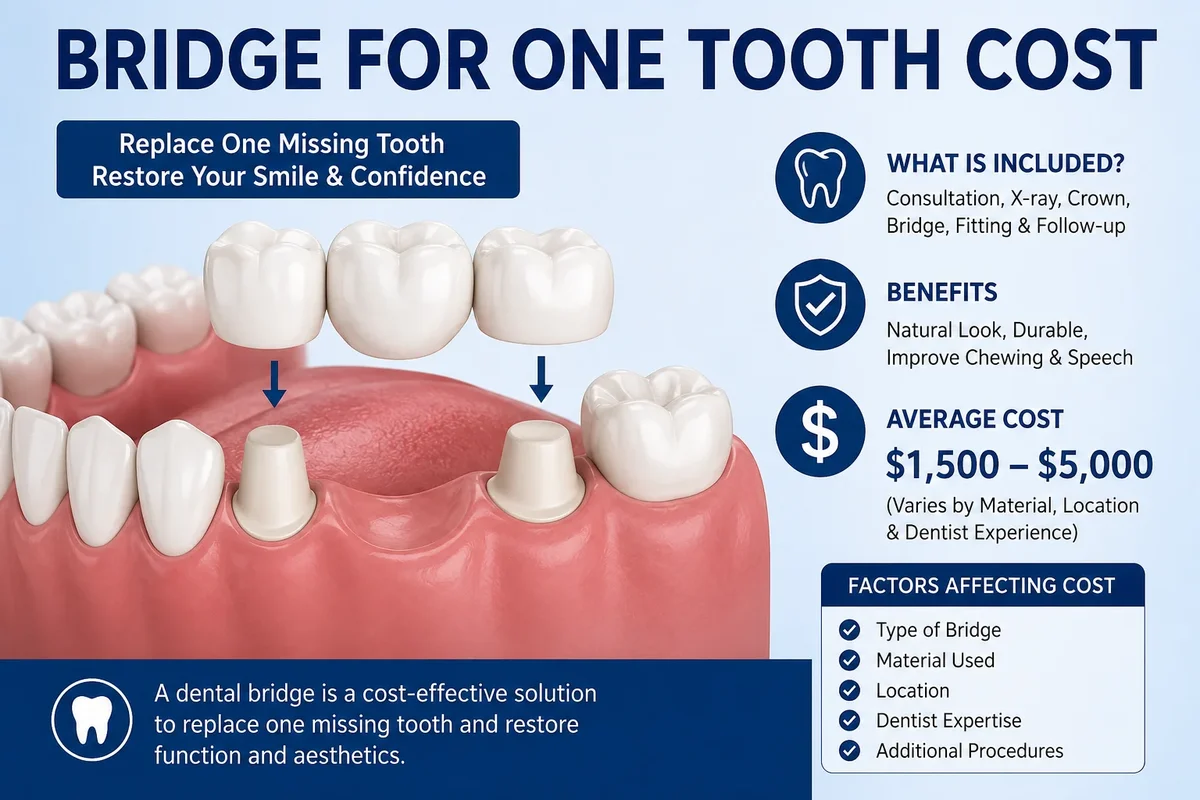
In 2026, the average bridge for one tooth cost typically ranges from $1,500 to $5,000. The final amount depends on the complexity of the case and the materials selected. A traditional bridge made from porcelain-fused-to-metal generally falls within the lower to middle end of the price range, while premium zirconia or all-ceramic bridges may cost more due to their superior aesthetics and durability.
One reason many patients choose a bridge instead of an implant is affordability. While a single dental implant may cost between $3,000 and $7,000 or more, the bridge for one tooth cost is often substantially lower. Additionally, treatment time is usually shorter because a bridge can often be completed within a few weeks, whereas implant treatment may require several months from start to finish.
The type of dental bridge selected plays a major role in determining the bridge for one tooth cost. Traditional bridges remain the most common option and require crowns on the teeth adjacent to the missing tooth. Maryland bridges use metal or ceramic wings bonded to the back of neighboring teeth and may be less expensive in some situations. Cantilever bridges are used when only one adjacent tooth is available for support, though they are less common today.
Material selection also influences the bridge for one tooth cost. Porcelain-fused-to-metal bridges provide a balance between strength and aesthetics. Full zirconia bridges offer exceptional durability and a natural appearance, making them increasingly popular. All-ceramic bridges are frequently chosen for front teeth because they blend seamlessly with surrounding natural teeth.
Location is another major factor affecting the bridge for one tooth cost. Patients in large metropolitan areas often encounter higher treatment fees due to increased operating expenses. Conversely, dental tourism destinations can provide significantly lower prices while maintaining high standards of care. Many international patients travel abroad because the bridge for one tooth cost can be considerably more affordable without compromising treatment quality.
Turkey has become one of the world’s leading destinations for restorative dentistry. Patients frequently compare the bridge for one tooth cost in their home country with prices offered by experienced Turkish dental clinics. Lower operating costs combined with modern technology and highly trained dentists often create substantial savings opportunities for international visitors.
Estimated Bridge for One Tooth Cost by Treatment Type
| Treatment Option | Average Cost (USD) |
|---|---|
| Maryland Bridge | $1,000 – $2,500 |
| Traditional Dental Bridge | $1,500 – $5,000 |
| Cantilever Bridge | $1,500 – $4,000 |
| Zirconia Bridge | $2,500 – $6,000 |
| Single Dental Implant | $3,000 – $7,000+ |
Insurance coverage can significantly reduce the bridge for one tooth cost. Many dental insurance plans classify bridges as restorative procedures and may cover a percentage of treatment expenses. Coverage varies depending on annual maximums, waiting periods, deductibles, and policy limitations. Patients should verify benefits with both their insurance provider and dental clinic before beginning treatment.
Long-term value is another important consideration when evaluating the bridge for one tooth cost. A well-made bridge can often last 10 to 15 years or longer with proper care. Daily brushing, flossing around the bridge, routine dental examinations, and professional cleanings help maximize longevity. When maintenance is consistent, the overall investment represented by the bridge for one tooth cost becomes even more worthwhile.
Many patients compare the bridge for one tooth cost with other tooth replacement methods such as removable partial dentures and dental implants. While removable dentures may have a lower upfront price, they typically offer less stability and comfort. Implants provide excellent long-term results but require a larger initial investment. As a result, the bridge for one tooth cost is often viewed as an ideal middle-ground solution.
Before selecting any treatment, patients should undergo a comprehensive dental examination. During the consultation, the dentist evaluates gum health, bone support, bite alignment, and the condition of adjacent teeth. These factors ultimately determine whether a bridge is the most appropriate treatment option and influence the final bridge for one tooth cost.
Patients interested in receiving a personalized treatment plan can visit the Redent Klinik Contact Page to discuss their needs with experienced dental professionals. Additional educational resources about restorative dentistry can be found through the American Dental Association.
Ultimately, the bridge for one tooth cost depends on the chosen bridge design, materials, location, insurance benefits, and individual oral health requirements. By understanding these factors, patients can make informed decisions, compare treatment options confidently, and choose a restoration that provides both excellent function and long-term value. A carefully planned dental bridge can restore confidence, improve oral health, and create a natural-looking smile for many years to come. 😊
What Is the Bridge for One Tooth Cost in 2026?
The bridge for one tooth cost is one of the most frequently researched topics among patients who have lost a single tooth and are exploring replacement options. A missing tooth is more than a cosmetic concern. It can affect chewing efficiency, speech clarity, bite alignment, and even the health of surrounding teeth. Understanding the bridge for one tooth cost helps patients make informed decisions about their oral health while balancing treatment quality and budget.
In 2026, the average bridge for one tooth cost generally ranges between $1,500 and $5,000. However, this price range should be viewed as a guideline rather than a fixed amount. Every patient presents unique dental conditions that can influence the final treatment cost. Factors such as bridge type, material selection, dentist expertise, laboratory fees, geographic location, and insurance coverage all contribute to the overall bridge for one tooth cost.
Why Do Patients Choose a Dental Bridge?
A dental bridge remains one of the most popular solutions for replacing a missing tooth because it provides a fixed restoration without requiring extensive surgery. Many patients compare the bridge for one tooth cost with the cost of dental implants and discover that a bridge often offers a more affordable initial investment.
A bridge works by placing a replacement tooth, known as a pontic, in the empty space. The pontic is supported by neighboring teeth that are prepared and fitted with crowns. This design restores both appearance and functionality, allowing patients to smile, speak, and eat with greater confidence.
For individuals seeking a balance between affordability and effectiveness, the bridge for one tooth cost often represents an attractive middle-ground option between removable dentures and dental implants.
Average Bridge for One Tooth Cost Around the World
The bridge for one tooth cost can vary dramatically depending on the country where treatment is performed. Dental clinics in countries with higher operating expenses typically charge more for restorative procedures.
| Country | Average Bridge for One Tooth Cost |
|---|---|
| United States | $2,000 – $5,000 |
| United Kingdom | $1,800 – $4,500 |
| Canada | $2,000 – $5,000 |
| Australia | $2,200 – $5,500 |
| Turkey | $400 – $1,500 |
These figures are estimates and may vary between clinics. Nevertheless, they demonstrate why many international patients investigate dental tourism opportunities when researching the bridge for one tooth cost.
How Dental Tourism Can Reduce Costs
Many patients discover that traveling abroad significantly lowers the bridge for one tooth cost. Turkey, in particular, has become a major destination for restorative dentistry because clinics often combine modern technology, experienced dental teams, and competitive pricing.
Lower operational costs allow clinics to offer high-quality treatment at prices that are often substantially lower than those found in North America or Western Europe. This makes the bridge for one tooth cost more accessible for patients seeking affordable treatment without sacrificing quality.
What’s Included in the Bridge for One Tooth Cost?
Patients sometimes assume the bridge for one tooth cost only covers the artificial tooth itself. In reality, several services are usually included in the treatment fee:
- Initial consultation and examination
- Digital X-rays or imaging
- Preparation of supporting teeth
- Temporary bridge placement
- Dental laboratory fabrication
- Final bridge fitting and adjustments
- Follow-up appointments when necessary
Understanding these components helps explain why the bridge for one tooth cost may appear higher than expected. The procedure involves multiple clinical and laboratory steps that contribute to the final result.
How Does a Dental Bridge Compare to Other Options?
Many patients evaluating the bridge for one tooth cost also compare alternative treatments.
| Treatment | Typical Cost | Average Lifespan |
|---|---|---|
| Dental Bridge | $1,500 – $5,000 | 10-15+ Years |
| Dental Implant | $3,000 – $7,000+ | 20+ Years |
| Partial Denture | $500 – $2,000 | 5-10 Years |
While implants generally last longer, the bridge for one tooth cost is often substantially lower. Additionally, bridge treatment usually requires less time, making it appealing to patients who want faster results.
Long-Term Value of a Dental Bridge
Evaluating the bridge for one tooth cost should involve more than simply comparing upfront prices. Long-term value is equally important. A well-designed bridge made from high-quality materials can last well over a decade with proper care.
Patients who maintain excellent oral hygiene habits often find that the bridge for one tooth cost provides excellent value over time. Regular dental checkups, professional cleanings, and daily flossing around the bridge help maximize its lifespan.
Insurance and Financing Considerations
Dental insurance may significantly reduce the bridge for one tooth cost. Many plans classify bridges as restorative treatments and provide partial coverage. Depending on the policy, insurance may cover between 30% and 80% of eligible expenses.
Many dental clinics also offer financing plans that allow patients to spread the bridge for one tooth cost over manageable monthly payments. This flexibility can make treatment more accessible for individuals who need immediate tooth replacement.
When Is a Bridge the Best Choice?
A bridge is often an excellent solution when adjacent teeth already require crowns or restorations. In these situations, the bridge for one tooth cost may provide particularly strong value because the supporting teeth benefit from treatment as well.
Patients who are not candidates for implant surgery due to bone loss, medical conditions, or personal preferences may also find that the bridge for one tooth cost offers a practical and reliable alternative.
For personalized treatment planning and a detailed estimate, patients can visit the Redent Klinik Contact Page. Additional educational information regarding restorative dentistry can be found through the American Dental Association.
Ultimately, understanding the bridge for one tooth cost requires evaluating both financial and clinical factors. While prices vary, a dental bridge remains one of the most effective and widely used solutions for replacing a single missing tooth. By considering treatment quality, materials, longevity, and professional expertise, patients can determine whether the bridge for one tooth cost aligns with their oral health goals and long-term expectations. 😊
Factors That Influence Bridge for One Tooth Cost
The bridge for one tooth cost can vary significantly from one patient to another. While many people search for a simple price, the reality is that dentists calculate treatment fees based on multiple clinical and technical factors. Understanding what affects the bridge for one tooth cost helps patients make informed decisions and avoid unexpected expenses during treatment planning.
A dental bridge is not a one-size-fits-all restoration. Every patient’s oral health condition is different, and these differences directly impact the final bridge for one tooth cost. Factors such as bridge type, materials, location of the missing tooth, condition of neighboring teeth, dental laboratory fees, and geographic location all play important roles in determining treatment expenses.
Type of Dental Bridge Selected
One of the biggest influences on the bridge for one tooth cost is the specific type of bridge chosen by the dentist and patient. Different bridge designs require varying amounts of preparation, materials, and laboratory work.
| Bridge Type | Typical Cost Range | Complexity Level |
|---|---|---|
| Maryland Bridge | $1,000 – $2,500 | Low to Moderate |
| Traditional Bridge | $1,500 – $5,000 | Moderate |
| Cantilever Bridge | $1,500 – $4,000 | Moderate |
| Zirconia Bridge | $2,500 – $6,000 | High |
Traditional bridges remain the most commonly used option and frequently represent the standard bridge for one tooth cost that patients encounter during consultations. More specialized bridge designs may increase treatment expenses because they require additional planning and fabrication.
Why Bridge Design Matters
Each bridge type distributes chewing forces differently. Some designs require more extensive preparation of neighboring teeth, while others rely on advanced bonding techniques. Because of these differences, the bridge for one tooth cost can increase when more sophisticated restorative methods are needed.
Material Selection and Quality
The material used to fabricate the bridge is another major factor affecting the bridge for one tooth cost. Modern dentistry offers several material choices, each with unique advantages and pricing structures.
Porcelain-fused-to-metal bridges are often among the most economical options. They combine strength with reasonable aesthetics and have been used successfully for decades. However, patients seeking highly natural-looking results may prefer all-ceramic or zirconia restorations, which often increase the bridge for one tooth cost.
Zirconia has become particularly popular because it offers exceptional strength, biocompatibility, and aesthetics. While zirconia bridges generally have a higher bridge for one tooth cost, many patients consider the investment worthwhile due to their durability and appearance.
Premium Materials vs Budget Options
Patients should remember that lower pricing does not always represent better value. Sometimes a slightly higher bridge for one tooth cost results in superior longevity and fewer future repairs. Investing in high-quality materials can reduce long-term maintenance expenses and improve overall satisfaction.
Condition of Supporting Teeth
The health of adjacent teeth significantly impacts the bridge for one tooth cost. A bridge depends on neighboring teeth for support, so these teeth must be strong enough to withstand chewing forces.
If supporting teeth have decay, large fillings, fractures, or gum disease, additional treatment may be required before bridge placement. Procedures such as fillings, root canal therapy, crown lengthening, or periodontal treatment can increase the overall bridge for one tooth cost.
During the initial examination, dentists carefully assess supporting teeth to determine whether they can successfully anchor the bridge. This evaluation helps ensure long-term stability and success.
Location of the Missing Tooth
The position of the missing tooth inside the mouth also influences the bridge for one tooth cost. Replacing a front tooth often requires greater attention to aesthetics, color matching, translucency, and smile design.
In contrast, bridges for molars prioritize strength and chewing performance. Depending on the clinical situation, the complexity of fabricating either an aesthetic or highly durable restoration can affect the final bridge for one tooth cost.
Front Teeth vs Back Teeth
Front-tooth bridges often involve advanced cosmetic techniques and custom laboratory work. Because appearance is critical in visible areas, the bridge for one tooth cost may increase due to additional aesthetic considerations.
Back-tooth bridges may require stronger materials capable of handling heavy chewing forces, which can also influence pricing.
Dental Laboratory Costs
Many patients do not realize that a significant portion of the bridge for one tooth cost is associated with laboratory fabrication. Skilled dental technicians create bridges using advanced equipment, digital scanning systems, and precision manufacturing processes.
Premium laboratories often charge higher fees because they produce highly customized restorations with excellent fit and aesthetics. Although this may raise the bridge for one tooth cost, it frequently contributes to better treatment outcomes.
Geographic Location and Clinic Expertise
Geographic location is one of the most noticeable factors affecting the bridge for one tooth cost. Dental clinics in large cities often face higher operational expenses, including rent, staff salaries, and equipment costs.
Additionally, dentists with advanced training, specialized expertise, and extensive experience may charge higher fees. While this can increase the bridge for one tooth cost, many patients value the added confidence that comes from working with highly qualified professionals.
Dental Tourism Opportunities
Many international patients compare the bridge for one tooth cost across different countries. Turkey has become a popular destination because patients often receive high-quality treatment at significantly lower prices than those available in North America, Australia, or Western Europe.
This combination of affordability and quality makes dental tourism an increasingly attractive option for patients seeking value-focused treatment.
Insurance and Financing Options
Insurance coverage can dramatically affect the final bridge for one tooth cost. Many dental plans contribute toward restorative procedures, reducing out-of-pocket expenses for eligible patients.
Financing plans offered by dental clinics can also make the bridge for one tooth cost more manageable by spreading payments over several months. This allows patients to receive treatment when needed rather than delaying care due to financial concerns.
Understanding Total Treatment Value
When evaluating the bridge for one tooth cost, patients should focus on value rather than simply seeking the lowest price. Factors such as material quality, laboratory standards, dentist experience, and expected longevity all contribute to overall treatment success.
For personalized treatment recommendations and detailed pricing information, patients can visit the Redent Klinik Contact Page. Additional educational resources regarding restorative dentistry are available through the American Dental Association.
Ultimately, the bridge for one tooth cost is determined by a combination of clinical, technical, and geographic factors. Understanding these variables allows patients to compare options more effectively and choose a treatment plan that delivers both excellent function and long-term value. A carefully designed bridge can restore appearance, improve oral health, and provide years of reliable performance when created and maintained properly. 😊
Traditional Bridge for One Tooth Cost Explained
When patients begin researching the bridge for one tooth cost, they often discover that traditional dental bridges remain the most commonly recommended solution for replacing a single missing tooth. A traditional bridge has been used successfully in restorative dentistry for decades and continues to be one of the most reliable and cost-effective treatment options available in 2026. Understanding how a traditional bridge works and what contributes to the bridge for one tooth cost can help patients make informed decisions regarding their dental care.
A traditional bridge consists of three primary components: two dental crowns placed on the teeth adjacent to the missing tooth and an artificial replacement tooth known as a pontic positioned between them. These connected restorations create a stable structure that restores chewing function, speech clarity, and smile aesthetics. Because multiple components are involved, the bridge for one tooth cost includes much more than simply replacing the missing tooth itself.
What Makes a Traditional Bridge Different?
The key characteristic of a traditional bridge is that it relies on neighboring teeth for support. Before treatment begins, the adjacent teeth are carefully reshaped to accommodate dental crowns. These crowns serve as anchors that hold the bridge securely in place.
This design contributes to the overall bridge for one tooth cost because the procedure requires precision preparation, impressions or digital scans, laboratory fabrication, temporary restorations, and final placement. Every stage of treatment influences the final fee.
Many dentists recommend traditional bridges because they offer an excellent combination of stability, functionality, and affordability compared to some alternative tooth replacement methods.
Average Traditional Bridge for One Tooth Cost
The average bridge for one tooth cost for a traditional bridge generally ranges between $1,500 and $5,000. However, the exact amount depends on various clinical and geographic factors.
| Traditional Bridge Type | Estimated Cost Range |
|---|---|
| Porcelain-Fused-to-Metal Bridge | $1,500 – $3,500 |
| All-Ceramic Bridge | $2,000 – $4,500 |
| Zirconia Bridge | $2,500 – $5,000+ |
Patients researching the bridge for one tooth cost should understand that these estimates typically include consultations, diagnostic imaging, bridge fabrication, and fitting appointments. Some clinics may charge separately for certain procedures, so obtaining a detailed treatment plan is essential.
Why Prices Vary So Much
There is no universal bridge for one tooth cost because every dental case presents unique challenges. The condition of supporting teeth, the amount of preparation required, the complexity of the restoration, and the materials selected all affect pricing.
For example, a patient with healthy adjacent teeth may require less preparatory treatment than someone who needs fillings, root canal therapy, or periodontal treatment before bridge placement. These additional procedures can significantly increase the overall bridge for one tooth cost.
Materials Used in Traditional Bridges
Material selection plays a major role in determining the bridge for one tooth cost. Dentists typically recommend materials based on the location of the missing tooth, aesthetic requirements, and expected chewing forces.
Porcelain-fused-to-metal bridges remain a popular option because they provide strength and acceptable aesthetics at a moderate price point. Patients seeking highly natural-looking restorations often prefer all-ceramic or zirconia bridges, which generally increase the bridge for one tooth cost due to higher manufacturing expenses.
Zirconia bridges are particularly valued for their exceptional durability and resistance to fracture. While they may increase the initial bridge for one tooth cost, many patients appreciate their long-term performance and appearance.
Advantages of Choosing a Traditional Bridge
There are several reasons why patients continue to choose traditional bridges despite the growing popularity of dental implants.
- Faster treatment completion compared to implants
- No surgical procedure required in most cases
- Predictable long-term success rates
- Restoration of chewing efficiency
- Improved smile aesthetics
- Often lower upfront costs than implants
Because of these benefits, many individuals find that the bridge for one tooth cost provides excellent value relative to the functional and cosmetic improvements achieved.
Treatment Timeline and Cost Efficiency
One reason patients appreciate the traditional bridge for one tooth cost is the relatively short treatment timeline. In many situations, the entire process can be completed within two to four weeks. This contrasts with implant treatment, which may require several months due to healing periods.
The shorter timeline often reduces indirect expenses associated with extended treatment, making the bridge for one tooth cost even more appealing to busy patients.
Potential Limitations to Consider
Although traditional bridges offer many advantages, patients should also understand potential limitations when evaluating the bridge for one tooth cost.
The procedure requires modification of adjacent teeth, even if those teeth are healthy. Additionally, unlike implants, bridges do not stimulate the jawbone beneath the missing tooth. Over time, some bone resorption may occur in the area of the missing tooth.
However, for many patients, these considerations are outweighed by the affordability and effectiveness associated with the bridge for one tooth cost.
Long-Term Maintenance and Lifespan
A properly fabricated traditional bridge can last 10 to 15 years or even longer when maintained correctly. This longevity contributes significantly to the overall value of the bridge for one tooth cost.
Patients should brush twice daily, floss carefully around the bridge, attend regular dental checkups, and avoid habits such as chewing ice or hard objects. These practices help maximize bridge lifespan and protect the investment represented by the bridge for one tooth cost.
Cost Per Year of Service
When considering the longevity of a traditional bridge, many patients find that the annualized bridge for one tooth cost becomes quite reasonable. A bridge lasting 15 years can provide thousands of days of comfortable chewing, speaking, and smiling for a relatively modest yearly expense.
Is a Traditional Bridge Right for You?
The ideal candidate for a traditional bridge typically has healthy adjacent teeth capable of supporting crowns and sufficient oral health to maintain the restoration over time. During a professional consultation, the dentist evaluates whether a traditional bridge represents the best solution based on clinical findings and patient goals.
For personalized recommendations regarding the bridge for one tooth cost, patients can visit the Redent Klinik Contact Page. Additional educational information about restorative dentistry is available through the American Dental Association.
Ultimately, understanding the traditional bridge for one tooth cost requires looking beyond the initial price. Treatment quality, materials, durability, aesthetics, and long-term function all contribute to the true value of a dental bridge. For many patients, a traditional bridge remains one of the most practical and dependable solutions for replacing a single missing tooth while maintaining both oral health and confidence. 😊
Maryland Dental Bridge Cost for a Single Missing Tooth
When researching the bridge for one tooth cost, many patients focus exclusively on traditional bridges and dental implants. However, a Maryland dental bridge is another important option that may provide an effective and affordable solution for replacing a single missing tooth. Understanding how a Maryland bridge works, its advantages, limitations, and pricing structure can help patients determine whether it is the right treatment choice for their specific needs.
A Maryland bridge, sometimes called a resin-bonded bridge, differs from a traditional bridge because it uses small metal or ceramic wings attached to the back surfaces of adjacent teeth rather than full crowns. This conservative approach often results in a lower bridge for one tooth cost because less tooth preparation is required. For many patients, preserving natural tooth structure is one of the biggest advantages of this restoration.
The Maryland bridge was originally developed as a minimally invasive alternative to conventional bridge treatment. Today, it remains particularly popular for replacing front teeth where chewing forces are lower and aesthetic demands are high. While the bridge for one tooth cost varies depending on the materials and complexity involved, Maryland bridges are generally among the most affordable fixed tooth replacement options available.
How a Maryland Bridge Works
Unlike a traditional bridge, a Maryland bridge does not require the complete reshaping of neighboring teeth for crowns. Instead, a replacement tooth is connected to thin supporting wings that are bonded to the backs of adjacent teeth.
This design reduces the amount of healthy tooth structure that must be removed during treatment. Because less preparation is required, the bridge for one tooth cost is often lower than that of a traditional bridge while still providing a fixed restoration that remains securely in place.
The simplified treatment process can also shorten the timeline, making the Maryland bridge an attractive option for patients seeking a faster and more conservative solution.
Average Maryland Bridge for One Tooth Cost
The average bridge for one tooth cost for a Maryland bridge generally ranges between $1,000 and $2,500. Several factors influence the final fee, including the material used, laboratory fabrication costs, geographic location, and dentist experience.
| Maryland Bridge Type | Estimated Cost Range |
|---|---|
| Metal Wing Maryland Bridge | $1,000 – $1,800 |
| Porcelain Maryland Bridge | $1,200 – $2,200 |
| Zirconia Maryland Bridge | $1,500 – $2,500 |
These estimates demonstrate why patients researching the bridge for one tooth cost often consider Maryland bridges as an economical alternative to traditional bridges and implants.
Why Maryland Bridges Are Usually Less Expensive
The primary reason for the reduced bridge for one tooth cost is the conservative treatment approach. Since adjacent teeth generally require minimal modification, the procedure involves fewer clinical steps and less restorative work.
Additionally, laboratory fabrication may be simpler than creating multiple crowns for a traditional bridge. These efficiencies contribute to a lower overall bridge for one tooth cost while still providing functional and aesthetic benefits.
Ideal Candidates for Maryland Bridges
Not every patient is a suitable candidate for this type of restoration. Maryland bridges work best in specific clinical situations where biting forces are relatively low and supporting teeth are healthy.
Patients missing a front tooth are often excellent candidates because these teeth experience less chewing pressure compared to molars. In these cases, the bridge for one tooth cost may provide outstanding value because treatment is both conservative and effective.
Young adults who are not yet ready for dental implants may also benefit from Maryland bridges. Since the procedure preserves natural tooth structure, it can serve as a long-term or transitional solution.
When a Maryland Bridge May Not Be Recommended
Although the bridge for one tooth cost is appealing, Maryland bridges are not ideal for every situation. Patients with strong biting forces, severe teeth grinding habits, or missing molars may require alternative treatments that provide greater strength and durability.
In these cases, a traditional bridge or dental implant may offer better long-term performance despite a potentially higher bridge for one tooth cost.
Advantages of Choosing a Maryland Bridge
There are numerous reasons why patients choose a Maryland bridge when evaluating the bridge for one tooth cost.
- Minimal removal of healthy tooth structure
- Lower treatment cost compared to many alternatives
- Shorter treatment timeline
- Excellent aesthetic results for front teeth
- No surgical procedure required
- Preservation of adjacent natural teeth
Because of these advantages, the Maryland option often provides one of the most favorable balances between treatment quality and bridge for one tooth cost.
Potential Limitations and Maintenance
While Maryland bridges offer many benefits, patients should understand their limitations before making a decision based solely on the bridge for one tooth cost.
The bonding wings can occasionally become detached, particularly if exposed to excessive biting forces. Fortunately, re-bonding procedures are often straightforward and less expensive than replacing an entire restoration.
Good oral hygiene is essential for maintaining the longevity of a Maryland bridge. Patients should brush carefully around the bridge, floss regularly, and attend routine dental examinations. These habits help maximize the value obtained from the bridge for one tooth cost.
Expected Lifespan
With proper care, a Maryland bridge can often last between 5 and 15 years. Longevity depends on oral hygiene, bite forces, material quality, and the skill of the treating dentist.
Although some traditional bridges may last longer, many patients still find the bridge for one tooth cost associated with Maryland bridges highly attractive due to the lower initial investment.
Maryland Bridge vs Traditional Bridge
| Feature | Maryland Bridge | Traditional Bridge |
|---|---|---|
| Average Cost | $1,000 – $2,500 | $1,500 – $5,000 |
| Tooth Preparation | Minimal | Extensive |
| Front Teeth Use | Excellent | Excellent |
| Back Teeth Use | Limited | Very Good |
| Durability | Moderate | High |
This comparison illustrates why patients investigating the bridge for one tooth cost frequently ask about Maryland bridges during consultations.
Making the Right Choice
The best restoration depends on individual oral health conditions, aesthetic goals, budget considerations, and long-term expectations. While the bridge for one tooth cost is an important factor, treatment decisions should also consider durability, appearance, maintenance requirements, and future oral health needs.
Patients seeking professional guidance can visit the Redent Klinik Contact Page for personalized treatment planning. Additional educational resources regarding restorative dentistry are available through the American Dental Association.
In summary, a Maryland bridge can be an excellent solution for replacing a single missing tooth, particularly in the front of the mouth. The relatively low bridge for one tooth cost, combined with conservative tooth preparation and attractive aesthetics, makes this treatment a compelling option for many patients. By understanding the benefits and limitations of Maryland bridges, individuals can determine whether this approach offers the right balance between affordability, functionality, and long-term value. 😊
Cantilever Bridge for One Tooth Cost Breakdown
When evaluating the bridge for one tooth cost, many patients encounter several types of dental bridges, including traditional bridges, Maryland bridges, and cantilever bridges. Although cantilever bridges are used less frequently than traditional bridges, they remain a valuable treatment option in specific clinical situations. Understanding how cantilever bridges work, their benefits, limitations, and pricing structure helps patients gain a more complete understanding of the bridge for one tooth cost and the options available for replacing a missing tooth.
A cantilever bridge is unique because it relies on only one adjacent tooth for support. Unlike a traditional bridge, which uses crowns on both sides of the missing tooth, a cantilever bridge anchors the replacement tooth to a single supporting tooth. This design can be useful when only one neighboring tooth is available to support the restoration. Because of the specialized design and case selection requirements, the bridge for one tooth cost for a cantilever bridge may vary depending on the complexity of the treatment.
Although cantilever bridges are not suitable for every patient, they can provide excellent results when carefully planned and executed by an experienced dentist. Patients researching the bridge for one tooth cost should understand when a cantilever bridge may be recommended and how it compares to alternative treatment options.
How a Cantilever Bridge Works
A cantilever bridge consists of a replacement tooth attached to a crown placed on a single supporting tooth. Because only one abutment tooth is used, the bridge design differs significantly from other fixed restorations.
This unique structure influences the bridge for one tooth cost because the supporting tooth must be carefully evaluated to ensure it can withstand the additional chewing forces generated by the restoration. Detailed treatment planning is essential to avoid excessive stress on the anchor tooth.
Modern digital imaging, bite analysis, and restorative planning techniques help dentists determine whether a cantilever bridge represents an appropriate solution for a particular patient.
Average Cantilever Bridge for One Tooth Cost
The average bridge for one tooth cost for a cantilever bridge generally falls between $1,500 and $4,000. Pricing varies according to the materials selected, laboratory complexity, geographic location, and the condition of the supporting tooth.
| Cantilever Bridge Material | Estimated Cost Range |
|---|---|
| Porcelain-Fused-to-Metal | $1,500 – $2,800 |
| All-Ceramic | $2,000 – $3,500 |
| Zirconia | $2,500 – $4,000+ |
These figures represent general estimates and may vary depending on individual circumstances. Patients should always obtain a detailed consultation to receive an accurate assessment of their personal bridge for one tooth cost.
Why the Cost Can Vary
The final bridge for one tooth cost depends on several factors beyond the bridge itself. If the supporting tooth requires fillings, root canal treatment, or additional restorative procedures before bridge placement, overall expenses may increase.
Furthermore, premium dental laboratories and advanced materials often contribute to a higher bridge for one tooth cost, but they may also improve aesthetics, durability, and long-term performance.
When Is a Cantilever Bridge Recommended?
A cantilever bridge is typically recommended only in specific situations where traditional bridge support is unavailable. One common example occurs when a missing tooth is located near the front of the mouth and only one neighboring tooth is suitable for anchoring the restoration.
Because chewing forces are generally lower in the front of the mouth, cantilever bridges can function successfully in carefully selected cases. For these patients, the bridge for one tooth cost may provide a practical alternative to more complex treatment options.
Before recommending a cantilever bridge, dentists thoroughly evaluate bite forces, tooth position, gum health, and supporting bone levels to ensure long-term stability.
Situations Where Cantilever Bridges Are Less Ideal
Patients researching the bridge for one tooth cost should understand that cantilever bridges are generally not recommended for replacing molars. Back teeth experience significant chewing pressure, which can place excessive stress on a single supporting tooth.
In these cases, a traditional bridge or dental implant may offer a more predictable and durable solution despite potentially increasing the overall bridge for one tooth cost.
Advantages of Cantilever Bridges
Despite their specialized use, cantilever bridges offer several important benefits that contribute to their ongoing role in restorative dentistry.
- Require only one supporting tooth
- Can be used when traditional bridge support is unavailable
- Provide a fixed, non-removable restoration
- Typically completed within a few weeks
- Often less invasive than implant surgery
- Restore smile aesthetics and chewing function
For suitable candidates, these advantages make the bridge for one tooth cost a worthwhile investment in both appearance and oral function.
Potential Drawbacks and Risks
As with any dental restoration, cantilever bridges have limitations. Because only one tooth supports the bridge, greater mechanical stress is concentrated on that anchor tooth.
This factor is one reason dentists carefully assess whether the expected benefits justify the bridge for one tooth cost. Proper case selection is critical for long-term success.
Potential complications may include loosening of the restoration, increased wear on the supporting tooth, or fracture if excessive biting forces occur. However, when planned appropriately, many cantilever bridges perform successfully for years.
Importance of Professional Treatment Planning
The success of a cantilever bridge depends heavily on accurate diagnosis and treatment planning. Experienced restorative dentists evaluate numerous variables before determining whether this type of bridge is suitable.
This expertise contributes to the overall bridge for one tooth cost but also helps maximize long-term treatment success and patient satisfaction.
Expected Lifespan and Maintenance
With proper care, a cantilever bridge can often last between 8 and 15 years or more. Longevity depends on oral hygiene, bite forces, material quality, and regular dental maintenance.
Patients should brush and floss carefully around the restoration and attend routine dental examinations. These habits help protect the investment represented by the bridge for one tooth cost and reduce the likelihood of future complications.
Many patients find that consistent maintenance significantly extends bridge lifespan and improves overall treatment value.
Long-Term Value Considerations
When evaluating the bridge for one tooth cost, patients should consider long-term functionality rather than focusing exclusively on the initial fee. A restoration that performs well for a decade or longer often provides substantial value over time.
High-quality materials, skilled dental care, and diligent maintenance can help ensure that the benefits of treatment outweigh the original bridge for one tooth cost.
Cantilever Bridge vs Other Replacement Options
| Feature | Cantilever Bridge | Traditional Bridge | Dental Implant |
|---|---|---|---|
| Average Cost | $1,500 – $4,000 | $1,500 – $5,000 | $3,000 – $7,000+ |
| Number of Supporting Teeth | 1 | 2 | 0 |
| Surgical Procedure | No | No | Yes |
| Treatment Duration | 2-4 Weeks | 2-4 Weeks | Several Months |
Patients interested in learning more about the bridge for one tooth cost and determining which treatment option best suits their needs can visit the Redent Klinik Contact Page. Additional restorative dentistry information is available through the American Dental Association.
Ultimately, the cantilever bridge for one tooth cost represents a practical solution for selected cases where only one supporting tooth is available. While it is not appropriate for every patient, careful treatment planning, high-quality materials, and proper maintenance can produce excellent long-term results. Understanding the factors that influence the bridge for one tooth cost allows patients to make informed decisions and choose a restoration that balances affordability, function, and aesthetics. 😊
Dental Bridge vs Implant: Which Option Saves More Money?
One of the most common questions patients ask when researching the bridge for one tooth cost is whether a dental bridge or a dental implant provides better financial value. Both treatments are highly effective solutions for replacing a single missing tooth, but they differ significantly in cost, treatment time, maintenance requirements, and long-term benefits. Understanding these differences can help patients determine which option offers the best balance between affordability and lasting results.
At first glance, the bridge for one tooth cost is usually lower than the cost of a dental implant. This lower initial investment often makes bridges attractive to patients seeking a quicker and more budget-friendly solution. However, long-term considerations such as lifespan, maintenance, and future replacement costs should also be evaluated before making a final decision.
Both dental bridges and implants can restore appearance, chewing ability, speech function, and self-confidence. The best option depends on individual oral health conditions, financial circumstances, and long-term treatment goals.
Understanding the Cost Difference
The most obvious distinction between these treatments is the upfront price. In most countries, the bridge for one tooth cost is significantly lower than the total cost of a single dental implant.
| Treatment Option | Average Cost Range |
|---|---|
| Dental Bridge | $1,500 – $5,000 |
| Single Dental Implant | $3,000 – $7,000+ |
For patients primarily concerned with immediate affordability, the bridge for one tooth cost often appears more attractive. However, comparing only the initial fee may not provide a complete picture of long-term value.
Why Implants Cost More Initially
Dental implants involve a surgical procedure in which a titanium implant is placed into the jawbone. Additional treatments such as bone grafting, sinus augmentation, advanced imaging, and extended healing periods may also be necessary.
These extra steps contribute to the higher price of implants compared to the bridge for one tooth cost. Nevertheless, many patients view implants as a long-term investment because of their exceptional durability.
Treatment Timeline Comparison
Treatment duration is another important consideration when comparing implants and the bridge for one tooth cost. Dental bridges are often completed within two to four weeks, making them one of the fastest fixed tooth replacement options available.
Implants typically require several months to complete. After implant placement, the jawbone must integrate with the titanium post through a process known as osseointegration. Only after healing is complete can the final crown be attached.
Patients who prioritize speed often find that the bridge for one tooth cost delivers faster functional and cosmetic results.
Long-Term Lifespan and Durability
While the bridge for one tooth cost is generally lower at the beginning of treatment, implants often provide greater longevity.
| Restoration Type | Typical Lifespan |
|---|---|
| Dental Bridge | 10-15+ Years |
| Dental Implant | 20+ Years |
Many implants remain functional for decades when properly maintained. Dental bridges also offer excellent longevity, but replacement may eventually be required. When evaluating the bridge for one tooth cost, patients should consider how future replacement expenses may affect long-term value.
Annual Cost Perspective
Some patients calculate treatment value by dividing total cost by expected years of service. Although the bridge for one tooth cost is lower initially, an implant’s extended lifespan can reduce its effective annual cost over time.
However, many patients still prefer bridges because they require a smaller upfront financial commitment.
Impact on Adjacent Teeth
A major clinical difference between implants and bridges involves neighboring teeth. Traditional bridges require crowns on adjacent teeth, which means healthy tooth structure may need to be removed.
This factor is included in the bridge for one tooth cost because preparation and restoration of supporting teeth are necessary components of treatment.
In contrast, implants function independently and do not rely on neighboring teeth for support. This preservation of natural tooth structure is one reason many dentists consider implants an excellent long-term option.
Bone Preservation Benefits
Another advantage of implants is their ability to stimulate the jawbone. When a tooth is lost, bone resorption often begins in the affected area. Implants help maintain bone volume by transmitting chewing forces into the jaw.
Dental bridges do not provide this stimulation. Although this does not necessarily reduce the value of the bridge for one tooth cost, it represents an important clinical difference between the two treatments.
Maintenance Requirements
Both bridges and implants require excellent oral hygiene. However, maintenance routines differ slightly.
Patients with bridges must carefully clean beneath the pontic using specialized flossing techniques or interdental cleaning devices. Proper maintenance protects the investment represented by the bridge for one tooth cost and helps prevent gum disease around supporting teeth.
Implants require routine brushing and flossing similar to natural teeth, although professional monitoring remains essential.
Which Option Is More Cost-Effective?
The answer depends on each patient’s priorities. For someone seeking the lowest immediate expense, the bridge for one tooth cost generally provides the more economical solution. Bridges often deliver excellent function, attractive aesthetics, and predictable results at a lower starting price.
Patients focused on maximum longevity and preservation of surrounding teeth may view implants as a better long-term investment despite their higher initial cost.
When a Bridge May Be the Better Choice
- Need for faster treatment completion
- Lower initial budget
- Ineligibility for implant surgery
- Insufficient bone volume without grafting
- Preference to avoid surgical procedures
In these situations, the bridge for one tooth cost often represents outstanding value and can provide many years of reliable performance.
When an Implant May Be the Better Choice
- Strong long-term investment focus
- Healthy jawbone volume
- Desire to preserve adjacent teeth
- Willingness to undergo surgery
- Preference for maximum longevity
These factors may justify the higher cost of implant treatment for some patients.
Financial Comparison Example
| Factor | Dental Bridge | Dental Implant |
|---|---|---|
| Initial Cost | Lower | Higher |
| Treatment Time | Shorter | Longer |
| Surgery Required | No | Yes |
| Bone Preservation | No | Yes |
| Longevity | 10-15+ Years | 20+ Years |
Patients seeking personalized advice regarding the bridge for one tooth cost and implant alternatives can visit the Redent Klinik Contact Page. Additional restorative dentistry resources are available through the American Dental Association.
Ultimately, comparing implants with the bridge for one tooth cost involves more than simply choosing the cheapest option. Both treatments offer significant benefits, and the best solution depends on clinical circumstances, financial goals, and personal preferences. By carefully evaluating short-term costs, long-term durability, maintenance requirements, and oral health benefits, patients can make confident decisions that support both their smiles and their budgets for many years to come. 😊
How Insurance Affects Bridge for One Tooth Cost
For many patients researching the bridge for one tooth cost, dental insurance plays a major role in determining the final out-of-pocket expense. While the published price of a dental bridge may appear straightforward, the actual amount a patient pays often depends on insurance coverage, annual benefit limits, deductibles, waiting periods, and specific policy terms. Understanding how insurance affects the bridge for one tooth cost can help patients budget more effectively and avoid unexpected financial surprises.
Dental bridges are generally classified as restorative treatments rather than cosmetic procedures. Because replacing a missing tooth improves oral function, chewing efficiency, speech, and overall dental health, many insurance providers offer partial coverage for bridge treatment. However, the percentage covered varies significantly from one policy to another, which means the final bridge for one tooth cost can differ substantially between patients even when receiving the same treatment.
Patients should never assume that all insurance plans provide identical benefits. Before beginning treatment, it is essential to verify exactly how the insurance company calculates reimbursement for the bridge for one tooth cost.
Typical Insurance Coverage for Dental Bridges
Most dental insurance plans divide treatments into categories such as preventive, basic restorative, and major restorative procedures. Dental bridges usually fall under the major restorative category.
Depending on the policy, insurance may cover anywhere from 30% to 80% of the approved bridge for one tooth cost. The exact percentage often depends on the patient’s specific plan and whether waiting periods or annual maximums apply.
| Coverage Category | Typical Insurance Contribution |
|---|---|
| Preventive Care | 80% – 100% |
| Basic Restorative Care | 50% – 80% |
| Major Restorative Care | 30% – 60% |
| Dental Bridges | 30% – 60% (Typical) |
As this table illustrates, insurance can significantly reduce the overall bridge for one tooth cost, making treatment more affordable for eligible patients.
Why Coverage Percentages Vary
Insurance providers use different reimbursement structures. Some plans calculate benefits based on the dentist’s actual fee, while others use a predefined fee schedule. This distinction can have a substantial impact on the final bridge for one tooth cost that patients must pay themselves.
For example, if a bridge costs $3,000 but the insurance company only recognizes $2,000 as the allowable fee, the patient’s reimbursement may be lower than expected.
Annual Maximum Benefit Limits
One of the most important factors affecting the bridge for one tooth cost is the annual maximum benefit. Many dental insurance plans place a yearly cap on the total amount they will pay toward treatment.
Common annual maximums range between $1,000 and $2,500. If bridge treatment exceeds this limit, the patient becomes responsible for the remaining balance.
This means that even when a policy covers a percentage of the bridge for one tooth cost, the actual reimbursement may be restricted by the annual maximum allowance.
Example of Annual Maximum Impact
Consider a patient whose bridge treatment costs $4,000. If the insurance plan covers 50% but has an annual maximum of $1,500, the insurer will only contribute up to the yearly limit.
In this situation, the patient would pay the remaining portion of the bridge for one tooth cost, even though the advertised coverage percentage appears generous.
Waiting Periods and Eligibility Rules
Many insurance plans include waiting periods for major restorative treatments. A patient may need to maintain active coverage for six to twelve months before becoming eligible for bridge benefits.
These waiting periods directly affect the timing of treatment and the effective bridge for one tooth cost. Patients who require immediate treatment but have not yet satisfied eligibility requirements may need to pay the full amount themselves.
Understanding these rules in advance can prevent frustration and help patients plan their treatment timeline more effectively.
Missing Tooth Clauses
One frequently overlooked factor affecting the bridge for one tooth cost is the missing tooth clause. Some insurance policies will not cover replacement of a tooth that was lost before the policy became active.
Even if the patient currently has dental coverage, the insurer may deny reimbursement if the tooth was missing prior to enrollment. This policy limitation can dramatically influence the actual bridge for one tooth cost paid by the patient.
How to Verify Coverage Before Treatment
Patients should request a pre-treatment estimate from both their dental clinic and insurance provider. This process provides a clearer understanding of anticipated benefits and expected out-of-pocket expenses.
Obtaining written confirmation of benefits helps avoid misunderstandings regarding the bridge for one tooth cost and allows patients to make informed financial decisions.
Flexible Spending Accounts and Health Savings Accounts
Many patients use Flexible Spending Accounts (FSAs) or Health Savings Accounts (HSAs) to reduce the financial burden associated with the bridge for one tooth cost. These accounts allow individuals to use pre-tax funds for eligible healthcare expenses.
Because dental bridge treatment generally qualifies as a legitimate medical expense, FSA and HSA funds can often be applied directly toward the bridge for one tooth cost.
This approach effectively reduces the overall financial impact of treatment while maximizing tax advantages.
Financing Options When Insurance Is Limited
Not every patient has comprehensive dental insurance. Fortunately, many clinics offer financing solutions that make the bridge for one tooth cost more manageable.
Common financing options include:
- Monthly installment plans
- Third-party healthcare financing programs
- Interest-free promotional periods
- Customized payment schedules
These programs can help patients proceed with necessary treatment even when insurance benefits are limited or unavailable.
Combining Insurance and Financing
Many patients reduce the bridge for one tooth cost by combining insurance benefits with financing arrangements. Insurance lowers the total balance, while financing spreads the remaining amount across manageable monthly payments.
This strategy often allows patients to receive treatment sooner rather than delaying care due to financial concerns.
International Patients and Insurance Considerations
Patients exploring dental tourism opportunities should verify whether their insurance provides reimbursement for treatment performed abroad. Some policies may offer partial coverage, while others restrict benefits to domestic providers.
Even when international reimbursement is unavailable, the lower bridge for one tooth cost available in certain countries may still result in significant savings compared to domestic treatment.
Patients seeking personalized treatment planning and pricing information can visit the Redent Klinik Contact Page. Additional information regarding restorative dental treatments can be found through the American Dental Association.
Ultimately, insurance can dramatically influence the final bridge for one tooth cost, but coverage details vary considerably between plans. By understanding deductibles, waiting periods, annual maximums, missing tooth clauses, and financing opportunities, patients can accurately estimate treatment expenses and make confident decisions regarding their oral health. A proactive approach to insurance verification often results in substantial savings and a smoother treatment experience overall. 😊
How to Reduce Bridge for One Tooth Cost Without Sacrificing Quality
Many patients researching the bridge for one tooth cost are searching for ways to make treatment more affordable without compromising quality, durability, or aesthetics. Replacing a missing tooth is an important investment in oral health, but that does not mean patients must automatically choose the most expensive option available. By understanding pricing factors, treatment alternatives, insurance opportunities, and cost-saving strategies, it is often possible to reduce the bridge for one tooth cost while still receiving excellent dental care.
The key to lowering the bridge for one tooth cost is focusing on value rather than simply selecting the cheapest provider. Extremely low prices can sometimes indicate compromises in materials, laboratory quality, technology, or clinical expertise. A successful dental bridge should provide years of reliable function, natural aesthetics, and comfort. Therefore, patients should seek the best combination of affordability and quality rather than concentrating solely on price.
Fortunately, there are numerous strategies that can help reduce the bridge for one tooth cost without negatively affecting treatment outcomes.
Compare Multiple Treatment Plans
One of the most effective ways to reduce the bridge for one tooth cost is by obtaining consultations from more than one dental provider. Different clinics may recommend different materials, treatment approaches, or laboratory partners, resulting in substantial price differences.
Patients should request detailed written treatment plans that clearly outline what is included in the quoted bridge for one tooth cost. Comparing these plans allows for a more accurate evaluation of value rather than focusing solely on the lowest number.
Questions to Ask During Consultations
- Which materials are included in the quoted price?
- Are diagnostic images included?
- Does the fee include temporary restorations?
- Are follow-up appointments included?
- What warranty or guarantee is provided?
These questions help patients understand the true bridge for one tooth cost and avoid hidden expenses later in the treatment process.
Choose the Right Bridge Material
Material selection has a major impact on the bridge for one tooth cost. While premium materials such as zirconia provide exceptional aesthetics and durability, they may not always be necessary in every situation.
For example, a porcelain-fused-to-metal bridge can often provide excellent function and appearance at a lower bridge for one tooth cost. The most appropriate material depends on factors such as tooth location, bite forces, aesthetic expectations, and budget.
| Material Type | Relative Cost | Durability |
|---|---|---|
| Porcelain-Fused-to-Metal | Moderate | High |
| All-Ceramic | Moderate to High | Moderate |
| Zirconia | High | Very High |
Discussing material options with the dentist can often reduce the overall bridge for one tooth cost while still achieving excellent clinical results.
Maximize Dental Insurance Benefits
Insurance remains one of the most effective tools for lowering the bridge for one tooth cost. Before beginning treatment, patients should carefully review their policy benefits and coverage limitations.
Some insurance plans cover a significant percentage of bridge treatment costs. Understanding annual maximums, waiting periods, deductibles, and eligibility requirements can help patients strategically schedule treatment and reduce their out-of-pocket bridge for one tooth cost.
Timing Treatment Strategically
Patients approaching the end of the calendar year may benefit from using remaining insurance benefits before they expire. Alternatively, complex treatment can sometimes be divided between two benefit years, helping lower the effective bridge for one tooth cost.
Careful planning often results in substantial savings without affecting treatment quality.
Consider Dental Tourism
Many international patients reduce the bridge for one tooth cost through dental tourism. Countries such as Turkey have become leading destinations for restorative dentistry due to their combination of modern technology, experienced dentists, and competitive pricing.
In many cases, patients can receive high-quality treatment, accommodation, and travel arrangements for less than the bridge for one tooth cost alone in certain Western countries.
However, patients should carefully research clinic credentials, patient reviews, dentist qualifications, and laboratory standards before selecting an overseas provider.
How to Evaluate International Clinics
- Verify dentist qualifications
- Review before-and-after cases
- Read verified patient testimonials
- Confirm sterilization protocols
- Request detailed treatment plans
These steps help ensure that efforts to reduce the bridge for one tooth cost do not compromise treatment quality.
Use Flexible Spending Accounts and Health Savings Accounts
Patients with Flexible Spending Accounts (FSAs) or Health Savings Accounts (HSAs) may be able to reduce the effective bridge for one tooth cost through tax advantages.
Since bridge treatment is generally considered a qualified medical expense, these accounts allow patients to pay using pre-tax dollars. This can effectively reduce the overall financial burden associated with the bridge for one tooth cost.
Consulting a financial advisor or benefits administrator can help patients maximize available healthcare savings opportunities.
Avoid Delaying Necessary Treatment
One of the most overlooked strategies for controlling the bridge for one tooth cost is addressing tooth loss promptly. Delaying treatment can lead to additional complications such as tooth movement, bite changes, gum disease, or bone loss.
These complications often require extra procedures that increase the eventual bridge for one tooth cost. Early intervention can help preserve oral health and prevent avoidable expenses.
The Hidden Cost of Waiting
Many patients postpone treatment in an effort to save money. Unfortunately, untreated dental problems frequently become more complex and expensive over time.
Replacing a missing tooth sooner rather than later often helps maintain a lower overall bridge for one tooth cost and supports better long-term oral health outcomes.
Look for Financing Programs
Even when insurance coverage is limited, financing options can make the bridge for one tooth cost more manageable. Many dental clinics offer payment plans that spread treatment expenses across several months.
Common financing options include:
- Monthly installment programs
- Third-party healthcare financing
- Interest-free promotional periods
- Customized payment schedules
These solutions allow patients to receive treatment immediately while distributing the bridge for one tooth cost over time.
Focus on Long-Term Value
Reducing the bridge for one tooth cost should never mean sacrificing quality. A well-designed bridge fabricated from durable materials and placed by an experienced dentist often lasts many years.
Choosing high-quality treatment may require a slightly higher initial investment, but it can reduce future repair and replacement expenses. In many situations, prioritizing value rather than the lowest possible bridge for one tooth cost produces the best financial outcome.
Quality Often Saves Money Over Time
Premium materials, advanced technology, and skilled clinical care may increase the upfront bridge for one tooth cost, but they often reduce maintenance expenses and improve longevity. This can result in lower overall costs throughout the lifespan of the restoration.
Patients seeking personalized guidance regarding the bridge for one tooth cost can visit the Redent Klinik Contact Page. Additional information regarding restorative dentistry and oral health can be found through the American Dental Association.
In conclusion, there are many practical ways to reduce the bridge for one tooth cost without compromising treatment quality. Comparing providers, selecting appropriate materials, maximizing insurance benefits, exploring dental tourism, using healthcare savings accounts, and prioritizing preventive care can all contribute to meaningful savings. By focusing on long-term value rather than short-term price alone, patients can achieve a healthy, functional, and attractive smile while keeping the bridge for one tooth cost within a comfortable budget. 😊
Final Thoughts on Bridge for One Tooth Cost and Choosing the Right Treatment
After exploring every major factor that influences the bridge for one tooth cost, patients are often left with one final question: how do you choose the right treatment option while ensuring the best balance between quality, durability, aesthetics, and affordability? The answer depends on individual circumstances, but understanding the complete picture behind the bridge for one tooth cost makes the decision-making process much easier.
A missing tooth is more than a cosmetic concern. It can affect chewing efficiency, speech clarity, jaw alignment, confidence, and long-term oral health. Because of these consequences, replacing a missing tooth should not simply be viewed as an expense. Instead, the bridge for one tooth cost should be considered an investment in both oral function and overall quality of life.
Throughout this guide, we have examined the different types of bridges, insurance considerations, material choices, alternative treatments, and strategies for reducing expenses. Each of these factors plays a role in determining the final bridge for one tooth cost and the overall value patients receive from treatment.
Key Factors That Affect Bridge for One Tooth Cost
Several variables determine the final bridge for one tooth cost. Understanding these influences helps patients compare treatment options more effectively.
- Type of bridge selected
- Material used for fabrication
- Condition of supporting teeth
- Geographic location of the clinic
- Dentist experience and expertise
- Dental laboratory quality
- Insurance coverage
- Additional procedures required
Because every patient presents a unique clinical situation, there is no universal bridge for one tooth cost. Personalized consultations remain the best way to obtain accurate treatment estimates.
Why Personalized Evaluations Matter
Online estimates provide useful guidance, but they cannot replace a professional examination. During a consultation, dentists evaluate bone support, gum health, bite alignment, neighboring teeth, and aesthetic considerations.
These findings directly influence the recommended treatment plan and the final bridge for one tooth cost. A customized assessment ensures patients receive accurate information tailored to their specific needs.
Comparing Bridge Options at a Glance
| Bridge Type | Typical Cost Range | Primary Advantage |
|---|---|---|
| Traditional Bridge | $1,500 – $5,000 | Strong and Reliable |
| Maryland Bridge | $1,000 – $2,500 | Conservative Treatment |
| Cantilever Bridge | $1,500 – $4,000 | Useful with One Support Tooth |
| Zirconia Bridge | $2,500 – $6,000+ | Excellent Durability |
This comparison highlights how different clinical situations can result in varying levels of bridge for one tooth cost. The best option depends on the patient’s oral health condition, budget, and long-term goals.
Bridge vs Implant: Final Considerations
Many patients researching the bridge for one tooth cost also evaluate dental implants. While implants generally involve a higher initial investment, they offer unique advantages such as jawbone preservation and exceptional longevity.
However, bridges continue to provide excellent value for many individuals. The lower upfront bridge for one tooth cost, shorter treatment timeline, and avoidance of surgery make bridges highly attractive for a wide range of patients.
Neither treatment is universally superior. The right choice depends on clinical findings, financial priorities, and personal preferences.
When a Bridge Is Often the Better Choice
- Need for faster treatment completion
- Desire to avoid surgical procedures
- Lower initial treatment budget
- Unsuitable conditions for implant placement
- Need for restoration of adjacent teeth
In these situations, the bridge for one tooth cost frequently delivers outstanding value while restoring both function and appearance.
Long-Term Value of a Dental Bridge
One common mistake patients make is focusing only on the initial bridge for one tooth cost. While upfront pricing is important, long-term performance should also be considered.
A high-quality bridge that lasts 10 to 15 years or more can provide exceptional value over time. Daily comfort, improved chewing ability, restored confidence, and enhanced aesthetics contribute significantly to the overall return on investment.
When maintained properly, the bridge for one tooth cost often becomes surprisingly economical when viewed across the lifespan of the restoration.
Maintenance Protects Your Investment
Patients can maximize the value of the bridge for one tooth cost through proper oral hygiene and regular dental care.
Recommended maintenance practices include:
- Brushing twice daily
- Using floss threaders or interdental cleaners
- Attending regular dental examinations
- Avoiding excessive biting forces
- Seeking prompt treatment for dental problems
These habits help extend bridge lifespan and reduce future restorative expenses.
Financial Planning for Bridge Treatment
Patients concerned about the bridge for one tooth cost should explore all available financial resources before delaying treatment.
Potential cost-reduction strategies include:
- Dental insurance benefits
- Flexible Spending Accounts (FSA)
- Health Savings Accounts (HSA)
- Monthly payment plans
- Dental tourism opportunities
- Preventive maintenance to avoid complications
By combining these resources, many patients can significantly reduce the effective bridge for one tooth cost without compromising treatment quality.
Why Delaying Treatment Can Increase Costs
Postponing tooth replacement may appear to save money initially, but it often leads to more expensive problems later. Neighboring teeth may shift, bite alignment may change, and gum or bone deterioration can occur.
These complications frequently increase the eventual bridge for one tooth cost because additional corrective procedures may become necessary.
Making a Confident Decision
Choosing a tooth replacement solution should never be based solely on price. While the bridge for one tooth cost is an important consideration, patients should also evaluate durability, aesthetics, functionality, comfort, and long-term oral health outcomes.
Working with an experienced dental professional ensures that treatment recommendations are based on clinical evidence rather than cost alone. A well-planned bridge can provide years of dependable service and significantly improve daily quality of life.
Professional Guidance Matters
Every patient’s situation is unique. Professional consultations allow dentists to explain available options, discuss the expected bridge for one tooth cost, and recommend the most appropriate treatment based on individual needs.
Patients interested in personalized treatment planning can visit the Redent Klinik Contact Page to discuss available options with experienced dental professionals. Additional information regarding restorative dentistry and oral health can be found through the American Dental Association.
In conclusion, understanding the bridge for one tooth cost requires more than simply comparing price tags. Treatment quality, material selection, insurance benefits, maintenance requirements, and long-term performance all contribute to overall value. By carefully evaluating these factors and seeking professional guidance, patients can choose a restoration that restores confidence, improves oral health, and provides lasting satisfaction for many years to come. A thoughtfully selected dental bridge remains one of the most effective and trusted solutions for replacing a single missing tooth in modern dentistry. 😊