
When a tooth becomes severely damaged due to decay, fractures, or previous dental procedures, dentists often recommend a combination of a tooth buildup and a dental crown. Naturally, one of the most common questions patients ask is about the buildup and crown cost. Understanding the buildup and crown cost helps patients plan their dental care, budget appropriately, and avoid unexpected expenses during treatment.
A dental buildup is a procedure where the dentist reconstructs part of the tooth structure before placing a crown. If a tooth has lost significant structure because of decay or previous fillings, it cannot support a crown properly without reinforcement. In these situations, the dentist performs a buildup using strong dental materials to create a stable base. After the buildup is completed, a custom dental crown is placed over the restored tooth to protect it and restore its shape and function.
The buildup and crown cost varies depending on several factors, including the country, the dentist’s expertise, the materials used, and whether additional treatments such as root canal therapy are required. For many patients, understanding the buildup and crown cost early in the treatment planning process allows them to make informed decisions about their oral health.
Generally, the total buildup and crown cost includes two separate procedures. The first is the core buildup procedure, which rebuilds the damaged tooth structure. The second is the dental crown itself, which acts as a protective cap over the rebuilt tooth. Dentists often recommend this combined treatment when a tooth has lost more than half of its original structure.
From a clinical perspective, the reason dentists emphasize the importance of this procedure is simple: placing a crown without adequate support can lead to crown failure. Therefore, a buildup ensures that the crown sits securely on the tooth. Because of this, the buildup and crown cost should be viewed not as two separate expenses but as a combined investment in preserving a natural tooth.
Patients often feel concerned when they first hear about the buildup and crown cost, but it is important to understand that this treatment can prevent more serious dental problems in the future. Without proper restoration, a weakened tooth may fracture completely, which could eventually lead to tooth extraction and more expensive treatments such as dental implants.
According to guidance from the American Dental Association, restorative procedures like crowns are essential in maintaining long-term oral health. They help restore chewing ability, improve aesthetics, and protect teeth from further damage. Therefore, when evaluating the buildup and crown cost, patients should also consider the long-term benefits of preserving their natural teeth.
Here is a general estimate of the buildup and crown cost in many dental clinics around the world:
- Tooth core buildup: $150 – $400
- Porcelain crown: $900 – $1,500
- Porcelain fused to metal crown: $800 – $1,300
- Zirconia crown: $1,000 – $1,800
When both procedures are combined, the total buildup and crown cost may range between $1,000 and $2,000 depending on the material and the complexity of the case. Some clinics may offer bundled pricing, which slightly reduces the total buildup and crown cost compared to paying for each procedure separately.
Another important aspect that influences the buildup and crown cost is the location of the dental clinic. In countries known for dental tourism, such as Turkey, Hungary, or Mexico, patients may find significantly lower treatment prices compared to the United States or Western Europe. However, it is crucial to choose reputable clinics with experienced dentists to ensure quality treatment.
If you are considering restorative treatment and want professional advice about your situation, you can easily reach out through the Redent Klinik Contact Page. Speaking with a dental professional helps you understand the exact buildup and crown cost for your specific case.
Many patients are also relieved to learn that modern dental techniques make the procedure relatively comfortable. Local anesthesia ensures that the buildup and crown placement are virtually painless. In most cases, the dentist prepares the tooth during the first appointment, performs the buildup if necessary, and then takes impressions for the custom crown. The final crown is placed during a second appointment once the dental laboratory has fabricated it.
Ultimately, the buildup and crown cost represents more than just a dental expense. It is an investment in maintaining your natural teeth, restoring your ability to chew properly, and preserving a healthy smile. Patients who understand the purpose and value of this treatment often feel more confident moving forward with the procedure.
In summary, the buildup and crown cost depends on multiple factors including materials, dentist expertise, and treatment complexity. However, the long-term benefits of restoring a damaged tooth usually outweigh the initial expense. By understanding what contributes to the buildup and crown cost, patients can make well-informed decisions and take proactive steps toward better oral health. 😊
Understanding Buildup and Crown Cost in Modern Dentistry
In modern restorative dentistry, one of the most common procedures used to save damaged teeth is the combination of a tooth buildup and a dental crown. Patients frequently search for information about the buildup and crown cost because understanding this treatment financially and medically helps them make informed decisions about their oral health. The buildup and crown cost may initially seem complex, but once you understand the procedure and what contributes to the price, it becomes much easier to evaluate its value.
Simply put, the buildup and crown cost represents the total expense involved in rebuilding a damaged tooth and protecting it with a durable crown. This restorative approach is commonly recommended when a tooth has lost a significant amount of structure due to cavities, fractures, or large fillings. Without adequate support, placing a crown directly on the tooth may not be possible. Therefore, dentists first reconstruct the missing portion of the tooth using a core buildup before placing the crown.
What Is a Dental Buildup and Why Is It Necessary?
A dental buildup is a procedure that restores the internal structure of a damaged tooth. Dentists often use composite resin, glass ionomer, or other strong dental materials to rebuild the tooth’s core. Once the buildup is completed, the tooth regains enough strength and shape to support a crown.
This is where the buildup and crown cost becomes relevant. The buildup portion of the treatment provides structural stability, while the crown protects the tooth from future damage. Without the buildup, the crown could fail prematurely, leading to additional dental treatments and higher expenses later.
Many dentists explain that paying the buildup and crown cost today can actually prevent more expensive procedures in the future. For example, if a weakened tooth fractures completely, the only remaining option might be extraction followed by a dental implant. Compared to implant treatment, the buildup and crown cost is often far more affordable.
How a Crown Completes the Restoration
After the dentist performs the buildup, the next step is placing a dental crown. A crown is a custom-made cap designed to cover the entire visible portion of the tooth. It restores both the strength and the appearance of the tooth.
Because the crown plays a major protective role, it significantly contributes to the overall buildup and crown cost. Dental crowns can be made from several materials including porcelain, zirconia, ceramic, or porcelain fused to metal. Each material has different advantages in terms of durability, aesthetics, and price.
For example, zirconia crowns are extremely durable and aesthetically pleasing, but they may slightly increase the buildup and crown cost. On the other hand, porcelain fused to metal crowns are often more affordable while still providing excellent strength for chewing.
Typical Cost Components of the Treatment
When dentists calculate the buildup and crown cost, they usually include several elements within the treatment plan. These components can vary depending on the clinic, but generally include the following:
- Dental examination and X-rays
- Preparation of the damaged tooth
- Core buildup procedure
- Dental impression or digital scanning
- Laboratory fabrication of the crown
- Placement and adjustment of the final crown
Because multiple steps are involved, the buildup and crown cost reflects not only the materials used but also the expertise of the dentist and the laboratory work required to fabricate a precise crown.
Why Dentists Recommend This Treatment
Restorative dentistry aims to preserve natural teeth whenever possible. The buildup and crown cost should therefore be viewed as an investment in maintaining the health and function of your teeth. By restoring the tooth’s structure and protecting it with a crown, dentists can prevent further damage, sensitivity, and chewing difficulties.
According to the American Dental Association, dental crowns are one of the most reliable methods for restoring teeth that have been weakened by decay or trauma. This is why dentists frequently recommend this procedure as a long-term solution rather than a temporary fix.
Patients who are concerned about the buildup and crown cost should also consider the functional and aesthetic benefits of the treatment. A properly fitted crown restores the natural shape and color of the tooth, allowing patients to smile confidently and chew comfortably again.
When Patients Typically Need a Buildup and Crown
There are several situations in which dentists may recommend this treatment. Understanding these scenarios can help patients recognize why the buildup and crown cost is necessary for maintaining oral health.
- Severely decayed teeth
- Teeth that have undergone root canal treatment
- Large or failing dental fillings
- Broken or fractured teeth
- Teeth weakened by trauma
In many of these cases, simply placing a filling would not provide enough support. Therefore, dentists rebuild the tooth with a core buildup before placing a crown. This combined approach ensures long-term durability and helps justify the buildup and crown cost.
Consulting a Professional for an Accurate Cost Estimate
While general price ranges can provide helpful guidance, the exact buildup and crown cost always depends on the individual patient’s condition. The complexity of the tooth damage, the materials chosen, and the location of the dental clinic all influence the final price.
If you would like to learn more about your treatment options or receive a personalized estimate, you can easily contact a dental professional through the Redent Klinik Contact Page. A consultation allows dentists to evaluate your tooth, explain the procedure, and provide a clear breakdown of the expected buildup and crown cost.
Ultimately, understanding the buildup and crown cost helps patients feel more confident about restorative dental treatment. By recognizing the importance of both the buildup and the crown, patients can appreciate why this procedure plays such a vital role in protecting natural teeth and maintaining a healthy smile. 😊
Average Buildup and Crown Cost Around the World
Patients researching restorative dentistry often want to understand the global range of the buildup and crown cost. Because dentistry varies widely between countries, the buildup and crown cost can differ significantly depending on location, clinic technology, dentist experience, and materials used. For individuals considering dental treatment, comparing international pricing can help determine whether treatment locally or abroad offers the best value.
Understanding the worldwide buildup and crown cost is particularly important today because dental tourism has become increasingly popular. Many patients travel to countries where high-quality dental care is available at a lower price. However, it is essential to compare not only the buildup and crown cost but also the reputation of the clinic, the dentist’s qualifications, and the materials used in the treatment.
Typical Buildup and Crown Cost in the United States
The United States generally has one of the highest dental treatment prices in the world. The buildup and crown cost in American clinics reflects the high operating expenses, laboratory costs, and advanced dental technology used.
On average, the buildup and crown cost in the United States can fall within the following ranges:
- Core tooth buildup: $200 – $450
- Porcelain crown: $1,000 – $1,600
- Zirconia crown: $1,200 – $2,000
- Total buildup and crown cost: $1,200 – $2,400
These estimates represent a typical range for many American dental practices. However, the final buildup and crown cost may increase if additional procedures are necessary, such as root canal treatment, digital imaging, or temporary crowns.
Buildup and Crown Cost in Europe
Across Europe, the buildup and crown cost varies significantly between Western and Eastern countries. Western European countries such as Germany, France, and the United Kingdom often have prices similar to those in the United States. Meanwhile, countries in Eastern Europe frequently provide the same treatments at lower costs.
Examples of European Price Ranges
Here is a general comparison of the buildup and crown cost in several European countries:
- United Kingdom: $1,200 – $2,000
- Germany: $1,100 – $1,900
- Hungary: $700 – $1,200
- Poland: $650 – $1,100
The lower buildup and crown cost in countries like Hungary and Poland has made them popular destinations for dental tourism. Many clinics in these countries use modern technology and internationally recognized materials while maintaining competitive pricing.
Buildup and Crown Cost in Dental Tourism Destinations
Dental tourism has expanded rapidly because patients are increasingly willing to travel for affordable treatments. Countries such as Turkey, Mexico, and Thailand offer internationally accredited clinics where the buildup and crown cost is significantly lower than in North America or Western Europe.
These destinations attract thousands of international patients every year. The reason is simple: the buildup and crown cost can be reduced by as much as 50–70% without sacrificing treatment quality.
Example Dental Tourism Pricing
- Turkey: $350 – $800 total buildup and crown cost
- Mexico: $400 – $900 total buildup and crown cost
- Thailand: $500 – $1,000 total buildup and crown cost
In many of these clinics, dentists use internationally certified materials and advanced digital dentistry tools. Because operating costs are lower in these countries, the overall buildup and crown cost remains significantly more affordable.
Why Prices Differ Between Countries
The variation in the buildup and crown cost around the world is influenced by several economic and professional factors. Understanding these differences can help patients evaluate treatment options more effectively.
- Cost of living and clinic operating expenses
- Laboratory manufacturing costs for crowns
- Dentist training and specialization
- Type of dental materials used
- Government healthcare regulations
For example, laboratories that produce crowns in the United States or Western Europe often charge higher fees than those in other regions. Because laboratory work is a significant part of the buildup and crown cost, these differences directly influence final treatment prices.
Quality vs Price: What Patients Should Consider
While comparing international pricing is useful, patients should remember that the lowest buildup and crown cost is not always the best choice. Quality treatment requires experienced dentists, high-quality materials, and precise laboratory work.
The American Dental Association emphasizes that patients should always prioritize professional standards and patient safety when choosing dental treatment. The buildup and crown cost should therefore be evaluated together with clinical experience and treatment reliability.
Patients who are considering treatment abroad should research clinics carefully. Reading reviews, checking certifications, and requesting treatment plans can help ensure that the chosen clinic offers excellent care along with a reasonable buildup and crown cost.
How to Get a Personalized Treatment Quote
Although global averages provide helpful insight, the exact buildup and crown cost for each patient depends on individual dental conditions. The amount of remaining tooth structure, the type of crown selected, and whether additional treatments are needed will all influence the final price.
For this reason, dentists always recommend a consultation before giving a precise estimate. Patients can discuss treatment options, material choices, and expected outcomes during this visit.
If you want to receive professional guidance about your treatment plan and an accurate estimate of your buildup and crown cost, you can contact experienced dental professionals through the Redent Klinik Contact Page. A consultation helps clarify the entire treatment process and allows patients to understand their options clearly.
Ultimately, the buildup and crown cost varies worldwide, but the purpose of the treatment remains the same everywhere: restoring damaged teeth, improving oral health, and preserving natural smiles. By understanding global price ranges and treatment quality factors, patients can make informed decisions and find the best balance between affordability and excellent dental care. 😊
Factors That Influence Buildup and Crown Cost
When patients begin researching restorative dental procedures, they quickly realize that the buildup and crown cost can vary widely. While average prices provide a helpful starting point, the final buildup and crown cost for each patient depends on several clinical and practical factors. Dentists consider the condition of the tooth, the materials selected, the complexity of the treatment, and the technology used in the clinic. Understanding these variables helps patients better evaluate treatment plans and avoid surprises when reviewing the final buildup and crown cost.
In modern dentistry, restoring a damaged tooth requires careful planning and precise treatment. The buildup and crown cost reflects not only the materials used but also the dentist’s expertise and the time required to complete the restoration successfully. Patients should therefore view the buildup and crown cost as a reflection of both clinical quality and long-term dental health benefits.
Extent of Tooth Damage
One of the most important factors affecting the buildup and crown cost is the amount of damage to the tooth. A tooth with minor structural loss may only require a small core buildup before placing a crown. However, when decay or fracture has destroyed a large portion of the tooth, the dentist must spend more time rebuilding the structure.
Severely damaged teeth often require advanced restorative techniques to ensure the crown will remain stable. In these cases, the dentist may need to use stronger buildup materials or perform additional preparation procedures. Because of the increased complexity, the buildup and crown cost may be higher than for simpler cases.
When Additional Treatments Are Needed
Sometimes the tooth requires extra procedures before the buildup and crown can be placed. These treatments may include:
- Root canal therapy
- Gum treatment
- Post and core placement
- Advanced imaging or diagnostics
Each additional procedure increases the total buildup and crown cost because more clinical time and materials are involved. However, these treatments are often necessary to ensure that the final crown lasts for many years.
Type of Crown Material
The material used for the crown is another key factor that influences the buildup and crown cost. Dental crowns can be made from a variety of materials, each offering different benefits in terms of durability, aesthetics, and longevity.
Common crown materials include:
- Porcelain crowns
- Zirconia crowns
- Porcelain fused to metal crowns
- All-ceramic crowns
- Gold alloy crowns
Highly aesthetic materials such as zirconia or layered ceramic crowns may increase the buildup and crown cost, but they also provide exceptional durability and a natural appearance. For front teeth, patients often choose these materials because they blend seamlessly with the surrounding teeth.
Material Price Comparison
Here is an approximate breakdown of how materials can affect the buildup and crown cost:
- Porcelain fused to metal crown: $800 – $1,300
- All-ceramic crown: $900 – $1,500
- Zirconia crown: $1,000 – $1,800
- Gold crown: $1,200 – $2,000
Because the crown itself is a major component of the treatment, the material selected plays a large role in determining the final buildup and crown cost.
Dentist Experience and Clinic Technology
The experience of the dentist and the technology used in the clinic also influence the buildup and crown cost. Dentists with extensive training in restorative dentistry may charge higher fees, but they often provide highly precise and long-lasting restorations.
Modern dental clinics frequently use digital scanning, CAD/CAM crown design systems, and advanced imaging technologies. These tools improve treatment accuracy and patient comfort. However, investing in these technologies can slightly increase the buildup and crown cost because the clinic must maintain specialized equipment.
Patients should remember that paying a slightly higher buildup and crown cost for advanced technology can lead to better results, fewer adjustments, and longer-lasting crowns.
Dental Laboratory Quality
Another factor that affects the buildup and crown cost is the dental laboratory responsible for manufacturing the crown. Skilled dental technicians carefully design and fabricate crowns to ensure they fit perfectly and match the natural teeth.
High-quality laboratories use premium materials and advanced manufacturing techniques. As a result, crowns produced by these laboratories tend to last longer and look more natural. While this may increase the buildup and crown cost, the improved durability and aesthetics often make it worthwhile.
Geographic Location of the Clinic
The location of the dental clinic significantly influences the buildup and crown cost. Clinics in large metropolitan areas or countries with higher living costs generally charge more for dental procedures.
For example, the buildup and crown cost in the United States or Western Europe is often considerably higher than in countries known for dental tourism. Many patients choose to travel to countries with lower treatment costs while still receiving high-quality dental care.
If you would like to explore treatment options or receive a personalized estimate for your buildup and crown cost, you can contact experienced dental professionals through the Redent Klinik Contact Page. A consultation helps determine the exact factors influencing your treatment plan.
The Importance of Professional Standards
Regardless of the price range, patients should prioritize safety and professional standards when evaluating the buildup and crown cost. Reliable dental organizations such as the American Dental Association emphasize that restorative treatments should always meet strict clinical guidelines.
Choosing an experienced dentist ensures that the buildup is stable and the crown fits correctly. A poorly performed restoration may fail prematurely, which could lead to additional dental procedures and ultimately increase the overall buildup and crown cost.
Ultimately, many factors contribute to the buildup and crown cost, including tooth condition, materials, dentist expertise, and clinic location. By understanding these variables, patients can better evaluate treatment options and choose a solution that protects both their smile and their long-term oral health. 😊
Why a Tooth Buildup Is Needed Before a Crown
Many patients who are planning restorative dental treatment often wonder why dentists recommend a buildup before placing a crown. Understanding this step is essential for fully appreciating the buildup and crown cost. A crown alone cannot always solve the problem when a tooth has lost significant structure. In many situations, the tooth must first be reinforced with a buildup so the crown has a stable base to sit on. This is why the buildup and crown cost typically includes both procedures working together to restore the tooth properly.
When dentists evaluate a damaged tooth, they examine how much healthy structure remains. If more than half of the natural tooth has been lost due to decay, trauma, or large fillings, a buildup becomes necessary. Without this step, placing a crown directly on the tooth may result in poor retention, instability, or even crown failure. As a result, the buildup and crown cost reflects the combined treatment needed to ensure long-term durability and success.
The Purpose of a Tooth Buildup
A tooth buildup, sometimes called a core buildup, restores the inner structure of the tooth. Dentists use durable materials such as composite resin or reinforced dental cement to rebuild the missing portion of the tooth. Once this reconstruction is completed, the tooth regains the shape necessary to support a crown.
The reason this step influences the buildup and crown cost is because the dentist must carefully sculpt and bond the rebuilding material to the remaining tooth structure. This procedure requires precision and experience to ensure the crown fits correctly and remains stable for many years.
Without a proper buildup, the crown would sit on a weak or uneven surface. Over time, this could lead to fractures, crown loosening, or additional dental problems. Therefore, the buildup and crown cost should be seen as an investment in preventing future complications.
Common Situations That Require a Tooth Buildup
There are several dental situations where a buildup is strongly recommended before placing a crown. Dentists evaluate each case individually, but some conditions almost always require this step.
- Severe tooth decay that has destroyed large portions of the tooth
- Teeth that have undergone root canal treatment
- Large or failing dental fillings
- Fractured or cracked teeth
- Teeth weakened by trauma or wear
In these scenarios, the dentist rebuilds the internal structure before placing the crown. Because the procedure adds an additional step to the restoration, it contributes to the overall buildup and crown cost. However, skipping the buildup when it is needed could lead to expensive complications later.
Root Canal Treatments and Buildup
One of the most common situations requiring a buildup occurs after root canal therapy. Teeth that have undergone root canal treatment often become brittle because the nerve and blood supply have been removed. As a result, these teeth are more vulnerable to fractures.
To strengthen the tooth, dentists frequently perform a buildup before placing a crown. This reinforces the structure and ensures the crown fits securely. Because both procedures are essential for protecting the tooth, the final buildup and crown cost often includes the rebuilding step as part of the treatment plan.
How the Buildup Supports the Crown
The primary function of the buildup is to create a stable foundation for the crown. When dentists prepare a tooth for a crown, they remove damaged areas and shape the tooth so the crown can fit precisely. If the remaining tooth structure is too small or irregular, the crown will not sit properly.
The buildup material fills these gaps and restores the tooth’s original contour. This allows the crown to fit snugly and distribute chewing forces evenly. Because of this essential role, the buildup and crown cost is closely tied to the long-term success of the restoration.
Patients who skip necessary buildup procedures may experience crown loosening, fractures, or recurring decay around the crown margins. These complications often lead to additional treatments that significantly increase the total dental expenses beyond the initial buildup and crown cost.
Materials Used in Tooth Buildup
Dentists typically use advanced dental materials to rebuild the tooth structure. These materials are strong, durable, and designed to bond securely with the remaining natural tooth.
Common buildup materials include:
- Composite resin
- Glass ionomer cement
- Reinforced dental core materials
The choice of material can influence the buildup and crown cost. High-quality materials provide excellent strength and stability, which helps extend the lifespan of the crown restoration.
Longevity of a Crown with Proper Buildup
When a buildup is performed correctly, the crown can last between 10 and 15 years or even longer. The stability provided by the rebuilt tooth structure allows the crown to withstand chewing forces and daily wear.
Because the buildup significantly increases the durability of the crown, many dentists emphasize that the buildup and crown cost is worthwhile for long-term oral health. A properly restored tooth not only functions better but also prevents future dental complications.
Professional Guidance and Treatment Planning
Before beginning treatment, dentists carefully evaluate the tooth to determine whether a buildup is necessary. This evaluation often includes dental X-rays and clinical examination. Based on these findings, the dentist provides a detailed explanation of the treatment plan and the expected buildup and crown cost.
Patients who would like to learn more about their treatment options can contact a dental professional through the Redent Klinik Contact Page. A consultation allows dentists to assess the condition of the tooth and provide a precise estimate for the buildup and crown cost.
Trusted dental organizations such as the American Dental Association recommend crowns and core buildups as effective treatments for restoring damaged teeth. These procedures help maintain oral health and prevent the need for tooth extraction.
Ultimately, a buildup before placing a crown is not simply an optional step. It is often a necessary part of restoring a tooth safely and effectively. By understanding the reasons behind the procedure, patients can better appreciate why the buildup and crown cost reflects both the rebuilding of the tooth and the protective crown that ensures long-term dental health. 😊
Dental Materials That Affect Buildup and Crown Cost
The materials used during restorative treatment play a major role in determining the final buildup and crown cost. In modern dentistry, several advanced materials are available for both the buildup portion and the crown itself. Each material offers unique advantages in terms of durability, appearance, longevity, and price. Because of these differences, the buildup and crown cost can vary significantly depending on the materials selected by the dentist and the patient.
When evaluating treatment plans, dentists typically recommend materials based on the tooth’s location, the patient’s bite force, aesthetic expectations, and overall oral health. While some materials may increase the buildup and crown cost, they may also provide better strength or a more natural appearance. Understanding these options helps patients make informed decisions about their dental restoration.
Common Materials Used for Tooth Buildup
The buildup portion of the treatment focuses on reconstructing the inner structure of the tooth. Dentists use specialized materials designed to bond strongly with natural tooth tissue and withstand chewing pressure. The type of buildup material can slightly influence the buildup and crown cost, especially when high-performance materials are required.
The most commonly used buildup materials include:
- Composite resin
- Glass ionomer cement
- Reinforced core buildup materials
- Amalgam (less common today)
Composite resin is currently one of the most widely used materials because it bonds well with tooth enamel and dentin. It also allows dentists to shape the rebuilt structure precisely before placing the crown. Because of its versatility and reliability, composite buildup procedures are often included in the overall buildup and crown cost.
Why Material Strength Matters
Strength is one of the most important factors dentists consider when selecting buildup materials. A weak foundation could compromise the stability of the crown, which would eventually lead to restoration failure. Therefore, using durable materials ensures that the crown remains firmly supported.
Although stronger materials may increase the buildup and crown cost slightly, they significantly improve the lifespan of the restoration. This means patients often save money in the long term by avoiding repeat dental treatments.
Crown Materials and Their Impact on Cost
The crown itself is a custom-made protective cap that covers the rebuilt tooth. Crown materials vary widely in durability, aesthetics, and price. Because the crown is the most visible part of the restoration, many patients prioritize both strength and appearance when choosing the material.
The material selected for the crown often has the greatest influence on the total buildup and crown cost. Different materials are suited for different areas of the mouth and patient preferences.
The most common crown materials include:
- Porcelain crowns
- Zirconia crowns
- Porcelain fused to metal crowns
- All-ceramic crowns
- Gold alloy crowns
Each of these materials contributes differently to the final buildup and crown cost. Dentists typically explain the advantages and disadvantages of each option during the consultation process.
Porcelain and Ceramic Crowns
Porcelain and ceramic crowns are highly popular because they closely resemble natural teeth. Their ability to reflect light similarly to enamel makes them an excellent choice for visible teeth in the front of the mouth.
However, their advanced aesthetic properties can increase the buildup and crown cost. Despite the slightly higher price, many patients choose ceramic crowns because they provide a natural-looking smile.
Zirconia Crowns
Zirconia crowns have become one of the most durable options available in modern dentistry. These crowns are extremely strong and resistant to cracking or chipping. Because of their strength, zirconia crowns are often recommended for molars that experience heavy chewing pressure.
The use of zirconia may increase the buildup and crown cost, but patients benefit from exceptional durability and longevity. Many zirconia crowns can last well over a decade with proper care.
Estimated Cost Differences by Material
While prices vary by country and clinic, the type of crown material can significantly affect the overall buildup and crown cost. The following estimates provide a general idea of how materials influence pricing:
- Porcelain fused to metal crown: $800 – $1,300
- All ceramic crown: $900 – $1,500
- Zirconia crown: $1,000 – $1,800
- Gold crown: $1,200 – $2,000
Because the crown represents the largest portion of the treatment, the material chosen is a major factor in determining the final buildup and crown cost.
Durability and Longevity Considerations
While patients often focus on price when evaluating dental treatments, durability is equally important. A crown made from high-quality materials can last 10–15 years or longer. Therefore, selecting a durable material can reduce the need for replacement and lower long-term dental expenses.
When evaluating the buildup and crown cost, dentists often encourage patients to consider longevity rather than simply choosing the least expensive option. A high-quality crown restoration can protect the tooth for many years and preserve overall oral health.
Organizations such as the American Dental Association emphasize that properly selected materials and well-executed restorations significantly improve treatment success. This is why dentists carefully discuss crown materials with patients before finalizing the treatment plan.
Choosing the Right Material for Your Case
The ideal material depends on several individual factors, including the tooth location, bite pressure, and cosmetic expectations. Front teeth often require highly aesthetic materials, while back teeth need strong materials capable of withstanding chewing forces.
During a consultation, dentists evaluate these factors and provide recommendations that balance durability, appearance, and the overall buildup and crown cost. Patients can also discuss their preferences and budget to find a solution that works best for them.
If you would like to receive personalized advice about the best material for your restoration and a detailed estimate of your buildup and crown cost, you can contact dental professionals through the Redent Klinik Contact Page. A consultation helps determine which materials will provide the best results for your specific dental needs.
Ultimately, the materials used for both the buildup and the crown play a crucial role in the success of the restoration. By understanding how different materials influence the buildup and crown cost, patients can make informed choices that support long-term oral health and a confident smile. 😊
Buildup and Crown Cost With and Without Dental Insurance
One of the most common concerns patients have before undergoing restorative dental treatment is how dental insurance will affect the buildup and crown cost. Dental insurance policies vary widely depending on the provider, coverage limits, and treatment categories. Because of this variation, the buildup and crown cost can be significantly different for insured and uninsured patients. Understanding how insurance works with restorative treatments allows patients to plan their dental care more effectively and avoid unexpected expenses.
In many dental insurance plans, crowns and buildup procedures fall under the category of major restorative services. These treatments are typically covered at a lower percentage than preventive or basic services. For example, while preventive treatments such as cleanings may be covered at 100%, major restorative procedures often receive only partial coverage. As a result, patients still pay a portion of the buildup and crown cost even when they have insurance.
How Dental Insurance Typically Covers Crowns
Dental crowns are often classified as medically necessary restorative procedures. Because crowns protect damaged teeth and prevent tooth loss, many insurance providers include them in their coverage plans. However, coverage percentages vary.
Most dental insurance policies cover between 40% and 60% of the crown portion of the buildup and crown cost. The exact coverage amount depends on the specific plan, annual limits, and waiting periods. Some insurance providers require patients to wait several months or even a year before major restorative services become eligible for reimbursement.
Even with insurance, patients should expect to pay part of the buildup and crown cost out of pocket. Insurance rarely covers the entire procedure, especially when premium materials such as zirconia or all-ceramic crowns are selected.
Example Insurance Coverage Scenario
To understand how insurance may affect the buildup and crown cost, consider the following example:
- Total treatment cost: $1,500
- Insurance coverage for crown: 50%
- Insurance coverage for buildup: 40%
- Patient responsibility after insurance: $750 – $900
This example demonstrates how insurance can significantly reduce the total buildup and crown cost, but it usually does not eliminate the expense entirely.
Buildup Coverage and Insurance Limitations
While crowns are commonly covered, insurance policies may treat buildup procedures differently. Some insurance providers consider the buildup part of the crown preparation rather than a separate treatment. Others may cover it as an additional restorative procedure.
Because of these variations, the amount insurance contributes toward the buildup and crown cost can differ depending on the plan. Patients are encouraged to review their policy details carefully before beginning treatment.
Another factor that influences the buildup and crown cost is the annual maximum coverage limit. Many dental insurance plans cap yearly benefits between $1,000 and $2,000. If the total treatment cost exceeds this limit, patients must pay the remaining balance themselves.
Buildup and Crown Cost Without Dental Insurance
Patients who do not have dental insurance are responsible for paying the full buildup and crown cost. While this may initially seem expensive, many dental clinics offer flexible payment options to make treatment more accessible.
Without insurance, the average buildup and crown cost may include the following approximate expenses:
- Core buildup: $150 – $400
- Porcelain crown: $900 – $1,500
- Zirconia crown: $1,000 – $1,800
- Total buildup and crown cost: $1,050 – $2,200
These ranges can vary depending on the location of the dental clinic, the dentist’s expertise, and the crown material selected. Even though patients without insurance pay the entire buildup and crown cost, many clinics offer financing plans or discounts for upfront payment.
Payment Plans and Financing Options
To help patients manage the buildup and crown cost, many dental practices provide payment solutions such as:
- Monthly installment payment plans
- Healthcare credit financing
- Membership discount programs
- Bundled treatment pricing
These options make restorative dentistry more affordable and allow patients to receive treatment without delaying necessary care.
Why Delaying Treatment Can Increase Costs
Some patients postpone treatment because they are worried about the buildup and crown cost. However, delaying restorative care can often lead to more serious dental problems. A weakened tooth may fracture, develop deeper decay, or become infected.
In such cases, additional procedures such as root canal therapy or tooth extraction may become necessary. These treatments significantly increase the overall dental expenses beyond the original buildup and crown cost. Acting early usually results in simpler and more affordable treatment.
The American Dental Association emphasizes that early restorative treatment helps preserve natural teeth and prevents more complex dental problems in the future.
Consulting a Dentist for Accurate Insurance Estimates
Because every insurance plan is different, the most reliable way to determine your exact buildup and crown cost is through a dental consultation. During this appointment, the dental clinic can review your insurance benefits, calculate estimated coverage, and provide a detailed treatment plan.
If you would like professional assistance in understanding your treatment options and receiving a personalized estimate of your buildup and crown cost, you can contact experienced dental professionals through the Redent Klinik Contact Page.
A consultation ensures that patients fully understand the financial aspects of their treatment while also receiving expert guidance about restoring their damaged tooth. By knowing how insurance affects the buildup and crown cost, patients can confidently plan their dental care and protect their long-term oral health. 😊
How Dentists Calculate Buildup and Crown Cost
Patients often wonder how dentists determine the final buildup and crown cost. While many dental clinics publish general price ranges, the exact buildup and crown cost is usually calculated individually for each patient. Dentists carefully evaluate several clinical factors before providing a final estimate. These factors include the condition of the tooth, the complexity of the restoration, the materials selected, and the time required to complete the procedure.
Understanding how dentists calculate the buildup and crown cost helps patients feel more confident during the treatment planning process. Rather than a single fixed fee, the buildup and crown cost reflects the combination of diagnostic procedures, restorative materials, laboratory work, and clinical expertise needed to restore the tooth successfully.
Initial Dental Examination and Diagnosis
The first step in determining the buildup and crown cost is a comprehensive dental examination. During this appointment, the dentist evaluates the damaged tooth and checks for additional oral health issues. The goal is to determine whether a buildup and crown are the most appropriate treatment.
During the evaluation, dentists typically perform:
- Visual examination of the tooth
- Dental X-rays or digital scans
- Bite analysis
- Assessment of surrounding teeth and gums
These diagnostic steps are essential because they allow the dentist to identify the extent of the damage. The findings from this examination directly influence the final buildup and crown cost, as more complex cases require additional procedures.
Role of Dental Imaging
Modern dentistry relies heavily on digital imaging to assess tooth structure. X-rays and 3D scans allow dentists to detect hidden decay, fractures, or infection that may not be visible during a basic examination. These imaging tools help dentists determine whether a buildup is required before placing a crown.
If additional issues are discovered during imaging, the dentist may need to adjust the treatment plan. As a result, the final buildup and crown cost may change depending on the complexity of the case.
Evaluating the Remaining Tooth Structure
Another critical factor dentists consider when calculating the buildup and crown cost is how much healthy tooth structure remains. Teeth that have lost significant structure due to decay or trauma require more extensive rebuilding before the crown can be placed.
When more rebuilding is necessary, dentists must use additional materials and spend more time shaping the tooth foundation. This increases the overall buildup and crown cost. Conversely, if the tooth still has a strong base, the buildup procedure may be simpler and less expensive.
Material Selection and Crown Design
The type of crown material selected by the patient and dentist also plays a major role in calculating the buildup and crown cost. Different materials have different manufacturing costs, durability levels, and aesthetic qualities.
Common crown materials include:
- Porcelain fused to metal
- All-ceramic crowns
- Zirconia crowns
- Gold alloy crowns
Each material has a different price range, which influences the total buildup and crown cost. For example, zirconia crowns are extremely durable and natural-looking, but they are typically more expensive than traditional porcelain fused to metal crowns.
Laboratory Fabrication Costs
Dental crowns are custom-made in specialized laboratories. Skilled technicians design and manufacture the crown to match the exact shape and color of the patient’s natural teeth. The laboratory process requires precise craftsmanship and advanced technology.
Because laboratory work is a significant component of the treatment, it contributes directly to the overall buildup and crown cost. Higher-quality laboratories often produce crowns with superior fit and durability, which improves the long-term success of the restoration.
Clinical Time and Dentist Expertise
Dentists also factor their clinical time and professional expertise into the buildup and crown cost. Restorative dentistry requires careful preparation of the tooth, precise placement of buildup materials, and accurate crown fitting.
Highly experienced dentists often invest years of training in advanced restorative techniques. Their expertise ensures that crowns fit properly, function correctly, and last for many years. Because of this skill level, clinics with highly trained dentists may charge slightly higher fees, which can influence the final buildup and crown cost.
However, choosing a skilled dentist can reduce the risk of complications or crown failure. Patients should therefore view the buildup and crown cost as an investment in quality dental care.
Temporary Crown and Follow-Up Visits
Another factor that contributes to the buildup and crown cost is the use of temporary crowns. After the dentist prepares the tooth and completes the buildup, a temporary crown is often placed while the permanent crown is being manufactured.
The temporary crown protects the tooth and maintains proper spacing until the final restoration is ready. Once the permanent crown arrives from the laboratory, the patient returns for a second appointment where the dentist checks the fit and permanently bonds the crown in place.
These multiple visits and procedures are included when dentists calculate the total buildup and crown cost.
Professional Standards and Treatment Planning
Dental organizations such as the American Dental Association emphasize that restorative treatments should follow strict clinical standards. Accurate diagnosis, careful treatment planning, and high-quality materials are essential for successful outcomes.
Because these standards require advanced training and modern technology, they also influence the buildup and crown cost. Clinics that follow these guidelines prioritize patient safety and long-term treatment success.
Getting a Personalized Cost Estimate
While general price ranges can provide helpful guidance, the only way to determine the exact buildup and crown cost for your situation is through a professional dental consultation. Every tooth is unique, and treatment plans must be customized accordingly.
If you would like to receive a detailed evaluation and learn more about your treatment options, you can contact dental professionals through the Redent Klinik Contact Page. During the consultation, the dentist will assess your tooth condition and provide a clear breakdown of the expected buildup and crown cost.
Ultimately, dentists calculate the buildup and crown cost based on the complexity of the restoration, the materials used, and the expertise required to complete the procedure successfully. By understanding this process, patients can appreciate the value of restorative dental care and make informed decisions about protecting their oral health. 😊
Ways to Reduce Your Buildup and Crown Cost Safely
Many patients who need restorative dental treatment worry about the total buildup and crown cost. While the procedure is an important investment in long-term oral health, there are several practical strategies that can help reduce the buildup and crown cost without compromising treatment quality. Dentists often recommend exploring these options so patients can receive the care they need while keeping the buildup and crown cost manageable.
Reducing the buildup and crown cost safely does not mean choosing the cheapest option available. Instead, it involves making informed decisions about materials, timing, insurance benefits, and dental clinic choices. By understanding these strategies, patients can often lower their total buildup and crown cost while still receiving high-quality restorative care.
Use Dental Insurance Benefits Effectively
One of the most effective ways to reduce the buildup and crown cost is by using dental insurance benefits strategically. Many insurance policies cover a portion of major restorative procedures such as crowns and buildup treatments. While coverage varies between providers, patients can often reduce their out-of-pocket buildup and crown cost significantly by maximizing their insurance benefits.
Some patients schedule treatment across two calendar years to take advantage of annual coverage limits. For example, if an insurance plan has a yearly maximum, splitting procedures between December and January can sometimes reduce the overall buildup and crown cost. Discussing treatment timing with the dental office can help patients make the most of their insurance coverage.
Understanding Annual Maximum Limits
Most dental insurance plans have an annual maximum benefit ranging between $1,000 and $2,000. Once this limit is reached, patients must cover any remaining treatment expenses themselves. Understanding this limit allows patients to plan treatment schedules that minimize the final buildup and crown cost.
Choose the Right Crown Material
The material used for the crown can significantly affect the final buildup and crown cost. While high-end materials such as zirconia offer exceptional durability and aesthetics, other materials may still provide reliable results at a lower price.
Discussing crown options with your dentist can help you select a material that balances durability, appearance, and affordability. In some cases, choosing a porcelain fused to metal crown instead of a zirconia crown may lower the buildup and crown cost while still providing strong protection for the tooth.
Patients should avoid selecting the cheapest material purely for cost reasons. A crown that fails prematurely may require replacement, ultimately increasing the total buildup and crown cost over time.
Consider Dental Tourism Carefully
Dental tourism has become a popular way to reduce the buildup and crown cost. Many countries offer high-quality dental treatments at significantly lower prices compared to the United States or Western Europe. Countries such as Turkey, Mexico, and Hungary attract international patients seeking affordable restorative procedures.
In these destinations, the buildup and crown cost can be 40–70% lower due to reduced operating costs and favorable exchange rates. However, patients should carefully research clinics before traveling to ensure they receive safe and reliable treatment.
Important Factors When Considering Treatment Abroad
- Dentist qualifications and experience
- Clinic accreditation and certifications
- Patient reviews and testimonials
- Quality of materials used
- Follow-up care availability
Choosing a reputable clinic ensures that the reduced buildup and crown cost does not come at the expense of treatment quality.
Take Advantage of Payment Plans
Many dental clinics offer flexible payment plans that help patients manage the buildup and crown cost over time. Instead of paying the entire amount upfront, patients may divide the total expense into smaller monthly payments.
Common payment options include:
- Monthly installment plans
- Healthcare financing programs
- Clinic membership discount programs
- Prepaid treatment discounts
These options make the buildup and crown cost easier to manage financially and allow patients to receive treatment sooner rather than delaying necessary care.
Prevent Future Dental Damage
Preventive dental care is another important way to reduce long-term dental expenses. By maintaining good oral hygiene habits, patients can avoid additional procedures that may increase the overall buildup and crown cost.
Key preventive habits include:
- Brushing twice daily with fluoride toothpaste
- Flossing regularly
- Attending routine dental checkups
- Avoiding excessive sugary foods
- Wearing a night guard if grinding teeth
Preventing further tooth damage ensures that the crown restoration lasts longer, reducing the likelihood of additional dental expenses beyond the original buildup and crown cost.
Discuss Treatment Options with Your Dentist
Before beginning treatment, patients should have a detailed discussion with their dentist about the expected buildup and crown cost. Dentists can often suggest alternative treatment options or materials that fit the patient’s budget while maintaining high clinical standards.
Trusted organizations such as the American Dental Association encourage patients to communicate openly with their dental professionals about treatment plans and financial considerations.
If you would like to explore your treatment options or receive a personalized estimate for your buildup and crown cost, you can contact experienced dental professionals through the Redent Klinik Contact Page. A consultation helps determine the most effective and affordable solution for restoring your damaged tooth.
Ultimately, reducing the buildup and crown cost safely requires careful planning and informed decision-making. By using insurance benefits, selecting appropriate materials, considering payment options, and maintaining good oral hygiene, patients can manage their treatment expenses while protecting their long-term dental health. 😊
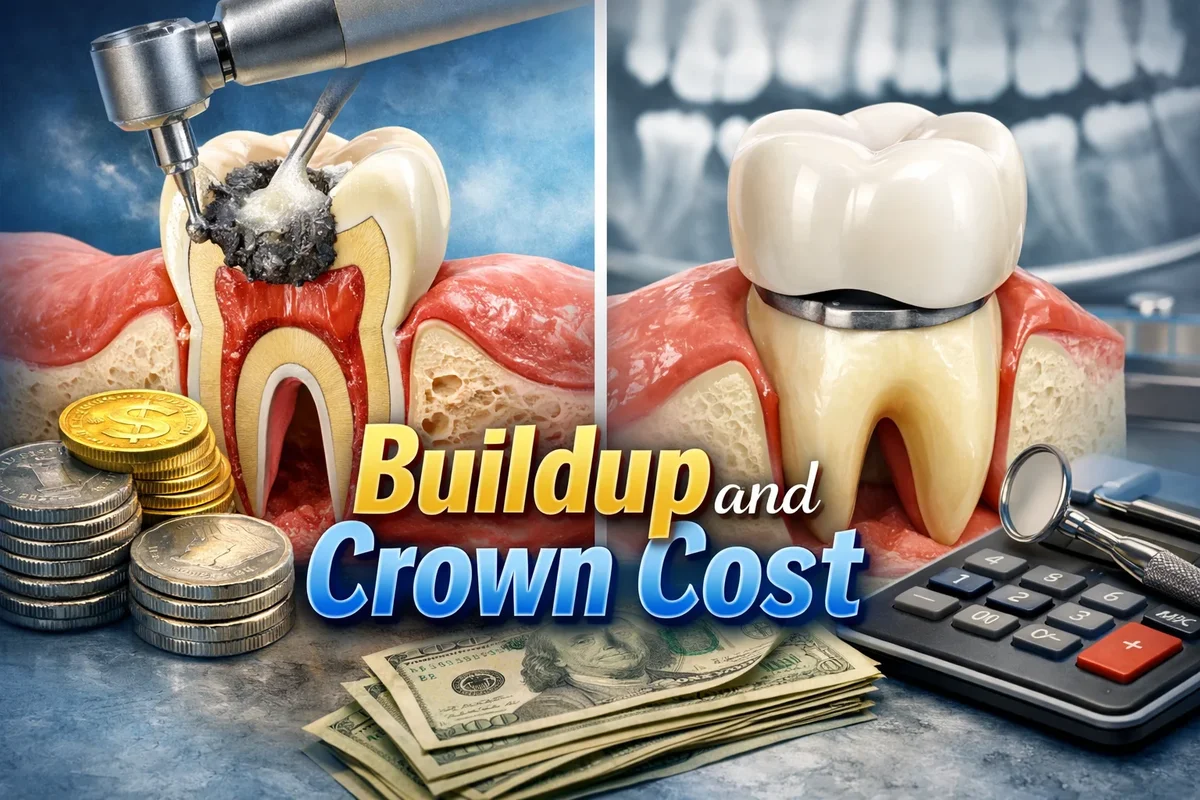
Is Buildup and Crown Cost Worth the Investment for Long-Term Oral Health?
Many patients who are advised to undergo restorative dental treatment naturally ask whether the buildup and crown cost is truly worth the investment. While the procedure may appear expensive at first, dentists widely consider it one of the most effective ways to preserve a damaged natural tooth. When evaluating the value of the buildup and crown cost, it is important to look beyond the initial expense and consider the long-term benefits for oral health, function, and overall quality of life.
A dental crown combined with a buildup restores the structural integrity of a weakened tooth. Instead of extracting the tooth and replacing it with more complex solutions such as dental implants or bridges, the buildup and crown cost allows patients to preserve their natural tooth structure. Maintaining natural teeth is always the preferred option in dentistry because it preserves natural chewing ability, jawbone stability, and overall dental alignment.
Protecting a Damaged Tooth
One of the main reasons dentists recommend this treatment is that it protects a compromised tooth from further damage. When a tooth has lost significant structure due to decay, trauma, or large fillings, it becomes vulnerable to fractures. The buildup reconstructs the missing portion of the tooth, while the crown acts as a protective cap that distributes chewing pressure evenly.
Because this treatment stabilizes the tooth, the buildup and crown cost often prevents the need for more expensive procedures in the future. If a damaged tooth is left untreated, it may crack completely or develop a severe infection. In such cases, extraction followed by dental implants may become necessary, which can significantly exceed the original buildup and crown cost.
Cost Comparison With Tooth Replacement
To better understand the value of the buildup and crown cost, it helps to compare it with alternative treatments:
- Buildup and crown cost: $1,000 – $2,200
- Dental implant with crown: $3,000 – $5,000
- Dental bridge replacement: $2,000 – $4,500
These comparisons show that restoring the natural tooth through a buildup and crown is often the most cost-effective solution. By paying the buildup and crown cost early, patients may avoid significantly higher expenses associated with tooth replacement procedures.
Long-Term Durability of Crowns
Dental crowns are designed to be highly durable and long-lasting. With proper care, many crowns last between 10 and 15 years, and some may last even longer. The durability of modern crown materials such as zirconia and ceramic means that the buildup and crown cost provides long-term protection for the restored tooth.
Regular dental checkups, good oral hygiene, and avoiding excessive biting forces can further extend the lifespan of a crown. When patients maintain these habits, the buildup and crown cost becomes an investment that delivers years of reliable function.
Daily Benefits After Treatment
Beyond structural protection, patients experience several practical benefits after completing treatment:
- Improved chewing ability
- Restored natural tooth appearance
- Reduced tooth sensitivity
- Protection against future fractures
- Greater confidence when smiling
These improvements highlight why many patients feel the buildup and crown cost is worthwhile once they experience the results.
Preventing Additional Dental Problems
Another important advantage of the treatment is the prevention of future dental complications. A weakened tooth that is not restored can deteriorate quickly. Bacteria may enter the tooth structure, causing infection or severe decay.
By reinforcing the tooth structure, the buildup and crown help seal the tooth and protect it from harmful bacteria. This protective effect ensures that the buildup and crown cost contributes to overall oral health rather than simply repairing cosmetic damage.
According to the American Dental Association, restorative treatments such as crowns are essential for maintaining dental health and preventing tooth loss. Protecting natural teeth remains one of the primary goals of modern dentistry.
Psychological and Lifestyle Benefits
The value of the buildup and crown cost is not limited to physical dental health. Many patients experience emotional and psychological benefits after restoring a damaged tooth. A broken or decayed tooth can make people feel self-conscious when speaking, smiling, or eating in public.
Once the crown is placed, the restored tooth blends naturally with the surrounding teeth. This aesthetic improvement allows patients to smile confidently and enjoy daily activities without discomfort. For many individuals, the confidence gained from treatment makes the buildup and crown cost well worth the investment.
Consulting a Dentist About Your Treatment Options
Every dental situation is unique, and the exact buildup and crown cost depends on the condition of the tooth, the materials selected, and the complexity of the restoration. A professional dental consultation is the best way to determine the most appropriate treatment plan.
If you would like expert advice about restoring a damaged tooth and understanding your personal buildup and crown cost, you can contact dental professionals through the Redent Klinik Contact Page. During a consultation, dentists evaluate your oral health and provide a clear treatment plan tailored to your needs.
Ultimately, the buildup and crown cost should be viewed as an investment in protecting your natural teeth and maintaining long-term oral health. By restoring damaged teeth early, patients can avoid more complex dental procedures, preserve their smile, and enjoy improved comfort and confidence for many years. 😊