
In today’s competitive job market, businesses are under constant pressure to provide attractive employee benefits packages that go beyond the basics of salary and vacation days. Among the most valued perks are business dental plans, which not only improve the well-being of employees but also enhance overall workplace productivity. Dental health is directly linked to general health, as conditions like gum disease and tooth infections can influence systemic issues such as cardiovascular disease and diabetes. By integrating dental coverage into corporate benefits, employers demonstrate a strong commitment to the health and happiness of their workforce. 🦷
Business dental plans serve as group-based insurance policies specifically designed for companies that want to extend dental care coverage to their employees and, in many cases, their employees’ families. Unlike individual dental insurance, these group plans are negotiated by employers with insurers, often leading to reduced premiums, broader coverage, and higher participation rates. Such plans frequently include preventive services like cleanings, checkups, and X-rays, as well as restorative care such as fillings, crowns, and periodontal treatment. For businesses, the return on investment comes in the form of healthier employees who take fewer sick days and show higher job satisfaction. ✨
The rising demand for corporate dental coverage, a synonym often used alongside business dental plans, is largely driven by the recognition that oral health is integral to long-term wellness. Employers who provide this benefit often see measurable improvements in morale and loyalty. For example, surveys consistently reveal that dental insurance ranks as the third most desired benefit after medical coverage and retirement savings. By addressing this need, companies not only safeguard the health of their teams but also position themselves as employers of choice in highly competitive industries.
From a practical standpoint, business dental plans vary in structure. Some are traditional preferred provider organization (PPO) networks, where employees have a wide range of dental professionals to choose from. Others are health maintenance organization (HMO)-style plans with lower costs but more restricted provider lists. Regardless of the type, these plans help reduce the financial burden of dental care, making essential services accessible and affordable. Employees who know their dental expenses are covered are more likely to schedule routine checkups, detect issues early, and avoid costly treatments later. This preventive approach saves both employees and employers money in the long run.
Another critical aspect of business dental plans is their positive impact on workplace culture. When employees feel valued and supported in their personal health journeys, they are more engaged and motivated at work. A smile free of dental pain or cosmetic concerns can boost confidence during client meetings, presentations, and teamwork. Employers that integrate dental benefits into their packages are, in essence, investing in their employees’ personal and professional growth. This investment pays off in stronger team cohesion, better communication, and improved overall job performance.
It’s important to highlight the role of compliance and standardization when adopting business dental plans. Employers can reference guidelines and resources from professional associations such as the American Dental Association to ensure that the plans they select meet quality standards. Aligning with trusted organizations not only improves employee trust but also guarantees that coverage aligns with recognized best practices in dental care. Businesses may also connect with providers like Redent Klinik Contact Page for expert consultation on implementing the right plan for their workforce.
The financial side cannot be ignored. While some employers hesitate due to perceived costs, research shows that providing business dental plans can actually lower long-term expenses associated with absenteeism and medical complications. Poor oral health often leads to medical treatments that are more expensive than preventive dental care. By covering dental needs proactively, businesses protect themselves from hidden healthcare costs while ensuring their teams remain healthy and productive. Furthermore, many governments offer tax incentives or deductions to employers who provide comprehensive health benefits, adding another layer of financial advantage.
Employers considering business dental plans should also think about customization. Modern plans often allow businesses to tailor coverage levels to suit the specific needs of their workforce. For example, companies with younger employees may prioritize preventive and orthodontic coverage, while firms with older staff might focus on restorative services such as implants or dentures. This flexibility ensures that the benefit package remains relevant and impactful for all demographics within the company.
In summary, business dental plans represent more than just an insurance policy—they are a strategic tool for businesses to enhance employee health, loyalty, and productivity. They demonstrate a forward-thinking approach to workplace wellness, offering measurable returns in reduced absenteeism, improved morale, and stronger company culture. For employers seeking to remain competitive in attracting and retaining top talent, integrating dental coverage is not just an option—it is an essential investment in the future of their business. 🌟
Why Business Dental Plans Are Essential for Modern Workplaces
In today’s evolving corporate landscape, employee benefits have become a central pillar of workplace satisfaction and retention. While healthcare and retirement savings are often the focus, business dental plans are rapidly emerging as a vital component of comprehensive benefits packages. These plans not only safeguard oral health but also contribute to higher productivity, reduced absenteeism, and improved overall employee morale. As more companies recognize the holistic connection between oral health and general wellness, offering group dental coverage is transitioning from a “nice-to-have” perk to an absolute necessity in modern workplaces. 🏢
The Link Between Oral Health and Employee Performance
Research consistently shows that oral health directly influences overall health, and in turn, workplace performance. Conditions like untreated cavities, gum disease, or tooth pain can cause discomfort and distraction, lowering employee concentration and efficiency. Studies also suggest that employees suffering from poor oral health take more sick days, leading to decreased productivity for the organization. By implementing business dental plans, employers create an environment where workers can address their dental needs promptly, reducing the likelihood of absenteeism due to preventable oral health issues. This results in employees who are healthier, happier, and more focused on achieving company goals. 📈
Employee Satisfaction and Retention Benefits
Retention is one of the top challenges businesses face today. With increasing competition for skilled workers, offering robust benefits can make the difference between retaining top talent and losing them to competitors. Business dental plans are consistently ranked among the most desirable employee benefits, right behind medical insurance and retirement savings. Employees feel valued when employers prioritize their health, and this sense of appreciation translates into greater loyalty and longer tenure. Moreover, surveys show that dental coverage can significantly influence job-seekers’ decisions, meaning companies that provide it have a clear competitive edge in the hiring process. 🌟
Building a Stronger Employer Brand
A company’s reputation as an employer has become increasingly important. Offering business dental plans signals to both current employees and potential hires that the organization cares about comprehensive well-being. This strengthens the employer brand, positioning the company as progressive, people-focused, and competitive in its industry. In sectors where turnover is costly, such as healthcare, technology, and finance, employer branding supported by strong benefits packages can reduce recruitment costs and improve workforce stability.
Financial Advantages for Employers
Although some employers hesitate to implement dental coverage due to concerns about costs, the reality is that business dental plans provide significant financial advantages over time. Preventive dental care is considerably more affordable than restorative or emergency treatments. Employees with coverage are more likely to schedule routine checkups, detect problems early, and avoid expensive procedures. This reduces overall healthcare spending for both the employee and employer. Additionally, many governments provide tax deductions or incentives for offering health benefits, making dental coverage a financially strategic choice for businesses of all sizes.
Cost Savings Through Preventive Care
Preventive care is the cornerstone of most business dental plans. Services like regular cleanings, X-rays, and fluoride treatments help maintain oral health and prevent severe issues. These low-cost interventions save companies money by decreasing the likelihood of employees requiring extensive, expensive dental procedures later. By encouraging preventive visits, employers essentially invest in a healthier workforce while minimizing long-term costs.
Health Equity and Inclusivity in the Workplace
Another reason business dental plans are essential is their role in promoting inclusivity and health equity. Not all employees can afford individual dental insurance, especially younger staff or those supporting families. Group dental benefits level the playing field, ensuring everyone has access to critical care regardless of income. This inclusivity enhances workplace culture, making employees feel valued and respected, regardless of their background or financial situation. In diverse workplaces, such benefits are a reflection of an employer’s commitment to fairness and equity.
The Impact on Company Productivity
When employees suffer from dental pain or cosmetic concerns, it can have a subtle yet profound impact on workplace productivity. Beyond absenteeism, presenteeism—being physically at work but underperforming due to health issues—is a common challenge. Business dental plans help eliminate such barriers by providing employees with the care they need to maintain confidence and focus. A confident smile not only improves mental well-being but also enhances communication, teamwork, and customer interactions. This creates a cycle where healthy employees contribute to stronger business outcomes. 🤝
Supporting Corporate Wellness Initiatives
Modern companies are increasingly adopting wellness programs aimed at encouraging employees to live healthier lifestyles. Dental care is a natural extension of these programs. By integrating business dental plans into broader wellness strategies, employers demonstrate a holistic approach to health. This integration may include dental education workshops, oral hygiene campaigns, and incentives for employees to attend routine checkups. Such initiatives show that dental care is not an isolated benefit but part of a larger, company-wide commitment to wellness.
In conclusion, business dental plans are no longer optional benefits—they are an essential component of a modern, competitive workplace. They protect employee health, improve job satisfaction, strengthen employer branding, and deliver financial advantages for both businesses and workers. By aligning with professional organizations like the American Dental Association and seeking expert guidance through trusted providers such as Redent Klinik Contact Page, employers can implement high-quality plans that align with industry standards. Ultimately, offering dental coverage positions companies as forward-thinking leaders, dedicated not only to profits but also to the long-term well-being of their people. 🦷
Top Benefits of Offering Business Dental Plans to Employees
Employee benefits are a cornerstone of modern workforce management, and business dental plans are one of the most valuable additions employers can offer. Beyond the obvious health advantages, dental coverage contributes to employee satisfaction, productivity, and loyalty. Companies that integrate dental insurance into their benefits package often find that the returns far outweigh the costs, creating a healthier, happier, and more engaged workforce. In this section, we will examine the top advantages of implementing business dental plans, supported by insights, examples, and best practices that highlight why they are essential in today’s workplace.
Improved Employee Health and Wellness
The most immediate benefit of business dental plans is the improved health of employees. Oral health problems like cavities, gum disease, and infections are not only painful but can also lead to systemic issues such as diabetes complications, heart disease, and even certain cancers. By providing dental coverage, companies empower employees to access preventive care—such as checkups, cleanings, and X-rays—which helps detect problems early and reduces the risk of serious conditions. This preventive approach ensures a healthier workforce overall and reduces the likelihood of costly medical treatments later.
Preventive Care Reduces Absenteeism
Employees without access to dental coverage are more likely to delay or avoid treatment, leading to advanced oral health problems that require extended recovery periods. This results in absenteeism, which can hurt productivity and team dynamics. With business dental plans, preventive care is emphasized, ensuring that employees stay healthier and take fewer sick days. A single annual dental checkup can prevent numerous complications that might otherwise lead to prolonged absences.
Boosting Employee Morale and Job Satisfaction
Providing business dental plans signals to employees that their employer cares about their well-being beyond the workplace. This fosters a sense of appreciation, which translates into higher morale and overall job satisfaction. Employees who feel supported by their company are more engaged and motivated, creating a positive ripple effect throughout the organization. A confident smile also contributes to self-esteem, which influences professional interactions and performance. When employees know they have access to dental care, they bring their best selves to work.
Positive Impact on Workplace Culture
A culture of care and inclusivity grows stronger when businesses provide comprehensive benefits like business dental plans. This creates a workplace where employees feel valued, leading to stronger collaboration, trust, and cohesion among teams. Moreover, companies with a reputation for offering holistic benefits often attract individuals who prioritize long-term loyalty and mutual respect, reinforcing a healthier workplace culture over time.
Attracting and Retaining Top Talent
In competitive industries, talent acquisition is often a fierce battle. Job seekers look for employers that provide robust benefits packages, and business dental plans are high on the list of desired perks. Studies reveal that dental insurance consistently ranks in the top three benefits employees want. By offering it, companies can differentiate themselves from competitors and position themselves as attractive employers. Additionally, once employees are hired, dental coverage serves as a retention tool, reducing turnover rates and the associated costs of rehiring and retraining staff.
Financial Advantages for Both Employers and Employees
While there is an upfront cost in offering business dental plans, the financial advantages are substantial in the long run. Preventive dental care is more affordable than complex procedures like root canals, implants, or periodontal surgery. By promoting preventive care, employers save money indirectly by reducing healthcare claims and minimizing productivity losses. Employees benefit too, as dental insurance helps offset the high costs of treatments, making essential care accessible without straining personal finances. This shared financial advantage strengthens the bond between employer and employee.
Tax Incentives and Business Savings
Many governments provide tax incentives for businesses that offer comprehensive health benefits. These incentives may include deductions or credits that reduce the overall cost of implementing business dental plans. Employers who take advantage of these opportunities can reinvest savings into other areas of the business, further amplifying the return on investment. This financial alignment makes dental benefits not just a health-related decision, but also a strategic financial choice.
Enhanced Productivity Through Confidence and Well-Being
The psychological impact of good oral health should not be underestimated. Employees who feel confident about their smile are more likely to engage positively in client meetings, presentations, and team collaborations. On the other hand, dental pain or cosmetic insecurities can hold employees back, limiting their contributions. Business dental plans help employees maintain both oral health and self-confidence, directly translating to stronger workplace performance and improved business outcomes.
Integration with Corporate Wellness Programs
Many organizations are embracing holistic wellness programs to promote overall health. Dental care is a natural extension of these initiatives, and business dental plans provide a structured framework for integrating oral health into wellness strategies. Employers can partner with providers to offer educational seminars, preventive campaigns, or even in-office dental checkups. Such initiatives foster a culture of health awareness, making employees feel supported in all aspects of their lives.
In conclusion, the benefits of business dental plans extend far beyond oral health. They enhance employee well-being, boost morale, attract and retain talent, and provide financial advantages for both employers and employees. Additionally, by aligning with resources like the American Dental Association and consulting experts such as Redent Klinik Contact Page, businesses can ensure their plans meet high standards of care. Ultimately, offering dental benefits reflects a company’s commitment to holistic well-being, making it a key strategy for modern workplaces that want to thrive. 🦷
How Business Dental Plans Improve Employee Retention
Retaining top talent is one of the greatest challenges businesses face today. Recruitment is costly, time-consuming, and disruptive, making employee retention a top priority for HR professionals and executives. One highly effective yet sometimes overlooked tool in this effort is the inclusion of business dental plans in employee benefits packages. When organizations invest in dental coverage, they demonstrate care for employees’ health and well-being, which directly influences loyalty, satisfaction, and long-term commitment. In this section, we will explore in detail how business dental plans contribute to reducing turnover, improving engagement, and creating a culture of loyalty in modern workplaces.
The True Cost of Employee Turnover
Before diving into the benefits of business dental plans, it’s important to understand why retention matters. Employee turnover costs can be staggering—recruitment fees, onboarding, training, and lost productivity often amount to thousands of dollars per hire. High turnover rates also disrupt team dynamics and can negatively impact company morale. Offering comprehensive benefits, including dental coverage, mitigates these risks by providing employees with strong incentives to stay. In fact, studies show that employees are significantly more likely to remain with an employer that offers a robust benefits package, with dental care consistently ranking among the top requested perks.
Replacing Employees is Expensive
On average, replacing an employee can cost between 30% to 150% of their annual salary depending on the role. For highly skilled positions, this percentage can be even higher. Employers that provide business dental plans reduce turnover, saving both money and organizational stability. By avoiding the high costs of rehiring and retraining, companies can reinvest those funds into growth initiatives or employee development programs.
Dental Benefits as a Loyalty Builder
Business dental plans play a significant role in building employee loyalty. When workers feel their health is valued, they are less likely to seek opportunities elsewhere. Dental coverage supports not only physical well-being but also emotional well-being, as employees gain peace of mind knowing that their oral health needs are covered. This sense of security strengthens the employer-employee relationship, leading to long-term loyalty and reduced turnover.
Creating Emotional Connections with Employees
Retention is not just about money; it’s also about emotional connection. By offering thoughtful benefits like business dental plans, employers show they understand and care about employees’ everyday needs. This human-centered approach enhances engagement, fostering stronger emotional ties between employees and the company. Over time, these ties make employees more resistant to external job offers, even if higher salaries are involved.
Competitive Advantage in Talent Markets
In industries where skilled professionals are in high demand, benefits can be the deciding factor when an employee is considering whether to stay or leave. Companies that provide business dental plans enjoy a competitive advantage, as employees recognize the unique value of comprehensive benefits packages. This advantage is especially relevant among younger generations like Millennials and Gen Z, who value holistic well-being and actively seek employers that align with their personal health priorities.
Reducing Stress and Financial Burden
Employees without dental coverage often experience stress about unexpected dental expenses. This financial anxiety can spill over into the workplace, reducing focus and productivity. With business dental plans, employees feel secure knowing that preventive care, emergencies, and even restorative treatments are covered. This reduction in financial stress directly contributes to job satisfaction and a desire to remain with the company. A stress-free workforce is not only more loyal but also more productive and engaged. 💡
Family Coverage as an Added Incentive
Many business dental plans extend coverage to employees’ families, which further enhances retention. When spouses and children benefit from dental insurance, the value of the plan multiplies. Employees are more committed to employers who support their families’ health, and they are less likely to leave an organization that provides such impactful support. This broader coverage strengthens bonds of loyalty while reinforcing the company’s image as a family-friendly workplace.
Integration with Overall Wellness Programs
Retention is often tied to the holistic employee experience. By integrating business dental plans with other wellness initiatives, such as mental health support or gym memberships, employers create a comprehensive benefits ecosystem. This makes employees feel well-rounded support, enhancing both loyalty and overall workplace satisfaction. Wellness programs that include dental care position the employer as a forward-thinking organization that prioritizes every aspect of employee health.
Case Studies and Real-World Evidence
Consider companies that have successfully reduced turnover by introducing business dental plans. For example, mid-sized firms in competitive industries like IT and healthcare report noticeable improvements in retention rates after implementing group dental coverage. Employees cite dental benefits as one of the main reasons they choose to stay long-term, even when competitors offer higher salaries. These case studies underscore the importance of dental benefits as a retention strategy rather than just a healthcare add-on.
In conclusion, business dental plans are not simply a healthcare benefit; they are a strategic tool for improving employee retention. By reducing turnover costs, building loyalty, lowering financial stress, and offering family support, these plans create powerful incentives for employees to remain with their current employer. Businesses that integrate dental benefits into their retention strategy not only strengthen their workforce but also cultivate a culture of long-term loyalty and engagement. To ensure success, employers can align with industry guidelines from the American Dental Association and consult trusted providers such as Redent Klinik Contact Page. Ultimately, investing in dental benefits is investing in the future stability and success of the company. 🦷
Comparing Business Dental Plans vs. Individual Coverage
When exploring dental insurance options, employers and employees alike often weigh the differences between business dental plans and individual coverage. While both options aim to provide financial support for oral healthcare, the structures, costs, and benefits vary significantly. Understanding these differences is crucial for businesses deciding whether to implement group dental benefits, as well as for employees who want to understand the added value of company-sponsored plans. This section offers a detailed comparison between the two, highlighting the unique advantages of business dental plans over individual alternatives.
Cost Comparison Between Group and Individual Coverage
One of the most noticeable differences lies in cost. Business dental plans are negotiated at the group level, often resulting in reduced premiums per employee compared to what an individual would pay for a standalone plan. Employers may also cover part of the premium, further reducing the employee’s out-of-pocket expense. Individual coverage, on the other hand, usually requires the policyholder to bear the full cost, which can be considerably higher. For employees, this financial relief makes employer-sponsored coverage a far more attractive option.
Employer Contribution Makes a Big Difference
Many companies choose to subsidize part or all of the premiums associated with business dental plans. This contribution not only reduces the employee’s financial burden but also represents a direct investment in staff well-being. With individual plans, there is no such support—employees must shoulder 100% of the costs, making them less affordable for many families.
Coverage and Benefit Differences
Business dental plans often include a broader range of benefits compared to individual policies. Group plans typically cover preventive care, basic procedures (like fillings), and major procedures (such as crowns and dentures), with more generous annual maximums. Individual coverage may come with stricter limits, lower annual maximums, and exclusions that reduce the overall value of the policy. Employees enrolled in group plans are therefore more likely to receive comprehensive care without facing unexpected costs.
Family and Dependent Coverage Options
Another key difference is the availability of dependent coverage. Business dental plans frequently allow employees to extend benefits to their spouses and children, ensuring the entire family has access to quality dental care. Individual plans, while available for families, are usually more expensive and less flexible. Employers offering family-inclusive dental benefits increase overall employee satisfaction and retention by addressing not just the worker’s health but also their family’s well-being.
Network Access and Provider Flexibility
With business dental plans, employees often gain access to large preferred provider organization (PPO) networks, offering them the flexibility to choose from a wide range of dentists. These networks typically negotiate reduced rates, further lowering costs for members. Individual coverage may restrict provider choices more tightly, forcing individuals to pay higher fees if they choose out-of-network dentists. For employees, the convenience and flexibility of broad network access is a major advantage of business plans.
Ease of Administration for Employees
Another advantage of business dental plans is the simplicity they offer. Employers manage enrollment, premium payments, and coordination with insurers, leaving employees free from administrative hassle. By contrast, individuals with private coverage must handle their own applications, billing, and claims, which can be time-consuming and stressful. Group dental benefits streamline the entire process, saving time and effort for employees.
Financial Risk and Predictability
One of the challenges of individual dental coverage is unpredictable costs. With limited coverage and exclusions, employees may find themselves paying high out-of-pocket expenses for certain treatments. Business dental plans, however, spread risk across a larger group, ensuring greater financial predictability for both employers and employees. This risk-sharing model means that employees are less likely to encounter unexpected financial burdens when dental issues arise.
Employee Attraction and Retention Advantages
From the employer’s perspective, offering business dental plans provides an additional layer of competitiveness in the job market. Individual plans do not influence hiring decisions, as they are personal choices made outside the workplace. By contrast, employer-sponsored dental coverage positions the company as a supportive and forward-thinking employer, helping to attract and retain top talent. This advantage goes beyond financial savings, directly contributing to company growth and stability.
Long-Term Value of Group vs. Individual Plans
When evaluating long-term benefits, business dental plans clearly offer more value. Employees benefit from reduced costs, family coverage, and preventive care that lowers future medical expenses. Employers, in turn, benefit from healthier, more loyal employees. Individual coverage, while providing basic protection, often falls short in delivering these broader advantages. Over time, the compounded value of employer-sponsored plans far outweighs what individuals could secure on their own.
In conclusion, while individual dental coverage can serve as a solution for those without access to workplace benefits, business dental plans provide significantly more advantages. They are cost-effective, comprehensive, and convenient, making them a win-win for both employers and employees. Businesses seeking to remain competitive should strongly consider integrating dental coverage into their benefits package, aligning with reputable resources like the American Dental Association and consulting professionals through Redent Klinik Contact Page. By doing so, companies not only enhance employee health but also strengthen their overall workforce and organizational resilience. 🦷
Cost-Effective Strategies for Implementing Business Dental Plans
One of the most common concerns employers have when considering business dental plans is cost. While providing dental coverage may seem like an added expense, there are many strategies companies can use to implement these plans cost-effectively. With careful planning, employers can design benefits that support employee health while maintaining financial sustainability. In this section, we will explore practical, budget-friendly approaches that allow organizations to integrate business dental plans without straining resources, ensuring both employees and the company reap long-term rewards.
Evaluating Employee Needs Before Choosing a Plan
The first step toward cost-effective implementation of business dental plans is conducting a needs assessment. Every workforce is different, with unique demographics and dental health requirements. Younger employees may prioritize orthodontics, while older staff might need coverage for restorative procedures like crowns or dentures. By surveying employees and analyzing demographic data, employers can choose a plan that addresses the most relevant needs without paying for unnecessary extras.
Customizing Plans for Workforce Demographics
Many insurance providers allow customization of business dental plans. Employers can tailor coverage levels, deductible amounts, and service inclusions to align with the age, lifestyle, and health profile of their employees. Customization ensures resources are directed efficiently, maximizing value while avoiding overspending on benefits employees are unlikely to use.
Leveraging Preventive Care to Reduce Costs
Preventive services such as cleanings, checkups, and fluoride treatments are far more affordable than advanced procedures like root canals or implants. Business dental plans that emphasize preventive care help employees avoid costly treatments down the line. This not only lowers overall claims for the insurer (which helps keep premiums stable) but also reduces absenteeism by keeping employees healthier. Employers should seek plans with strong preventive coverage to save money in both the short and long term.
Encouraging Employee Participation in Preventive Programs
Employers can further optimize costs by encouraging employees to make full use of preventive care benefits. Hosting awareness campaigns, offering wellness incentives, or even scheduling onsite dental screenings can help boost participation. The more employees use preventive services, the fewer high-cost claims will occur, lowering expenses for everyone.
Exploring Voluntary and Employer-Shared Contribution Models
One cost-effective approach to offering business dental plans is adopting voluntary or shared contribution models. In voluntary plans, employees pay the full premium at group rates, which are still significantly lower than individual coverage costs. In shared models, employers cover a portion of the premium while employees cover the rest. This flexible strategy ensures that employees benefit from affordable dental coverage while the employer keeps expenses under control.
Balancing Affordability and Value
Employers must strike the right balance between affordability and value when deciding contribution levels. Too little support may discourage enrollment, while overly generous subsidies may become financially unsustainable. Many companies find success by covering preventive care fully while requiring cost-sharing for more complex procedures. This creates a system where essential care is easily accessible, while responsibility for more expensive treatments is shared fairly between employer and employee.
Partnering with the Right Insurance Providers
The insurance provider chosen for business dental plans plays a critical role in cost-effectiveness. Employers should compare multiple providers, analyzing not only premiums but also coverage limits, provider networks, and customer service. Some insurers offer special discounts for small businesses, while others provide flexible tiers of coverage. Partnering with a trusted provider ensures quality care at a manageable cost, maximizing return on investment for the company.
Taking Advantage of Tax Benefits
Another important strategy for reducing the cost of business dental plans is leveraging tax incentives. In many regions, employer contributions toward dental insurance are tax-deductible as a business expense. Employees may also benefit from pre-tax payroll deductions, lowering their taxable income. These advantages make dental benefits not only health-focused but also financially strategic. Employers should consult tax professionals to ensure they fully utilize available incentives.
Phased Implementation for Budget Control
For organizations concerned about immediate costs, phased implementation is a viable option. Employers can start by offering basic preventive coverage, then expand benefits gradually as budgets allow. This incremental approach helps companies introduce business dental plans without overwhelming their finances, while employees appreciate that benefits are growing over time.
Piloting with a Small Group
Some companies begin by piloting business dental plans with a small group of employees before expanding coverage to the entire workforce. This allows the employer to test the plan’s effectiveness, gather feedback, and assess financial impact before full-scale implementation. Pilot programs can reveal valuable insights that help optimize cost-effectiveness.
Long-Term Savings Through Healthier Employees
Ultimately, the biggest cost-saving strategy lies in the long-term benefits of healthier employees. When employees have access to preventive care, they are less likely to develop serious dental or medical issues. Fewer sick days, higher morale, and reduced turnover all contribute to a healthier bottom line for the business. In this sense, investing in business dental plans is not a cost but rather a strategic move that generates savings and productivity gains over time.
In conclusion, implementing business dental plans does not have to strain company finances. Through needs assessments, preventive care emphasis, shared contribution models, careful provider selection, tax benefits, and phased rollouts, employers can offer comprehensive dental coverage while keeping costs manageable. By following guidelines from trusted organizations such as the American Dental Association and seeking professional guidance from providers like Redent Klinik Contact Page, companies can ensure cost-effectiveness without sacrificing quality. The result is a win-win: healthier employees, greater satisfaction, and a financially sustainable benefits package that supports long-term business success. 🦷
How to Choose the Right Business Dental Plans for Your Company
Selecting the right business dental plans is a critical decision for employers aiming to balance employee satisfaction with financial responsibility. With numerous options available, companies must evaluate factors such as cost, coverage, flexibility, and long-term impact. Making the right choice not only improves oral health outcomes for employees but also strengthens the organization’s reputation as a supportive and competitive employer. This section provides a comprehensive framework for businesses to make informed, cost-effective, and impactful decisions when choosing dental benefits.
Assessing Workforce Demographics and Needs
The first step in choosing the right business dental plans is understanding the unique needs of your workforce. Employee demographics such as age, family status, and lifestyle play a major role in determining which plan structure is most suitable. For example, younger employees may prioritize orthodontic coverage, while older employees might require restorative services such as implants or dentures. A thorough employee survey or consultation process ensures the selected plan matches the actual needs of the workforce, avoiding unnecessary costs for underutilized services.
Gathering Employee Feedback
Employers should involve employees in the decision-making process. Conducting surveys, hosting focus groups, or gathering feedback during town hall meetings helps companies understand preferences regarding provider networks, deductible levels, and family coverage options. By listening to employees, organizations can select business dental plans that resonate with staff expectations, increasing satisfaction and enrollment rates.
Understanding Plan Types: PPO vs. HMO
One of the biggest decisions is choosing between PPO (Preferred Provider Organization) and HMO (Health Maintenance Organization) structures for business dental plans. PPOs typically offer wider provider networks and more flexibility, allowing employees to choose their dentist. HMOs, by contrast, are more restrictive but often come with lower premiums. Employers must weigh flexibility against cost efficiency to determine which model best fits their budget and employee needs.
Hybrid Options for Flexibility
Some insurers now offer hybrid plans that combine features of both PPO and HMO models. These options give employees flexibility while still managing costs effectively. Hybrid plans can be ideal for companies with diverse workforces, as they provide a middle ground that satisfies both cost-conscious employers and employees seeking more choice.
Evaluating Coverage Depth and Limits
Not all business dental plans offer the same level of coverage. Employers should carefully evaluate the plan’s coverage for preventive care, basic treatments, and major procedures. Annual maximums, waiting periods, and exclusions are also critical considerations. Plans with generous preventive care coverage are particularly valuable, as they reduce long-term costs by catching dental problems early. Employers should also confirm whether cosmetic services, orthodontics, or specialized treatments are included, depending on workforce needs.
Balancing Cost with Value
Cost is a central factor, but value is equally important. Employers must analyze premium levels, deductibles, and co-payments alongside the quality of coverage offered. A slightly higher premium may be justified if the plan provides broader benefits and reduces employee out-of-pocket expenses. Striking the right balance between affordability and value ensures that business dental plans meet the expectations of both the company and its workforce.
Employer Contribution Strategies
Employers should decide how much of the premium they are willing to subsidize. Some cover the entire premium to maximize participation, while others use a shared contribution model where employees pay a portion. Clear communication about contribution levels ensures employees appreciate the value of their benefits and fosters a sense of fairness across the organization.
Considering Provider Networks and Accessibility
The size and quality of the provider network is another vital factor when selecting business dental plans. Employees value having a wide choice of dentists close to their homes or workplaces. Employers should confirm that the insurer’s network includes reputable providers and offers coverage in all geographic areas where employees live. Accessibility is key: a strong network ensures higher utilization rates and greater satisfaction.
Integration with Broader Health and Wellness Programs
Forward-thinking companies often integrate business dental plans into larger wellness initiatives. When dental benefits are aligned with health insurance, mental wellness programs, and preventive care campaigns, they create a holistic benefits ecosystem. This integration not only maximizes employee health outcomes but also demonstrates the employer’s commitment to comprehensive care, reinforcing loyalty and engagement.
Consulting Experts and Benchmarking Against Industry Standards
Employers should consult with insurance brokers, benefits consultants, or industry experts before finalizing their choice. Benchmarking against industry standards ensures competitiveness. For example, comparing what similar businesses in the same sector offer can prevent under- or over-investment in dental benefits. Guidance from organizations such as the American Dental Association can provide valuable insights into quality standards and best practices.
Long-Term Perspective in Plan Selection
Finally, choosing the right business dental plans requires a long-term perspective. Employers should consider how the plan will evolve with the company’s growth, workforce changes, and budgetary shifts. Flexible, scalable options are best for businesses expecting rapid expansion or demographic shifts in their employee base. Selecting plans with adaptable features ensures sustainability and avoids costly changes later.
In conclusion, selecting the right business dental plans involves a careful evaluation of workforce needs, cost structures, provider networks, and integration with broader health strategies. By conducting thorough assessments, consulting experts, and aligning with authoritative resources such as the Redent Klinik Contact Page, employers can make informed decisions that maximize value for both the company and employees. Ultimately, a well-chosen dental plan is not just a benefit but a strategic investment in employee well-being, loyalty, and long-term business success. 🦷
The Role of Preventive Care in Business Dental Plans
Preventive care is the cornerstone of effective oral health management, and its importance cannot be overstated in the context of business dental plans. By focusing on prevention rather than treatment, companies can help employees maintain optimal dental health while reducing long-term costs. Preventive services such as cleanings, exams, sealants, and fluoride treatments are relatively inexpensive compared to restorative procedures like crowns, implants, or root canals. Employers who prioritize preventive coverage in their business dental plans create a culture of wellness that improves employee satisfaction, reduces absenteeism, and enhances workplace productivity. In this section, we will explore in depth how preventive care drives the success of corporate dental programs.
Why Preventive Dental Care Matters
Preventive dental care is essential because it addresses issues before they become serious. Conditions such as cavities, gum disease, and oral cancers can often be detected early during routine checkups. Without access to preventive services, employees may delay care until problems worsen, resulting in more costly and invasive treatments. By embedding preventive care into business dental plans, employers ensure employees receive the attention they need at the right time. This not only protects oral health but also prevents complications that can negatively impact overall health, such as heart disease or diabetes.
Preventive Care as a Long-Term Cost Saver
For employers, the financial benefit of preventive care is clear. Regular cleanings and checkups cost a fraction of what major dental surgeries or treatments do. For example, a routine cleaning might cost under $200, while a root canal or dental implant can exceed $1,000 to $3,000. When companies emphasize preventive services in their business dental plans, they reduce the frequency of high-cost claims, keeping premiums stable and improving the financial sustainability of the plan.
Types of Preventive Services Included in Plans
Most business dental plans cover a wide range of preventive services. These often include:
- Regular exams and diagnostic X-rays
- Professional cleanings (typically twice a year)
- Fluoride treatments for children and adults
- Dental sealants to prevent cavities in molars
- Screenings for oral cancer and gum disease
By ensuring these services are covered at little or no cost, employers encourage employees to take advantage of preventive care without hesitation.
Family Preventive Care Benefits
Another key feature of many business dental plans is family coverage, which extends preventive services to spouses and children. This family-oriented approach ensures employees’ loved ones also receive regular dental care, reducing the overall burden of oral health issues in households. Employees with covered dependents are often more loyal and engaged, as they recognize the value their employer places on family well-being.
Impact on Employee Productivity
Employees who maintain good oral health through preventive care are less likely to experience dental emergencies or chronic pain that can distract from work. Untreated oral issues often lead to absenteeism or presenteeism, where employees are physically present but unable to perform at their best. Business dental plans that include strong preventive measures directly support productivity by keeping employees healthier and more focused. This has a measurable impact on business outcomes, particularly in industries where efficiency and performance are critical.
Education and Awareness Programs
Preventive care is most effective when employees understand its importance. Employers can enhance the value of business dental plans by promoting dental education and awareness. This might include wellness seminars, informational emails, or partnerships with dental providers to offer workshops on oral hygiene. By educating employees about the link between oral health and overall health, companies encourage higher utilization of preventive services and foster a culture of proactive care.
Incentives for Preventive Visits
Some organizations go a step further by incentivizing preventive visits. Employers may offer small bonuses, wellness points, or recognition for employees who complete their annual checkups. These incentives drive higher participation in preventive care and ensure that the benefits of business dental plans are fully realized across the workforce.
Integration with Broader Health Programs
Preventive dental care works best when integrated into a company’s overall wellness strategy. Employers who align business dental plans with programs for nutrition, smoking cessation, or chronic disease management create a comprehensive health framework. This integrated approach improves employee outcomes by addressing oral health as part of total well-being, reducing healthcare costs and strengthening organizational performance.
Case Studies Highlighting Preventive Success
Many companies have documented the success of focusing on preventive care within their business dental plans. For example, organizations that offered 100% coverage for routine exams and cleanings reported fewer claims for advanced procedures and higher employee satisfaction. Employees also reported feeling more valued, which translated into stronger loyalty and lower turnover. These case studies underscore the importance of preventive measures as not only a health initiative but also a strategic business decision.
In conclusion, preventive care is the foundation of effective business dental plans. By emphasizing routine checkups, early detection, and family coverage, employers can save money, improve employee health, and boost productivity. Education programs and incentives further increase participation, ensuring maximum value for both employees and businesses. Employers looking to implement high-quality preventive coverage should consult trusted resources such as the American Dental Association and expert providers like Redent Klinik Contact Page. Ultimately, preventive care transforms dental insurance from a reactive expense into a proactive investment in workforce wellness. 🦷
Tax Advantages and Financial Incentives of Business Dental Plans
Implementing business dental plans is not only a health-focused initiative but also a strategic financial decision. Many employers are surprised to learn that dental benefits can deliver significant tax advantages and other financial incentives for both the company and its employees. By reducing taxable income, providing deductible business expenses, and improving long-term cost efficiency, dental coverage becomes an investment that yields measurable financial returns. In this section, we will explore in detail how business dental plans provide tax-related advantages and cost benefits that support business sustainability and employee well-being.
Employer Tax Deductions on Premium Contributions
One of the most direct financial incentives for companies offering business dental plans is the ability to deduct premium contributions as a business expense. Under many tax codes worldwide, employer-paid health and dental insurance premiums are fully deductible. This means that funds allocated to dental benefits can reduce taxable income, lowering the overall corporate tax burden. For small to mid-sized businesses, these deductions can add up to significant annual savings, making dental coverage not just a benefit but a financial optimization tool.
Reducing Taxable Business Income
By classifying contributions toward business dental plans as operating expenses, companies effectively reduce their taxable income. For example, a business that contributes $50,000 annually to employee dental premiums can deduct this amount, lowering its tax liability. This creates a win-win scenario where employers invest in their workforce while simultaneously enjoying financial relief during tax season.
Employee Tax Savings Through Pre-Tax Contributions
Employees also benefit from tax incentives when enrolled in business dental plans. Many employers structure dental premiums to be deducted from paychecks on a pre-tax basis. This reduces the employee’s taxable income, resulting in lower payroll taxes. The savings may seem small per paycheck, but over the course of a year, they add up to substantial amounts. These tax breaks enhance the affordability of dental coverage, increasing employee satisfaction and participation rates.
Flexible Spending Accounts (FSAs) and Health Savings Accounts (HSAs)
Another valuable financial incentive is the ability to pair business dental plans with FSAs or HSAs. Employees can set aside pre-tax dollars in these accounts to cover dental expenses not fully covered by insurance, such as orthodontics or cosmetic dentistry. This approach allows workers to maximize tax savings while ensuring comprehensive access to care. For employers, offering FSAs or HSAs alongside dental coverage strengthens their benefits package and further positions them as forward-thinking organizations.
Cost Control Through Preventive Coverage
While not a direct tax incentive, preventive coverage embedded in business dental plans delivers long-term cost savings that function much like a financial incentive. By covering cleanings, exams, and early interventions, companies reduce the number of costly claims for major procedures. This helps stabilize premiums over time, saving employers money and reducing healthcare inflation within the organization. In effect, preventive care provides hidden financial incentives that complement formal tax benefits.
Government Grants and Small Business Credits
In some regions, governments provide additional financial support to small and mid-sized businesses that offer health benefits. These may take the form of grants, subsidies, or tax credits specifically aimed at encouraging employers to implement business dental plans. Such incentives can offset a substantial portion of the initial cost, making it easier for smaller organizations to provide competitive benefits and attract talent without financial strain.
Encouraging Participation with Subsidies
Some government programs even reward employers based on employee participation rates in wellness or dental plans. By ensuring high enrollment in business dental plans, companies may qualify for enhanced subsidies or credits. These incentives reinforce the importance of communication and employee engagement when rolling out dental benefits.
Improved ROI Through Employee Retention
Beyond tax savings, business dental plans provide financial advantages through improved retention. Recruiting and training new employees is costly, with estimates placing turnover costs between 30% and 150% of an employee’s salary. Dental benefits reduce turnover by fostering loyalty and satisfaction. When employers invest in retention, they save on recruitment expenses, onboarding costs, and lost productivity. These savings act as indirect financial incentives that further justify the investment in dental coverage.
Integration with Broader Financial Strategy
Employers can also integrate business dental plans into broader financial strategies. For example, companies seeking to reduce taxable profits at year-end can allocate additional funds toward employee benefits. This not only reduces taxes but also improves employee well-being and strengthens the employer brand. Such strategies transform dental coverage into a tool for financial planning as well as human resources development.
Transparency and Compliance Benefits
Working with trusted providers ensures that business dental plans remain compliant with regulatory and tax requirements. Proper documentation and transparent reporting make it easier to claim deductions and credits. Employers that follow guidelines from organizations such as the American Dental Association can be confident that their plans meet quality and compliance standards, protecting both financial and legal interests.
In conclusion, business dental plans deliver more than oral health benefits—they provide significant tax advantages and financial incentives that strengthen business sustainability. Employers enjoy deductions, reduced taxable income, and lower turnover costs, while employees benefit from pre-tax contributions and supplemental accounts like FSAs or HSAs. By exploring government programs, preventive cost savings, and integrated financial strategies, businesses can maximize the return on their investment. For expert guidance, companies should connect with trusted professionals through Redent Klinik Contact Page to design plans that optimize both health outcomes and financial performance. 🦷
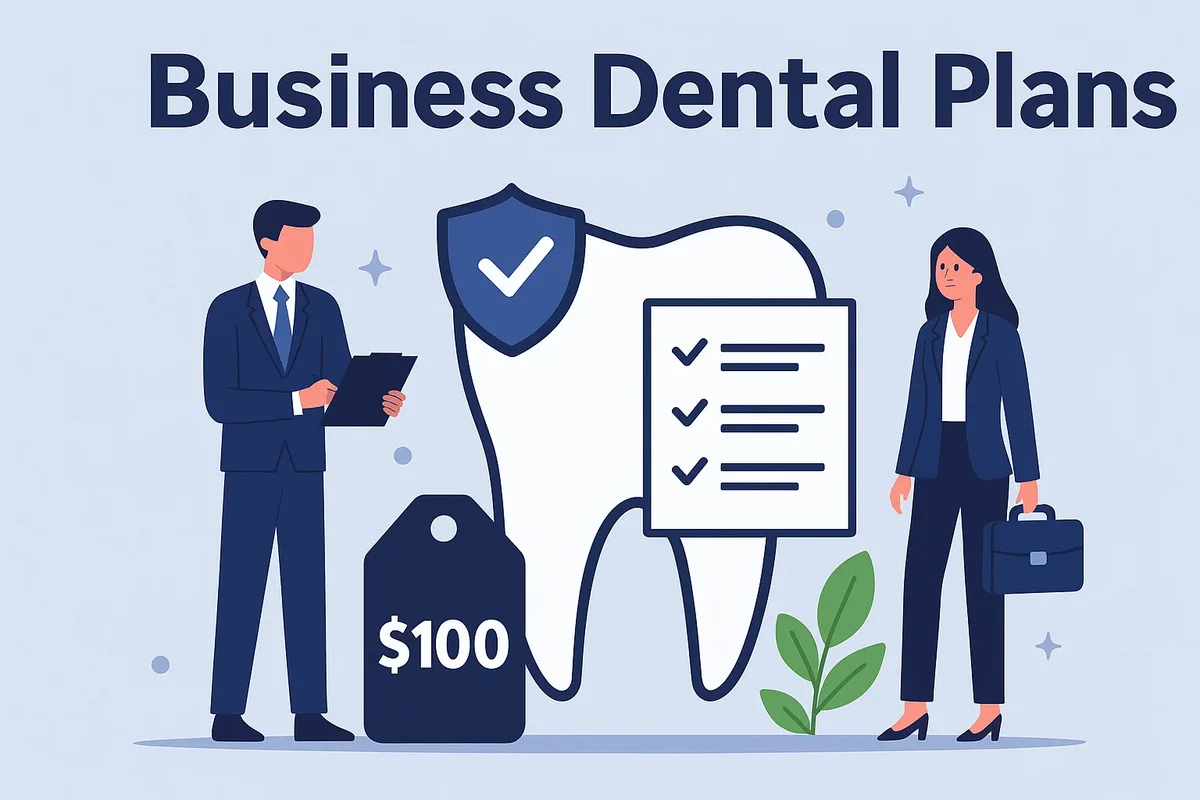
Future Trends: Digital Tools and Innovation in Business Dental Plans
The world of employee benefits is evolving rapidly, and business dental plans are no exception. As technology reshapes healthcare, dental coverage is becoming more efficient, accessible, and personalized. From AI-driven diagnostics to digital claim management and tele-dentistry, innovations are making dental benefits more relevant for today’s workforce. Employers that embrace these advancements not only enhance employee satisfaction but also position themselves as forward-thinking organizations. In this section, we will explore the future trends that are transforming business dental plans and highlight how companies can leverage digital tools for greater impact.
The Rise of Tele-Dentistry
Tele-dentistry is one of the most significant innovations influencing business dental plans. Employees can now consult with dental professionals remotely using video calls, mobile apps, and secure messaging. This innovation reduces barriers to care, especially for employees in rural areas or those with busy schedules. Tele-dentistry makes it easier to receive initial consultations, follow-up care, and preventive advice without taking time off work. For employers, this translates into fewer missed hours and greater productivity.
Integrating Tele-Dentistry into Group Plans
Many insurers are already integrating tele-dentistry into business dental plans, offering it as a standard benefit. Employers should prioritize providers that include virtual care, as it aligns with modern workforce expectations and enhances convenience. Tele-dentistry also helps reduce emergency visits by allowing employees to seek quick advice before problems escalate.
AI and Predictive Analytics in Dental Care
Artificial intelligence is transforming the way dental health is managed within business dental plans. AI-driven software can analyze X-rays, predict risks of gum disease or cavities, and suggest preventive treatments. Predictive analytics also help insurers forecast claim trends, enabling employers to select plans with more accurate pricing and sustainable premiums. This data-driven approach ensures that employees receive timely, targeted care while employers benefit from greater financial stability.
Personalized Preventive Strategies
AI tools allow for personalized care recommendations, ensuring employees receive guidance tailored to their unique risk factors. For example, employees with higher risk for periodontal disease may receive reminders for more frequent cleanings. Employers who choose business dental plans with AI-enhanced features demonstrate commitment to proactive and customized care.
Digital Claim Management and Mobile Apps
The administrative side of business dental plans is also undergoing a digital transformation. Paper claims and manual processing are being replaced with mobile apps and automated claim systems. Employees can now submit claims, check coverage details, and schedule appointments directly from their smartphones. This convenience reduces administrative headaches for HR departments and enhances the user experience for employees.
Seamless HR Integration
Many modern business dental plans integrate with HR software, making enrollment, billing, and compliance tracking seamless. This integration saves time, minimizes errors, and provides employers with detailed reporting on plan usage and costs. By choosing insurers with robust digital platforms, companies streamline benefits administration while improving transparency.
Wearable Technology and Oral Health Monitoring
Another exciting development is the integration of wearable technology into oral healthcare. Smart toothbrushes and dental monitoring devices track brushing habits, detect plaque buildup, and even send data directly to dental providers. Incorporating these tools into business dental plans encourages employees to maintain better oral hygiene, reducing long-term healthcare costs. Employers who adopt such innovations foster a culture of preventive care supported by modern technology.
Blockchain for Data Security
With the increasing use of digital tools, data security becomes a critical concern. Blockchain technology offers a secure way to store and share dental records within business dental plans. By ensuring transparency and protecting sensitive employee health data, blockchain builds trust among employees while safeguarding companies from compliance risks.
Sustainability and Eco-Friendly Initiatives
Future-focused business dental plans are also expected to align with sustainability goals. Many insurers are reducing paperwork, promoting digital communication, and encouraging eco-friendly practices in dental offices. Employers that select eco-conscious plans appeal to environmentally aware employees and align with broader corporate social responsibility initiatives.
Employee-Centric Customization
The future of business dental plans lies in personalization. Rather than offering a one-size-fits-all package, companies will increasingly provide flexible options where employees can choose the coverage that suits their needs. Digital platforms make this possible by allowing workers to select preventive, orthodontic, or restorative add-ons during enrollment. This customization improves satisfaction and ensures employees feel their unique needs are addressed.
Global Accessibility for Remote Teams
As remote and hybrid work models become standard, employers must consider the global reach of business dental plans. Multinational companies are seeking insurers that provide coverage across borders, ensuring employees working abroad have access to dental care. Digital tools make it easier to manage such global plans, providing consistency in benefits regardless of location.
In conclusion, the future of business dental plans is being shaped by technology, innovation, and personalization. Tele-dentistry, AI, digital claims, wearable devices, and blockchain are transforming the way dental benefits are delivered and experienced. Employers who adopt these advancements gain a competitive edge by offering benefits that are modern, convenient, and aligned with workforce expectations. To stay ahead, companies should consult trusted providers such as Redent Klinik Contact Page and refer to industry leaders like the American Dental Association. By embracing these trends, businesses can ensure their dental benefits remain relevant, cost-effective, and impactful for years to come. 🦷