
Missing teeth can affect far more than your smile. They can influence your confidence, chewing ability, speech clarity, and even your overall oral health. This is why many patients today are researching cambridge dental implants as a long-term and highly effective solution for tooth replacement. Whether you have lost one tooth, several teeth, or require a full-mouth restoration, cambridge dental implants offer a modern and durable treatment designed to restore both appearance and functionality. 😊
Cambridge dental implants are artificial tooth roots that are surgically placed into the jawbone to support crowns, bridges, or full prosthetic teeth. These implants are commonly made from titanium, a biocompatible material that naturally integrates with the jawbone through a process called osseointegration. As a result, cambridge dental implants create a stable and secure foundation that closely mimics natural teeth.
One of the biggest advantages of cambridge dental implants is their ability to prevent bone loss. When a tooth is missing, the jawbone in that area may gradually deteriorate due to lack of stimulation. Traditional dentures may replace the visible part of the tooth, but they do not stimulate the bone beneath the gums. In contrast, cambridge dental implants function similarly to natural tooth roots, helping preserve jawbone density and facial structure over time.
Many patients prefer cambridge dental implants because they provide exceptional comfort and stability. Unlike removable dentures that may slip or shift while eating or speaking, dental implant restorations stay securely in place. This allows individuals to enjoy daily activities with greater confidence and comfort. Patients often report that cambridge dental implants feel almost identical to natural teeth after the healing process is complete.
The process of receiving cambridge dental implants usually begins with a detailed consultation and oral examination. During this stage, dentists evaluate the condition of the gums, jawbone, and surrounding teeth using digital scans and X-rays. This careful planning phase is essential because successful cambridge dental implants depend heavily on proper implant positioning and healthy bone support.
In some cases, patients may require preliminary procedures before implant placement. Bone grafting or sinus lift treatments may be recommended if the jawbone lacks sufficient volume or density. Fortunately, advancements in implant dentistry have made cambridge dental implants accessible to a wider range of patients than ever before.
Another important reason why people choose cambridge dental implants is the natural aesthetic result they provide. Implant-supported crowns are customized to match the color, shape, and alignment of surrounding teeth. This creates a highly realistic appearance that blends seamlessly with the patient’s smile. Modern cosmetic dentistry techniques ensure that cambridge dental implants not only restore oral function but also enhance overall facial aesthetics.
Patients frequently ask how long cambridge dental implants last. With proper oral hygiene and regular dental checkups, implants can remain functional for decades. Many studies show success rates exceeding 95%, making cambridge dental implants one of the most reliable restorative dentistry solutions available today. Brushing, flossing, avoiding smoking, and maintaining healthy gums all contribute to long-term implant success.
Cost is another common topic associated with cambridge dental implants. Pricing may vary depending on the number of implants required, the type of restoration used, bone grafting needs, and the clinic’s location. Single implant treatments may differ significantly in cost compared to full-mouth implant rehabilitation. Despite the initial investment, many patients view cambridge dental implants as cost-effective over time because they are durable and often require fewer replacements compared to traditional options.
People comparing tooth replacement methods often evaluate implants against removable dentures and dental bridges. While dentures may provide a quicker solution, they may also create issues such as discomfort, instability, and reduced chewing efficiency. Dental bridges can replace missing teeth but usually require modification of adjacent healthy teeth. In comparison, cambridge dental implants preserve neighboring teeth while offering independent support and greater durability.
Advanced implant systems today also allow for full-arch restoration treatments such as All-on-4 or implant-supported hybrid prostheses. These techniques enable patients with extensive tooth loss to regain a complete smile using a limited number of implants. For individuals seeking comprehensive oral rehabilitation, cambridge dental implants may dramatically improve quality of life, confidence, and social comfort. ✨
When considering treatment, it is essential to choose an experienced dental clinic that specializes in implant dentistry. Skilled implant dentists use advanced imaging technology, precise surgical planning, and high-quality implant materials to maximize success rates. If you would like professional guidance about treatment options, consultation scheduling, or personalized care, you can visit the Redent Klinik Contact Page.
Patients should also stay informed through trusted dental organizations and scientific resources. The American Dental Association provides valuable educational information regarding oral health, implant care, and restorative dental treatments.
In summary, cambridge dental implants represent one of the most advanced and dependable solutions for replacing missing teeth. Their ability to restore chewing function, preserve jawbone structure, improve aesthetics, and provide long-term durability makes them an increasingly popular option worldwide. Whether replacing a single missing tooth or restoring an entire smile, cambridge dental implants can offer transformative benefits that improve both oral health and overall confidence. Patients who invest in high-quality implant dentistry often experience lasting improvements in comfort, appearance, and quality of life for many years to come. 🦷
What Are Cambridge Dental Implants and How Do They Work?
Understanding how cambridge dental implants work is essential for anyone considering long-term tooth replacement solutions. Missing teeth can negatively impact oral health, appearance, speech, and self-confidence. Fortunately, modern restorative dentistry has evolved significantly, and cambridge dental implants are now considered one of the most advanced and reliable options available for replacing missing teeth naturally and permanently. 🦷
Cambridge dental implants are small titanium posts surgically inserted into the jawbone to function as artificial tooth roots. After placement, these implants gradually bond with the surrounding bone tissue through a biological process called osseointegration. This fusion creates a stable foundation capable of supporting crowns, bridges, or full-mouth restorations. Because of their strength and durability, cambridge dental implants closely mimic the function and appearance of natural teeth.
The Basic Structure of Cambridge Dental Implants
To fully understand cambridge dental implants, it is important to know the three main components involved in the treatment:
1. Implant Fixture
The implant fixture is the titanium screw surgically inserted into the jawbone. This part acts as the artificial tooth root and provides stability for the final restoration. Titanium is commonly used in cambridge dental implants because it is biocompatible and highly resistant to corrosion.
2. Abutment
The abutment is a connector piece attached to the implant fixture after healing. It serves as the support structure between the implant and the visible restoration. In modern cambridge dental implants, abutments are carefully designed for strength and aesthetics.
3. Dental Crown or Prosthesis
The visible portion of cambridge dental implants is the custom-made crown, bridge, or denture attached to the abutment. These restorations are color-matched and shaped to blend naturally with surrounding teeth, creating a realistic smile appearance.
How Cambridge Dental Implants Integrate with the Jawbone
One of the key reasons why cambridge dental implants are so successful is the osseointegration process. After implant placement, the jawbone gradually grows around the titanium surface and secures it firmly in place. This process may take several weeks or months depending on the patient’s healing ability and bone quality.
Unlike removable dentures, cambridge dental implants become a permanent part of the mouth structure. This secure integration allows patients to chew comfortably, speak clearly, and smile confidently without worrying about movement or instability.
Another major advantage of cambridge dental implants is their ability to stimulate the jawbone naturally. When teeth are lost, the surrounding bone can slowly shrink due to lack of stimulation. Dental implants help maintain bone density and facial structure by transferring chewing forces into the jawbone, similar to natural tooth roots.
The Cambridge Dental Implants Procedure
The treatment process for cambridge dental implants usually occurs in multiple stages to ensure long-term success and optimal healing.
Initial Consultation and Examination
The first stage involves a comprehensive dental examination. Dentists evaluate gum health, jawbone condition, and overall oral health using digital X-rays or 3D scans. During this phase, a personalized treatment plan for cambridge dental implants is created.
Surgical Implant Placement
During the surgical phase, the implant fixture is carefully inserted into the jawbone under local anesthesia or sedation. Modern implant techniques make the procedure more comfortable and minimally invasive than many patients expect.
Healing and Osseointegration
After placement, the healing phase begins. During this time, the implant gradually fuses with the bone tissue. Temporary restorations may sometimes be used while waiting for permanent prosthetics.
Final Restoration Placement
Once healing is complete, the final crown, bridge, or prosthetic teeth are attached. At this stage, cambridge dental implants fully restore appearance and oral function.
Who Can Benefit from Cambridge Dental Implants?
Many adults with missing teeth may qualify for cambridge dental implants. Ideal candidates generally have healthy gums, sufficient jawbone density, and good overall oral hygiene habits. Even patients with moderate bone loss may still become candidates after additional procedures such as bone grafting.
People often choose cambridge dental implants because they offer significant lifestyle improvements. Patients can eat a wider variety of foods, improve speech clarity, and regain confidence in social interactions. Implant-supported teeth also eliminate many of the inconveniences associated with removable dentures.
Advantages of Cambridge Dental Implants Compared to Traditional Dentures
Traditional dentures may restore appearance temporarily, but they often lack the stability and durability of cambridge dental implants. Dentures can sometimes shift while eating or speaking, leading to discomfort and embarrassment.
In contrast, cambridge dental implants remain securely fixed within the jawbone. This stability improves chewing efficiency and creates a more natural feel. Additionally, implants help preserve facial structure and prevent the sunken appearance commonly associated with long-term tooth loss.
Patients also appreciate the convenience of cambridge dental implants. Unlike dentures that may require adhesives and nightly removal, implants are maintained similarly to natural teeth with regular brushing, flossing, and dental checkups.
Long-Term Success and Maintenance
The long-term success rate of cambridge dental implants is extremely high when patients maintain good oral hygiene and follow professional care recommendations. Regular dental visits are essential for monitoring implant health and preventing gum disease around the implant area.
Smoking, poor oral hygiene, and untreated gum disease can negatively affect the lifespan of cambridge dental implants. However, patients who maintain healthy habits often enjoy successful implant results for decades.
For expert guidance about implant dentistry and personalized treatment planning, patients can contact the Redent Klinik Contact Page. Reliable oral health information can also be found through the American Dental Association.
Overall, cambridge dental implants represent a modern, durable, and highly aesthetic solution for missing teeth. Their ability to restore function, preserve jawbone health, improve confidence, and provide long-lasting results explains why they continue to grow in popularity worldwide. ✨
Top Benefits of Choosing Cambridge Dental Implants
Modern restorative dentistry has transformed the way missing teeth are treated, and cambridge dental implants are now considered one of the most reliable and advanced solutions available today. Patients seeking a long-lasting, comfortable, and natural-looking tooth replacement option often choose cambridge dental implants because they provide significant functional and aesthetic advantages compared to traditional dentures or bridges. 😊
Tooth loss can impact many aspects of daily life, including chewing ability, speech clarity, confidence, and oral health. Fortunately, cambridge dental implants help restore these important functions while also improving overall quality of life. Understanding the benefits of this treatment can help patients make informed decisions about their dental care and long-term oral health.
Natural Appearance and Realistic Feel
One of the biggest advantages of cambridge dental implants is their highly natural appearance. Implant-supported crowns are carefully customized to match the color, size, and shape of surrounding teeth. This allows the final restoration to blend seamlessly into the patient’s smile.
Unlike removable dentures that may sometimes look artificial or bulky, cambridge dental implants are designed to closely imitate the look and feel of natural teeth. Many patients report that after the healing process, they can barely distinguish their implants from their original teeth.
Improved Smile Confidence
Missing teeth can cause embarrassment and social anxiety. Patients may avoid smiling, speaking, or laughing openly due to gaps in their teeth. Cambridge dental implants help restore confidence by creating a complete and aesthetically pleasing smile. This emotional benefit is often life-changing for many individuals.
Exceptional Stability and Comfort
Traditional dentures may sometimes slip or shift during eating and speaking. This instability can lead to discomfort and frustration. In contrast, cambridge dental implants are securely anchored into the jawbone, creating a stable and permanent foundation.
Because cambridge dental implants integrate directly with the bone structure, patients can chew more naturally and comfortably. This improved stability allows individuals to enjoy foods that may be difficult with removable dentures, including crunchy vegetables, nuts, and certain meats.
No Need for Adhesives
Many denture users rely on adhesives to keep their prosthetics in place throughout the day. With cambridge dental implants, adhesives are unnecessary because the implants are fixed securely within the jawbone. This eliminates inconvenience while improving comfort and reliability.
Preservation of Jawbone Health
One of the most important health benefits of cambridge dental implants is their ability to preserve jawbone density. When teeth are lost, the jawbone in that area no longer receives stimulation from chewing forces. Over time, this may lead to bone deterioration and facial collapse.
Cambridge dental implants function similarly to natural tooth roots by stimulating the jawbone during chewing. This helps maintain bone structure and reduces the risk of facial sagging associated with tooth loss.
Prevention of Premature Facial Aging
Bone loss after tooth extraction can contribute to a sunken facial appearance and premature aging. Patients who choose cambridge dental implants often maintain stronger facial support and more youthful facial contours over time.
Long-Term Durability
Another major reason why patients prefer cambridge dental implants is their impressive durability. With proper oral hygiene and routine dental visits, implants may last for decades. In many cases, they can even last a lifetime.
Unlike traditional bridges or dentures that may require frequent replacement or adjustment, cambridge dental implants offer a more permanent solution. This long-term reliability makes implants a valuable investment for oral health and daily comfort.
High Success Rates
Modern implant dentistry has extremely high success rates, often exceeding 95%. The success of cambridge dental implants depends on several factors, including proper treatment planning, bone quality, oral hygiene, and overall health.
Protection of Adjacent Teeth
Dental bridges often require the reduction of healthy neighboring teeth to support the restoration. One advantage of cambridge dental implants is that they do not depend on adjacent teeth for support.
Because cambridge dental implants function independently, nearby healthy teeth remain untouched. This conservative approach helps preserve natural tooth structure and supports long-term oral health.
Enhanced Speech and Communication
Loose dentures can sometimes interfere with pronunciation and speech clarity. Since cambridge dental implants remain firmly in place, they provide more stable support for speaking naturally and confidently.
Many patients notice improved communication after receiving cambridge dental implants, especially if missing teeth previously affected speech patterns.
Easy Maintenance and Oral Hygiene
Caring for cambridge dental implants is relatively simple. Patients can maintain their implants similarly to natural teeth through regular brushing, flossing, and professional cleanings.
Unlike removable dentures that require soaking solutions and special maintenance routines, cambridge dental implants integrate conveniently into everyday oral hygiene habits.
Importance of Regular Checkups
Routine dental examinations remain important even after receiving cambridge dental implants. Professional cleanings and periodic evaluations help ensure implant health and detect any potential complications early.
Better Quality of Life
Perhaps the most meaningful advantage of cambridge dental implants is the overall improvement they bring to daily life. Patients often experience greater confidence, improved comfort, easier eating, and better social interactions.
For individuals who have struggled with tooth loss or uncomfortable dentures for years, cambridge dental implants can provide transformative physical and emotional benefits. ✨
Cost Versus Long-Term Value
Although the initial cost of cambridge dental implants may appear higher compared to traditional dentures, many patients consider them more cost-effective over time due to their durability and reduced maintenance needs.
Estimated prices for cambridge dental implants in 2026 may vary depending on several factors:
- Single implant with crown: approximately $2,500–$5,000
- Implant-supported bridge: approximately $5,000–$15,000
- Full-mouth implant restoration: approximately $20,000–$50,000
These costs may vary depending on bone grafting needs, implant materials, clinic expertise, and geographic location.
Patients interested in professional implant consultations can visit the Redent Klinik Contact Page for more information. Additional trusted oral health resources are also available through the American Dental Association.
Overall, cambridge dental implants provide a combination of aesthetics, durability, comfort, and long-term oral health benefits that make them one of the best modern solutions for missing teeth. Their ability to restore confidence, preserve bone health, improve chewing efficiency, and support a natural smile explains why so many patients worldwide continue choosing cambridge dental implants as their preferred restorative dentistry treatment. 🦷
The Complete Cambridge Dental Implants Procedure Step by Step
Understanding the full treatment process of cambridge dental implants can help patients feel more comfortable and prepared before starting their smile restoration journey. Many people considering dental implants often wonder what happens during each stage, how long the process takes, and what they should expect during recovery. Fortunately, modern implant dentistry has become highly advanced, safe, and predictable, making cambridge dental implants one of the most successful long-term solutions for missing teeth. 😊
The treatment process for cambridge dental implants is carefully planned in several stages to ensure proper healing, stability, and long-term success. While the exact timeline may vary depending on the patient’s oral health and bone condition, most procedures follow a structured sequence that prioritizes both safety and aesthetics.
Initial Consultation and Oral Examination
The first step in receiving cambridge dental implants is a comprehensive dental consultation. During this appointment, the implant dentist carefully evaluates the patient’s oral health, medical history, and treatment goals.
Digital Imaging and X-Rays
Modern clinics use advanced diagnostic tools such as panoramic X-rays and 3D CBCT scans to assess bone density and determine the ideal placement location for cambridge dental implants. These digital images provide highly accurate details about the jawbone, sinus areas, nerve locations, and gum condition.
Precise planning is essential because successful cambridge dental implants depend on accurate implant positioning and strong bone support.
Personalized Treatment Planning
Every patient has different dental needs. Some individuals may require a single implant, while others may need multiple implants or full-mouth restoration. During treatment planning, the dentist determines the number of implants required, the type of restoration needed, and whether any preparatory procedures are necessary before placing cambridge dental implants.
Preparatory Procedures Before Implant Placement
Not every patient has sufficient bone volume for immediate implant surgery. In some cases, additional treatments may be needed to prepare the mouth for cambridge dental implants.
Bone Grafting
If bone loss has occurred after tooth extraction or long-term tooth absence, bone grafting may be recommended. This procedure helps rebuild jawbone density and creates a stronger foundation for cambridge dental implants.
Bone grafting materials may come from synthetic sources, donor tissue, or the patient’s own bone. Healing after grafting may take several months before implants can be placed safely.
Sinus Lift Surgery
For implants placed in the upper back jaw, sinus lift procedures may sometimes be necessary. This treatment raises the sinus floor and adds bone material to support future cambridge dental implants.
Surgical Placement of Cambridge Dental Implants
The next stage involves surgically inserting the implant fixtures into the jawbone. Most patients are surprised to learn that the procedure is generally less painful than expected.
Local Anesthesia and Sedation
The implant area is fully numbed using local anesthesia before surgery begins. Some clinics may also offer sedation options for anxious patients receiving cambridge dental implants.
Implant Insertion Process
During surgery, the dentist creates a small opening in the gum tissue and carefully places the titanium implant into the jawbone. Once inserted, the area is closed with sutures to allow healing.
The surgical placement of cambridge dental implants is performed with great precision to maximize long-term stability and aesthetic outcomes.
Healing and Osseointegration Phase
After surgery, the healing process begins. This stage is known as osseointegration, during which the implant gradually fuses with the jawbone.
How Long Does Healing Take?
The osseointegration period for cambridge dental implants typically lasts between 3 and 6 months, depending on the patient’s bone quality, healing ability, and overall health.
During this phase, the implant becomes securely anchored within the bone structure. This biological integration is what makes cambridge dental implants so stable and durable compared to traditional removable dentures.
Temporary Restorations
Some patients may receive temporary crowns or dentures while healing occurs. These temporary restorations help maintain appearance and basic function during the treatment process.
Abutment Placement
Once healing is complete, the next stage involves attaching the abutment to the implant fixture. The abutment acts as the connector between the implant and the final crown.
In many modern cambridge dental implants systems, customized abutments are used to improve aesthetics and support natural-looking gum contours.
Final Crown or Prosthesis Placement
The final stage of cambridge dental implants treatment is the placement of the permanent restoration. This may include:
- Single crowns
- Implant-supported bridges
- Full-arch prosthetic teeth
- All-on-4 implant restorations
These restorations are custom-designed to match surrounding teeth in shape, color, and alignment. The result is a highly natural smile with restored functionality and appearance. ✨
Recovery After Cambridge Dental Implants Surgery
Most patients recover comfortably after receiving cambridge dental implants. Mild swelling, minor bleeding, and temporary discomfort are common during the first few days.
Post-Operative Care Tips
- Avoid smoking during healing
- Maintain gentle oral hygiene
- Use prescribed medications properly
- Eat soft foods initially
- Attend follow-up appointments regularly
Following aftercare instructions carefully improves the long-term success of cambridge dental implants.
How Long Do Cambridge Dental Implants Last?
With proper care, cambridge dental implants can last for decades. Maintaining good oral hygiene and regular dental visits are essential for protecting implant health.
Most implant failures occur due to poor oral hygiene, smoking, untreated gum disease, or excessive biting pressure. However, when properly maintained, cambridge dental implants offer one of the highest success rates in modern dentistry.
Estimated Procedure Costs in 2026
The cost of cambridge dental implants varies depending on several factors, including:
- Number of implants needed
- Bone grafting requirements
- Type of final restoration
- Clinic location and expertise
Average estimated prices may include:
- Single implant and crown: $2,500–$5,000
- Implant-supported bridge: $5,000–$15,000
- Full-mouth restoration: $20,000–$50,000
Patients interested in personalized treatment planning and implant consultations can visit the Redent Klinik Contact Page. Additional oral health information regarding implant procedures is also available through the American Dental Association.
Overall, the treatment journey for cambridge dental implants is carefully structured to provide long-lasting, natural-looking, and highly functional results. From initial consultation to final restoration, every stage is designed to restore oral health, improve confidence, and create a stable smile that can last for many years. 🦷
Who Is a Good Candidate for Cambridge Dental Implants?
Choosing cambridge dental implants can be a life-changing decision for patients struggling with missing teeth, unstable dentures, or severe dental damage. However, not every patient automatically qualifies for implant treatment. Several oral health, medical, and lifestyle factors determine whether someone is an ideal candidate for cambridge dental implants. Understanding these requirements can help patients prepare for treatment and improve their chances of long-term implant success. 😊
Cambridge dental implants are designed to replace missing teeth permanently by placing titanium implants directly into the jawbone. Since the implants integrate with the bone through osseointegration, proper bone quality and overall oral health are essential for successful healing and stability.
Patients Missing One or More Teeth
The most common candidates for cambridge dental implants are individuals who have lost one or multiple teeth due to decay, trauma, gum disease, or aging.
Single Missing Tooth
Patients missing a single tooth often benefit greatly from cambridge dental implants because implants restore the gap without affecting adjacent healthy teeth. Unlike traditional bridges, implants do not require grinding neighboring teeth for support.
Multiple Missing Teeth
People missing several teeth may also qualify for cambridge dental implants. Implant-supported bridges or partial prosthetics can restore both function and appearance while improving chewing efficiency and smile aesthetics.
Full-Mouth Tooth Loss
Patients with complete tooth loss are often excellent candidates for full-mouth cambridge dental implants solutions such as All-on-4 or implant-supported dentures. These advanced techniques provide significantly greater stability compared to removable dentures.
Healthy Gum Tissue Is Essential
Healthy gums are one of the most important requirements for successful cambridge dental implants. Since implants depend on healthy surrounding tissues for support, untreated gum disease may increase the risk of implant complications or failure.
Patients with Gum Disease
Individuals suffering from periodontal disease may still receive cambridge dental implants, but gum infections usually need to be treated first. Dentists often recommend deep cleaning, periodontal therapy, or improved oral hygiene before implant surgery.
Once gum health stabilizes, patients may proceed safely with cambridge dental implants.
Sufficient Jawbone Density
Jawbone quality plays a major role in determining eligibility for cambridge dental implants. Since implants fuse directly with the jawbone, adequate bone volume is necessary to support them properly.
Why Bone Density Matters
When teeth are missing for long periods, the jawbone can gradually shrink due to lack of stimulation. Severe bone loss may reduce the stability of cambridge dental implants if left untreated.
Bone Grafting Options
Fortunately, patients with insufficient bone may still become candidates through bone grafting procedures. Bone grafts help rebuild the jawbone and create stronger support for future cambridge dental implants.
Modern implant dentistry has expanded treatment possibilities significantly, allowing many patients with moderate bone loss to receive implants successfully.
Good Overall Health Improves Success Rates
General health conditions can also affect the healing process after receiving cambridge dental implants. Most healthy adults are suitable candidates, but certain medical conditions require careful evaluation.
Diabetes and Implant Treatment
Patients with well-controlled diabetes may successfully receive cambridge dental implants. However, uncontrolled diabetes may slow healing and increase infection risks. Dentists often work closely with patients and physicians to ensure safe treatment planning.
Smoking and Implant Risks
Smoking is one of the biggest risk factors affecting the success of cambridge dental implants. Tobacco use reduces blood flow to the gums and interferes with healing after surgery.
Patients who stop smoking before and after implant placement generally experience higher success rates with cambridge dental implants.
Age Considerations for Cambridge Dental Implants
Many people wonder whether age affects candidacy for cambridge dental implants. In reality, age alone is usually not a limiting factor.
Younger Patients
Dental implants are generally recommended only after jaw development is complete. For most individuals, this occurs during the late teenage years or early adulthood.
Older Adults
Older adults are often excellent candidates for cambridge dental implants, especially if they are in good overall health. Many seniors choose implants because they provide greater stability and comfort compared to traditional dentures.
Patients Struggling with Dentures
Many individuals who experience discomfort or instability with removable dentures become strong candidates for cambridge dental implants.
Improved Stability and Chewing Ability
Dentures may slip while eating or speaking, leading to frustration and embarrassment. Implant-supported restorations offer significantly improved stability, allowing patients to chew and speak with greater confidence.
Enhanced Comfort
Because cambridge dental implants integrate with the jawbone, they eliminate many of the pressure points and irritation commonly associated with removable dentures.
Commitment to Oral Hygiene
Patients considering cambridge dental implants must be willing to maintain excellent oral hygiene habits. While implants cannot develop cavities, the surrounding gum tissue remains vulnerable to infection and inflammation.
Daily Maintenance Requirements
Proper care for cambridge dental implants includes:
- Brushing twice daily
- Flossing regularly
- Using recommended oral hygiene tools
- Attending routine dental checkups
Patients who follow these habits carefully often enjoy long-lasting success with cambridge dental implants.
Psychological and Lifestyle Benefits
Ideal candidates for cambridge dental implants are often motivated to improve their oral health, confidence, and quality of life. Many patients experience emotional benefits after treatment, including greater self-esteem and improved social comfort.
People who avoid smiling due to missing teeth often regain confidence after receiving cambridge dental implants. This psychological improvement can positively affect both personal and professional interactions. ✨
Estimated Treatment Costs for Candidates
The cost of cambridge dental implants varies depending on the patient’s needs and oral condition. Average estimates for 2026 may include:
- Single implant with crown: $2,500–$5,000
- Multiple implants: $6,000–$20,000
- Full-mouth implant restoration: $20,000–$50,000
- Bone grafting procedures: $500–$3,000
These costs may differ depending on implant systems, clinic expertise, surgical complexity, and geographic location.
Patients interested in learning whether they qualify for cambridge dental implants can schedule a professional consultation through the Redent Klinik Contact Page. Additional oral health information and implant guidance are available through the American Dental Association.
Overall, many adults with missing teeth may become suitable candidates for cambridge dental implants, even if they initially believe they are not eligible. Advances in implant dentistry, bone grafting, and digital treatment planning have made implant solutions accessible to a wider range of patients than ever before. With proper evaluation, oral hygiene, and professional care, cambridge dental implants can provide long-lasting comfort, improved function, and a confident smile for many years. 🦷
Cambridge Dental Implants Cost and Price Factors in 2026
One of the most common questions patients ask before starting treatment is how much cambridge dental implants cost. While dental implants are considered one of the most effective long-term solutions for missing teeth, the final price can vary significantly depending on several important factors. Understanding the pricing structure of cambridge dental implants helps patients make informed financial and treatment decisions while planning for long-term oral health improvements. 😊
The cost of cambridge dental implants is influenced by the complexity of the case, the number of implants needed, the condition of the jawbone, the clinic’s expertise, and the type of restoration selected. Although implants may require a higher initial investment compared to traditional dentures or bridges, many patients view cambridge dental implants as more cost-effective over time due to their durability and long lifespan.
Average Cambridge Dental Implants Prices in 2026
The estimated price range for cambridge dental implants in 2026 depends on the type of restoration required. Patients should remember that these figures are approximate averages and may vary by country, city, and clinic experience.
Single Tooth Implant Cost
Replacing one missing tooth with cambridge dental implants usually includes:
- Implant fixture
- Abutment
- Custom crown
- Consultation and imaging
The average cost for a single cambridge dental implants procedure may range between $2,500 and $5,000.
Multiple Dental Implants
Patients missing several teeth may require implant-supported bridges or multiple implant fixtures. The cost of multiple cambridge dental implants treatments can range from $6,000 to $20,000 depending on the number of implants and restoration design.
Full-Mouth Cambridge Dental Implants
Full-mouth rehabilitation using cambridge dental implants, including systems like All-on-4 or implant-supported hybrid dentures, may cost between $20,000 and $50,000 per arch depending on materials and complexity.
Main Factors That Affect Cambridge Dental Implants Cost
Several variables determine the total price of cambridge dental implants. Understanding these factors can help patients better estimate their treatment expenses.
1. Number of Implants Required
The most obvious pricing factor is the number of implants needed. A patient requiring one implant will naturally pay less than someone needing full-mouth cambridge dental implants.
2. Bone Grafting Procedures
Some patients do not have sufficient jawbone density to support implants immediately. In these situations, bone grafting procedures may be necessary before placing cambridge dental implants.
Bone grafting may increase treatment costs by approximately $500 to $3,000 depending on the amount of grafting required.
3. Sinus Lift Surgery
Patients requiring implants in the upper jaw may sometimes need sinus lift procedures to create additional bone support for cambridge dental implants. This can add extra surgical expenses to the treatment plan.
4. Implant Material and Brand
Not all implant systems are identical. Premium implant brands often use advanced surface technologies and high-quality titanium materials that may improve healing and long-term success.
Higher-quality systems for cambridge dental implants may increase upfront costs but often provide greater reliability and durability.
5. Dentist Experience and Clinic Technology
Highly experienced implant dentists and clinics using advanced digital technologies may charge higher fees for cambridge dental implants. However, many patients consider this worthwhile because precise treatment planning and surgical expertise can improve success rates and reduce complications.
Are Cambridge Dental Implants Worth the Cost?
Many patients initially hesitate due to the price of cambridge dental implants, but implants often provide exceptional long-term value compared to traditional alternatives.
Long-Term Durability
Unlike dentures or bridges that may require frequent replacement, cambridge dental implants can last for decades with proper maintenance. This durability may reduce future dental expenses over time.
Improved Oral Health
Cambridge dental implants help preserve jawbone density and protect facial structure. Traditional dentures do not provide this bone stimulation benefit, which can lead to additional oral health issues later.
Better Quality of Life
Many patients report dramatic improvements in confidence, chewing ability, speech clarity, and social comfort after receiving cambridge dental implants. These lifestyle improvements are often considered priceless by individuals who struggled with missing teeth or unstable dentures for years.
Does Dental Insurance Cover Cambridge Dental Implants?
Insurance coverage for cambridge dental implants varies depending on the provider and policy. Some insurance plans may partially cover implant-related procedures such as:
- Extractions
- X-rays and scans
- Crowns or prosthetics
- Bone grafting
However, many insurance companies still classify cambridge dental implants as elective or cosmetic procedures, which may limit reimbursement.
Financing and Payment Plans
Many dental clinics now offer financing solutions to make cambridge dental implants more accessible. Monthly payment plans can help patients spread treatment costs over time while receiving necessary oral care sooner.
How to Avoid Unexpected Implant Costs
Patients considering cambridge dental implants should request a detailed treatment plan and transparent cost breakdown before starting treatment.
Questions Patients Should Ask
- Does the quote include the crown and abutment?
- Are imaging and consultation fees included?
- Will bone grafting be necessary?
- Are follow-up visits included in the price?
- What type of implant system will be used?
Understanding these details helps patients avoid hidden expenses associated with cambridge dental implants.
Medical Tourism and Cambridge Dental Implants
Some patients choose to travel internationally for cambridge dental implants because implant treatment may cost significantly less in certain countries while still maintaining high-quality standards.
Clinics specializing in dental tourism often provide advanced implant procedures, digital smile design, and comprehensive treatment packages at more affordable prices compared to some Western countries.
Patients interested in professional implant consultations and personalized pricing information can contact the Redent Klinik Contact Page. Additional oral health education regarding implants and restorative dentistry can also be found through the American Dental Association.
Overall, while the initial cost of cambridge dental implants may appear substantial, many patients consider them a valuable long-term investment in oral health, comfort, appearance, and quality of life. Their durability, natural appearance, and ability to preserve jawbone health make cambridge dental implants one of the most advanced and rewarding restorative dentistry solutions available today. ✨
Recovery and Aftercare Tips for Cambridge Dental Implants
The recovery period after receiving cambridge dental implants is one of the most important stages for achieving long-term success. While modern implant procedures are highly advanced and minimally invasive, proper healing and aftercare remain essential for protecting the implants and ensuring successful integration with the jawbone. Patients who carefully follow professional recovery guidelines often experience faster healing, fewer complications, and better long-term outcomes with cambridge dental implants. 😊
Many individuals considering implant treatment are naturally concerned about pain, swelling, healing duration, and post-operative care. Fortunately, most patients report that recovery after cambridge dental implants is more comfortable than expected, especially when compared to other oral surgical procedures.
What to Expect Immediately After Surgery
After the placement of cambridge dental implants, it is normal to experience mild discomfort and temporary symptoms as the body begins healing.
Common Early Symptoms
Patients may experience:
- Mild swelling around the gums and cheeks
- Minor bleeding during the first 24 hours
- Temporary tenderness near the implant site
- Jaw stiffness or mild soreness
- Slight bruising in some cases
These symptoms are usually temporary and improve gradually within several days after receiving cambridge dental implants.
Pain Management
Most discomfort associated with cambridge dental implants can be managed effectively using prescribed medications or over-the-counter pain relievers recommended by the dentist.
Applying cold compresses to the outside of the face during the first 24–48 hours may also help reduce swelling and improve comfort.
The Importance of Osseointegration During Recovery
The most critical healing stage for cambridge dental implants is osseointegration. During this process, the jawbone gradually fuses with the titanium implant surface, creating a stable and permanent foundation.
How Long Does Osseointegration Take?
The osseointegration period for cambridge dental implants generally takes between 3 and 6 months. Healing speed depends on several factors, including:
- Bone density
- Overall health
- Smoking habits
- Oral hygiene quality
- Implant location
During this period, protecting the implant site is extremely important because excessive pressure or infection may interfere with successful healing.
Diet Recommendations After Cambridge Dental Implants
Proper nutrition supports tissue healing and helps reduce discomfort after cambridge dental implants surgery.
Soft Foods During Early Recovery
Patients are usually advised to consume soft foods during the first days after surgery. Recommended options may include:
- Yogurt
- Soup
- Mashed potatoes
- Smoothies
- Scrambled eggs
- Soft pasta
These foods minimize pressure on newly placed cambridge dental implants while allowing patients to maintain adequate nutrition.
Foods to Avoid
Patients should avoid hard, crunchy, sticky, or extremely hot foods during the initial healing period. Excessive chewing force may disturb the surgical area surrounding cambridge dental implants.
Oral Hygiene After Cambridge Dental Implants
Maintaining proper oral hygiene is essential for preventing infection and ensuring the long-term success of cambridge dental implants.
Gentle Brushing Techniques
Patients should continue brushing their teeth carefully after surgery while avoiding excessive pressure near the implant area during early healing.
Antibacterial Mouth Rinses
Dentists may recommend antibacterial mouth rinses to help control bacteria and reduce infection risks around cambridge dental implants.
Flossing Around Implants
Once healing progresses, regular flossing becomes essential for protecting the gums surrounding cambridge dental implants. Specialized floss or interdental brushes may sometimes be recommended.
Activities to Avoid During Recovery
Certain habits and activities may negatively affect healing after receiving cambridge dental implants.
Smoking and Tobacco Use
Smoking significantly increases the risk of implant failure because it reduces blood flow and slows tissue healing. Patients are strongly encouraged to stop smoking before and after cambridge dental implants surgery.
Alcohol Consumption
Excessive alcohol intake during recovery may interfere with healing and medication effectiveness. Avoiding alcohol during the early healing phase supports healthier recovery after cambridge dental implants.
Heavy Physical Activity
Intense exercise and heavy lifting should be limited for several days after surgery to reduce swelling and bleeding risks associated with cambridge dental implants.
Warning Signs Patients Should Not Ignore
Although complications are uncommon, patients should monitor healing carefully after receiving cambridge dental implants.
Symptoms That Require Immediate Dental Attention
- Severe or worsening pain
- Persistent bleeding
- Excessive swelling after several days
- Pus or unusual discharge
- Implant mobility
- Fever or signs of infection
Early intervention helps protect the long-term stability of cambridge dental implants if complications occur.
Long-Term Care for Cambridge Dental Implants
Even after complete healing, ongoing care remains essential for maintaining healthy cambridge dental implants.
Routine Dental Checkups
Regular dental visits allow professionals to monitor implant stability, gum health, and overall oral condition. Professional cleanings also help remove plaque around cambridge dental implants.
Protecting Implants from Grinding
Patients who grind or clench their teeth may require night guards to protect cambridge dental implants from excessive force and long-term wear.
Psychological Benefits During Recovery
Many patients experience emotional improvements throughout the recovery journey after receiving cambridge dental implants. As healing progresses and the smile is restored, confidence often increases significantly.
Patients who previously struggled with missing teeth, unstable dentures, or difficulty eating frequently report major lifestyle improvements after completing cambridge dental implants treatment. ✨
Recovery Timeline Overview
The general recovery timeline for cambridge dental implants may include:
- First 48 hours: swelling and minor discomfort
- First week: gum tissue begins healing
- 2–4 weeks: soft tissue recovery improves
- 3–6 months: full osseointegration occurs
- Final restoration placement after healing completion
Every patient heals differently, but careful aftercare significantly improves the success of cambridge dental implants.
Costs Related to Implant Aftercare
Patients should also understand that maintaining cambridge dental implants may involve ongoing preventive care expenses. These may include:
- Routine professional cleanings
- Night guards if needed
- Periodic X-rays
- Replacement of worn crowns over many years
However, these maintenance costs are generally lower than repeated repairs or replacements often associated with removable dentures.
Patients seeking professional implant consultations and aftercare guidance can visit the Redent Klinik Contact Page. Additional trusted oral health information regarding implant maintenance is available through the American Dental Association.
Overall, successful healing after cambridge dental implants depends heavily on proper aftercare, healthy habits, and regular dental supervision. Patients who carefully follow recovery recommendations often enjoy long-lasting implant stability, improved oral function, and renewed confidence for many years to come. 🦷
Comparing Cambridge Dental Implants with Dentures and Bridges
When patients explore options for replacing missing teeth, they often compare cambridge dental implants with traditional dentures and dental bridges. Each treatment has its own advantages, limitations, and long-term considerations. However, modern dentistry increasingly considers cambridge dental implants one of the most advanced and reliable tooth replacement solutions available today. Understanding the differences between these treatments helps patients choose the option that best fits their oral health needs, lifestyle, and budget. 😊
Missing teeth can affect chewing ability, speech clarity, jawbone health, facial appearance, and confidence. While dentures and bridges have been used successfully for decades, cambridge dental implants offer several unique advantages that make them especially attractive for long-term oral rehabilitation.
What Are Traditional Dentures?
Dentures are removable prosthetic devices designed to replace missing teeth and surrounding gum tissue. They may be complete dentures for full tooth loss or partial dentures for replacing several missing teeth.
Advantages of Dentures
Traditional dentures may offer:
- Lower initial cost
- Non-surgical treatment
- Faster treatment timeline
- Suitable for patients with severe bone loss
For some individuals, dentures remain a practical short-term solution. However, many patients later transition to cambridge dental implants because of improved comfort and stability.
Limitations of Dentures
Although dentures restore appearance, they may also present several disadvantages compared to cambridge dental implants:
- Movement while eating or speaking
- Need for adhesives
- Reduced chewing strength
- Jawbone deterioration over time
- Potential gum irritation
Because dentures rest directly on the gums without stimulating the jawbone, long-term bone shrinkage often occurs. This is one reason why many patients eventually choose cambridge dental implants.
What Are Dental Bridges?
Dental bridges are fixed restorations designed to replace missing teeth by attaching artificial teeth to neighboring natural teeth or implants.
Advantages of Bridges
Traditional bridges may provide:
- Faster completion compared to implants
- Fixed non-removable restoration
- Good aesthetics for some patients
- Moderate cost compared to implants
For patients who cannot undergo surgery immediately, bridges may serve as an alternative to cambridge dental implants.
Disadvantages of Bridges
One major disadvantage of bridges is that healthy adjacent teeth often need to be reduced to support the restoration. In contrast, cambridge dental implants function independently without damaging nearby healthy teeth.
Additionally, bridges do not prevent jawbone loss beneath the missing tooth area because they do not replace the natural tooth root like cambridge dental implants do.
How Cambridge Dental Implants Differ
Cambridge dental implants are unique because they replace both the visible tooth and the missing root structure. Titanium implant fixtures are surgically inserted into the jawbone, where they fuse naturally with bone tissue.
Natural Function and Stability
Unlike removable dentures, cambridge dental implants remain securely anchored in the jawbone. This stability allows patients to eat, speak, and smile naturally without fear of movement or slipping.
Many individuals who previously struggled with loose dentures report major lifestyle improvements after receiving cambridge dental implants.
Bone Preservation Benefits
One of the most significant advantages of cambridge dental implants is their ability to preserve jawbone density. Because implants transfer chewing forces into the bone, they help prevent the bone deterioration commonly associated with missing teeth.
Dentures and bridges cannot fully replicate this bone stimulation process.
Comfort Comparison
Comfort is another major factor when comparing tooth replacement options.
Dentures and Discomfort
Many denture users experience:
- Pressure sores
- Gum irritation
- Difficulty chewing hard foods
- Jaw fatigue
Because cambridge dental implants are fixed securely within the jawbone, they generally provide greater comfort and a more natural sensation compared to removable dentures.
Speech Improvement
Loose dentures can sometimes affect pronunciation and speech clarity. In contrast, cambridge dental implants remain stable during conversation, allowing patients to speak more confidently.
Longevity and Durability
The lifespan of tooth replacement options varies significantly.
Dentures Lifespan
Traditional dentures may require adjustment or replacement every 5–10 years due to jawbone changes and material wear.
Bridge Lifespan
Dental bridges often last around 10–15 years with proper care.
Cambridge Dental Implants Lifespan
With good oral hygiene and professional maintenance, cambridge dental implants can last for decades and sometimes even a lifetime. This durability makes implants a strong long-term investment for oral health.
Cost Comparison
Cost is an important consideration when evaluating cambridge dental implants, dentures, and bridges.
Estimated 2026 Price Comparison
- Traditional dentures: $1,000–$5,000
- Dental bridges: $2,000–$8,000
- Single cambridge dental implants: $2,500–$5,000
- Full-mouth cambridge dental implants: $20,000–$50,000
Although cambridge dental implants may have higher initial costs, many patients consider them more economical over time because they often require fewer replacements and maintenance procedures.
Maintenance Requirements
Different tooth replacement options also require different levels of maintenance.
Denture Maintenance
Dentures typically require:
- Daily removal and cleaning
- Soaking solutions
- Periodic relining
- Adhesive products
Bridge Maintenance
Bridges require careful flossing underneath the restoration to prevent plaque buildup.
Cambridge Dental Implants Maintenance
Cambridge dental implants are maintained similarly to natural teeth through brushing, flossing, and regular dental visits. Many patients appreciate the convenience and simplicity of implant maintenance.
Which Option Is Best?
The ideal treatment depends on each patient’s oral health, budget, bone condition, and personal preferences.
Patients Who May Prefer Dentures
Dentures may be suitable for individuals seeking lower-cost or non-surgical solutions.
Patients Who Benefit Most from Cambridge Dental Implants
Patients seeking maximum comfort, stability, aesthetics, and long-term durability often prefer cambridge dental implants.
Individuals frustrated with loose dentures or concerned about jawbone loss frequently experience major improvements after transitioning to cambridge dental implants. ✨
Patients interested in personalized implant consultations can visit the Redent Klinik Contact Page. Additional oral health education about restorative dentistry and implants is available through the American Dental Association.
Overall, while dentures and bridges continue to help many patients successfully restore missing teeth, cambridge dental implants offer unique long-term advantages in stability, jawbone preservation, aesthetics, and comfort. Their ability to closely replicate natural teeth explains why cambridge dental implants are increasingly considered one of the best modern solutions for long-term tooth replacement. 🦷
Common Risks and Success Rates of Cambridge Dental Implants
Although cambridge dental implants are considered one of the safest and most successful procedures in modern dentistry, patients should still understand the potential risks, complications, and long-term success factors before beginning treatment. Like any surgical procedure, implant dentistry involves certain medical considerations. However, with proper planning, experienced professionals, and good oral hygiene, cambridge dental implants generally achieve extremely high success rates and long-lasting results. 😊
For most patients, the benefits of cambridge dental implants greatly outweigh the risks. Still, understanding possible complications allows patients to make informed decisions and take preventive measures that support healthier healing and implant longevity.
What Is the Success Rate of Cambridge Dental Implants?
Modern studies consistently show that cambridge dental implants have success rates exceeding 95% in healthy patients. In many cases, implants remain stable and functional for decades when properly maintained.
Why Success Rates Are So High
The high success rate of cambridge dental implants is mainly due to:
- Advanced implant materials
- Improved digital treatment planning
- Biocompatible titanium surfaces
- Precise surgical techniques
- Better patient education and aftercare
Modern implant dentistry has evolved significantly over the years, making cambridge dental implants safer and more predictable than ever before.
Long-Term Survival Rates
Many patients enjoy stable cambridge dental implants for 20 years or longer. Some implants even last a lifetime with proper oral hygiene and regular dental supervision.
Early Implant Failure Risks
Although uncommon, some complications may occur shortly after placement of cambridge dental implants. Early implant failure typically happens before osseointegration is fully completed.
Poor Osseointegration
The most common early issue occurs when the implant fails to integrate properly with the jawbone. This may result from:
- Smoking
- Poor bone quality
- Infection
- Excessive pressure on the implant
- Poor oral hygiene
When osseointegration fails, the stability of cambridge dental implants may become compromised.
Infection Around the Implant
Infections can occasionally develop around newly placed cambridge dental implants. Symptoms may include swelling, pain, bleeding, or pus formation.
Prompt treatment and proper oral hygiene usually help prevent serious complications related to implant infections.
Late Implant Complications
Some complications may develop years after receiving cambridge dental implants. Fortunately, many of these issues are preventable with routine care and professional monitoring.
Peri-Implantitis
Peri-implantitis is an inflammatory condition affecting the gums and bone surrounding cambridge dental implants. It is somewhat similar to gum disease around natural teeth.
If left untreated, peri-implantitis may lead to bone loss and implant instability.
Bone Loss Around Implants
Gradual bone loss can sometimes occur around cambridge dental implants due to infection, smoking, poor oral hygiene, or excessive biting forces.
Regular dental examinations help detect early signs of bone loss before serious complications develop.
Factors That Increase Implant Failure Risk
Several patient-related factors may increase the risk of complications with cambridge dental implants.
Smoking and Tobacco Use
Smoking is one of the biggest risk factors affecting cambridge dental implants. Tobacco reduces blood circulation, delays healing, and increases infection risk.
Patients who stop smoking before implant surgery generally experience significantly better success rates.
Poor Oral Hygiene
Inadequate brushing and flossing may allow bacteria to accumulate around cambridge dental implants, increasing the risk of gum inflammation and peri-implantitis.
Uncontrolled Diabetes
Patients with poorly controlled diabetes may heal more slowly after receiving cambridge dental implants. However, individuals with well-managed diabetes can often undergo implant treatment successfully.
Teeth Grinding (Bruxism)
Excessive grinding or clenching may place heavy stress on cambridge dental implants. Dentists may recommend custom night guards to protect implants from long-term damage.
Are Cambridge Dental Implants Safe?
For most healthy adults, cambridge dental implants are considered very safe when performed by qualified professionals using proper surgical protocols.
Biocompatible Implant Materials
The titanium used in cambridge dental implants is highly biocompatible, meaning it integrates safely with human bone tissue. Allergic reactions to implant materials are extremely rare.
Advanced Surgical Technology
Modern implant clinics use digital imaging, guided surgery, and precise planning systems to reduce surgical risks and improve outcomes for cambridge dental implants.
How to Reduce Risks and Improve Implant Success
Patients play a major role in protecting the long-term health of cambridge dental implants.
Maintain Excellent Oral Hygiene
Daily brushing, flossing, and professional cleanings are essential for preventing infections around cambridge dental implants.
Attend Regular Dental Visits
Routine dental checkups allow professionals to monitor gum health, implant stability, and bone levels surrounding cambridge dental implants.
Follow Aftercare Instructions Carefully
Following post-operative instructions closely improves healing and reduces complications during the recovery phase of cambridge dental implants.
Choose an Experienced Implant Specialist
The skill and experience of the implant dentist significantly affect the success of cambridge dental implants. Choosing a reputable clinic with advanced technology and strong implant experience helps minimize surgical risks.
Psychological Reassurance for Patients
Many individuals feel anxious before implant surgery due to fear of complications. However, most patients discover that the procedure is far more comfortable and predictable than expected.
Modern cambridge dental implants treatments are highly refined, and complications remain relatively uncommon when proper planning and care are followed. ✨
What Happens If an Implant Fails?
Even if a dental implant fails, replacement is often still possible. Dentists may remove the failed implant, allow healing, and later place a new implant after correcting the underlying issue.
Bone grafting or additional healing time may sometimes be required before reattempting cambridge dental implants.
Costs Related to Implant Complications
Patients should also understand that complications involving cambridge dental implants may increase overall treatment expenses.
Possible Additional Costs
- Bone grafting procedures
- Implant replacement surgery
- Treatment for peri-implantitis
- Additional imaging and consultations
Preventive care and regular maintenance are usually far less expensive than correcting complications later.
Patients seeking professional consultations regarding implant risks and long-term success can visit the Redent Klinik Contact Page. Additional trusted oral health resources regarding dental implants are available through the American Dental Association.
Overall, while every surgical procedure carries some level of risk, cambridge dental implants remain one of the safest and most successful restorative treatments available in dentistry today. With proper planning, healthy habits, and professional follow-up care, most patients experience long-lasting stability, improved oral function, and restored confidence through cambridge dental implants. 🦷
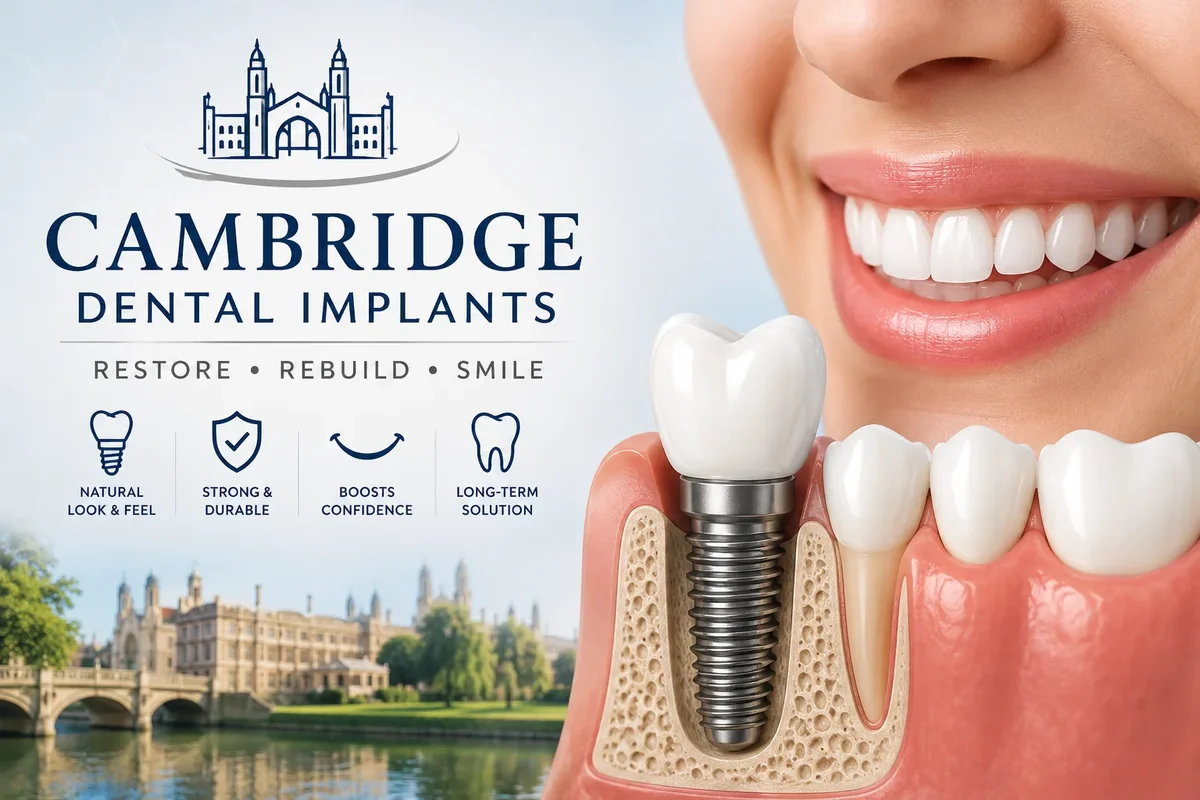
How to Choose the Best Clinic for Cambridge Dental Implants
Choosing the right clinic for cambridge dental implants is one of the most important decisions a patient can make during the implant treatment journey. Dental implants are a long-term investment in oral health, confidence, comfort, and quality of life. Because implant procedures involve advanced surgical planning and restorative expertise, selecting a highly qualified clinic significantly improves the chances of successful and long-lasting cambridge dental implants. 😊
Many patients focus mainly on price when researching cambridge dental implants, but the quality of treatment, experience of the dental team, and technology used are equally important. A poorly planned implant procedure may lead to complications, implant failure, bone loss, or unsatisfactory aesthetic results. Therefore, understanding how to evaluate implant clinics carefully helps patients protect both their health and financial investment.
Look for Implant Dentistry Experience
One of the first things patients should evaluate is the experience level of the implant dentist performing cambridge dental implants.
Why Experience Matters
Dental implant placement requires advanced surgical skills, knowledge of oral anatomy, and careful restorative planning. Experienced implant dentists are often better prepared to:
- Handle complex cases
- Identify risk factors
- Prevent complications
- Create natural-looking implant restorations
- Manage bone grafting procedures
Clinics specializing in cambridge dental implants usually perform implant surgeries regularly and have extensive experience managing different patient needs.
Ask About Implant Training
Patients should feel comfortable asking dentists about:
- Implant certifications
- Advanced surgical training
- Years of implant experience
- Number of implant procedures completed
This information can help patients feel more confident before beginning cambridge dental implants treatment.
Evaluate the Technology Used by the Clinic
Modern technology plays a major role in the success of cambridge dental implants.
3D Imaging and Digital Scanning
High-quality implant clinics typically use advanced imaging systems such as:
- CBCT 3D scans
- Digital intraoral scanners
- Computer-guided implant planning
These technologies improve the precision of cambridge dental implants by helping dentists evaluate bone structure, nerve locations, and optimal implant positioning.
Digital Smile Design
Some advanced clinics also use digital smile design software to preview the final aesthetic results of cambridge dental implants before treatment even begins.
Check Before-and-After Results
Reviewing real patient cases is an excellent way to evaluate the quality of a clinic’s cambridge dental implants.
What to Look for in Patient Results
When reviewing before-and-after photos, patients should observe:
- Natural tooth appearance
- Healthy gum contours
- Symmetrical smile design
- Consistent aesthetic quality
Successful cambridge dental implants should blend naturally with surrounding teeth and support a healthy facial appearance.
Read Patient Reviews and Testimonials
Patient feedback often provides valuable insight into the quality of care offered by clinics specializing in cambridge dental implants.
Important Review Factors
Patients should pay attention to reviews discussing:
- Professionalism of the staff
- Cleanliness of the clinic
- Comfort during surgery
- Communication quality
- Long-term implant satisfaction
Positive long-term reviews may indicate consistent success with cambridge dental implants.
Understand the Treatment Plan Clearly
A trustworthy clinic should provide a detailed and transparent treatment plan before beginning cambridge dental implants.
What Should Be Included?
The treatment plan should explain:
- Number of implants needed
- Type of implant system used
- Bone grafting requirements
- Estimated healing timeline
- Total treatment cost
- Follow-up appointments
Clear communication helps patients better understand the full process of cambridge dental implants and reduces uncertainty during treatment.
Compare Implant Systems and Materials
Not all implant brands offer the same level of quality or research support.
Premium Implant Brands
Many experienced clinics use internationally recognized implant systems with strong scientific research and long-term success data for cambridge dental implants.
Higher-quality implant systems may offer:
- Improved osseointegration
- Greater durability
- Enhanced surface technology
- Better aesthetic components
Ask About Warranty Policies
Some clinics offering cambridge dental implants provide warranties or guarantees for implant components and restorations. Patients should ask about these policies before treatment begins.
Consider Hygiene and Safety Standards
Strict sterilization and infection control procedures are essential during implant surgery.
Modern Clinical Environment
Patients should choose clinics where:
- Surgical rooms appear clean and organized
- Staff follow hygiene protocols carefully
- Modern sterilization systems are used
- Patient safety procedures are clearly explained
High safety standards help reduce complications associated with cambridge dental implants.
Communication and Patient Support
Strong communication is another important factor when selecting a clinic for cambridge dental implants.
Personalized Consultation
Good implant clinics take time to answer questions, explain risks, discuss treatment alternatives, and understand patient expectations.
Patients should never feel rushed during consultations about cambridge dental implants.
Aftercare Support
Reliable clinics also provide detailed aftercare instructions and ongoing follow-up support after implant surgery.
Post-treatment monitoring is extremely important for protecting the long-term success of cambridge dental implants.
Dental Tourism and International Clinics
Many patients now travel internationally for cambridge dental implants due to lower treatment costs in some countries.
Advantages of Dental Tourism
- More affordable prices
- High-quality implant clinics
- Comprehensive treatment packages
- Shorter waiting times
However, patients should still carefully research qualifications, reviews, and clinic standards before choosing overseas cambridge dental implants.
Questions Patients Should Ask Before Treatment
Before committing to cambridge dental implants, patients may benefit from asking the following questions:
- How many implant procedures have you performed?
- What implant system do you use?
- Will bone grafting be necessary?
- What are the estimated healing times?
- What complications may occur?
- What happens if an implant fails?
- Are financing options available?
Open communication helps patients feel more confident and informed before beginning cambridge dental implants.
Balancing Cost and Quality
Although price is important, patients should avoid choosing clinics based solely on low cost. Extremely cheap implant treatments may involve lower-quality materials, limited planning, or inexperienced providers.
High-quality cambridge dental implants require precise planning, advanced technology, skilled professionals, and durable implant systems. In many cases, investing in quality treatment reduces the risk of expensive complications later.
Estimated Implant Treatment Costs
Average estimated costs for cambridge dental implants in 2026 may include:
- Single implant with crown: $2,500–$5,000
- Implant-supported bridge: $5,000–$15,000
- Full-mouth restoration: $20,000–$50,000
Costs may vary depending on implant brand, clinic expertise, additional procedures, and geographic location.
Patients interested in personalized consultations and implant treatment planning can visit the Redent Klinik Contact Page. Additional trusted oral health information regarding implant dentistry is also available through the American Dental Association.
Overall, selecting the right clinic for cambridge dental implants requires careful research, professional evaluation, and attention to both quality and experience. Patients who choose experienced implant specialists and modern clinics often enjoy safer procedures, better aesthetics, long-lasting implant stability, and greater confidence in their final smile results. ✨🦷