
Maintaining strong oral health during university years is often overlooked, yet it plays a crucial role in academic performance, social confidence, and overall well-being. Campus dental services have become an essential part of modern student health systems, offering accessible and affordable care right where students live and learn. For many young adults, this is the first time they manage their dental health independently, making on-campus resources especially valuable.
Universities that provide campus dental clinics ensure that students can receive regular checkups, preventive care, and emergency treatment without needing to travel off-site. This convenience reduces barriers such as cost, transportation, and scheduling conflicts. In fact, studies show that students who use campus-based dental care are more likely to maintain routine oral hygiene habits and experience fewer complications like cavities and gum disease.
One of the most significant advantages of campus dental programs is their affordability. Because these services are often subsidized or included in student health plans, they cost significantly less than private dental practices. This is particularly important for students living on tight budgets who might otherwise skip important checkups. Affordable care ensures that oral health does not take a backseat to tuition, textbooks, and living expenses.
Another aspect worth highlighting is accessibility. Campus dental centers are strategically located within or near student health facilities, allowing learners to schedule appointments between classes. This eliminates the need to commute across town or wait for weeks to secure an appointment. Many clinics also extend their hours during exam periods to accommodate the busy schedules of students who may be under extra stress and more prone to neglecting their health.
The holistic role of campus dental clinics extends beyond basic care. Many provide preventive education programs that emphasize brushing techniques, flossing habits, and diet choices. By equipping students with knowledge and tools early on, these programs help establish lifelong habits that prevent long-term oral issues. In addition, some clinics partner with faculties of dentistry, meaning students may receive care from supervised dental interns at reduced rates.
Social well-being is another dimension where campus dental services contribute. A healthy smile boosts confidence during interviews, class presentations, and social interactions. This is especially critical for international students adapting to new environments. For many, the assurance of nearby dental support offers peace of mind while studying abroad.
When emergencies occur—such as a broken tooth, sudden infection, or severe pain—having immediate access to campus dental professionals can make all the difference. Quick treatment prevents complications and helps students return to their academic responsibilities with minimal disruption. Without such resources, students may experience delayed care, leading to worsening conditions and higher long-term costs.
Moreover, campus dental services align with a university’s broader mission to promote student wellness. Just as mental health and fitness programs are integral to campus life, dental health forms a vital pillar of overall well-being. Universities recognize that healthy students perform better academically and socially, making dental care a strategic investment in student success.
For students looking to connect with experienced professionals outside the campus system, it can be helpful to reach out to specialized clinics. For instance, you can easily book an appointment via the Redent Klinik Contact Page if you need further guidance. Additionally, for authoritative resources on oral health best practices, the American Dental Association provides extensive educational materials and research-backed guidelines.
In summary, campus dental care plays a pivotal role in ensuring that students maintain strong oral health while balancing academic and personal responsibilities. With affordable pricing, convenient access, and preventive education, these clinics are more than just dental offices—they are wellness partners in the journey of higher education. By taking advantage of the services available, students can protect their smiles, boost confidence, and set the foundation for a lifetime of healthy habits. Investing time in campus dental visits today means fewer health challenges tomorrow, making it one of the smartest decisions a student can make. 😁
The Importance of Campus Dental Services in Student Life
University life is full of transitions, challenges, and opportunities. Between lectures, exams, and social activities, students often place oral health at the bottom of their priority list. Yet, dental wellness is directly linked to confidence, focus, and overall health. That is why campus dental services play such an essential role in shaping the academic and personal journey of students. Accessible care right on campus ensures that oral health does not get neglected during the busiest years of life.
Why Oral Health Matters for Students
Good oral health supports academic performance by minimizing distractions caused by pain or discomfort. Toothaches, gum inflammation, or untreated cavities can interfere with concentration during classes or exams. By visiting a campus dental clinic regularly, students are more likely to stay pain-free and able to perform at their best. Additionally, oral infections can affect the immune system, leading to broader health issues. With preventive care available nearby, students can safeguard their health and academic success simultaneously.
Financial Accessibility and Affordability
One of the greatest barriers to dental care for young adults is cost. Many students live on limited budgets, balancing tuition, rent, and food expenses. Private dental visits can feel like a luxury rather than a necessity. Campus dental services bridge this gap by offering affordable checkups, cleanings, and treatments. In some cases, these services are included in student health plans or discounted through partnerships with dental schools. For example, a routine cleaning at a campus dental clinic might cost half the price of the same procedure in a private practice, making prevention realistic and sustainable.
Price Transparency and Subsidized Care
Unlike many private practices where costs can vary, campus dental clinics often provide clear pricing structures. Some universities subsidize dental care directly, ensuring every student has equal access to essential treatments. A simple filling might cost as little as $50–$80 on campus, compared to $150–$200 off-campus. Transparent pricing not only helps students budget but also reduces anxiety around unexpected expenses. This affordability encourages students to seek care before small issues develop into expensive emergencies.
Convenience and Accessibility for Busy Schedules
Student life can be hectic, and finding time for a dental appointment is not always easy. Campus dental clinics eliminate this barrier by offering services within walking distance of classrooms and dormitories. This proximity saves students travel time and makes it possible to fit appointments between lectures. Some universities even provide extended hours during exam seasons, ensuring that oral health remains a priority even when workloads are heavy. Convenience directly translates to consistency, which is vital for preventive care.
Integration with Student Wellness Programs
Many universities view campus dental services as part of a broader wellness ecosystem. Dental professionals often collaborate with student health centers to provide holistic support. For example, students suffering from stress-related teeth grinding (bruxism) may be referred to both a dentist and a mental health counselor. This integrated approach demonstrates that oral health is not isolated but a key piece of overall student wellness.
Confidence, Social Life, and Mental Health
A bright smile influences self-esteem, which in turn affects social interactions and professional opportunities. College years are filled with networking events, job fairs, and presentations where confidence is critical. By accessing campus dental care, students can address cosmetic concerns such as teeth whitening, orthodontics, or chipped teeth repair. These services allow students to project confidence in both academic and social settings. Moreover, preventing or addressing oral health issues reduces the stigma and anxiety that can accompany visible dental problems.
Emergency Care and Immediate Response
Life on campus is dynamic, and dental emergencies can happen unexpectedly—whether it is a sports injury, cracked tooth, or sudden infection. With campus dental clinics available, students do not need to delay treatment or suffer while waiting for an appointment at an off-site practice. Immediate access to care helps minimize damage, control pain, and reduce recovery time. For many students, this quick intervention ensures they do not miss crucial exams or assignments due to oral health crises.
Educational Outreach and Preventive Programs
An additional strength of campus dental services lies in their role as educators. Many clinics run workshops or health fairs that teach proper brushing techniques, the importance of flossing, and the impact of diet on oral health. These initiatives encourage students to take responsibility for their dental routines. By reinforcing healthy habits during formative years, university dental care systems set the stage for lifelong oral health.
Community Building and Support
Finally, campus dental clinics contribute to the sense of community within a university. Students know that support is available nearby, creating a sense of safety and belonging. For international students, having reliable dental services on campus reduces stress when navigating a new environment. The reassurance of accessible, culturally sensitive dental care builds trust and promotes inclusivity across the student body.
In conclusion, the importance of campus dental services in student life cannot be overstated. They address financial barriers, provide convenience, support wellness, and foster confidence. They also offer emergency care and long-term preventive education that empower students to prioritize their health. Universities that invest in strong dental programs are investing in their students’ academic achievements, emotional well-being, and future success. With the support of campus dental resources, students can smile brighter and focus more effectively on their studies and goals. ✨
Affordable Dental Care Options on Campus 🦷
One of the most compelling reasons students use campus dental services is affordability. Dental care in private practices can be expensive, and many students avoid treatment due to financial strain. Universities recognize this challenge and design their campus dental programs to provide quality services at reduced or subsidized rates. These options make it possible for students to maintain oral health without sacrificing other essentials like textbooks, food, or housing.
Subsidized Student Dental Plans
Many universities incorporate dental coverage into their student health insurance or wellness programs. In these cases, a portion of dental costs is subsidized by the institution. A checkup or cleaning that might normally cost $100–$150 in a private practice could be reduced to $30–$50 at a campus dental clinic. This model allows every student, regardless of financial background, to access routine preventive care. It also eliminates the hesitation that often comes with booking an appointment due to fear of high bills.
Bundled Services in Health Packages
Some universities bundle dental services directly into overall student health packages. This means that annual checkups, fluoride treatments, and sometimes even emergency visits are already covered by student fees. By doing so, institutions ensure that students automatically invest in their oral health while enrolled. This bundled approach removes the barrier of “optional” care—students have already paid for access, making them more likely to use it.
Sliding Scale Payment Systems
Several campus dental clinics use sliding scale payment systems, adjusting costs based on a student’s income level. International students, scholarship recipients, and those working part-time jobs benefit greatly from this structure. By linking costs to affordability, universities encourage all students to maintain regular oral care without feeling excluded due to financial constraints. This system reinforces the idea that oral health is a necessity, not a luxury.
Reduced-Cost Services from Dental Schools
At campuses with dental schools, services may be provided by supervised dental students at significantly reduced costs. While procedures are overseen by licensed professionals, students gain valuable hands-on experience. Patients, in turn, benefit from treatments that are often half the market rate. This partnership creates a win-win situation: students studying dentistry gain clinical exposure, and patients receive affordable, high-quality care at the campus dental center.
Examples of Reduced-Cost Treatments
- Routine cleaning: $25–$40 (vs. $90–$150 privately)
- Tooth filling: $50–$80 (vs. $150–$200 privately)
- Teeth whitening: $100–$150 (vs. $300–$500 privately)
- Emergency exam: $20–$30 (vs. $100 privately)
These examples demonstrate how campus dental options keep oral health within financial reach, ensuring students don’t delay treatment due to costs.
Partnerships with Local Clinics
Some universities establish partnerships with nearby private dental practices to extend care options. These agreements often come with discounted rates for students. For instance, a local dentist may offer a 20–30% discount for procedures when students present their campus ID. While these appointments occur off-campus, the affiliation ensures continuity of care beyond what the campus dental center itself can provide. This approach also broadens treatment options, especially for more complex cases requiring specialist intervention.
Emergency Funds and Assistance Programs
Unexpected dental emergencies can place sudden financial burdens on students. To address this, many institutions have emergency assistance funds that cover part or all of urgent dental procedures. For example, a student who breaks a tooth during sports may be eligible for immediate coverage to avoid long-term complications. Such support highlights the importance universities place on accessible and equitable oral care.
Financial Aid for International Students
International students often face higher healthcare costs and may not qualify for local insurance. Recognizing this, many universities extend special dental aid to international students through their campus dental services. These programs ensure that students from abroad can access the same affordable treatments as their domestic peers, reducing financial and cultural barriers to oral health.
Long-Term Savings Through Preventive Care
Affordable campus dental care does more than reduce immediate costs—it also prevents long-term expenses. Skipping checkups can lead to serious issues such as gum disease or root canal needs, which are significantly more expensive to treat. By making preventive care accessible and affordable, universities save students money in the long run. For example, a $50 cleaning today may prevent a $1,000 root canal procedure in the future.
In summary, affordable dental care on campus is not just about reduced prices—it is about creating an environment where oral health is prioritized and accessible to all. From subsidized plans to dental school partnerships, campus dental services ensure that every student can protect their smile without financial stress. These initiatives help students focus on their studies, social lives, and future careers without the distraction of untreated oral issues. By investing in affordable options today, universities are investing in the lifelong health and success of their students. 🦷✨
Preventive Dentistry Programs for University Students
Prevention is the foundation of lifelong oral health, and universities understand the importance of instilling these habits early. Campus dental clinics are not just treatment centers; they are educational hubs that focus on building awareness and encouraging healthy practices among students. Through structured preventive dentistry programs, universities help learners avoid costly and painful procedures later in life. These initiatives include regular checkups, cleanings, education campaigns, and targeted interventions tailored to the unique lifestyles of college students.
The Role of Preventive Dentistry in Student Life
Most oral health issues—such as cavities, gum disease, and enamel erosion—are preventable with consistent care. However, college students often adopt irregular eating habits, consume more sugary beverages, and experience high stress, which increases oral health risks. Campus dental preventive programs emphasize the importance of daily brushing, flossing, and balanced diets. By reinforcing these fundamentals, clinics empower students to protect their smiles during one of the busiest stages of their lives.
Routine Checkups and Professional Cleanings
One of the central elements of preventive care offered by campus dental services is routine checkups and cleanings. These visits help identify potential problems before they escalate. For example, early detection of gum inflammation can prevent the onset of periodontitis, while spotting enamel wear can guide students toward dietary changes. Professional cleanings remove plaque and tartar that cannot be managed with brushing alone, significantly lowering the risk of cavities.
Frequency of Student Appointments
Most universities recommend at least one campus dental visit per semester. This schedule aligns with academic calendars and ensures that students receive care before and after stressful exam periods, when oral hygiene may be neglected. Regular visits also create opportunities for personalized advice tailored to the student’s lifestyle and oral health history.
Fluoride Treatments and Sealants
In addition to checkups, preventive programs often include fluoride applications and dental sealants. These protective measures are cost-effective ways to prevent cavities. Fluoride strengthens enamel, while sealants act as barriers on molars where food particles and bacteria commonly accumulate. Many campus dental clinics provide these treatments at little or no additional cost, making them accessible to all students.
Educational Workshops and Awareness Campaigns
Universities often organize oral health awareness events as part of their preventive programs. Campus dental professionals conduct workshops on topics such as proper brushing techniques, the dangers of tobacco use, and the link between nutrition and oral health. These campaigns may also include free distribution of toothbrushes, toothpaste, and floss, ensuring that students have the tools they need to apply the lessons learned.
Peer-Led Initiatives
Some institutions encourage peer involvement in preventive campaigns. Dental students, for example, may volunteer to host oral health fairs or information booths. This not only supports education for the wider student population but also provides valuable outreach experience for future dentists. Peer-led initiatives help normalize dental care, making students more comfortable with seeking campus dental services.
Targeting High-Risk Student Behaviors
Certain student habits increase the risk of oral health problems. For instance, late-night snacking, frequent energy drink consumption, and smoking are common in college environments. Preventive dentistry programs aim to address these behaviors through counseling and tailored interventions. Campus dental staff often collaborate with nutritionists and mental health professionals to provide holistic guidance. This interdisciplinary approach underscores that oral health is inseparable from general wellness.
Stress Management and Oral Health
High academic pressure can lead to stress-related conditions such as teeth grinding (bruxism) and jaw tension. Campus dental services integrate preventive measures such as providing night guards or relaxation techniques to reduce damage. By identifying these issues early, students avoid complications like cracked teeth or temporomandibular joint (TMJ) disorders. This proactive care demonstrates how preventive dentistry goes beyond cavities and gum disease to address the broader challenges of student life.
Long-Term Benefits of Preventive Programs
The value of preventive dentistry extends far beyond university years. By promoting healthy habits and providing accessible care, campus dental programs prepare students for a lifetime of good oral health. Studies show that individuals who adopt preventive care during their college years are less likely to face serious dental issues later in life. This creates not only healthier individuals but also lowers overall healthcare costs, benefiting society as a whole.
In conclusion, preventive dentistry programs on campus are more than a set of services—they are investments in the well-being and success of students. Through checkups, fluoride treatments, educational workshops, and behavior-focused interventions, campus dental services empower students to take control of their oral health. The habits formed and knowledge gained during these years will protect their smiles and improve their quality of life for decades to come. 🌟
Common Oral Health Issues Faced by College Students
University life introduces students to independence, but it also brings new challenges that affect oral health. Stressful schedules, irregular meals, and limited budgets often create conditions where dental care is neglected. Campus dental services play a critical role in addressing these problems early, ensuring that students do not suffer from avoidable complications. By understanding the most frequent oral health issues among college students, universities can tailor preventive and treatment programs to meet their unique needs.
Cavities and Tooth Decay
One of the most common problems among young adults is cavities, caused by poor oral hygiene and high sugar intake. Late-night snacking, energy drinks, and processed foods create an environment where bacteria thrive. Without regular cleaning and dental visits, decay progresses quickly. Campus dental clinics focus on early detection of cavities and provide affordable fillings to restore teeth before the damage spreads. Regular preventive programs, like fluoride treatments and sealants, are often offered to reduce the risk of future decay.
The Role of Diet in Tooth Decay
Many college students rely on fast food or vending machine snacks, which are often rich in sugars and starches. This diet accelerates cavity formation. Campus dental education programs frequently include dietary counseling, encouraging students to reduce sugary drinks and replace them with water or healthier snacks. By understanding the link between food choices and oral health, students are empowered to make changes that protect their teeth.
Gum Disease and Gingivitis
Gum inflammation, or gingivitis, is another prevalent issue on campuses. Stress, smoking, and inconsistent oral hygiene routines all contribute to gum problems. If untreated, gingivitis can progress to periodontitis, leading to serious long-term damage. Campus dental clinics provide deep cleanings, scaling, and regular checkups to manage gum health. They also emphasize education, teaching students how to recognize early warning signs like bleeding gums and persistent bad breath.
Stress and Its Impact on Gum Health
University stress can compromise the immune system, making gums more susceptible to infection. Campus dental professionals often work alongside student health centers to provide holistic advice, such as stress management strategies that indirectly support oral wellness. This integrated approach ensures students are protected on multiple levels.
Wisdom Teeth Problems
Many students experience wisdom tooth eruptions during their college years. These late-developing molars can cause overcrowding, pain, or infection if not monitored. Campus dental services often include X-rays and evaluations to determine whether extraction is necessary. By addressing wisdom teeth early, students avoid severe discomfort and the disruption of missed classes or exams due to surgery.
Bruxism (Teeth Grinding)
Stress-induced teeth grinding, known as bruxism, is a growing concern among students. Long study hours, exam pressure, and lack of sleep contribute to this condition. If left untreated, bruxism can cause enamel erosion, jaw pain, and headaches. Campus dental clinics offer night guards and counseling to help students manage grinding habits. They also collaborate with wellness centers to address stress, one of the root causes of the condition.
Jaw Pain and TMJ Disorders
Bruxism is closely linked with temporomandibular joint (TMJ) disorders. Students who grind their teeth may experience jaw stiffness, clicking, or chronic headaches. Campus dental staff can identify these symptoms early and recommend protective devices or therapy, preventing long-term complications.
Oral Infections and Ulcers
Busy lifestyles and weakened immunity can make students vulnerable to oral infections, such as canker sores or fungal conditions like oral thrush. These problems can cause discomfort, affect eating, and even lower concentration levels. Campus dental clinics provide quick evaluations and treatments, ensuring infections are managed effectively before they interfere with daily routines. Students are also guided on hygiene practices to prevent recurrence.
Cosmetic Concerns: Stains and Discoloration
Many students are concerned about the appearance of their teeth, especially during job interviews or presentations. Coffee, tea, and energy drinks often lead to staining. Smoking also exacerbates discoloration. Campus dental services often include professional whitening at student-friendly prices. Beyond cosmetic benefits, these treatments boost self-esteem and confidence, which are critical during university years.
Neglect Due to Lack of Awareness
Perhaps the biggest issue is that many students underestimate the importance of oral health. With academic and social commitments taking priority, dental checkups may be skipped entirely. Campus dental awareness programs combat this trend by integrating oral health education into campus events and wellness campaigns. Posters, seminars, and health fairs remind students that oral care is not optional but a vital part of overall health.
In conclusion, college students face a unique set of oral health challenges ranging from cavities and gum disease to bruxism and cosmetic concerns. The role of campus dental services is to provide not only affordable treatments but also comprehensive education and preventive care. By addressing these common issues head-on, universities help students protect their health, confidence, and academic performance. Through early detection, guidance, and accessible treatments, campus dental programs ensure that oral health does not become another obstacle during the already demanding college years. 🦷
Cosmetic Dentistry and Smile Makeovers on Campus
A confident smile is more than just a cosmetic feature—it plays a major role in social interactions, self-esteem, and even career opportunities. For university students, appearances can influence interviews, presentations, and networking events. Recognizing this, many campus dental clinics now include cosmetic dentistry options in their services. These offerings allow students to enhance their smiles without the overwhelming costs of private cosmetic care, making aesthetic treatments more accessible during critical life stages.
The Growing Demand for Cosmetic Dentistry Among Students
University life is full of social and professional milestones, from public speaking events to first job interviews. As a result, more students are turning to campus dental centers for treatments that improve the appearance of their teeth. Cosmetic dentistry goes beyond health—it addresses psychological and social confidence. A brighter, straighter smile can help reduce anxiety and boost overall presence in academic and personal settings.
Popular Cosmetic Dental Treatments on Campus
While preventive and restorative care remain priorities, cosmetic options are becoming increasingly available. Common services include whitening, bonding, orthodontic adjustments, and veneers. Campus dental clinics often adapt these services to fit student budgets, ensuring affordability while maintaining quality care.
Teeth Whitening
Stains caused by coffee, tea, and energy drinks are extremely common among students. Professional whitening at campus dental facilities is often offered at a fraction of private practice prices, typically ranging from $100–$150. This makes it easier for students to brighten their smiles before major presentations, interviews, or graduation photos. Unlike over-the-counter whitening kits, professional treatments deliver faster, safer, and more consistent results.
Orthodontic Solutions
Many students continue orthodontic treatments during university or seek corrections for minor misalignments. Campus dental centers may provide clear aligners or braces at discounted rates. In some cases, these services are managed by dental school programs, supervised by professionals. Correcting alignment not only improves aesthetics but also prevents long-term oral health issues such as uneven wear or jaw discomfort.
Bonding and Veneers
Small chips, cracks, or unevenly shaped teeth can affect confidence. Cosmetic bonding is a quick and affordable solution offered in many campus dental clinics. For students looking for a more permanent change, veneers may also be available through partnerships with dental schools. These treatments provide natural-looking enhancements that last for years, allowing students to enter professional life with greater confidence.
The Psychological Benefits of Cosmetic Dentistry
The advantages of cosmetic dentistry go beyond physical appearance. A healthy, attractive smile reduces social anxiety and enhances self-assurance in both academic and personal contexts. Students who undergo treatments at campus dental clinics often report feeling more comfortable engaging in group discussions, making presentations, or attending networking events. This boost in confidence can have a direct impact on academic performance and career readiness.
Cosmetic Dentistry as Mental Wellness Support
For students struggling with low self-esteem linked to dental appearance, cosmetic treatments can serve as a form of mental wellness support. Campus dental professionals often collaborate with counseling services to provide holistic care, recognizing the deep connection between appearance and mental health. This integrated approach ensures that students not only look their best but also feel their best.
Affordability and Accessibility of Campus Cosmetic Services
Private cosmetic dentistry is often prohibitively expensive for students, but universities bridge this gap by offering lower rates. Because many campus dental clinics are affiliated with dental schools, supervised student practitioners can deliver treatments at reduced costs. This model allows students to benefit from advanced techniques while receiving professional oversight. Universities may also offer payment plans to spread out costs, ensuring financial stress does not prevent access to cosmetic improvements.
Cosmetic Care as Part of Preventive Health
Cosmetic dentistry is not just about aesthetics—it often overlaps with preventive care. For example, correcting misaligned teeth with aligners reduces the risk of jaw pain and gum problems. Whitening treatments provided by campus dental professionals are safer than store-bought kits, reducing the risk of enamel erosion. By blending beauty with health, campus programs reinforce the message that a great smile is both an asset and a responsibility.
Preparing Students for the Future
Cosmetic services at campus dental clinics prepare students for life beyond university. Graduation portraits, job applications, and early career interactions are all enhanced by a healthy, confident smile. By making these services accessible during university years, institutions help students transition into adulthood with the confidence and presence needed to succeed in competitive environments.
In conclusion, cosmetic dentistry on campus is far more than a luxury—it is an investment in students’ confidence, opportunities, and long-term wellness. Through whitening, orthodontics, bonding, and veneers, campus dental clinics make it possible for students to access high-quality aesthetic care at affordable prices. These services empower students to face both academic and professional challenges with self-assurance, ensuring that their smiles reflect their potential. ✨
Emergency Dental Care Availability for Students
Emergencies rarely come at convenient times, and oral health crises are no exception. For students living away from home, a sudden toothache, broken tooth, or gum infection can be stressful and disruptive. Campus dental services are designed to provide immediate assistance in these situations, ensuring that students receive quick, affordable, and professional care without leaving campus. By having emergency dental care readily available, universities protect student health, academic performance, and peace of mind.
The Importance of Timely Emergency Care
When a dental emergency strikes, time is critical. Untreated issues can worsen within hours or days, leading to severe pain, infection, or permanent damage. Campus dental clinics prioritize urgent cases, allowing students to skip long waiting lists common in private practices. Whether it’s a fractured tooth or sudden swelling, immediate intervention reduces complications and supports faster recovery. This responsiveness is vital during exam periods or athletic seasons when students cannot afford extended downtime.
Common Types of Dental Emergencies in College
Students face a wide range of oral health emergencies during their academic years. Campus dental facilities are prepared to handle these issues with professionalism and efficiency.
Severe Toothaches
Intense tooth pain is one of the most common emergencies reported by students. Often caused by deep decay or infection, toothaches can interfere with sleep, concentration, and daily activities. Campus dental clinics offer same-day appointments for these cases, providing relief through fillings, antibiotics, or root canal therapy when necessary.
Broken or Chipped Teeth
Sports activities, accidents in dormitories, or even chewing hard food can result in chipped or fractured teeth. Campus dental professionals quickly assess the damage and offer bonding, crowns, or temporary restorations. Acting promptly ensures the tooth structure is preserved and cosmetic concerns are addressed before they worsen.
Knocked-Out Teeth (Avulsions)
Contact sports and falls can sometimes lead to a knocked-out tooth. In such cases, time is of the essence—the chances of saving a natural tooth are highest within the first hour. Campus dental emergency units are trained to handle these scenarios, advising students to keep the tooth moist (in milk or saliva) until they arrive. This immediate response can make the difference between saving and losing a tooth.
Soft Tissue Injuries
Cuts to the lips, tongue, or gums may occur during accidents or while eating. These injuries, while often minor, can bleed heavily and cause discomfort. Campus dental clinics provide sutures, disinfectant treatments, and follow-up care to ensure proper healing. Students benefit from quick access to treatment without needing to visit a hospital emergency department.
Infections and Abscesses
Dental abscesses and infections require urgent attention, as they can spread quickly to surrounding tissues or even the bloodstream. Symptoms often include swelling, fever, and severe pain. Campus dental services offer immediate drainage, antibiotics, and follow-up appointments to control infections before they escalate into life-threatening conditions.
Accessibility and Availability of Campus Emergency Services
Most universities ensure that campus dental facilities have protocols for emergency access. Some provide walk-in hours daily, while others maintain a 24/7 emergency hotline. During evenings or weekends, students may be referred to partnered local practices with reduced student rates. By having these systems in place, universities guarantee that students are never left without support when emergencies occur.
Extended Hours During Exam Periods
Recognizing that stress and irregular habits peak during exams, many campus dental clinics extend their working hours at these times. This ensures that students can receive emergency care without sacrificing study schedules. Quick relief also improves focus, allowing students to perform at their best academically.
The Role of Preventive Education in Reducing Emergencies
While emergency services are vital, prevention remains the best defense. Campus dental programs frequently educate students on how to handle emergencies and avoid them altogether. Workshops may cover the importance of wearing mouthguards during sports, avoiding harmful chewing habits, and seeking immediate help for early signs of infection. By combining preventive education with rapid-response care, universities create a balanced approach to oral health.
Financial Considerations in Emergency Dental Care
Unexpected emergencies can place financial strain on students. Fortunately, campus dental services usually offer reduced fees or include emergency treatments in student health plans. For example, an emergency exam that might cost $100 in a private clinic could be $25–$40 on campus. Additionally, some universities maintain emergency funds to ensure that no student delays treatment due to cost concerns.
Peace of Mind for Students and Parents
Perhaps the greatest benefit of on-campus emergency dental care is the reassurance it provides. Students know they can get help immediately, while parents gain peace of mind knowing their children have access to quality dental services. This safety net allows students to focus on their education and personal development, rather than worrying about unexpected health crises.
In conclusion, emergency dental care is an indispensable part of university health services. By offering immediate treatment for toothaches, injuries, infections, and more, campus dental clinics ensure that students receive the support they need at critical moments. Affordable fees, extended hours, and preventive education further strengthen these programs, making them both practical and essential. With these services in place, students can confidently pursue their academic and social goals, knowing that their oral health is protected in times of crisis. 🚑🦷
Role of Campus Dental Clinics in Promoting Wellness
Oral health is a cornerstone of overall wellness, influencing not only physical health but also mental, social, and academic success. Universities have recognized this connection and established campus dental clinics as integral parts of their student wellness ecosystems. These clinics go beyond offering treatments; they actively promote well-being through education, preventive programs, and collaboration with other health services. Their role extends far past fixing cavities—they serve as partners in nurturing healthier, happier, and more confident students.
Oral Health as a Component of General Wellness
Many students underestimate how closely oral health is tied to general well-being. Gum disease has been linked to systemic issues such as heart disease, diabetes, and even poor academic concentration due to chronic discomfort. By maintaining regular visits to a campus dental clinic, students can prevent these conditions and protect their overall health. Universities emphasize this integration by including dental care in broader wellness campaigns, placing oral health alongside fitness, nutrition, and mental well-being.
Collaboration with Other Campus Health Services
Wellness is multifaceted, and campus dental clinics often work hand in hand with other departments such as mental health services, nutrition programs, and student wellness centers. For instance, a student experiencing stress-related bruxism may be referred to both a dentist and a counselor. Similarly, nutritionists collaborate with dental staff to educate students about the effects of diet on oral health. This holistic approach ensures students receive comprehensive care that addresses both causes and symptoms of health issues.
Integrated Care Pathways
Some universities have developed formal integrated care pathways where dental concerns are automatically linked with referrals to other services. For example, a student with oral ulcers due to stress may receive immediate access to both dental treatment and mental health support. Campus dental clinics serve as important entry points for identifying broader health issues, making them invaluable in a student’s wellness journey.
Preventive Health Campaigns
In addition to routine treatments, campus dental professionals run preventive campaigns aimed at raising awareness. These initiatives often include oral health fairs, free dental screenings, and information booths during wellness weeks. By meeting students in informal, accessible settings, clinics encourage participation and make oral health education more approachable. Such campaigns are crucial in fostering long-term awareness, empowering students to take proactive steps toward their health.
Peer-to-Peer Education Programs
Many universities encourage dental students to participate in peer-led wellness campaigns. These initiatives allow future dentists to share knowledge directly with their peers in engaging, relatable ways. Not only do these programs benefit the student body, but they also prepare dental students with valuable public health experience. Campus dental clinics often serve as the base for these activities, reinforcing their central role in promoting wellness.
Mental Health and Confidence Building
Wellness is not only physical but also psychological. A student struggling with dental issues such as tooth discoloration, bad breath, or misalignment may suffer from lowered self-esteem. This can impact participation in classes, social life, and even job interviews. Cosmetic and restorative treatments offered at campus dental clinics help students regain confidence. By addressing these concerns, clinics support mental wellness, proving that oral care is deeply connected to emotional health.
Encouraging Healthy Lifestyle Choices
Lifestyle habits, such as smoking, high sugar consumption, or neglecting oral hygiene, significantly affect student wellness. Campus dental clinics provide personalized counseling to help students break harmful habits and adopt healthier routines. For example, smoking cessation programs often include dental staff who highlight the oral health consequences of tobacco use. These collaborative efforts encourage students to embrace choices that benefit their long-term health.
Sports and Oral Health Protection
Athletics are a big part of student life, and campus dental clinics often partner with sports departments to promote oral health among athletes. They provide custom mouthguards, educate teams about preventing dental injuries, and offer quick treatment for sports-related oral trauma. By doing so, clinics protect both the performance and wellness of student athletes.
Community Building Through Dental Care
Wellness also involves fostering a sense of belonging and community. Campus dental clinics contribute by creating inclusive, supportive environments where students feel comfortable seeking care. International students, in particular, benefit from culturally sensitive services that ease the transition to a new healthcare system. This inclusivity strengthens the broader campus community while reinforcing the value of oral health as part of everyday life.
Long-Term Benefits Beyond Graduation
The role of campus dental clinics in promoting wellness extends beyond university years. By instilling preventive habits, providing accessible services, and encouraging holistic health, they prepare students for healthier futures. Graduates leave campus not only with degrees but also with a strong foundation in oral wellness practices. This long-term impact reflects the success of dental clinics as wellness promoters.
In summary, campus dental clinics are more than dental offices—they are wellness hubs that shape healthier lifestyles, boost confidence, and foster community. Through integrated care, preventive campaigns, and holistic support, they enhance every aspect of student well-being. Universities that prioritize dental care demonstrate a commitment to the full spectrum of student health, ensuring learners thrive academically, socially, and personally. 🌿🦷
Comparing Campus Dental Services vs. Private Practices
Students often face the decision of whether to seek oral care at a campus dental clinic or at a private dental practice. Both options provide essential services, but they differ in accessibility, cost, treatment scope, and patient experience. Understanding these differences helps students make informed choices about their oral health. While private practices may offer wider treatment ranges and advanced facilities, campus dental services stand out for affordability, convenience, and integration with student wellness programs.
Accessibility and Convenience
One of the clearest advantages of campus dental care is accessibility. Located within or near student health centers, these clinics allow students to schedule appointments between classes without long commutes. Private practices, in contrast, may require traveling across the city and navigating waitlists. For busy students balancing coursework, jobs, and social life, proximity is critical. Convenience often determines whether students seek preventive care regularly or delay treatment until emergencies occur.
Extended Hours vs. Standard Office Times
Many campus dental centers adapt their hours around student needs, offering evening or weekend availability during exam seasons. Private practices usually operate within standard business hours, making scheduling more difficult for students with full daytime commitments. The flexibility of campus clinics ensures that oral health fits seamlessly into academic life.
Cost and Affordability
Cost is a decisive factor for most students. Private dental practices often charge market rates, which can be overwhelming for those living on tight budgets. A routine cleaning in a private office may range from $100–$150, while the same service at a campus dental clinic can cost as little as $30–$50. Subsidies, student insurance, and partnerships with dental schools keep prices lower on campus. This affordability encourages preventive visits, which ultimately save students from more expensive procedures later.
Transparent Pricing Structures
Unlike private practices where pricing can vary, campus dental clinics typically offer transparent, standardized rates. Universities often publish detailed fee schedules to ensure students know what to expect. This financial clarity reduces anxiety and builds trust, making students more likely to seek care when they need it.
Scope of Services
Private practices may have broader treatment offerings, including advanced cosmetic procedures, implant placements, and specialized surgeries. While some campus dental centers provide cosmetic options such as whitening and orthodontics, their focus is primarily on preventive and general dentistry. However, when specialized care is required, campus clinics often collaborate with local private dentists to ensure continuity of treatment. This partnership model gives students the best of both worlds: accessible campus care and referral pathways to advanced services when needed.
Educational Partnerships with Dental Schools
At universities with dental programs, campus dental services may be provided by supervised dental students. While this setup may limit the range of complex procedures, it ensures affordability and offers high-quality care overseen by licensed professionals. Students benefit from reduced costs, and dental interns gain valuable hands-on training.
Quality of Care and Patient Experience
Quality is a common concern when comparing campus dental clinics with private practices. In reality, both settings adhere to strict health standards. Private practices may have newer equipment or luxurious office environments, but campus dental clinics compensate with personalized, student-focused care. Because they understand the challenges of academic life, campus dentists are often more flexible and empathetic toward student circumstances. Their role as educators also means they spend extra time discussing preventive measures and lifestyle factors.
Emergency Care Responsiveness
Emergencies such as knocked-out teeth, infections, or fractures require immediate attention. Campus dental clinics generally offer same-day or walk-in emergency appointments at affordable rates. Private practices may respond quickly too, but availability often depends on scheduling and higher emergency fees. For students, the affordability and immediacy of campus-based emergency care provide peace of mind.
Coordination with University Wellness Services
Another advantage of campus dental care is integration with wellness programs. For example, students dealing with stress-related bruxism may be referred to both dental and mental health professionals within the same wellness center. Private practices usually do not have such seamless coordination with other health services. This holistic approach positions campus dental clinics as wellness partners, not just treatment providers.
Long-Term vs. Short-Term Patient Relationships
Private practices often build long-term relationships with families and individuals, continuing care for decades. Campus dental clinics, however, primarily serve students for the duration of their academic programs. While this may seem like a limitation, it also means clinics are highly attuned to the unique lifestyle, schedules, and needs of students. After graduation, many students transition to private practices but carry with them the preventive habits instilled by campus programs.
Which Option Is Best for Students?
Ultimately, the choice between campus dental services and private practices depends on a student’s priorities. Those seeking affordability, convenience, and integration with student health services benefit most from campus clinics. On the other hand, students requiring advanced cosmetic or surgical treatments may turn to private practices for specialized expertise. Many students choose a hybrid approach: relying on campus dental clinics for routine and preventive care, while consulting private dentists for advanced or specialized needs.
In conclusion, campus dental services and private practices each bring unique strengths to the table. Campus clinics excel in affordability, accessibility, and student-centered care, while private practices often provide advanced treatments and long-term continuity. By understanding these differences, students can make informed decisions that balance their immediate needs with future oral health goals. Both systems complement each other, ensuring that students receive the best possible care at every stage of their journey. 🦷
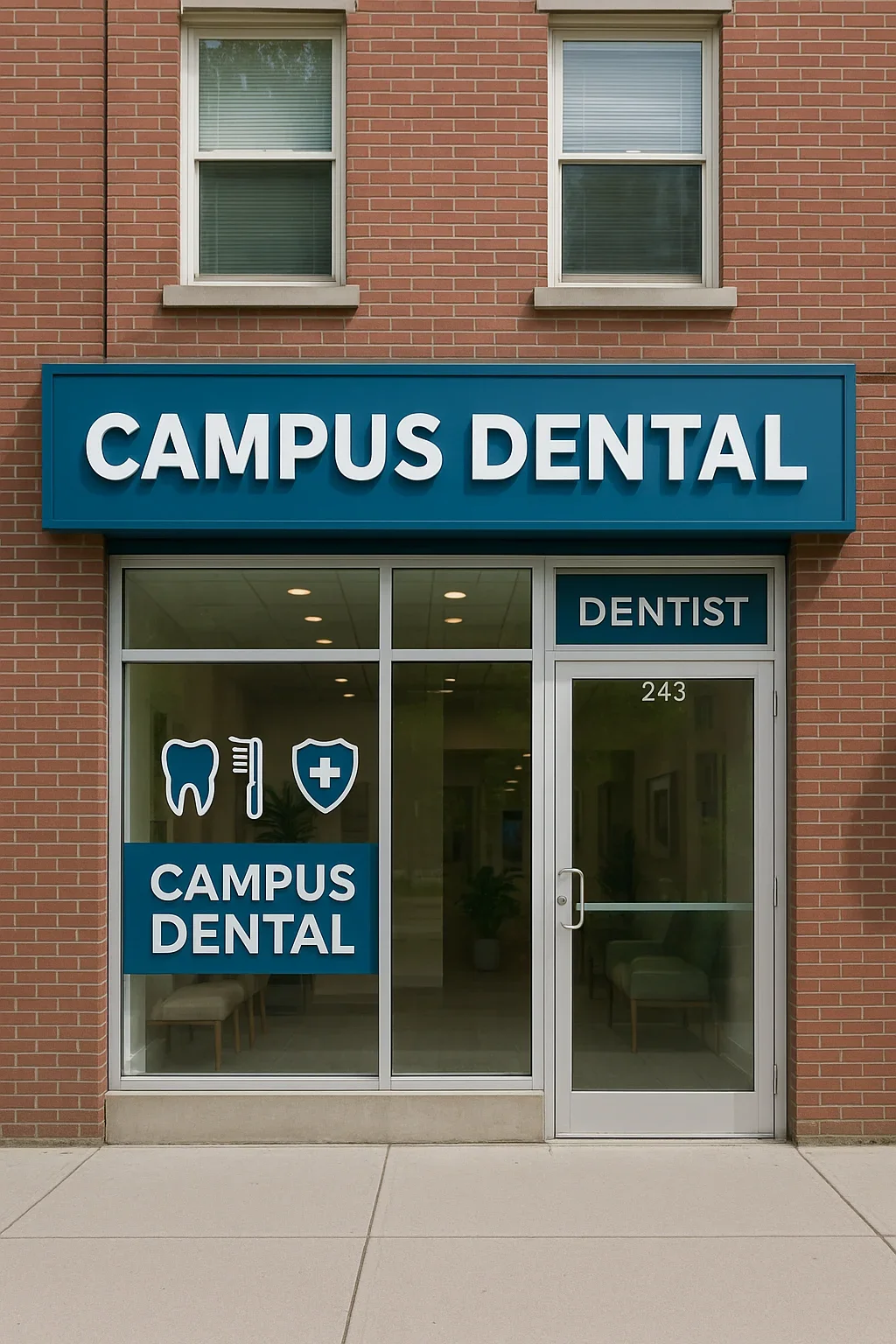
How to Choose the Best Campus Dental Clinic for You
Selecting the right campus dental clinic is one of the most important decisions students can make for their oral health during university years. With multiple options available—sometimes even within the same institution—knowing what factors to consider helps ensure that students receive quality, affordable, and convenient care. The choice isn’t just about location; it also involves evaluating services, staff expertise, costs, accessibility, and overall comfort. By making an informed decision, students can maximize the benefits of campus-based care and protect their oral health throughout their academic journey.
Evaluating Accessibility and Location
One of the biggest advantages of campus dental services is proximity. Students should look for clinics located near dormitories, lecture halls, or student health centers. A conveniently placed clinic encourages regular visits and makes scheduling easier between classes. Accessibility also includes extended hours. Some universities offer late evening or weekend slots during exam seasons, which are especially helpful for students balancing heavy workloads.
Transportation and Walkability
If the campus dental clinic is a long commute away, students may end up delaying care. Walkability and easy transportation options, such as shuttle services or bike routes, add tremendous value. Students should factor in how long it will take to reach the clinic in case of emergencies.
Range of Services Offered
A key factor in choosing the right campus dental clinic is understanding the scope of services provided. Most clinics cover preventive and general dentistry, but some also include cosmetic treatments, orthodontics, and emergency care. Students should review the service list to ensure it meets both their immediate needs and potential future requirements, such as wisdom tooth evaluations or cosmetic enhancements.
Preventive and Cosmetic Care
For long-term wellness, preventive care such as regular checkups, cleanings, and fluoride treatments are essential. However, students who care about aesthetics should also ensure the clinic offers teeth whitening, bonding, or orthodontic consultations. A comprehensive campus dental center that balances health and cosmetic needs provides maximum value.
Expertise and Professional Oversight
The qualifications and experience of the dental staff should be a top consideration. At many universities, campus dental services are delivered by licensed professionals supported by supervised dental students. While this model ensures affordability, students should verify that all procedures are closely monitored to maintain high standards of care. Transparency about staff expertise builds trust and ensures students feel confident in the care they receive.
Specialist Availability
Some oral health issues require specialists such as orthodontists, periodontists, or oral surgeons. The best campus dental clinics have referral systems or in-house specialists who can handle complex cases. Students should ask about the availability of these services before committing to a clinic.
Affordability and Insurance Compatibility
Cost is often the most important factor for students. A reliable campus dental clinic should provide transparent, student-friendly pricing. Many clinics also accept or directly integrate with student health insurance plans, ensuring that preventive and emergency care remains affordable. Comparing the pricing structures of different clinics helps students find the best balance between cost and care quality.
Payment Plans and Discounts
Some campus dental facilities offer flexible payment plans or discounts for routine checkups and preventive treatments. These options can significantly reduce financial stress, encouraging students to stay consistent with their oral care. International students, in particular, should check if the clinic has support programs tailored to their needs.
Emergency Support and Availability
Dental emergencies can strike at any time, and immediate access to care is essential. When choosing a campus dental clinic, students should confirm whether the facility offers same-day emergency appointments or 24/7 support hotlines. Clinics with clear emergency protocols give students peace of mind, knowing that help is always available.
Comfort and Patient Experience
Feeling comfortable and respected during visits is another vital consideration. The best campus dental clinics foster a welcoming environment where students feel safe asking questions. Clinics that emphasize communication and patient education empower students to take charge of their oral health, building confidence and trust in the process.
Use of Modern Technology
State-of-the-art equipment such as digital X-rays, intraoral cameras, and modern sterilization techniques can improve both safety and efficiency. Students should evaluate whether the campus dental clinic is equipped with up-to-date technology that enhances accuracy and comfort in treatments.
Reviews, Recommendations, and Word of Mouth
Student testimonials are often the best indicator of a clinic’s quality. By speaking with peers or checking online reviews, students can learn about others’ experiences with campus dental care. Positive feedback about professionalism, affordability, and patient satisfaction helps confirm the clinic’s reliability.
In conclusion, choosing the right campus dental clinic involves evaluating accessibility, service range, staff expertise, affordability, emergency availability, and patient experience. By carefully weighing these factors, students can select a clinic that supports both their immediate oral health and long-term wellness goals. An informed choice ensures not only a brighter smile but also peace of mind throughout university life. 😁