
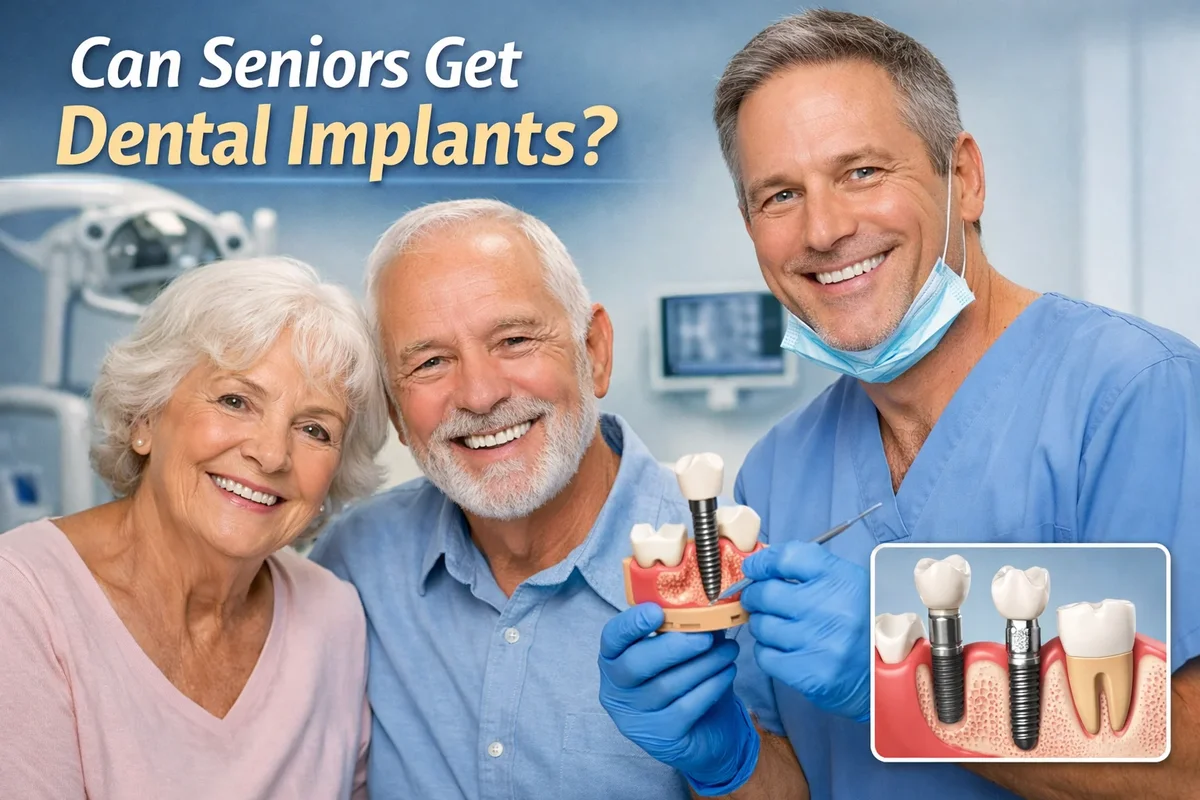
One of the most common questions we hear in modern dentistry is: can seniors get dental implants? The short and clear answer is yes — in most cases, age alone is not a limiting factor. Dental implants are not restricted to young or middle-aged adults. In fact, many patients over 60, 70, and even 80 successfully restore their smiles with implants every year. What truly matters is overall health, bone condition, and proper treatment planning — not the birth date on your ID card.
If you are wondering can seniors get dental implants safely and effectively, it is important to understand how implants work. A dental implant is a titanium post surgically placed into the jawbone. Over time, the implant integrates with the bone through a natural biological process called osseointegration. Once healed, it functions like an artificial tooth root and supports a crown, bridge, or full-arch prosthesis. This advanced solution offers stability, durability, and comfort that traditional dentures often cannot match.
Many people mistakenly believe that older adults are automatically poor candidates for implants. However, modern research and guidelines from organizations like the American Dental Association confirm that chronological age is not a contraindication. The more relevant question is not simply can seniors get dental implants, but whether the patient is medically stable and has adequate jawbone support. With today’s technology, even reduced bone volume can often be corrected using bone grafting or advanced implant techniques.
Another key reason patients ask can seniors get dental implants is concern about surgery. While implant placement is a surgical procedure, it is typically minimally invasive and performed under local anesthesia. Many seniors are surprised to discover that implant surgery is often less uncomfortable than tooth extraction. In experienced hands, the procedure is predictable and carefully monitored, even for patients managing controlled medical conditions such as diabetes or hypertension.
There are also significant quality-of-life reasons why can seniors get dental implants is such an important topic. Missing teeth affect much more than appearance. They influence chewing efficiency, speech clarity, and even facial structure. Over time, bone loss in the jaw can accelerate when teeth are missing, leading to a collapsed facial profile. Dental implants stimulate the bone just like natural tooth roots, helping preserve facial shape and oral function. 😊
For seniors who struggle with loose dentures, the question can seniors get dental implants often becomes urgent. Implant-supported dentures can dramatically increase stability and comfort. Instead of worrying about adhesives or slipping prosthetics, patients can eat confidently and speak clearly. This improvement can positively impact nutrition and overall health, especially in older adults who may already face dietary challenges.
Another important factor in answering can seniors get dental implants is long-term success rates. Studies consistently show that implant success rates in seniors are comparable to those in younger adults when proper planning is followed. With good oral hygiene and regular dental check-ups, implants can last decades. This makes them a durable and reliable solution for tooth replacement at any age.
Of course, every case is unique. Before deciding whether can seniors get dental implants applies to you personally, a comprehensive dental evaluation is required. This includes digital X-rays, 3D imaging if necessary, and a detailed medical history review. A qualified implant dentist will assess bone density, gum health, and systemic conditions to ensure safety. If you would like a professional consultation, you can visit the Redent Klinik Contact Page to schedule an evaluation with an experienced team.
It is also worth mentioning that alternative terms like “dental implants for elderly patients” or “tooth replacement options for seniors” are often searched online. However, the core concern remains the same: can seniors get dental implants without increased risk? In most medically stable individuals, the answer continues to be yes. Age does not disqualify a patient; untreated systemic disease or insufficient bone might — but even those challenges can often be addressed with modern dentistry.
In summary, when patients ask can seniors get dental implants, the most accurate response is that suitability depends on health, bone condition, and professional assessment — not age alone. Today’s implant technology, guided surgery techniques, and improved biomaterials have made treatment safer and more predictable than ever before. Seniors who desire improved chewing function, enhanced confidence, and a stable smile can absolutely explore implant solutions. The key is personalized planning and expert care. 🦷
Are Dental Implants Safe for Older Adults?
When patients search online and repeatedly ask, can seniors get dental implants, safety is usually their biggest concern. Older adults often worry about surgery, anesthesia, healing capacity, and long-term success. The reassuring news is that dental implants are widely considered a safe and predictable treatment for seniors who are medically stable. In fact, modern implant dentistry has evolved significantly over the past two decades, making procedures less invasive, more precise, and more comfortable than ever before. 😊
It is important to understand that the question can seniors get dental implants safely does not depend on age alone. Clinical research consistently shows that implant survival rates in patients over 65 are comparable to those in younger adults. The key factors are overall health, bone quality, and proper treatment planning. With careful evaluation and experienced care, seniors can undergo implant procedures with high confidence.
How Age Affects Implant Safety
Many people assume that because the body changes with age, implant surgery automatically becomes risky. However, when evaluating can seniors get dental implants, dentists focus more on systemic health than chronological age. A healthy 75-year-old may be a better candidate than a 45-year-old with uncontrolled diabetes or heavy smoking habits.
Bone metabolism does slow slightly over time, but this does not prevent successful osseointegration — the process where the implant fuses with the jawbone. With modern surface-treated titanium implants, healing remains highly predictable even in older adults. Therefore, the discussion around can seniors get dental implants should always center on health status rather than age alone.
Medical Clearance and Pre-Surgical Evaluation
Before answering can seniors get dental implants for a specific patient, a comprehensive evaluation is essential. This typically includes:
- Detailed medical history review
- Assessment of cardiovascular health
- Evaluation of diabetes control
- Medication review (especially blood thinners or osteoporosis drugs)
- Digital X-rays or 3D CBCT imaging
With this information, the implant dentist determines whether modifications are needed. For example, patients taking anticoagulants may require coordination with their physician. Those with osteoporosis may still qualify, depending on medication type and bone density levels. In most controlled cases, the answer to can seniors get dental implants remains yes.
Anesthesia and Surgical Comfort for Seniors
Another frequent concern related to can seniors get dental implants involves anesthesia. Implant surgery is typically performed under local anesthesia, which is very safe for older adults. In some cases, light sedation may be offered to reduce anxiety. Because the procedure is localized and minimally invasive, systemic stress is relatively low compared to many other surgical interventions.
Advanced techniques such as guided implant surgery allow for precise placement, reduced surgical time, and minimal tissue trauma. This technological advancement significantly enhances the safety profile when evaluating can seniors get dental implants in elderly patients.
Healing Capacity in Older Adults
Healing ability is another important factor when people ask can seniors get dental implants. While it is true that tissue regeneration may be slightly slower with age, this does not prevent successful outcomes. Seniors who maintain good nutrition, proper oral hygiene, and controlled medical conditions generally heal very well after implant placement.
In fact, some studies indicate that older adults may even follow post-operative instructions more carefully than younger patients, which positively impacts success rates. With appropriate follow-up care, the long-term prognosis remains excellent. 🦷
Success Rates in Seniors
Scientific data consistently shows implant success rates above 90–95% in healthy seniors. When patients ask can seniors get dental implants with long-lasting results, the evidence strongly supports predictable outcomes. Success depends on:
- Proper case selection
- Experienced surgical technique
- Good oral hygiene
- Regular professional maintenance
It is also worth noting that implants help prevent further bone loss by stimulating the jawbone. This protective effect is especially valuable for aging patients who are already at risk for bone resorption. Therefore, the question can seniors get dental implants is not only about replacing teeth but also about preserving oral structure and facial aesthetics.
When Extra Precautions Are Needed
Although the majority of seniors qualify, there are situations where additional precautions are necessary. Uncontrolled diabetes, severe cardiovascular disease, active chemotherapy, or untreated periodontal disease may require stabilization before implant placement. In these cases, dentists collaborate with medical professionals to determine if and when can seniors get dental implants becomes a safe option.
Even patients with reduced bone volume are not automatically excluded. Bone grafting, sinus lift procedures, or the use of shorter implants can expand candidacy. Modern dentistry provides multiple solutions to ensure that the answer to can seniors get dental implants is positive whenever medically possible.
Overall Safety Conclusion
In summary, dental implants are considered safe for older adults when properly evaluated and planned. The idea that seniors are “too old” for implants is outdated. The more accurate approach is individualized assessment. When patients ask can seniors get dental implants, the real question becomes: Is the patient medically stable and properly evaluated?
With advances in surgical techniques, improved implant materials, and comprehensive pre-treatment assessments, seniors today have more access to safe and reliable tooth replacement than ever before. Age alone should never discourage someone from seeking a healthier, more confident smile. If medically appropriate, the answer to can seniors get dental implants is overwhelmingly yes. 😊
Health Conditions That May Affect Senior Implant Success
When patients ask, can seniors get dental implants, the discussion naturally moves beyond age and focuses on health. While chronological age itself is not a disqualifying factor, certain medical conditions can influence implant success. Understanding how systemic health affects oral surgery is essential for making an informed decision. The encouraging news is that most common conditions in older adults do not automatically prevent treatment. Instead, they require careful planning and professional supervision. 🦷
To properly answer the question can seniors get dental implants, dentists evaluate overall health stability, medication use, immune response, and bone metabolism. Many seniors live healthy, active lives with well-managed medical conditions, and they often qualify for implants without complications. However, identifying potential risk factors early improves long-term outcomes.
Diabetes and Dental Implants
Diabetes is one of the most frequently discussed conditions when evaluating can seniors get dental implants. Controlled diabetes does not automatically exclude patients from implant treatment. In fact, research shows that individuals with well-managed blood sugar levels can experience implant success rates similar to non-diabetic patients.
Why Blood Sugar Control Matters
Elevated blood glucose can slow healing and increase infection risk. For seniors wondering can seniors get dental implants if they have diabetes, the key factor is HbA1c levels and overall metabolic control. If diabetes is stable, implant surgery is generally considered safe. Dentists may coordinate with the patient’s physician to ensure optimal timing and healing support.
Cardiovascular Conditions
Heart disease and hypertension are common among older adults. When evaluating can seniors get dental implants, dentists assess whether these conditions are controlled. Stable cardiovascular patients who take prescribed medications regularly are often suitable candidates. The surgical procedure itself is typically performed under local anesthesia, minimizing systemic stress.
Patients on blood thinners may require temporary medication adjustments under physician guidance. This precaution ensures safety during implant placement. Again, the answer to can seniors get dental implants depends on medical stability, not simply the presence of heart disease.
Osteoporosis and Bone Health
Osteoporosis is another common concern when patients ask can seniors get dental implants. Because implants rely on bone integration, reduced bone density might raise questions. However, osteoporosis does not automatically prevent implant placement. Modern imaging technology allows dentists to accurately measure bone quality and determine feasibility.
Medications for Osteoporosis
Some osteoporosis medications, particularly certain bisphosphonates, require careful review before surgery. In these cases, the dentist evaluates the duration and type of medication use. With appropriate precautions, many patients with osteoporosis still qualify. Therefore, the concern around can seniors get dental implants in osteoporotic patients is often manageable with individualized planning.
Smoking and Lifestyle Factors
Smoking significantly affects implant success rates. For seniors asking can seniors get dental implants, tobacco use becomes a major factor. Smoking reduces blood flow, delays healing, and increases the risk of implant failure. While smokers can still receive implants, quitting or reducing tobacco use dramatically improves outcomes.
Good nutrition, oral hygiene, and regular dental visits also influence long-term success. The more a patient supports healing and maintenance, the stronger the answer becomes to the question can seniors get dental implants.
Autoimmune Disorders and Immune Health
Autoimmune diseases such as rheumatoid arthritis or lupus may raise concerns when evaluating can seniors get dental implants. These conditions can affect healing response and inflammation control. However, if the disease is stable and medications are properly managed, implant treatment is often still possible.
The dentist may take additional precautions, including antibiotic coverage or extended healing periods. With close monitoring, many seniors with autoimmune conditions achieve successful implant integration.
History of Gum Disease
Periodontal (gum) disease is one of the leading causes of tooth loss in older adults. When considering can seniors get dental implants, previous gum disease must be treated and stabilized first. Active infection or uncontrolled inflammation can compromise implant stability.
Once gum health is restored, implants can be placed successfully. Ongoing periodontal maintenance is critical to ensure long-term results. In this context, can seniors get dental implants depends largely on maintaining healthy gums before and after treatment.
Cancer Treatment History
Patients who have undergone chemotherapy or radiation therapy often ask can seniors get dental implants safely afterward. Timing and medical clearance are essential. If cancer treatment is complete and the patient is medically stable, implant placement may be considered. However, radiation therapy to the jaw area requires particularly careful evaluation due to potential bone healing complications.
Comprehensive Evaluation Is the Key
Ultimately, when seniors wonder can seniors get dental implants, the most important step is a comprehensive consultation. Modern dentistry does not rely on assumptions based on age. Instead, it uses diagnostic imaging, medical collaboration, and evidence-based protocols to assess candidacy.
In summary, most common age-related health conditions do not automatically prevent implant treatment. Controlled diabetes, stable heart disease, osteoporosis, and other manageable conditions often allow successful outcomes. The real determining factor in can seniors get dental implants is medical stability and personalized planning. With professional guidance and careful monitoring, many seniors can confidently restore their smile and oral function — safely and predictably. 😊
Bone Density and Jaw Health in Aging Patients
When evaluating the question can seniors get dental implants, one of the most critical factors is bone density and overall jaw health. Dental implants rely on a strong and stable jawbone for long-term success. Because aging can influence bone metabolism, many older adults worry that they may no longer have sufficient bone support. However, modern dentistry provides advanced diagnostic tools and treatment options that allow many seniors to qualify for implants even when bone volume has decreased. 😊
To fully understand can seniors get dental implants, it is important to explore how bone changes with age. After tooth loss, the jawbone begins to resorb (shrink) because it no longer receives stimulation from natural tooth roots. Over time, this can reduce both bone height and thickness. The longer teeth have been missing, the more significant the bone loss may become. However, this does not automatically mean implants are impossible.
Why Bone Density Matters for Implants
The success of a dental implant depends on a process called osseointegration, where the titanium implant fuses directly with the jawbone. When patients ask can seniors get dental implants, dentists evaluate whether enough healthy bone exists to support this integration. Bone density influences:
- Initial implant stability
- Healing time
- Long-term durability
- Resistance to chewing forces
Lower bone density does not automatically disqualify a patient. Instead, it may require adjustments in implant type, placement technique, or preparatory procedures. Therefore, the answer to can seniors get dental implants often depends on individualized bone assessment.
How Dentists Evaluate Jawbone Health
Modern imaging plays a crucial role in determining can seniors get dental implants. Dentists typically use:
Digital X-Rays
These provide an overview of bone height and structure.
CBCT (3D Cone Beam Imaging)
This advanced scan offers precise measurements of bone thickness, density, and anatomical structures such as nerves and sinuses.
With these tools, clinicians can create a detailed surgical plan. Even if bone volume appears reduced, specialized techniques may still allow treatment. This is why can seniors get dental implants is rarely answered with a simple yes or no without imaging.
Bone Loss After Tooth Extraction
Bone loss accelerates after tooth extraction, particularly within the first year. Seniors who lost teeth decades ago may have experienced gradual jaw shrinkage. When evaluating can seniors get dental implants, dentists consider how long teeth have been missing and whether bone preservation procedures were performed at the time of extraction.
Even significant bone resorption does not eliminate implant possibilities. Instead, it may require preparatory treatments designed to rebuild bone structure.
Bone Grafting for Seniors
If insufficient bone is present, bone grafting may be recommended before implant placement. Many patients assume this disqualifies them, but in reality, grafting expands candidacy. For seniors asking can seniors get dental implants, bone grafting can create the foundation necessary for stable integration.
Bone grafting materials may include:
- Autogenous bone (from the patient)
- Allografts (donor bone)
- Synthetic biomaterials
Healing time varies, but many seniors tolerate grafting procedures very well. With proper planning, grafting significantly improves outcomes related to can seniors get dental implants.
Sinus Lift Procedures
In the upper jaw, bone loss near the sinus cavity may limit implant placement. A sinus lift procedure gently elevates the sinus membrane and adds bone material. This technique is commonly used in older adults and has predictable success rates. Therefore, even when sinus anatomy complicates placement, the answer to can seniors get dental implants may still be positive with appropriate surgical support.
Short and Narrow Implants
Advancements in implant design have greatly influenced how dentists answer can seniors get dental implants. Today, shorter and narrower implants are available, reducing the need for extensive grafting in some cases. These implants can achieve excellent stability even in limited bone situations, making treatment more accessible for aging patients.
Bone Stimulation Benefits of Implants
An important but often overlooked benefit when discussing can seniors get dental implants is that implants actively preserve bone. Unlike dentures, which rest on the gums and may accelerate bone shrinkage, implants stimulate the jawbone during chewing. This stimulation helps maintain bone volume and facial structure over time.
For seniors concerned about long-term facial aging and jaw collapse, implants offer structural protection in addition to functional restoration.
Jaw Health Beyond Bone Density
Healthy gums and absence of infection are equally important when evaluating can seniors get dental implants. Active periodontal disease must be treated before implant placement. Maintaining good oral hygiene ensures that surrounding tissues remain healthy and supportive.
Regular professional cleanings and follow-up visits protect implant stability. Seniors who commit to ongoing maintenance significantly improve long-term success rates.
Final Assessment of Bone and Implant Feasibility
In summary, bone density and jaw health are central to answering can seniors get dental implants. While aging can influence bone structure, modern diagnostic tools and surgical techniques allow many seniors to qualify. Bone grafting, sinus lifts, and innovative implant designs provide solutions even in complex cases.
The key message is this: reduced bone volume does not automatically mean “no.” With careful evaluation and advanced treatment planning, the answer to can seniors get dental implants is often yes. A personalized consultation remains the most reliable way to determine candidacy and create a safe, effective path toward a restored smile. 😊
The Dental Implant Procedure for Seniors Step by Step
Many older adults who research tooth replacement eventually ask the practical question: can seniors get dental implants, and if so, what exactly does the procedure involve? Understanding each stage of treatment helps reduce anxiety and provides clarity. The dental implant process for seniors follows the same scientific principles as for younger adults, but with special attention to overall health, healing capacity, and comfort. When properly planned, the procedure is predictable, structured, and surprisingly manageable. 😊
To fully answer can seniors get dental implants, it is important to walk through the journey step by step — from consultation to final crown placement. Knowing what to expect makes the decision more informed and confident.
Step 1: Comprehensive Consultation and Evaluation
The first stage in determining can seniors get dental implants is a detailed clinical assessment. This appointment includes:
- Medical history review
- Discussion of medications
- Digital X-rays or 3D CBCT imaging
- Gum health evaluation
- Bone density analysis
At this stage, the dentist determines whether the patient is medically stable. Controlled diabetes, managed blood pressure, and stable heart conditions typically allow treatment. The question can seniors get dental implants is rarely answered without this evaluation because each case is unique.
Personalized Treatment Planning
Using digital planning software, the dentist designs the exact implant position, angle, and size. This precision reduces surgical time and improves safety. Seniors benefit greatly from this careful planning, as it ensures minimal trauma and optimal healing conditions.
Step 2: Preparatory Procedures (If Needed)
Some seniors may require preparatory treatment before implant placement. When asking can seniors get dental implants, patients should understand that additional procedures are sometimes necessary to create a stable foundation.
Bone Grafting
If jawbone volume is insufficient, grafting material may be added to strengthen the area.
Tooth Extraction
Damaged teeth may need to be removed prior to implant placement.
These preparatory steps are common and do not mean the patient is unsuitable. Instead, they improve long-term success when evaluating can seniors get dental implants.
Step 3: Implant Placement Surgery
The surgical phase is often the part that concerns seniors most when they ask can seniors get dental implants. The good news is that implant placement is typically performed under local anesthesia. The procedure is precise and minimally invasive.
During surgery:
- The gum is gently opened.
- A small channel is prepared in the bone.
- The titanium implant is inserted.
- The area is sutured for healing.
In many cases, the procedure takes less than one hour per implant. Patients often report that it feels similar to a routine tooth extraction in terms of discomfort. This stage plays a critical role in determining can seniors get dental implants successfully, as surgical precision directly influences osseointegration.
Step 4: Healing and Osseointegration
After placement, the implant requires time to fuse with the bone. This healing phase typically lasts 3 to 6 months. When seniors ask can seniors get dental implants, they often worry about healing time. While older adults may heal slightly more slowly than younger individuals, success rates remain high when medical conditions are controlled.
During healing:
- Mild swelling or discomfort may occur
- Soft food is recommended initially
- Oral hygiene must be carefully maintained
- Follow-up visits monitor progress
The stability achieved during this phase ultimately determines the long-term answer to can seniors get dental implants with durability.
Step 5: Abutment Placement
Once the implant integrates successfully, a small connector piece called an abutment is attached. This component connects the implant to the final crown. The procedure is minor and often completed under local anesthesia. At this point, patients usually feel reassured that can seniors get dental implants has moved from a question to a successful reality.
Step 6: Final Crown or Prosthesis Placement
The final step involves placing a custom-made crown, bridge, or implant-supported denture. The prosthetic restoration is designed to match natural teeth in shape and color. Seniors who once doubted can seniors get dental implants often experience a dramatic improvement in chewing ability and confidence at this stage. 😊
The final restoration restores:
- Chewing efficiency
- Speech clarity
- Facial support
- Overall aesthetics
Post-Treatment Maintenance
Long-term success depends on maintenance. Seniors who ask can seniors get dental implants should understand that daily brushing, flossing, and professional cleanings are essential. Implants do not decay like natural teeth, but surrounding gum tissue must remain healthy.
Routine dental visits every 6 months help monitor implant stability and prevent complications.
How Long Does the Entire Process Take?
From consultation to final crown placement, treatment may take several months depending on bone condition and healing speed. However, the structured approach ensures safety. When carefully planned, the timeline reinforces the positive answer to can seniors get dental implants in medically suitable individuals.
Final Thoughts on the Procedure
The dental implant process for seniors is systematic, carefully monitored, and highly predictable. While the journey involves multiple steps, each phase is designed to maximize safety and long-term stability. Age alone does not complicate the procedure — health status and planning matter far more.
In conclusion, understanding the step-by-step process makes it clear that can seniors get dental implants is not just a theoretical question. With proper evaluation, modern technology, and professional expertise, many seniors successfully complete this treatment and enjoy long-lasting functional and aesthetic benefits. 🦷
Benefits of Dental Implants Compared to Dentures
When patients explore tooth replacement options, one of the most important comparisons is between traditional dentures and implants. Many older adults who ask can seniors get dental implants are currently wearing removable dentures and wondering whether upgrading is worthwhile. Understanding the functional, aesthetic, and long-term health advantages of implants helps clarify why so many seniors choose them over conventional prosthetics. 😊
The question can seniors get dental implants is often followed by another: “Are implants really better than dentures?” While dentures remain a valid option in certain cases, dental implants provide superior stability, bone preservation, and overall comfort. For medically suitable patients, implants can significantly improve quality of life.
Stability and Chewing Power
One of the biggest limitations of traditional dentures is movement. Even well-fitted dentures can shift while eating or speaking. Seniors who ask can seniors get dental implants are often frustrated by slipping or clicking dentures. Implant-supported restorations anchor securely into the jawbone, eliminating movement.
Improved Bite Strength
Natural teeth transmit strong chewing forces through the roots into the bone. Dentures rest on the gums and provide only a fraction of that power. Implant-supported teeth restore up to 80–90% of natural bite strength. This allows seniors to eat a wider variety of foods, including fresh fruits, vegetables, and proteins. When considering can seniors get dental implants, improved nutrition is a major advantage.
Bone Preservation and Facial Structure
Bone loss is one of the most critical differences between dentures and implants. After tooth loss, the jawbone begins to shrink due to lack of stimulation. Dentures do not stop this process and may even accelerate it through pressure on the gums. Seniors who ask can seniors get dental implants should understand that implants actively stimulate the bone, helping preserve its volume.
Preventing Facial Collapse
As bone shrinks, the lower face can appear sunken, leading to premature aging. Implant-supported teeth maintain jaw structure and facial contours. This structural support often results in a more youthful appearance. Therefore, when evaluating can seniors get dental implants, aesthetic preservation becomes a compelling reason to consider treatment.
Comfort and Daily Convenience
Dentures may cause sore spots, irritation, and pressure points on the gums. Adhesives are often required to improve retention. Many seniors asking can seniors get dental implants are seeking relief from these daily inconveniences. Implants eliminate the need for adhesives and reduce gum irritation because they are anchored in bone rather than resting on soft tissue.
Implant-supported restorations feel more like natural teeth. They do not need to be removed at night, and cleaning routines resemble normal brushing and flossing habits.
Speech Clarity
Loose dentures can affect pronunciation and cause embarrassment. Words containing “s” or “f” sounds may become difficult. Seniors who wonder can seniors get dental implants often do so because they want to speak confidently in social situations. Implants provide fixed support, improving speech clarity and reducing anxiety during conversations.
Long-Term Durability
Traditional dentures typically require relining, adjustment, or replacement every few years due to ongoing bone shrinkage. In contrast, dental implants can last decades with proper care. When evaluating can seniors get dental implants, longevity is a significant factor.
Implants are made from biocompatible titanium designed to integrate with bone. While crowns may need replacement after many years, the implant itself often remains stable long-term. This durability makes implants a cost-effective investment over time.
Psychological and Social Benefits
Tooth loss can impact self-esteem and social confidence. Seniors frequently ask can seniors get dental implants because they want to feel comfortable smiling again. Implants closely mimic natural teeth in appearance and function, restoring confidence.
Patients often report feeling younger and more socially active after treatment. Being able to eat comfortably at restaurants, speak clearly, and smile without worry significantly improves quality of life.
Partial vs. Full-Arch Solutions
Implants can replace a single missing tooth, multiple teeth, or an entire arch. Seniors considering can seniors get dental implants should know that options include:
- Single-tooth implants
- Implant-supported bridges
- All-on-4 or full-arch implant systems
- Implant-retained overdentures
These customizable solutions allow treatment to be tailored to individual needs and budget.
Maintenance Differences
Dentures require soaking, adhesives, and frequent adjustments. Implant-supported restorations require routine brushing, flossing, and professional cleanings. Seniors asking can seniors get dental implants often appreciate the simplicity of maintaining fixed teeth rather than managing removable appliances.
Overall Comparison Summary
When comparing dentures and implants, several key differences stand out: stability, bone preservation, comfort, durability, and confidence. While dentures remain appropriate for some patients, implants offer significant long-term advantages for many medically suitable seniors.
In conclusion, the question can seniors get dental implants often leads to a broader realization: implants do not merely replace missing teeth — they restore function, protect bone, and enhance quality of life. For seniors seeking a secure, natural-feeling solution, dental implants frequently represent the most advanced and rewarding option available today. 🦷
Cost of Dental Implants for Seniors in 2026
One of the most practical concerns older adults have when researching tooth replacement is financial. After asking can seniors get dental implants, the next question is usually about cost. Dental implants are considered a long-term investment in oral health, comfort, and quality of life. While they typically cost more upfront than removable dentures, their durability and functional advantages often justify the expense over time. Understanding the full financial picture helps seniors make confident, informed decisions. 😊
Before discussing numbers, it is important to remember that when evaluating can seniors get dental implants, cost varies depending on individual needs. Factors such as the number of implants required, bone grafting, geographic location, and the expertise of the dental team all influence pricing. No two cases are exactly the same.
Average Cost of Single Dental Implants in 2026
In 2026, the average cost of a single dental implant in the United States typically ranges between:
Single Dental Implant (Full Procedure):
$3,000 – $6,000 per tooth
(Includes implant post, abutment, and crown)
This estimate may increase if additional procedures are required. Seniors who ask can seniors get dental implants often discover that while the initial cost seems significant, the long-term stability and reduced maintenance needs make implants more cost-effective than repeatedly replacing dentures.
Full-Arch and All-on-4 Costs
For seniors missing most or all teeth, full-arch implant systems are available. When patients explore can seniors get dental implants for complete tooth loss, the following approximate costs apply:
Implant-Supported Overdenture:
$8,000 – $15,000 per arch
All-on-4 / Full-Arch Fixed Implants:
$15,000 – $30,000 per arch
These prices vary widely depending on materials used and surgical complexity. Seniors wondering can seniors get dental implants for full-mouth restoration should schedule a personalized consultation to receive an accurate estimate.
Additional Procedures That May Affect Cost
The answer to can seniors get dental implants may sometimes involve preparatory treatments, which influence total cost.
Bone Grafting
$500 – $3,000 depending on extent and materials.
Sinus Lift Procedure
$1,500 – $5,000 depending on complexity.
These procedures are not required for every patient. However, they are sometimes necessary to ensure safe and stable implant placement. While they increase initial cost, they significantly improve long-term success.
Insurance Coverage for Seniors
Many seniors ask can seniors get dental implants covered by insurance. Traditional Medicare typically does not cover dental implants. However, some Medicare Advantage plans and private dental insurance policies may provide partial coverage for certain components, such as extractions or crowns.
Coverage varies by provider and policy. It is essential to verify benefits directly with the insurance company. Some dental clinics also offer financing options to make treatment more accessible.
Are Dental Implants Worth the Investment?
When evaluating can seniors get dental implants, cost must be weighed against long-term value. Dentures may cost less initially but often require relining, adhesives, and replacement every few years due to bone shrinkage. Over a decade or more, cumulative denture costs may approach or exceed implant investment.
Dental implants offer:
- Long-term durability
- Improved chewing efficiency
- Bone preservation
- Greater comfort
- Enhanced confidence
For many seniors, these benefits justify the financial commitment.
Financing and Payment Options
Clinics often provide flexible payment plans. Seniors researching can seniors get dental implants may find options such as:
- Monthly installment plans
- Healthcare credit programs
- In-house financing
- Third-party medical lenders
Spreading payments over time makes advanced treatment more manageable. Discussing financing during consultation helps patients explore solutions that fit their budget.
Long-Term Cost Efficiency
When assessing can seniors get dental implants, it is helpful to view implants as a 15–25 year solution rather than a short-term expense. With proper maintenance, implants often last decades. This longevity reduces the need for repeated dental interventions.
Additionally, improved chewing efficiency may contribute to better nutrition, which indirectly supports overall health. The value extends beyond oral function.
Cost Differences by Location
Prices vary by country and city. Seniors researching can seniors get dental implants sometimes explore treatment abroad, where costs may be lower. However, quality, materials, surgeon expertise, and follow-up care should always be prioritized over price alone.
Final Financial Considerations
In conclusion, while dental implants involve a higher initial cost compared to dentures, they offer significant long-term advantages in stability, bone preservation, and quality of life. The answer to can seniors get dental implants financially depends on individual circumstances, but financing options and payment plans often make treatment achievable.
Ultimately, dental implants should be viewed as an investment in health, confidence, and daily comfort. For many seniors, the long-term benefits outweigh the upfront expense, making the decision both practical and transformative. 🦷
Recovery Time and Healing Expectations After 60
After understanding the procedure and cost, many patients naturally focus on recovery. Once they ask can seniors get dental implants, the next concern is often: “How long will healing take at my age?” Recovery is a critical part of implant success, and while healing patterns can slightly change over time, age alone does not prevent proper recovery. In fact, many seniors experience smooth and predictable healing when medical conditions are stable and post-operative instructions are followed carefully. 😊
To properly answer can seniors get dental implants with confidence, it is important to understand what happens after surgery. Healing occurs in stages, and knowing what to expect helps reduce anxiety and improve outcomes.
Immediate Post-Surgery Period (First 48–72 Hours)
The first few days after implant placement are focused on managing minor swelling and discomfort. Seniors who wonder can seniors get dental implants often fear intense pain, but most patients report only mild to moderate soreness. This is typically manageable with prescribed or over-the-counter pain medication.
Common Short-Term Symptoms
- Mild swelling around the surgical area
- Light bruising (in some cases)
- Slight bleeding during the first 24 hours
- Temporary sensitivity
Cold compresses, rest, and soft foods are recommended during this period. These symptoms are normal and usually resolve within a few days. For seniors asking can seniors get dental implants, it is reassuring to know that the initial recovery phase is generally manageable and predictable.
Early Healing Phase (First 2 Weeks)
Within one to two weeks, gum tissue begins to heal significantly. Sutures, if used, are often removed or dissolve naturally. Seniors who question can seniors get dental implants at their age should understand that soft tissue healing is usually efficient, especially when oral hygiene is maintained.
During this stage, patients are advised to:
- Avoid chewing directly on the implant site
- Maintain gentle but thorough oral hygiene
- Attend scheduled follow-up appointments
Good hygiene reduces infection risk and promotes stable healing. For medically stable individuals, the early healing stage does not significantly differ between younger and older adults.
Osseointegration Phase (3–6 Months)
The most important part of recovery involves osseointegration — the biological process where the implant fuses with the jawbone. This stage determines the long-term answer to can seniors get dental implants successfully. Bone cells gradually attach to the implant surface, creating a strong and stable foundation.
Does Age Slow Bone Integration?
While bone metabolism can slightly slow with age, research shows that healthy seniors still achieve excellent integration rates. Healing time may be closer to the longer end of the 3–6 month range, but success rates remain high. The key factors are bone quality, controlled medical conditions, and careful surgical technique.
Patients are typically able to resume normal daily activities within a few days of surgery, even though internal bone healing continues for several months. This gradual biological process ensures that the final restoration remains secure and durable.
Factors That Influence Healing in Seniors
When evaluating can seniors get dental implants, several healing factors are considered:
- Blood sugar control (for diabetic patients)
- Smoking habits
- Nutritional status
- Medication use (such as blood thinners or osteoporosis drugs)
- Bone density
Well-managed medical conditions greatly improve healing predictability. Seniors who maintain balanced nutrition and follow professional guidance typically experience smooth recovery.
Temporary Restorations During Healing
Some patients worry about appearance while healing. When asking can seniors get dental implants, they may also ask whether they will be without teeth during recovery. In many cases, temporary crowns or dentures can be provided to maintain aesthetics and function while the implant integrates.
This ensures comfort and confidence during the healing phase.
Long-Term Maintenance After Healing
Once osseointegration is complete and the final crown is placed, maintenance becomes essential. Seniors who ask can seniors get dental implants should understand that implants require consistent care, including:
- Daily brushing and flossing
- Professional cleanings every 6 months
- Periodic radiographic evaluation
Implants do not decay like natural teeth, but surrounding gum tissue must remain healthy. Proper care significantly extends implant lifespan.
How Recovery After 60 Compares to Younger Patients
Many older adults are surprised to learn that healing differences are often minimal. While slight delays in tissue regeneration may occur, overall success rates remain comparable. The real determining factors in can seniors get dental implants recovery are medical stability and compliance with aftercare instructions — not age alone.
When to Contact the Dentist
Although complications are rare, seniors should contact their dentist if they experience:
- Severe or increasing pain
- Persistent swelling beyond one week
- Signs of infection
- Implant mobility
Early intervention ensures that minor issues do not become major complications.
Final Thoughts on Recovery
In summary, recovery after dental implant placement in seniors is generally smooth and predictable. The belief that older adults cannot heal effectively is outdated. When properly evaluated and medically stable, the answer to can seniors get dental implants includes a realistic expectation of successful healing.
With careful planning, professional supervision, and patient commitment, seniors can experience strong bone integration, restored function, and long-term comfort. Age does not prevent healing — informed preparation and proper care are what truly matter. 🦷