
Many expectant mothers ask an important and understandable question: can you get dental implants while pregnant? Pregnancy is a time when health decisions feel more critical than ever, and anything involving surgery, anesthesia, or medications naturally raises concerns. Dental implants are considered the gold standard for replacing missing teeth, but pregnancy introduces unique medical, hormonal, and safety considerations that must be carefully evaluated. This article provides a clear, medically accurate, and patient-focused explanation to fully answer the question: can you get dental implants while pregnant?
In short, most dentists and medical professionals advise postponing dental implant surgery until after pregnancy. While pregnancy itself is not a disease, it creates physiological changes that can affect healing, pain tolerance, immune response, and stress levels. When patients ask “can you get dental implants while pregnant,” the answer is rarely a simple yes or no. Instead, it depends on risk assessment, urgency, trimester timing, and collaboration between your dentist and obstetrician.
Dental implants involve a surgical procedure in which a titanium post is placed into the jawbone. This process often requires local anesthesia, diagnostic X-rays, possible antibiotics, and sometimes pain medication. Each of these elements raises important safety questions during pregnancy. Even though modern dental care is very safe, the guiding principle during pregnancy is always to avoid non-essential procedures. For this reason alone, most professionals recommend waiting.
One of the key concerns behind the question “can you get dental implants while pregnant” is fetal safety. Although dental X-rays today use extremely low radiation and protective shielding, they are still generally avoided unless absolutely necessary. Implant placement almost always requires imaging for accurate positioning. Even minimal radiation exposure, when avoidable, is usually postponed until after delivery to eliminate any theoretical risk.
Another important factor is anesthesia. Local anesthetics used in dentistry are considered relatively safe during pregnancy, especially in the second trimester. However, implant surgery can be longer and more invasive than routine dental treatments. The longer a pregnant patient remains in a dental chair, the greater the risk of discomfort, stress, and reduced blood flow, particularly in later stages of pregnancy. These factors strongly influence how dentists answer the question: can you get dental implants while pregnant?
Hormonal changes during pregnancy also affect oral health. Increased progesterone and estrogen levels can make gums more sensitive, prone to inflammation, and slower to heal. Conditions like pregnancy gingivitis are common, and healthy gums are essential for successful dental implant integration. Since implants rely on the bone and surrounding tissue to heal properly, pregnancy-related changes may compromise long-term implant success.
Stress is another overlooked but crucial consideration. Implant surgery, even when straightforward, places physical and emotional stress on the body. Elevated stress hormones can affect both maternal well-being and fetal development. When evaluating whether you can get dental implants while pregnant, most clinicians prioritize minimizing stress and promoting overall stability throughout pregnancy.
That said, it is important to clarify that pregnancy does not permanently prevent dental implants. If a tooth is missing during pregnancy, temporary solutions such as removable partial dentures or conservative dental care can safely maintain function and appearance. Once the baby is born and the body has recovered, dental implant treatment can be planned under ideal conditions.
Professional organizations and dental associations consistently emphasize caution. According to guidance aligned with the American Dental Association, necessary dental care should not be avoided during pregnancy, but elective surgical procedures are best delayed. Dental implants almost always fall into the elective category unless there is severe infection or trauma.
If you are pregnant and concerned about missing teeth, speaking directly with an experienced dental team is essential. A consultation can help determine whether interim solutions are appropriate and how to plan implant treatment safely after pregnancy. You may also consider reaching out through the Redent Klinik Contact Page to discuss personalized options with professionals who regularly manage complex dental cases.
So, can you get dental implants while pregnant? From a purely technical standpoint, it may be possible in rare, urgent situations. However, from a medical, ethical, and safety perspective, the overwhelmingly recommended approach is to wait. Delaying dental implants protects both mother and baby, ensures optimal healing, and increases the likelihood of long-term implant success.
In summary, when asking “can you get dental implants while pregnant,” the safest and most responsible answer is usually no—at least not right now. With proper temporary care and a well-timed post-pregnancy treatment plan, you can achieve a healthy, confident smile without unnecessary risk. 😊
Is It Safe to Get Dental Implants During Pregnancy?
The question can you get dental implants while pregnant is ultimately a safety-focused concern. Expectant mothers are not only thinking about their own oral health but also about protecting their unborn baby from any unnecessary risk. Safety in pregnancy is always evaluated through a conservative medical lens, and dental implant treatment is no exception. While modern dentistry is highly advanced and generally very safe, pregnancy introduces special conditions that make implant surgery a complex decision.
From a purely medical standpoint, there is no strong evidence proving that dental implants directly harm a fetus. However, the absence of proven harm does not automatically mean a procedure is recommended. When dentists assess whether you can get dental implants while pregnant, they look at the total risk profile, not just the implant itself. This includes surgery, anesthesia, imaging, medications, healing response, and stress levels.
Why Safety Standards Are Higher During Pregnancy
Pregnancy changes how the body reacts to even routine medical procedures. Blood volume increases, hormones fluctuate, and the immune system adapts to support fetal development. These changes can affect how pain is felt, how wounds heal, and how the body responds to inflammation. When considering whether can you get dental implants while pregnant, dentists apply stricter safety margins than they would for non-pregnant patients.
Dental implants are not a single-step procedure. They involve surgical placement of a titanium post into the jawbone, followed by a healing phase known as osseointegration. This healing phase can last several months and depends heavily on stable bone metabolism and healthy gum tissue—both of which may be altered during pregnancy.
The Role of Anesthesia in Implant Safety
Local anesthesia is commonly used during dental implant surgery and is generally considered safe during pregnancy, especially in the second trimester. However, implant procedures often require prolonged chair time, deeper anesthesia, or multiple injections. This raises important considerations when answering the question: can you get dental implants while pregnant?
Extended dental appointments may cause discomfort, anxiety, or reduced circulation when lying on the back for long periods, particularly in later pregnancy stages. Even though the anesthetic itself may be safe, the overall physical stress can be counterproductive during pregnancy.
Medication Considerations After Implant Surgery
After dental implant placement, patients are commonly prescribed antibiotics and pain relievers. While some medications are pregnancy-safe, others are not recommended or must be avoided entirely. The challenge is that implant surgery cannot always be predicted to heal pain-free. If complications arise, treatment options may be limited due to pregnancy-related medication restrictions.
This medication limitation is a major reason why professionals hesitate when patients ask, “can you get dental implants while pregnant?” Managing pain and preventing infection are essential for implant success, and pregnancy can complicate these aspects.
X-Rays and Diagnostic Imaging Safety
Accurate dental implant placement relies heavily on imaging, such as panoramic X-rays or 3D cone beam scans. These tools allow dentists to assess bone density, nerve location, and sinus anatomy. Although dental X-rays use very low radiation levels and protective shielding is available, they are typically avoided unless absolutely necessary during pregnancy.
Since imaging is not optional for implant planning, this becomes another safety barrier. When evaluating whether can you get dental implants while pregnant, most dentists prefer to eliminate even theoretical risks when safer alternatives exist.
Stress, Healing, and Implant Success
Stress hormones like cortisol naturally increase during pregnancy. Surgical stress can further elevate these levels, potentially affecting immune response and healing quality. Dental implants require optimal healing conditions to bond successfully with the jawbone. Any disruption in this process can increase the risk of implant failure.
From a long-term perspective, delaying implants until after pregnancy often leads to better outcomes. This is why, despite technical feasibility, the safest answer to “can you get dental implants while pregnant” is usually to wait.
What Medical Consensus Says About Safety
Most dentists, oral surgeons, and obstetricians agree on a shared principle: necessary dental care should continue during pregnancy, but elective surgical procedures should be postponed. Dental implants are almost always considered elective, meaning they can be safely delayed without compromising overall health.
Trusted professional guidance, including recommendations aligned with the American Dental Association, supports maintaining oral health while minimizing unnecessary interventions during pregnancy.
In conclusion, is it safe? Technically, implant placement may be possible in rare situations. Practically and medically, however, the safest path for both mother and baby is to delay. When patients ask can you get dental implants while pregnant, the answer prioritizes caution, prevention, and long-term success rather than urgency.
Why Dental Implants Are Usually Postponed Until After Pregnancy
When patients ask can you get dental implants while pregnant, the most common professional recommendation is to wait until after childbirth. This advice is not based on fear or outdated practices, but on decades of clinical experience and a strong emphasis on preventive medicine. Dental implants are highly successful procedures, yet their success depends on ideal biological and environmental conditions—conditions that pregnancy can temporarily alter.
Pregnancy is a unique physiological state in which the body prioritizes the developing baby. While this is a natural and healthy process, it means that certain elective medical and dental procedures are better delayed. Understanding why dental implants are usually postponed helps fully answer the question: can you get dental implants while pregnant?
Dental Implants Are Considered an Elective Procedure
One of the primary reasons implants are postponed is their classification as an elective treatment. Dental implants are rarely life-saving or urgently required. In most cases, missing teeth can be managed temporarily with non-surgical alternatives. Because of this, when dentists evaluate whether can you get dental implants while pregnant, they typically conclude that waiting poses far less risk than proceeding.
Elective procedures are generally avoided during pregnancy across all medical fields. The goal is to reduce exposure to unnecessary interventions, even if those interventions are considered safe under normal circumstances.
Hormonal Changes Can Affect Implant Healing
Pregnancy hormones such as estrogen and progesterone have a direct impact on oral tissues. These hormones increase blood flow to the gums, making them more sensitive and prone to inflammation. Conditions like pregnancy gingivitis are common, even in women with excellent oral hygiene.
Dental implants rely on a process called osseointegration, where the titanium implant fuses with the jawbone. This process requires stable bone metabolism and healthy gum tissue. Hormonal fluctuations may interfere with this delicate balance. Therefore, when asking can you get dental implants while pregnant, the concern is not just about immediate safety, but about long-term implant success.
Risk of Implant Failure Is Higher Under Non-Ideal Conditions
While implant failure is relatively rare, the risk increases when healing conditions are compromised. Inflammation, delayed healing, or immune system changes can all negatively affect outcomes. Dentists prefer to place implants when the body is in its most stable state—typically several months after pregnancy.
Postponing implants ensures that the procedure has the highest possible chance of long-term success, which is a key reason behind the recommendation to wait.
Limited Treatment Options If Complications Occur
No surgical procedure is completely risk-free, including dental implants. If complications such as infection, prolonged pain, or swelling occur, treatment options during pregnancy may be limited. Certain antibiotics and pain medications cannot be prescribed, or must be used with caution.
This limitation plays a major role in answering the question: can you get dental implants while pregnant? Dentists must consider not only the planned procedure, but also how they would manage unexpected issues afterward.
Physical Comfort and Stress Considerations
Dental implant surgery often requires patients to remain in the dental chair for an extended period. As pregnancy progresses, lying flat on the back can cause discomfort, dizziness, or reduced blood flow due to pressure on major blood vessels.
Increased stress and physical discomfort are undesirable during pregnancy. Even mild stress can affect overall well-being, which is why professionals recommend postponing non-essential procedures when possible.
Temporary Alternatives Are Safe and Effective
Another reason implants are delayed is that effective temporary solutions exist. Removable partial dentures, dental bridges (in select cases), or space maintainers can restore function and appearance without surgery. These options allow patients to maintain oral health while avoiding the risks associated with implant placement during pregnancy.
Knowing that safe alternatives are available further supports the recommendation to wait when considering whether can you get dental implants while pregnant.
Professional Consensus Supports Delaying Implants
Dentists often collaborate with obstetricians when treating pregnant patients. The shared consensus is clear: necessary dental care should continue, but elective surgical procedures should be postponed. This approach aligns with guidance supported by institutions such as the American Dental Association.
From a medical ethics standpoint, delaying dental implants is seen as the most responsible choice for protecting both maternal and fetal health.
In summary, dental implants are usually postponed until after pregnancy because they are elective, healing conditions may be less predictable, complication management is restricted, and safer temporary alternatives exist. While patients often ask can you get dental implants while pregnant, the more important question is whether you should. In most cases, waiting leads to better outcomes, greater peace of mind, and long-term success.
Understanding Pregnancy Trimesters and Dental Implant Risks
To fully understand the question can you get dental implants while pregnant, it is essential to look at pregnancy through a trimester-by-trimester medical lens. Pregnancy is divided into three trimesters, each with unique physiological changes that influence how the body responds to dental procedures. Dentists and obstetricians consider these stages carefully when assessing any treatment, especially surgical ones like dental implants.
While routine dental care is encouraged throughout pregnancy, implant surgery presents specific risks that vary depending on the trimester. This is why professionals rarely give a blanket answer to “can you get dental implants while pregnant” without first considering timing.
First Trimester (Weeks 1–12): The Most Sensitive Period
The first trimester is widely considered the most critical stage of pregnancy. During this time, the baby’s major organs and systems are forming. Because of this rapid development, the fetus is more vulnerable to external influences such as medications, stress, and physiological disturbances.
When evaluating whether can you get dental implants while pregnant in the first trimester, most dentists strongly advise against it. Surgical procedures during this stage are avoided unless absolutely necessary. Even though dental implant surgery uses local anesthesia, the combination of stress, potential medications, and imaging makes it unsuitable during early pregnancy.
Increased Risk of Nausea, Fatigue, and Stress
Many women experience severe nausea, vomiting, dizziness, and fatigue during the first trimester. Long dental procedures can intensify these symptoms, making implant surgery particularly uncomfortable. Elevated stress levels are another concern, as stress hormones may affect early fetal development.
For these reasons, the first trimester is almost always ruled out when answering the question: can you get dental implants while pregnant?
Second Trimester (Weeks 13–26): The Safest Window—But Still Not Ideal
The second trimester is often referred to as the safest period for necessary dental treatments. Morning sickness usually subsides, energy levels improve, and the risk of pregnancy complications is lower compared to the first trimester.
This leads some patients to wonder whether can you get dental implants while pregnant specifically during the second trimester. From a purely medical perspective, if a dental emergency occurs, this is the window where treatment is most feasible.
Why Implants Are Still Usually Avoided
Even though the second trimester is more stable, dental implants remain an elective procedure. Implant placement still requires surgery, imaging, and post-operative care, all of which can be postponed without compromising oral health.
Dentists prefer to reserve the second trimester for essential care such as treating infections, managing pain, or addressing urgent dental problems. Since implants can almost always wait, professionals typically advise against proceeding, reinforcing the cautious answer to can you get dental implants while pregnant.
Third Trimester (Weeks 27–40): Physical Discomfort and Medical Risks
The third trimester introduces a different set of challenges. As the baby grows, physical comfort becomes a major concern. Lying flat for extended periods can compress major blood vessels, potentially causing dizziness, shortness of breath, or a drop in blood pressure.
These physical limitations significantly impact dental procedures. When patients ask can you get dental implants while pregnant in the third trimester, the answer is almost always no.
Risk of Preterm Labor and Fatigue
Prolonged stress or discomfort during late pregnancy may increase the risk of uterine contractions. While dental treatment alone does not cause preterm labor, unnecessary stress is best avoided. Dental implant surgery, with its length and invasiveness, does not align well with late-stage pregnancy care.
Healing Capacity Varies Across Trimesters
Successful dental implants depend on the body’s ability to heal efficiently. Pregnancy alters immune response and inflammation levels differently across trimesters. Swollen gums, increased bleeding, and delayed healing are more common during pregnancy, regardless of timing.
This variability further complicates the decision-making process when considering whether can you get dental implants while pregnant. Dentists aim to place implants when healing conditions are predictable and optimal—conditions that are more reliably present after pregnancy.
Why Timing Alone Is Not Enough
Even if one trimester appears safer than another, timing alone does not justify implant placement. Dentists must evaluate the entire clinical picture: maternal comfort, fetal safety, medication needs, and long-term implant success.
Ultimately, understanding trimester-specific risks helps explain why most professionals recommend waiting. The question “can you get dental implants while pregnant” is best answered with a nuanced approach that prioritizes safety, caution, and long-term outcomes.
In conclusion, each trimester presents its own risks and limitations. While the second trimester may allow for urgent dental care, dental implants are rarely urgent. Delaying implant treatment until after delivery ensures the safest possible experience for both mother and baby, and significantly improves the chances of a successful, stress-free outcome. 😊
Potential Risks of Dental Implants for the Mother and Baby
When expecting mothers ask can you get dental implants while pregnant, they are often trying to understand the potential risks involved—not just for themselves, but also for their developing baby. While dental implants are considered safe and routine for the general population, pregnancy introduces additional factors that make the risk profile more complex. These risks are not always dramatic or immediate, but even small, avoidable risks are taken seriously during pregnancy.
It is important to clarify that dental implants do not automatically endanger a pregnancy. However, the combination of surgical intervention, medications, imaging, and physiological stress can create avoidable uncertainties. This is why most dental professionals approach the question “can you get dental implants while pregnant” with caution rather than reassurance.
Surgical Stress and Its Effects on the Mother
Dental implant placement is a surgical procedure, even when minimally invasive. Surgery triggers a stress response in the body, releasing hormones such as cortisol and adrenaline. During pregnancy, elevated stress hormones may affect blood pressure, immune response, and overall maternal comfort.
For a pregnant patient, surgical stress can result in fatigue, dizziness, nausea, or anxiety. These effects may be mild, but they are unnecessary when the procedure can be safely postponed. This consideration plays a key role when evaluating whether can you get dental implants while pregnant from a maternal health perspective.
Pain and Inflammation Management Challenges
Post-surgical pain and inflammation are normal after implant placement. Managing these symptoms often requires medications that may be restricted during pregnancy. Even when pregnancy-safe alternatives are available, they may be less effective or require closer monitoring.
If pain control is inadequate, it can increase stress and negatively affect sleep and nutrition—both critical factors for a healthy pregnancy.
Medication-Related Risks for the Baby
Dental implant surgery commonly involves antibiotics to prevent infection and analgesics to control pain. While some antibiotics are considered safe during pregnancy, others are contraindicated or used only under strict medical supervision.
The challenge is that complications cannot always be predicted. If an infection develops after implant surgery, treatment options may be limited. This uncertainty strongly influences how dentists answer the question: can you get dental implants while pregnant?
From a fetal safety standpoint, minimizing medication exposure—especially when not medically necessary—is a guiding principle throughout pregnancy.
Imaging and Radiation Exposure Concerns
Accurate implant placement requires diagnostic imaging, such as X-rays or cone beam CT scans. Although modern dental imaging uses very low radiation levels and protective shielding, the general rule during pregnancy is to avoid radiation unless absolutely necessary.
Even minimal radiation exposure carries theoretical risks, particularly in early pregnancy. Because imaging is essential for implant success, this becomes another potential risk factor when considering whether can you get dental implants while pregnant.
Healing and Immune System Changes
Pregnancy alters the immune system to support fetal development. While this is a natural adaptation, it may influence how the body responds to surgical wounds. Some pregnant patients experience increased swelling, bleeding, or delayed healing in the oral tissues.
Dental implants depend on precise healing and bone integration. Any disruption to this process may compromise implant stability. From a long-term perspective, placing implants during pregnancy may increase the risk of complications or implant failure.
Impact of Hormonal Fluctuations on Gums and Bone
Hormonal changes during pregnancy can increase gum sensitivity and inflammation. Conditions such as pregnancy gingivitis are common, even in patients with good oral hygiene. Inflamed or unstable gum tissue is not ideal for implant placement.
These biological changes further support a cautious approach to the question: can you get dental implants while pregnant?
Potential Indirect Risks to the Baby
While dental implants do not directly affect the fetus, indirect factors must be considered. Maternal stress, pain, infection, or medication side effects can all influence pregnancy well-being.
Healthcare providers aim to create the calmest, most stable environment possible during pregnancy. Avoiding elective surgical procedures aligns with this goal.
Why Risk Avoidance Is the Preferred Strategy
The key reason dental implants are discouraged during pregnancy is not because they are inherently dangerous, but because they are unnecessary at that time. When safe alternatives exist and the procedure can be delayed without harm, avoiding potential risks is considered best practice.
This philosophy explains why the most responsible answer to “can you get dental implants while pregnant” is usually to wait. Delaying implant treatment protects maternal comfort, fetal safety, and long-term oral health outcomes.
In summary, the potential risks of dental implants during pregnancy include surgical stress, medication limitations, imaging concerns, altered healing, and indirect effects on fetal well-being. While these risks may be manageable, they are also avoidable. For this reason, postponing dental implant treatment until after pregnancy remains the safest and most widely recommended approach. 😊
When Dental Implants Might Be Considered an Emergency During Pregnancy
Although the standard guidance is to delay implant surgery, some patients still ask can you get dental implants while pregnant when they are facing severe pain, infection, or functional problems. In rare circumstances, dental implant-related decisions may fall into a gray area between elective and urgent care. Understanding what qualifies as a true dental emergency during pregnancy helps clarify when exceptions might be considered—and when they still should not.
It is essential to emphasize that emergencies are uncommon. Most situations that feel urgent to a patient can be stabilized with conservative, pregnancy-safe treatments. For this reason, dentists remain cautious when answering the question: can you get dental implants while pregnant?
What Qualifies as a Dental Emergency in Pregnancy?
A dental emergency during pregnancy is defined by immediate risk to the mother’s health, not by cosmetic concerns or long-term tooth replacement goals. Severe infections, uncontrolled pain, or trauma that affects nutrition and overall health may require urgent intervention.
Examples of true dental emergencies include:
- Severe oral infections spreading to surrounding tissues
- Traumatic tooth loss with associated jaw injury
- Pain that cannot be controlled with pregnancy-safe treatments
- Conditions that interfere with eating, hydration, or sleep
Even in these cases, the emergency is typically managed without placing a dental implant. This distinction is crucial when evaluating whether can you get dental implants while pregnant under emergency circumstances.
Why Implants Are Rarely the First-Line Emergency Solution
Dental implants are designed as a permanent tooth replacement, not as an immediate emergency fix. The procedure requires planning, imaging, and a stable healing environment—none of which align well with urgent care needs during pregnancy.
When emergencies arise, dentists focus on eliminating infection, relieving pain, and stabilizing oral health. Tooth extraction, drainage of infection, or temporary prosthetic solutions are far more appropriate and safer during pregnancy than implant placement.
Temporary Stabilization vs. Permanent Treatment
In nearly all emergency scenarios, temporary stabilization allows the pregnancy to continue safely. Once the patient has given birth and recovered, permanent solutions such as dental implants can be planned under optimal conditions.
This approach reinforces why the answer to “can you get dental implants while pregnant” remains conservative even in urgent cases.
Severe Infection and Implant Considerations
Infections are among the most serious dental concerns during pregnancy. Untreated infections can pose risks to both mother and baby, including systemic inflammation and fever.
However, placing a dental implant into an infected area is contraindicated—even outside of pregnancy. Active infection must be resolved first. Antibiotics that are safe for pregnancy and localized treatments are typically sufficient to control the issue.
Because implants cannot be placed in infected bone, infection alone does not justify implant surgery during pregnancy. This is a critical point often misunderstood when patients ask can you get dental implants while pregnant.
Trauma-Related Tooth Loss During Pregnancy
Accidents and trauma can unfortunately occur at any time, including during pregnancy. If a tooth is lost due to injury, patients may worry about immediate replacement.
In these cases, dentists prioritize pain control, soft tissue healing, and jaw stability. Temporary appliances or space maintainers can preserve function and aesthetics until pregnancy is complete.
Even after traumatic tooth loss, dental implants are almost always delayed, reinforcing the principle that pregnancy is not the ideal time for implant placement.
Multidisciplinary Medical Decision-Making
In the rare event that implant consideration arises during pregnancy, the decision is never made by a dentist alone. Obstetricians, oral surgeons, and sometimes anesthesiologists collaborate to evaluate risks and benefits.
This level of coordination highlights how exceptional such situations are. If extensive medical discussion is required, it usually indicates that postponement is the safer choice.
Risk vs. Benefit Analysis
For implant placement to be considered during pregnancy, the benefits would have to significantly outweigh the risks. In reality, this threshold is rarely met because alternative treatments exist.
This reality strongly influences professional responses to the question: can you get dental implants while pregnant?
Why Waiting Is Still the Preferred Emergency Strategy
Even when a dental issue feels urgent, delaying permanent solutions like implants almost always leads to better outcomes. Emergency care focuses on protection, not perfection.
By stabilizing oral health during pregnancy and planning implants afterward, patients avoid unnecessary risk while preserving the option for optimal, long-lasting treatment.
In summary, while emergencies can occur during pregnancy, dental implants are almost never the solution in those moments. When patients ask can you get dental implants while pregnant due to urgent dental problems, the safest answer remains focused on temporary management and postponement. This approach protects maternal health, fetal well-being, and the future success of implant treatment. 😊
Safe Dental Treatments You Can Have While Pregnant Instead of Implants
When expectant mothers ask can you get dental implants while pregnant, they are often worried about living with missing teeth for months. The good news is that pregnancy does not mean you must ignore your oral health or accept discomfort. While dental implants are usually postponed, there are many safe, effective, and pregnancy-friendly dental treatments that can protect your smile until permanent implant treatment becomes appropriate.
Understanding these alternatives helps reframe the question. Instead of focusing only on “can you get dental implants while pregnant,” it is often more productive to ask: What dental care is safe and recommended during pregnancy?
Why Alternative Treatments Are Preferred During Pregnancy
Dental implants are a surgical, long-term solution. During pregnancy, dentists prioritize treatments that are conservative, low-risk, and reversible. Safe alternatives allow patients to maintain chewing function, speech, and appearance without exposing themselves or their baby to unnecessary stress.
These options also ensure that when the time comes for implant placement, the mouth is healthy and well-prepared—another reason professionals steer patients away from implants when they ask can you get dental implants while pregnant.
Removable Partial Dentures: A Common Temporary Solution
One of the most frequently recommended alternatives to dental implants during pregnancy is a removable partial denture. These appliances replace one or more missing teeth and can be easily adjusted as needed.
Removable dentures are non-surgical, do not require anesthesia or imaging, and can significantly improve aesthetics and function. They are especially useful for patients who are missing visible teeth and feel self-conscious during pregnancy.
Advantages of Removable Dentures During Pregnancy
- No surgery or anesthesia required
- Safe in all trimesters
- Easily removable for cleaning
- Temporary and fully reversible
For many patients, this option provides peace of mind while waiting to address the question of can you get dental implants while pregnant at a later, safer time.
Temporary Dental Bridges in Select Cases
In some situations, a temporary dental bridge may be considered. This option depends on the condition of the neighboring teeth and overall oral health. Unlike implants, bridges do not involve jawbone surgery.
However, bridges may require tooth preparation, which is why they are evaluated carefully during pregnancy. Dentists may recommend temporary or minimally invasive bridges rather than permanent ones.
Managing Oral Health to Protect Future Implant Success
Maintaining excellent oral hygiene during pregnancy is one of the most important steps you can take. Regular dental cleanings, gum care, and monitoring of existing dental issues help prevent complications that could delay implant treatment later.
Pregnancy-related gum inflammation is common, but it can be managed safely with professional cleanings and good home care. Healthy gums and bone are essential for successful implants after pregnancy, reinforcing why conservative care is prioritized when patients ask can you get dental implants while pregnant.
Dental Cleanings and Preventive Care Are Strongly Encouraged
Routine dental cleanings are not only safe during pregnancy—they are recommended. Preventive care reduces the risk of infections, cavities, and gum disease, all of which could complicate post-pregnancy implant treatment.
Most dentists recommend at least one professional cleaning during pregnancy, and sometimes more if gum inflammation is present.
Pain Relief and Conservative Treatments
If missing teeth or existing dental issues cause discomfort, conservative treatments such as smoothing sharp edges, adjusting existing restorations, or using protective dental appliances may help.
These treatments focus on comfort and stability without permanent intervention, offering reassurance to patients concerned about whether can you get dental implants while pregnant.
Nutritional and Lifestyle Support for Oral Health
Diet plays a critical role in oral health during pregnancy. Adequate calcium, vitamin D, and proper hydration support both fetal development and maternal bone health. Avoiding excessive sugar and acidic foods can help prevent decay and enamel erosion.
By supporting oral health naturally, patients create an ideal foundation for future implant placement.
Planning Ahead for Post-Pregnancy Implant Treatment
Choosing safe alternatives during pregnancy does not mean abandoning implant plans. In fact, many dentists encourage early planning so that implant treatment can begin smoothly after delivery.
Consultations, preliminary assessments, and oral health optimization can often be done during pregnancy—without surgery—so patients are ready when the time is right.
In conclusion, while the direct answer to “can you get dental implants while pregnant” is usually no, this does not mean you are without options. Safe, effective alternatives exist to protect your comfort, appearance, and oral health. These treatments ensure that both you and your baby remain safe—while setting the stage for successful dental implants after pregnancy. 😊
What Dentists and Obstetricians Recommend About Dental Implants in Pregnancy
When patients search for an authoritative answer to can you get dental implants while pregnant, the most reliable guidance comes from a collaborative medical perspective. Dentists do not make this decision in isolation. Obstetricians, oral surgeons, and general dentists often work together to evaluate what is safest for both mother and baby. Across this multidisciplinary approach, a consistent recommendation emerges: dental implants should almost always be postponed until after pregnancy.
This consensus is not based on habit or convenience, but on well-established principles of maternal-fetal medicine and dental ethics. Understanding what professionals recommend—and why—can bring clarity and reassurance to expectant mothers who are uncertain about their options.
The Core Medical Principle: Avoid Elective Surgery
One of the foundational principles in pregnancy care is to avoid elective surgical procedures whenever possible. Elective does not mean unnecessary; it simply means that the procedure can be safely delayed without causing harm. Dental implants fall squarely into this category.
When evaluating whether can you get dental implants while pregnant, dentists and obstetricians agree that postponement is almost always the safest route. Since missing teeth can be managed temporarily, there is rarely a compelling medical reason to proceed with implant surgery during pregnancy.
Dentists’ Perspective: Prioritizing Oral Stability Over Permanence
From a dental standpoint, the primary goal during pregnancy is to maintain oral health and prevent complications. Dentists focus on controlling infection, reducing inflammation, and ensuring that existing teeth and gums remain healthy.
Implant placement is designed to be permanent and long-lasting. Dentists prefer to perform it when healing conditions are ideal, patient comfort is maximized, and there are no restrictions on imaging or medications. Pregnancy does not meet these criteria, which heavily influences how dentists answer the question: can you get dental implants while pregnant?
Clinical Guidelines in Daily Dental Practice
In everyday practice, dentists are trained to assess risk versus benefit. If a procedure carries even a small avoidable risk and can be delayed, postponement is usually recommended. This approach aligns with professional dental standards and patient-centered care.
As a result, most dentists will suggest temporary solutions and revisit implant planning after delivery.
Obstetricians’ Perspective: Minimizing Maternal and Fetal Stress
Obstetricians approach the issue from a broader systemic perspective. Their primary concern is maintaining a stable, low-stress environment throughout pregnancy. Even minor surgical procedures can introduce stress, discomfort, and physiological changes.
When obstetricians are consulted about dental implants, they typically support delaying any non-essential surgical intervention. This shared viewpoint strengthens the unified response to can you get dental implants while pregnant.
The Importance of Interprofessional Communication
In cases where dental treatment is needed during pregnancy, communication between the dentist and obstetrician is essential. This collaboration ensures that any necessary care is tailored to the patient’s trimester, medical history, and pregnancy risk profile.
For dental implants, this level of coordination often leads to the same conclusion: delay the procedure and focus on conservative management.
Why Collaboration Still Leads to Postponement
Even with careful planning and medical clearance, implant surgery rarely becomes the recommended option during pregnancy. The availability of safe alternatives and the non-urgent nature of implants mean that collaboration usually reinforces the decision to wait.
Professional Organizations and Evidence-Based Guidance
Professional dental and medical organizations consistently support conservative care during pregnancy. Guidance aligned with institutions such as the American Dental Association emphasizes that while dental care should not be avoided, elective surgical treatments should be postponed.
This evidence-based approach reflects both current research and long-standing clinical experience.
How Recommendations Are Communicated to Patients
Most clinicians take time to explain not just what they recommend, but why. Patients asking can you get dental implants while pregnant are often reassured that postponement is a proactive choice, not a denial of care.
Clear communication helps reduce anxiety and builds trust, allowing patients to feel confident that their long-term dental health is being protected.
Long-Term Outcomes Matter More Than Timing
Both dentists and obstetricians emphasize that delaying implants does not compromise outcomes. In fact, implants placed after pregnancy often have higher success rates due to improved healing conditions and unrestricted treatment options.
This long-term perspective is central to professional recommendations and provides a satisfying answer to the question of whether can you get dental implants while pregnant.
In summary, the combined recommendations of dentists and obstetricians are clear and consistent. While pregnancy should never prevent necessary dental care, dental implants are best delayed. This approach minimizes risk, supports maternal comfort, protects fetal health, and ultimately leads to better, more predictable implant success after pregnancy. 😊
Planning Dental Implants After Pregnancy: Best Timing and Next Steps
After months of careful consideration and temporary dental solutions, many new mothers revisit the question can you get dental implants while pregnant—this time with relief that pregnancy is over and permanent treatment is finally within reach. Planning dental implants after pregnancy is not just about timing; it is about creating the best biological, medical, and lifestyle conditions for long-term implant success.
This stage is often overlooked, yet it is one of the most important parts of the entire implant journey. Proper planning ensures that the months spent waiting during pregnancy are transformed into an advantage rather than a delay.
When Is the Best Time After Pregnancy to Get Dental Implants?
The ideal timing for dental implants after pregnancy depends on several factors, including overall recovery, breastfeeding status, and oral health condition. In general, most dentists recommend waiting until the body has stabilized hormonally and physically.
For many women, this means scheduling implant treatment several months after delivery. This allows the immune system, bone metabolism, and gum tissues to return to their normal state. At this point, the risks that made professionals cautious about can you get dental implants while pregnant are no longer present.
Breastfeeding Considerations
Breastfeeding does not automatically prevent dental implant treatment. However, medication choices may still be considered carefully. Dentists can select anesthesia and pain management options that are compatible with breastfeeding, making implant treatment possible without interruption.
This flexibility further highlights why postponing implants during pregnancy leads to a smoother and safer experience afterward.
Post-Pregnancy Oral Health Assessment
Before implant placement, a comprehensive dental evaluation is essential. Pregnancy can affect gum health, bone density, and oral hygiene habits. A post-pregnancy assessment allows the dentist to identify and address any lingering issues.
This step ensures that implant placement occurs in a healthy environment, maximizing success rates. It also reinforces the long-term wisdom behind delaying treatment when asking can you get dental implants while pregnant.
Imaging and Diagnostics Without Restrictions
One major advantage of waiting until after pregnancy is unrestricted access to diagnostic imaging. Panoramic X-rays or 3D scans can be safely used to plan implant placement with precision.
Accurate imaging improves implant positioning, reduces complications, and contributes to a predictable outcome—something that is difficult to guarantee during pregnancy.
Restored Comfort, Energy, and Healing Capacity
New mothers may be tired, but the physiological stresses of pregnancy are no longer present. The body’s ability to heal improves significantly once hormonal levels stabilize.
Dental implant healing depends on this stability. Strong osseointegration, reduced inflammation, and predictable recovery all become more likely after pregnancy. This reality underscores why professionals consistently advise waiting when discussing can you get dental implants while pregnant.
Financial and Emotional Planning
Planning implants after pregnancy also allows time for financial and emotional preparation. Dental implants are an investment in long-term health and quality of life. Having time to explore treatment options, schedules, and expectations leads to better satisfaction.
Patients often feel more confident and relaxed pursuing implant treatment once pregnancy-related concerns are no longer present.
Step-by-Step Next Actions After Pregnancy
Recommended Post-Pregnancy Implant Plan
- Schedule a comprehensive dental consultation
- Complete any necessary gum or bone treatments
- Obtain detailed imaging and diagnostics
- Plan implant placement and restoration timeline
- Proceed with implant surgery under ideal conditions
This structured approach transforms the initial concern—can you get dental implants while pregnant—into a confident, well-planned path forward.
Why Waiting Ultimately Improves Implant Success
From a clinical perspective, implants placed after pregnancy tend to have higher success rates and fewer complications. Healing is more predictable, medications are unrestricted, and patient comfort is significantly improved.
Rather than seeing pregnancy as a setback, it becomes a protective period that ensures the best possible outcome.
A Reassuring Final Perspective
Asking can you get dental implants while pregnant is a sign of responsible, health-conscious thinking. The fact that most professionals recommend waiting is not a limitation—it is a safeguard.
By choosing temporary solutions during pregnancy and planning implants afterward, patients protect their health, their baby, and their future smile.
In conclusion, the best time for dental implants is not during pregnancy, but after it—when your body is ready, your options are open, and your path to a confident, lasting smile is clear. 😊
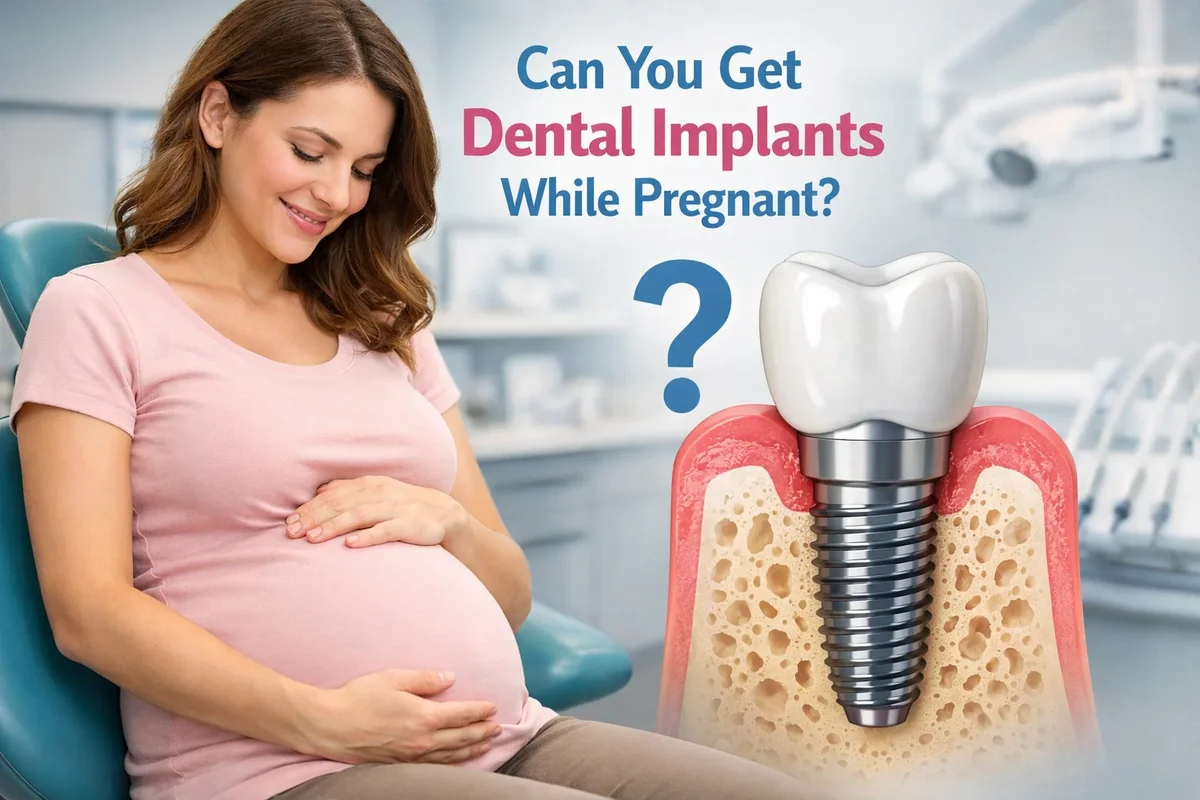
Final Takeaway: Should You Get Dental Implants While Pregnant?
After exploring medical safety, trimester-specific risks, professional recommendations, and post-pregnancy planning, we return to the central question many expectant mothers ask: can you get dental implants while pregnant? The final takeaway is not meant to cause fear or frustration, but to offer clarity, confidence, and reassurance based on medical evidence and clinical experience.
In almost all cases, the most responsible and widely supported answer is that dental implants should be postponed until after pregnancy. This conclusion reflects a careful balance between maternal comfort, fetal safety, and long-term dental success. Understanding why this recommendation exists empowers patients to make informed, stress-free decisions.
Why “Possible” Does Not Mean “Recommended”
Technically speaking, some may argue that it is possible under very controlled conditions. However, medical decision-making during pregnancy is not about what is merely possible—it is about what is safest and most predictable.
When evaluating whether can you get dental implants while pregnant, professionals consistently prioritize risk avoidance. Since dental implants are elective and can be delayed without harming oral health, proceeding during pregnancy offers little benefit and unnecessary exposure to potential complications.
The Core Reasons Professionals Advise Waiting
To summarize the key reasons behind the recommendation to wait:
- Dental implants involve surgery, anesthesia, and healing demands
- Pregnancy alters immune response, hormones, and gum health
- Medication and imaging options are limited during pregnancy
- Temporary, non-surgical alternatives are widely available
- Post-pregnancy implant success rates are higher
Each of these points contributes to the same conclusion when patients ask can you get dental implants while pregnant: postponement is the safer, smarter choice.
What This Means for Expectant Mothers
If you are pregnant and missing one or more teeth, it is completely understandable to feel concerned about your appearance, comfort, or ability to chew. However, pregnancy is a temporary phase, and modern dentistry offers many safe solutions to support you during this time.
Rather than focusing on permanent treatments, the emphasis shifts to maintaining oral health, preventing infection, and preserving bone and gum integrity. This approach ensures that when pregnancy is over, you are an ideal candidate for dental implants.
Emotional Reassurance Matters Too
Many patients feel relief once they understand that waiting is not neglect—it is protection. Choosing not to proceed with implants during pregnancy is an active, informed decision that prioritizes well-being.
This emotional clarity is just as important as the clinical reasoning behind the answer to can you get dental implants while pregnant.
Trusted Medical Guidance Supports This Approach
The recommendation to delay dental implants aligns with guidance from respected dental and medical organizations. As supported by information consistent with the American Dental Association, necessary dental care should continue during pregnancy, while elective surgical procedures are best postponed.
This guidance reflects decades of research, patient outcomes, and ethical medical practice.
How to Move Forward With Confidence
If you are currently pregnant and considering dental implants, the best next step is a professional consultation focused on planning, not surgery. A dentist can assess your oral health, recommend temporary solutions, and create a personalized post-pregnancy implant plan.
For patients seeking individualized guidance or international dental care options, you can reach out through the Redent Klinik Contact Page to discuss your situation with experienced professionals.
A Clear and Responsible Final Answer
So, can you get dental implants while pregnant? From a strictly technical viewpoint, it may be possible in rare scenarios. From a medical, ethical, and safety-driven perspective, the answer is almost always to wait.
Delaying dental implants during pregnancy protects maternal comfort, reduces fetal exposure to unnecessary risks, and leads to better long-term outcomes. Once pregnancy is complete, implant treatment can proceed with confidence, precision, and significantly higher success.
In conclusion, pregnancy is not a barrier to dental implants—it is simply a pause. And in healthcare, knowing when to pause is often the wisest decision of all. 😊