
Many expecting mothers wonder: can you go to dentist while pregnant? Pregnancy brings many changes to the body, and oral health is no exception. Hormonal shifts, dietary changes, and increased sensitivity in the gums can create dental challenges that make regular dental care even more important. The good news is that the answer to the question can you go to dentist while pregnant is generally yes—dental visits are not only safe but often recommended to maintain both maternal and fetal health. 😊
During pregnancy, your body experiences significant hormonal fluctuations, particularly increased levels of estrogen and progesterone. These hormones can affect the gums and teeth, making some women more susceptible to conditions such as pregnancy gingivitis, gum inflammation, and plaque buildup. Because of these changes, many dental professionals emphasize that if you are asking can you go to dentist while pregnant, the answer is that regular checkups can actually help prevent complications and maintain oral health throughout pregnancy.
According to the American Dental Association, routine dental visits—including cleanings, exams, and even some treatments—are considered safe for pregnant patients when performed with appropriate precautions. Dental professionals are trained to adapt procedures for expecting mothers and ensure that both mother and baby remain safe. This means that if you are concerned about oral discomfort or routine care and wondering can you go to dentist while pregnant, dental professionals generally encourage maintaining regular dental appointments.
In fact, avoiding dental care during pregnancy can lead to worsening oral health issues. Untreated dental infections, gum disease, or tooth decay can cause significant pain and may even affect overall health. When pregnant patients ask can you go to dentist while pregnant, dentists often explain that postponing treatment could lead to more serious complications later. Addressing dental concerns early helps prevent infections that could spread or worsen during pregnancy.
One of the most common oral health issues during pregnancy is pregnancy gingivitis. This condition occurs when hormonal changes make the gums more sensitive to plaque, leading to redness, swelling, and bleeding. If left untreated, gingivitis can develop into periodontal disease, which may increase the risk of pregnancy complications in some cases. This is another reason why experts say that when asking can you go to dentist while pregnant, the responsible answer is often yes—preventive care plays a vital role in maintaining oral health.
Dental visits during pregnancy are usually adjusted to ensure comfort and safety. Dentists may recommend shorter appointments, special seating positions, and careful monitoring to ensure the patient feels comfortable throughout the procedure. When expecting mothers ask can you go to dentist while pregnant, dentists often reassure them that dental teams are experienced in caring for pregnant patients and understand how to provide safe treatment.
Another important reason dental visits matter during pregnancy is early detection of oral health issues. Cavities, gum inflammation, and infections can sometimes progress quickly due to hormonal changes and dietary cravings. By scheduling routine checkups, dentists can identify problems early and recommend appropriate treatment. If you are wondering can you go to dentist while pregnant, regular dental examinations can help detect issues before they become painful or complex.
In addition to treatment, dental visits provide valuable education. Dentists can advise pregnant patients on the best oral hygiene practices during pregnancy, including brushing techniques, flossing routines, and dietary choices that support strong teeth and healthy gums. When patients ask can you go to dentist while pregnant, dentists often emphasize that maintaining good oral hygiene can also help reduce pregnancy-related dental discomfort.
Many women are surprised to learn that oral health can also influence overall pregnancy health. Research suggests that severe gum disease may be associated with certain pregnancy complications, including premature birth and low birth weight. While the connection is still being studied, maintaining good oral hygiene and regular dental care is considered an important part of prenatal health. Therefore, if you are still asking yourself can you go to dentist while pregnant, the evidence strongly supports continuing dental care throughout pregnancy.
If you are pregnant and experiencing tooth pain, gum bleeding, swelling, or other dental concerns, it is wise to contact a dental professional promptly. Delaying treatment could allow infections to worsen and potentially require more extensive procedures later. You can easily schedule a consultation through the Redent Klinik Contact Page to discuss your symptoms and receive personalized advice.
Ultimately, the question can you go to dentist while pregnant reflects a common concern among expecting mothers who want to protect their baby while also maintaining their health. Fortunately, modern dentistry provides safe and effective care for pregnant patients. Routine checkups, preventive cleanings, and many necessary treatments can be performed safely with appropriate precautions.
In summary, dental care during pregnancy is not only safe in most cases but also beneficial for both mother and baby. By maintaining regular dental visits, practicing good oral hygiene, and communicating openly with your dentist about your pregnancy, you can protect your smile and support your overall health throughout this important stage of life. If you are still wondering can you go to dentist while pregnant, the reassuring answer from dental professionals is that responsible dental care during pregnancy is both safe and recommended. 🦷
Is It Safe to Go to Dentist While Pregnant?
One of the most common questions expecting mothers ask is can you go to dentist while pregnant. Pregnancy is a time when women naturally become more cautious about medical treatments, medications, and procedures. Because dental care involves tools, medications, and sometimes imaging, many pregnant women wonder whether visiting the dentist could pose any risks. Fortunately, dental experts and medical organizations consistently confirm that routine dental care during pregnancy is not only safe but highly recommended.
Understanding the safety of dental care during pregnancy helps expectant mothers maintain healthy teeth and gums while protecting their baby’s health. If you are wondering can you go to dentist while pregnant, the answer is generally yes, as long as your dentist is aware of your pregnancy and takes appropriate precautions.
Why Dental Visits Are Considered Safe During Pregnancy
Dental visits are designed to prevent and treat oral health issues that can worsen during pregnancy. Hormonal changes increase the risk of gum inflammation, plaque buildup, and tooth sensitivity. Because of this, dentists encourage pregnant patients to continue regular checkups. When women ask can you go to dentist while pregnant, dental professionals emphasize that avoiding dental care may actually increase health risks.
Routine procedures such as dental cleanings, examinations, and cavity treatments are widely regarded as safe for pregnant women. Dentists adapt their approach when treating pregnant patients by ensuring proper positioning, minimizing stress, and selecting pregnancy-safe medications when necessary.
Pregnancy-safe dental care includes:
- Professional dental cleanings
- Oral examinations
- Cavity fillings
- Preventive fluoride treatments
- Evaluation of gum health
These services help maintain oral health and prevent infections. Therefore, if you are asking can you go to dentist while pregnant, routine dental care should remain part of your pregnancy healthcare routine.
What Dentists Do Differently for Pregnant Patients
Dentists are trained to modify treatments for pregnant patients to ensure safety and comfort. When women ask can you go to dentist while pregnant, dentists typically explain that they take special precautions during appointments.
1. Adjusted Treatment Position
During later stages of pregnancy, lying flat on the back can cause discomfort or reduced blood circulation. Dentists often adjust the dental chair position slightly to keep the patient comfortable and maintain proper blood flow.
2. Pregnancy-Safe Medications
If medications are required during dental treatment, dentists select options that are considered safe during pregnancy. Local anesthetics, such as lidocaine, are commonly used and considered safe when administered properly. This means that if you need dental treatment and are wondering can you go to dentist while pregnant, pain management options are available that do not pose risk to the baby.
3. Careful Monitoring of Procedures
Dentists typically avoid unnecessary procedures during pregnancy, especially elective cosmetic treatments. However, necessary treatments for infections or tooth damage should not be delayed. When patients ask can you go to dentist while pregnant, dentists stress that untreated infections can be more dangerous than receiving proper dental treatment.
What Major Dental Organizations Say
Leading health organizations support dental care during pregnancy. The American Dental Association states that preventive, diagnostic, and restorative dental treatments are safe throughout pregnancy when performed appropriately.
This guidance reassures expecting mothers who may be uncertain about dental visits. If you are still asking yourself can you go to dentist while pregnant, official health authorities strongly support maintaining oral healthcare during pregnancy.
Risks of Avoiding Dental Care During Pregnancy
Some women postpone dental appointments during pregnancy due to fear or uncertainty. However, avoiding dental visits may lead to worsening oral health problems. When asking can you go to dentist while pregnant, it is important to understand the risks of skipping dental care.
Potential problems caused by delaying dental treatment include:
- Untreated cavities that worsen over time
- Gum disease or pregnancy gingivitis
- Dental infections that cause severe pain
- Increased risk of periodontal disease
Gum disease in particular has been associated with possible pregnancy complications in some studies. Maintaining good oral health through regular dental visits can help reduce these risks. This is why dental professionals often reassure patients who ask can you go to dentist while pregnant that routine dental care is an important part of prenatal health.
Signs You Should Visit the Dentist During Pregnancy
If you experience any oral health symptoms during pregnancy, it is important to consult a dentist promptly. Women who ask can you go to dentist while pregnant should know that certain symptoms require professional attention.
Signs that indicate you should schedule a dental visit include:
- Bleeding or swollen gums
- Persistent tooth pain
- Loose teeth
- Gum sensitivity
- Bad breath that does not improve with brushing
- Visible cavities or dark spots on teeth
Early treatment can prevent minor problems from becoming serious dental issues.
How to Prepare for a Dental Visit While Pregnant
If you plan to schedule a dental appointment and are wondering can you go to dentist while pregnant, preparation can help ensure a smooth experience.
Helpful preparation tips include:
- Inform your dentist that you are pregnant
- Share your pregnancy stage and any medical conditions
- Bring a list of medications you are taking
- Schedule shorter appointments if you feel fatigued
Clear communication with your dental team helps ensure the safest possible care.
Where to Seek Professional Dental Advice
If you have concerns about oral health during pregnancy or want to schedule a dental checkup, professional guidance is essential. Dental clinics experienced in treating pregnant patients can provide personalized recommendations and safe treatment options.
You can contact a dental professional directly through the Redent Klinik Contact Page to discuss your situation and receive expert advice about pregnancy-safe dental care.
Ultimately, when asking can you go to dentist while pregnant, the answer supported by dental experts, medical organizations, and scientific research is reassuring. Regular dental visits help protect oral health, prevent infections, and ensure both mother and baby remain healthy throughout pregnancy. 🦷
Why Dental Care During Pregnancy Is More Important Than You Think
Many people focus heavily on prenatal vitamins, nutrition, and doctor visits during pregnancy, but oral health is often overlooked. However, dental health becomes especially important during pregnancy due to hormonal changes and increased vulnerability to gum disease and tooth decay. Because of this, many expecting mothers ask an important question: can you go to dentist while pregnant? The answer is yes—and maintaining dental care during pregnancy can actually protect both maternal and baby health.
Pregnancy triggers numerous physical changes in the body, including significant hormonal fluctuations that affect the gums, teeth, and oral tissues. These changes make pregnant women more susceptible to inflammation, bleeding gums, plaque buildup, and bacterial infections. This is why dental professionals strongly recommend that women who ask can you go to dentist while pregnant continue routine dental visits and maintain proper oral hygiene habits.
Ignoring oral health during pregnancy can lead to more serious dental problems. Regular checkups help detect early signs of gum disease, cavities, and infections before they become more complicated. Maintaining healthy teeth and gums also helps reduce discomfort and potential complications during pregnancy.
Hormonal Changes and Their Impact on Oral Health
Pregnancy hormones—especially estrogen and progesterone—play a major role in oral health changes. These hormones increase blood flow to gum tissue, which can cause swelling, tenderness, and bleeding. As a result, many women experience gum irritation during pregnancy.
Because of these hormonal changes, pregnant women often notice that their gums become more sensitive while brushing or flossing. Some women may even develop pregnancy gingivitis, a condition characterized by red, swollen, and bleeding gums. If untreated, gingivitis can progress into periodontal disease.
This is another reason why many dentists reassure patients who ask can you go to dentist while pregnant that dental checkups are beneficial and important. Early professional care helps manage these hormonal effects and keeps oral health stable during pregnancy.
Pregnancy Gingivitis
Pregnancy gingivitis affects a significant number of pregnant women. Symptoms usually appear during the second trimester and include:
- Red or swollen gums
- Bleeding while brushing or flossing
- Gum tenderness
- Plaque buildup along the gumline
If untreated, gingivitis may lead to periodontal disease, which is more severe and can damage the supporting structures of the teeth. Therefore, when expecting mothers ask can you go to dentist while pregnant, dentists emphasize that preventive care can help control gum inflammation before it becomes serious.
Link Between Oral Health and Pregnancy Health
Oral health does not only affect the mouth—it can influence overall health as well. Researchers have studied the possible connection between periodontal disease and certain pregnancy complications.
Some studies suggest that severe gum disease may be associated with risks such as:
- Preterm birth
- Low birth weight
- Pregnancy infections
Although research is ongoing, many healthcare providers encourage pregnant women to maintain strong oral hygiene habits. This is another reason dentists confidently answer yes when patients ask can you go to dentist while pregnant. Professional dental care may help reduce the risk of complications related to oral infections.
Organizations such as the American Dental Association recommend routine dental visits during pregnancy to ensure early detection and treatment of oral health problems.
Common Dental Problems During Pregnancy
Several oral health issues are more common during pregnancy. Understanding these conditions helps pregnant women recognize when professional dental care is necessary.
1. Increased Risk of Cavities
Dietary cravings and frequent snacking during pregnancy may increase sugar consumption. Combined with morning sickness and acid exposure, this can raise the risk of tooth decay.
If cavities develop and remain untreated, they may worsen and require more extensive treatment. For this reason, dental professionals reassure patients who ask can you go to dentist while pregnant that cavity treatment and preventive cleanings are safe and beneficial.
2. Pregnancy Tumors
Some pregnant women develop small growths on the gums called pregnancy tumors (pyogenic granulomas). Despite their alarming name, these growths are non-cancerous and typically disappear after childbirth.
However, they can cause discomfort and bleeding. Dentists can monitor these growths and recommend treatment if necessary.
3. Enamel Erosion from Morning Sickness
Frequent vomiting due to morning sickness exposes teeth to stomach acid, which may weaken enamel. This erosion can increase tooth sensitivity and cavity risk.
Proper oral hygiene and dental monitoring help prevent long-term damage. Therefore, if you are experiencing these symptoms and wondering can you go to dentist while pregnant, scheduling a dental consultation is a wise step.
Benefits of Professional Dental Cleanings During Pregnancy
Professional dental cleanings remove plaque and tartar buildup that cannot be eliminated through brushing alone. These cleanings help reduce gum inflammation and prevent cavities.
For pregnant women, routine cleanings also help control bacteria levels in the mouth. Dentists and hygienists carefully perform cleanings in ways that keep patients comfortable and safe.
If you are asking can you go to dentist while pregnant, routine cleanings are one of the safest and most beneficial dental services you can receive during pregnancy.
Preventive Oral Care Tips for Pregnant Women
In addition to professional dental visits, maintaining good oral hygiene at home is essential during pregnancy.
Helpful oral care habits include:
- Brushing teeth twice daily with fluoride toothpaste
- Flossing every day to remove plaque between teeth
- Rinsing with water after morning sickness episodes
- Limiting sugary snacks and drinks
- Drinking plenty of water to maintain saliva flow
These habits support healthy teeth and gums while reducing the risk of dental problems during pregnancy.
When to Seek Professional Dental Help
If you experience persistent tooth pain, swelling, bleeding gums, or sensitivity during pregnancy, it is important to consult a dentist promptly. Early treatment prevents minor issues from becoming serious infections.
You can easily reach a dental professional through the Redent Klinik Contact Page to discuss symptoms and schedule an appointment.
Ultimately, when expecting mothers ask can you go to dentist while pregnant, dental experts consistently emphasize that maintaining oral health during pregnancy is essential. Regular dental care helps prevent complications, reduce discomfort, and support overall well-being for both mother and baby. 🦷
Best Time in Pregnancy to Visit the Dentist
Many expectant mothers wonder can you go to dentist while pregnant, but another important question is when the best time is to schedule dental visits during pregnancy. Pregnancy lasts about nine months and is divided into three trimesters, each with different physical changes and considerations for dental treatment. Understanding the safest and most comfortable time for dental care can help mothers protect their oral health while ensuring the well-being of their developing baby.
Dental experts widely agree that routine dental visits can take place during pregnancy with proper precautions. However, the timing of treatments may influence comfort and convenience. If you are asking can you go to dentist while pregnant, knowing how dental care fits into each trimester will help you make informed decisions about scheduling appointments.
Dental Visits During the First Trimester
The first trimester covers weeks 1 through 12 of pregnancy. During this time, the baby’s organs and body systems begin forming, making it a very delicate stage of fetal development. Because of this, many dentists recommend postponing non-urgent dental procedures until later in pregnancy whenever possible.
However, if you are wondering can you go to dentist while pregnant during the first trimester, the answer is yes for essential dental care. Dental checkups, cleanings, and emergency treatments are generally safe when performed carefully. Dentists may simply choose to delay elective procedures until later in pregnancy.
Why the First Trimester Requires Extra Caution
There are several reasons dentists may prefer to limit dental procedures during the first trimester:
- The baby’s major organs are developing.
- Pregnant women may experience nausea or morning sickness.
- Fatigue and sensitivity are common.
Although routine dental care is usually safe, many dentists prefer to minimize exposure to medications or unnecessary procedures during this stage. Still, if dental pain or infection occurs, treatment should not be delayed. This is why dentists reassure patients asking can you go to dentist while pregnant that urgent dental care remains important even during early pregnancy.
The Second Trimester: The Ideal Time for Dental Care
The second trimester, covering weeks 13 through 27, is widely considered the best time to receive dental care during pregnancy. Many dentists prefer to schedule necessary treatments during this stage because it is generally the most comfortable period for pregnant women.
If you are asking can you go to dentist while pregnant, the second trimester is often recommended for procedures such as:
- Professional dental cleanings
- Dental fillings
- Minor restorative treatments
- Evaluation of gum health
During the second trimester, morning sickness usually decreases, energy levels improve, and mothers can comfortably lie in the dental chair for short periods. This makes dental appointments easier for both the patient and the dentist.
Benefits of Dental Care in the Second Trimester
There are several reasons why the second trimester is considered ideal for dental visits:
- Reduced nausea and fatigue
- Improved comfort while sitting in dental chairs
- Lower risk compared to the early stages of pregnancy
- Better ability to address oral health issues before late pregnancy
For women wondering can you go to dentist while pregnant, this trimester often provides the safest window for routine treatments that should not be postponed until after delivery.
Dental Visits During the Third Trimester
The third trimester lasts from week 28 until birth. During this stage, dental care is still possible, but special attention must be given to the mother’s comfort.
If you are asking can you go to dentist while pregnant during the final months, dentists generally recommend shorter appointments and avoiding long procedures. As pregnancy progresses, lying flat on the back can place pressure on major blood vessels, which may cause dizziness or discomfort.
Comfort Adjustments Dentists Use
Dentists may take several steps to improve comfort for pregnant patients in the third trimester:
- Adjusting the dental chair position
- Scheduling shorter appointments
- Allowing frequent breaks
- Providing pillows for support
Although complex procedures are usually postponed until after childbirth if possible, emergency dental care should never be ignored. Therefore, if severe pain or infection occurs, dentists emphasize that patients asking can you go to dentist while pregnant should seek treatment immediately.
Emergency Dental Care During Pregnancy
Dental emergencies can occur at any stage of pregnancy. Severe tooth pain, infections, broken teeth, or abscesses require immediate professional care. Ignoring these issues could lead to serious complications.
If you are experiencing a dental emergency and wondering can you go to dentist while pregnant, seeking prompt treatment is the safest option. Untreated infections may spread and potentially affect overall health.
Dental professionals take special precautions when treating pregnant patients and use medications considered safe during pregnancy. According to the American Dental Association, many common dental procedures can be safely performed during pregnancy when necessary.
How to Plan Dental Visits During Pregnancy
If you are planning dental care while pregnant, communication with your dentist is essential. Inform the dental team about your pregnancy, the trimester you are in, and any medical conditions or medications you are taking.
Women asking can you go to dentist while pregnant should also consider scheduling routine dental visits early in pregnancy to identify potential issues before they become more serious.
Helpful planning tips include:
- Scheduling a dental checkup early in pregnancy
- Maintaining regular brushing and flossing habits
- Following dentist recommendations for cleanings
- Reporting any tooth pain or gum swelling promptly
Where to Get Professional Advice
If you have questions about dental care during pregnancy or need to schedule a dental checkup, consulting a professional dentist is the best step. Dental professionals experienced in treating pregnant patients can guide you safely through each stage of pregnancy.
You can reach out through the Redent Klinik Contact Page to discuss your oral health concerns and receive personalized dental advice.
In conclusion, if you are wondering can you go to dentist while pregnant, the answer is yes—with the second trimester often being the most comfortable time for routine dental care. By planning dental visits carefully and maintaining good oral hygiene, expectant mothers can protect both their smiles and their overall health throughout pregnancy. 🦷
Dental Treatments That Are Safe During Pregnancy
Many expectant mothers feel anxious about dental procedures during pregnancy. A common concern they express is: can you go to dentist while pregnant and receive treatment safely? The reassuring answer from dental experts is that many dental procedures are considered safe during pregnancy when performed with proper precautions. In fact, maintaining oral health during pregnancy is essential for both maternal well-being and the baby’s health.
Hormonal changes during pregnancy can increase the risk of gum disease, tooth decay, and oral infections. If these conditions are not treated promptly, they may lead to discomfort or more serious complications. Therefore, when patients ask can you go to dentist while pregnant, dentists often explain that preventive and necessary treatments are encouraged rather than avoided.
Understanding which dental procedures are safe during pregnancy helps expectant mothers feel more confident about visiting the dentist. Many routine and restorative dental treatments can be safely performed throughout pregnancy, particularly during the second trimester.
Routine Dental Checkups and Cleanings
Routine dental exams and professional cleanings are among the safest dental services during pregnancy. Dentists strongly encourage pregnant women to continue regular checkups because they help prevent oral health problems before they worsen.
When patients ask can you go to dentist while pregnant, dental professionals usually recommend maintaining the same preventive care schedule as before pregnancy.
Benefits of Professional Dental Cleanings
Professional dental cleanings remove plaque and tartar that brushing and flossing alone cannot eliminate. These cleanings help prevent gum disease and tooth decay, which may become more common during pregnancy.
Benefits include:
- Reducing plaque buildup
- Preventing gum inflammation
- Lowering risk of periodontal disease
- Maintaining fresh breath and healthy gums
For women wondering can you go to dentist while pregnant, dental cleanings are one of the most recommended services during pregnancy.
Dental Fillings and Cavity Treatment
Cavities can develop or worsen during pregnancy due to dietary changes, increased snacking, and acid exposure from morning sickness. If tooth decay is left untreated, it may cause severe pain or infection.
For this reason, dentists often reassure patients asking can you go to dentist while pregnant that cavity treatments such as dental fillings are safe and sometimes necessary.
Why Treating Cavities During Pregnancy Is Important
Untreated cavities may lead to complications such as:
- Tooth infections
- Abscess formation
- Severe tooth pain
- Spread of bacteria to surrounding tissues
Treating cavities early helps prevent these problems. Local anesthetics used during fillings are generally considered safe when administered appropriately by a trained dental professional. Therefore, if you are concerned and asking can you go to dentist while pregnant, cavity treatment should not be delayed unnecessarily.
Emergency Dental Treatments
Dental emergencies can occur at any time, including during pregnancy. Conditions such as severe tooth pain, broken teeth, or infections require immediate professional care.
In these situations, dentists strongly advise that patients who are wondering can you go to dentist while pregnant should seek treatment promptly. Delaying emergency dental care may allow infections to worsen, which could pose greater risks than receiving treatment.
Common Emergency Treatments That Are Safe
Several emergency procedures can be safely performed during pregnancy, including:
- Treatment of tooth infections
- Drainage of dental abscesses
- Repair of broken teeth
- Temporary restorations
Dentists take special care to select medications and treatment approaches that are safe for pregnant patients.
Local Anesthesia for Dental Procedures
Another concern many women have when asking can you go to dentist while pregnant is whether anesthesia is safe during dental procedures. Local anesthetics such as lidocaine are commonly used in dentistry and are generally considered safe during pregnancy when administered correctly.
Local anesthesia numbs the treatment area, allowing dental procedures to be performed without pain. Dentists carefully monitor dosage levels and choose anesthetics that are appropriate for pregnant patients.
According to the American Dental Association, necessary dental procedures involving local anesthesia can be safely performed during pregnancy.
Periodontal (Gum Disease) Treatment
Pregnancy increases the risk of gum disease due to hormonal changes that affect gum tissues. Gingivitis and periodontal disease may cause redness, swelling, and bleeding gums.
If gum disease develops, dentists may recommend treatments such as deep cleaning procedures to remove bacteria from beneath the gumline.
Women asking can you go to dentist while pregnant should know that treating gum disease during pregnancy can help prevent worsening inflammation and reduce oral bacteria levels.
Benefits of Treating Gum Disease Early
Early periodontal treatment can:
- Reduce gum inflammation
- Prevent tooth loss
- Control bacterial infections
- Improve overall oral health
Maintaining healthy gums during pregnancy supports both oral and general health.
Fluoride Treatments and Preventive Care
Fluoride treatments strengthen tooth enamel and help prevent cavities. These preventive treatments are typically applied as gels or varnishes during dental visits.
If you are wondering can you go to dentist while pregnant, fluoride treatments are generally considered safe and may be recommended if cavity risk increases during pregnancy.
In addition to fluoride treatments, dentists may provide personalized advice on oral hygiene habits and dietary choices to protect teeth throughout pregnancy.
How Dentists Ensure Safety During Pregnancy
Dentists follow specific safety protocols when treating pregnant patients. These precautions ensure both the mother and baby remain protected during dental procedures.
Safety measures may include:
- Adjusting the dental chair position for comfort
- Using pregnancy-safe medications
- Monitoring treatment duration
- Coordinating care with obstetricians if necessary
Because of these precautions, dentists confidently reassure patients who ask can you go to dentist while pregnant that essential dental care is safe and beneficial.
When to Contact a Dentist During Pregnancy
If you experience tooth pain, gum swelling, or signs of infection during pregnancy, it is important to seek dental care promptly. Early treatment prevents minor issues from becoming serious problems.
You can easily contact a dental professional through the Redent Klinik Contact Page to discuss your concerns and schedule a consultation.
Ultimately, the question can you go to dentist while pregnant should not prevent pregnant women from receiving necessary dental care. Routine exams, cleanings, fillings, and emergency treatments are generally safe when performed by experienced dental professionals. By maintaining good oral hygiene and attending regular dental visits, expectant mothers can protect their smiles and support their overall health throughout pregnancy. 🦷
Dental Procedures to Avoid While Pregnant
Expecting mothers often ask the important question: can you go to dentist while pregnant, and while the answer is generally yes, it is equally important to understand which dental procedures should be postponed or approached with caution during pregnancy. Dental professionals prioritize the health of both the mother and the developing baby, which means some elective or non-urgent treatments are usually delayed until after childbirth.
Although many routine dental treatments are safe during pregnancy, certain procedures may involve medications, long treatment times, or unnecessary exposure to substances that dentists prefer to avoid during this sensitive period. Therefore, when patients ask can you go to dentist while pregnant, dentists typically explain that essential treatments are allowed while elective procedures are often postponed.
Understanding which dental procedures should be avoided or delayed during pregnancy helps expecting mothers make informed decisions about their oral health care.
Elective Cosmetic Dental Treatments
Cosmetic dental procedures are one of the most common types of treatments dentists recommend postponing during pregnancy. These procedures are usually not medically necessary and can safely wait until after delivery.
When patients ask can you go to dentist while pregnant, dentists usually advise avoiding cosmetic treatments simply because they do not provide immediate health benefits and may involve chemicals or extended treatment time.
Examples of Cosmetic Treatments to Delay
- Teeth whitening treatments
- Cosmetic veneers
- Smile makeover procedures
- Non-essential orthodontic adjustments
Teeth whitening products, in particular, contain bleaching agents that have not been extensively studied for use during pregnancy. Although there is no strong evidence suggesting harm, most dental professionals recommend postponing whitening procedures until after pregnancy to eliminate unnecessary risk.
This is why dentists reassure pregnant patients who ask can you go to dentist while pregnant that while necessary treatments are safe, cosmetic improvements should usually wait.
Non-Urgent Dental Surgeries
Dental surgeries that are not immediately necessary are generally delayed until after pregnancy whenever possible. These procedures may involve anesthesia, medications, or longer treatment times that could cause discomfort for pregnant patients.
If you are asking can you go to dentist while pregnant, your dentist may recommend postponing certain surgical procedures unless they are required to treat infection or severe pain.
Examples of Surgeries Often Postponed
- Dental implant placement
- Elective wisdom tooth removal
- Cosmetic gum reshaping
- Bone grafting procedures
While these treatments are safe under normal circumstances, dentists often prefer to delay them during pregnancy because they are not urgent. However, if an infection or severe dental condition develops, dentists may still perform necessary surgical treatment to protect the patient’s health.
Therefore, when patients ask can you go to dentist while pregnant, dentists emphasize that urgent treatments should never be ignored.
Dental X-Rays Without Protective Measures
Dental X-rays are sometimes required to diagnose cavities, infections, or bone problems. However, dentists take extra precautions when imaging is required during pregnancy.
If you are wondering can you go to dentist while pregnant, dental X-rays may still be performed when absolutely necessary, but dentists use protective equipment such as lead aprons and thyroid collars to minimize radiation exposure.
Routine or unnecessary X-rays may be postponed until after pregnancy, especially during the early stages. According to the American Dental Association, modern dental X-rays use extremely low radiation levels and are considered safe when protective measures are used.
Nevertheless, dentists carefully evaluate whether imaging is truly required before proceeding.
Long and Complex Dental Procedures
Procedures that require extended time in the dental chair may cause discomfort for pregnant patients, particularly during the later stages of pregnancy. For this reason, dentists may delay lengthy procedures until after childbirth if they are not urgent.
Patients often ask can you go to dentist while pregnant, but dentists also consider whether the procedure may cause physical strain due to sitting in the dental chair for a long time.
Examples of Long Procedures Often Delayed
- Full mouth restorations
- Multiple crown placements in a single visit
- Complex orthodontic adjustments
- Extended cosmetic treatments
Instead of performing lengthy treatments in one appointment, dentists may divide procedures into shorter sessions or postpone them until after pregnancy.
Medications That May Be Avoided
Certain medications used in dental treatments may not be recommended during pregnancy. Dentists carefully evaluate which medications are safe before prescribing them.
When patients ask can you go to dentist while pregnant, dentists explain that some medications are completely safe while others may require caution.
Medications Dentists Carefully Evaluate
- Strong painkillers
- Certain antibiotics
- Sedation medications
Fortunately, dentists can usually select alternative medications that are considered safe for pregnant patients. Clear communication about pregnancy helps dentists make the safest treatment decisions.
Importance of Treating Dental Infections
Although some procedures are postponed during pregnancy, dental infections should always be treated promptly. Untreated infections may spread and cause serious health problems.
If you are experiencing severe pain or swelling and wondering can you go to dentist while pregnant, seeking dental care is essential. Dentists prioritize treatments that eliminate infection and relieve pain.
Emergency dental treatments may include:
- Drainage of abscesses
- Temporary restorations
- Antibiotic treatment
- Removal of infected tissue
Addressing infections early helps protect both maternal health and the developing baby.
Communicating with Your Dentist During Pregnancy
If you are pregnant and planning a dental visit, it is important to inform your dentist about your pregnancy and current trimester. This information allows the dentist to adjust treatment plans and avoid unnecessary procedures.
Patients who ask can you go to dentist while pregnant should feel comfortable discussing any concerns with their dental provider.
If you need personalized dental advice during pregnancy, you can contact professionals through the Redent Klinik Contact Page to receive guidance tailored to your situation.
In summary, while many dental procedures are safe during pregnancy, some treatments—especially cosmetic or elective procedures—are usually postponed until after childbirth. Understanding these precautions helps expecting mothers feel confident when asking can you go to dentist while pregnant, knowing that dentists carefully balance treatment needs with safety for both mother and baby. 🦷
Common Pregnancy Dental Problems and How Dentists Help
Pregnancy brings many exciting changes, but it can also introduce new health challenges—including oral health problems. Many women notice changes in their teeth and gums during pregnancy and begin asking an important question: can you go to dentist while pregnant? The reassuring answer is yes. In fact, dentists encourage pregnant women to seek regular dental care because pregnancy can increase the risk of several oral health issues.
Hormonal fluctuations, dietary changes, morning sickness, and shifts in daily routines can affect oral health in ways many women do not expect. Because of these changes, dentists often see a rise in gum inflammation, plaque buildup, and tooth sensitivity during pregnancy. Understanding the most common dental problems during pregnancy—and how dentists treat them—helps expectant mothers maintain healthy smiles throughout this important stage of life.
If you are experiencing dental discomfort or unusual symptoms and wondering can you go to dentist while pregnant, visiting a dental professional can help diagnose and treat these issues before they worsen.
Pregnancy Gingivitis
Pregnancy gingivitis is one of the most common oral health problems during pregnancy. It occurs due to increased hormone levels that make the gums more sensitive to plaque bacteria.
Symptoms of pregnancy gingivitis include:
- Red or swollen gums
- Bleeding while brushing or flossing
- Gum tenderness
- Persistent bad breath
When expecting mothers notice these symptoms, they often ask can you go to dentist while pregnant for gum treatment. Dentists typically recommend professional cleanings and improved oral hygiene practices to reduce inflammation and prevent gingivitis from progressing.
How Dentists Treat Pregnancy Gingivitis
Dentists help manage gingivitis through preventive care and monitoring. Treatment may include:
- Professional dental cleanings
- Removal of plaque and tartar buildup
- Recommendations for improved brushing techniques
- Guidance on flossing and antimicrobial mouth rinses
With early treatment, gingivitis can usually be controlled before it develops into more serious periodontal disease.
Pregnancy Tumors (Pyogenic Granulomas)
Another condition some pregnant women experience is the development of pregnancy tumors, also known as pyogenic granulomas. Despite the name, these growths are not cancerous. They are small, red lumps that appear on the gums due to hormonal changes and increased blood flow to gum tissue.
Pregnancy tumors typically develop during the second trimester and may bleed easily. Women who notice these growths often become concerned and ask can you go to dentist while pregnant for evaluation.
How Dentists Manage Pregnancy Tumors
In most cases, pregnancy tumors disappear naturally after childbirth. Dentists may simply monitor the growth unless it causes significant discomfort or bleeding. If necessary, minor removal procedures can be performed safely.
Maintaining good oral hygiene can also reduce irritation around these growths and help prevent them from worsening.
Increased Risk of Cavities
Pregnancy can also increase the risk of cavities. Hormonal changes may alter saliva composition, while dietary cravings and frequent snacking can expose teeth to sugar more often.
Morning sickness is another contributing factor. Vomiting exposes teeth to stomach acid, which weakens enamel and increases cavity risk.
When pregnant patients experience tooth sensitivity or pain, they often ask can you go to dentist while pregnant for cavity treatment. Dentists typically recommend early treatment to prevent further tooth damage.
How Dentists Prevent and Treat Cavities
Dentists may recommend several preventive strategies to reduce cavity risk during pregnancy:
- Fluoride treatments to strengthen enamel
- Dental sealants for vulnerable teeth
- Professional cleanings to remove plaque
- Dietary recommendations to reduce sugar intake
If cavities develop, dentists can safely treat them using fillings and pregnancy-safe anesthetics.
Tooth Sensitivity During Pregnancy
Many pregnant women notice increased tooth sensitivity to hot, cold, or sweet foods. This sensitivity may occur due to enamel erosion caused by morning sickness or changes in oral hygiene habits.
Patients experiencing sensitivity often wonder can you go to dentist while pregnant for relief. Dentists can recommend treatments such as desensitizing toothpaste, fluoride varnishes, or protective coatings to reduce discomfort.
Dry Mouth and Oral Bacteria
Hormonal changes during pregnancy may also reduce saliva production in some women, leading to dry mouth. Saliva plays an important role in neutralizing acids and controlling bacteria in the mouth.
When saliva levels drop, bacteria can multiply more easily, increasing the risk of cavities and gum disease. Pregnant women experiencing persistent dryness may ask can you go to dentist while pregnant for treatment options.
Managing Dry Mouth During Pregnancy
Dentists may recommend several strategies to relieve dry mouth symptoms:
- Drinking water frequently
- Using sugar-free chewing gum to stimulate saliva
- Avoiding sugary beverages
- Using saliva substitute products if necessary
Maintaining hydration is one of the most effective ways to reduce dry mouth discomfort.
Importance of Early Dental Intervention
One of the most important aspects of pregnancy dental care is early detection. Addressing oral health problems early prevents them from developing into more serious conditions.
Women who delay dental care due to uncertainty about can you go to dentist while pregnant may allow minor issues to progress into painful infections or severe gum disease. Regular dental visits help dentists monitor oral health and provide timely treatment.
According to the American Dental Association, preventive dental care during pregnancy is encouraged to maintain healthy gums and teeth.
When to Contact a Dentist During Pregnancy
If you experience any of the following symptoms during pregnancy, it is important to schedule a dental visit promptly:
- Persistent tooth pain
- Bleeding gums
- Swollen or tender gums
- Loose teeth
- Gum growths or lumps
If you are unsure about your symptoms and asking can you go to dentist while pregnant, consulting a dentist is always the safest approach.
You can easily reach a dental professional through the Redent Klinik Contact Page to discuss symptoms and schedule an appointment.
In summary, pregnancy can increase the likelihood of certain dental problems, including gingivitis, cavities, tooth sensitivity, and gum growths. Fortunately, dentists are well-equipped to manage these conditions safely. If you are wondering can you go to dentist while pregnant, seeking professional dental care can help protect your oral health and ensure a comfortable pregnancy experience. 🦷
Are Dental X-Rays Safe During Pregnancy?
Many pregnant women worry about diagnostic imaging and often ask a very specific question: can you go to dentist while pregnant and still receive dental X-rays safely? This concern is understandable because pregnancy is a time when minimizing exposure to radiation becomes especially important. Fortunately, modern dental technology has made dental X-rays extremely safe, and when proper precautions are taken, they are considered safe for pregnant patients when truly necessary.
Dentists understand the importance of protecting both mother and baby, so they carefully evaluate whether an X-ray is required before proceeding. If you are asking can you go to dentist while pregnant, it is important to know that diagnostic imaging is only recommended when the information it provides is essential for diagnosis or treatment planning.
In many cases, routine X-rays can be postponed until after pregnancy. However, when there is a suspected infection, tooth fracture, severe decay, or other urgent condition, an X-ray may be necessary to properly diagnose the problem.
Why Dental X-Rays Are Sometimes Necessary
Dental X-rays allow dentists to see areas of the mouth that cannot be examined with the naked eye. These images help identify hidden dental problems that might otherwise go undetected.
Pregnant women often ask can you go to dentist while pregnant if X-rays might be required. Dentists explain that imaging may be necessary in certain situations to prevent more serious oral health problems.
Common reasons dentists may recommend dental X-rays include:
- Detecting cavities between teeth
- Identifying infections in tooth roots
- Evaluating bone health around teeth
- Diagnosing dental abscesses
- Assessing impacted or broken teeth
If these issues are not diagnosed properly, they may progress into painful infections. Therefore, when patients ask can you go to dentist while pregnant, dentists sometimes recommend limited imaging to ensure proper treatment.
Radiation Levels in Modern Dental X-Rays
One of the main reasons pregnant patients worry about dental imaging is radiation exposure. However, the radiation levels used in modern dental X-ray systems are extremely low.
In fact, a single dental X-ray exposes the patient to far less radiation than many everyday environmental sources. According to dental health experts, the radiation dose from a dental X-ray is minimal and localized to the mouth area.
When women ask can you go to dentist while pregnant, dentists often reassure them that dental X-rays use a very small radiation dose and are considered safe when protective measures are used.
Organizations such as the American Dental Association confirm that dental X-rays are safe during pregnancy when proper shielding and modern equipment are used.
Protective Measures Used During Dental X-Rays
When imaging is required for a pregnant patient, dentists use several safety measures to minimize radiation exposure. These precautions ensure that both the mother and developing baby remain protected.
Lead Aprons
A lead apron is placed over the patient’s abdomen and chest during dental X-rays. This apron blocks radiation and protects the fetus from exposure.
Thyroid Collars
A thyroid collar may also be used to shield the thyroid gland from radiation. This protective device further reduces any potential risk.
Digital X-Ray Technology
Modern dental clinics increasingly use digital X-ray systems instead of traditional film-based imaging. Digital X-rays require significantly lower radiation doses while producing highly detailed images.
These technologies allow dentists to obtain accurate diagnostic information while maintaining extremely low radiation exposure.
When Dental X-Rays May Be Postponed
Although dental X-rays are safe when necessary, dentists may postpone routine imaging if there is no urgent dental concern.
Women who ask can you go to dentist while pregnant may be advised that routine checkup X-rays can often wait until after the baby is born.
Examples of X-rays that may be delayed include:
- Routine bitewing X-rays for cavity detection
- Orthodontic imaging
- Cosmetic dental planning images
If the patient has no symptoms of infection or dental damage, dentists may simply schedule imaging for a later date.
Dental X-Rays During Different Pregnancy Stages
While dental imaging can be performed safely when necessary, dentists may consider pregnancy stage when deciding whether to proceed.
First Trimester Considerations
The first trimester is a critical time for fetal development. Because of this, dentists often prefer to postpone non-essential imaging during this period.
Second Trimester Imaging
If diagnostic imaging is needed, the second trimester is generally considered the most comfortable and safest time for dental treatment. Many women who ask can you go to dentist while pregnant receive necessary dental care during this stage.
Third Trimester Adjustments
Dental X-rays can still be taken during the third trimester if needed, but dentists may adjust chair positioning and appointment length to ensure patient comfort.
Risks of Avoiding Necessary Dental Imaging
Sometimes patients avoid dental care because they worry about X-rays during pregnancy. However, ignoring dental symptoms can lead to more serious health problems.
If an infection or severe tooth decay is present, proper diagnosis is essential. Untreated dental infections may spread and cause significant pain or complications.
This is why dentists emphasize that patients asking can you go to dentist while pregnant should not delay treatment when serious dental problems occur.
Tips for Pregnant Patients Visiting the Dentist
If you need dental imaging during pregnancy, there are several simple steps you can take to ensure safe care.
- Inform your dentist that you are pregnant
- Discuss your trimester and medical history
- Ask whether imaging is necessary
- Ensure protective shielding is used
Clear communication helps dentists make the safest decisions regarding dental imaging.
Where to Seek Professional Dental Advice
If you are pregnant and experiencing dental pain, swelling, or other symptoms, consulting a dental professional is the best way to determine whether imaging is required.
You can schedule a consultation through the Redent Klinik Contact Page to receive personalized advice and safe dental care.
In conclusion, when patients ask can you go to dentist while pregnant, the answer remains reassuring. Dental X-rays are safe when necessary and performed with protective measures. Modern technology, low radiation doses, and professional precautions allow dentists to diagnose dental problems accurately while keeping both mother and baby safe. 🦷
Tips for Visiting the Dentist While Pregnant
Pregnancy is a time when many women become extra cautious about their health, and dental visits are no exception. Expectant mothers frequently ask the same important question: can you go to dentist while pregnant? As discussed earlier, the answer is generally yes. However, there are several helpful tips that can make dental visits during pregnancy safer, more comfortable, and more beneficial for both mother and baby.
Proper preparation and communication with your dentist can significantly improve the experience of receiving dental care while pregnant. Understanding how to prepare for appointments, maintain oral hygiene, and manage pregnancy-related dental changes will help you feel confident about seeking care when needed.
Always Inform Your Dentist About Your Pregnancy
The first and most important step when scheduling a dental appointment is to inform the dental team that you are pregnant. This allows the dentist to adjust treatment plans and take appropriate safety precautions.
When patients ask can you go to dentist while pregnant, dentists emphasize that communication is key. Your dentist may ask about your pregnancy stage, medical history, medications, and any pregnancy-related symptoms you may be experiencing.
Information Your Dentist Should Know
- Your current trimester
- Any pregnancy complications
- Medications or supplements you are taking
- Your obstetrician’s contact information if needed
Providing this information helps the dental team make the safest decisions regarding your treatment.
Schedule Dental Visits During the Most Comfortable Time
Although women often ask can you go to dentist while pregnant at any stage, the second trimester is generally considered the most comfortable period for dental care. During this stage, morning sickness often decreases and energy levels improve.
However, routine checkups can still take place during other trimesters when necessary. Your dentist may simply adjust appointment duration or seating position to ensure comfort.
Best Appointment Scheduling Tips
- Choose morning appointments if fatigue increases later in the day
- Schedule shorter visits to reduce discomfort
- Avoid long procedures late in pregnancy
These small adjustments can make dental visits much more comfortable during pregnancy.
Maintain Excellent Oral Hygiene at Home
While professional dental care is important, daily oral hygiene habits also play a critical role in protecting your teeth and gums. Many women experiencing gum sensitivity during pregnancy ask can you go to dentist while pregnant for relief, but preventive care at home can significantly reduce dental problems.
Daily Oral Hygiene Routine
- Brush teeth twice daily with fluoride toothpaste
- Floss at least once per day
- Use an antimicrobial mouthwash if recommended
- Drink plenty of water to maintain saliva flow
Consistent oral hygiene habits reduce plaque buildup and help prevent pregnancy gingivitis.
Manage Morning Sickness to Protect Teeth
Morning sickness is common during pregnancy and may expose teeth to stomach acids that weaken enamel. If vomiting occurs frequently, the acid can increase the risk of cavities and tooth sensitivity.
Women experiencing these symptoms sometimes ask can you go to dentist while pregnant for guidance on protecting their teeth.
Tips to Protect Teeth from Acid
- Rinse your mouth with water after vomiting
- Wait about 30 minutes before brushing your teeth
- Use fluoride toothpaste to strengthen enamel
These practices help reduce the effects of acid exposure and maintain enamel strength.
Choose a Comfortable Position During Treatment
As pregnancy progresses, lying flat on the back may become uncomfortable due to pressure on major blood vessels. Dentists understand this issue and can adjust chair positioning to support the patient.
If you are wondering can you go to dentist while pregnant during later pregnancy stages, dentists often use pillows or slightly elevate the chair to ensure comfort.
Comfort Adjustments Dentists May Use
- Tilting the dental chair slightly
- Providing pillows for lower back support
- Allowing frequent breaks during procedures
These adjustments help maintain circulation and reduce dizziness or discomfort.
Eat a Tooth-Friendly Pregnancy Diet
Nutrition plays an important role in both pregnancy health and oral health. Many pregnant women experience food cravings that may increase sugar consumption.
If you are asking can you go to dentist while pregnant, dentists also emphasize the importance of a balanced diet to protect teeth.
Foods That Support Oral Health
- Dairy products rich in calcium
- Leafy green vegetables
- Crunchy fruits and vegetables
- Foods rich in vitamin D and phosphorus
These nutrients help strengthen teeth and support the development of the baby’s teeth and bones.
Watch for Signs of Dental Problems
During pregnancy, it is important to monitor oral health closely. Some symptoms may indicate the need for professional dental care.
If you experience any of the following signs, it may be time to schedule a dental appointment—even if you are unsure can you go to dentist while pregnant:
- Persistent tooth pain
- Bleeding or swollen gums
- Sensitivity to hot or cold foods
- Loose teeth
- Unusual gum growths
Early dental treatment helps prevent minor issues from becoming more serious problems.
Seek Professional Dental Guidance
Dental professionals are trained to provide safe care for pregnant patients and can tailor treatment plans to meet individual needs.
If you have questions or concerns about oral health during pregnancy, you can contact dental professionals through the Redent Klinik Contact Page to receive expert advice.
Trusted dental organizations such as the American Dental Association also recommend maintaining regular dental care during pregnancy to protect oral health.
Ultimately, if you are asking can you go to dentist while pregnant, following these practical tips will help ensure a safe and comfortable dental experience. By maintaining good oral hygiene, communicating openly with your dentist, and monitoring your oral health closely, you can protect your smile and support a healthy pregnancy. 🦷
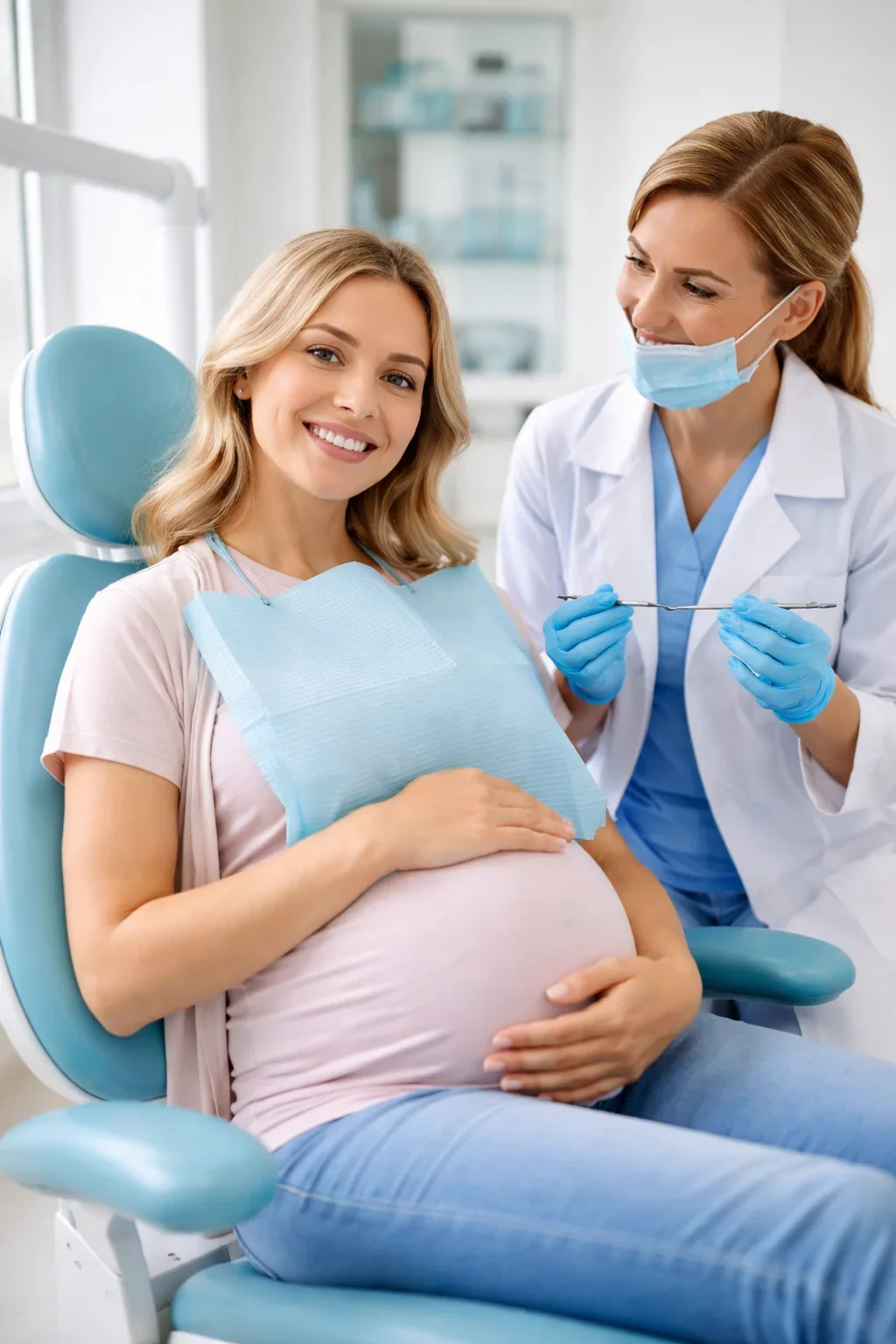
When to Contact a Dentist Immediately During Pregnancy
During pregnancy, maintaining good oral health becomes even more important than usual. While many dental visits are routine and preventive, there are situations where immediate dental care is necessary. Expecting mothers often ask can you go to dentist while pregnant if they experience sudden dental pain or other concerning symptoms. The answer is yes—seeking prompt dental care during emergencies is not only safe but essential to protect both maternal health and overall pregnancy well-being.
Dental infections, severe pain, or trauma should never be ignored during pregnancy. In fact, untreated oral infections may worsen and lead to more serious complications. Therefore, when patients ask can you go to dentist while pregnant, dentists strongly emphasize that urgent symptoms require professional attention as soon as possible.
Knowing the warning signs that require immediate dental care can help pregnant women respond quickly and prevent small problems from becoming major health issues.
Severe Tooth Pain
Persistent or intense tooth pain is one of the most common reasons to seek urgent dental care during pregnancy. Tooth pain may indicate problems such as deep cavities, infections, or nerve damage inside the tooth.
Many women experiencing severe discomfort wonder can you go to dentist while pregnant for pain relief. Dentists typically recommend prompt treatment because ignoring severe tooth pain may allow infections to spread.
Possible Causes of Severe Tooth Pain
- Deep tooth decay
- Dental abscess
- Cracked or fractured tooth
- Inflamed dental nerve
Early diagnosis allows dentists to treat the underlying cause and prevent further complications.
Swollen or Bleeding Gums
Gum inflammation is common during pregnancy due to hormonal changes. However, severe swelling, persistent bleeding, or painful gums may indicate advanced gum disease or infection.
Women who notice these symptoms often ask can you go to dentist while pregnant to address gum problems. Dentists can provide professional cleanings and targeted treatments to control inflammation and reduce bacterial buildup.
Signs of Serious Gum Problems
- Bright red or purple gums
- Excessive bleeding when brushing
- Gum tenderness or swelling
- Receding gums
Without treatment, gum disease may progress and damage the structures that support the teeth.
Dental Abscess or Infection
A dental abscess is a serious infection that forms around the root of a tooth or in the gums. Abscesses often cause intense pain, swelling, and sometimes fever.
If you develop these symptoms and are wondering can you go to dentist while pregnant, it is important to seek dental care immediately. Untreated infections may spread to surrounding tissues and cause serious health risks.
Common Symptoms of a Dental Abscess
- Throbbing tooth pain
- Swelling of the face or gums
- Pus around the tooth
- Fever or fatigue
- Difficulty chewing
Dentists can treat abscesses through drainage, antibiotics when appropriate, and treatment of the infected tooth.
Broken or Cracked Teeth
Accidents or trauma may cause teeth to crack or break unexpectedly. A broken tooth can expose the inner layers of the tooth and lead to infection if not treated promptly.
Pregnant women who experience dental trauma often ask can you go to dentist while pregnant for repair. Dentists typically recommend immediate evaluation to protect the tooth and prevent complications.
Emergency Dental Treatments for Broken Teeth
- Temporary restorations
- Dental bonding
- Crown placement if needed
These treatments restore tooth function and reduce the risk of infection.
Loose Teeth or Bone Problems
Hormonal changes during pregnancy may sometimes cause teeth to feel slightly loose due to changes in the supporting bone and gum tissues. However, significant tooth movement may indicate periodontal disease or other underlying issues.
If you notice loose teeth and wonder can you go to dentist while pregnant, it is important to schedule an evaluation. Dentists can determine whether gum disease or bone loss is affecting tooth stability.
Persistent Bad Breath or Unusual Taste
Occasional bad breath may occur during pregnancy due to dietary changes or morning sickness. However, persistent bad breath combined with gum pain or swelling may signal infection.
Pregnant patients experiencing these symptoms sometimes ask can you go to dentist while pregnant to address the problem. Dentists can identify the cause and recommend appropriate treatment.
Difficulty Eating or Chewing
If dental pain or sensitivity makes it difficult to chew food comfortably, professional dental care is necessary. Maintaining proper nutrition is essential during pregnancy, and untreated dental issues can interfere with healthy eating habits.
Women who experience difficulty chewing often ask can you go to dentist while pregnant to resolve the issue. Dentists can diagnose the cause and restore normal chewing function.
Why Prompt Dental Care Is Important
Delaying dental treatment during pregnancy can allow infections or dental damage to worsen. Infections in the mouth can spread to surrounding tissues and potentially affect overall health.
Because of this risk, dentists consistently reassure patients asking can you go to dentist while pregnant that urgent dental care should never be delayed.
According to the American Dental Association, necessary dental treatments during pregnancy are safe and important for maintaining oral health.
How to Get Immediate Dental Assistance
If you experience any of the symptoms described above, it is important to contact a dental professional as soon as possible. Early treatment can relieve discomfort and prevent complications.
You can schedule an appointment or request professional advice through the Redent Klinik Contact Page to receive personalized dental care.
In summary, if you experience severe pain, swelling, infection, or dental trauma during pregnancy, seeking prompt dental care is essential. For women asking can you go to dentist while pregnant, the answer is clear—urgent dental treatment protects both your oral health and your overall well-being throughout pregnancy. 🦷