
🦷 One of the most common and important questions patients ask today is: can you have dental implants if you have gum disease? The short answer is yes — but only under the right conditions. This topic is critical because both dental implants and gum disease directly affect your oral health, bone structure, and long-term smile stability.
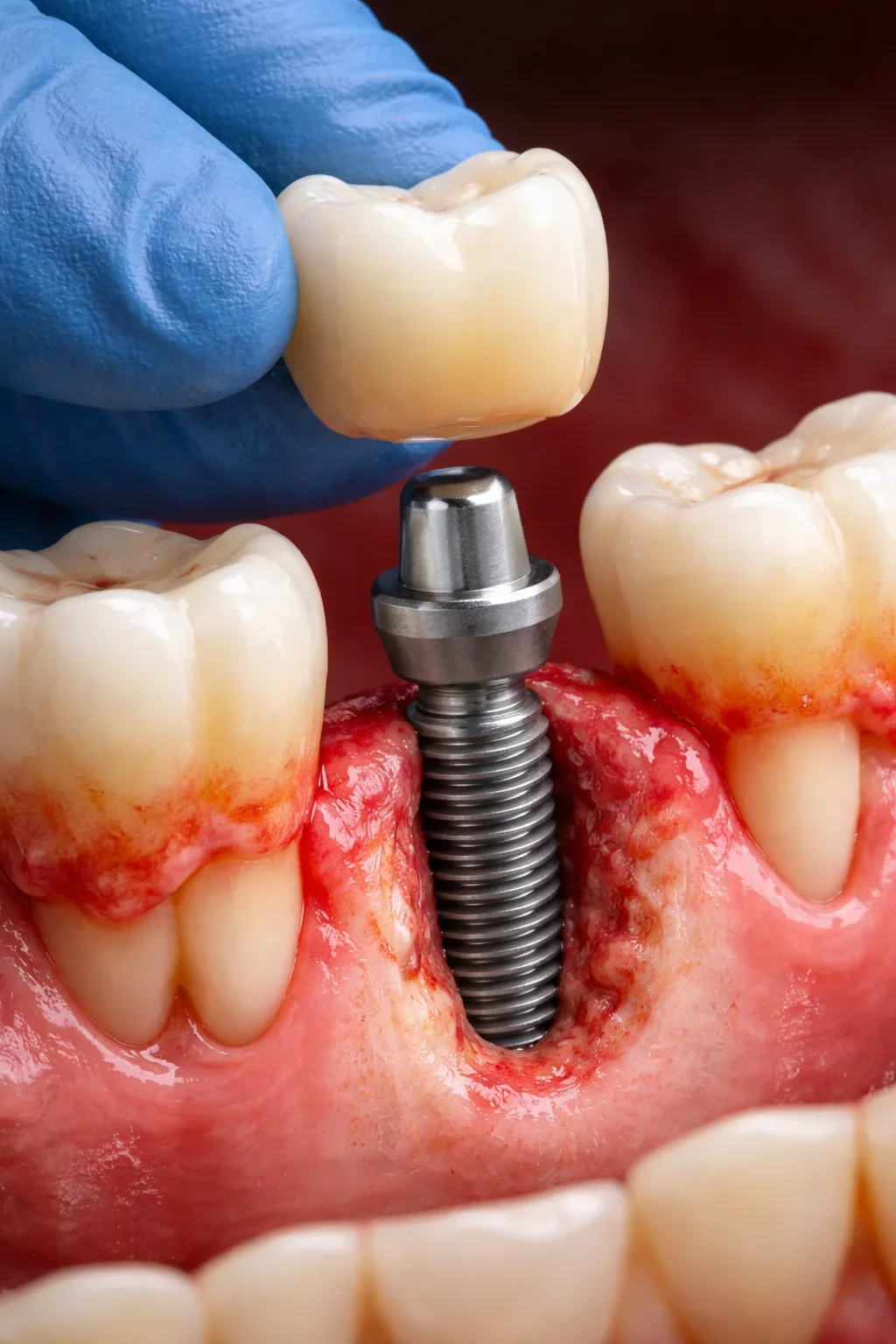
To fully understand whether can you have dental implants if you have gum disease, we must first look at what each condition involves. Dental implants are artificial tooth roots made of titanium that are surgically placed into the jawbone. They provide a stable foundation for crowns, bridges, or dentures. On the other hand, gum disease (also known as periodontal disease) is an infection of the tissues that support your teeth. It can range from mild inflammation (gingivitis) to severe damage that destroys bone and leads to tooth loss.
❗ The key issue is this: dental implants require a strong and healthy foundation. If you are wondering can you have dental implants if you have gum disease, the answer depends heavily on whether the infection is active or has been treated. Active gum disease can compromise the success of implants because bacteria can attack the surrounding tissues and cause implant failure, a condition known as peri-implantitis.
However, this does not mean implants are off the table. Many patients who ask can you have dental implants if you have gum disease are relieved to learn that modern dentistry offers effective treatments to control and even reverse gum disease in its earlier stages. Once the infection is properly treated and the gums are stabilized, dental implants can become a safe and highly successful option.
🔍 Another important factor when evaluating can you have dental implants if you have gum disease is bone density. Advanced gum disease often leads to bone loss, which can make implant placement more complex. In such cases, procedures like bone grafting may be required before implants can be placed. This ensures that the implant has a strong base to integrate with, increasing the chances of long-term success.
From a clinical perspective, specialists assess several factors before deciding if can you have dental implants if you have gum disease applies to your situation:
- Severity of gum disease
- Amount of bone loss
- Oral hygiene habits
- Smoking or systemic health conditions
- Response to periodontal treatment
💡 It is also important to understand that even after successful treatment, patients with a history of gum disease must maintain excellent oral hygiene. If you are still asking can you have dental implants if you have gum disease, remember that long-term success depends not only on the procedure itself but also on your commitment to care and maintenance.
Research and guidelines from trusted authorities like the American Dental Association emphasize that controlled periodontal health is essential before implant placement. This reinforces the idea that while the answer to can you have dental implants if you have gum disease can be yes, it requires proper diagnosis, planning, and treatment.
😊 Many patients travel internationally for advanced dental care and ask can you have dental implants if you have gum disease in the context of affordable treatment options. Clinics like Redent Klinik Contact Page provide comprehensive evaluations and personalized treatment plans, ensuring that gum disease is fully managed before moving forward with implants.
In conclusion, the question can you have dental implants if you have gum disease does not have a simple yes-or-no answer. Instead, it depends on your current oral health condition and the success of any necessary treatments. With the right approach, expert care, and patient commitment, dental implants can still be a life-changing solution — even for those who have experienced gum disease.
✨ The most important takeaway is this: don’t assume you are not a candidate. If you are wondering can you have dental implants if you have gum disease, the best step is to consult a dental professional who can evaluate your specific case and guide you toward the safest and most effective treatment plan.
Can You Have Dental Implants If You Have Gum Disease: Understanding the Basics
🦷 When patients begin researching tooth replacement options, one of the most pressing concerns they encounter is: can you have dental implants if you have gum disease? This question is crucial because both dental implants and gum disease directly impact the health of your gums, jawbone, and long-term oral stability. Understanding the basics is the first step toward making an informed decision.
To answer the question can you have dental implants if you have gum disease, we must clearly define both concepts. Dental implants are titanium posts surgically placed into the jawbone to act as artificial tooth roots. They fuse with the bone through a process called osseointegration, providing a stable base for crowns or bridges. Gum disease, however, is a progressive infection that damages the gums and supporting bone around teeth.
What Is Gum Disease and Why Does It Matter?
❗ Gum disease, also known as periodontal disease, starts as gingivitis and can progress into periodontitis if left untreated. When patients ask can you have dental implants if you have gum disease, the severity of the disease plays a critical role in determining eligibility.
- Gingivitis: Mild inflammation, reversible with proper care
- Periodontitis: Advanced infection leading to bone loss
In early stages, the answer to can you have dental implants if you have gum disease is more favorable because the damage is minimal. However, in advanced cases, untreated infection can destroy the very structures needed to support implants.
How Infection Impacts Implant Success
⚠️ Active infection is the biggest concern. If you are wondering can you have dental implants if you have gum disease, you must understand that bacteria can compromise implant stability. The infection can spread to the implant site, leading to peri-implantitis — a condition that causes implant failure.
This is why dentists emphasize treating gum disease before considering implants. The answer to can you have dental implants if you have gum disease depends on eliminating infection and restoring a healthy oral environment.
Dental Implants: How They Work
🔍 To fully evaluate can you have dental implants if you have gum disease, it is important to understand how implants function. Dental implants rely on three key components:
- The implant (titanium screw placed in the jawbone)
- The abutment (connector)
- The crown (visible tooth replacement)
For successful osseointegration, the surrounding bone and gums must be healthy. This is why the question can you have dental implants if you have gum disease is closely tied to bone quality and gum condition.
The Role of Bone Health
🧠 Bone density is critical. Gum disease often causes bone resorption, which weakens the foundation needed for implants. If you are asking can you have dental implants if you have gum disease, your dentist will likely evaluate bone levels through X-rays or 3D scans.
In cases where bone loss is present, procedures like bone grafting can rebuild the structure. This means that even if the initial answer to can you have dental implants if you have gum disease seems uncertain, modern dentistry offers solutions to improve eligibility.
When Is It Safe to Proceed with Implants?
✅ The most important factor in answering can you have dental implants if you have gum disease is whether the disease is controlled. Dentists typically require:
- No active infection
- Healthy gum tissue
- Stable bone levels
- Good oral hygiene habits
Once these conditions are met, the answer to can you have dental implants if you have gum disease becomes much more positive. Patients who have successfully treated gum disease can often proceed with implant placement safely.
Importance of Professional Evaluation
👨⚕️ Every case is unique. Even if you are still wondering can you have dental implants if you have gum disease, only a professional evaluation can provide a definitive answer. Clinics like Redent Klinik Contact Page offer detailed assessments and personalized treatment plans.
Additionally, guidelines from the American Dental Association emphasize that periodontal health must be stabilized before implant placement, reinforcing the importance of proper diagnosis and care.
Key Takeaways for Patients
💡 To summarize the basics, the question can you have dental implants if you have gum disease depends on multiple factors, including disease severity, bone health, and treatment success. Here are the essential points:
- Gum disease must be treated before implant placement
- Healthy gums and bone are essential for success
- Modern treatments can restore eligibility
- Long-term maintenance is critical
😊 Ultimately, if you are asking can you have dental implants if you have gum disease, the answer is not a simple no. With the right treatment plan and professional guidance, many patients can safely receive implants and enjoy a restored smile.
✨ Understanding these basics helps you take the first step toward a healthier mouth and a confident decision about your dental future.
How Gum Disease Affects Dental Implant Success Rates
🦷 When evaluating treatment options, one of the most critical concerns patients have is understanding how gum disease impacts outcomes. Naturally, this leads to the question: can you have dental implants if you have gum disease? The answer is closely tied to success rates, which are significantly influenced by the health of your gums and supporting bone.
Dental implants are known for their high success rate—often above 90–95% in healthy individuals. However, when patients ask can you have dental implants if you have gum disease, the presence of infection introduces additional risks. Gum disease affects both the soft tissue (gums) and hard tissue (bone), which are essential for implant stability.
Understanding the Link Between Gum Disease and Implant Failure
❗ The primary reason gum disease impacts success rates is due to bacterial infection. When considering can you have dental implants if you have gum disease, it is important to recognize that the same bacteria responsible for periodontal disease can also attack dental implants.
This condition is known as peri-implantitis, a serious inflammatory disease that affects the tissue around an implant. It can lead to:
- Bone loss around the implant
- Gum inflammation and bleeding
- Implant loosening or complete failure
Therefore, if you are asking can you have dental implants if you have gum disease, untreated infection significantly lowers the chances of long-term success.
Peri-Implantitis: The Hidden Risk
⚠️ Peri-implantitis is one of the biggest threats to implant longevity. Patients who previously had gum disease are at a higher risk of developing this condition. This is why dentists carefully evaluate cases where patients ask can you have dental implants if you have gum disease.
Even after successful implant placement, a history of gum disease means ongoing monitoring is essential. Without proper care, the same factors that caused the original disease can reappear and compromise the implant.
Bone Loss and Its Impact on Success Rates
🧠 Another major factor influencing the answer to can you have dental implants if you have gum disease is bone loss. Advanced gum disease destroys the alveolar bone that supports teeth. Since implants rely on this bone for anchorage, reduced bone density directly lowers success rates.
In patients with significant bone loss, dentists may recommend:
- Bone grafting procedures
- Sinus lift surgery (for upper jaw implants)
- Advanced implant techniques
These procedures can improve the outcome, meaning that even if you initially question can you have dental implants if you have gum disease, there are solutions to increase your chances of success.
Importance of Bone Quality
📊 Not all bone loss cases are the same. The quality and density of remaining bone determine whether implants can integrate successfully. When assessing can you have dental implants if you have gum disease, dentists use imaging tools such as CBCT scans to evaluate bone structure in detail.
Good bone quality significantly improves implant success—even in patients with a history of gum disease.
Role of Oral Hygiene in Implant Success
🪥 Oral hygiene plays a crucial role in determining outcomes. If you are wondering can you have dental implants if you have gum disease, your daily habits are just as important as clinical treatment.
Poor oral hygiene can lead to plaque buildup, which fuels bacterial growth. This increases the risk of both gum disease recurrence and implant complications. To maintain high success rates, patients must:
- Brush at least twice daily
- Use interdental brushes or floss
- Attend regular dental check-ups
Maintaining these habits ensures that the answer to can you have dental implants if you have gum disease remains positive over the long term.
Professional Maintenance Matters
👨⚕️ Regular professional cleanings are essential. Dentists monitor implant health and detect early signs of inflammation. Clinics like Redent Klinik Contact Page provide ongoing care plans for patients with a history of periodontal disease.
According to the American Dental Association, long-term maintenance significantly improves implant survival rates, especially in patients previously affected by gum disease.
Success Rates: What the Research Shows
📈 Studies show that patients with untreated gum disease have lower implant success rates compared to those with healthy gums. However, once the disease is properly managed, success rates can approach those of healthy individuals.
This means that when asking can you have dental implants if you have gum disease, the most important factor is not the history of the disease—but how well it has been treated and controlled.
- Healthy patients: ~95% success rate
- Treated gum disease patients: ~85–90% success rate
- Untreated gum disease: significantly lower success
Key Takeaways for Patients
💡 Understanding how gum disease affects outcomes helps answer the question can you have dental implants if you have gum disease more clearly. Here are the main points:
- Active gum disease reduces implant success rates
- Treated gum disease improves outcomes significantly
- Bone loss must be addressed before implantation
- Oral hygiene and maintenance are critical
😊 Ultimately, while gum disease does introduce risks, it does not automatically eliminate your eligibility. If you are still asking can you have dental implants if you have gum disease, the answer is encouraging—provided you follow a structured treatment plan and maintain excellent oral care.
✨ With modern dental techniques and proper management, even patients with a history of gum disease can achieve long-lasting, successful dental implant results.
Stages of Gum Disease and Their Impact on Implant Eligibility
🦷 One of the most important factors in answering the question can you have dental implants if you have gum disease is understanding the different stages of gum disease. Not all cases are the same, and each stage affects implant eligibility in different ways. From mild inflammation to severe bone loss, the progression of gum disease plays a decisive role in whether dental implants are possible and how successful they will be.
When patients ask can you have dental implants if you have gum disease, dentists first determine the stage of periodontal disease. This classification helps guide treatment decisions and ensures that implants are placed only when the oral environment is stable and healthy.
Stage 1: Gingivitis – The Earliest Form
😊 Gingivitis is the mildest stage of gum disease and is usually reversible. At this stage, patients may notice symptoms such as:
- Red or swollen gums
- Bleeding during brushing or flossing
- Mild discomfort
If you are wondering can you have dental implants if you have gum disease at this early stage, the answer is generally yes—with proper treatment. Gingivitis does not involve bone loss, which means the foundation needed for implants is still intact.
Why Early Treatment Matters
⚠️ Treating gingivitis early is critical. Professional cleaning and improved oral hygiene can completely reverse the condition. This means that for patients asking can you have dental implants if you have gum disease, early intervention significantly increases eligibility and success rates.
Once the gums return to a healthy state, dental implants can typically be placed without complications.
Stage 2: Early Periodontitis – Initial Bone Loss
🔍 As gum disease progresses, it enters early periodontitis. At this stage, the infection begins to affect the supporting bone. Patients asking can you have dental implants if you have gum disease at this stage may face more complex treatment requirements.
Symptoms may include:
- Gum recession
- Pocket formation between teeth and gums
- Early bone loss visible on X-rays
While implants are still possible, the answer to can you have dental implants if you have gum disease depends on successful periodontal treatment. Scaling and root planing are commonly used to remove bacteria and stabilize the condition.
Stabilization Before Implant Placement
🛠️ Dentists will not proceed with implants until the disease is under control. If you are asking can you have dental implants if you have gum disease, this stage requires careful monitoring to ensure the infection does not progress further.
Once stabilized, patients can often proceed with implant treatment, sometimes with minor additional procedures.
Stage 3: Moderate Periodontitis – Increased Risk
❗ In moderate periodontitis, the damage becomes more significant. Bone loss increases, and teeth may begin to loosen. This stage greatly influences the answer to can you have dental implants if you have gum disease.
Common signs include:
- Noticeable gum recession
- Persistent bad breath
- Moderate bone loss
- Tooth mobility
At this stage, implants are still possible, but the process becomes more complex. Patients asking can you have dental implants if you have gum disease will likely require advanced periodontal therapy before implant placement.
Advanced Treatment Options
🧠 Treatments may include:
- Deep cleaning procedures
- Antibiotic therapy
- Bone grafting to rebuild lost structure
These interventions improve the chances of success, meaning that even at this stage, the answer to can you have dental implants if you have gum disease can still be positive with proper care.
Stage 4: Advanced Periodontitis – Severe Damage
🚨 Advanced periodontitis is the most severe stage and presents the greatest challenge. Patients often experience significant bone loss, tooth loss, and widespread infection. Naturally, this raises serious concerns when asking can you have dental implants if you have gum disease.
Symptoms include:
- Severe gum recession
- Loose or missing teeth
- Extensive bone destruction
In this stage, immediate implant placement is usually not possible. However, this does not mean implants are completely ruled out. The answer to can you have dental implants if you have gum disease depends on comprehensive treatment and rehabilitation.
Rebuilding the Foundation
🔧 Advanced procedures such as bone grafting, sinus lifts, and guided tissue regeneration may be necessary. Clinics like Redent Klinik Contact Page specialize in complex cases, offering tailored solutions for patients with severe gum disease.
According to the American Dental Association, even advanced periodontal cases can be managed successfully with the right treatment plan, allowing patients to eventually receive implants.
Why Stage Assessment Is Critical
📊 Determining the stage of gum disease is essential for answering can you have dental implants if you have gum disease. Dentists use clinical examinations, X-rays, and periodontal measurements to assess:
- Depth of gum pockets
- Level of bone loss
- Presence of active infection
This detailed evaluation ensures that implants are only placed when conditions are optimal.
Key Takeaways for Patients
💡 Understanding the stages of gum disease provides clarity when asking can you have dental implants if you have gum disease. Here are the main points:
- Gingivitis is reversible and allows easy implant placement
- Early and moderate periodontitis require treatment before implants
- Advanced periodontitis needs extensive rehabilitation
- Each stage requires a customized approach
😊 Ultimately, the answer to can you have dental implants if you have gum disease depends on the stage of the disease and the success of treatment. With modern dentistry, even patients with severe conditions can regain eligibility and achieve long-lasting implant success.
✨ The key is early diagnosis, proper treatment, and ongoing care—ensuring that your smile remains healthy and stable for years to come.
Treatment Options Before Getting Dental Implants with Gum Disease
🦷 Before moving forward with implant placement, one of the most important steps in answering the question can you have dental implants if you have gum disease is proper treatment planning. Dental professionals do not simply place implants in the presence of infection. Instead, they focus on eliminating disease, restoring tissue health, and rebuilding bone structure where necessary.
If you are asking can you have dental implants if you have gum disease, the good news is that modern dentistry offers a wide range of effective treatment options. These treatments are designed to control infection, repair damage, and create a stable environment for implants.
Initial Periodontal Therapy: The First Step
✅ The first stage in managing gum disease involves non-surgical treatments. When patients ask can you have dental implants if you have gum disease, dentists usually begin with basic periodontal therapy to stop disease progression.
- Scaling: Removal of plaque and tartar from above and below the gumline
- Root Planing: Smoothing the tooth roots to prevent bacterial accumulation
- Antibacterial Treatments: Use of medicated rinses or localized antibiotics
These procedures are essential in transforming the answer to can you have dental implants if you have gum disease from uncertain to possible. By reducing inflammation and bacterial load, the gums begin to heal and stabilize.
Why Non-Surgical Treatment Matters
⚠️ Without proper initial therapy, placing implants would be risky. Active infection can lead to implant failure. Therefore, when considering can you have dental implants if you have gum disease, this step is non-negotiable.
Once inflammation is controlled, dentists reassess the condition to determine if further treatment is required.
Advanced Periodontal Treatments
🔍 In more severe cases, non-surgical methods may not be enough. Patients asking can you have dental implants if you have gum disease at moderate or advanced stages often require surgical intervention.
- Flap Surgery: Lifting the gums to remove deep infection and reduce pocket depth
- Guided Tissue Regeneration: Encouraging regrowth of lost bone and tissue
- Laser Therapy: Minimally invasive removal of infected tissue
These treatments significantly improve the chances of success. This means that even if you initially doubt can you have dental implants if you have gum disease, advanced therapy can restore eligibility.
Restoring Healthy Gum Structure
🧠 The goal is not just to eliminate infection but also to rebuild the supporting structures. Healthy gums are essential for implant stability. When evaluating can you have dental implants if you have gum disease, dentists look for firm, pink, non-bleeding gum tissue as a sign of readiness.
Bone Grafting: Rebuilding Lost Support
🛠️ One of the most critical treatments for patients with gum disease is bone grafting. Since gum disease often causes bone loss, this procedure plays a major role in answering can you have dental implants if you have gum disease.
Bone grafting involves placing bone material in areas where bone has deteriorated. Over time, this material integrates with the existing bone, creating a stronger foundation for implants.
- Autografts (from your own body)
- Allografts (donor bone)
- Synthetic bone materials
With successful grafting, many patients who initially question can you have dental implants if you have gum disease become ideal candidates for implants.
Healing Time and Expectations
⏳ Bone grafting requires healing time, typically several months. During this period, the body regenerates bone tissue. This waiting phase is crucial in ensuring that the final answer to can you have dental implants if you have gum disease becomes a confident yes.
Gum Grafting for Tissue Repair
🌿 In addition to bone loss, gum disease can cause gum recession. This exposes tooth roots and reduces protection around implants. For patients asking can you have dental implants if you have gum disease, gum grafting may be recommended.
This procedure involves adding tissue to areas where gums have receded, improving both aesthetics and function.
Benefits of Gum Grafting
- Protects implant sites
- Improves gum thickness
- Enhances overall oral health
These benefits make gum grafting an important step in preparing for implants.
Lifestyle and Behavioral Adjustments
🪥 Treatment is not limited to clinical procedures. If you are asking can you have dental implants if you have gum disease, your daily habits play a huge role in the outcome.
- Quit smoking 🚭
- Maintain proper oral hygiene
- Follow a balanced diet
- Attend regular dental check-ups
These changes ensure that gum disease does not return, keeping implants safe in the long term.
Professional Monitoring
👨⚕️ Regular follow-ups are essential. Clinics like Redent Klinik Contact Page provide personalized monitoring plans for patients undergoing periodontal treatment.
Guidelines from the American Dental Association also emphasize continuous care as a key factor in implant success.
Key Takeaways Before Implant Placement
💡 To summarize, when considering can you have dental implants if you have gum disease, proper treatment is the foundation of success. The main steps include:
- Eliminating infection through scaling and root planing
- Using advanced surgical treatments if needed
- Rebuilding bone with grafting procedures
- Restoring gum tissue through grafting
- Maintaining strict oral hygiene and lifestyle changes
😊 Ultimately, the answer to can you have dental implants if you have gum disease becomes much more optimistic when these treatments are followed. With the right preparation, even patients with significant periodontal issues can safely move forward with dental implants.
✨ The key is patience, proper care, and expert guidance—ensuring a strong, healthy foundation for a long-lasting smile.
Can You Have Dental Implants If You Have Gum Disease After Treatment?
🦷 After completing periodontal therapy, many patients revisit the same important question: can you have dental implants if you have gum disease? At this stage, the focus shifts from active infection to recovery, stability, and long-term readiness for implant placement. The encouraging news is that once gum disease is properly treated and controlled, many patients become suitable candidates for dental implants.
However, the answer to can you have dental implants if you have gum disease after treatment depends on several critical factors. Dentists do not rely solely on the fact that treatment has been completed—they carefully evaluate healing outcomes, tissue condition, and bone integrity before moving forward.
What Does “Successful Treatment” Mean?
✅ Successful periodontal treatment means that the infection has been eliminated and the gums have returned to a healthy state. When patients ask can you have dental implants if you have gum disease, dentists look for the following signs of recovery:
- No bleeding during brushing or probing
- Reduced gum pocket depth
- Absence of active infection
- Stable bone levels
If these conditions are met, the answer to can you have dental implants if you have gum disease becomes much more favorable. The mouth must be a clean, infection-free environment to support implant integration.
Healing Time Is Essential
⏳ Even after treatment, healing takes time. Dentists often recommend waiting several weeks or months before placing implants. This waiting period ensures that the tissues are fully stabilized. If you are wondering can you have dental implants if you have gum disease, patience during this phase is crucial for long-term success.
Bone Stability After Gum Disease Treatment
🧠 One of the biggest concerns when answering can you have dental implants if you have gum disease is bone stability. Gum disease often causes bone loss, and even after treatment, the remaining bone must be strong enough to support implants.
Dentists use advanced imaging techniques to evaluate bone density and structure. If necessary, additional procedures such as bone grafting may still be required before implant placement.
When Bone Grafting Is Still Needed
🔧 Even after successful gum disease treatment, some patients may not have sufficient bone volume. In these cases, bone grafting can:
- Restore lost bone structure
- Improve implant stability
- Increase long-term success rates
This means that even if you initially question can you have dental implants if you have gum disease, modern solutions can help rebuild the necessary foundation.
Risk Factors That Still Matter
⚠️ Although treatment improves eligibility, certain risk factors remain important when evaluating can you have dental implants if you have gum disease:
- Smoking habits 🚬
- Poor oral hygiene
- Chronic health conditions (e.g., diabetes)
- History of severe periodontitis
These factors can increase the risk of complications, even after successful treatment. Therefore, the answer to can you have dental implants if you have gum disease also depends on managing these risks effectively.
Importance of Patient Commitment
💡 Long-term success requires active participation from the patient. If you are still asking can you have dental implants if you have gum disease, you must be committed to maintaining excellent oral hygiene and attending regular dental visits.
Implant Success Rates After Gum Disease Treatment
📊 Research shows that patients who have successfully treated gum disease can achieve implant success rates close to those of individuals without periodontal issues. This is a key point when considering can you have dental implants if you have gum disease.
- Treated patients: High success rates (85–95%)
- Well-maintained oral hygiene: Increased longevity
- Regular follow-ups: Reduced complication risk
These statistics demonstrate that the answer to can you have dental implants if you have gum disease becomes significantly more positive after proper treatment and maintenance.
Long-Term Maintenance After Implant Placement
🪥 Even after implants are placed, patients with a history of gum disease must follow strict maintenance protocols. The question can you have dental implants if you have gum disease does not end with the procedure—it continues throughout the life of the implant.
- Daily brushing and flossing
- Use of antibacterial mouthwash
- Regular professional cleanings
These habits help prevent peri-implantitis and ensure the longevity of implants.
Professional Monitoring and Support
👨⚕️ Ongoing care is essential. Clinics like Redent Klinik Contact Page provide customized follow-up plans for patients with a history of gum disease.
Additionally, recommendations from the American Dental Association highlight the importance of continuous monitoring to maintain implant health and prevent recurrence of disease.
Key Takeaways After Treatment
💡 To summarize, when asking can you have dental implants if you have gum disease after treatment, the answer depends on the success of the therapy and your commitment to oral care. The main points include:
- Gum disease must be fully treated and controlled
- Bone and gum health must be stable
- Risk factors should be minimized
- Long-term maintenance is essential
😊 Ultimately, the answer to can you have dental implants if you have gum disease after treatment is often yes. With proper care, professional guidance, and consistent maintenance, dental implants can provide a durable and life-changing solution—even for patients who once struggled with gum disease.
✨ The journey may require extra steps, but the result—a healthy, confident smile—is well worth the effort.
Risks and Complications of Dental Implants with Gum Disease
🦷 When patients seriously consider implants, one of the most important aspects to understand is the potential risks involved. This is especially true when asking can you have dental implants if you have gum disease. While modern dentistry offers advanced solutions, gum disease introduces specific complications that must be carefully managed to ensure long-term success.
The question can you have dental implants if you have gum disease is not only about eligibility—it is also about understanding the risks and how to minimize them. Patients with current or past gum disease are statistically more prone to complications compared to those with completely healthy gums.
Peri-Implantitis: The Most Serious Risk
⚠️ The most significant complication linked to gum disease is peri-implantitis. This condition is similar to periodontitis but occurs around dental implants. When evaluating can you have dental implants if you have gum disease, this risk is always a top concern.
Peri-implantitis can lead to:
- Inflammation of surrounding tissues
- Progressive bone loss
- Implant instability or failure
If gum disease bacteria remain in the mouth, they can attack the implant site. This is why the answer to can you have dental implants if you have gum disease depends heavily on proper treatment and infection control.
Early Warning Signs of Peri-Implantitis
🚨 Recognizing early symptoms is crucial. Patients who previously asked can you have dental implants if you have gum disease should watch for:
- Bleeding around the implant
- Swelling or redness
- Bad taste or odor
- Discomfort or looseness
Early detection allows for timely intervention, preventing more serious complications.
Increased Risk of Implant Failure
❗ Another key issue when discussing can you have dental implants if you have gum disease is the increased likelihood of implant failure. This occurs when the implant does not properly integrate with the bone or becomes unstable over time.
Factors contributing to failure include:
- Residual infection
- Poor bone quality
- Insufficient healing time
Even after treatment, patients with a history of gum disease must be closely monitored to ensure that the implant remains stable and functional.
Osseointegration Challenges
🧠 Successful implants rely on osseointegration—the process where bone fuses with the implant. If you are asking can you have dental implants if you have gum disease, you should know that inflammation can interfere with this process.
Without proper integration, the implant cannot support chewing forces, leading to failure.
Bone Loss Complications
🔍 Gum disease often causes bone loss, which directly impacts implant success. When considering can you have dental implants if you have gum disease, insufficient bone volume is a major complication.
Bone loss can lead to:
- Reduced implant stability
- Need for additional procedures
- Longer treatment timelines
In such cases, bone grafting may be required to restore the structure before implant placement.
Delayed Treatment Timeline
⏳ Patients asking can you have dental implants if you have gum disease should be prepared for a longer treatment process. Addressing bone loss and healing properly can take several months, but it significantly improves outcomes.
Gum Recession and Aesthetic Issues
🌿 Another complication linked to gum disease is gum recession. This can affect both the function and appearance of dental implants. When evaluating can you have dental implants if you have gum disease, aesthetics are also considered.
Recession may cause:
- Visible implant components
- Uneven gum lines
- Increased sensitivity
To address this, procedures such as gum grafting may be recommended.
Impact on Smile Appearance
😊 A healthy gum line is essential for a natural-looking smile. Patients who ask can you have dental implants if you have gum disease should understand that aesthetic outcomes depend on proper gum management.
Systemic Health and Lifestyle Risks
🚬 Certain lifestyle and health factors can increase complications. When answering can you have dental implants if you have gum disease, dentists also consider:
- Smoking habits
- Diabetes and other chronic conditions
- Immune system health
These factors can slow healing and increase infection risk, making implant success more challenging.
Why Lifestyle Changes Matter
💡 Patients must take an active role in reducing risks. If you are asking can you have dental implants if you have gum disease, quitting smoking and maintaining good overall health can dramatically improve outcomes.
Importance of Professional Monitoring
👨⚕️ Continuous dental care is essential for minimizing complications. Clinics like Redent Klinik Contact Page offer tailored follow-up programs for patients with a history of gum disease.
According to the American Dental Association, regular monitoring and maintenance significantly reduce the risk of implant-related complications.
Key Takeaways About Risks
💡 Understanding the risks helps answer the question can you have dental implants if you have gum disease more realistically. The main points include:
- Peri-implantitis is the most serious complication
- Implant failure risk is higher with untreated or poorly managed gum disease
- Bone loss and gum recession can affect outcomes
- Lifestyle factors play a significant role
😊 Ultimately, while there are risks, they can be effectively managed with proper treatment and care. If you are still asking can you have dental implants if you have gum disease, the answer remains cautiously positive—with the right precautions in place.
✨ By understanding and addressing these risks, patients can move forward with confidence and achieve successful, long-lasting implant results.
Step-by-Step Process for Implant Placement in Patients with Gum Disease
🦷 Understanding the full treatment journey is essential when asking can you have dental implants if you have gum disease. The process is not a simple one-step procedure—especially for patients with current or past periodontal issues. Instead, it involves a carefully planned, multi-stage approach designed to ensure safety, stability, and long-term success.
If you are wondering can you have dental implants if you have gum disease, this step-by-step guide will help you understand exactly what to expect, from initial consultation to final restoration.
Step 1: Comprehensive Evaluation and Diagnosis
🔍 The first step in answering can you have dental implants if you have gum disease is a detailed dental examination. Dentists assess the overall health of your gums, teeth, and jawbone.
- Clinical gum examination (checking bleeding, pocket depth)
- Digital X-rays or 3D scans (CBCT)
- Bone density analysis
This evaluation determines whether gum disease is active and how advanced it is. Without this step, it is impossible to safely answer can you have dental implants if you have gum disease.
Personalized Treatment Planning
🧠 Based on the findings, a customized treatment plan is created. Clinics like Redent Klinik Contact Page specialize in designing individualized solutions for patients with complex periodontal conditions.
Step 2: Gum Disease Treatment and Stabilization
✅ Before implant placement, all gum disease must be treated. This is one of the most critical steps in determining can you have dental implants if you have gum disease.
Treatment may include:
- Scaling and root planing
- Antibiotic therapy
- Periodontal surgery (if necessary)
The goal is to eliminate infection and create a healthy oral environment. Only after this stage can the answer to can you have dental implants if you have gum disease move toward a positive outcome.
Healing and Monitoring Phase
⏳ After treatment, the gums need time to heal. Dentists monitor progress to ensure there is no remaining inflammation. This waiting period is essential for improving implant success.
Step 3: Bone and Tissue Reconstruction (If Needed)
🛠️ For many patients asking can you have dental implants if you have gum disease, bone loss is a major concern. If the jawbone is not strong enough, additional procedures are required.
- Bone grafting
- Sinus lift (for upper jaw implants)
- Gum grafting for soft tissue support
These procedures rebuild the foundation needed for implants. This step ensures that even patients with significant damage can still answer can you have dental implants if you have gum disease with confidence.
Integration Period
🧬 After grafting, the body needs time to regenerate bone. This process can take several months but is essential for long-term stability.
Step 4: Implant Placement Surgery
⚙️ Once the gums and bone are healthy, the implant is surgically placed into the jawbone. This is the moment many patients have been waiting for after asking can you have dental implants if you have gum disease.
The procedure typically involves:
- Local anesthesia or sedation
- Precise placement of the titanium implant
- Stitching of the gum tissue
The surgery is generally quick and minimally invasive, especially when performed by experienced professionals.
Immediate vs Delayed Placement
🔄 In some cases, implants can be placed immediately after tooth extraction. However, for patients with gum disease, delayed placement is often preferred to ensure proper healing and reduce risks.
Step 5: Osseointegration and Healing
🧠 After placement, the implant undergoes osseointegration—the process where it fuses with the jawbone. This stage is crucial when evaluating can you have dental implants if you have gum disease, as successful integration determines long-term success.
This phase typically takes 3–6 months. During this time, patients must follow strict oral hygiene practices to prevent infection.
Protecting the Implant Site
🪥 Patients are advised to avoid excessive pressure on the implant area and maintain excellent oral care. Proper hygiene ensures that the answer to can you have dental implants if you have gum disease remains positive.
Step 6: Abutment and Crown Placement
✨ Once the implant is fully integrated, the final restoration phase begins. This includes:
- Attaching the abutment
- Placing the custom-made crown
The result is a natural-looking, fully functional tooth replacement. At this stage, patients who once asked can you have dental implants if you have gum disease can enjoy the benefits of a restored smile.
Final Adjustments
😊 Dentists ensure that the bite is properly aligned and the implant feels comfortable. Aesthetic and functional results are carefully optimized.
Step 7: Long-Term Maintenance and Follow-Up
👨⚕️ The journey does not end after placement. Long-term care is essential, especially for patients with a history of gum disease. When asking can you have dental implants if you have gum disease, maintenance is a key part of the answer.
- Regular dental check-ups
- Professional cleanings
- Monitoring for signs of peri-implantitis
According to the American Dental Association, ongoing care significantly improves implant longevity and prevents complications.
Key Takeaways from the Step-by-Step Process
💡 To summarize, the process of getting implants after gum disease is structured and thorough. When considering can you have dental implants if you have gum disease, the key steps include:
- Comprehensive evaluation and diagnosis
- Complete treatment of gum disease
- Bone and tissue reconstruction if needed
- Careful implant placement
- Healing and osseointegration
- Final restoration and long-term maintenance
😊 Ultimately, the answer to can you have dental implants if you have gum disease becomes much clearer when you understand the full process. With proper planning, expert care, and patient commitment, even complex cases can achieve outstanding results.
✨ A step-by-step approach ensures not only the success of the implant but also the long-term health of your smile.
Cost Breakdown: Dental Implants with Gum Disease Treatment
💰 One of the most important considerations for patients asking can you have dental implants if you have gum disease is the overall cost. Unlike standard implant procedures, cases involving gum disease often require additional treatments, which can significantly affect the total investment. Understanding the full cost breakdown helps you plan ahead and avoid unexpected expenses.
If you are wondering can you have dental implants if you have gum disease, it’s essential to know that the price is not just for the implant itself. Instead, it includes a combination of diagnostic, periodontal, surgical, and restorative procedures.
Initial Consultation and Diagnostic Costs
🔍 The first step in determining can you have dental implants if you have gum disease is a comprehensive evaluation. This includes:
- Clinical examination
- Digital X-rays
- 3D CBCT scans
💵 Estimated Cost:
- Consultation: $50 – $150
- 3D imaging: $100 – $300
These diagnostics are crucial for assessing bone loss and gum condition, ensuring a safe and effective treatment plan.
Why Diagnostics Matter
🧠 Accurate diagnosis is essential when answering can you have dental implants if you have gum disease. Skipping this step can lead to complications and higher costs later.
Gum Disease Treatment Costs
🪥 Before implants can be placed, gum disease must be treated. This is a key factor in determining can you have dental implants if you have gum disease.
Common treatments include:
- Scaling and root planing (deep cleaning)
- Antibiotic therapy
- Periodontal surgery (for advanced cases)
💵 Estimated Cost:
- Deep cleaning: $200 – $800 per quadrant
- Periodontal surgery: $500 – $3,000+
These treatments are essential to eliminate infection and prepare the mouth for implants.
Investment in Oral Health
⚠️ While these costs may seem high, they are necessary to ensure that the answer to can you have dental implants if you have gum disease becomes a safe and positive one.
Bone Grafting and Additional Procedures
🛠️ Many patients with gum disease experience bone loss, requiring additional procedures. When evaluating can you have dental implants if you have gum disease, these treatments often play a major role in the total cost.
- Bone grafting
- Sinus lift surgery
- Gum grafting
💵 Estimated Cost:
- Bone grafting: $300 – $3,000
- Sinus lift: $1,500 – $5,000
- Gum grafting: $600 – $2,500
These procedures rebuild the foundation needed for implant success, especially in advanced cases.
Long-Term Value of Reconstruction
💡 Although these treatments increase upfront costs, they significantly improve implant longevity. This makes them a worthwhile investment when considering can you have dental implants if you have gum disease.
Dental Implant Procedure Costs
⚙️ Once the mouth is healthy, the implant procedure itself can begin. This is the core treatment for patients asking can you have dental implants if you have gum disease.
- Implant placement surgery
- Abutment placement
- Custom crown fabrication
💵 Estimated Cost per Implant:
- Implant: $1,000 – $3,000
- Abutment: $300 – $600
- Crown: $800 – $2,000
👉 Total per implant: $2,500 – $5,500+
This cost can vary depending on the clinic, materials used, and case complexity.
Why Costs Vary
🌍 Location, expertise, and technology all influence pricing. Clinics like Redent Klinik Contact Page often offer high-quality treatments at competitive international prices.
Total Estimated Cost Overview
📊 When combining all stages, the total cost for patients asking can you have dental implants if you have gum disease can range significantly:
- Mild cases: $3,000 – $6,000 per implant
- Moderate cases: $5,000 – $10,000+
- Severe cases with reconstruction: $8,000 – $15,000+
This comprehensive estimate includes diagnosis, treatment, surgery, and restoration.
Insurance and Financing Options
💳 Some insurance plans may cover portions of periodontal treatment but rarely cover implants بالكامل. Many clinics offer financing plans to make treatment more accessible.
According to the American Dental Association, patients should always discuss financial options with their provider to plan effectively.
Cost vs Value: Is It Worth It?
😊 While the cost may seem high, dental implants provide long-term benefits that outweigh the initial investment. When asking can you have dental implants if you have gum disease, it is important to consider value rather than just price.
- Improved chewing function
- Enhanced aesthetics
- Prevention of further bone loss
- Long-lasting results (10–20+ years)
These advantages make implants one of the most reliable tooth replacement options available.
Key Takeaways About Costs
💡 To summarize, when considering can you have dental implants if you have gum disease, the cost depends on multiple factors:
- Severity of gum disease
- Need for additional procedures
- Number of implants required
- Clinic location and expertise
😊 Ultimately, while treatment involving gum disease may increase costs, it also ensures safety and long-term success. The answer to can you have dental implants if you have gum disease is not just about possibility—it is about making a well-informed investment in your oral health.
✨ With proper planning and expert care, dental implants can provide a lifetime of benefits, making them a valuable solution even in complex cases.
Long-Term Care Tips After Dental Implants with a History of Gum Disease
🦷 After successfully completing treatment, many patients believe the journey ends—but in reality, it is just the beginning. If you have ever asked can you have dental implants if you have gum disease, the long-term success of your implants depends heavily on how well you maintain your oral health afterward. Patients with a history of gum disease must follow stricter care routines compared to those without periodontal issues.
The answer to can you have dental implants if you have gum disease does not stop at placement. Instead, it extends into daily care, professional monitoring, and lifestyle habits that ensure implants remain stable and infection-free for many years.
Daily Oral Hygiene Routine
🪥 Maintaining excellent oral hygiene is the foundation of long-term implant success. Patients who previously asked can you have dental implants if you have gum disease must adopt a consistent and thorough daily routine.
- Brush at least twice a day using a soft-bristle toothbrush
- Use low-abrasive toothpaste to protect implant surfaces
- Clean between teeth with floss or interdental brushes
This routine helps prevent plaque buildup, which is the main cause of both gum disease recurrence and implant complications.
Choosing the Right Tools
🧠 Special tools such as water flossers and implant-specific brushes can enhance cleaning effectiveness. If you are still thinking can you have dental implants if you have gum disease, using the right tools is a key part of keeping your answer positive long-term.
Regular Dental Check-Ups and Professional Cleaning
👨⚕️ Professional care is just as important as daily hygiene. Patients with a history of gum disease who ask can you have dental implants if you have gum disease must commit to regular dental visits.
- Routine check-ups every 3–6 months
- Professional cleaning to remove plaque and tartar
- Monitoring for early signs of peri-implantitis
These visits allow dentists to detect potential issues early and take preventive action.
Customized Maintenance Plans
📋 Clinics like Redent Klinik Contact Page offer personalized maintenance programs tailored to patients with periodontal history. This ensures that the question can you have dental implants if you have gum disease continues to have a positive outcome over time.
Preventing Peri-Implantitis
⚠️ One of the biggest long-term risks is peri-implantitis. Even after successful treatment, patients who once asked can you have dental implants if you have gum disease remain at higher risk of this condition.
Preventive steps include:
- Maintaining excellent oral hygiene
- Avoiding plaque buildup
- Following professional cleaning schedules
Early detection is crucial, as untreated peri-implantitis can lead to implant failure.
Recognizing Warning Signs
🚨 Watch for symptoms such as bleeding, swelling, or discomfort around the implant. If you notice any of these, immediate dental consultation is necessary to protect your implant.
Lifestyle Changes for Implant Longevity
🚬 Lifestyle habits play a major role in long-term outcomes. When considering can you have dental implants if you have gum disease, your daily habits can either support or compromise implant success.
- Quit smoking to improve healing and reduce infection risk
- Maintain a balanced diet rich in vitamins and minerals
- Manage systemic conditions such as diabetes
These changes help create a healthier environment for implants and reduce the likelihood of complications.
Impact of Smoking
❗ Smoking is one of the biggest risk factors for implant failure. Patients who previously asked can you have dental implants if you have gum disease should strongly consider quitting to improve long-term outcomes.
Protecting Your Implants from Damage
🛡️ Beyond hygiene and health, protecting implants from physical damage is also important. Patients who once questioned can you have dental implants if you have gum disease should take precautions such as:
- Avoiding hard foods that can damage crowns
- Using a night guard if you grind your teeth
- Following dentist recommendations for care
These steps help maintain both function and aesthetics.
Night Guards and Bite Protection
😴 Teeth grinding (bruxism) can put excessive pressure on implants. Using a custom night guard protects both natural teeth and implants from damage.
Long-Term Success Rates with Proper Care
📊 With proper maintenance, dental implants can last 10–20 years or even longer. Patients who initially asked can you have dental implants if you have gum disease can achieve outcomes comparable to those without periodontal history.
According to the American Dental Association, long-term success is strongly linked to consistent care and regular monitoring.
Key Takeaways for Long-Term Care
💡 To summarize, the answer to can you have dental implants if you have gum disease remains positive only if proper care is maintained after treatment. The key points include:
- Maintain strict daily oral hygiene
- Attend regular dental check-ups
- Prevent peri-implantitis through early detection
- Adopt healthy lifestyle habits
- Protect implants from physical damage
😊 Ultimately, dental implants are a long-term investment in your oral health. If you have ever wondered can you have dental implants if you have gum disease, remember that ongoing care is the key to preserving your results and enjoying a healthy, confident smile for years to come.
✨ With the right habits and professional support, your dental implants can remain strong, functional, and beautiful—no matter your history with gum disease.