
A cantilever implant is a specialized dental restoration technique used when a patient needs to replace a missing tooth but does not have enough bone or space to support multiple implants. Instead of placing two implants to support a dental bridge, dentists strategically place a single implant that supports an extended crown or prosthetic tooth. This design resembles a structural cantilever used in engineering, where a beam is supported at one end while extending outward. In dentistry, a cantilever implant uses a similar principle to restore function and aesthetics with fewer implants.
Modern implant dentistry has evolved dramatically over the past two decades. Patients today seek solutions that are durable, comfortable, and visually natural. The cantilever implant approach is one such innovation that can be extremely useful in specific clinical situations. Rather than requiring multiple surgical implant placements, a dentist can strategically use a single implant to support a prosthetic extension. This technique reduces surgical complexity while still restoring chewing ability and smile appearance.
For patients who have lost teeth due to trauma, gum disease, decay, or congenital absence, dental implants are often considered the gold standard of tooth replacement. A cantilever implant can offer an excellent alternative when traditional implant placement is not feasible. For example, if there is insufficient bone for two implants in a narrow space, dentists may recommend a cantilever design that allows a single implant to support two connected teeth. This approach can preserve bone structure while minimizing invasive procedures.
From a biomechanical perspective, the concept behind a cantilever implant must be carefully planned. Because the prosthetic tooth extends beyond the implant support, it creates leverage forces during chewing. Skilled implant dentists carefully evaluate bite pressure, jaw alignment, and bone density before recommending this option. When planned correctly, a cantilever implant can function successfully for many years and provide a stable solution for missing teeth.
One of the main advantages of the cantilever implant technique is that it can reduce the number of surgical procedures required. Traditional dental bridges may require multiple implants or preparation of neighboring teeth. In contrast, a cantilever implant may require only one implant fixture embedded into the jawbone. This often leads to shorter treatment time, lower cost, and a less invasive experience for the patient.
The process typically begins with a comprehensive dental examination. Dentists use advanced diagnostic tools such as 3D CBCT scans to evaluate bone volume and anatomical structures. After the evaluation, the dental professional determines whether a cantilever implant is appropriate. Factors such as jawbone density, bite force, and the location of the missing tooth are critical in deciding whether this technique will provide long-term success.
Patients considering a cantilever implant often ask about durability and safety. According to professional guidelines and research shared by organizations such as the
American Dental Association, implant-supported restorations can achieve very high long-term success rates when properly planned and maintained. The key factor is careful case selection. Not every missing tooth scenario is suitable for a cantilever design, which is why consultation with an experienced implant dentist is essential.
Another important benefit of a cantilever implant is its ability to restore normal chewing function. Missing teeth can affect bite balance and cause neighboring teeth to shift. By replacing the missing tooth with a cantilever-supported crown, dentists can restore alignment and improve oral health. Patients often notice significant improvements in speech clarity, chewing comfort, and overall confidence in their smile.
From an aesthetic perspective, a well-designed cantilever implant looks almost identical to natural teeth. The prosthetic crown is custom-made to match the shape, color, and size of surrounding teeth. Advanced dental ceramics ensure that the restoration blends seamlessly into the smile. This means patients not only regain oral function but also enjoy natural-looking results.
If you are considering tooth replacement and want to know whether a cantilever implant is suitable for your situation, consulting with an experienced dental implant specialist is the best first step. Personalized evaluation ensures that the treatment plan fits your unique oral anatomy and long-term dental goals. Patients interested in professional consultation or treatment planning can easily reach out through the
Redent Klinik Contact Page.
Ultimately, a cantilever implant represents a sophisticated solution within modern implant dentistry. By combining engineering principles with advanced dental materials, dentists can restore missing teeth even in challenging situations. When designed and placed correctly, a cantilever implant can deliver long-lasting functionality, improved oral health, and a confident smile for patients seeking reliable tooth replacement.
What Is a Cantilever Implant and How Does It Work?
A cantilever implant is a dental implant restoration technique used when a missing tooth needs to be replaced but placing multiple implants is not possible or practical. In this method, a single dental implant supports a prosthetic tooth that extends beyond the implant post. The concept is similar to a cantilever structure in engineering, where a beam is anchored at one end while the other end extends outward without additional support. In dentistry, the cantilever implant applies this principle to restore missing teeth while minimizing surgical intervention.
Dental implants have become one of the most reliable and advanced solutions for replacing missing teeth. A cantilever implant is typically recommended in specific cases where bone structure, spacing between teeth, or anatomical limitations make traditional implant placement difficult. Instead of installing two implants for a bridge, dentists strategically place one implant and attach an extended crown or prosthetic structure to replace the missing tooth.
Understanding the Basic Structure of a Cantilever Implant
To fully understand how a cantilever implant works, it is important to examine its structural components. Like other dental implants, the system consists of three primary parts:
- Implant Fixture: The titanium post surgically inserted into the jawbone.
- Abutment: The connector placed on top of the implant.
- Prosthetic Crown: The artificial tooth attached to the abutment.
In a traditional implant-supported bridge, two implants support multiple teeth. However, in a cantilever implant restoration, the prosthetic tooth extends beyond the implant support. This extension is carefully designed so that the forces generated during chewing remain within safe limits. Skilled implant dentists carefully calculate these forces to ensure that the cantilever implant remains stable and durable over time.
How Bite Forces Affect a Cantilever Implant
One of the most important aspects of a cantilever implant design is how it manages bite pressure. When you chew food, your teeth generate significant forces that transfer through the prosthetic crown and into the implant. Because a cantilever implant supports an extended tooth structure, the implant must be positioned precisely to handle these forces effectively.
Dental professionals use advanced digital planning tools and 3D imaging technology to evaluate jawbone density and determine the best implant position. Careful planning ensures that the cantilever implant distributes chewing pressure properly and reduces the risk of implant overload. When executed correctly, the implant functions similarly to a natural tooth root and can support daily chewing activities comfortably.
Biomechanics Behind Cantilever Implant Design
Biomechanics plays a critical role in the success of a cantilever implant. Because the prosthetic tooth extends beyond the implant post, leverage forces can occur during biting and chewing. To manage these forces, dentists carefully evaluate several factors before recommending a cantilever implant:
- Bone density and quality in the implant area
- The patient’s bite alignment
- The position of neighboring teeth
- The length of the cantilever extension
- Jaw movement patterns
If these factors are favorable, a cantilever implant can provide a reliable long-term solution. However, if the bite forces are too strong or bone support is insufficient, dentists may recommend alternative treatments such as multiple implants or implant-supported bridges.
Clinical Situations Where Cantilever Implants Are Used
A cantilever implant is not used in every dental implant case. Instead, it is typically recommended in specific scenarios where conventional implant placement is difficult. Some common situations include:
- Limited jawbone space for multiple implants
- Replacing a single missing tooth near the back of the mouth
- Patients who want to minimize surgical procedures
- Situations where anatomical structures limit implant placement
For example, if a patient has lost two adjacent teeth but only one implant can be placed due to bone limitations, a cantilever implant may allow the dentist to restore both teeth using a single implant-supported prosthesis. This approach preserves bone structure and reduces the need for extensive surgical intervention.
Advantages of the Cantilever Implant Approach
The cantilever implant method offers several benefits when used in appropriate cases. One major advantage is reduced surgical complexity. Because fewer implants are required, patients may experience shorter procedure times and faster recovery periods. Additionally, the cantilever implant technique can reduce treatment costs compared to placing multiple implants.
Another important benefit is improved accessibility for patients who may not be ideal candidates for extensive implant surgery. Individuals with moderate bone loss may still be able to receive a cantilever implant without undergoing major bone graft procedures.
Long-Term Performance of Cantilever Implants
When carefully planned and placed by an experienced implant dentist, a cantilever implant can perform very well for many years. Research published by professional dental organizations, including the
American Dental Association, suggests that implant-supported restorations have high long-term success rates when proper oral hygiene and maintenance are followed.
Patients who receive a cantilever implant should maintain regular dental checkups and practice excellent oral hygiene habits. Brushing twice daily, flossing regularly, and attending routine dental visits help ensure that the implant remains healthy and functional. Dentists also monitor the restoration periodically to ensure that the prosthetic extension remains stable and does not experience excessive bite forces.
In modern implant dentistry, the cantilever implant is considered a valuable option for carefully selected patients. By combining precise planning, advanced dental materials, and biomechanical expertise, dentists can use a cantilever implant to restore missing teeth effectively while maintaining comfort, aesthetics, and long-term oral health.
When Dentists Recommend a Cantilever Implant Solution
A cantilever implant is not used in every dental implant case. Instead, dentists recommend this specialized technique when specific anatomical or clinical conditions make traditional implant placement less ideal. Because the cantilever implant supports a prosthetic tooth that extends beyond the implant fixture, it must be carefully planned and only used in situations where it can safely handle bite forces. When the right conditions are present, however, a cantilever implant can provide an excellent and minimally invasive solution for replacing missing teeth.
Modern implant dentistry focuses on personalized treatment planning. Every patient’s oral anatomy, bone structure, and bite pattern are unique. Before recommending a cantilever implant, dentists perform a comprehensive evaluation that includes digital imaging, bite analysis, and jawbone assessment. These diagnostic steps help determine whether a cantilever implant can provide long-term stability and functionality.
Limited Bone Availability in the Jaw
One of the most common reasons dentists recommend a cantilever implant is limited bone availability. Dental implants require adequate bone density to anchor the titanium implant fixture securely. In some cases, the jawbone may not have enough width or height to support two implants needed for a traditional implant-supported bridge.
Instead of performing extensive bone grafting procedures, dentists may consider placing a single implant and extending a prosthetic crown using a cantilever implant design. This approach can restore missing teeth while avoiding more complex surgical treatments. By carefully evaluating the bone structure, the dentist ensures the cantilever implant remains stable and capable of supporting chewing forces.
Situations Where Bone Grafting May Be Avoided
In many implant cases, bone grafting is required to rebuild the jawbone before implants can be placed. However, a cantilever implant may reduce the need for such procedures in specific scenarios. Dentists may recommend this approach when:
- The bone volume is sufficient for one implant but not for two
- The patient prefers to avoid additional surgical procedures
- The implant location allows safe distribution of chewing forces
- Surrounding teeth provide additional structural support
In these cases, the cantilever implant provides a practical alternative that reduces surgical complexity while still restoring oral function.
Replacing a Missing Tooth at the End of a Dental Arch
Another situation where a cantilever implant may be recommended is when the missing tooth is located at the end of the dental arch. These areas can be difficult to restore using traditional bridges because there may not be natural teeth behind the gap to support the prosthesis.
With a cantilever implant, a dentist can place a single implant and attach a prosthetic crown that extends into the missing space. This allows the restoration to function similarly to a natural tooth while minimizing the number of implants required. Because the implant is carefully positioned, the cantilever implant can effectively restore chewing function and smile aesthetics.
Patients Seeking Less Invasive Treatment
Some patients prefer treatment plans that involve fewer surgical procedures. A cantilever implant may be recommended when the goal is to minimize surgical intervention while still achieving reliable tooth replacement. Because the technique may require only one implant instead of multiple fixtures, patients often experience shorter surgical times and faster recovery periods.
For individuals with medical conditions that limit surgical tolerance, a cantilever implant can be particularly beneficial. By reducing the number of implants needed, dentists can create a more conservative treatment plan while still providing durable and aesthetically pleasing results.
Strategic Implant Placement for Optimal Bite Balance
Bite alignment and chewing forces play a critical role in determining whether a cantilever implant is appropriate. Dentists analyze how the upper and lower teeth come together during chewing. If the bite forces are balanced and predictable, a cantilever implant may be able to support the prosthetic extension without excessive stress on the implant fixture.
Advanced planning technologies such as digital bite analysis and 3D scanning allow dentists to simulate how the cantilever implant will function before the procedure begins. This ensures that the implant is placed in the most stable position possible and that the prosthetic extension does not compromise long-term durability.
Digital Planning in Modern Implant Dentistry
Modern dental technology plays an important role in successful cantilever implant treatment. Tools such as CBCT (Cone Beam Computed Tomography) scans allow dentists to visualize the jawbone in three dimensions. This imaging technology helps determine the ideal placement for a cantilever implant and ensures that the implant is positioned safely relative to nearby nerves and anatomical structures.
Digital planning software also helps simulate chewing forces and evaluate how the prosthetic extension will perform under daily use. With this level of precision, dentists can design a cantilever implant restoration that is both functional and long-lasting.
Professional Evaluation and Treatment Planning
Because a cantilever implant requires careful planning, it is essential for patients to undergo a professional evaluation before treatment begins. Implant specialists evaluate multiple factors, including bone density, gum health, bite alignment, and overall oral health. According to guidance from the
American Dental Association, proper case selection and treatment planning are critical for implant success.
Patients who want to explore whether a cantilever implant is suitable for their dental needs should consult with an experienced implant dentist. Personalized consultations allow dental professionals to explain the benefits, limitations, and expected outcomes of this treatment approach.
If you are considering tooth replacement and want expert guidance, you can easily contact dental professionals through the
Redent Klinik Contact Page. An experienced implant specialist can evaluate your situation and determine whether a cantilever implant is the best option for restoring your smile.
In summary, dentists recommend a cantilever implant when specific clinical conditions make traditional implant placement less ideal. With proper planning, advanced imaging technology, and careful bite analysis, a cantilever implant can provide a reliable and minimally invasive solution for replacing missing teeth while maintaining excellent functionality and aesthetics.
Advantages of Choosing a Cantilever Implant for Tooth Replacement
Choosing the right tooth replacement method is an important decision for patients who have lost one or more teeth. Among modern restorative dentistry options, the cantilever implant has emerged as a practical solution in specific clinical situations. When planned correctly, a cantilever implant can restore chewing function, preserve oral health, and improve aesthetics while requiring fewer implants than traditional solutions. Dentists often recommend this technique when anatomical limitations or patient preferences make other treatments less suitable.
The concept behind a cantilever implant allows one implant fixture to support a prosthetic extension, which replaces an additional missing tooth. This approach reduces the number of implants required while still maintaining stability and functionality. For many patients, the advantages of a cantilever implant extend beyond convenience, offering improved comfort, faster treatment timelines, and cost-effective results.
Reduced Surgical Procedures
One of the most significant advantages of a cantilever implant is that it often requires fewer surgical procedures than traditional implant-supported restorations. In many conventional implant bridges, dentists place two implants to support two missing teeth. However, with a cantilever implant, a single implant can support an extended prosthetic crown.
This reduction in surgical intervention can be particularly beneficial for patients who want to minimize treatment complexity. Fewer implants mean fewer surgical sites, which often leads to shorter procedure times and a more comfortable recovery period. Because the cantilever implant technique is carefully designed to distribute bite forces safely, it can achieve excellent functional results while reducing the number of surgical steps.
Benefits of Fewer Surgical Interventions
Patients often prefer treatment plans that are efficient and less invasive. A cantilever implant can provide several benefits in this regard:
- Shorter implant placement procedure
- Reduced surgical trauma to surrounding tissues
- Lower risk of surgical complications
- Faster initial healing period
By minimizing the number of implants needed, a cantilever implant approach can streamline the entire treatment process while still delivering durable and aesthetically pleasing results.
Preservation of Jawbone Structure
Dental implants play an important role in preserving jawbone health. When a tooth is lost, the underlying bone can gradually deteriorate due to lack of stimulation. A cantilever implant helps maintain bone density by transferring chewing forces into the jawbone, similar to the way natural tooth roots function.
Although the cantilever implant supports an extended prosthetic crown, the implant fixture itself still integrates with the jawbone through a biological process known as osseointegration. Once the implant fuses with the bone, it becomes a stable foundation for the prosthetic restoration. This process allows the cantilever implant to support daily chewing activities while helping maintain long-term bone health.
Cost Efficiency Compared to Multiple Implants
Another important advantage of the cantilever implant technique is cost efficiency. Because fewer implants are required, the overall cost of treatment can be lower compared to placing multiple implant fixtures. While dental implant costs vary depending on location, clinic expertise, and treatment complexity, using a cantilever implant may reduce expenses related to surgical procedures, implant components, and treatment time.
Typical dental implant pricing can vary widely worldwide. The following general estimates illustrate potential costs associated with implant procedures:
United States: $3,000 – $5,000 per implant
United Kingdom: £2,000 – £3,500 per implant
Turkey: $600 – $1,200 per implant
Germany: €2,000 – €3,000 per implant
Because a cantilever implant often requires only one implant instead of two, patients may significantly reduce overall treatment costs while still achieving excellent restorative results.
Improved Aesthetic Results
A well-designed cantilever implant restoration can look remarkably natural. Modern dental ceramics and digital design technologies allow dentists to create prosthetic crowns that match the color, shape, and translucency of surrounding teeth. As a result, a cantilever implant blends seamlessly with the patient’s smile.
This aesthetic advantage is especially important for patients who want their dental restoration to be virtually indistinguishable from natural teeth. A properly crafted cantilever implant crown restores both the appearance and symmetry of the smile while maintaining comfortable function.
Advanced Materials Used in Cantilever Implant Crowns
Dental laboratories today use high-quality materials to fabricate crowns for a cantilever implant. Some of the most commonly used materials include:
- Zirconia ceramic crowns for strength and durability
- Porcelain fused to metal (PFM) for aesthetic reliability
- Monolithic ceramic crowns for natural appearance
These advanced materials allow the cantilever implant restoration to withstand daily chewing forces while maintaining a natural tooth-like appearance.
Functional Restoration of Chewing Ability
Missing teeth can significantly affect a person’s ability to chew food properly. Over time, this may lead to digestive issues and uneven bite pressure on remaining teeth. A cantilever implant restores chewing efficiency by replacing the missing tooth with a stable prosthetic crown.
Because the implant fixture is anchored in the jawbone, the cantilever implant provides a level of stability that removable dentures cannot achieve. Patients often report improved comfort when eating and greater confidence in their ability to chew a variety of foods.
High Success Rates When Properly Planned
When placed by experienced implant dentists and carefully planned, a cantilever implant can achieve high long-term success rates. Clinical research and guidelines from professional organizations such as the
American Dental Association emphasize the importance of proper treatment planning and patient selection in implant success.
Regular dental checkups and good oral hygiene are essential for maintaining the health of a cantilever implant. Patients should brush and floss daily and attend routine dental examinations to ensure that the implant and surrounding tissues remain healthy.
If you are interested in learning whether a cantilever implant is suitable for your dental needs, consulting with a qualified implant dentist is the best first step. Professional evaluation allows dental experts to assess bone structure, bite alignment, and overall oral health before recommending treatment. Patients can easily schedule a consultation through the
Redent Klinik Contact Page.
Overall, the cantilever implant offers several valuable advantages, including fewer surgical procedures, cost efficiency, preserved bone structure, and natural-looking results. When used in the right clinical situations, a cantilever implant can provide a reliable and comfortable solution for replacing missing teeth while improving both oral health and smile confidence.
Potential Risks and Limitations of Cantilever Implant Treatment
Although a cantilever implant can be an effective solution for replacing missing teeth, it is not suitable for every patient. Like any dental procedure, this treatment has potential risks and limitations that both dentists and patients must consider before proceeding. Understanding these factors is essential because a cantilever implant places unique biomechanical demands on the implant structure. Since the prosthetic tooth extends beyond the implant support, the design must be carefully evaluated to avoid excessive stress on the implant or surrounding bone.
Dentists typically recommend a cantilever implant only after a detailed clinical assessment that includes digital imaging, bite analysis, and bone evaluation. When these assessments show favorable conditions, the treatment can provide excellent long-term results. However, if certain risk factors are present, alternative solutions such as multiple implants or implant-supported bridges may be more appropriate. Knowing the limitations of a cantilever implant helps ensure patients receive a treatment plan that is both safe and durable.
Increased Biomechanical Stress on the Implant
One of the most important risks associated with a cantilever implant involves biomechanical stress. Because the prosthetic crown extends beyond the implant fixture, chewing forces create leverage on the implant. This leverage effect can increase pressure on the implant and surrounding bone. If the cantilever implant is not carefully planned, this additional force may lead to implant overload.
During normal chewing, teeth generate strong biting forces. When a cantilever implant is used, these forces must be distributed correctly to avoid excessive strain. Dentists analyze bite patterns and jaw movement to ensure the prosthetic extension does not place too much pressure on the implant structure.
How Dentists Minimize Stress in Cantilever Implant Design
To reduce biomechanical risks, dentists follow several planning strategies when designing a cantilever implant. These include:
- Limiting the length of the cantilever extension
- Positioning the implant in areas with strong bone density
- Designing crowns that distribute bite pressure evenly
- Adjusting the patient’s bite alignment when necessary
When these precautions are taken, a cantilever implant can perform successfully and withstand daily chewing forces without complications.
Not Suitable for Areas with High Bite Pressure
Another limitation of the cantilever implant approach is that it may not be ideal for areas of the mouth that experience extremely strong bite forces. The back molar region of the jaw, for example, produces some of the highest chewing pressures during eating. In such areas, placing a single cantilever implant to support multiple teeth may increase the risk of mechanical stress or implant failure.
For this reason, dentists often prefer traditional implant-supported bridges in high-pressure areas. A cantilever implant is more commonly recommended in situations where bite forces are moderate and predictable. Careful evaluation ensures that the implant restoration can function safely without compromising durability.
Bone Density and Implant Stability Requirements
Successful dental implants require strong and healthy bone structure. A cantilever implant is no exception. Because the implant must support both the prosthetic crown and the cantilever extension, adequate bone density is essential for long-term stability.
Patients with severe bone loss may not be ideal candidates for a cantilever implant. In such cases, dentists may recommend bone grafting procedures or alternative implant designs. Advanced imaging technology, such as CBCT scans, allows dentists to evaluate bone quality and determine whether the jawbone can safely support a cantilever implant.
Signs That Bone Support May Be Insufficient
Before recommending treatment, dentists look for several indicators of strong bone support. Warning signs that may limit the success of a cantilever implant include:
- Severe jawbone resorption
- Untreated gum disease
- Poor oral hygiene habits
- Chronic teeth grinding (bruxism)
When these conditions are present, additional treatments may be required before a cantilever implant can be safely placed.
Potential Prosthetic Complications
Although modern dental materials are extremely durable, prosthetic complications can still occur in some cases. The extended crown in a cantilever implant restoration may experience increased mechanical stress during chewing. Over time, this stress could lead to issues such as crown loosening, fracture of the prosthetic material, or wear on surrounding teeth.
Fortunately, most of these complications can be prevented through proper treatment planning and regular dental checkups. Dentists carefully design the crown and prosthetic structure of the cantilever implant to ensure that bite forces are evenly distributed.
The Importance of Professional Case Selection
One of the most critical factors in successful cantilever implant treatment is proper case selection. Implant specialists carefully evaluate each patient’s oral health, jawbone condition, and bite alignment before recommending this technique. According to clinical recommendations supported by the
American Dental Association, personalized treatment planning is essential to ensure implant success and long-term stability.
Patients who maintain good oral hygiene and attend regular dental visits often experience excellent results with a cantilever implant. Proper brushing, flossing, and professional cleanings help protect the implant and surrounding gum tissue from infection or complications.
When Alternative Treatments May Be Better
Although a cantilever implant can be a highly effective solution in the right circumstances, dentists sometimes recommend alternative treatments when the risks outweigh the benefits. Possible alternatives may include:
- Traditional implant-supported bridges
- Multiple individual dental implants
- Bone grafting followed by implant placement
- Removable partial dentures
Each option has its own advantages depending on the patient’s oral health condition and treatment goals. Patients interested in exploring whether a cantilever implant is appropriate for their situation should consult with an experienced dental professional.
For personalized advice and treatment planning, patients can easily reach out through the
Redent Klinik Contact Page. A qualified implant dentist can evaluate your oral health and determine whether a cantilever implant is the safest and most effective way to restore your smile.
In conclusion, while the cantilever implant offers many benefits, it also requires careful planning and appropriate patient selection. Understanding the potential risks and limitations allows both dentists and patients to make informed decisions about treatment. When used in suitable cases and supported by proper maintenance, a cantilever implant can provide reliable tooth replacement while preserving oral health and function.
Cantilever Implant vs Traditional Dental Implants: Key Differences
When exploring modern tooth replacement options, patients often compare a cantilever implant with traditional dental implant techniques. While both methods rely on titanium implants placed into the jawbone, their design principles and clinical applications differ significantly. Understanding these differences helps patients make informed decisions about their treatment options and ensures that the selected solution meets both functional and aesthetic needs.
A cantilever implant involves placing a single implant that supports a prosthetic crown extending beyond the implant base. In contrast, traditional dental implant restorations often involve placing one implant per missing tooth or using two implants to support a bridge. Because the cantilever implant supports an extended prosthetic structure, dentists must carefully evaluate bite forces, bone density, and oral health before recommending this technique.
Structural Design Differences
The most obvious difference between a cantilever implant and a traditional dental implant system is the prosthetic design. In traditional implant restorations, each missing tooth is usually supported by its own implant fixture. Alternatively, two implants may support a bridge that replaces multiple teeth.
With a cantilever implant, however, the restoration extends beyond the implant itself. The prosthetic crown or bridge is attached to the implant and then extends outward to replace an additional tooth. This design is carefully engineered so the cantilever implant can handle chewing forces while maintaining stability.
Traditional Implant Structure
Traditional dental implants generally follow a straightforward structure consisting of three components:
- The titanium implant post placed in the jawbone
- The abutment that connects the implant to the crown
- The crown that replaces the missing tooth
In this setup, each implant supports only one crown or acts as part of a stable bridge system. Because the prosthetic crown is positioned directly above the implant fixture, chewing forces are distributed vertically into the jawbone.
In contrast, a cantilever implant introduces horizontal leverage forces because the prosthetic tooth extends beyond the implant support. This difference makes precise planning essential for long-term success.
Clinical Situations for Each Treatment
Dentists choose between traditional implants and a cantilever implant depending on several factors, including bone structure, missing tooth location, and patient health. Traditional implants are generally the preferred solution when sufficient bone is available and multiple implants can be placed safely.
However, a cantilever implant may be recommended when placing multiple implants is difficult or unnecessary. Some common situations where dentists may consider a cantilever implant include:
- Limited bone space that cannot support multiple implants
- Patients seeking a less invasive treatment option
- Areas where one implant can safely support an extended prosthetic crown
- Situations where surgical complexity should be minimized
In these cases, the cantilever implant offers a practical alternative that restores missing teeth without requiring additional implants.
Differences in Surgical Complexity
Another major difference between the two methods is the complexity of the surgical procedure. Traditional implant-supported bridges often require two or more implants, which means additional surgical steps. A cantilever implant may require only one implant fixture, reducing the number of surgical sites and simplifying the procedure.
For some patients, this reduced surgical complexity is a major advantage. A cantilever implant can shorten treatment time, reduce recovery discomfort, and minimize surgical risks. However, it is important to note that the procedure still requires careful planning to ensure the implant can support the extended prosthetic crown safely.
Healing and Osseointegration Considerations
Both traditional implants and a cantilever implant rely on the biological process of osseointegration. This process occurs when the titanium implant post fuses with the surrounding jawbone, creating a stable foundation for the dental restoration.
The healing period for both types of implants typically ranges from three to six months. During this time, the implant integrates with the bone, allowing it to support chewing forces effectively. Because the cantilever implant supports a prosthetic extension, dentists closely monitor the healing process to ensure the implant remains stable.
Cost Considerations
Cost is another factor that often influences treatment decisions. Traditional implant-supported bridges require multiple implant fixtures, which can increase overall treatment costs. A cantilever implant, on the other hand, may require fewer implants, potentially reducing surgical and material expenses.
Typical implant treatment costs vary depending on the country and clinic expertise. Approximate estimates include:
United States: $3,000 – $5,000 per implant
United Kingdom: £2,000 – £3,500 per implant
Turkey: $600 – $1,200 per implant
Germany: €2,000 – €3,000 per implant
Because a cantilever implant may replace multiple teeth using a single implant fixture, it can sometimes offer a more cost-efficient option while still maintaining excellent functional outcomes.
Long-Term Durability and Maintenance
Both traditional implants and a cantilever implant can provide long-term durability when placed correctly and maintained properly. Patients must follow consistent oral hygiene routines, including brushing, flossing, and attending regular dental checkups.
Professional organizations such as the
American Dental Association emphasize that proper maintenance is essential for implant longevity. This recommendation applies equally to traditional implants and a cantilever implant.
Patients should also avoid habits such as teeth grinding, biting hard objects, or neglecting dental hygiene, as these behaviors can increase stress on implant restorations. Dentists may recommend protective night guards for patients who grind their teeth, especially when a cantilever implant restoration is present.
Consultation and Personalized Treatment Planning
Choosing between a traditional implant and a cantilever implant ultimately depends on the patient’s individual oral health condition. Experienced implant specialists carefully evaluate bone density, bite alignment, and overall dental health before recommending the most appropriate treatment option.
Patients interested in exploring whether a cantilever implant is the right choice for their dental restoration can schedule a consultation with qualified professionals through the
Redent Klinik Contact Page. A personalized assessment ensures that the chosen treatment plan delivers optimal functionality, durability, and aesthetics.
In summary, while traditional implants remain the most common solution for tooth replacement, the cantilever implant offers a valuable alternative in specific clinical situations. By understanding the differences between these approaches, patients can make informed decisions and work with their dentist to achieve a healthy, confident smile.
Step-by-Step Cantilever Implant Procedure Explained
Understanding the full treatment process can help patients feel more confident before undergoing dental implant procedures. The cantilever implant procedure follows many of the same principles as traditional dental implant placement, but it requires additional planning due to the extended prosthetic design. Because a cantilever implant supports a crown that extends beyond the implant fixture, dentists must carefully evaluate the patient’s oral anatomy, bite alignment, and bone structure before beginning treatment.
The success of a cantilever implant depends heavily on careful planning, precise surgical placement, and proper healing. Modern dentistry uses advanced digital imaging and surgical guides to ensure accurate implant positioning. By following a structured step-by-step approach, dentists can create a stable and durable cantilever implant restoration that restores both chewing ability and aesthetic appearance.
Step 1: Comprehensive Dental Examination and Consultation
The first stage of the cantilever implant procedure begins with a detailed consultation and oral examination. During this visit, the dentist evaluates the patient’s dental health, gum condition, and jawbone density. Since a cantilever implant involves supporting an extended prosthetic crown, the dentist must carefully analyze whether the jawbone can handle the mechanical forces involved.
Advanced diagnostic tools such as Cone Beam Computed Tomography (CBCT) scans are commonly used at this stage. These scans provide a three-dimensional view of the patient’s jaw structure, allowing the dentist to identify the best position for the cantilever implant. Digital scans also help avoid important anatomical structures such as nerves and sinus cavities.
Key Evaluations Performed During the Consultation
During the initial evaluation for a cantilever implant, the dentist typically examines several critical factors:
- Jawbone density and volume
- Position of adjacent teeth
- Bite alignment and chewing patterns
- Presence of gum disease or infection
- Overall oral health condition
If these factors are favorable, the dentist can proceed with planning the cantilever implant placement.
Step 2: Digital Treatment Planning
Once the patient is confirmed as a suitable candidate, the dentist creates a digital treatment plan. This stage is particularly important for a cantilever implant because the extended prosthetic design must distribute chewing forces safely. Specialized software allows dentists to simulate implant placement and evaluate how the final restoration will function under real chewing conditions.
Using this digital planning approach ensures that the cantilever implant will be placed at the ideal angle and depth. It also helps determine the optimal length of the cantilever extension to prevent excessive pressure on the implant fixture.
Step 3: Surgical Placement of the Cantilever Implant
The next step in the process is the surgical placement of the implant fixture. During this procedure, the dentist or oral surgeon places a titanium implant post into the jawbone. This post serves as the artificial tooth root that will support the prosthetic crown.
The surgery for a cantilever implant is typically performed under local anesthesia, ensuring that the patient remains comfortable throughout the procedure. A small incision is made in the gum tissue to expose the jawbone. The dentist then creates a precise opening in the bone and inserts the implant fixture.
Once the cantilever implant is placed, the gum tissue is carefully closed around the implant. In some cases, a temporary crown may be placed to maintain aesthetics while the implant heals.
What Makes Cantilever Implant Placement Unique
Unlike traditional implants, the positioning of a cantilever implant must account for the future prosthetic extension. The dentist carefully chooses the implant location to ensure that bite forces remain balanced. This strategic placement helps prevent excessive stress on the implant and surrounding bone.
Step 4: Healing and Osseointegration
After the implant surgery, the healing phase begins. During this period, the cantilever implant integrates with the jawbone through a biological process known as osseointegration. This process typically takes three to six months and is essential for creating a stable foundation for the prosthetic restoration.
During osseointegration, the bone gradually grows around the implant surface, securing it firmly in place. Once this healing process is complete, the cantilever implant becomes capable of supporting chewing forces similar to a natural tooth root.
Patients are usually advised to follow specific post-operative care instructions during this stage. Maintaining good oral hygiene and attending follow-up appointments helps ensure the cantilever implant heals properly without complications.
Step 5: Abutment Placement
After the implant has successfully integrated with the bone, the dentist attaches a small connector called an abutment to the implant post. The abutment serves as the foundation for the prosthetic crown. In a cantilever implant restoration, the abutment must be carefully positioned to support the extended crown structure.
At this stage, the dentist may take digital impressions of the patient’s teeth to design a custom crown. These impressions ensure that the final cantilever implant restoration fits perfectly and aligns with the surrounding teeth.
Step 6: Placement of the Final Prosthetic Crown
The final step of the cantilever implant procedure involves attaching the custom-designed prosthetic crown. This crown is carefully crafted to match the color, shape, and size of the patient’s natural teeth. Dental laboratories often use advanced materials such as zirconia or porcelain to create highly aesthetic restorations.
The dentist securely attaches the crown to the abutment, completing the cantilever implant restoration. Once in place, the crown restores the appearance and functionality of the missing tooth. Patients can typically resume normal chewing activities after the restoration is fully adjusted.
Long-Term Success and Professional Monitoring
A properly placed cantilever implant can last many years with appropriate care and maintenance. Patients are encouraged to maintain good oral hygiene, attend routine dental checkups, and avoid habits that may place excessive stress on the implant.
According to professional guidelines from the
American Dental Association, regular monitoring helps ensure that dental implants remain healthy and functional. Dentists check the stability of the cantilever implant, examine surrounding gum tissue, and evaluate bite alignment during follow-up visits.
If you are considering a cantilever implant to restore missing teeth, consulting with an experienced implant dentist is essential. A personalized evaluation allows dental professionals to determine whether this treatment is the best option for your oral health. Patients can easily request a consultation through the
Redent Klinik Contact Page.
In summary, the cantilever implant procedure involves careful planning, precise surgical placement, and a structured healing process. By following each step carefully and using advanced dental technology, dentists can create stable and natural-looking restorations that restore both confidence and oral functionality.
Healing, Recovery, and Osseointegration After a Cantilever Implant
The healing phase after receiving a cantilever implant is one of the most important stages of the entire treatment process. While the surgical placement of the implant typically takes only a short time, the biological healing process that follows determines the long-term success of the restoration. During this phase, the cantilever implant integrates with the jawbone through a process known as osseointegration. This integration allows the implant to function as a stable artificial tooth root capable of supporting the prosthetic crown.
Unlike removable dentures, which sit on the surface of the gums, a cantilever implant becomes anchored directly within the jawbone. This biological connection provides stability, durability, and a natural feel during chewing and speaking. However, proper healing requires patience, careful oral hygiene, and adherence to the dentist’s post-operative instructions. Patients who understand the recovery process can significantly increase the long-term success of their cantilever implant.
The Osseointegration Process Explained
Osseointegration is the biological process in which the bone tissue grows around the titanium implant surface. Titanium is widely used in dental implants because it is biocompatible, meaning the body accepts it without rejection. Once the cantilever implant is placed into the jawbone, surrounding bone cells gradually attach to the implant surface.
Over time, this connection forms a strong bond that stabilizes the implant within the jaw. When osseointegration is complete, the cantilever implant becomes firmly anchored, allowing it to withstand normal chewing forces. This process is critical because the prosthetic extension of a cantilever implant requires a stable implant foundation to distribute pressure effectively.
Typical Osseointegration Timeline
Although healing times can vary between patients, the osseointegration process for a cantilever implant generally follows a predictable timeline:
- First week: Initial gum tissue healing and reduction of swelling.
- Weeks 2–6: Early bone regeneration begins around the implant.
- Months 2–4: Bone cells attach firmly to the implant surface.
- Months 3–6: Complete osseointegration occurs, providing full implant stability.
Once osseointegration is complete, the cantilever implant can safely support the final prosthetic crown without risk of instability.
Immediate Post-Surgery Recovery
Immediately after the surgical placement of a cantilever implant, patients may experience mild swelling, tenderness, or minor bleeding. These symptoms are normal and usually subside within a few days. Dentists typically recommend rest and careful oral hygiene during this early recovery period.
Cold compresses applied to the cheek can help reduce swelling during the first 24 hours. Pain medication or anti-inflammatory drugs may also be prescribed to keep patients comfortable while the cantilever implant site begins healing.
Recommended Post-Operative Care Tips
Proper care after surgery is essential for successful healing of a cantilever implant. Dentists commonly advise patients to follow these guidelines:
- Avoid chewing hard foods on the implant side for several days.
- Maintain gentle oral hygiene around the surgical area.
- Use antibacterial mouthwash if recommended by the dentist.
- Avoid smoking, which can delay healing.
- Attend scheduled follow-up appointments.
Following these instructions helps ensure that the cantilever implant heals without complications and integrates successfully with the surrounding bone.
Temporary Restoration During Healing
In some cases, dentists may place a temporary crown during the healing period. This temporary restoration helps maintain the appearance of the smile while the cantilever implant undergoes osseointegration. However, the temporary crown is designed to minimize pressure on the implant while healing occurs.
Patients are typically advised to avoid heavy chewing on the temporary crown to prevent stress on the cantilever implant. Once the implant has fully integrated with the bone, the dentist replaces the temporary restoration with a permanent prosthetic crown designed for long-term durability.
Factors That Influence Healing Success
Several factors can affect how quickly and successfully a cantilever implant heals. Maintaining good oral health is one of the most important factors in ensuring implant stability. Patients who follow their dentist’s recommendations and maintain excellent hygiene are more likely to experience successful outcomes.
Key factors that influence the healing process include:
- Jawbone density and quality
- Patient age and overall health
- Oral hygiene habits
- Smoking or tobacco use
- Presence of systemic health conditions
Because the cantilever implant supports a prosthetic extension, achieving complete osseointegration is particularly important. Dentists carefully monitor the healing process to ensure the implant remains stable before attaching the final crown.
Long-Term Monitoring After Healing
Even after the healing phase is complete, routine dental monitoring is essential for maintaining the health of a cantilever implant. Dentists evaluate the implant site during regular checkups to ensure the surrounding bone and gum tissues remain healthy.
Professional organizations such as the
American Dental Association emphasize the importance of ongoing dental care for implant patients. Regular examinations help detect early signs of complications and allow dentists to address issues before they affect the stability of the cantilever implant.
Patients should brush twice daily, floss regularly, and attend professional cleanings to maintain their cantilever implant. Specialized implant cleaning tools may also be recommended to keep the restoration and surrounding tissues healthy.
When to Contact Your Dentist
Although complications are rare, patients should contact their dentist if they experience unusual symptoms after receiving a cantilever implant. Warning signs that require professional evaluation may include:
- Persistent swelling or pain
- Loosening of the implant crown
- Bleeding or infection around the implant site
- Difficulty chewing after the healing period
If any of these symptoms occur, prompt dental care can help protect the stability of the cantilever implant. Patients who need professional advice or wish to schedule an evaluation can contact specialists through the
Redent Klinik Contact Page.
In conclusion, healing and osseointegration are critical stages in the success of a cantilever implant. By following post-operative instructions, maintaining excellent oral hygiene, and attending regular dental checkups, patients can ensure that their cantilever implant remains strong, stable, and functional for many years.
Cantilever Implant Costs Around the World
One of the most common questions patients ask before starting treatment is how much a cantilever implant costs. Dental implant pricing can vary widely depending on the country, clinic expertise, materials used, and complexity of the treatment. Because a cantilever implant often replaces multiple teeth using a single implant fixture, it may be more cost-efficient than traditional implant-supported bridges that require two or more implants.
However, determining the exact cost of a cantilever implant involves several factors. These include the diagnostic process, surgical procedure, implant materials, prosthetic crown fabrication, and follow-up care. Patients should also consider additional treatments that may be required before placing the cantilever implant, such as bone grafting or gum disease treatment.
Average Cantilever Implant Costs by Country
The cost of dental implant treatment varies significantly across the world due to differences in healthcare systems, clinic standards, and laboratory expenses. In countries with high dental care costs, implant procedures tend to be more expensive. Meanwhile, medical tourism destinations often offer more affordable options without compromising treatment quality.
Below are approximate price ranges for a single implant procedure that may support a cantilever implant restoration:
United States: $3,000 – $5,500 per implant
Canada: $3,000 – $4,500 per implant
United Kingdom: £2,000 – £3,500 per implant
Germany: €2,000 – €3,200 per implant
Australia: AUD 3,000 – AUD 6,000 per implant
Turkey: $600 – $1,200 per implant
Mexico: $900 – $1,500 per implant
Because a cantilever implant may require only one implant instead of two, the total cost of treatment may be lower compared to a traditional implant bridge. However, the final price also depends on the prosthetic crown design and dental laboratory materials used for the restoration.
What Is Included in Cantilever Implant Treatment Costs?
When evaluating the cost of a cantilever implant, it is important to understand what services are included in the treatment package. Many clinics offer comprehensive implant packages that cover multiple stages of the procedure.
Typical components included in a cantilever implant treatment plan may include:
- Initial dental consultation and treatment planning
- Digital X-rays or CBCT imaging
- Surgical placement of the implant fixture
- Healing abutment placement
- Custom prosthetic crown fabrication
- Final crown attachment
- Follow-up dental appointments
Some clinics also include temporary crowns, surgical guides, or sedation services in the total cost of a cantilever implant. Patients should always confirm what is included in their treatment estimate before starting the procedure.
Additional Costs That May Affect Treatment
In certain cases, additional procedures may be required before placing a cantilever implant. These procedures can influence the overall cost of treatment. Common additional procedures include:
- Bone grafting to strengthen the jawbone
- Sinus lift surgery for upper jaw implants
- Gum disease treatment
- Tooth extractions before implant placement
If these procedures are necessary, they may increase the overall cost of the cantilever implant restoration. A comprehensive consultation with an implant specialist can help determine whether any preparatory treatments are required.
Why Dental Implant Costs Differ Between Countries
Patients often notice significant differences in dental implant costs depending on the location of the clinic. Several factors contribute to these variations in cantilever implant pricing:
- Local cost of living and healthcare regulations
- Clinic technology and equipment
- Experience and qualifications of the implant dentist
- Quality of dental laboratory materials
- Insurance coverage policies
For example, countries with higher operating costs for dental clinics typically have higher treatment prices. In contrast, medical tourism destinations often offer more affordable cantilever implant procedures due to lower overhead costs while still using internationally recognized implant brands.
Is a Cantilever Implant More Cost-Effective?
In many situations, a cantilever implant can be more cost-effective than placing multiple implants. Since the restoration may require only one implant fixture instead of two, patients can reduce surgical and material expenses. However, dentists must carefully evaluate whether the patient’s jawbone and bite conditions are suitable for this treatment.
If the oral anatomy allows it, a cantilever implant can provide a durable and economical solution for replacing missing teeth. This approach combines functional restoration with financial efficiency, making it appealing for patients seeking long-term dental solutions.
Factors That Determine Overall Implant Value
When evaluating the value of a cantilever implant, patients should consider more than just the initial cost. Important factors that influence the long-term value include:
- Durability of implant materials
- Experience of the dental implant surgeon
- Quality of the prosthetic crown
- Long-term maintenance and follow-up care
Choosing a reputable clinic and experienced implant specialist is essential for achieving the best outcome with a cantilever implant.
Insurance and Financing Options
In some countries, dental insurance plans may partially cover implant procedures, although coverage varies depending on the provider. Patients interested in a cantilever implant should contact their insurance company to determine whether any reimbursement is available.
Many dental clinics also offer financing options or payment plans that allow patients to spread the cost of a cantilever implant treatment over several months. These payment options make advanced dental restorations more accessible for patients who want to restore their smile without paying the entire amount upfront.
Consulting a Specialist for Accurate Pricing
Because each patient’s dental condition is unique, the exact cost of a cantilever implant can only be determined after a professional examination. Implant specialists evaluate bone density, gum health, and bite alignment before providing a personalized treatment estimate.
Patients who want to receive a detailed treatment plan or cost estimate for a cantilever implant can schedule a consultation with experienced dental professionals. If you would like expert advice about implant treatment, you can easily reach out through the
Redent Klinik Contact Page.
In conclusion, the cost of a cantilever implant varies widely depending on location, treatment complexity, and dental clinic expertise. While pricing differences exist around the world, careful research and consultation with qualified implant specialists can help patients find a treatment option that balances affordability, quality, and long-term success.
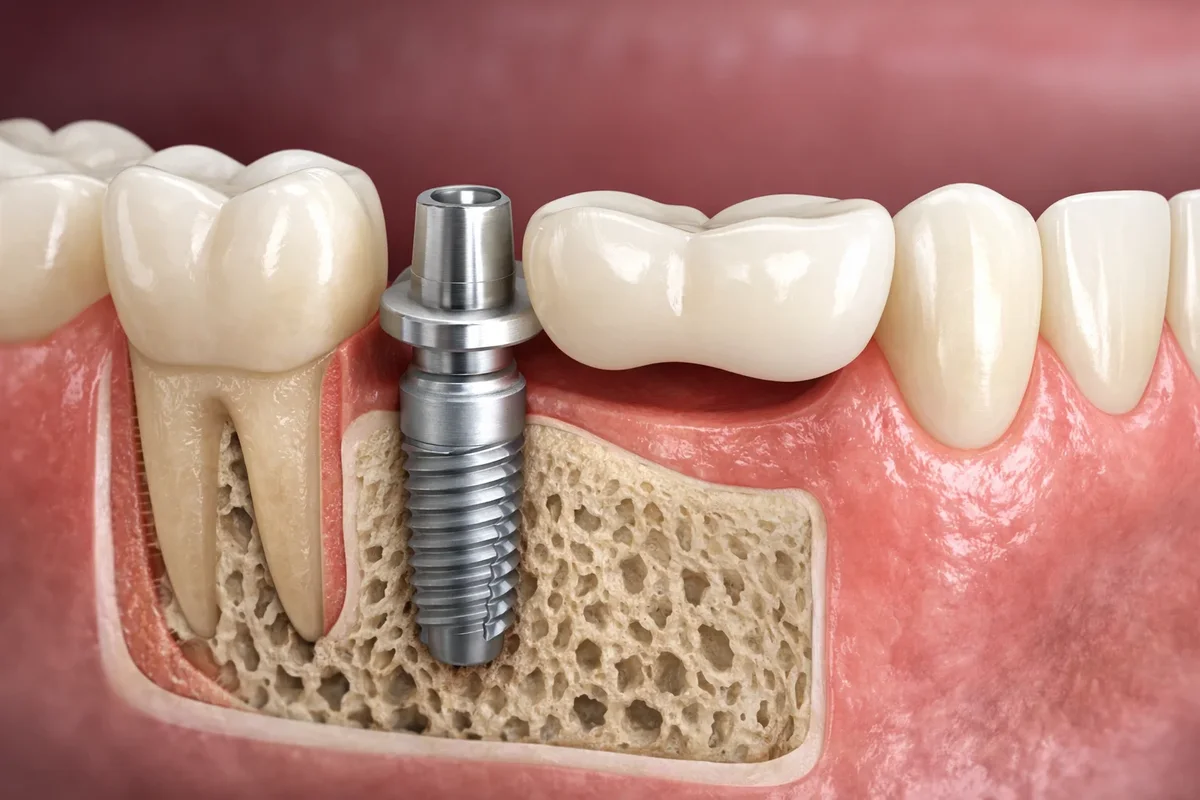
How to Care for and Maintain a Cantilever Implant for Long-Term Success
Receiving a cantilever implant is a significant step toward restoring both oral function and confidence in your smile. However, the long-term success of a cantilever implant does not depend solely on the quality of the surgical procedure. Proper aftercare, daily oral hygiene, and regular dental checkups play a crucial role in maintaining the stability and durability of the restoration. Because a cantilever implant supports a prosthetic extension, it is especially important to maintain healthy surrounding tissues and prevent excessive stress on the implant structure.
Dental implants are designed to function similarly to natural teeth, but they still require careful maintenance. Patients who follow recommended oral hygiene routines can help ensure that their cantilever implant remains strong, stable, and functional for many years. Understanding the correct care techniques and lifestyle habits can significantly extend the lifespan of a cantilever implant.
Daily Oral Hygiene for a Cantilever Implant
Maintaining excellent oral hygiene is the most important factor in protecting a cantilever implant. Although implants cannot develop cavities like natural teeth, the surrounding gum tissue can still become infected if bacteria accumulate. This infection, known as peri-implantitis, can compromise the stability of the cantilever implant if left untreated.
Patients should treat a cantilever implant with the same level of care as natural teeth. Regular brushing and flossing remove plaque buildup and prevent harmful bacteria from affecting the implant site.
Recommended Daily Cleaning Routine
Dentists often recommend the following daily oral hygiene routine for maintaining a cantilever implant:
- Brush teeth twice a day using a soft-bristled toothbrush.
- Use non-abrasive toothpaste designed for implants.
- Floss carefully around the implant and crown.
- Use interdental brushes or water flossers for hard-to-reach areas.
- Rinse with an antibacterial mouthwash if recommended.
These simple habits help prevent plaque accumulation and protect the surrounding gum tissue that supports the cantilever implant.
Importance of Regular Dental Checkups
Routine dental visits are essential for monitoring the health of a cantilever implant. Even if the implant feels comfortable and functions normally, professional checkups allow dentists to detect potential issues before they become serious problems.
During a dental examination, the dentist evaluates the stability of the cantilever implant, checks the surrounding gum tissue, and assesses the integrity of the prosthetic crown. X-rays may also be taken to examine the bone structure supporting the implant.
Professional organizations such as the
American Dental Association recommend regular dental visits for implant patients. These appointments allow dental professionals to ensure that the cantilever implant remains stable and free from complications.
What Happens During an Implant Checkup?
A typical follow-up appointment for a cantilever implant may include:
- Professional cleaning around the implant crown
- Evaluation of gum health
- Checking implant stability
- Assessing bite alignment
- Digital imaging if necessary
These evaluations help ensure the cantilever implant continues to function properly over time.
Avoiding Excessive Stress on the Implant
Because a cantilever implant supports an extended prosthetic crown, avoiding excessive mechanical stress is particularly important. Patients should avoid habits that place unnecessary pressure on the implant, such as chewing extremely hard foods or biting non-food objects.
Foods that may put excessive strain on a cantilever implant include:
- Hard candies
- Ice cubes
- Unpopped popcorn kernels
- Very hard nuts
By avoiding these foods, patients can reduce the risk of damage to the cantilever implant restoration.
Night Guards for Teeth Grinding
Teeth grinding, also known as bruxism, can place significant pressure on dental restorations. Patients who grind their teeth may unintentionally stress their cantilever implant during sleep. Dentists often recommend custom night guards to protect the implant and surrounding teeth.
A night guard creates a protective barrier that reduces the impact of grinding forces. This simple device can significantly extend the lifespan of a cantilever implant by preventing excessive pressure on the prosthetic crown and implant fixture.
Maintaining Healthy Gums Around the Implant
Healthy gum tissue is essential for supporting a cantilever implant. Inflamed or infected gums can weaken the tissues that surround the implant and increase the risk of complications. Patients should pay close attention to signs of gum inflammation, such as redness, swelling, or bleeding during brushing.
If any of these symptoms appear, it is important to consult a dentist immediately. Early treatment can prevent the progression of peri-implant disease and protect the stability of the cantilever implant.
Healthy Lifestyle Habits for Implant Longevity
Certain lifestyle choices can influence the long-term success of a cantilever implant. Smoking, for example, can interfere with blood circulation and slow the healing process around the implant site. Patients who smoke have a higher risk of implant complications compared to non-smokers.
Maintaining a healthy diet, staying hydrated, and avoiding tobacco products can support the long-term success of a cantilever implant. These habits help preserve gum health and promote strong bone support around the implant fixture.
Professional Support and Ongoing Care
Even with excellent home care, professional guidance remains essential for maintaining a cantilever implant. Dentists and dental hygienists can provide personalized advice and specialized cleaning techniques that help keep the implant area healthy.
Patients who have questions about maintaining their cantilever implant or who wish to schedule a professional evaluation can easily reach out through the
Redent Klinik Contact Page. Experienced dental professionals can provide guidance tailored to each patient’s individual needs.
In conclusion, proper care and maintenance are key to ensuring the long-term success of a cantilever implant. By following a consistent oral hygiene routine, attending regular dental checkups, and avoiding harmful habits, patients can enjoy the benefits of their cantilever implant for many years while maintaining a healthy and confident smile.