
Understanding the cantilever tooth bridge cost is essential if you are considering replacing a missing tooth with a reliable and aesthetically pleasing dental solution. Many patients are surprised to learn that the cantilever tooth bridge cost can vary significantly depending on several factors such as location, materials, dentist expertise, and overall oral health condition. This comprehensive guide will help you clearly understand what influences the cantilever tooth bridge cost, what you can expect during treatment, and how to make the best financial and medical decision for your smile 😊.
A cantilever dental bridge is a type of dental restoration used when there is only one adjacent tooth available to support the bridge. Unlike traditional bridges that rely on two supporting teeth, a cantilever bridge anchors to a single tooth, making it a unique and sometimes more conservative option. However, because of its design, the cantilever tooth bridge cost may differ slightly from other types of bridges, depending on the complexity of the case.
Typically, the cantilever tooth bridge cost ranges between $800 and $2,500 per unit in many countries. However, this price can increase if high-quality materials such as zirconia or porcelain are used. For example:
- Metal-based cantilever bridge: $800 – $1,500
- Porcelain-fused-to-metal bridge: $1,200 – $2,000
- All-ceramic or zirconia bridge: $1,500 – $2,500+
These estimates show that the cantilever tooth bridge cost is not fixed, and understanding what goes into the pricing is crucial for budgeting your treatment effectively. In addition, diagnostic procedures like X-rays, digital scans, and tooth preparation may add to the overall cantilever tooth bridge cost, especially if additional treatments such as root canal therapy or gum treatment are required beforehand.
Another important aspect affecting the cantilever tooth bridge cost is the expertise of the dentist. Highly experienced dentists or specialists may charge more, but they often provide better long-term outcomes, reducing the risk of complications. Choosing a trusted clinic like Redent Klinik Contact Page ensures that your treatment is handled with precision and care.
Patients should also consider the long-term value when evaluating the cantilever tooth bridge cost. While the upfront investment might seem high, a well-made cantilever bridge can last between 5 to 15 years with proper care. This makes the cantilever tooth bridge cost a cost-effective option over time compared to temporary or lower-quality alternatives.
It is also essential to understand that not every patient is an ideal candidate for a cantilever bridge. Dentists usually recommend this option for areas with less biting force, such as front teeth. This limitation can influence the cantilever tooth bridge cost, as more complex cases might require alternative treatments like dental implants, which are generally more expensive.
When researching the cantilever tooth bridge cost, always rely on trusted sources such as the American Dental Association for accurate and up-to-date dental care information. This helps ensure that you are making informed decisions based on professional guidelines.
In conclusion, the cantilever tooth bridge cost depends on multiple factors including material choice, location, dentist expertise, and additional treatments required. By understanding these elements, you can better plan your dental care journey and avoid unexpected expenses. Investing in a high-quality cantilever bridge not only restores your smile but also improves your overall oral health and confidence 😁.
What Is a Cantilever Dental Bridge and How Does It Work?
A cantilever dental bridge is a specialized type of fixed dental prosthesis used to replace a missing tooth when only one adjacent tooth is available for support. Unlike traditional bridges that rely on two abutment teeth on either side of the gap, a cantilever bridge anchors to a single supporting tooth. This unique design plays a major role in determining the cantilever tooth bridge cost, as it requires careful planning, precise engineering, and high-quality materials to ensure long-term stability and functionality 😊.
Understanding the Structure of a Cantilever Bridge
The structure of a cantilever bridge consists of two main components: the abutment (supporting tooth) and the pontic (artificial tooth). The abutment tooth is reshaped and crowned to securely hold the pontic in place. Because all the biting force is transferred to one side, dentists must evaluate whether the supporting tooth can withstand this pressure. This evaluation directly impacts the cantilever tooth bridge cost, as additional procedures may be required to strengthen the tooth before placement.
Key Components Explained
- Abutment Tooth: The natural tooth that supports the bridge
- Pontic: The artificial tooth that replaces the missing one
- Crown: Covers the abutment tooth to anchor the bridge
Each of these components contributes to the overall cantilever tooth bridge cost, especially when premium materials such as zirconia or all-ceramic options are chosen for better aesthetics and durability.
How the Cantilever Bridge Procedure Works
The process of getting a cantilever bridge typically involves multiple steps. First, your dentist will conduct a detailed examination, including X-rays or digital scans, to assess your oral health. This diagnostic phase can influence the cantilever tooth bridge cost, as advanced imaging technologies may be used to ensure precision.
Next, the supporting tooth is prepared by removing a portion of enamel to make space for the crown. An impression is then taken to create a custom-fit bridge. While waiting for the permanent bridge, a temporary restoration may be placed. Once the final prosthesis is ready, it is cemented into place and adjusted for comfort and bite alignment.
Each step in this process contributes to the final cantilever tooth bridge cost, making it important to understand what you are paying for and why the procedure is priced the way it is.
When Is a Cantilever Bridge Recommended?
Dentists typically recommend a cantilever bridge in situations where only one adjacent tooth is available, especially in areas with lower biting forces such as the front of the mouth. This is because excessive pressure can compromise the stability of the bridge over time. Choosing this treatment option may slightly affect the cantilever tooth bridge cost, as careful case selection is required to ensure long-term success.
Patients who are not ideal candidates for dental implants due to bone loss or medical conditions may also benefit from a cantilever bridge. In such cases, the cantilever tooth bridge cost becomes a more accessible alternative compared to implants, while still providing a fixed and natural-looking solution.
Advantages of Cantilever Dental Bridges
One of the main advantages of this type of bridge is that it requires less invasive preparation compared to other options. Since only one tooth is involved, the procedure can be faster and less complex. This can sometimes reduce the overall cantilever tooth bridge cost, especially when compared to multi-unit bridges or implant-supported restorations.
- Less invasive than traditional bridges
- Faster treatment time
- Suitable for specific clinical cases
- Cost-effective alternative to implants
These benefits make the cantilever tooth bridge cost more appealing for patients looking for a balance between affordability and functionality.
Limitations and Risks to Consider
Despite its advantages, a cantilever bridge also comes with certain limitations. Because it relies on a single support, there is a higher risk of mechanical stress, which can lead to complications if not properly designed. This is why the cantilever tooth bridge cost may include additional planning and reinforcement techniques to minimize these risks.
Long-term success depends on proper oral hygiene, regular dental visits, and avoiding excessive force on the bridge. Patients should also be aware that repairs or replacements may add to the lifetime cantilever tooth bridge cost.
In summary, a cantilever dental bridge is a practical solution for replacing missing teeth in specific situations. Understanding how it works helps you better evaluate the cantilever tooth bridge cost and determine whether this treatment aligns with your dental needs and budget. With proper planning and professional care, it can be a reliable and aesthetically pleasing option for restoring your smile 😁.
Average Cantilever Tooth Bridge Cost Worldwide
When evaluating your dental treatment options, understanding the cantilever tooth bridge cost across different countries is essential. Prices for dental procedures vary significantly worldwide due to differences in labor costs, material availability, clinic standards, and overall healthcare systems. As a result, the cantilever tooth bridge cost you encounter in one country may be drastically different from another 🌍.
On average, the cantilever tooth bridge cost globally ranges between $800 and $2,500 per unit. However, this is only a baseline estimate. In high-cost countries like the United States or the United Kingdom, the cantilever tooth bridge cost can exceed $3,000 depending on materials and complexity. Meanwhile, in countries known for dental tourism, such as Turkey, Hungary, or Mexico, the cantilever tooth bridge cost can be significantly lower without compromising quality.
Cantilever Tooth Bridge Cost by Region
Below is a general overview of how the cantilever tooth bridge cost varies across different regions:
United States and Canada
- Average cost: $1,500 – $3,500 per unit
- High labor and clinic operation costs
- Advanced technology and materials increase the cantilever tooth bridge cost
United Kingdom and Western Europe
- Average cost: $1,200 – $3,000 per unit
- Private clinics charge higher fees
- Insurance may partially cover the cantilever tooth bridge cost
Turkey and Eastern Europe
- Average cost: $300 – $1,200 per unit
- Lower operational costs reduce the cantilever tooth bridge cost
- High-quality clinics attract international patients
Asia (Thailand, India)
- Average cost: $250 – $1,000 per unit
- Affordable treatment options
- Competitive pricing lowers the cantilever tooth bridge cost
This comparison clearly shows how geography plays a major role in determining the cantilever tooth bridge cost. Many patients choose to travel abroad for treatment to take advantage of lower prices while still receiving high-quality care.
Material Impact on Global Pricing
The material used in the bridge significantly affects the cantilever tooth bridge cost worldwide. Different regions may favor specific materials based on availability and patient preferences.
Common Materials and Their Costs
- Metal-based bridges: Lower cantilever tooth bridge cost, but less aesthetic
- Porcelain-fused-to-metal (PFM): Balanced cost and appearance
- All-ceramic or zirconia: Higher cantilever tooth bridge cost, superior aesthetics and durability
In countries with advanced dental labs, premium materials are more commonly used, which increases the cantilever tooth bridge cost. However, in dental tourism destinations, similar materials may be offered at a lower price due to reduced overhead expenses.
Why Prices Differ So Much
The variation in cantilever tooth bridge cost is influenced by several factors beyond just location. These include:
- Dentist experience and specialization
- Clinic technology and equipment
- Laboratory fees for custom prosthetics
- Currency exchange rates
- Regulatory and licensing costs
For example, a highly experienced prosthodontist using advanced CAD/CAM technology will typically charge more, increasing the cantilever tooth bridge cost. However, this often results in better fit, durability, and patient satisfaction.
Is Traveling Abroad Worth It?
Dental tourism has become increasingly popular for patients seeking to reduce their cantilever tooth bridge cost. Countries like Turkey offer modern clinics, experienced dentists, and significantly lower prices compared to Western countries. Many patients combine treatment with travel, making the experience both cost-effective and enjoyable ✈️.
However, it is crucial to choose a reputable clinic. Lower cantilever tooth bridge cost should not come at the expense of quality or safety. Always verify credentials, read patient reviews, and ensure the clinic follows international standards.
If you are considering treatment abroad, you can consult trusted clinics like Redent Klinik Contact Page to get personalized guidance and accurate pricing for your case.
Long-Term Value vs Initial Cost
While comparing prices, it is important to look beyond the initial cantilever tooth bridge cost. A cheaper bridge that fails prematurely can lead to higher long-term expenses due to repairs or replacements. Investing in quality materials and skilled professionals ensures better durability and reduces future costs.
According to the American Dental Association, choosing the right treatment plan and maintaining good oral hygiene are key to maximizing the lifespan of dental restorations. This advice is especially relevant when evaluating the cantilever tooth bridge cost and its long-term value.
In conclusion, the cantilever tooth bridge cost varies widely around the world due to multiple factors including location, materials, and expertise. By understanding these differences, patients can make informed decisions and find the best balance between affordability and quality. Whether you choose local treatment or dental tourism, being well-informed ensures you get the most value for your investment and achieve a healthy, confident smile 😁.
Factors That Affect Cantilever Tooth Bridge Cost
The cantilever tooth bridge cost is not a fixed price because it depends on multiple clinical, technical, and geographical factors. Understanding these variables helps patients make informed decisions and avoid unexpected expenses during treatment. Whether you are planning your dental restoration locally or considering treatment abroad, knowing what influences the cantilever tooth bridge cost will give you a clear financial roadmap 😊.
Material Selection and Its Impact on Cost
One of the most important factors influencing the cantilever tooth bridge cost is the material used in the bridge. Different materials offer varying levels of durability, aesthetics, and price.
Common Material Options
- Metal alloys: Lower cantilever tooth bridge cost, but less natural appearance
- Porcelain-fused-to-metal (PFM): Mid-range cantilever tooth bridge cost, good balance of strength and aesthetics
- All-ceramic or zirconia: Higher cantilever tooth bridge cost, excellent aesthetics and long-term durability
Premium materials like zirconia often increase the cantilever tooth bridge cost, but they provide superior aesthetics and resistance to wear, making them a popular choice for visible areas.
Complexity of the Dental Case
The complexity of your individual dental condition plays a major role in determining the cantilever tooth bridge cost. If your supporting tooth is weak or damaged, additional procedures may be required before placing the bridge.
These may include:
- Root canal treatment
- Gum disease therapy
- Tooth reinforcement procedures
Each additional treatment increases the overall cantilever tooth bridge cost, but ensures the success and longevity of the restoration.
Dentist Expertise and Clinic Quality
The experience and skill of the dentist significantly affect the cantilever tooth bridge cost. Highly trained specialists, such as prosthodontists, may charge more due to their expertise in complex restorative procedures.
Clinics equipped with advanced technology, such as digital scanning and CAD/CAM systems, may also have a higher cantilever tooth bridge cost. However, these technologies improve precision, comfort, and overall treatment success.
Choosing a reputable clinic like Redent Klinik Contact Page ensures that your treatment is performed using modern techniques and high-quality materials, which can justify a slightly higher cantilever tooth bridge cost.
Laboratory Fees and Customization
Dental bridges are custom-made in specialized laboratories, and the level of customization directly affects the cantilever tooth bridge cost. High-end dental labs use advanced fabrication techniques to create bridges that match the patient’s natural teeth perfectly.
Factors that increase lab-related cantilever tooth bridge cost include:
- Precision color matching
- Advanced ceramic layering techniques
- Digital design and milling processes
Although these features increase the cantilever tooth bridge cost, they result in a more natural and durable restoration.
Geographical Location
Location is another key factor influencing the cantilever tooth bridge cost. Dental treatments in countries with higher living costs tend to be more expensive. In contrast, countries known for dental tourism offer lower prices due to reduced operational expenses.
For example, the cantilever tooth bridge cost in the United States or Western Europe is significantly higher than in Turkey or Eastern Europe. This price difference makes international treatment an attractive option for many patients.
Number of Units and Teeth Involved
The total number of units required also impacts the cantilever tooth bridge cost. A single-unit bridge will naturally cost less than a multi-unit restoration. However, even within a cantilever design, additional adjustments or reinforcements may increase the final cantilever tooth bridge cost.
In some cases, dentists may recommend strengthening the supporting tooth with additional crowns or treatments, which adds to the overall cantilever tooth bridge cost.
Additional Diagnostic and Treatment Costs
Before placing a cantilever bridge, several diagnostic procedures are usually required. These include X-rays, digital impressions, and bite analysis. Each of these contributes to the total cantilever tooth bridge cost.
Additional costs may include:
- Consultation fees
- Temporary restorations
- Follow-up visits and adjustments
Although these may seem like minor expenses, they collectively increase the overall cantilever tooth bridge cost.
Insurance and Payment Options
Dental insurance can significantly reduce the cantilever tooth bridge cost, depending on your coverage. Some plans cover a portion of restorative treatments, while others may only cover basic procedures.
It is important to check your insurance policy and understand what is included. According to the American Dental Association, patients should always review their benefits carefully to avoid unexpected out-of-pocket expenses related to the cantilever tooth bridge cost.
Long-Term Maintenance and Repairs
Finally, long-term maintenance is an often-overlooked factor in the cantilever tooth bridge cost. Regular dental check-ups, professional cleanings, and potential repairs can add to the lifetime cost of the bridge.
However, investing in proper care can extend the lifespan of your bridge and reduce the need for costly replacements. This makes the initial cantilever tooth bridge cost a worthwhile investment in your oral health.
In summary, the cantilever tooth bridge cost is influenced by a wide range of factors, including materials, complexity, dentist expertise, location, and additional treatments. By understanding these elements, patients can better plan their treatment and choose options that provide the best balance between cost, quality, and long-term value 😁.
Cantilever Bridge vs Traditional Bridge: Cost Comparison
When deciding between different tooth replacement options, one of the most important considerations is cost. Patients often compare the cantilever tooth bridge cost with the price of a traditional dental bridge to determine which solution best fits their needs and budget. While both options serve the same purpose—replacing missing teeth—their structure, application, and overall pricing differ significantly. Understanding these differences helps you make a more informed and confident decision 😊.
What Is the Difference Between Cantilever and Traditional Bridges?
The main distinction lies in how the bridge is supported. A traditional bridge uses two adjacent teeth on both sides of the gap, while a cantilever bridge relies on only one supporting tooth. This structural difference directly influences the cantilever tooth bridge cost compared to traditional bridge pricing.
Key Structural Differences
- Cantilever bridge: Supported by a single abutment tooth
- Traditional bridge: Supported by two abutment teeth
- Force distribution: Traditional bridges distribute pressure more evenly
Because of this design, the cantilever tooth bridge cost may sometimes be slightly lower due to fewer crowns being required. However, this is not always the case, as other factors like reinforcement and material selection can increase the cantilever tooth bridge cost.
Cost Comparison Breakdown
Let’s take a closer look at how the cantilever tooth bridge cost compares to traditional bridge pricing in real-world scenarios.
Average Price Comparison
- Cantilever bridge: $800 – $2,500 per unit
- Traditional bridge: $1,500 – $5,000 (depending on number of units)
At first glance, the cantilever tooth bridge cost appears more affordable because it typically involves fewer supporting teeth. However, the total cost depends on the complexity of the case, materials used, and additional procedures required.
In some situations, reinforcing the single supporting tooth may increase the cantilever tooth bridge cost, bringing it closer to or even exceeding the cost of a traditional bridge.
Material and Design Considerations
Both cantilever and traditional bridges can be made from similar materials, such as porcelain-fused-to-metal, zirconia, or all-ceramic options. However, the design requirements for a cantilever bridge may require stronger materials to handle the additional stress on a single tooth. This can raise the cantilever tooth bridge cost compared to a standard bridge.
Material Impact on Cost
- Zirconia bridges increase the cantilever tooth bridge cost due to strength and aesthetics
- PFM bridges offer a moderate cantilever tooth bridge cost with durability
- Metal bridges reduce the cantilever tooth bridge cost but lack aesthetics
Choosing the right material is essential for balancing durability and the cantilever tooth bridge cost.
Longevity and Maintenance Costs
Another key factor in comparing these two options is longevity. Traditional bridges generally last longer because they distribute biting forces across two teeth. In contrast, the cantilever design places more stress on a single tooth, which can impact durability over time.
This means that while the initial cantilever tooth bridge cost may be lower, long-term maintenance or replacement costs could be higher if the bridge experiences wear or complications.
Regular dental visits and proper oral hygiene are crucial to extending the lifespan of either option. Investing wisely in your initial cantilever tooth bridge cost can reduce future expenses.
Clinical Suitability and Cost Implications
The suitability of each bridge type depends on the location of the missing tooth. Dentists typically recommend cantilever bridges for front teeth, where biting forces are lower. Traditional bridges are preferred for back teeth due to higher chewing pressure.
If a cantilever bridge is used in a high-pressure area, additional reinforcement may be required, increasing the cantilever tooth bridge cost. Therefore, proper case selection is essential to avoid unnecessary expenses.
Consulting experienced professionals, such as those at Redent Klinik Contact Page, ensures that the most suitable and cost-effective treatment plan is chosen.
Insurance Coverage Differences
Insurance coverage can also influence your decision. In many cases, both cantilever and traditional bridges are partially covered by dental insurance. However, coverage percentages may vary depending on the treatment type and provider.
Understanding your insurance benefits can help reduce the overall cantilever tooth bridge cost and make the treatment more affordable.
For reliable guidance, patients can refer to the American Dental Association, which provides valuable information on dental procedures and insurance considerations.
Which Option Offers Better Value?
Choosing between a cantilever and traditional bridge ultimately comes down to your specific dental condition, budget, and long-term goals. While the cantilever tooth bridge cost may seem more attractive initially, it is important to consider durability, maintenance, and clinical suitability.
In some cases, a slightly higher upfront investment in a traditional bridge may provide better long-term value. In other situations, the cantilever tooth bridge cost offers a practical and cost-effective solution, especially when only one supporting tooth is available.
In conclusion, both options have their advantages and limitations. By understanding the differences in structure, pricing, and long-term outcomes, you can make an informed decision that balances cost and functionality. Carefully evaluating the cantilever tooth bridge cost alongside traditional bridge pricing ensures that you choose the best solution for your smile and overall oral health 😁.
Is a Cantilever Tooth Bridge Worth the Cost?
One of the most common questions patients ask is whether the cantilever tooth bridge cost is truly worth the investment. While cost is an important factor, it should never be the only consideration when choosing a dental treatment. A cantilever bridge offers unique advantages, but it also comes with specific limitations. Understanding the full value behind the cantilever tooth bridge cost will help you decide if this option aligns with your oral health goals and long-term expectations 😊.
Evaluating the Benefits of a Cantilever Bridge
The cantilever tooth bridge cost often reflects not just the materials and procedure, but also the benefits the treatment provides. For many patients, these advantages justify the investment.
Main Advantages
- Less invasive: Only one supporting tooth is required, reducing preparation compared to traditional bridges
- Faster procedure: Treatment time is generally shorter, which can lower parts of the cantilever tooth bridge cost
- Improved aesthetics: Especially beneficial for front teeth where appearance matters
- Cost-effective alternative: Compared to implants, the cantilever tooth bridge cost is often more affordable
These benefits make the cantilever tooth bridge cost appealing for patients seeking a balance between functionality and affordability.
When the Cost Is Justified
The cantilever tooth bridge cost is generally worth it in specific clinical situations. For example, when only one adjacent tooth is available, this type of bridge may be the most practical fixed solution.
In cases where dental implants are not suitable due to bone loss or medical conditions, the cantilever tooth bridge cost becomes a valuable alternative. It allows patients to restore their smile without undergoing more complex surgical procedures.
Additionally, when placed in low-pressure areas such as the front of the mouth, the longevity of the bridge increases, making the cantilever tooth bridge cost a worthwhile long-term investment.
Potential Drawbacks to Consider
Despite its advantages, the cantilever tooth bridge cost must also be evaluated alongside its limitations. Because the bridge is supported by only one tooth, it may be more vulnerable to mechanical stress.
Possible Risks
- Higher risk of structural stress on the supporting tooth
- Potential for loosening over time
- Not suitable for back teeth with heavy chewing forces
These factors can influence whether the cantilever tooth bridge cost is truly justified in your specific case. A poorly planned treatment may lead to additional expenses in the future.
Comparing Value vs Cost
It is important to distinguish between price and value. The cantilever tooth bridge cost might seem lower than alternatives like dental implants, but the long-term value depends on durability, comfort, and maintenance.
A well-designed cantilever bridge can last 5 to 15 years with proper care. This makes the cantilever tooth bridge cost a reasonable investment over time, especially when compared to temporary solutions that require frequent replacement.
On the other hand, if the bridge fails prematurely due to improper use or poor planning, the total lifetime cantilever tooth bridge cost may increase significantly.
Patient Lifestyle and Cost Efficiency
Your lifestyle plays a major role in determining whether the cantilever tooth bridge cost is worth it. Patients who maintain good oral hygiene and attend regular dental check-ups are more likely to maximize the lifespan of their bridge.
Avoiding habits such as biting hard objects or grinding teeth can also help protect your investment. In this context, the cantilever tooth bridge cost becomes more cost-efficient when paired with responsible care.
Professional Guidance Matters
Consulting with an experienced dentist is crucial in determining whether the cantilever tooth bridge cost is justified for your case. A professional evaluation ensures that the treatment is suitable and minimizes the risk of complications.
You can reach out to trusted clinics like Redent Klinik Contact Page to receive personalized advice and a detailed cost breakdown tailored to your needs.
Additionally, resources from the American Dental Association can help you better understand treatment options and make informed decisions regarding the cantilever tooth bridge cost.
Long-Term Satisfaction and Confidence
Beyond financial considerations, the cantilever tooth bridge cost should also be viewed in terms of quality of life. Restoring a missing tooth improves your ability to speak, chew, and smile confidently.
For many patients, this boost in confidence and comfort makes the cantilever tooth bridge cost a worthwhile investment. The psychological and social benefits often outweigh the initial expense.
In conclusion, the cantilever tooth bridge cost is worth it for many patients, especially when the treatment is carefully planned and properly maintained. By considering both the advantages and limitations, you can determine whether this solution offers the best balance between cost, functionality, and long-term value. Making an informed decision ensures that your investment leads to a healthy, beautiful smile that lasts for years 😁.
Hidden Costs of Cantilever Tooth Bridges You Should Know
When patients first research treatment options, they often focus only on the initial cantilever tooth bridge cost. However, there are several hidden or additional expenses that can significantly impact the total investment over time. Understanding these hidden elements is essential to avoid surprises and to properly plan your dental budget. A well-informed patient can better evaluate the true cantilever tooth bridge cost and make smarter financial decisions 😊.
Pre-Treatment Costs That Affect Total Price
Before the bridge is even placed, certain diagnostic and preparatory procedures are required. These steps are crucial for ensuring the success of the treatment, but they also increase the overall cantilever tooth bridge cost.
Common Pre-Treatment Expenses
- Dental consultation: Initial examination and treatment planning
- X-rays or 3D scans: Imaging to assess bone and tooth condition
- Tooth preparation: Shaping the supporting tooth
- Temporary bridge: Placed while waiting for the final restoration
Each of these steps adds to the total cantilever tooth bridge cost, even though they may not be included in the initial quote.
Additional Procedures That Increase Cost
In some cases, patients require additional dental treatments before receiving a cantilever bridge. These procedures can significantly raise the overall cantilever tooth bridge cost, but they are necessary for long-term success.
Possible Additional Treatments
- Root canal therapy: Needed if the supporting tooth is damaged
- Gum treatment: Required for patients with periodontal disease
- Tooth buildup: Strengthening the abutment tooth
While these treatments increase the cantilever tooth bridge cost, they ensure the bridge remains stable and functional over time.
Laboratory and Customization Fees
The fabrication of a cantilever bridge is a highly customized process. Dental laboratories use advanced technology and skilled technicians to create a restoration that fits perfectly and looks natural. This customization plays a major role in the cantilever tooth bridge cost.
High-end labs may charge more for precision work, which increases the cantilever tooth bridge cost but results in better aesthetics and durability.
Maintenance and Follow-Up Costs
After the bridge is placed, ongoing maintenance is essential. Many patients overlook these recurring expenses when calculating the cantilever tooth bridge cost.
Ongoing Costs to Consider
- Regular dental check-ups
- Professional cleanings
- Minor adjustments or repairs
These routine visits help extend the lifespan of the bridge, but they also contribute to the long-term cantilever tooth bridge cost.
Repair and Replacement Costs
Although cantilever bridges are designed to last for many years, they are not permanent. Wear and tear, accidental damage, or structural issues may require repairs or even full replacement.
These unexpected events can increase the lifetime cantilever tooth bridge cost, especially if the supporting tooth becomes compromised.
Investing in high-quality materials and expert treatment initially can help minimize these risks and reduce future expenses related to the cantilever tooth bridge cost.
Insurance Limitations and Out-of-Pocket Expenses
While dental insurance may cover part of the procedure, it rarely covers the entire cantilever tooth bridge cost. Patients are often responsible for deductibles, co-payments, and any treatments not included in their plan.
It is important to review your insurance policy carefully to understand what portion of the cantilever tooth bridge cost will be covered. According to the American Dental Association, patients should always clarify coverage details before starting treatment.
Travel and Accommodation Costs
For patients considering dental tourism, travel-related expenses should also be factored into the total cantilever tooth bridge cost. While treatment abroad may be more affordable, costs such as flights, accommodation, and transportation can add up.
However, even with these additional expenses, many patients still find that the overall cantilever tooth bridge cost is lower compared to treatment in high-cost countries.
Clinics like Redent Klinik Contact Page often assist international patients in planning their treatment and managing these extra costs efficiently.
Time Investment and Indirect Costs
Another hidden aspect of the cantilever tooth bridge cost is the time commitment required. Multiple appointments, recovery periods, and follow-up visits can result in lost workdays or reduced productivity.
Although these indirect costs are not always considered, they can impact the overall value of the cantilever tooth bridge cost, especially for busy individuals.
How to Minimize Hidden Costs
To reduce unexpected expenses, it is important to plan ahead and choose a reliable dental provider. A detailed treatment plan should include all potential costs, giving you a clear understanding of the total cantilever tooth bridge cost.
Tips to minimize hidden costs include:
- Request a full cost breakdown before treatment
- Choose experienced dentists to avoid complications
- Maintain excellent oral hygiene to prevent repairs
In conclusion, the cantilever tooth bridge cost goes beyond the initial price quoted by your dentist. Hidden costs such as diagnostics, additional treatments, maintenance, and repairs can significantly impact the total investment. By understanding these factors, you can better prepare financially and ensure that your treatment delivers long-term value. A well-planned approach to the cantilever tooth bridge cost will help you achieve a healthy, functional, and confident smile without unexpected surprises 😁.
How to Reduce Cantilever Tooth Bridge Cost Safely
Many patients are concerned about the overall cantilever tooth bridge cost and naturally look for ways to make the treatment more affordable. While it is possible to reduce expenses, it is crucial to do so safely without compromising quality or long-term results. A poorly executed treatment may seem cheaper initially but can significantly increase the total cantilever tooth bridge cost over time due to repairs or replacements. This section will guide you through practical and safe strategies to manage the cantilever tooth bridge cost effectively 😊.
Choose the Right Material for Your Needs
The material used in your bridge plays a major role in determining the cantilever tooth bridge cost. Selecting the right material based on your needs can help reduce expenses without sacrificing functionality.
Material Options and Cost Balance
- Metal-based bridges: Lower cantilever tooth bridge cost, suitable for non-visible areas
- Porcelain-fused-to-metal (PFM): Moderate cantilever tooth bridge cost, good durability and aesthetics
- Zirconia or ceramic: Higher cantilever tooth bridge cost, best for visible teeth
By discussing your priorities with your dentist, you can select a material that balances appearance, durability, and the cantilever tooth bridge cost.
Compare Clinics and Get Multiple Quotes
One of the simplest ways to reduce the cantilever tooth bridge cost is to compare prices from different dental clinics. Costs can vary widely depending on location, expertise, and technology used.
However, it is important not to choose a clinic based solely on the lowest cantilever tooth bridge cost. Always evaluate the clinic’s reputation, patient reviews, and experience to ensure quality treatment.
You can contact trusted providers like Redent Klinik Contact Page to receive a detailed and transparent cost estimate tailored to your case.
Consider Dental Tourism Carefully
Dental tourism has become a popular way to reduce the cantilever tooth bridge cost. Countries such as Turkey offer high-quality dental care at significantly lower prices compared to Western countries.
Benefits of Dental Tourism
- Lower cantilever tooth bridge cost due to reduced operational expenses
- Access to modern clinics and experienced dentists
- Opportunity to combine treatment with travel ✈️
Even after including travel and accommodation, the total cantilever tooth bridge cost can still be more affordable. However, always ensure that the clinic meets international standards to avoid complications.
Use Dental Insurance and Payment Plans
If you have dental insurance, it can significantly reduce the cantilever tooth bridge cost. Many insurance plans cover a portion of restorative treatments, helping to lower out-of-pocket expenses.
Additionally, many clinics offer flexible payment plans or financing options. Spreading the cantilever tooth bridge cost over several months can make the treatment more manageable without compromising quality.
According to the American Dental Association, patients should always review their insurance benefits and discuss financing options with their dentist before starting treatment.
Maintain Good Oral Health Before Treatment
Preventive care is one of the most effective ways to reduce the cantilever tooth bridge cost. Healthy teeth and gums minimize the need for additional procedures, which can increase the total cost.
Preventive Measures
- Regular dental check-ups
- Proper brushing and flossing habits
- Early treatment of cavities or gum disease
By maintaining good oral health, you can avoid extra treatments such as root canals or gum therapy, which would otherwise increase the cantilever tooth bridge cost.
Avoid Extremely Cheap Options
While it may be tempting to choose the lowest possible price, extremely cheap options can be risky. Low-quality materials or inexperienced practitioners may lead to complications, increasing the long-term cantilever tooth bridge cost.
Instead, focus on value rather than just price. A slightly higher initial cantilever tooth bridge cost can result in better durability and fewer future expenses.
Follow Proper Aftercare to Prevent Extra Costs
Once your bridge is placed, proper care is essential to protect your investment. Neglecting oral hygiene or ignoring dental visits can lead to damage, increasing the lifetime cantilever tooth bridge cost.
Aftercare Tips
- Brush and floss daily
- Avoid biting hard objects
- Visit your dentist regularly for check-ups
Good maintenance helps extend the lifespan of your bridge, making the initial cantilever tooth bridge cost more cost-effective over time.
Ask for a Detailed Treatment Plan
A transparent and detailed treatment plan allows you to understand every component of the cantilever tooth bridge cost. This helps you identify unnecessary expenses and plan your budget effectively.
Your dentist should clearly explain:
- Material choices and their costs
- Number of required visits
- Any additional procedures needed
Having this information ensures that there are no hidden surprises in the final cantilever tooth bridge cost.
Think Long-Term, Not Just Short-Term
Reducing the cantilever tooth bridge cost should never come at the expense of quality. A well-made bridge that lasts many years provides better value than a cheaper option that requires frequent repairs.
By focusing on long-term results, you can ensure that your cantilever tooth bridge cost becomes a worthwhile investment rather than a recurring expense.
In conclusion, there are several safe and effective ways to reduce the cantilever tooth bridge cost, including choosing the right materials, comparing clinics, using insurance, and maintaining good oral health. By taking a strategic approach, you can achieve a high-quality dental restoration while keeping your budget under control. Making informed decisions ensures that your cantilever tooth bridge cost delivers both financial and health benefits for years to come 😁.
Dental Insurance and Cantilever Tooth Bridge Cost Coverage
Understanding how dental insurance affects the cantilever tooth bridge cost is essential for patients looking to reduce their out-of-pocket expenses. While dental insurance can significantly lower the financial burden, coverage varies widely depending on the provider, plan type, and specific policy details. Knowing what is typically covered—and what is not—can help you better plan for the total cantilever tooth bridge cost and avoid unexpected bills 😊.
Does Insurance Cover Cantilever Bridges?
In many cases, dental insurance plans do provide partial coverage for restorative treatments, including cantilever bridges. However, the amount covered depends on whether the procedure is considered medically necessary rather than cosmetic.
Most insurance providers categorize bridges under “major restorative procedures,” which means they typically cover 50% to 70% of the cantilever tooth bridge cost after deductibles are met. However, this percentage can vary depending on your plan.
Typical Coverage Breakdown
- Basic plans: May not fully cover the cantilever tooth bridge cost
- Mid-level plans: Cover a portion of the cantilever tooth bridge cost
- Premium plans: Offer higher reimbursement for the cantilever tooth bridge cost
It is important to note that insurance rarely covers 100% of the cantilever tooth bridge cost, so patients should always prepare for some level of out-of-pocket expense.
Waiting Periods and Eligibility Rules
Another key factor affecting your insurance coverage is the waiting period. Many insurance plans require patients to wait 6 to 12 months before they are eligible for major restorative procedures.
This means that even if your plan includes coverage, you may still need to pay the full cantilever tooth bridge cost if the procedure is needed immediately.
Common Insurance Limitations
- Waiting periods before coverage begins
- Annual maximum payout limits
- Restrictions on pre-existing conditions
These limitations can significantly impact how much of the cantilever tooth bridge cost is actually covered.
Annual Maximums and Cost Gaps
Most dental insurance plans have an annual maximum limit, typically ranging from $1,000 to $2,000. If your treatment exceeds this amount, you will be responsible for paying the remaining cantilever tooth bridge cost.
For example, if your bridge costs $2,500 and your insurance covers $1,500, you will need to pay the remaining $1,000 out of pocket. This is why understanding your policy limits is crucial when planning for the cantilever tooth bridge cost.
In-Network vs Out-of-Network Providers
The choice of dentist also affects how much insurance will cover. In-network providers usually have negotiated rates with insurance companies, which can reduce the overall cantilever tooth bridge cost.
Out-of-network providers may charge higher fees, and insurance may reimburse a smaller percentage of the cantilever tooth bridge cost.
Before starting treatment, always check whether your chosen clinic is within your insurance network.
How to Maximize Your Insurance Benefits
There are several strategies you can use to maximize your insurance coverage and reduce the cantilever tooth bridge cost.
Smart Planning Tips
- Schedule treatment across two calendar years to use two annual maximums
- Complete preliminary treatments early to meet waiting periods
- Choose in-network providers when possible
These strategies can significantly lower the total cantilever tooth bridge cost and make the procedure more affordable.
Combining Insurance with Payment Plans
If your insurance does not fully cover the cantilever tooth bridge cost, many clinics offer financing options. Payment plans allow you to spread the remaining cost over several months, making it easier to manage.
Clinics such as Redent Klinik Contact Page can provide detailed guidance on combining insurance benefits with flexible payment options to reduce your financial burden.
International Patients and Insurance
For patients considering treatment abroad, insurance coverage may differ. Some international clinics may not accept foreign insurance directly, requiring patients to pay upfront and request reimbursement later.
Even in these cases, the overall cantilever tooth bridge cost may still be lower compared to domestic treatment, especially in countries with lower dental costs.
Trusted Information Sources
To better understand your insurance coverage and dental treatment options, it is advisable to consult reliable sources. The American Dental Association provides comprehensive information about dental procedures and insurance guidelines.
Using trusted resources ensures that you are making informed decisions about the cantilever tooth bridge cost and your overall dental care.
Final Thoughts on Insurance and Cost
Dental insurance can significantly reduce the cantilever tooth bridge cost, but it rarely covers the full amount. Understanding your policy, planning your treatment carefully, and combining insurance with other financial options can help you manage expenses effectively.
By taking a proactive approach, you can minimize your out-of-pocket costs and ensure that the cantilever tooth bridge cost fits within your budget. Ultimately, investing in a high-quality dental restoration improves both your oral health and confidence, making the cost worthwhile in the long run 😁.
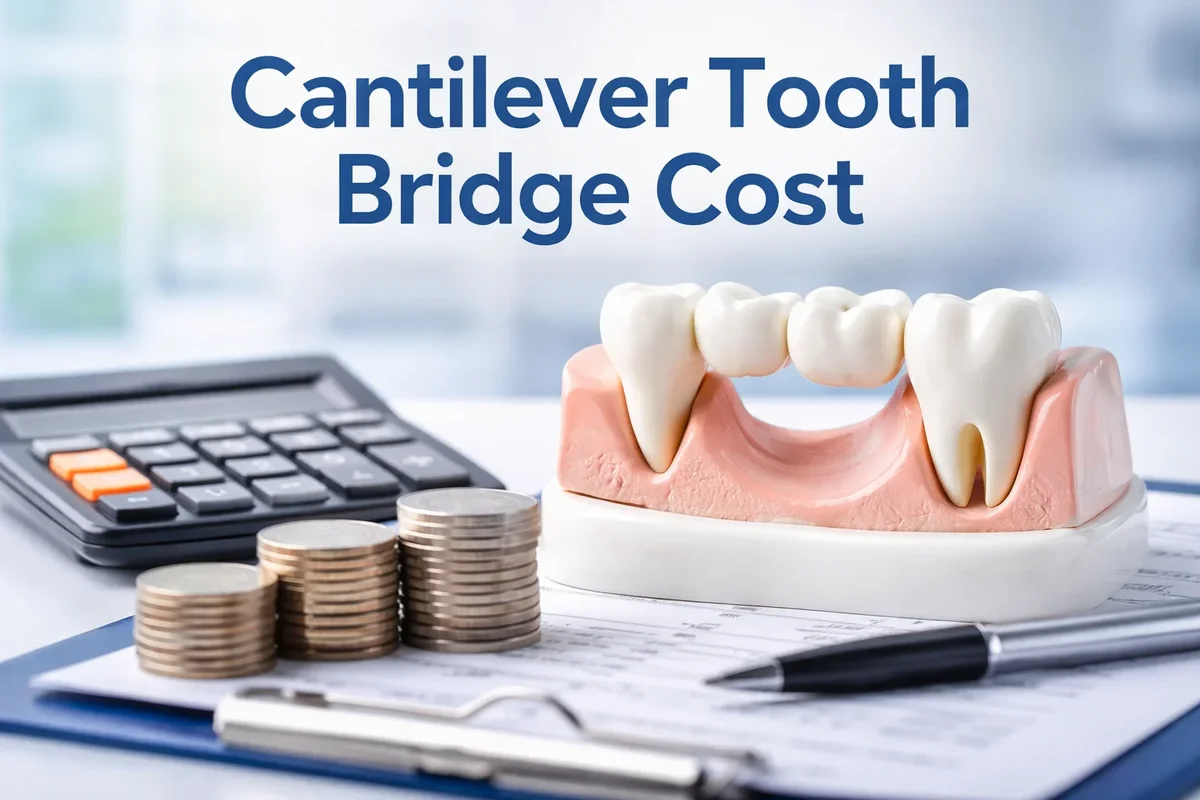
Cantilever Tooth Bridge Cost in Turkey vs Other Countries
The cantilever tooth bridge cost can vary dramatically depending on where you choose to receive treatment. In recent years, Turkey has become one of the most popular destinations for dental tourism, offering high-quality care at significantly lower prices compared to countries like the United States, the United Kingdom, and Western Europe. Understanding how the cantilever tooth bridge cost differs internationally can help you make a smarter financial and medical decision 😊.
Why Turkey Offers Lower Cantilever Tooth Bridge Cost
One of the main reasons patients travel to Turkey is the affordability of dental treatments. The cantilever tooth bridge cost in Turkey is often 50% to 70% lower than in Western countries, without compromising quality.
Main Reasons for Lower Costs
- Lower labor and operational expenses
- Government support for medical tourism
- Competitive pricing among clinics
- Favorable currency exchange rates
These factors allow clinics in Turkey to offer a much lower cantilever tooth bridge cost while still using advanced technology and high-quality materials.
Cost Comparison: Turkey vs Other Countries
Let’s compare the average cantilever tooth bridge cost across different regions to better understand the price differences.
Average Price Table
- USA: $1,500 – $3,500 per unit
- UK: $1,200 – $3,000 per unit
- Germany: $1,000 – $2,800 per unit
- Turkey: $300 – $1,200 per unit
- India/Thailand: $250 – $1,000 per unit
As shown above, the cantilever tooth bridge cost in Turkey is significantly more affordable compared to Western countries. This price advantage makes Turkey an attractive option for international patients seeking cost-effective dental care.
Quality of Care in Turkey
While the lower cantilever tooth bridge cost may raise concerns about quality, many Turkish clinics meet international standards and use modern equipment. Dentists are often highly trained and experienced in treating international patients.
Clinics like Redent Klinik Contact Page provide comprehensive treatment plans, ensuring that the lower cantilever tooth bridge cost does not come at the expense of quality or patient safety.
Materials and Technology Comparison
The materials used in Turkey are often the same as those used in Western countries. Zirconia, porcelain-fused-to-metal, and all-ceramic options are widely available, meaning that the cantilever tooth bridge cost is lower primarily due to economic factors rather than inferior materials.
Technology Advantages
- Digital smile design systems
- CAD/CAM fabrication technology
- Advanced imaging and diagnostics
These technologies ensure that patients receive high-quality restorations despite the reduced cantilever tooth bridge cost.
Travel Costs vs Savings
When considering treatment abroad, it is important to factor in travel-related expenses such as flights, accommodation, and transportation. However, even after adding these costs, the total cantilever tooth bridge cost is often still lower than treatment in high-cost countries.
For example, a patient who pays $3,000 in the US may spend only $1,200–$1,800 total in Turkey, including travel expenses. This makes the cantilever tooth bridge cost abroad highly attractive for budget-conscious patients.
Time Efficiency and Treatment Packages
Many clinics in Turkey offer comprehensive treatment packages for international patients. These packages often include consultation, treatment, accommodation, and transportation, simplifying the process and reducing the overall cantilever tooth bridge cost.
This streamlined approach allows patients to complete their treatment in a shorter time frame, saving both time and money.
Risks and Considerations
Although the lower cantilever tooth bridge cost in Turkey is appealing, patients should carefully choose their clinic. Not all providers offer the same level of quality, and selecting the wrong clinic can lead to complications.
What to Check Before Choosing a Clinic
- Clinic certifications and licenses
- Patient reviews and testimonials
- Dentist qualifications and experience
Doing proper research ensures that you benefit from a lower cantilever tooth bridge cost without compromising safety or results.
Trusted Information and Guidelines
For additional guidance, patients can refer to the American Dental Association, which provides reliable information about dental procedures and international care standards.
Using trusted sources helps you evaluate whether the lower cantilever tooth bridge cost abroad aligns with your expectations and safety requirements.
Is Turkey the Best Choice for You?
Choosing where to receive treatment depends on your priorities, budget, and comfort level. The significantly reduced cantilever tooth bridge cost in Turkey makes it an excellent option for many patients, especially those seeking high-quality care at a lower price.
However, it is essential to weigh all factors, including travel logistics, follow-up care, and clinic reputation, before making a final decision.
In conclusion, the cantilever tooth bridge cost in Turkey offers a compelling combination of affordability and quality. By carefully researching your options and choosing a reputable clinic, you can achieve excellent dental results while saving a substantial amount of money. This makes international treatment a practical and increasingly popular choice for patients worldwide 😁.