
Care dental implants have become one of the most reliable and advanced solutions for replacing missing teeth, offering both functional and aesthetic benefits. However, many patients underestimate that the long-term success of care dental implants depends not only on the surgical procedure but also on consistent and proper care. If you are considering this treatment or already have implants, understanding how care dental implants work and how to maintain them is essential for achieving a lifetime of healthy, confident smiles. 😊
Care dental implants refer to the process of maintaining artificial tooth roots—usually made of titanium—that are surgically placed into the jawbone. These implants act as a strong foundation for fixed or removable replacement teeth. Unlike traditional dentures or bridges, care dental implants integrate directly with the bone through a process called osseointegration. This fusion creates a stable and durable structure, making care dental implants feel and function like natural teeth.
One of the most important aspects of care dental implants is understanding that they require a commitment to oral hygiene similar to, and sometimes even more detailed than, natural teeth. Although implants themselves cannot decay, the surrounding gum tissue can become infected if care dental implants are neglected. This condition, known as peri-implantitis, can lead to implant failure if not treated promptly. Therefore, care dental implants maintenance is not optional—it is a critical part of ensuring long-term success.
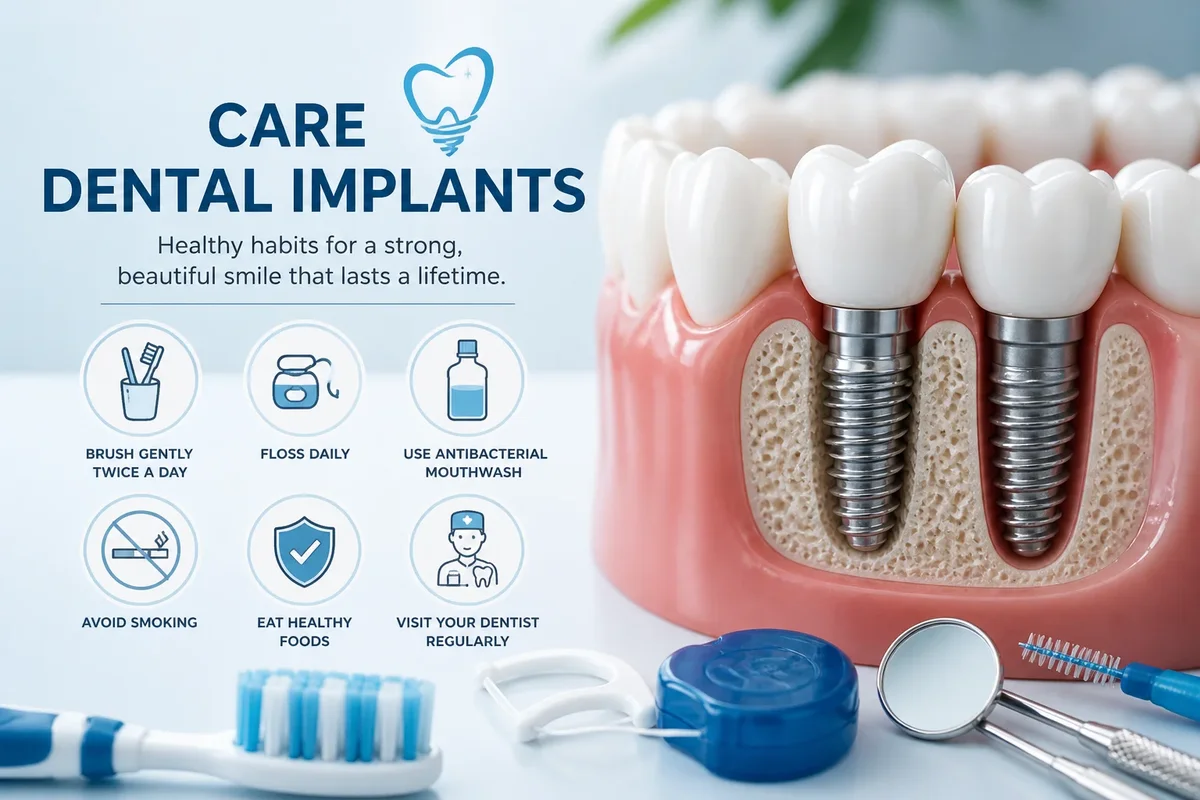
When discussing care dental implants, it is also important to highlight the role of daily hygiene practices. Brushing at least twice a day with a soft-bristled toothbrush and using non-abrasive toothpaste helps protect both the implant surface and the surrounding tissues. Flossing or using specialized interdental brushes is equally important in care dental implants routines, as plaque can easily accumulate in hard-to-reach areas. These small daily habits make a significant difference in preventing complications.
In addition to at-home care, professional dental visits play a key role in care dental implants success. Regular checkups allow your dentist to monitor the condition of your implants, clean areas that are difficult to reach at home, and identify any early signs of issues. According to the American Dental Association, routine dental care is essential for maintaining both natural teeth and implants. If you are unsure about your current routine, you can always reach out through the Redent Klinik Contact Page for personalized guidance.
Another important factor in care dental implants is lifestyle habits. Smoking, poor diet, and inadequate oral hygiene can all negatively affect the longevity of implants. For example, smoking reduces blood flow to the gums, which can slow healing and increase the risk of infection. Similarly, a diet high in sugar and acidic foods can contribute to gum inflammation, making proper care dental implants even more challenging. Patients who adopt a healthy lifestyle tend to experience better outcomes and longer-lasting results.
Many patients also ask whether care dental implants require special tools or products. While standard oral care tools are often sufficient, dentists may recommend additional aids such as water flossers or antimicrobial mouth rinses. These tools can enhance your care dental implants routine by providing a deeper clean and reducing bacterial buildup. The goal is to create an environment where your implants can remain stable and your gums stay healthy.
It is also worth mentioning that care dental implants offer psychological and social benefits. When properly maintained, implants restore not only your ability to chew and speak comfortably but also your confidence. Patients who follow a consistent care dental implants routine often report improved quality of life, as they no longer worry about loose dentures or missing teeth. This makes care dental implants not just a dental solution, but a long-term investment in your well-being.
Finally, understanding care dental implants means recognizing that prevention is always better than treatment. By following a structured care routine, attending regular dental visits, and making healthy lifestyle choices, you can significantly reduce the risk of complications. Care dental implants are designed to last many years—often decades—but their longevity depends heavily on how well they are maintained. With the right approach, care dental implants can provide a strong, natural-looking smile that stands the test of time. 🦷✨
What Are Care Dental Implants and How Do They Work?
Care dental implants are a modern and highly effective solution for replacing missing teeth, designed to mimic both the function and appearance of natural teeth. Understanding how care dental implants work is essential for anyone considering this treatment or currently maintaining their implants. Unlike traditional dentures or bridges, care dental implants are anchored directly into the jawbone, creating a stable and permanent foundation. This unique structure is what makes care dental implants one of the most preferred dental restoration options today. 🦷
The Structure of Care Dental Implants
To fully understand care dental implants, it is important to break down their structure. A typical implant consists of three main components: the implant post, the abutment, and the crown. The implant post, usually made of biocompatible titanium, is surgically inserted into the jawbone. This is the part that replaces the natural tooth root. The abutment acts as a connector between the implant post and the crown, which is the visible part that looks like a natural tooth.
Care dental implants are designed to integrate seamlessly with your bone through a biological process called osseointegration. During this phase, the bone tissue grows around the implant post, securing it firmly in place. This process is critical for the success of care dental implants because it ensures stability and durability. Without proper integration, care dental implants may fail or become loose over time.
Why Titanium Is Used in Care Dental Implants
One of the key reasons care dental implants are so successful is the use of titanium. This material is highly biocompatible, meaning it is accepted by the body without causing adverse reactions. Titanium also has the unique ability to bond with bone, making it the ideal choice for care dental implants. This strong bond contributes to the long-term success and reliability of the treatment.
How Care Dental Implants Function in Daily Life
Once fully healed, care dental implants function almost exactly like natural teeth. Patients can chew, speak, and smile with confidence, without worrying about movement or discomfort. Unlike removable dentures, care dental implants remain fixed in place, providing superior comfort and stability. This is one of the primary reasons patients prefer care dental implants over other tooth replacement options.
Another advantage of care dental implants is their ability to preserve jawbone health. When a tooth is lost, the jawbone in that area can begin to deteriorate due to lack of stimulation. Care dental implants act like natural tooth roots, stimulating the bone and preventing bone loss. This not only maintains facial structure but also supports overall oral health.
The Step-by-Step Process of Care Dental Implants
The journey to getting care dental implants typically involves several stages. First, a comprehensive dental examination is conducted to assess bone density and overall oral health. Imaging techniques such as X-rays or 3D scans are often used to plan the procedure accurately. Once the patient is deemed suitable, the implant post is surgically placed into the jawbone.
After the placement, a healing period of several weeks to a few months is required for osseointegration to occur. During this time, following proper care dental implants guidelines is crucial to ensure successful healing. Once the implant has fused with the bone, the abutment is attached, and finally, the custom-made crown is placed. This final step completes the restoration and allows the patient to enjoy the full benefits of care dental implants.
Healing and Recovery in Care Dental Implants
Healing is a vital part of the care dental implants process. Patients may experience mild discomfort, swelling, or sensitivity after surgery, which typically subsides within a few days. Following your dentist’s instructions, maintaining oral hygiene, and avoiding harmful habits like smoking can significantly improve healing outcomes. Proper care dental implants during this phase ensures a strong foundation for long-term success.
Who Is a Suitable Candidate for Care Dental Implants?
Most adults with good oral and general health are suitable candidates for care dental implants. However, certain factors such as sufficient bone density, healthy gums, and absence of uncontrolled chronic diseases are essential for the procedure. Even if bone loss has occurred, modern techniques like bone grafting can make care dental implants possible for many patients.
It is always recommended to consult with a qualified dental professional to determine if care dental implants are the right option for you. You can also visit the Redent Klinik Contact Page for personalized consultation and expert advice tailored to your needs.
Why Understanding Care Dental Implants Matters
Having a clear understanding of care dental implants empowers patients to make informed decisions about their oral health. When patients know how care dental implants work, they are more likely to follow proper maintenance routines and attend regular dental checkups. According to the American Dental Association, patient education plays a significant role in the success of dental treatments.
In conclusion, care dental implants are not just a cosmetic solution—they are a comprehensive approach to restoring oral function and health. By understanding their structure, function, and maintenance requirements, patients can ensure long-lasting results and enjoy the full benefits of this advanced dental technology. With proper care dental implants practices, you can achieve a natural-looking, durable, and confident smile that lasts for years. 😊
Why Proper Care Dental Implants Maintenance Is Essential
Care dental implants maintenance is not just a recommendation—it is a necessity for ensuring the long-term success of your treatment. While many patients believe that implants are “permanent” and require little attention, the truth is that care dental implants demand consistent and proper maintenance to function effectively for decades. Without the right approach, even the highest-quality implants can fail prematurely. Understanding why care dental implants maintenance is essential will help you protect your investment and maintain optimal oral health. 🦷✨
The Importance of Long-Term Stability in Care Dental Implants
One of the primary goals of care dental implants is to provide a stable and durable replacement for missing teeth. This stability depends heavily on the health of the surrounding bone and gum tissues. Care dental implants rely on osseointegration, a process where the implant fuses with the jawbone. However, this bond can weaken over time if proper care dental implants routines are not followed.
Poor oral hygiene can lead to plaque buildup around the implant, which may cause inflammation in the surrounding gums. If left untreated, this condition can progress into peri-implantitis—a serious infection that can compromise the implant’s stability. This is why maintaining care dental implants through daily hygiene and professional care is critical for preserving their long-term function.
Peri-Implantitis: The Hidden Risk
Peri-implantitis is one of the most common complications associated with inadequate care dental implants maintenance. It is similar to gum disease but specifically affects the tissues around implants. Symptoms may include redness, swelling, bleeding, and even bone loss. Early detection and proper care dental implants practices can prevent this condition from progressing and protect your oral health.
Daily Hygiene and Its Role in Care Dental Implants
Daily hygiene is the foundation of effective care dental implants maintenance. Brushing at least twice a day with a soft-bristled toothbrush helps remove plaque and bacteria that can accumulate around the implant. Using non-abrasive toothpaste is also important, as it prevents damage to the implant surface.
Flossing plays an equally important role in care dental implants routines. Special implant floss or interdental brushes can reach areas that a regular toothbrush cannot. These tools are specifically designed to clean around the implant without causing irritation. Incorporating these habits into your daily routine ensures that your care dental implants remain clean and healthy.
Using Advanced Cleaning Tools
In addition to traditional brushing and flossing, advanced tools such as water flossers can enhance your care dental implants routine. These devices use a stream of water to remove debris and bacteria from hard-to-reach areas. Antimicrobial mouth rinses may also be recommended to reduce bacterial growth and support overall care dental implants hygiene.
Professional Checkups and Care Dental Implants Monitoring
Regular dental visits are a crucial part of care dental implants maintenance. During these appointments, your dentist will assess the condition of your implants, gums, and surrounding bone. Professional cleanings help remove tartar buildup that cannot be eliminated with at-home care alone.
According to the American Dental Association, routine dental checkups are essential for maintaining oral health and preventing complications. Dentists can also identify early signs of issues related to care dental implants and provide timely treatment. If you have any concerns or need professional guidance, you can contact experts through the Redent Klinik Contact Page.
The Impact of Lifestyle Choices on Care Dental Implants
Your lifestyle plays a significant role in the success of care dental implants. Habits such as smoking, excessive alcohol consumption, and poor diet can negatively affect the health of your gums and bone. Smoking, in particular, reduces blood flow to the gums, slowing down healing and increasing the risk of implant failure.
A balanced diet rich in vitamins and minerals supports the health of your gums and bone structure, which is essential for care dental implants. Foods high in calcium and vitamin D help maintain strong bones, while antioxidants support gum health. Making positive lifestyle choices is a key component of effective care dental implants maintenance.
Avoiding Harmful Habits
In addition to smoking, habits such as teeth grinding (bruxism) can place excessive pressure on implants. Using a night guard can help protect your care dental implants from damage. Avoiding hard or sticky foods that may strain the implant is also recommended, especially during the healing phase.
Psychological and Functional Benefits of Proper Care Dental Implants
Maintaining care dental implants properly not only ensures physical health but also contributes to psychological well-being. Patients who follow a consistent care dental implants routine often experience greater confidence in their smile and improved quality of life. The ability to eat, speak, and smile without discomfort or embarrassment is a major advantage of well-maintained implants.
Furthermore, proper care dental implants maintenance reduces the likelihood of costly repairs or replacements. By investing time and effort into daily hygiene and regular checkups, you can avoid complications and extend the lifespan of your implants significantly.
Prevention Is the Key to Success in Care Dental Implants
Ultimately, the success of care dental implants depends on prevention. By adopting a proactive approach to maintenance, you can protect your implants from potential issues and ensure their longevity. Care dental implants are designed to last many years, but their durability is directly linked to how well they are cared for.
In conclusion, proper care dental implants maintenance is essential for preserving both the function and aesthetics of your smile. Through consistent hygiene practices, regular dental visits, and healthy lifestyle choices, you can maximize the benefits of your implants and enjoy a confident, long-lasting smile. 😊
Daily Routine for Effective Care Dental Implants Hygiene
Establishing a consistent daily routine is the cornerstone of successful care dental implants maintenance. While implants are designed to be durable and long-lasting, they still require meticulous attention to hygiene to prevent complications and ensure optimal performance. A well-structured care dental implants routine not only protects the implant itself but also preserves the surrounding gum tissue and bone. By adopting the right habits, patients can significantly extend the lifespan of their implants and maintain a healthy, confident smile. 😊
Morning Routine for Care Dental Implants
Your day should begin with a thorough oral hygiene routine tailored to care dental implants. Start by brushing your teeth using a soft-bristled toothbrush and a non-abrasive toothpaste. This helps remove plaque and bacteria that may have accumulated overnight. Care dental implants require gentle yet effective cleaning to avoid damaging the implant surface or irritating the gums.
When brushing, pay special attention to the area around the implant. Use small, circular motions to clean the gum line thoroughly. Electric toothbrushes can be particularly beneficial for care dental implants, as they provide consistent cleaning and reach difficult areas more effectively than manual brushing.
Choosing the Right Toothbrush and Toothpaste
Selecting the right tools is essential for proper care dental implants hygiene. A soft-bristled toothbrush minimizes the risk of scratching the implant or causing gum irritation. Non-abrasive toothpaste is equally important, as harsh formulas can damage the implant surface over time. Investing in high-quality oral care products ensures that your care dental implants remain in excellent condition.
Midday Maintenance for Care Dental Implants
Maintaining care dental implants hygiene throughout the day is just as important as your morning routine. After meals, it is advisable to rinse your mouth with water to remove food particles and reduce bacterial buildup. If possible, brushing after lunch can further enhance your care dental implants routine and keep your mouth fresh.
For patients with busy schedules, carrying a travel-sized oral hygiene kit can be a practical solution. This allows you to maintain your care dental implants routine even when you are away from home. Small actions like rinsing or using interdental brushes can make a significant difference in preventing plaque accumulation.
Using Interdental Brushes and Floss
Interdental cleaning is a crucial component of care dental implants hygiene. Standard brushing alone cannot reach the tight spaces between teeth and implants. Using specialized implant floss or interdental brushes helps remove debris and plaque from these areas. These tools are designed to clean effectively without causing damage, making them ideal for care dental implants maintenance.
Evening Routine for Care Dental Implants
Your evening routine is perhaps the most important part of your daily care dental implants hygiene. Before going to bed, thoroughly brush and floss your teeth to remove all traces of food and bacteria accumulated throughout the day. Neglecting this step can lead to plaque buildup and increase the risk of infection around the implant.
Incorporating an antimicrobial mouthwash into your evening routine can further enhance your care dental implants hygiene. These rinses help reduce bacterial levels and promote gum health, creating a cleaner environment for your implants.
Deep Cleaning with Water Flossers
Water flossers are an excellent addition to your care dental implants routine. These devices use a pressurized stream of water to clean around implants and between teeth. They are especially useful for patients with multiple implants or complex restorations. Regular use of a water flosser can significantly improve your overall care dental implants hygiene.
Weekly and Long-Term Care Dental Implants Habits
In addition to daily routines, incorporating weekly habits can further strengthen your care dental implants maintenance. For example, using a disclosing tablet once a week can help identify areas where plaque is accumulating. This allows you to adjust your cleaning technique and improve your care dental implants routine.
Regular dental checkups are also essential for long-term success. According to the American Dental Association, professional cleanings and examinations play a vital role in maintaining oral health. Dentists can detect early signs of issues and provide guidance on improving your care dental implants routine. If you need expert advice or personalized care, you can visit the Redent Klinik Contact Page.
Common Challenges in Care Dental Implants Hygiene
Many patients face challenges when maintaining care dental implants hygiene, such as difficulty reaching certain areas or lack of consistency. Understanding these challenges and finding solutions is key to successful maintenance. For example, using angled brushes or specialized tools can help clean hard-to-reach areas more effectively.
Another common issue is neglecting hygiene during busy periods. However, consistency is crucial for care dental implants success. Even on hectic days, taking a few minutes to clean your implants properly can prevent long-term complications.
Building a Sustainable Routine
Creating a sustainable care dental implants routine involves integrating hygiene practices into your daily lifestyle. Setting reminders, keeping your oral care tools accessible, and making hygiene a priority can help you stay consistent. Over time, these habits become second nature, ensuring that your care dental implants remain healthy and functional.
The Benefits of a Consistent Care Dental Implants Routine
A consistent daily routine offers numerous benefits for care dental implants. It reduces the risk of infection, preserves gum health, and ensures the longevity of your implants. Patients who follow a structured care dental implants routine often experience fewer complications and enjoy a higher quality of life.
In conclusion, a well-planned daily routine is essential for effective care dental implants hygiene. By combining proper brushing, interdental cleaning, and regular dental visits, you can maintain your implants in excellent condition. Care dental implants are a valuable investment in your oral health, and with the right routine, they can provide lasting benefits for many years. 🦷✨
Foods to Eat and Avoid with Care Dental Implants
Nutrition plays a crucial role in the success and longevity of care dental implants. While many patients focus primarily on hygiene routines, dietary habits are equally important for maintaining healthy gums and strong bone support. Choosing the right foods can enhance healing, prevent complications, and ensure that care dental implants remain stable for many years. On the other hand, consuming the wrong types of food can increase the risk of inflammation, damage, or even implant failure. Understanding what to eat and what to avoid is therefore essential for effective care dental implants maintenance. 🍎🥦
Why Diet Matters for Care Dental Implants
Care dental implants rely heavily on the health of the surrounding tissues, including gums and bone. These tissues require proper nutrition to stay strong and resistant to infection. A balanced diet rich in essential nutrients supports the body’s ability to heal and maintain the structural integrity of care dental implants.
After implant placement, the body undergoes a healing process that includes osseointegration. During this phase, nutrients such as calcium, vitamin D, and protein are especially important. These nutrients help the bone fuse with the implant, ensuring a stable foundation. Without proper nutrition, the success of care dental implants may be compromised.
The Role of Vitamins and Minerals
Vitamins and minerals are vital for care dental implants health. Vitamin C supports gum healing, while calcium and vitamin D strengthen the bone structure. Magnesium and phosphorus also contribute to bone density, making them essential components of a diet that supports care dental implants.
Best Foods to Support Care Dental Implants
Incorporating the right foods into your diet can significantly improve the outcomes of care dental implants. Soft, nutrient-rich foods are particularly beneficial during the initial healing period, while a balanced diet remains important in the long term.
Soft Foods for Recovery Phase
Immediately after surgery, it is recommended to consume soft foods that do not require excessive chewing. Examples include yogurt, mashed potatoes, scrambled eggs, smoothies, and soups. These foods provide essential nutrients without putting stress on care dental implants. Maintaining a soft diet during the healing phase ensures that the implant site remains undisturbed.
Protein-Rich Foods for Tissue Repair
Protein is essential for tissue repair and regeneration. Foods such as chicken, fish, eggs, and legumes support the healing process and contribute to the stability of care dental implants. Including adequate protein in your diet helps the body recover more efficiently after implant surgery.
Calcium and Vitamin D Sources
Dairy products, leafy greens, and fortified foods are excellent sources of calcium and vitamin D. These nutrients are critical for maintaining strong bones, which directly impacts the success of care dental implants. Regular consumption of these foods ensures that the jawbone remains healthy and capable of supporting the implant.
Foods to Avoid with Care Dental Implants
Just as certain foods can benefit care dental implants, others can pose risks. Avoiding harmful foods is an important part of maintaining implant health and preventing complications.
Hard and Crunchy Foods
Hard foods such as nuts, ice, and hard candies can place excessive pressure on care dental implants, especially during the healing phase. This pressure can disrupt osseointegration or damage the implant structure. Even after healing, it is advisable to consume these foods with caution.
Sticky and Sugary Foods
Sticky foods like caramel and chewing gum can adhere to the implant surface and surrounding areas, making them difficult to clean. Sugary foods, on the other hand, promote bacterial growth and increase the risk of gum inflammation. Maintaining proper care dental implants hygiene becomes more challenging when these foods are consumed frequently.
Acidic and Processed Foods
Highly acidic foods and beverages, such as soda and citrus drinks, can irritate the gums and weaken the protective environment around care dental implants. Processed foods often lack essential nutrients and may contribute to inflammation, negatively affecting implant health.
Hydration and Its Role in Care Dental Implants
Staying hydrated is another important aspect of care dental implants maintenance. Water helps rinse away food particles and bacteria, reducing the risk of plaque buildup. It also supports saliva production, which plays a natural role in protecting oral health. Drinking sufficient water throughout the day complements your care dental implants routine.
Avoiding Alcohol and Tobacco
Alcohol and tobacco can significantly impact the success of care dental implants. Alcohol may interfere with healing, while smoking reduces blood flow to the gums, increasing the risk of infection. Eliminating or reducing these habits is essential for maintaining healthy implants.
Creating a Balanced Diet for Long-Term Care Dental Implants
Developing a balanced diet that includes a variety of nutrients is key to long-term care dental implants success. Incorporating fruits, vegetables, lean proteins, and whole grains ensures that your body receives the nutrients it needs to maintain oral health. Consistency in dietary habits is just as important as consistency in hygiene routines.
Regular dental checkups also complement your dietary efforts. According to the American Dental Association, maintaining a healthy diet and routine dental visits are essential for oral health. If you need personalized advice on nutrition and care dental implants, you can consult professionals through the Redent Klinik Contact Page.
Conclusion: Smart Eating for Healthy Care Dental Implants
In conclusion, your diet plays a significant role in the success of care dental implants. By choosing nutrient-rich foods and avoiding harmful ones, you can support healing, maintain gum health, and ensure the longevity of your implants. Care dental implants require a holistic approach that includes both proper hygiene and smart dietary choices. With the right habits, you can enjoy a strong, healthy, and confident smile for years to come. 🦷✨
Common Mistakes in Care Dental Implants and How to Avoid Them
Even though care dental implants are designed to be a long-lasting and reliable solution, many patients unknowingly make mistakes that can compromise their success. Understanding these common errors is essential for protecting your investment and ensuring your implants remain healthy for years. Proper care dental implants maintenance goes beyond basic brushing—it requires awareness, consistency, and informed habits. By identifying these mistakes early, you can avoid complications and maintain optimal oral health. ⚠️🦷
Neglecting Daily Hygiene in Care Dental Implants
One of the most frequent mistakes in care dental implants is neglecting daily oral hygiene. Some patients assume that implants do not require the same level of care as natural teeth because they cannot decay. However, this misconception can lead to serious problems. Plaque and bacteria can still accumulate around care dental implants, affecting the surrounding gum tissue.
Failing to brush and floss properly can result in inflammation, bleeding gums, and eventually peri-implantitis. To avoid this, it is crucial to maintain a consistent care dental implants routine that includes brushing twice daily and cleaning between teeth and implants with appropriate tools.
Using Incorrect Cleaning Techniques
Another issue related to hygiene is using improper cleaning techniques. Brushing too aggressively or using hard-bristled toothbrushes can damage the gum tissue around care dental implants. Instead, gentle cleaning with soft-bristled brushes and non-abrasive toothpaste is recommended to protect both the implant and surrounding tissues.
Skipping Regular Dental Checkups
Skipping dental appointments is another common mistake in care dental implants maintenance. Many patients feel that once their implants are placed, they no longer need frequent dental visits. However, regular checkups are essential for monitoring the condition of care dental implants and detecting potential issues early.
Professional cleanings remove tartar buildup that cannot be eliminated at home, while examinations help identify early signs of complications. According to the American Dental Association, routine dental visits are a key component of maintaining oral health, including care dental implants. If you need to schedule a consultation, you can visit the Redent Klinik Contact Page.
Ignoring Early Warning Signs
Some patients ignore symptoms such as mild discomfort, redness, or bleeding around care dental implants. These early warning signs should never be overlooked, as they may indicate the beginning of an infection. Addressing these issues promptly can prevent more serious complications and protect the longevity of your implants.
Consuming Harmful Foods and Habits
Diet and lifestyle choices play a significant role in care dental implants success. Consuming hard, sticky, or sugary foods excessively can damage implants or promote bacterial growth. Similarly, habits such as smoking can significantly increase the risk of implant failure.
Smoking reduces blood flow to the gums, slowing down healing and making it more difficult for care dental implants to integrate with the bone. Avoiding these harmful habits is essential for maintaining healthy implants and ensuring long-term success.
Teeth Grinding and Its Impact
Teeth grinding, also known as bruxism, is another factor that can negatively affect care dental implants. This habit places excessive pressure on the implants, potentially leading to damage or loosening. Using a night guard can help protect your care dental implants from unnecessary stress.
Using the Wrong Oral Care Products
Choosing inappropriate oral care products is another mistake that can impact care dental implants. Abrasive toothpaste, alcohol-based mouthwashes, and unsuitable cleaning tools can harm the implant surface and irritate the gums. It is important to select products specifically designed for sensitive oral environments.
Using recommended products ensures that your care dental implants remain clean without causing damage. Your dentist can provide guidance on selecting the most suitable tools and products for your individual needs.
Overlooking Specialized Tools
Many patients fail to use specialized tools such as interdental brushes or water flossers, which are highly effective for cleaning around care dental implants. Incorporating these tools into your routine can significantly improve hygiene and reduce the risk of complications.
Lack of Consistency in Care Dental Implants Routine
Consistency is key when it comes to care dental implants maintenance. Some patients follow proper hygiene practices for a short period after surgery but gradually become less diligent over time. This inconsistency can lead to plaque buildup and gum issues.
Establishing a daily routine and sticking to it is essential for long-term success. Setting reminders or integrating oral care into your daily schedule can help maintain consistency in your care dental implants routine.
Underestimating Long-Term Commitment
Care dental implants require a lifelong commitment to maintenance. Underestimating this responsibility can lead to neglect and eventual complications. Understanding that care dental implants are a long-term investment encourages patients to remain consistent in their care practices.
Overloading Implants Too Soon
Another common mistake is applying excessive pressure on care dental implants before they have fully healed. During the osseointegration phase, the implant needs time to bond with the bone. Chewing hard foods or applying stress too early can disrupt this process.
Following your dentist’s instructions regarding diet and activity during the healing period is crucial for ensuring the stability of care dental implants.
Conclusion: Avoiding Mistakes for Successful Care Dental Implants
In conclusion, avoiding common mistakes is essential for maintaining the health and longevity of care dental implants. From proper hygiene and regular dental visits to healthy lifestyle choices and consistent routines, every aspect of care plays a role in ensuring success. By staying informed and proactive, you can protect your implants and enjoy a confident, long-lasting smile. 😊
Professional Checkups and Care Dental Implants Longevity
Regular professional checkups are one of the most critical components in ensuring the long-term success of care dental implants. While daily hygiene at home plays a vital role, it is not enough on its own to guarantee optimal results. Care dental implants require ongoing professional monitoring to detect potential issues early, maintain gum health, and ensure that the implant remains stable within the jawbone. Patients who commit to routine dental visits significantly increase the lifespan and performance of their care dental implants. 🦷✨
Why Professional Checkups Are Essential for Care Dental Implants
Care dental implants are designed to function like natural teeth, but they still require specialized attention. During professional checkups, dentists evaluate the condition of the implant, surrounding gum tissue, and bone structure. This comprehensive assessment ensures that care dental implants remain secure and free from complications.
One of the main reasons professional checkups are essential is the early detection of issues such as peri-implantitis. This condition can develop silently and may not show noticeable symptoms until it becomes severe. Regular visits allow dentists to identify subtle changes around care dental implants and take preventive measures before the problem escalates.
Monitoring Gum and Bone Health
The success of care dental implants depends heavily on the health of the gums and jawbone. During checkups, dentists measure gum pockets, assess inflammation, and evaluate bone levels around the implant. Maintaining healthy supporting structures is crucial for ensuring the longevity of care dental implants.
Professional Cleaning for Care Dental Implants
Even with excellent at-home hygiene, plaque and tartar can accumulate in areas that are difficult to reach. Professional cleaning is an essential part of care dental implants maintenance, as it removes hardened deposits that cannot be eliminated with regular brushing and flossing.
Dental professionals use specialized tools designed specifically for care dental implants to avoid damaging the implant surface. These instruments effectively clean around the implant while preserving its integrity. Regular professional cleaning helps prevent bacterial buildup and reduces the risk of infection.
Safe Cleaning Techniques for Implants
Unlike natural teeth, care dental implants require non-abrasive cleaning methods. Dentists often use ultrasonic scalers with special tips or manual instruments made of plastic or titanium to clean implants safely. These techniques ensure thorough cleaning without compromising the structure of care dental implants.
Frequency of Dental Visits for Care Dental Implants
The frequency of dental visits may vary depending on individual needs, but most patients with care dental implants are advised to schedule checkups every three to six months. Patients with a history of gum disease or other risk factors may require more frequent visits to ensure proper monitoring.
Following a consistent schedule of professional checkups is essential for maintaining care dental implants. Regular appointments allow dentists to track changes over time and provide personalized recommendations for improving your care routine.
Customized Care Plans
Each patient’s needs are unique, and dentists often create customized care plans tailored to the condition of their care dental implants. These plans may include specific hygiene instructions, dietary recommendations, and follow-up schedules to ensure optimal results.
Early Detection of Complications in Care Dental Implants
One of the greatest benefits of professional checkups is the ability to detect complications early. Issues such as loosening of the implant, gum inflammation, or minor infections can be addressed promptly before they develop into serious problems.
Care dental implants are highly durable, but they are not immune to complications. Early intervention can prevent costly treatments and protect the long-term success of your implants. This proactive approach is a key factor in maintaining healthy care dental implants.
Recognizing Warning Signs
Dentists are trained to identify warning signs that may not be visible to patients. Subtle changes in gum color, slight swelling, or minor bone loss can indicate underlying issues. Regular checkups ensure that these signs are not overlooked, allowing for timely treatment.
The Role of Expert Guidance in Care Dental Implants
Professional checkups also provide an opportunity to receive expert guidance on maintaining care dental implants. Dentists can recommend the best oral care products, demonstrate proper cleaning techniques, and answer any questions you may have about your routine.
For additional support and personalized advice, patients can consult professionals through the Redent Klinik Contact Page. Staying informed and following expert recommendations is essential for achieving the best outcomes with care dental implants.
According to the American Dental Association, regular dental visits are a fundamental part of maintaining oral health and preventing complications. This guideline applies equally to natural teeth and care dental implants, emphasizing the importance of professional care.
Long-Term Benefits of Regular Checkups for Care Dental Implants
Committing to regular professional checkups offers numerous long-term benefits for care dental implants. These include improved implant stability, reduced risk of infection, and enhanced overall oral health. Patients who prioritize professional care often experience fewer complications and enjoy a longer lifespan for their implants.
Additionally, routine visits help maintain the aesthetic appearance of care dental implants. Clean, healthy gums and well-maintained implants contribute to a natural and attractive smile, boosting confidence and quality of life.
Cost Savings Through Prevention
Preventive care is not only beneficial for health but also cost-effective. Addressing minor issues during regular checkups can prevent the need for more extensive and expensive treatments in the future. Investing in professional care dental implants maintenance ultimately saves both time and money.
Conclusion: Professional Care as the Foundation of Care Dental Implants Success
In conclusion, professional checkups are a vital component of care dental implants maintenance. They provide essential monitoring, thorough cleaning, early detection of issues, and expert guidance. By combining regular dental visits with consistent at-home hygiene, patients can ensure the long-term success of their care dental implants. With proper care and professional support, your implants can remain strong, healthy, and functional for many years. 😊
Signs Your Care Dental Implants Need Attention
Care dental implants are designed to be strong, durable, and long-lasting, but like any dental treatment, they require ongoing monitoring. Recognizing early warning signs is essential to prevent complications and maintain optimal oral health. Many issues related to care dental implants begin subtly, which means patients must stay alert and proactive. Ignoring minor symptoms can lead to serious problems such as infection, bone loss, or implant failure. Understanding these signs will help you take timely action and protect your investment in care dental implants. ⚠️🦷
Common Early Warning Signs in Care Dental Implants
One of the most important aspects of care dental implants maintenance is identifying early warning signs. These symptoms may seem minor at first but can indicate underlying issues that require attention. Patients who regularly check their oral health are more likely to detect problems early and seek professional care.
Redness and Swelling Around the Implant
Healthy gums surrounding care dental implants should appear pink and firm. If you notice redness, swelling, or tenderness in the area, it may indicate inflammation or infection. This is often one of the earliest signs that your care dental implants need attention. Addressing this issue promptly can prevent it from progressing into a more serious condition.
Bleeding During Brushing or Flossing
Bleeding is another common warning sign associated with care dental implants. While occasional minor bleeding may occur due to irritation, persistent bleeding is not normal. It may indicate gum inflammation or the early stages of peri-implant disease. Proper care dental implants hygiene and professional evaluation are necessary to resolve this issue.
Pain and Discomfort in Care Dental Implants
Care dental implants are designed to function comfortably, similar to natural teeth. Persistent pain or discomfort is a clear indication that something may be wrong. While mild sensitivity may occur temporarily after the procedure, ongoing pain should never be ignored.
Sharp or Throbbing Pain
If you experience sharp or throbbing pain around your care dental implants, it could indicate infection, nerve involvement, or implant instability. Immediate consultation with a dental professional is essential to diagnose and treat the issue effectively.
Discomfort While Chewing
Difficulty or discomfort when chewing can also signal a problem with care dental implants. This may be due to improper alignment, excessive pressure, or loosening of the implant. Identifying the cause early can help prevent further damage.
Mobility or Loosening of Care Dental Implants
One of the most serious warning signs is any movement in the implant. Care dental implants should remain firmly anchored in the jawbone. If you notice any looseness, it may indicate a failure in osseointegration or bone loss around the implant.
Causes of Implant Loosening
Loosening can occur due to several factors, including infection, insufficient bone support, or excessive pressure on the implant. Regardless of the cause, this issue requires immediate attention to prevent complete implant failure.
Changes in Gum and Bone Around Care Dental Implants
The health of the surrounding gum and bone is crucial for the success of care dental implants. Any visible changes in these structures should be taken seriously.
Gum Recession
Gum recession around care dental implants can expose parts of the implant and create an uneven appearance. This condition not only affects aesthetics but also increases the risk of bacterial infection. Maintaining proper care dental implants hygiene can help prevent gum recession.
Bone Loss Indicators
Bone loss may not always be visible, but symptoms such as changes in bite or implant position can indicate underlying issues. Regular dental checkups are essential for detecting bone-related problems early.
Unusual Taste or Bad Breath
Persistent bad breath or an unusual taste in the mouth can be a sign of bacterial buildup around care dental implants. This may indicate infection or poor oral hygiene. Addressing this issue promptly is essential for maintaining the health of your implants.
Infection and Bacterial Growth
Bacteria can accumulate around care dental implants if hygiene practices are inadequate. This can lead to infection, which may produce unpleasant odors or tastes. Proper cleaning and professional care are necessary to eliminate bacteria and restore oral health.
When to Seek Professional Help for Care Dental Implants
If you notice any of the signs mentioned above, it is important to seek professional help immediately. Early intervention can prevent minor issues from becoming major complications. Dentists can assess the condition of your care dental implants and recommend appropriate treatment.
For expert advice and personalized care, you can visit the Redent Klinik Contact Page. Additionally, the American Dental Association emphasizes the importance of regular dental visits for maintaining oral health and detecting problems early.
Preventing Issues in Care Dental Implants
Prevention is always better than treatment when it comes to care dental implants. Maintaining a consistent oral hygiene routine, attending regular dental checkups, and making healthy lifestyle choices can significantly reduce the risk of complications.
Daily Monitoring Habits
Incorporating simple habits such as checking your gums for changes, paying attention to discomfort, and maintaining proper hygiene can help you detect issues early. These practices are essential for ensuring the long-term success of care dental implants.
Conclusion: Stay Proactive with Care Dental Implants
In conclusion, recognizing the signs that your care dental implants need attention is crucial for maintaining their health and longevity. From minor symptoms like redness and bleeding to more serious issues like pain and loosening, every sign should be taken seriously. By staying proactive and seeking professional care when needed, you can protect your implants and enjoy a healthy, confident smile for years to come. 😊
Advanced Tips for Long-Term Care Dental Implants Success
Achieving long-term success with care dental implants goes beyond basic hygiene and regular dental visits. While brushing, flossing, and checkups form the foundation, advanced strategies can significantly enhance the durability and performance of your implants. Patients who adopt these advanced care dental implants practices often experience fewer complications, improved comfort, and longer-lasting results. Understanding these expert-level tips will help you maximize the benefits of your care dental implants and maintain a healthy, confident smile for decades. 🦷✨
Optimizing Oral Hygiene Techniques for Care Dental Implants
Advanced care dental implants maintenance begins with refining your daily hygiene techniques. While standard brushing and flossing are essential, optimizing how you perform these tasks can make a significant difference. Using an electric toothbrush with pressure sensors ensures that you clean effectively without damaging the gums around care dental implants.
Angle your brush at 45 degrees toward the gum line and use gentle circular motions. This technique helps remove plaque from areas that are often missed during routine cleaning. Consistency and precision are key elements in maintaining optimal care dental implants hygiene.
Incorporating Antibacterial Solutions
Adding antibacterial mouth rinses to your routine can further enhance care dental implants maintenance. These solutions help reduce bacterial buildup and prevent infections around the implant site. Choose alcohol-free rinses to avoid irritation and dryness, ensuring a comfortable and effective cleaning process.
Using Specialized Tools for Care Dental Implants
Advanced care dental implants care often involves using specialized tools designed to clean hard-to-reach areas. Interdental brushes, water flossers, and implant-specific floss are highly effective in removing debris and plaque from around the implant.
Water flossers, in particular, are excellent for patients with multiple implants or complex restorations. They use a targeted stream of water to clean areas that traditional floss may not reach. Incorporating these tools into your care dental implants routine can significantly improve overall hygiene.
Choosing the Right Interdental Brush Size
Not all interdental brushes are the same. Selecting the correct size ensures that you clean effectively without causing damage to the gums or implant. Your dentist can recommend the best options for your specific care dental implants needs.
Protecting Care Dental Implants from Mechanical Stress
Mechanical stress is one of the leading causes of complications in care dental implants. Activities such as teeth grinding, clenching, or biting on hard objects can place excessive pressure on the implant. Over time, this stress can weaken the implant structure and surrounding bone.
Using a custom night guard is an effective way to protect your care dental implants from damage caused by bruxism. Additionally, avoiding habits such as chewing ice or opening packages with your teeth can prevent unnecessary strain on your implants.
Balancing Bite Alignment
Proper bite alignment is essential for evenly distributing pressure across your teeth and implants. If your bite is misaligned, certain implants may experience excessive force. Regular dental checkups can help identify and correct alignment issues, ensuring balanced care dental implants function.
Enhancing Gum Health for Care Dental Implants
Healthy gums are crucial for the success of care dental implants. Advanced care involves maintaining optimal gum health through targeted practices. Massaging the gums gently with a soft toothbrush can improve blood circulation and promote healing.
Incorporating foods rich in vitamins and antioxidants also supports gum health. A strong and healthy gum environment provides a stable foundation for care dental implants, reducing the risk of complications.
Monitoring Gum Changes
Regularly checking your gums for signs of redness, swelling, or recession is an important part of advanced care dental implants maintenance. Early detection of changes allows for prompt intervention, preventing more serious issues.
Professional Maintenance and Expert Support
Even with advanced at-home care, professional support remains essential for care dental implants success. Dentists can perform deep cleanings, assess implant stability, and provide personalized recommendations based on your oral health condition.
Scheduling regular visits ensures that your care dental implants are monitored closely and maintained at the highest standard. For expert assistance and tailored advice, you can visit the Redent Klinik Contact Page.
According to the American Dental Association, combining professional care with effective at-home practices is the best approach for maintaining oral health, including care dental implants.
Lifestyle Adjustments for Care Dental Implants Longevity
Advanced care dental implants strategies also involve making positive lifestyle adjustments. Reducing or eliminating smoking is one of the most impactful changes, as smoking significantly increases the risk of implant failure. Maintaining a balanced diet and staying hydrated further support the health of your implants.
Regular exercise and stress management can also contribute to overall health, indirectly benefiting your care dental implants. A healthy body supports a healthy mouth, creating optimal conditions for long-term implant success.
Managing Stress and Oral Habits
Stress can lead to habits such as teeth grinding or clenching, which negatively affect care dental implants. Practicing relaxation techniques and being mindful of these habits can help protect your implants from unnecessary damage.
Long-Term Commitment to Care Dental Implants
Care dental implants require a lifelong commitment to maintenance and care. Advanced strategies are not one-time actions but ongoing practices that ensure the longevity of your implants. Patients who remain consistent in their efforts often enjoy decades of reliable performance from their implants.
In conclusion, advanced care dental implants tips provide an extra layer of protection and support for your oral health. By refining your hygiene routine, using specialized tools, protecting against stress, and maintaining professional care, you can maximize the lifespan of your implants. With dedication and the right approach, care dental implants can offer a durable, functional, and aesthetically pleasing solution for years to come. 😊
Cost Factors and Value of Proper Care Dental Implants
Understanding the cost and long-term value of care dental implants is essential for anyone considering this treatment. While implants may initially seem like a significant investment, their durability, functionality, and natural appearance make them one of the most cost-effective dental solutions over time. However, the total value of care dental implants is closely tied to how well they are maintained. Proper care dental implants routines not only protect your oral health but also ensure that you get the maximum return on your investment. 💰🦷
What Determines the Cost of Care Dental Implants?
The cost of care dental implants can vary depending on several factors. These include the number of implants needed, the complexity of the procedure, the materials used, and the expertise of the dental professional. Additionally, preparatory treatments such as bone grafting or sinus lifts can influence the overall cost of care dental implants.
Geographical location also plays a role in pricing. Clinics in different regions may offer varying costs for care dental implants based on local economic conditions and healthcare standards. Despite these variations, it is important to focus on quality rather than simply choosing the lowest price.
Average Cost Range
On average, the cost of a single care dental implants procedure can range between $1,500 and $3,000 for the implant itself. When including the abutment and crown, the total cost may reach $3,000 to $6,000 per tooth. Full-mouth restorations using care dental implants can range from $15,000 to $30,000 or more, depending on the complexity of the case.
The Long-Term Value of Care Dental Implants
While the upfront cost of care dental implants may be higher than other options, their long-term value is unmatched. Unlike dentures or bridges, which may require frequent replacements or adjustments, care dental implants are designed to last for decades with proper maintenance. This longevity makes them a cost-effective solution over time.
Care dental implants also provide superior functionality and comfort. They allow patients to eat, speak, and smile with confidence, improving overall quality of life. This added value goes beyond financial considerations, making care dental implants a worthwhile investment.
Comparing Costs with Other Treatments
Traditional dentures and bridges may have lower initial costs, but they often require ongoing maintenance and replacement. Over time, these additional expenses can exceed the cost of care dental implants. By choosing implants, patients can avoid repeated treatments and enjoy a more stable and permanent solution.
How Proper Care Dental Implants Maintenance Saves Money
Proper maintenance is a key factor in maximizing the value of care dental implants. Neglecting hygiene or skipping dental visits can lead to complications such as infections or implant failure, which may require costly treatments. By following a consistent care dental implants routine, patients can prevent these issues and avoid unnecessary expenses.
Investing in quality oral care products and professional checkups may seem like an additional cost, but it is a small price to pay compared to the cost of repairing or replacing implants. Preventive care is always more affordable than corrective treatments.
Preventing Expensive Complications
Complications such as peri-implantitis can result in significant treatment costs if not addressed early. Regular monitoring and proper care dental implants hygiene can help detect and prevent these issues before they escalate, saving both time and money.
Insurance and Financing Options for Care Dental Implants
Many patients are concerned about how to manage the cost of care dental implants. While some insurance plans may cover a portion of the procedure, coverage can vary widely. It is important to check with your provider to understand what is included.
Many dental clinics also offer financing options or payment plans to make care dental implants more accessible. These options allow patients to spread the cost over time, making it easier to invest in their oral health without financial strain.
Flexible Payment Solutions
Flexible payment plans can help patients receive care dental implants without delaying treatment. Discussing these options with your dental provider ensures that you can find a solution that fits your budget while still receiving high-quality care.
The Role of Professional Guidance in Cost Management
Working with experienced dental professionals is essential for managing the cost and value of care dental implants. Experts can provide accurate treatment plans, estimate costs, and recommend the most effective solutions for your specific needs.
For personalized advice and detailed cost assessments, you can consult specialists through the Redent Klinik Contact Page. Additionally, the American Dental Association provides valuable information on dental treatments and oral health care.
Balancing Cost and Quality in Care Dental Implants
When considering care dental implants, it is important to balance cost with quality. Choosing a reputable clinic with experienced professionals ensures that the procedure is performed correctly and safely. While lower-cost options may seem attractive, they can lead to complications that increase overall expenses.
High-quality care dental implants provide better outcomes, longer lifespan, and fewer complications. This makes them a more valuable investment in the long run.
Investing in Expertise
Experienced dentists use advanced techniques and high-quality materials, which contribute to the success of care dental implants. Investing in expertise ensures that your implants are placed and maintained correctly, reducing the risk of future problems.
Conclusion: Maximizing the Value of Care Dental Implants
In conclusion, the cost of care dental implants should be viewed as an investment in long-term oral health and quality of life. By understanding the factors that influence cost and committing to proper maintenance, patients can maximize the value of their implants. Care dental implants offer durability, functionality, and aesthetic benefits that make them a superior choice compared to other treatments.
With the right approach, including consistent hygiene, regular dental visits, and informed financial planning, care dental implants can provide lasting benefits for many years. Investing in proper care dental implants maintenance ensures that your smile remains healthy, strong, and confident well into the future. 😊