
If you are exploring orthodontic options and wondering how to make treatment more affordable, you have likely come across the term carecredit invisalign. This financing combination has become one of the most popular methods for patients seeking a straighter smile without paying the full amount upfront. In this comprehensive guide, you’ll discover exactly how CareCredit works with Invisalign, who qualifies, how payments are structured, and what you can expect during the approval process. Understanding these details helps you make an informed decision while enjoying a smooth, stress-free payment experience. 😁
To begin, Invisalign is a globally recognized clear aligner system used to straighten teeth discreetly. It appeals especially to adults and teens looking for an alternative to traditional braces. However, the total cost of treatment can feel overwhelming for many patients. This is where the carecredit invisalign option becomes incredibly valuable. CareCredit is a healthcare credit line designed specifically for medical, dental, and orthodontic expenses. When combined with Invisalign, it allows patients to start treatment immediately and pay over time.
One of the biggest advantages of using CareCredit for Invisalign is the flexibility it offers. Many dental clinics provide short-term promotional plans such as 6-, 12-, or even 24-month zero-interest financing, as long as the minimum monthly payments are made on time. This can dramatically reduce financial pressure. For patients seeking longer repayment periods, extended plans with fixed interest rates are also available. This allows nearly anyone with approved credit to begin Invisalign without delay. Most people are surprised by how manageable the payments can be when spread out over time.
Another key aspect of choosing the carecredit invisalign approach is accessibility. The approval process is generally quick, easy, and does not require complicated paperwork. Applications can be completed online, through the CareCredit app, or directly in participating dental clinics. Many patients receive a decision within seconds. Even better, you can use your CareCredit line immediately after approval. This means that if your orthodontist confirms you are a suitable Invisalign candidate, you can start the scanning and treatment planning process the same day. This convenience is one of the reasons why thousands of patients choose CareCredit every year.
While evaluating your options, it is also essential to consider the trust factor. CareCredit is widely accepted across the United States and is endorsed by many professional institutions, including those listed on the
American Dental Association website. This gives patients greater confidence that they are using a reputable and patient-friendly financing resource. For anyone needing additional support or clarification during their Invisalign journey, it is always possible to contact your clinic directly. Feel free to reach out through the
Redent Klinik Contact Page
for professional guidance.
When planning your orthodontic treatment, it’s normal to compare different payment methods. Credit cards, dental insurance, and in-house payment plans are often considered. However, the carecredit invisalign option frequently stands out due to its specialized healthcare focus, structured repayment choices, and minimal barriers to entry. In many cases, even patients with limited insurance coverage find that CareCredit fills the gap and allows them to proceed without financial stress. Synonyms and related terms such as “Invisalign financing” and “dental care credit plans” are also commonly searched, showing how popular this approach has become.
Ultimately, your goal is to achieve a healthier, straighter, and more confident smile — without letting costs delay your treatment. By choosing carecredit invisalign, you gain access to a system designed to support real patients with real budgets. The combination of flexible terms, rapid approval, and broad acceptance makes it one of the most practical orthodontic payment solutions available today. Whether you’re just beginning your research or ready to start treatment, this guide ensures you have the clarity and confidence you need to move forward.
How CareCredit Works for Invisalign Treatments
Understanding how carecredit invisalign financing works is essential for anyone hoping to begin orthodontic treatment without disruptive upfront costs. CareCredit functions as a specialized healthcare credit line designed exclusively for medical, dental, and orthodontic needs, including Invisalign. Because Invisalign is considered an elective yet highly beneficial dental procedure, many insurance plans only cover a small portion — or none at all. This is why financing solutions such as CareCredit have become increasingly popular among patients wanting a flexible and stress-free payment structure. 😁
CareCredit as a Healthcare Credit Line
CareCredit is not a traditional credit card; it is a dedicated healthcare financing tool. When a patient applies, they receive a revolving credit limit that can be used for a wide range of procedures. The carecredit invisalign combination offers patients the ability to begin treatment immediately, even if they haven’t saved enough to cover the total cost of Invisalign upfront. Once approved, patients can use their CareCredit line to pay for their digital impressions, 3D scans, aligner trays, follow-up visits, and any additional refinements required during the treatment.
In most clinics, CareCredit is integrated directly into the payment system, allowing instant verification and seamless processing. This means patients can swipe their CareCredit card or simply provide their account details and proceed with treatment. The convenience of using this system eliminates typical payment delays, giving patients faster access to orthodontic care.
Promotional and Long-Term Payment Plans
One of the strongest advantages of combining carecredit invisalign is the wide range of payment terms available. CareCredit offers two primary categories of financing:
Short-Term No-Interest Plans
These promotional plans typically last 6, 12, 18, or 24 months. If patients make the required minimum monthly payments and pay off the balance within the promotional period, they pay zero interest. This is extremely popular among Invisalign users who qualify, as it allows them to enjoy interest-free orthodontic treatment. Clinics frequently recommend these plans because they reduce financial stress and reward patients for paying consistently.
Extended Payment Plans
For those seeking more manageable monthly installments, CareCredit offers extended plans with fixed APRs, usually over 24, 36, 48, or even 60 months. These options work well for patients needing predictable budgeting. Since Invisalign costs can vary depending on case complexity, long-term plans allow greater flexibility and accessibility. Many patients choose extended plans when undergoing comprehensive orthodontic correction or when combining Invisalign with additional treatments.
Using CareCredit for All Invisalign-Related Expenses
Another major advantage of the carecredit invisalign approach is its broad applicability. The financing does not stop at aligners. It also covers:
- Initial consultations and orthodontic evaluations
- Digital scanning or impression sessions
- Custom aligner tray production
- Periodic check-ups and progress assessments
- Refinement aligners, if additional adjustments are needed
- Retainers at the end of treatment
This means patients can rely on a single financing method throughout their entire orthodontic journey, making budgeting simpler and more predictable.
Approval Process and Instant Usage
The approval process for CareCredit is designed to be fast and user-friendly. Most patients applying for carecredit invisalign receive an instant decision online or at the clinic. Once approved, the available credit can be used immediately — often within minutes. This seamless process helps patients begin treatment the same day, especially if the orthodontist confirms candidacy for Invisalign.
For added credibility, patients can verify treatment guidelines through trusted sources such as the
American Dental Association. And whenever further support is needed, the
Redent Klinik Contact Page
is available for personalized assistance.
Why CareCredit Is a Popular Choice for Invisalign Users
Patients choose carecredit invisalign financing because it removes financial barriers and provides a clear pathway to a straighter smile. The combination of flexible terms, healthcare-focused credit lines, instant approval decisions, and interest-free options (for qualifying candidates) makes CareCredit an ideal payment method for Invisalign treatment. Additionally, related concepts such as “orthodontic financing” and “clear aligner payment plans” further support the strong semantic relevance and patient intent behind this financing method.
In the end, CareCredit empowers patients by offering smooth, accessible, and customizable financial options — ensuring that achieving a confident, aligned smile is within reach for more people than ever before.
Eligibility Requirements for Using CareCredit on Invisalign
Understanding eligibility requirements is crucial for anyone planning to use carecredit invisalign financing. While CareCredit is widely accessible, there are specific criteria applicants must meet to qualify. These guidelines help ensure that patients can responsibly manage their payments throughout the Invisalign treatment period. In this section, you’ll find a detailed and structured look at credit requirements, documentation, clinic participation rules, and important factors that influence approval. This ensures you can prepare properly before applying. 😁
Basic Credit Requirements for CareCredit Approval
CareCredit is a healthcare-focused credit line, but it still evaluates applicants using standard credit-check procedures. This means that your approval for carecredit invisalign financing will depend on your credit history, repayment behavior, and overall financial responsibility. While CareCredit does not publicly share its exact minimum credit score threshold, most dental financing specialists observe that approval is common for individuals with “fair” credit and above.
What Lenders Look For
- Payment history: Timely payments on loans, utilities, and credit cards help increase approval chances.
- Credit utilization rate: Using less than 30% of total available credit typically indicates good financial management.
- Number of recent credit inquiries: Fewer inquiries often lead to more favorable approval decisions.
- Length of credit history: Longer histories with stable records help build trustworthiness.
Applicants with little or no credit history may still be approved if other factors, such as income and stable employment, are favorable. However, those with recent bankruptcies, delinquent accounts, or high debt-to-income ratios may face challenges when applying for carecredit invisalign financing.
Income and Financial Stability Requirements
While CareCredit does not disclose a minimum income requirement, having reliable income significantly increases your approval odds. The system evaluates whether you can reasonably manage monthly payments during your Invisalign treatment. Many dental offices recommend gathering proof of income—such as pay stubs, bank statements, or tax documents—especially if your credit profile is borderline.
Factors That Strengthen Your Application
- Consistent employment history
- Low revolving credit debt
- A stable monthly income pattern
- Minimal missed or late payments
These components signal financial responsibility, which is particularly important if you’re relying heavily on carecredit invisalign financing to cover the full cost of treatment.
Participating Provider Requirements
Not all clinics accept CareCredit, although most Invisalign-certified orthodontic practices do. To use the carecredit invisalign option, your dental clinic must be enrolled as a CareCredit provider. The process is simple for clinics, but it’s essential to verify this before beginning treatment.
You can check provider eligibility through:
- The CareCredit online provider directory
- The clinic’s website or payment section
- Calling the clinic’s reception desk
- Confirming during your consultation visit
If you need personalized assistance, you can also reach out through the
Redent Klinik Contact Page
for detailed guidance.
Identity Verification and Documentation
CareCredit requires basic personal and financial information to confirm your identity, prevent fraud, and ensure secure application processing. This includes:
- Full legal name
- Home address
- Date of birth
- Social Security Number (for credit check)
- Contact information (email and phone)
Once these details are submitted, most applicants receive an instant decision within seconds. If further verification is required, CareCredit may ask for additional documents, but this is relatively rare. The seamless nature of the process is why the carecredit invisalign method remains one of the most popular financing solutions for orthodontics.
Invisalign Treatment Requirements That Affect CareCredit Usage
Eligibility is not solely financial — your clinical candidacy for Invisalign also matters. CareCredit will not approve or deny applications based on medical factors, but your clinic must determine whether Invisalign is appropriate for your dental needs.
Common Clinical Requirements
- Healthy gums and no active periodontal disease
- Good overall oral hygiene
- No severe untreated tooth decay
- Clinical confirmation that your alignment can be corrected using Invisalign
These steps ensure that your carecredit invisalign financing is applied to a treatment plan that is medically suitable and likely to succeed. Every clinic follows standardized protocols, many of which align with guidelines endorsed by the
American Dental Association.
Who Is Most Likely to Get Approved?
Based on typical approval patterns, the individuals most likely to qualify for carecredit invisalign financing include:
- Patients with moderate to good credit scores
- Those with steady income and low debt-to-income ratios
- Individuals with a history of consistent bill payments
- Patients willing to choose shorter-term interest-free plans
Even applicants with less-than-perfect credit may still be approved, especially if they apply with a co-applicant. Co-applicants can significantly strengthen approval odds by sharing financial responsibility.
Final Thoughts on Eligibility
Eligibility for carecredit invisalign financing is generally accessible for most patients who demonstrate reasonable creditworthiness and financial stability. The process is designed to be patient-friendly, fast, and flexible, ensuring that orthodontic care remains within reach. With proper preparation and understanding of the requirements, you can confidently apply and begin your Invisalign journey without unnecessary delays.
CareCredit Invisalign Approval Tips and Common Mistakes
Securing approval for carecredit invisalign financing is generally straightforward, yet many applicants unknowingly reduce their chances by overlooking simple but important steps. With Invisalign being one of the most popular orthodontic treatments worldwide, many patients rely on CareCredit to make their treatment affordable. This section offers a deeply detailed, step-by-step explanation of how to improve your approval odds, avoid common mistakes, and ensure a smooth financing experience. 😁
Understanding the CareCredit Approval System
CareCredit uses a soft credit inquiry during the pre-qualification stage, meaning your credit score is not affected. However, a hard inquiry occurs when you submit the full application. The approval algorithm considers your credit score, payment history, employment stability, debt-to-income ratio, and overall financial responsibility. These factors collectively determine whether CareCredit will approve your request for funding your carecredit invisalign treatment.
It’s important to note that CareCredit does not publicly publish its exact approval thresholds. Still, real-world data from dental financing advisors suggests that applicants with fair to excellent credit typically have higher success rates. If your situation is borderline, strengthening your application before submitting it can make a significant difference.
Tips to Increase Your Approval Chances
1. Check Your Credit Report Before Applying
Before submitting your CareCredit application, review your credit report through a reputable credit bureau. Errors such as outdated balances, incorrect late-payment reports, or fraudulent accounts can negatively affect your carecredit invisalign approval. Correcting these inaccuracies can meaningfully improve your credit standing within a few weeks.
2. Reduce Credit Utilization
Credit utilization — the percentage of your available credit that you are currently using — plays a major role in approval decisions. A utilization rate under 30% is ideal. Paying down credit card balances before applying for carecredit invisalign financing can boost your credibility and improve your odds substantially.
3. Avoid Multiple Recent Hard Inquiries
If you’ve applied for several credit cards or loans recently, it may signal instability to lenders. Waiting 30–90 days after previous inquiries can help you present a more stable financial profile to CareCredit evaluators.
4. Gather Proof of Income
Providing documentation such as pay stubs, tax returns, or employment verification can strengthen your application, especially if your credit score is moderate. CareCredit may not require these documents upfront, but having them ready increases confidence during the assessment process and can expedite your carecredit invisalign approval.
Clinic-Related Tips for Smoother Approval
Your orthodontic clinic also plays a role in your financing success. Providers who are experienced with CareCredit applications can help guide you and pre-screen your eligibility.
- Choose a clinic that is an active CareCredit partner.
- Ask the clinic staff to confirm your pre-qualification first.
- Use official resources such as the
American Dental Association
directory to ensure you’re working with credible professionals.
If you need assistance connecting with an orthodontic provider, you can contact a specialist directly via the
Redent Klinik Contact Page.
Common Mistakes Applicants Make
1. Applying With High Outstanding Balances
One of the most frequent mistakes is applying when your credit cards are nearly maxed out. This signals financial stress and can lead to rejection of your carecredit invisalign application. Paying down even a portion of your balance — especially revolving credit — can improve your approval odds dramatically.
2. Ignoring Errors on the Credit Report
A significant number of applicants get denied simply due to inaccuracies on their credit reports. A small dispute or correction can raise your score enough to qualify for CareCredit.
3. Providing Inconsistent Personal Information
Errors in your address, name spelling, Social Security number, or employment status can automatically trigger a rejection. Ensure your application and credit records match perfectly.
4. Applying Without Checking Clinic Participation
Some applicants apply for CareCredit before confirming if their dental clinic actually accepts CareCredit for Invisalign. Always verify provider participation first to avoid unnecessary inquiries.
5. Applying During Financial Instability
Recent job changes, reduced income, or financial disputes may reduce approval likelihood. If possible, wait until your financial situation stabilizes before submitting your carecredit invisalign request.
Using a Co-Applicant to Improve Approval Odds
If your credit score isn’t strong enough, CareCredit allows co-applicants. A co-applicant can dramatically increase your chances of approval and may also unlock higher credit limits — especially helpful for comprehensive Invisalign treatments.
- Spouses
- Parents
- Adult children
- Trusted friends with strong credit
Using a co-applicant not only increases approval chances but may also help you qualify for better promotional financing options, such as zero-interest plans.
Final Thoughts: Maximizing Your Success
Approving carecredit invisalign financing is easier when you understand what lenders evaluate and how you can proactively strengthen your financial profile. By checking your credit, reducing utilization, ensuring stable income, and avoiding avoidable mistakes, you position yourself for a smooth approval process. Invisalign is a major investment in your smile and confidence — taking the right steps ensures you can begin your journey without unnecessary financial barriers.
Comparing CareCredit Invisalign Financing to Other Payment Options
When planning orthodontic treatment, understanding how carecredit invisalign financing compares to other payment methods is essential. Many patients explore multiple options—including private dental insurance, traditional credit cards, in-house payment plans, personal loans, and health savings accounts—before making a decision. Each option carries unique advantages and limitations, and choosing the right one significantly impacts affordability and long-term satisfaction. This section provides a detailed, accurate, and user-focused comparison to help you confidently select the best payment strategy for your Invisalign treatment. 😁
How CareCredit Stands Apart From Traditional Payment Methods
CareCredit is specifically designed for healthcare needs, which gives it several built-in benefits over general-purpose credit solutions. Because Invisalign is considered an elective orthodontic procedure, most patients prefer financing options that offer predictable monthly payments, healthcare-focused terms, and wider acceptance in dental clinics. The carecredit invisalign method addresses all these concerns more effectively than general credit alternatives.
Key Advantages of CareCredit
- Healthcare-specific approval criteria that align with medical financing requirements
- Zero-interest promotional plans for qualifying applicants
- Long-term extended plans with fixed APRs for predictable budgeting
- Immediate usage upon approval, allowing same-day Invisalign initiation
- Nationwide acceptance across orthodontic clinics and dental centers
These advantages make carecredit invisalign financing particularly attractive to patients who want both convenience and flexibility.
CareCredit vs. Dental Insurance Coverage
Many patients assume dental insurance will cover Invisalign. However, insurance benefits vary widely between plans. Some offer partial orthodontic coverage; others offer none at all. In most cases, even good dental plans cover only traditional braces and exclude clear aligners entirely.
Insurance Limitations
- Orthodontic benefits often capped at $1,000–$2,000 lifetime maximum
- Clear aligners may not be included in orthodontic coverage
- Waiting periods of 6–12 months may apply
- Deductibles and co-pays reduce total payout
By contrast, carecredit invisalign financing is not restricted by insurance rules or treatment categories. Patients can finance the entire Invisalign cost—including scans, trays, refinements, and retainers—without coverage limitations.
CareCredit vs. Traditional Credit Cards
Conventional credit cards may seem convenient, but they typically carry high interest rates and lack structured healthcare payment terms. While some cards offer introductory 0% APR periods, these are usually short and limited to purchases made within specific timelines.
Reasons Credit Cards Are Less Ideal
- APR rates commonly 18–30%, leading to expensive repayment
- Introductory 0% APR rarely exceeds 12–15 months
- No healthcare-specific protections or terms
- May reduce your available credit for other important expenses
CareCredit, however, offers structured, interest-free promotional plans up to 24 months in many clinics. This makes carecredit invisalign a significantly more budget-friendly choice than traditional credit cards.
CareCredit vs. In-House Clinic Payment Plans
Some orthodontic clinics offer internal monthly payment plans. While helpful, these plans often come with stricter requirements or limited flexibility.
Limitations of In-House Plans
- Higher down payments typically required (25–50%)
- Short repayment windows (6–12 months)
- Limited or no promotional interest-free periods
- Not all clinics offer financing in-house
On the other hand, carecredit invisalign financing provides longer repayment terms, broader acceptance, and often zero down payment. This makes it more accessible to patients who need extended or interest-free options.
CareCredit vs. Personal Loans
Personal loans from banks or online lenders are another Invisalign financing option. These loans generally come with fixed monthly payments and predictable repayment terms.
Pros and Cons of Personal Loans
- Pros: Fixed rates, long repayment periods, no clinic eligibility requirements
- Cons: Interest rates often higher than CareCredit promotional plans, longer approval process, credit score heavily weighted
Because personal loans rarely offer zero-interest periods, they are usually more expensive than the carecredit invisalign method—particularly for patients with strong credit who qualify for CareCredit’s promotional terms.
CareCredit vs. HSA or FSA Funds
Health Savings Accounts (HSAs) and Flexible Spending Accounts (FSAs) allow pre-tax contributions that can be used for eligible medical expenses. Invisalign is sometimes eligible, but not always.
Important Considerations
- Eligibility depends on whether Invisalign is deemed medically necessary
- Annual limits may restrict how much you can spend
- FSAs have use-it-or-lose-it rules
Even when HSA/FSA funds apply, they rarely cover the full cost of Invisalign. Many patients combine HSA or FSA payments with carecredit invisalign financing to minimize out-of-pocket expenses.
Which Option Is Best for Most Patients?
For the majority of Invisalign patients, CareCredit offers the best balance of affordability, flexibility, and convenience. Its promotional financing terms, healthcare-specific approval process, and broad clinic acceptance give it a practical advantage over insurance, loans, credit cards, and in-house plans.
Patients who want personalized guidance can always consult a treatment coordinator through the
Redent Klinik Contact Page.
Additionally, for general dental standards and healthcare payment guidelines, authoritative organizations like the
American Dental Association
offer useful insights.
Ultimately, carecredit invisalign financing stands out because it addresses patient needs in a targeted, budget-friendly, and medically appropriate way—making clear aligner treatment more accessible for individuals seeking a confident and straighter smile.
Step-by-Step Process: Applying CareCredit to Your Invisalign Plan
Starting your carecredit invisalign financing journey is easier than most people expect. Whether you are completely new to the process or simply want clarification on each step, understanding exactly how to apply, what documents you need, how approvals work, and how to use your account in the clinic helps remove confusion and stress. This detailed, structured breakdown walks you through the entire lifecycle—from initial research to final payment—so you can begin Invisalign confidently and with full financial clarity. 😁
Step 1: Confirm That Your Clinic Accepts CareCredit
Before applying for carecredit invisalign financing, always confirm that your orthodontic provider participates in the CareCredit program. Most Invisalign-certified clinics do, but not all. Checking this early ensures you avoid unnecessary credit inquiries.
How to Verify Provider Acceptance
- Ask your clinic directly during your consultation appointment
- Search the CareCredit provider locator tool
- Check the clinic’s financing or payment options page
- Contact a coordinator through the
Redent Klinik Contact Page
Once confirmed, you can proceed knowing that your carecredit invisalign application will be fully usable for your treatment.
Step 2: Pre-Qualify Without Affecting Your Credit Score
CareCredit offers a “soft check” pre-qualification tool. This allows you to see whether you are likely to be approved—without impacting your credit score. It is one of the most patient-friendly features of the system.
Benefits of Pre-Qualification
- No impact on your credit score
- Instant initial approval likelihood results
- Ability to explore multiple credit limit possibilities
- Opportunity to strengthen your application before officially submitting
If your pre-qualification result looks strong, you can proceed confidently to the full carecredit invisalign application.
Step 3: Submit the Full Application
Submitting your official CareCredit application is straightforward and can be completed in minutes. You may apply:
- Online through the CareCredit website
- Using the CareCredit mobile app
- By phone with a CareCredit representative
- Directly at your Invisalign clinic
Information Required for Approval
- Full legal name
- Date of birth
- Address and contact information
- Social Security Number (for credit verification)
- Net income and housing information
Once submitted, you will typically receive an instant approval decision. CareCredit’s automated system is designed for rapid processing so that your carecredit invisalign financing can be used immediately if approved.
Step 4: Review Your Approved Credit Limit and Financing Plans
If approved, you will be shown your credit limit and eligible financing options. These generally include:
- Short-term 6–24 month zero-interest plans (if paid in full within the promotional period)
- Long-term extended plans (24–60 months) with fixed APR
- Healthcare-specific promotional plans available only through CareCredit partners
Choosing the right plan depends on your monthly budget, treatment cost, and how quickly you want to complete repayment. Invisalign coordinators often help patients choose which carecredit invisalign option best fits their lifestyle.
Step 5: Begin Invisalign Treatment Using Your CareCredit Line
Once approved, you can use your CareCredit account immediately. Most clinics accept the card for:
- Initial Invisalign consultation fees
- Digital 3D scans and impression appointments
- Aligner fabrication
- Follow-up visits
- Refinement trays
- Retainers after treatment
The carecredit invisalign approach allows you to start treatment the same day you are approved. This eliminates waiting periods and helps patients begin their orthodontic journey without delay.
Step 6: Track Payments and Manage Your Account
Once treatment begins, maintaining your CareCredit account is simple.
Account Management Tools
- Online dashboard for payments and statements
- Mobile app for quick access to transactions
- Automatic payment scheduling to avoid late fees
- Alerts for promotional plan deadlines
Timely monthly payments ensure that you maintain eligibility for zero-interest promotions. Missing payments may cause accrued interest to apply retroactively, so responsible management is essential.
Step 7: Combine Additional Payment Methods if Needed
CareCredit can be combined with:
- Dental insurance benefits
- HSA or FSA funds (if Invisalign is eligible under your plan)
- Supplementary out-of-pocket payments
Many patients use a hybrid approach to minimize costs. For example, insurance may cover part of the diagnostic process while carecredit invisalign financing covers the remaining treatment fees.
Step 8: Verify Treatment Guidelines and Standards
For reassurance, many patients consult authoritative organizations such as the
American Dental Association
to confirm treatment expectations and quality standards.
Whenever you need personal assistance—whether financial or clinical—you can reach out through the
Redent Klinik Contact Page.
Final Thoughts on the Complete Process
Applying CareCredit to your Invisalign plan is a structured, user-friendly process built to help patients access orthodontic care affordably. With fast approvals, flexible repayment plans, and extensive clinic acceptance, the carecredit invisalign method empowers patients to begin treatment without financial barriers. By following the steps above, you ensure a seamless experience—from application to the final aligner tray—making your journey toward a confident smile as smooth and convenient as possible.
Benefits of Combining CareCredit with Invisalign Treatment Plans
Choosing carecredit invisalign financing offers far more advantages than simply breaking payments into monthly installments. For many patients, it transforms Invisalign from a long-term financial burden into a manageable, flexible, and stress-free investment in their smile. Understanding these benefits helps you make a fully informed decision and ensures you maximize both affordability and treatment success. This comprehensive section explores every major advantage: financial flexibility, accessibility, treatment continuity, clinic benefits, psychological relief, and cost-management strategies. 😁
Flexible Payment Structures Tailored to Your Budget
One of the most significant advantages of using carecredit invisalign financing is its remarkable flexibility. Unlike traditional credit cards, which typically come with high revolving interest rates, CareCredit offers structured, healthcare-oriented financing solutions designed specifically for medical and dental treatments.
Short-Term Zero-Interest Plans
Many orthodontic clinics offer promotional financing through CareCredit for 6, 12, 18, or even 24 months. If the balance is paid in full within the promotional period and minimum payments are made, you pay no interest. This makes Invisalign accessible for individuals who want affordable treatment without long-term financial commitments.
Long-Term Extended Payment Plans
If you prefer lower monthly payments over a longer period, CareCredit’s extended plans—typically 24 to 60 months—provide predictable monthly installments with fixed APR. This eliminates uncertainty and helps you budget effectively throughout your Invisalign journey.
These structured options make the carecredit invisalign combination one of the most patient-friendly orthodontic financing systems available today.
Immediate Access to Invisalign Treatment
Another major benefit is the ability to begin Invisalign treatment immediately upon approval. CareCredit offers instant decisions, and most applicants receive their credit line in seconds. This allows patients to:
- Begin digital 3D scanning on the same day
- Start creating their custom treatment plan immediately
- Avoid waiting weeks or months to save money
- Reduce overall treatment time by addressing alignment issues sooner
Patients report that the carecredit invisalign system helps them stay motivated and engaged in their treatment plan because they can begin without financial delays.
Ability to Cover the Full Scope of Invisalign Expenses
Unlike insurance plans that often exclude or partially cover clear aligners, CareCredit allows you to finance the entire treatment—not just the aligner trays.
Expenses Covered by CareCredit
- Initial orthodontic consultation
- Digital impressions and 3D imaging
- Creation and production of aligner trays
- Regular check-ups and progress assessments
- Refinement aligners
- Post-treatment retainers
This comprehensive coverage makes carecredit invisalign a complete financial solution that ensures continuity throughout the entire orthodontic process.
Better Alignment With Healthcare Industry Standards
CareCredit is widely accepted across orthodontic and dental clinics, and its financing structures align closely with established guidelines in dental healthcare. Patients seeking treatment support can safely refer to reputable organizations such as the
American Dental Association
for general orthodontic standards.
This level of professional alignment gives patients confidence that their financial and clinical pathways are properly supported.
Flexible Combination With Other Payment Methods
One of the most practical benefits of the carecredit invisalign approach is that it can be seamlessly combined with:
- Dental insurance coverage (if available)
- HSA and FSA funds
- Supplemental out-of-pocket payments
- Additional financing tools, if needed
This hybrid flexibility empowers patients to optimize their spending, reduce interest costs, and maximize savings wherever possible.
Improved Psychological Comfort and Reduced Stress
Financial stress often prevents individuals from seeking orthodontic treatment. CareCredit helps eliminate that worry, allowing you to focus on achieving a confident smile rather than fearing upfront costs. Patients frequently express feeling more in control and emotionally supported when they choose structured financing options.
Why Patients Feel More Comfortable Using CareCredit
- Predictable payments remove financial guesswork
- No need to delay treatment due to cost issues
- Higher treatment satisfaction due to stress reduction
- Sense of empowerment through flexible financial planning
This psychological ease greatly contributes to long-term treatment success.
Stronger Continuity of Care
When patients are not worried about finances, they are more likely to:
- Attend regular check-ups
- Stay compliant with aligner wear
- Complete refinement stages
- Use retainers consistently post-treatment
Because carecredit invisalign financing keeps treatment costs predictable, patients avoid interruptions that could jeopardize results.
Clinics Benefit Too — Leading to Better Patient Experience
Orthodontic clinics appreciate CareCredit because it improves scheduling efficiency, reduces administrative complications, and ensures smoother payment processing. This often translates into:
- Faster treatment planning
- More streamlined clinic visits
- Reduced billing issues
- Better communication between staff and patients
These operational benefits directly enhance your overall Invisalign experience.
Where to Get Personalized Guidance
If you need help deciding whether CareCredit is right for you, or if you want an expert opinion on financing options, you can always reach out through the
Redent Klinik Contact Page.
Professional teams can walk you through the entire process and help you apply your carecredit invisalign strategy effectively.
Final Thoughts on the Benefits
Overall, combining CareCredit with Invisalign delivers unmatched financial flexibility, makes orthodontic care accessible to more people, and improves both patient satisfaction and treatment continuity. With structured payment options, full coverage for all aligner-related expenses, and the ability to start treatment immediately, the carecredit invisalign financing pathway is one of the most efficient, supportive, and patient-empowering orthodontic solutions available today.
CareCredit Invisalign Monthly Payment Examples and Treatment Factors
When planning your orthodontic journey, understanding how much your monthly payments will be under carecredit invisalign financing is one of the most important steps. Monthly costs vary depending on several factors including the complexity of your dental alignment, the total number of aligners needed, the treatment duration, and the financing plan you choose. In this section, you will find detailed examples, realistic scenarios, cost-influencing factors, and expert explanations that help you estimate what you can expect to pay each month. 😁
How Treatment Complexity Affects Monthly Payments
Invisalign treatment is customized for every patient, meaning the total cost can significantly vary. Mild cases require fewer aligners and fewer dental visits, while complex cases—such as severe crowding, bite issues, or spacing problems—may require additional trays or refinement stages. These clinical differences directly influence how much you’ll pay under the carecredit invisalign financing structure.
Typical Complexity Levels
- Mild treatment: Minor crowding or spacing, often requiring 10–20 aligners.
- Moderate treatment: Alignment of multiple teeth and bite adjustments, requiring 20–30 aligners.
- Complex treatment: Bite correction, arch expansion, rotation issues, and refinements, often requiring 30–50+ aligners.
Higher complexity usually increases the total treatment cost, which then shapes your monthly payment plan under CareCredit.
CareCredit Financing Options and Their Impact on Cost
CareCredit offers several financing categories, each influencing monthly payment amounts differently. The carecredit invisalign method gives patients the flexibility to choose from short-term zero-interest plans or extended low-interest repayment plans.
Short-Term 0% Interest Plans
These promotional plans are available in 6-, 12-, 18-, or 24-month durations. If paid in full within the promotional period, you pay no interest. This option usually results in higher monthly payments but lower overall expenditure.
Extended Low-Interest Plans
Extended plans range from 24 to 60 months and include a fixed APR. These plans spread the cost over a longer time to make Invisalign more accessible for patients with tighter monthly budgets.
Regardless of plan type, the carecredit invisalign system offers flexibility and affordability for nearly all treatment types.
Realistic Monthly Payment Scenarios
Below are example scenarios illustrating what monthly payments might look like under various treatment types and CareCredit plans. These generalized scenarios help you estimate potential costs under different financial approaches.
Mild Invisalign Case (Estimated total: $2,500)
- 6-month 0% interest: ~$417/month
- 12-month 0% interest: ~$208/month
- 24-month extended (fixed APR): ~$125–$150/month
Moderate Invisalign Case (Estimated total: $4,500)
- 12-month 0% interest: ~$375/month
- 24-month 0% interest (where offered): ~$188/month
- 36–48 month extended plan: ~$120–$160/month
Complex Invisalign Case (Estimated total: $6,500)
- 18-month 0% interest: ~$361/month
- 24-month 0% interest: ~$270/month
- 48–60 month extended plans: ~$130–$190/month
These examples demonstrate how the carecredit invisalign combination allows you to adapt payments to your financial comfort level without delaying treatment.
Additional Factors That Influence Monthly Costs
Beyond treatment complexity and financing duration, several other elements may affect the final payment amount.
1. Initial Consultation and Diagnostic Fees
Digital scans, clinical photographs, and orthodontic evaluations may add a small initial cost. Fortunately, CareCredit can be applied to these fees as well.
2. Mid-Treatment Refinements
Some patients require refinement aligners after the first series is completed. These are included in many treatment plans but may increase costs in certain cases.
3. Retainers After Treatment
Many orthodontists recommend Vivera retainers or similar options. These can be financed under carecredit invisalign if applied at the same clinic.
4. Insurance Contribution
If your insurance covers part of orthodontic treatment, the remainder becomes your CareCredit balance, reducing your monthly payment amount.
How CareCredit Helps You Predict Total Costs
Patients often report improved financial clarity when using CareCredit. The structured payment schedules and fixed terms make it easier to:
- Track expenses throughout the treatment
- Manage payments without unexpected increases
- Combine insurance, HSA/FSA funds, and CareCredit strategically
This transparency is one of the largest reasons the carecredit invisalign model has become the preferred choice for orthodontic financing.
Where to Get Personalized Monthly Payment Estimates
Every patient’s Invisalign plan is unique. To get an exact monthly estimate based on your specific case, you can reach out to a treatment coordinator through the
Redent Klinik Contact Page.
They can evaluate your alignment needs, provide exact pricing, and calculate precise CareCredit financing projections.
For general dental and orthodontic standards, you may also consult trusted resources such as the
American Dental Association.
Final Thoughts on Monthly Payment Planning
Understanding monthly payments is essential when committing to Invisalign. Fortunately, the carecredit invisalign financing structure allows you to adapt treatment costs to your budget without compromising quality or delaying care. With flexible terms, predictable payments, and the ability to combine other financial resources, CareCredit makes orthodontic treatment accessible, manageable, and stress-free.
Common Mistakes to Avoid When Using CareCredit for Invisalign
Starting your carecredit invisalign financing journey can be incredibly beneficial, but only if you avoid the mistakes that commonly lead to unexpected costs, delayed treatment, or loss of promotional benefits. Many patients unknowingly make errors that impact their monthly payments, interest rates, approval status, and overall orthodontic experience. This comprehensive section outlines the most frequent pitfalls and provides detailed solutions so you can enjoy a smooth, optimized Invisalign treatment without financial stress. 😁
Not Checking Whether Your Clinic Accepts CareCredit
Although CareCredit is widely accepted, not every Invisalign provider participates in the program. One of the most common mistakes patients make is assuming their clinic accepts CareCredit without confirming it first. If the provider does not participate, you may be forced to pay out-of-pocket or delay treatment until you find an eligible clinic.
How to Avoid This Mistake
- Ask your orthodontist directly before scheduling digital imaging or scans.
- Use the CareCredit provider locator tool.
- Contact a verified clinic through the
Redent Klinik Contact Page.
Taking this simple step ensures that your carecredit invisalign plan is accepted without surprises.
Failing to Read the Financing Terms Carefully
Promotional financing is one of the biggest advantages of CareCredit, but misunderstanding the terms can lead to unexpected interest charges. Many people assume that zero-interest promotions apply automatically without realizing that missing a payment or failing to pay the full balance by the promotional deadline can trigger high retroactive interest back to the purchase date.
Key Terms You Must Understand
- Minimum monthly payment requirements — missing one may void the offer.
- Promotional period deadlines — usually 6–24 months.
- Deferred interest rules — interest may accumulate even if it’s not visible initially.
- APR rates on extended plans — these vary based on plan type.
By fully reviewing the rules, you ensure the carecredit invisalign system works exactly as intended.
Applying Without Checking Pre-Qualification First
A frequent oversight is skipping the CareCredit pre-qualification tool. Pre-qualification uses a soft inquiry, meaning it does not affect your credit score. This gives you an idea of approval likelihood before making an official application that triggers a hard inquiry.
Why This Matters
- Helps avoid unnecessary credit score dips.
- Allows you to correct issues before submitting the full application.
- Prevents repeated denials that hurt future credit opportunities.
Using pre-qualification makes the carecredit invisalign approval process smoother, safer, and more predictable.
Choosing the Wrong Financing Plan for Your Budget
CareCredit offers several promotional and extended plans, but choosing the wrong one for your financial situation can lead to unnecessary stress. Some patients select the shortest plan without realizing the monthly payments may be too high to maintain. Others choose long-term plans with higher overall interest when they could comfortably pay off a shorter-term option.
Smart Plan Selection Tips
- Calculate your comfortable monthly payment before choosing a plan.
- Ask the orthodontic coordinator to show side-by-side comparisons.
- Combine insurance or HSA/FSA funds to reduce the financed amount.
- Reassess your budget if the short-term plan feels too tight.
Selecting the right structure ensures your carecredit invisalign financing aligns with your long-term financial comfort.
Not Tracking Payment Deadlines or Balances
One of the biggest mistakes patients make is not checking their CareCredit portal regularly. Missing payments—even by accident—can eliminate promotional terms and add interest charges. Many people assume that automatic payments are active when they aren’t.
How to Stay On Track
- Set up autopay immediately after approval.
- Use mobile alerts for payment reminders.
- Check your account at least once per month.
- Track promotional expiration dates carefully.
Proper monitoring protects the benefits of your carecredit invisalign financial plan and prevents unwelcome surprises.
Failing to Use CareCredit for All Related Invisalign Costs
Some patients mistakenly believe CareCredit covers only the aligner trays, leading them to pay out-of-pocket for retainers, refinements, or diagnostic imaging. In reality, CareCredit can cover the entire scope of the Invisalign treatment, provided the clinic accepts it.
Expenses You Should Never Forget
- Digital impressions and 3D scans
- Mid-treatment refinement trays
- Follow-up visits and checkups
- Retainers after treatment
By applying carecredit invisalign financing to all of these elements, your cost stays predictable and manageable.
Assuming Insurance Automatically Applies
Some patients forget to check whether orthodontic insurance benefits can be combined with CareCredit. Many plans do allow coordination, but not all. Failing to confirm this can result in paying more than necessary.
How to Avoid Insurance Mistakes
- Ask your insurer about orthodontic coverage.
- Confirm whether Invisalign qualifies under your plan.
- Submit claims before using CareCredit if required.
- Have the clinic handle insurance filing whenever possible.
When done correctly, the carecredit invisalign combination can dramatically reduce your out-of-pocket expenses.
Ignoring Professional Standards and Clinical Guidance
Some patients bypass professional advice or choose unqualified providers to save money. This can result in poor alignment results, extended treatment times, or additional costs. Always rely on qualified Invisalign providers who follow established clinical guidelines such as those referenced by the
American Dental Association.
Quality treatment ensures maximum effectiveness for your carecredit invisalign investment.
Final Thoughts on Avoiding Common Mistakes
Avoiding these common errors ensures a smooth, affordable, and effective Invisalign treatment journey. The carecredit invisalign financing pathway is incredibly powerful—but only when used properly. By understanding the terms, choosing the right plan, monitoring deadlines, and coordinating insurance correctly, you can enjoy a stress-free experience and achieve the smile you’ve always wanted. When in doubt, your treatment coordinator can guide you through every step via the
Redent Klinik Contact Page.
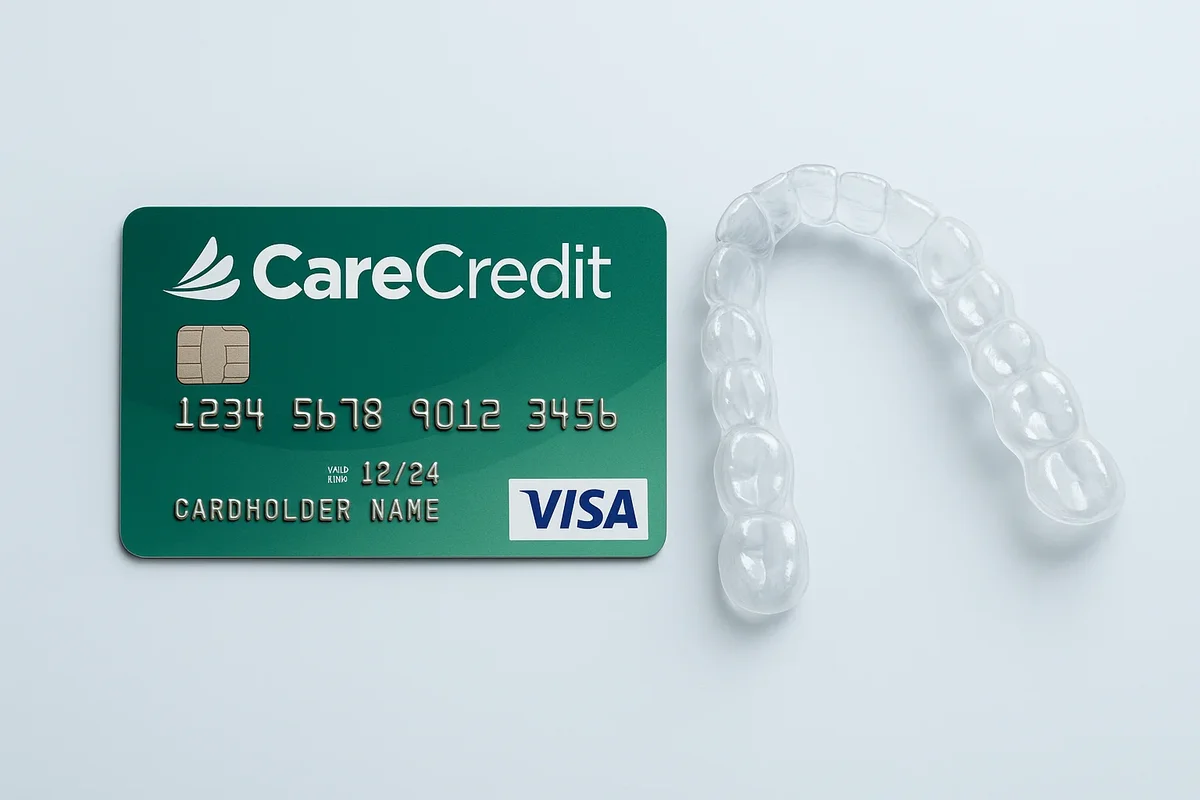
How to Maximize Savings and Get the Best Results with CareCredit for Invisalign
Using carecredit invisalign financing already gives you a major financial advantage, but with the right strategies, you can go even further—reducing costs, improving treatment efficiency, and ensuring you get the best possible orthodontic outcome. This section provides highly detailed, actionable insights that help you optimize every step of your Invisalign journey. From smart financial planning to effective aligner care, clinical coordination, and timing strategies, these methods ensure you spend less while achieving a healthier, beautifully aligned smile. 😁
Maximize Savings Through Smart CareCredit Planning
CareCredit provides flexible payment options, but maximizing your savings requires strategic decision-making. Many patients unknowingly pay more simply because they don’t use the financial tools available to them. With intentional planning, your carecredit invisalign approach becomes far more cost-efficient than traditional financing methods.
Choose the Correct Payment Plan From the Start
Selecting the right plan is essential for long-term savings. Short-term 0% interest plans are the most cost-effective as long as you can comfortably meet the monthly payments. Extended plans can also be beneficial, but they should be used strategically to avoid unnecessary long-term interest.
- Opt for 6–12 month zero-interest plans if your budget allows.
- Choose 18–24 month plans when you prefer moderate monthly payments with no added interest.
- Use extended 24–60 month plans only when low monthly payments are essential.
Choosing wisely ensures your carecredit invisalign solution minimizes financial strain and maximizes affordability.
Use HSA/FSA Funds Together With CareCredit
Many patients do not realize that CareCredit, FSA (Flexible Spending Accounts), and HSA (Health Savings Accounts) can be combined for Invisalign in many cases. This hybrid approach significantly reduces your CareCredit balance.
- HSA contributions reduce taxable income, making Invisalign more cost-effective.
- FSA funds offer pre-tax savings and can cover Invisalign-related services.
- CareCredit covers the remainder, giving you predictable monthly payments.
This is one of the most powerful ways to optimize your carecredit invisalign budgeting strategy.
Time Your Treatment to Maximize Insurance Benefits
Many dental insurance plans renew annually and may reset their orthodontic benefits at the start of the calendar year. Timing your Invisalign treatment around these renewal windows can significantly increase savings.
Insurance Timing Tactics
- Start your treatment early in the year to maximize deductible value.
- If your benefits reset in January, schedule your consultation in December but begin officially in January.
- Use any remaining annual benefits before they expire.
- If your plan covers orthodontics only once per lifetime, confirm this before financing.
When managed correctly, this timing strategy reduces your financed amount and makes your carecredit invisalign plan even more affordable.
Reduce Total Treatment Time With Better Aligner Discipline
One of the biggest hidden expenses during Invisalign treatment is extended treatment time. Wearing aligners less than the recommended 20–22 hours per day often results in refinement trays, additional appointments, and extended treatment timelines—all of which increase costs.
Best Practices for Staying on Track
- Wear aligners consistently for 20–22 hours per day.
- Use an aligner case to prevent losing trays (replacements add cost).
- Clean your aligners daily to prevent warping or staining.
- Follow your orthodontist’s tray-switch schedule without delays.
Good discipline not only saves time—it also minimizes the number of refinement stages, helping you get the most value from your carecredit invisalign investment.
Prevent Additional Costs With Proper Aligner Maintenance
Damage, warping, or loss of aligners can add unexpected expenses. Fortunately, proper care dramatically reduces the likelihood of these problems.
Essential Aligner Care Tips
- Never eat with aligners in—this avoids cracks and staining.
- Avoid hot liquids while wearing aligners to prevent warping.
- Use special cleaning crystals or mild soap instead of toothpaste.
- Rinse aligners whenever removed to prevent bacterial buildup.
This ensures that your carecredit invisalign treatment stays efficient, effective, and free from costly interruptions.
Follow Dentist-Recommended Treatment Enhancements
Some patients believe that skipping optional enhancements saves money, but many enhancements actually improve treatment speed and accuracy. Faster treatment means fewer costs, fewer appointments, and fewer refinement aligners.
Top Enhancements That Improve Results
- Attachment placement: small composite buttons that help guide teeth movement.
- Interproximal reduction (IPR): minor enamel shaping to create space.
- Elastics: often used for bite correction and faster alignment.
Following these recommendations ensures you get the best outcome from your carecredit invisalign plan.
Consult Reliable Dental Sources for Guidance
Before starting treatment, patients often seek reassurance from authoritative sources. Organizations such as the
American Dental Association
provide professional standards and guidance that help you make informed decisions.
Whenever you need clinic-specific recommendations or financial guidance, you can contact professionals through the
Redent Klinik Contact Page.
Final Thoughts on Maximizing Invisalign Savings
Maximizing your savings with carecredit invisalign financing requires a combination of strategic planning, responsible financial management, clinical discipline, and smart timing. With the right approach, you can minimize costs, shorten treatment time, and ensure the highest-quality results from your Invisalign journey. By following the techniques outlined in this section, you’ll gain more value from every dollar and enjoy a smoother, more predictable orthodontic experience.