
Finding a practical, affordable, and reliable way to take care of your teeth has become a top priority for many families today. With the rising cost of dental treatments, preventive care, and emergency procedures, people are searching for solutions that combine affordability with comprehensive coverage. This is where the carefree dental plan comes into play. It is designed to help patients of all ages access regular check-ups, preventive cleanings, and even advanced procedures without worrying about overwhelming expenses. In this complete guide, you’ll discover how such a plan works, what makes it different from traditional insurance, and why it has become a popular choice among health-conscious individuals. 🦷
The first thing to understand is that a carefree dental plan isn’t just about reducing costs—it’s about peace of mind. Imagine being able to schedule regular cleanings, x-rays, and fillings without stressing over financial surprises. With this type of plan, members typically pay a modest monthly or annual fee in exchange for significant discounts on common dental services. It’s not traditional insurance; rather, it’s a membership model where participating dentists agree to offer lower rates to members. This structure ensures transparency, predictability, and a sense of control over dental care expenses.
For families, one of the biggest advantages of a carefree dental plan is inclusivity. Instead of managing multiple insurance policies or worrying about which treatments are covered, the plan extends across a wide range of dental needs. From children needing preventive sealants to adults requiring root canals or crowns, the coverage is broad and adaptable. This makes it especially valuable for households looking to protect their long-term oral health while staying within a budget.
Another reason why people gravitate toward this plan is its straightforward enrollment process. Traditional dental insurance often requires waiting periods, exclusions for pre-existing conditions, or complex claims paperwork. By contrast, the carefree dental plan typically activates almost immediately after sign-up. There’s no waiting for approval, no need to submit claims, and no hidden clauses. This ease of access encourages people to visit their dentist more regularly, which in turn prevents small issues from escalating into costly dental emergencies.
The affordability aspect of a carefree dental plan cannot be overstated. For instance, a professional cleaning that might normally cost $120 could be reduced to as little as $50 under such a plan. Similarly, x-rays, fillings, and even cosmetic treatments like whitening are often available at reduced rates. The predictable nature of these discounts helps families plan their dental budgets more effectively, ensuring that dental visits are prioritized rather than postponed. Over time, this leads to healthier teeth, brighter smiles, and fewer urgent interventions.
Beyond finances, patients also value the freedom of choice that a carefree dental plan provides. Many plans allow members to choose from a wide network of dentists without being restricted to a narrow list of providers. This flexibility means patients can select a trusted local dentist or even switch providers if they move or feel unsatisfied. It’s a refreshing change from insurance networks that often dictate where you can and cannot go for treatment.
From an oral health perspective, the benefits are equally significant. Regular cleanings and preventive care are proven to reduce the risk of gum disease, cavities, and tooth loss. With a carefree dental plan, these services become accessible to more people, encouraging proactive dental habits. Dentists themselves also appreciate the model, as it reduces administrative burdens and allows them to focus on providing quality care instead of navigating complex insurance paperwork.
It’s worth noting that a carefree dental plan can also integrate seamlessly with broader healthcare goals. Many studies show that oral health is closely linked to conditions such as diabetes, heart disease, and even pregnancy outcomes. By making dental care easier to access, such plans indirectly contribute to better overall health outcomes. Families who adopt the plan often report improved wellness and fewer hospital visits related to untreated oral issues. 🌟
Additionally, patients gain valuable peace of mind knowing that they have a safeguard against unexpected costs. Whether it’s a sudden cavity, a cracked tooth, or a child’s orthodontic evaluation, the carefree dental plan minimizes financial stress. This reassurance encourages families to seek care promptly rather than delaying treatment until the pain becomes unbearable or the problem escalates.
If you’re curious about whether a carefree dental plan is right for you, one practical step is to evaluate your current dental expenses and compare them against the plan’s potential savings. On average, families that maintain regular dental visits often save hundreds of dollars per year through such memberships. More importantly, they preserve long-term oral health, which ultimately translates into lower costs and greater quality of life. For further details on dental standards and professional guidance, you can explore trusted resources like the American Dental Association. And if you’re considering personalized care options, feel free to reach out via our Redent Klinik Contact Page to learn how a membership plan might suit your family’s needs.
In conclusion, the carefree dental plan represents much more than just an affordable payment structure. It is a gateway to consistent preventive care, improved oral health, and a stress-free dental experience. By prioritizing both savings and accessibility, it empowers individuals and families to maintain confident, healthy smiles without financial worries. Whether you’re looking for a solution to cut down dental costs or simply want the reassurance of regular professional care, this type of plan is a reliable and increasingly popular choice for modern families. 💎
What Is a Carefree Dental Plan and How Does It Work?
The concept of a carefree dental plan is centered on making dental care simple, predictable, and affordable for individuals and families. Unlike traditional insurance policies that can be difficult to understand, these plans operate more like membership programs. Members pay a fixed monthly or annual fee and gain access to discounted dental services through a network of participating providers. This approach makes oral health accessible without the restrictions, exclusions, or waiting periods often associated with insurance companies.
How a Carefree Dental Plan Differs from Insurance
One of the most important distinctions between a carefree dental plan and insurance is the way coverage is provided. Insurance policies often come with deductibles, co-pays, annual maximums, and complicated claims processes. Patients sometimes find that certain procedures, such as cosmetic treatments, are excluded entirely. By contrast, a carefree dental plan is straightforward: pay your membership fee and receive a predetermined discount on services. There’s no paperwork, no waiting for reimbursement, and no surprise denials. This transparency helps patients know exactly what they will pay before they walk into the clinic. 🦷
Membership-Based Model Explained
The foundation of a carefree dental plan is its membership system. Typically, members sign up online or directly at a dental office and pay a modest subscription fee. In return, they unlock immediate savings on treatments such as cleanings, fillings, crowns, and even cosmetic dentistry. Unlike traditional insurance, which might require lengthy enrollment periods, these plans often activate right away. Families and individuals appreciate this instant access because it allows them to schedule appointments without delay.
Immediate Activation and No Waiting Periods
With a carefree dental plan, there is no need to wait months before your coverage kicks in. Many plans become active within 24–48 hours after payment. This makes them especially useful for patients who discover a sudden dental issue and need quick, affordable care. For instance, if you develop a painful cavity today, you can sign up for a plan and see a participating dentist tomorrow without worrying about pre-authorization or claims.
Types of Services Covered
A carefree dental plan is designed to cover a wide spectrum of services at discounted rates. While exact offerings vary by provider, most plans typically include:
- Preventive care: cleanings, exams, and x-rays
- Basic restorative treatments: fillings, extractions, and fluoride applications
- Major procedures: crowns, root canals, and dentures
- Cosmetic treatments: whitening, veneers, and bonding (often excluded in insurance)
This variety ensures that both preventive and complex treatments are more accessible. Families benefit especially from the preventive coverage, as regular cleanings and check-ups can reduce the risk of costly procedures later on.
Financial Transparency and Predictability
One of the most attractive features of a carefree dental plan is the ability to predict dental expenses in advance. Members often receive a fee schedule that lists discounted prices for each procedure. For example, while a standard cleaning may cost $120, members might pay only $50. A crown that might otherwise cost $1,200 could be reduced to $800 under the plan. This financial clarity allows families to budget effectively and avoid the anxiety that comes with unexpected dental bills.
Cost Savings in Real Numbers
To illustrate the savings, consider this: if a family of four attends two preventive visits per year, the regular cost might total over $1,000 annually. With a carefree dental plan, that same care could cost around $400–$500 depending on the provider. Over several years, the accumulated savings can be substantial, making dental health a more consistent priority rather than an occasional luxury.
Flexibility and Freedom of Choice
Unlike insurance networks that restrict patients to a narrow list of providers, many carefree dental plans partner with a broad range of dentists. Patients can choose a trusted local dentist or switch providers if they relocate. This flexibility is vital for families who move frequently or those who want to try different clinics without being penalized. It also encourages competitive pricing among participating dentists, ensuring quality care at affordable rates.
Encouraging Preventive Care
The ultimate goal of a carefree dental plan is not only to save money but also to promote healthier smiles. By reducing financial barriers, these plans encourage regular check-ups and preventive care. Patients are more likely to schedule cleanings, catch problems early, and avoid the pain and cost of advanced dental disease. Preventive visits can also improve overall health, as oral health is closely linked to systemic conditions like diabetes and cardiovascular disease.
How It Works Step by Step
- Enroll: Sign up online or at a dental office and pay your membership fee.
- Activate: The plan is usually active within 1–2 days.
- Select a Dentist: Choose from participating providers in your area.
- Visit and Save: Receive discounted services at the time of treatment—no claims necessary.
This simple process makes the carefree dental plan appealing to individuals who want efficiency and clarity in their healthcare options.
Peace of Mind and Accessibility
Ultimately, a carefree dental plan is about providing peace of mind. Families no longer need to delay treatment out of fear of high bills. Individuals can approach dental care with confidence, knowing they will receive high-quality services at a fraction of the usual cost. Combined with the convenience of immediate activation, the flexibility of choosing providers, and the transparency of pre-determined pricing, this model is quickly becoming one of the most reliable alternatives to dental insurance worldwide.
In summary, the carefree dental plan functions as a membership-based discount program that emphasizes accessibility, affordability, and prevention. It simplifies dental care, reduces financial stress, and supports lifelong oral health. By understanding how it works, patients can make informed decisions about their dental needs and enjoy the long-term benefits of proactive care. 🌟
Key Benefits of Choosing a Carefree Dental Plan 🦷
When it comes to maintaining healthy teeth and gums, affordability and accessibility are often the biggest concerns for families and individuals alike. This is where the carefree dental plan shines—it bridges the gap between quality dental care and cost-effectiveness. Choosing this type of plan offers more than just financial relief; it ensures long-term oral health, flexibility, and peace of mind. In this section, we’ll explore the most important benefits that make these plans an attractive alternative to traditional insurance models.
1. Affordable Preventive Care
Preventive care is the cornerstone of dental health. Regular check-ups, professional cleanings, and x-rays help identify potential issues before they escalate into costly and painful conditions. With a carefree dental plan, preventive services are available at discounted rates, making them accessible to more people. This means patients are more likely to schedule their cleanings twice a year, as recommended by dentists, without worrying about high out-of-pocket expenses.
Examples of Preventive Savings
Consider this: a standard dental exam and cleaning that might typically cost $120 could be reduced to around $50 with a carefree dental plan. X-rays that normally cost $90 might be discounted to $40. For a family of four attending biannual cleanings, the yearly savings can quickly add up to hundreds of dollars. Over time, these savings translate into healthier smiles and fewer emergency visits.
2. Immediate Access Without Waiting Periods
Traditional insurance often imposes waiting periods before certain treatments are covered, which can be frustrating if you need care right away. By contrast, a carefree dental plan activates almost instantly after enrollment. Whether you’re signing up online or through a participating dentist’s office, coverage typically begins within 24–48 hours. This is especially valuable if you’re facing sudden dental pain or an unexpected issue, as you can seek treatment right away without financial stress.
3. Transparent Pricing and Predictable Costs
One of the most celebrated benefits of a carefree dental plan is financial transparency. Members are given a fee schedule that outlines the discounted cost of each procedure. This eliminates the guesswork associated with insurance co-pays, deductibles, or out-of-network penalties. Patients know exactly how much they will pay before treatment begins, which creates confidence and allows for better financial planning.
Budget-Friendly Treatment Planning
For example, a crown that typically costs $1,200 might be reduced to $800 under the plan. Knowing this in advance allows patients to plan treatment timelines around their budgets. Families can also stagger treatments if needed, ensuring everyone receives care without causing financial strain.
4. Wide Range of Covered Services
A carefree dental plan goes beyond basic check-ups by offering discounts on a broad range of services, from fillings and root canals to cosmetic dentistry. This comprehensive coverage is a major advantage because it includes services that are often excluded by traditional insurance policies. Patients who are interested in teeth whitening, veneers, or bonding, for example, will find significant savings through these plans.
5. Flexibility in Choosing Dentists
Many carefree dental plans partner with a wide network of dentists, giving patients freedom to choose providers without being tied to a restrictive list. This flexibility is ideal for families who move frequently, for individuals who travel, or simply for anyone who wants to try different dental professionals. The ability to change providers without penalty ensures a personalized and satisfying dental experience.
6. No Complicated Paperwork
Another key benefit is the elimination of paperwork. With insurance, patients often deal with claims, approvals, and reimbursement delays. The carefree dental plan simplifies the process: patients pay the discounted rate directly at the time of service. There’s no need to wait for claims to be processed or worry about denied procedures. This simplicity makes dental visits smoother and less stressful.
7. Encourages Regular Dental Visits
By lowering the financial barrier to care, a carefree dental plan encourages more consistent dental visits. Patients who might otherwise skip appointments due to cost are more likely to schedule regular cleanings and exams. This proactive approach reduces the risk of gum disease, tooth decay, and other oral health problems. In turn, better dental habits also support overall health, as oral health is strongly connected to conditions such as diabetes and cardiovascular disease.
8. Family-Friendly Options
Many plans allow for family enrollment, meaning parents and children can all be covered under one affordable membership. This makes it easier for households to coordinate dental visits and ensure everyone receives necessary care. Children benefit from preventive services such as fluoride treatments and sealants, while adults save on restorative and cosmetic procedures. A carefree dental plan can truly serve the entire family under one umbrella of care.
9. Peace of Mind During Emergencies
Dental emergencies are stressful enough without the added pressure of financial uncertainty. With a carefree dental plan, patients have immediate access to discounted emergency care, whether it’s a broken tooth, severe toothache, or sudden infection. Knowing that help is available at a reduced rate offers invaluable peace of mind. Families can act quickly without having to postpone treatment due to costs.
10. Long-Term Health and Financial Savings
Ultimately, the biggest benefit of a carefree dental plan is its long-term impact. Preventive visits reduce the likelihood of major dental issues, which means fewer expensive treatments in the future. Over several years, families save not only money but also time and discomfort. More importantly, consistent oral care supports overall well-being, as studies continue to show the connection between oral health and systemic health.
In conclusion, the carefree dental plan is more than just a cost-saving tool—it is a comprehensive, family-friendly approach to oral health. With affordable preventive care, transparent pricing, flexibility in provider choice, and immediate access, it removes the barriers that often keep people from visiting the dentist. For anyone seeking predictable, stress-free dental care, these benefits make the plan an excellent investment in both health and happiness. 🌟
Comparing Carefree Dental Plan vs. Traditional Insurance
When choosing between a carefree dental plan and traditional dental insurance, it’s important to understand how each system works, their differences in cost, coverage, and convenience. Many patients often wonder whether a membership-style plan can truly replace conventional insurance. To make an informed decision, let’s examine the two models side by side and highlight the pros and cons of each. 🦷
Structure and Coverage Differences
A carefree dental plan functions like a membership discount program. Patients pay an annual or monthly fee and receive access to significantly reduced rates for a wide variety of dental treatments. Traditional insurance, on the other hand, requires monthly premiums, deductibles, and sometimes co-pays. Insurance companies often set annual maximums, meaning that once you exceed a certain amount, additional treatments are no longer covered. This can leave patients with high out-of-pocket expenses despite paying for insurance coverage all year long.
Carefree Dental Plan
- No deductibles or annual maximums
- Instant activation after enrollment
- Discounts on preventive, restorative, and cosmetic care
- Straightforward pricing with no hidden clauses
Traditional Insurance
- Deductibles, co-pays, and annual spending limits
- Waiting periods for certain treatments
- Exclusions for pre-existing conditions or cosmetic procedures
- Complex claims processes and paperwork
Cost Comparison
One of the strongest advantages of a carefree dental plan is affordability. With insurance, patients may pay $400–$600 per year in premiums, not including deductibles or co-pays. In contrast, most dental membership plans cost between $80–$200 annually per person, and they immediately provide access to discounted services.
Real-Life Cost Scenarios
For example, consider a patient who requires two cleanings and x-rays annually plus a filling:
- With Insurance: Annual premium of $500 + deductible ($100) + co-pays ($50) = $650
- With a Carefree Dental Plan: Annual membership fee of $150 + discounted services ($250) = $400
Not only is the total out-of-pocket cost lower with a carefree dental plan, but patients also avoid surprise bills from procedures that insurance refuses to cover.
Flexibility in Choosing Providers
Insurance networks typically restrict patients to a narrow list of providers. Visiting an out-of-network dentist often means higher costs or no coverage at all. By contrast, a carefree dental plan usually includes a wide network of participating dentists and allows patients to switch providers easily. This freedom makes it attractive for families who value choice and convenience.
Network Limitations of Insurance
Patients on insurance plans often experience frustration when their preferred dentist is not covered. They may need to travel farther, wait longer for appointments, or compromise on the provider’s reputation. A carefree dental plan eliminates these limitations by letting members select from a wide pool of providers and change as needed without penalties.
Transparency and Simplicity
A common complaint about traditional insurance is its complexity. Patients rarely know the exact cost of a procedure until after it’s completed, when bills and explanations of benefits arrive. A carefree dental plan removes this uncertainty by providing a clear schedule of discounted fees. Patients know upfront what they will pay for cleanings, fillings, crowns, or whitening treatments. This predictability helps with budgeting and eliminates unpleasant surprises.
Coverage of Cosmetic Procedures
Insurance companies usually exclude cosmetic treatments such as whitening, veneers, or bonding. These services are considered “non-essential” and must be paid entirely out of pocket. By contrast, a carefree dental plan typically offers discounted rates on cosmetic procedures, making them much more affordable. For patients seeking both health and aesthetics, this is a valuable advantage.
Waiting Periods and Accessibility
Many insurance plans enforce waiting periods of 6–12 months before major services like crowns, root canals, or dentures are covered. This delay can be frustrating and harmful if urgent care is needed. The carefree dental plan, however, allows immediate access to savings without delays. Patients can sign up today and see a dentist tomorrow, which is crucial for emergencies and peace of mind.
Long-Term Financial Considerations
While insurance may make sense for patients with extremely high annual dental expenses, most people benefit more from a carefree dental plan. Over the long term, lower annual fees, transparent pricing, and discounts on preventive care help families save thousands of dollars. More importantly, the plan promotes regular visits, which reduce the risk of serious dental conditions and further financial strain.
Which Option Is Right for You?
Deciding between insurance and a carefree dental plan depends on your individual needs, budget, and priorities. If you want simplicity, immediate savings, and flexibility, the membership model is likely your best option. If you anticipate extremely high dental costs every year and want coverage for extensive procedures, traditional insurance may still play a role. However, for most families seeking predictable, affordable care, the carefree model stands out as the more practical choice.
In conclusion, comparing a carefree dental plan with traditional insurance reveals clear advantages in cost, transparency, and convenience. While insurance can be useful in certain cases, the carefree model offers peace of mind, wider accessibility, and consistent savings for everyday dental needs. For many patients, it represents a smarter, stress-free path to lifelong oral health. 🌟
Cost Breakdown: Is a Carefree Dental Plan Really Affordable? 💰
When deciding whether a carefree dental plan is the right choice, one of the first questions patients ask is: “How much will it actually save me?” Affordability is at the heart of these plans, but to understand their real value, we need to break down the costs compared to traditional insurance and out-of-pocket payments. In this section, we’ll take a detailed look at the fees, discounts, and long-term savings potential of a carefree dental plan, providing clarity on whether it is truly a budget-friendly solution.
Membership Fees Explained
The cost of joining a carefree dental plan is relatively low compared to the premiums of dental insurance. On average, individual membership fees range between $80 and $200 per year, while family memberships might cost $150 to $300. These flat fees grant access to discounted rates across a wide spectrum of dental services. Unlike insurance, there are no deductibles, no co-pays, and no maximum annual limits. Once you’ve paid the membership fee, you’re entitled to discounted treatment costs right away.
Sample Annual Fees
- Individual plan: $120 per year
- Couple plan: $200 per year
- Family plan (4 members): $250–$300 per year
Even before factoring in discounts, these fees are substantially lower than insurance premiums, which often exceed $500 annually per person.
Typical Discounts on Services
With a carefree dental plan, members receive percentage-based discounts on treatments. The savings vary by procedure but generally fall between 20% and 60%. Preventive services such as cleanings, x-rays, and exams are often discounted the most, ensuring routine visits are affordable. More advanced procedures, including crowns, root canals, and dentures, also come with meaningful reductions in cost.
Examples of Discounted Prices
| Procedure | Average Cost Without Plan | Typical Cost With Carefree Dental Plan |
|---|---|---|
| Routine Cleaning | $120 | $50 |
| X-Rays | $90 | $40 |
| Filling (1 surface) | $180 | $80 |
| Crown | $1,200 | $800 |
| Root Canal | $1,000 | $700 |
| Whitening (cosmetic) | $500 | $300 |
These examples show that a family using their carefree dental plan for just a couple of routine visits and one restorative procedure can recoup the membership cost almost immediately.
Annual Savings Potential
The affordability of a carefree dental plan becomes even clearer when viewed over an entire year. Consider a family of four who each attend two preventive visits annually. Without a plan, these visits might cost over $1,000 per year. With a family membership costing $300, the discounted visits could bring the total down to $500. This results in an annual savings of $500, not even counting additional treatments like fillings or orthodontic consultations.
Case Study: A Family of Four
Let’s calculate potential savings for a typical family:
- 4 members × 2 cleanings each ($120 per cleaning) = $960
- 4 sets of x-rays ($90 each) = $360
- 1 cavity filling ($180) = $180
- Total Without Plan: $1,500
- Total With Plan (family fee $300 + discounted services $600): $900
Net Savings: $600 per year
This example illustrates how a carefree dental plan delivers tangible financial benefits even with just routine care and one minor treatment.
Long-Term Value of the Plan
Beyond immediate savings, the true value of a carefree dental plan lies in its encouragement of preventive care. Regular dental visits catch small issues early, reducing the need for costly treatments down the line. For instance, treating a small cavity promptly may cost less than $100 under the plan, whereas delaying treatment could lead to a root canal costing $700 or more. By making preventive care accessible, the plan saves patients both money and discomfort in the long run.
Comparing Costs to Insurance
When placed side by side, the affordability advantage of a carefree dental plan becomes even more pronounced:
- Insurance: $500+ in annual premiums + deductibles + co-pays + exclusions = often over $800 out-of-pocket annually
- Carefree Dental Plan: $150 annual fee + discounted services = typically $400–$600 annually
Insurance may cover catastrophic costs, but for routine and predictable dental needs, the membership model is far more cost-effective for most patients.
Peace of Mind in Emergencies
Affordability isn’t just about regular cleanings. Dental emergencies can strike at any time, leaving patients with sudden bills in the hundreds or thousands. With a carefree dental plan, the immediate discounts apply to emergency treatments as well, ensuring patients don’t delay care because of cost concerns. This provides peace of mind and reinforces the financial security of the membership.
In summary, a carefree dental plan is genuinely affordable when broken down into membership fees, discounted services, and long-term savings. Families and individuals alike find that the money saved on even routine visits often exceeds the cost of enrollment. More importantly, the plan encourages consistent preventive care, protecting both health and finances over time. For those seeking a predictable, cost-effective solution to dental expenses, the carefree model is not only affordable—it’s a smart investment. 🌟
Who Can Benefit Most From a Carefree Dental Plan?
A carefree dental plan is designed to make quality dental care more accessible and affordable, but it isn’t a one-size-fits-all solution. Certain groups of people tend to benefit more from this type of membership-based plan than others. From young families to retirees, from students to self-employed professionals, the advantages of a carefree dental plan are broad and impactful. In this section, we’ll break down who gains the most value and why this approach is ideal for diverse demographics.
Families With Children
Families are among the biggest beneficiaries of a carefree dental plan. Children require frequent preventive visits, including fluoride treatments, sealants, and regular cleanings. Parents often delay or skip these services due to cost concerns, but with discounted rates, they become far more affordable. By ensuring consistent care, the plan helps children avoid cavities and orthodontic complications later in life.
Example of Family Savings
A family of four attending two cleanings per year can save hundreds annually. For instance, without a plan, these visits might total $1,000 or more. With a carefree dental plan, the cost could drop to $500–$600, freeing up resources for other health or educational expenses. Parents also gain peace of mind knowing that their children’s dental needs are consistently met without financial stress.
Young Adults and Students
College students and young adults often lack dental insurance through their schools or jobs. A carefree dental plan is an ideal option for this group because it provides affordable access to preventive care during a stage of life when finances are typically tight. With reduced costs for cleanings and fillings, young adults can establish good oral health habits that prevent costly treatments in the future.
Why Students Benefit
For students balancing tuition, rent, and daily expenses, traditional insurance premiums are often unaffordable. Instead, paying a modest annual membership fee ensures that preventive services remain accessible. This reduces the likelihood of untreated cavities or gum disease, conditions that can worsen if ignored during early adulthood.
Retirees and Seniors
Seniors often lose employer-sponsored dental insurance after retirement, leaving them vulnerable to high dental costs. A carefree dental plan offers retirees a cost-effective way to manage their oral health. Since older adults are more likely to need restorative treatments such as crowns, dentures, and implants, the discounts provided by the plan can lead to significant savings.
Supporting Healthy Aging
Oral health is strongly linked to overall health, particularly for seniors. Conditions such as gum disease are associated with heart disease, diabetes, and respiratory issues. By making regular dental visits affordable, a carefree dental plan supports not only oral health but also general well-being in retirement years.
Self-Employed Professionals
Freelancers, entrepreneurs, and gig-economy workers often lack access to employer-sponsored insurance. For them, a carefree dental plan is a practical solution. It provides predictable costs and eliminates the complexity of insurance, making it easier to budget for healthcare expenses while running a business.
Case Study: Freelancer Example
Consider a freelance graphic designer who works independently and does not receive employer benefits. With an annual membership fee of around $150 and discounted services, she saves hundreds of dollars annually compared to purchasing a private insurance policy that could cost $600 or more per year.
Patients Without Regular Insurance
Millions of people across the globe do not have dental insurance coverage. For these individuals, a carefree dental plan fills a critical gap by offering immediate access to affordable care. Unlike insurance, there are no waiting periods, making it especially useful for those who suddenly require treatment, such as fillings or extractions.
People Interested in Cosmetic Dentistry
Traditional insurance rarely covers cosmetic procedures like whitening, veneers, or bonding. A carefree dental plan, however, typically offers discounted rates for these services. Patients who want to improve their smile aesthetically can benefit significantly, making cosmetic dentistry more accessible and affordable.
Enhancing Confidence Through Savings
Cosmetic procedures can cost thousands without discounts. With a carefree dental plan, patients may pay 20–40% less, allowing them to enhance their smiles with confidence and affordability. This is especially beneficial for professionals in client-facing careers where appearance can impact success.
Patients With Preventive Care Needs
Even individuals who rarely need major dental work benefit from a carefree dental plan. Preventive care remains essential, and discounted cleanings, exams, and x-rays make it easier to stay consistent. By investing in prevention, patients avoid the higher costs and discomfort associated with untreated dental issues.
Families on Tight Budgets
For households living on strict budgets, affordability is key. A carefree dental plan ensures that dental health is not neglected due to financial pressure. It allows families to prioritize oral health alongside other essential expenses such as rent, utilities, and food.
In conclusion, the carefree dental plan benefits a wide variety of groups—from young students and busy families to retirees and self-employed workers. Its affordability, accessibility, and comprehensive discounts make it a smart choice for anyone seeking to prioritize dental health without straining their finances. Whether for preventive, restorative, or cosmetic needs, this plan ensures that quality care remains within reach. 🌟
How to Enroll in a Carefree Dental Plan Step by Step
Getting started with a carefree dental plan is simple, straightforward, and designed to eliminate the complexity often associated with traditional insurance. While insurance usually requires lengthy applications, pre-approvals, and waiting periods, enrolling in a carefree dental plan can often be completed in just a few minutes. To help you navigate the process, this section provides a step-by-step breakdown, along with practical tips and insights for making the most of your membership.
Step 1: Research and Compare Plan Options
The first step in enrolling is to research the available carefree dental plans in your area. Many providers offer slightly different terms, membership fees, and coverage details. Take time to review what each plan offers, including discounts on preventive, restorative, and cosmetic procedures. Consider your family’s specific dental needs and compare costs with what you would typically spend on dental visits in a year.
Questions to Ask During Research
- What is the annual membership fee for individuals, couples, or families?
- Which procedures are included in the discounted services?
- Are there cosmetic benefits such as whitening or veneers?
- How many dentists participate in the plan’s network near you?
By answering these questions, you’ll identify which carefree dental plan best matches your health and financial goals.
Step 2: Choose the Right Membership Type
Once you’ve researched, select the membership level that fits your household. Most providers offer three categories: individual, couple, and family memberships. Choosing the correct type ensures that everyone who needs access to discounted dental services is covered under one plan.
Membership Categories
- Individual Plan: Best for single adults seeking affordable preventive and restorative care.
- Couple Plan: Perfect for partners who want shared access to reduced dental costs.
- Family Plan: Ideal for households with children, covering preventive services for kids and advanced procedures for adults.
Step 3: Complete the Enrollment Application
Enrolling in a carefree dental plan usually requires filling out a simple online or in-office form. The application asks for basic details such as your name, address, and preferred dentist if you already have one. Unlike insurance applications, there are no health questionnaires or background checks, which makes the process easy and stress-free.
What You’ll Need to Enroll
- Basic personal details (name, address, phone number, email)
- Membership category (individual, couple, family)
- Payment method (credit card, debit card, or bank transfer)
- Preferred dental clinic or provider, if applicable
Once submitted, your enrollment is usually processed immediately, and your membership becomes active within 24–48 hours.
Step 4: Pay the Membership Fee
To activate the plan, you must pay the membership fee. This is a one-time annual payment or, in some cases, a monthly subscription. Compared to dental insurance premiums, the fee for a carefree dental plan is significantly lower. Once paid, you’ll gain access to the plan’s full range of benefits.
Payment Options
Most providers accept multiple forms of payment, including:
- Online credit or debit card transactions
- Automatic monthly billing
- Direct payment through your dental provider
This flexibility ensures that the enrollment process is seamless and convenient for all members.
Step 5: Select a Participating Dentist
After enrolling, the next step is to choose a participating provider. A carefree dental plan typically gives you access to a network of dentists who honor the discounted fee schedule. Many providers list participating dentists online, making it easy to find one in your area.
Tips for Choosing a Dentist
- Check reviews and ratings of participating dentists.
- Confirm that the provider offers all the services you need (e.g., orthodontics, cosmetic dentistry).
- Look for convenient locations and appointment availability.
The flexibility to choose and even change dentists without penalty is a major advantage of a carefree dental plan compared to traditional insurance networks.
Step 6: Schedule Your First Appointment
With your plan active and your dentist selected, you can immediately schedule your first appointment. There are no waiting periods, so whether you need a routine cleaning or treatment for a cavity, you can book care right away. At your visit, simply present your membership details, and you’ll be charged the discounted rate directly.
Step 7: Enjoy the Benefits and Track Your Savings
Once enrolled, you can begin reaping the benefits of your carefree dental plan. Patients often find that they save enough on their first or second visit to cover the cost of the membership. Tracking your expenses helps you see the long-term value of the plan. Many providers even offer digital dashboards where you can view your savings and upcoming appointments.
Practical Example of Enrollment
Imagine a young couple enrolling in a carefree dental plan at a cost of $200 annually. Within the first year, they each attend two cleanings and receive x-rays, which would normally cost $800. With the plan, they pay only $400 total. Not only have they saved $400, but they’ve also established a predictable, stress-free way to maintain their oral health.
In conclusion, enrolling in a carefree dental plan is a quick and hassle-free process. By following the simple steps—researching options, choosing a membership type, completing the application, paying the fee, selecting a dentist, and scheduling appointments—patients can unlock affordable access to quality dental care. The streamlined enrollment process ensures that anyone, from busy professionals to large families, can join and start enjoying the benefits almost immediately. 🌟
Carefree Dental Plan Reviews: What Patients Say
One of the most reliable ways to evaluate the value of a carefree dental plan is to look at real patient reviews. While statistics and cost breakdowns provide a factual overview, personal experiences highlight how the plan impacts everyday lives. Feedback from families, students, retirees, and professionals paints a clear picture of both the strengths and occasional limitations of this model. In this section, we’ll explore what members are saying, highlighting positive reviews, constructive criticism, and common themes that emerge from patient stories.
Positive Experiences From Families
Many families share glowing reviews of their carefree dental plan, especially because it helps them manage the costs of multiple family members’ dental needs. Parents often emphasize that preventive services such as cleanings and sealants for children become much more affordable. They appreciate being able to keep up with recommended visits without skipping due to cost concerns. Families also report that the transparent pricing allows them to budget effectively and avoid financial surprises.
Example Family Testimonial
“With three kids, dental bills used to overwhelm us. Since joining the carefree dental plan, we save hundreds each year. The kids get their cleanings on time, and even my husband’s crown procedure was discounted significantly. It feels like a safety net for our smiles.” – Sarah, mother of three
Students and Young Adults Weigh In
For students and young adults without employer-sponsored insurance, reviews of the carefree dental plan are consistently positive. They highlight the affordability of preventive visits and the ability to handle unexpected dental issues without blowing their budgets. Many note that they would otherwise skip dental care altogether if not for the reduced costs provided by the plan.
Student Perspective
“I’m a university student, and dental insurance isn’t included in my tuition. The carefree dental plan gives me access to discounted cleanings and x-rays, which keeps my teeth healthy even on a tight budget. It’s affordable and simple to use.” – Michael, age 21
Retiree Reviews
Seniors and retirees often face higher dental needs and no longer have insurance after leaving the workforce. Their reviews frequently highlight relief at being able to afford treatments such as dentures, implants, and crowns through discounted rates. They also appreciate the simplicity of the plan—no paperwork, no claims, and no waiting periods.
Retiree Example
“After retiring, I lost my dental insurance and was shocked by how expensive dental care could be. Joining a carefree dental plan cut my costs in half. My dentures and regular check-ups are affordable again, and I no longer worry about delaying treatment.” – James, retired teacher
Feedback From Self-Employed Professionals
Freelancers, small business owners, and independent contractors often leave reviews praising the predictability of a carefree dental plan. They value having control over costs and avoiding the steep premiums of private insurance policies. These members often say the plan provides peace of mind while allowing them to focus on growing their businesses.
Case Study: Small Business Owner
“As a self-employed consultant, I couldn’t justify paying $600 per year for insurance I rarely used. The carefree dental plan costs me less than $200 annually and covers exactly what I need. My dentist visits are straightforward, and I know exactly what I’ll pay.” – Alicia, entrepreneur
Common Themes in Positive Reviews
- Affordability: Patients consistently mention saving hundreds annually.
- Transparency: Members value knowing exact costs upfront.
- Accessibility: No waiting periods and broad coverage networks are highly praised.
- Encouragement for preventive care: Many say they visit the dentist more regularly thanks to the plan.
Constructive Criticism and Limitations
While most reviews are positive, some patients share constructive criticism. Common points include limited provider networks in certain rural areas, variability in discount levels depending on the dentist, and the lack of catastrophic coverage for extremely expensive procedures. These reviews emphasize that while a carefree dental plan is excellent for preventive and moderate restorative care, it may not fully replace insurance for those with extensive dental needs.
Critical Review Example
“I love the savings on cleanings and fillings, but when I needed oral surgery, the discount wasn’t as high as I hoped. Still, it was cheaper than paying full price, but patients with major dental issues should weigh their options.” – Kevin, patient
Overall Satisfaction Ratings
Surveys show that the majority of members are satisfied with their carefree dental plan. On average, satisfaction rates range from 80% to 90%, with patients citing affordability, ease of use, and flexibility as the main strengths. This demonstrates that, despite a few limitations, the plan meets or exceeds expectations for most people.
Why Reviews Matter
Patient reviews provide insights beyond the numbers. They reveal how families save money, how students maintain preventive care, and how retirees manage oral health on a fixed income. They also highlight areas for improvement, such as expanding provider networks. For prospective members, these reviews offer reassurance that a carefree dental plan is a practical, cost-effective solution for most everyday dental needs.
In summary, the majority of reviews confirm that a carefree dental plan delivers on its promise of affordability, transparency, and accessibility. Patients from diverse backgrounds report real savings, consistent care, and improved confidence in managing their dental health. While it may not replace full insurance in every case, it provides a reliable and budget-friendly solution that keeps smiles healthier and brighter. 🌟
Common Myths About Carefree Dental Plans Debunked
Despite the growing popularity of the carefree dental plan, many people remain hesitant to join due to misconceptions or outdated information. Misunderstandings often arise from comparing these plans to traditional insurance or from misinformation passed along by word of mouth. To make the best decision for your oral health, it’s important to separate fact from fiction. In this section, we’ll debunk the most common myths about carefree dental plans and highlight the reality behind each claim.
Myth 1: A Carefree Dental Plan Is the Same as Insurance
One of the most widespread myths is that a carefree dental plan operates exactly like insurance. In reality, these two systems are very different. Insurance usually involves monthly premiums, deductibles, and waiting periods, while a dental plan functions more like a membership program offering discounted rates. Members pay a modest annual or monthly fee and receive immediate access to reduced treatment costs.
The Reality
Unlike insurance, there are no claims, no maximum annual limits, and no restrictions for pre-existing conditions. A carefree dental plan is focused on affordability and accessibility rather than complicated coverage rules. This makes it especially attractive for patients seeking simplicity and predictable costs.
Myth 2: Only Basic Services Are Covered
Another misconception is that a carefree dental plan only covers cleanings and exams. While preventive care is a cornerstone of the plan, it also offers discounts on restorative procedures such as fillings, crowns, and root canals, as well as cosmetic treatments like whitening or veneers.
The Reality
In fact, many plans provide discounts across a wide range of services, sometimes including orthodontics and implants depending on the provider. Patients benefit from both essential care and elective procedures at reduced costs, making the plan versatile and comprehensive.
Myth 3: The Savings Aren’t Significant
Some critics argue that the discounts offered by a carefree dental plan don’t make a meaningful difference. This myth often arises from people who haven’t compared actual treatment costs with and without the plan.
The Reality
In practice, savings can be substantial. For example, a routine cleaning that costs $120 might be reduced to $50, while a crown priced at $1,200 could drop to $800. Families and individuals often recover their membership fee after just one or two visits, and annual savings can reach hundreds of dollars.
Myth 4: The Quality of Care Is Lower
Some assume that discounted services mean lower quality care. This misconception can deter people from joining, but it has no basis in reality. Dentists who participate in a carefree dental plan are licensed professionals committed to providing high-quality treatment.
The Reality
The lower cost doesn’t reflect reduced quality; it reflects the efficiency of the membership model. Dentists benefit by attracting more patients without the administrative burden of insurance claims. Patients, in turn, enjoy top-notch care at lower, transparent prices.
Myth 5: Only People Without Insurance Should Use It
Another common myth is that a carefree dental plan is only valuable for people without insurance. While it’s true that uninsured patients benefit significantly, many people with insurance also enroll to access discounts on services their insurance doesn’t cover, such as cosmetic procedures.
The Reality
Even insured patients use a carefree dental plan to supplement their coverage. It fills gaps, reduces out-of-pocket costs, and provides affordability for treatments excluded from traditional insurance policies.
Myth 6: Enrollment Is Complicated
Some believe that signing up for a carefree dental plan involves mountains of paperwork and long approval times. This myth likely stems from confusion with traditional insurance processes.
The Reality
In reality, enrollment is quick and simple. Most plans allow you to sign up online in minutes, pay a modest fee, and start receiving benefits within 24–48 hours. There are no health questionnaires, waiting periods, or complicated claims to manage.
Myth 7: It’s Only Useful for Emergencies
Another misconception is that a carefree dental plan is designed only for emergencies like extractions or root canals. While it certainly helps in urgent cases, its greatest value lies in encouraging preventive care and consistent dental visits.
The Reality
Preventive services such as exams, cleanings, and x-rays are deeply discounted, making it easier for patients to maintain oral health regularly. This proactive approach reduces the likelihood of emergencies in the first place.
Myth 8: Provider Networks Are Too Limited
Some skeptics argue that carefree dental plans have very few participating dentists, limiting patient choice. While this may have been true in the past, today’s plans often include wide networks of qualified providers.
The Reality
Many plans partner with hundreds or even thousands of dentists nationwide. Patients can often choose from a large selection of local providers and even switch dentists without penalty. This flexibility is one of the plan’s strongest advantages.
Myth 9: It Doesn’t Cover Cosmetic Dentistry
It’s often assumed that cosmetic procedures are completely excluded. Traditional insurance usually ignores treatments like whitening or veneers, which reinforces this belief.
The Reality
A carefree dental plan often includes discounts for cosmetic dentistry, making aesthetic improvements more affordable. Patients seeking brighter smiles or straighter teeth benefit from reduced costs on elective treatments that insurance rarely touches.
In conclusion, many of the myths surrounding the carefree dental plan stem from misconceptions or confusion with traditional insurance. The reality is that these plans provide accessible, affordable, and high-quality dental care with clear, upfront pricing and broad coverage. By debunking these myths, patients can make informed decisions and enjoy the real benefits of membership. 🌟
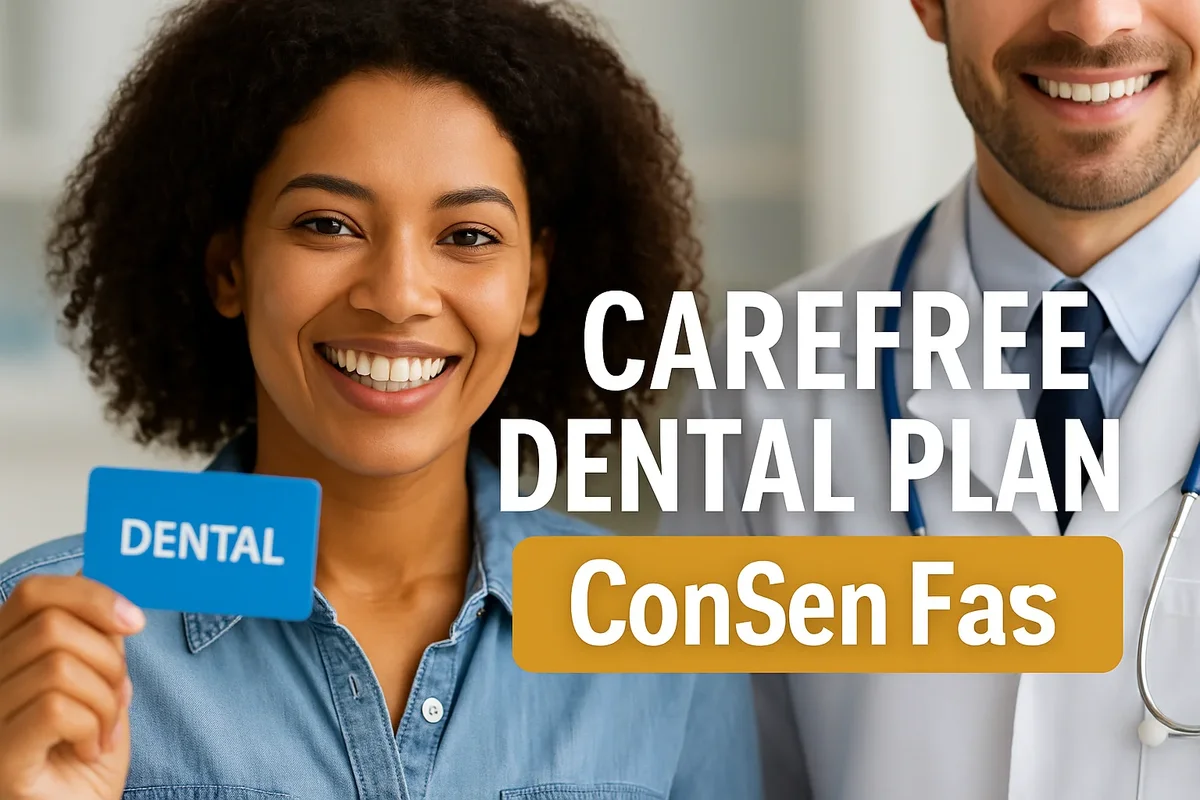
Expert Tips for Maximizing Your Carefree Dental Plan
A carefree dental plan is only as valuable as the way you use it. While the plan itself provides immediate discounts and simplified access to dental services, many patients overlook strategies that can multiply their savings and health benefits. By taking a proactive approach, you can make sure you get the absolute most out of your membership. In this section, we’ll explore expert tips, strategies, and actionable advice that help maximize the value of your carefree dental plan.
Schedule Preventive Care Consistently
The foundation of any successful use of a carefree dental plan lies in preventive care. Dentists recommend biannual check-ups and cleanings, which are significantly discounted under most plans. By attending these visits consistently, you prevent small issues like plaque buildup or cavities from developing into larger, more expensive problems. Patients who commit to regular preventive visits often save the most in the long term.
Proactive Prevention Example
For instance, treating a cavity early may cost less than $100 with the plan, compared to $700 or more for a root canal if left untreated. Scheduling preventive appointments twice a year ensures that problems are caught early, maximizing both savings and oral health.
Leverage the Fee Schedule
Every carefree dental plan provides a fee schedule that lists discounted rates for common procedures. Many patients fail to review this document thoroughly, missing opportunities to plan treatments strategically. By understanding these prices upfront, you can prioritize care and even bundle treatments for maximum savings.
Budgeting With Transparency
Knowing in advance that a crown will cost $800 instead of $1,200, or that whitening is discounted from $500 to $300, allows you to schedule treatments around your budget. Families, in particular, can stagger visits across the year, ensuring affordable care without financial strain.
Take Advantage of Cosmetic Discounts
Traditional insurance rarely covers cosmetic services like whitening, veneers, or bonding. A carefree dental plan often includes these procedures at reduced prices. Patients looking to enhance their smiles can benefit from discounts that make cosmetic care more affordable and accessible.
Cosmetic Strategy
For example, if you’ve been delaying whitening because of cost, using your plan could save you $200 or more. This not only improves your smile’s appearance but also boosts confidence in professional and social settings.
Choose the Right Dentist
Participating providers are the key to maximizing your plan’s benefits. Not every dentist offers the same range of services, so selecting a provider that meets your needs is essential. A carefree dental plan usually allows flexibility to switch providers if you aren’t satisfied, giving you freedom that traditional insurance often restricts.
Provider Selection Tips
- Check reviews and patient testimonials for quality of care.
- Confirm that the dentist offers both preventive and advanced services.
- Look for offices that are conveniently located and have flexible scheduling.
Combine With Healthy Oral Habits
A carefree dental plan reduces costs, but maximizing its benefits also depends on daily habits. Brushing twice a day, flossing regularly, and limiting sugary foods minimize the need for restorative treatments. This means you’ll use your plan more for preventive visits than for expensive interventions, extending your savings further.
Daily Care Routine
Pair your plan with a strong at-home oral hygiene routine. Consider using fluoride toothpaste, mouthwash, and water flossers. These practices lower your risk of cavities and gum disease, reducing the need for even discounted restorative work.
Use the Plan for Family Coverage
If you have dependents, enrolling them in the plan ensures maximum value. A carefree dental plan typically offers family memberships at a reduced cost compared to insuring each individual separately. This makes preventive services for children, such as sealants and fluoride treatments, far more affordable.
Family Strategy Example
A family plan costing $300 annually can save hundreds in preventive services for kids alone. When combined with adult treatments like fillings or crowns, the savings multiply even further, providing one of the best returns on investment for households.
Plan for Emergencies
No one expects dental emergencies, but they happen. The advantage of a carefree dental plan is that it applies discounts to emergency treatments as well. Whether it’s a cracked tooth, sudden infection, or severe pain, knowing you can access urgent care at reduced rates provides peace of mind.
Emergency Preparedness
Keep your plan details handy so you can immediately access participating dentists when emergencies arise. This avoids delays in treatment and ensures you benefit from the discounted pricing during unexpected situations.
Track Your Savings Over Time
Many patients underestimate how much they save with their carefree dental plan. By keeping track of treatment costs with and without discounts, you’ll see the tangible benefits of your membership. Some providers even offer online portals to help you track expenses and savings in real time.
Example of Annual Savings
A couple who pays $200 annually for their plan and receives $1,000 worth of treatments might reduce their total expenses to $500. The $300 in net savings, combined with peace of mind, demonstrates the real-world value of tracking and optimizing usage.
Stay Informed About Plan Updates
Providers may update their carefree dental plan benefits or add new participating dentists. Staying informed about these changes ensures you’re always making the most of your membership. Signing up for newsletters or checking provider websites regularly helps you stay ahead of new opportunities for savings.
In conclusion, maximizing a carefree dental plan requires a mix of smart scheduling, consistent preventive care, leveraging cosmetic discounts, and careful provider selection. When paired with healthy oral habits and a family-friendly strategy, the plan becomes more than just a discount program—it transforms into a lifelong investment in oral health and financial peace of mind. By applying these expert tips, patients can unlock the full potential of their membership and enjoy healthier smiles at truly affordable costs. 🌟