
Finding affordable, high-quality dental care can be challenging, especially for patients without dental insurance. This is where a cash dentist becomes an attractive option. A cash dentist is a dental professional who accepts direct payment from patients rather than relying primarily on insurance reimbursements. Many people are discovering that choosing a cash dentist can simplify treatment decisions, reduce administrative complications, and often lower overall dental expenses. 😊
In recent years, the popularity of the cash dentist model has grown significantly. Patients are becoming more aware of healthcare costs and are looking for transparent pricing structures that allow them to understand exactly what they are paying for. Instead of dealing with insurance approvals, annual maximums, deductibles, and coverage restrictions, patients who visit a cash dentist typically pay directly for services received.
The concept of a cash dentist does not mean that the quality of care is lower. In fact, many dental practices that operate as a cash dentist focus heavily on patient experience, personalized treatment planning, and cost transparency. Since the practice spends less time managing insurance paperwork, dentists can often dedicate more attention to patient care and treatment outcomes.
One of the major reasons patients choose a cash dentist is pricing transparency. Traditional insurance systems can make it difficult to determine the true cost of a procedure. Patients may receive estimates that later change due to coverage limitations or claim denials. A cash dentist, however, generally provides clear pricing before treatment begins, allowing patients to make informed financial decisions.
Many people assume dental insurance automatically saves money. However, this is not always the case. Monthly premiums, annual deductibles, waiting periods, and treatment exclusions can increase overall expenses. In some situations, a cash dentist may offer fees that are comparable to—or even lower than—the out-of-pocket costs associated with insurance-covered treatment. This makes a cash dentist an appealing choice for individuals, families, retirees, freelancers, and self-employed professionals.
Another advantage of visiting a cash dentist is treatment flexibility. Insurance companies often determine which procedures qualify for reimbursement. A cash dentist can recommend treatment based primarily on clinical needs rather than insurance guidelines. This patient-centered approach helps ensure that dental decisions focus on oral health rather than administrative restrictions.
Patients who choose a cash dentist also benefit from streamlined appointments. Because there is less insurance-related paperwork, scheduling and payment processes are often simpler. Many practices provide written treatment plans, upfront estimates, and multiple payment options to improve convenience. Some clinics even offer membership plans, discounts for preventive care, or financing solutions for extensive procedures.
The services offered by a cash dentist are typically the same as those found in traditional dental offices. Common treatments include:
- Routine dental examinations
- Professional teeth cleanings
- Digital X-rays
- Dental fillings
- Root canal therapy
- Tooth extractions
- Dental crowns
- Dental bridges
- Dental implants
- Cosmetic dentistry procedures
- Emergency dental treatment
For patients seeking preventive care, a cash dentist can be particularly beneficial. Regular checkups and cleanings help identify problems before they become expensive treatments. Preventive dentistry remains one of the most effective ways to maintain oral health while reducing long-term costs. 🦷
When evaluating a cash dentist, it is important to research qualifications, patient reviews, technology, and treatment philosophy. A reputable cash dentist should provide detailed explanations of recommended procedures, transparent pricing, and realistic expectations regarding treatment outcomes. Patients should feel comfortable asking questions about costs, materials, payment options, and long-term maintenance requirements.
Trust is another critical factor when selecting a cash dentist. Look for a dental provider who emphasizes communication and patient education. The best dental practices help patients understand their oral health conditions and available treatment options. Educational resources from organizations such as the American Dental Association can also help patients make informed decisions about their dental care.
For patients considering treatment abroad or exploring affordable dental solutions, contacting a trusted clinic is an excellent first step. You can learn more about treatment options, consultation availability, and pricing through the Redent Klinik Contact Page.
Ultimately, the growing interest in the cash dentist model reflects a broader shift toward transparency, affordability, and patient-focused care. Whether you need preventive services, restorative treatment, or cosmetic dentistry, a cash dentist may provide a straightforward and cost-effective alternative to traditional insurance-based systems. By understanding how a cash dentist operates and evaluating your individual dental needs, you can make informed choices that support both your oral health and your budget. 💙
What Is a Cash Dentist and How Does It Work?
Many patients searching for affordable and transparent dental care eventually come across the term cash dentist. While the concept may sound simple, there are several important details that help explain why a cash dentist model has become increasingly popular in modern dentistry. Understanding how a cash dentist operates can help patients make better decisions about their oral health, treatment planning, and overall healthcare spending.
A cash dentist is a dental professional who primarily accepts direct payment from patients for dental services rather than relying heavily on dental insurance reimbursement systems. This approach allows the dental practice to focus on straightforward pricing, simplified administration, and personalized patient care. Instead of navigating complicated insurance networks, patients pay the cash dentist directly for examinations, cleanings, restorative procedures, cosmetic treatments, and other dental services.
Understanding the Cash Dentist Model
The traditional dental insurance model involves multiple parties. The patient pays premiums to an insurance company, the dentist submits claims, and the insurer determines what portion of treatment costs will be covered. This process often involves deductibles, annual maximums, waiting periods, exclusions, and pre-authorizations.
In contrast, a cash dentist removes much of this complexity. Patients receive a treatment plan and cost estimate before treatment begins. The fees are typically communicated clearly, allowing patients to understand exactly what they are paying for. Because the cash dentist does not spend as much time processing insurance claims, administrative expenses can often be reduced.
This direct-pay model appeals to many individuals, including:
- Patients without dental insurance
- Self-employed professionals
- Freelancers and contractors
- Retirees
- Small business owners
- Families seeking predictable dental costs
- Patients looking for transparent pricing
How Payment Works at a Cash Dentist Practice
One of the biggest differences when visiting a cash dentist is the payment process. After a consultation or examination, the dentist provides a detailed explanation of the recommended treatment and associated costs. Patients can review these expenses before agreeing to proceed.
Most cash dentist practices accept multiple payment methods, including:
- Cash payments
- Credit cards
- Debit cards
- Bank transfers
- Healthcare financing plans
- Monthly payment arrangements
Some clinics also offer discounts for patients who pay upfront or enroll in membership programs. These membership plans may include preventive services such as examinations, cleanings, and X-rays at reduced rates.
Because a cash dentist often avoids insurance-related administrative costs, patients may find pricing easier to understand and budget for over time.
Transparent Treatment Planning
Transparency is one of the key advantages associated with a cash dentist. Rather than discovering unexpected costs after insurance adjustments, patients generally receive a clear treatment proposal in advance.
A typical treatment plan from a cash dentist may include:
- A diagnosis of the dental issue
- Recommended treatment options
- Estimated treatment duration
- Material information
- Total expected cost
- Available payment options
This transparency empowers patients to make informed decisions about their dental care without confusion or uncertainty.
Why More Dental Practices Are Adopting This Approach
The healthcare industry has seen growing demand for pricing transparency. Many patients want to know the exact cost of care before committing to treatment. As a result, the cash dentist model has become increasingly attractive to both patients and dental providers.
For dentists, insurance administration can consume significant time and resources. Staff members often spend hours verifying benefits, filing claims, correcting paperwork errors, and following up on reimbursements. A cash dentist can devote more attention to patient care by reducing these administrative burdens.
For patients, the experience may feel more straightforward and personalized. Treatment recommendations are typically based on clinical needs rather than insurance limitations.
Services Available Through a Cash Dentist
Many people mistakenly assume that a cash dentist offers limited services. In reality, most provide comprehensive dental care similar to traditional practices.
Common services include:
- Routine dental examinations
- Professional teeth cleaning
- Digital radiography
- Tooth-colored fillings
- Root canal treatment
- Dental crowns
- Dental bridges
- Dental implants
- Veneers
- Teeth whitening
- Emergency dental care
- Periodontal treatment
- Oral surgery procedures
Whether a patient requires preventive maintenance or complex restorative work, a qualified cash dentist can typically provide a complete range of treatment solutions.
Patient-Centered Care Benefits
Another reason many patients prefer a cash dentist is the emphasis on individualized care. Without insurance-driven treatment limitations, dentists often have greater flexibility to discuss multiple treatment options.
For example, if a patient requires tooth replacement, a cash dentist may explain the advantages and disadvantages of dental implants, bridges, and removable dentures without being influenced by insurance reimbursement rules. This allows patients to choose the option that best fits their oral health goals and budget.
Many patients report stronger communication and a more collaborative relationship with their cash dentist because treatment decisions are based primarily on clinical needs and personal preferences.
Is a Cash Dentist Right for You?
A cash dentist can be an excellent choice for patients seeking affordability, transparency, and flexibility. While dental insurance remains valuable for some individuals, others find that direct-pay dental care better aligns with their financial situation and treatment goals.
If you value clear pricing, personalized care, and straightforward treatment planning, a cash dentist may provide an ideal solution. By understanding how the system works and evaluating available dental providers carefully, patients can access high-quality care while maintaining greater control over healthcare expenses. 😊
Ultimately, the growing popularity of the cash dentist model reflects a shift toward patient-focused dentistry. As more individuals seek cost transparency and simplified healthcare experiences, the role of the cash dentist is likely to continue expanding in the years ahead.
Benefits of Choosing a Cash Dentist for Dental Treatment
The growing popularity of the cash dentist model is not a coincidence. Patients today are increasingly seeking affordable, transparent, and patient-focused healthcare solutions. Dental care is no exception. Choosing a cash dentist can offer several advantages that traditional insurance-based practices may struggle to match. From simplified billing to personalized treatment planning, a cash dentist can provide significant benefits for individuals and families who want greater control over their oral healthcare expenses.
Understanding these advantages can help patients determine whether a cash dentist is the right choice for their dental needs. While every situation is unique, many patients discover that direct-pay dentistry provides a more convenient and financially predictable experience.
Transparent Pricing and Fewer Financial Surprises
One of the most significant benefits of choosing a cash dentist is pricing transparency. Traditional dental insurance systems often make it difficult to determine the true cost of treatment. Patients may receive estimates that later change due to claim adjustments, denied procedures, annual coverage limits, or deductibles.
With a cash dentist, treatment costs are usually discussed upfront. Patients often receive detailed treatment plans outlining recommended procedures and associated fees before work begins. This transparency allows individuals to budget effectively and make informed decisions regarding their oral health.
Why Transparent Pricing Matters
- Patients know expected costs before treatment.
- There are fewer unexpected billing issues.
- Treatment decisions become easier to evaluate.
- Financial planning becomes more predictable.
- Patients can compare treatment options confidently.
Many patients appreciate that a cash dentist provides straightforward pricing without hidden administrative complexities.
Reduced Administrative Costs
Insurance processing requires significant administrative work. Dental offices must verify coverage, submit claims, track reimbursements, communicate with insurance companies, and correct rejected claims. These activities require time, personnel, and resources.
A cash dentist often operates with reduced administrative overhead because the payment process is much simpler. Rather than spending hours managing insurance paperwork, the practice can focus more resources on patient care and operational efficiency.
In some cases, these reduced operating expenses may help a cash dentist maintain competitive pricing compared to traditional practices.
More Personalized Treatment Recommendations
Another major advantage of choosing a cash dentist is treatment flexibility. Insurance companies frequently establish coverage guidelines that influence which procedures are reimbursed and under what conditions. These limitations can sometimes affect treatment planning.
A cash dentist is generally able to recommend procedures based primarily on clinical needs rather than insurance restrictions. This allows for more individualized care and open discussions about treatment alternatives.
For example, if a patient needs to replace a missing tooth, a cash dentist may present multiple options such as:
- Dental implants
- Dental bridges
- Partial dentures
- Implant-supported restorations
The patient can then evaluate the benefits, costs, and long-term implications of each solution without being limited solely by insurance reimbursement policies.
Focus on Long-Term Oral Health
Because a cash dentist can prioritize clinical outcomes, treatment plans often focus on achieving the best long-term results. This patient-centered approach helps individuals make decisions that support both oral function and overall dental health.
Improved Patient-Dentist Communication
Effective communication is one of the foundations of quality dental care. Many patients report that visits to a cash dentist feel more personal and collaborative.
Without the pressure of navigating insurance-related requirements, dentists often have greater flexibility to spend time discussing:
- Oral health concerns
- Treatment alternatives
- Preventive care strategies
- Expected outcomes
- Maintenance requirements
- Financial considerations
This enhanced communication helps patients become active participants in their dental care decisions.
Potential Cost Savings for Uninsured Patients
Many people assume dental insurance automatically reduces costs. However, this is not always true. Insurance plans often include:
- Monthly premiums
- Annual deductibles
- Waiting periods
- Coverage exclusions
- Annual maximum benefits
For some individuals, these expenses may exceed the savings generated by the insurance policy. A cash dentist can sometimes provide a more economical solution, particularly for patients who only require routine preventive care or occasional restorative treatment.
When comparing costs, patients should evaluate total annual spending rather than focusing exclusively on insurance coverage percentages.
Ideal for Self-Employed Individuals
Freelancers, consultants, entrepreneurs, and self-employed professionals often appreciate the flexibility offered by a cash dentist. Without employer-sponsored dental insurance, direct-pay dentistry can provide a practical and affordable alternative.
Greater Flexibility in Payment Options
Many cash dentist practices understand that affordability is important to patients. As a result, they frequently offer various payment solutions designed to make treatment more accessible.
Common options include:
- Cash discounts
- Credit card payments
- Installment plans
- Healthcare financing programs
- Membership-based savings plans
These flexible arrangements can help patients receive necessary treatment without delaying care due to financial concerns.
Faster Access to Treatment
Insurance approvals and claim processing can occasionally delay treatment. A cash dentist generally eliminates many of these administrative barriers. Because treatment decisions are made directly between the patient and provider, care can often begin more quickly.
This is particularly valuable for patients experiencing dental pain, infection, or urgent restorative needs. Prompt treatment can prevent complications and reduce long-term costs.
Enhanced Focus on Preventive Dentistry
A quality cash dentist understands that prevention is the most cost-effective form of dental care. Regular examinations, professional cleanings, and early diagnosis can help patients avoid expensive procedures in the future.
Many practices encourage preventive visits through membership programs and discounted maintenance services. By maintaining consistent preventive care, patients can protect both their oral health and financial well-being.
Why More Patients Are Choosing a Cash Dentist
The increasing demand for transparent healthcare has contributed significantly to the growth of the cash dentist model. Patients appreciate knowing exactly what they are paying for and receiving treatment recommendations based on their actual needs rather than insurance limitations.
Whether seeking routine cleanings, cosmetic dentistry, restorative procedures, or emergency care, many individuals find that a cash dentist provides a straightforward and patient-friendly experience. The combination of clear pricing, personalized care, flexible payment options, and simplified administration continues to attract patients from a wide range of backgrounds. 😊
Ultimately, choosing a cash dentist can offer significant advantages for those seeking greater transparency, affordability, and control over their dental healthcare journey. As more patients prioritize value and convenience, the role of the cash dentist is expected to continue expanding within modern dentistry.
Cash Dentist vs Dental Insurance: Which Saves More Money?
One of the most common questions patients ask when exploring affordable dental care is whether choosing a cash dentist can save more money than maintaining traditional dental insurance. The answer depends on several factors, including your oral health needs, treatment frequency, insurance costs, and the pricing structure offered by a cash dentist. While dental insurance can be beneficial for some individuals, many patients discover that a cash dentist provides a simpler, more transparent, and sometimes more cost-effective solution.
To make an informed decision, it is important to understand how both systems work and compare the true costs involved. Looking only at insurance premiums or procedure prices may not provide the full picture. Instead, patients should evaluate their total annual dental expenses and consider how a cash dentist fits into their long-term oral healthcare strategy.
Understanding Traditional Dental Insurance
Dental insurance is designed to help offset the cost of preventive and restorative dental care. Patients pay monthly premiums to maintain coverage, and insurance providers typically cover a percentage of eligible treatments. However, dental insurance often includes limitations that affect the actual value patients receive.
Common features of dental insurance plans include:
- Monthly premiums
- Annual deductibles
- Coverage percentages
- Waiting periods
- Annual maximum benefits
- Procedure exclusions
- Network restrictions
Although insurance can reduce some treatment expenses, patients frequently encounter situations where coverage is less comprehensive than expected. In many cases, individuals still pay a significant portion of treatment costs out of pocket.
Typical Insurance Coverage Structure
A common dental insurance plan may cover:
- 100% of preventive services
- 80% of basic restorative procedures
- 50% of major treatments
However, these percentages often apply only after deductibles are met, and many plans impose annual maximums ranging from $1,000 to $2,000. Once that limit is reached, patients become responsible for additional expenses.
How a Cash Dentist Differs Financially
A cash dentist eliminates many of the administrative layers associated with insurance. Rather than paying monthly premiums and waiting for claim approvals, patients pay directly for services received. This direct-pay model allows a cash dentist to provide transparent pricing and often simplifies the entire treatment process.
Instead of dealing with insurance restrictions, patients working with a cash dentist typically receive clear treatment estimates before care begins. This transparency makes it easier to compare options and budget effectively.
Many patients appreciate that a cash dentist focuses on actual treatment costs rather than insurance reimbursement formulas. This often leads to a more straightforward financial experience.
Comparing Annual Costs
To understand whether a cash dentist saves money, consider a hypothetical patient who purchases dental insurance.
Example: Annual Insurance Expenses
- Monthly premium: $40
- Annual premium cost: $480
- Annual deductible: $50
- Out-of-pocket treatment expenses: $300
Total annual spending: approximately $830.
Now consider the same patient visiting a cash dentist for routine preventive care and one minor restorative procedure.
Example: Cash Dentist Expenses
- Two dental examinations
- Two professional cleanings
- One dental filling
- Total direct cost: approximately $500–$700
In this example, the cash dentist may actually result in lower annual spending. While results vary depending on individual circumstances, many patients discover that direct-pay dentistry can compete favorably with insurance-based care.
When a Cash Dentist May Be More Affordable
A cash dentist is often particularly attractive for patients who:
- Do not have employer-sponsored dental coverage
- Need only routine preventive care
- Prefer transparent pricing
- Want to avoid insurance restrictions
- Are self-employed or freelance workers
- Travel frequently
- Require flexible treatment planning
Because a cash dentist generally provides straightforward pricing, patients can often make financial decisions with greater confidence.
When Insurance May Offer Advantages
Although a cash dentist can provide substantial value, insurance may still benefit some patients. Individuals who require extensive treatment every year may receive meaningful savings through comprehensive insurance plans, particularly when major procedures are covered.
Insurance may be beneficial for:
- Patients with chronic dental issues
- Families requiring multiple treatments annually
- Individuals with employer-subsidized plans
- Patients whose plans provide generous coverage limits
Even in these situations, however, comparing treatment estimates from a cash dentist remains worthwhile. Some patients are surprised to discover that direct-pay pricing remains competitive despite having insurance options available.
The Hidden Costs of Insurance
Many patients focus exclusively on coverage percentages without considering indirect costs. Insurance plans often include limitations that affect overall value.
Examples include:
- Waiting periods for major treatments
- Coverage denials
- Network limitations
- Annual maximum benefit caps
- Administrative delays
A cash dentist eliminates many of these obstacles, allowing patients to proceed with recommended treatment when needed rather than waiting for approval processes.
Treatment Decisions Based on Health, Not Coverage
Another financial advantage of a cash dentist is treatment flexibility. Recommendations are generally based on clinical needs rather than insurance reimbursement schedules. This approach can help patients select solutions that offer greater long-term value and durability.
Membership Plans Offered by Many Cash Dentists
Many cash dentist practices have introduced membership programs designed to replace traditional insurance. These plans often include:
- Routine examinations
- Professional cleanings
- Diagnostic X-rays
- Discounts on restorative procedures
- Reduced fees for cosmetic treatments
Unlike traditional insurance, these membership programs generally avoid deductibles, annual maximums, and claim paperwork. This makes the financial experience significantly simpler for many patients.
Which Option Saves More Money?
The answer depends on individual circumstances, but many patients find that a cash dentist offers exceptional value due to transparent pricing, flexible payment options, and reduced administrative complexity. For individuals without extensive annual treatment needs, a cash dentist can often provide comparable or lower overall costs than traditional dental insurance.
Patients should carefully compare annual premiums, deductibles, coverage limitations, and expected treatment expenses before making a decision. Obtaining a detailed estimate from a cash dentist is often one of the best ways to evaluate potential savings.
Ultimately, both approaches have advantages. However, the increasing popularity of the cash dentist model demonstrates that many patients value transparency, simplicity, and direct access to care. By understanding the true costs of both systems, individuals can choose the option that best supports their oral health goals and financial priorities. 💰🦷
Common Dental Procedures Offered by a Cash Dentist
Many people mistakenly believe that a cash dentist only provides basic dental services. In reality, most modern cash dentist practices offer a full range of preventive, restorative, cosmetic, and emergency treatments comparable to those found in traditional dental offices. The primary difference is not the quality or scope of care but rather the payment structure. A cash dentist typically allows patients to pay directly for treatment, often with greater pricing transparency and flexibility.
Whether a patient requires a routine examination, a dental implant, or urgent treatment for severe tooth pain, a qualified cash dentist can usually provide comprehensive solutions. Understanding the procedures commonly available can help patients appreciate the value and versatility of the cash dentist model.
Preventive Dental Care Services
Preventive dentistry forms the foundation of long-term oral health. A cash dentist often emphasizes preventive care because early detection and maintenance can significantly reduce future treatment costs.
Routine preventive services help identify potential problems before they develop into more serious conditions requiring extensive treatment.
Comprehensive Dental Examinations
One of the most common services offered by a cash dentist is a comprehensive dental examination. During this appointment, the dentist evaluates the patient’s overall oral health and looks for signs of:
- Tooth decay
- Gum disease
- Oral infections
- Jaw problems
- Bite abnormalities
- Oral cancer concerns
Regular examinations are essential for maintaining healthy teeth and gums while minimizing future treatment expenses.
Professional Teeth Cleaning
Professional cleanings remove plaque, tartar, and surface stains that cannot be eliminated through brushing and flossing alone. A cash dentist typically recommends professional cleaning every six months, although some patients may require more frequent visits depending on their oral health condition.
Routine cleanings help prevent:
- Gingivitis
- Periodontal disease
- Bad breath
- Tooth decay
- Excessive plaque accumulation
Digital X-Rays and Diagnostic Imaging
Most cash dentist practices utilize modern diagnostic technology such as digital radiography. These images help detect issues that may not be visible during a visual examination, including:
- Hidden cavities
- Bone loss
- Impacted teeth
- Root infections
- Jaw abnormalities
Accurate diagnosis enables a cash dentist to create effective treatment plans and address concerns before they worsen.
Restorative Dental Procedures
When teeth become damaged, decayed, or lost, restorative dentistry helps restore function, comfort, and appearance. A cash dentist commonly provides a wide range of restorative treatments designed to preserve oral health and improve quality of life.
Dental Fillings
Dental fillings are among the most frequently performed procedures at a cash dentist practice. Fillings repair teeth affected by cavities and prevent further decay.
Common filling materials include:
- Composite resin
- Porcelain
- Glass ionomer
- Amalgam (where appropriate)
Tooth-colored composite fillings are especially popular because they blend naturally with surrounding teeth.
Dental Crowns
A dental crown is a custom-made restoration that covers a damaged or weakened tooth. A cash dentist may recommend a crown when a tooth has experienced extensive decay, fracture, or structural compromise.
Crowns help:
- Restore tooth strength
- Improve appearance
- Protect remaining tooth structure
- Support long-term function
Root Canal Treatment
When infection reaches the inner pulp of a tooth, root canal therapy may be necessary. A cash dentist performs this procedure to remove infected tissue, eliminate pain, and preserve the natural tooth whenever possible.
Root canal treatment often prevents the need for extraction and helps maintain proper chewing function.
Tooth Extractions
Although preserving natural teeth is always preferred, there are situations where extraction becomes necessary. A cash dentist may recommend extraction due to:
- Severe decay
- Advanced gum disease
- Impacted wisdom teeth
- Dental trauma
- Overcrowding
Following extraction, the cash dentist can discuss replacement options to restore oral function and aesthetics.
Tooth Replacement Solutions
Missing teeth can affect chewing ability, speech, confidence, and overall oral health. A cash dentist typically offers several tooth replacement options tailored to individual patient needs.
Dental Implants
Dental implants are widely considered the gold standard for tooth replacement. A cash dentist may recommend implants because they closely mimic the function and appearance of natural teeth.
Benefits include:
- Long-term durability
- Bone preservation
- Natural appearance
- Improved chewing efficiency
- Enhanced comfort
Dental Bridges
A bridge replaces one or more missing teeth by anchoring artificial teeth to adjacent natural teeth or implants. Many patients choose bridges as a reliable alternative when implants are not suitable.
Dentures
Partial and complete dentures remain effective solutions for patients missing multiple teeth. A cash dentist can customize dentures to improve function, comfort, and aesthetics.
Cosmetic Dentistry Services
Many patients visit a cash dentist not only for oral health needs but also for cosmetic improvements. Modern cosmetic dentistry can dramatically enhance smile appearance and self-confidence.
Teeth Whitening
Professional whitening treatments offered by a cash dentist can remove stains caused by:
- Coffee
- Tea
- Wine
- Tobacco
- Aging
Professional whitening often produces faster and more predictable results than over-the-counter products.
Dental Veneers
Veneers are thin porcelain or composite shells placed over the front surface of teeth. A cash dentist may recommend veneers to improve:
- Tooth color
- Shape
- Size
- Alignment
- Smile symmetry
Emergency Dental Treatment
Dental emergencies require prompt attention. Most cash dentist practices provide emergency services for patients experiencing:
- Severe tooth pain
- Dental abscesses
- Broken teeth
- Knocked-out teeth
- Lost restorations
- Oral injuries
Rapid intervention helps prevent complications and preserves oral health whenever possible.
Comprehensive Care Through a Cash Dentist
The broad range of services available demonstrates that a cash dentist is capable of meeting virtually all routine and advanced dental care needs. From preventive examinations and professional cleanings to dental implants and cosmetic smile makeovers, a cash dentist provides comprehensive treatment options designed to support long-term oral health.
Patients who choose a cash dentist often appreciate the combination of transparent pricing, personalized care, and access to modern treatment solutions. By understanding the procedures commonly available, individuals can feel confident that a cash dentist can deliver high-quality dental care while maintaining financial transparency and patient-centered service. 🦷✨
Typical Costs and Pricing at a Cash Dentist Practice
One of the primary reasons patients choose a cash dentist is the ability to understand treatment costs before committing to care. Unlike insurance-based systems that often involve deductibles, claim approvals, annual maximums, and unexpected out-of-pocket expenses, a cash dentist generally provides transparent pricing from the beginning. This straightforward approach helps patients budget effectively and make informed decisions regarding their oral health.
While costs can vary depending on geographic location, the complexity of treatment, the dentist’s experience, and the materials used, a cash dentist typically offers clear fee schedules that outline expected expenses. Patients often appreciate knowing exactly what they will pay before treatment begins, reducing financial uncertainty and improving overall satisfaction.
Why Pricing Transparency Matters
Many patients have experienced confusion when using dental insurance. Procedures that appear covered may later generate unexpected bills due to deductibles, co-payments, exclusions, or annual coverage limitations. A cash dentist minimizes these issues by providing direct pricing information.
Benefits of transparent pricing include:
- Better financial planning
- Fewer billing surprises
- Clear treatment comparisons
- Increased patient confidence
- More informed healthcare decisions
Because a cash dentist often operates with fewer administrative complexities, patients can focus on treatment quality rather than navigating insurance paperwork.
Factors That Influence Costs at a Cash Dentist
The fees charged by a cash dentist depend on several variables. Understanding these factors helps patients interpret estimates more accurately.
- Location of the dental practice
- Complexity of treatment
- Materials used
- Technology and equipment
- Dentist experience and qualifications
- Laboratory costs
- Length of treatment
Although pricing differs between clinics, many patients find that a cash dentist offers competitive rates due to reduced insurance-related administrative expenses.
Average Preventive Care Costs
Preventive dentistry remains the most cost-effective approach to maintaining oral health. Most cash dentist practices encourage routine care because early intervention can prevent more expensive treatments later.
Routine Dental Examination
A comprehensive examination performed by a cash dentist typically ranges from:
- $50–$150 for a standard dental exam
- $100–$250 for a new patient examination with diagnostics
The exact fee depends on the level of evaluation required and whether diagnostic imaging is included.
Professional Teeth Cleaning
Professional cleaning appointments generally cost:
- $75–$200 per visit
Patients who visit a cash dentist regularly often find that preventive cleanings help reduce the need for costly restorative procedures in the future.
Digital X-Rays
Diagnostic imaging typically falls within these ranges:
- Bitewing X-rays: $25–$100
- Full-mouth series: $100–$250
- Panoramic X-ray: $75–$200
Many cash dentist practices bundle diagnostic services into comprehensive examination packages.
Common Restorative Procedure Costs
When tooth damage or decay occurs, restorative treatments become necessary. A cash dentist will usually provide a written estimate outlining all expected costs before treatment begins.
Composite Dental Fillings
Tooth-colored fillings commonly cost:
- Small filling: $100–$250
- Medium filling: $150–$350
- Large filling: $250–$500
The fee depends on the size and location of the cavity being treated.
Dental Crowns
A dental crown placed by a cash dentist generally costs:
- Porcelain crown: $800–$2,000
- Zirconia crown: $900–$2,500
- Metal crown: $800–$1,500
Material selection significantly influences final pricing.
Root Canal Treatment
Root canal therapy costs vary according to the tooth involved:
- Front tooth: $500–$1,200
- Premolar: $700–$1,500
- Molar: $900–$2,000
A cash dentist will usually explain both the procedure and associated restoration costs before treatment begins.
Dental Implant Pricing
Dental implants are among the most advanced tooth replacement solutions available through a cash dentist. While they require a higher initial investment, implants often provide exceptional long-term value.
Average Implant Costs
- Single implant fixture: $1,000–$3,000
- Abutment: $300–$800
- Implant crown: $800–$2,000
Total treatment often ranges from:
- $2,000–$6,000 per tooth
Many patients choose implants because they provide excellent durability, aesthetics, and functionality.
Full-Arch Implant Solutions
For patients missing multiple teeth, a cash dentist may offer full-arch restoration options.
- All-on-4 treatment: $15,000–$35,000 per arch
- Full-mouth implant rehabilitation: $30,000–$70,000+
Although these figures represent significant investments, they often provide life-changing improvements in oral function and quality of life.
Cosmetic Dentistry Pricing
Many patients visit a cash dentist for aesthetic improvements in addition to restorative care.
Professional Teeth Whitening
- In-office whitening: $300–$1,000
- Custom take-home trays: $150–$500
Porcelain Veneers
- $800–$2,500 per veneer
Cosmetic procedures are usually elective, which makes pricing transparency from a cash dentist particularly valuable.
Membership Plans Offered by Many Cash Dentists
Many cash dentist practices offer membership programs designed to provide ongoing savings for patients without insurance.
Typical annual membership fees range from:
- $150–$500 per year
Benefits often include:
- Routine examinations
- Professional cleanings
- Diagnostic X-rays
- Discounts on restorative treatment
- Reduced fees on cosmetic procedures
These programs can significantly improve affordability while maintaining access to quality care.
Payment Flexibility and Financing Options
A modern cash dentist understands that affordability is important. To make treatment accessible, many clinics provide:
- Credit card payment options
- Installment plans
- Third-party financing
- Healthcare credit programs
- Family treatment discounts
- Prepayment incentives
This flexibility helps patients receive necessary care without postponing treatment due to financial concerns.
Understanding the Value of a Cash Dentist
While treatment costs vary, the greatest financial advantage of a cash dentist is often transparency rather than simply lower prices. Patients can review costs upfront, compare treatment options, and make confident decisions about their oral health. The ability to understand fees before treatment begins helps eliminate uncertainty and fosters trust between patients and providers.
Ultimately, a cash dentist offers a practical solution for individuals seeking predictable dental expenses, flexible payment arrangements, and straightforward communication. Whether you need preventive care, restorative treatment, cosmetic improvements, or advanced implant procedures, a cash dentist can provide clear pricing and personalized care that supports both oral health and financial peace of mind. 💰🦷
Who Should Consider Visiting a Cash Dentist?
The cash dentist model is becoming increasingly popular among patients who value affordability, transparency, and flexibility in their dental care. While nearly anyone can benefit from visiting a cash dentist, certain groups of people may find this approach especially advantageous. Understanding who can benefit most from a cash dentist helps patients determine whether direct-pay dentistry aligns with their personal healthcare goals and financial situation.
Many individuals assume that only uninsured patients visit a cash dentist. In reality, the appeal extends far beyond that group. People from various backgrounds—including families, retirees, self-employed professionals, and even insured patients—often choose a cash dentist because of the convenience and predictability offered by this model.
Patients Without Dental Insurance
The most obvious candidates for a cash dentist are individuals who do not have dental insurance coverage. Millions of adults worldwide either lack dental benefits entirely or choose not to purchase standalone dental insurance plans.
Without insurance, many patients worry that dental treatment will be unaffordable. However, a cash dentist often provides transparent pricing and payment flexibility that make dental care more accessible.
Advantages for Uninsured Patients
- No monthly insurance premiums
- No deductibles to satisfy
- No annual coverage limitations
- No claim submission requirements
- Clear treatment estimates
- Simplified payment process
For uninsured individuals, a cash dentist can provide a practical path to maintaining oral health without the complexity of insurance administration.
Self-Employed Professionals and Freelancers
Business owners, consultants, contractors, and freelancers frequently lack employer-sponsored dental benefits. Purchasing individual dental insurance can sometimes be expensive or offer limited value.
As a result, many self-employed individuals prefer working with a cash dentist. Direct-pay dentistry allows them to allocate healthcare spending more strategically while avoiding recurring premium payments.
A cash dentist can be especially attractive for entrepreneurs who appreciate transparent pricing and straightforward financial planning.
Why Freelancers Often Prefer a Cash Dentist
- Predictable treatment costs
- No ongoing insurance commitments
- Flexible payment arrangements
- Greater control over healthcare spending
- Access to preventive and restorative services as needed
For professionals with variable income, the flexibility offered by a cash dentist can be extremely valuable.
Retirees and Seniors
Many retirees lose employer-sponsored dental coverage after leaving the workforce. Although some seniors obtain supplemental dental plans, others discover that coverage limitations reduce the overall value of these policies.
A cash dentist often provides a more straightforward solution. Seniors can receive personalized treatment recommendations, transparent pricing, and flexible payment options without navigating insurance restrictions.
This approach is particularly beneficial for retirees who require ongoing restorative care, such as crowns, dentures, implants, or periodontal treatment.
Common Senior Dental Needs
- Tooth replacement
- Dental implants
- Denture maintenance
- Gum disease treatment
- Routine preventive care
- Oral health monitoring
A qualified cash dentist can help retirees manage these needs while maintaining budget awareness.
Families Seeking Predictable Dental Expenses
Families often face multiple dental expenses throughout the year. Children require examinations, cleanings, fluoride treatments, and orthodontic evaluations, while adults may need restorative or cosmetic procedures.
A cash dentist can simplify financial planning by providing upfront treatment estimates and membership plans that help reduce preventive care costs.
Parents frequently appreciate knowing exactly what services cost before scheduling treatment. This transparency allows families to budget more effectively and avoid unexpected expenses.
Benefits for Families
- Simplified budgeting
- Transparent treatment costs
- Potential family discounts
- Preventive care programs
- Membership plan savings
Many family-oriented practices operating as a cash dentist also provide flexible payment arrangements that make care more accessible.
Patients Seeking Cosmetic Dentistry
Cosmetic dental treatments are often not covered by insurance plans. Procedures such as veneers, professional teeth whitening, smile makeovers, and cosmetic bonding are typically paid out of pocket regardless of insurance status.
Because cosmetic procedures generally involve direct payment, many patients naturally turn to a cash dentist for these services. The transparent pricing model makes it easier to compare options and understand treatment costs.
Popular Cosmetic Procedures
- Porcelain veneers
- Professional whitening
- Smile design
- Cosmetic bonding
- Tooth contouring
- Gum reshaping
A cash dentist often provides detailed consultations that help patients evaluate both aesthetic goals and financial considerations.
Patients Who Value Treatment Transparency
Some patients simply prefer knowing exactly what they are paying for. Insurance-based billing can sometimes create confusion due to coverage changes, claim adjustments, and reimbursement limitations.
A cash dentist appeals to individuals who prioritize transparency and straightforward communication. These patients appreciate receiving clear treatment plans, detailed cost breakdowns, and direct explanations regarding recommended procedures.
The ability to make informed decisions without insurance-related uncertainty is one of the primary reasons many patients choose a cash dentist.
Patients Needing Immediate Treatment
Dental emergencies rarely occur at convenient times. Severe tooth pain, infections, broken teeth, and traumatic injuries often require prompt attention.
A cash dentist can frequently provide faster access to treatment because care decisions are made directly between the patient and provider. Without insurance authorization delays, treatment can often begin immediately.
Common Dental Emergencies
- Severe toothache
- Dental abscess
- Broken crown
- Cracked tooth
- Lost filling
- Knocked-out tooth
Quick intervention by a cash dentist may help prevent complications and reduce overall treatment costs.
Even Insured Patients May Benefit
Interestingly, some patients who already have dental insurance still choose a cash dentist. This often occurs when insurance limitations restrict treatment choices or when direct-pay pricing proves competitive.
For example, a patient may discover that annual insurance maximums cover only a small portion of a major restorative procedure. In such cases, comparing costs with a cash dentist may reveal a more practical and transparent option.
Insured patients sometimes appreciate the ability to receive treatment recommendations based entirely on clinical needs rather than insurance reimbursement policies.
Is a Cash Dentist the Right Choice for You?
A cash dentist can be an excellent solution for a wide variety of patients. Whether you are uninsured, self-employed, retired, managing a family budget, pursuing cosmetic improvements, or simply seeking greater transparency, a cash dentist may provide significant advantages.
The direct-pay model offers predictable pricing, personalized care, flexible payment options, and streamlined treatment planning. As healthcare consumers become more focused on value and transparency, the popularity of the cash dentist continues to grow.
Ultimately, the best candidate for a cash dentist is anyone who values clear communication, straightforward pricing, and a patient-centered approach to oral healthcare. By evaluating your dental needs and financial priorities, you can determine whether a cash dentist is the ideal partner for maintaining a healthy, confident smile. 😊🦷
How to Find a Reliable Cash Dentist Near You
Choosing the right cash dentist is one of the most important decisions you can make for your oral health. While the benefits of working with a cash dentist often include transparent pricing, personalized care, and flexible payment options, not every dental practice offers the same level of quality and service. Taking the time to research and evaluate your options can help ensure that you find a cash dentist who provides excellent care while meeting your financial and treatment needs.
Because dental health affects overall well-being, comfort, confidence, and quality of life, selecting a trustworthy cash dentist should involve more than simply comparing prices. Patients should consider professional qualifications, patient reviews, technology, communication style, treatment philosophy, and long-term value.
Start by Researching Local Cash Dentist Options
The first step in finding a reliable cash dentist is identifying dental practices in your area that offer direct-pay services. Many clinics clearly state on their websites whether they operate as a cash dentist practice or provide transparent self-pay pricing.
Useful research sources include:
- Google Business Profiles
- Dental clinic websites
- Online healthcare directories
- Patient review platforms
- Social media pages
- Recommendations from family and friends
Creating a shortlist of potential providers allows you to compare options before scheduling a consultation with a cash dentist.
Look Beyond Price Alone
While affordability is important, the least expensive cash dentist may not always provide the best overall value. High-quality dentistry involves clinical expertise, advanced technology, durable materials, and personalized treatment planning.
When evaluating a cash dentist, consider:
- Professional credentials
- Years of experience
- Treatment outcomes
- Patient satisfaction
- Technology and equipment
- Sterilization standards
The goal is to find a cash dentist who balances affordability with consistently excellent care.
Review Qualifications and Professional Credentials
A reliable cash dentist should have appropriate education, licensing, and ongoing professional development. Most reputable dentists proudly share their credentials on their clinic website or during patient consultations.
Important qualifications may include:
- Dental degree from an accredited institution
- Valid professional license
- Continuing education certifications
- Specialized training in implants or cosmetic dentistry
- Membership in professional organizations
Professional involvement demonstrates a commitment to maintaining current knowledge and clinical standards.
Check Professional Memberships
Many respected dentists belong to organizations that support continuing education and ethical practice standards. Memberships can indicate a commitment to professional excellence.
Examples include:
- National dental associations
- International implant organizations
- Cosmetic dentistry academies
- Continuing education institutes
A qualified cash dentist often invests significantly in ongoing professional development.
Read Patient Reviews Carefully
Patient reviews provide valuable insight into the experience offered by a cash dentist. While no clinic receives perfect feedback from every patient, consistent positive reviews often indicate strong clinical care and customer service.
Focus on comments regarding:
- Treatment quality
- Pricing transparency
- Staff professionalism
- Appointment scheduling
- Office cleanliness
- Communication quality
- Pain management
Pay attention to recurring themes. If numerous patients mention excellent communication and clear pricing, those qualities are likely genuine strengths of the cash dentist.
Evaluate Both Positive and Negative Feedback
Reading only five-star reviews may not provide a complete picture. Reviewing constructive criticism can help identify potential concerns while allowing you to assess how the practice responds to patient issues.
A trustworthy cash dentist often addresses concerns professionally and demonstrates a commitment to patient satisfaction.
Assess Pricing Transparency
One of the primary reasons patients choose a cash dentist is financial transparency. Therefore, pricing should be easy to understand and openly discussed.
During your initial consultation, ask for:
- Written treatment estimates
- Procedure cost breakdowns
- Material information
- Payment options
- Financing availability
- Membership plan details
A reputable cash dentist should be willing to explain costs clearly and answer financial questions without pressure.
Beware of Unrealistically Low Pricing
If a cash dentist advertises prices significantly below local market averages, ask additional questions. Extremely low fees may sometimes indicate limitations in materials, laboratory quality, technology, or treatment planning.
Value should always be evaluated alongside cost when selecting a dental provider.
Evaluate Technology and Modern Equipment
Modern technology can improve diagnosis, treatment accuracy, patient comfort, and overall outcomes. A high-quality cash dentist often invests in advanced equipment that enhances patient care.
Examples of useful technology include:
- Digital X-rays
- Intraoral scanners
- 3D imaging systems
- CAD/CAM restoration technology
- Laser dentistry equipment
- Digital treatment planning software
While technology alone does not guarantee quality, it often reflects a commitment to modern clinical standards.
Schedule a Consultation Before Committing
Before selecting a cash dentist, consider scheduling a consultation. This appointment allows you to evaluate the clinic environment, communication style, and treatment philosophy.
During the visit, observe:
- Staff friendliness
- Office cleanliness
- Patient communication
- Professionalism
- Comfort level
- Willingness to answer questions
The consultation provides an opportunity to determine whether the cash dentist aligns with your expectations and healthcare goals.
Questions to Ask During Your Visit
- How are treatment plans developed?
- What payment options are available?
- Do you offer financing?
- How are emergencies handled?
- What technologies do you use?
- Can you provide written estimates?
A trustworthy cash dentist welcomes informed patients and encourages open communication.
Consider Long-Term Value Rather Than Short-Term Savings
Choosing a cash dentist should involve evaluating long-term value rather than focusing exclusively on immediate costs. High-quality dentistry often leads to fewer complications, better durability, and improved oral health outcomes over time.
A slightly higher investment today may prevent more expensive corrective procedures in the future. Therefore, selecting a reliable cash dentist should involve balancing affordability, expertise, communication, and patient experience.
Finding the Right Cash Dentist for Your Needs
The ideal cash dentist combines transparent pricing, professional expertise, modern technology, and exceptional patient care. By researching credentials, reading reviews, comparing treatment philosophies, and scheduling consultations, patients can confidently identify a provider who meets both clinical and financial expectations.
Ultimately, finding a reliable cash dentist is about more than saving money. It is about building a long-term partnership with a trusted dental professional who prioritizes your oral health, comfort, and overall well-being. With careful evaluation and informed decision-making, you can find a cash dentist who helps you maintain a healthy smile for years to come. 😊🦷
Questions to Ask Before Choosing a Cash Dentist
Selecting the right cash dentist is an important decision that can significantly impact your oral health, treatment experience, and long-term financial planning. While the advantages of working with a cash dentist often include transparent pricing, personalized care, and flexible payment arrangements, not all dental practices operate in the same way. Asking the right questions before committing to treatment can help you identify a trustworthy cash dentist who aligns with your expectations and healthcare goals.
Many patients focus primarily on pricing when evaluating a cash dentist, but cost should only be one part of the decision-making process. Factors such as experience, treatment philosophy, technology, communication style, and patient satisfaction are equally important. By preparing a thoughtful list of questions, you can gain valuable insight into how a cash dentist operates and whether the practice is the right fit for your needs.
What Qualifications and Experience Do You Have?
One of the first questions to ask a cash dentist involves professional qualifications and clinical experience. Dentistry is a highly specialized field, and the dentist’s training plays a major role in treatment quality and patient outcomes.
Ask about:
- Educational background
- Professional licenses
- Years of clinical experience
- Continuing education courses
- Advanced certifications
- Areas of specialization
A reputable cash dentist should be happy to discuss credentials and explain how ongoing education helps maintain high standards of care.
Why Experience Matters
While newer dentists can provide excellent treatment, extensive experience often enhances diagnostic accuracy and procedural efficiency. Patients considering implants, cosmetic dentistry, or complex restorative work may especially benefit from choosing a highly experienced cash dentist.
Can You Provide a Detailed Treatment Plan?
Transparency is one of the defining characteristics of a quality cash dentist. Before agreeing to treatment, patients should request a comprehensive treatment plan outlining recommended procedures, timelines, and estimated costs.
A detailed plan should include:
- Diagnosis
- Treatment recommendations
- Alternative treatment options
- Estimated treatment duration
- Expected outcomes
- Total projected costs
A trustworthy cash dentist prioritizes patient education and ensures that individuals understand every aspect of their care.
Why Written Estimates Are Important
Written treatment estimates help prevent misunderstandings and allow patients to compare services between providers. A professional cash dentist should willingly provide clear documentation of anticipated expenses.
What Are the Total Costs Involved?
Many patients choose a cash dentist because of pricing transparency. However, it remains important to ask whether quoted fees include all aspects of treatment.
Questions may include:
- Are consultation fees separate?
- Are X-rays included?
- Will laboratory costs be additional?
- Are follow-up appointments included?
- Could unexpected expenses arise?
A reliable cash dentist explains costs clearly and minimizes the possibility of financial surprises.
What Payment Options Are Available?
Flexibility in payment arrangements is one of the reasons many patients prefer a cash dentist. Before beginning treatment, ask what payment methods and financing options are available.
Common options include:
- Cash payments
- Credit cards
- Debit cards
- Bank transfers
- Healthcare financing plans
- Installment payment programs
Understanding available payment solutions helps patients manage dental expenses more effectively.
Do You Offer Membership Plans?
Many cash dentist practices offer membership programs that provide discounted preventive services and reduced fees for restorative treatment. These programs can offer significant savings for patients without dental insurance.
What Technology Do You Use?
Modern dental technology can improve diagnosis, treatment precision, comfort, and long-term outcomes. Asking about technology helps patients understand the level of care provided by a cash dentist.
Examples of advanced dental technology include:
- Digital X-rays
- 3D imaging
- Intraoral scanners
- Laser dentistry systems
- Digital smile design software
- Computer-guided implant planning
A technologically advanced cash dentist often provides more accurate diagnoses and improved treatment efficiency.
What Happens During Dental Emergencies?
Dental emergencies can occur unexpectedly. Before choosing a cash dentist, ask how urgent situations are handled.
Important questions include:
- Do you offer same-day emergency appointments?
- How are after-hours emergencies managed?
- What emergency treatments are available?
- How quickly can urgent cases be seen?
A dependable cash dentist should have clear protocols for managing urgent dental issues.
Examples of Emergencies
- Severe tooth pain
- Dental abscesses
- Broken teeth
- Knocked-out teeth
- Lost restorations
- Facial swelling
Knowing emergency procedures in advance can provide peace of mind.
What Are Your Sterilization and Safety Protocols?
Patient safety should always be a priority. Ask a cash dentist about infection control procedures and sterilization standards.
Topics to discuss include:
- Instrument sterilization methods
- Disposable equipment usage
- Office sanitation procedures
- Staff training protocols
- Regulatory compliance measures
A professional cash dentist will maintain rigorous safety standards to protect both patients and staff.
Can You Show Before-and-After Results?
For cosmetic and restorative procedures, it is reasonable to ask a cash dentist for examples of previous cases. Before-and-after photographs can help patients understand expected outcomes.
Examples may include:
- Dental implants
- Smile makeovers
- Veneers
- Orthodontic treatments
- Full-mouth rehabilitation
Reviewing actual cases allows patients to evaluate the dentist’s skill and aesthetic approach.
Patient Testimonials Matter
In addition to photographs, patient testimonials can provide valuable insight into treatment experiences and satisfaction levels with a particular cash dentist.
How Do You Approach Preventive Care?
A high-quality cash dentist should emphasize prevention as much as treatment. Preventive care reduces the likelihood of costly procedures and supports long-term oral health.
Ask questions such as:
- How often should I schedule examinations?
- What preventive services do you recommend?
- Do you offer periodontal maintenance programs?
- How do you monitor oral health changes?
Preventive care demonstrates a commitment to patient wellness rather than simply addressing existing problems.
How Will You Help Me Make Informed Decisions?
The best cash dentist practices view patient education as an essential part of treatment. Patients should feel comfortable asking questions and discussing concerns without pressure.
A trustworthy cash dentist will explain:
- Benefits of treatment options
- Potential risks
- Alternative solutions
- Expected maintenance requirements
- Long-term prognosis
This collaborative approach empowers patients to make decisions based on both clinical needs and personal preferences.
Choosing the Right Cash Dentist with Confidence
Asking thoughtful questions is one of the most effective ways to identify a reliable cash dentist. Beyond pricing, patients should evaluate qualifications, communication, technology, safety standards, treatment philosophy, and emergency support.
A reputable cash dentist welcomes informed patients and values transparency throughout every stage of care. By gathering detailed information before committing to treatment, individuals can establish a long-term relationship with a provider who prioritizes both oral health and patient satisfaction.
Ultimately, selecting the right cash dentist is about finding a professional who combines expertise, honesty, compassion, and transparency. With the right questions and careful evaluation, you can confidently choose a cash dentist who supports your long-term dental health and overall well-being. 😊🦷
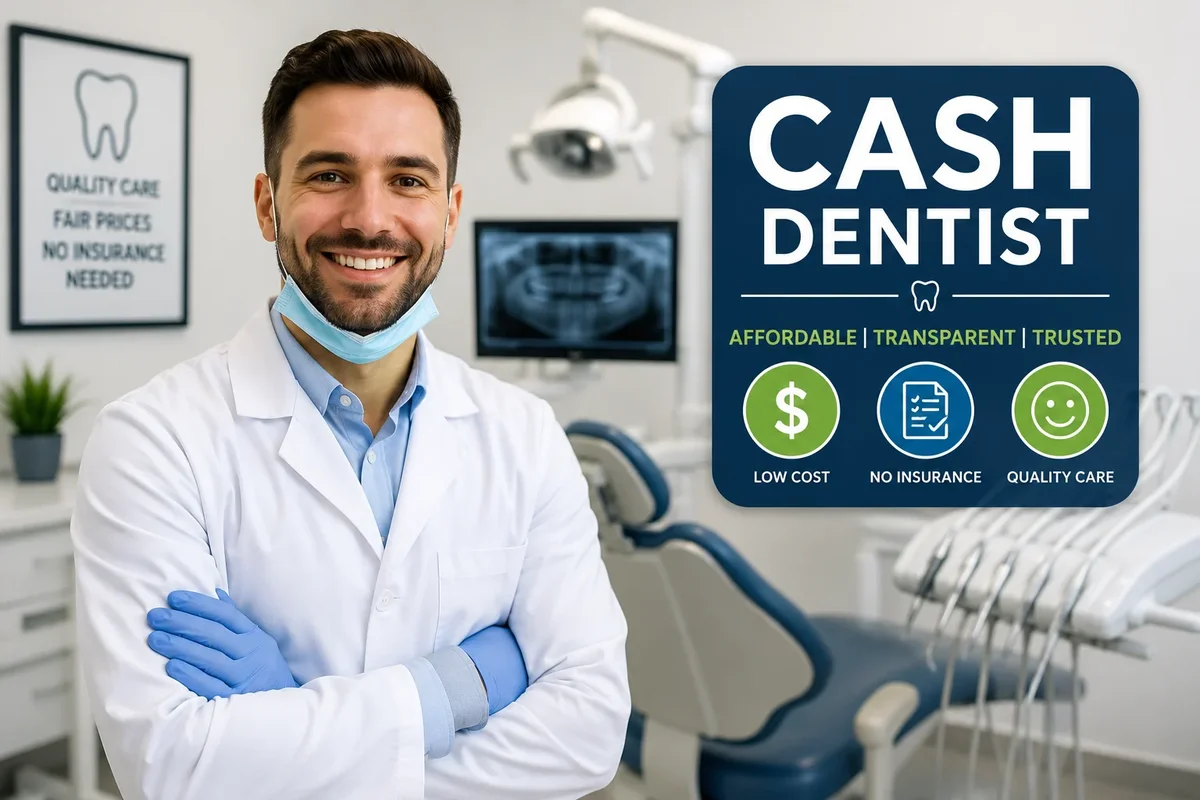
Why More Patients Are Switching to a Cash Dentist
The dental industry has experienced significant changes over the past decade, and one of the most noticeable trends is the growing number of patients choosing a cash dentist over traditional insurance-based dental practices. While dental insurance remains valuable for some individuals, many patients are discovering that a cash dentist offers advantages that align more closely with modern expectations regarding transparency, convenience, affordability, and personalized care.
As healthcare consumers become more informed and financially conscious, they increasingly seek treatment models that provide greater control over both costs and healthcare decisions. The rise of the cash dentist reflects this broader movement toward patient-centered care and simplified healthcare experiences.
Understanding why patients are making this transition can help individuals determine whether a cash dentist may be the right choice for their own oral health needs.
Growing Demand for Price Transparency
One of the biggest reasons patients are switching to a cash dentist is the desire for clear and predictable pricing. In traditional insurance-based systems, patients often struggle to understand the actual cost of treatment due to deductibles, annual maximums, claim adjustments, and coverage limitations.
A cash dentist typically provides straightforward treatment estimates before care begins. This level of transparency allows patients to make informed decisions without worrying about unexpected bills.
Benefits of Transparent Pricing
- Clear treatment costs upfront
- Fewer billing surprises
- Simplified financial planning
- Greater confidence in treatment decisions
- Improved trust between patient and provider
For many individuals, this transparency alone is enough reason to prefer a cash dentist over a more complicated insurance-based arrangement.
Patients Want More Control Over Their Healthcare
Modern consumers increasingly expect greater control over healthcare decisions. Rather than relying on insurance companies to determine treatment eligibility, many patients prefer working directly with a cash dentist.
In a direct-pay environment, discussions focus on:
- Clinical needs
- Treatment goals
- Long-term oral health
- Available options
- Budget considerations
Because a cash dentist is generally not constrained by insurance reimbursement guidelines, treatment recommendations can be tailored more closely to individual patient circumstances.
Treatment Decisions Based on Health Needs
Many patients appreciate that a cash dentist emphasizes clinical outcomes rather than insurance restrictions. This allows for more personalized treatment planning and often results in greater patient satisfaction.
Increasing Frustration with Insurance Limitations
Dental insurance plans often include restrictions that can frustrate patients. Common limitations include:
- Annual maximum benefits
- Waiting periods
- Procedure exclusions
- Network restrictions
- Pre-authorization requirements
- Coverage denials
As treatment costs continue to rise, many patients find that annual insurance maximums no longer cover a significant portion of major procedures. Consequently, they begin exploring alternatives such as a cash dentist.
By eliminating many administrative barriers, a cash dentist often provides a more efficient and patient-friendly experience.
More Personalized Patient Care
Another reason patients increasingly choose a cash dentist is the enhanced level of personal attention often associated with direct-pay practices.
Without the burden of extensive insurance administration, many dentists can spend more time focusing on:
- Patient education
- Treatment planning
- Preventive care discussions
- Oral health monitoring
- Long-term maintenance strategies
This individualized approach helps patients feel heard, respected, and actively involved in their care decisions.
Stronger Patient-Dentist Relationships
Patients frequently report stronger communication and trust when working with a cash dentist. The direct relationship between provider and patient often creates a more collaborative treatment experience.
Flexible Payment Options Improve Accessibility
Many cash dentist practices recognize that affordability is a key concern for patients. As a result, they often offer flexible payment arrangements that make dental care more accessible.
Common payment solutions include:
- Installment plans
- Healthcare financing
- Credit card payments
- Membership programs
- Family discounts
- Prepayment incentives
These options help patients receive necessary treatment without delaying care due to financial concerns.
Membership Programs Gain Popularity
Many patients appreciate membership plans offered by a cash dentist. These programs often include preventive services and discounts on restorative procedures without the complexity of traditional insurance.
Preventive Care Is Becoming a Higher Priority
Today’s patients increasingly recognize the importance of preventive dentistry. A cash dentist often places strong emphasis on routine examinations, professional cleanings, and early intervention.
Preventive care helps reduce the likelihood of:
- Advanced tooth decay
- Gum disease
- Tooth loss
- Costly restorative treatment
- Dental emergencies
By maintaining regular preventive visits with a cash dentist, patients can often avoid more extensive procedures in the future.
Technology and Modern Dentistry Are Enhancing the Experience
Many modern cash dentist practices invest heavily in advanced technology to improve patient outcomes and comfort.
Examples include:
- Digital imaging
- 3D diagnostics
- Laser dentistry
- Intraoral scanners
- Computer-guided implant planning
- Digital smile design
Patients increasingly seek providers who combine transparent pricing with advanced treatment capabilities, making the cash dentist model particularly attractive.
Improved Convenience and Efficiency
Technology often allows a cash dentist to streamline appointments, reduce treatment times, and improve diagnostic accuracy. These benefits contribute to a more convenient patient experience.
Patients Value Simplicity
In an increasingly complex healthcare environment, simplicity has become a major selling point. Many people prefer working with a cash dentist because the process is easy to understand.
Patients generally know:
- What treatment is recommended
- Why it is needed
- How much it will cost
- When it can be completed
- What results to expect
This straightforward approach reduces confusion and helps patients feel more confident about their healthcare decisions.
The Future of the Cash Dentist Model
The continued growth of the cash dentist model reflects changing patient expectations. Individuals increasingly want healthcare providers who prioritize transparency, communication, convenience, and value.
As more patients seek alternatives to traditional insurance-driven systems, the role of the cash dentist is likely to expand even further. Direct-pay dentistry offers a compelling combination of affordability, flexibility, and personalized care that resonates with modern healthcare consumers.
Final Thoughts
The growing popularity of the cash dentist is driven by several factors, including transparent pricing, simplified treatment planning, flexible payment options, personalized care, and greater patient autonomy. Whether patients are uninsured, self-employed, retired, or simply seeking a more straightforward dental experience, many find that a cash dentist better meets their needs than traditional insurance-based models.
Ultimately, the decision to choose a cash dentist is about more than saving money. It is about gaining greater control over oral healthcare decisions, building a stronger relationship with a trusted provider, and receiving treatment in an environment focused on transparency and patient satisfaction. As these priorities continue to shape modern dentistry, it is clear why more patients are making the switch to a cash dentist. 🦷✨