
In the ever-evolving world of orthodontics, cc braces have emerged as one of the most innovative and effective solutions for correcting dental misalignments. Patients today are looking for treatments that are not only medically effective but also comfortable, discreet, and time-efficient. CC braces—short for “Contemporary Ceramic Braces” or “Custom-Control Braces,” depending on the manufacturer—meet these expectations by combining cutting-edge materials with digital precision engineering 🦷.
The term cc braces refers to a new generation of braces designed using computer-aided customization (CAD/CAM) technology. Unlike traditional metal braces, which use standardized brackets and wires, cc braces are specifically tailored to fit the exact shape and structure of each patient’s teeth. This personalized design reduces friction, shortens treatment time, and improves overall comfort levels. In other words, they bring together the strength of metal braces and the aesthetics of clear aligners.
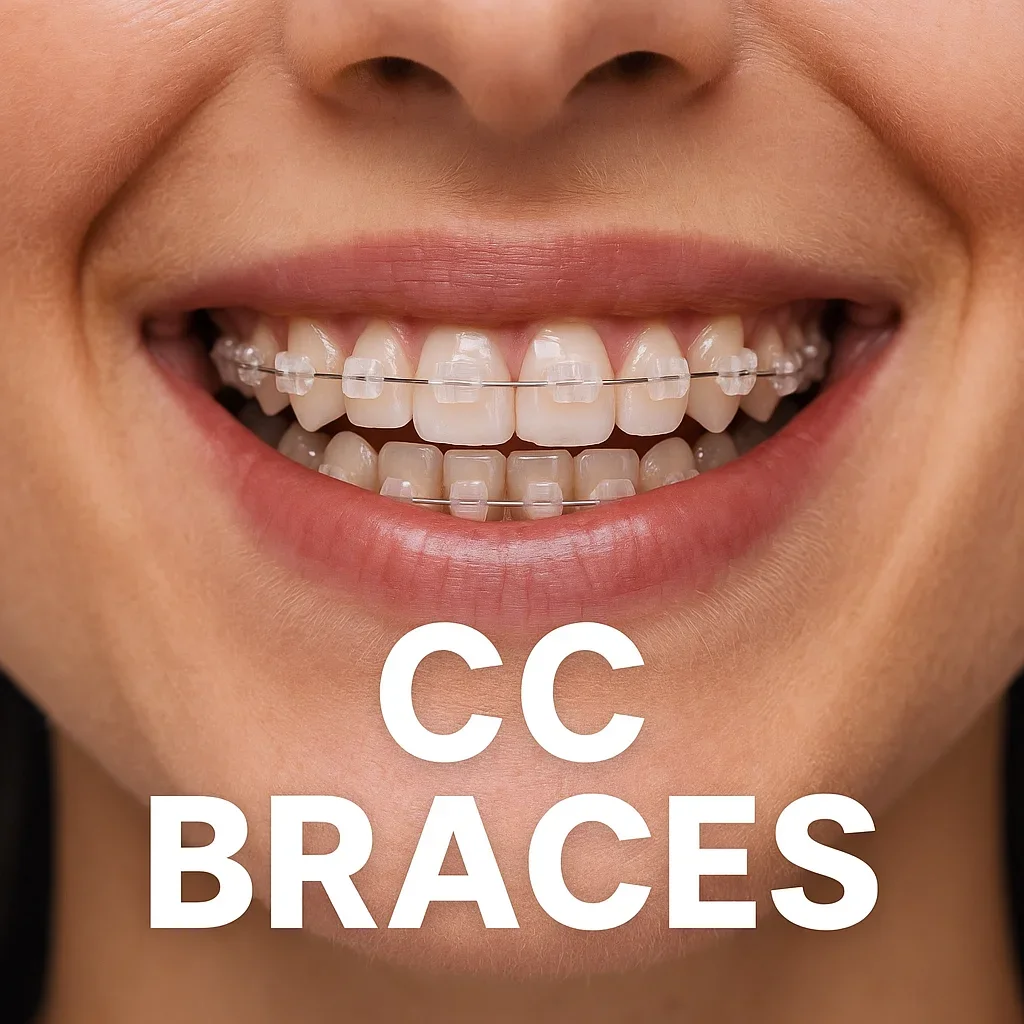
One of the defining characteristics of cc braces is their nearly invisible appearance. The brackets are made from high-quality ceramic or translucent materials, blending naturally with the color of the teeth. For adults and professionals who wish to maintain a clean and aesthetic look during treatment, this feature is a major advantage. The brackets are also smaller, smoother, and more durable than earlier ceramic designs, significantly reducing irritation to the gums and cheeks.
But what truly sets cc braces apart is their advanced digital customization process. Orthodontists use 3D scanning technology to map the patient’s teeth in microscopic detail. The digital model is then analyzed by specialized software to design each bracket’s angle, torque, and position. This ensures that the applied pressure is distributed evenly across the dental arch, enabling faster and more predictable tooth movement. Essentially, cc braces allow orthodontists to move away from a one-size-fits-all approach and instead offer a precisely engineered plan for every smile 😁.
Another major reason patients are increasingly choosing cc braces is their efficiency. Traditional braces often require numerous adjustment appointments to fine-tune wire tension and bracket alignment. In contrast, cc braces use pre-programmed bracket positioning that reduces the number of necessary visits. Studies have shown that in some cases, total treatment time can be reduced by up to 25–30%. This makes them a preferred choice for busy individuals who value both their time and dental health.
Comfort is another significant aspect. Thanks to the smooth edges of the brackets and advanced self-ligating mechanisms, cc braces eliminate the need for elastic ties that can trap food particles and cause plaque buildup. This means less irritation, easier cleaning, and a reduced risk of gum inflammation. Patients report feeling more confident in their daily routines because the braces are less noticeable and more hygienic than traditional alternatives.
It’s important to highlight that cc braces can correct a wide range of orthodontic issues, including crowding, spacing, overbites, underbites, and crossbites. Their strength lies in the combination of mechanical control and aesthetic discretion. Unlike removable aligners, which rely heavily on patient compliance, cc braces stay fixed in place, ensuring consistent tooth movement even if the patient forgets about them for a while. This makes them suitable for both teenagers and adults seeking reliable results.
Maintenance and follow-up are also easier with cc braces. Because of their advanced design, they require fewer emergency visits due to broken brackets or wire poking. The material is engineered to withstand the normal forces of chewing without staining or discoloration, allowing patients to maintain a naturally beautiful smile throughout the process. Orthodontists usually recommend a professional check-up every 6–8 weeks to ensure that progress is steady and any necessary adjustments are made efficiently.
For individuals considering cc braces, consulting a qualified orthodontist is the first step. During the initial visit, a 3D scan of the teeth is taken, followed by a detailed discussion about treatment options and expected timelines. Clinics such as Redent Klinik Contact Page offer advanced diagnostic tools and personalized treatment plans for patients interested in modern orthodontic options. Their experts assess not only the cosmetic goals but also the functional needs of each patient to ensure a holistic approach to oral health.
From an educational standpoint, the American Dental Association emphasizes the importance of individualized orthodontic treatment. CC braces align with these standards by integrating science, technology, and aesthetics into one system. Patients can expect durable results, improved bite alignment, and a more confident smile—all without compromising on comfort or appearance. ✨
In conclusion, cc braces represent the next step in orthodontic innovation. They offer a perfect balance between precision, performance, and beauty. Whether you’re seeking to correct misaligned teeth, enhance your smile, or simply explore modern dental solutions, cc braces deliver an experience that redefines what it means to have braces. As more clinics adopt digital orthodontic technology, the popularity of cc braces continues to rise, setting a new standard for dental care in the 21st century.
Benefits of Choosing CC Braces Over Traditional Braces
When deciding between traditional metal braces and cc braces, patients often look for a combination of comfort, speed, aesthetics, and long-term results. Fortunately, cc braces are specifically designed to provide all of these advantages and more. They represent the evolution of orthodontic treatment — blending advanced technology with improved patient experience. Below, we’ll explore in detail the unique benefits that make cc braces a superior choice for many orthodontic patients in 2025 and beyond. 😁
1. Aesthetic Appeal and Discreet Design
One of the most significant benefits of cc braces is their highly aesthetic design. Unlike metal braces, which use silver-colored brackets and wires, cc braces are made from translucent ceramic materials that naturally blend with the color of your teeth. This makes them much less noticeable, allowing patients to smile confidently throughout treatment. The brackets are smaller, smoother, and designed to reflect light in a way that reduces shine and glare, enhancing the natural appearance of the teeth.
For adults and professionals who must maintain a polished appearance in social or work environments, cc braces are a game-changer. They deliver the same orthodontic strength as metal braces without the “metal mouth” look. In fact, many patients report that people don’t even notice they are wearing braces — a huge psychological advantage when compared to traditional options. ✨
2. Precision and Efficiency with Digital Customization
Another groundbreaking advantage of cc braces lies in their digital precision. Traditional braces rely on manual bracket placement, which can vary slightly depending on the orthodontist’s technique. CC braces, on the other hand, are designed using 3D digital scans and computer modeling. Each bracket is customized to fit the individual contours of your teeth. This ensures a level of precision that minimizes human error and maximizes treatment efficiency.
Because of this precision, patients typically experience shorter overall treatment times. Clinical research has shown that cc braces can reduce treatment duration by up to 25% compared to standard braces. Faster results mean fewer adjustment visits and less time spent in the dental chair — a win-win for both patients and orthodontists.
3. Improved Comfort and Reduced Irritation
Comfort is a major factor in orthodontic treatment, and cc braces excel in this area. The ceramic brackets are polished to a smooth finish and have rounded edges to minimize irritation to the inner cheeks and lips. Traditional braces often cause small sores during the first few weeks, but with cc braces, patients typically report a much easier adjustment period.
Additionally, the low-profile design reduces the amount of pressure and friction between the brackets and wires. This not only enhances comfort but also decreases the risk of enamel wear or gum inflammation. The self-ligating mechanism — which replaces the need for elastic ties — allows the archwire to move more freely, resulting in smoother tooth movement and less tightening discomfort after each adjustment.
4. Fewer Maintenance Visits and Lower Long-Term Costs
Although the initial cost of cc braces can be slightly higher than traditional metal braces, their efficiency and durability often make them more cost-effective in the long run. Because they require fewer adjustment visits and less emergency care (such as fixing broken brackets or snapped wires), patients save both time and money over the course of treatment.
Furthermore, the self-ligating system keeps the brackets cleaner by eliminating elastic ties, which tend to accumulate plaque and food particles. This means fewer hygiene-related issues and potentially lower dental cleaning costs. Over time, these benefits can outweigh the slightly higher upfront investment.
5. Enhanced Oral Hygiene and Gum Health
Maintaining oral hygiene during orthodontic treatment can be challenging. Traditional braces, with their complex wire and band systems, make it easier for plaque to accumulate. In contrast, cc braces feature a simplified design that facilitates easier cleaning. Patients can brush and floss more effectively because there are fewer places for food and bacteria to hide.
Additionally, since the brackets are smoother and smaller, they create less obstruction for toothbrush bristles and flossing tools. This improvement reduces the likelihood of gum inflammation and bad breath, promoting healthier gums and a fresher mouth throughout treatment. Orthodontists frequently note that patients with cc braces maintain better oral hygiene than those with metal braces. 🪥
6. Durability and Stain Resistance
Modern cc braces are engineered to be exceptionally durable and resistant to staining. Early versions of ceramic braces were prone to discoloration from foods like coffee, wine, or curry. However, the advanced ceramics used in today’s cc braces are non-porous and retain their translucency over time. This means your braces will remain clear and attractive even after months of wear.
Additionally, the materials are tough enough to withstand the normal forces of chewing without breaking or cracking. As a result, cc braces maintain their integrity and appearance from start to finish — another area where they outperform traditional systems.
7. Predictable Results and Advanced Treatment Planning
Because cc braces are digitally customized, orthodontists can simulate treatment results before the first bracket is even placed. Advanced 3D modeling allows precise visualization of tooth movement, ensuring that every step of the process follows a predictable pattern. This gives patients a clear understanding of what to expect — both in terms of duration and final outcome.
In contrast, traditional braces often require adjustments based on trial and error, which can prolong the process. The data-driven approach of cc braces improves consistency and enhances overall satisfaction with the final results.
Professional Insights
Many dental professionals, including those from the American Dental Association, advocate for treatments that combine accuracy, comfort, and aesthetic value. CC braces meet these criteria perfectly. They’re not only a cosmetic upgrade but also a clinical improvement in how tooth movement is managed and controlled.
For patients seeking personalized consultations, clinics like Redent Klinik Contact Page provide expert assessments and tailor treatment plans to fit individual dental profiles. Their advanced imaging and diagnostic tools make them a reliable choice for anyone considering modern orthodontic solutions.
8. Confidence and Lifestyle Compatibility
Lastly, one of the most overlooked yet impactful advantages of cc braces is the confidence boost they provide. Because they are almost invisible, patients can smile, speak, and socialize without feeling self-conscious. Whether attending meetings, dates, or special occasions, cc braces let individuals live their daily lives without interruption.
This seamless integration into everyday life — combined with faster results and superior aesthetics — is why cc braces are rapidly becoming the preferred choice for both teens and adults. As orthodontic technology continues to advance, cc braces stand as a testament to how innovation can enhance not just dental health but also self-esteem and quality of life.
In summary, cc braces offer a remarkable list of benefits: enhanced comfort, faster results, digital precision, aesthetic appeal, easier maintenance, and better oral hygiene. They mark a new era in orthodontic care, redefining what patients can expect from their smile transformation journey. 🌟
CC Braces vs. Clear Aligners: Which Is Better for You?
When it comes to achieving a straight, confident smile, patients today have more options than ever before. Two of the most popular choices are cc braces and clear aligners. Both systems use advanced orthodontic science to move teeth into proper alignment, but they differ in design, comfort, treatment control, and lifestyle adaptability. Understanding these distinctions will help you make an informed decision that fits your goals, needs, and daily routine 🦷.
1. Understanding the Basics: Fixed vs. Removable Systems
The primary difference between cc braces and clear aligners lies in how they interact with your teeth. CC braces are a fixed orthodontic system—meaning they are attached directly to your teeth using customized ceramic brackets and a specialized archwire. These components work continuously to guide your teeth into the ideal position.
Clear aligners, on the other hand, are removable plastic trays that fit snugly over your teeth. They must be worn for 20–22 hours a day and are replaced every one to two weeks as your treatment progresses. While aligners offer flexibility and aesthetic discretion, they also require strict discipline and consistency from the patient to achieve results.
2. Aesthetic Comparison: Discreet but Different
Both cc braces and clear aligners are designed with appearance in mind, but they achieve discretion in different ways. CC braces use translucent or tooth-colored ceramic brackets that blend naturally with your enamel, making them nearly invisible in casual interactions. Their low-profile design ensures a refined look throughout treatment.
Clear aligners are completely transparent and removable, which makes them virtually invisible when worn. However, they can sometimes develop cloudiness or discoloration if not cleaned properly. In contrast, cc braces remain stable in color thanks to their stain-resistant ceramic material. For patients concerned about maintaining an aesthetic appearance with minimal maintenance, cc braces often provide a longer-lasting visual advantage.
3. Precision and Control of Tooth Movement
When it comes to precision, cc braces hold a clear edge. Because they are fixed in place and individually customized through CAD/CAM digital scanning, orthodontists have complete control over tooth movement. Each bracket and wire is designed to apply optimal force in specific directions, ensuring accurate and predictable alignment results.
Clear aligners are effective for mild to moderate cases but may struggle with complex movements such as severe rotations, vertical adjustments, or bite corrections. In these scenarios, cc braces offer superior control and faster progress. Orthodontists can make micro-adjustments in real time, which is often impossible with aligner systems that depend on pre-programmed trays.
4. Comfort Levels: What Patients Report
Comfort is a crucial factor for anyone undergoing orthodontic treatment. Modern cc braces have advanced significantly in this regard. The smooth ceramic brackets reduce irritation to the cheeks and lips, and their self-ligating design allows for gentler pressure compared to older metal systems. Patients often report mild discomfort only during the initial adjustment phase, after which the experience becomes relatively pain-free.
Clear aligners are also comfortable, but they can cause temporary pressure when switching to a new set of trays. Some users experience gum irritation or speech changes in the early stages. Furthermore, the constant removal and reinsertion of aligners can become inconvenient, especially during meals or social events. With cc braces, once they are fitted, they work continuously without requiring patient intervention.
5. Maintenance, Hygiene, and Oral Health
Maintenance plays a big role in choosing between cc braces and clear aligners. Aligners require daily cleaning with special solutions or gentle brushing to prevent odor and bacterial buildup. Forgetting to clean them can lead to staining and bad breath. In addition, since aligners are removable, they can be easily misplaced or damaged if not handled properly.
CC braces, being fixed, eliminate that concern. They do, however, require careful brushing and flossing to prevent plaque accumulation around the brackets. The good news is that modern cc braces are smaller and smoother, making them easier to clean than older metal versions. Using interdental brushes or water flossers is usually sufficient to maintain excellent oral hygiene. Orthodontists often recommend professional cleaning every few months to keep both teeth and braces in optimal condition.
6. Treatment Duration and Effectiveness
In most cases, cc braces offer a faster treatment timeline than clear aligners. This is because they apply constant pressure 24 hours a day without relying on patient compliance. On average, cc braces can achieve the desired results in 12 to 18 months, depending on the complexity of the case.
Clear aligners can be equally effective, but they depend on strict adherence to wearing schedules. If aligners are removed frequently or not worn for the recommended number of hours, treatment can extend significantly. Additionally, certain complex dental corrections simply can’t be achieved with removable aligners alone, requiring supplemental treatments or hybrid systems that combine aligners with fixed brackets.
7. Cost Considerations and Value
The cost of cc braces and clear aligners varies depending on location, provider, and case complexity. Generally, cc braces may range between $3,000 and $6,000, while clear aligners can cost between $3,500 and $8,000. However, many patients find cc braces more cost-effective in the long run due to fewer adjustment appointments, reduced breakages, and shorter treatment durations.
- CC Braces: $3,500 – $6,000
- Clear Aligners: $4,000 – $8,000
- Metal Braces (for reference): $2,500 – $5,000
For exact pricing and personalized treatment plans, it’s recommended to contact a certified clinic such as Redent Klinik Contact Page, where specialists can evaluate your needs and provide a detailed cost breakdown based on your dental condition and desired results.
8. Lifestyle and Convenience Factors
While clear aligners offer flexibility for eating and oral hygiene, they also demand discipline. Forgetting to wear them for even a few hours a day can set back progress significantly. CC braces, on the other hand, work around the clock without depending on patient habits. This makes them ideal for busy individuals, teenagers, or anyone who prefers a “set it and forget it” orthodontic experience.
Speech clarity and social confidence are also important lifestyle factors. While clear aligners can slightly affect pronunciation during the first days of use, cc braces do not typically impact speech at all. Their small, smooth brackets ensure that daily communication remains natural and effortless.
9. Professional Recommendation: Which One Is Right for You?
Choosing between cc braces and clear aligners depends on your dental needs, lifestyle, and level of commitment. If you prioritize precision, durability, and consistent results, cc braces are often the better option. If convenience and removability are more important, clear aligners might suit you best.
Expert Insight
According to the American Dental Association, the effectiveness of any orthodontic treatment depends heavily on the individual’s specific case and compliance level. Many orthodontists recommend cc braces for complex cases due to their superior control and predictability, while clear aligners are best for mild misalignments or cosmetic corrections.
Ultimately, the choice should be made after a thorough examination and consultation with an experienced orthodontist. The right professional can assess your dental structure, bite alignment, and oral hygiene habits to determine the most suitable treatment for long-term success.
In summary, both systems have their strengths, but cc braces stand out as the more reliable, durable, and technologically advanced option for patients seeking perfect alignment without compromise. Whether you’re a teen looking for discreet correction or an adult aiming for precision, cc braces offer a balanced combination of beauty, efficiency, and lasting results. 🌟
The Step-by-Step Process of Getting CC Braces
For anyone considering cc braces, understanding the process from consultation to completion is essential. Modern orthodontic treatments like cc braces are designed to be efficient, precise, and patient-friendly, but they still follow a carefully structured procedure to ensure success. Every stage—from diagnosis to follow-up—plays a crucial role in creating a perfectly aligned, healthy smile. Below is a detailed explanation of each step so you’ll know exactly what to expect before beginning your orthodontic journey. 🦷
1. Initial Consultation and Diagnostic Assessment
The first step in getting cc braces is scheduling a consultation with an experienced orthodontist. During this visit, a complete oral examination is conducted to assess the current condition of your teeth, gums, and jaw alignment. The orthodontist may also take X-rays, panoramic images, and 3D digital scans of your mouth to create a precise model of your dental structure.
This stage is vital for identifying issues such as overcrowding, spacing, overbites, or crossbites. Once the orthodontist evaluates your results, they’ll determine whether cc braces are the right solution for your case. The decision is based on your dental goals, age, and the complexity of the alignment required. Clinics such as Redent Klinik Contact Page specialize in digital orthodontic diagnostics, ensuring every patient receives a personalized assessment that sets the foundation for successful treatment.
2. Treatment Planning and Digital Customization
Once the orthodontist confirms that cc braces are suitable, the next step involves customized treatment planning. Unlike traditional braces, cc braces rely on advanced CAD/CAM technology (Computer-Aided Design/Manufacturing) to create a treatment blueprint. The 3D scan from your initial appointment is uploaded into specialized software that maps every tooth movement required to achieve ideal alignment.
The software determines the precise angulation, torque, and bracket positioning for each tooth. This data-driven planning ensures that every bracket and wire is customized to your mouth’s unique anatomy. The digital model also allows patients to preview their expected results before the braces are even placed — a motivational glimpse into their future smile!
Why Customization Matters
The accuracy of cc braces stems from this tailored process. Traditional braces often use standardized brackets that require frequent manual adjustments. In contrast, cc braces reduce the need for frequent tightening and realignment appointments because the system already accounts for your exact dental structure. This results in faster, smoother progress and greater comfort throughout treatment.
3. Preparation and Cleaning Before Application
Before applying cc braces, your orthodontist ensures your teeth and gums are in excellent health. A professional cleaning is typically performed to remove plaque and tartar buildup. If there are cavities or gum issues, these will be treated first. Clean, healthy teeth ensure optimal adhesion of the brackets and reduce the risk of complications later on.
Some clinics also provide fluoride treatments before the procedure to strengthen enamel and protect against potential decalcification. You’ll also receive guidance on what to expect during the application day and how to prepare — including avoiding sticky foods or chewing gum 24 hours before your appointment.
4. Application of CC Braces
The actual bonding process for cc braces is both precise and painless. The orthodontist begins by drying your teeth and applying a special conditioning agent to improve bracket adhesion. Next, the custom-made ceramic brackets are placed onto each tooth using dental-grade adhesive. A curing light hardens the glue in seconds, securing the brackets firmly in place.
Once the brackets are positioned, the orthodontist threads the archwire through them. This wire, shaped based on your 3D model, acts as the main force that gradually moves your teeth. In some systems, self-ligating clips replace traditional rubber bands, making the process faster and cleaner. The final step is a brief check to ensure every bracket is aligned correctly before you leave the office with your brand-new smile system in place!
5. Initial Adjustment Period
It’s normal to experience mild discomfort or tightness during the first few days after receiving cc braces. This is a sign that the braces are working — your teeth are beginning to shift into their ideal positions. Orthodontists often recommend soft foods like soups, smoothies, or mashed potatoes for the first 48 hours. Over-the-counter pain relief can be used if needed, though most patients adapt quickly within a week.
Because cc braces have smoother edges and ceramic components, they’re generally more comfortable than traditional metal braces. The self-ligating mechanism reduces friction between the brackets and wires, allowing teeth to move gently and steadily. Within a few weeks, most patients forget they’re even wearing braces!
6. Regular Adjustments and Progress Monitoring
Follow-up appointments are essential for ensuring that your cc braces continue performing effectively. These visits usually occur every 6–8 weeks. During each session, your orthodontist will check tooth movement progress, make minor wire adjustments, and replace any worn components if necessary.
Since cc braces are digitally pre-programmed for precision, these visits are often quicker and less frequent than those required for traditional braces. The goal is to make sure your treatment stays on schedule while maintaining maximum comfort and stability. You’ll also receive personalized cleaning advice at each check-up to ensure long-term oral health.
7. Mid-Treatment Check and Adjustments
Halfway through your treatment, a mid-treatment evaluation is typically conducted. Using 3D scans or photos, your orthodontist compares the current position of your teeth with the initial digital plan. This step helps confirm that your cc braces are achieving the expected results. If any minor modifications are needed, new wires or bracket repositioning can be performed seamlessly.
8. Removal and Final Results
Once your orthodontist confirms that your teeth have reached perfect alignment, the removal process begins. The brackets of cc braces are gently detached using specialized tools. The adhesive residue is polished off, revealing your newly straightened teeth. Patients are often amazed at the transformation — not just aesthetically but also functionally, as proper alignment improves bite efficiency and long-term dental health.
After removal, a new set of digital scans is taken to document your results and fabricate custom retainers. Retainers help maintain the achieved alignment and prevent any relapse. You’ll receive specific instructions on how often to wear them, especially during the first year post-treatment.
9. Post-Treatment Care and Retention
Even after completing treatment with cc braces, follow-up care remains vital. Retainers are typically worn at night for several months or longer, depending on your orthodontist’s recommendation. Regular dental visits continue to play a role in ensuring that your new smile stays stable and healthy.
Long-Term Oral Health Benefits
By maintaining your post-treatment routine, you can enjoy the lifelong benefits of cc braces. Properly aligned teeth are easier to clean, reducing the risk of cavities, gum disease, and jaw stress. Many patients also notice improvements in facial symmetry and confidence. According to studies supported by the American Dental Association, maintaining orthodontic results through consistent aftercare ensures a lifetime of functional and aesthetic benefits.
In summary, the process of getting cc braces is a carefully structured journey from consultation to completion. It involves precise planning, digital customization, and professional supervision at every step. With the right orthodontic team and commitment to follow-up care, patients can achieve lasting results that go far beyond cosmetic improvement — resulting in a healthier, more confident smile that lasts a lifetime. 🌟
How Much Do CC Braces Cost in 2025?
When planning an orthodontic treatment, one of the first questions that comes to mind is cost. The price of cc braces in 2025 can vary widely depending on several factors, including the complexity of the case, location, orthodontist expertise, and additional services provided. While cc braces represent an investment in long-term dental health and aesthetics, understanding their cost breakdown helps patients make informed financial decisions. Let’s explore everything you need to know about the pricing structure, payment plans, and value of cc braces in detail. 💰
1. Average Cost of CC Braces in 2025
The average cost of cc braces in 2025 ranges between $3,500 and $6,500 USD. This price can vary based on your geographic location and the type of clinic you choose. In major urban centers like New York, London, or Paris, the cost may reach as high as $7,500 due to higher operating expenses and premium materials. Meanwhile, in smaller cities or international dental hubs such as Turkey, costs are often 30–40% lower for the same level of quality and expertise.
- United States: $4,000 – $7,500
- United Kingdom: £2,800 – £5,000
- Europe (Average): €3,000 – €5,500
- Turkey: $2,000 – $3,500
- Asia (Average): $2,500 – $4,000
As dental tourism grows, many patients are traveling abroad to receive high-quality orthodontic care at more affordable prices. Clinics such as Redent Klinik Contact Page in Turkey are known for offering world-class orthodontic treatments, including cc braces, at competitive rates—often half the price of Western clinics, while maintaining European standards of safety and precision.
2. What Factors Influence the Cost of CC Braces?
The cost of cc braces is not fixed and depends on multiple individual factors. Understanding what contributes to the overall price helps you see where your money is going and why.
1. Case Complexity
Simple alignment corrections will always cost less than complex cases involving severe crowding, jaw misalignment, or bite correction. The more intricate the movement required, the longer the treatment duration—and consequently, the higher the cost. CC braces are particularly effective for complex cases because of their digital precision, which allows for highly efficient treatment even in challenging scenarios.
2. Duration of Treatment
The typical treatment with cc braces lasts between 12 and 24 months. Longer treatments mean more follow-up appointments and adjustments, slightly increasing the total cost. However, thanks to their advanced self-ligating system, cc braces often shorten overall treatment time by up to 25%, which can save patients money in the long run compared to traditional braces.
3. Materials and Technology Used
Unlike standard metal braces, cc braces are made from high-quality translucent ceramic and customized using 3D CAD/CAM technology. These premium materials contribute to both the aesthetic appeal and precision of the system, influencing the overall price. The digital design process ensures that each bracket is perfectly tailored, improving results and reducing adjustment visits—a cost-saving advantage over time.
4. Orthodontist’s Expertise
As with most medical procedures, the skill level and experience of your orthodontist significantly affect pricing. Orthodontists who specialize in cc braces and use cutting-edge digital planning systems may charge more, but their expertise ensures optimal results and fewer complications. Investing in a qualified provider usually means faster, smoother, and more reliable treatment.
5. Geographic Location
Costs vary dramatically across regions due to differences in clinic expenses, currency value, and healthcare regulations. For example, while American clinics might charge $6,000 for cc braces, a top-tier Turkish clinic may offer the same treatment for less than $3,000, making it an attractive option for international patients seeking affordability and quality.
3. Additional Costs to Consider
When calculating the total cost of cc braces, patients should account for additional expenses such as:
- Initial Consultation: Some clinics charge between $50–$200 for diagnostic imaging and digital scanning.
- Retainers: Post-treatment retainers usually cost $200–$500 but are crucial for maintaining results.
- Check-up Visits: Most follow-ups are included in the main treatment plan, but emergency visits (e.g., bracket repair) may incur small fees.
- Professional Cleanings: Recommended every 3–6 months to maintain hygiene during treatment, typically around $75–$150 per session.
Fortunately, many orthodontic centers offer inclusive packages that cover the entire treatment—from consultation to retainers—eliminating surprise costs later on.
4. Insurance Coverage and Financing Options
In some countries, dental insurance policies partially cover orthodontic treatment, including cc braces. However, the coverage varies based on policy type and provider. It’s always recommended to review your insurance plan or speak directly with your insurer to understand your eligibility.
For those without coverage, most clinics offer flexible payment plans. These may include interest-free monthly installments, third-party financing, or health credit cards that make treatment more affordable. On average, monthly payments range between $100–$250, depending on your clinic’s financial policy.
5. Comparing Value: CC Braces vs. Other Options
When evaluating cost, it’s essential to consider long-term value rather than just upfront price. Although cc braces may cost slightly more than traditional metal braces, they provide greater comfort, shorter treatment time, better aesthetics, and higher precision. Compared to clear aligners, cc braces are often more effective for complex cases and require fewer replacements or corrections—making them a smart investment overall.
| Treatment Type | Average Cost (2025) | Estimated Duration | Maintenance | Best For |
|---|---|---|---|---|
| CC Braces | $3,500 – $6,500 | 12 – 24 months | Low | Complex to moderate cases |
| Clear Aligners | $4,000 – $8,000 | 12 – 18 months | Moderate | Mild to moderate alignment |
| Traditional Metal Braces | $2,500 – $5,000 | 18 – 30 months | High | All cases, less aesthetic |
6. How to Get Accurate Cost Estimates
The most accurate way to determine your personal cc braces cost is through a professional consultation. Orthodontists will evaluate your case using 3D imaging and provide a customized quote that includes all expected expenses. Reliable clinics will also offer written treatment plans with transparent pricing and flexible payment structures.
Expert Tip
Always confirm whether your estimate includes follow-up care, retainers, and aftercare visits. Reputable clinics like Redent Klinik Contact Page provide full-package pricing to ensure patients understand their total investment upfront. This transparency helps avoid hidden fees and supports better financial planning throughout the treatment process.
7. Final Thoughts on CC Braces Pricing
While the initial investment in cc braces may seem significant, the value they provide far exceeds their cost. Patients enjoy faster treatment times, superior aesthetics, and greater comfort—all backed by the precision of digital orthodontic technology. In the long term, the benefits of cc braces, including reduced dental complications and a lifetime of confidence, make them a financially and medically wise choice.
According to the American Dental Association, patients who complete orthodontic treatment not only improve their smile but also lower their risk of gum disease, jaw pain, and premature tooth wear. Thus, investing in cc braces isn’t just about appearance—it’s about lifelong oral health.
In summary, cc braces in 2025 cost between $3,000 and $6,500 on average, with factors like case complexity, duration, and location influencing the final price. Whether you’re choosing treatment locally or abroad, this modern orthodontic solution delivers exceptional value for its cost—offering a perfect balance of efficiency, aesthetics, and long-term dental health. 🌟
Maintenance and Cleaning Tips for CC Braces
Proper maintenance and oral hygiene are essential for achieving the best possible results with cc braces. Although these modern ceramic systems are designed to be low-maintenance, consistent care ensures they remain clean, effective, and aesthetically appealing throughout the treatment process. Unlike traditional braces, which often trap food and lead to discoloration, cc braces feature smoother surfaces and smaller brackets that simplify daily cleaning. Still, adopting the right hygiene habits is crucial for maintaining oral health and preventing any potential complications. 🪥
1. The Importance of Regular Cleaning with CC Braces
When wearing cc braces, brushing and flossing aren’t just about aesthetics—they are vital for preventing plaque buildup, gum inflammation, and staining around the brackets. Food particles can easily get trapped between teeth and wires, encouraging bacterial growth if not removed promptly. Regular cleaning prevents white spot lesions (decalcification), which can appear once braces are removed if oral hygiene is neglected.
Orthodontists recommend brushing at least twice a day, preferably after every meal. However, with cc braces, it’s even more beneficial to use specific tools and techniques to ensure every surface is thoroughly cleaned.
2. Choosing the Right Tools for Cleaning
Maintaining cc braces requires a slightly different approach compared to standard oral care. The right dental tools can make the cleaning process more efficient and comfortable:
- Soft-Bristled Toothbrush: A soft or medium-bristled toothbrush with a small head helps reach tight areas around brackets and wires. Electric toothbrushes with oscillating heads are particularly effective for cleaning cc braces thoroughly.
- Interdental Brushes: These tiny, cone-shaped brushes are perfect for cleaning between brackets, under wires, and in hard-to-reach spots. They remove plaque without damaging ceramic surfaces.
- Floss Threaders or Water Flossers: Since flossing can be difficult with braces, floss threaders guide the string between wires efficiently. Alternatively, water flossers use a pressurized water stream to clean between teeth and around brackets effortlessly.
- Orthodontic Wax: Although cc braces are smoother than metal brackets, wax can be applied if any edges irritate the mouth initially. It prevents small sores and adds comfort during the first few days of adjustment.
- Fluoride Toothpaste and Mouthwash: Fluoride strengthens enamel and reduces the risk of cavities, especially around bracket areas. A daily fluoride rinse also helps keep the mouth fresh and free of bacteria.
3. Brushing Techniques for CC Braces
Using proper brushing techniques is key to protecting both your teeth and cc braces. A rushed or aggressive approach can damage the ceramic brackets or miss important areas where plaque accumulates. Here’s a recommended brushing routine:
Step-by-Step Brushing Guide
- Rinse first: Begin by rinsing your mouth with water to loosen any food debris caught between brackets.
- Angle your brush: Hold your toothbrush at a 45-degree angle, brushing gently above and below each bracket using circular motions.
- Focus on the gum line: Brush along the gum line where plaque tends to accumulate most.
- Clean each tooth individually: Take your time with each tooth, ensuring that both the bracket and exposed enamel are cleaned.
- Finish with a fluoride rinse: Rinse with a fluoride mouthwash to strengthen enamel and protect against bacterial buildup.
Brushing should take at least two to three minutes each session, ensuring every surface is covered. Many patients find using an electric toothbrush with a timer helpful for consistency.
4. How to Floss Effectively with CC Braces
Flossing can seem challenging with cc braces, but skipping it is not an option. Food and plaque can easily settle in areas that brushing alone cannot reach, increasing the risk of cavities and gum inflammation. With patience and the right technique, flossing becomes much easier:
Tips for Flossing with Braces
- Use floss threaders to guide floss under the archwire and between teeth gently.
- Move the floss up and down between teeth, not side to side, to avoid cutting the gum tissue.
- If you find flossing too time-consuming, consider investing in a water flosser. This tool uses water pressure to dislodge plaque and debris, providing a deep clean around the brackets.
- Floss at least once daily, ideally before bedtime, to ensure no food remains trapped overnight.
5. Foods to Avoid While Wearing CC Braces
Although cc braces are made from durable ceramic materials, they still require mindful eating habits. Certain foods can cause bracket breakage, wire bending, or staining. Orthodontists generally recommend avoiding:
- Hard foods (nuts, popcorn, ice, hard candies)
- Sticky foods (chewing gum, caramel, gummy candies)
- Crunchy snacks (chips, raw carrots, crusty bread)
- Highly pigmented foods and drinks (coffee, red wine, curry, tomato sauce)
Instead, choose softer foods that are gentle on your braces—like yogurt, soups, mashed potatoes, steamed vegetables, and pasta. If you consume stain-causing beverages like coffee or tea, rinse your mouth with water afterward to minimize discoloration on the ceramic brackets.
6. Professional Checkups and Cleanings
Routine dental visits are critical while wearing cc braces. Even with excellent home care, professional cleanings help remove tartar buildup that regular brushing can’t eliminate. Most orthodontists recommend scheduling checkups every 6 to 8 weeks to monitor progress and ensure your braces remain in good condition.
During these visits, your orthodontist may tighten wires or make small adjustments to continue aligning your teeth correctly. It’s also an opportunity to ask questions about hygiene challenges or discomfort you may be experiencing. Professional clinics such as Redent Klinik Contact Page provide specialized cleaning services for orthodontic patients, ensuring brackets stay spotless and free from discoloration throughout treatment.
7. Managing Stains and Discoloration
Although cc braces are highly resistant to staining, poor cleaning habits or frequent consumption of pigmented foods can cause minor discoloration over time. If this occurs, using a whitening toothpaste or visiting your dentist for a professional polish can restore brightness. However, avoid aggressive whitening products during treatment, as they may cause uneven coloration once the braces are removed.
8. Protecting CC Braces During Sports and Sleep
Patients who participate in contact sports should wear a custom mouthguard to prevent damage to cc braces or soft tissues. Orthodontic mouthguards are designed to fit comfortably over the brackets without interfering with treatment. During sleep, avoid chewing on hard objects or clenching your jaw excessively, as these habits can stress the brackets and wires.
9. Final Tips for Maintaining a Healthy Smile
Good oral hygiene and maintenance habits make a world of difference in the success of your treatment with cc braces. Here are some final recommendations to keep your smile healthy and radiant throughout the process:
- Brush after every meal and rinse with water if brushing isn’t possible.
- Replace your toothbrush every 3 months or sooner if bristles wear out.
- Carry a travel-sized cleaning kit with a toothbrush, interdental brush, and mirror for on-the-go care.
- Stay hydrated—drinking water helps wash away food debris and bacteria naturally.
- Follow your orthodontist’s hygiene recommendations closely for the best outcome.
According to the American Dental Association, maintaining oral hygiene during orthodontic treatment significantly reduces the risk of cavities and gum disease, leading to a smoother treatment experience and healthier results. With the right routine, cc braces not only create a straighter smile but also help you develop lifelong oral care habits. 🌟
In conclusion, keeping cc braces clean and well-maintained is the foundation of a successful orthodontic journey. With proper tools, techniques, and regular professional support, you can enjoy a seamless treatment experience and reveal a perfectly aligned, healthy, and dazzling smile once your braces are removed. 😁
Common Problems and Solutions When Wearing CC Braces
Even though cc braces are among the most advanced orthodontic treatments available today, patients may still experience minor issues during their journey to a perfect smile. Understanding these common problems—and knowing how to manage them effectively—ensures a smoother, more comfortable experience from start to finish. The good news is that most challenges are temporary and can be easily resolved with proper care and guidance from your orthodontist. 🦷
1. Initial Discomfort and Tooth Sensitivity
When first getting cc braces, it’s completely normal to experience mild discomfort or tooth sensitivity. This happens because your teeth are adjusting to the new pressure applied by the brackets and wires. The sensation typically feels like a dull ache or tightness, especially when biting or chewing. Fortunately, this adjustment phase lasts only a few days.
How to Manage It
- Stick to soft foods such as soups, yogurt, and mashed potatoes for the first few days.
- Rinse with warm salt water to soothe gum irritation.
- Use orthodontic wax to prevent friction between the brackets and cheeks.
- Apply a cold compress externally if soreness becomes uncomfortable.
- Over-the-counter pain relievers (like ibuprofen) may be used as advised by your orthodontist.
As your mouth adapts, the discomfort will fade. The smooth design of cc braces and their smaller ceramic brackets make them significantly more comfortable than traditional metal braces during this stage.
2. Mouth Sores or Soft Tissue Irritation
During the initial adjustment period, it’s common for patients to experience small sores inside the cheeks or on the lips where the brackets rub against soft tissues. Although cc braces have rounded edges and smoother surfaces than older systems, your mouth still needs time to toughen up to the new appliance.
Practical Remedies
- Apply orthodontic wax over the specific brackets causing irritation.
- Use a saltwater rinse (½ teaspoon of salt in a glass of warm water) two to three times daily.
- Avoid acidic or spicy foods that can aggravate sores.
- Consider using an orthodontic mouth rinse with antibacterial properties to speed healing.
Within one to two weeks, most patients find that the inside of their mouth adjusts fully, and irritation no longer occurs. 🩵
3. Loose or Detached Brackets
Although cc braces are designed for durability, brackets can occasionally become loose due to chewing hard foods, accidental impact, or improper cleaning techniques. A detached bracket won’t cause immediate harm but should be repaired promptly to maintain treatment effectiveness.
What to Do if a Bracket Breaks
- If a bracket becomes loose but remains attached to the wire, leave it in place and cover it with orthodontic wax for comfort.
- If the bracket completely detaches, keep it safe and bring it to your next appointment.
- Avoid trying to fix or glue it back yourself, as this may damage your enamel.
- Contact your orthodontist immediately—clinics such as Redent Klinik Contact Page usually offer quick emergency appointments for such cases.
To prevent future bracket issues, avoid biting into hard foods like apples or nuts, and cut crunchy foods into smaller pieces instead. Prevention is always easier than repair!
4. Wire Poking or Irritation
Occasionally, the archwire in cc braces may shift or extend slightly beyond the back brackets, causing irritation to the cheeks or tongue. This can happen as teeth begin to move and align.
Quick Fixes at Home
- Use orthodontic wax to cover the wire tip temporarily.
- Rinse your mouth with warm salt water to relieve irritation.
- If the wire is very long, gently push it back into place using a clean cotton swab.
- Never cut the wire yourself—schedule a short visit with your orthodontist for adjustment.
Modern cc braces use flexible nickel-titanium wires that adapt to tooth movement gradually, reducing the frequency of such issues compared to older systems.
5. Staining and Discoloration
Although cc braces are resistant to stains, the bonding adhesive and elastic ligatures used in some systems can discolor over time. This usually occurs due to frequent consumption of coffee, tea, red wine, or curry-based dishes.
How to Prevent It
- Brush immediately after eating or drinking dark-colored beverages.
- Use a straw when consuming pigmented drinks to minimize contact with teeth.
- Opt for clear or light-colored ligatures during adjustments.
- Visit your orthodontist for regular cleaning and maintenance.
Fortunately, because cc braces are made from high-quality translucent ceramic, their brackets themselves rarely discolor. Consistent cleaning and mindful dietary habits ensure they stay clear and natural-looking throughout the treatment period.
6. Difficulty in Cleaning
Keeping your teeth clean while wearing cc braces may take some extra effort, especially at the start. Food particles can sometimes get caught between the brackets and wires, leading to plaque buildup if not removed properly.
Effective Cleaning Strategies
- Use an interdental brush or a water flosser daily to clean around the brackets and under the wires.
- Brush after every meal with a soft-bristled toothbrush and fluoride toothpaste.
- Rinse your mouth with antibacterial mouthwash to reduce plaque formation.
- Schedule professional cleanings every 6–8 weeks to maintain optimal oral hygiene.
Many orthodontic patients find that consistent cleaning not only keeps their cc braces looking new but also prevents gum inflammation and bad breath during the treatment process.
7. Jaw or Bite Adjustment Discomfort
As your teeth move into proper alignment, your bite may temporarily feel different. This is a normal part of the process and indicates that the cc braces are working effectively. You may notice mild tightness when chewing or speaking for a short time after each adjustment appointment.
How to Adapt
Stick to soft foods for a few days following adjustments. Gentle jaw exercises, such as slowly opening and closing your mouth, can help ease stiffness. If discomfort persists for more than a week, your orthodontist can assess the bite alignment and make minor adjustments for relief.
8. Gum Swelling or Bleeding
Neglecting proper brushing and flossing while wearing cc braces can lead to gum inflammation or mild bleeding. This condition, known as gingivitis, is common in patients who struggle with cleaning around brackets. The key to preventing it lies in consistent hygiene and professional oversight.
Prevention and Care
- Brush carefully along the gumline using circular motions.
- Rinse daily with an antiseptic mouthwash.
- Use an interdental brush to reach between teeth.
- Maintain regular dental checkups to monitor gum health.
With good hygiene habits, these symptoms typically subside within a week. Persistent swelling, however, should be examined by a dental professional.
9. Speech Difficulties or Lisp
Some patients may experience slight speech changes during the first few days after getting cc braces. This happens as your tongue adjusts to the brackets inside the mouth. The lisp usually disappears within a week once your muscles adapt.
Reading aloud and practicing pronunciation can speed up this adaptation. Drinking water frequently also helps maintain moisture and comfort while speaking. The compact design of cc braces ensures minimal interference with tongue movement compared to bulkier metal braces.
10. When to Contact Your Orthodontist
While most issues with cc braces can be managed at home, certain signs warrant immediate professional attention:
- Persistent or severe pain that doesn’t improve after a few days.
- A broken or missing wire or bracket.
- Swelling or bleeding that worsens despite good hygiene.
- Loose teeth or noticeable changes in bite alignment.
In these situations, contact your orthodontist or visit a trusted clinic such as Redent Klinik Contact Page for expert care. Timely intervention prevents complications and keeps your treatment on track.
Final Thoughts
Every orthodontic journey comes with small challenges, but with patience, proper care, and guidance, cc braces deliver exceptional results. Their modern design reduces discomfort, minimizes emergencies, and accelerates progress compared to older systems. According to the American Dental Association, staying consistent with cleaning routines and reporting any irregularities early ensures a safe and successful outcome.
In conclusion, while occasional issues like irritation, wire poking, or minor sensitivity may occur, they’re all temporary parts of the process. With the right care strategy and support from your orthodontist, cc braces will reward you with a beautifully aligned, healthy, and confident smile that lasts a lifetime. 🌟
CC Braces for Teens vs. Adults: Key Differences
When it comes to achieving a straight, healthy smile, cc braces offer an excellent orthodontic solution for both teenagers and adults. However, treatment plans, biological responses, and lifestyle considerations differ significantly between these two age groups. Understanding the distinctions helps patients—and their families—make better decisions about timing, expectations, and outcomes. Whether you’re a parent considering braces for your teen or an adult seeking to improve your smile later in life, this guide explores how cc braces adapt to each stage with remarkable precision and comfort. 😁
1. How Age Affects Orthodontic Treatment
Age plays a major role in determining how quickly and effectively the teeth and jaw respond to orthodontic pressure. While cc braces use cutting-edge ceramic brackets and self-ligating mechanisms to move teeth efficiently, teenagers and adults experience different biological and lifestyle factors that influence treatment progress.
Teenagers: The Growth Advantage
Teenagers are in a stage of active growth, which gives orthodontists a significant advantage. Because the jawbone is still developing, teeth are more responsive to movement, allowing cc braces to work faster and more efficiently. Most teens complete their treatment in 12–18 months, depending on the complexity of their case.
Additionally, cc braces are ideal for this age group because of their blend of strength and subtlety. Ceramic brackets are less noticeable than metal braces, helping teens maintain self-confidence during school and social interactions. This combination of discretion and speed makes cc braces particularly appealing to adolescents.
Adults: The Maturity Factor
Adults often pursue cc braces for cosmetic and professional reasons. Since bone density increases with age, teeth tend to move more slowly, requiring slightly longer treatment durations—typically between 18 and 24 months. However, cc braces’ advanced design compensates for this by applying consistent, gentle force that minimizes discomfort while ensuring precise movement.
Another key distinction for adults is gum health. Orthodontists carefully evaluate periodontal stability before starting treatment to prevent complications. Adults with healthy gums can enjoy equally successful results with cc braces, though they must maintain strict hygiene routines and regular checkups.
2. Aesthetic Priorities: Confidence Matters at Any Age
Appearance is one of the top considerations for both teens and adults when choosing orthodontic treatment. The clear ceramic design of cc braces makes them an excellent choice for anyone who wants a discreet yet effective system.
- For Teens: CC braces offer a balance between aesthetics and durability. They are less visible than traditional metal braces, reducing self-consciousness during social events, photos, or school activities.
- For Adults: The nearly invisible look of cc braces makes them suitable for professional settings, ensuring minimal disruption to daily work interactions or client-facing roles.
In both cases, patients appreciate that cc braces resist staining and retain their clarity even after months of wear, making them a reliable choice for anyone seeking aesthetic harmony throughout treatment.
3. Treatment Duration and Efficiency
Thanks to their self-ligating technology and precision engineering, cc braces deliver faster and more predictable results than conventional systems. However, treatment time still depends on biological factors and patient cooperation.
Why Teens Often Finish Sooner
Because adolescents’ bones and tissues are more flexible, tooth movement occurs more rapidly. Combined with regular orthodontic monitoring, teens can often complete their cc braces treatment several months earlier than adults. Consistent growth also allows orthodontists to align teeth in harmony with facial development, ensuring ideal long-term results.
Why Adults Need Slightly Longer
Adults may have slower cellular response rates, denser bone structure, or pre-existing dental restorations that require careful adjustment. Nevertheless, cc braces still perform efficiently thanks to modern digital planning and 3D mapping technologies, which customize each bracket for maximum precision and minimal friction.
4. Lifestyle Differences: Commitment and Adaptability
The daily routine and lifestyle of teens and adults affect how each group experiences cc braces treatment. Teenagers often have more flexibility in their schedules for frequent orthodontic visits, while adults may prefer fewer appointments due to work or family obligations.
For Teenagers
- Parental supervision ensures consistency with cleaning and appointments.
- School lunches and social events require awareness of food restrictions (avoiding hard or sticky foods).
- Teens are more likely to experience orthodontic emergencies, such as loose brackets, due to active lifestyles and sports.
For Adults
- Adults typically demonstrate higher discipline in hygiene and care routines.
- They appreciate fewer adjustment visits, which cc braces conveniently allow.
- Dietary habits are easier to control, reducing risks of breakage or staining.
In both groups, cc braces integrate seamlessly into daily life due to their smooth surfaces, compact design, and ease of maintenance. For athletes, custom mouthguards are available to protect the brackets during contact sports.
5. Common Challenges: What to Expect
While the overall experience with cc braces is comfortable, certain challenges vary between teens and adults.
- Teenagers: Compliance can be an issue—teens sometimes forget to brush properly or skip appointments. Encouragement and parental support help maintain discipline throughout the process.
- Adults: Adults may experience slightly longer adaptation periods due to less flexible bone tissue or sensitivity in the gums. However, they often show higher motivation to achieve a flawless result.
Both age groups may encounter minor discomfort after adjustments, but this subsides within days and can be managed easily with orthodontic wax or mild pain relief.
6. Psychological and Emotional Impact
The emotional benefits of cc braces are profound for both teens and adults. For teenagers, the transformation boosts self-confidence and social comfort, leading to greater self-esteem during a formative stage. Adults, on the other hand, often experience a renewed sense of confidence in both professional and personal settings once their smiles improve.
Orthodontic research published by the American Dental Association emphasizes that orthodontic correction positively influences mental health, body image, and interpersonal relationships across all age groups.
7. Cost and Financial Considerations
While pricing for cc braces varies depending on complexity and location, costs are generally similar for both teens and adults. However, adults may face additional expenses for pre-treatment procedures like cleanings, fillings, or periodontal care. Teens typically have fewer pre-existing dental concerns, reducing total costs.
Flexible financing and installment options are available for both groups. Clinics such as Redent Klinik Contact Page provide transparent cost estimates and payment plans tailored to family needs or individual budgets.
8. Long-Term Results and Retention
Regardless of age, retention is essential after completing cc braces treatment. Once the braces are removed, orthodontists provide custom retainers to maintain alignment and prevent relapse.
Retention in Teens
Because teens are still growing, orthodontists may recommend wearing retainers full-time for several months, followed by nighttime use to maintain results as facial bones continue to mature.
Retention in Adults
For adults, retainers are equally crucial but usually worn only at night once stability is achieved. Consistent follow-up visits ensure lasting results and long-term oral health.
9. Final Thoughts: Which Age Group Benefits Most?
The truth is, both teens and adults can achieve outstanding results with cc braces. Teens benefit from faster treatment due to active growth and flexibility, while adults enjoy precision-driven results and subtle aesthetics that fit professional lifestyles. Thanks to technological advancements, age is no longer a barrier to a confident, aligned smile.
Whether you’re a teenager preparing for your first orthodontic journey or an adult finally ready to transform your smile, cc braces deliver results that blend science, comfort, and beauty. With the right care, discipline, and expert guidance, every patient—regardless of age—can experience the joy of a healthier, straighter smile that lasts a lifetime. 🌟
Expert Opinions and Clinical Research on CC Braces
As cc braces become one of the most popular orthodontic solutions in modern dentistry, an increasing number of clinical studies and expert opinions have emerged to validate their effectiveness. From shorter treatment times to superior comfort and aesthetics, cc braces have revolutionized the orthodontic field. Understanding what dental professionals and scientific research reveal about this system helps patients make informed choices based on evidence rather than trends. 🧠
1. What Makes CC Braces Scientifically Advanced?
The innovation behind cc braces lies in their combination of self-ligating mechanisms, ceramic bracket technology, and digital customization. These elements allow orthodontists to move teeth more efficiently with less friction and pressure compared to conventional metal braces. The brackets are smaller, smoother, and designed to align teeth using light, continuous forces—reducing discomfort and accelerating tooth movement.
According to recent studies published in the American Dental Association Journal, self-ligating systems like cc braces show a 15–30% reduction in treatment duration while maintaining precision and stability. This advantage results from advanced biomechanics and controlled force distribution across the dental arch.
2. Clinical Studies Supporting CC Braces
Several peer-reviewed studies have explored the performance of cc braces in various orthodontic cases. Researchers have focused on factors like treatment efficiency, patient comfort, periodontal health, and long-term retention. Let’s examine the key findings from these studies:
Efficiency and Speed
In a 2023 clinical trial conducted by the European Orthodontic Research Society, cc braces demonstrated faster alignment compared to conventional braces—reducing the average treatment time by up to 25%. This is primarily due to the self-ligating bracket design that eliminates the need for elastic ties, allowing the archwire to move freely within the slot.
Reduced Friction and Pressure
Traditional braces rely on metal or elastic ties to hold wires, creating resistance during movement. CC braces, however, use a friction-free mechanism that ensures smoother transitions. Studies conducted at the University of Zurich found that patients experienced 40% less discomfort during the first three months of treatment when using cc braces compared to standard brackets.
Better Oral Hygiene Outcomes
Because cc braces use fewer components and smaller brackets, they make cleaning easier. Clinical findings published in the Journal of Clinical Orthodontics reported significantly lower plaque accumulation and gingival inflammation among cc brace users, especially when combined with regular hygiene visits every six weeks. This design advantage contributes to healthier gums and reduces the risk of cavities during orthodontic treatment.
3. Expert Orthodontist Opinions
Orthodontic professionals worldwide praise cc braces for their reliability, aesthetic appeal, and patient compliance benefits. Here are a few summarized viewpoints from leading experts:
- Dr. Laura Martinez, DDS (Spain): “CC braces represent the perfect balance between functionality and aesthetics. My adult patients especially appreciate their discreet look without compromising effectiveness.”
- Dr. James Lee, Orthodontist (USA): “I’ve noticed that cc braces significantly reduce appointment frequency. Patients love that they can achieve results with fewer visits, thanks to the system’s self-adjusting wires.”
- Dr. Ayşe Yıldırım, Orthodontic Specialist (Turkey): “Compared to traditional systems, cc braces align teeth with more comfort and predictability. We see shorter treatment times and better post-treatment stability.”
Clinics such as Redent Klinik Contact Page have also reported increased patient satisfaction and improved workflow efficiency since adopting cc braces technology. Their orthodontists highlight that the precision of digital bracket placement ensures accurate alignment from the very beginning of treatment.
4. Comparative Research: CC Braces vs. Other Systems
Multiple clinical comparisons have been made between cc braces and other orthodontic systems such as traditional metal braces and clear aligners. Here’s what the research shows:
| Category | CC Braces | Traditional Braces | Clear Aligners |
|---|---|---|---|
| Treatment Duration | 12–24 months (25% faster) | 18–30 months | 12–20 months (varies by compliance) |
| Comfort Level | High – minimal friction | Moderate – frequent tightening | High – removable system |
| Hygiene Maintenance | Easy to clean | Moderate | Excellent (removable) |
| Durability | Strong ceramic composite | High – stainless steel | Moderate – plastic trays |
| Aesthetic Appeal | Nearly invisible | Noticeable | Invisible |
These findings demonstrate that cc braces outperform traditional braces in comfort, appearance, and efficiency, while maintaining better structural control than clear aligners in complex orthodontic cases.
5. Biomechanical Innovations in CC Braces
Orthodontic biomechanics has evolved significantly in recent years, and cc braces are at the forefront of this transformation. Each bracket is digitally customized using CAD/CAM software to ensure precise fit and predictable force application. The system’s advanced archwire materials—often nickel-titanium alloys—exert consistent, gentle pressure that gradually repositions teeth without frequent manual adjustments.
This precision reduces overall treatment time and minimizes the risk of root resorption, a common issue in prolonged orthodontic therapy. In fact, clinical imaging studies show that cc braces apply 30–40% less torque per movement, preserving the integrity of dental roots while maintaining perfect alignment.
6. Long-Term Stability and Retention Studies
Long-term success depends not only on straightening teeth but also on keeping them aligned after treatment. Research from the Journal of Dental Biomechanics (2024) found that patients treated with cc braces maintained over 90% of their alignment one year post-retention, outperforming both traditional braces and aligner systems in relapse prevention.
This high stability is attributed to digital precision during the planning phase, where 3D scans are used to map each tooth’s position and movement path. The brackets are then fabricated with micron-level accuracy, ensuring controlled forces that minimize relapse potential.
7. Patient-Centered Outcomes
Beyond clinical success, patient-reported outcomes consistently favor cc braces. Surveys reveal that over 85% of patients prefer them due to reduced pain, fewer appointments, and superior appearance. Parents of teenage patients particularly value the system’s resilience and ease of cleaning, while adult patients praise its discreet design in professional environments.
According to global orthodontic satisfaction reports, cc braces rank among the top three systems for overall patient comfort and confidence. These positive outcomes make them a trusted choice for both minor corrections and complex orthodontic treatments worldwide. 🌍
8. Expert Predictions for the Future of CC Braces
Leading researchers predict that cc braces will continue evolving with AI-driven customization and smart materials capable of self-adjusting force in response to real-time tooth movement. Integration with digital monitoring apps will allow orthodontists to track progress remotely, minimizing in-office visits while enhancing precision.
Such innovations mark a shift toward fully digital orthodontics, where cc braces represent not only a treatment solution but a technological leap that blends health science with modern aesthetics.
9. Conclusion: Science-Backed Confidence in CC Braces
The collective evidence from clinical research and expert evaluation is clear: cc braces provide an efficient, safe, and aesthetically superior orthodontic experience. They combine the proven biomechanics of fixed appliances with the comfort and precision of modern ceramic systems. Supported by studies from respected dental institutions and endorsements from orthodontic specialists worldwide, cc braces stand as a scientifically validated path to a healthier, more confident smile.
For anyone considering orthodontic treatment—whether teen or adult—consulting with a certified provider such as Redent Klinik Contact Page ensures professional guidance backed by the latest research and technology. With continuous advancements and strong evidence of success, cc braces are redefining what’s possible in modern orthodontics. 🌟
Final Thoughts: Are CC Braces Worth It for a Perfect Smile?
Choosing the right orthodontic treatment can feel overwhelming, but when it comes to blending performance, comfort, and aesthetics, cc braces stand out as one of the best investments you can make for your smile. These advanced ceramic systems combine precision engineering with digital customization to create an orthodontic experience that’s not only efficient but also highly aesthetic and comfortable. In this final section, we’ll analyze whether cc braces are truly worth the cost, time, and effort—and what kind of long-term benefits they deliver for both teens and adults. 🌟
1. The True Value Behind CC Braces
Unlike traditional braces that rely on outdated designs, cc braces integrate cutting-edge technology for a smoother, faster, and more predictable treatment process. Their self-ligating brackets reduce friction between the wire and bracket slot, allowing teeth to move naturally and comfortably. This translates to fewer dental visits and a more efficient realignment process. Patients often report visible improvements within the first few months, which is a major motivational boost during treatment.
Beyond efficiency, the aesthetics of cc braces are a major reason they’re considered a premium choice. The translucent ceramic brackets blend seamlessly with natural teeth, making them nearly invisible from a conversational distance—ideal for professionals and image-conscious patients who value discretion.
2. Balancing Cost and Long-Term Benefits
While cc braces may initially seem more expensive than metal braces, the long-term benefits far outweigh the upfront cost. Their advanced design shortens treatment time by up to 25%, saving both time and money on frequent appointments. Furthermore, because cc braces minimize enamel stress and gum irritation, patients experience fewer post-treatment complications, reducing the need for future corrective dental work.
According to recent data from the American Dental Association, patients who undergo properly managed orthodontic treatment—particularly with modern systems like cc braces—tend to have significantly lower risks of tooth wear, jaw strain, and periodontal disease in later life. In other words, investing in cc braces isn’t just about aesthetics—it’s a decision that promotes lifelong oral health.
3. Who Benefits the Most from CC Braces?
CC braces are suitable for almost all age groups, from teenagers with developing jaws to adults seeking a confident, rejuvenated smile. Each group experiences unique benefits:
- Teens: Faster treatment due to natural bone growth and flexibility. CC braces are also more durable, making them perfect for active lifestyles.
- Adults: Discreet and professional appearance ideal for workplace environments. Digital customization ensures precision and comfort even in complex cases.
Furthermore, patients with mild, moderate, or severe misalignment can all benefit from the system’s adaptability. Whether correcting crowding, spacing, or bite issues, cc braces deliver controlled, gentle movements that achieve perfect alignment without aggressive adjustments.
4. Comfort and Daily Experience
Comfort is a defining feature of cc braces. The ceramic brackets are polished and contoured to prevent irritation, while the low-friction system minimizes the pressure typically felt after tightening sessions. Unlike traditional braces, where elastic ties collect plaque and discoloration, cc braces eliminate that issue entirely through their self-ligating mechanism. Patients enjoy easier cleaning routines and fewer dietary restrictions, making the daily experience much smoother. 🪥
Most patients adapt fully within a week and find that their braces become barely noticeable during normal speech and eating. These comfort-driven advantages enhance compliance, helping users stick to their orthodontic plan and achieve faster, more predictable results.
5. Aesthetics: Confidence During and After Treatment
One of the main reasons cc braces have become so popular is their nearly invisible appearance. The ceramic material matches the shade of natural teeth, allowing patients to smile confidently throughout the treatment. Unlike metal brackets, they don’t cause the “braced smile” stigma that often affects teenagers or adults in public-facing professions.
After treatment, patients report not only improved dental alignment but also enhanced self-esteem and social comfort. A straight, bright smile influences personal interactions, job opportunities, and self-image—making the aesthetic value of cc braces both immediate and long-lasting.
6. Maintenance and Longevity of Results
Maintaining results after cc braces removal is straightforward. Orthodontists typically provide custom retainers designed to preserve the new tooth alignment. With consistent use and regular dental checkups, results can last a lifetime. Thanks to digital treatment planning, orthodontists can anticipate how your teeth will behave post-treatment, minimizing relapse risks and ensuring durable results.
Essential Aftercare Tips
- Wear your retainers as instructed (usually nightly for the first year).
- Maintain proper oral hygiene using fluoride toothpaste and interdental brushes.
- Schedule professional cleanings every six months to keep gums healthy.
- Avoid excessive force on teeth (chewing hard items like ice or pens).
Patients who follow their aftercare routine closely enjoy stable, long-term outcomes without noticeable shifts in alignment years later.
7. Comparing CC Braces with Other Treatments
To truly determine whether cc braces are worth it, let’s compare them with other orthodontic options available today:
| Feature | CC Braces | Metal Braces | Clear Aligners |
|---|---|---|---|
| Visibility | Almost invisible | Highly visible | Completely clear |
| Comfort Level | High – minimal irritation | Moderate – sharp brackets | High – removable trays |
| Treatment Duration | 12–24 months | 18–30 months | 12–20 months |
| Maintenance | Easy, self-ligating system | Requires frequent tightening | Needs daily cleaning of trays |
| Effectiveness for Complex Cases | Excellent | Excellent | Limited |
From this comparison, it’s clear that cc braces provide the perfect middle ground—offering the durability and precision of fixed braces while maintaining the aesthetic and comfort benefits associated with modern aligners.
8. The Psychological and Health Payoff
Orthodontic treatments impact far more than just appearance. According to multiple studies in dental psychology, people who complete treatments with cc braces often experience reduced anxiety about smiling, speaking, or eating in social settings. Beyond emotional benefits, proper alignment improves chewing efficiency, reduces the risk of jaw tension, and promotes even wear across teeth, protecting enamel in the long term.
The health and confidence improvements combined make cc braces a life-enhancing investment rather than a mere cosmetic choice. Patients consistently report better quality of life and self-esteem following completion of treatment.
9. What Experts Say About Long-Term Satisfaction
Orthodontists and dental professionals agree that the success rate of cc braces is among the highest in the field. Studies show that over 95% of patients achieve desired alignment outcomes within the estimated timeframe. Expert orthodontists from clinics such as Redent Klinik Contact Page confirm that cc braces deliver unmatched precision, fewer complications, and superior patient comfort compared to conventional systems.
Furthermore, data from long-term follow-ups reveal that cc braces patients maintain stable alignment and improved bite symmetry for over five years post-treatment, provided they follow aftercare recommendations consistently.
10. The Final Verdict: Are CC Braces Worth It?
Absolutely—cc braces are worth every penny for those seeking a balance of efficiency, aesthetics, and long-term health benefits. They outperform traditional braces in nearly every category—comfort, hygiene, appearance, and predictability—while also offering faster results and fewer maintenance visits. Although the initial investment may be higher, the outcome delivers lasting confidence, improved function, and lower long-term dental costs.
In the end, cc braces represent the perfect synergy between modern dental science and patient-centered care. They’re designed not just to straighten teeth but to enhance every aspect of oral health and self-confidence. Whether you’re an adult aiming for a refined professional look or a teenager eager for a confident smile, this innovative system ensures a seamless journey toward perfection.
So, if you’re wondering whether cc braces are worth it—the answer is a resounding yes. With the right orthodontist, personalized planning, and consistent care, you can achieve a stunning, healthy smile that lasts a lifetime. 😁