
Choosing a center for dental implants is one of the most important decisions you can make for your long-term oral health. Dental implants are not just a cosmetic solution; they are a medical procedure that directly affects your jawbone, bite function, speech, and overall quality of life. For this reason, understanding what a professional center for dental implants offers — and why it matters — is essential before starting treatment 😊.
A center for dental implants is a specialized dental facility focused primarily on implant-based tooth replacement. Unlike general dental clinics that provide a wide range of basic treatments, these centers are designed, equipped, and staffed specifically for implant dentistry. This specialization allows for higher success rates, more predictable outcomes, and a safer patient experience.
One of the defining features of a professional center for dental implants is the presence of an experienced multidisciplinary team. Implant treatment often involves oral surgeons, prosthodontists, periodontists, radiologists, and dental technicians working together. This collaborative approach ensures that every stage — from diagnosis to surgery and final restoration — is planned with precision and medical accuracy.
Another critical reason a center for dental implants matters is diagnostic quality. Implant treatment begins with detailed planning using advanced imaging technologies such as 3D cone beam CT scans. These scans allow the dental team to evaluate bone density, nerve location, sinus anatomy, and jaw structure. Without this level of diagnostic detail, implant placement becomes risky and unpredictable. A dedicated implant center treats diagnostics as the foundation of success, not an optional step.
Safety and hygiene standards are also significantly higher in a reputable center for dental implants. Implant surgery is a minor surgical procedure that requires strict sterilization protocols, controlled surgical environments, and emergency preparedness. Specialized centers follow international medical guidelines and continuously update their protocols to minimize infection risk and complications 🦷.
From a patient perspective, choosing a center for dental implants also means receiving transparent education and realistic expectations. Implant dentistry is not a one-size-fits-all solution. Bone loss, gum health, systemic conditions, and lifestyle factors such as smoking all influence treatment success. A high-quality implant center will take the time to explain whether you are a suitable candidate, what additional procedures may be needed, and how long the process will take.
Another major advantage of a center for dental implants is access to long-term treatment planning. Implants are designed to last decades, but only when properly planned and maintained. Specialized centers focus not just on placing an implant, but on ensuring long-term stability, proper bite alignment, and healthy surrounding tissues. This long-term mindset protects your investment and your health.
Many patients also choose an international center for dental implants due to advancements in dental tourism. Countries with modern clinics and internationally trained dentists often offer high-quality implant care at more accessible costs. In such cases, it is essential to choose a center that follows globally recognized standards and provides clear communication and follow-up care. If you are considering treatment abroad, you can always reach out through the Redent Klinik Contact Page for detailed consultation and planning.
When evaluating credibility, reputable centers often align their clinical practices with guidelines from trusted organizations such as the American Dental Association. This alignment reflects a commitment to evidence-based dentistry, patient safety, and continuous professional development.
In summary, a center for dental implants is far more than a place where implants are inserted. It is a specialized medical environment designed to deliver safe surgery, accurate planning, durable results, and patient-centered care. By choosing a dedicated implant center rather than a general clinic, you significantly increase the likelihood of a successful, long-lasting outcome — and a confident, healthy smile 😁.
How a Specialized Center for Dental Implants Works
A specialized center for dental implants operates with a structured, medical-grade workflow designed to deliver predictable, long-lasting results. Unlike general dental practices, where implant treatment may be an occasional service, a dedicated center follows a clearly defined system that prioritizes diagnosis, planning, surgical precision, and long-term success 😊.
Understanding how a center for dental implants works helps patients feel confident and informed before beginning treatment. Every step is intentional, evidence-based, and tailored to the individual’s oral anatomy and health profile.
Comprehensive Initial Consultation and Assessment
The journey at a center for dental implants always begins with an in-depth consultation. This is not a quick visual check, but a detailed medical and dental evaluation. The dentist reviews your dental history, current oral condition, general health status, and lifestyle factors such as smoking or chronic conditions.
During this stage, the center gathers essential diagnostic data. Digital impressions, intraoral scans, and 3D cone beam CT imaging are used to analyze bone quality, bone volume, nerve pathways, and sinus position. This level of assessment is a cornerstone of how a professional center for dental implants minimizes risk and maximizes implant success.
Personalized Treatment Planning Process
After diagnostics, the center for dental implants creates a fully personalized treatment plan. No two patients are the same, and implant dentistry requires precision planning rather than standard solutions. The plan determines the number of implants, implant positioning, timing of surgery, and the type of final restoration.
Advanced planning software allows implant specialists to simulate the entire procedure digitally before surgery even begins. This digital planning ensures optimal implant angle, depth, and load distribution. A well-structured center for dental implants treats planning as the most critical phase of the entire process.
Bone Grafting and Preparatory Procedures
If insufficient bone volume is detected, the center for dental implants may recommend preparatory treatments such as bone grafting or sinus lifting. These procedures create a stable foundation for implants and are commonly performed in specialized centers with surgical expertise.
Rather than rushing implant placement, a professional implant center prioritizes biological readiness. This patience significantly improves long-term implant stability and success rates 🦴.
Surgical Implant Placement Protocol
Implant surgery at a center for dental implants is carried out under strict sterile conditions using advanced surgical protocols. Depending on patient needs, local anesthesia, conscious sedation, or other comfort options may be offered. The goal is a painless, controlled, and stress-free experience.
Thanks to digital planning, implant placement is precise and minimally invasive. The dentist follows a surgical guide to position the implant exactly as planned. This accuracy reduces trauma, speeds healing, and improves overall outcomes. A specialized center for dental implants focuses on precision rather than speed.
Healing, Osseointegration, and Monitoring
After placement, the implant enters a healing phase known as osseointegration — the biological process where the implant fuses with the jawbone. A center for dental implants closely monitors this phase through follow-up visits and imaging to ensure proper integration.
Healing times vary depending on bone quality and individual health, but specialized centers never compromise this stage. Allowing sufficient healing time is critical for long-term implant success and bite stability.
Final Restoration and Bite Optimization
Once healing is complete, the final crown, bridge, or full-arch restoration is placed. At this stage, the center for dental implants focuses on aesthetics, comfort, and function. The restoration is designed to match natural teeth in color, shape, and bite alignment.
Proper bite analysis ensures that chewing forces are evenly distributed, protecting both the implant and surrounding teeth. A high-quality center for dental implants understands that long-term success depends as much on prosthetic design as on surgical placement.
Long-Term Follow-Up and Maintenance
The process does not end after the final restoration. A professional center for dental implants provides long-term maintenance guidance and regular check-ups. Patients receive instructions on oral hygiene, implant care, and lifestyle habits that protect their investment.
This ongoing support distinguishes a true implant center from a general clinic. By monitoring implant health over time, the center for dental implants ensures durability, comfort, and lasting patient satisfaction 😁.
In essence, a specialized center for dental implants operates as a complete treatment ecosystem. From diagnosis and planning to surgery, restoration, and long-term care, every step is integrated into a single, patient-centered system designed for safety, precision, and lifelong results.
Who Is an Ideal Candidate for a Center for Dental Implants
Determining whether someone is an ideal candidate for treatment at a center for dental implants is a critical step in achieving safe, long-lasting results. Implant dentistry is highly predictable when the right candidates are selected, but it requires a careful evaluation of oral health, bone condition, and overall medical status. A specialized center for dental implants is uniquely equipped to perform this evaluation thoroughly and responsibly 😊.
While many adults can benefit from implants, not everyone is immediately ready for treatment. This section explains who typically qualifies, who may need preparatory care, and why a professional center for dental implants is the best place to make these decisions.
Patients with Missing or Failing Teeth
The most common candidates for a center for dental implants are individuals who have lost one or more teeth due to decay, trauma, gum disease, or aging. Implants are especially beneficial for patients who are dissatisfied with removable dentures or unstable bridges.
Unlike traditional solutions, implants replace the tooth root as well as the visible crown. A specialized center for dental implants evaluates whether implants can restore proper chewing function, speech clarity, and facial structure in a way that removable options cannot.
Patients with Adequate Bone or Treatable Bone Loss
Healthy jawbone is a key requirement for implant success. A center for dental implants uses advanced imaging to assess bone volume and density. Patients with sufficient bone are often ideal candidates for immediate or standard implant placement.
However, bone loss does not automatically disqualify someone. One of the major advantages of a specialized center for dental implants is access to bone grafting and regenerative procedures. These treatments allow many patients with bone loss to become suitable candidates over time 🦴.
Patients Requiring Bone Grafting or Sinus Lift
Patients who have experienced long-term tooth loss may need preparatory procedures before implant placement. A professional center for dental implants carefully plans bone grafts or sinus lifts to rebuild the foundation required for implant stability.
These procedures are part of comprehensive care, not a complication. Specialized centers understand that proper preparation leads to higher success rates and longer-lasting implants.
Patients in Good General Health
Overall health plays an important role in implant candidacy. A center for dental implants evaluates medical conditions such as diabetes, osteoporosis, heart disease, and immune disorders. Controlled conditions often do not prevent implant treatment, but they require careful planning.
The goal of a reputable center for dental implants is not to rush treatment but to ensure the body can heal properly after surgery. This medical-first approach protects patient safety and implant longevity.
Non-Smokers or Willing Smokers to Reduce Usage
Smoking is a known risk factor for implant failure because it affects blood flow and healing. While smokers are not automatically excluded, a center for dental implants will clearly explain the risks and may require smoking reduction before and after surgery.
This honest communication is a sign of a trustworthy implant center. Rather than promising unrealistic outcomes, a professional center for dental implants prioritizes transparency and patient education 🚭.
Patients with Healthy Gums or Treatable Gum Disease
Healthy gums are essential for implant success. A center for dental implants carefully checks for active gum disease, which must be treated before implants are placed. Untreated periodontal disease can compromise implant stability.
Many specialized centers include periodontal therapy as part of the treatment plan. This integrated care model allows patients with previous gum issues to safely proceed with implant treatment.
Patients Seeking Long-Term Solutions
Ideal candidates for a center for dental implants are patients who value long-term oral health rather than quick fixes. Implants require commitment to oral hygiene, follow-up visits, and proper care.
A specialized center provides detailed guidance on maintenance, ensuring patients understand their role in protecting their implants for decades. This partnership between patient and center for dental implants is essential for long-term success 😁.
In conclusion, the ideal candidate for a center for dental implants is not defined by age alone, but by health status, bone condition, and willingness to follow professional guidance. Thanks to modern techniques and comprehensive care, many patients who were once considered unsuitable can now safely benefit from implant treatment when evaluated by an experienced implant center.
Technologies Used in a Modern Center for Dental Implants
A modern center for dental implants relies heavily on advanced technology to deliver safe, precise, and long-lasting results. Implant dentistry has evolved significantly over the past decade, and today’s leading centers integrate digital tools at every stage of treatment. These technologies reduce risk, improve accuracy, shorten healing time, and enhance patient comfort 😊.
Understanding the technologies used inside a center for dental implants helps patients recognize the difference between standard dental care and specialized implant treatment. Technology is not an add-on in implant dentistry; it is a core requirement for predictable success.
3D Cone Beam CT Imaging
One of the most critical technologies in a center for dental implants is 3D cone beam computed tomography (CBCT). Unlike traditional X-rays, CBCT provides a three-dimensional view of the jawbone, nerves, sinuses, and surrounding structures.
This imaging allows implant specialists to evaluate bone density, bone height, and anatomical limitations with extreme precision. A professional center for dental implants uses CBCT scans to avoid nerve damage, sinus perforation, and improper implant placement.
Digital Treatment Planning Software
After imaging, a center for dental implants uses digital planning software to design the entire procedure before surgery begins. Implant position, depth, angle, and prosthetic alignment are simulated digitally, eliminating guesswork.
This technology allows dentists to foresee challenges and optimize implant placement based on both function and aesthetics. A digitally planned procedure significantly improves outcomes and reduces complications in a center for dental implants.
Guided Implant Surgery Systems
Guided surgery is a major technological advancement used by a modern center for dental implants. Based on digital planning, a custom surgical guide is created to direct implant placement during surgery.
This guide ensures the implant is placed exactly as planned, minimizing surgical error and tissue trauma. Guided surgery shortens procedure time, improves accuracy, and enhances patient comfort 🦷.
Intraoral Scanners and Digital Impressions
Traditional dental impressions can be uncomfortable and imprecise. A modern center for dental implants uses intraoral scanners to capture highly accurate digital impressions of the teeth and gums.
These scanners improve the fit of crowns, bridges, and full-arch restorations. Digital impressions also speed up the fabrication process and reduce the need for adjustments, ensuring better results at a center for dental implants.
CAD/CAM Prosthetic Design and Manufacturing
Computer-Aided Design and Computer-Aided Manufacturing (CAD/CAM) technology plays a vital role in implant restorations. A center for dental implants uses CAD/CAM systems to design crowns and bridges with exceptional precision.
These restorations are milled from high-quality materials such as zirconia or ceramic, providing strength, durability, and natural aesthetics. The integration of CAD/CAM technology ensures that restorations fit perfectly and function harmoniously with the implant.
Material Innovation in Implant Dentistry
Modern implant materials are another technological advancement found in a professional center for dental implants. Titanium and zirconia implants are engineered to promote osseointegration — the biological fusion between bone and implant.
Surface treatments on implants enhance bone attachment and reduce healing time. A specialized center for dental implants selects implant systems based on long-term clinical evidence and patient-specific needs.
Sterilization and Surgical Safety Technology
Technology in a center for dental implants extends beyond diagnosis and surgery. Advanced sterilization systems, surgical monitoring equipment, and infection control protocols are essential components of a safe implant environment.
Dedicated surgical rooms, medical-grade air filtration, and strict instrument tracking systems ensure the highest level of patient safety. These standards distinguish a true implant center from a general dental clinic.
Digital Follow-Up and Monitoring Tools
Post-treatment care is another area where technology enhances outcomes in a center for dental implants. Digital records, follow-up imaging, and bite analysis tools allow dentists to monitor implant stability over time.
Early detection of potential issues ensures timely intervention and protects long-term implant success. This proactive approach is a hallmark of a high-quality center for dental implants 😁.
In conclusion, technology is the backbone of modern implant dentistry. A fully equipped center for dental implants integrates advanced imaging, digital planning, guided surgery, and high-quality materials to deliver precise, safe, and durable results. Patients who choose technologically advanced centers benefit from higher success rates, greater comfort, and confidence in their long-term oral health.
Dental Implant Procedures Step by Step
Understanding how dental implant treatment unfolds helps patients feel confident and prepared. A specialized center for dental implants follows a clear, evidence-based sequence of steps designed to maximize safety, comfort, and long-term success. While individual plans vary, the core phases remain consistent across reputable centers 😊.
This step-by-step overview explains what typically happens inside a professional center for dental implants, from preparation to final restoration, and why each phase is essential.
Step 1: Medical Evaluation and Case Selection
The first step at a center for dental implants is comprehensive case selection. Beyond oral examination, clinicians assess medical history, medications, systemic conditions, and lifestyle factors. This medical-first approach ensures the body can support healing and osseointegration.
Advanced diagnostics, including 3D CBCT scans and digital impressions, are reviewed to determine feasibility. A trustworthy center for dental implants will only proceed if conditions are favorable or can be optimized with preparatory care.
Step 2: Customized Surgical Planning
Once candidacy is confirmed, the center for dental implants develops a personalized surgical plan. Digital planning software simulates implant position, depth, and angulation while accounting for bite forces and aesthetics.
This planning phase reduces surgical surprises and improves accuracy. In many cases, a surgical guide is produced to translate the digital plan precisely to the mouth during surgery—an approach commonly used in a modern center for dental implants.
When Preparatory Procedures Are Needed
If bone volume is insufficient or sinus anatomy limits placement, the center for dental implants may schedule preparatory procedures such as bone grafting or sinus lift. These are not setbacks; they are proactive measures to ensure implant stability.
Healing time is respected before proceeding, reflecting the center’s commitment to long-term outcomes rather than rushed timelines 🦴.
Step 3: Implant Placement Surgery
Implant placement at a center for dental implants is performed under sterile conditions with appropriate anesthesia or sedation options. The procedure involves creating a precise channel in the bone and inserting the implant fixture.
Thanks to digital planning and guided surgery, trauma to surrounding tissues is minimized. Patients often report less discomfort than expected, a hallmark of experienced care at a specialized center for dental implants.
Step 4: Osseointegration and Healing Phase
After placement, the implant undergoes osseointegration—the biological fusion of bone to the implant surface. A center for dental implants closely monitors this phase, which typically lasts several weeks to a few months depending on bone quality and health.
During healing, temporary restorations may be provided if appropriate. The center emphasizes patience here, as proper integration is the foundation of long-term success.
Step 5: Abutment Placement and Soft Tissue Shaping
Once osseointegration is confirmed, the center for dental implants places an abutment, which connects the implant to the final crown. This step may involve minor soft tissue adjustments to ensure healthy gum contours.
Precise tissue management improves aesthetics and makes implant restorations look and feel like natural teeth 🦷.
Step 6: Final Restoration and Bite Adjustment
The final crown, bridge, or full-arch prosthesis is fabricated using digital impressions and CAD/CAM technology. A center for dental implants focuses on color matching, shape, and bite alignment.
Before completion, bite forces are carefully adjusted to prevent overload. This attention to detail protects the implant and surrounding structures for years to come.
Step 7: Post-Treatment Care and Maintenance
Treatment does not end when the crown is placed. A professional center for dental implants provides detailed aftercare instructions, hygiene education, and scheduled follow-ups.
Regular check-ups allow early detection of issues and reinforce proper care habits. This long-term partnership between patient and center for dental implants is key to durability and satisfaction 😁.
In summary, dental implant treatment is a structured medical process. A reputable center for dental implants follows each step with precision—from evaluation and planning to surgery, restoration, and maintenance—ensuring predictable, safe, and lasting results.
Recovery, Healing, and Aftercare Expectations
Recovery is a crucial phase of treatment that directly affects the long-term success of implants. A professional center for dental implants places as much importance on healing and aftercare as it does on surgery itself. Understanding what to expect during recovery helps patients stay comfortable, avoid complications, and protect their investment 😊.
While dental implant recovery is generally well tolerated, it is still a biological healing process. A specialized center for dental implants guides patients carefully through each stage, ensuring optimal conditions for osseointegration and long-term stability.
Immediate Post-Surgery Recovery (First 24–72 Hours)
In the first few days after implant placement, mild swelling, tenderness, and minor bleeding are normal. A center for dental implants prepares patients in advance with clear instructions to manage these symptoms safely.
Cold compresses, prescribed or recommended medications, and rest are typically advised. Pain is usually manageable and significantly less than many patients expect, especially when surgery is performed with digital planning and minimally invasive techniques at a modern center for dental implants.
Short-Term Healing Phase (First 2–4 Weeks)
During the initial weeks, soft tissue healing occurs around the implant site. A center for dental implants emphasizes gentle oral hygiene practices to keep the area clean without disturbing the healing tissues.
Patients are usually advised to avoid hard or sticky foods and to refrain from smoking, as nicotine can slow healing. Follow-up visits during this phase allow the center for dental implants to monitor progress and address concerns early 🦷.
Managing Swelling and Discomfort
Swelling typically peaks within the first 48 hours and gradually subsides. A reputable center for dental implants provides guidance on when swelling is normal and when it may require attention.
Clear communication during this phase reassures patients and prevents unnecessary anxiety.
Osseointegration Phase (2–6 Months)
Osseointegration is the most critical healing stage, where the implant fuses with the jawbone. A center for dental implants carefully monitors this process through follow-up exams and imaging when needed.
Patients may not feel active healing during this period, but biologically, the implant is becoming part of the bone structure. Rushing this phase can compromise outcomes, which is why a specialized center for dental implants prioritizes patience and precision.
Diet and Lifestyle During Healing
Diet plays an important role in recovery. A center for dental implants typically recommends soft, nutrient-rich foods during early healing, gradually returning to a normal diet as comfort improves.
Hydration, balanced nutrition, and good sleep support the body’s healing response. Patients are also advised to avoid excessive physical strain in the first weeks after surgery.
Smoking and Alcohol Considerations
Smoking and excessive alcohol consumption can significantly increase implant failure risk. A professional center for dental implants explains these risks clearly and may recommend temporary or permanent lifestyle changes to protect implant success 🚭.
Long-Term Aftercare and Maintenance
After the final restoration is placed, aftercare becomes a lifelong responsibility. A center for dental implants educates patients on proper brushing, flossing, and the use of interdental cleaning tools designed for implants.
Regular professional check-ups are essential. During these visits, the center for dental implants assesses gum health, bite alignment, and implant stability, ensuring early detection of any issues.
Signs That Require Professional Attention
Although implant complications are rare, a center for dental implants ensures patients know when to seek help. Persistent pain, swelling, bleeding, or mobility of the implant should always be reported promptly.
Early intervention often prevents minor issues from becoming serious problems, reinforcing the value of long-term follow-up care.
In summary, recovery is not a passive waiting period but an active partnership between patient and provider. A dedicated center for dental implants supports patients through every healing stage—immediate recovery, osseointegration, and long-term maintenance—ensuring comfort, safety, and lasting results 😁.
Cost Factors and Global Pricing for Dental Implants
Cost is one of the most common concerns for patients considering treatment at a center for dental implants. Dental implants are a long-term medical investment rather than a short-term cosmetic fix, and pricing reflects the complexity, technology, expertise, and materials involved. Understanding what influences cost helps patients make informed, realistic decisions without focusing only on the lowest price 😊.
A professional center for dental implants prioritizes transparency and explains exactly what is included in the treatment fee. This section breaks down the major cost factors and provides an overview of global pricing trends.
Main Factors That Affect Implant Cost
The total cost at a center for dental implants is influenced by several clinical and technical variables. One of the most important factors is the number of implants required. Replacing a single tooth costs significantly less than full-arch or full-mouth restoration.
Another key factor is bone condition. Patients requiring bone grafting, sinus lift procedures, or gum treatment will have higher overall costs. A specialized center for dental implants evaluates these needs carefully during the planning phase to avoid unexpected expenses later.
Implant System and Materials Used
Not all implants are the same. A reputable center for dental implants uses clinically proven implant systems made from medical-grade titanium or zirconia. These materials are designed for long-term osseointegration and durability.
Cheaper implant brands may reduce upfront cost but increase the risk of complications or replacement. High-quality centers choose systems supported by long-term scientific data rather than price alone 🦷.
Technology and Expertise Level
Advanced technology also influences pricing. A center for dental implants that uses 3D CBCT imaging, digital planning, guided surgery, and CAD/CAM restorations typically has higher operational costs — but also higher success rates.
Similarly, the experience and specialization of the dental team matter. Implant specialists with advanced training and years of surgical experience command higher fees, reflecting their skill and reduced risk of failure.
What Is Usually Included in the Total Cost
At a professional center for dental implants, pricing often includes consultation, diagnostic imaging, surgical placement, implant components, final restoration, and follow-up care. Some centers also include temporary restorations and post-treatment check-ups.
Patients should always confirm what is included to avoid misleading comparisons between clinics.
Global Price Ranges for Dental Implants
Dental implant costs vary significantly by country due to differences in healthcare systems, labor costs, and operational expenses. Below is a general overview of average prices for a single dental implant (implant + abutment + crown) based on widely reported global ranges:
- United States: $3,000 – $5,000 per implant
- United Kingdom: £2,000 – £3,500 per implant
- Western Europe: €2,000 – €4,000 per implant
- Turkey: $600 – $1,200 per implant
- Eastern Europe: €800 – €1,500 per implant
These figures are approximate and may vary depending on complexity and provider. Many patients choose an international center for dental implants to balance high clinical standards with more accessible pricing.
Dental Tourism and Value-Based Pricing
Dental tourism has become increasingly popular, especially for implant treatment. A reputable international center for dental implants often offers the same technology, materials, and expertise found in higher-cost countries — at a lower overall price.
However, patients should focus on value rather than price alone. The best choice is a center for dental implants that combines affordability with proven safety standards, clear communication, and structured aftercare 😁.
Why the Cheapest Option Is Not Always the Best
Extremely low prices can be a warning sign. A trustworthy center for dental implants does not cut costs by compromising sterilization, materials, or planning. Implant failure often results in higher long-term costs than choosing quality care initially.
Patients are encouraged to evaluate credentials, technology, case experience, and transparency before deciding.
In conclusion, the cost of treatment at a center for dental implants reflects a combination of medical expertise, technology, materials, and long-term care. When evaluated properly, dental implants are a cost-effective, lifelong solution that restores function, aesthetics, and confidence — making them a valuable investment in overall health.
How to Choose the Best Center for Dental Implants
Choosing the right center for dental implants is one of the most important decisions a patient can make. Dental implants are a long-term medical treatment, and the quality of the center directly affects safety, comfort, aesthetics, and durability. With many clinics offering implant services, understanding how to evaluate and select a truly specialized center helps protect both your health and your investment 😊.
A reliable center for dental implants is defined not by marketing claims, but by clinical standards, transparency, and patient-focused care. This section outlines the most important criteria to consider before starting treatment.
Verify Professional Experience and Specialization
The first factor to evaluate is clinical expertise. A genuine center for dental implants focuses heavily on implant dentistry and has extensive experience with surgical placement and restorative procedures. Implant treatment requires advanced training beyond general dentistry.
Patients should look for a center where implant procedures are performed routinely, not occasionally. High case volume often reflects refined skills, better decision-making, and greater familiarity with complex scenarios 🦷.
Evaluate Diagnostic and Planning Capabilities
A professional center for dental implants invests in advanced diagnostic technology. On-site 3D CBCT imaging, digital impressions, and planning software are essential for accurate diagnosis and safe implant placement.
If a clinic does not perform comprehensive imaging or relies only on basic X-rays, it may not meet the standards expected from a specialized center for dental implants.
Ask About Digital and Guided Surgery
Modern implant centers use guided surgery systems based on digital planning. A reputable center for dental implants should be able to explain how technology is used to improve precision, reduce complications, and enhance comfort.
This transparency reflects professionalism and confidence in their methods.
Review Safety, Sterilization, and Clinical Standards
Implant placement is a surgical procedure, making safety protocols critical. A trustworthy center for dental implants follows strict sterilization standards, maintains a controlled surgical environment, and complies with international infection control guidelines.
Patients should feel comfortable asking about sterilization processes, surgical room standards, and emergency preparedness. A professional center for dental implants welcomes these questions and answers them clearly.
Assess Communication and Patient Education
Clear communication is a strong indicator of quality care. A reliable center for dental implants explains each stage of treatment, discusses alternatives, and sets realistic expectations.
Patients should never feel rushed into decisions. A reputable center for dental implants prioritizes informed consent and patient understanding over quick commitments 😊.
Transparency in Treatment Plans and Costs
Treatment plans should be detailed and transparent. A professional center for dental implants provides written explanations of procedures, timelines, and what is included in the cost.
Hidden fees or vague pricing structures are red flags. Clarity builds trust and prevents future misunderstandings.
Check Reviews, Case Results, and Reputation
Patient reviews and before-and-after cases offer valuable insight into real-world outcomes. A reputable center for dental implants is usually willing to share documented results and patient experiences.
Consistent positive feedback regarding professionalism, comfort, and long-term success is a strong indicator of reliability.
Evaluate Long-Term Care and Follow-Up Support
Implant treatment does not end when the crown is placed. A high-quality center for dental implants provides long-term follow-up, maintenance guidance, and ongoing monitoring.
This commitment to aftercare reflects a long-term approach to patient health rather than a transactional mindset.
Consider Accessibility and Support for International Patients
For patients considering treatment abroad, choosing the right international center for dental implants requires additional considerations. Language support, travel coordination, clear timelines, and structured follow-up plans are essential.
Centers experienced in treating international patients typically offer dedicated coordinators and detailed pre- and post-treatment guidance to ensure a smooth experience 🌍.
In conclusion, the best center for dental implants combines clinical expertise, advanced technology, transparent communication, and long-term patient care. By carefully evaluating these factors, patients can confidently choose a center that delivers safe, predictable, and lasting implant results — and peace of mind for years to come 😁.
Long-Term Benefits of Choosing a Center for Dental Implants
Choosing a professional center for dental implants is not only about solving an immediate dental problem; it is a long-term investment in oral health, overall well-being, and quality of life. Dental implants are designed to last for decades, and the expertise of the center plays a decisive role in whether those implants truly deliver lifelong benefits 😊.
This section explores the long-term advantages patients gain when treatment is performed at a specialized center for dental implants, focusing on health, function, aesthetics, and peace of mind.
Long-Term Implant Stability and Durability
One of the most significant benefits of choosing a specialized center for dental implants is long-term implant stability. Proper planning, precise placement, and high-quality materials dramatically reduce the risk of implant failure.
Implants placed in a professional environment integrate more predictably with the jawbone. This strong osseointegration allows implants to function like natural tooth roots, supporting crowns or bridges for many years without movement or discomfort 🦷.
Preservation of Jawbone and Facial Structure
Tooth loss leads to gradual bone resorption over time. A reputable center for dental implants addresses this issue by restoring stimulation to the jawbone through implant placement.
By preserving bone volume, implants help maintain facial contours and prevent the sunken appearance often associated with missing teeth or long-term denture use. This structural benefit extends beyond aesthetics and supports overall oral health.
Protection of Neighboring Teeth
Unlike traditional bridges, implants do not require grinding down adjacent teeth. A center for dental implants prioritizes conservative treatment that preserves natural tooth structure whenever possible.
This approach reduces the risk of future dental problems and contributes to better long-term oral stability.
Improved Chewing Function and Nutrition
Implants restore near-natural chewing ability. Patients treated at a specialized center for dental implants often report a dramatic improvement in their ability to eat a wide variety of foods comfortably.
This improved function supports better nutrition, digestion, and overall health. Unlike removable dentures, implants remain stable during eating and speaking, allowing patients to enjoy daily life without limitations 😊.
Enhanced Speech and Confidence
Missing teeth or unstable dental appliances can affect speech clarity. A professional center for dental implants designs restorations that restore proper tongue positioning and airflow.
As a result, patients often experience clearer speech and greater confidence in social and professional interactions. Feeling secure about one’s smile has a profound impact on self-esteem and emotional well-being.
Natural Appearance and Aesthetic Longevity
Implant restorations created by a center for dental implants are designed to look and feel like natural teeth. Advanced materials and precise craftsmanship ensure long-lasting aesthetics.
Unlike some dental solutions that degrade or discolor over time, implant-supported restorations maintain their appearance for many years with proper care.
Reduced Long-Term Dental Costs
Although initial treatment at a center for dental implants may appear costly, implants often prove more economical over time. Unlike dentures or bridges that may require frequent replacement or adjustment, implants are a long-term solution.
When placed correctly and maintained well, implants reduce the need for repeated dental interventions, saving time, stress, and money in the long run 💡.
Ongoing Professional Monitoring and Support
Another key advantage of choosing a specialized center for dental implants is access to long-term professional care. Regular follow-ups allow clinicians to monitor implant health, gum condition, and bite alignment.
Early detection of minor issues prevents complications and extends implant lifespan. This proactive approach is rarely offered by non-specialized clinics.
Overall Quality of Life Improvement
The cumulative benefits of implant treatment performed at a professional center for dental implants go beyond oral health. Patients often report increased comfort, confidence, and satisfaction in daily life.
Being able to eat, speak, and smile without worry enhances social engagement and emotional well-being. These improvements contribute to a healthier, more active lifestyle 😁.
In conclusion, the long-term benefits of choosing a specialized center for dental implants are substantial and lasting. From structural preservation and functional improvement to aesthetic confidence and reduced future costs, implants placed by experienced professionals provide a reliable, life-enhancing solution. When viewed over a lifetime, implant treatment at the right center is not just dental care — it is an investment in overall health and quality of life.
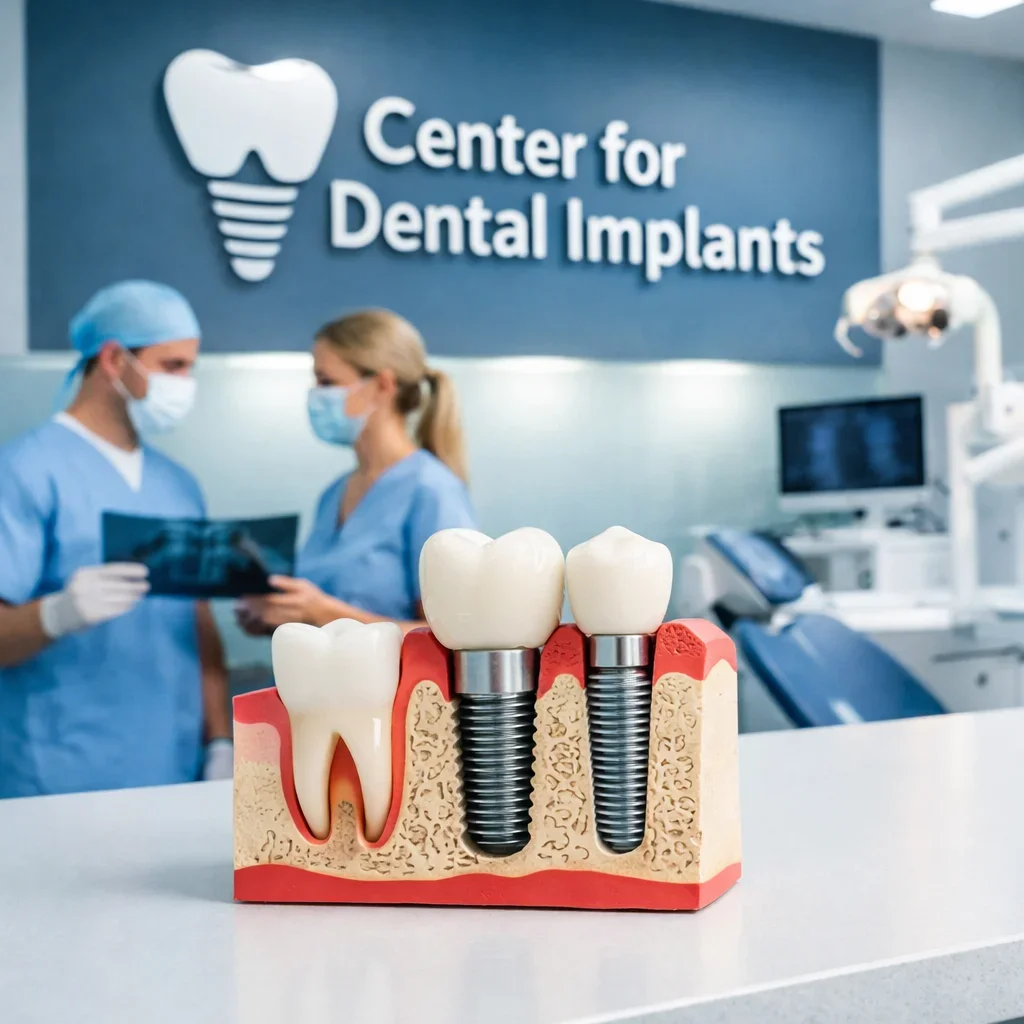
Frequently Asked Questions About a Center for Dental Implants
When patients begin researching a center for dental implants, many practical and medical questions naturally arise. Dental implants are a significant decision, and understanding the details helps patients feel informed, confident, and prepared. A professional center for dental implants welcomes questions and provides clear, honest answers based on medical evidence rather than marketing promises 😊.
Below are the most frequently asked questions patients have when considering treatment at a specialized center for dental implants, explained in a comprehensive and patient-friendly way.
Are Dental Implants Safe When Performed at a Specialized Center?
Yes, dental implants are considered one of the safest and most predictable dental treatments when performed at a qualified center for dental implants. Safety depends heavily on proper diagnosis, sterile surgical conditions, and professional expertise.
A specialized center follows strict medical protocols, uses advanced imaging, and carefully plans implant placement. This significantly reduces risks such as infection, nerve injury, or implant failure. Safety is one of the strongest reasons to choose a dedicated center for dental implants rather than a general clinic 🦷.
How Long Do Dental Implants Last?
Implants placed at a reputable center for dental implants are designed to last many years — often decades. With proper placement, high-quality materials, and good oral hygiene, implants can last a lifetime.
The crown or restoration may need replacement over time due to normal wear, but the implant itself is extremely durable. Long-term success rates are highest when treatment is performed at a specialized center for dental implants with structured follow-up care.
Is the Implant Procedure Painful?
One of the most common concerns is pain. In reality, implant placement at a modern center for dental implants is usually less uncomfortable than patients expect. Local anesthesia or sedation ensures the procedure itself is pain-free.
Post-surgical discomfort is typically mild and manageable with prescribed or over-the-counter medication. Advanced techniques used in a professional center for dental implants minimize tissue trauma and speed recovery 😊.
How Long Is the Recovery Time?
Initial recovery usually takes a few days, while full healing and osseointegration can take several months. A center for dental implants provides a personalized recovery timeline based on the patient’s health, bone condition, and treatment complexity.
Patients are closely monitored throughout healing to ensure proper progress and long-term success.
Who Is Not a Good Candidate for Implants?
While many adults are suitable candidates, some conditions may require additional planning. A center for dental implants carefully evaluates patients with uncontrolled diabetes, severe immune disorders, or heavy smoking habits.
Importantly, many patients initially considered unsuitable can still receive implants after preparatory treatment. This comprehensive evaluation is a key advantage of choosing a specialized center for dental implants.
Are Dental Implants Better Than Dentures?
In most cases, yes. Dental implants provide superior stability, comfort, and function compared to removable dentures. A center for dental implants often recommends implants because they preserve bone, improve chewing efficiency, and feel more natural.
However, the best solution depends on individual needs, health, and expectations. A professional center for dental implants explains all options clearly before recommending treatment.
Can Implants Be Placed Immediately After Tooth Extraction?
In some cases, immediate implant placement is possible. A center for dental implants evaluates bone quality, infection risk, and stability before deciding. Immediate placement can reduce treatment time, but it is not suitable for everyone.
This decision highlights the importance of individualized care rather than standardized approaches.
How Do I Know If a Center Is Trustworthy?
A trustworthy center for dental implants demonstrates transparency, uses advanced technology, explains risks and benefits honestly, and provides clear treatment plans. Long-term follow-up care and patient education are also strong indicators of quality.
Patients should feel comfortable asking questions and never feel pressured. Professional ethics and communication are just as important as technical skill 😊.
What Happens If an Implant Fails?
Implant failure is rare when treatment is performed at a qualified center for dental implants, but it can happen. Causes may include infection, insufficient bone integration, or excessive bite forces.
The advantage of choosing a specialized center for dental implants is early detection and professional management. In many cases, failed implants can be replaced successfully after proper healing.
In summary, asking the right questions is an essential part of choosing a center for dental implants. A professional center welcomes informed patients and provides clear, evidence-based answers. By understanding safety, longevity, recovery, and candidacy, patients can move forward with confidence, knowing they are making a well-informed decision for their long-term oral health 😁.