
When it comes to your child’s smile, finding the right center for pediatric dentistry is one of the most important decisions you can make as a parent. A child’s oral health has a direct impact on their overall development, self-esteem, and future well-being. From the very first baby tooth to adolescence, specialized dental care ensures that children receive the right treatments in a safe, friendly, and scientifically advanced environment. In this guide, we will explore why choosing the right dental center matters, what services are offered, and how parents can confidently support their children’s journey toward a lifetime of healthy smiles. 🦷
A center for pediatric dentistry is a clinic specifically designed to meet the dental needs of infants, children, and teenagers. Unlike general dental offices, these centers employ pediatric dentists who have advanced training in child psychology, oral development, and special treatment techniques for younger patients. The environment is carefully designed to reduce anxiety and create a positive association with dental care. Brightly colored waiting rooms, child-friendly decorations, and dental chairs built for smaller bodies all contribute to a stress-free experience for young patients.
The keyword “center for pediatric dentistry” is not just a phrase — it represents a specialized approach where prevention, education, and treatment are combined. For example, while a general dentist might treat both adults and children, pediatric dentistry focuses on age-specific challenges such as thumb sucking, pacifier use, and early orthodontic concerns. These centers also place strong emphasis on preventive care. Parents are taught how to brush their child’s teeth correctly, maintain a sugar-conscious diet, and identify early warning signs of cavities or gum problems. Preventive education can save families from costly and painful treatments later in life.
Another major advantage of a center for pediatric dentistry is the ability to manage dental anxiety. Many children are naturally afraid of visiting the dentist, often due to fear of pain or unfamiliar surroundings. Pediatric dental centers use special behavior management techniques to help children feel comfortable. Some practices employ tell-show-do methods, where dentists explain and demonstrate procedures on models before treating the child. In more advanced cases, safe sedation dentistry is available to ensure treatments are performed effectively without trauma. This compassionate approach helps children develop lifelong positive habits and reduces the chance of dental neglect in adulthood.
Parents who bring their children to a professional center for pediatric dentistry also benefit from comprehensive dental services under one roof. Routine checkups, fluoride treatments, sealants, orthodontic evaluations, and emergency care are all available in one place. For example, if a child suffers a dental injury from sports or a playground fall, immediate specialized care is critical. Pediatric dentists are trained to handle dental trauma such as chipped teeth, knocked-out teeth, or oral infections, which can otherwise become serious health issues if not addressed promptly.
Beyond treatment, pediatric dental centers often collaborate with other healthcare professionals. Pediatricians, orthodontists, and even speech therapists may work alongside dentists to ensure that a child’s oral health supports their overall growth and development. This interdisciplinary approach is particularly valuable for children with special healthcare needs. A child with autism, for instance, may require a more structured dental visit, while children with medical conditions like congenital heart disease need extra care to prevent oral infections from affecting their systemic health. Having a trusted center for pediatric dentistry provides reassurance for families navigating these complex needs.
Cost is another important factor parents consider. Many centers for pediatric dentistry provide clear treatment plans and work with insurance providers to make care accessible. Preventive visits, which typically cost much less than emergency treatments, are encouraged. As an example, dental sealants (a protective coating applied to molars) may prevent cavities that could otherwise require fillings or crowns in the future. Investing early in prevention saves families money and ensures children avoid unnecessary discomfort. If you want to contact a trusted clinic, you can visit the Redent Klinik Contact Page for more details about pediatric dental services and appointments.
Parents often ask: when should a child first see a dentist? According to the American Dental Association, children should visit a dentist by their first birthday or within six months after their first tooth erupts. This early start helps detect developmental issues and guides parents in establishing good oral hygiene practices. A center for pediatric dentistry not only checks for cavities but also tracks jaw growth, bite alignment, and other factors that may affect speech and chewing later in life.
In summary, choosing a specialized center for pediatric dentistry means more than just fixing cavities — it’s about building lifelong habits, preventing disease, and creating a positive foundation for oral health. With kid-friendly spaces, expert dental professionals, and a focus on preventive care, these centers are essential partners in your child’s health journey. Whether you’re preparing for your child’s first dental visit, addressing common oral issues, or planning for long-term orthodontic needs, a pediatric dental center is the best place to begin. By prioritizing dental health today, parents can ensure their children grow up with confident, healthy smiles that last a lifetime. 🌟
Why Choosing a Specialized Pediatric Dentistry Center Matters
When it comes to ensuring the best oral health for children, the decision to choose a specialized center for pediatric dentistry can make all the difference. While general dentists are qualified to treat patients of all ages, pediatric dental specialists undergo additional training specifically focused on the unique needs of infants, children, and adolescents. This added expertise equips them to manage everything from teething discomfort in babies to early orthodontic evaluation in teenagers. Parents often underestimate how crucial these early years are for establishing lifelong oral health habits. By selecting a trusted pediatric dentistry center, families give their children the foundation for healthy smiles and improved overall well-being. 🌈
The Value of Specialized Training
A key factor that sets a center for pediatric dentistry apart is the specialized education pediatric dentists receive. After completing general dental school, pediatric dentists typically undergo an additional 2–3 years of residency training dedicated exclusively to child-focused care. This advanced education covers child psychology, growth and development of the jaw, and techniques for managing dental anxiety. By working closely with children of different ages, these professionals gain unique skills in communication and treatment planning that general dentists may not emphasize. As a result, children benefit from care tailored to their developmental stage, ensuring that treatments are not only clinically effective but also emotionally supportive.
Building Trust with Young Patients
Another reason to choose a center for pediatric dentistry is the strong emphasis on building trust between dentist and child. Pediatric dental teams understand that the first dental visits often shape a child’s attitude toward oral health for life. By using gentle explanations, demonstrations, and positive reinforcement, dentists can transform what might otherwise be a stressful visit into a fun and educational experience. For example, many pediatric dentists employ the “tell-show-do” method, where they first explain a procedure in child-friendly terms, then demonstrate it on a model, and finally carry it out gently on the child. These strategies help reduce anxiety and create confidence in young patients, encouraging them to maintain regular checkups.
Child-Friendly Environment and Comfort
Walking into a typical dental office can be intimidating for children. That’s why a specialized center for pediatric dentistry designs its facilities with a child’s comfort in mind. From brightly colored murals to playful waiting rooms filled with books and toys, every detail is intended to create a welcoming environment. Dental chairs and instruments are sized appropriately for children, ensuring that even toddlers feel comfortable during treatments. Some centers even use video screens above dental chairs so children can watch cartoons during their procedures. This thoughtful approach not only reduces fear but also encourages children to view dental care as a positive, even enjoyable, experience.
Managing Dental Anxiety Effectively
Dental anxiety is one of the leading reasons children avoid necessary dental care. A center for pediatric dentistry employs behavior management techniques to help children relax and cooperate during visits. For some children, simple strategies such as distraction with toys or storytelling are enough. In cases where children require extensive treatment or have severe anxiety, safe sedation dentistry may be used. Pediatric dentists are trained to administer nitrous oxide (commonly known as laughing gas) or other forms of sedation when necessary. This ensures treatments are completed effectively without causing trauma, setting the stage for a lifetime of stress-free dental visits.
Preventive Care and Early Detection
One of the greatest benefits of a center for pediatric dentistry is its focus on prevention rather than just treatment. Pediatric dentists prioritize educating both children and parents on good oral hygiene practices. This includes teaching correct brushing and flossing techniques, advising on healthy diets low in sugar, and applying protective sealants to prevent cavities. Regular visits also allow dentists to detect early signs of dental issues such as misaligned bites, speech difficulties, or jaw development problems. By catching these concerns early, treatment can be simpler, less invasive, and more affordable in the long run.
Special Care for Children with Unique Needs
Not all children have the same dental requirements. Some may have developmental delays, chronic illnesses, or special healthcare needs that complicate oral care. A center for pediatric dentistry is equipped to handle these situations with extra care and sensitivity. For example, children with autism spectrum disorder may need a carefully structured visit plan, while those with heart conditions might require antibiotics before certain treatments. Pediatric dentists collaborate closely with pediatricians and other specialists to ensure that each child receives safe, holistic, and customized dental care.
Long-Term Health Benefits
The advantages of choosing a center for pediatric dentistry extend well beyond the immediate benefits of clean teeth and cavity prevention. Early dental visits establish positive habits that last into adulthood, reducing the risk of gum disease, tooth loss, and even systemic health issues later in life. Studies show that children who visit pediatric dental centers regularly are less likely to develop dental phobias and more likely to maintain routine checkups as adults. Furthermore, good oral health is linked to better performance in school, improved self-esteem, and fewer missed days due to dental pain or infections. Parents who prioritize pediatric dentistry invest not only in their child’s smile but also in their overall quality of life.
In conclusion, a specialized center for pediatric dentistry matters because it provides comprehensive, compassionate, and expert care designed exclusively for children. From child-friendly facilities and anxiety management to preventive care and specialized treatments, these centers offer far more than just routine dental services. For parents seeking the best start for their children’s oral health, the choice is clear: entrusting their child’s smile to a pediatric dental center ensures healthier outcomes, happier visits, and a lifetime of confident smiles. 🌟
Key Dental Treatments Offered at a Pediatric Dentistry Center
A specialized center for pediatric dentistry is not just a place for routine checkups — it is a comprehensive facility that provides a wide range of treatments designed specifically for children’s oral health. From preventive measures to emergency care, every service is adapted to the developmental stage of young patients. These treatments aim to protect children from common dental problems, correct early issues, and ensure long-term oral well-being. Understanding the variety of treatments available helps parents make informed decisions and prepares children for positive dental experiences. 🦷
Preventive Treatments for Stronger Smiles
The cornerstone of any center for pediatric dentistry is preventive care. Preventing dental issues is always easier, less invasive, and less costly than treating them after they occur. Pediatric dentists emphasize regular cleanings, fluoride treatments, and the application of dental sealants. Fluoride helps strengthen developing teeth by making enamel more resistant to decay. Sealants, on the other hand, act as protective shields placed on the chewing surfaces of molars to prevent cavities. Parents are also guided on proper nutrition and oral hygiene habits to reduce sugar intake and maintain daily brushing routines. By prioritizing prevention, dental centers reduce the risk of cavities and gum disease, creating a solid foundation for lifelong oral health.
Fluoride Treatments and Sealants
Fluoride treatments are quick, painless, and highly effective in protecting children’s teeth. Applied as a gel, foam, or varnish, fluoride strengthens enamel during the critical years of tooth development. Sealants, usually recommended once permanent molars erupt, cover the deep grooves of teeth where food particles often get trapped. Studies show that sealants can reduce the risk of cavities in children by up to 80%. Parents visiting a center for pediatric dentistry are often advised to combine these preventive measures with routine checkups for maximum protection.
Restorative Dental Treatments
Even with the best preventive care, children sometimes develop cavities or suffer dental trauma. Restorative treatments in a center for pediatric dentistry are specifically designed for growing teeth. These include tooth-colored fillings, stainless steel crowns, and pulp therapy (similar to root canals but adapted for baby teeth). Unlike adult treatments, pediatric restorative procedures take into account the fact that primary teeth will eventually be replaced, yet they still play an essential role in chewing, speaking, and guiding permanent teeth into position. Preserving the integrity of baby teeth prevents complications such as misalignment or speech difficulties.
Tooth-Colored Fillings and Crowns
Most parents prefer tooth-colored fillings for aesthetic reasons, and pediatric centers typically use composite resins that blend naturally with children’s teeth. When decay is more severe, stainless steel or ceramic crowns are recommended to restore function and protect the tooth until it naturally falls out. A center for pediatric dentistry ensures that these treatments are performed with minimal discomfort and often uses advanced technology, such as digital X-rays and laser tools, to reduce treatment time and improve accuracy.
Orthodontic Evaluations and Early Interventions
Pediatric dentists also play a critical role in identifying orthodontic issues at an early stage. A specialized center for pediatric dentistry often provides orthodontic screenings as part of routine checkups. These screenings help detect problems such as crossbites, crowding, or jaw misalignments before they become more severe. Early intervention with space maintainers, expanders, or partial braces can guide jaw growth and tooth alignment, reducing the need for extensive orthodontic treatment later in life. Parents benefit from early orthodontic evaluations, as they save time and money by addressing potential issues while a child’s jaw is still developing.
Space Maintainers
If a child loses a baby tooth prematurely, space maintainers are used to prevent surrounding teeth from drifting into the empty space. This ensures that permanent teeth have enough room to emerge correctly. Without such interventions, misalignment or overcrowding may occur, leading to costly orthodontic treatments in the future. By offering these devices, a center for pediatric dentistry provides proactive care that supports healthy dental development.
Emergency Dental Care for Children
Children are active and prone to accidents that may result in dental emergencies. A reliable center for pediatric dentistry is prepared to handle urgent situations such as knocked-out teeth, broken crowns, or severe toothaches. Immediate professional care in these cases can mean the difference between saving and losing a tooth. Pediatric dentists are trained to respond quickly and effectively, often with child-friendly methods that reduce trauma and fear. Parents are advised to have the contact details of their pediatric dental center readily available for emergencies, ensuring that their child receives timely care.
Specialized Care for Children with Unique Needs
Children with special healthcare needs may require customized dental approaches. A center for pediatric dentistry offers tailored services for children with developmental delays, physical disabilities, or chronic illnesses. Dentists in these centers use modified techniques, extended appointment times, and additional behavioral support strategies to ensure comfort and effectiveness. Sedation dentistry is sometimes offered for children who cannot undergo traditional treatments due to anxiety or medical conditions. Parents benefit from the peace of mind that comes with knowing their child’s unique needs are being carefully addressed in a supportive environment.
Cosmetic Pediatric Dentistry
While cosmetic dentistry is often associated with adults, children sometimes require aesthetic treatments as well. For instance, bonding may be used to repair chipped teeth after playground accidents, and whitening treatments may be carefully applied in cases of discoloration. A center for pediatric dentistry balances cosmetic improvements with safety, ensuring that treatments do not interfere with natural growth and development. By enhancing appearance, these services can boost a child’s confidence and encourage positive social interactions.
In conclusion, a center for pediatric dentistry provides an extensive array of treatments ranging from preventive care to emergency interventions. These services are uniquely tailored for children’s physical and emotional needs, ensuring that every child receives the right care at the right time. With specialized knowledge, advanced technology, and a commitment to child-friendly practices, pediatric dental centers give children the healthiest start in life — one smile at a time. 🌟
How Pediatric Dentists Create a Kid-Friendly Environment 🧸
One of the most distinctive qualities of a center for pediatric dentistry is its commitment to creating an environment where children feel comfortable, safe, and even excited about their dental visits. Unlike traditional dental offices, which may appear clinical and intimidating, pediatric dental centers are designed to reduce anxiety and foster positive associations with oral health care. Everything from the colors on the walls to the dentist’s communication style is intentionally structured to meet the emotional and psychological needs of young patients. This child-friendly environment plays a critical role in building trust, encouraging cooperation, and setting the stage for a lifetime of healthy smiles.
Designing a Welcoming Atmosphere
The moment families walk into a center for pediatric dentistry, they often notice the difference immediately. Waiting areas are bright, colorful, and filled with playful elements such as murals, toys, storybooks, or even interactive games. Some centers go further by providing child-sized furniture, aquariums, or cartoon-themed décor to help children feel relaxed and engaged while they wait. The design choices are not merely decorative; they serve an important psychological function. A cheerful, welcoming atmosphere reduces stress hormones, making it easier for children to transition smoothly into their appointments without resistance.
Role of Visual and Sensory Elements
Visuals and sensory experiences are powerful tools in a pediatric dental setting. For example, ceiling-mounted televisions that play cartoons or calming animations help distract children during procedures. Gentle background music, soft lighting, and colorful uniforms worn by dental staff also contribute to a less intimidating environment. By stimulating the senses in positive ways, a center for pediatric dentistry shifts focus away from fear and toward fun, helping children remain calm and cooperative during treatment.
Communication Tailored for Children
A major part of creating a kid-friendly environment is the way pediatric dentists communicate. Specialists in a center for pediatric dentistry use age-appropriate language and avoid technical jargon that could overwhelm children. Instead, they employ simple explanations, metaphors, and storytelling techniques. For instance, a dentist may describe fluoride treatment as “painting vitamins on your teeth” or explain suction tools as “a little vacuum cleaner.” This imaginative communication style reassures children and makes procedures easier to understand and accept.
Tell-Show-Do Method
The widely used “tell-show-do” technique is a cornerstone of pediatric dental communication. First, the dentist tells the child what will happen using child-friendly terms. Next, they show the procedure using a puppet, model, or demonstration. Finally, they gently perform the procedure on the child. This step-by-step method reduces uncertainty, builds trust, and helps children feel in control of the process. It is especially effective in first-time visits when children are unfamiliar with dental tools and treatments.
Behavior Management and Positive Reinforcement
A center for pediatric dentistry also employs behavior management strategies to encourage cooperation. Positive reinforcement, such as giving stickers, toys, or praise, is used to reward bravery and good behavior. Some dentists also use “voice control,” where they adjust the tone of their voice to guide a child’s attention or emphasize the importance of following directions. Distraction techniques like storytelling, games, or humor are often incorporated to keep children engaged and reduce focus on the treatment itself. These strategies create a supportive environment where children feel empowered rather than forced.
Parental Involvement
Parents play a vital role in supporting their child’s dental experience. Many pediatric dental centers encourage parents to sit with their children during treatment, offering reassurance and comfort. Others provide separate waiting areas when independence is beneficial for the child’s confidence. By striking the right balance, a center for pediatric dentistry ensures that parents feel informed and involved while also giving children the chance to build their own resilience and trust in dental professionals.
Special Techniques for Anxious or Special-Needs Children
Not every child feels comfortable in new environments, and some may have developmental, medical, or emotional needs that require extra attention. Pediatric dentists are specially trained to adapt their techniques to accommodate these children. For those with severe dental anxiety, centers may offer sedation dentistry in safe, controlled doses. Children with autism or sensory processing disorders may benefit from desensitization appointments, where they are gradually introduced to the dental environment over multiple visits. These thoughtful accommodations show how a center for pediatric dentistry goes above and beyond to ensure that every child receives care in a compassionate, supportive manner.
Educational Engagement for Children and Parents
A kid-friendly dental environment is not only about reducing fear but also about inspiring curiosity and learning. Many pediatric dental centers provide educational materials in the form of illustrated books, videos, or interactive activities that teach children about brushing, flossing, and healthy eating. Some dentists even demonstrate brushing on large toy models to show proper techniques. This proactive education helps children understand the importance of oral care and encourages parents to continue reinforcing these habits at home. By blending fun with learning, a center for pediatric dentistry transforms dental visits into opportunities for lifelong oral health education.
In conclusion, a center for pediatric dentistry excels at creating a kid-friendly environment that combines playful design, child-focused communication, behavior management, and parental involvement. These centers are not only about providing dental treatments but also about building positive emotional experiences that encourage children to value oral health. Through colorful spaces, compassionate communication, and special accommodations for anxious or special-needs patients, pediatric dental centers turn dental care into an enjoyable journey. Parents who choose such an environment give their children a gift that lasts far beyond the dental chair: the confidence and comfort to care for their smiles for a lifetime. 🌟
Early Childhood Dental Care and Its Long-Term Benefits
Establishing healthy dental habits during the earliest years of life is one of the most valuable gifts a parent can give their child. A center for pediatric dentistry provides specialized care for infants and toddlers, helping parents understand how early oral health influences a child’s future development. Far beyond preventing cavities, early childhood dental visits are about laying the groundwork for proper speech, nutrition, self-esteem, and lifelong oral wellness. Research shows that children who begin dental care before their first birthday are more likely to avoid costly procedures later, enjoy healthier teeth, and develop a positive outlook on oral care. 🌟
Why the First Dental Visit Matters
According to the American Dental Association, children should see a dentist by their first birthday or within six months after the eruption of their first tooth. This initial appointment allows a center for pediatric dentistry to check for early developmental concerns such as enamel defects, gum health, or bite alignment. Parents are guided on proper techniques for cleaning a baby’s teeth and gums, as well as how to handle habits like thumb sucking or pacifier use. Early visits also reduce the likelihood of dental anxiety by making checkups a normal, stress-free part of a child’s life.
Monitoring Growth and Development
A child’s mouth develops rapidly during the first few years of life. Pediatric dentists are trained to evaluate jaw growth, spacing of teeth, and eruption patterns. If irregularities are detected early, such as delayed tooth eruption or improper bite formation, interventions can be recommended to prevent more serious issues later. By choosing a center for pediatric dentistry, parents ensure that their child’s oral development is closely monitored during these critical stages, setting the stage for better oral and overall health outcomes.
Preventing Early Childhood Caries (ECC)
One of the most common conditions affecting young children is early childhood caries (ECC), sometimes called “baby bottle tooth decay.” This condition occurs when sugary liquids, such as milk, juice, or formula, remain in contact with a child’s teeth for extended periods. A center for pediatric dentistry educates parents about ECC prevention through proper feeding practices, limiting sugary snacks, and establishing bedtime routines that avoid bottle use. Pediatric dentists may also recommend fluoride varnishes and sealants to strengthen teeth and reduce cavity risk. By tackling ECC early, parents can prevent unnecessary pain, infections, and future complications for their children.
The Role of Diet and Nutrition
Nutrition plays a central role in preventing dental issues in early childhood. A balanced diet rich in calcium, vitamin D, and phosphorus strengthens teeth and bones, while reducing sugar intake lowers the risk of decay. Pediatric dentists at a center for pediatric dentistry guide parents in making child-friendly, healthy food choices and explain how certain snacks — such as sticky candies or sugary drinks — increase cavity risk. These early dietary habits not only benefit oral health but also support overall growth and immunity.
Building Positive Habits Early
Habits formed in childhood often last a lifetime. Visiting a center for pediatric dentistry encourages children to view oral care as a normal part of their daily routine. Dentists teach children the importance of brushing twice a day, flossing, and visiting the dentist regularly. Positive reinforcement through praise, games, and rewards further motivates children to adopt these practices. The earlier children learn that oral care is both important and rewarding, the more likely they are to continue these habits into adulthood.
Reducing Fear and Dental Anxiety
Children who start dental visits early are less likely to develop dental anxiety. By experiencing the dental chair in a safe, friendly environment, young patients gain confidence and familiarity. A center for pediatric dentistry often uses gentle techniques, playful communication, and parental involvement to create comfort during visits. This reduces the risk of dental phobias, which can otherwise lead to skipped appointments and poor oral health in adulthood.
Long-Term Health Benefits of Early Dental Care
The benefits of early dental care extend far beyond childhood. Proper oral hygiene reduces the risk of gum disease, tooth loss, and systemic health conditions linked to oral infections, such as heart disease or diabetes. Additionally, children who avoid cavities and infections experience fewer school absences, higher self-confidence, and better nutrition, since healthy teeth support effective chewing. Parents who invest in a center for pediatric dentistry early on are not only protecting their child’s current health but also paving the way for a healthier, happier future.
The Parent’s Role in Early Dental Care
Parents are the first role models for their children’s oral health. A center for pediatric dentistry works hand in hand with families, offering education on proper brushing techniques, guidance on fluoride use, and tips for maintaining healthy routines at home. Many centers even encourage parents to bring their infants along during older siblings’ visits, familiarizing the child with the dental setting from a young age. This teamwork between parents and professionals is essential to ensuring children grow up with strong, healthy teeth.
In summary, early childhood dental care is about much more than keeping teeth cavity-free — it is about building habits, confidence, and resilience that last into adulthood. By choosing a center for pediatric dentistry, parents provide their children with expert monitoring, preventive care, and a supportive environment that promotes lifelong oral health. From preventing early childhood caries to reducing anxiety and encouraging healthy routines, the long-term benefits are immeasurable. By starting early, families ensure their children enjoy not just beautiful smiles but also healthier, happier lives. 🧒✨
Preventive Care Programs in Pediatric Dental Centers
A well-structured preventive care program is at the heart of every center for pediatric dentistry. These programs are designed to protect children’s oral health before problems develop, ensuring healthier smiles and reducing the need for complex treatments later in life. Preventive care goes beyond the simple act of cleaning teeth — it combines education, professional treatments, monitoring, and parental involvement. By focusing on prevention, pediatric dental centers help children avoid cavities, gum disease, and costly procedures, while also instilling habits that last a lifetime. 🦷✨
The Importance of Preventive Dentistry
Pediatric dentists understand that prevention is the most cost-effective and child-friendly approach to oral health. Regular visits to a center for pediatric dentistry allow for early detection of potential issues, minimizing the risk of pain, infections, or long-term complications. Preventive programs also empower parents with knowledge and resources, transforming them into active partners in their child’s dental health journey. These efforts help children grow up with strong teeth, better nutrition, and improved self-confidence, all of which are essential for overall well-being.
Core Preventive Services
A comprehensive preventive program at a center for pediatric dentistry includes several essential services:
Dental Cleanings and Exams
Professional cleanings remove plaque and tartar buildup that brushing and flossing alone cannot eliminate. During these visits, dentists also conduct thorough examinations to check for cavities, gum inflammation, or early orthodontic issues. By catching problems early, treatments are less invasive, less painful, and less expensive.
Fluoride Treatments
Fluoride strengthens enamel and helps prevent cavities by making teeth more resistant to acid attacks from bacteria and sugars. At a center for pediatric dentistry, fluoride is applied as a varnish, gel, or foam during routine visits. This simple procedure significantly reduces the risk of decay in both baby and permanent teeth.
Dental Sealants
Sealants are thin, protective coatings applied to the chewing surfaces of molars, where cavities are most likely to develop. Research shows sealants can reduce tooth decay in children by up to 80%. Pediatric dentists recommend sealants soon after permanent molars erupt, typically around ages 6 and 12. This preventive measure is one of the most effective ways a center for pediatric dentistry safeguards children’s oral health.
Oral Health Education
Education is a crucial component of preventive care programs. Dentists and hygienists teach children proper brushing and flossing techniques, explain the importance of nutrition, and demonstrate how everyday habits affect dental health. Parents are also guided on topics like teething care, pacifier use, and how to reduce sugar intake. A center for pediatric dentistry ensures that both children and parents are well-informed, empowering families to maintain excellent oral hygiene at home.
Dietary Guidance and Lifestyle Habits
Preventive care also focuses on diet and lifestyle. Pediatric dentists emphasize reducing sugary snacks, sodas, and sticky candies that fuel bacteria growth. Instead, they encourage a balanced diet rich in calcium, vitamins, and fiber. Some centers even provide nutrition counseling as part of their preventive programs. Additionally, parents receive guidance on avoiding habits like prolonged bottle use or thumb sucking, which can impact tooth alignment and jaw development. By addressing lifestyle factors, a center for pediatric dentistry helps families create healthy routines that support long-term oral health.
Sports Dentistry and Mouthguards
Active children often participate in sports, which increases the risk of dental injuries. Preventive care programs commonly include the use of custom-fitted mouthguards to protect against broken or knocked-out teeth. A center for pediatric dentistry may also educate children on safe practices during sports and provide emergency care plans for injuries. This proactive approach ensures that children can enjoy physical activities without compromising their oral health.
Specialized Preventive Programs for High-Risk Children
Some children are more susceptible to dental problems due to genetics, medical conditions, or lifestyle factors. For these children, a center for pediatric dentistry may design personalized preventive care plans. This could include more frequent checkups, advanced fluoride applications, or specialized cleaning techniques. Children with braces, for example, often need extra attention to prevent plaque buildup around brackets and wires. Similarly, children with special healthcare needs may require modified tools and techniques to maintain proper oral hygiene.
Long-Term Benefits of Preventive Care
The benefits of preventive dental programs extend well beyond childhood. Children who participate in structured preventive care experience fewer cavities, healthier gums, and better alignment of teeth. These early advantages reduce the likelihood of needing major procedures like extractions, root canals, or orthodontic corrections in the future. A center for pediatric dentistry also ensures that children develop positive associations with dental care, decreasing the chances of dental anxiety in adulthood. Long-term, preventive care not only improves oral health but also supports academic success, social confidence, and overall quality of life.
In conclusion, preventive care programs are the backbone of any center for pediatric dentistry. Through regular cleanings, fluoride treatments, sealants, and education, these programs protect children from common dental problems and set the stage for lifelong oral health. By focusing on prevention, pediatric dental centers save families time, money, and unnecessary stress, while giving children the best possible foundation for a lifetime of confident, healthy smiles. 🌟
Common Dental Issues in Children and Their Treatments
Children face a variety of dental challenges as their teeth and jaws develop. A specialized center for pediatric dentistry is equipped to diagnose, prevent, and treat these issues with techniques tailored specifically to young patients. From cavities to orthodontic problems, pediatric dentists provide comprehensive solutions that address not just oral health, but also the child’s comfort and confidence. By understanding the most common dental issues and how they are treated, parents can make informed decisions and ensure their children receive the best possible care. 🦷👶
Tooth Decay and Cavities
Cavities remain the most common chronic disease in children worldwide. High sugar consumption, poor brushing habits, and prolonged bottle or sippy cup use contribute to early tooth decay. A center for pediatric dentistry focuses on both prevention and treatment of cavities. Preventive strategies include fluoride varnishes, sealants, and parent education on proper nutrition. When cavities do occur, dentists use child-friendly techniques and materials such as tooth-colored composite fillings or stainless-steel crowns to restore function and aesthetics. Addressing cavities promptly prevents pain, infection, and disruption of permanent tooth development.
Early Childhood Caries (ECC)
ECC, also known as “baby bottle tooth decay,” occurs when sugary liquids stay in prolonged contact with a child’s teeth. A center for pediatric dentistry treats ECC by removing decayed areas, restoring teeth with fillings or crowns, and educating parents on feeding practices. In severe cases, pulp therapy (a root canal-like treatment for baby teeth) may be necessary to preserve the tooth until it naturally falls out.
Gum Disease and Gingivitis
Although gum disease is often associated with adults, children can also suffer from gingivitis, especially during puberty when hormonal changes increase gum sensitivity. Signs include swollen, red, or bleeding gums. A center for pediatric dentistry treats gingivitis through professional cleanings, improved oral hygiene instructions, and sometimes antibacterial rinses. Left untreated, gingivitis can progress to more serious periodontal problems, so early detection and management are crucial.
Orthodontic Concerns
Misaligned teeth, crowding, crossbites, and overbites are common issues detected in childhood. Pediatric dental centers provide orthodontic evaluations as part of regular checkups. A center for pediatric dentistry may recommend space maintainers, partial braces, or interceptive orthodontics to guide proper jaw and tooth development. Early intervention often reduces the need for extensive orthodontic treatment in the teenage years, saving families time and expense.
Thumb Sucking and Pacifier Use
Prolonged thumb sucking or pacifier use can cause misalignment of teeth and affect jaw growth. Pediatric dentists guide parents on how to help children break these habits. In some cases, orthodontic appliances are recommended to prevent further damage. By addressing these behaviors early, a center for pediatric dentistry helps avoid complex orthodontic corrections later.
Tooth Sensitivity
Some children experience sensitivity to hot, cold, or sweet foods, which can signal enamel weakness, cavities, or gum recession. Pediatric dentists diagnose the cause and provide treatments ranging from fluoride applications to protective coatings. In a center for pediatric dentistry, these treatments are adapted to children’s unique needs, ensuring comfort and effectiveness.
Dental Trauma and Injuries
Active children are prone to accidents that result in chipped, fractured, or knocked-out teeth. Immediate professional care is critical in such cases. A center for pediatric dentistry specializes in treating dental trauma quickly and effectively. Treatments may include reattaching fragments, placing crowns, or re-implanting knocked-out permanent teeth. Pediatric dentists also educate parents on first-aid steps, such as storing a knocked-out tooth in milk until professional help is available.
Sports-Related Injuries
Sports are a leading cause of dental injuries in children. Pediatric dental centers often provide custom-fitted mouthguards as a preventive measure. A center for pediatric dentistry ensures that these devices are comfortable, effective, and tailored to each child’s activity level. This proactive step significantly reduces the risk of fractures and avulsions.
Delayed Tooth Eruption and Developmental Issues
Sometimes teeth do not erupt on schedule, or they emerge in irregular patterns. Pediatric dentists monitor growth closely and may use X-rays to check for underlying issues. A center for pediatric dentistry provides guidance on whether intervention is needed, such as removing retained baby teeth or using orthodontic appliances to guide eruption. Early monitoring ensures that dental development progresses smoothly and minimizes long-term complications.
Oral Habits and Speech Development
Habits like tongue thrusting or mouth breathing can impact not only dental alignment but also speech development. Pediatric dental centers often collaborate with speech therapists to address these issues. By combining treatments, a center for pediatric dentistry helps children achieve proper oral function, clear speech, and healthy breathing patterns.
In summary, children face a wide range of dental issues, but with specialized care from a center for pediatric dentistry, these challenges can be effectively managed and often prevented. From cavities and gum disease to trauma and orthodontic concerns, pediatric dental centers provide comprehensive treatments that safeguard both oral health and overall well-being. With early detection, preventive strategies, and child-friendly approaches, these centers ensure that every child has the opportunity to grow up with a healthy, confident smile. 🌟
Role of Parents in Supporting Children’s Oral Health
Parents are the first and most influential role models in a child’s life, especially when it comes to establishing good oral health practices. While a center for pediatric dentistry provides professional treatments and guidance, the everyday responsibility of reinforcing habits falls on families. By actively participating in their children’s oral care, parents can prevent common dental issues, reduce anxiety about dental visits, and ensure a positive long-term relationship with oral health. Parental involvement is not optional — it is the cornerstone of successful pediatric dentistry. 🦷👨👩👧
Teaching Daily Oral Hygiene Habits
The most effective way to protect a child’s teeth is through consistent brushing and flossing. A center for pediatric dentistry educates parents on proper techniques, but it is at home where these lessons become daily routines. Children under the age of 7 often lack the dexterity to brush thoroughly, so parents are encouraged to assist. Pediatric dentists recommend using a pea-sized amount of fluoride toothpaste twice a day, combined with gentle flossing once teeth begin to touch. When parents make brushing a family activity, children are more likely to enjoy it and view oral hygiene as a lifelong priority.
Making Oral Care Fun
To keep children motivated, parents can introduce games, colorful toothbrushes, or music timers during brushing. Some families create reward charts or use mobile apps that track brushing time with fun animations. By incorporating creativity, parents transform oral care from a chore into an enjoyable habit. A center for pediatric dentistry often suggests these playful strategies to keep children engaged.
Nutrition and Lifestyle Choices
Diet plays a significant role in oral health. Parents control what foods and drinks are available at home, which directly impacts cavity risk. A center for pediatric dentistry advises families to limit sugary snacks, juices, and sodas, while encouraging water, fruits, vegetables, and calcium-rich foods. Parents can also model healthy habits by choosing nutritious snacks themselves. When children see their caregivers prioritizing health, they are more likely to mimic these choices. Simple decisions, like replacing sticky candies with apples or yogurt, greatly reduce the risk of cavities.
Preventing Harmful Habits
Habits such as thumb sucking, prolonged pacifier use, or nail biting can negatively affect dental development. A center for pediatric dentistry works with parents to address these behaviors early, but ongoing support at home is essential. Parents can use positive reinforcement, substitute comfort items, or establish bedtime routines that discourage reliance on pacifiers. Active parental involvement ensures that these habits are gently corrected before they cause long-term orthodontic issues.
Preparing Children for Dental Visits
Parental guidance is critical in shaping how children perceive dental visits. Before an appointment, parents can explain the process in positive, age-appropriate terms. For example, they might describe a cleaning as “tickling your teeth.” A center for pediatric dentistry often provides educational materials or videos that parents can share with their children at home. On the day of the visit, parents’ calm demeanor helps children feel reassured. Avoiding negative words like “pain” or “shot” ensures the child approaches the appointment with confidence.
Encouraging Consistent Checkups
Routine visits every six months are vital for monitoring growth, preventing cavities, and reinforcing good habits. Parents must prioritize scheduling and attending these appointments, demonstrating that oral care is an important part of family health. By maintaining consistency, families reinforce the lessons taught at the center for pediatric dentistry, creating continuity between professional care and home practices.
Supporting Children with Dental Anxiety
Some children experience fear or anxiety about dental procedures. In such cases, parental support is especially important. Parents can bring comfort items such as a favorite toy, hold their child’s hand, or provide reassurance with calming words. Pediatric dentists use gentle communication and behavior management techniques, but it is parents who provide the emotional anchor. A center for pediatric dentistry may also coach parents on strategies to ease anxiety, ensuring visits remain positive experiences.
Partnering with Pediatric Dentists
The relationship between parents and pediatric dentists is a partnership. A center for pediatric dentistry offers guidance, but parents must implement this advice daily. Open communication during appointments allows dentists to customize care plans based on a child’s habits, preferences, and challenges. Parents who ask questions, share observations, and follow through at home play an active role in their child’s success.
In conclusion, parents are the backbone of their children’s oral health journey. By teaching proper hygiene, modeling healthy eating, preparing children for dental visits, and supporting them emotionally, parents reinforce the care provided by a center for pediatric dentistry. This collaboration ensures that children not only enjoy healthy teeth during childhood but also carry strong habits into adulthood. With guidance from professionals and dedication from families, every child has the opportunity to grow up with a confident, radiant smile. 🌟
Advanced Technology Used in Pediatric Dental Centers
Modern dentistry has advanced tremendously, and children today benefit from tools and innovations that make care safer, faster, and more comfortable. A specialized center for pediatric dentistry integrates state-of-the-art technology not just to diagnose and treat, but also to ease anxiety and improve the overall patient experience. These innovations range from diagnostic imaging and laser dentistry to digital education tools and child-friendly sedation methods. Parents who choose centers that invest in advanced technology ensure that their children receive precise, efficient, and stress-free dental care. ⚙️🦷
Digital Imaging and Radiography
Traditional dental X-rays, while effective, often caused discomfort and concerns about radiation exposure. In a center for pediatric dentistry, advanced digital radiography is now the standard. These modern systems use up to 90% less radiation compared to traditional film X-rays, making them safer for children. Digital images also provide instant results, allowing dentists to explain findings to parents right away. High-resolution imaging helps detect cavities, monitor jaw growth, and evaluate tooth eruption with remarkable accuracy, ensuring early intervention and better outcomes.
3D Cone Beam CT Scans
For complex cases, such as impacted teeth or orthodontic evaluations, some pediatric dental centers use 3D cone beam computed tomography (CBCT). This advanced imaging creates a three-dimensional view of a child’s teeth, jaws, and airways. A center for pediatric dentistry equipped with CBCT technology can plan treatments with exceptional precision, reducing guesswork and improving long-term results.
Laser Dentistry
Laser technology has transformed pediatric dental care by providing minimally invasive treatment options. In a center for pediatric dentistry, lasers are used for cavity detection, fillings, gum contouring, and even tongue-tie or lip-tie corrections. Laser procedures typically involve less discomfort, minimal bleeding, and faster healing times compared to traditional methods. This makes them especially suitable for children who may feel anxious about needles or drills. Many parents appreciate the efficiency and reduced stress that laser dentistry provides.
Pain-Free Cavity Detection
Advanced laser devices can detect cavities in their earliest stages before they are visible to the naked eye. This allows pediatric dentists to treat decay proactively with less invasive approaches. By integrating these tools, a center for pediatric dentistry ensures children receive gentle, early care that prevents more extensive treatment down the road.
Intraoral Cameras and Patient Education
Intraoral cameras are small, pen-like devices that capture detailed images of the inside of a child’s mouth. At a center for pediatric dentistry, these images are displayed on a screen in real time, allowing both children and parents to see exactly what the dentist sees. This transparency improves communication and helps children understand the importance of oral care. Visual learning is especially effective with kids, as it turns abstract concepts into concrete lessons they can relate to.
Computer-Assisted Anesthesia Delivery
Fear of needles is a major concern for children. To address this, many pediatric dental centers now use computer-assisted anesthesia systems. These devices deliver anesthesia slowly and steadily, minimizing discomfort. A center for pediatric dentistry equipped with this technology helps reduce fear, making procedures far less intimidating for young patients. By combining gentle techniques with advanced tools, dentists create a calmer, more positive experience.
Tele-Dentistry and Remote Consultations
Technology has also expanded access to pediatric dental care. Some centers offer tele-dentistry services, allowing parents to consult with a pediatric dentist remotely. This can be especially helpful for families in rural areas or during situations where in-person visits are difficult. Through secure video calls, a center for pediatric dentistry can provide guidance on dental concerns, discuss treatment options, and determine if an office visit is necessary. Tele-dentistry saves time and provides peace of mind for parents seeking immediate advice.
Sedation and Comfort Technology
Advanced technology has made sedation dentistry safer and more effective. Nitrous oxide (laughing gas) delivery systems are carefully calibrated, ensuring children remain relaxed without losing consciousness. Some centers use monitoring equipment that tracks vital signs in real time, enhancing safety during procedures. A center for pediatric dentistry that invests in these comfort-focused innovations shows its commitment to reducing stress and making dental care a positive experience.
Virtual Reality and Distraction Techniques
To make visits even more engaging, some pediatric dental centers use virtual reality (VR) headsets or interactive video systems. Children can watch cartoons, explore immersive games, or experience calming environments during treatments. These distraction techniques reduce anxiety, increase cooperation, and turn dental appointments into enjoyable adventures. This innovative approach demonstrates how a center for pediatric dentistry can blend medical care with fun, ensuring children look forward to their visits.
Eco-Friendly and Safer Practices
Advanced technology also contributes to safer, eco-friendly dental practices. Digital records reduce paper waste, and modern sterilization equipment ensures the highest levels of infection control. A center for pediatric dentistry that prioritizes both patient safety and environmental responsibility shows families that it is dedicated to health on every level.
In conclusion, advanced technology is reshaping the way pediatric dentistry is practiced. From digital imaging and laser treatments to VR experiences and eco-friendly systems, a center for pediatric dentistry that embraces innovation provides children with more precise, comfortable, and enjoyable care. Parents can feel confident knowing their child is benefiting from the latest advancements, ensuring healthier smiles and better experiences that will last a lifetime. 🌟
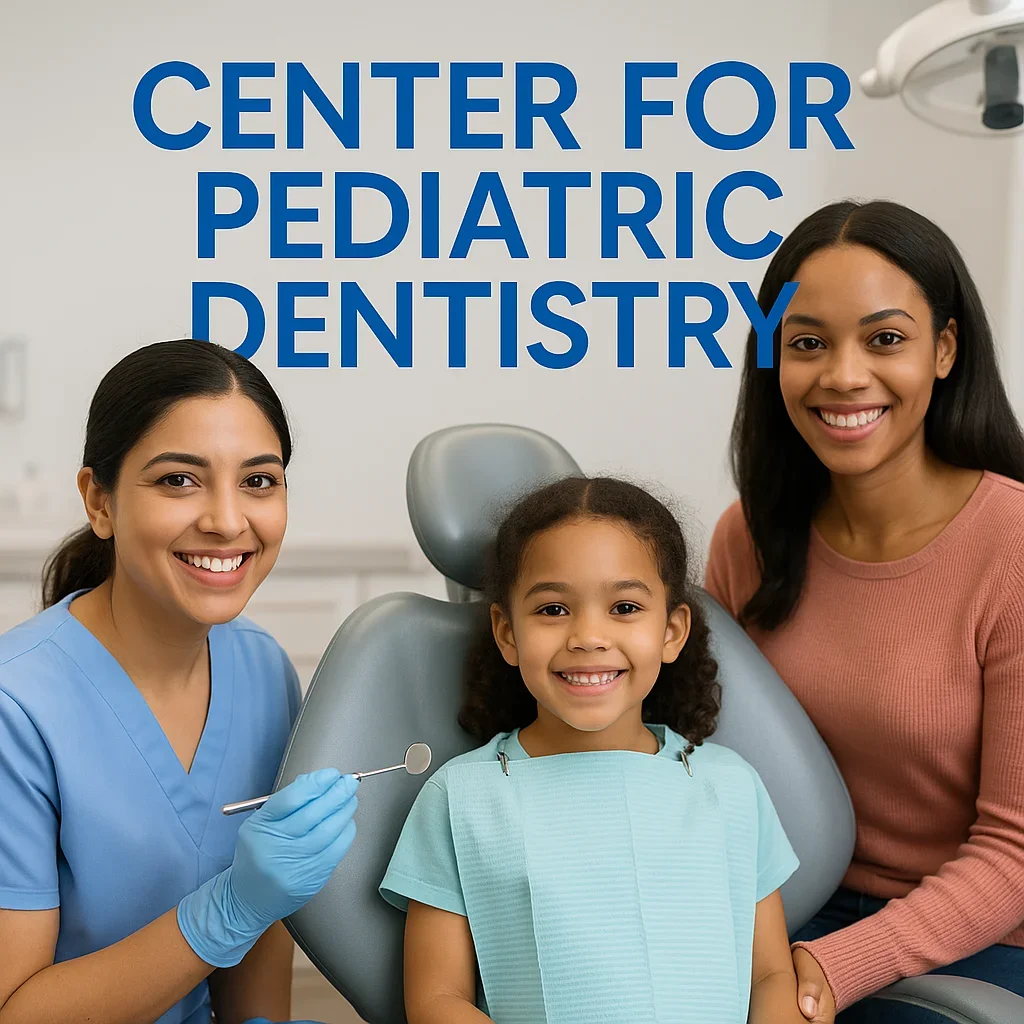
Finding the Best Center for Pediatric Dentistry Near You
Choosing the right center for pediatric dentistry for your child is one of the most important health-related decisions a parent can make. Not all dental practices are the same, and finding a clinic that prioritizes children’s needs, offers specialized treatments, and creates a welcoming environment is essential. The best pediatric dental centers combine expert care, advanced technology, and compassionate service to ensure every child grows up with a healthy, confident smile. 🌟 In this section, we’ll explore the factors parents should consider, the questions to ask, and the resources available to help families find the ideal pediatric dental care provider near them.
Key Qualities of a Great Pediatric Dental Center
When searching for a center for pediatric dentistry, parents should look for several essential qualities. First, verify that the dentists are board-certified pediatric specialists with additional training in children’s oral health. Second, check whether the center offers a wide range of services, from preventive care and orthodontic evaluations to emergency treatments. Third, consider the environment: a child-friendly office design, positive staff interactions, and anxiety-reducing techniques all make a huge difference. Finally, ensure the center uses modern technology such as digital X-rays, laser dentistry, and computer-assisted anesthesia, which improve accuracy and comfort during treatments.
Reputation and Reviews
One of the simplest ways to evaluate a center for pediatric dentistry is by reading reviews from other parents. Online platforms like Google Maps, Yelp, and health-focused review sites provide insights into real experiences. Look for consistent praise regarding professionalism, cleanliness, staff friendliness, and the ability to manage children’s fears. Personal recommendations from friends, family, or pediatricians can also be invaluable in narrowing down the best options in your area.
Questions Parents Should Ask
Before choosing a center for pediatric dentistry, it’s important to ask key questions to ensure the clinic is the right fit:
- What specific training do the pediatric dentists have?
- Does the center offer sedation dentistry for anxious children?
- How does the staff handle children with special healthcare needs?
- What preventive care programs (sealants, fluoride, education) are available?
- Does the center provide after-hours emergency dental care?
The answers to these questions give parents a clearer picture of the clinic’s capabilities and commitment to children’s health. A reputable center for pediatric dentistry will always welcome these inquiries and provide transparent, reassuring answers.
Accessibility and Convenience
Location and scheduling flexibility are crucial when selecting a pediatric dental center. Families benefit from choosing a clinic close to home, school, or work, making regular visits more convenient. Extended hours, weekend appointments, or emergency availability can be particularly helpful for busy parents. A center for pediatric dentistry that prioritizes accessibility shows it values the needs of modern families and understands the challenges of balancing health care with daily life.
Insurance and Cost Transparency
Cost is often a deciding factor. The best pediatric dental centers provide clear treatment plans and work with insurance providers to reduce out-of-pocket expenses. Preventive visits are usually affordable and cost-effective compared to restorative treatments. Some centers also offer payment plans or family discounts. Parents who contact clinics directly — such as through the Redent Klinik Contact Page — can obtain detailed information about services, pricing, and insurance coverage before scheduling an appointment.
Special Services for Children with Unique Needs
Not all children have the same oral health requirements. A strong center for pediatric dentistry provides specialized services for children with developmental delays, medical conditions, or behavioral challenges. Dentists trained in special needs care adapt their communication, tools, and treatment plans to accommodate each child. This inclusive approach ensures that all children receive safe, compassionate, and effective dental care tailored to their unique circumstances.
Resources for Finding Pediatric Dentists
Parents have many resources to help them find qualified pediatric dental centers. The American Dental Association offers directories that allow families to search for certified specialists by location. Pediatricians often maintain referral networks with trusted dental professionals. Additionally, local parenting groups and community forums can provide first-hand experiences and recommendations. By combining these resources, families can create a shortlist of reputable center for pediatric dentistry options in their area.
Making the Final Decision
After researching and visiting potential clinics, the final decision should balance practical factors (location, cost, insurance) with personal impressions. Did the staff make your child feel comfortable? Was the environment welcoming? Did the dentist answer your questions thoroughly? These small but critical details often determine whether a child will develop a positive long-term relationship with dental care. A center for pediatric dentistry that checks both the professional and emotional boxes is worth prioritizing.
In conclusion, finding the best center for pediatric dentistry near you requires careful research, clear communication, and trust in both professional expertise and personal experience. By focusing on qualities like specialized training, reputation, technology, accessibility, and inclusivity, parents can identify a dental center that meets their child’s unique needs. With the right choice, families gain not just a dental provider but a partner in lifelong oral health — ensuring every child grows up with a healthy, confident, and radiant smile. 🌈
Disclosure: this page may contain affiliate links. We may earn a commission if you use them, at no extra cost to you.