
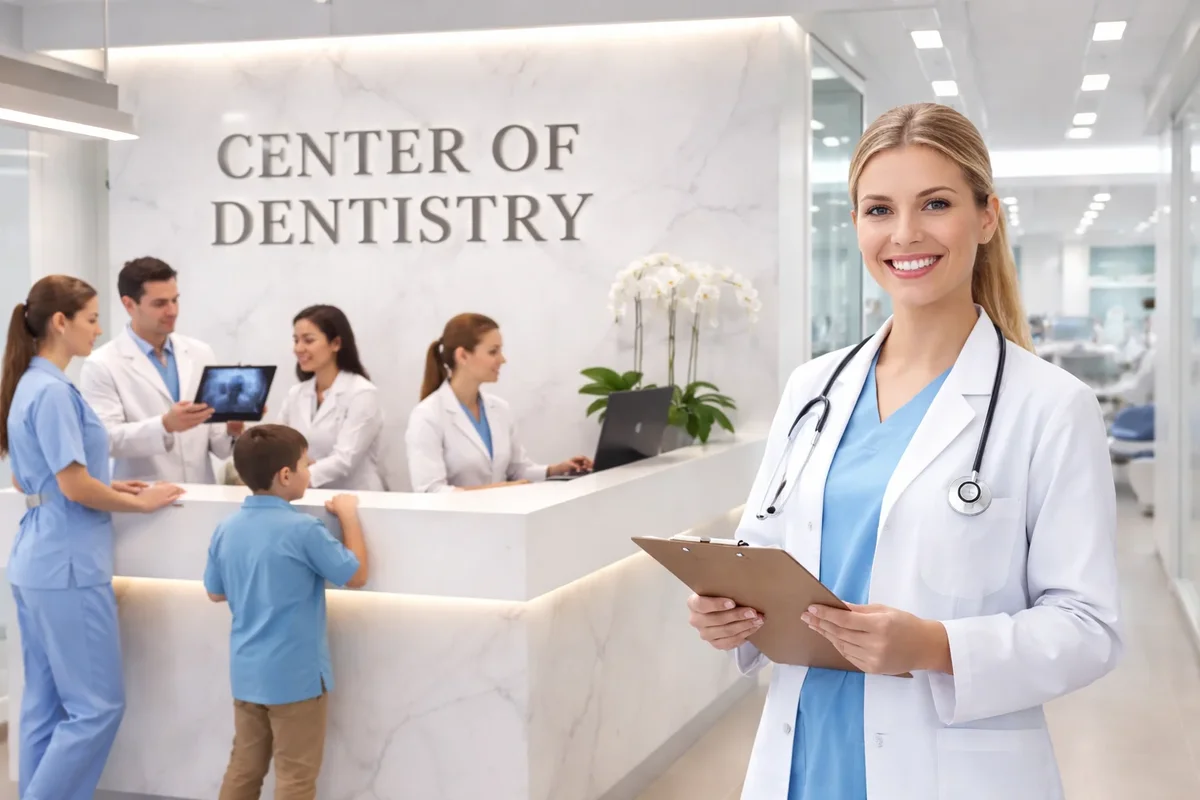
A center of dentistry is more than just a traditional dental office. It is a comprehensive healthcare environment where prevention, diagnosis, treatment, and long-term oral wellness are integrated under one roof. When patients search for a center of dentistry, they are usually looking for a trusted place that combines expertise, advanced technology, patient comfort, and a full range of services. This guide explains in detail what makes a center of dentistry different and why it plays such an essential role in modern healthcare. 🦷✨
At its core, a center of dentistry focuses on delivering complete oral care rather than isolated treatments. Instead of visiting multiple clinics for cleanings, orthodontics, cosmetic procedures, or implant surgery, patients can receive coordinated care in one centralized location. A well-established center of dentistry typically includes general dentists, cosmetic specialists, implantologists, hygienists, and sometimes orthodontists working together as a team. This collaborative model ensures that every treatment plan is personalized and comprehensive.
One of the primary goals of a center of dentistry is prevention. Preventive dentistry includes routine examinations, professional cleanings, digital X-rays, fluoride treatments, and patient education. By identifying potential problems early—such as gum disease, enamel erosion, or small cavities—a center of dentistry helps patients avoid complex and costly procedures later. Preventive care is often guided by recommendations from trusted organizations such as the American Dental Association, which emphasizes regular checkups and evidence-based practices.
Another defining feature of a center of dentistry is its use of modern diagnostic technology. Digital imaging, intraoral cameras, 3D cone-beam scans, and computer-assisted treatment planning allow dentists to detect issues with high precision. This technology improves accuracy, shortens appointment times, and enhances patient understanding. When patients can see detailed images of their teeth and gums, they feel more confident in their treatment decisions. 😊
A center of dentistry also prioritizes patient comfort. Many facilities are designed with calming interiors, advanced sterilization systems, and pain-management techniques that reduce anxiety. From local anesthesia and sedation options to minimally invasive procedures, a center of dentistry ensures that patients of all ages feel safe and supported. For individuals with dental anxiety, choosing a professional center of dentistry can significantly improve their overall healthcare experience.
Comprehensive treatment planning is another major advantage. In a center of dentistry, dentists evaluate not only the immediate problem but also the overall oral health condition. For example, if a patient requires a dental implant, the team will assess bone density, gum health, bite alignment, and aesthetic goals before proceeding. This holistic approach ensures long-term success rather than temporary fixes.
Additionally, a center of dentistry often offers a wide range of services, including:
- General dentistry (fillings, crowns, root canal treatments)
- Cosmetic dentistry (veneers, teeth whitening, smile design)
- Restorative procedures (implants, bridges, dentures)
- Orthodontic solutions (clear aligners, braces)
- Periodontal treatments for gum disease
By offering these services in one location, a center of dentistry saves patients time and simplifies coordination between specialists. It also ensures continuity of care, which is essential for maintaining consistent treatment records and monitoring progress over time.
Cost transparency and financial guidance are also important elements. A reputable center of dentistry explains treatment options clearly, provides written estimates, and works with insurance providers when possible. Many centers offer flexible payment plans to make high-quality dental care accessible. Patients who need personalized assistance can contact the clinic directly through the Redent Klinik Contact Page for detailed information about available services and consultations.
Importantly, a center of dentistry emphasizes education. Patients are taught proper brushing and flossing techniques, dietary recommendations, and lifestyle habits that support long-term oral health. Education empowers individuals to take control of their dental wellbeing between appointments.
In summary, a center of dentistry represents the evolution of traditional dental practice into a fully integrated healthcare model. It combines preventive care, advanced diagnostics, specialized treatments, patient comfort, and financial transparency in one professional setting. Choosing the right center of dentistry means investing in long-term oral health, improved confidence, and overall wellbeing. Whether you need routine maintenance or advanced restorative procedures, a trusted center of dentistry provides the expertise and support necessary for a healthy, lasting smile. 😁
Services Offered at a Modern Center of Dentistry
A modern center of dentistry is designed to provide comprehensive, patient-centered oral healthcare under one roof. Instead of offering only basic checkups or limited procedures, a well-equipped center of dentistry integrates preventive, restorative, cosmetic, and surgical services into a coordinated system. This all-in-one approach ensures continuity of care, accurate diagnosis, and long-term treatment planning. Patients who choose a professional center of dentistry benefit from convenience, advanced technology, and a multidisciplinary team working together to deliver optimal results. 🦷✨
Comprehensive General Dentistry Services
At the foundation of every center of dentistry lies general dental care. These services are essential for maintaining oral health and preventing serious complications. Routine examinations, digital X-rays, oral cancer screenings, and professional cleanings form the core of preventive dentistry. A center of dentistry typically recommends checkups every six months to detect early signs of cavities, gum disease, or enamel erosion.
Common general treatments offered at a center of dentistry include:
- Tooth-colored fillings for cavity repair
- Root canal therapy for infected teeth
- Dental crowns to restore damaged teeth
- Tooth extractions when necessary
- Custom night guards for teeth grinding
By centralizing these procedures, a center of dentistry ensures that treatment records remain consistent and accessible. This continuity allows dentists to monitor long-term oral health trends and prevent recurring problems.
Preventive and Periodontal Care Programs
A high-quality center of dentistry places strong emphasis on prevention. Gum disease, also known as periodontal disease, is one of the most common oral health conditions worldwide. Early-stage gingivitis can often be reversed with professional cleaning and improved hygiene habits. However, advanced periodontitis may require deep cleaning procedures such as scaling and root planing.
Within a center of dentistry, periodontal therapy is carefully monitored through regular follow-ups. Hygienists and dentists work together to track gum pocket depths, inflammation levels, and overall tissue health. Preventive care plans may also include fluoride applications, dental sealants for children, and personalized oral hygiene education. 😊
Cosmetic Dentistry and Smile Enhancement
Many patients visit a center of dentistry not only for health reasons but also for aesthetic improvements. Cosmetic dentistry focuses on enhancing the appearance of teeth, gums, and overall smile harmony. A modern center of dentistry offers advanced smile design solutions tailored to each patient’s facial structure and preferences.
Popular Cosmetic Procedures
- Professional teeth whitening treatments
- Porcelain veneers for smile transformation
- Composite bonding for minor imperfections
- Smile makeover planning with digital previews
These procedures are carefully planned within the center of dentistry to ensure both beauty and function. For example, veneers are designed not only for visual appeal but also to preserve healthy tooth structure. Digital simulations allow patients to visualize potential results before treatment begins.
Restorative and Implant Dentistry
When teeth are missing or severely damaged, restorative solutions become necessary. A center of dentistry often includes implant specialists who perform surgical placement of dental implants using 3D imaging technology. Dental implants are considered one of the most reliable long-term solutions for tooth replacement because they integrate directly with the jawbone.
In addition to implants, a center of dentistry provides bridges and dentures to restore chewing function and speech clarity. Treatment planning considers bite alignment, bone density, and aesthetic balance. This comprehensive evaluation ensures durability and patient satisfaction.
Estimated Cost Ranges (U.S. Averages)
- Dental cleaning: $100–$300
- Tooth-colored filling: $150–$400
- Dental crown: $800–$2,500
- Dental implant (single tooth): $3,000–$5,000
- Porcelain veneers (per tooth): $900–$2,500
Prices may vary depending on location, case complexity, and materials used. A transparent center of dentistry provides detailed treatment estimates before starting procedures.
Emergency and Specialized Care
Unexpected dental problems require immediate attention. A reliable center of dentistry typically offers emergency services for severe tooth pain, dental trauma, abscesses, or broken restorations. Quick intervention prevents complications and reduces discomfort. Having access to emergency support within the same center of dentistry where regular care is provided improves patient trust and continuity.
Some advanced facilities also collaborate with orthodontists for clear aligner therapy, oral surgeons for complex cases, and pediatric specialists for children’s dentistry. This multidisciplinary environment transforms the center of dentistry into a complete oral healthcare hub.
Patient Education and Support
Beyond clinical procedures, a center of dentistry emphasizes education and communication. Dentists explain treatment options clearly, discuss risks and benefits, and encourage patients to make informed decisions. Preventive guidance—such as proper brushing techniques, dietary advice, and smoking cessation counseling—helps maintain results long after treatment is completed.
In summary, the services offered at a modern center of dentistry extend far beyond routine cleanings. From preventive care and cosmetic enhancements to implant surgery and emergency treatment, a comprehensive center of dentistry delivers integrated solutions tailored to individual needs. By combining expertise, advanced technology, and compassionate patient care, a professional center of dentistry supports lifelong oral health and confident smiles. 😁
Advanced Technology Used in a Center of Dentistry
A modern center of dentistry is defined not only by the expertise of its professionals but also by the advanced technology it integrates into daily practice. Technology has transformed the way oral healthcare is delivered, making treatments more precise, more comfortable, and more efficient. When patients choose a high-quality center of dentistry, they are often benefiting from cutting-edge diagnostic tools, digital workflows, and minimally invasive treatment systems that were unavailable just a decade ago. 🦷✨
The integration of technology within a center of dentistry improves diagnostic accuracy, enhances patient communication, and supports predictable long-term results. From digital imaging to laser dentistry, every innovation contributes to safer and more comfortable dental care. Below, we explore the most important technologies commonly found in a state-of-the-art center of dentistry.
Digital Diagnostic Imaging Systems
Accurate diagnosis is the foundation of successful treatment. A leading center of dentistry uses digital X-rays instead of traditional film radiography. Digital radiography reduces radiation exposure significantly while producing high-resolution images instantly. This allows dentists to detect cavities, bone loss, infections, and impacted teeth earlier and with greater precision.
Many advanced facilities within a center of dentistry also use 3D cone-beam computed tomography (CBCT). This imaging system creates detailed three-dimensional views of the teeth, jawbone, nerves, and sinuses. CBCT technology is especially valuable for dental implant planning, complex extractions, and orthodontic evaluation. With 3D imaging, a center of dentistry can map out treatment procedures digitally before performing them, reducing risks and improving outcomes.
Benefits of Digital Imaging
- Lower radiation exposure
- Instant image processing
- Enhanced diagnostic accuracy
- Improved patient understanding through visual explanation
When patients can see clear digital images of their oral condition, they feel more confident about the recommended treatment plan at the center of dentistry.
Intraoral Cameras and Patient Education Tools
A center of dentistry often uses intraoral cameras—small handheld devices that capture detailed images inside the mouth. These cameras display real-time images on a screen, allowing patients to see cracks, plaque buildup, gum inflammation, or worn restorations. This transparency builds trust and improves communication.
Digital treatment simulation software is another valuable tool. In cosmetic cases, a center of dentistry can use smile design software to preview potential outcomes before treatment begins. Patients can visualize how veneers, whitening, or orthodontic adjustments may improve their smile. 😊
CAD/CAM and Same-Day Restorations
One of the most significant technological advancements in a center of dentistry is CAD/CAM (Computer-Aided Design and Computer-Aided Manufacturing). This system allows dentists to design and fabricate dental crowns, inlays, and onlays in a single appointment.
Instead of taking messy impressions and waiting weeks for a laboratory restoration, the center of dentistry scans the tooth digitally, designs the restoration on a computer, and mills it from high-quality ceramic materials on-site. This reduces treatment time and eliminates temporary crowns in many cases.
Advantages of CAD/CAM Technology
- Single-visit restorations
- Precise fit and natural appearance
- Reduced discomfort from traditional impressions
- Long-lasting ceramic materials
This innovation enhances efficiency while maintaining high standards of quality within the center of dentistry.
Laser Dentistry and Minimally Invasive Procedures
Laser technology is increasingly common in a modern center of dentistry. Dental lasers can treat gum disease, reshape soft tissue, remove decay, and even assist with teeth whitening procedures. Compared to traditional surgical tools, lasers often reduce bleeding, minimize swelling, and accelerate healing time.
Because lasers are highly precise, a center of dentistry can preserve more healthy tissue during treatment. Patients frequently report less discomfort and faster recovery following laser-assisted procedures.
Digital Impressions and 3D Printing
Traditional dental impressions using trays and putty materials can be uncomfortable for some patients. A forward-thinking center of dentistry replaces this method with digital intraoral scanners. These scanners capture detailed 3D images of the teeth and bite alignment in minutes.
The digital files generated by scanners can be used for aligners, crowns, bridges, and implant restorations. In some advanced centers, 3D printing technology allows the center of dentistry to create surgical guides, temporary crowns, and orthodontic models directly in the clinic.
Enhanced Sterilization and Safety Systems
Technology in a center of dentistry is not limited to diagnostics and treatment. Advanced sterilization equipment, air purification systems, and digital patient record management also contribute to safety and efficiency. Automated sterilization cycles ensure instruments are thoroughly disinfected, meeting strict infection control standards.
Digital record systems within a center of dentistry allow seamless coordination between specialists. Patient histories, imaging, and treatment notes are securely stored and easily accessible, reducing administrative errors and improving workflow.
In conclusion, advanced technology plays a central role in defining a modern center of dentistry. From digital imaging and CAD/CAM restorations to laser procedures and 3D printing, these innovations enhance precision, comfort, and predictability. A well-equipped center of dentistry leverages these tools to deliver efficient, minimally invasive, and patient-focused care. By embracing technological advancements, a professional center of dentistry ensures safer procedures, improved communication, and long-lasting oral health outcomes for every patient. 😁
Benefits of Choosing a Comprehensive Center of Dentistry
Choosing a comprehensive center of dentistry is one of the most important decisions a patient can make for long-term oral health. While small private practices may offer basic services, a fully equipped center of dentistry delivers integrated care, advanced diagnostics, and coordinated treatment planning in one location. This model focuses on prevention, precision, efficiency, and patient comfort. By selecting a professional center of dentistry, patients gain access to a structured system that supports both immediate dental needs and lifelong oral wellness. 🦷✨
A center of dentistry is designed to treat the whole patient—not just isolated dental problems. Instead of addressing cavities, gum disease, cosmetic concerns, or missing teeth separately, a center of dentistry creates a comprehensive roadmap that considers overall oral function, bite alignment, bone health, and aesthetic goals. This holistic approach reduces complications and improves treatment outcomes.
Integrated and Coordinated Care
One major advantage of a center of dentistry is its multidisciplinary structure. General dentists, cosmetic specialists, implant experts, hygienists, and sometimes orthodontists collaborate within the same facility. This coordination eliminates the need for multiple referrals and fragmented care.
For example, if a patient requires dental implants and orthodontic adjustment, the team at a center of dentistry can design a synchronized treatment plan. Instead of visiting separate clinics, the patient benefits from seamless communication between professionals. This integrated system improves accuracy, reduces delays, and ensures that every stage of treatment aligns with the final objective.
Why Coordination Matters
- Consistent treatment records
- Clear communication among specialists
- Reduced risk of conflicting procedures
- Faster and more efficient care
This level of organization distinguishes a comprehensive center of dentistry from traditional standalone offices.
Long-Term Preventive Focus
A reputable center of dentistry prioritizes prevention. Instead of focusing only on restorative procedures, it emphasizes routine checkups, digital diagnostics, and patient education. Preventive programs within a center of dentistry help detect gum disease, enamel erosion, or bite issues early—before they require complex intervention.
Patients who commit to regular visits at a center of dentistry often experience fewer emergencies and lower long-term treatment costs. Preventive care may include professional cleanings, fluoride treatments, sealants, periodontal evaluations, and personalized hygiene guidance. 😊
Access to Advanced Technology
Another benefit of choosing a center of dentistry is access to advanced equipment. Digital imaging, 3D scanning, laser dentistry, and CAD/CAM systems allow for more precise and minimally invasive procedures. These technologies improve diagnostic accuracy and enhance patient comfort.
For example, same-day crowns created with CAD/CAM systems reduce waiting time and eliminate temporary restorations. Laser treatments offered in a center of dentistry can minimize bleeding and accelerate healing. These innovations ensure patients receive efficient and comfortable care.
Comprehensive Cosmetic and Restorative Solutions
A center of dentistry provides a wide range of cosmetic and restorative services under one roof. Whether patients need teeth whitening, veneers, dental implants, or full-mouth rehabilitation, they can receive coordinated treatment without external referrals.
Common Procedures and Average U.S. Price Ranges
- Teeth whitening: $300–$800
- Porcelain veneers (per tooth): $900–$2,500
- Dental crown: $800–$2,500
- Dental implant (single tooth): $3,000–$5,000
- Clear aligners: $3,000–$7,000
While costs vary depending on location and complexity, a transparent center of dentistry provides detailed estimates and discusses insurance coverage before treatment begins.
Improved Patient Experience
Comfort and communication are central to the philosophy of a modern center of dentistry. From welcoming reception areas to digital patient portals and sedation options, every element is designed to reduce anxiety and enhance satisfaction. Patients often feel more confident when they know their care is being managed by a coordinated team in a structured environment.
A center of dentistry also ensures strict sterilization protocols and infection control standards. Advanced air filtration systems and digital record management enhance safety and efficiency. These safety measures contribute to a trustworthy and professional atmosphere.
Time Efficiency and Convenience
Time is valuable, and a center of dentistry respects that. By offering multiple services in one location, patients can combine treatments during fewer visits. Digital workflows speed up diagnostics and reduce appointment durations. Same-day restorations eliminate the need for multiple follow-ups.
This efficiency is particularly beneficial for families. Parents and children can schedule appointments at the same center of dentistry, simplifying coordination and reducing travel time.
Personalized Treatment Planning
Perhaps the most significant advantage of a comprehensive center of dentistry is personalized care. Each treatment plan is tailored to the patient’s oral condition, lifestyle, and aesthetic preferences. Dentists evaluate bite alignment, gum health, jawbone structure, and overall dental history before recommending procedures.
This thorough planning ensures durable and natural-looking results. Patients are not treated with a one-size-fits-all approach; instead, the center of dentistry develops strategies that support long-term stability and oral health.
In conclusion, choosing a comprehensive center of dentistry provides clear advantages: coordinated expertise, advanced technology, preventive focus, cosmetic excellence, patient comfort, and long-term reliability. A professional center of dentistry is not merely a treatment facility—it is a structured healthcare environment designed to protect and enhance your smile for years to come. By investing in the right center of dentistry, patients secure both functional health and confident aesthetics in one trusted location. 😁
How to Select the Right Center of Dentistry for Your Family
Choosing the right center of dentistry for your family is a decision that directly impacts long-term oral health, comfort, and financial planning. With so many dental providers available, patients often feel overwhelmed. However, selecting a qualified and trustworthy center of dentistry becomes much easier when you know what criteria to evaluate. A well-established center of dentistry should combine professional expertise, modern technology, transparent pricing, and a patient-centered philosophy. 🦷✨
Your family’s dental needs may vary widely—from pediatric preventive care to cosmetic enhancements or implant treatments for adults. A comprehensive center of dentistry can manage all these requirements under one roof. Instead of visiting separate clinics for different procedures, your entire family can receive coordinated care within a single center of dentistry, ensuring continuity and consistent treatment records.
Evaluate Qualifications and Professional Credentials
The first step in selecting a center of dentistry is reviewing the qualifications of the dental team. Dentists should have accredited education, valid licenses, and ongoing professional development training. Many reputable professionals follow guidelines set by organizations such as the American Dental Association, which promotes evidence-based care and ethical practice standards.
When researching a center of dentistry, look for:
- Board-certified dentists and specialists
- Continuing education in cosmetic or implant dentistry
- Membership in recognized dental associations
- Transparent display of credentials
A trustworthy center of dentistry openly shares information about its team and their expertise.
Assess Technology and Equipment
Modern technology significantly improves diagnostic accuracy and patient comfort. A forward-thinking center of dentistry should offer digital X-rays, intraoral scanners, and possibly 3D imaging systems. These tools allow precise treatment planning and minimally invasive procedures.
Why Technology Matters
- Improved diagnostic precision
- Reduced radiation exposure
- Faster treatment completion
- Better patient communication through visual explanations
A center of dentistry equipped with advanced tools can deliver safer, more predictable outcomes for both routine and complex procedures.
Review Range of Services Offered
A comprehensive center of dentistry should provide preventive, restorative, cosmetic, and emergency care. Families benefit when all dental services are available in one place. For example, children may require sealants and orthodontic evaluations, while adults may need implants or veneers.
Typical services at a quality center of dentistry include:
- Routine checkups and professional cleanings
- Tooth-colored fillings and crowns
- Dental implants and bridges
- Teeth whitening and veneers
- Clear aligner orthodontics
- Emergency dental treatment
The broader the service range, the more convenient and efficient the center of dentistry becomes for your family.
Consider Patient Experience and Comfort
A welcoming environment is essential when choosing a center of dentistry. Dental anxiety affects both children and adults. Look for a clinic that prioritizes comfort, clear communication, and gentle treatment techniques. Modern centers often offer sedation options, calming office designs, and digital appointment reminders to reduce stress. 😊
Patient reviews also provide valuable insight. Positive testimonials about professionalism, punctuality, and compassionate care indicate a reliable center of dentistry.
Evaluate Cost Transparency and Insurance Support
Financial planning plays an important role in selecting a center of dentistry. Reputable clinics provide clear written estimates before starting treatment. They explain insurance coverage and offer flexible payment options when necessary.
Average U.S. Cost Ranges
- Routine cleaning: $100–$300
- Composite filling: $150–$400
- Dental crown: $800–$2,500
- Dental implant: $3,000–$5,000
- Clear aligners: $3,000–$7,000
Although prices vary by region and case complexity, a transparent center of dentistry discusses all financial aspects openly to prevent unexpected costs.
Accessibility and Communication
Convenient location, flexible hours, and responsive communication are key factors. A dependable center of dentistry offers clear contact information and accessible support. If you need personalized assistance or consultation, you can reach out directly through the Redent Klinik Contact Page for guidance and appointment scheduling.
Emergency availability is another critical factor. A reliable center of dentistry should provide prompt care for sudden tooth pain, dental trauma, or broken restorations.
Long-Term Preventive Philosophy
Finally, choose a center of dentistry that prioritizes long-term oral health rather than short-term fixes. Preventive education, regular monitoring, and personalized hygiene recommendations are signs of a responsible clinic. A prevention-focused center of dentistry helps your family avoid complex treatments in the future.
In conclusion, selecting the right center of dentistry involves careful evaluation of qualifications, technology, service range, patient comfort, financial transparency, and preventive philosophy. A well-structured center of dentistry becomes a long-term healthcare partner for your entire family. By investing time in choosing the right center of dentistry, you ensure consistent, safe, and high-quality dental care for years to come. 😁
Preventive Care Programs at a Center of Dentistry
A professional center of dentistry is not only focused on treating dental problems—it is fundamentally built around preventing them. Preventive care is the foundation of long-term oral health, and a well-structured center of dentistry develops organized programs designed to stop issues before they become painful, complex, or expensive. Instead of waiting for cavities, gum disease, or tooth loss to occur, a prevention-focused center of dentistry creates proactive strategies that protect patients of all ages. 🦷✨
Preventive dentistry combines regular examinations, early diagnosis, professional cleaning, patient education, and personalized risk assessment. By committing to routine visits at a center of dentistry, patients significantly reduce their risk of advanced dental problems. Prevention is not only healthier—it is also more cost-effective in the long run.
Routine Examinations and Early Diagnosis
The core of preventive programs at a center of dentistry is the regular dental checkup. Most patients are advised to schedule examinations every six months, although high-risk individuals may require more frequent visits. During these appointments, the dental team evaluates teeth, gums, bite alignment, and overall oral condition.
A modern center of dentistry uses digital X-rays and intraoral imaging to detect cavities, bone loss, and hidden infections early. Early detection allows for minimally invasive treatment, often preventing the need for root canals, extractions, or surgical procedures.
What Happens During a Preventive Checkup?
- Comprehensive oral examination
- Digital X-rays if necessary
- Gum health assessment
- Oral cancer screening
- Personalized hygiene recommendations
This systematic approach ensures that a center of dentistry addresses potential concerns before they escalate.
Professional Dental Cleanings
Even with proper brushing and flossing at home, plaque and tartar can accumulate over time. A center of dentistry provides professional cleanings performed by trained dental hygienists. These cleanings remove hardened tartar deposits that cannot be eliminated through regular home care.
Routine cleanings help prevent gingivitis and periodontal disease, which are among the leading causes of tooth loss in adults. A prevention-focused center of dentistry also monitors gum pocket depth and inflammation levels to track early signs of gum disease. 😊
Average U.S. Cost for Dental Cleaning: $100–$300 per visit, depending on complexity and location.
Fluoride Treatments and Sealants
Many preventive programs at a center of dentistry include fluoride treatments, especially for children and individuals prone to cavities. Fluoride strengthens tooth enamel and increases resistance to decay. Sealants are another preventive tool frequently used in a center of dentistry. These thin protective coatings are applied to the chewing surfaces of molars to prevent bacteria from settling in deep grooves.
Children benefit greatly from sealants, but adults with deep tooth grooves may also be candidates. Preventive applications like fluoride and sealants significantly reduce cavity risk.
Periodontal Disease Prevention
Gum health is a major priority in any reputable center of dentistry. Periodontal disease begins with mild inflammation but can progress to bone loss if untreated. Preventive periodontal programs at a center of dentistry include regular scaling, deep cleaning when necessary, and ongoing monitoring.
Signs of Early Gum Disease
- Bleeding while brushing
- Persistent bad breath
- Swollen or tender gums
- Gum recession
Addressing these symptoms early within a center of dentistry prevents irreversible damage and tooth loss.
Personalized Risk Assessment Programs
Every patient has unique risk factors. A modern center of dentistry conducts individualized assessments based on age, medical history, lifestyle habits, and genetic predisposition. For example, patients with diabetes may require more frequent monitoring, while smokers face increased periodontal risks.
A prevention-focused center of dentistry also educates patients about nutrition, hydration, and oral hygiene techniques. Simple lifestyle changes—such as reducing sugar intake or using an electric toothbrush—can dramatically improve oral health outcomes.
Preventive Orthodontic Evaluations
For families, a center of dentistry often includes early orthodontic assessments. Monitoring bite alignment during childhood allows dentists to detect crowding or jaw development issues before they become severe. Early intervention may reduce the need for complex orthodontic treatment later in life.
Long-Term Cost Benefits of Prevention
Investing in preventive care at a center of dentistry significantly reduces long-term expenses. For example:
- Small cavity filling: $150–$400
- Root canal treatment: $700–$1,500
- Dental crown: $800–$2,500
- Dental implant: $3,000–$5,000
Preventive care helps patients avoid high-cost restorative procedures. A responsible center of dentistry focuses on preserving natural teeth whenever possible.
In conclusion, preventive care programs at a comprehensive center of dentistry are essential for maintaining healthy teeth and gums throughout life. Through routine examinations, professional cleanings, fluoride applications, periodontal monitoring, and personalized education, a center of dentistry empowers patients to take control of their oral health. Prevention is not just a service—it is a long-term strategy that ensures comfort, confidence, and reduced dental expenses for years to come. 😁
Cosmetic Treatments Available at a Center of Dentistry
A modern center of dentistry is not only a place for treating cavities or gum disease; it is also a destination for patients who want to enhance the beauty of their smile. Cosmetic dentistry has become one of the most requested fields in oral healthcare because a confident smile plays a powerful role in both personal and professional life. A comprehensive center of dentistry combines aesthetic expertise, digital planning tools, and restorative knowledge to create natural, harmonious results that improve both appearance and function. 😁✨
Unlike isolated cosmetic studios, a full-service center of dentistry evaluates aesthetics within the context of oral health. Before recommending veneers, whitening, or aligners, the dental team carefully examines gum health, bite alignment, and tooth structure. This integrated approach ensures that cosmetic improvements are safe, durable, and supportive of long-term dental wellness.
Professional Teeth Whitening
One of the most common procedures performed in a center of dentistry is professional teeth whitening. Over time, teeth can become stained from coffee, tea, red wine, smoking, or aging. While over-the-counter products offer mild improvements, in-office whitening at a center of dentistry provides significantly faster and more dramatic results.
Professional whitening treatments use high-concentration bleaching agents under controlled conditions. The dental team protects the gums and monitors the process to minimize sensitivity. Many patients see results within a single visit.
Average U.S. Cost for Whitening
- In-office whitening: $300–$800
- Custom take-home trays: $200–$500
A trusted center of dentistry discusses expected shade improvements and evaluates whether whitening is appropriate based on enamel condition and existing restorations.
Porcelain Veneers for Smile Transformation
Porcelain veneers are one of the most transformative cosmetic procedures offered at a center of dentistry. Veneers are thin ceramic shells bonded to the front surface of teeth to correct discoloration, chips, minor misalignment, or uneven spacing. A highly skilled center of dentistry custom-designs veneers to match facial proportions, skin tone, and natural tooth shape.
Digital smile design software allows patients to preview potential outcomes before treatment begins. This planning process ensures precision and patient satisfaction.
Average U.S. Cost for Veneers
- Porcelain veneers (per tooth): $900–$2,500
Because veneers require enamel preparation, a responsible center of dentistry carefully evaluates candidacy to preserve as much natural tooth structure as possible.
Composite Bonding for Minor Corrections
For patients seeking a conservative solution, composite bonding is often available at a center of dentistry. This technique uses tooth-colored resin to repair small chips, close minor gaps, or reshape uneven teeth. Bonding is typically completed in a single appointment and requires minimal enamel removal.
Although bonding is more affordable than veneers, it may not last as long. A professional center of dentistry explains both advantages and limitations before proceeding.
Clear Aligners and Smile Alignment
Orthodontic correction is another cosmetic service commonly provided at a center of dentistry. Clear aligners have become increasingly popular among adults who want to straighten their teeth discreetly. Using digital scanning technology, the center of dentistry creates a customized series of transparent aligners that gradually shift teeth into alignment.
Average U.S. Cost for Clear Aligners
- Clear aligner treatment: $3,000–$7,000
A well-equipped center of dentistry monitors progress regularly to ensure safe tooth movement and optimal results.
Full Smile Makeovers
Some patients require multiple procedures to achieve their desired results. A comprehensive center of dentistry offers full smile makeover planning, combining whitening, veneers, crowns, implants, or orthodontics into a single coordinated treatment plan.
Smile makeovers require careful analysis of:
- Facial symmetry
- Tooth proportions
- Gum contour
- Bite alignment
- Speech function
By addressing both function and aesthetics, a center of dentistry ensures that cosmetic improvements do not compromise oral health.
Gum Contouring and Aesthetic Periodontal Care
Excess gum tissue or uneven gum lines can affect the overall appearance of a smile. Many modern facilities within a center of dentistry use laser technology to perform gum contouring procedures. This treatment reshapes the gum line to create better tooth symmetry and proportion.
Laser gum contouring is minimally invasive and typically involves faster healing compared to traditional surgical methods. A qualified center of dentistry evaluates gum health carefully before recommending aesthetic reshaping.
Long-Term Maintenance of Cosmetic Results
Cosmetic treatments require proper maintenance. A center of dentistry provides follow-up appointments, polishing, hygiene support, and protective appliances such as night guards when necessary. Maintaining cosmetic results depends on daily oral hygiene, dietary habits, and regular professional cleanings.
Patients are encouraged to schedule routine checkups and cleanings at their chosen center of dentistry to preserve the longevity of veneers, bonding, whitening, or aligner results. 😊
In conclusion, cosmetic treatments available at a comprehensive center of dentistry extend far beyond simple whitening. From veneers and bonding to aligners and full smile makeovers, a modern center of dentistry integrates art and science to enhance both beauty and oral function. By choosing an experienced center of dentistry, patients gain access to personalized aesthetic solutions supported by advanced technology and preventive care. The result is not just a brighter smile—but a confident, healthy one that lasts for years. ✨