
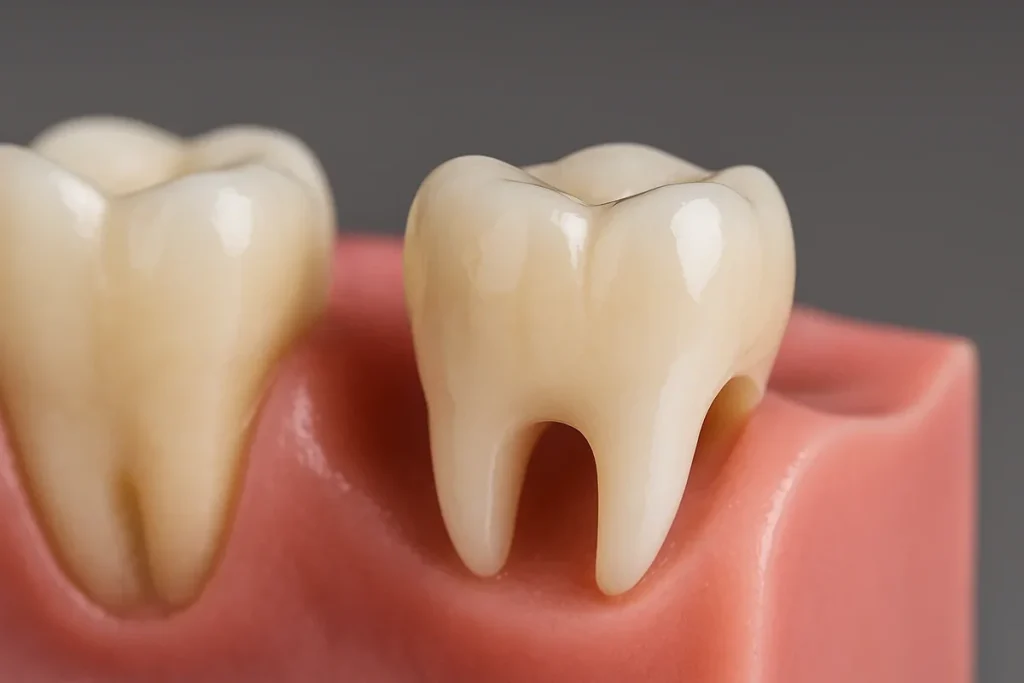
When it comes to restoring the strength, beauty, and natural function of damaged teeth, a ceramic crown is one of the most advanced and aesthetically pleasing dental solutions available today. Patients who are concerned about both durability and appearance often turn to this option because it blends seamlessly with natural teeth while providing reliable protection. In this comprehensive guide, we will explore every detail about ceramic crowns—what they are, why they are chosen, how they compare to other types of crowns, and what you can expect from the treatment process.
✨ A ceramic crown is essentially a tooth-shaped cap placed over a tooth that has been weakened due to decay, trauma, or after a root canal. Unlike traditional metal-based crowns, ceramic versions are crafted entirely from high-quality dental porcelain or zirconia-based ceramics. This makes them ideal for people who want a natural-looking smile without the metallic shine that can sometimes appear with metal or porcelain-fused-to-metal (PFM) crowns. Ceramic crowns reflect light in a way very similar to real enamel, offering unmatched aesthetics, especially for front teeth.
One of the main reasons people prefer a ceramic dental crown is its biocompatibility. Because they contain no metal, ceramic crowns are less likely to cause allergic reactions or gum irritation. This makes them suitable for patients with sensitivities, and they are highly recommended for individuals who prioritize holistic and safe dental treatments. The precision with which these crowns are designed also ensures a snug fit, reducing the risk of bacterial leakage and secondary decay.
Another advantage of a ceramic crown is the strength and durability it provides. Modern dental ceramics have been engineered to withstand significant biting forces, making them suitable not just for front teeth but also for molars. However, dentists may still recommend them most often for anterior teeth, where aesthetics are critical. With proper care and maintenance, a ceramic crown can last 10–15 years or longer, making it a long-term investment in your oral health and smile.
💡 Patients often ask whether a ceramic crown stains over time. The answer is reassuring: ceramic materials are highly resistant to discoloration. Unlike natural enamel, which can darken with coffee, tea, or smoking, ceramic maintains its brightness with minimal staining. That said, practicing good oral hygiene and visiting your dentist regularly will help preserve both your crown and the surrounding natural teeth in excellent condition.
It is also important to understand that choosing a ceramic crown is not just a cosmetic decision but also a functional one. If a tooth is cracked, severely worn down, or has undergone extensive filling, it can no longer withstand chewing forces on its own. A crown covers and protects the entire tooth structure, preventing further damage. For patients who grind their teeth (a condition called bruxism), ceramic crowns can help protect vulnerable teeth, although your dentist may also recommend a night guard for added protection.
From an aesthetic perspective, a ceramic crown is second to none. Dentists can match the exact shade of the crown to the patient’s existing teeth, ensuring a harmonious and natural appearance. This customization process often involves digital scanning and shade analysis, giving patients confidence that the final result will look authentic. For individuals seeking a smile makeover, ceramic crowns are frequently combined with other cosmetic procedures such as veneers, implants, or teeth whitening to achieve a flawless smile.
Another important factor is the versatility of ceramic crowns. They are not limited to restoring damaged teeth; they can also be used to improve the shape, alignment, or color of a tooth. For example, if a patient has a tooth that is slightly misshaped or darker than the surrounding teeth, a ceramic crown can be used to achieve perfect symmetry and brightness. This makes them a valuable tool in both restorative and cosmetic dentistry.
🔗 For patients considering treatment abroad, Turkey has become one of the top destinations for dental tourism, offering high-quality ceramic crowns at competitive prices. Clinics such as Redent Klinik Contact Page provide international patients with comprehensive care packages that combine expertise, affordability, and comfort. Compared to the US or UK, where a ceramic crown may cost between $900 and $2,500, Turkey often provides the same service for $250–$500 per crown, making it a cost-effective choice without compromising on quality.
Of course, the clinical guidelines for ceramic crowns are supported by reputable organizations such as the American Dental Association, which emphasizes their safety, effectiveness, and importance in maintaining oral health. Patients can rest assured that ceramic crowns are backed by scientific evidence and decades of successful outcomes worldwide.
In conclusion, a ceramic crown is more than just a dental restoration—it is a blend of science, art, and technology designed to give you both confidence and function. Whether you are repairing a broken tooth, covering a root canal, or upgrading your smile, ceramic crowns provide a reliable and natural-looking solution. By choosing an experienced dental clinic and maintaining good oral hygiene, you can enjoy the benefits of a ceramic crown for many years to come. 🌟
Benefits of Ceramic Crown for Dental Health
Choosing a ceramic crown is not just about improving the look of your teeth—it also provides long-term oral health benefits that extend far beyond aesthetics. Modern dentistry has advanced significantly, and ceramic crowns now offer a combination of durability, safety, and beauty. In this section, we will explore the multiple benefits of ceramic crowns in detail, covering both functional and cosmetic advantages. By the end, you’ll understand why dentists across the world recommend ceramic crowns as a preferred treatment for damaged or weakened teeth.
Natural Aesthetics That Enhance Confidence
One of the most significant advantages of a ceramic crown is its ability to mimic the natural appearance of enamel. The translucency of ceramic materials reflects light in a way that is almost identical to real teeth. Unlike metal-based crowns, which may show a gray line near the gumline over time, ceramic crowns remain bright and natural-looking. This is especially important for patients who need crowns on their front teeth, as the goal is to create a smile that looks seamless and harmonious.
For many patients, regaining confidence in their smile is life-changing. A ceramic crown not only repairs damage but also helps restore self-esteem. Whether it’s attending social events, professional meetings, or simply smiling in photographs, the psychological benefits of looking natural should not be underestimated. 🌟
Durability and Long-Term Protection
Another critical benefit of a ceramic crown is the protection it offers to compromised teeth. Teeth that are cracked, heavily decayed, or weakened after a root canal are at high risk of breaking further. A crown acts like a shield, covering the entire surface of the tooth and redistributing the chewing forces evenly. This prevents further fractures and prolongs the life of the natural tooth structure.
Modern ceramic materials such as zirconia and lithium disilicate are engineered for strength. They are capable of withstanding the daily wear and tear of chewing without compromising their integrity. With proper oral care, a ceramic crown can last anywhere from 10 to 15 years or longer, making it a reliable long-term solution.
Biocompatibility and Gum Health
Because a ceramic crown does not contain any metal, it is highly biocompatible. This means the risk of allergic reactions, irritation, or gum discoloration is very low. Metal-based crowns, on the other hand, sometimes cause dark lines at the gumline or even minor tissue reactions. Ceramic crowns integrate more naturally with the gum tissue, helping maintain healthy gums and an aesthetically pleasing gumline.
For patients who have metal allergies or sensitivities, ceramic crowns are often the best choice. They ensure comfort and eliminate the possibility of unwanted reactions. This makes them not only a cosmetic solution but also a safe and health-conscious option.
Resistance to Stains and Discoloration
A ceramic crown is highly resistant to staining compared to natural enamel. While natural teeth may darken or stain due to coffee, tea, red wine, or smoking, ceramic crowns maintain their shade for many years. This means that patients can enjoy a brighter, whiter smile without worrying about frequent cosmetic touch-ups. Although crowns do not respond to teeth whitening treatments, they retain their original color exceptionally well, helping patients maintain a consistently radiant smile.
Functional Improvements for Everyday Life
Aside from cosmetic benefits, ceramic crowns significantly improve the overall function of teeth. Once a weakened tooth is capped with a ceramic crown, patients can chew more effectively without discomfort. This restores normal eating habits and reduces the risk of avoiding certain foods due to sensitivity or fear of damaging the tooth further. Restoring chewing efficiency is particularly important for maintaining good nutrition and digestive health.
Additionally, ceramic crowns help maintain proper alignment of the bite. When a tooth is missing or severely damaged, surrounding teeth may shift, leading to bite problems or jaw discomfort. By placing a crown, dentists preserve the natural spacing and alignment of the teeth, which prevents future orthodontic complications.
Improved Speech and Pronunciation
For some patients, missing or broken teeth can affect speech. Placing a ceramic crown on these teeth restores their shape and structure, enabling clearer pronunciation. This is a subtle but valuable benefit that enhances both personal and professional communication.
Versatility in Cosmetic Dentistry
Another benefit of ceramic crowns is their versatility. They can be used not only to repair damaged teeth but also to improve the shape, alignment, and color of teeth. For example, patients with uneven or small teeth may opt for ceramic crowns as part of a smile makeover. Dentists can carefully design the crown to match the desired shape and size, creating a symmetrical and attractive appearance.
In fact, ceramic crowns are often combined with other cosmetic treatments such as dental implants, veneers, and whitening procedures to achieve a full smile transformation. Their adaptability makes them a cornerstone of modern cosmetic dentistry.
Psychological and Social Benefits
Dental health goes beyond the physical aspects. A restored smile with a ceramic crown can improve self-confidence, reduce social anxiety, and enhance overall quality of life. Patients who once avoided smiling or speaking freely often report feeling more outgoing and positive after their crowns are placed. This positive psychological impact is a major but sometimes overlooked benefit of dental restorations.
Cost-Effectiveness Over Time
While the initial investment in a ceramic crown may be higher than a filling or temporary solution, it is cost-effective in the long run. By protecting and preserving the natural tooth, a crown reduces the likelihood of more extensive and expensive dental treatments in the future, such as implants or extractions. Considering its durability and protective function, many patients view ceramic crowns as a smart investment in both oral health and overall well-being.
In summary, the benefits of a ceramic crown include natural aesthetics, long-lasting protection, safety for sensitive patients, stain resistance, functional improvements, and enhanced confidence. From health and comfort to appearance and self-esteem, ceramic crowns are among the most comprehensive dental solutions available today. By choosing a trusted clinic and following proper care routines, patients can enjoy these benefits for many years, ensuring not only a beautiful smile but also strong dental health. 💎
Step-by-Step Ceramic Crown Procedure Explained
Getting a ceramic crown is a carefully planned dental treatment that involves several stages, each designed to ensure the crown fits comfortably, functions effectively, and looks completely natural. Patients often feel more confident about treatment when they understand the process in detail. Below, we will break down the ceramic crown procedure step by step, highlighting what happens during each phase and why it is essential for the success of the treatment.
Initial Consultation and Examination
The process begins with an initial dental consultation. During this stage, your dentist will thoroughly examine your teeth and gums to determine whether a ceramic crown is the right solution. Diagnostic tools such as X-rays and digital scans are commonly used to assess the extent of tooth damage, check for infections, and evaluate the strength of the surrounding bone structure. This step is critical, as it ensures that the chosen crown type and treatment plan align with the patient’s specific needs.
If any underlying issues are detected, such as gum disease or untreated cavities, these must be addressed before proceeding with crown placement. For example, a deep cavity may require a root canal treatment prior to the crown procedure. Ensuring the tooth is healthy before restoration helps maximize the lifespan of the ceramic crown.
Tooth Preparation
Once the dentist confirms that a ceramic crown is appropriate, the next step involves preparing the tooth. This requires reshaping the natural tooth to create enough space for the crown to fit securely. The amount of enamel removed depends on the thickness of the crown material. Ceramic crowns typically require moderate reshaping, balancing durability with aesthetics.
Local anesthesia is administered during this step to ensure the patient remains comfortable and pain-free. The dentist carefully trims the tooth structure, paying attention to maintaining enough natural tooth to support the crown while eliminating areas of weakness. Proper preparation is one of the most important steps, as it directly influences the stability and longevity of the final restoration.
Impressions and Digital Scanning
After tooth preparation, impressions are taken to create an exact replica of the tooth and surrounding bite. Traditionally, this was done using dental putty, but modern clinics now often use 3D digital scanning technology. Digital scans provide exceptional accuracy and reduce discomfort for the patient.
The impression or scan ensures that the ceramic crown will fit perfectly, aligning seamlessly with neighboring teeth and the bite. These records are sent to a dental laboratory, where technicians fabricate the custom crown using advanced ceramic materials. The shade of the crown is carefully chosen to match the patient’s natural teeth for a flawless look.
Temporary Crown Placement
Since the fabrication of a permanent ceramic crown may take one to two weeks, a temporary crown is usually placed over the prepared tooth. This protects the tooth from sensitivity, prevents bacteria from entering, and maintains function while the patient waits for the final crown. Temporary crowns are not as durable or aesthetically refined as permanent ceramic crowns, but they are a vital interim solution that ensures patient comfort.
Crown Fabrication in the Dental Laboratory
In the laboratory, skilled dental technicians create the ceramic crown using either traditional porcelain or advanced ceramics such as zirconia or lithium disilicate. These materials are chosen for their strength, translucency, and biocompatibility. The crown is crafted layer by layer to mimic the natural structure of enamel, ensuring both durability and lifelike aesthetics.
The fabrication process involves careful adjustments to achieve precise occlusion, meaning the crown must fit perfectly within the bite. This attention to detail ensures that once placed, the crown will not cause discomfort or jaw misalignment. In many modern clinics, CAD/CAM technology allows same-day crown fabrication, reducing waiting time and eliminating the need for a temporary crown altogether.
Fitting and Cementation of the Ceramic Crown
Once the permanent ceramic crown is ready, the patient returns to the dental clinic for fitting. The dentist removes the temporary crown, cleans the tooth, and tries the new crown to evaluate its fit, color, and bite alignment. Minor adjustments may be made to ensure comfort and functionality.
After the dentist and patient approve the crown’s appearance and fit, dental cement is applied to bond the crown securely to the tooth. This adhesive is designed to create a strong, long-lasting seal, preventing bacteria from infiltrating the tooth and extending the crown’s durability. Patients usually notice immediate improvement in both function and aesthetics once the crown is cemented.
Post-Placement Adjustments
After the ceramic crown is cemented, the dentist checks the bite carefully. Even small adjustments can make a significant difference in comfort, especially during chewing. If necessary, minor polishing or reshaping is done to ensure the crown does not feel high or uneven compared to the rest of the teeth.
Aftercare and Follow-Up
Once the ceramic crown is placed, proper aftercare is essential to maintain its longevity. Patients are advised to brush twice daily with a fluoride toothpaste, floss carefully around the crown, and avoid chewing excessively hard foods (such as ice or hard candies) that might put unnecessary stress on the restoration. Regular dental check-ups are also vital, as they allow the dentist to monitor the health of both the crown and the underlying tooth.
Patients may experience mild sensitivity for a few days after placement, which is normal. This usually subsides quickly as the tooth and crown adjust. Long-term success depends on maintaining excellent oral hygiene habits and following the dentist’s professional recommendations.
✅ In summary, the step-by-step process of getting a ceramic crown includes consultation, tooth preparation, impression or scanning, temporary crown placement, laboratory fabrication, fitting and cementation, and aftercare. Each stage is crucial to ensuring that the crown looks natural, feels comfortable, and provides lasting protection. By understanding these steps, patients can feel more confident and prepared when choosing ceramic crowns as part of their dental care journey.
Ceramic Crown vs Porcelain Crown: Key Differences
When patients explore restorative options, one of the most common questions is the difference between a ceramic crown and a porcelain crown. While both are designed to restore function and aesthetics, subtle distinctions in materials, durability, cost, and appearance make them better suited to different situations. Understanding these differences helps patients and dentists make informed choices that meet both cosmetic expectations and long-term dental health goals.
Material Composition and Structure
A ceramic crown is typically crafted entirely from advanced ceramic materials such as zirconia or lithium disilicate. These modern ceramics are highly durable, biocompatible, and resistant to wear. In contrast, a porcelain crown may refer to two different types: porcelain-fused-to-metal (PFM) crowns or crowns made with porcelain layered over a ceramic base. PFM crowns use a metal core for strength, covered with a porcelain exterior for aesthetics. While porcelain provides beauty, the underlying metal may show through over time, especially near the gumline.
This means that although both ceramic and porcelain crowns use similar materials, the presence or absence of metal significantly affects their performance and appearance. Patients seeking a completely metal-free restoration often lean toward ceramic crowns, while porcelain-fused options may be chosen for their added structural support in certain high-stress areas.
Aesthetic Appearance
For patients prioritizing a natural look, a ceramic crown generally offers superior aesthetics. Ceramic crowns are known for their translucency, which mimics the way light interacts with natural enamel. This creates a lifelike appearance that is nearly indistinguishable from surrounding teeth. Porcelain crowns, while also beautiful, can sometimes appear slightly less translucent, particularly if backed by metal.
Patients concerned about visible dark lines near the gums usually prefer ceramic crowns, as porcelain-fused-to-metal crowns may eventually show grayish edges as the gums recede. Pure ceramic restorations avoid this problem altogether, making them ideal for front teeth and highly visible areas of the smile. ✨
Durability and Strength
One of the biggest factors in choosing between a ceramic crown and a porcelain crown is strength. Traditional porcelain crowns are strong but can be brittle under heavy biting forces, especially when placed on molars. Ceramic crowns made of zirconia or lithium disilicate, however, are significantly stronger and better able to withstand daily chewing. Modern ceramic crowns are designed to handle both anterior and posterior placements, giving patients confidence in their durability.
Still, porcelain-fused-to-metal crowns may be recommended in certain cases where extra reinforcement is necessary. The metal base provides added toughness, though at the cost of reduced aesthetics. This trade-off often determines which option a dentist recommends, depending on the tooth’s location and the patient’s functional needs.
Longevity and Performance
With proper care, both porcelain and ceramic crowns can last 10 to 15 years or more. However, many studies suggest that high-quality ceramic crowns tend to outperform porcelain options over time in terms of maintaining appearance and resisting wear. Porcelain may be prone to small chips, especially in patients who grind their teeth, whereas ceramic materials are less vulnerable to such damage. For this reason, ceramic crowns are increasingly preferred in modern restorative dentistry.
Biocompatibility and Gum Health
A ceramic crown is entirely metal-free, making it an excellent choice for patients with allergies or sensitivities to certain metals. Porcelain-fused crowns, due to their metal base, can sometimes cause mild gum irritation or darkening around the gumline. Pure ceramic crowns, on the other hand, integrate more naturally with gum tissue and are considered highly biocompatible. This means they are safer for long-term use and less likely to cause complications.
Cost Comparison
The price of a ceramic crown versus a porcelain crown varies depending on location, clinic, and materials used. On average, ceramic crowns tend to be slightly more expensive due to advanced fabrication techniques and material quality. In the United States or UK, ceramic crowns may cost $900–$2,500 per tooth, while porcelain crowns often range from $800–$2,000. In countries like Turkey, where dental tourism is thriving, patients can expect significantly reduced costs, often between $250–$500 for either type of crown. This affordability makes Turkey a popular destination for international patients seeking high-quality dental care.
It is important to note that while porcelain crowns may cost less initially, their potential for aesthetic decline over time could result in additional replacement costs. Ceramic crowns, while more expensive upfront, often prove more cost-effective in the long run due to their durability and lasting beauty.
Use Cases: When to Choose Each
The choice between a ceramic crown and a porcelain crown ultimately depends on individual patient needs. Dentists may recommend ceramic crowns for front teeth where aesthetics are paramount, or for patients seeking a completely metal-free solution. Porcelain-fused crowns, however, may still be used for molars or in patients with particularly strong bite forces who require additional reinforcement.
In cosmetic smile makeovers, ceramic crowns are the preferred option due to their unmatched natural look. They blend seamlessly with veneers, implants, and whitening treatments, providing patients with a flawless smile. Porcelain crowns, while functional, are now less commonly chosen when aesthetics are the main priority.
Patient Comfort and Satisfaction
Feedback from patients consistently shows higher satisfaction with ceramic crowns compared to porcelain crowns. The absence of metal eliminates gum discoloration, and the natural translucency creates a more pleasing final result. Patients also report improved confidence in social and professional settings, knowing their dental restoration is indistinguishable from real teeth.
✅ In conclusion, while both ceramic and porcelain crowns offer valuable restorative benefits, a ceramic crown provides superior aesthetics, better gum health, and often greater long-term durability. Porcelain crowns remain useful in certain high-stress cases, but the advancements in ceramic technology have made them the modern standard in restorative and cosmetic dentistry. By discussing your goals and needs with a qualified dentist, you can choose the option that best suits your smile and lifestyle.
How Long Does a Ceramic Crown Last?
One of the most frequently asked questions by patients is: “How long does a ceramic crown last?” The answer depends on multiple factors, including the material used, the patient’s oral hygiene, chewing habits, and professional care. Generally, a well-maintained ceramic crown can last anywhere from 10 to 15 years, and in many cases, even longer. In this section, we will break down the different factors that influence the lifespan of a ceramic crown, how patients can extend its durability, and what to expect during its lifetime.
Average Lifespan of a Ceramic Crown
On average, a ceramic crown provides between a decade and a decade and a half of reliable service. With proper care, some crowns have been known to last 20 years or more. This longevity is thanks to modern dental ceramics like zirconia and lithium disilicate, which combine strength with natural aesthetics. Studies in dental research consistently show high survival rates for ceramic crowns over 10 years, with success rates often exceeding 90%.
It is important to understand that while the crown itself is resistant to damage, the tooth beneath it is still vulnerable to decay if oral hygiene is neglected. Thus, the lifespan of a crown depends not only on the material but also on how well the patient maintains their overall dental health.
Factors That Influence Longevity
Several factors determine how long a ceramic crown will last, including:
- Oral hygiene: Brushing and flossing daily are essential to prevent decay around the crown’s margins.
- Chewing habits: Biting hard objects like ice, fingernails, or pen caps can reduce the crown’s durability.
- Material choice: High-strength ceramics such as zirconia are more durable than traditional feldspathic porcelain.
- Dental skill: A precisely fitted crown made by an experienced dentist lasts significantly longer than one with poor margins or bite alignment issues.
- Patient habits: Grinding or clenching teeth (bruxism) places stress on the crown, shortening its lifespan if not managed with a night guard.
The Role of Proper Placement
The placement technique of a ceramic crown plays a major role in its longevity. A poorly fitted crown with gaps at the margin can allow bacteria to infiltrate, causing decay or crown failure. Modern digital scanning and CAD/CAM technology allow dentists to create extremely precise crowns, reducing these risks. Patients who choose clinics equipped with modern technology often benefit from longer-lasting results.
Signs That a Ceramic Crown Needs Replacement
Even with good care, a ceramic crown will eventually require replacement. Recognizing the warning signs helps patients avoid complications:
- Chips or cracks: While ceramic is strong, trauma or excessive force can cause small fractures.
- Loose crown: A crown that feels unstable indicates that the dental cement may have weakened.
- Gum recession: When gums recede, the edge of the crown may become exposed, making the tooth more vulnerable to decay.
- Discomfort or pain: Persistent sensitivity or pain under a crown may suggest underlying tooth problems that need attention.
Patients should not wait for severe symptoms before consulting a dentist. Routine dental visits allow early detection of any issues with the crown.
Extending the Life of a Ceramic Crown
Fortunately, patients can take proactive steps to extend the lifespan of their ceramic crown:
- Brush twice daily with fluoride toothpaste and use floss or interdental brushes around the crown.
- Avoid chewing very hard foods like ice, bones, or hard candy to prevent cracks.
- Wear a night guard if diagnosed with bruxism (teeth grinding).
- Attend regular dental check-ups every six months for professional cleaning and crown inspection.
- Maintain a balanced diet rich in calcium and vitamins for stronger teeth and gums.
By following these steps, many patients successfully extend their crown’s lifespan well beyond the average range, maximizing the return on their dental investment.
Ceramic Crown vs Other Types in Terms of Lifespan
When comparing a ceramic crown with other types of crowns, differences in longevity become clear:
- Metal crowns: These can last 20+ years but lack aesthetic appeal.
- Porcelain-fused-to-metal crowns: Typically last 10–15 years but risk showing a dark gumline over time.
- All-ceramic crowns: Offer a balance of strength, beauty, and durability, often lasting just as long as metal-based crowns when well cared for.
This comparison highlights why ceramic crowns are considered the ideal middle ground, offering both beauty and long-term durability.
Realistic Expectations for Patients
While a ceramic crown is built to last, no dental restoration is completely permanent. Patients should enter treatment with realistic expectations, knowing that crowns are a long-term but not lifetime solution. With careful maintenance, however, the chances of needing early replacement are minimal, allowing patients to enjoy their restored smile for many years.
✅ In conclusion, the average lifespan of a ceramic crown is 10–15 years, with the possibility of lasting much longer when placed correctly and cared for diligently. Factors such as oral hygiene, dental skill, and patient habits play a significant role in how long the crown endures. By understanding these influences and committing to proper maintenance, patients can make the most of their investment in ceramic crowns and enjoy a confident, healthy smile well into the future. 🌟
Cost of Ceramic Crown Treatment Worldwide
One of the most important considerations for patients seeking restorative dental treatment is the cost. A ceramic crown offers superior aesthetics and durability, but its price can vary widely depending on the country, clinic, dentist’s expertise, and materials used. In this section, we will provide a detailed overview of ceramic crown costs across different regions of the world, what factors influence the pricing, and how patients can make an informed decision when planning treatment. By comparing global prices and understanding what is included, patients can balance affordability with quality care.
Average Cost in the United States
In the United States, the cost of a ceramic crown typically ranges between $900 and $2,500 per tooth. This variation depends on whether the crown is made of zirconia, lithium disilicate, or traditional porcelain. Crowns fabricated with advanced CAD/CAM technology or those requiring custom shading often fall on the higher end of the spectrum. Additionally, dental insurance may cover a portion of the cost if the crown is medically necessary, though patients are often responsible for 30–50% of the fee. The high cost in the U.S. is attributed to factors such as advanced dental technology, stringent healthcare regulations, and higher labor costs.
United Kingdom and Western Europe
In the UK, patients can expect to pay between £600 and £1,200 ($750–$1,500) for a single ceramic crown in private practice. National Health Service (NHS) patients may receive crowns at a reduced fee, but options are often limited to metal or porcelain-fused-to-metal crowns. In Western European countries such as Germany, France, and Switzerland, prices range from €700 to €1,200, reflecting similar costs to the UK due to advanced dental standards and high-quality laboratory fabrication.
Turkey and Dental Tourism Destinations
Turkey has become a leading hub for dental tourism, attracting thousands of international patients each year. The cost of a ceramic crown in Turkey typically ranges between $250 and $500, depending on the clinic and the material chosen. Despite being more affordable, the quality of treatment is comparable to Western standards, with many clinics using the same advanced ceramic materials and CAD/CAM technology found in the U.S. and Europe. Patients also benefit from comprehensive treatment packages that may include hotel accommodations, airport transfers, and aftercare.
Other popular dental tourism destinations include Hungary, Poland, and Mexico, where prices for ceramic crowns are significantly lower than in the United States or Western Europe. For example, in Hungary, a crown may cost €300 to €500, while in Mexico, prices average $350 to $600. These countries are attractive options for patients seeking affordable yet professional dental care.
Comparison Table: Ceramic Crown Costs by Region
| Country/Region | Average Cost (per crown) |
|---|---|
| United States | $900 – $2,500 |
| United Kingdom | £600 – £1,200 |
| Germany/France/Switzerland | €700 – €1,200 |
| Turkey | $250 – $500 |
| Hungary/Poland | €300 – €500 |
| Mexico | $350 – $600 |
This comparison highlights the cost differences worldwide and why many patients consider traveling abroad for treatment. However, patients should carefully research clinics, verify dentist credentials, and ensure international hygiene and safety standards are met.
Factors Influencing Ceramic Crown Pricing
The cost of a ceramic crown is influenced by several factors, including:
- Material used: Zirconia and lithium disilicate crowns tend to cost more than standard porcelain crowns due to their strength and aesthetics.
- Technology: Clinics using CAD/CAM technology may charge more but can deliver crowns faster and with greater precision.
- Dentist’s expertise: Experienced prosthodontists or cosmetic dentists often command higher fees.
- Location: Urban clinics in capital cities generally charge more than rural practices.
- Additional procedures: Root canals, gum treatments, or temporary crowns may add to the final cost.
Are Ceramic Crowns Worth the Cost?
While a ceramic crown may seem expensive compared to fillings or temporary restorations, it offers superior long-term value. The crown protects weakened teeth, restores natural function, and provides unmatched aesthetics. Patients who invest in high-quality ceramic crowns often save money in the long run by avoiding repeated dental repairs or complications. Furthermore, ceramic crowns enhance confidence, which is an intangible yet valuable benefit.
Cost-Effectiveness Over Time
Considering the 10–15 year lifespan of a ceramic crown, the annualized cost is relatively low. For example, a $1,200 crown lasting 12 years effectively costs $100 per year for restored function and aesthetics. This makes ceramic crowns a practical investment compared to other short-term dental solutions.
✅ In conclusion, the cost of a ceramic crown varies worldwide, from as little as $250 in dental tourism destinations like Turkey to over $2,500 in the United States. Prices are influenced by materials, technology, and expertise, but regardless of where treatment is sought, ceramic crowns remain one of the best investments in dental health and aesthetics. Patients are advised to balance affordability with quality, ensuring their chosen clinic meets international safety and professional standards. 🌍
Common Problems and Solutions with Ceramic Crowns
Although a ceramic crown is one of the most advanced and durable dental restorations available, patients may occasionally encounter certain problems during its lifetime. Understanding these potential issues, why they occur, and how to address them ensures that patients can enjoy their crowns for many years without complications. In this section, we will explore the most common problems associated with ceramic crowns and provide practical solutions to each.
Chipping or Fracture of the Crown
One of the most common issues is a small chip or crack developing in the ceramic crown. While modern ceramics such as zirconia and lithium disilicate are very strong, no material is completely resistant to sudden trauma or heavy forces. Patients who grind their teeth at night, chew ice, or bite on very hard foods are at a higher risk of damaging their crowns.
Solution:
Minor chips can sometimes be repaired with composite resin in the dental office. However, larger fractures may require the crown to be replaced entirely. To prevent further problems, patients who clench or grind should use a night guard. Avoiding hard foods such as popcorn kernels or nutshells can also reduce the risk of damage.
Tooth Sensitivity After Placement
Some patients experience sensitivity to hot or cold foods after receiving a ceramic crown. This usually occurs because the tooth underneath the crown was recently reshaped or because the cement layer is still settling. In most cases, the sensitivity is temporary and resolves within a few weeks.
Solution:
Using a toothpaste designed for sensitive teeth, such as those containing potassium nitrate, can help reduce discomfort. If the sensitivity persists or worsens, it is important to consult the dentist, as there may be an issue with the fit of the crown or an underlying dental problem.
Loose or Detached Crown
Another potential problem is when a ceramic crown becomes loose or even falls off. This can happen if the dental cement weakens over time, if the underlying tooth structure changes, or if the crown was not fitted properly from the beginning.
Solution:
If a crown feels loose, patients should avoid chewing on that side and schedule an immediate appointment with their dentist. In many cases, the crown can be re-cemented. If the tooth has decayed underneath, additional treatment may be required before reattaching the crown.
Gum Irritation and Inflammation
Sometimes patients with a ceramic crown notice redness, swelling, or irritation in the gums surrounding the restored tooth. This usually occurs when plaque accumulates around the crown margins or when the crown does not fit properly at the gumline.
Solution:
Good oral hygiene is essential—patients should brush and floss carefully around the crown to prevent plaque buildup. In cases where the irritation persists, the dentist may adjust the crown’s shape to ensure it fits seamlessly with the gum tissue. Regular professional cleanings also help maintain gum health.
Dark Lines or Aesthetic Concerns
One advantage of a ceramic crown compared to porcelain-fused-to-metal crowns is the absence of dark lines at the gumline. However, in rare cases, improper shading or wear of the crown’s surface may cause aesthetic concerns such as discoloration or a mismatch with natural teeth.
Solution:
High-quality ceramics like zirconia and lithium disilicate rarely discolor. If aesthetic concerns arise, the crown can be polished or replaced with a new one to achieve a perfect color match. Patients can also request digital shade matching to ensure the best cosmetic result from the start.
Decay Beneath the Crown
Even though a ceramic crown protects the visible portion of a tooth, the tooth underneath is still susceptible to decay if oral hygiene is neglected. Bacteria can seep in through tiny gaps at the crown margin, especially if the patient does not brush and floss regularly.
Solution:
Daily oral care, including brushing with fluoride toothpaste and flossing around the crown, is essential. Regular dental checkups allow early detection of decay before it causes serious damage. In advanced cases, the crown may need to be removed to treat the underlying tooth.
Jaw Pain or Bite Problems
If a ceramic crown is too high or misaligned, it can affect the way the upper and lower teeth meet. This may lead to jaw pain, difficulty chewing, or even temporomandibular joint (TMJ) discomfort.
Solution:
The dentist can adjust the crown by reshaping its biting surface to ensure proper occlusion. Patients should report any discomfort early, as prolonged bite misalignment can lead to bigger dental issues.
Allergic Reactions
Although extremely rare, some patients may worry about allergies to dental materials. Fortunately, a ceramic crown is made entirely of biocompatible materials and is considered one of the safest options. Allergic reactions are much more common with metal-based crowns.
Solution:
Patients with known sensitivities should inform their dentist before treatment. Pure ceramic crowns are an excellent choice for individuals seeking a hypoallergenic restoration.
Preventing Future Problems
The best way to avoid problems with a ceramic crown is prevention. Consistent oral hygiene, regular dental check-ups, and protective measures such as night guards can significantly reduce complications. Patients should treat their crowns like natural teeth—brushing, flossing, and eating a balanced diet to maintain overall dental health.
✅ In conclusion, while issues such as chipping, sensitivity, gum irritation, or loose crowns may occur, a ceramic crown remains a highly reliable and durable solution when cared for properly. Most problems can be easily managed with professional dental care and preventive measures. By staying proactive, patients can enjoy the full benefits of ceramic crowns for more than a decade, preserving both function and aesthetics with confidence. 🦷
Best Aftercare Practices for Your Ceramic Crown
Receiving a ceramic crown is a significant investment in your oral health and smile aesthetics. However, the long-term success of this restoration depends heavily on how well it is maintained after placement. While ceramic crowns are highly durable and resistant to staining, they still require proper care to prevent complications such as decay, gum disease, or premature wear. In this section, we will discuss the best aftercare practices for ceramic crowns, ensuring they remain functional, beautiful, and long-lasting.
Daily Oral Hygiene Routine
The foundation of caring for a ceramic crown is maintaining excellent daily oral hygiene. Although the crown itself cannot decay, the tooth beneath it is still vulnerable. If bacteria infiltrate the margin where the crown meets the natural tooth, cavities or gum disease can develop. To avoid this, patients should:
- Brush at least twice a day with fluoride toothpaste, using a soft-bristle toothbrush to avoid scratching the crown’s surface.
- Floss daily around the crown, carefully sliding the floss instead of snapping it, to prevent dislodging the crown.
- Use an alcohol-free, antimicrobial mouthwash to reduce bacterial buildup and protect gum health.
By following these practices, patients ensure both the crown and surrounding teeth remain healthy.
Protecting Against Excessive Force
A ceramic crown is strong, but like natural enamel, it can still be damaged by extreme force. Activities such as biting ice, chewing on pens, or opening packages with teeth should be strictly avoided. Patients who grind or clench their teeth (bruxism) should wear a custom-fitted night guard to prevent cracks or premature wear of the crown.
Special Considerations for Athletes
Individuals involved in contact sports should wear a mouthguard to protect not only their ceramic crown but also their natural teeth from trauma. Custom mouthguards made by dentists provide far better protection than over-the-counter versions.
Dietary Habits and Their Impact
Diet plays a vital role in maintaining the health of a ceramic crown and the underlying tooth. While crowns resist staining better than natural enamel, consistently consuming pigmented foods and drinks such as coffee, tea, or red wine can eventually cause discoloration of the surrounding natural teeth, leading to a mismatched smile. Patients should also avoid sticky candies, as they can put stress on the crown and, in some cases, loosen it.
- Limit acidic foods and drinks (like citrus juices and soda) that may weaken the cement bond over time.
- Incorporate calcium-rich foods (milk, cheese, yogurt) to strengthen surrounding teeth and gums.
- Drink plenty of water to wash away food particles and maintain saliva flow, which naturally protects teeth.
Regular Dental Check-Ups
Professional monitoring is one of the most important aftercare steps for a ceramic crown. Dentists can detect early signs of wear, gum irritation, or decay under the crown before these issues become serious. Routine check-ups every six months also allow for professional cleaning, which removes tartar buildup that brushing alone cannot eliminate.
Early Intervention Prevents Bigger Problems
If minor chips, sensitivity, or gum inflammation are identified early, dentists can often address these issues quickly without the need for a full crown replacement. Patients who skip regular appointments risk allowing small issues to escalate into more complex and costly problems.
Managing Sensitivity After Placement
It’s normal for patients to experience slight sensitivity in the days following the placement of a ceramic crown. This typically subsides as the tooth and gums adjust. Using desensitizing toothpaste and avoiding extremely hot or cold foods can ease discomfort. If sensitivity continues beyond a few weeks, it is best to return to the dentist for an evaluation, as an adjustment may be needed.
Long-Term Maintenance Tips
To maximize the lifespan of a ceramic crown, patients should adopt the following long-term care strategies:
- Do not use teeth as tools—avoid tearing packaging or opening bottles with your teeth.
- Incorporate fluoride treatments at the dentist’s office to strengthen the natural tooth beneath the crown.
- Quit smoking, as tobacco can stain natural teeth around the crown and increase gum disease risk.
- Stay consistent with preventive care, as neglect can significantly shorten the crown’s lifespan.
Signs That Aftercare Is Needed
Patients should be aware of warning signs that indicate their ceramic crown may require professional attention:
- Persistent pain or discomfort when biting.
- Noticeable chips or cracks in the crown’s surface.
- Gum inflammation or bleeding around the crowned tooth.
- Loose feeling or shifting of the crown.
Early recognition and treatment of these issues often prevent the need for crown replacement.
✅ In conclusion, aftercare is essential for preserving the strength, beauty, and longevity of a ceramic crown. A combination of excellent oral hygiene, dietary mindfulness, protective habits, and regular dental visits ensures that the crown remains functional and attractive for 10–15 years or more. By taking these proactive steps, patients can safeguard their investment, enjoy a confident smile, and minimize the risk of complications. 🦷
Who Is the Ideal Candidate for a Ceramic Crown?
A ceramic crown is a versatile restoration designed to protect, strengthen, and enhance the appearance of damaged or weakened teeth. However, not every patient automatically qualifies for this treatment. Determining who is an ideal candidate involves evaluating several clinical and cosmetic factors, as well as the patient’s oral health, lifestyle, and long-term goals. In this section, we will explore the key characteristics of a suitable candidate for a ceramic crown and discuss situations where alternative treatments may be more appropriate.
Patients with Severely Damaged or Decayed Teeth
The most common candidates for a ceramic crown are patients with teeth that have been structurally compromised. Severe decay, large fillings, or cracks weaken the tooth, making it vulnerable to breakage. In these cases, a ceramic crown acts as a protective “cap” that restores both strength and functionality. Unlike fillings, which only address small areas of decay, crowns cover the entire tooth surface, offering comprehensive protection.
When a Filling Is Not Enough
If more than 50% of the natural tooth structure has been lost, a filling alone is not sufficient to restore proper function. A ceramic crown is ideal in such scenarios because it distributes chewing forces evenly, preventing further fractures.
Patients Requiring Root Canal Treatment
After a root canal, teeth often become brittle and prone to breakage. A ceramic crown provides the reinforcement needed to protect the tooth from fractures and ensures long-term stability. The natural-looking appearance of ceramic makes it especially beneficial for front teeth that have undergone root canal therapy, as patients often want both strength and aesthetics in one solution.
Patients with Cosmetic Concerns
A ceramic crown is also ideal for patients seeking cosmetic improvements. Teeth that are discolored, misshapen, or misaligned can be dramatically improved with ceramic crowns. Because these restorations mimic the natural translucency of enamel, they offer a highly aesthetic solution for smile makeovers.
Alternatives for Minor Imperfections
For patients with minor cosmetic issues, less invasive treatments such as veneers or bonding may be sufficient. However, when both cosmetic and structural issues are present, ceramic crowns are the most comprehensive option.
Patients with Metal Allergies or Sensitivities
One of the unique advantages of a ceramic crown is that it is completely metal-free. This makes it the restoration of choice for patients with allergies or sensitivities to metals used in traditional crowns, such as nickel. Ceramic crowns are biocompatible and integrate well with gum tissue, ensuring a healthier and more natural long-term outcome.
Patients Requiring Dental Implants
Ceramic crowns are frequently used as the final restoration on dental implants. Patients who are missing one or more teeth can have implants placed, which are then restored with custom ceramic crowns that look and function like natural teeth. This option is particularly appealing for patients who value both durability and aesthetics in their replacement teeth.
Bite and Functional Considerations
A ceramic crown is suitable for patients with normal bite forces and chewing habits. However, for individuals with extreme bruxism (teeth grinding), dentists may recommend stronger materials such as full zirconia crowns or provide protective night guards. Patients who frequently clench their teeth can still receive ceramic crowns but must commit to preventive measures to protect their restorations.
Age and Lifestyle Factors
Age is not a limiting factor when determining candidacy for a ceramic crown. Both younger adults and older patients can benefit from this treatment. However, lifestyle plays a key role. Patients who maintain excellent oral hygiene and attend regular dental check-ups are ideal candidates, as they can ensure the long-term success of their crowns. On the other hand, individuals with poor oral hygiene or untreated gum disease may need additional treatment before receiving a crown.
Commitment to Aftercare
A patient’s willingness to follow proper aftercare practices is crucial. Even the highest-quality ceramic crown will not last if oral hygiene is neglected. Candidates who demonstrate commitment to brushing, flossing, and attending dental visits are much more likely to experience long-lasting results.
When Ceramic Crowns May Not Be the Best Option
While many patients are excellent candidates, there are situations where a ceramic crown may not be recommended. For instance:
- Patients with insufficient tooth structure or bone support may require alternative treatments such as implants or bridges.
- Individuals with severe misalignment may benefit from orthodontic treatment before crown placement.
- Patients seeking a purely cosmetic enhancement for minor imperfections may be better suited for veneers.
In these cases, the dentist will recommend an alternative plan that better meets the patient’s health and aesthetic goals.
✅ In summary, the ideal candidate for a ceramic crown is someone with structurally compromised teeth, post-root canal treatment, or cosmetic concerns requiring a natural and durable solution. Patients with metal sensitivities, those seeking implant restorations, and individuals committed to long-term oral hygiene are also excellent candidates. By evaluating clinical and lifestyle factors, dentists can determine whether ceramic crowns are the right choice, ensuring patients achieve both functional restoration and a confident, radiant smile. 🌟

Alternatives to Ceramic Crown in Modern Dentistry
While a ceramic crown is one of the most popular and aesthetic restorative options in dentistry today, it is not always the only or best solution for every patient. Modern dentistry offers a range of alternatives that may be more suitable depending on the patient’s clinical needs, budget, and cosmetic expectations. In this section, we will examine the leading alternatives to ceramic crowns, comparing their advantages, disadvantages, and appropriate use cases.
Porcelain-Fused-to-Metal (PFM) Crowns
Porcelain-fused-to-metal crowns were once the standard in restorative dentistry before the widespread adoption of all-ceramic options. These crowns feature a metal core for strength, covered by a porcelain layer for aesthetics. While PFM crowns can mimic the look of natural teeth, over time they may show a dark line at the gum margin where the metal becomes visible.
Advantages of PFM Crowns
- Excellent strength and durability due to the metal substructure.
- Cost-effective compared to a full ceramic crown.
- Long clinical track record of success.
Disadvantages of PFM Crowns
- Less natural-looking than modern ceramic crowns, especially in the anterior (front) teeth.
- Possible gum irritation due to the metal core.
- Not ideal for patients with metal allergies or sensitivities.
Zirconia Crowns
Zirconia crowns are a popular alternative to a ceramic crown, offering both strength and aesthetics. Zirconia is a type of ceramic material, but it is tougher and more fracture-resistant than traditional porcelain. Many dentists recommend zirconia crowns for molars, where chewing forces are greatest.
Advantages of Zirconia Crowns
- Exceptional strength and resistance to wear.
- Biocompatible and safe for patients with metal allergies.
- Can be milled with CAD/CAM technology for precision and faster production.
Disadvantages of Zirconia Crowns
- Less translucent than some ceramic crowns, which may limit their use in highly visible areas.
- More expensive than PFM crowns.
Gold Crowns
Gold crowns have been used in dentistry for decades and remain an excellent option for patients seeking unmatched durability. While not as aesthetic as a ceramic crown, gold crowns are highly resistant to wear and corrosion.
Advantages of Gold Crowns
- Unparalleled durability and resistance to cracking or chipping.
- Minimal wear on opposing teeth compared to porcelain crowns.
- Long lifespan, often lasting decades with proper care.
Disadvantages of Gold Crowns
- Metallic appearance makes them less desirable for front teeth.
- More expensive than PFM crowns.
- Not a good option for patients who prefer tooth-colored restorations.
Dental Veneers
For patients whose primary concern is cosmetic improvement rather than structural support, veneers may be a suitable alternative to a ceramic crown. Veneers are thin shells of porcelain or composite material bonded to the front surface of teeth, primarily used to correct discoloration, minor misalignment, or small chips.
Advantages of Veneers
- Conservative procedure that preserves more natural tooth structure.
- Highly aesthetic results due to thin, natural-looking porcelain.
- Quick cosmetic transformation for multiple teeth.
Disadvantages of Veneers
- Not suitable for severely damaged or decayed teeth.
- Less durable than crowns, especially under heavy biting forces.
- May need replacement after 10–15 years.
Dental Bridges
In cases where a tooth is missing altogether, a dental bridge may be a more appropriate option than a ceramic crown. A bridge uses crowns on adjacent teeth to support a prosthetic tooth (pontic) in between, effectively “bridging” the gap.
Advantages of Bridges
- Restores function and appearance after tooth loss.
- Less invasive than implants (no surgery required).
- Can be completed in a few dental visits.
Disadvantages of Bridges
- Requires reshaping of healthy adjacent teeth.
- Does not preserve bone in the missing tooth area (unlike implants).
- May need replacement after 10–15 years.
Dental Implants with Crowns
For patients missing teeth, implants restored with crowns represent one of the most advanced alternatives to traditional restorations. Instead of reshaping existing teeth, a titanium implant is placed in the jawbone to act as a root, and a crown is attached on top. Often, a ceramic crown is chosen as the final restoration due to its natural appearance and durability.
Advantages of Dental Implants
- Preserve bone density and prevent jawbone resorption.
- Highly durable and natural-looking.
- Independent restoration that does not compromise neighboring teeth.
Disadvantages of Dental Implants
- More expensive and time-consuming than a single crown.
- Requires surgical procedure and healing time.
- Not suitable for patients with insufficient bone density without grafting.
Choosing the Right Option
The decision between a ceramic crown and its alternatives depends on a variety of factors including the tooth’s location, functional needs, aesthetic preferences, and budget. Patients who prioritize aesthetics often lean toward ceramic or zirconia crowns, while those seeking maximum durability may prefer gold crowns. Veneers, bridges, and implants represent other paths for patients with specific clinical requirements.
✅ In conclusion, while the ceramic crown is a leading choice in restorative dentistry, alternatives such as PFM crowns, zirconia crowns, gold crowns, veneers, bridges, and implants all provide viable solutions depending on individual circumstances. By consulting with a skilled dentist, patients can weigh the pros and cons of each option and select the treatment that best aligns with their oral health needs and smile goals. 🦷
Disclosure: this page may contain affiliate links. We may earn a commission if you use them, at no extra cost to you.