
Ceramic dental implants have become one of the most searched treatment options for patients seeking a metal-free, biocompatible, and natural-looking solution for missing teeth. As interest continues to grow, one of the most important questions people ask is related to ceramic dental implants cost. Understanding the financial aspect of this treatment is crucial, as it helps patients plan realistically, compare alternatives, and avoid unexpected expenses along the way. In this comprehensive guide, we explore every detail a patient needs to know—from pricing factors to long-term value—so you can make an informed decision with confidence. 😊
Many patients today want a holistic and aesthetically superior option. Ceramic implants—often made from high-strength zirconia—offer advantages such as excellent tissue compatibility, resistance to corrosion, and a natural white appearance that blends seamlessly with surrounding teeth. These qualities make the treatment attractive, but they also influence ceramic dental implants cost due to specialized manufacturing and additional clinical steps. While titanium remains the more common material, ceramic implants are steadily rising in popularity, especially among patients with allergies, metal sensitivities, or high cosmetic expectations.
When exploring ceramic dental implants cost, patients are often unaware that pricing varies significantly across countries, clinics, and even within the same city. Factors such as the surgeon’s experience, technological tools used during planning, bone condition, and type of prosthetic restoration all influence the final cost. For example, clinics that utilize 3D digital scanning, guided surgery, and premium zirconia implant systems may charge higher fees but also deliver superior precision and long-term outcomes. Because implants are a lifelong investment, the goal should always be high-quality care rather than the cheapest option.
Another element affecting ceramic dental implants cost is the complexity of the patient’s current dental health. If bone grafting, sinus lifting, or soft tissue augmentation is needed, total expenses may rise. These additional procedures ensure that the implant is placed in a stable and well-supported environment, increasing longevity and reducing complications. Although they add to the initial cost, they are crucial for long-term implant success and should never be skipped when clinically required.
Patients also frequently ask how ceramic implant pricing compares to titanium alternatives. While detailed comparisons will be discussed in later sections, it’s helpful to note that ceramic implants typically cost more—usually 15% to 35% above titanium—due to more complex production processes and higher material costs. However, for individuals prioritizing aesthetics, biological compatibility, and metal-free dentistry, this difference in ceramic dental implants cost is often considered worthwhile. Many dentists also report improved gum response around zirconia implants, which contributes to better long-term aesthetics—an important factor for front-tooth restorations.
Patients seeking guidance often benefit from reputable sources such as the
American Dental Association, which provides valuable educational material on implant safety, materials, and patient expectations. Additionally, direct communication with clinics is essential to receive personalized estimates. You may contact the clinic through the
Redent Klinik Contact Page
for individualized cost assessments and treatment planning options.
Because each case is unique, there is no one-size-fits-all price. Still, most patients want at least a general estimate. Below is a helpful pricing block based on current international averages researched from online data:
Estimated Ceramic Dental Implant Cost (2025)
• United States: $3,500 – $6,000 per implant
• United Kingdom: £2,200 – £3,800 per implant
• Europe (general): €1,800 – €3,200 per implant
• Turkey: $1,200 – $2,000 per implant
• Australia: $4,000 – $6,500 per implant
These figures illustrate how dramatically ceramic dental implants cost can vary depending on geographic location, clinical technology, and expertise. Patients traveling for treatment often choose countries with advanced clinics offering internationally accredited care at more accessible prices. Turkey, for example, has become a major hub for dental tourism—delivering high-quality ceramic implants at significantly lower prices compared to Western countries, often including travel-friendly packages for international patients.
When evaluating your options, it’s valuable to consider not only the initial ceramic dental implants cost but also the long-term benefits: durability, bone preservation, comfort, and natural aesthetics. Because ceramic implants resist plaque and bacterial accumulation more effectively than some metal systems, many patients experience healthier gum conditions. This leads to fewer complications over time, enhancing the overall value of the investment. Semantic alternatives such as “zirconia implant pricing” or “metal-free implant fees” may also help you refine your research and understand the broader pricing landscape.
Ultimately, transparency is key. This guide will walk you through every element that contributes to ceramic dental implants cost so that you can make informed decisions without stress or confusion. The next sections will break down each factor in detail and help you understand how to evaluate quotes, compare clinics, and plan your treatment with confidence. 🦷✨
Ceramic vs. Titanium Implants: Cost, Benefits, and Long-Term Value
When patients begin researching tooth replacement options, one of the first comparisons they encounter is the difference between ceramic and titanium implants. Although both materials are widely used and clinically successful, they differ in aesthetics, biological response, long-term durability, and—importantly—overall pricing. Understanding how these materials compare is essential for anyone evaluating ceramic dental implants cost and assessing whether the additional investment aligns with their personal health goals, cosmetic expectations, and lifestyle priorities. This section explores the financial, functional, and biological distinctions in detail, helping patients determine the best option for their long-term oral health. 😊
Material Differences That Influence Ceramic Dental Implants Cost
At the core of the cost comparison is the material itself. Titanium is a metal, while ceramic (primarily zirconia) is a high-strength, biocompatible, non-metal alternative. Titanium implants have been used for decades, and their manufacturing processes are highly standardized, making them more affordable. Ceramic implants, however, require more advanced engineering, higher firing temperatures, and stricter quality control to achieve the strength needed for long-term success. As a result, the ceramic dental implants cost tends to be higher due to complex production and the premium nature of the material.
Zirconia’s white, tooth-colored appearance is another factor influencing price. Unlike titanium, which may show a gray shadow in patients with thin gums, ceramic implants create a seamless aesthetic result. This natural appearance is especially beneficial in the front tooth region. For patients who prioritize cosmetic excellence, the increased ceramic dental implants cost is often justified by the superior visual outcome and confidence boost.
Biocompatibility: How Body Response Impacts Long-Term Costs
Some patients choose ceramic implants because they want a metal-free solution or have concerns about allergies or sensitivities. Although true titanium allergies are extremely rare, ceramic implants offer peace of mind for people committed to holistic dentistry. They also promote favorable soft tissue healing—gums often appear more pink, healthy, and stable around zirconia. This long-term benefit may reduce peri-implant inflammation and maintenance visits, indirectly influencing overall lifetime savings even if the initial ceramic dental implants cost is higher.
Soft Tissue Stability
Research shows that zirconia implants may accumulate less plaque and bacteria, contributing to healthier gums. Over the years, this reduces the risk of complications that can lead to implant failure. Fewer complications mean fewer unexpected costs—an advantage many patients appreciate when evaluating total value beyond initial pricing.
Bone Integration
Both titanium and ceramic implants integrate well with bone, but modern studies suggest zirconia may offer comparable or sometimes even slightly enhanced bone–implant contact. Stronger integration leads to longer-lasting results—another reason some patients are comfortable with the slightly higher ceramic dental implants cost.
Aesthetic Benefits and Their Influence on Pricing
For implants placed in the smile zone, aesthetics play a vital role. Titanium implants can sometimes create a slight grayish hue, especially in patients with thinner gum tissue. This can compromise the natural look of the final restoration. Ceramic implants eliminate this issue because zirconia is naturally white. Achieving flawless aesthetics is a major reason cosmetic dentists often recommend ceramic implants for visible areas, even though the ceramic dental implants cost is typically higher.
Patients concerned about long-term appearance often view ceramic implants as an investment rather than an expense. Over time, the natural gum appearance, minimal discoloration risk, and superior color harmony contribute to a more predictable and satisfying result.
Cost Comparison: Ceramic vs. Titanium Implants
Titanium implants generally remain more affordable due to larger-scale production, widespread availability, and decades of clinical standardization. Ceramic implants, however, carry premium pricing because of advanced manufacturing, higher material purity, and demand for metal-free dentistry. Below is a simple, research-based comparison to help evaluate the difference in ceramic dental implants cost relative to titanium:
Approximate Cost Comparison (Per Implant)
• Titanium Implant: $1,500 – $4,000
• Ceramic Implant: $2,000 – $6,000
This difference varies by geography, clinic expertise, and included restorative components. It’s important to note that patients should evaluate full treatment plans—not just the implant device price—when comparing ceramic dental implants cost. Additional procedures, such as bone grafts or digital planning, can also affect the final treatment expense.
Long-Term Value: Are Ceramic Implants Worth the Investment?
One of the greatest advantages of ceramic implants is their long-term stability. Their resistance to corrosion, plaque, and bacterial accumulation may reduce the need for future interventions. This lower maintenance demand often appeals to health-conscious patients who perceive the slightly higher initial ceramic dental implants cost as reasonable when considering lifespan value.
Ceramic implants also provide enhanced gum health, better aesthetic durability, and reduced risk of gray shadows or color mismatch. These factors collectively strengthen the long-term appeal of zirconia implants. Some patients also reference synonymous terms such as “metal-free implant pricing” or “zirconia implant fees” while comparing total value, which helps them understand the broader cost landscape and consider all relevant financial factors.
Clinical Factors That Influence Value
- Surgeon expertise and specialization in ceramic implantology
- Digital planning and guided implant placement technology
- Type of final crown or bridge used
- Bone and gum health at the time of placement
- Number of visits and follow-up care requirements
When all elements are considered, many dental professionals believe ceramic implants deliver exceptional value for patients prioritizing aesthetics, health compatibility, and long-term stability. While the higher ceramic dental implants cost cannot be overlooked, the benefits often balance or exceed the investment—particularly in cosmetically demanding cases. For personalized guidance, patients can reach out through the
Redent Klinik Contact Page
for treatment planning and detailed cost explanations.
Finally, reputable organizations such as the
American Dental Association
offer valuable educational materials to help patients understand implant science, safety, and expected outcomes—further supporting informed decision-making.
Step-by-Step Breakdown of Ceramic Dental Implants Cost
Understanding the full ceramic dental implants cost requires more than a simple price quote. Implant treatment is a multi-step clinical process involving diagnostics, planning, surgery, restoration, and post-operative care. Each stage carries its own expenses, and the total can vary significantly based on the patient’s oral condition, the materials used, and the technology adopted by the clinic. For patients who want complete transparency, knowing the detailed financial structure of each step helps eliminate surprises and ensures informed decision-making. This section offers a thorough breakdown, making it easy to identify what you are paying for and why. 😊
Initial Examination and Diagnostic Imaging
The first major component of ceramic dental implants cost is the initial diagnostic stage. Dentists begin with a comprehensive examination that includes digital X-rays, 3D CBCT scans, periodontal evaluation, and medical history analysis. These diagnostic tools are essential because they reveal bone volume, bone density, nerve locations, and sinus anatomy—factors that determine implant suitability.
Typical Diagnostic Costs:
• Consultation: $50 – $250
• Panoramic X-ray: $60 – $120
• CBCT Scan: $150 – $350
Although some clinics include these examinations in the treatment package, many list them separately. The detail and accuracy provided by these imaging tools directly influence surgical success, making this step a critical part of total ceramic dental implants cost.
Digital Treatment Planning and Surgical Guides
Advanced clinics rely on digital planning software to create precise implant placement strategies. When ceramic implants are used, precision is especially important because they require exact angulation and depth to maintain mechanical integrity. Guided surgery reduces the risk of complications, improves accuracy, and enhances longevity.
The cost of digital planning varies depending on technology, software, and surgeon expertise. Some clinics use 3D-printed surgical guides that fit over the patient’s teeth during surgery, ensuring exact placement. Because ceramic implants must align perfectly to distribute bite forces, guided tools often become part of the necessary investment.
Estimated Digital Planning Costs
• Digital 3D Planning: $150 – $400
• 3D-Printed Surgical Guide: $200 – $600
Although these fees increase ceramic dental implants cost, they significantly improve the predictability and long-term outcome of the treatment.
The Implant Surgery Phase
The surgery itself is the center of total cost calculations. This stage includes the implant placement, anesthesia, sterile environment preparation, and clinical expertise fees. Ceramic implants tend to be more expensive than titanium due to higher manufacturing costs and stricter structural requirements. Additionally, the surgical technique for ceramic implants often requires a more delicate approach, and many clinics use premium implant brands.
Typical Surgical Expenses
• Ceramic Implant Placement: $1,200 – $3,000 per implant
• Local Anesthesia or Sedation: $200 – $600
• Surgical Materials & Sterile Instruments: $100 – $250
In some cases, patients may require additional procedures such as bone grafting or sinus lifting before implant placement. These procedures can significantly impact ceramic dental implants cost, especially when bone quality is insufficient.
Additional Surgical Procedures
• Bone Graft: $300 – $1,200
• Sinus Lift: $900 – $2,500
• Soft Tissue Grafting: $250 – $750
While these procedures increase initial expenses, they ensure the implant is supported by healthy bone and gum tissue—dramatically improving longevity and strength.
Healing Phase and Follow-Up Visits
After the implant is placed, a 3–6 month healing period begins. During this time, the implant integrates with the surrounding bone through osseointegration. Follow-up visits allow the dentist to assess healing progress, check gum stability, and maintain hygiene around the implant area.
These visits are sometimes included in the initial quote, but many clinics charge separately. Even when small, these recurring expenses contribute to the overall ceramic dental implants cost.
Typical Follow-Up Fees:
• Healing Cap Adjustments: $50 – $150
• Follow-Up Examinations: $40 – $100 per visit
The Final Restoration: Crown and Abutment
Once the implant is fully integrated, the final prosthetic tooth (crown) is attached. Ceramic implants commonly use zirconia abutments, which maintain the all-ceramic, metal-free aesthetic. The crown can be porcelain, zirconia, or layered ceramic, depending on the patient’s aesthetic goals.
Restoration Costs
• Zirconia Abutment: $300 – $600
• Zirconia or Porcelain Crown: $500 – $1,800
This phase often represents a large portion of ceramic dental implants cost, especially when premium cosmetic materials are selected. Because the final crown determines the visible appearance, durability, and bite comfort, investing in high-quality materials is recommended.
Full Cost Overview: Putting It All Together
Below is a simplified example of what a single ceramic implant treatment may cost from start to finish:
Example Total Cost Estimate:
• Diagnostics: $250 – $600
• Digital Planning & Guide: $350 – $1,000
• Surgery & Implant: $1,200 – $3,000
• Additional Procedures: $300 – $2,500 (if needed)
• Final Crown: $500 – $1,800

Total Estimated Cost: $2,600 – $8,900 per implant
Patients should also consider the clinic’s reputation, surgeon expertise, technology level, and warranty policies when evaluating ceramic dental implants cost. High-quality clinics may seem more expensive upfront, but they often deliver superior long-term stability and fewer complications.
For personalized cost explanations, patients can contact the clinic using the
Redent Klinik Contact Page.
Trusted resources like the
American Dental Association
also provide valuable information on implant standards and safety guidelines.
How Your Oral Health Condition Influences Ceramic Dental Implants Cost
Many patients are surprised to discover how significantly their oral health condition can affect the overall ceramic dental implants cost. While ceramic implants offer exceptional aesthetic and biological advantages, the final pricing depends heavily on the condition of the gums, jawbone, existing teeth, and general oral hygiene. Because each patient presents unique anatomical challenges, no two implant treatments are identical. Understanding how your oral health influences the total cost allows for better preparation, more informed decisions, and realistic budgeting. This section provides a detailed exploration of every oral factor that can increase—or sometimes decrease—the total investment. 😊
Why Oral Health Matters in Implant Planning
Dental implants must integrate into healthy, dense, and infection-free bone to succeed. If a patient presents with untreated gum disease, bone loss, or failing restorations, these issues must be addressed before ceramic implants can be placed. Treating these conditions adds clinical time, materials, and procedures, increasing ceramic dental implants cost. On the other hand, patients with healthy gums, strong bone density, and good hygiene often experience smoother procedures and lower overall costs.
The stability and integrity of the jawbone directly determine the longevity of implants. Ceramic implants require precise placement and a strong bone foundation, meaning any deficiencies must be corrected beforehand. Likewise, proper gum health contributes to aesthetic outcomes—especially important because ceramic implants excel in providing natural, lifelike appearance under healthy soft tissues.
Bone Density and Bone Volume
One of the most important factors in determining ceramic dental implants cost is the condition of your jawbone. Dental implants rely on osseointegration—the process where bone fuses to the implant surface. If bone is insufficient, the implant may lack stability or fail entirely.
Low Bone Density
Patients with low bone density often require additional procedures such as bone grafting or socket preservation. These procedures add cost, materials, and healing time. Bone density loss commonly occurs due to long-term tooth absence, periodontal disease, or trauma. If bone quality is inadequate, zirconia implant placement becomes more complex, raising total ceramic dental implants cost.
Insufficient Bone Volume
When bone height or width is inadequate, augmentation becomes necessary. Possible procedures include ridge expansion, sinus lifts, and vertical bone augmentation. These restorative procedures elevate the total treatment cost but ensure long-term implant success.
Bone-Related Cost Additions:
• Minor Bone Graft: $300 – $600
• Major Bone Graft: $1,000 – $2,500
• Sinus Lift Procedure: $900 – $2,500
Although these procedures add to the overall ceramic dental implants cost, they dramatically improve long-term strength and reduce complication risks.
Gum Health and Periodontal Status
Gum health plays an equally critical role in determining candidacy for ceramic implants. Patients with active gum disease (gingivitis or periodontitis) must undergo periodontal treatment before implant placement. Healthy gums provide a tight seal around the implant, preventing bacterial infiltration and preserving aesthetics.
Gum Disease Treatment and Costs
• Deep Cleaning (Scaling & Root Planing): $150 – $400 per quadrant
• Laser Therapy: $200 – $600 per area
• Soft Tissue Grafting: $250 – $750
These therapies add to the overall ceramic dental implants cost, but treating gum disease is essential to avoid implant failure or long-term inflammation.
Existing Restorations and Oral Conditions
Pre-existing crowns, bridges, or fillings may require removal or replacement to ensure proper implant placement. Additionally, heavily decayed or fractured teeth may require extraction, influencing the total ceramic dental implants cost.
Extraction and Socket Preservation
• Simple Extraction: $100 – $250
• Surgical Extraction: $200 – $450
• Socket Preservation: $150 – $350
If an infected or broken tooth remains untreated, bacterial spread can compromise bone or soft tissue health. Hence, extraction and preservation steps prevent further complications and support ceramic implant longevity.
Bite Alignment and Occlusion Issues
A stable bite is crucial for implant survival. Patients with misalignment, bruxism (teeth grinding), or excessive bite force may require corrective measures before implant placement. Ceramic implants are strong, but they must be positioned in a way that avoids excessive mechanical stress.
Orthodontic adjustments, night guards, or occlusal reshaping procedures may be necessary, increasing ceramic dental implants cost. However, these interventions prevent chipping, cracking, or implant overload.
Infection Control and Oral Hygiene Habits
Poor oral hygiene increases the risk of peri-implantitis—a condition that can cause bone loss around the implant. Patients who struggle with plaque buildup or inconsistent oral care may need additional hygiene sessions before and after implant placement.
Hygiene-Related Costs:
• Pre-Treatment Cleanings: $80 – $150 each
• Post-Implant Maintenance Visits: $70 – $150 per visit
While these added steps contribute to the total ceramic dental implants cost, they dramatically enhance implant longevity and overall oral health.
Medical Conditions Impacting Oral Health
Systemic conditions such as diabetes, osteoporosis, autoimmune diseases, or smoking habits can affect healing, bone integration, and gum stability. Patients with such conditions may require additional monitoring, special materials, or extended healing times. All these factors influence the total ceramic dental implants cost, as more follow-up visits and specialized care are needed.
Overall Influence on Pricing
In summary, patients with ideal oral health generally pay the lowest cost because fewer preparatory procedures are needed. However, those requiring gum treatment, bone augmentation, extractions, or orthodontic adjustments will see increased ceramic dental implants cost due to the additional work involved. These preparatory steps are critical investments in long-term success and reduce the risk of complications or implant failure.
Patients seeking personalized evaluations can connect with specialists via the
Redent Klinik Contact Page.
Additionally, authoritative sources such as the
American Dental Association
provide educational material to help patients understand clinical requirements for implant success.
Hidden Fees Patients Should Know About Before Implant Treatment
One of the most common challenges patients face when planning for dental implant therapy is understanding the full financial picture. While many clinics advertise a base price, this figure rarely reflects the complete ceramic dental implants cost. Implant treatment is multifaceted, and several additional charges may appear during different phases of care. These extra fees are not necessarily a sign of overpricing; rather, they reflect the steps required for safe, precise, and successful treatment. This section uncovers every hidden cost patients may encounter so you can prepare financially with clarity and confidence. 😊
Understanding Why Hidden Fees Occur
Dental implant treatment involves multiple diagnostic tools, surgical materials, prosthetic components, and follow-up visits. Because these elements can vary from patient to patient, they are often listed separately from the base price. This is particularly true for zirconia implants, where premium materials and advanced technology influence the overall ceramic dental implants cost. By identifying these hidden fees early, patients can avoid unexpected surprises and compare treatment plans more effectively.
Additional Diagnostic and Imaging Fees
Although some clinics include examinations in their implant packages, many charge additional fees for advanced diagnostic tools. Ceramic implants require especially precise planning due to their one-piece or two-piece structures. High-resolution imaging ensures correct angulation and avoids excessive bite pressure that could compromise the implant.
Potential Diagnostic Add-Ons
• Extra CBCT Scan for Secondary Evaluation: $150 – $300
• Intraoral Scans (Digital Impressions): $80 – $200
• Periodontal Deep Evaluation: $60 – $150
These tools are crucial for treatment success and contribute to the total ceramic dental implants cost, especially in complex cases.
Pre-Surgical Procedures Not Included in the Base Fee
Many patients require supportive procedures before implant placement, but these are often not included in the advertised price. Ceramic implants must be placed in healthy, infection-free bone with strong gum support. Any issue compromising stability or aesthetics requires correction before surgery.
Common Pre-Surgical Costs
• Tooth Extraction: $100 – $450
• Socket Preservation Graft: $150 – $350
• Gum Contouring: $120 – $300
• Bacterial Reduction Therapy: $80 – $180
If untreated, these issues can cause implant failure. Therefore, although they increase ceramic dental implants cost, they are essential for long-term success.
Bone Grafting, Sinus Lifts, and Structural Enhancements
Patients with insufficient bone volume may require augmentation. Because ceramic implants demand exact positioning and strong support, bone deficiencies must be corrected.
Bone-Related Additional Fees:
• Minor Bone Graft: $300 – $800
• Major Bone Augmentation: $1,000 – $2,500
• Sinus Lift (Internal/External): $900 – $2,500
These procedures are among the most significant factors influencing total ceramic dental implants cost. Although costly, they dramatically improve implant survival rates.
Surgical Complexity and Anesthesia Options
The complexity of the surgical procedure can influence cost. Ceramic implants require careful handling and precise angulation because zirconia is rigid and cannot be bent or adjusted during surgery.
Anesthesia and Sedation Fees
• Local Anesthesia (Standard): $0 – $150
• IV Sedation: $300 – $800
• General Sedation: $500 – $1,500
Sedation options enhance comfort but increase the total ceramic dental implants cost. Patients with dental anxiety or complex surgical needs may require more advanced sedation methods.
Implant Components Not Included in the Advertised Price
Not every treatment plan includes all the necessary components. Some clinics charge separately for abutments, healing caps, and premium ceramic crowns. This can dramatically impact the final ceramic dental implants cost.
Additional Prosthetic Component Costs
• Ceramic Abutment Upgrade: $250 – $500
• Temporary Crown: $150 – $350
• Final Zirconia Crown: $500 – $1,800
Each component affects aesthetics, function, and longevity. Ceramic abutments, for example, maintain the metal-free aesthetic but come at a higher price.
Laboratory and Customization Fees
High-quality ceramic crowns often require customized color-matching, digital shade scanning, and laboratory craftsmanship. Premium labs charge more for accuracy and durability, which contributes to total ceramic dental implants cost.
Lab-Related Add-Ons:
• Custom Shade Selection: $100 – $250
• Advanced Zirconia Layering: $200 – $600
• Digital Wax-Up: $80 – $200
These enhancements ensure the crown blends naturally with adjacent teeth, especially important in visible areas.
Post-Operative and Long-Term Maintenance Fees
While the implant itself is durable, follow-up care is essential for long-term success. These visits may incur additional costs, particularly if ceramic implants require occlusal adjustments or hygiene sessions.
Common Post-Op Charges
• Follow-Up Examinations: $50 – $120
• Bite Adjustment: $40 – $90
• Night Guard for Grinding: $200 – $450
These protective measures help preserve the implant, extend its lifespan, and protect against complications that could increase future ceramic dental implants cost.
Administrative Fees and Miscellaneous Costs
Some clinics charge administrative fees for digital records, implant warranties, or expedited services. While not always mandatory, these extras can influence total expenses.
Other Potential Costs:
• Implant Warranty Fee: $80 – $200
• Digital Record Storage: $20 – $50
• Priority Appointment Fee: $40 – $100
These smaller charges can add up when evaluating complete ceramic dental implants cost, especially for large treatment plans.
Why Full Price Transparency Matters
Hidden fees can lead to confusion and frustration if not explained before treatment begins. A trustworthy clinic provides a detailed written breakdown, explaining every step of the treatment journey. Patients should always request a full cost sheet and clarification of what is included—and what is not. This transparency prevents surprises and enhances decision-making confidence.
For personalized cost breakdowns, patients may contact the clinic through the
Redent Klinik Contact Page.
Additionally, trusted sources such as the
American Dental Association
provide valuable resources for patients researching dental implant treatment.
Are Ceramic Dental Implants Worth the Cost for Sensitive Patients?
Patients with metal sensitivities, allergies, autoimmune concerns, or a preference for holistic dentistry often find ceramic implants especially appealing. However, these same patients frequently ask whether the higher ceramic dental implants cost is justified given their unique needs. The answer depends on individual medical factors, aesthetic goals, long-term expectations, and overall lifestyle. This section explores the clinical, biological, functional, and emotional reasons why sensitive patients may consider ceramic implants a superior investment, even if they are more expensive than titanium alternatives. 😊
Why Sensitive Patients Gravitate Toward Ceramic Implants
Ceramic implants—primarily made from medical-grade zirconia—offer a metal-free alternative that is particularly beneficial for individuals who react negatively to metals. Although titanium allergies are rare, many patients prefer avoiding metals entirely due to concerns about corrosion, galvanic reactions, or immune-triggering effects. These sensitivities often make ceramic implants the preferred choice, even if the ceramic dental implants cost is slightly higher.
For patients with autoimmune conditions or chronic inflammation disorders, minimizing systemic irritation becomes a critical part of dental treatment. Ceramic implants demonstrate exceptional biocompatibility, meaning the surrounding tissues often respond more favorably compared to some metal-based alternatives.
Biological Benefits for Sensitive Patients
One of the most significant advantages of ceramic implants is their biological harmony with gum and bone tissues. The white zirconia structure does not conduct electricity, does not corrode, and does not release ions into the surrounding tissue—a major concern among patients with metal sensitivities. These characteristics can justify the higher ceramic dental implants cost for many individuals seeking long-term wellness and peace of mind.
Soft Tissue Response
Gum tissue tends to adhere more naturally to ceramic implants than some metal surfaces, creating a tight biological seal. This reduces bacterial infiltration and supports healthier gums. Sensitive patients with a history of gingival inflammation may benefit greatly from this improved soft tissue compatibility.
Bone Integration
Ceramic implants integrate exceptionally well with bone tissue, offering stability similar to titanium. The osseointegration process may even show enhanced bone-to-implant contact in some studies. For patients with compromised immune systems or sensitivity-related inflammation, strong bone integration is essential to avoid complications—another factor making the ceramic dental implants cost worthwhile.
Aesthetic Advantages for High-Sensitivity Individuals
Many sensitive patients also struggle with gum recession, thin gingival tissue, or previous trauma that makes aesthetics equally important. Ceramic implants are naturally white, providing a more lifelike foundation for crowns—especially in the smile zone. Unlike titanium, ceramic does not cast shadows through thin gums, making the final result more appealing and natural.
Because aesthetic outcomes greatly influence patient confidence and emotional comfort, the enhanced visuals provided by ceramic implants often justify the increased ceramic dental implants cost. This is especially true for patients who prioritize holistic beauty and subtle, natural restoration.
Reduced Bacterial Adhesion and Health Protection
Patients with high sensitivity often experience chronic inflammation or immune challenges. Ceramic implants possess low bacterial adhesion properties, meaning plaque accumulation is minimized compared to some other implant materials. This reduced bacterial load can significantly benefit patients who are more prone to infections or have difficulty maintaining perfect oral hygiene.
Long-Term Health Benefits
Reduced bacteria means fewer risks of peri-implantitis, gum recession, or bone loss. For sensitive patients who require stability and reduced systemic inflammation, long-term health protection is one of the strongest reasons the total ceramic dental implants cost can be seen as an investment rather than an expense.
Emotional and Psychological Comfort
Many sensitive patients report experiencing peace of mind knowing they have chosen a restorative option aligned with their biological needs and personal values. Ceramic implants support a holistic lifestyle and minimize concerns about metal exposure or immune reactions.
This emotional well-being is difficult to quantify financially but plays a crucial role in treatment satisfaction. When evaluating ceramic dental implants cost, it is important to consider not only physical benefits but also the psychological reassurance patients gain.
Comparing Long-Term Value: Ceramic vs. Titanium for Sensitive Patients
Although titanium implants are generally more affordable, many sensitive patients experience inflammation or irritations around metal restorations. Ceramic implants provide a hypoallergenic solution with strong long-term predictability.
Potential Long-Term Savings for Sensitive Patients:
• Fewer inflammation-related visits
• Lower risk of peri-implantitis
• Reduced need for replacement crowns due to discoloration
• Better gum stability over time
When factoring in the reduced maintenance needs and improved health outcomes, the slightly higher ceramic dental implants cost becomes more reasonable—especially over decades.
Case Examples of Sensitivity-Based Implant Choices
Patients with autoimmune disorders such as Hashimoto’s thyroiditis, Sjögren’s syndrome, or lupus often seek metal-free options to avoid triggering immune symptoms. Likewise, individuals with nickel allergies—or those simply committed to holistic living—prefer zirconia. In these cases, the biological safety of ceramic implants is valued above the monetary difference.
Many dentists also recommend ceramic implants for patients with a history of gum recession or peri-implantitis, as the material supports cleaner tissue conditions long term. These clinical advantages illustrate how overall value—not just price—should guide decisions regarding ceramic dental implants cost.
Are They Worth It? Final Considerations
For patients with sensitive systems, autoimmune complexities, metal allergies, or heightened aesthetic expectations, ceramic implants offer benefits that go far beyond traditional tooth replacement options. Their biological compatibility, natural color, superior soft tissue response, and reduced bacterial accumulation make them a smart long-term investment. While the ceramic dental implants cost is higher, the holistic advantages overwhelmingly justify the expense for many individuals.
For personalized, sensitivity-focused treatment planning, patients may reach out via the
Redent Klinik Contact Page.
Additional educational resources from the
American Dental Association
help patients understand safety, material choices, and scientific evidence behind implant therapy.
Geographic Pricing Differences: Why Ceramic Dental Implants Cost Varies Worldwide
One of the most striking aspects of evaluating ceramic dental implants cost is the enormous price variation across different countries and regions. Patients researching treatment options online often notice that a ceramic implant in one country may cost three to five times more than the same procedure in another. These differences can be confusing without understanding the underlying economic, regulatory, and clinical factors that shape pricing. This section provides a detailed, global overview of why ceramic implant costs vary so dramatically, helping patients make informed decisions on where to receive treatment and what influences total expenses. 🌍
Why Geographic Differences Matter
The dental industry is heavily influenced by regional economic conditions, currency value, clinic overhead expenses, material import fees, and local labor costs. Additionally, regulations, dental education standards, and technology adoption vary significantly between countries. Each of these elements contributes to how clinics determine ceramic dental implants cost in their region.
Globalization and medical tourism have also made pricing differences more visible. Thousands of patients travel internationally each year to reduce treatment costs while still receiving high-quality care. Understanding how geographic pricing works allows patients to compare treatment options responsibly and avoid unrealistic expectations.
Cost Breakdown by Region
Below is a detailed comparison of ceramic implant pricing across major global regions. While prices vary even within countries, the ranges listed reflect widely accepted averages based on online research.
United States and Canada
North America is known for having some of the highest dental treatment costs in the world. Factors include advanced technology, high labor expenses, strict regulatory requirements, and premium professional training.
Average Ceramic Implant Cost: $3,500 – $6,000 per implant
Because zirconia implants require specialized expertise and high-end materials, ceramic dental implants cost remains significantly higher in the U.S. compared to many other regions.
United Kingdom and Western Europe
In the UK, Germany, France, and other Western European nations, ceramic implant pricing is slightly lower than the U.S. but still positioned in the premium range. Labor and material costs remain high, and zirconia implants are often viewed as advanced cosmetic treatments.
Average Price Range: £2,200 – £3,800 (UK)
Western Europe: €1,800 – €3,200
Although these regions offer excellent clinical standards, patients should expect premium pricing due to strict medical regulations and high operating costs—both of which influence ceramic dental implants cost.
Eastern Europe
Countries like Hungary, Poland, Croatia, and Romania have become popular dental tourism destinations. Lower labor and clinic overhead costs allow for high-quality care at more affordable rates.
Average Price Range: €1,200 – €2,200 per implant
Many clinics in this region use the same implant brands and technology as Western Europe, offering excellent value for patients seeking lower ceramic dental implants cost.
Turkey: A Global Leader in Dental Tourism
Turkey has rapidly become one of the top destinations globally for dental tourism. Advanced clinics, internationally certified dentists, and lower operational costs make ceramic implants significantly more affordable without sacrificing quality.
Average Ceramic Implant Cost in Turkey: $1,200 – $2,000 per implant
Turkey’s competitive ceramic dental implants cost attracts patients from the UK, Europe, the Middle East, and the U.S. Many clinics also offer package deals with hotel accommodations, airport transfers, and translation services. Patients seeking detailed treatment planning can contact clinics using the
Redent Klinik Contact Page.
Asia and the Middle East
Pricing in Asia varies greatly depending on the country. Japan, Singapore, and South Korea are known for high-tech dentistry with premium pricing, while India, Thailand, and the Philippines offer more affordable alternatives.
High-Cost Regions: $3,000 – $5,000 per implant
Budget-Friendly Regions: $1,000 – $2,200 per implant
Variations in local economies, technological infrastructure, and dental education standards influence ceramic dental implants cost across these regions.
Factors Influencing Geographic Pricing Differences
1. Labor and Professional Expertise
Countries with higher wages—and thus higher cost of living—naturally have more expensive dental services. Dentists in regions like the U.S. and Western Europe face high malpractice insurance rates and long educational timelines, which contribute to higher ceramic dental implants cost.
2. Clinic Overheads and Technology
Modern implant dentistry requires digital scanners, CBCT machines, surgical guides, and premium sterilization systems. In countries where equipment costs more due to import taxes or limited supply chains, clinics charge higher prices to cover expenses.
3. Material and Brand Costs
Some nations pay higher import taxes on zirconia implants and prosthetics. Additionally, top-tier implant brands may charge more based on region-specific distribution agreements, influencing the final ceramic dental implants cost.
4. Regulatory and Legal Framework
Strict medical regulations and high compliance costs increase expenses in countries like the U.S., Canada, and Germany. Compliance with sterilization standards, building codes, and medical licensing directly impacts pricing.
5. Economic Status and Currency Values
In developing nations, lower labor costs and more favorable currency exchange rates make treatment more accessible. As a result, clinics can offer significantly lower ceramic dental implants cost while maintaining quality.
Are Lower Costs Abroad a Safe Choice?
Patients often wonder whether traveling for more affordable treatment compromises quality. In reality, many internationally accredited clinics abroad follow the same protocols and use the same implant brands as top clinics in more expensive countries. The key is choosing a reputable clinic with experienced surgeons and proper certifications.
Patients researching international options should always check for:
- Patient reviews and before–after images
- Implant brand and laboratory certifications
- English-speaking staff and transparent pricing
- Comprehensive follow-up care options
Global Average Comparison Overview
Below is a summarized global comparison highlighting how ceramic dental implants cost differs internationally:
Estimated Global Comparison (Per Implant)
• U.S./Canada: $3,500 – $6,000
• UK/Western Europe: €1,800 – €3,800
• Eastern Europe: €1,200 – €2,200
• Turkey: $1,200 – $2,000
• Asia (Low-Cost Countries): $1,000 – $2,200
• Asia (High-Cost Countries): $3,000 – $5,000
Conclusion: Choosing the Right Location for Your Needs
Ultimately, the best country for treatment depends on your budget, travel flexibility, clinical needs, and desired experience. While some regions offer more affordable ceramic dental implants cost, others provide premium services backed by robust medical regulations. What matters most is selecting a trustworthy clinic with a proven track record and advanced implant technology.
Patients seeking expert guidance can reach out through the
Redent Klinik Contact Page.
Additionally, educational resources from the
American Dental Association
offer valuable insights into implant safety, materials, and clinical standards worldwide.
Insurance, Financing & Payment Options for Ceramic Dental Implants
One of the biggest concerns for patients considering zirconia implants is how to manage the total ceramic dental implants cost. Because ceramic implants are a premium, metal-free solution, they generally come at a higher price point than conventional titanium implants. As a result, patients often explore insurance coverage, financing plans, health savings accounts, installment options, and country-specific payment structures. This section provides a deeply detailed and comprehensive breakdown of every financial pathway available, ensuring that each patient—regardless of budget—can access the treatment they need with clarity and confidence. 💳🦷
Why Insurance Coverage Varies So Much
Dental insurance policies differ dramatically between providers, countries, and individual plans. Many standard dental insurance plans classify implants as a “cosmetic” or “elective” treatment, meaning coverage may be limited. However, insurance rules are evolving, and more providers now recognize the medical necessity of implants—especially for patients who require improved function, bone preservation, or full-mouth reconstruction.
Because ceramic implants are often viewed as a premium upgrade, insurers may cover part of the treatment while requiring patients to pay the difference. Understanding how your policy classifies implant therapy is key to estimating your total ceramic dental implants cost.
Typical Insurance Coverage Scenarios
- Partial coverage: Insurance covers extraction, X-rays, or a portion of the implant surgery.
- Procedure-based coverage: Crown or abutment may be covered, while the implant body is not.
- No coverage: Some basic plans exclude implants completely.
- Medical coverage exceptions: Trauma or congenital defects may qualify for special coverage.
Understanding these details helps patients better predict their total ceramic dental implants cost and whether supplementary financing may be needed.
Health Savings Accounts (HSA) and Flexible Spending Accounts (FSA)
For patients in the United States and select other countries, HSAs and FSAs provide powerful tax-advantaged ways to reduce out-of-pocket expenses.
How HSAs Help
HSAs allow patients to use pre-tax income for qualified medical expenses—including dental implants. This can reduce the effective ceramic dental implants cost by 20–30% depending on tax brackets.
FSA Reimbursement Benefits
FSAs also allow the use of pre-tax contributions for implant-related expenses. However, unlike HSAs, FSAs often operate on a “use it or lose it” annual system, so it’s important to plan implant treatment timelines accordingly.
HSA/FSA Eligible Expenses Typically Include:
• Exams and X-rays
• Implant surgery
• Bone grafting
• Ceramic implant components
• Final crowns
Using these accounts can significantly offset total ceramic dental implants cost and make treatment more accessible.
Financing Options Offered by Dental Clinics
Most modern dental clinics understand that implant therapy requires flexible payment structures. For this reason, many offer in-house financing, monthly payment plans, or partnerships with healthcare lending companies. These options allow patients to move forward without delaying necessary treatment.
Common Financing Types
- Installment plans: Breaks payments into 6–24 monthly segments.
- Zero-interest financing: Often available for short-term plans (3–12 months).
- Low-interest financing: Offered for longer-term arrangements (up to 60 months).
- Down payment + staged billing: Payment is divided according to treatment phases.
The benefit of financing is that it spreads the total ceramic dental implants cost across manageable monthly payments, reducing financial strain while ensuring timely treatment.
Medical Tourism and Package Pricing
In countries such as Turkey, Hungary, Croatia, Mexico, and Thailand, dental clinics often offer bundled pricing for international patients. These packages typically include consultation, imaging, implant surgery, abutment, crown, hotel accommodation, and transportation services.
Advantages of Package Pricing
- Transparent, fixed total cost (no hidden fees).
- Bundle savings that reduce overall ceramic dental implants cost.
- High-quality care with internationally trained dentists.
- Convenience for patients combining treatment with travel.
Patients from the U.S. or Western Europe often save 50–70% by choosing dental tourism destinations, especially for full-mouth reconstructions or multiple ceramic implants.
Why Ceramic Implants May Have Limited Insurance Coverage
Insurance companies sometimes differentiate between titanium implants (standard care) and ceramic implants (premium care). Although ceramic offers superior aesthetics and biological benefits, insurers may classify it as an elective upgrade rather than a medical necessity.
Reasons Coverage May Not Include Ceramic Materials
- Zirconia implants are newer and considered advanced technology.
- Materials cost more to manufacture and import.
- Some insurers categorically exclude “cosmetic enhancements.”
Despite these limitations, the long-term stability and health advantages often justify the higher ceramic dental implants cost for patients seeking a metal-free solution.
Negotiating and Planning for Affordable Implant Treatment
Patients can actively reduce expenses with strategic planning:
- Request itemized treatment plans to avoid unexpected costs.
- Ask clinics about off-peak pricing or promotional periods.
- Use HSAs/FSAs to reduce taxable income.
- Choose trusted clinics in cost-effective countries if travel is possible.
- Combine multiple procedures into a single visit to reduce fees.
These strategies help patients navigate ceramic dental implants cost more confidently.
When Insurance Simply Isn’t Enough
Even with partial insurance coverage, many patients still face significant out-of-pocket expenses. For this reason, financing, medical tourism, and tax-free accounts remain essential tools. Unlike temporary treatments such as dentures or bridges, ceramic implants are a one-time investment that can last decades—making them a cost-effective solution over the long term.
Where to Get Personalized Financial Guidance
Every patient’s financial situation is unique. For tailored guidance, cost simulations, and clinical consultations, individuals may reach out to the clinic through the
Redent Klinik Contact Page.
Additional information on dental treatment standards and safety can be found on the website of the
American Dental Association.
By exploring these financial pathways, patients can better manage the total ceramic dental implants cost and select the best plan for their medical, aesthetic, and financial needs.
Real Patient Scenarios: How Ceramic Dental Implants Cost Changes Case-by-Case
No two patients share the same oral structure, aesthetic expectations, or medical background, which is why the total ceramic dental implants cost can vary dramatically from one individual to another. Understanding real-world scenarios helps patients visualize how different clinical situations influence the final price. In this section, we explore multiple case studies, ranging from simple single-tooth replacements to complex full-mouth reconstructions, illustrating the financial, medical, and procedural factors that shape treatment costs. These examples are designed to provide clarity, transparency, and realistic expectations for future patients looking to make informed decisions. 😊
Scenario 1: Single-Tooth Replacement in a Healthy Patient
This is the most straightforward and affordable scenario. The patient presents with good bone quality, no gum disease, and no need for additional procedures such as bone grafting or sinus lifting. The only required steps include diagnostic imaging, implant placement, healing, and a single zirconia crown.
Typical Cost Breakdown
• Consultation & Imaging: $200 – $450
• Ceramic Implant Placement: $1,200 – $2,000
• Zirconia Abutment: $300 – $500
• Final Crown: $500 – $1,800

Total Estimated Cost: $2,200 – $4,750
This straightforward case demonstrates the lowest possible ceramic dental implants cost. Patients in this category benefit from excellent predictability and minimal risk.
Scenario 2: Tooth Loss with Mild Bone Loss
Many patients experience bone resorption after tooth extraction. When mild bone loss is present, additional procedures may be required to stabilize the implant. These can include socket preservation or minor grafting, both of which influence the total ceramic implant price.
Additional Procedures Required
• Minor Bone Graft: $300 – $800
• Ceramic Implant Placement: $1,200 – $2,000
• Final Crown: $500 – $1,800

Total Estimated Cost: $2,800 – $5,500
Even though these patients require slightly more intervention, the ceramic dental implants cost remains manageable and still provides long-term value.
Scenario 3: Severe Periodontal Disease with Multiple Missing Teeth
Patients with advanced gum disease often require extensive treatment before implants can be placed. This may include deep cleaning, laser therapy, extractions, and soft tissue procedures. Ceramic implants offer significant benefits to patients with a history of inflammation due to their superior biocompatibility.
Procedures Included
• Periodontal Therapy: $300 – $1,000
• Extractions: $200 – $450 per tooth
• Bone Grafting: $600 – $2,500
• Implant Placement (multiple): $3,000 – $8,000
• Crowns (multiple): $1,000 – $4,000

Total Estimated Cost: $5,000 – $15,000
Because multiple steps and multiple implants are involved, the ceramic dental implants cost rises considerably. However, the treatment completely restores oral health and functionality.
Scenario 4: Sinus Lift Required for Upper Molar Implants
Upper molars sit close to the sinus cavity. When bone height is insufficient, a sinus lift becomes necessary. This procedure adds significant cost but is essential for implant stability. Ceramic implants offer excellent integration in these complex cases.
Cost Overview
• CBCT Scan & Planning: $250 – $600
• Sinus Lift Procedure: $900 – $2,500
• Ceramic Implant Placement: $1,200 – $2,000
• Final Crown: $500 – $1,800

Total Estimated Cost: $2,850 – $6,900
Patients should expect higher ceramic dental implants cost when sinus surgery is required due to the specialized nature of the procedure.
Scenario 5: Full-Arch Ceramic Implant Reconstruction
Full-arch reconstruction using ceramic implants is one of the most advanced and comprehensive dental treatments. It is ideal for patients missing most or all of their teeth. This approach combines surgical precision, advanced materials, and custom prosthetics.
Potential Cost Breakdown
• Full-Mouth Evaluation & CBCT: $400 – $800
• Bone Grafts (if needed): $1,000 – $6,000
• 6–8 Ceramic Implants Per Arch: $6,000 – $16,000
• Temporary Prosthetic: $1,200 – $3,000
• Final Zirconia Bridge: $4,000 – $12,000

Total Estimated Cost (Per Arch): $12,600 – $35,800
Because premium zirconia prosthetics are used, full-arch ceramic dental implants cost is significantly higher than single-implant procedures. However, the transformation is life-changing, restoring chewing strength, facial structure, and confidence.
Scenario 6: Aesthetic-Zone Implant for Front Tooth Replacement
Front-tooth implants demand the highest level of cosmetic precision. Patients with thin gum tissue or high smile lines often choose ceramic implants for their superior aesthetics. Additional soft tissue procedures may be required to perfect the final appearance.
Cost Breakdown
• Soft Tissue Grafting: $300 – $750
• Ceramic Implant Placement: $1,500 – $2,200
• Custom-Shaded Zirconia Crown: $700 – $2,000

Total Estimated Cost: $2,500 – $4,950
These cases highlight how aesthetics significantly influence ceramic dental implants cost, especially when premium customization is required.
Scenario 7: Patient with Bruxism (Teeth Grinding)
Patients who grind their teeth may require extra preparation, stronger prosthetics, and protective night guards. Ceramic implants are strong but must be protected from excessive bite pressure.
Relevant Costs
• Occlusal Analysis: $100 – $250
• Implant Reinforcement Choices: Included or $300+
• Night Guard: $200 – $450

Total Additional Cost: $300 – $1,000
These protective steps increase the total ceramic dental implants cost but help ensure long-term success.
Scenario 8: Patient with Autoimmune or Metal Sensitivity Conditions
Patients with chronic immune disorders or allergies often benefit most from ceramic implants due to their exceptional biocompatibility. While the clinical process remains the same, additional monitoring and specialized planning may be required.
Possible Cost Considerations
• Specialized Evaluation: $150 – $400
• Additional Healing Appointments: $100 – $300
• Ceramic Implant Premium Material Fee: $200 – $600

Total Additional Cost: $450 – $1,300
Because these patients prioritize biological safety, the increased ceramic dental implants cost often feels justified by the health benefits.
Key Takeaways Across All Scenarios
- More complex cases lead to higher pricing.
- Bone and gum condition influence procedural needs.
- Aesthetic customizations increase laboratory fees.
- Multiple implants and full-arch treatments multiply total costs.
- Sinus lifts, grafting, and periodontal therapy are major variables.
These real patient scenarios demonstrate the wide spectrum of ceramic dental implants cost and why personalized assessment is essential.
For individualized treatment planning, patients may connect through the
Redent Klinik Contact Page.
For additional implant guidance, the
American Dental Association
provides further educational resources.
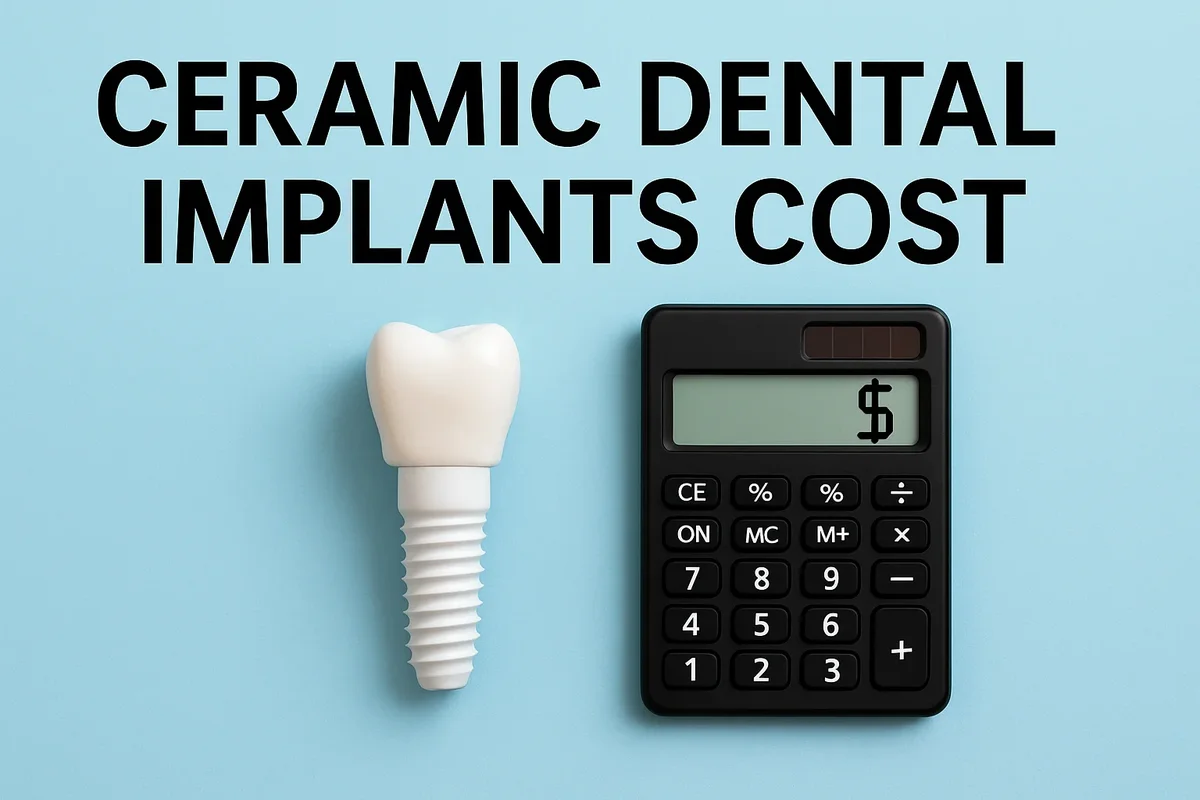
Expert Tips to Reduce Ceramic Dental Implants Cost Without Compromising Quality
Ceramic implants offer unmatched aesthetics, biocompatibility, and long-term health benefits, but many patients worry about the overall ceramic dental implants cost. Fortunately, there are several expert-approved strategies that can significantly reduce expenses while still ensuring world-class treatment quality. This section reveals actionable, practical, and clinically safe methods to lower costs—without cutting corners or settling for lower standards. From choosing the right clinic to leveraging financial tools, these insights empower patients to access premium ceramic implant care more affordably and confidently. 💡🦷
Choose Cost-Effective Geographic Locations
One of the most impactful ways to reduce ceramic dental implants cost is by exploring treatment options in countries known for high-quality yet affordable dental care. Dental tourism has become an increasingly popular approach for patients seeking premium treatments at significantly lower prices.
Top Cost-Effective Regions
- Turkey: Advanced clinics, internationally trained dentists, excellent aesthetic standards.
- Hungary & Poland: High-quality implantology at competitive European prices.
- Mexico & Costa Rica: Popular for North American patients seeking lower fees.
Patients often save 50–70% on ceramic dental implants cost while receiving care using the same implant brands found in the U.S. and Western Europe.
Select an Experienced Implant Specialist
Although this may seem counterintuitive, choosing a highly experienced implant dentist actually reduces long-term costs. Skilled specialists perform faster, safer procedures with fewer complications. Failed implants or poorly planned treatments can become extremely expensive to correct. Investing in a reputable expert ensures you avoid costly revisions later.
Advantages of Choosing a Specialist
- Lower risk of implant failure
- More accurate evaluations of bone and gum requirements
- Better long-term stability and aesthetics
- Reduced need for corrective surgeries
A qualified specialist helps keep lifetime ceramic dental implants cost low by ensuring a successful outcome from the start.
Get a Detailed, Itemized Treatment Plan
One of the biggest contributors to unexpected expenses is lack of transparency. A detailed cost breakdown prevents hidden fees and ensures you understand exactly what you’re paying for.
Your Plan Should Include
- Diagnostics (CBCT, X-rays, consultations)
- Surgical procedures and anesthesia
- Implant brand and material specifications
- Bone or gum grafting (if needed)
- Crown, abutment, and laboratory fees
- Follow-up visits
When all elements are clearly listed, patients can compare ceramic dental implants cost between clinics with complete confidence.
Ask About Package Deals or Bundled Pricing
Many clinics—especially those catering to international patients—offer bundled packages for implant treatments. These packages often include imaging, surgery, abutment, crown, transportation, and accommodation for a single fixed price.
How Bundled Pricing Helps
- Eliminates hidden fees
- Improves cost predictability
- Offers volume discounts for multiple implants
These bundles significantly lower total ceramic dental implants cost while maintaining premium care.
Consider a Multi-Stage Payment Approach
Instead of paying the full amount upfront, many clinics allow patients to divide payments into several stages. This makes the treatment more accessible and spreads expenses over time.
Common Payment Stages
- Stage 1: Diagnostics + Extraction or Grafting
- Stage 2: Implant Placement
- Stage 3: Final Crown Placement
Breaking down the payment reduces immediate financial pressure without altering the overall ceramic dental implants cost.
Use HSAs, FSAs, and Tax Benefits
For patients in regions with Health Savings Accounts or Flexible Spending Accounts, dental implant treatments—including ceramic implants—often qualify as eligible medical expenses. By using pre-tax dollars, you effectively reduce the cost by your tax bracket percentage.
Tax-Advantaged Savings Methods
- HSA contributions (rollover allowed)
- FSA contributions (yearly use thresholds apply)
- Medical expense tax deductions (for qualifying individuals)
This approach can lower the effective ceramic dental implants cost by thousands of dollars depending on individual tax situations.
Avoid Unnecessary Add-On Procedures
Some procedures—like cosmetic gum reshaping or premium shading upgrades—may enhance aesthetics but are not medically required. Patients should discuss necessity versus optional enhancements with their dentist to avoid inflating the total treatment cost unnecessarily.
Optional vs. Required Procedures
- Required: Bone grafting, sinus lifts, periodontal therapy
- Optional: Cosmetic gum contouring, super-premium restorations, color layering
Understanding what is essential helps control overall ceramic dental implants cost.
Choose Clinics with Advanced Technology
While it may seem like advanced technology increases prices, the opposite is often true over the long term. Clinics with CBCT imaging, guided surgery, and digital scanners reduce the risk of complications, producing precise implant placement that minimizes future corrective costs.
Technological precision ensures the durability of ceramic implants—ultimately lowering total lifetime ceramic dental implants cost.
Follow Maintenance Guidelines to Avoid Future Costs
A well-maintained ceramic implant can last decades. Patients who follow hygiene instructions, attend scheduled check-ups, and avoid damaging habits experience fewer complications and significantly lower long-term expenses.
Maintenance Tips
- Regular professional cleanings
- Use of soft-bristle brushes and implant-safe toothpaste
- Night guards for bruxism patients
- Avoiding smoking and excessive alcohol use
Long-term care directly influences lifetime ceramic dental implants cost by preventing bone loss, gum inflammation, and implant failure.
Final Recommendations from Experts
To reduce expenses without compromising quality, patients should focus on transparency, expert-level care, advanced technology, and strategic financial planning. Ceramic implants represent a long-term investment in dental health, and with the right approach, they can be made affordable for most patients.
For personalized guidance and cost planning, individuals may reach out through the
Redent Klinik Contact Page.
Further information on implant safety and standards is available on the
American Dental Association.
By applying the strategies above, patients can confidently manage ceramic dental implants cost while still receiving premium, long-lasting, and aesthetically superior dental care.