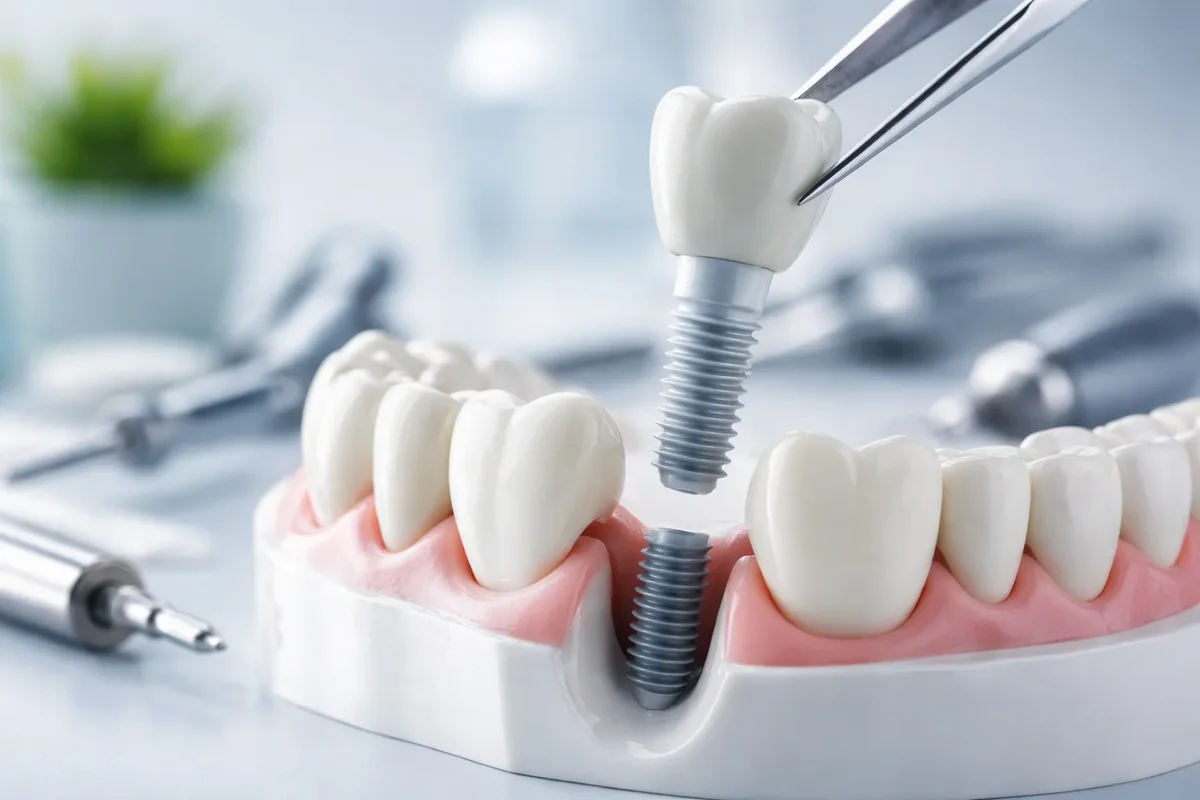
Ceramic Implantology: A Modern Metal-Free Solution

ceramic implantology

Ceramic implantology represents a significant evolution in modern dentistry, offering patients a metal-free alternative to traditional dental implants. As more individuals seek biocompatible and aesthetically superior solutions for missing teeth, ceramic implantology has become an increasingly popular choice. This advanced field focuses on the placement of high-performance ceramic implants—most commonly made from zirconia—to restore both function and appearance in a natural, healthy way. 🦷

At its core, ceramic implantology is a specialized branch of dental implant treatment that utilizes ceramic materials instead of conventional titanium. While titanium implants have been used successfully for decades, ceramic implantology addresses growing patient concerns about metal sensitivity, aesthetics, and long-term tissue compatibility. Zirconia implants, the cornerstone of ceramic implantology, are white in color and closely mimic the natural shade of tooth roots, making them especially advantageous for patients with thin or delicate gum tissue.

The science behind ceramic implantology is grounded in biocompatibility. Zirconia is a highly stable and non-corrosive material that integrates naturally with the jawbone through a process known as osseointegration. During ceramic implantology treatment, the implant is surgically placed into the jawbone, where it gradually fuses with the surrounding bone tissue. This fusion creates a stable foundation for crowns, bridges, or even full-arch restorations. Because ceramic implantology avoids the use of metal, it eliminates the risk of metallic taste, galvanic reactions, or visible gray lines at the gum margin.

One of the defining characteristics of ceramic implantology is its holistic appeal. Patients who prefer biologically friendly dentistry often choose ceramic implantology because zirconia does not conduct electricity and does not interfere with the body’s natural energy systems. Although scientific opinions on electrical conductivity in dental materials vary, many patients report greater peace of mind when choosing ceramic implantology as a metal-free alternative.

From an aesthetic standpoint, ceramic implantology offers outstanding results. The white color of zirconia prevents the dark shadowing sometimes seen with titanium implants, especially in the anterior (front) teeth region. In ceramic implantology, the implant blends seamlessly beneath the gum tissue, preserving the natural translucency and beauty of the final restoration. For patients seeking a flawless smile transformation, ceramic implantology can provide superior cosmetic outcomes compared to traditional methods. ✨

Durability is another key advantage of ceramic implantology. Modern zirconia implants are engineered to withstand significant biting forces and resist fracture. Over the years, advancements in material science have strengthened ceramic implantology systems, making them comparable in performance to titanium implants. Clinical research continues to support the reliability of ceramic implantology, demonstrating promising survival rates and long-term stability.

In addition, ceramic implantology may support healthier gum tissue. Studies suggest that zirconia surfaces accumulate less plaque than metal alternatives. Reduced plaque accumulation can lower the risk of peri-implant inflammation, helping maintain healthy soft tissue around the implant. For patients prone to gum sensitivity, ceramic implantology may offer a gentler and more tissue-friendly solution. 🪥

The treatment planning phase in ceramic implantology is highly precise. Dentists use digital imaging, 3D scanning, and guided surgical techniques to ensure optimal implant placement. This level of accuracy enhances both functional and aesthetic outcomes. In many cases, ceramic implantology can be performed using minimally invasive approaches, reducing discomfort and shortening recovery time.

It is important to note that ceramic implantology is not just about replacing a missing tooth—it is about restoring confidence, comfort, and long-term oral health. Missing teeth can lead to bone loss, shifting teeth, and bite imbalance. Ceramic implantology addresses these issues by stimulating the jawbone and preserving its natural structure. This helps maintain facial contours and prevents premature aging caused by bone resorption.

Patients considering ceramic implantology should undergo a thorough evaluation to assess bone density, gum health, and overall medical history. While ceramic implantology is suitable for many individuals, proper case selection is essential for optimal success. An experienced implant specialist will evaluate whether single-piece or two-piece zirconia implants are most appropriate for the specific clinical situation.

Ultimately, ceramic implantology reflects the future of dental restoration—biocompatible, aesthetically refined, and technologically advanced. As awareness grows and materials continue to improve, ceramic implantology is becoming a preferred solution for patients who value both health and appearance. By combining strength, safety, and beauty in one innovative treatment, ceramic implantology stands at the forefront of modern implant dentistry. 🌿

What Is Ceramic Implantology and How Does It Work?

Ceramic implantology is an advanced field of dental medicine that focuses on replacing missing teeth using high-performance ceramic materials instead of traditional metal-based implants. At its core, ceramic implantology combines modern biomaterials, digital planning, and precise surgical techniques to provide patients with a strong, aesthetic, and biocompatible tooth replacement solution. 🦷

Unlike conventional systems that rely on titanium, ceramic implantology primarily uses zirconia, a medical-grade ceramic known for its exceptional strength and tissue compatibility. The goal of ceramic implantology is not only to restore chewing function but also to maintain gum health, preserve bone structure, and achieve highly natural-looking results. Patients who are concerned about metal sensitivities or who prefer holistic dentistry often turn to ceramic implantology as a reliable alternative.

The Core Principle Behind Ceramic Implantology

The fundamental principle of ceramic implantology is osseointegration. This biological process allows the ceramic implant to fuse directly with the jawbone after placement. During ceramic implantology treatment, the implant is inserted into the bone in the area where a tooth is missing. Over the next several weeks to months, bone cells grow around the implant surface, anchoring it securely in place.

Zirconia implants used in ceramic implantology are designed with specially treated surfaces that promote faster and more stable integration. The micro-textured surface enhances bone cell attachment, increasing long-term stability. This process ensures that ceramic implantology provides a solid foundation for crowns, bridges, or even full-arch restorations.

Materials Used in Ceramic Implantology

One of the defining characteristics of ceramic implantology is the use of zirconium dioxide (zirconia). This material is extremely durable and resistant to fracture, making it suitable for long-term function under chewing pressure. In ceramic implantology, zirconia is preferred because it does not corrode, does not release metal ions, and does not cause galvanic reactions.

Why Zirconia Is Ideal

Zirconia offers several advantages in ceramic implantology:

  • High biocompatibility with surrounding bone and gum tissue
  • Excellent aesthetic integration due to its tooth-like white color
  • Low plaque accumulation compared to metal surfaces
  • Resistance to temperature changes and chemical degradation

Because of these properties, ceramic implantology supports both functional and cosmetic outcomes. The white shade of zirconia prevents gray shadows at the gum line, which can sometimes occur with metal implants, especially in patients with thin gum tissue. ✨

Step-by-Step Process of Ceramic Implantology

Understanding how ceramic implantology works requires looking at the treatment process in stages. Each step is carefully planned to ensure precision and long-term success.

1. Initial Consultation and Assessment

Every ceramic implantology procedure begins with a comprehensive evaluation. Digital X-rays and 3D imaging are used to assess bone density, nerve positioning, and sinus anatomy. Proper planning is essential in ceramic implantology to determine whether additional procedures, such as bone grafting, are needed.

2. Surgical Placement of the Ceramic Implant

During the surgical phase of ceramic implantology, the dentist places the zirconia implant directly into the jawbone under local anesthesia. The procedure is typically minimally invasive. Because ceramic implantology often uses one-piece implant systems, healing caps may already be integrated into the design.

3. Healing and Osseointegration

After placement, the ceramic implantology healing phase begins. Osseointegration generally takes between 8 and 16 weeks, depending on bone quality and patient health. During this period, the implant fuses securely with the bone, creating a stable anchor for the final restoration.

4. Final Restoration

Once integration is complete, a custom-made ceramic crown is attached to the implant. In ceramic implantology, this crown is designed to match the shape, size, and color of the patient’s natural teeth. The result is a seamless restoration that looks and feels completely natural.

Biological and Functional Mechanisms

One reason ceramic implantology is gaining attention is its favorable interaction with soft tissues. Research indicates that zirconia may promote healthy gum attachment and reduce inflammation. Because ceramic implantology materials attract less bacterial plaque, they may lower the risk of peri-implantitis compared to some metal-based systems.

Functionally, ceramic implantology restores bite force and chewing efficiency. Once fully healed, the implant behaves like a natural tooth root. Patients can eat, speak, and smile confidently without worrying about movement or discomfort. 😁

Advantages Over Traditional Implant Systems

While titanium implants remain widely used, ceramic implantology offers unique benefits that distinguish it from conventional methods. Patients who prefer a completely metal-free restoration often choose ceramic implantology for peace of mind. Additionally, the aesthetic superiority of zirconia makes ceramic implantology especially suitable for front-tooth replacements.

Another important aspect of ceramic implantology is its compatibility with digital dentistry. Modern planning software allows precise implant positioning, ensuring optimal alignment and minimizing surgical risks. This digital integration enhances both predictability and patient comfort.

In summary, ceramic implantology works by combining advanced ceramic materials, biological integration, and precise surgical techniques to replace missing teeth effectively. Through osseointegration, zirconia implants become part of the natural bone structure, supporting long-term stability and aesthetics. As technology continues to evolve, ceramic implantology is becoming a preferred solution for patients seeking strength, beauty, and biocompatibility in one comprehensive treatment approach. 🌿

Key Benefits of Ceramic Implantology for Oral Health

Ceramic implantology has gained significant attention in modern dentistry because it offers a unique combination of biological compatibility, aesthetic excellence, and long-term functional stability. For patients searching for a metal-free tooth replacement option, ceramic implantology provides a scientifically supported and highly reliable solution. Beyond simply filling a gap in the smile, ceramic implantology contributes to overall oral health, bone preservation, and gum stability. 🦷

Understanding the key benefits of ceramic implantology helps patients make informed decisions about their dental care. This approach is not just a cosmetic trend—it is a carefully developed treatment philosophy designed to integrate harmoniously with the body while restoring natural chewing function and confidence.

Superior Biocompatibility and Tissue Response

One of the most important advantages of ceramic implantology is its exceptional biocompatibility. Zirconia, the primary material used in ceramic implantology, is known for being highly compatible with human tissues. Unlike metal-based systems, ceramic implantology does not release ions into the surrounding bone or soft tissue. This stability reduces the likelihood of allergic reactions or inflammatory responses.

Reduced Risk of Inflammation

Clinical observations suggest that ceramic implantology may promote healthier gum attachment around the implant site. Zirconia surfaces tend to accumulate less bacterial plaque compared to certain metal surfaces. Because of this, ceramic implantology may lower the risk of peri-implant mucositis and peri-implantitis when combined with proper oral hygiene.

Healthy gum tissue is essential for long-term implant success. By supporting favorable soft tissue healing, ceramic implantology contributes to both aesthetic and functional longevity. 🌿

Outstanding Aesthetic Results

Another major benefit of ceramic implantology is its natural appearance. The white color of zirconia closely resembles natural tooth roots. In patients with thin or translucent gum tissue, ceramic implantology prevents the gray shadowing sometimes associated with metal implants.

Ideal for Front Teeth Restorations

In highly visible areas of the mouth, ceramic implantology offers superior cosmetic integration. The implant blends seamlessly beneath the gum line, supporting a lifelike crown that reflects light similarly to natural enamel. This makes ceramic implantology particularly valuable for anterior (front tooth) replacements where aesthetics are critical. ✨

Patients who prioritize a flawless smile often choose ceramic implantology because it enhances both appearance and confidence.

Preservation of Jawbone Structure

Like traditional systems, ceramic implantology prevents bone loss by stimulating the jawbone through functional loading. When a tooth is missing, the surrounding bone gradually resorbs due to lack of stimulation. Ceramic implantology addresses this issue by acting as an artificial root that transmits chewing forces directly into the bone.

Maintaining Facial Contours

Bone preservation is not just a structural benefit—it also helps maintain facial aesthetics. Ceramic implantology supports the natural contour of the jaw, preventing the sunken appearance that can occur with prolonged tooth loss. By preserving bone density, ceramic implantology contributes to long-term oral and facial harmony.

Metal-Free and Holistic Appeal

For patients concerned about metal exposure, ceramic implantology offers peace of mind. Some individuals prefer to avoid metallic materials for personal or holistic health reasons. Ceramic implantology provides a completely metal-free alternative without compromising strength or stability.

Because zirconia does not conduct electricity and does not corrode, ceramic implantology eliminates the possibility of galvanic reactions that may occur when different metals interact in the mouth. This feature appeals to patients seeking biologically conscious dental solutions.

Strength and Durability

Modern advancements have significantly improved the mechanical properties of zirconia used in ceramic implantology. Today’s ceramic implantology systems are engineered to withstand substantial chewing forces. High fracture resistance ensures long-term reliability when proper case selection and placement protocols are followed.

Research continues to show encouraging survival rates for ceramic implantology, especially when performed by experienced clinicians. While no treatment is entirely risk-free, ceramic implantology has demonstrated predictable outcomes in appropriate clinical scenarios.

Improved Soft Tissue Attachment

Another advantage of ceramic implantology is its favorable interaction with soft tissue cells. Studies indicate that zirconia surfaces may encourage stable epithelial and connective tissue attachment. Strong soft tissue integration forms a protective seal around the implant, which is critical for preventing bacterial invasion.

This biological seal is essential for maintaining long-term success in ceramic implantology. When gum tissue remains healthy and firmly attached, the implant is better protected against infection and inflammation. 😁

Compatibility with Digital Dentistry

Ceramic implantology integrates seamlessly with modern digital technologies. 3D imaging, guided surgery, and CAD/CAM crown fabrication enhance accuracy and efficiency. Digital workflows improve implant positioning, optimize angulation, and reduce surgical risks.

With ceramic implantology, precision planning ensures that implants are placed in ideal positions for both structural support and aesthetic harmony. This technological integration contributes to predictable outcomes and higher patient satisfaction.

Psychological and Lifestyle Benefits

Beyond physical health advantages, ceramic implantology positively impacts a patient’s daily life. Restoring missing teeth improves speech clarity, chewing efficiency, and self-confidence. Patients often report feeling more comfortable smiling and interacting socially after completing ceramic implantology treatment.

Because ceramic implantology provides a stable, non-removable solution, patients can enjoy their favorite foods without the discomfort or insecurity sometimes associated with removable dentures. 🍎

Long-Term Oral Health Stability

Ultimately, ceramic implantology supports comprehensive oral health by combining structural integrity, aesthetic excellence, and biological harmony. When properly maintained through regular dental visits and good hygiene practices, ceramic implantology can offer long-lasting performance.

Patients considering ceramic implantology should undergo thorough evaluation and personalized treatment planning. While ceramic implantology offers many benefits, individual factors such as bone density, gum health, and medical history influence candidacy and success.

In conclusion, ceramic implantology stands out as a modern, scientifically supported approach that prioritizes both health and beauty. From superior tissue compatibility to natural-looking results and durable function, ceramic implantology represents a forward-thinking solution for individuals seeking a metal-free path to restored oral health. 🌟

Who Is an Ideal Candidate for Ceramic Implantology?

Ceramic implantology is a highly advanced and patient-centered approach to replacing missing teeth, but not every individual is automatically a candidate. Determining whether ceramic implantology is suitable requires a comprehensive clinical evaluation, including bone density assessment, gum health analysis, and a review of medical history. When performed under the right conditions, ceramic implantology can provide long-term stability, natural aesthetics, and exceptional biocompatibility. 🦷

Understanding candidacy is essential because ceramic implantology relies on successful osseointegration—the biological fusion between the ceramic implant and the jawbone. Patients who meet specific anatomical and health criteria are more likely to experience predictable and durable outcomes with ceramic implantology.

Patients with Missing One or More Teeth

The most straightforward candidates for ceramic implantology are individuals who have lost one or more teeth due to decay, trauma, or periodontal disease. When a tooth is missing, the surrounding bone begins to shrink over time. Ceramic implantology addresses this issue by replacing the missing root structure, helping maintain bone density and facial contours.

Single Tooth Replacement

For patients missing a single tooth, ceramic implantology offers an excellent alternative to traditional bridges. Unlike bridges, ceramic implantology does not require the preparation of adjacent healthy teeth. The implant acts independently, preserving natural tooth structure while restoring function and appearance. ✨

Multiple Teeth or Full-Arch Restoration

Patients missing several teeth may also benefit from ceramic implantology. In certain cases, ceramic implantology systems can support bridges or even full-arch prostheses. Careful planning ensures that bite forces are distributed evenly, protecting both the implants and surrounding bone.

Patients Seeking a Metal-Free Solution

One of the primary reasons patients choose ceramic implantology is the desire for a completely metal-free dental restoration. Individuals who have sensitivities to metals or who prefer holistic dentistry often consider ceramic implantology a suitable solution.

Zirconia, the material used in ceramic implantology, does not corrode and does not release metal ions. This stability makes ceramic implantology especially appealing to patients who are concerned about long-term exposure to metallic components in the body.

Individuals with Healthy Gums

Healthy gum tissue is essential for the success of ceramic implantology. Before undergoing treatment, patients must be evaluated for active periodontal disease. Inflammation or infection around the gums can compromise osseointegration and increase the risk of complications.

Periodontal Stability

If gum disease is present, it must be treated prior to ceramic implantology. Once periodontal health is restored, ceramic implantology can be safely performed. Because zirconia tends to accumulate less plaque compared to some metal surfaces, ceramic implantology may support favorable soft tissue health when proper hygiene is maintained. 🌿

Adequate Bone Density and Volume

Successful ceramic implantology depends on sufficient jawbone volume to anchor the implant securely. Patients with adequate bone height and width are typically strong candidates for ceramic implantology. However, even individuals with some degree of bone loss may still qualify after preparatory procedures.

Bone Grafting Options

If bone volume is insufficient, bone grafting may be recommended before ceramic implantology placement. Advances in regenerative techniques allow many patients to rebuild lost bone and proceed with ceramic implantology successfully. A thorough 3D scan helps determine whether grafting is necessary.

Non-Smokers or Controlled Smokers

Smoking negatively affects blood circulation and healing capacity, which are critical for ceramic implantology success. While smokers are not automatically excluded, they must understand that smoking increases the risk of implant failure.

Patients willing to reduce or quit smoking significantly improve their chances of successful ceramic implantology. A commitment to postoperative care and lifestyle adjustments enhances healing and long-term stability. 🚭

Patients in Good General Health

Systemic health plays an important role in ceramic implantology outcomes. Conditions such as uncontrolled diabetes, severe autoimmune disorders, or compromised immune function can affect healing. During consultation, the dentist evaluates medical history to determine whether ceramic implantology is appropriate.

Well-controlled medical conditions typically do not prevent ceramic implantology. With careful monitoring and collaboration between healthcare providers, many patients with chronic conditions can still benefit from ceramic implantology.

Individuals with High Aesthetic Expectations

Patients who prioritize natural-looking results are often ideal candidates for ceramic implantology. The white color of zirconia prevents dark gum shadows, making ceramic implantology particularly suitable for front-tooth replacements. Individuals with thin or translucent gum tissue may achieve superior aesthetic results through ceramic implantology compared to traditional metal implants.

Patients Committed to Oral Hygiene

Long-term success in ceramic implantology requires excellent oral hygiene practices. Brushing, flossing, and attending regular dental check-ups are essential for maintaining gum health and preventing inflammation around the implant.

Patients who are motivated to follow professional maintenance recommendations are strong candidates for ceramic implantology. Commitment to oral care directly influences implant longevity and overall satisfaction. 😁

When Ceramic Implantology May Not Be Ideal

Although ceramic implantology offers many advantages, it may not be suitable for every clinical situation. Severe bone deficiencies, uncontrolled systemic diseases, or poor oral hygiene habits can limit candidacy. In such cases, alternative treatment options may be considered until conditions improve.

Ultimately, determining whether ceramic implantology is appropriate requires individualized evaluation and detailed treatment planning. By carefully assessing anatomical, medical, and lifestyle factors, dental professionals can identify patients who will benefit most from ceramic implantology.

In summary, ceramic implantology is ideal for patients with missing teeth, healthy gums, sufficient bone support, and a desire for a metal-free, aesthetically refined solution. With proper case selection and professional expertise, ceramic implantology can provide long-lasting, stable, and beautiful results that enhance both oral health and quality of life. 🌟

Ceramic vs. Titanium Implants: A Detailed Comparison

When considering tooth replacement options, many patients compare ceramic implantology with traditional titanium implant systems. Both approaches aim to restore missing teeth by replacing the tooth root and supporting a crown, bridge, or full-arch restoration. However, ceramic implantology introduces unique biological, aesthetic, and structural advantages that differentiate it from conventional metal-based solutions. Understanding these differences helps patients make informed decisions based on health priorities, cosmetic expectations, and long-term goals. 🦷

Material Composition and Biocompatibility

The most fundamental difference between ceramic implantology and titanium implants lies in the material itself. Ceramic implantology relies primarily on zirconia, a high-strength medical-grade ceramic known for its exceptional biocompatibility. Titanium implants, on the other hand, are made from metal alloys that have been used successfully in dentistry for decades.

Biological Response of Zirconia

Zirconia used in ceramic implantology is chemically stable and does not corrode. It does not release metal ions into surrounding tissues and does not participate in galvanic reactions. For patients concerned about metal sensitivities or systemic reactions, ceramic implantology offers a completely metal-free alternative.

Titanium is also considered biocompatible and integrates well with bone. However, in rare cases, patients may experience hypersensitivity or inflammatory reactions to metal particles. Ceramic implantology eliminates this concern by avoiding metallic components altogether. 🌿

Aesthetic Considerations

Aesthetics play a major role in implant selection, especially for front teeth. Ceramic implantology offers a clear advantage in visible areas because zirconia is naturally white and resembles the color of tooth roots. This characteristic prevents gray discoloration beneath the gums.

Gum Transparency and Smile Appearance

In patients with thin or translucent gum tissue, titanium implants may sometimes create a slight dark shadow near the gum margin. Ceramic implantology avoids this issue because the white zirconia blends harmoniously with natural tissues. For individuals seeking optimal cosmetic outcomes, ceramic implantology is often the preferred choice. ✨

Osseointegration and Stability

Both ceramic implantology and titanium implants rely on osseointegration—the biological fusion between the implant and the jawbone. Titanium has a long track record of successful integration and high survival rates.

Modern advancements in surface treatment technology have significantly improved ceramic implantology systems. Zirconia implants now feature micro-roughened surfaces that enhance bone cell attachment. Clinical studies increasingly support the reliability of ceramic implantology, showing comparable integration rates when proper protocols are followed.

Plaque Accumulation and Gum Health

One notable difference between ceramic implantology and titanium implants is plaque adhesion. Some research suggests that zirconia surfaces used in ceramic implantology may attract less bacterial plaque than metal surfaces. Reduced plaque accumulation can support healthier gum tissue around the implant.

Risk of Peri-Implantitis

Peri-implantitis is an inflammatory condition that affects tissues around implants. While both systems require excellent oral hygiene, ceramic implantology may provide an advantage in maintaining soft tissue stability. However, patient hygiene habits remain the most critical factor in preventing complications. 🪥

Mechanical Strength and Durability

Titanium is known for its flexibility and resistance to fracture, which has made it the gold standard in implant dentistry for many years. Ceramic implantology, however, has evolved considerably. Modern zirconia implants are engineered to withstand significant chewing forces and demonstrate impressive fracture resistance.

While titanium offers slight flexibility under pressure, zirconia used in ceramic implantology is extremely rigid and stable. With proper case selection and placement, ceramic implantology provides long-term durability comparable to titanium systems.

Design Differences

Titanium implants are often available in two-piece systems, consisting of an implant body and a separate abutment. Ceramic implantology systems may be available as one-piece or two-piece designs depending on the manufacturer.

One-Piece vs. Two-Piece Systems

One-piece ceramic implantology systems integrate the abutment and implant body into a single structure. This reduces micro-gaps where bacteria could accumulate. Two-piece ceramic implantology systems allow greater flexibility in angulation and prosthetic customization. The choice depends on clinical conditions and patient-specific needs.

Holistic and Patient Preference Factors

For patients who prioritize holistic dentistry or wish to avoid metals entirely, ceramic implantology offers peace of mind. Some individuals prefer ceramic implantology because zirconia does not conduct electricity and does not interact with other metallic restorations in the mouth.

Titanium remains widely accepted and extensively researched. However, the demand for ceramic implantology continues to grow as patients seek biologically friendly alternatives that align with personal health philosophies. 🌟

Clinical Track Record and Research

Titanium implants have decades of long-term research supporting their success rates. Ceramic implantology, while newer in widespread use, has demonstrated promising results in medium- and long-term studies. Ongoing clinical research continues to strengthen the scientific foundation of ceramic implantology.

Both treatment options require skilled surgical placement, precise planning, and diligent aftercare. The success of ceramic implantology or titanium implants depends largely on clinician expertise and patient compliance.

Which Option Is Right for You?

The choice between ceramic implantology and titanium implants should be based on individual health status, aesthetic goals, and personal preferences. Patients with metal sensitivities, high aesthetic demands, or a desire for a metal-free restoration may strongly benefit from ceramic implantology. Others may feel comfortable choosing titanium due to its extensive historical data.

Ultimately, ceramic implantology represents a modern evolution in implant dentistry. By combining strength, aesthetics, and biocompatibility, ceramic implantology provides a compelling alternative to traditional metal implants. Consulting with an experienced implant specialist ensures that the selected treatment aligns with both medical requirements and patient expectations. 😁

The Step-by-Step Ceramic Implantology Procedure

The ceramic implantology procedure is a carefully planned and highly precise treatment designed to replace missing teeth with a durable, metal-free solution. Understanding each phase of ceramic implantology helps patients feel confident and prepared before beginning treatment. From the first consultation to the final crown placement, ceramic implantology follows a structured protocol focused on safety, precision, and long-term success. 🦷

Because ceramic implantology relies on successful osseointegration and proper soft tissue healing, every step must be executed with detailed planning. Modern digital dentistry plays a crucial role in ensuring predictable outcomes and minimizing surgical risks.

1. Initial Consultation and Comprehensive Examination

The ceramic implantology journey begins with an in-depth clinical evaluation. During this phase, the dentist reviews the patient’s medical history, oral health condition, and aesthetic goals. Diagnostic tools such as digital X-rays and 3D cone-beam computed tomography (CBCT) scans are used to assess bone density, nerve location, and sinus positioning.

Digital Treatment Planning

Advanced software allows precise virtual planning before ceramic implantology surgery. The implant’s size, angle, and depth are determined digitally to ensure optimal stability and aesthetic harmony. This digital approach reduces complications and enhances the accuracy of ceramic implantology placement.

2. Preparatory Treatments (If Necessary)

Not all patients have sufficient bone volume for immediate ceramic implantology. If bone loss has occurred due to long-term tooth absence or periodontal disease, preparatory procedures may be recommended.

Bone Grafting and Regeneration

Bone grafting strengthens and rebuilds the jawbone to create a stable foundation for ceramic implantology. Depending on the severity of bone loss, healing from grafting may take several months before proceeding with implant placement. These regenerative techniques significantly expand eligibility for ceramic implantology.

3. Surgical Placement of the Ceramic Implant

The surgical phase is the most critical step in ceramic implantology. The procedure is typically performed under local anesthesia, and in some cases, sedation may be offered for additional comfort. A small incision is made in the gum tissue to expose the underlying bone.

The dentist carefully prepares the implant site using specialized drills. The zirconia implant used in ceramic implantology is then inserted into the bone with precision. Many ceramic implantology systems are designed as one-piece implants, though two-piece systems are also available depending on clinical requirements.

Minimally Invasive Techniques

Modern ceramic implantology often utilizes guided surgery. Surgical guides created during digital planning help position the implant accurately while minimizing trauma to surrounding tissues. This approach reduces swelling, discomfort, and recovery time. ✨

4. Healing and Osseointegration Phase

After placement, the ceramic implantology healing phase begins. Osseointegration is the biological process where bone cells attach to and fuse with the implant surface. This phase typically lasts between 8 and 16 weeks, depending on bone quality and individual healing capacity.

During this period, patients must follow postoperative instructions carefully. Maintaining excellent oral hygiene and attending follow-up appointments are essential for ceramic implantology success.

Temporary Restoration (If Applicable)

In some cases, a temporary crown may be placed during healing. However, in ceramic implantology, immediate loading depends on bone stability and implant design. The dentist will determine whether temporary restoration is appropriate.

5. Final Crown Placement

Once osseointegration is confirmed, the final restoration phase of ceramic implantology begins. Digital impressions are taken to fabricate a custom ceramic crown that matches the color, shape, and size of natural teeth.

The crown is securely attached to the implant, completing the ceramic implantology procedure. The result is a stable, natural-looking tooth replacement that functions like a real tooth root. 😁

6. Post-Treatment Care and Maintenance

Long-term success in ceramic implantology depends on consistent maintenance. Patients should brush and floss regularly and attend routine dental check-ups. Professional cleanings help prevent plaque accumulation and protect the health of surrounding gum tissue.

Monitoring Implant Stability

Dentists may use specialized instruments to monitor the stability of ceramic implantology over time. With proper care, ceramic implantology can provide many years of reliable performance.

Comfort and Recovery Expectations

Most patients report mild to moderate discomfort after ceramic implantology surgery, which can be managed with prescribed medication. Swelling typically subsides within a few days. Because ceramic implantology often uses minimally invasive techniques, recovery tends to be straightforward.

Patients are usually able to resume daily activities within a short period, though strenuous exercise should be avoided during initial healing. Following professional instructions ensures optimal integration and reduces complication risks.

Why Precision Matters in Ceramic Implantology

The success of ceramic implantology depends on exact placement and proper healing conditions. Even slight deviations in angle or depth can affect long-term performance. This is why advanced imaging and digital planning are integral to modern ceramic implantology.

Choosing an experienced implant specialist significantly increases the likelihood of predictable outcomes. Skilled clinicians understand the nuances of ceramic implantology, including material handling and surgical protocol adjustments specific to zirconia implants.

In summary, the ceramic implantology procedure follows a carefully structured pathway: consultation, planning, preparation, surgical placement, healing, restoration, and maintenance. Each step is essential to achieving stable, aesthetic, and long-lasting results. By combining biological principles with modern technology, ceramic implantology offers a comprehensive and patient-centered approach to restoring missing teeth safely and effectively. 🌿

Healing, Recovery, and Long-Term Success Rates

The success of ceramic implantology does not depend solely on the surgical procedure itself. Healing, recovery habits, and long-term maintenance all play critical roles in determining outcomes. Understanding what happens after surgery helps patients prepare realistically and maximize the benefits of ceramic implantology. From the initial healing phase to long-term stability, ceramic implantology is designed to integrate naturally with the body and provide lasting function. 🦷

Immediate Post-Surgical Healing Phase

After ceramic implantology surgery, the body begins a natural healing process. Mild swelling, slight discomfort, and minor bleeding are common within the first 24–72 hours. These symptoms are typically manageable with prescribed or recommended pain relief medication. Most patients report that ceramic implantology recovery is smoother than expected, especially when minimally invasive techniques are used.

Managing Swelling and Discomfort

Cold compresses applied during the first day can help reduce swelling. Patients undergoing ceramic implantology are advised to avoid hard foods, smoking, and strenuous physical activity during early recovery. Following professional aftercare instructions greatly enhances healing quality and reduces complication risks.

Osseointegration: The Critical Biological Process

The most important stage in ceramic implantology healing is osseointegration. This biological process allows the zirconia implant to fuse securely with the jawbone. During ceramic implantology, the implant surface is specially treated to promote bone cell attachment and growth.

Osseointegration typically takes between 8 and 16 weeks, depending on bone density and overall health. In patients with excellent bone quality, ceramic implantology integration may occur more quickly. In cases of reduced bone density, healing may require additional time and monitoring.

Factors Influencing Osseointegration

  • Bone quality and density
  • Patient’s overall health condition
  • Smoking habits
  • Oral hygiene practices
  • Precision of implant placement

When these factors are optimized, ceramic implantology achieves stable and predictable integration. 🌿

Soft Tissue Healing and Gum Stability

Beyond bone integration, soft tissue healing is equally important in ceramic implantology. Healthy gum attachment forms a protective seal around the implant, preventing bacteria from penetrating deeper structures.

One of the advantages of ceramic implantology is the favorable interaction between zirconia and gum tissue. Research suggests that zirconia surfaces may accumulate less plaque compared to some metal alternatives. This characteristic can support healthy soft tissue adaptation when combined with proper oral care.

Importance of Oral Hygiene

Patients who maintain consistent brushing, flossing, and professional cleanings significantly improve long-term ceramic implantology outcomes. Good hygiene reduces inflammation and protects the stability of surrounding tissues.

Short-Term Recovery Timeline

The typical recovery timeline after ceramic implantology includes several stages:

  • First 3 days: Mild swelling and tenderness
  • First 2 weeks: Gum tissue gradually stabilizes
  • 8–16 weeks: Osseointegration completes
  • Final restoration placement: Once integration is confirmed

Most patients return to daily activities within a few days after ceramic implantology surgery. However, careful monitoring during the healing period ensures that integration progresses properly. 😁

Long-Term Success Rates of Ceramic Implantology

Clinical studies have shown encouraging long-term results for ceramic implantology. While titanium implants have a longer historical track record, modern zirconia systems used in ceramic implantology demonstrate comparable survival rates when placed under appropriate conditions.

Success rates for ceramic implantology often exceed 90% over several years, depending on patient health and professional expertise. Continued advancements in material science and surface engineering further strengthen the reliability of ceramic implantology.

Comparing Survival Rates

Research indicates that ceramic implantology survival rates are steadily improving as technology evolves. Proper case selection and surgical accuracy remain critical factors in achieving these outcomes.

Potential Complications and Risk Management

Like any medical procedure, ceramic implantology carries potential risks. These may include infection, insufficient bone integration, or mechanical complications. However, when ceramic implantology is performed by experienced clinicians using modern techniques, complication rates remain low.

Regular follow-up visits allow early detection of potential issues. Early intervention ensures that ceramic implantology continues to function effectively for many years.

Maintenance and Longevity

Long-term success in ceramic implantology requires ongoing care. Annual or biannual professional examinations help monitor bone levels and gum health. Specialized instruments are often used to clean implants safely without damaging the zirconia surface.

Patient Responsibility

Patients play a central role in maintaining ceramic implantology stability. Avoiding smoking, maintaining a balanced diet, and following professional recommendations significantly increase longevity.

When properly maintained, ceramic implantology can last decades, providing stable chewing function and aesthetic satisfaction. 🌟

Psychological and Functional Benefits Over Time

Beyond physical healing, ceramic implantology improves quality of life. Restored chewing efficiency enhances nutrition, while improved smile aesthetics boost confidence. Patients frequently report feeling more comfortable in social and professional settings after completing ceramic implantology treatment.

In conclusion, healing and recovery are essential phases in the overall ceramic implantology process. Through successful osseointegration, soft tissue adaptation, and consistent maintenance, ceramic implantology delivers reliable long-term outcomes. With proper care and professional guidance, ceramic implantology remains a durable, aesthetic, and biologically compatible solution for tooth replacement. 🌿

Cost of Ceramic Implantology and What Influences Pricing

The cost of ceramic implantology is one of the most common concerns for patients considering a metal-free dental implant solution. While ceramic implantology offers exceptional aesthetics, biocompatibility, and long-term stability, pricing can vary depending on several clinical and geographic factors. Understanding what influences the overall cost of ceramic implantology helps patients plan financially and make informed decisions about their oral health investment. 💰🦷

Unlike removable dentures or traditional bridges, ceramic implantology is a long-term restorative solution designed to last for decades with proper care. For this reason, the initial investment in ceramic implantology is often higher than temporary alternatives, but it provides superior durability, bone preservation, and functional stability.

Average Cost Range of Ceramic Implantology

The price of ceramic implantology varies by country, clinic expertise, and treatment complexity. On average, a single ceramic implant including the implant placement, abutment, and crown may range between:

Estimated Price Per Implant

  • United States: $3,500 – $6,500 per implant
  • United Kingdom: £2,800 – £5,000 per implant
  • Germany: €3,000 – €5,500 per implant
  • Turkey: $1,500 – $3,000 per implant

These estimates reflect full ceramic implantology treatment, including surgical placement and final restoration. However, additional procedures such as bone grafting or sinus lifting can increase total costs.

Factors That Influence Ceramic Implantology Pricing

Several clinical and logistical factors determine the final price of ceramic implantology. Each case is unique, and personalized treatment planning ensures accurate cost estimation.

1. Number of Implants Required

The most obvious factor affecting ceramic implantology cost is the number of implants needed. A single missing tooth requires one implant, while multiple missing teeth or full-arch rehabilitation may require several implants. In some advanced ceramic implantology cases, fewer implants can support a full-arch prosthesis, potentially optimizing costs.

2. Bone Grafting and Additional Procedures

If the jawbone lacks sufficient density or volume, preparatory treatments such as bone grafting may be necessary before ceramic implantology placement. These regenerative procedures add to the overall expense but significantly improve long-term success rates.

3. Implant System and Technology Used

Not all ceramic implantology systems are identical. Premium zirconia implant brands with advanced surface technology may cost more due to enhanced research, development, and manufacturing standards. Digital planning tools, guided surgery, and 3D imaging also influence ceramic implantology pricing.

4. Dentist’s Experience and Expertise

The skill and experience of the implant specialist play a major role in ceramic implantology outcomes. Highly trained clinicians with extensive experience in ceramic implantology may charge higher fees due to their expertise and proven success rates. However, investing in qualified professionals reduces the risk of complications and long-term repair costs.

5. Geographic Location of the Clinic

Clinic location significantly affects ceramic implantology pricing. Countries with lower operational costs may offer more competitive rates while maintaining high-quality standards. Many patients explore dental tourism options for ceramic implantology to balance affordability and expertise. 🌍

Why Ceramic Implantology May Cost More Than Titanium

Ceramic implantology can sometimes be more expensive than traditional titanium implants. This is primarily due to the advanced manufacturing process of zirconia and the specialized training required for ceramic implantology placement.

Zirconia implants require precise handling and specific surgical protocols. Additionally, research and development in ceramic implantology are continuously evolving, contributing to production costs. Despite the higher initial investment, many patients consider ceramic implantology worthwhile due to its aesthetic and biological advantages.

Long-Term Value and Cost Efficiency

Although ceramic implantology may involve a higher upfront cost, it offers strong long-term value. Because ceramic implantology preserves jawbone structure and does not rely on adjacent teeth for support, it prevents future restorative complications. Over time, this stability may reduce the need for additional dental treatments.

Durability and Lifespan

With proper care and regular maintenance, ceramic implantology can last decades. This longevity makes ceramic implantology a cost-effective solution compared to temporary prosthetics that require frequent replacement. 😁

Insurance and Financing Options

Dental insurance coverage for ceramic implantology varies depending on the provider and policy. Some plans partially cover implant placement or restoration costs, while others may classify ceramic implantology as an elective procedure.

Many dental clinics offer financing plans to make ceramic implantology more accessible. Monthly payment options allow patients to begin treatment without delaying necessary care.

Balancing Cost and Quality

When evaluating ceramic implantology cost, it is essential not to focus solely on price. Quality of materials, clinician experience, sterilization standards, and long-term support all contribute to treatment success.

Choosing the lowest-cost ceramic implantology option without verifying credentials may increase the risk of complications. A well-planned ceramic implantology procedure performed by a qualified specialist ensures safety, stability, and aesthetic excellence.

Consultation for Accurate Pricing

The most reliable way to determine ceramic implantology cost is through a personalized consultation. Diagnostic imaging and clinical evaluation allow the dentist to create a customized treatment plan and provide a detailed cost breakdown.

Patients interested in learning more about their treatment options can schedule an evaluation through the Redent Klinik Contact Page. A professional consultation ensures clarity regarding pricing, procedural steps, and expected outcomes.

In summary, ceramic implantology pricing depends on multiple factors, including clinical complexity, implant system, and practitioner expertise. While the initial investment may be higher than traditional alternatives, ceramic implantology offers exceptional aesthetic quality, biocompatibility, and long-term durability. When viewed as a lifelong oral health investment, ceramic implantology represents both functional excellence and lasting value. 🌿

Risks, Safety, and Scientific Evidence Behind Ceramic Implantology

Ceramic implantology has become an increasingly popular alternative to traditional metal-based implants, but like any medical or dental procedure, it requires a thorough understanding of potential risks, safety standards, and supporting scientific evidence. Patients considering ceramic implantology should feel confident not only in the aesthetic and functional benefits, but also in the research, regulatory oversight, and clinical protocols that ensure safe and predictable outcomes. 🦷

Modern ceramic implantology is built upon decades of biomaterial research, particularly involving zirconia, a high-strength ceramic used in orthopedic and dental applications. While ceramic implantology offers many advantages, transparency about potential complications and long-term data is essential for informed decision-making.

Is Ceramic Implantology Safe?

Safety is one of the most important considerations in ceramic implantology. Zirconia, the material most commonly used in ceramic implantology, is highly biocompatible and chemically stable. It does not corrode, does not release metal ions, and does not participate in galvanic reactions within the oral environment.

Regulatory Approval and Standards

Materials used in ceramic implantology must meet strict international medical device regulations. In many countries, zirconia implant systems are approved by regulatory authorities and must comply with rigorous manufacturing standards. Professional organizations such as the American Dental Association provide educational resources and clinical guidance regarding implant dentistry, supporting evidence-based treatment planning.

When ceramic implantology is performed by trained professionals using certified implant systems, it is considered a safe and reliable procedure.

Potential Risks and Complications

Although ceramic implantology demonstrates high success rates, it is not completely free from risk. Understanding potential complications allows patients and clinicians to manage them proactively.

1. Osseointegration Failure

One of the primary risks in ceramic implantology is failure of osseointegration. If the implant does not fuse properly with the jawbone, it may become unstable. Factors such as poor bone quality, smoking, uncontrolled diabetes, or infection can increase this risk.

2. Infection and Inflammation

As with any surgical procedure, ceramic implantology carries a small risk of infection. Peri-implant mucositis or peri-implantitis may occur if plaque accumulates around the implant. Maintaining excellent oral hygiene and attending regular check-ups significantly reduces these risks. 🌿

3. Mechanical Complications

While modern zirconia implants used in ceramic implantology are highly durable, improper case selection or excessive bite forces may lead to mechanical stress. Advances in implant design and material engineering have significantly minimized fracture risk in ceramic implantology.

Scientific Evidence Supporting Ceramic Implantology

Clinical research on ceramic implantology has expanded rapidly in recent years. Early concerns regarding fracture resistance and integration have been addressed through improved manufacturing techniques and surface modifications.

Multiple studies now show promising survival rates for ceramic implantology, particularly when proper surgical protocols are followed. Mid-term data demonstrates survival rates above 90% in many cases, and ongoing long-term studies continue to evaluate performance over decades.

Surface Technology Advancements

Modern ceramic implantology systems feature micro-roughened or sandblasted surfaces to enhance bone attachment. These innovations significantly improved osseointegration outcomes compared to earlier smooth-surface zirconia implants.

Comparison of Risk Profile with Titanium Implants

When comparing ceramic implantology to titanium implants, the overall risk profiles are similar in properly selected cases. Titanium implants benefit from longer historical data, while ceramic implantology continues to build robust clinical evidence.

One distinct advantage of ceramic implantology is the absence of metal-related hypersensitivity reactions. Although rare, metal sensitivities can occur in some patients. Ceramic implantology eliminates this specific concern by offering a metal-free solution.

Minimizing Risks Through Proper Case Selection

The safety and success of ceramic implantology depend heavily on accurate diagnosis and individualized planning. Not all patients are ideal candidates. Comprehensive 3D imaging, bone density evaluation, and medical history review are critical steps in reducing risk.

Role of Experienced Clinicians

Choosing a dentist experienced in ceramic implantology significantly lowers complication rates. Specialized training ensures correct implant positioning, proper torque control, and appropriate prosthetic design. Precision and expertise are fundamental to long-term ceramic implantology success. 😁

Long-Term Monitoring and Maintenance

Long-term safety in ceramic implantology requires consistent follow-up care. Professional monitoring allows early detection of inflammation, bone changes, or prosthetic wear. With routine maintenance, ceramic implantology can provide stable function for many years.

Patients should commit to brushing twice daily, flossing carefully around the implant, and attending professional cleanings. These preventive measures are essential for protecting ceramic implantology investments.

Patient Education and Informed Consent

Transparent communication between dentist and patient is a cornerstone of safe ceramic implantology. Before beginning treatment, patients should understand potential risks, expected outcomes, and alternative options. Informed consent ensures realistic expectations and shared responsibility.

When properly indicated and professionally executed, ceramic implantology demonstrates a strong safety profile supported by growing scientific research. While no procedure is entirely without risk, modern ceramic implantology provides a predictable, biologically compatible, and aesthetically refined solution for tooth replacement.

In conclusion, ceramic implantology is supported by evolving clinical evidence, strict regulatory standards, and advanced biomaterial science. By combining careful case selection, precise surgical technique, and consistent maintenance, ceramic implantology offers a safe and effective path to restoring oral health and confidence. 🌟

ceramic implantology

Choosing the Right Clinic for Ceramic Implantology Treatment

Selecting the right clinic for ceramic implantology is one of the most important decisions in your tooth replacement journey. While ceramic implantology offers advanced biocompatibility, natural aesthetics, and long-term durability, the success of the treatment depends heavily on the expertise of the clinician, the quality of materials used, and the precision of diagnostic planning. 🦷 Choosing carefully ensures that your ceramic implantology procedure delivers predictable, safe, and long-lasting results.

Because ceramic implantology requires specific surgical knowledge and material handling techniques, not every dental clinic may have the same level of experience. Zirconia implants behave differently from titanium implants in certain clinical situations. Therefore, selecting a clinic with proven experience in ceramic implantology significantly increases treatment success and patient satisfaction.

Experience and Specialized Training in Ceramic Implantology

The first factor to evaluate is the dentist’s experience in ceramic implantology. Implant dentistry itself requires advanced training beyond general dentistry, and ceramic implantology involves additional expertise due to the material properties of zirconia.

Why Experience Matters

Proper angulation, torque control, and case selection are crucial in ceramic implantology. An experienced implant specialist understands how to optimize bone integration, minimize mechanical stress, and ensure aesthetic harmony. Ask how many ceramic implantology cases the clinic has completed and whether they regularly perform metal-free implant procedures.

Use of Advanced Diagnostic Technology

Modern ceramic implantology relies heavily on digital planning. A reputable clinic should use 3D cone-beam computed tomography (CBCT) imaging to evaluate bone density, nerve positioning, and sinus anatomy before performing ceramic implantology surgery.

Digital Workflow and Guided Surgery

Clinics that incorporate digital treatment planning and guided surgical techniques enhance accuracy and safety. Guided systems allow precise implant placement, reducing surgical trauma and improving long-term ceramic implantology stability. ✨

Digital impressions and CAD/CAM crown fabrication also ensure that the final restoration matches natural tooth structure perfectly.

Quality of Implant Systems and Materials

Not all ceramic implantology systems are created equal. Reputable clinics use certified zirconia implant brands that meet international medical device standards. High-quality ceramic implantology systems feature advanced surface treatments designed to enhance osseointegration.

Certified and Approved Systems

Always confirm that the clinic uses well-researched ceramic implantology systems supported by clinical studies. Certified materials ensure structural strength, fracture resistance, and predictable biological integration.

Comprehensive Consultation and Transparent Communication

A trustworthy ceramic implantology provider prioritizes patient education. During the consultation, the dentist should explain the procedure step by step, discuss potential risks, and review alternative treatment options. Transparent communication builds trust and ensures realistic expectations.

Patients should receive a detailed treatment plan that includes timelines, procedural stages, and a clear cost breakdown. If you are considering treatment, you may schedule a personalized consultation through the Redent Klinik Contact Page to discuss your ceramic implantology needs.

Hygiene Standards and Sterilization Protocols

High-level sterilization and infection control standards are essential in ceramic implantology. Surgical procedures must be performed in a sterile environment to minimize infection risks. Clinics that adhere to international hygiene protocols demonstrate a commitment to patient safety.

Postoperative Support

Quality ceramic implantology care extends beyond surgery. Follow-up appointments, professional cleanings, and monitoring of implant stability are critical components of long-term success. Ensure the clinic provides structured aftercare and ongoing support. 🌿

Patient Reviews and Before-After Documentation

Examining patient testimonials and clinical case documentation offers valuable insight into a clinic’s ceramic implantology expertise. Before-and-after photographs demonstrate aesthetic outcomes, especially in highly visible areas.

Reading reviews from patients who have undergone ceramic implantology can help you understand real-world experiences, including comfort, recovery, and satisfaction levels.

Personalized Treatment Planning

No two ceramic implantology cases are identical. Bone density, gum health, bite alignment, and medical history must all be evaluated individually. Clinics that offer personalized treatment planning rather than standardized protocols are more likely to achieve optimal outcomes.

Holistic Assessment

Some patients choose ceramic implantology for holistic reasons, preferring a metal-free restoration. A qualified clinic should respect these preferences and provide thorough explanations of material advantages and limitations.

Balancing Cost and Expertise

While cost is an important factor, choosing a ceramic implantology provider solely based on price can increase risk. Lower fees may reflect limited experience or lower-quality materials. Investing in a reputable clinic ensures safety, durability, and aesthetic excellence.

High-quality ceramic implantology represents a long-term investment in oral health. When performed correctly, ceramic implantology can last for decades, providing stable chewing function and natural appearance. 😁

Final Considerations Before Treatment

Before committing to ceramic implantology, consider scheduling multiple consultations to compare approaches. Ask about complication rates, emergency support, and warranty policies. A professional clinic will answer questions openly and provide evidence-based recommendations.

In conclusion, choosing the right clinic for ceramic implantology is as important as the procedure itself. By evaluating experience, technology, materials, hygiene standards, and patient support, you can ensure that your ceramic implantology treatment delivers safe, stable, and aesthetically refined results. With the right team and careful planning, ceramic implantology can restore not only your smile but also your long-term oral health and confidence. 🌟

Disclosure: this page may contain affiliate links. We may earn a commission if you use them, at no extra cost to you.